Free Printable Parts of Blood Worksheets for Year 1
Year 1 parts of blood worksheets and printables help young students discover blood components through engaging practice problems, free PDF resources, and comprehensive answer keys for effective biology learning.
Explore printable Parts of Blood worksheets for Year 1
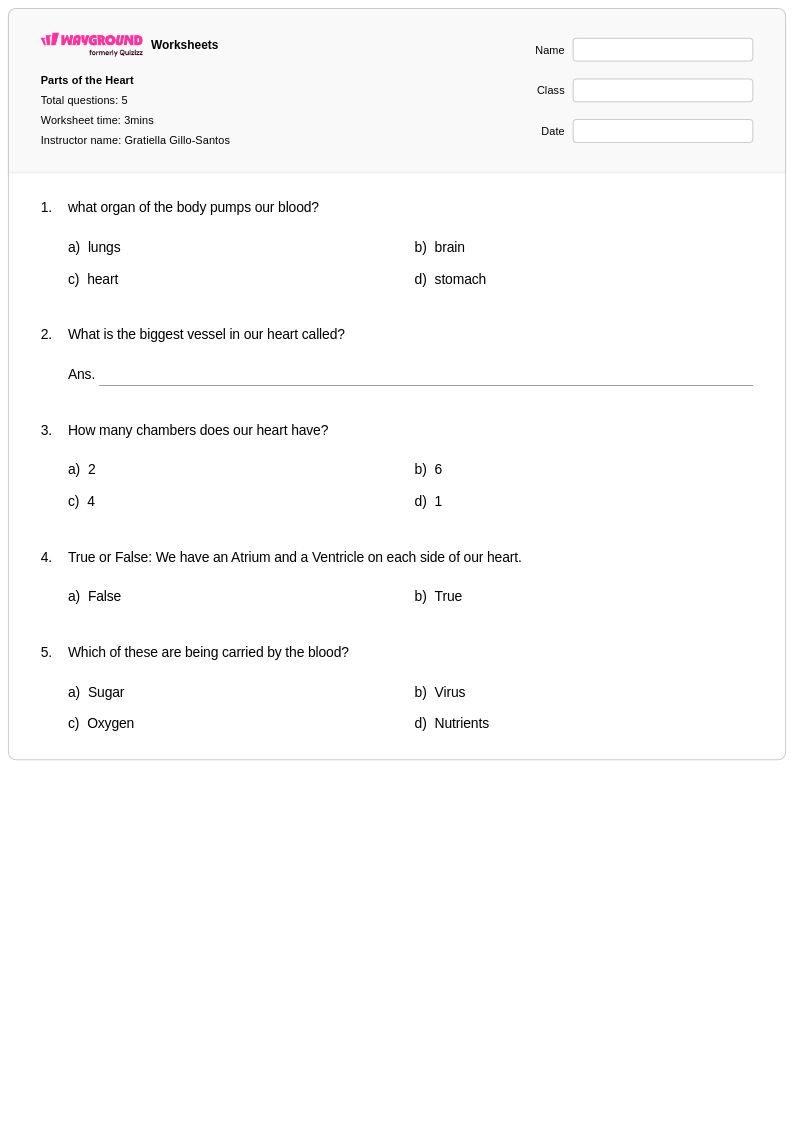
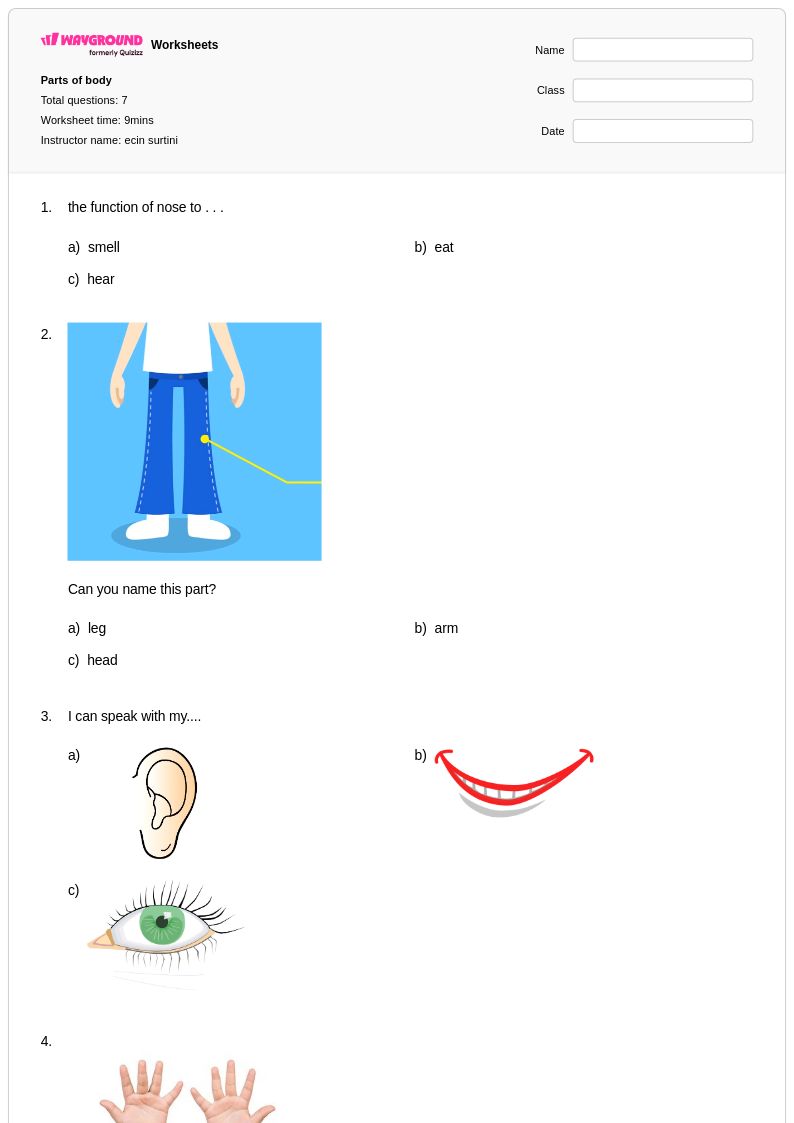
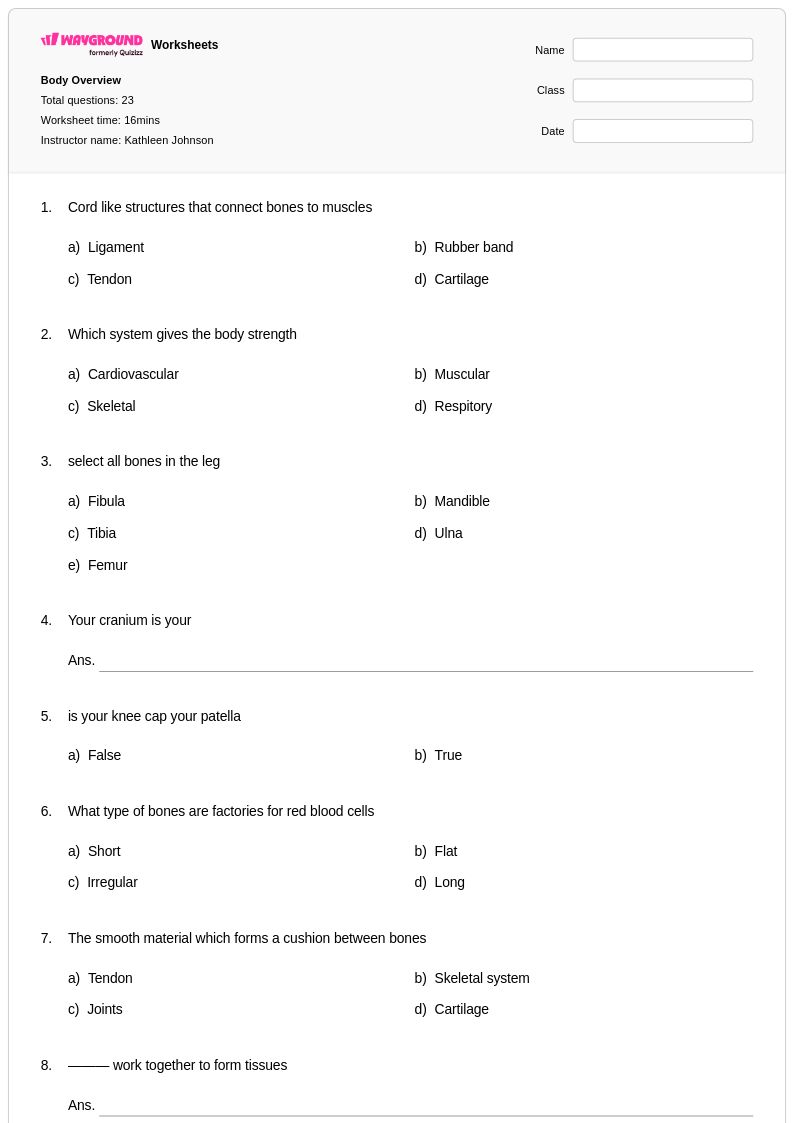
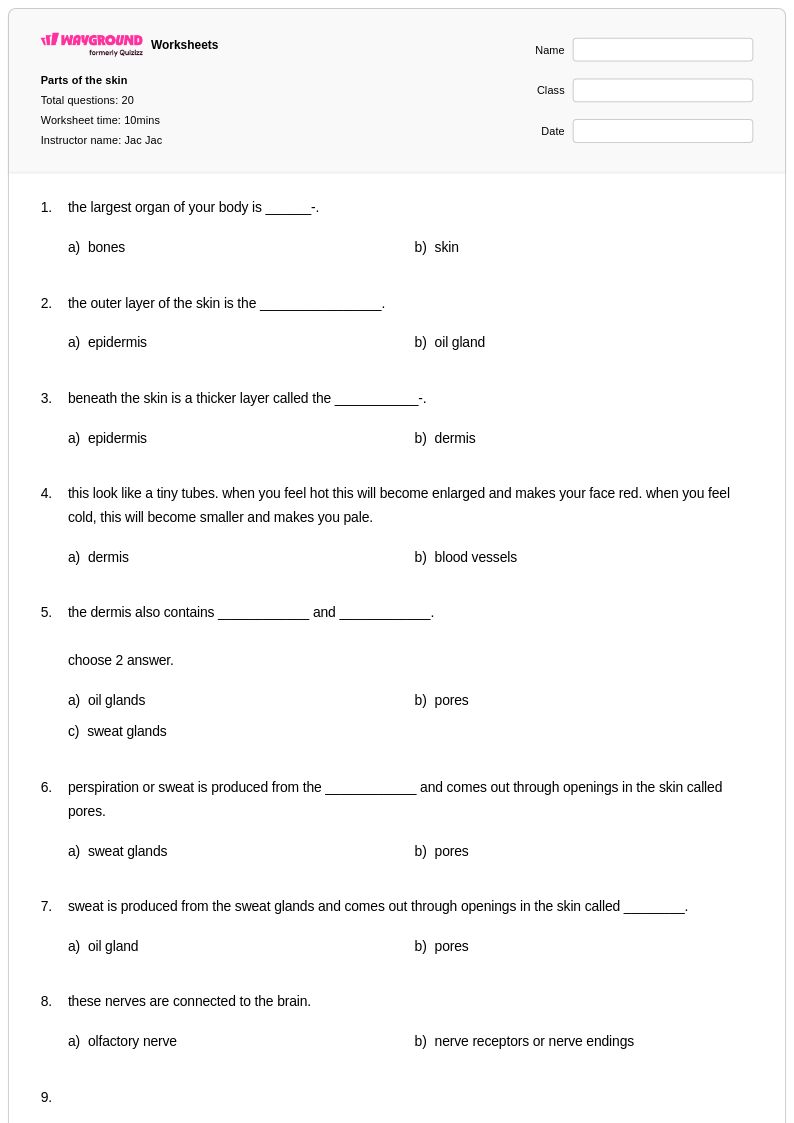
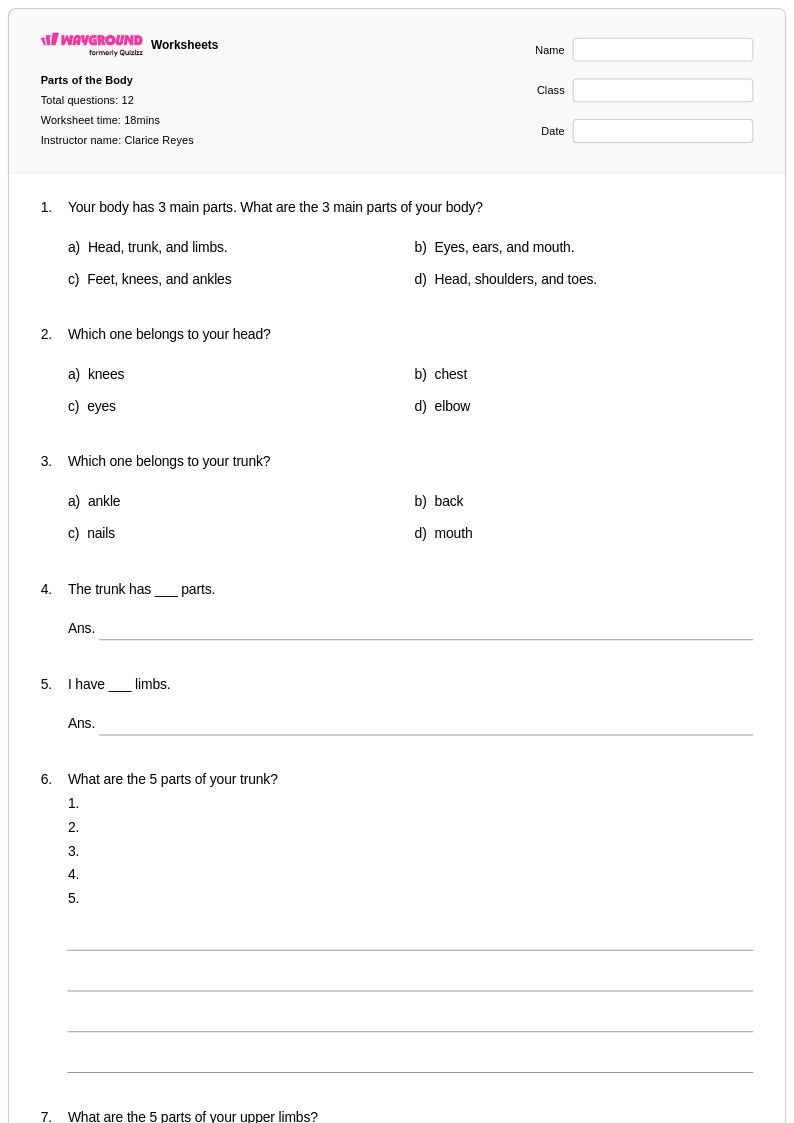
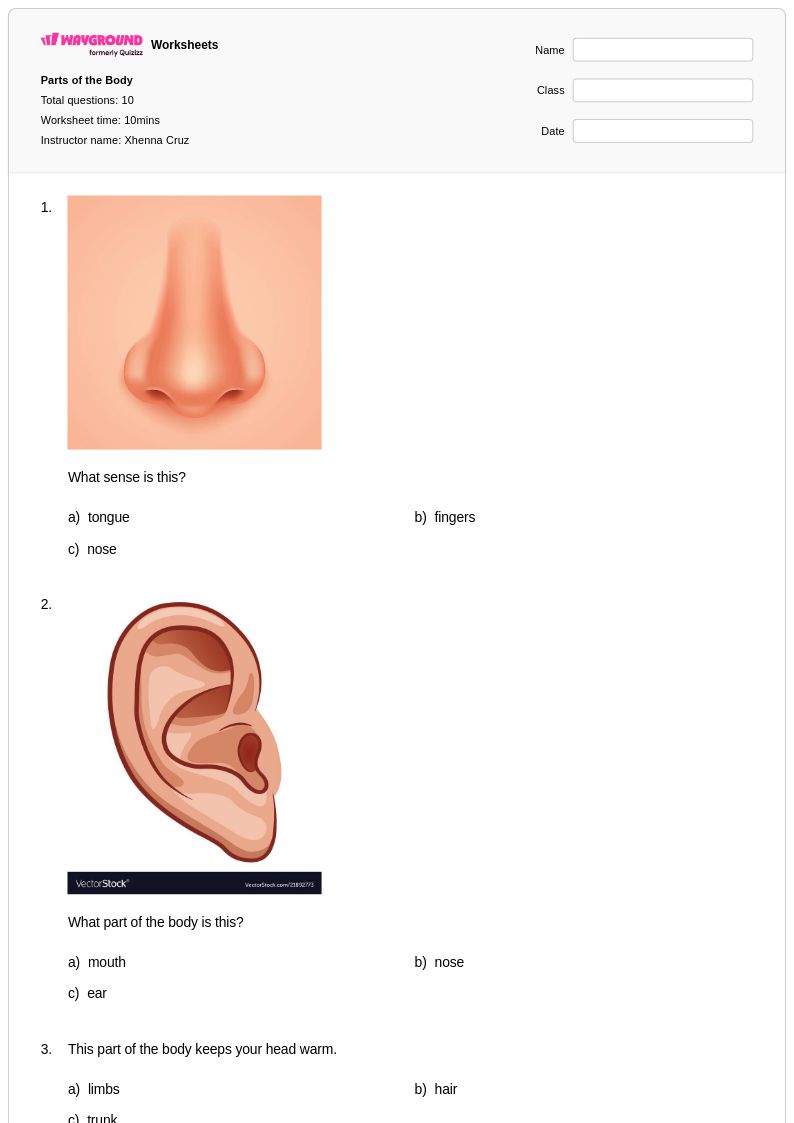
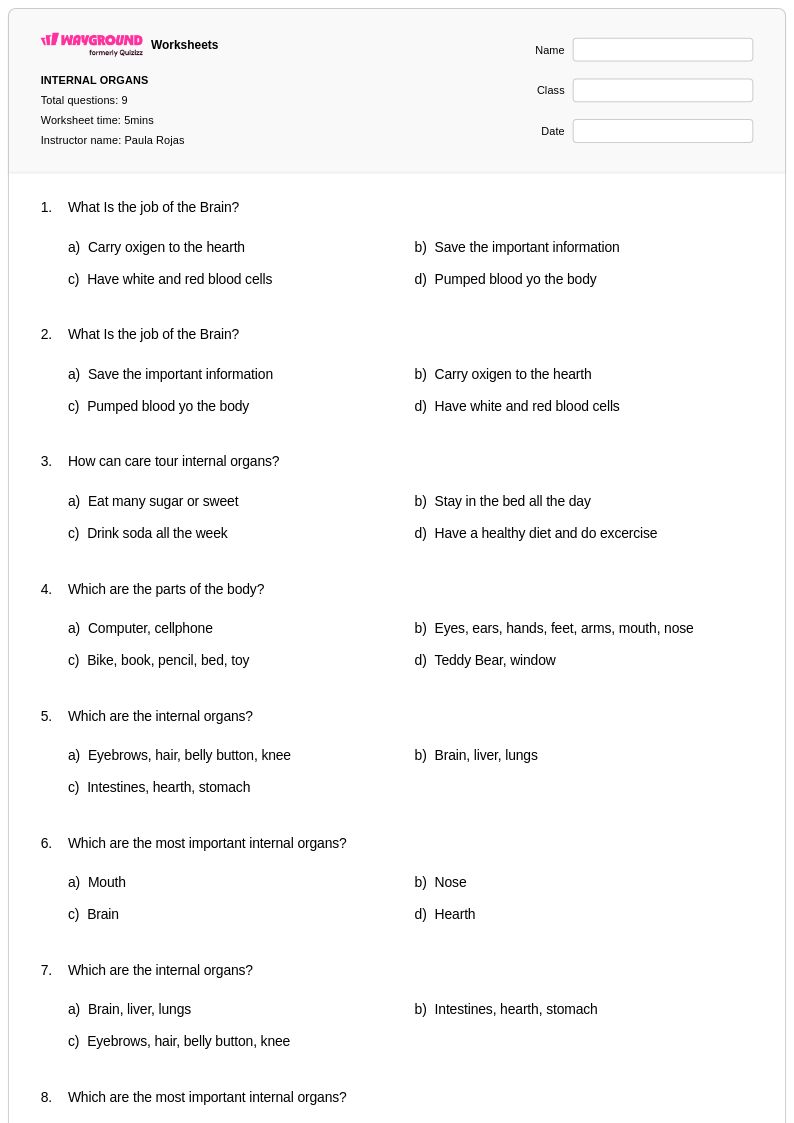
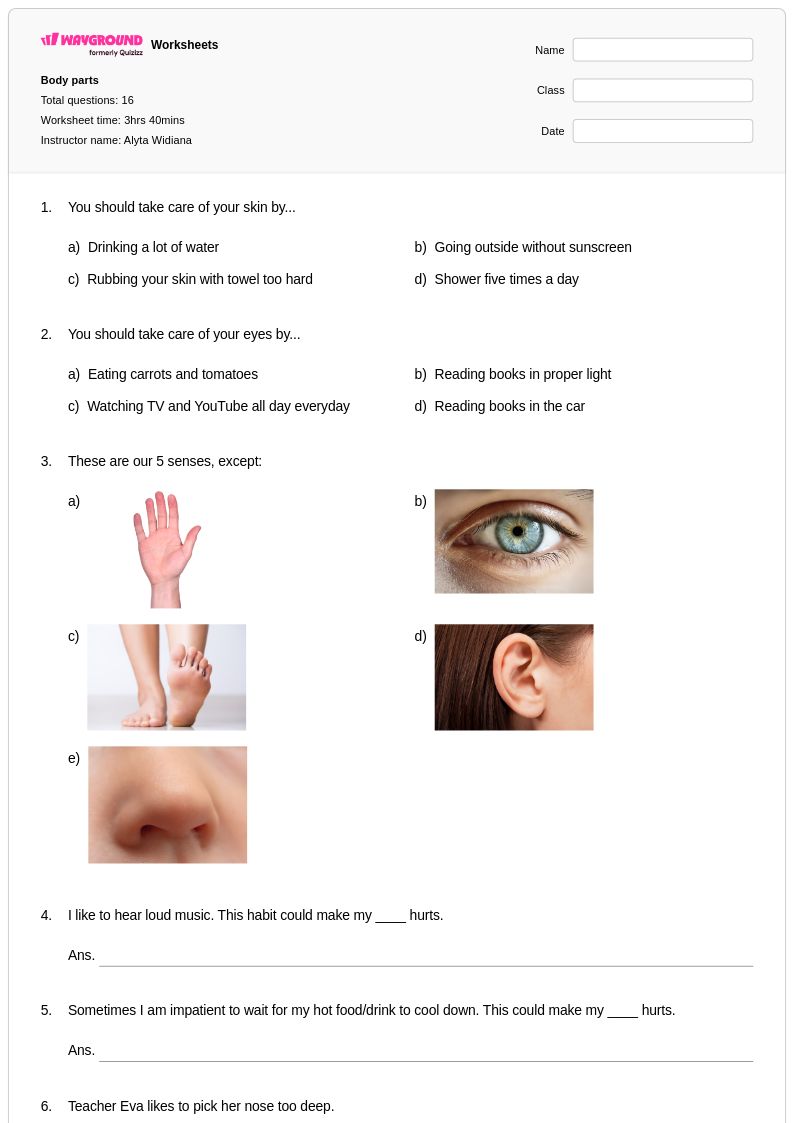
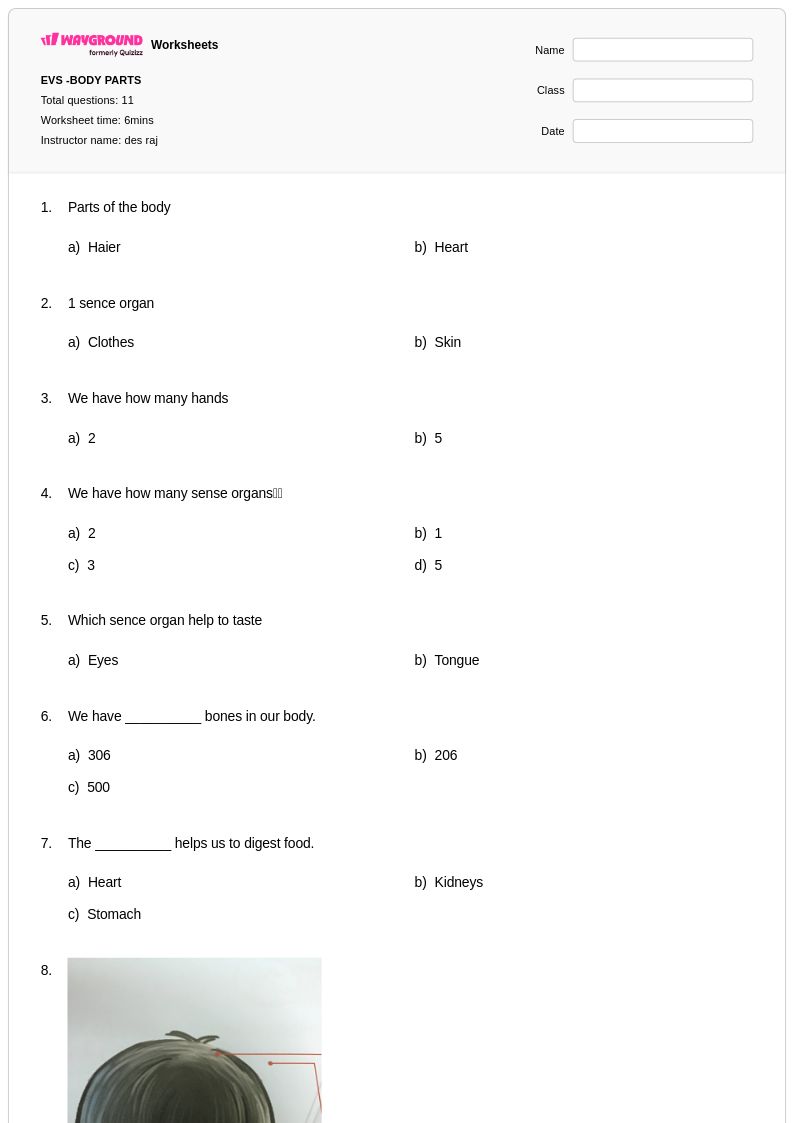
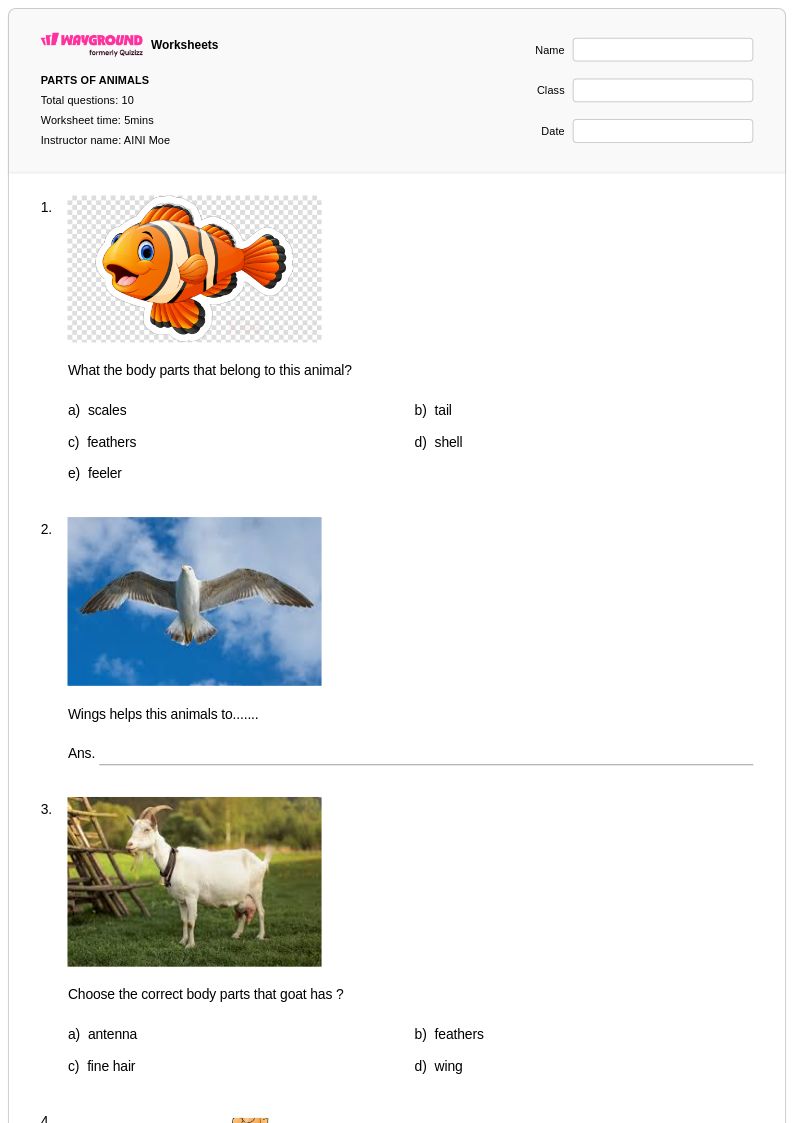
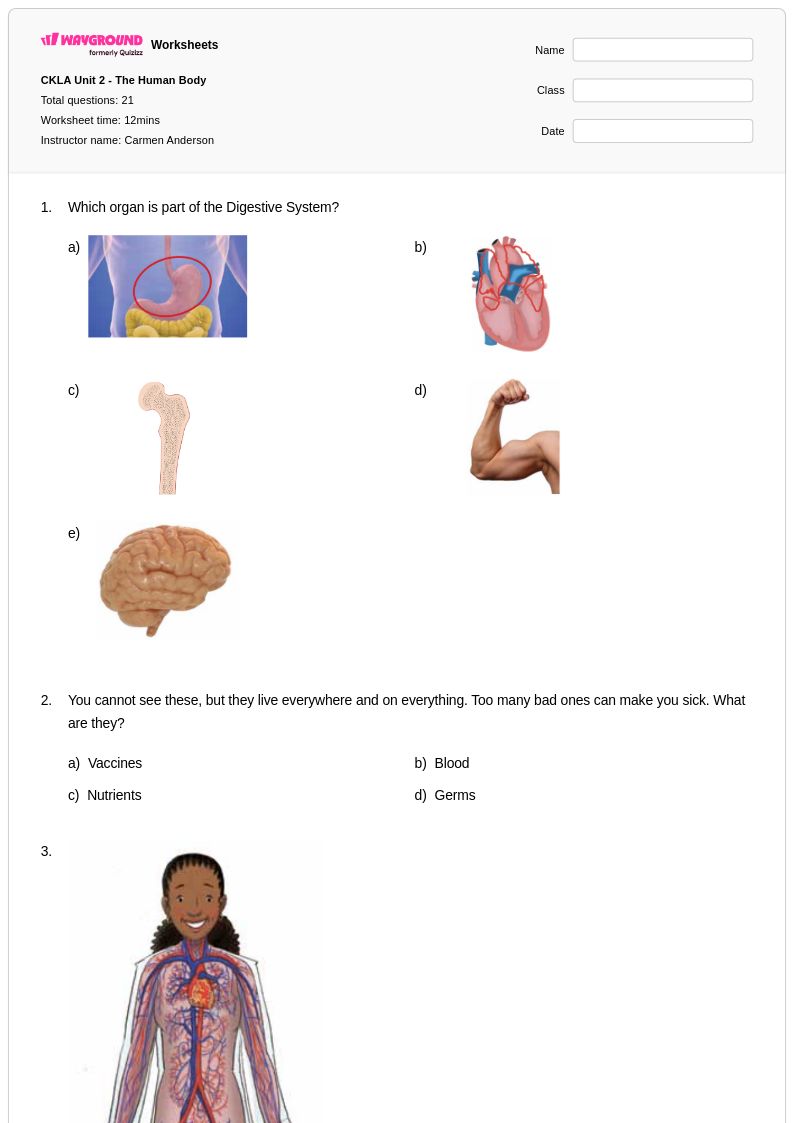
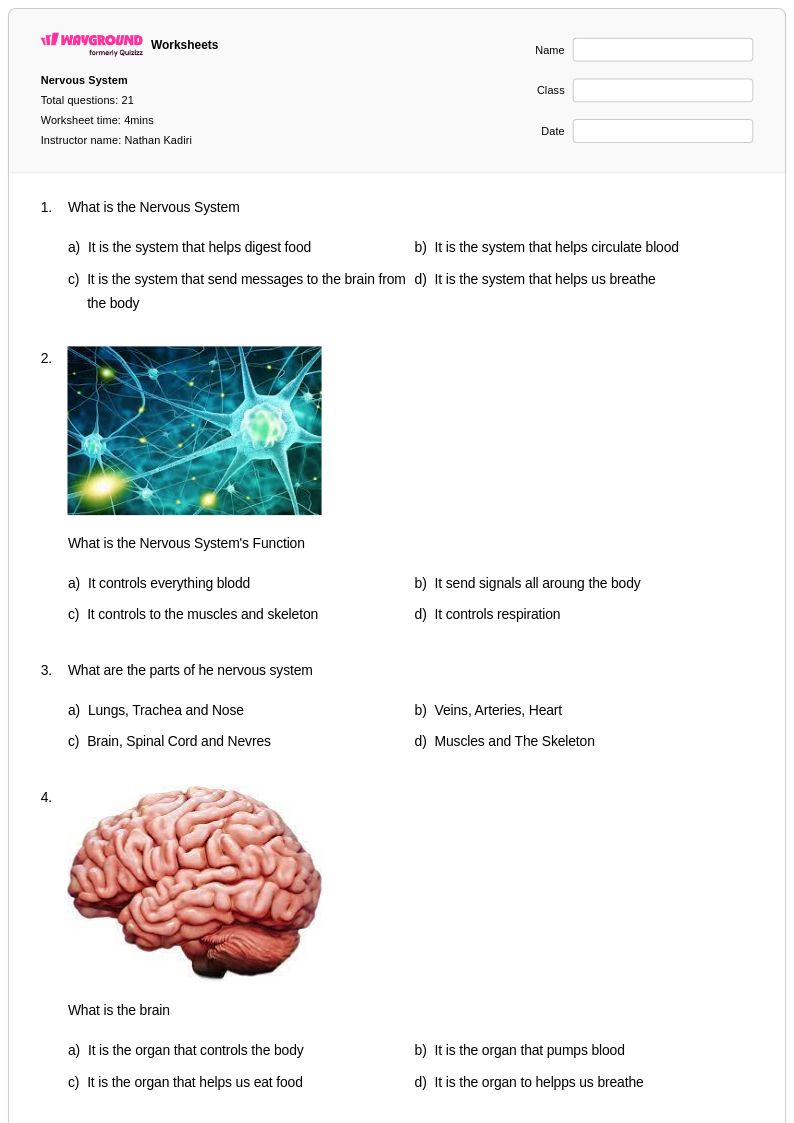
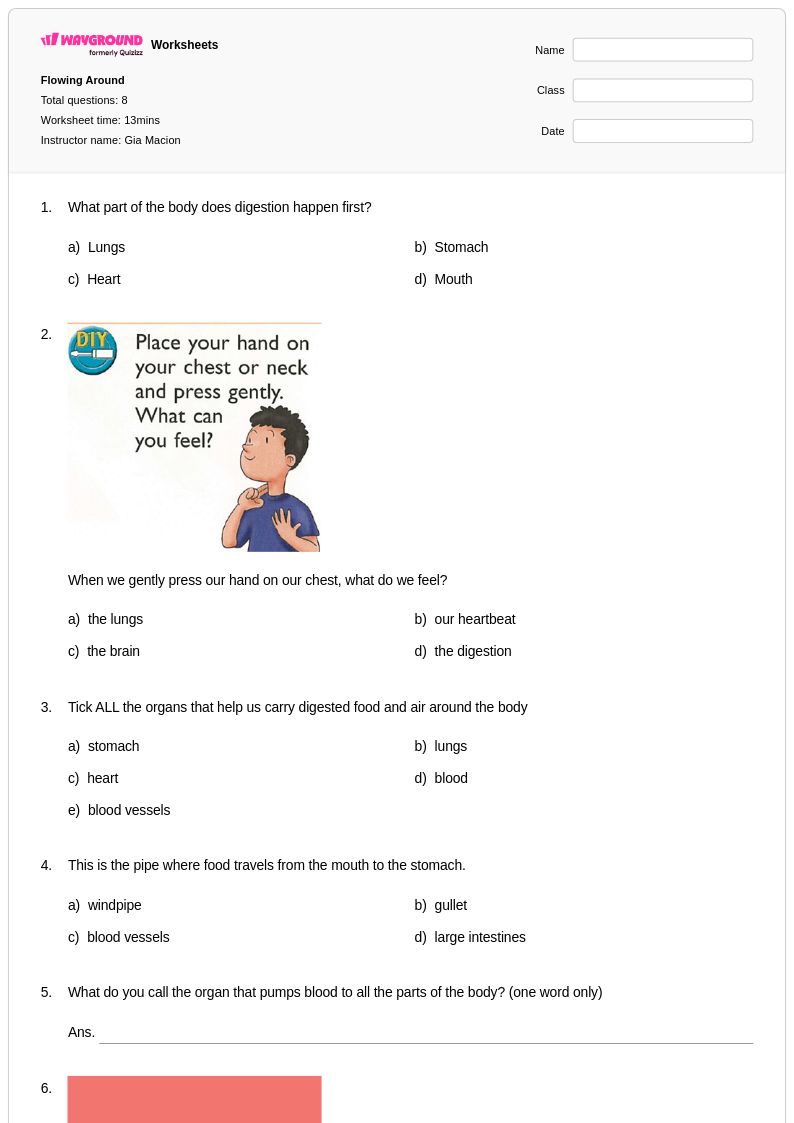
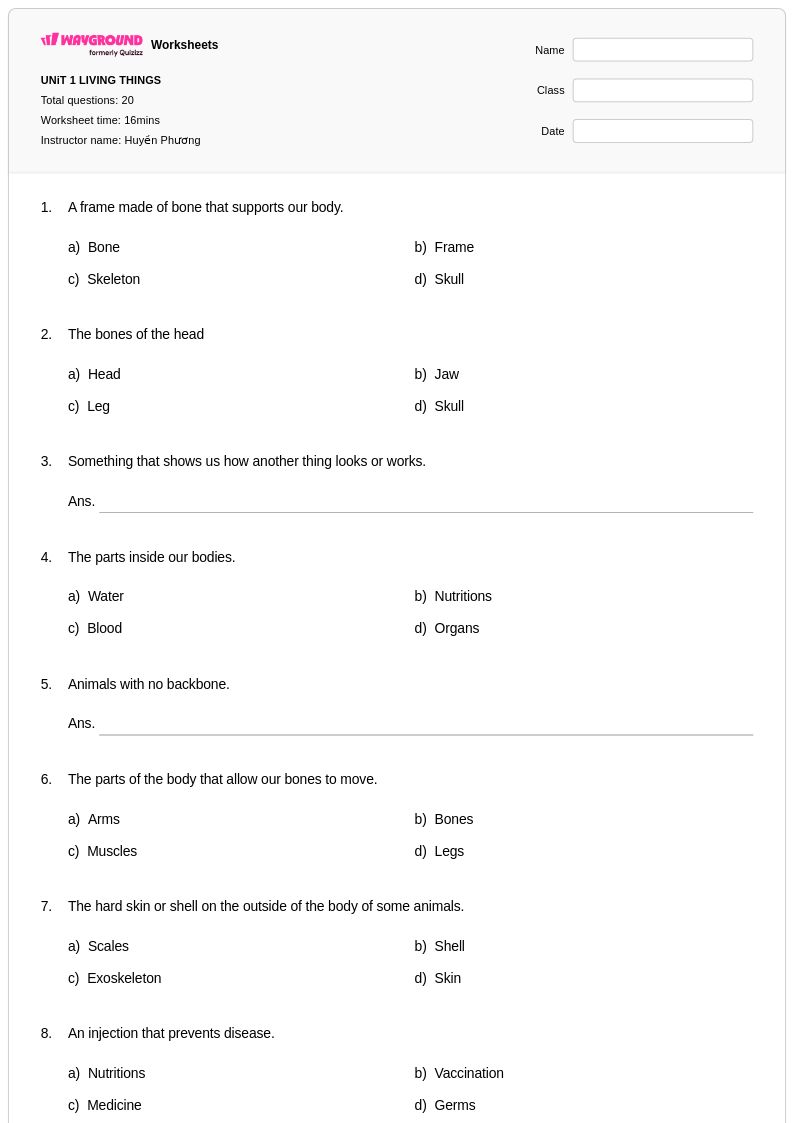
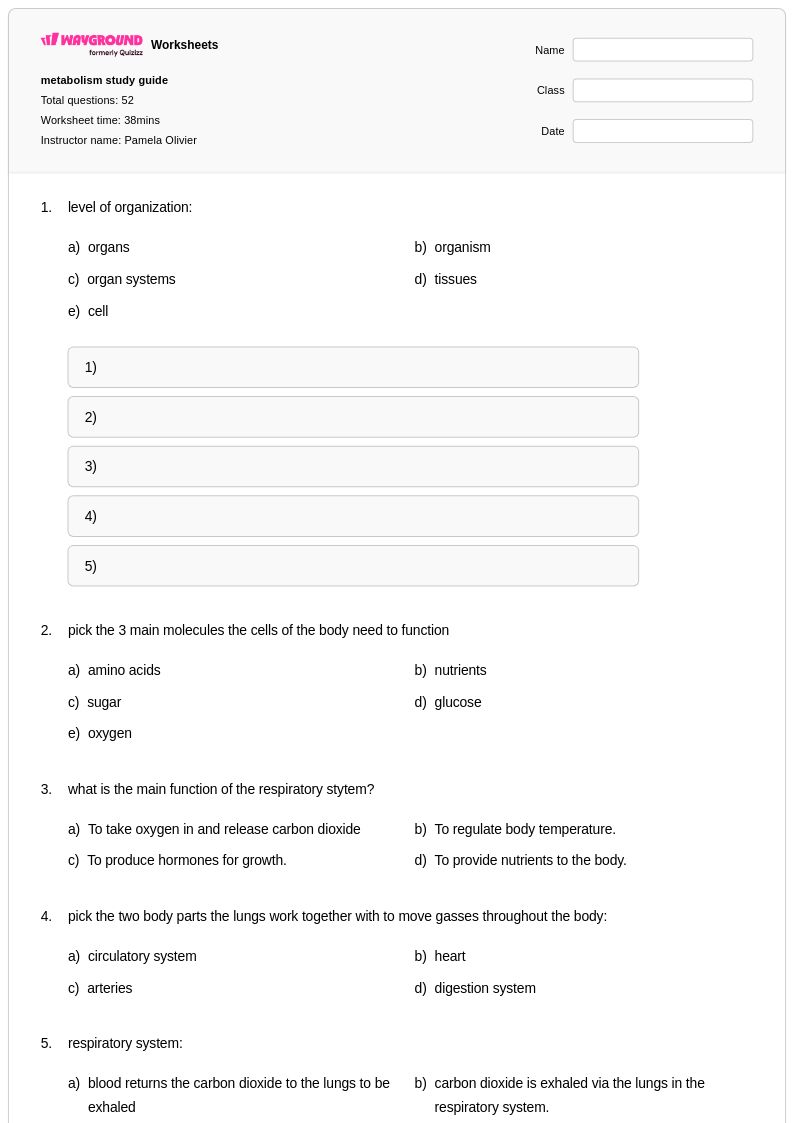
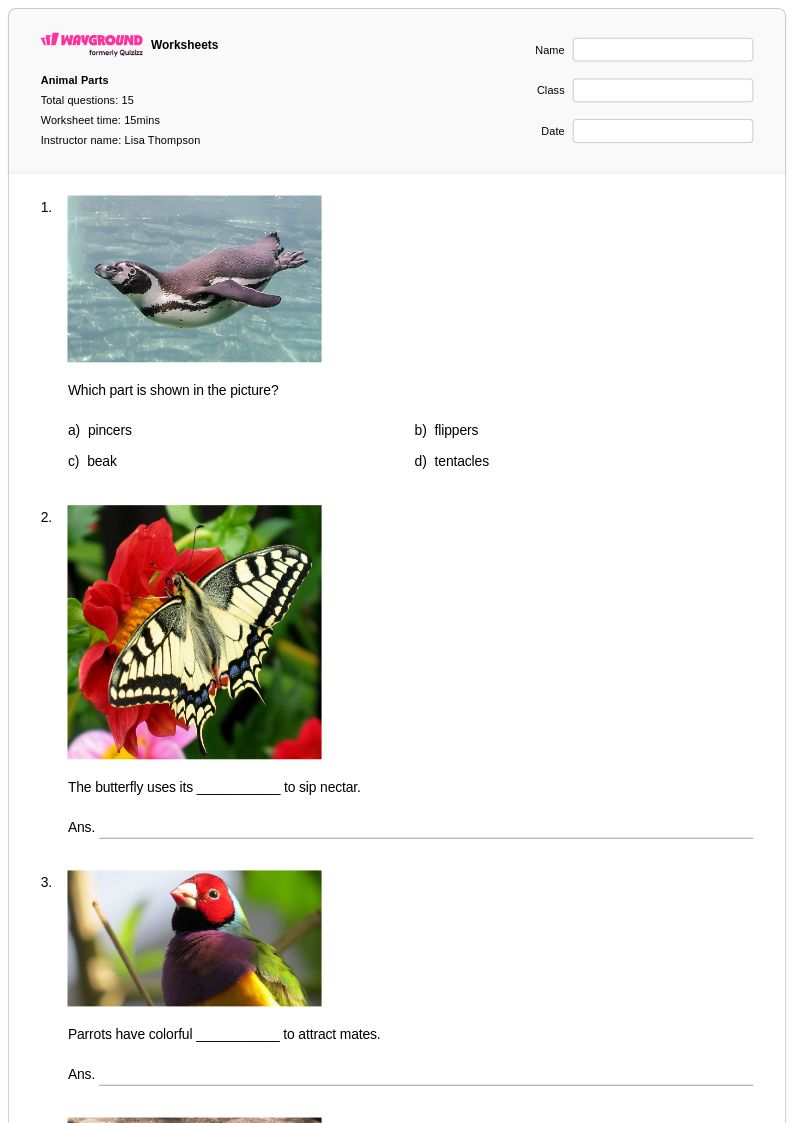
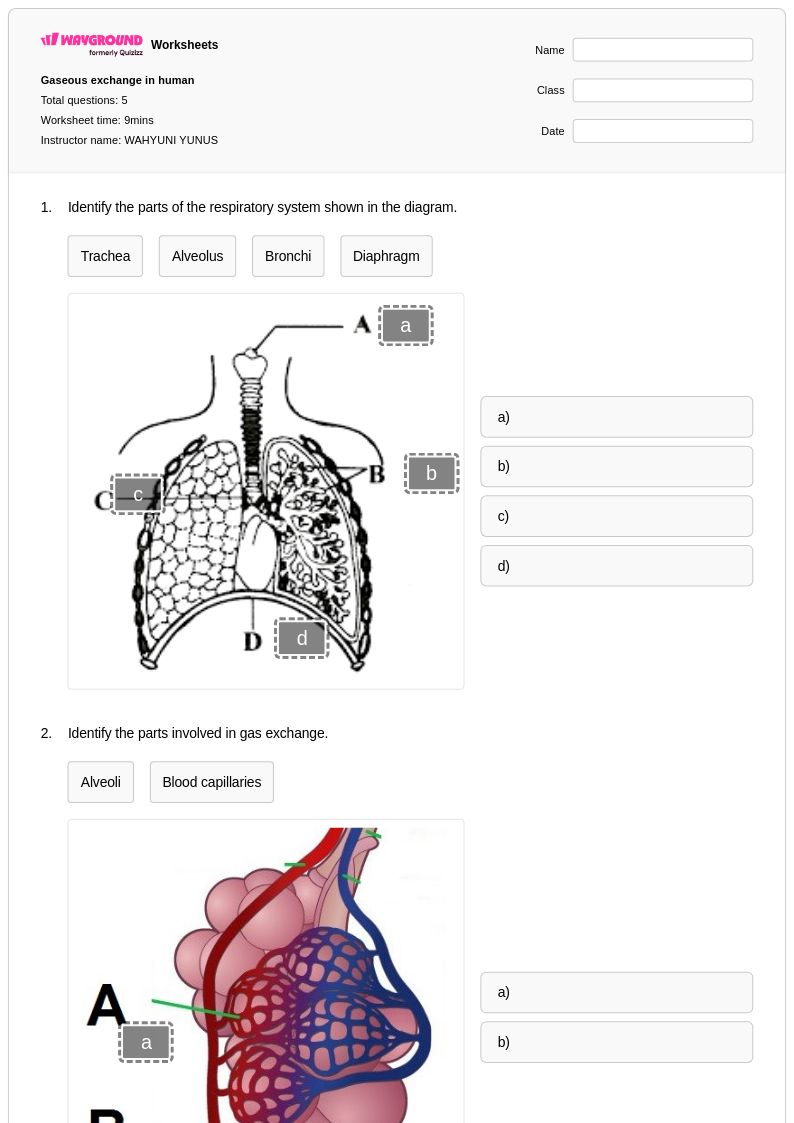
Parts of blood worksheets for Year 1 provide young learners with an engaging introduction to the basic components that make up this vital body fluid. These educational resources help students develop foundational understanding of blood's main parts, including red blood cells, white blood cells, plasma, and platelets, through age-appropriate activities and visual representations. The worksheets strengthen early scientific observation skills, vocabulary development, and basic anatomy knowledge while introducing concepts about how different blood components work together to keep our bodies healthy. Teachers can access comprehensive collections that include practice problems with detailed answer key materials, free printable activities, and pdf resources designed specifically for first-grade learning objectives and developmental stages.
Wayground, formerly Quizizz, empowers educators with millions of teacher-created worksheet collections focused on parts of blood and other Year 1 biology topics. The platform's robust search and filtering capabilities allow teachers to quickly locate materials aligned with specific learning standards while offering differentiation tools to accommodate diverse student needs and learning styles. These comprehensive resources support effective lesson planning through flexible customization options that enable educators to modify content for remediation or enrichment purposes. Available in both printable and digital formats including downloadable pdf versions, the worksheet collections facilitate seamless integration into classroom instruction, homework assignments, and skill practice sessions that reinforce students' understanding of blood components and their essential functions in the human body.
FAQs
How do I teach the parts of blood to middle or high school students?
Start by grounding students in the four main components: red blood cells, white blood cells, platelets, and plasma, and connect each to a specific function before introducing structure. Using labeled diagrams alongside function-matching activities helps students build accurate mental models rather than memorizing terms in isolation. Revisiting the circulatory system context, such as how blood transports oxygen and fights infection, gives students a functional framework that makes the components more memorable.
What types of exercises help students practice identifying the parts of blood?
Labeling diagrams, fill-in-the-blank function matching, and component-to-role sorting activities are among the most effective practice formats for this topic. Students benefit from exercises that require them to distinguish between components, for example, explaining why red blood cells lack a nucleus while white blood cells do not, rather than simply recalling names. Repeated low-stakes practice with answer keys allows students to self-correct and reinforce accurate understanding of each blood component.
What mistakes do students commonly make when learning about blood components?
A frequent misconception is that white blood cells are rare or negligible because they make up a small percentage of blood volume. Students also commonly confuse the roles of platelets and white blood cells, attributing clotting to white blood cells or immune response to platelets. Another common error is treating plasma as simply "water" rather than recognizing it as the protein-rich liquid medium that transports hormones, nutrients, and waste products throughout the body.
How can I use parts of blood worksheets in both in-person and remote learning settings?
Parts of blood worksheets on Wayground are available as printable PDFs for traditional classroom use and in digital formats for remote or hybrid learning environments, including the option to host them as a quiz directly on Wayground. Printable versions work well for in-class labeling and diagram activities, while digital formats allow teachers to assign practice problems as homework or asynchronous review. Both formats include complete answer keys, so students can receive immediate feedback regardless of where learning takes place.
How do I differentiate parts of blood instruction for students with different learning needs?
On Wayground, teachers can apply student-level accommodations such as Read Aloud for students who need audio support when reading scientific terminology, reduced answer choices to lower cognitive load for students still building foundational knowledge, and extended time per question for students who need additional processing time. These accommodations can be assigned to individual students while the rest of the class works under default settings, and they carry over to future sessions automatically. This makes it practical to support diverse learners within the same parts of blood activity without creating separate assignments.
How does understanding the parts of blood connect to broader biology standards?
The parts of blood serve as a foundation for understanding the circulatory system, immune response, and homeostasis, all of which are core concepts in life science and biology curricula. Red blood cells link directly to oxygen transport and cellular respiration, while white blood cells connect to immune system units. Teaching blood components in context, rather than as isolated vocabulary, prepares students for more advanced topics such as disease, blood typing, and organ systems.