
12 Q
1st - 3rd
12 Q
1st - 5th
8 Q
1st - 3rd
10 Q
1st
10 Q
1st
12 Q
1st
10 Q
KG - PD
8 Q
1st
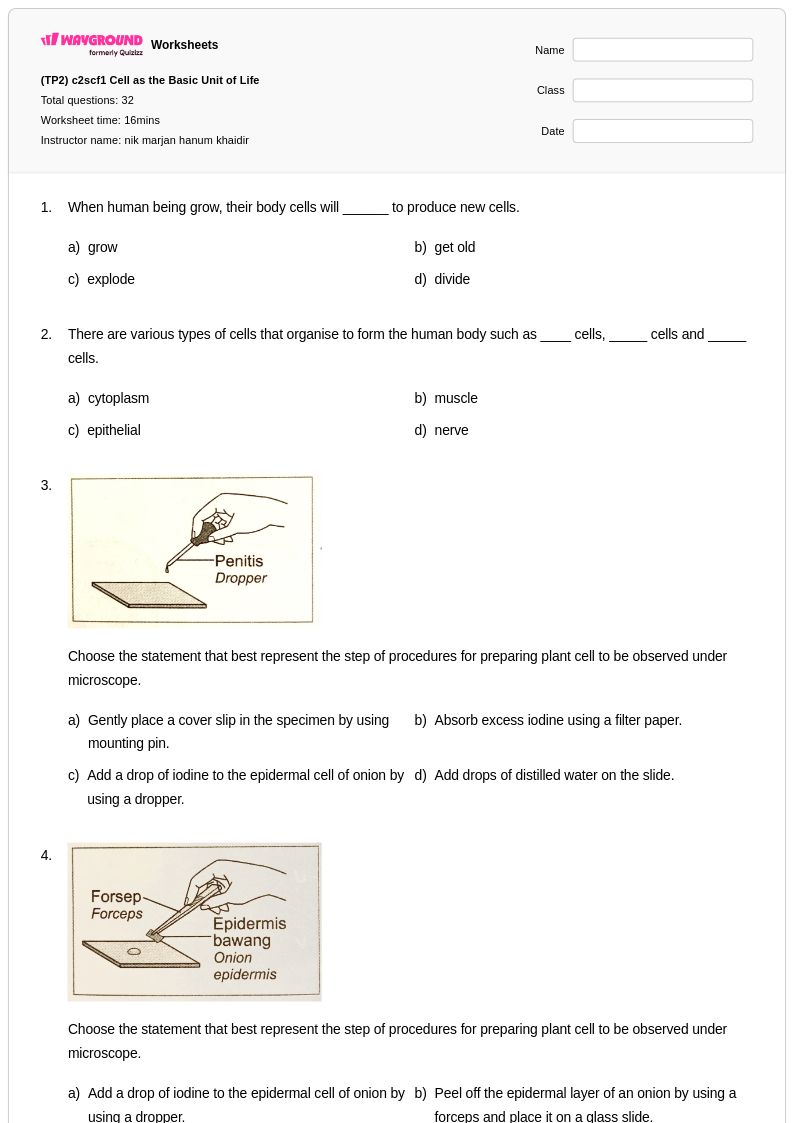
32 Q
1st
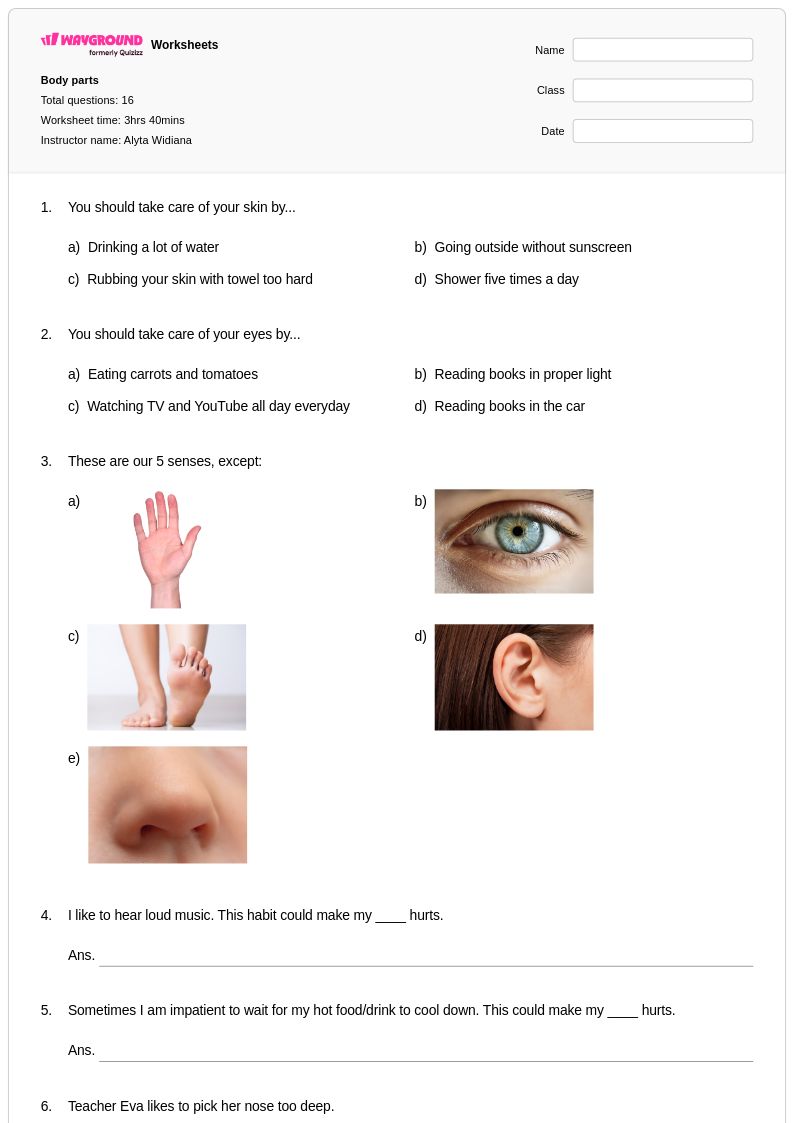
16 Q
1st
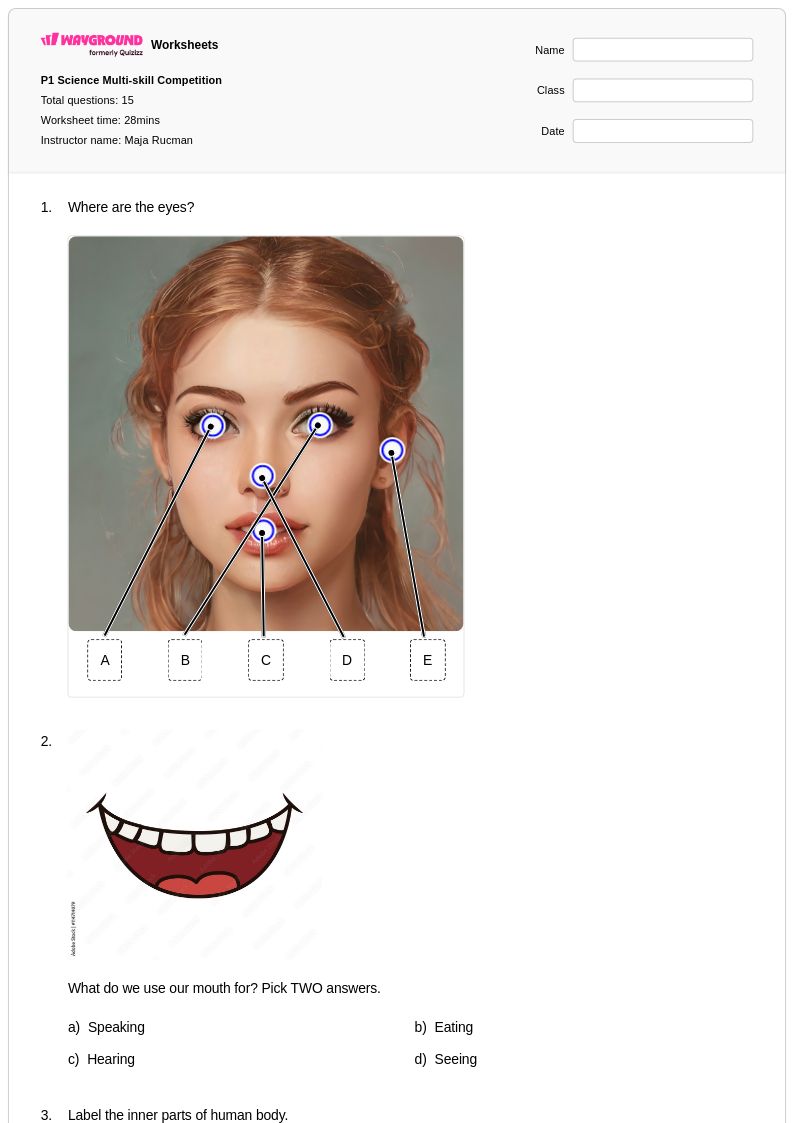
15 Q
1st
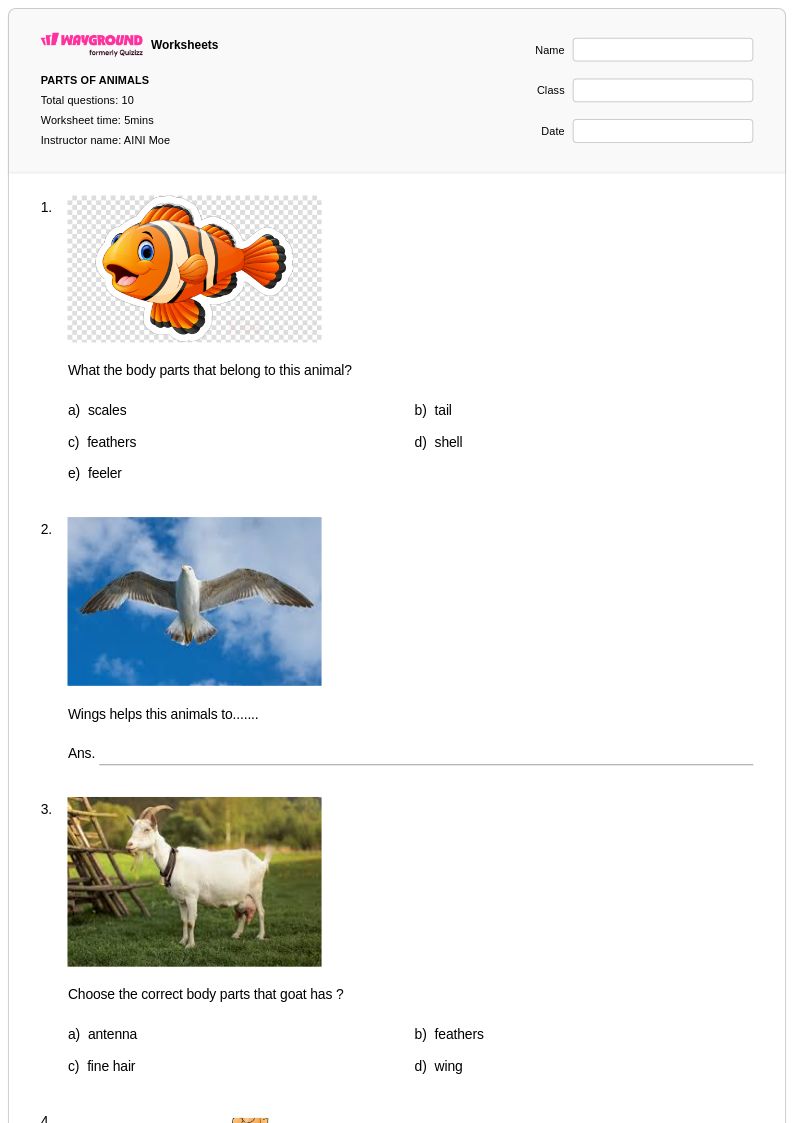
10 Q
1st - 6th
10 Q
1st

17 Q
1st
12 Q
1st
15 Q
1st
20 Q
1st - 2nd
20 Q
1st - 5th
17 Q
1st
12 Q
KG - PD
10 Q
1st
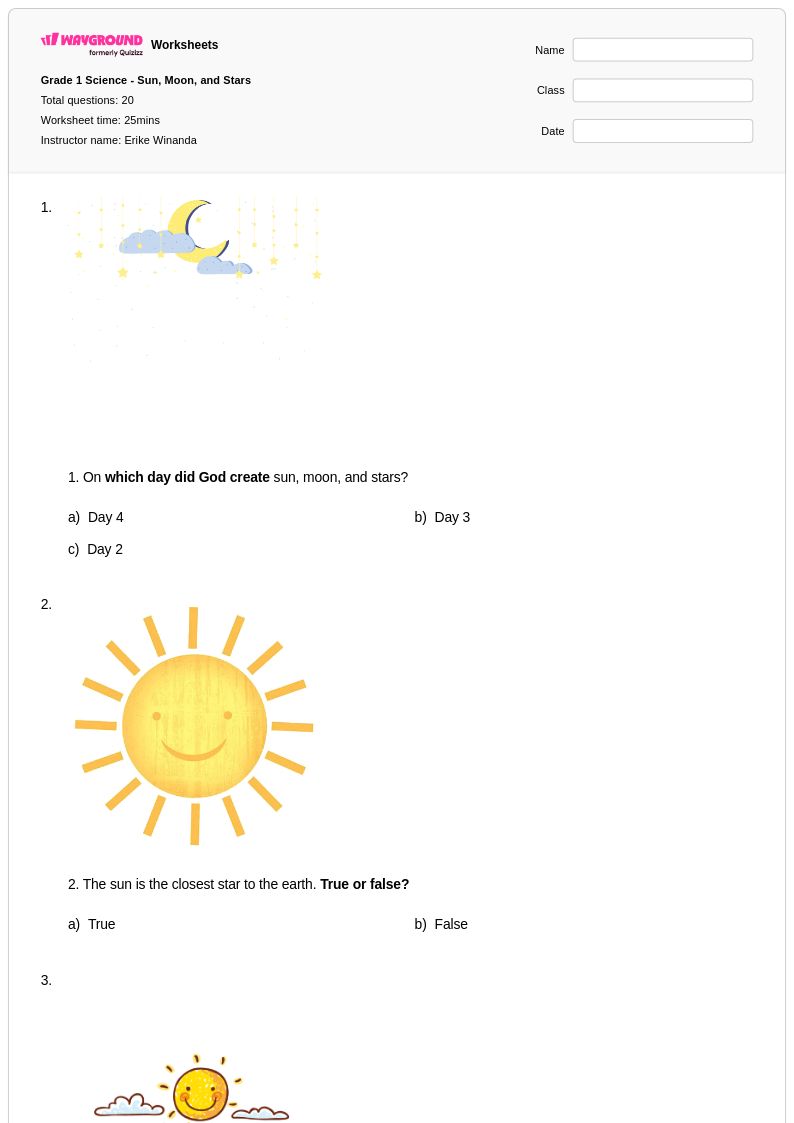
20 Q
1st
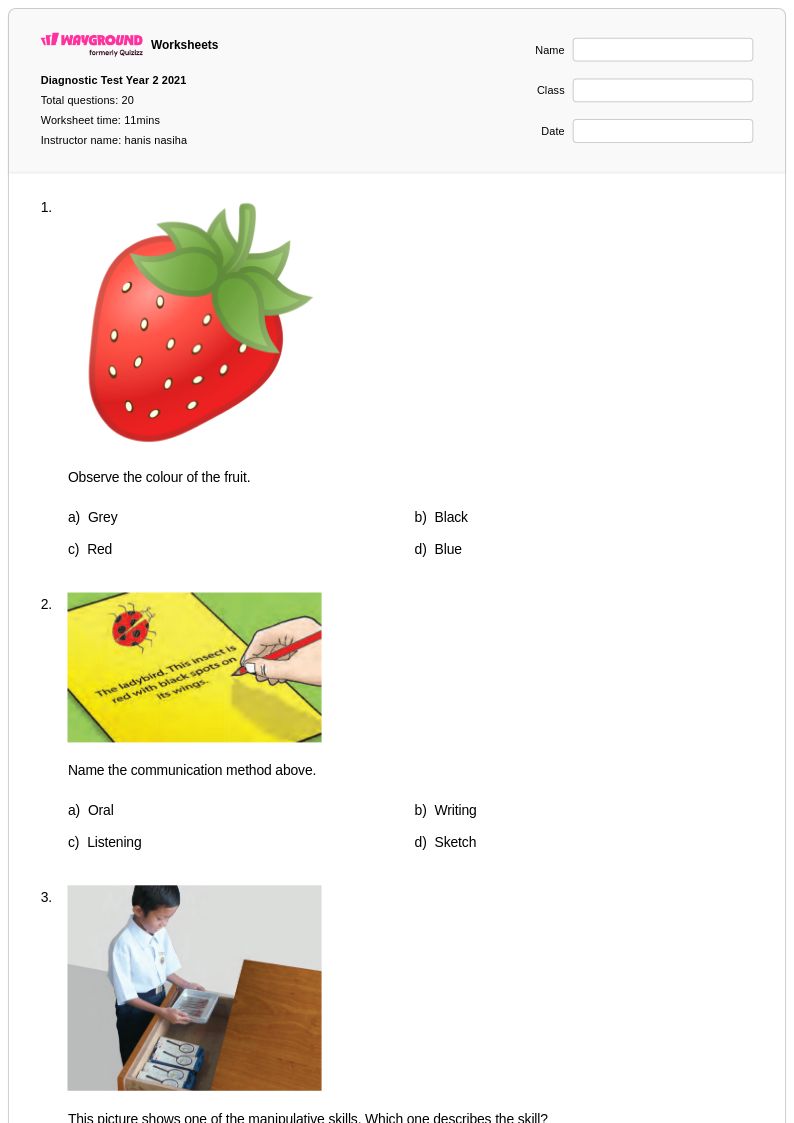
20 Q
1st - 2nd
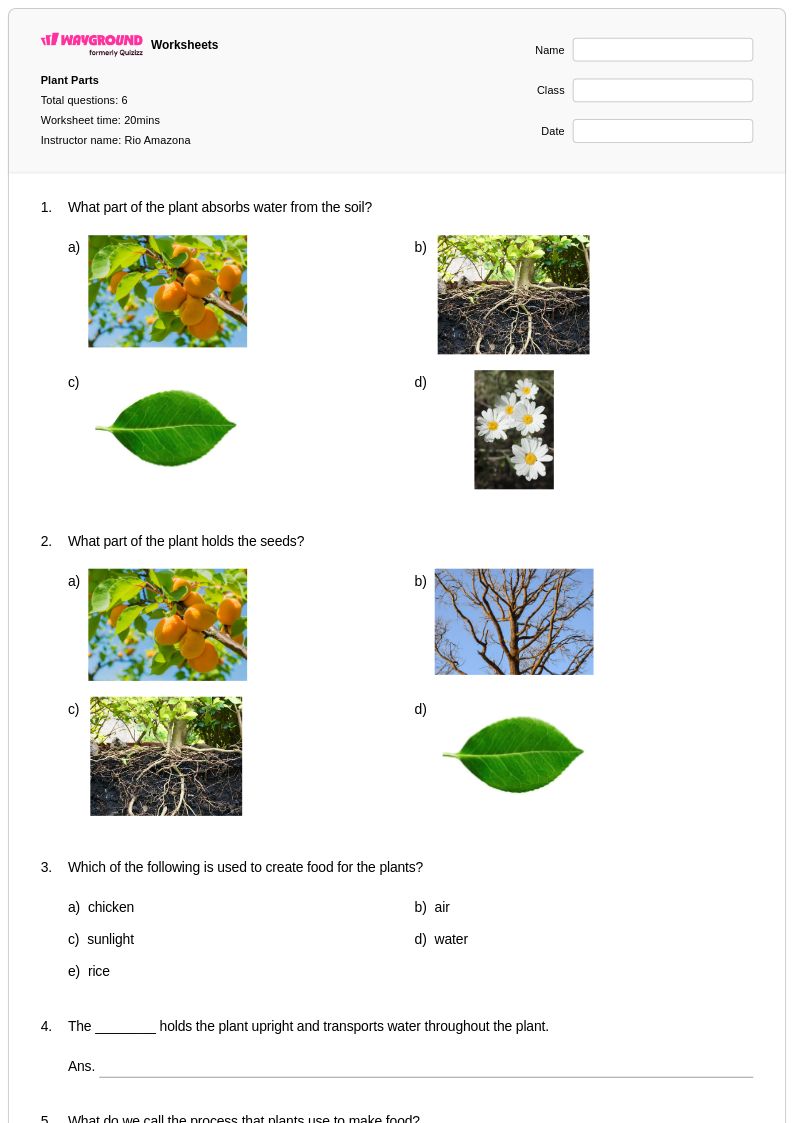
6 Q
1st
Explore Other Subject Worksheets for year 1
Explore printable Microscope Parts worksheets for Year 1
Microscope parts worksheets for Year 1 through Wayground (formerly Quizizz) introduce young learners to the fundamental components of this essential scientific instrument in an age-appropriate and engaging manner. These carefully designed educational materials help first-grade students develop foundational scientific vocabulary while building observation and identification skills crucial for future scientific learning. The worksheets feature clear, simplified diagrams that allow students to practice recognizing basic microscope components such as the eyepiece, stage, and base through interactive labeling exercises and matching activities. Each worksheet comes with a comprehensive answer key to support both independent learning and guided instruction, and teachers can access these valuable resources as free printables in convenient pdf format. The practice problems are specifically crafted to reinforce learning through repetition and visual recognition, ensuring that young scientists can confidently identify microscope parts before advancing to more complex scientific concepts.
Wayground (formerly Quizizz) empowers educators with an extensive collection of millions of teacher-created microscope parts worksheets specifically designed for Year 1 learners, offering robust search and filtering capabilities that allow teachers to quickly locate materials that align with their specific curriculum standards and learning objectives. The platform's sophisticated differentiation tools enable educators to customize worksheets based on individual student needs, whether for remediation support or enrichment activities for advanced learners. Teachers can seamlessly integrate these resources into their lesson planning with flexible options that include both printable pdf downloads for traditional classroom use and digital formats for interactive learning experiences. The comprehensive nature of these worksheet collections supports ongoing skill practice throughout the academic year, while the platform's organizational features help educators efficiently manage resources for various teaching scenarios, from whole-class instruction to small group activities and individual student assignments focused on microscope parts identification and scientific vocabulary development.
FAQs
How do I teach microscope parts to middle school students?
What exercises help students practice identifying microscope parts?
What mistakes do students commonly make when learning microscope parts?
How do I differentiate microscope parts instruction for students with different skill levels?
How can I use Wayground's microscope parts worksheets in my classroom?
How do I assess whether students truly understand microscope parts versus just memorizing names?