
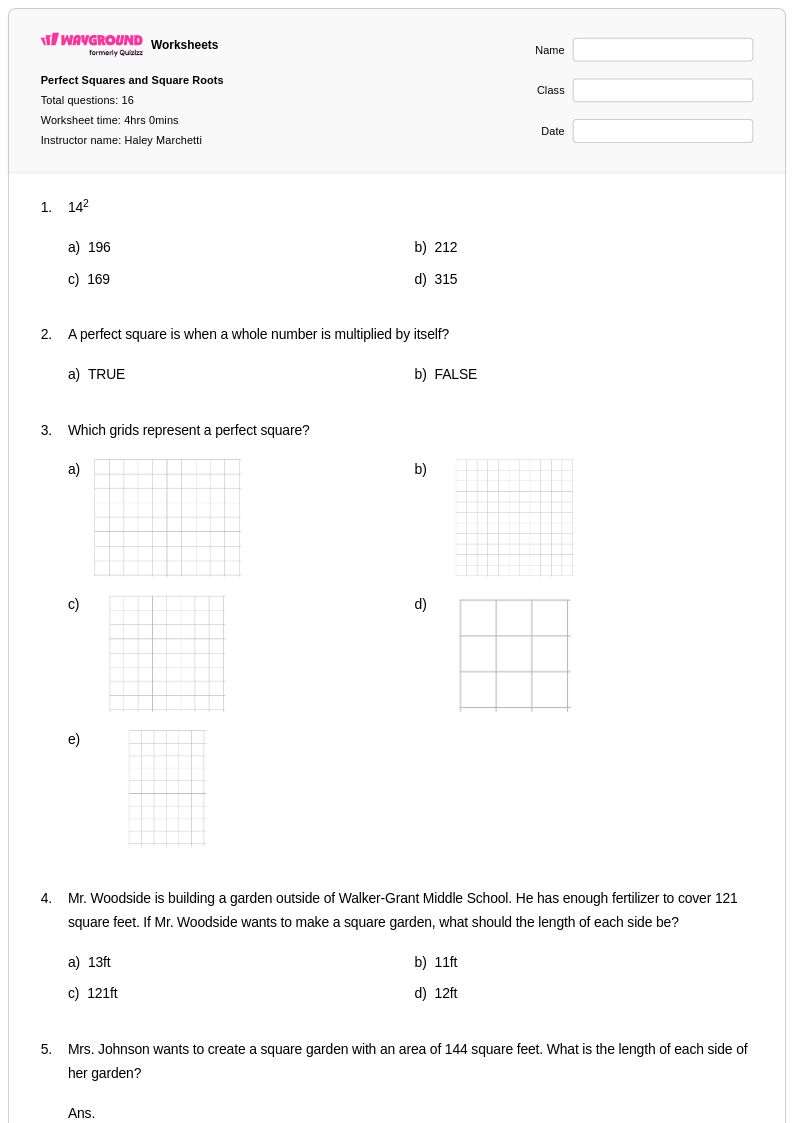
16 Q
6th - 8th
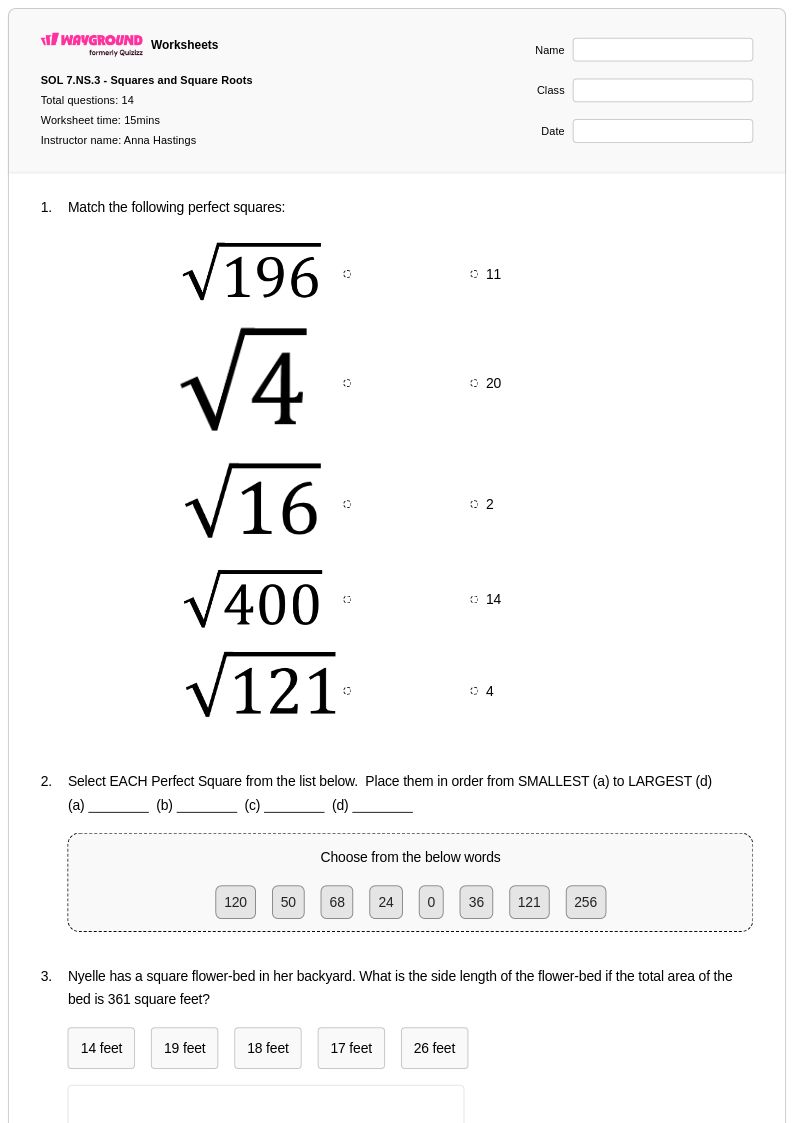
14 Q
6th - 8th
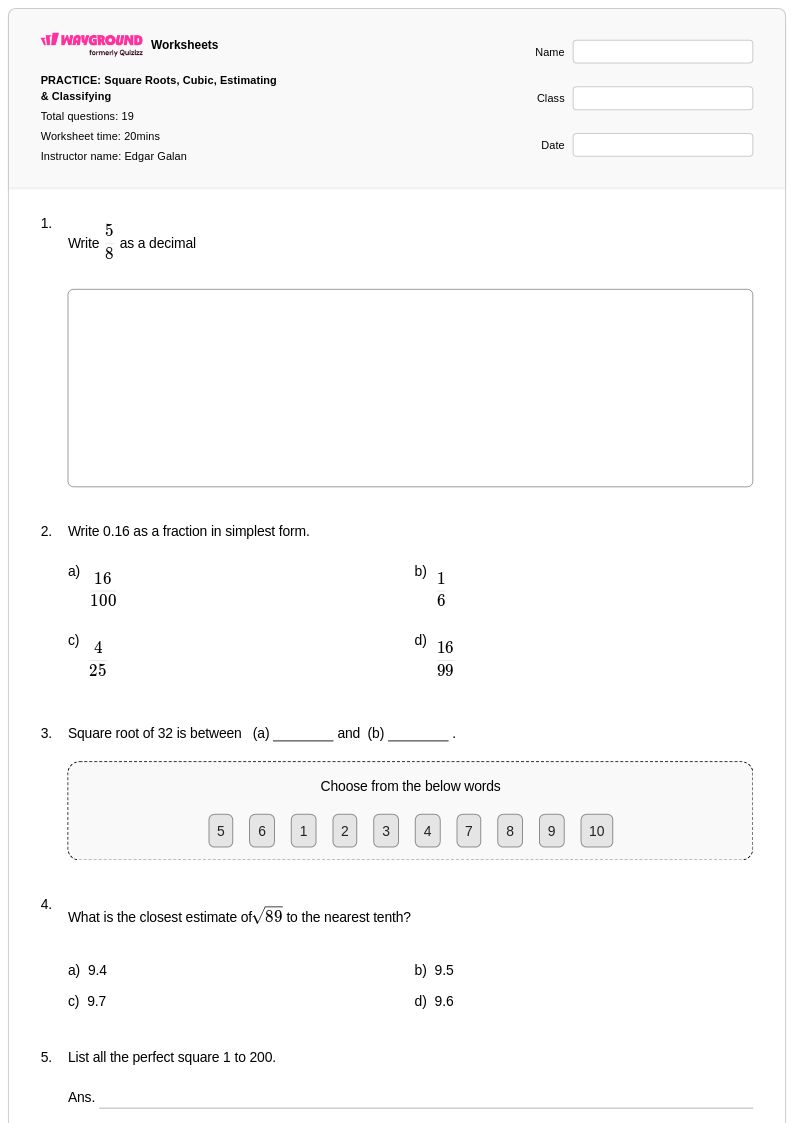
19 Q
7th
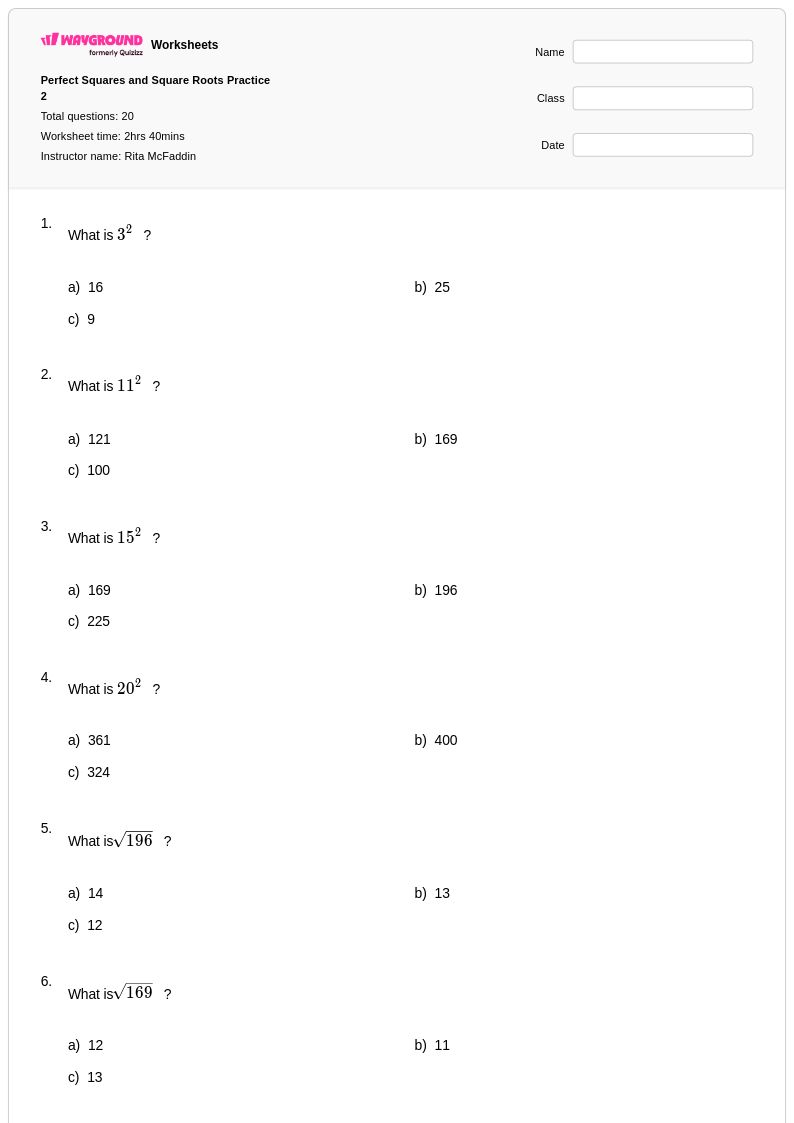
20 Q
7th
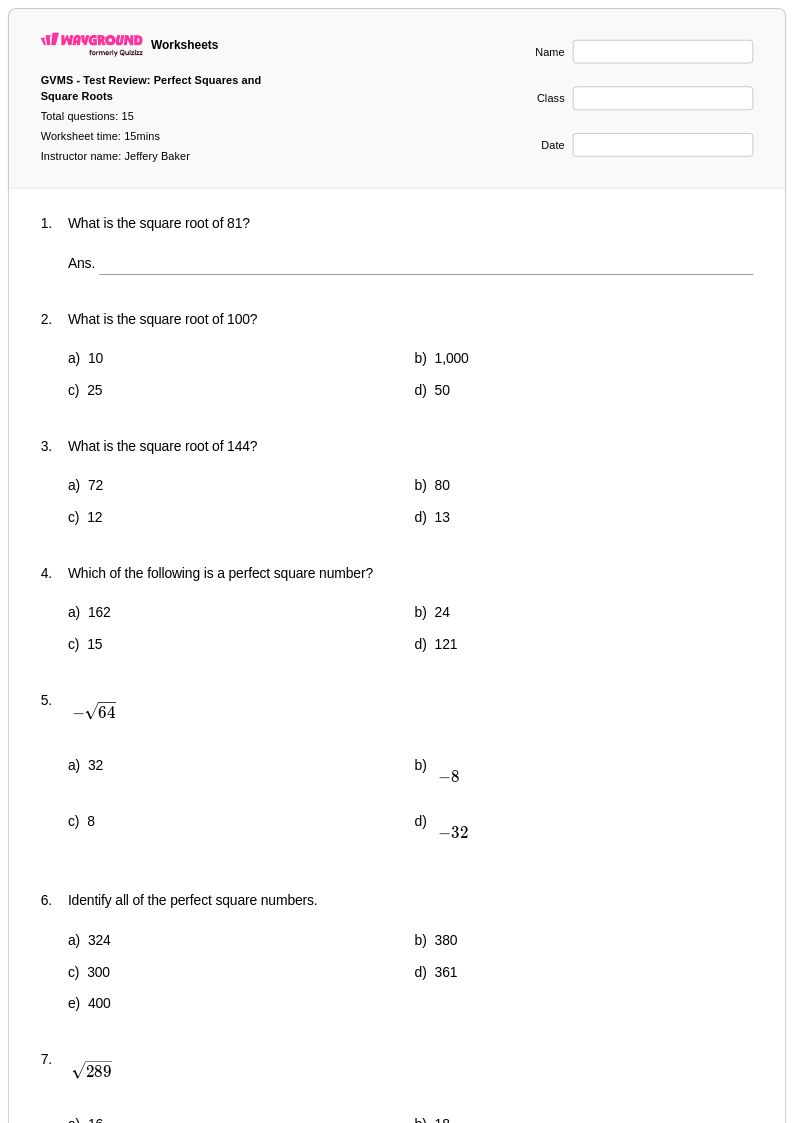
15 Q
7th
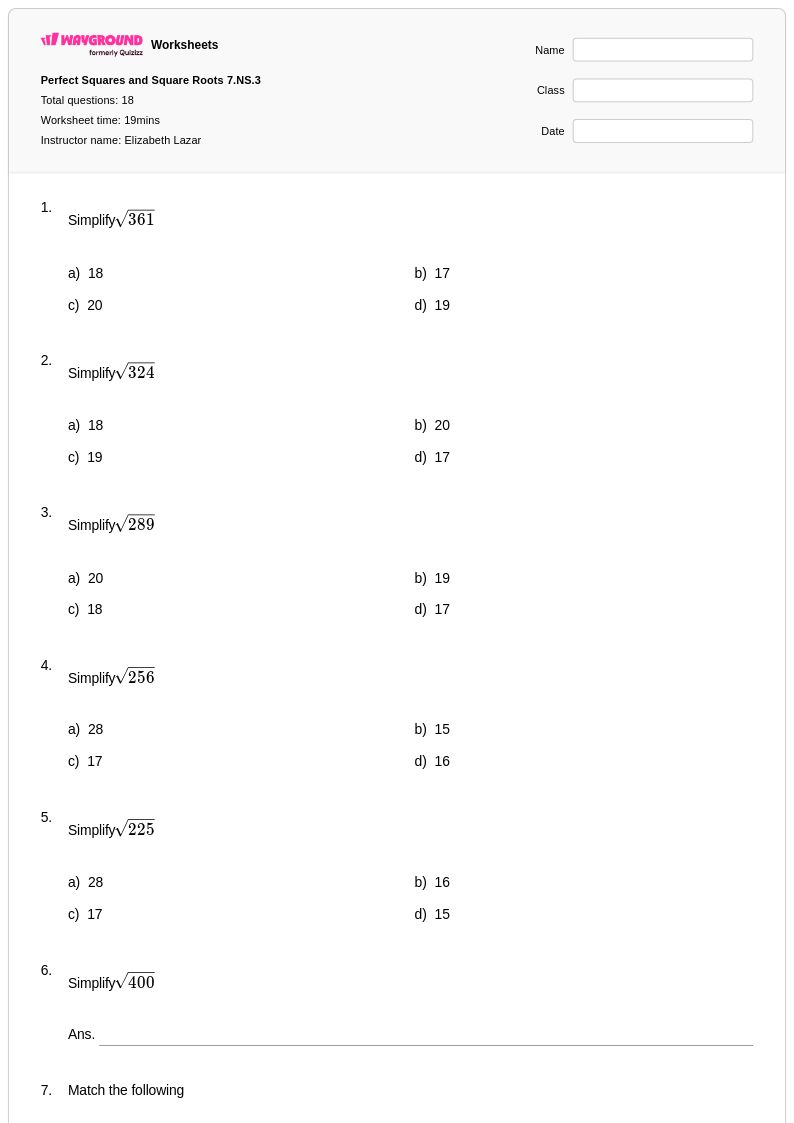
18 Q
7th
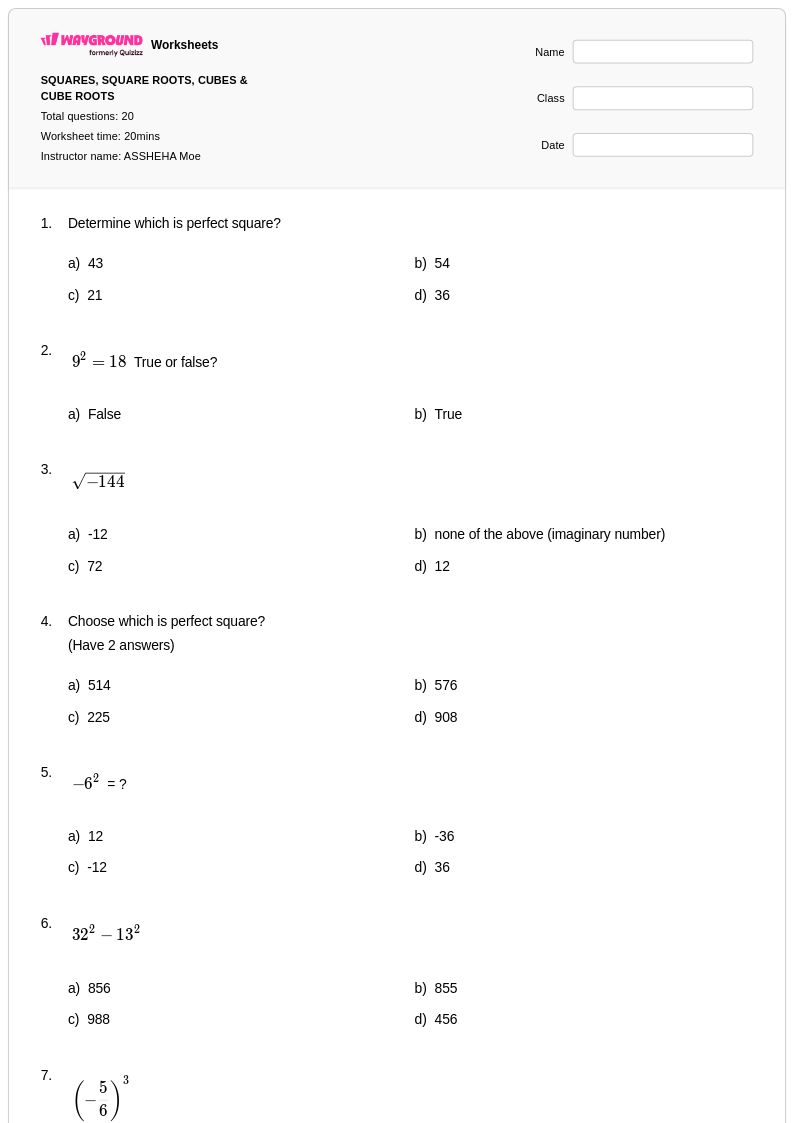
20 Q
7th
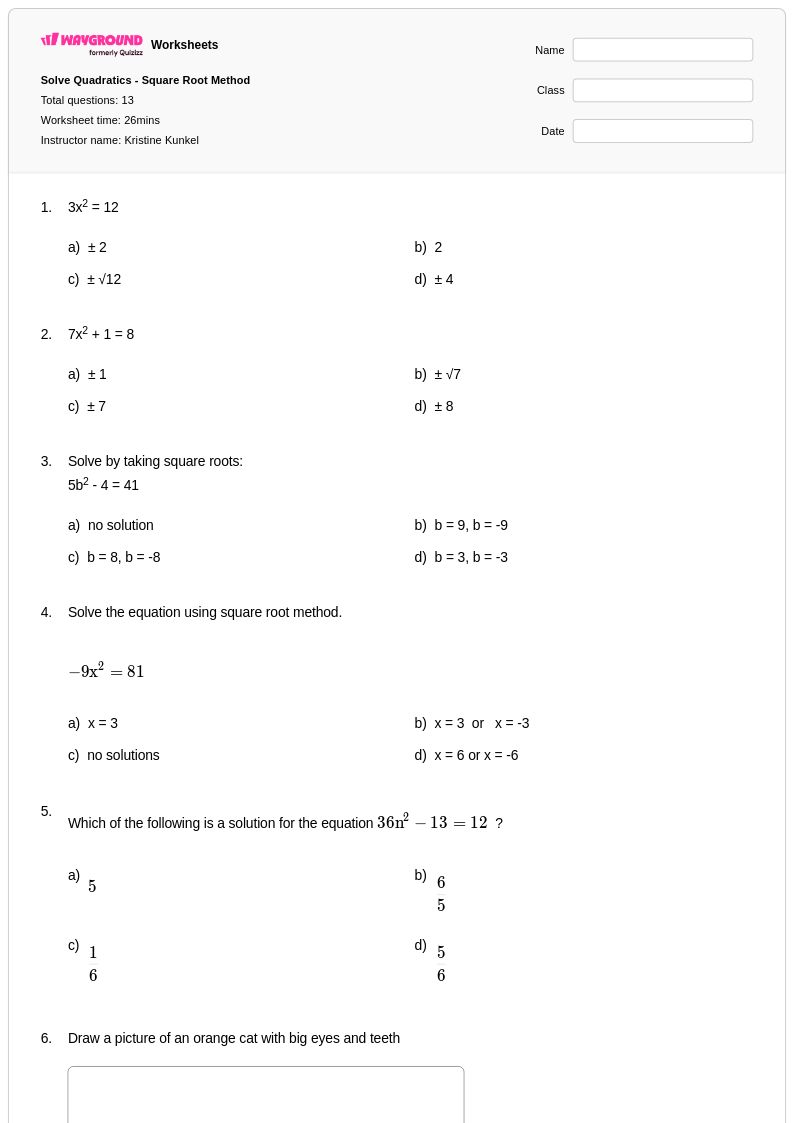
13 Q
7th - 10th
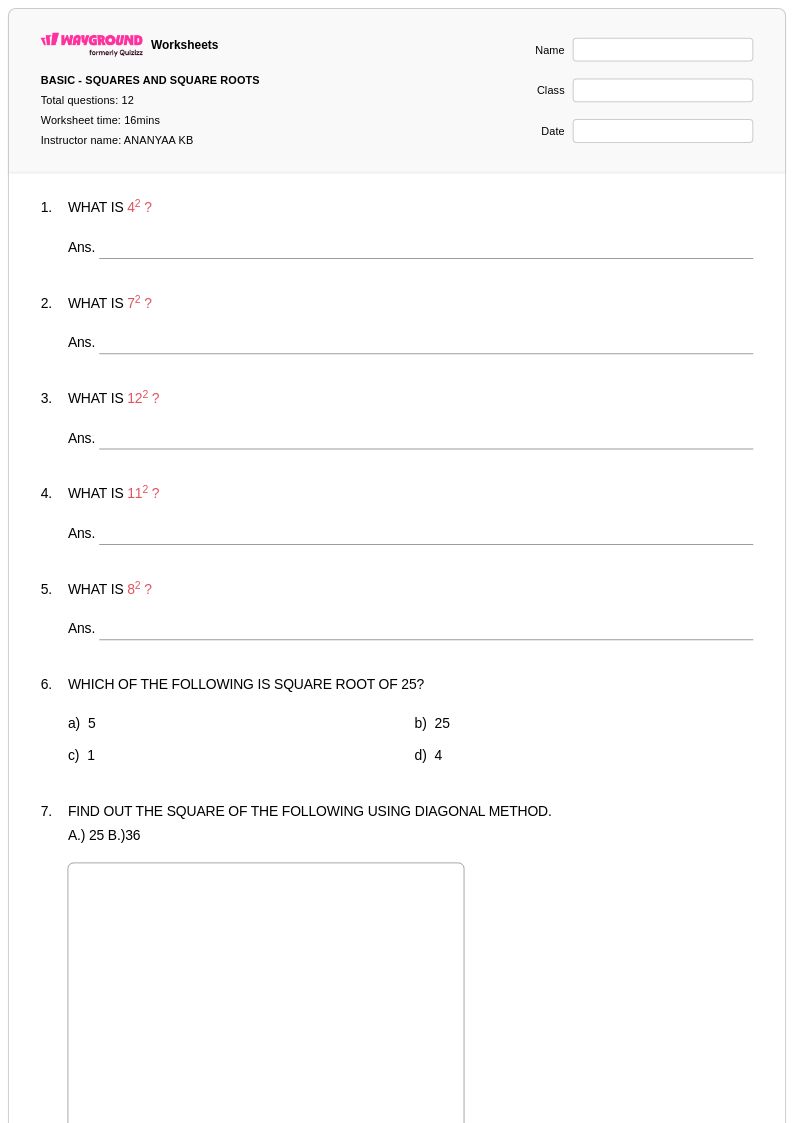
12 Q
6th - 8th
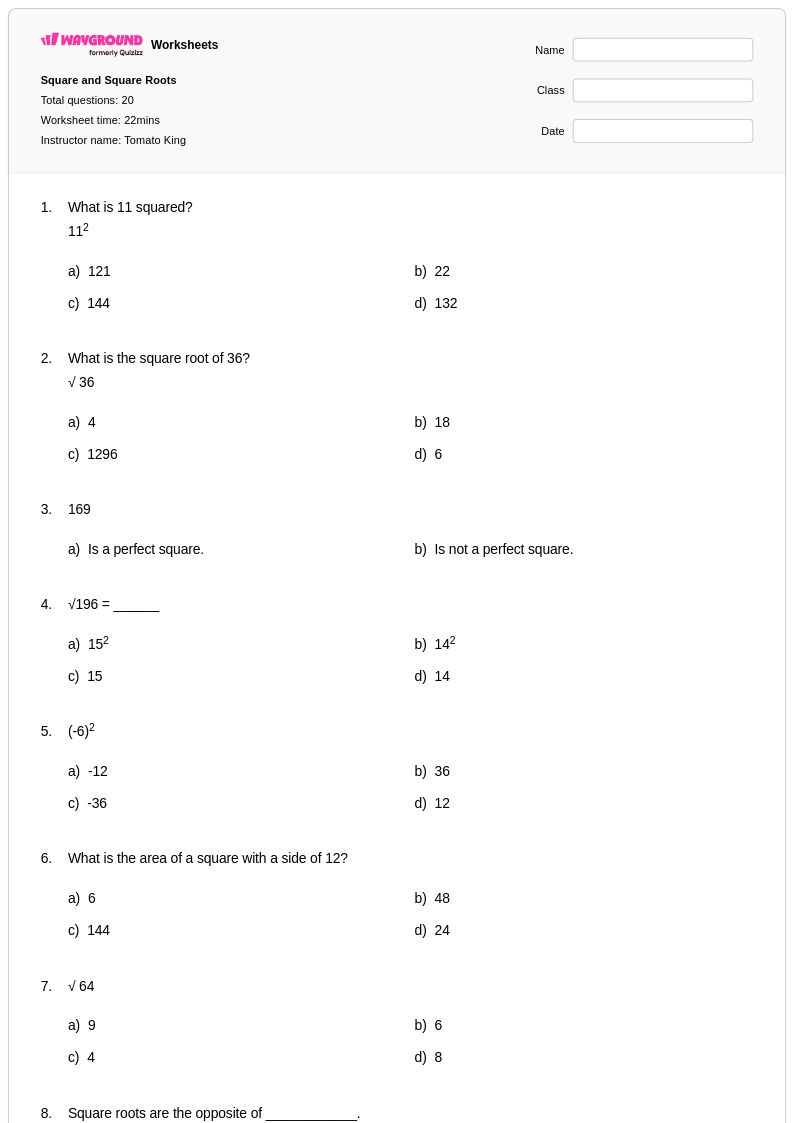
20 Q
7th - 8th
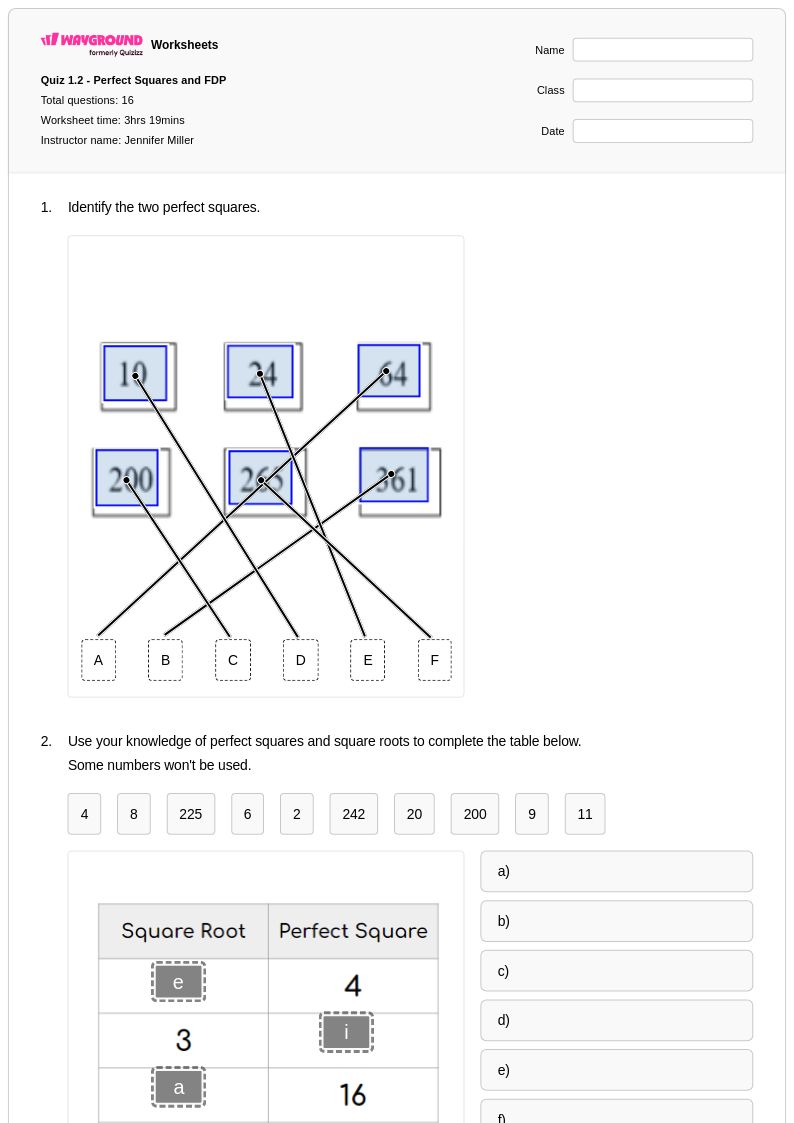
16 Q
7th
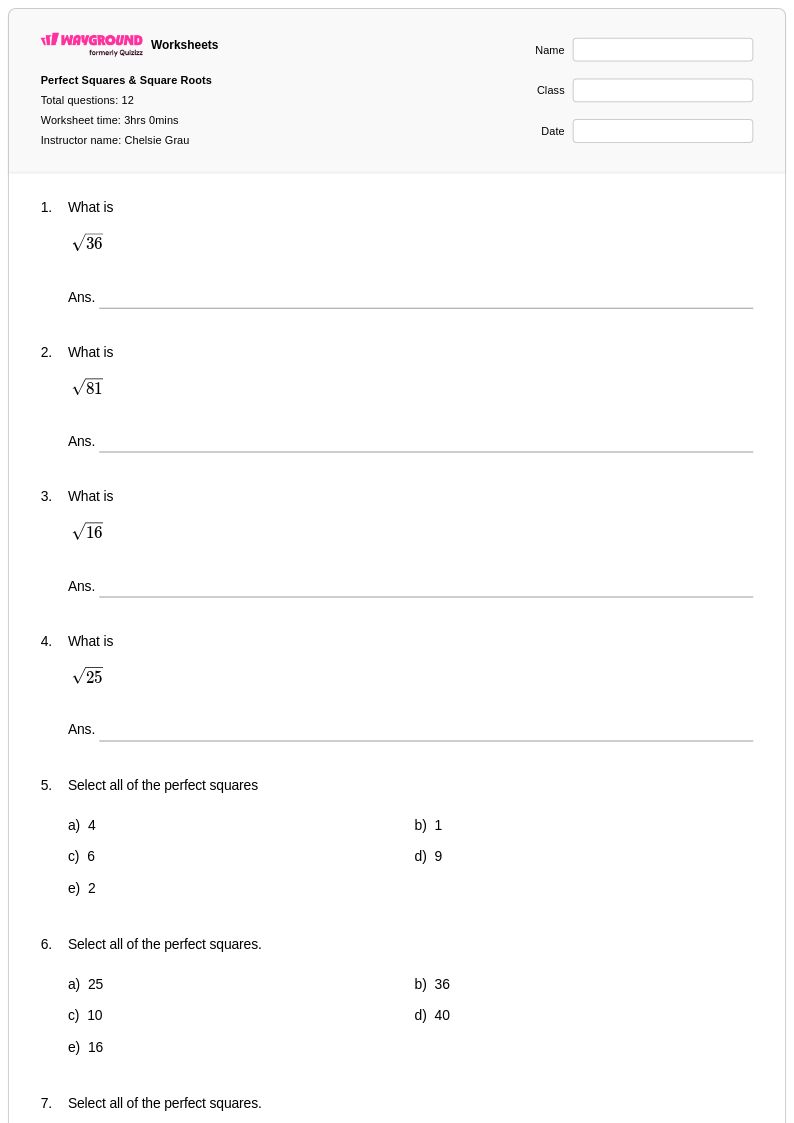
12 Q
6th - 7th
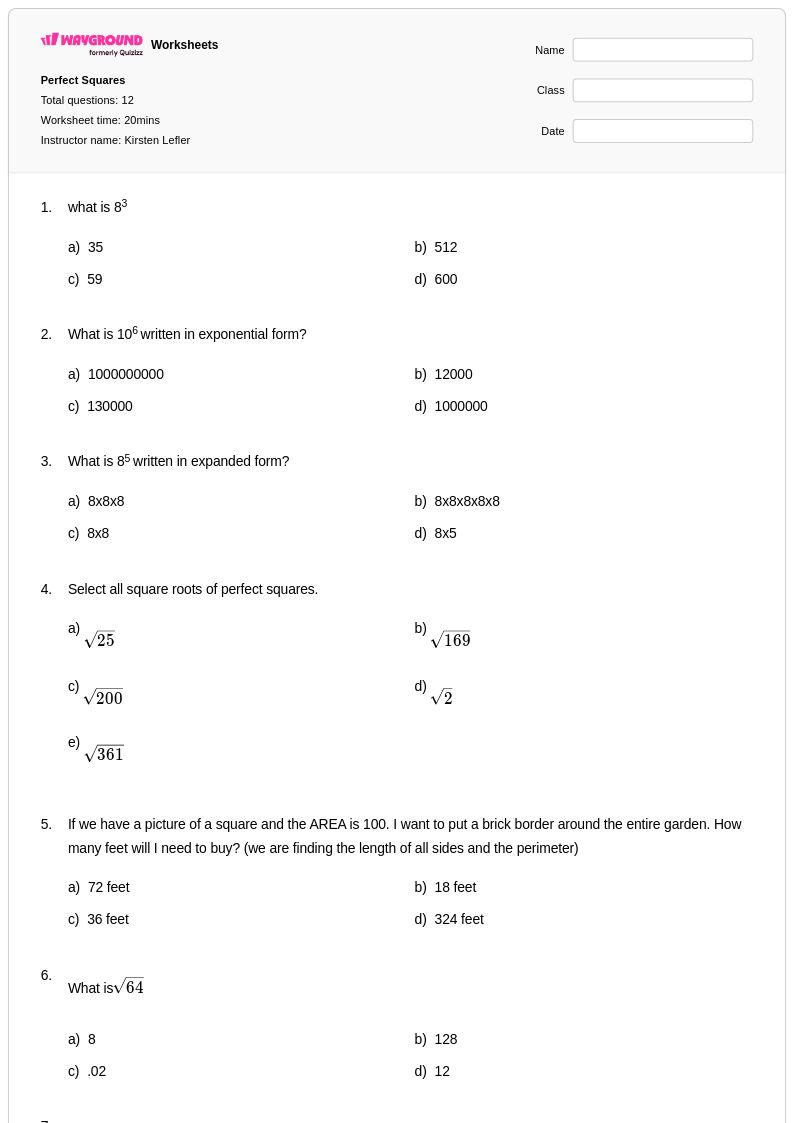
12 Q
7th
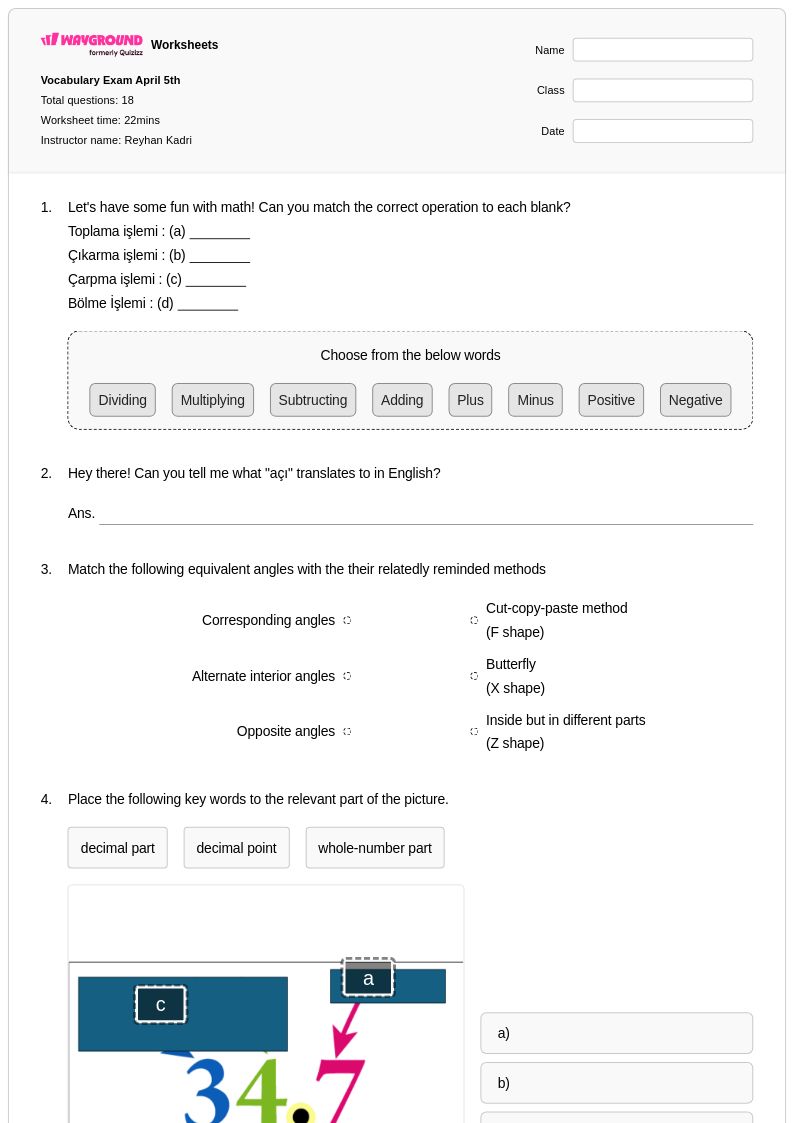
18 Q
7th
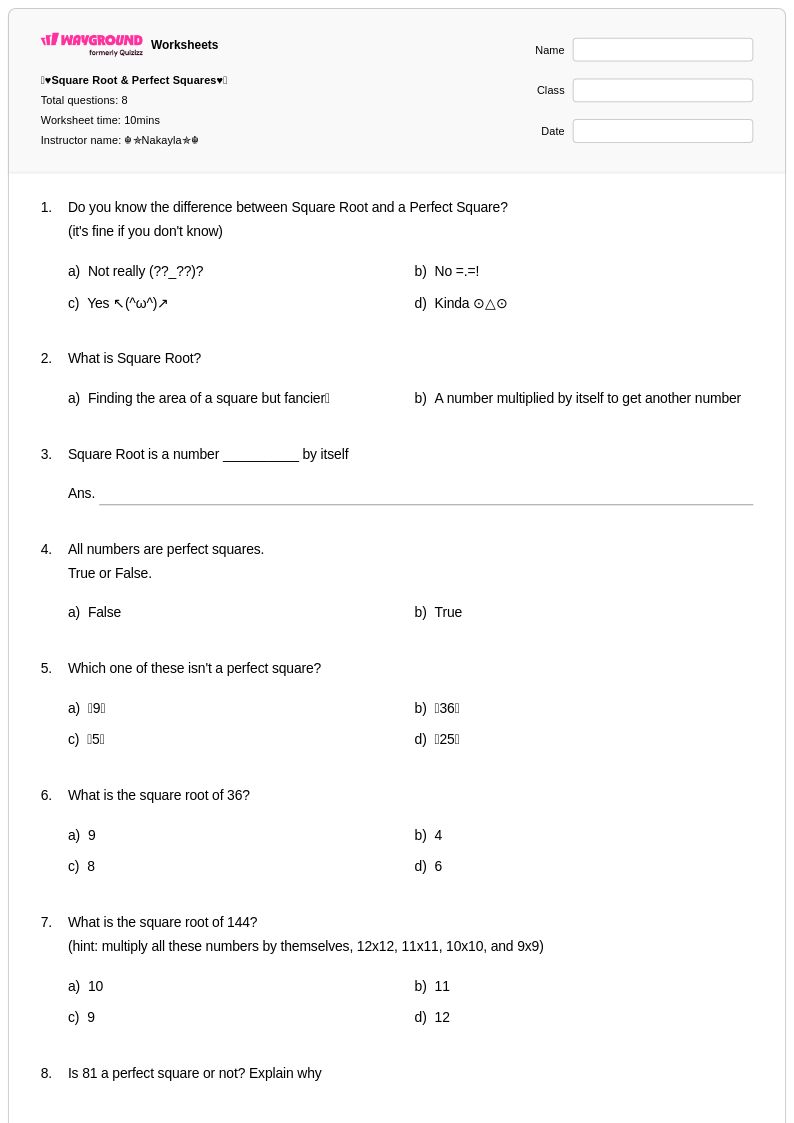
8 Q
6th - 8th
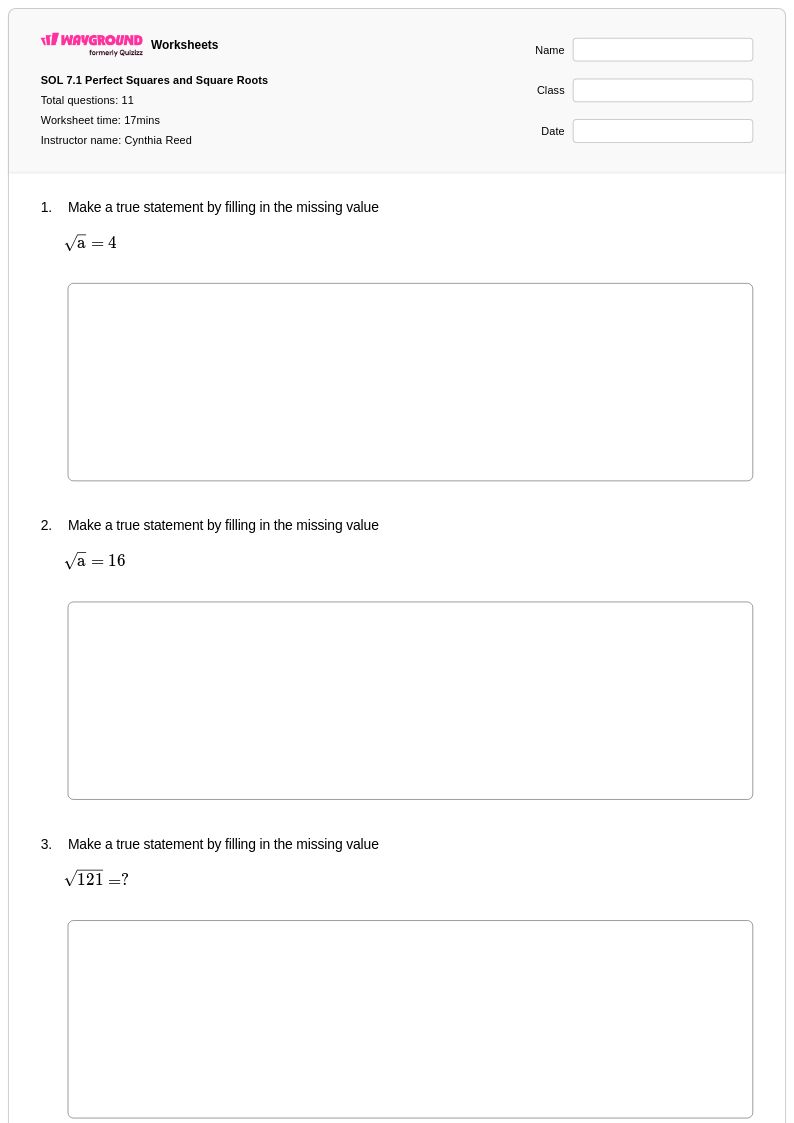
11 Q
7th
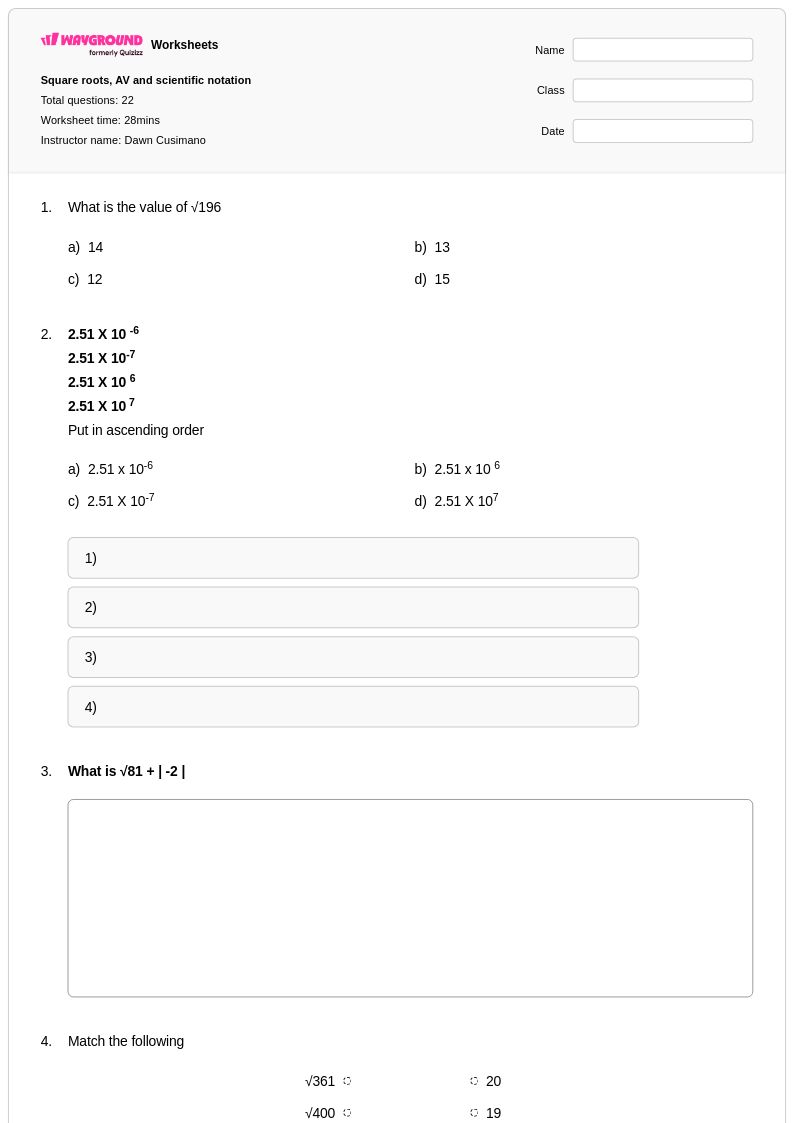
22 Q
7th
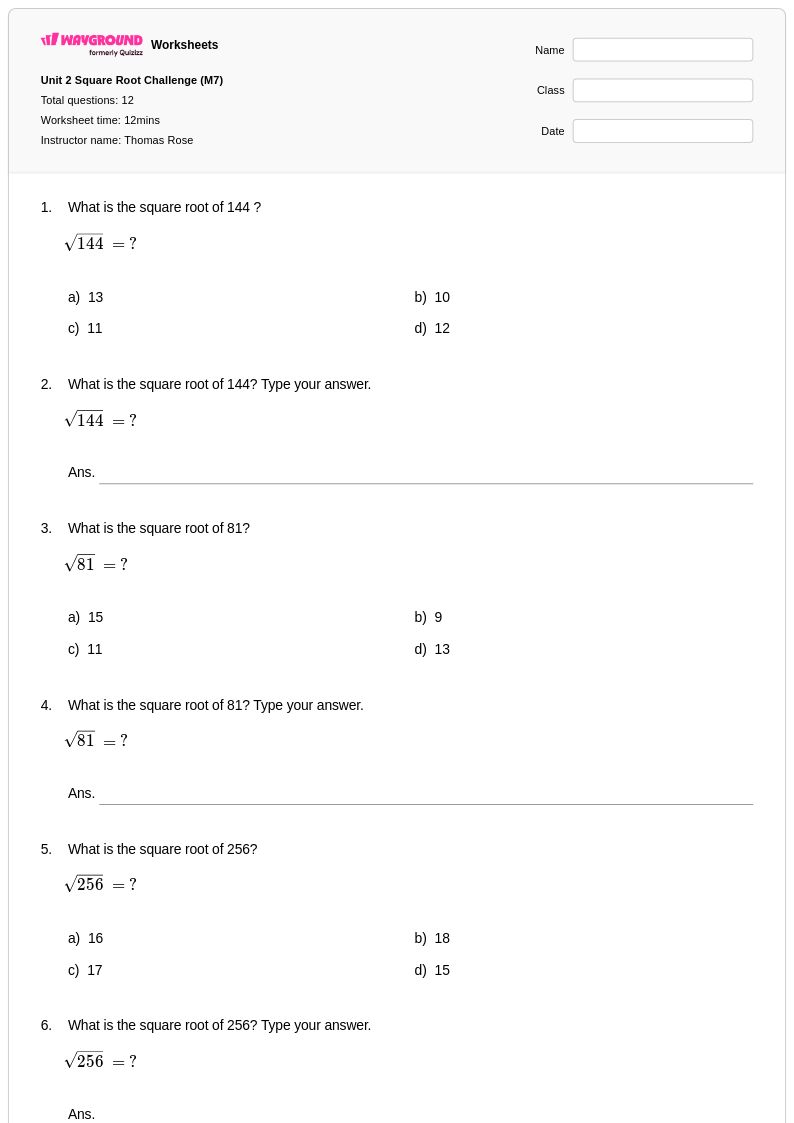
12 Q
7th
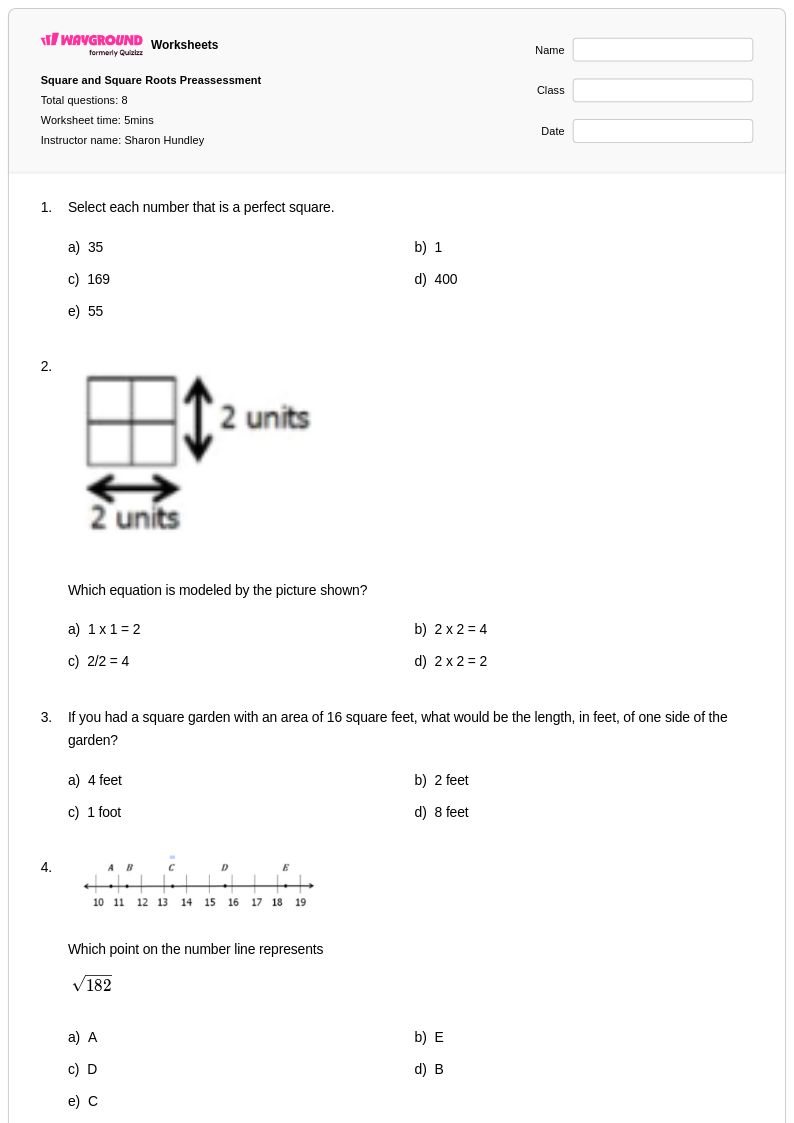
8 Q
7th - 8th
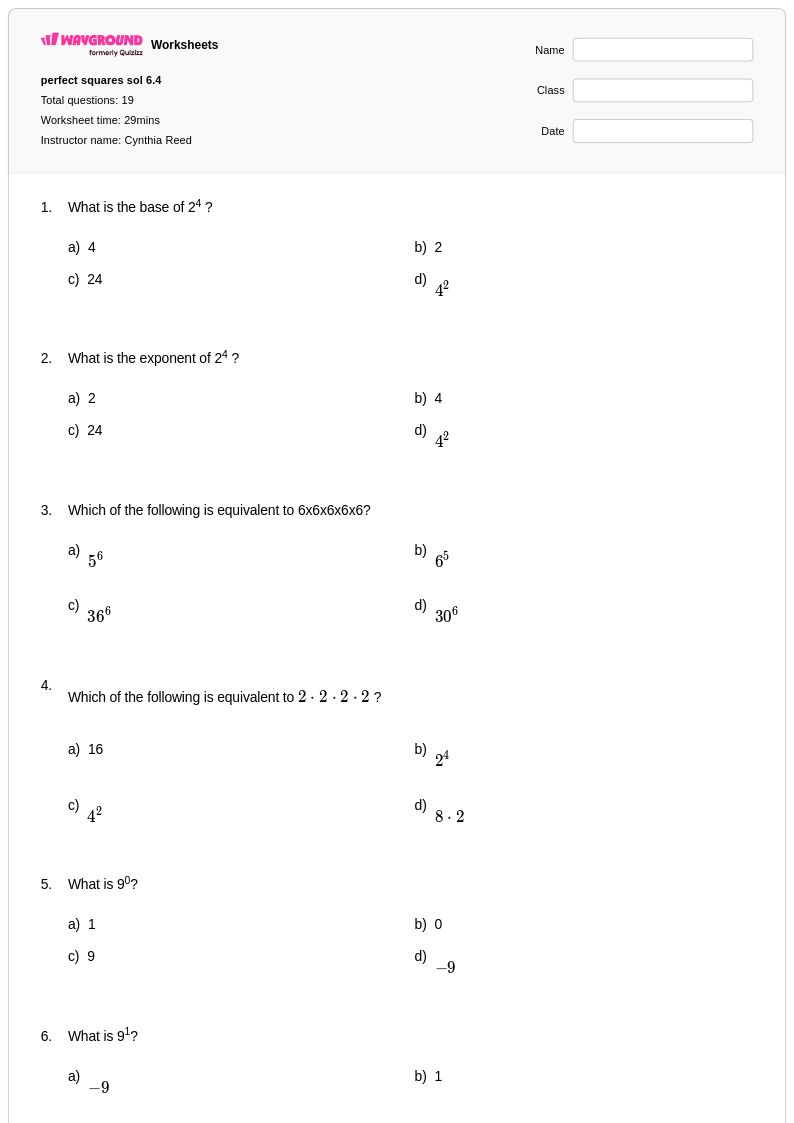
19 Q
6th - 8th
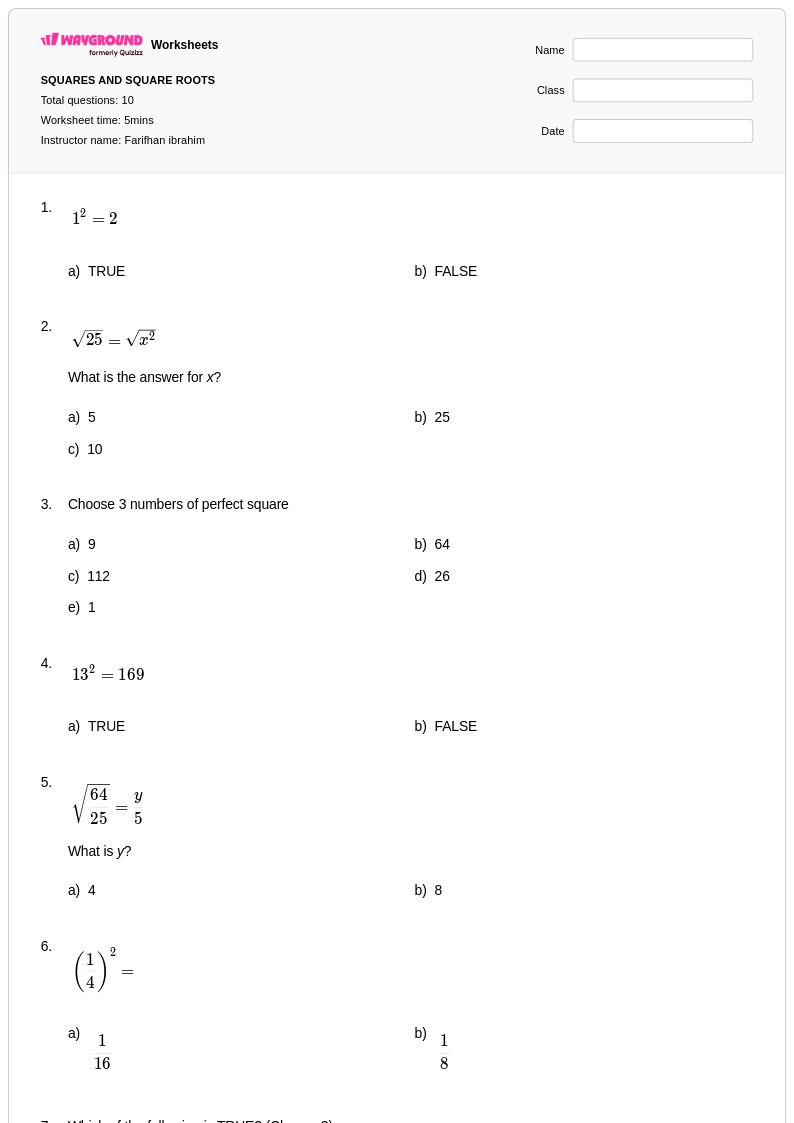
10 Q
7th
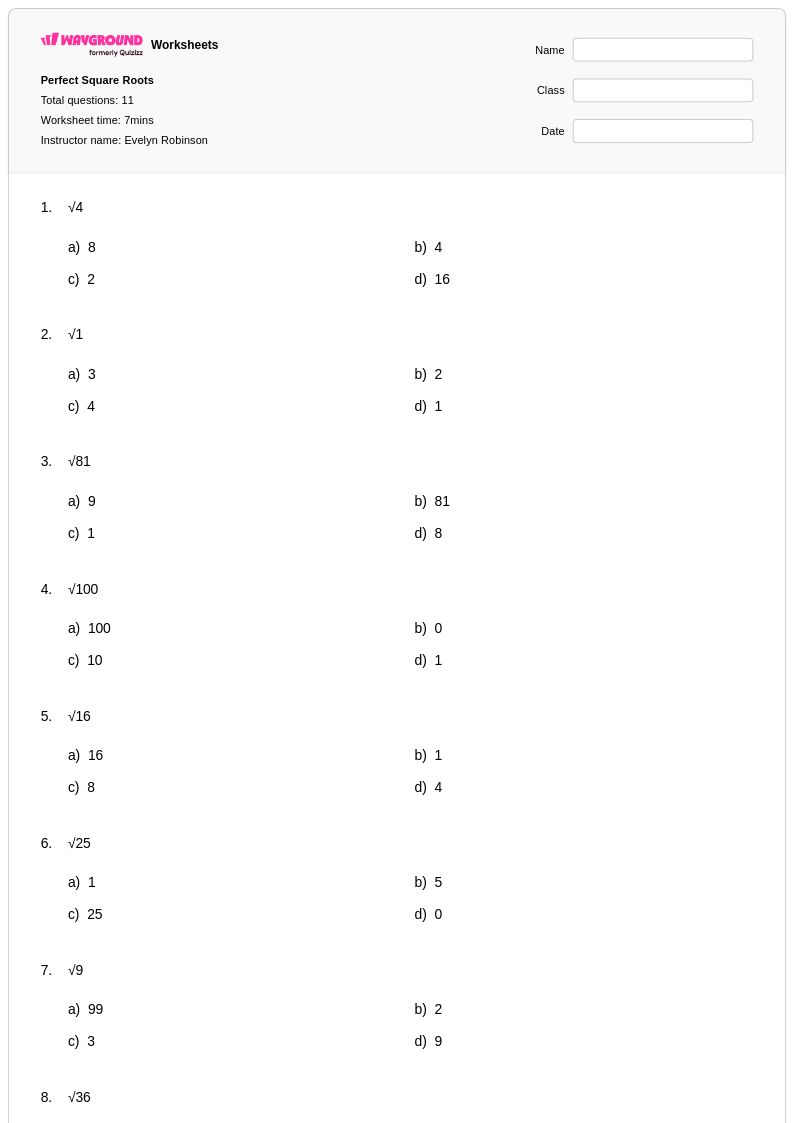
11 Q
6th - 8th
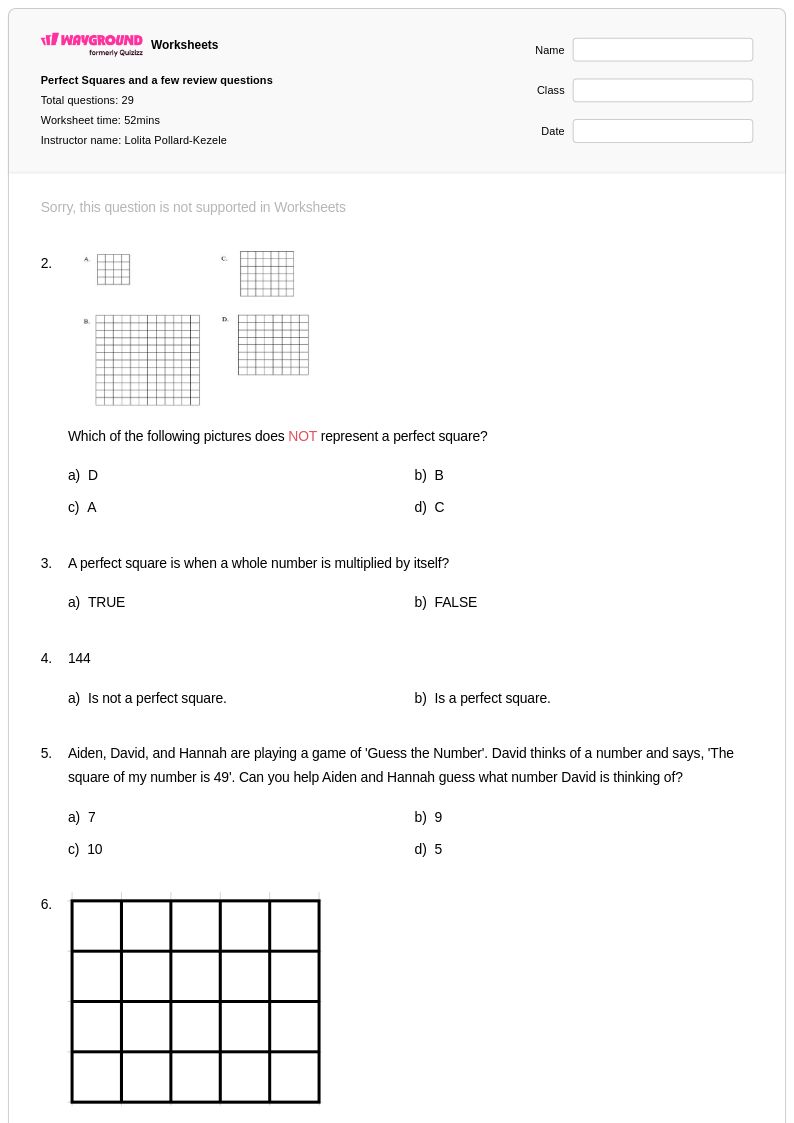
33 Q
6th - 8th
Explore Other Subject Worksheets for year 7
Explore printable Pearson Square Method worksheets for Year 7
Pearson Square Method worksheets for Year 7 students available through Wayground (formerly Quizizz) provide comprehensive practice with this essential algebraic problem-solving technique used to determine proportions and mixtures. These carefully designed worksheets strengthen students' understanding of how to apply the Pearson Square diagram to solve real-world problems involving concentrations, percentages, and ratios, building critical analytical skills that form the foundation for advanced algebraic concepts. Each worksheet includes detailed practice problems that guide seventh graders through the systematic process of setting up the square, calculating differences, and interpreting results, with complete answer keys provided to support independent learning and immediate feedback on mathematical reasoning and computational accuracy.
Wayground (formerly Quizizz) supports mathematics educators with an extensive collection of teacher-created Pearson Square Method resources, drawing from millions of high-quality worksheets that can be easily located through robust search and filtering capabilities. These standards-aligned materials offer flexible customization options that allow teachers to differentiate instruction based on individual student needs, whether for remediation of foundational ratio concepts or enrichment of advanced mixture problems. Available in both printable pdf formats for traditional classroom use and digital formats for technology-integrated learning environments, these worksheet collections streamline lesson planning while providing targeted skill practice that helps Year 7 students master this crucial algebraic method through varied problem types and progressive difficulty levels.
FAQs
How does the Pearson Square method fit into the 7th-grade curriculum?
How can I teach the Pearson Square to 7th graders?
What kind of practice is best for 7th graders?
What common misconceptions do 7th graders have with this topic?
How do I use this Pearson Square worksheet with my class?
How does this topic connect to 7th-grade math standards?