
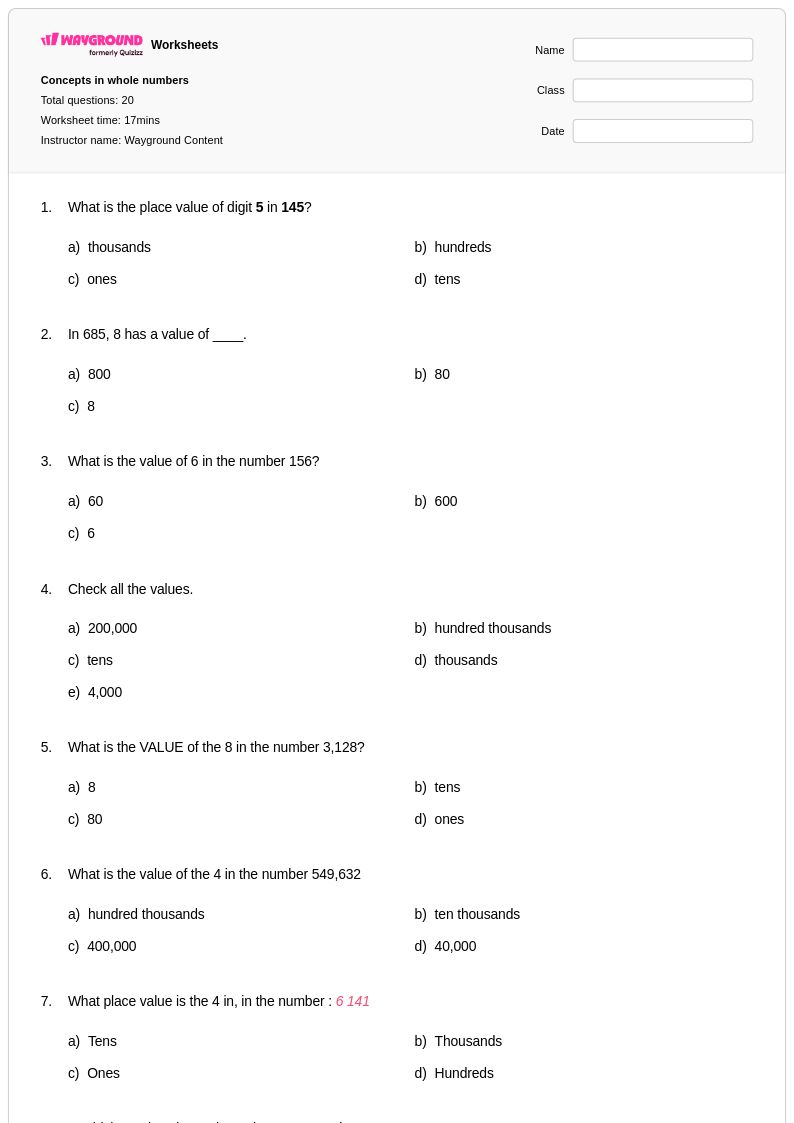
20 Q
4th
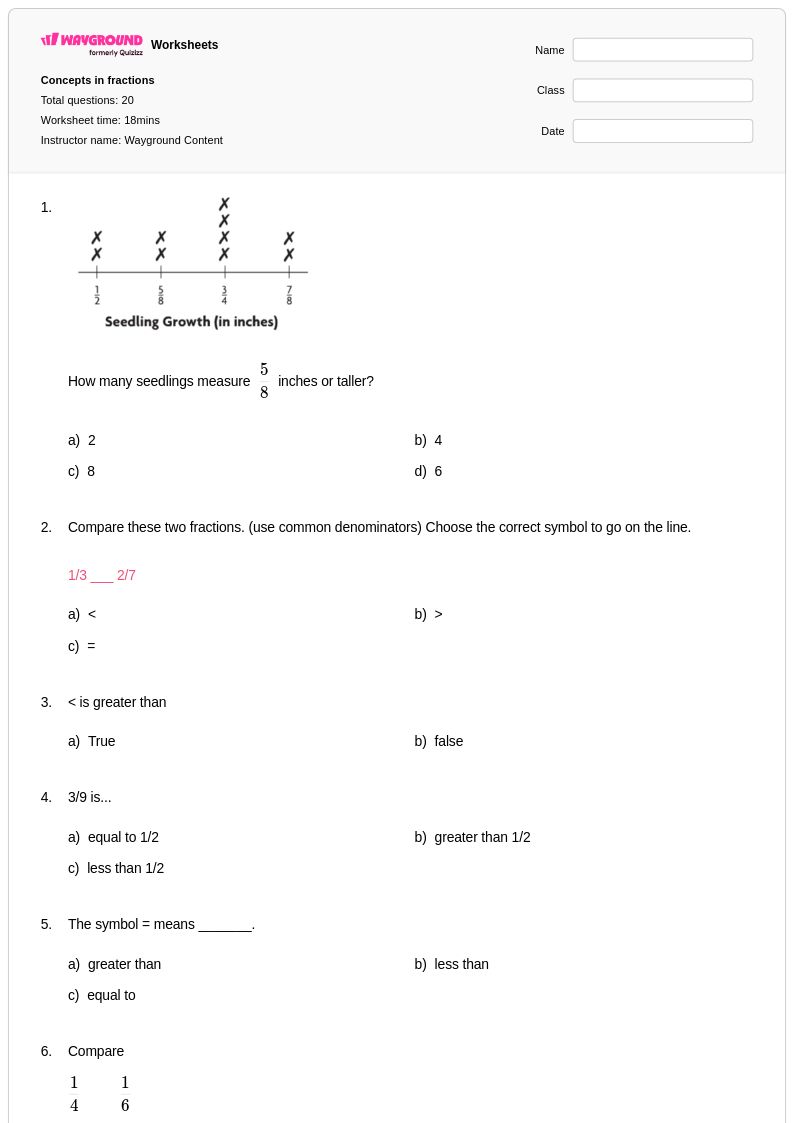
20 Q
4th
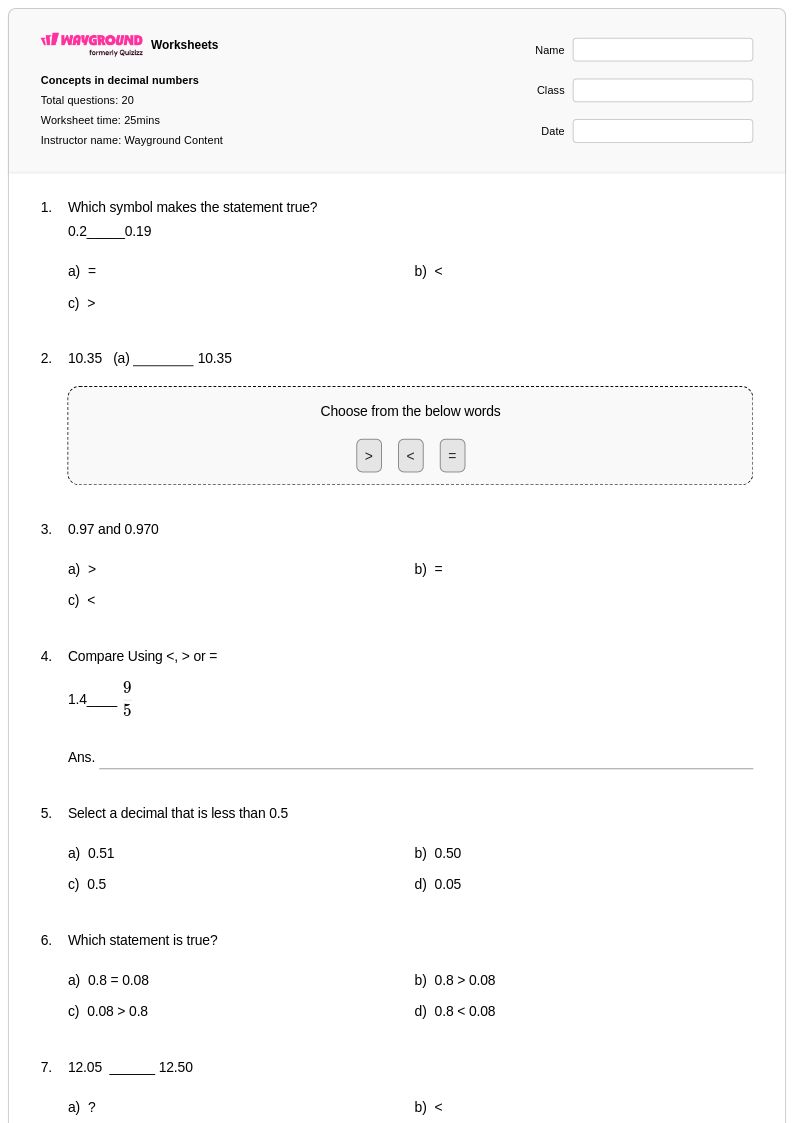
20 Q
4th
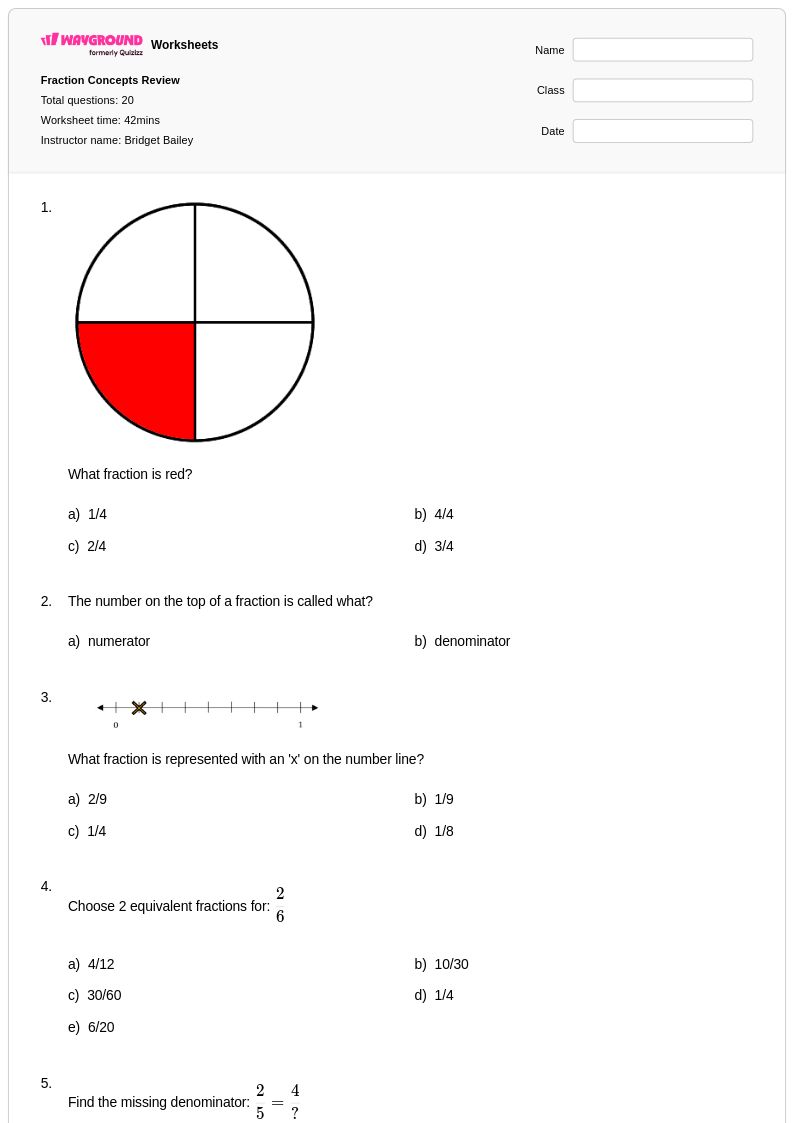
20 Q
4th
20 Q
4th
8 Q
1st - 5th
20 Q
4th
20 Q
4th
20 Q
4th
20 Q
4th
22 Q
4th - Uni
20 Q
4th
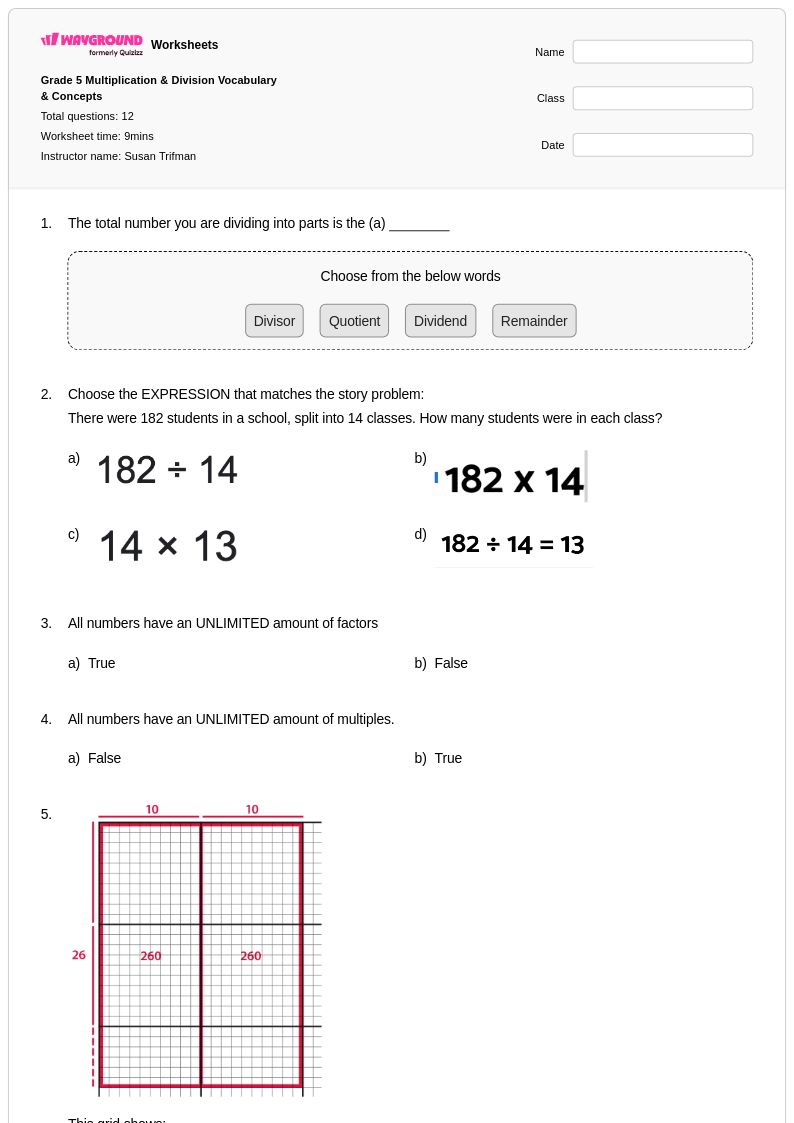
12 Q
4th - 6th
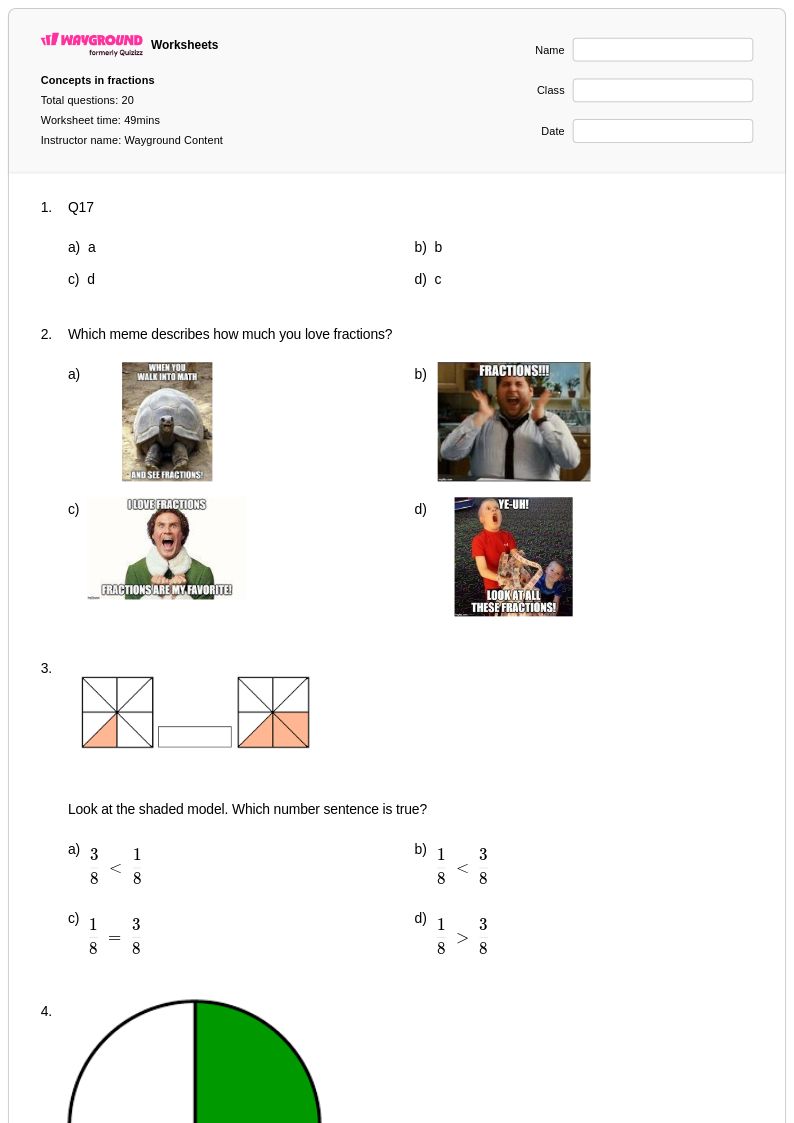
20 Q
4th - 5th
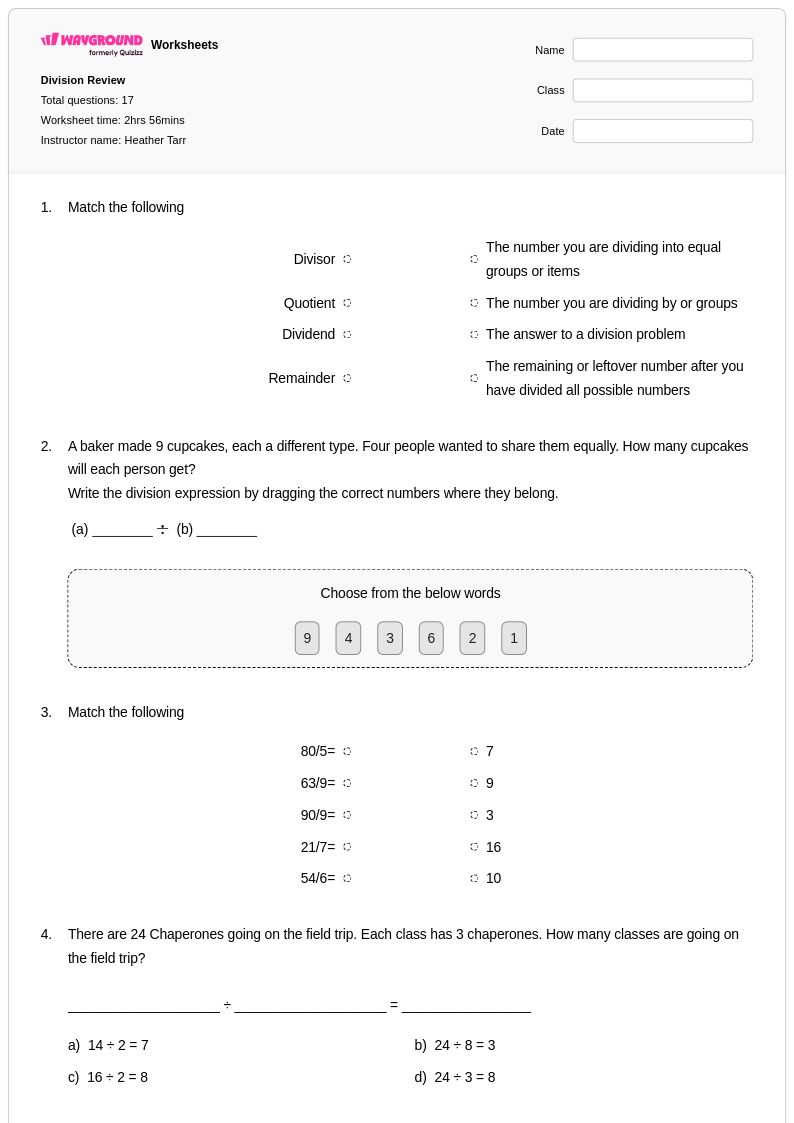
17 Q
4th - Uni
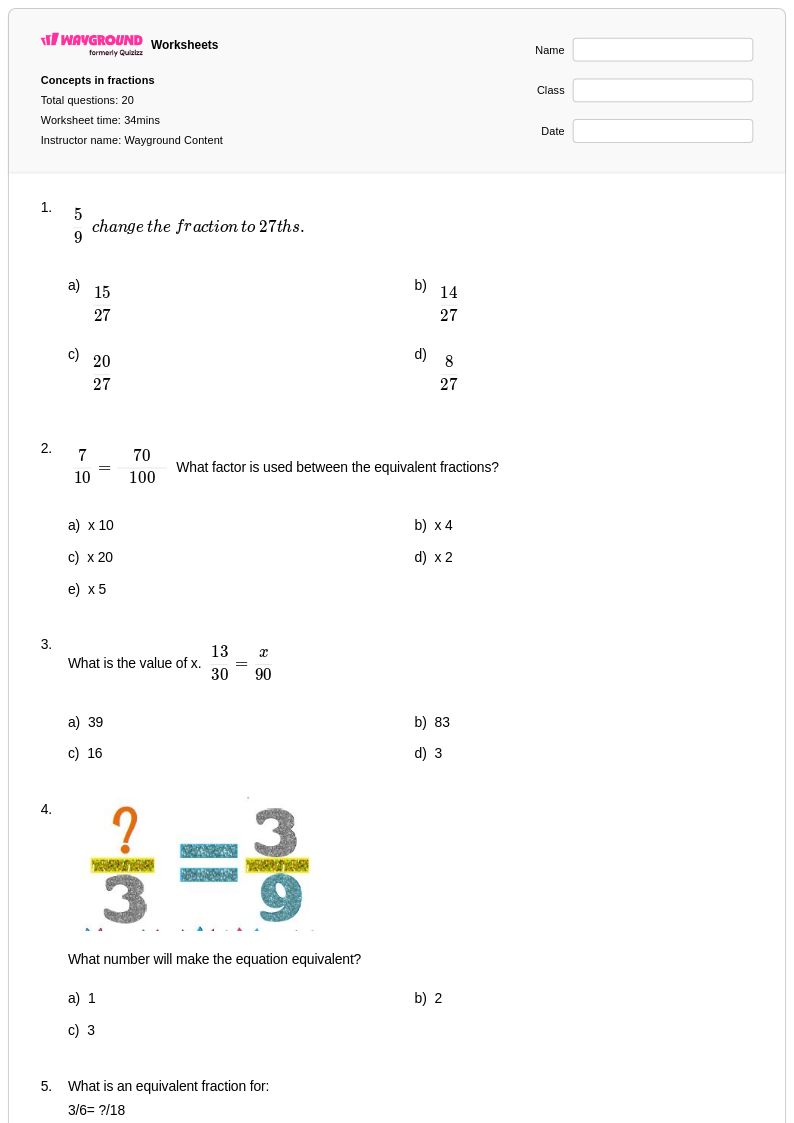
20 Q
3rd - 4th
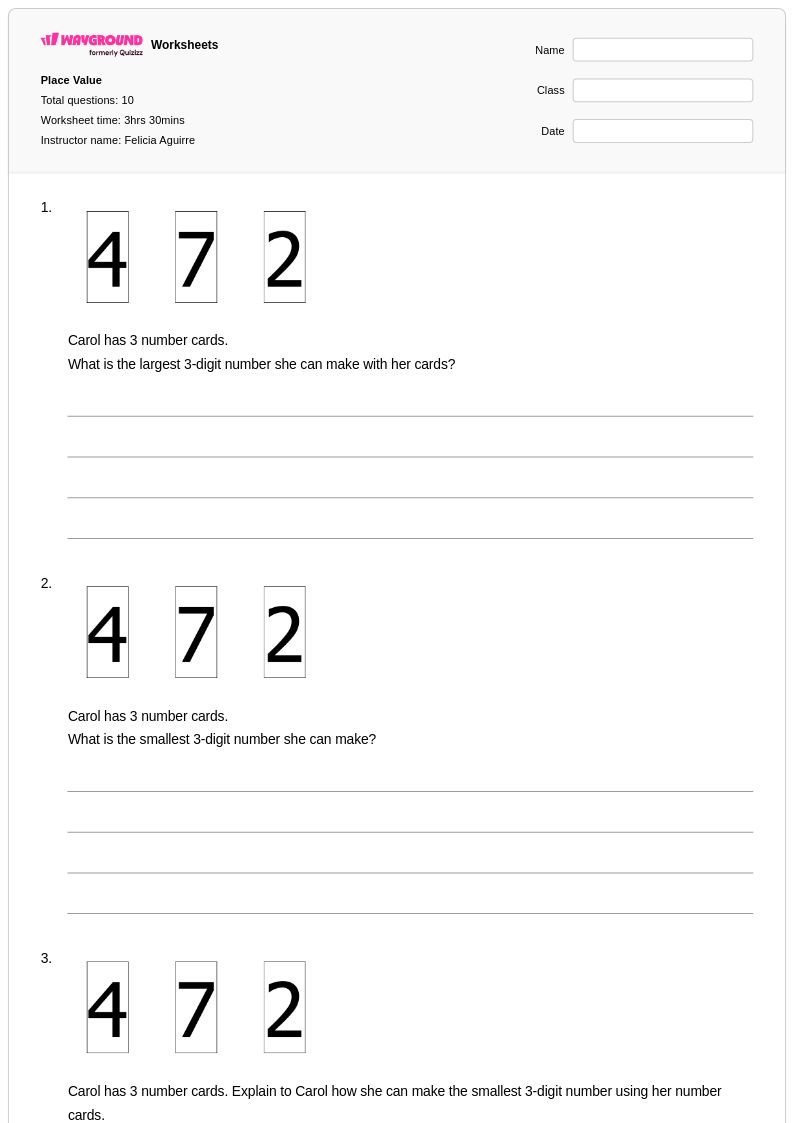
10 Q
4th
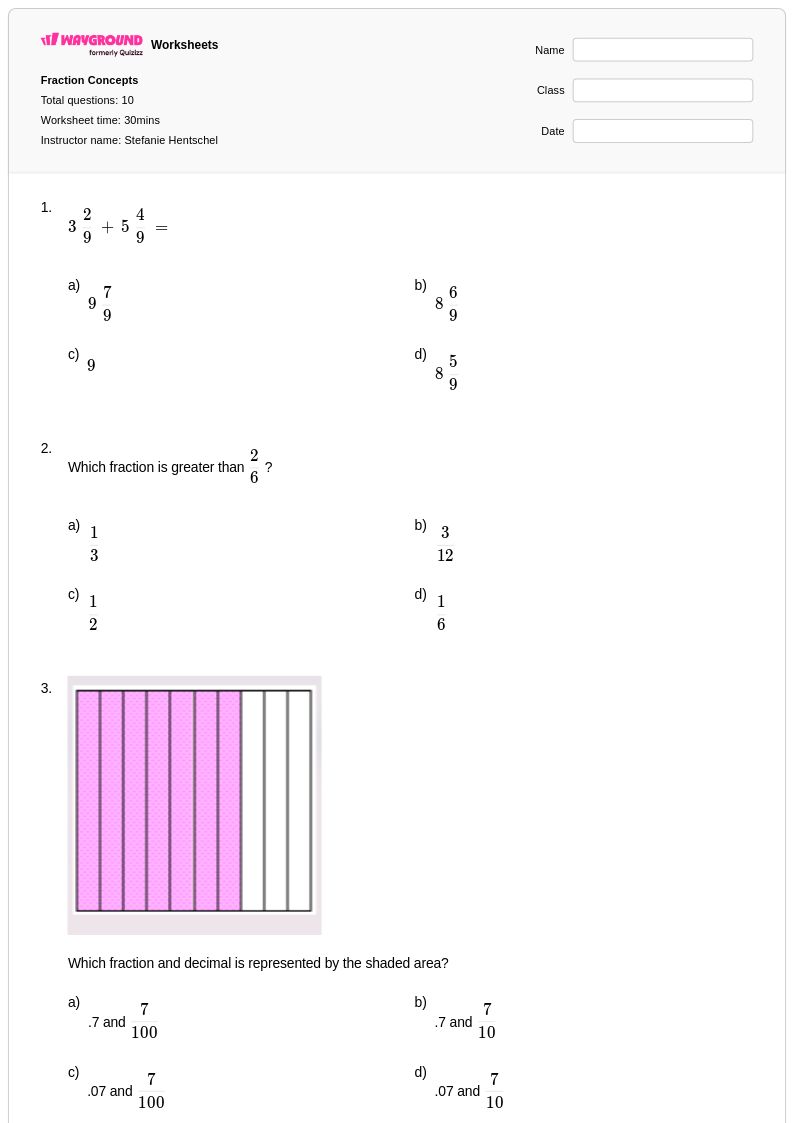
10 Q
4th
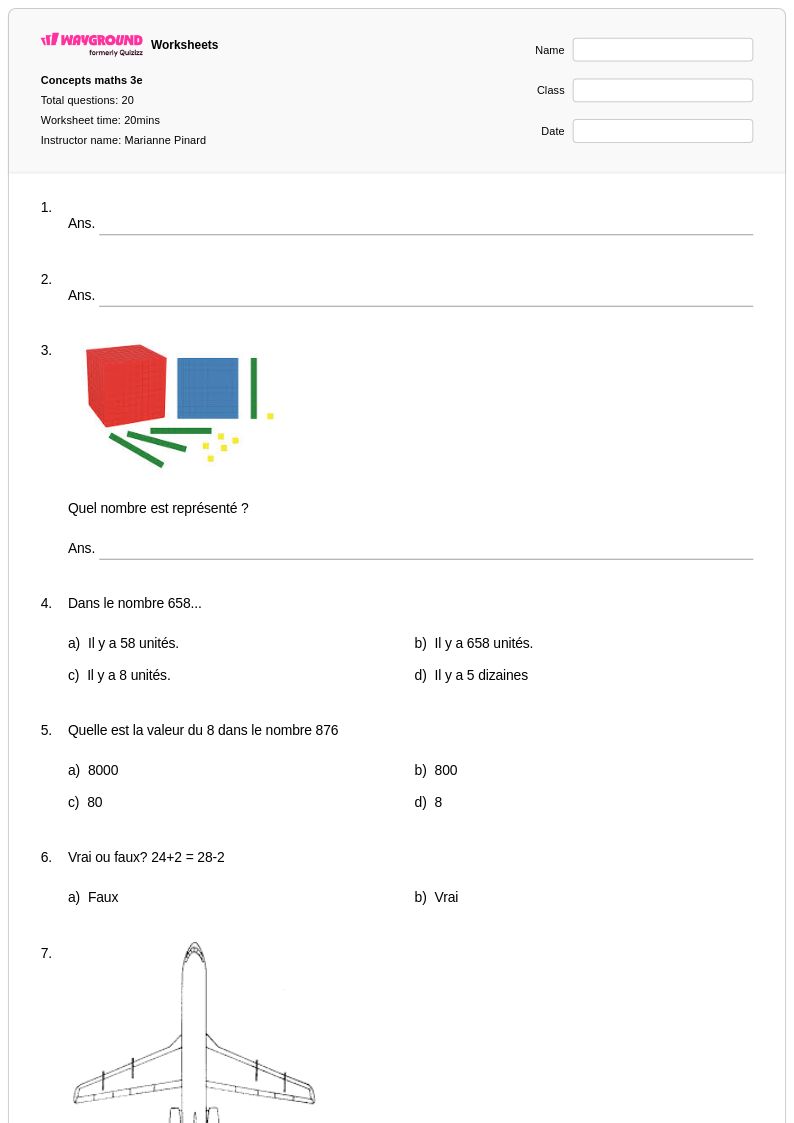
20 Q
3rd - 4th
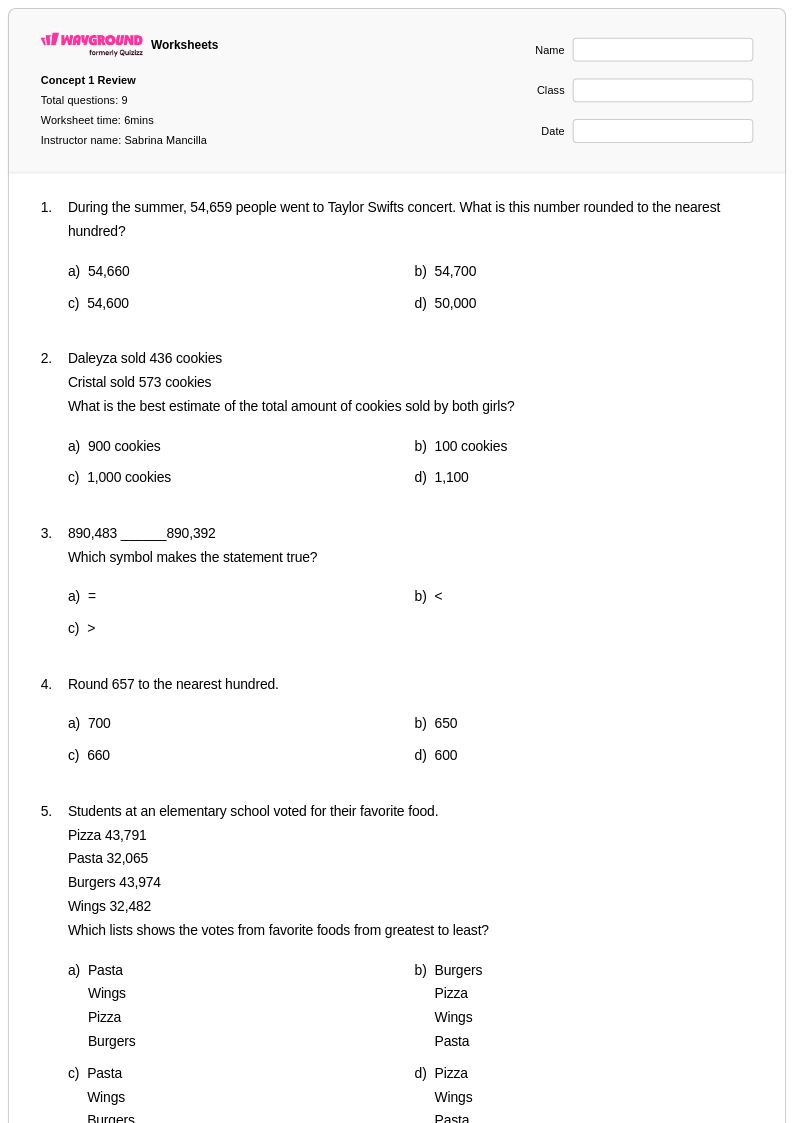
9 Q
4th
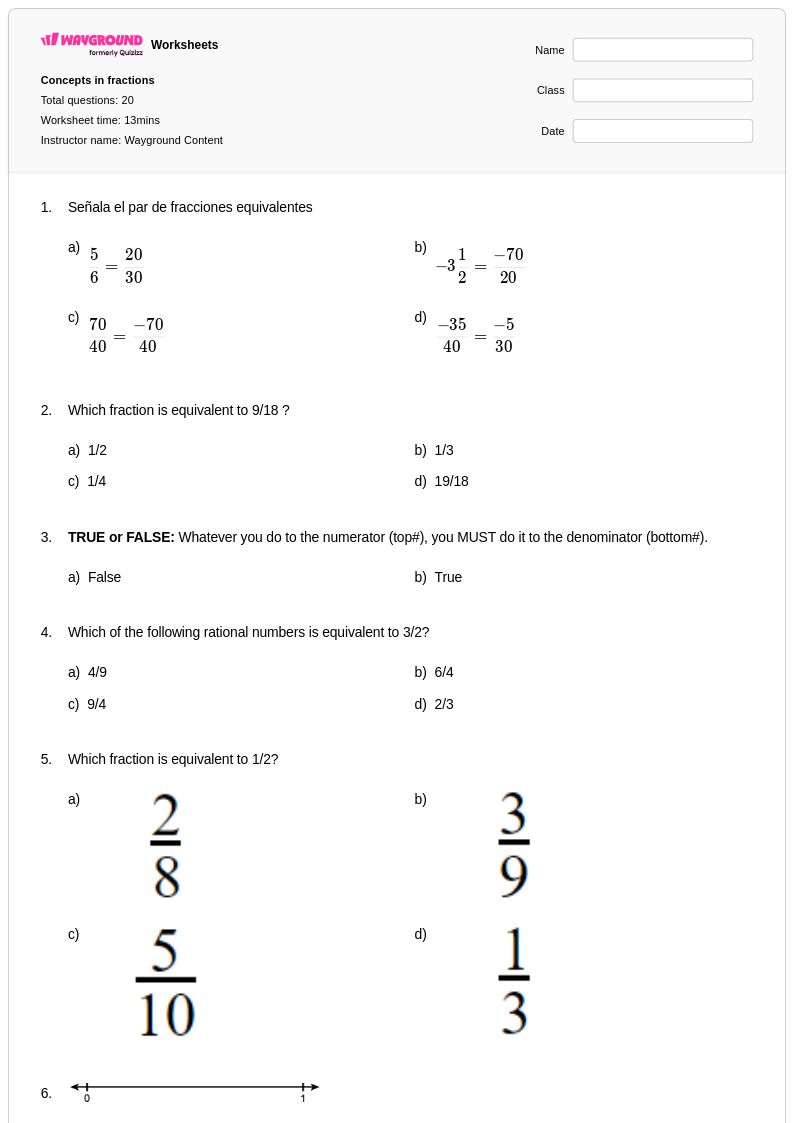
20 Q
3rd - 4th
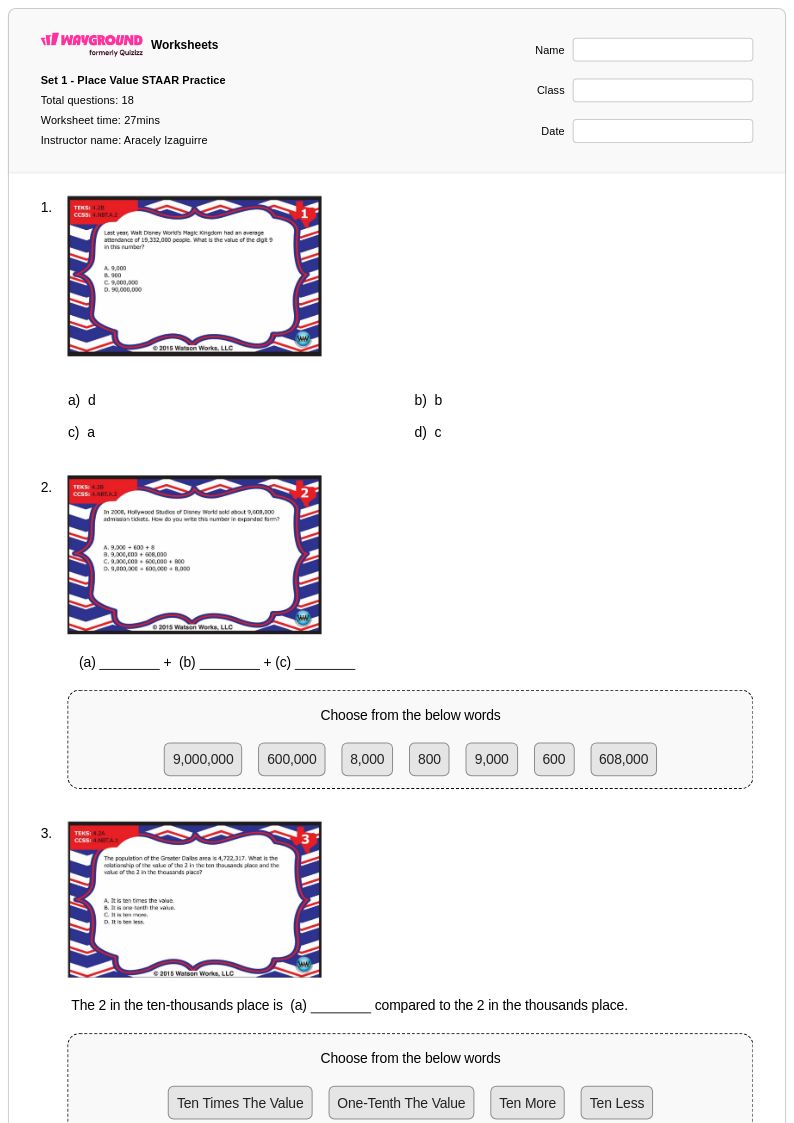
18 Q
4th
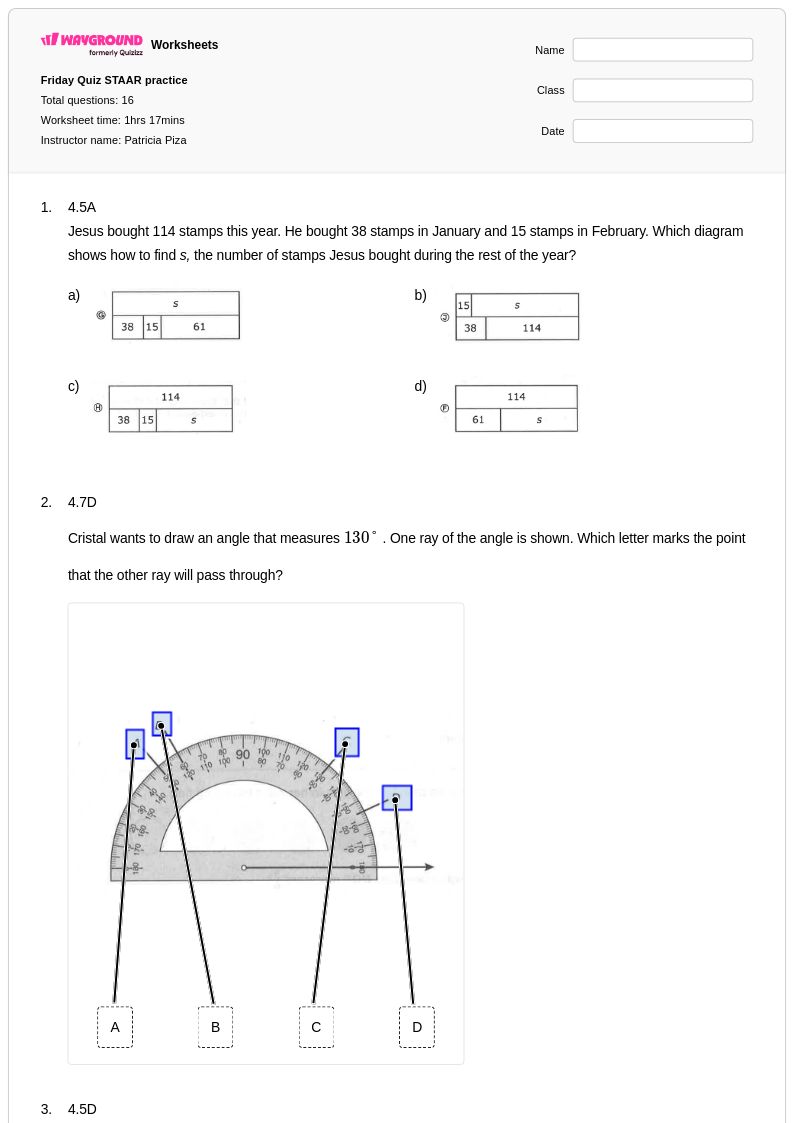
16 Q
4th
Explore Spatial Concepts Worksheets by Grades
Explore Other Subject Worksheets for year 4
Explore printable Spatial Concepts worksheets for Year 4
Spatial concepts form a fundamental component of Year 4 geometry curriculum, developing students' ability to understand position, direction, and relationships between objects in space. Wayground's comprehensive collection of spatial concepts worksheets provides fourth-grade students with targeted practice in essential skills including identifying location using coordinate systems, understanding spatial vocabulary such as above, below, beside, and between, recognizing transformations like slides, flips, and turns, and visualizing three-dimensional shapes from different perspectives. These carefully designed printables feature progressive difficulty levels with clear answer keys, ensuring students build confidence while mastering critical spatial reasoning abilities that serve as building blocks for advanced mathematical concepts.
Wayground, formerly Quizizz, empowers educators with access to millions of teacher-created spatial concepts resources specifically aligned to Year 4 mathematics standards. The platform's robust search and filtering capabilities allow teachers to quickly locate worksheets that match their specific instructional needs, whether focusing on coordinate grids, geometric transformations, or spatial vocabulary development. Each worksheet collection includes comprehensive customization tools enabling educators to differentiate instruction for diverse learners, modify problem sets for remediation or enrichment, and seamlessly transition between digital and pdf formats for flexible classroom implementation. This extensive resource library streamlines lesson planning while providing consistent, standards-based practice opportunities that strengthen students' spatial reasoning and geometric thinking skills.