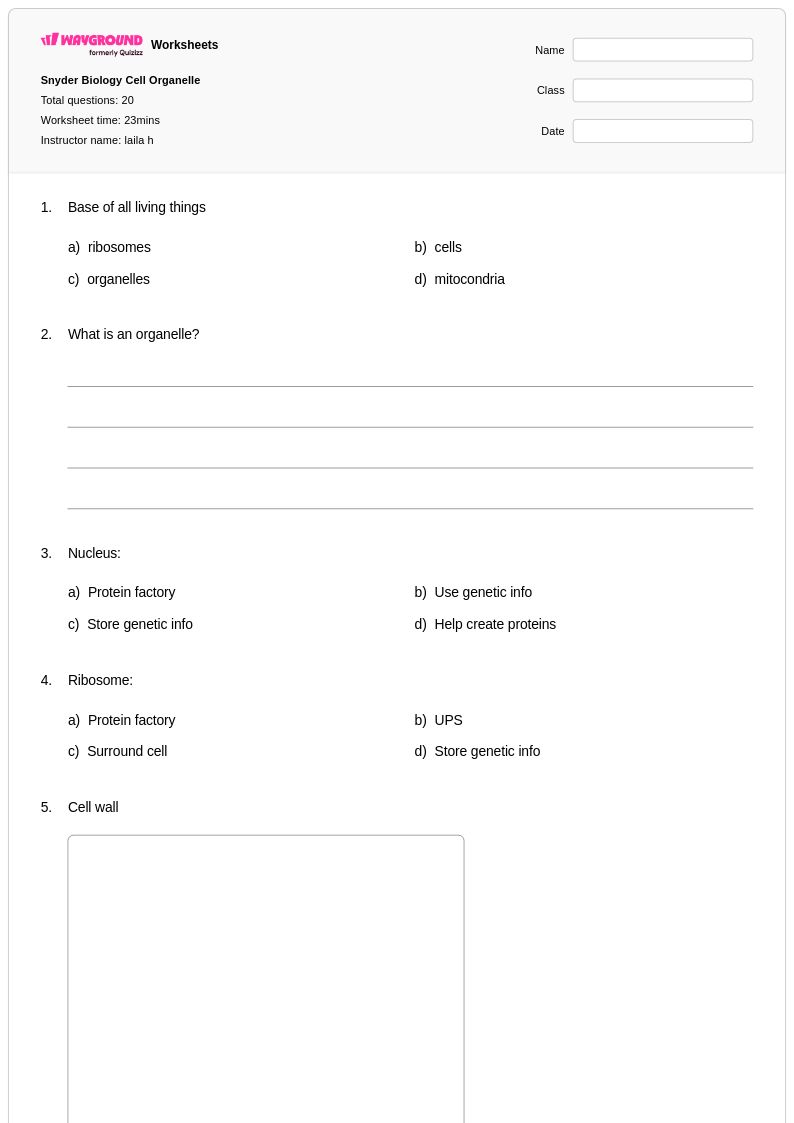
Explore our comprehensive collection of animal biology worksheets and printables that help students master key concepts through engaging practice problems, featuring free PDF downloads with complete answer keys.
Animal biology worksheets available through Wayground (formerly Quizizz) provide comprehensive resources for exploring the fascinating world of animal life and biological processes. These expertly designed materials strengthen students' understanding of essential concepts including animal classification, anatomy and physiology, behavioral adaptations, life cycles, and ecological relationships. Students develop critical thinking skills as they work through practice problems that challenge them to analyze animal structures and functions, compare different species' survival strategies, and investigate how animals interact with their environments. Each worksheet collection includes detailed answer keys that support both independent study and classroom instruction, while free printables offer flexible options for teachers seeking to supplement their existing curriculum with engaging animal biology content.
Wayground (formerly Quizizz) empowers educators with millions of teacher-created animal biology resources that streamline lesson planning and enhance student learning outcomes. The platform's robust search and filtering capabilities allow teachers to quickly locate worksheets aligned with specific curriculum standards, whether focusing on vertebrate systems, invertebrate diversity, or animal behavior studies. Differentiation tools enable instructors to customize content difficulty levels and modify assignments to meet diverse learning needs, supporting both remediation for struggling students and enrichment opportunities for advanced learners. Available in both printable pdf formats and interactive digital versions, these animal biology worksheets facilitate seamless integration into traditional classroom settings, hybrid learning environments, and remote instruction scenarios, ensuring that all students can access high-quality practice materials that reinforce fundamental biological concepts and scientific inquiry skills.
FAQs
How do I teach animal biology concepts effectively in the classroom?
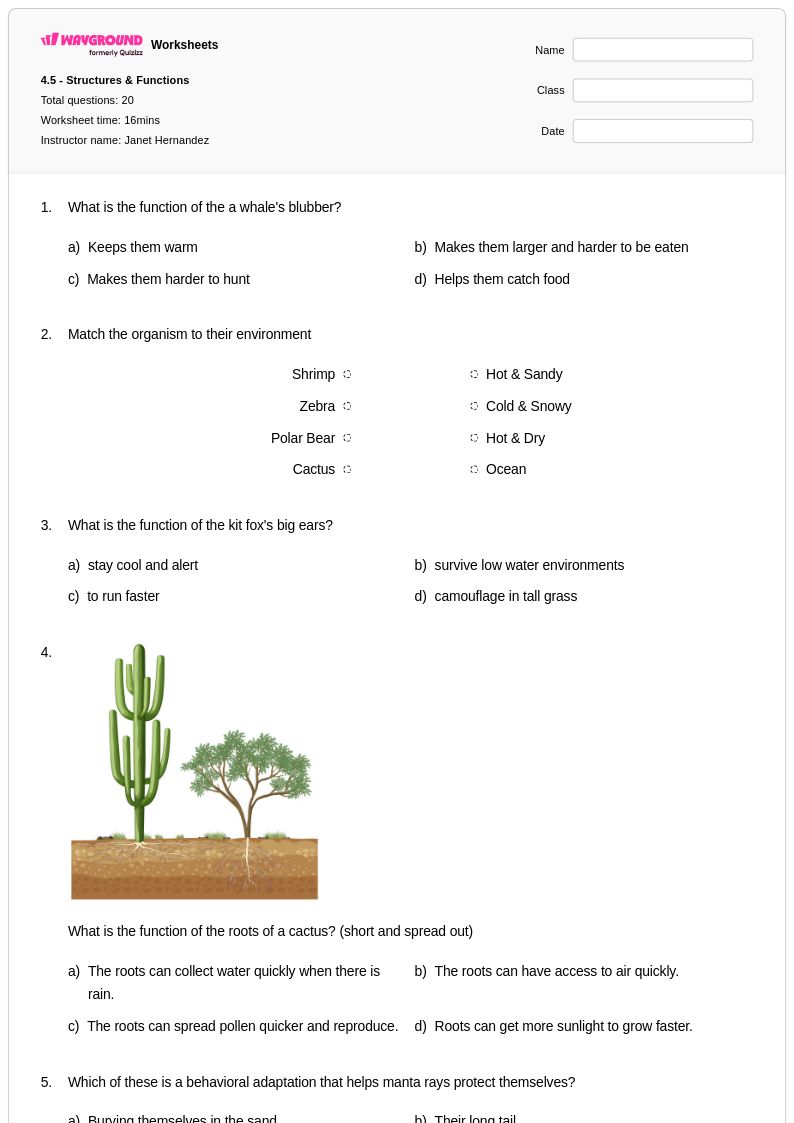
Effective animal biology instruction connects abstract concepts to observable examples. Start with animal classification and body systems before moving into behavioral adaptations and ecological relationships, since students grasp structure-function relationships more readily when anchored to familiar animals. Pairing direct instruction with structured worksheets that ask students to compare species or analyze diagrams reinforces conceptual understanding and builds scientific reasoning skills.
What worksheets or exercises best help students practice animal biology?
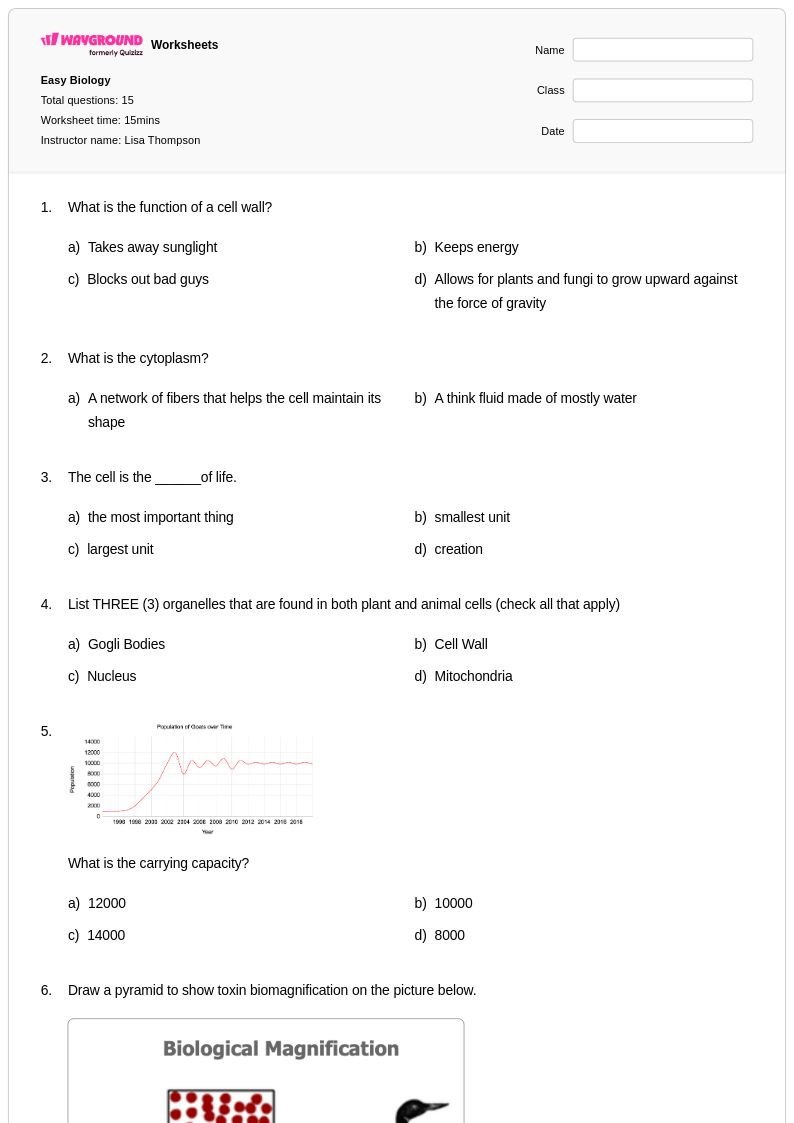
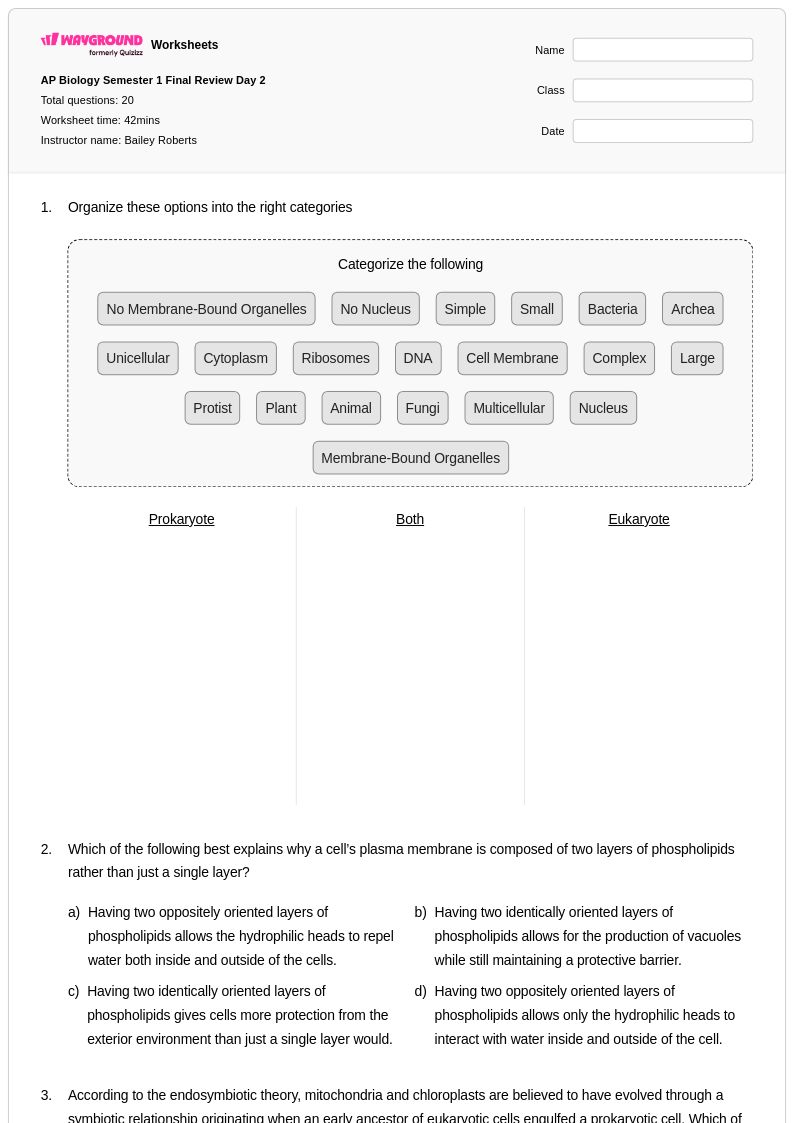
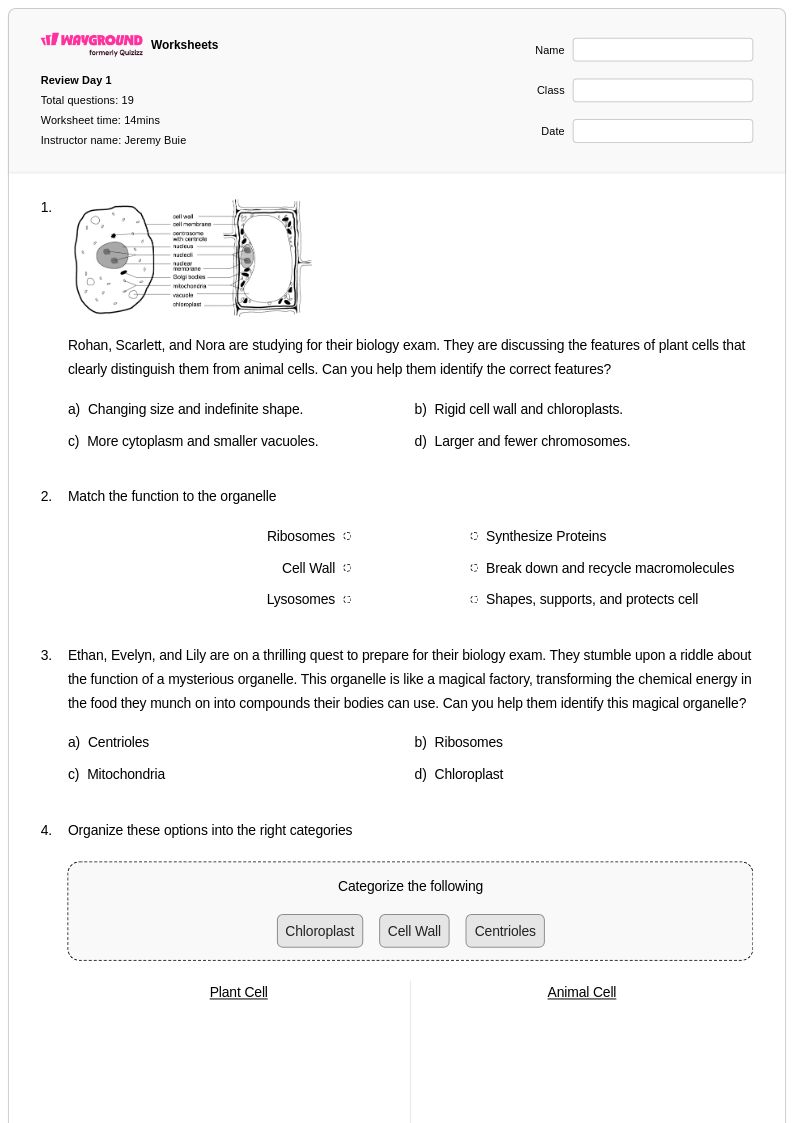
Practice exercises that ask students to classify animals by shared characteristics, label anatomical diagrams, or trace life cycles are particularly effective for building foundational animal biology knowledge. Comparison tasks — such as contrasting vertebrate and invertebrate body systems or evaluating different species' survival adaptations — push students beyond recall into analysis. Worksheets that integrate ecological relationships alongside anatomy give students a more complete picture of how biological structures connect to function and environment.
What mistakes do students commonly make when learning animal biology?
One of the most common misconceptions is conflating physical similarity with close evolutionary relationship — students often assume that animals that look alike must be closely related. Students also frequently confuse behavioral adaptations with structural ones, treating them as interchangeable rather than as distinct response types. When studying life cycles, students tend to oversimplify metamorphosis stages or omit key transitions, which leads to incomplete understanding of developmental biology.
How can I differentiate animal biology worksheets for students with different learning needs?
For students who need additional support, reducing the complexity of classification tasks and providing partially completed diagrams can lower the cognitive load without removing the core learning objective. On Wayground, teachers can apply individual accommodations such as reduced answer choices, read aloud support, and extended time to specific students while the rest of the class works under default settings. These accommodations are saved per student and carry over to future sessions, making differentiation sustainable rather than a one-time adjustment.
How do I use Wayground's animal biology worksheets in my class?
Wayground's animal biology worksheets are available as printable PDFs for traditional classroom use and in digital formats for technology-integrated or remote learning environments. Teachers can also host worksheets directly as a quiz on Wayground, which allows for real-time student responses and built-in answer key grading. All worksheets include complete answer keys, so they work equally well for in-class instruction, independent practice, or homework assignments.
How do I align animal biology worksheets with curriculum standards?
When selecting worksheets, filter by the specific biological domain your standards address — vertebrate systems, invertebrate diversity, animal behavior, or ecological relationships — rather than searching broadly for 'animal biology.' Wayground's search and filtering tools allow teachers to locate materials aligned to specific curriculum standards quickly. Cross-referencing worksheet content against your learning objectives before assigning ensures the practice directly reinforces what students are accountable for knowing.

![Science time! [for grade 2] - Printable Animal-biology Worksheets - Wayground](https://quizizz-static.s3.amazonaws.com/_media/worksheets-new/62107a94d561ad001d467cf5-science-time-for-grade-2)