
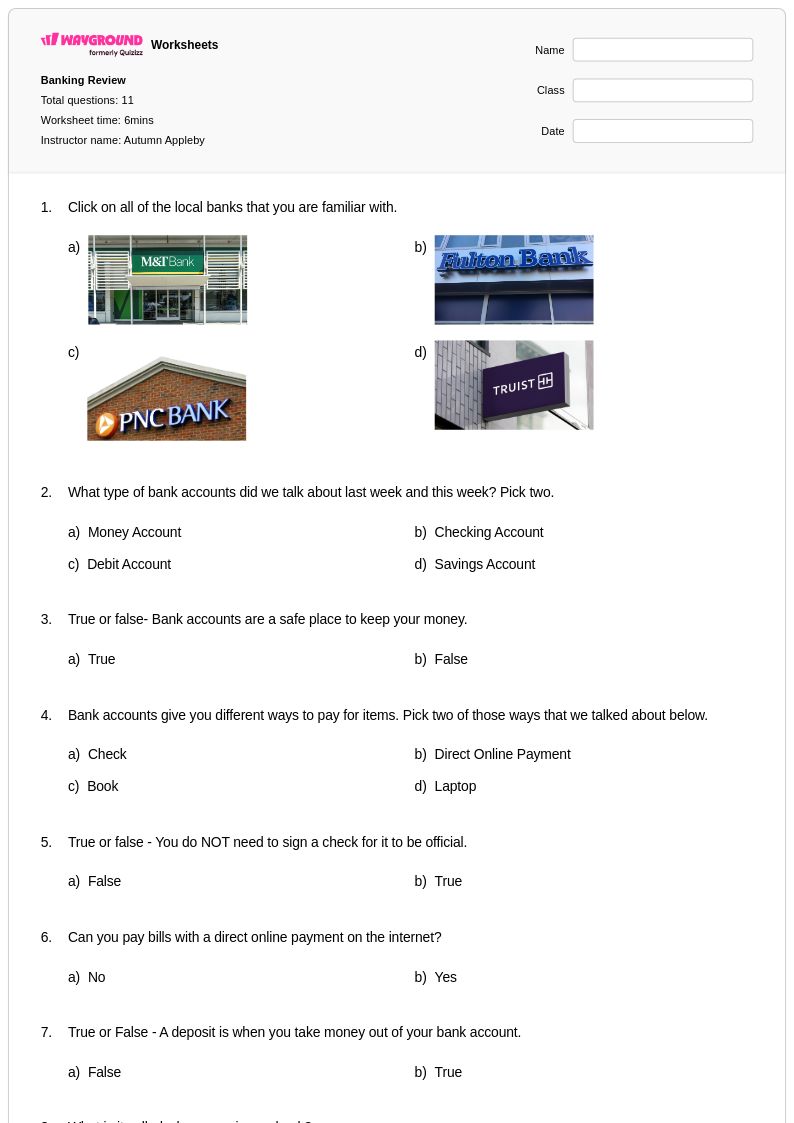
11 Q
3rd - 8th
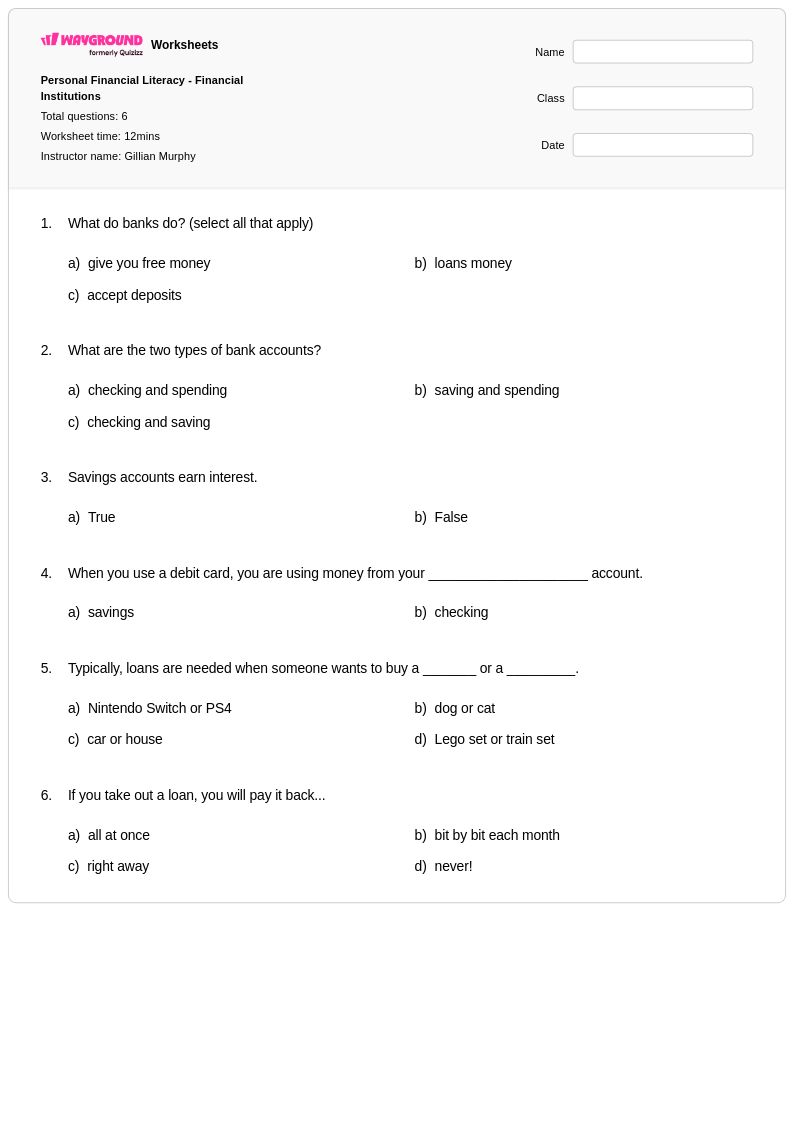
6 Q
4th
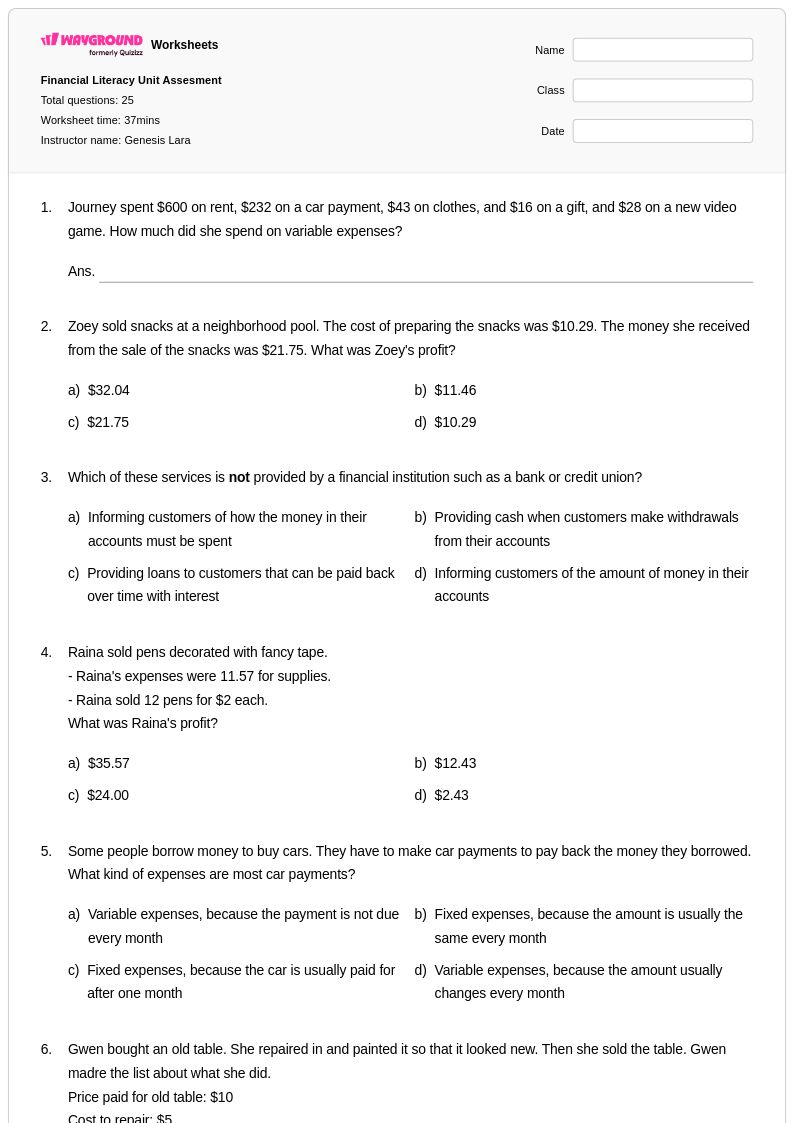
25 Q
4th

15 Q
4th
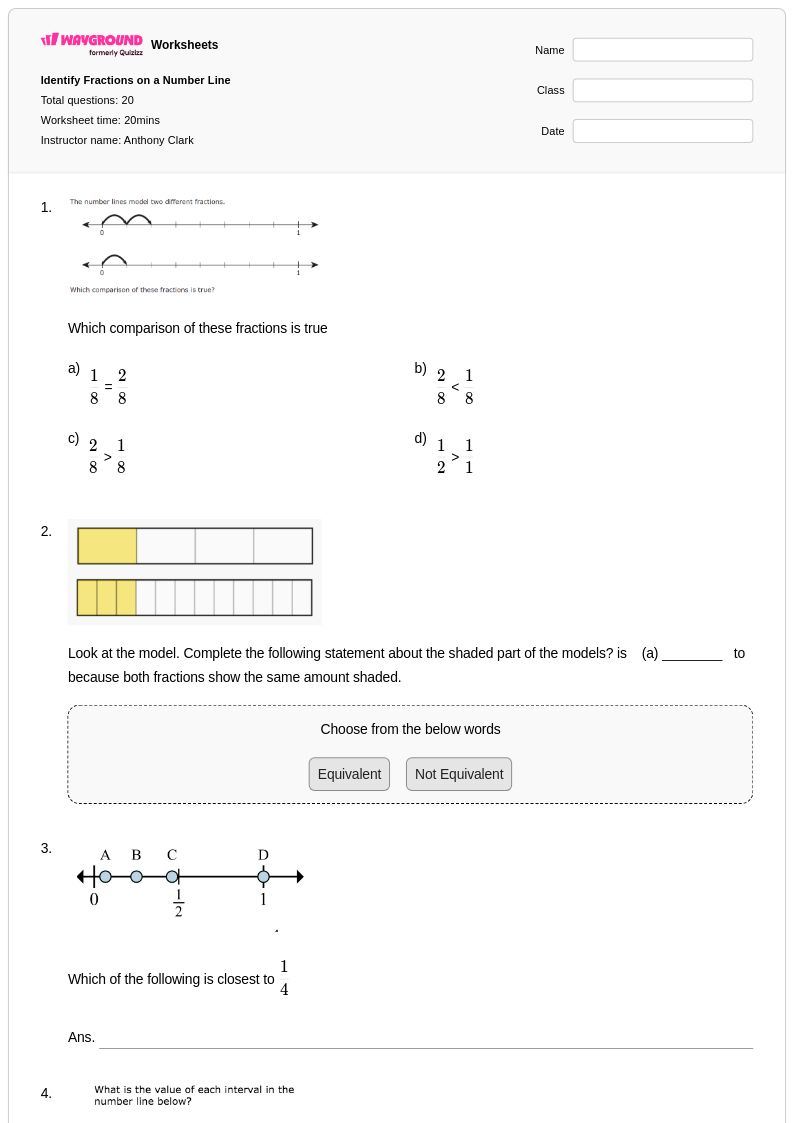
20 Q
3rd - Uni
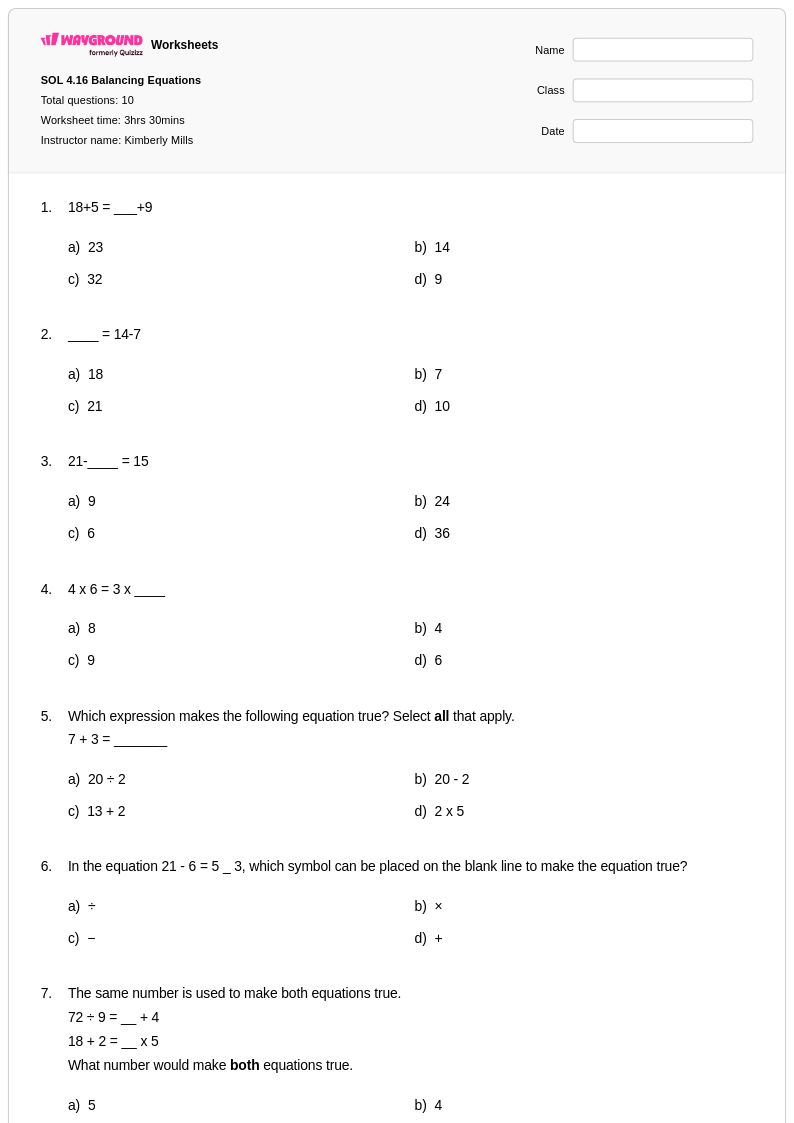
10 Q
4th
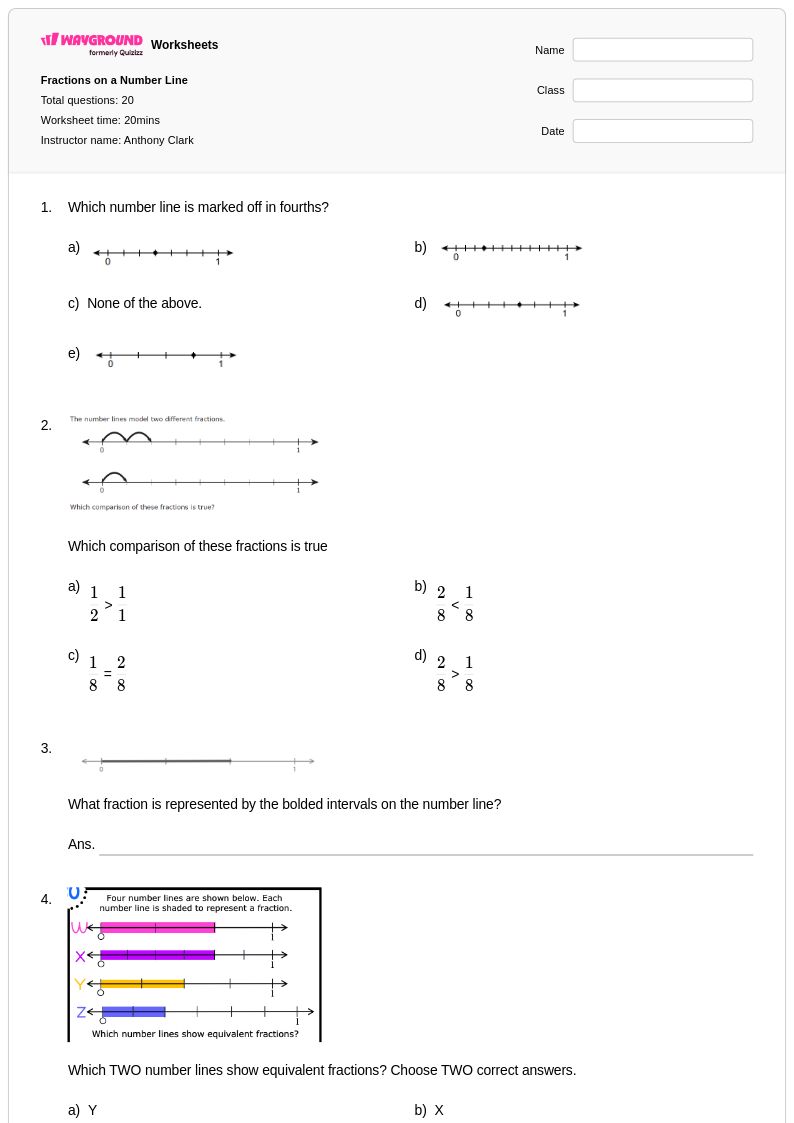
20 Q
3rd - Uni
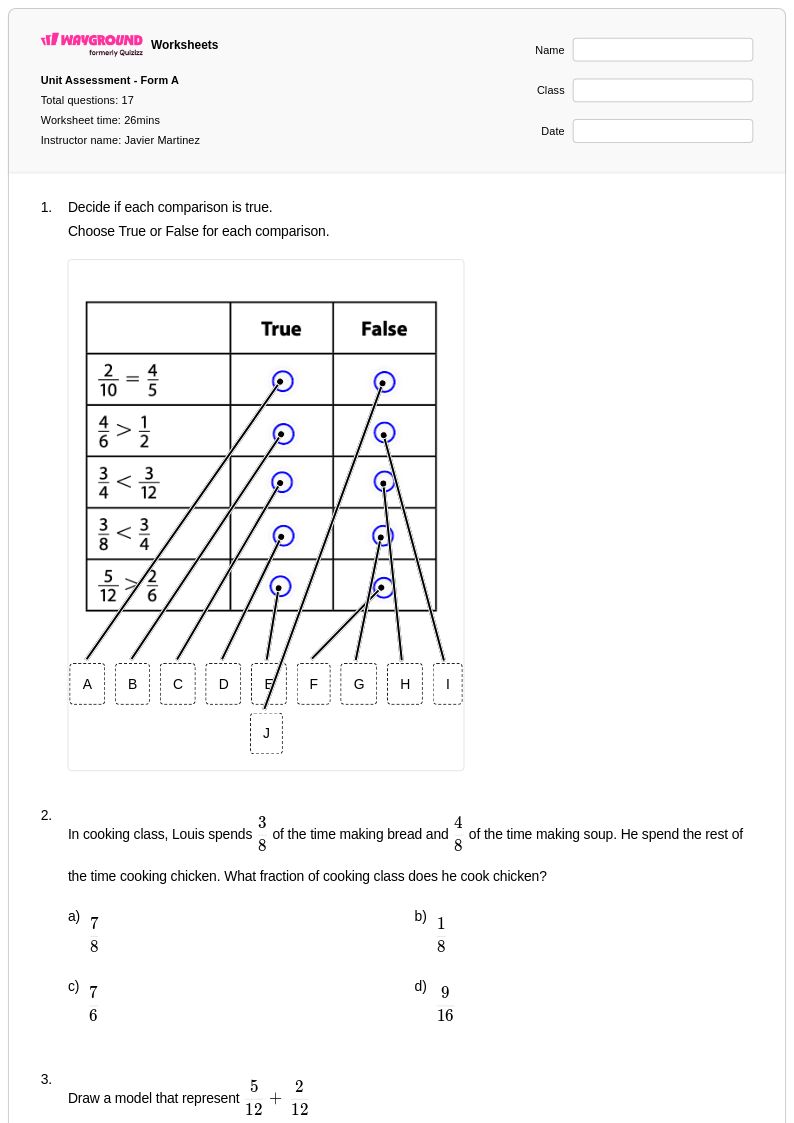
17 Q
4th
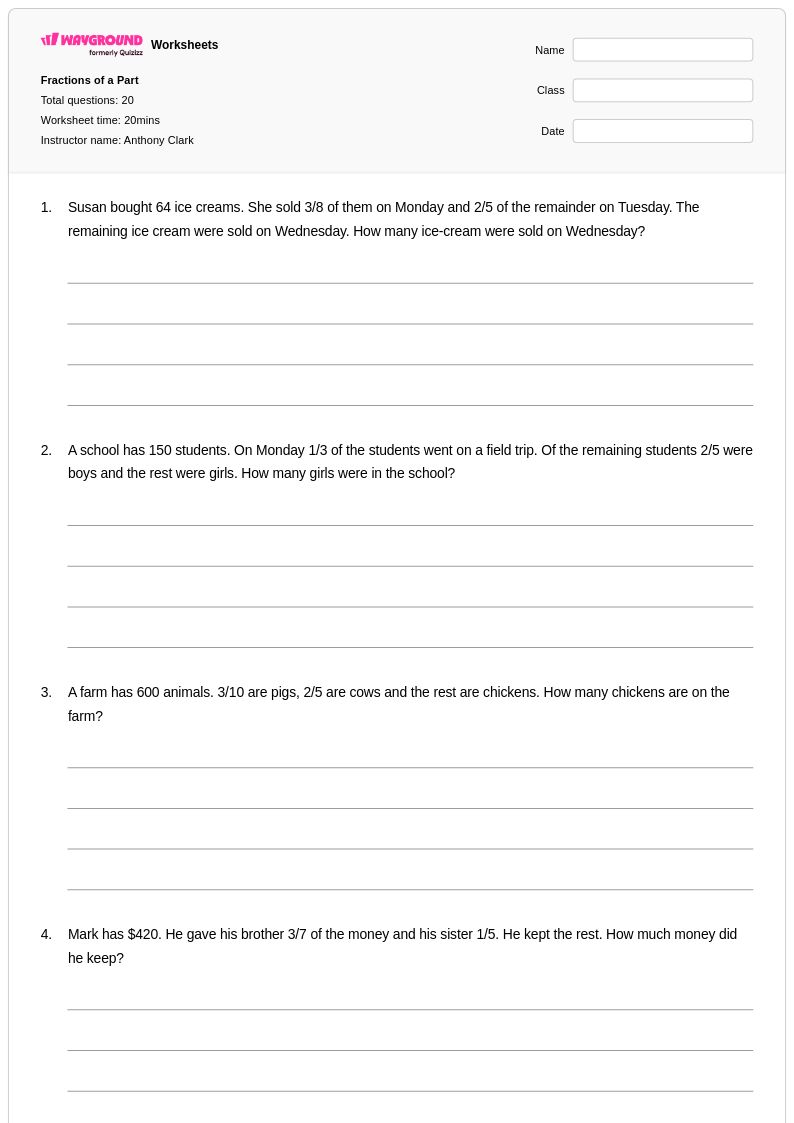
20 Q
3rd - Uni
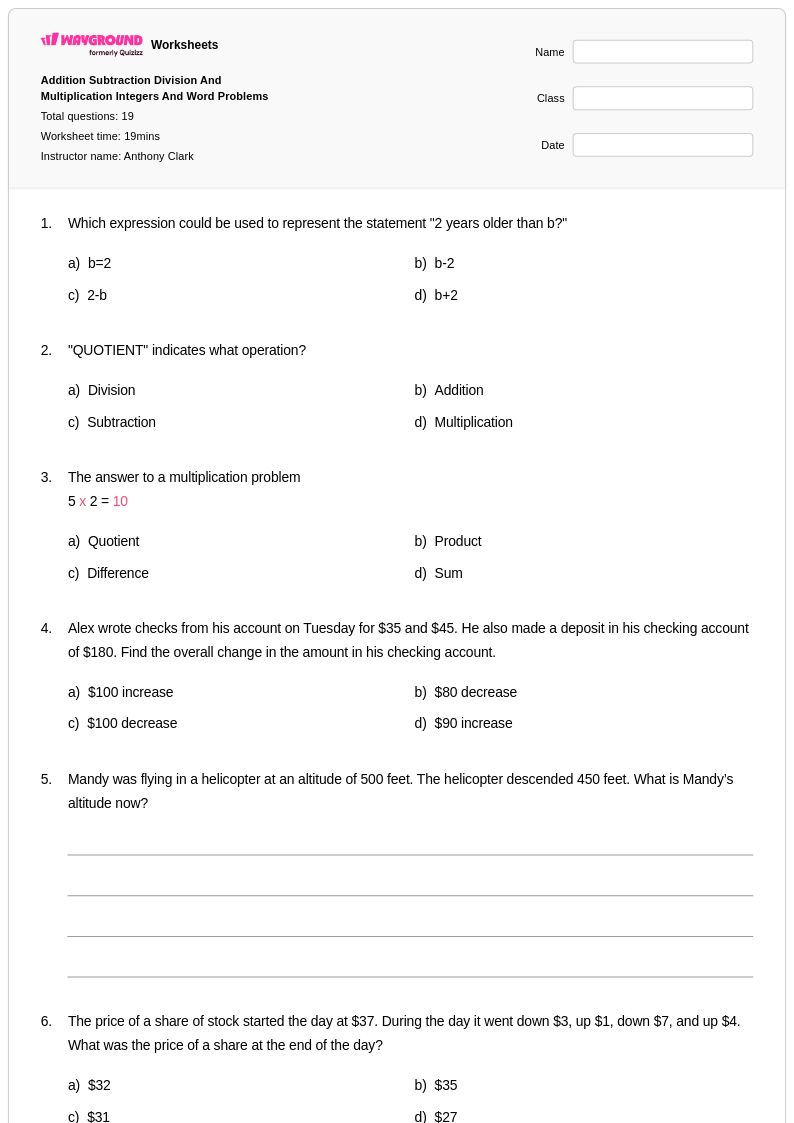
19 Q
4th - Uni
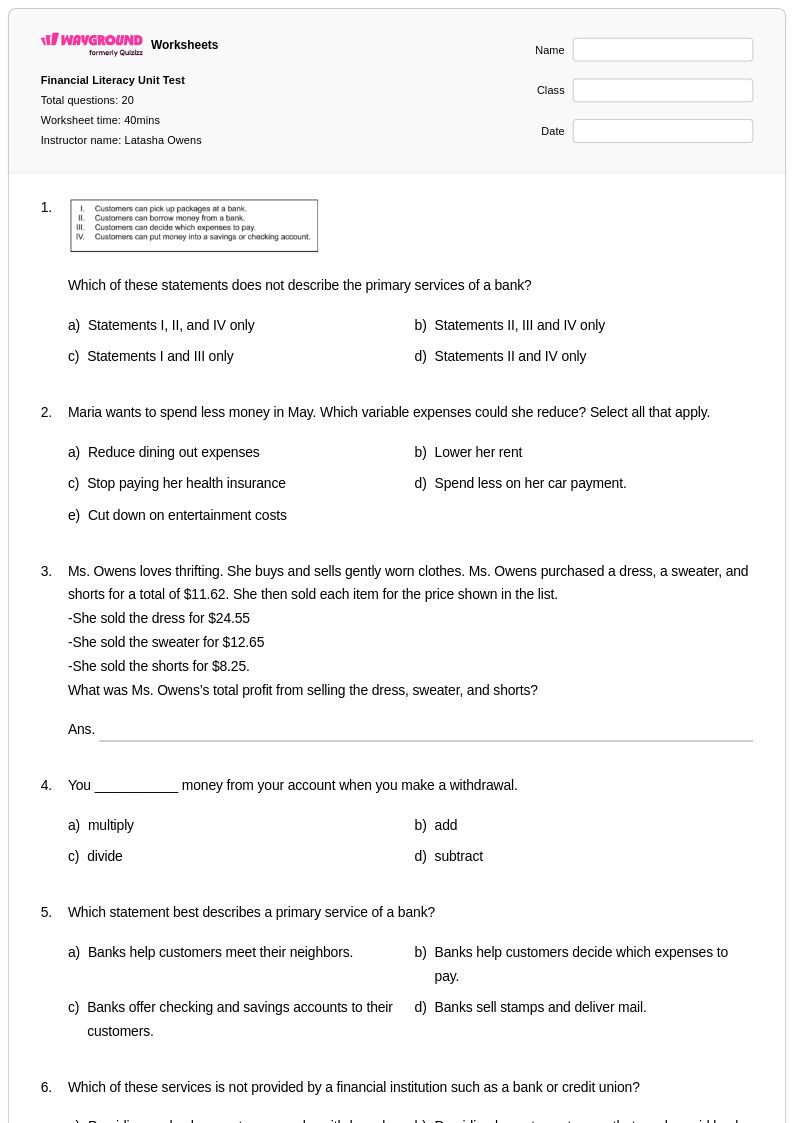
20 Q
4th
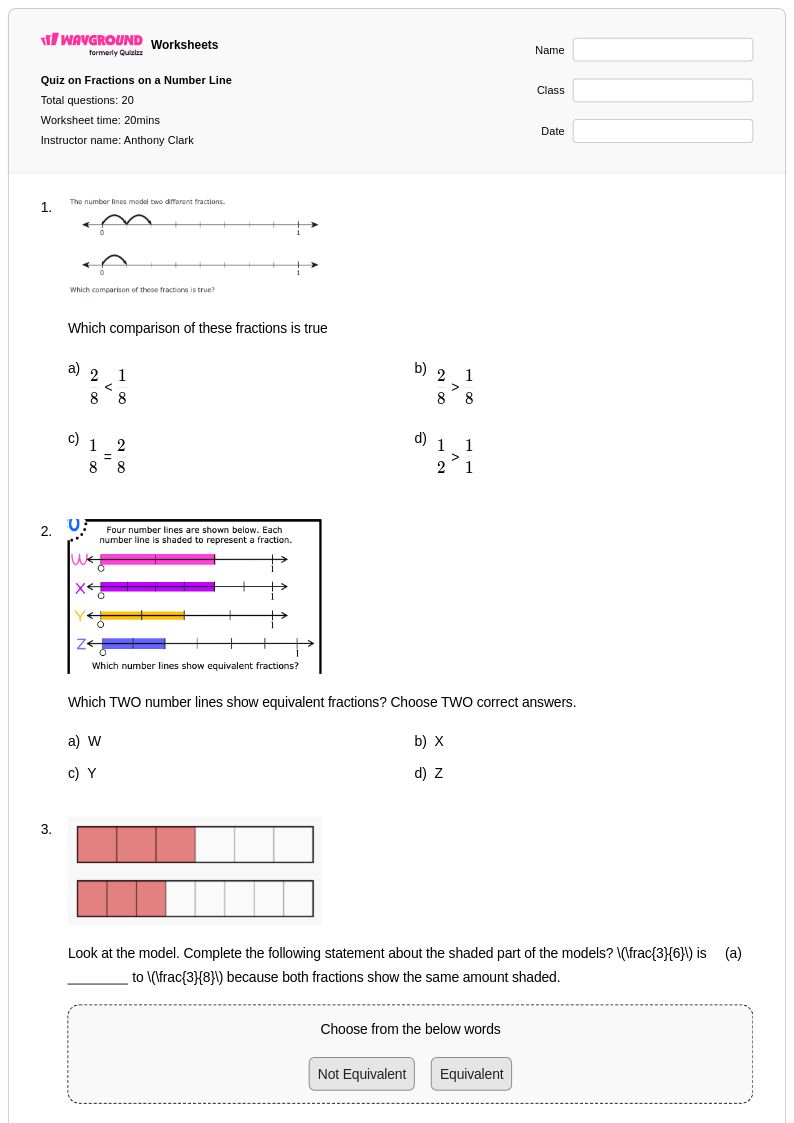
20 Q
3rd - Uni
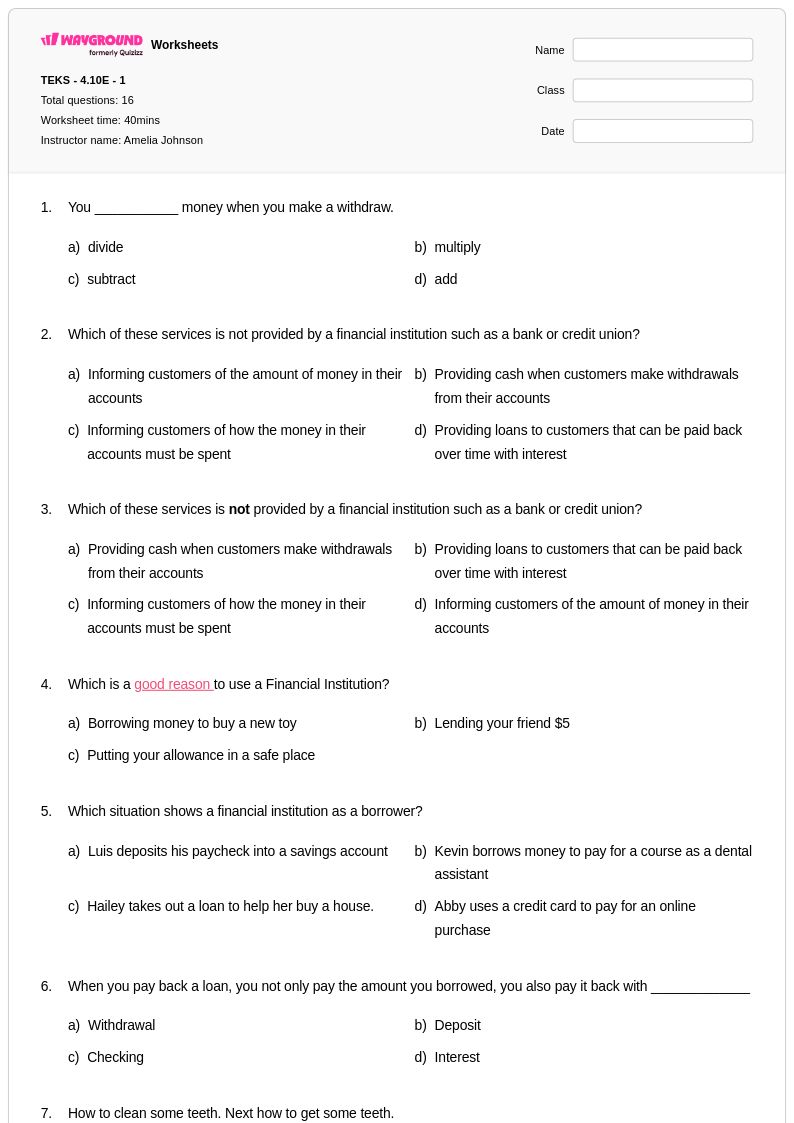
16 Q
4th
20 Q
3rd - Uni
12 Q
3rd - Uni
20 Q
3rd - Uni
12 Q
4th
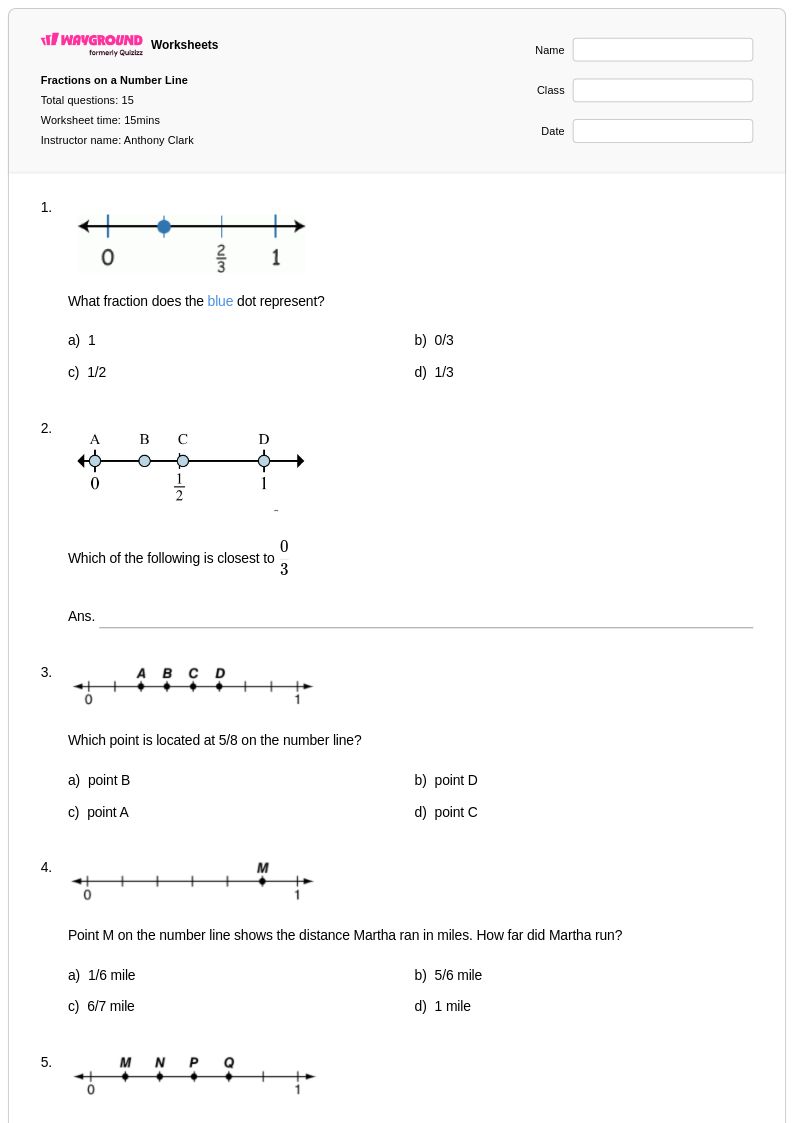
15 Q
4th - Uni
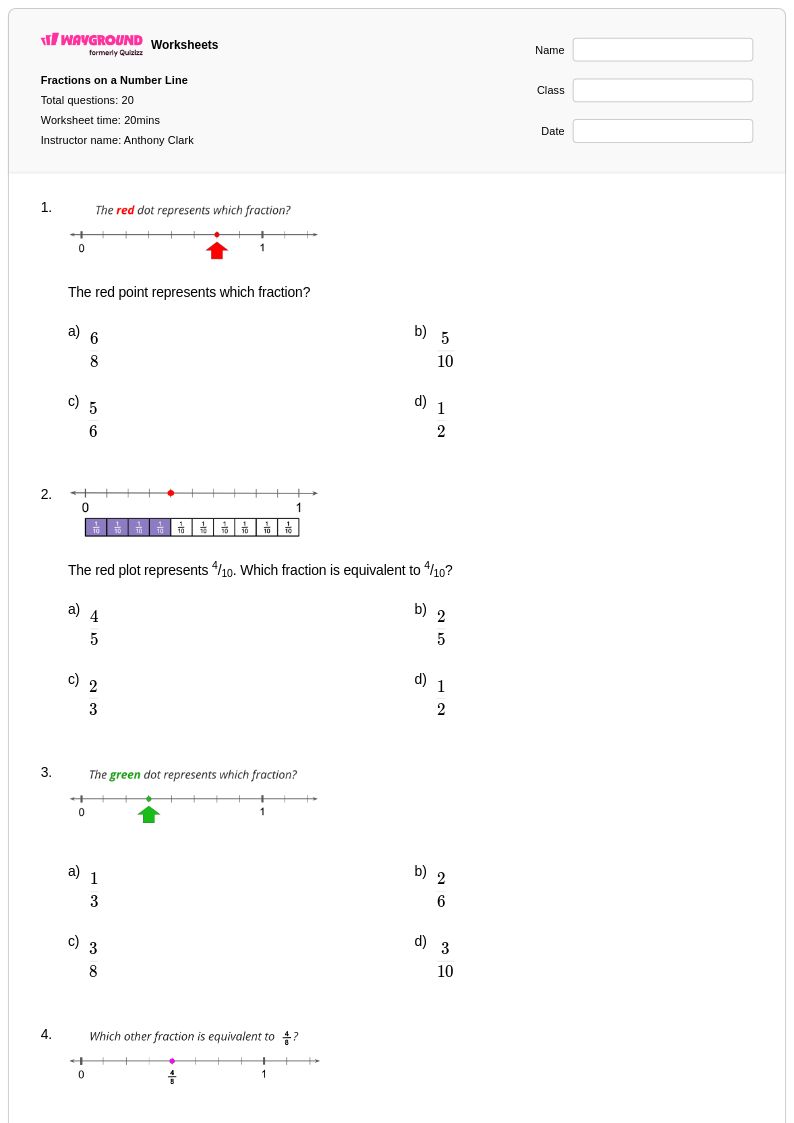
20 Q
3rd - Uni
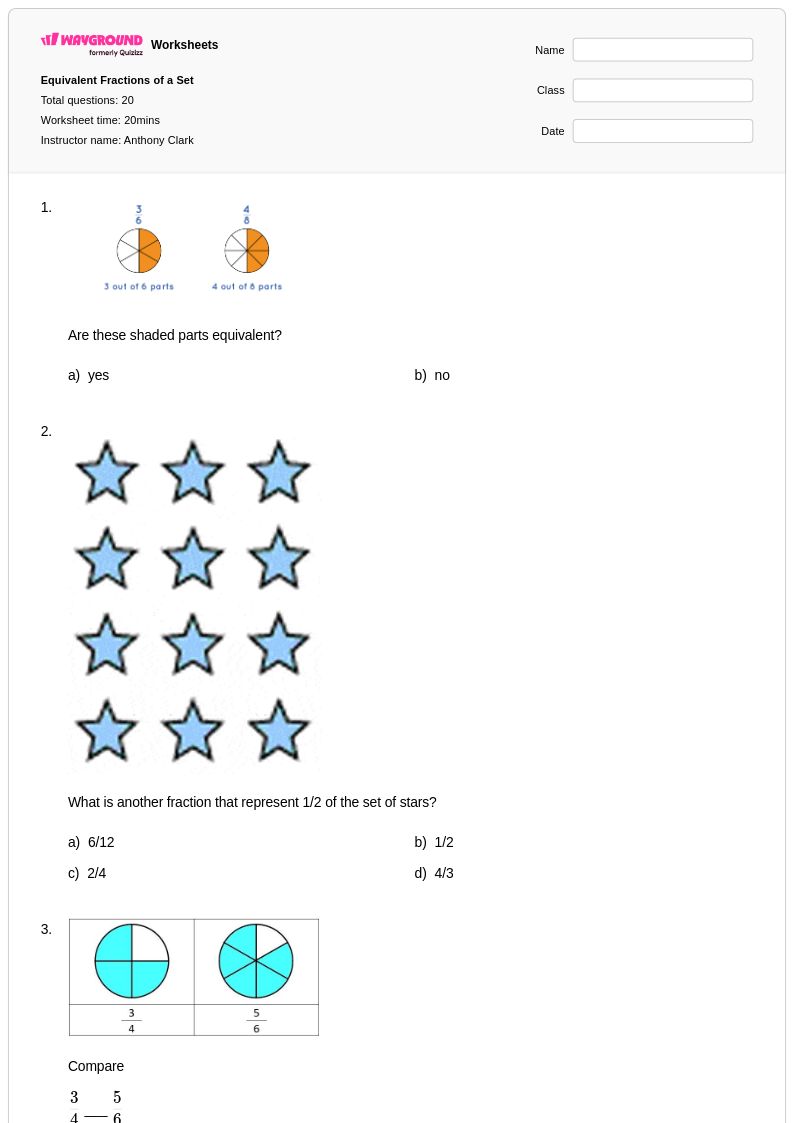
20 Q
4th - Uni
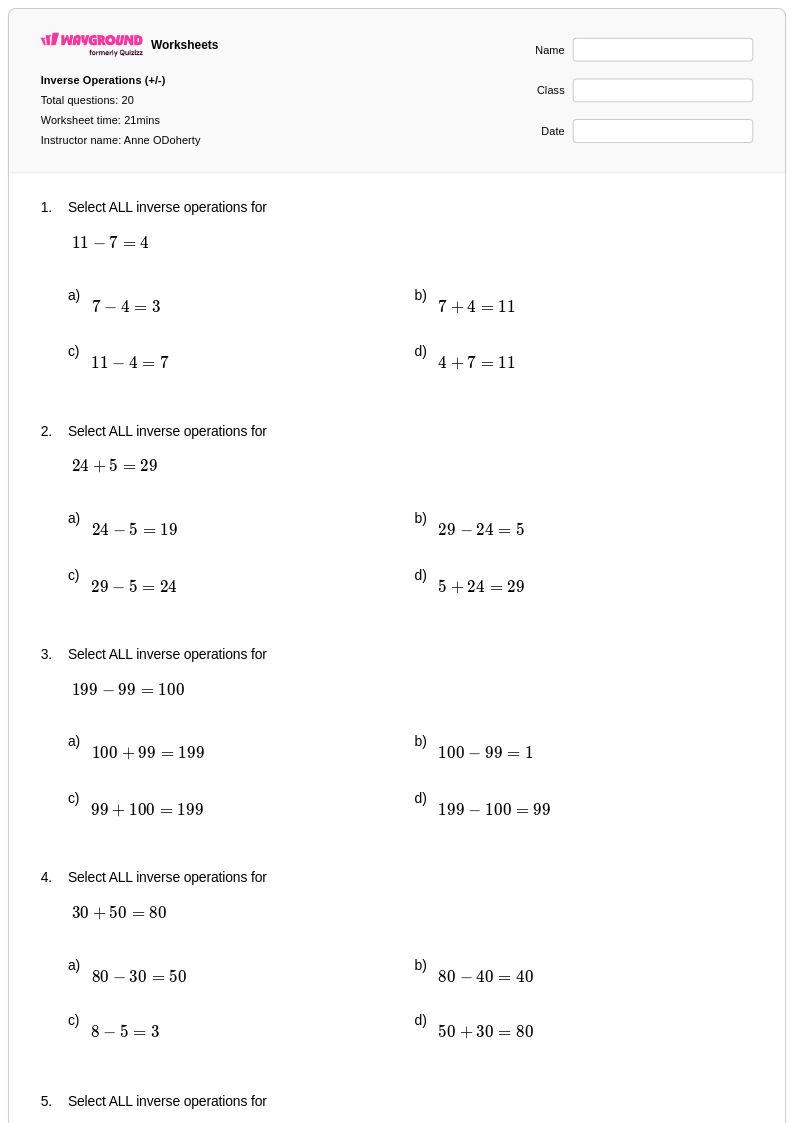
20 Q
3rd - 4th
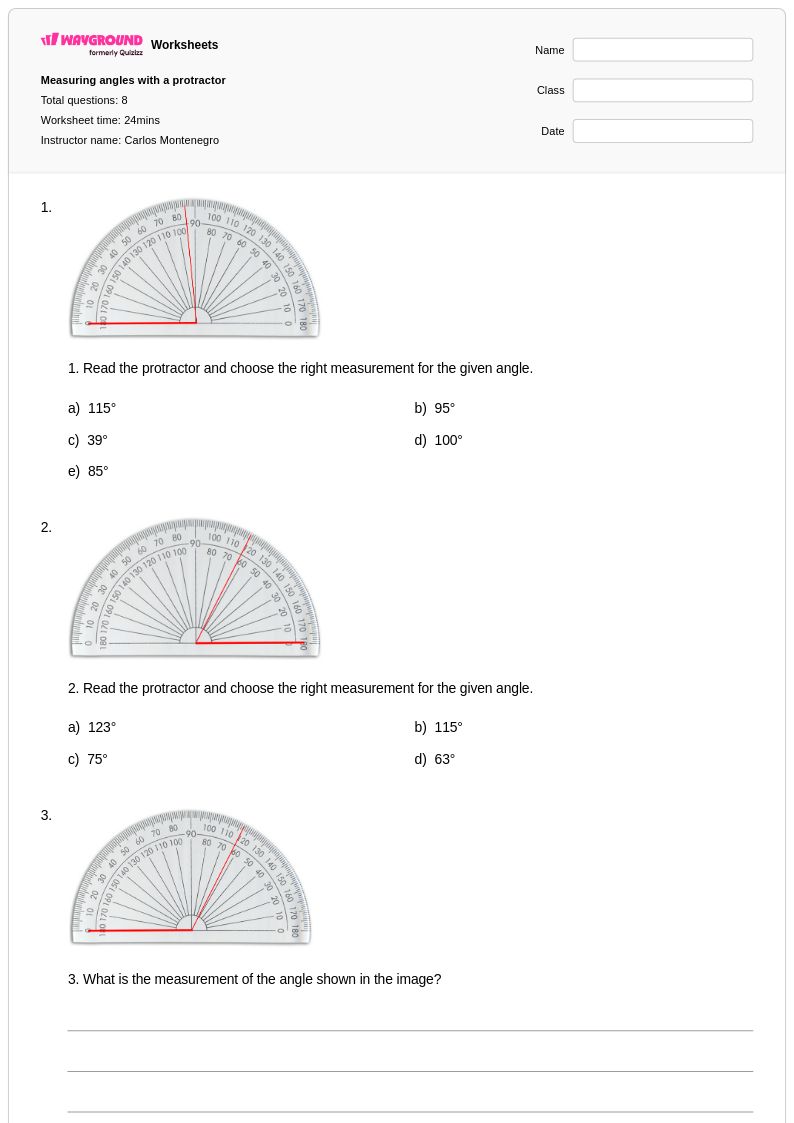
8 Q
4th
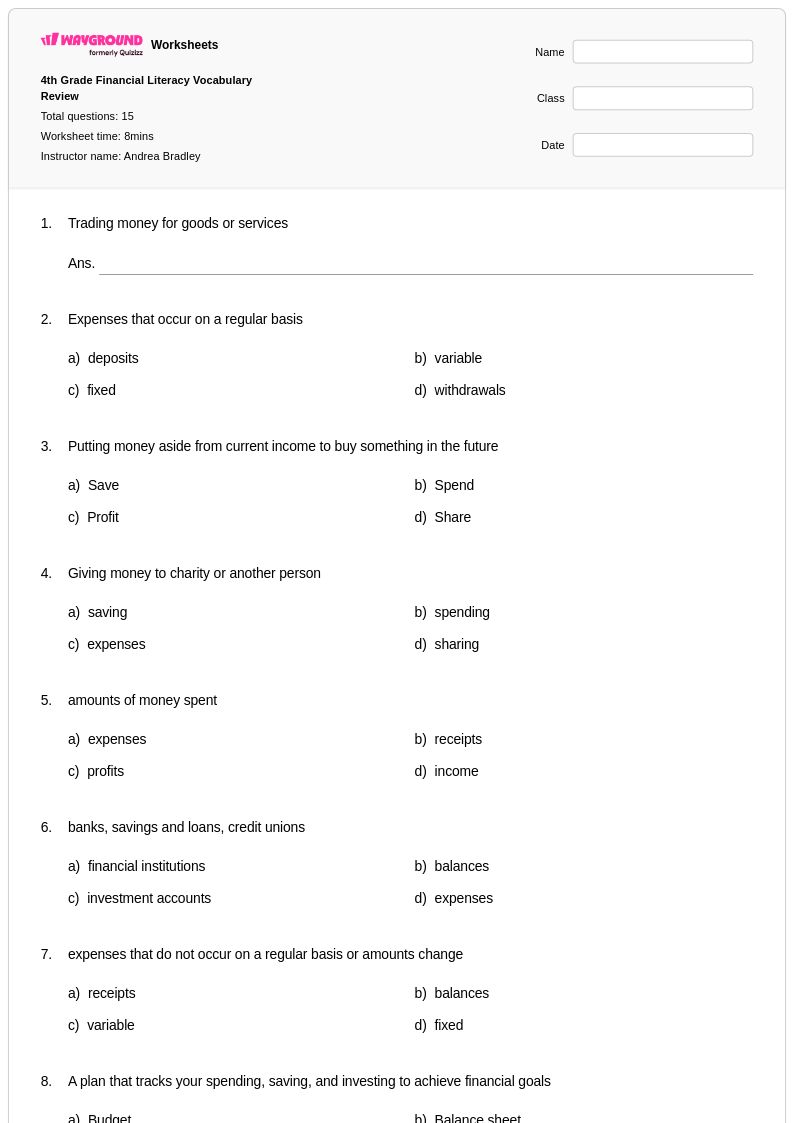
15 Q
4th
Explore Balancing a Checking Account Worksheets by Grades
Explore Other Subject Worksheets for class 4
Explore printable Balancing a Checking Account worksheets for Class 4
Balancing a checking account worksheets for Class 4 students through Wayground (formerly Quizizz) provide essential practice in real-world financial mathematics that builds foundational money management skills. These comprehensive printables guide fourth graders through the systematic process of tracking deposits, withdrawals, and account balances using age-appropriate scenarios and clear step-by-step examples. Students develop critical thinking abilities as they work through practice problems that simulate actual banking transactions, learning to maintain accurate records and identify discrepancies in account statements. Each worksheet includes detailed answer keys that support both independent learning and guided instruction, with free pdf formats ensuring accessibility for diverse classroom and home learning environments.
Wayground's extensive collection of teacher-created resources supports educators with millions of high-quality materials specifically designed for Class 4 financial literacy instruction. The platform's robust search and filtering capabilities enable teachers to quickly locate checking account balance worksheets that align with specific learning objectives and mathematical standards, while differentiation tools allow for seamless adaptation to meet varying student ability levels. These flexible resources are available in both printable and digital formats, including downloadable pdfs, making them ideal for classroom instruction, homework assignments, remediation sessions, and enrichment activities. Teachers can customize worksheet difficulty levels and problem types to target specific skill gaps, ensuring that every student receives appropriate practice in this fundamental aspect of financial literacy education.
FAQs
How do I teach balancing a checking account in fourth grade?
What exercises help fourth graders practice checking account balances?
What mistakes do Grade 4 students make when balancing an account?
How can I use these Grade 4 checking account worksheets in class?
How does balancing a checking account support Common Core Grade 4 math?
How can I differentiate checking account worksheets for fourth graders?
Is balancing a checking account appropriate for Grade 4?