
20 Q
4th - Uni
20 Q
4th - Uni
20 Q
4th - Uni
20 Q
4th
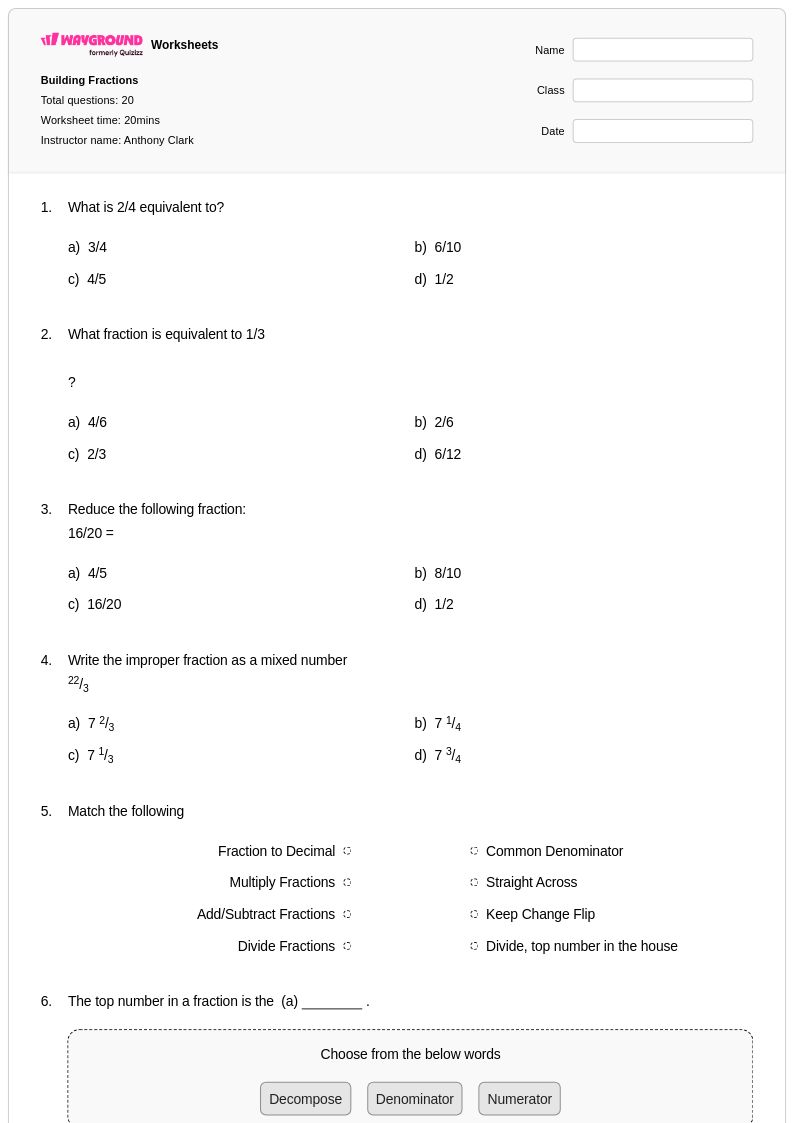
20 Q
4th - Uni
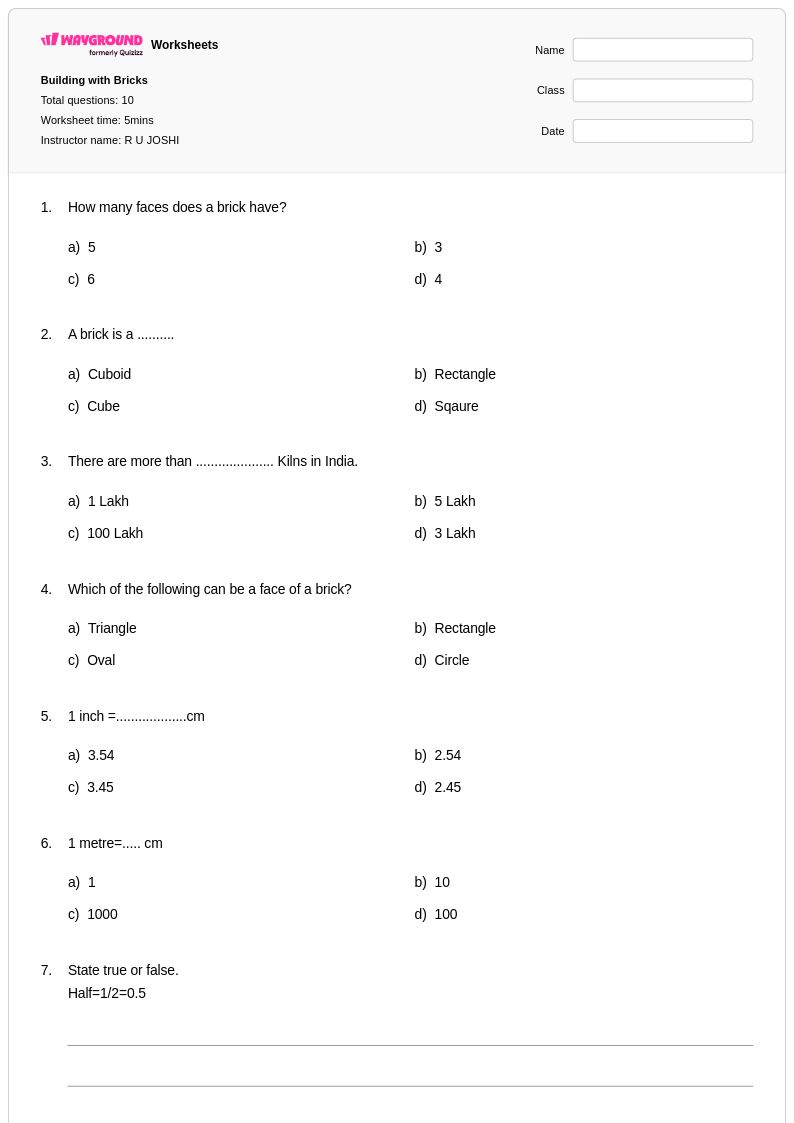
10 Q
4th
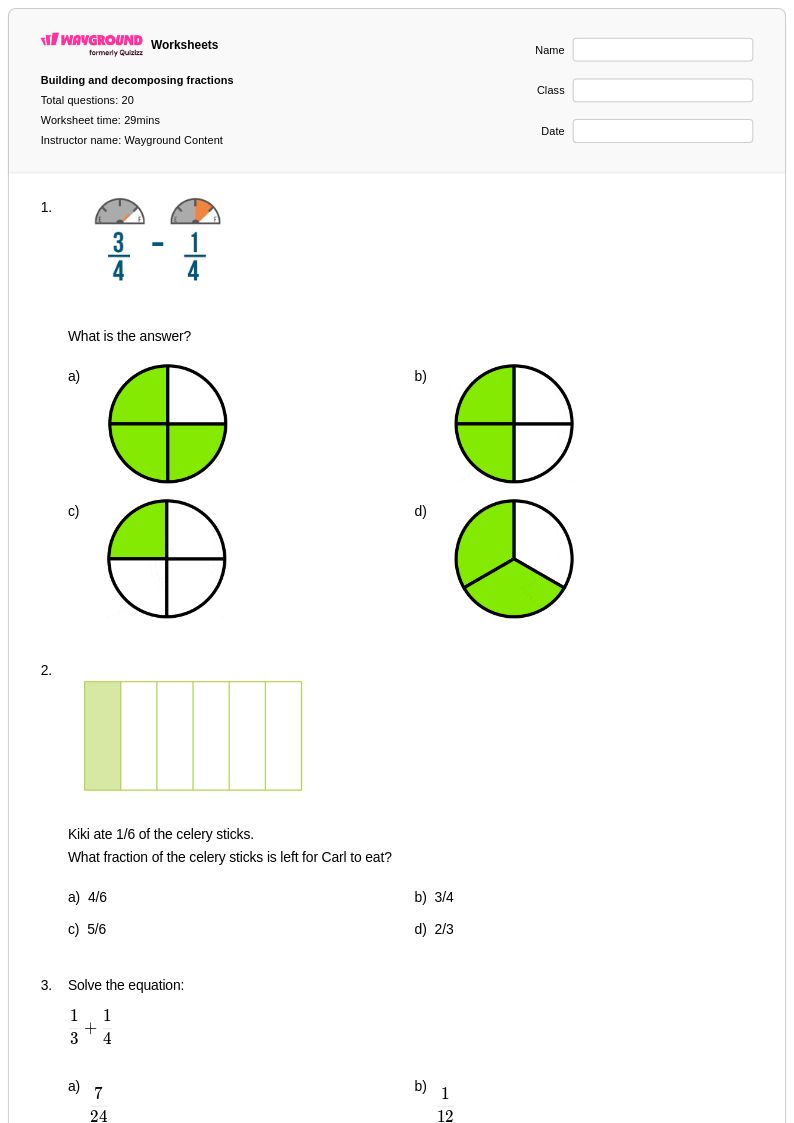
20 Q
4th
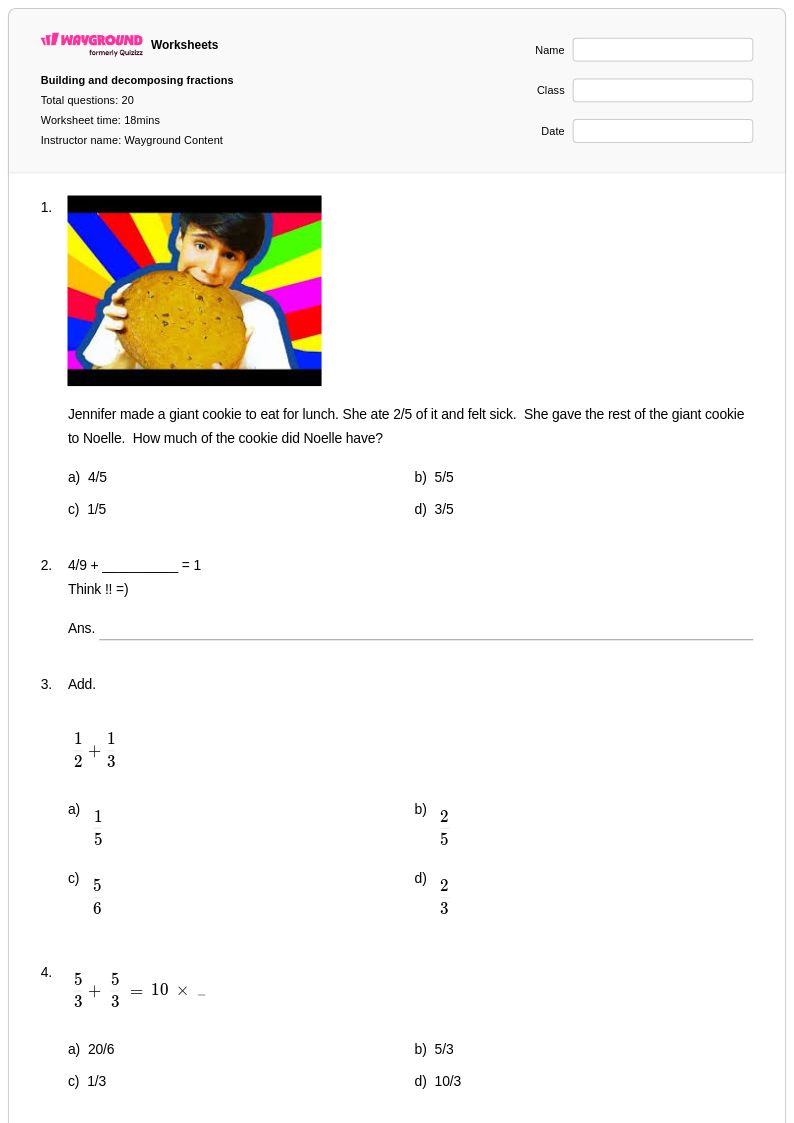
20 Q
4th
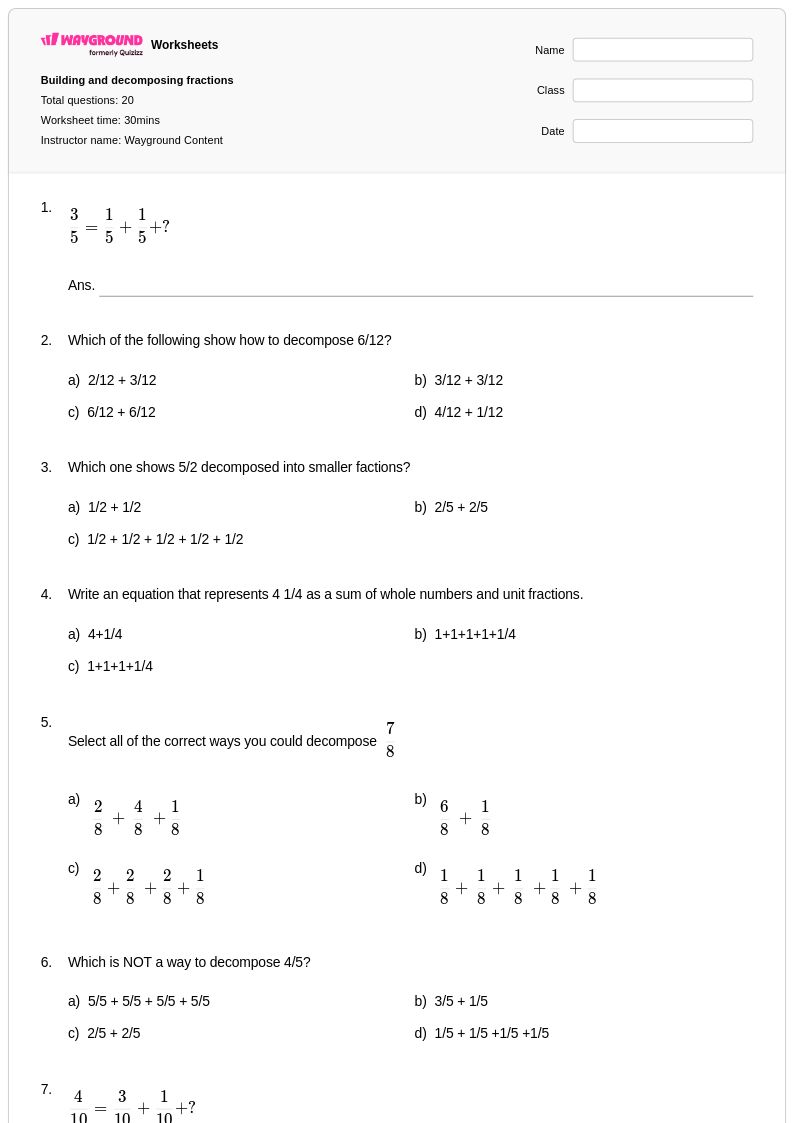
20 Q
4th
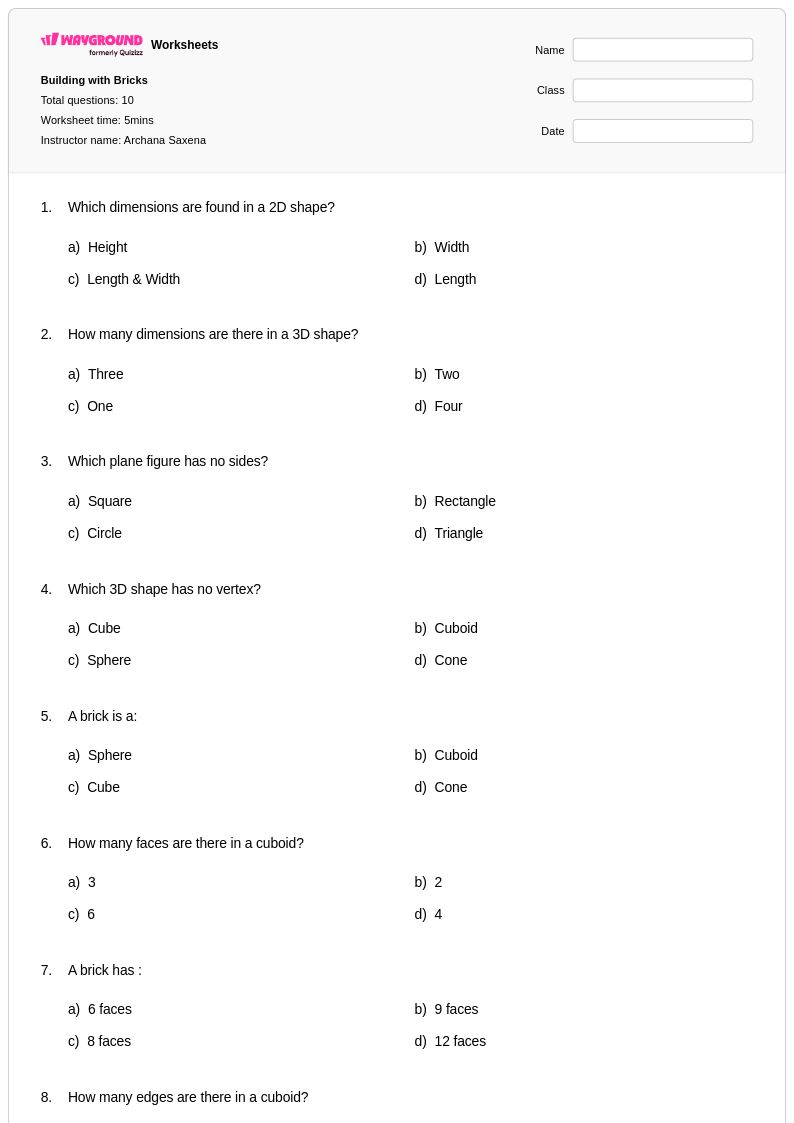
10 Q
4th - 5th
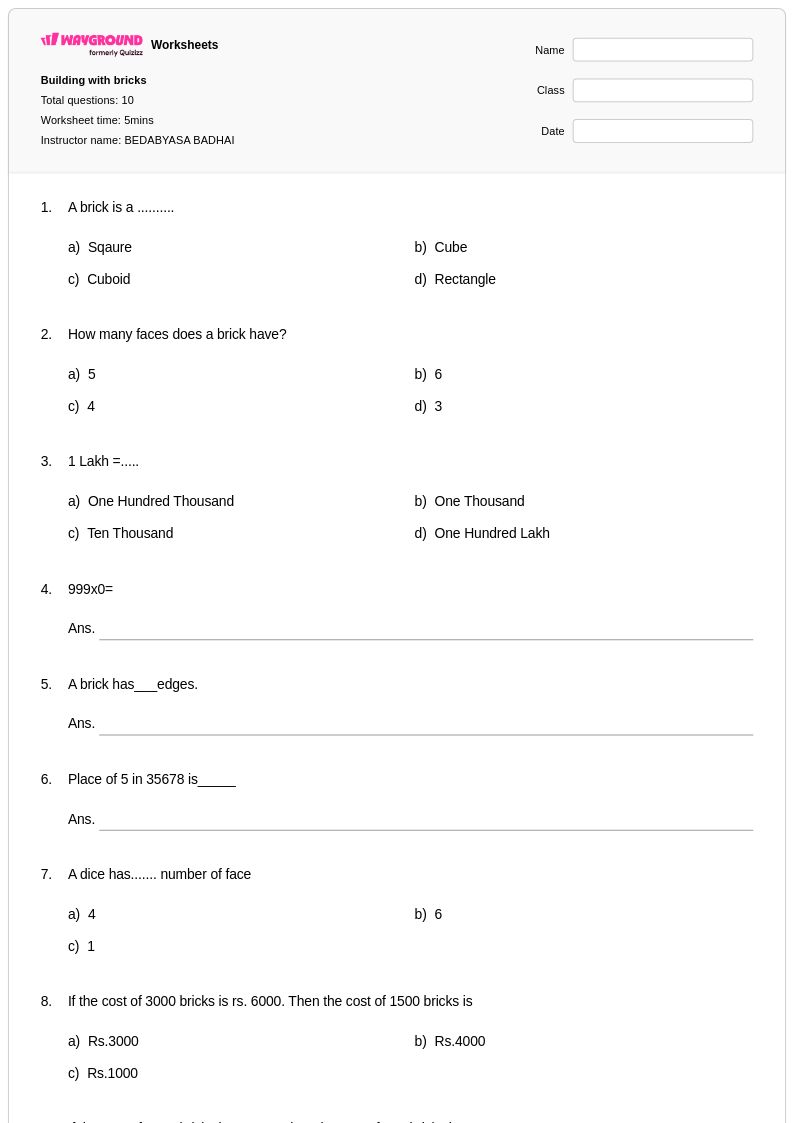
10 Q
4th
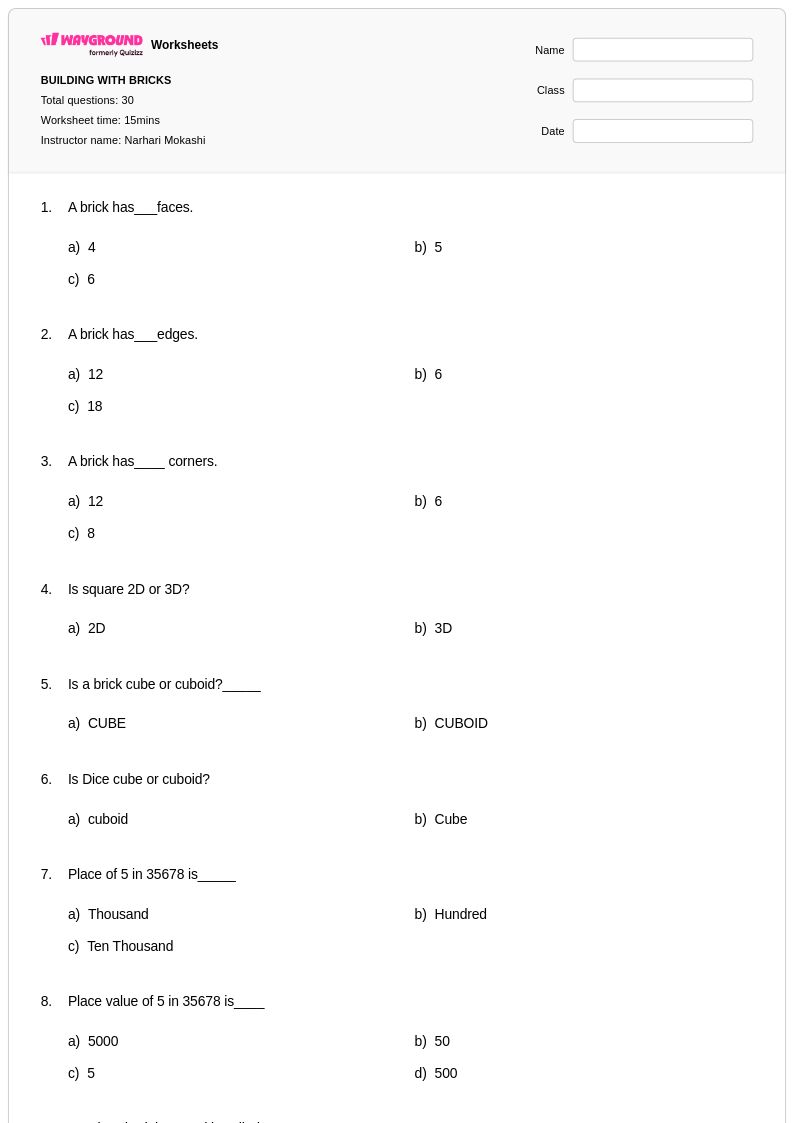
30 Q
4th
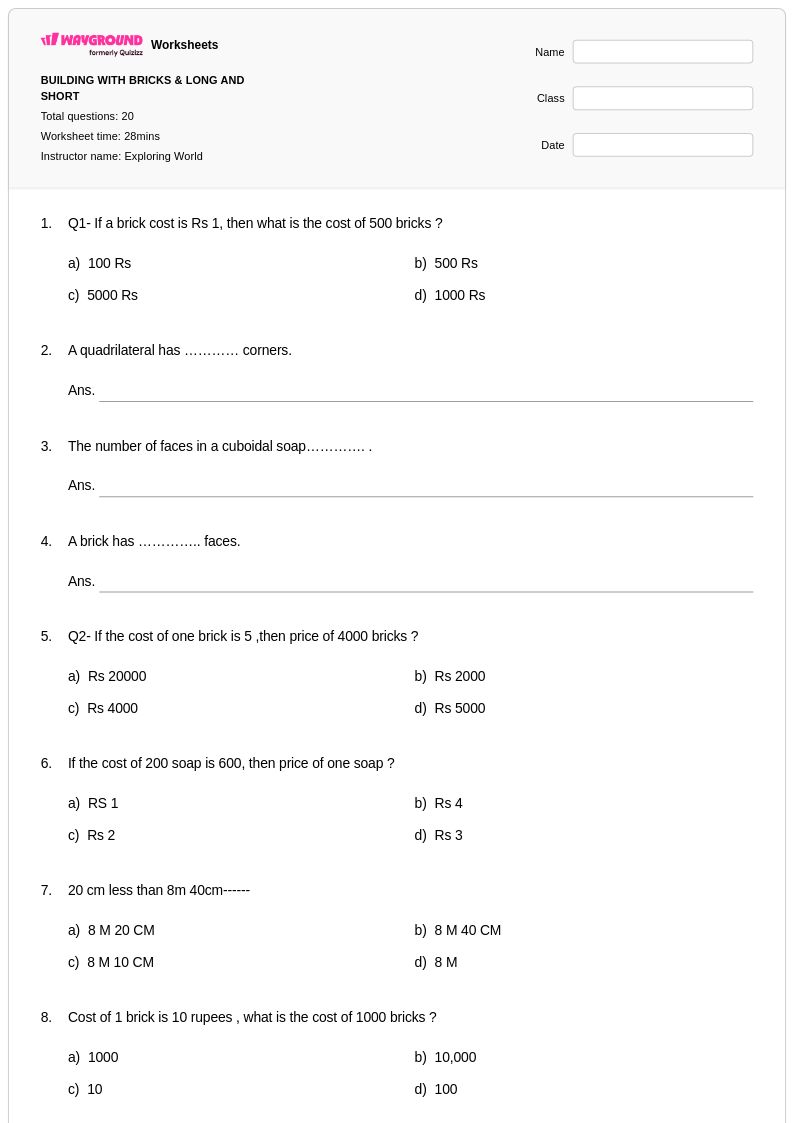
20 Q
4th
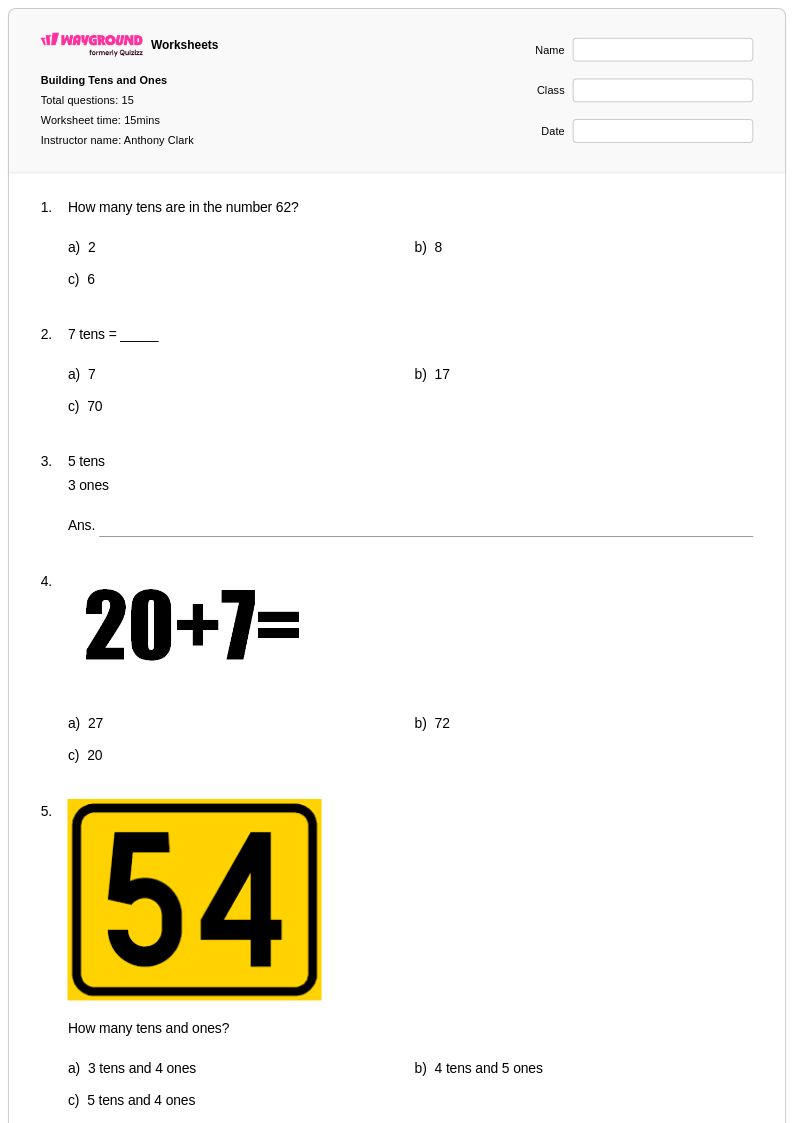
15 Q
1st - Uni
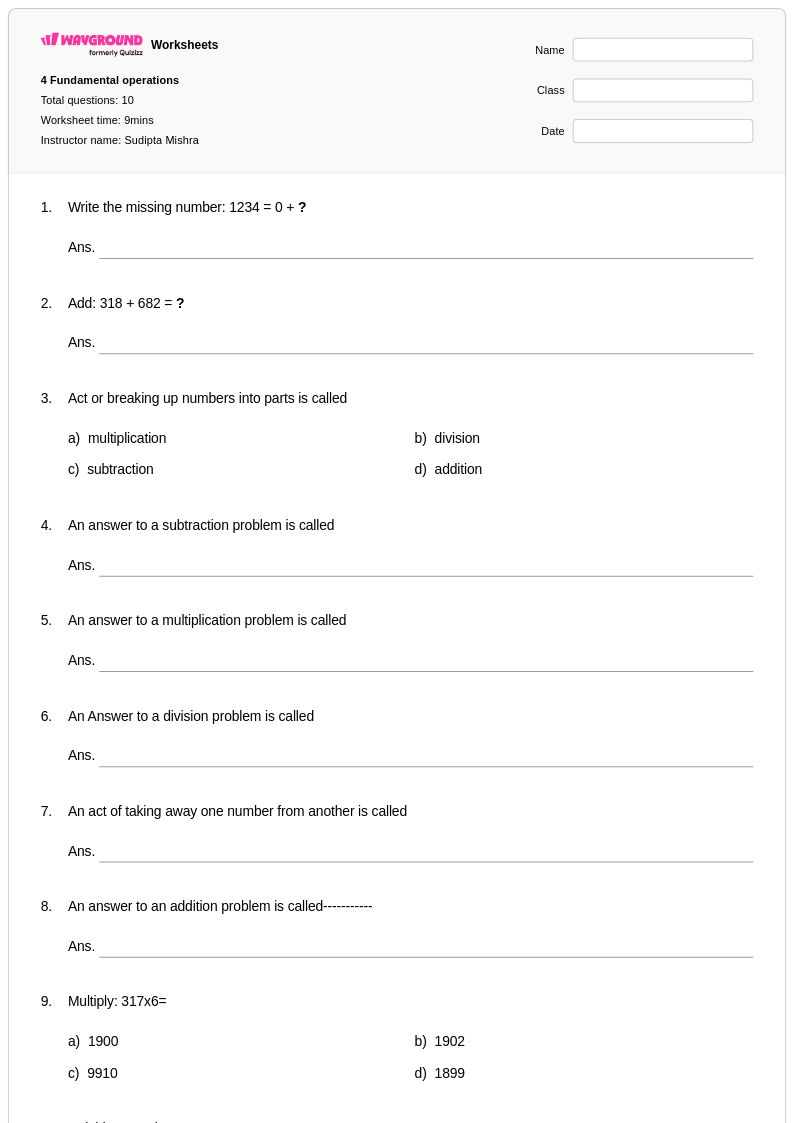
10 Q
4th
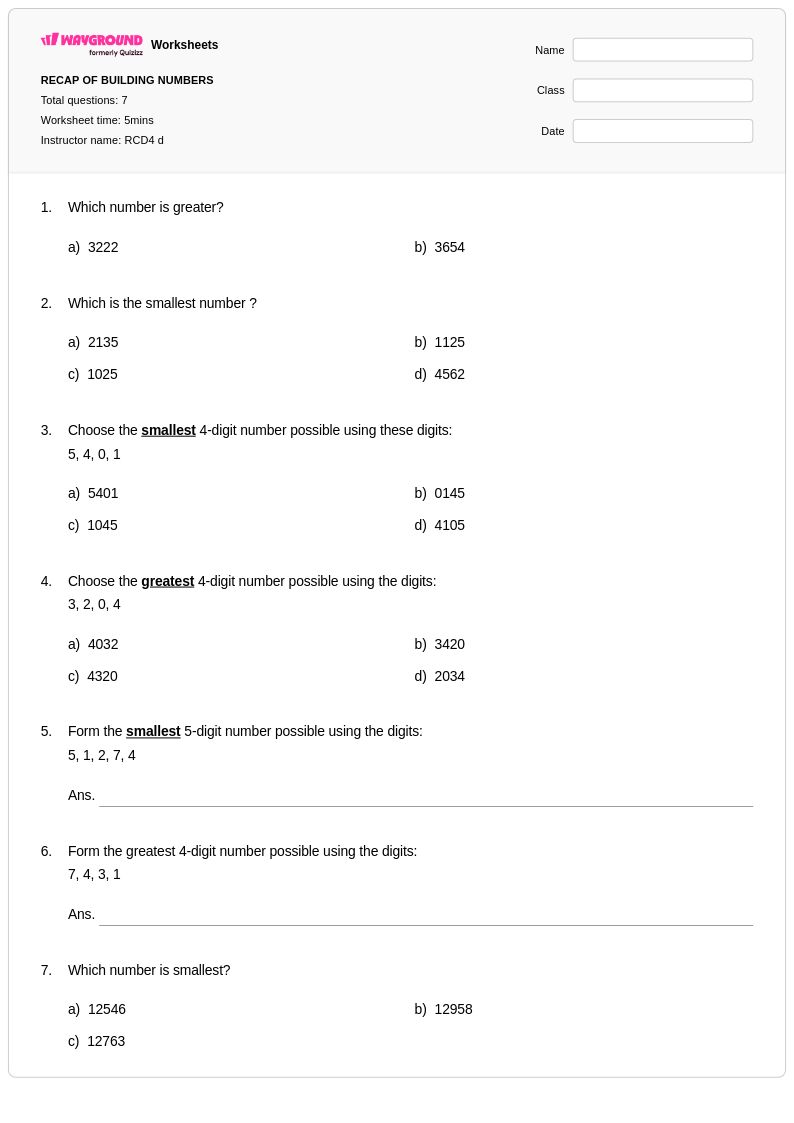
7 Q
4th
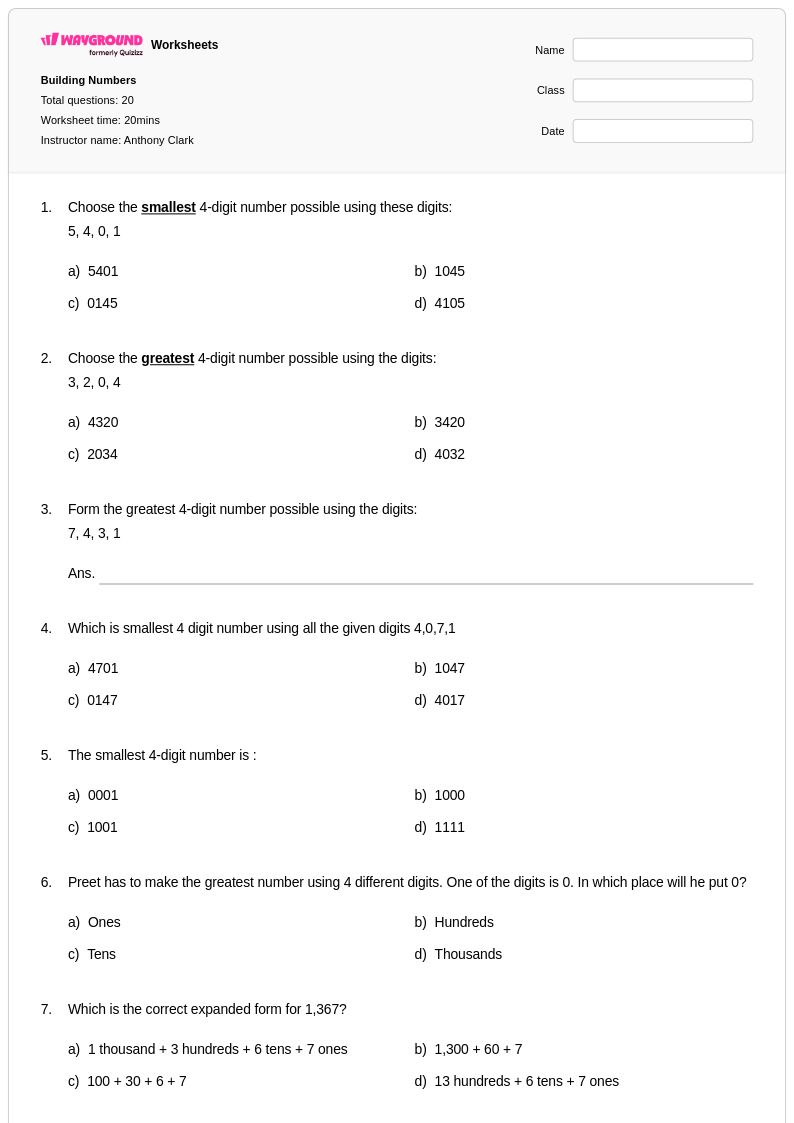
20 Q
4th - Uni
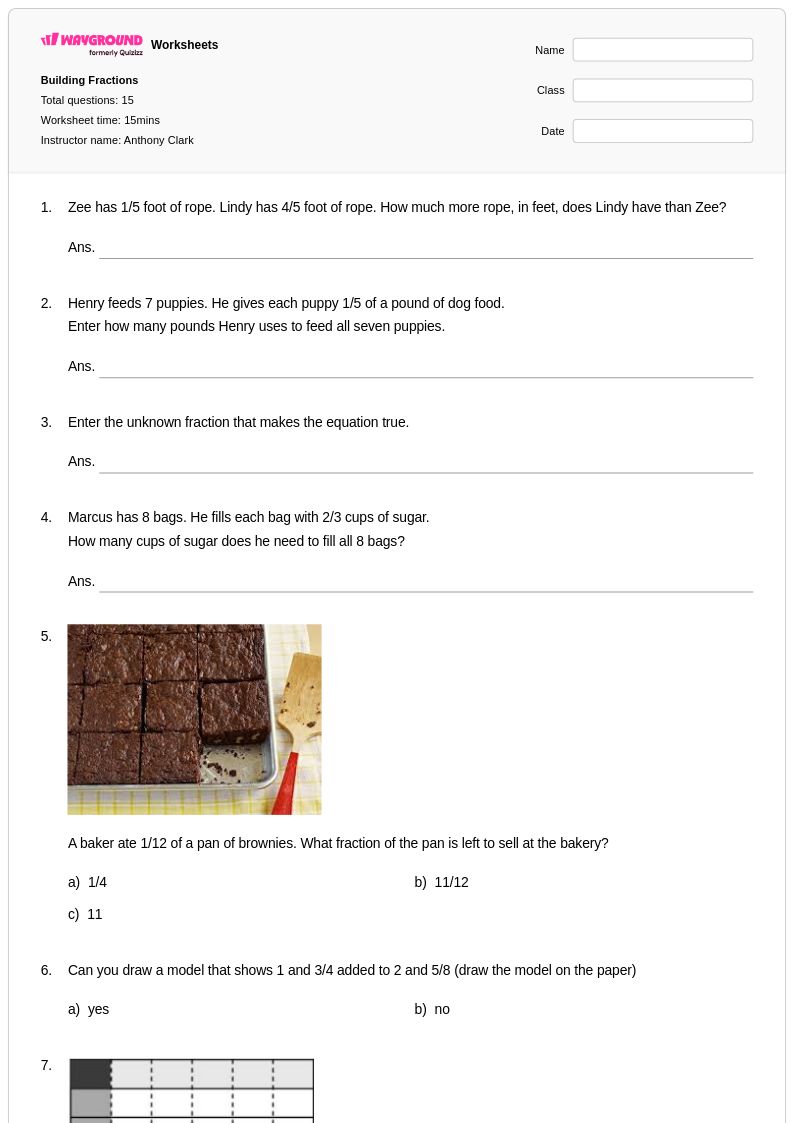
15 Q
4th - Uni
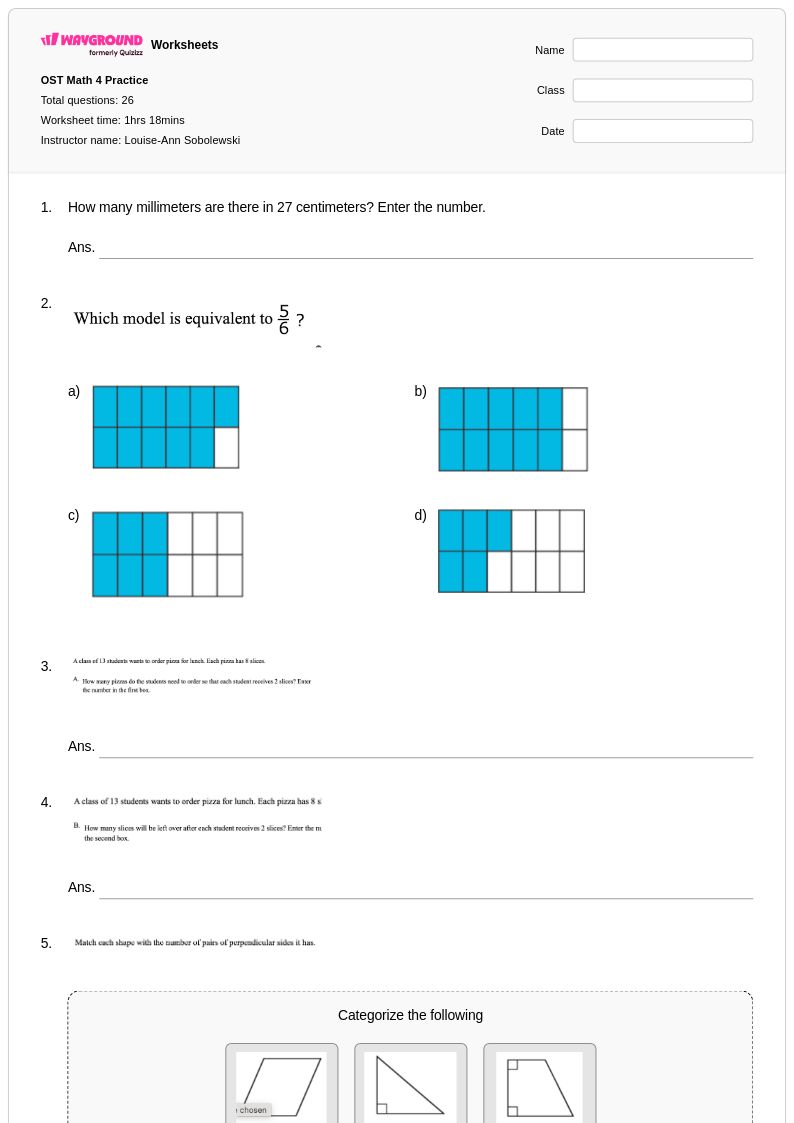
26 Q
4th
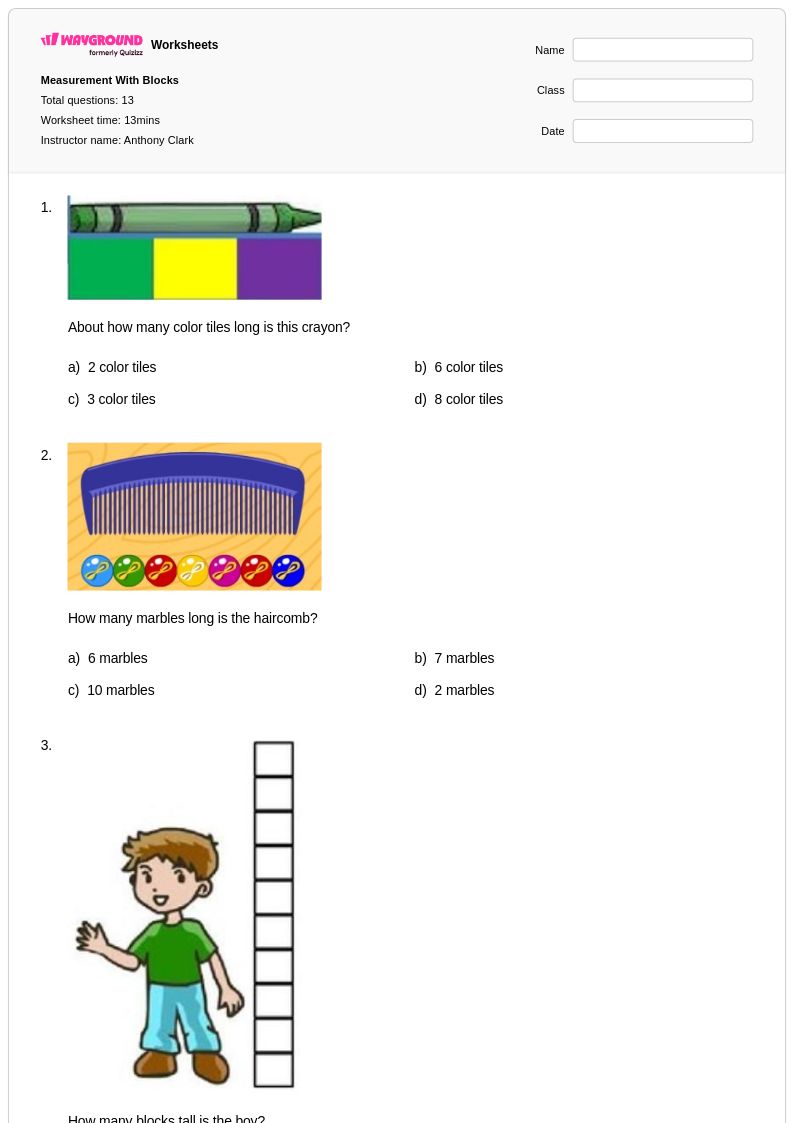
13 Q
2nd - Uni
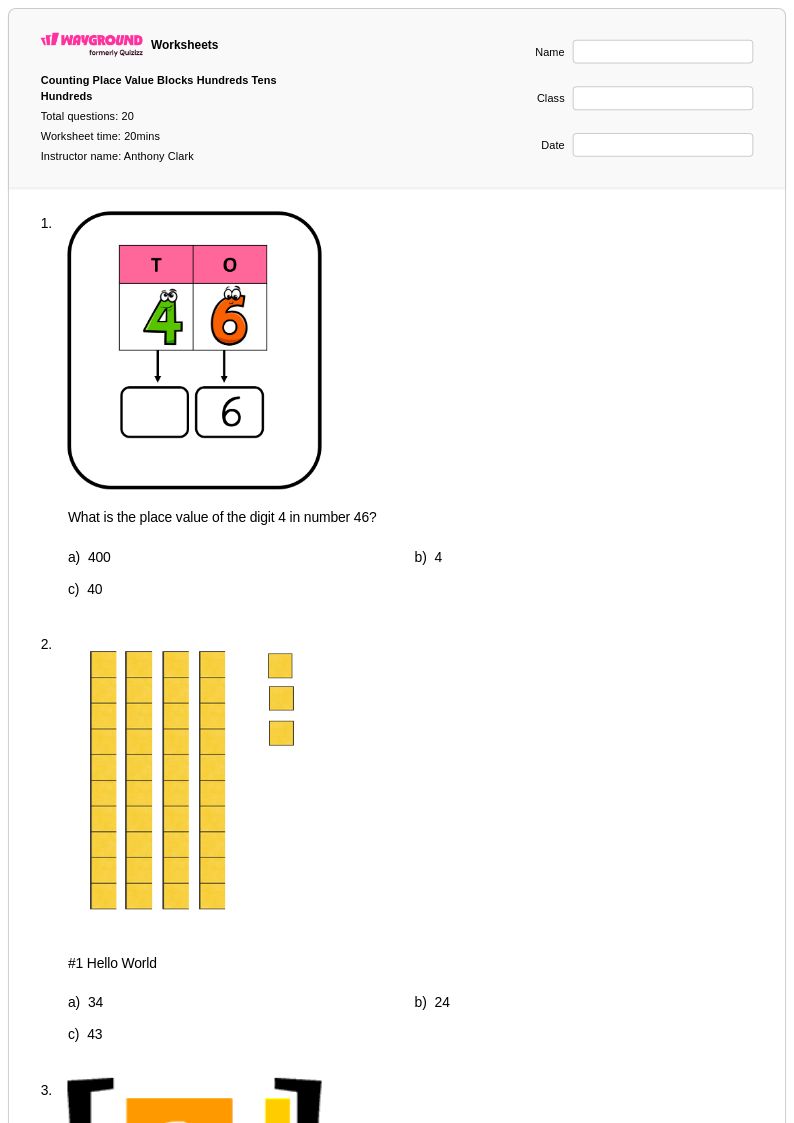
20 Q
2nd - Uni
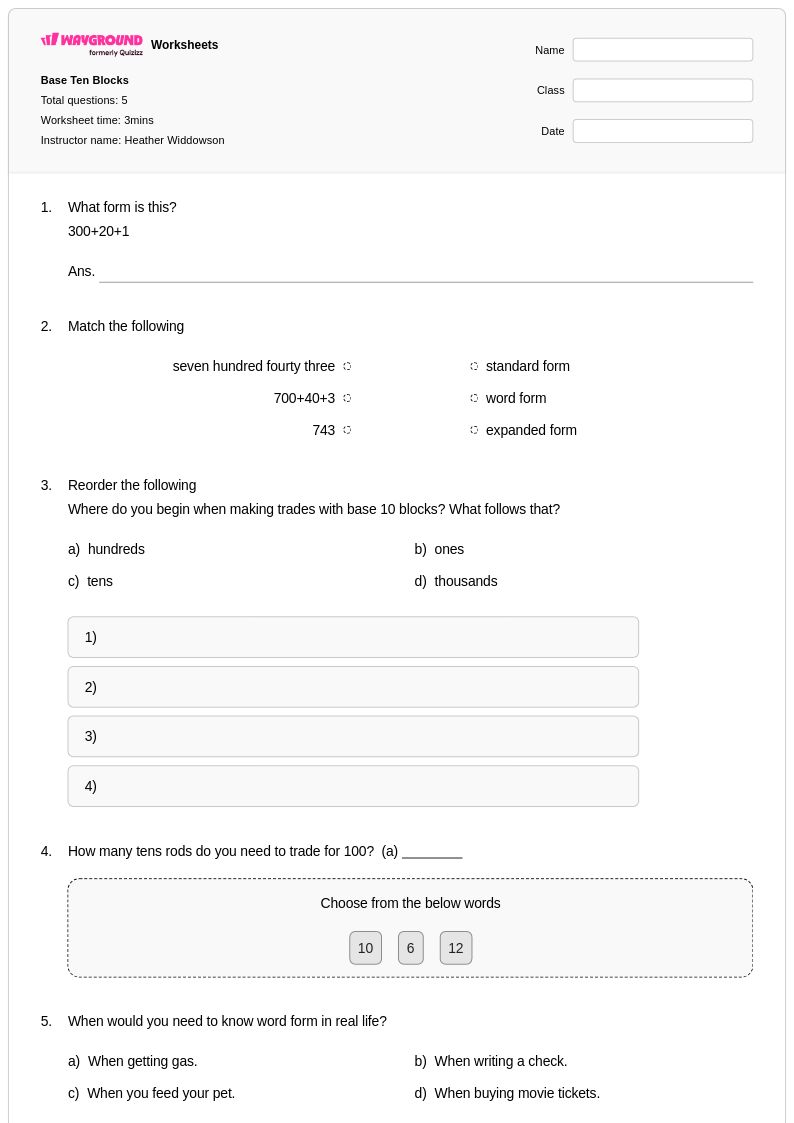
5 Q
1st - 5th
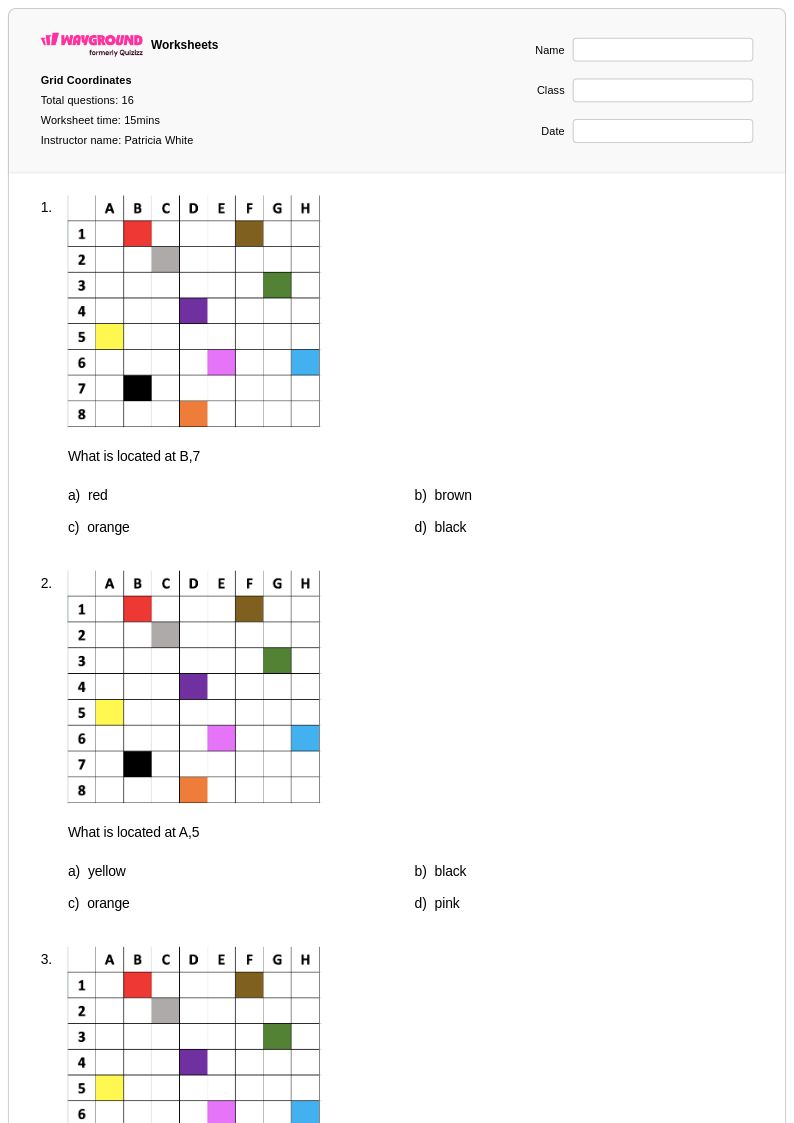
16 Q
2nd - 8th
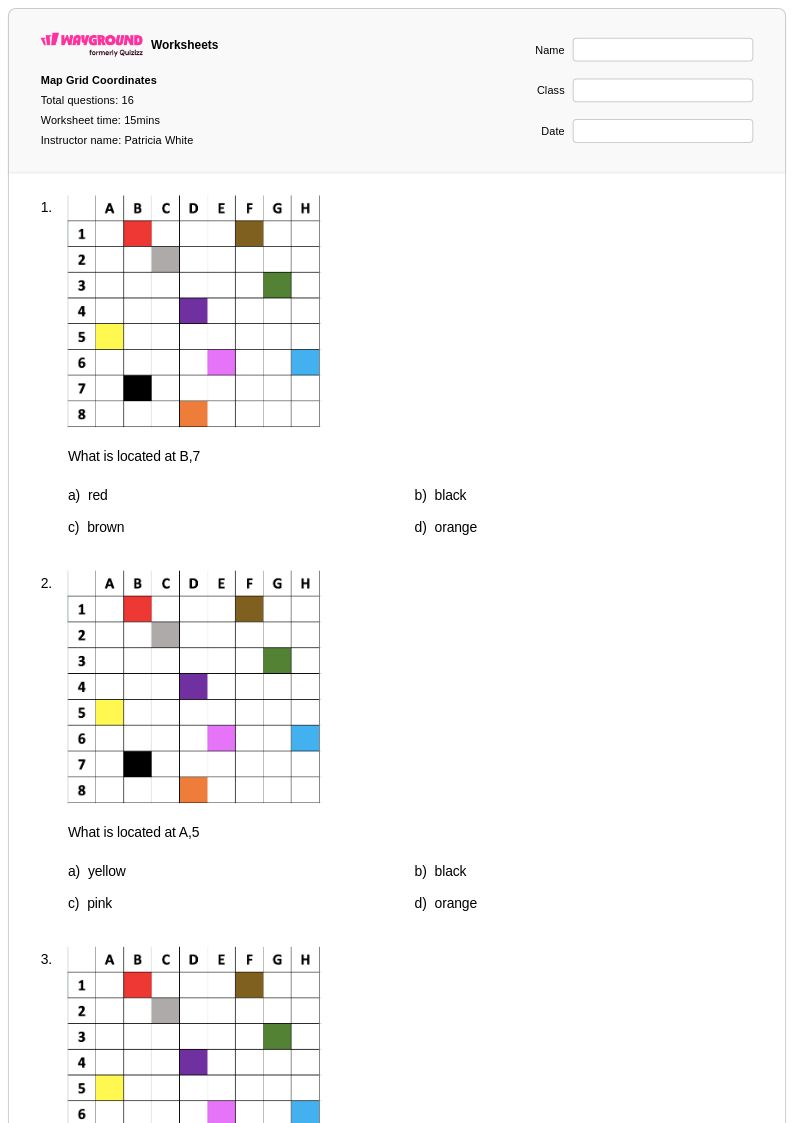
16 Q
2nd - 8th
Explore Fundamentals and Building Blocks Worksheets by Grades
Explore Other Subject Worksheets for class 4
Explore printable Fundamentals and Building Blocks worksheets for Class 4
Class 4 fundamentals and building blocks worksheets available through Wayground (formerly Quizizz) provide essential mathematical foundation practice that strengthens core computational skills and conceptual understanding. These comprehensive resources target critical areas including place value mastery, multi-digit addition and subtraction algorithms, multiplication and division fact fluency, fraction concepts, and geometric shape recognition. Each worksheet collection includes detailed answer keys and comes in convenient pdf format, making them accessible as free printables for classroom use or home practice. The practice problems are carefully scaffolded to build confidence while reinforcing fundamental mathematical reasoning skills that fourth-grade students need to succeed in more advanced topics.
Wayground (formerly Quizizz) empowers educators with millions of teacher-created resources specifically designed for Class 4 mathematics fundamentals, featuring robust search and filtering capabilities that allow quick identification of materials aligned to specific learning standards. The platform's differentiation tools enable teachers to customize worksheets based on individual student needs, while flexible formatting options provide both printable pdf versions and interactive digital alternatives. These features streamline lesson planning by offering ready-to-use materials for skill practice, targeted remediation for struggling learners, and enrichment opportunities for advanced students. Teachers can efficiently locate high-quality resources that address specific gaps in foundational knowledge, ensuring all students develop the mathematical building blocks necessary for continued academic growth.
FAQs
How should I teach fourth-grade math fundamentals?
What exercises help fourth graders strengthen foundational math skills?
What mistakes do fourth graders commonly make with foundational math concepts?
How can I use these Grade 4 math worksheets in class?
How do Grade 4 math fundamentals fit into the Common Core progression?
How can I differentiate foundational math practice for a mixed-ability fourth-grade class?
What foundational math skills should a fourth grader know?