
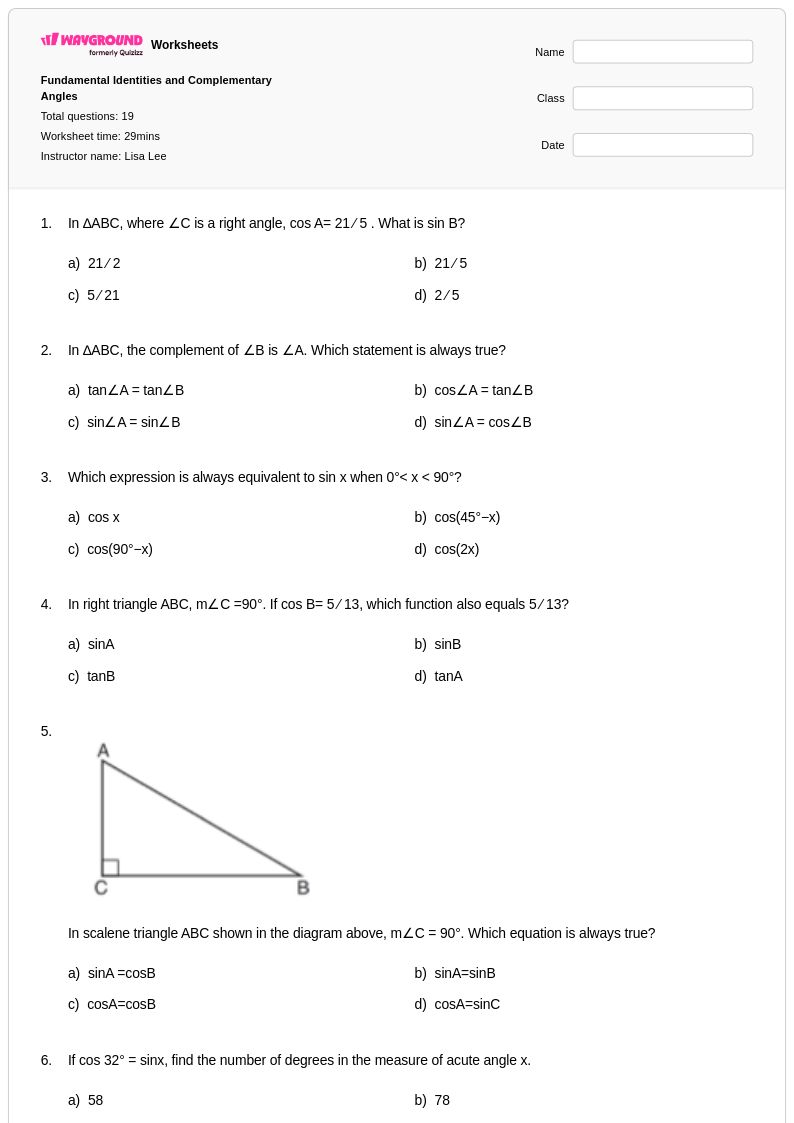
19 Q
9th - 10th
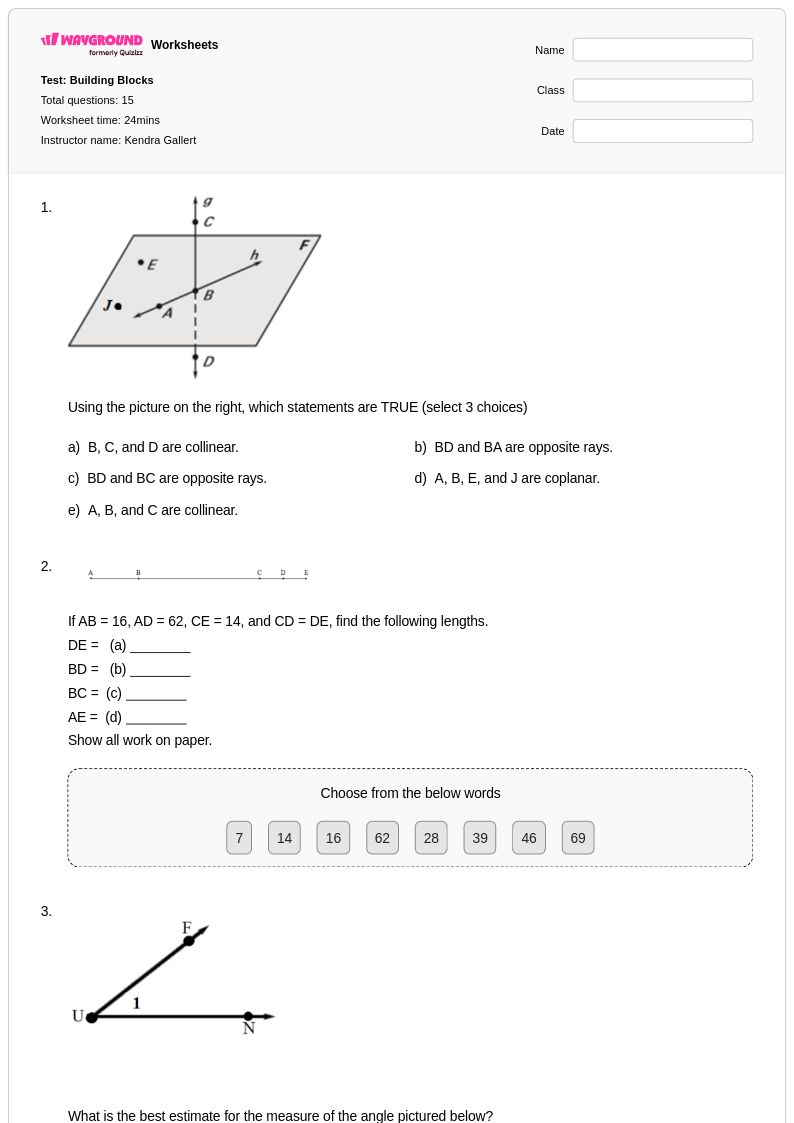
15 Q
10th
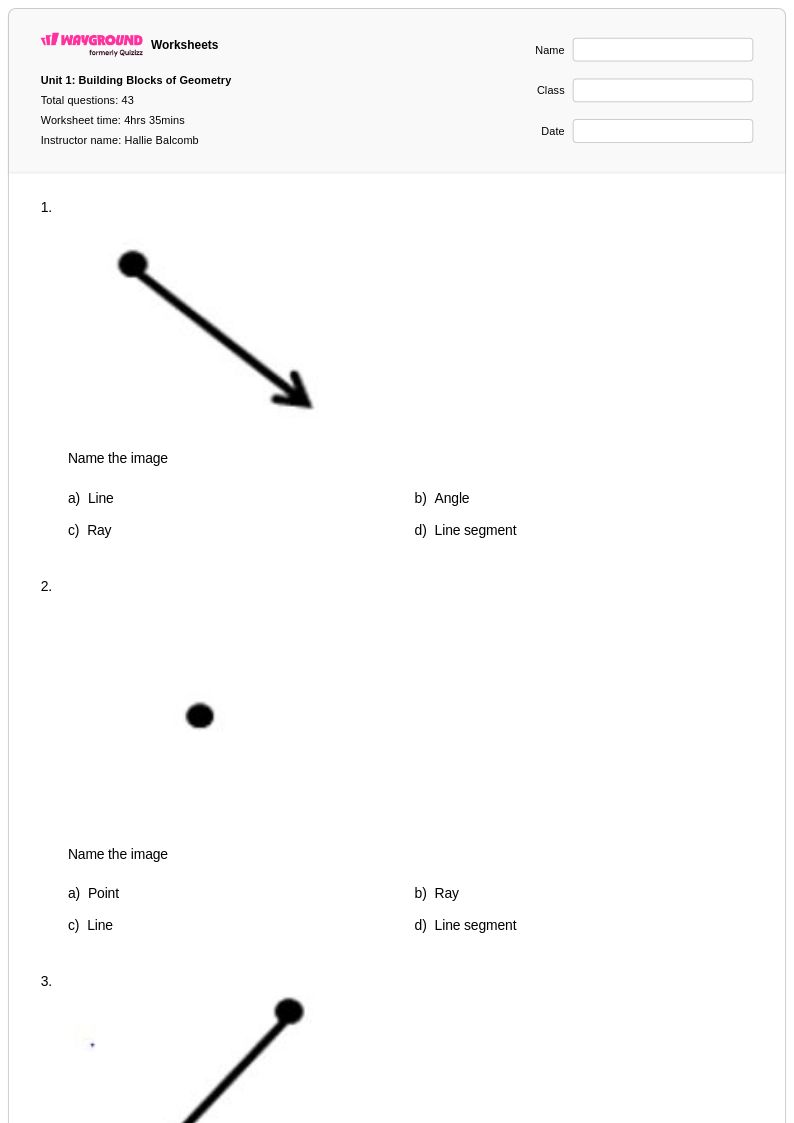
43 Q
11th
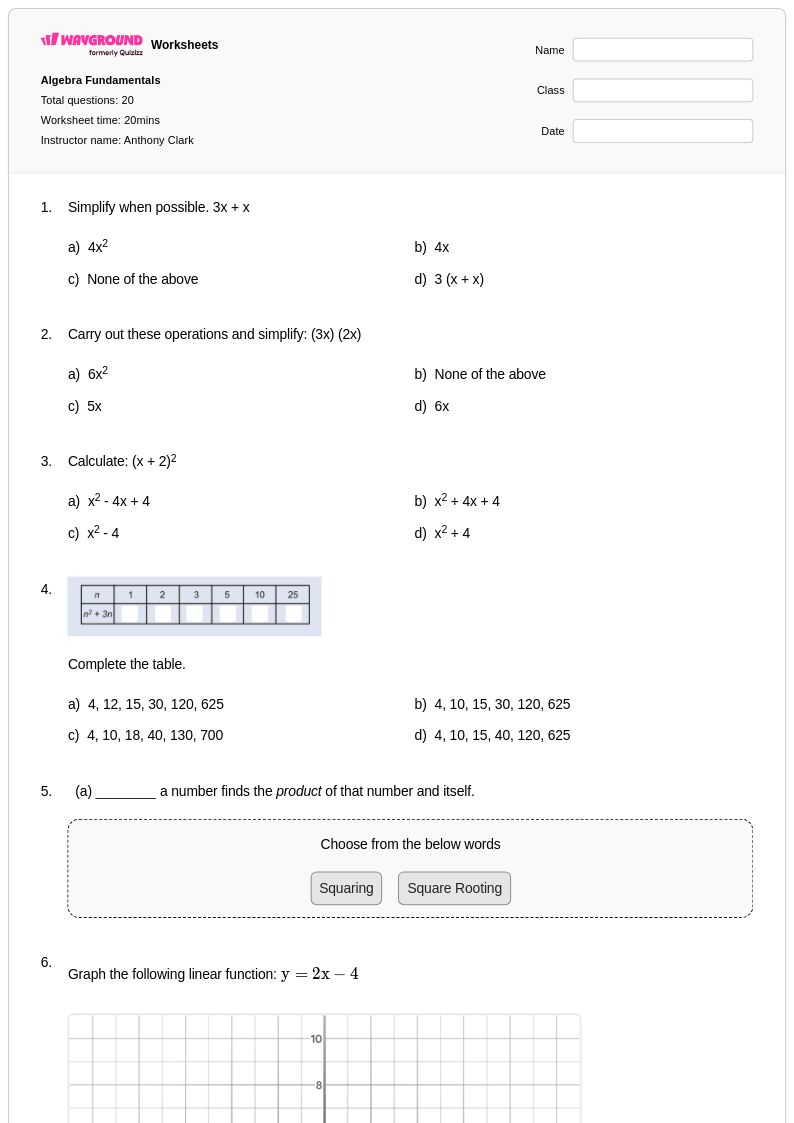
20 Q
7th - Uni
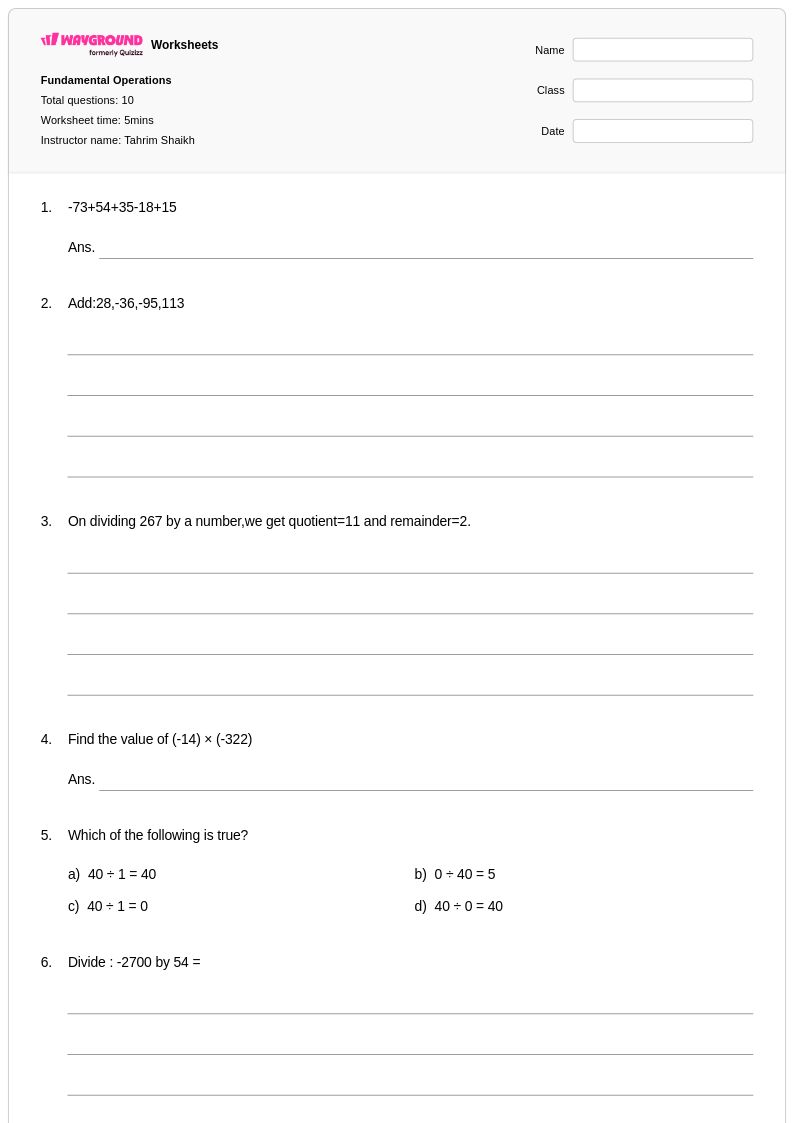
10 Q
6th - 8th
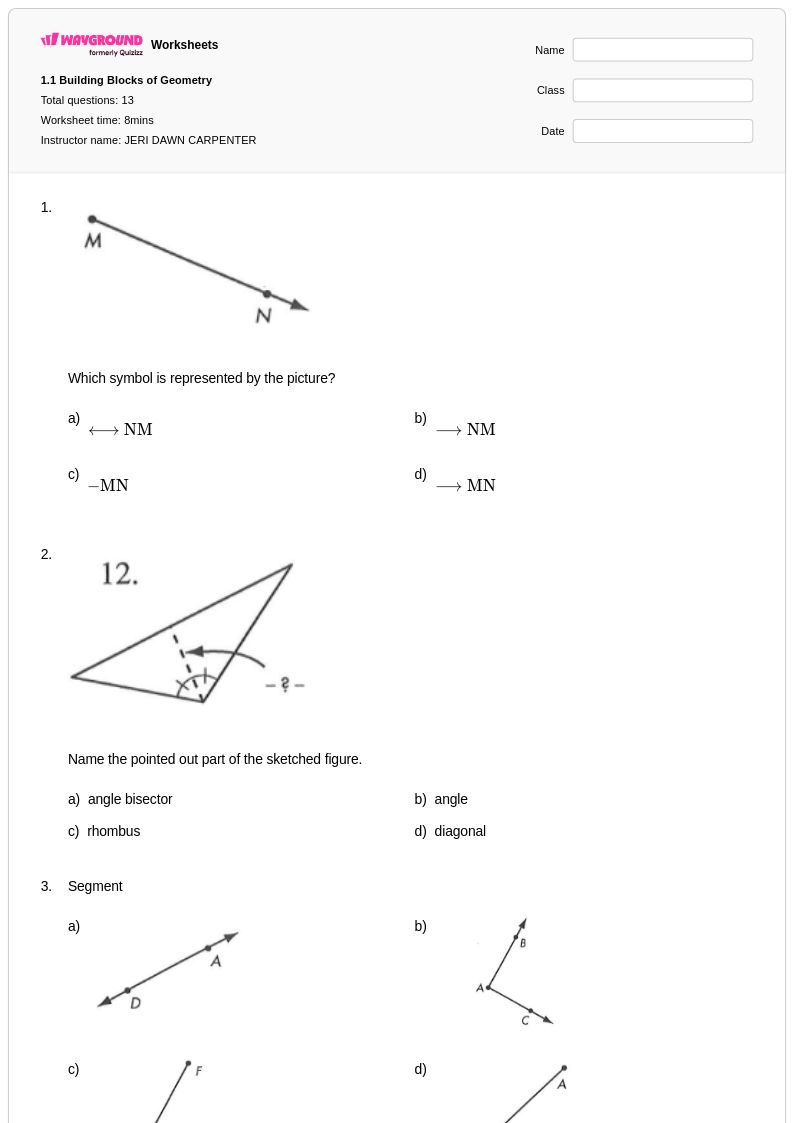
13 Q
10th
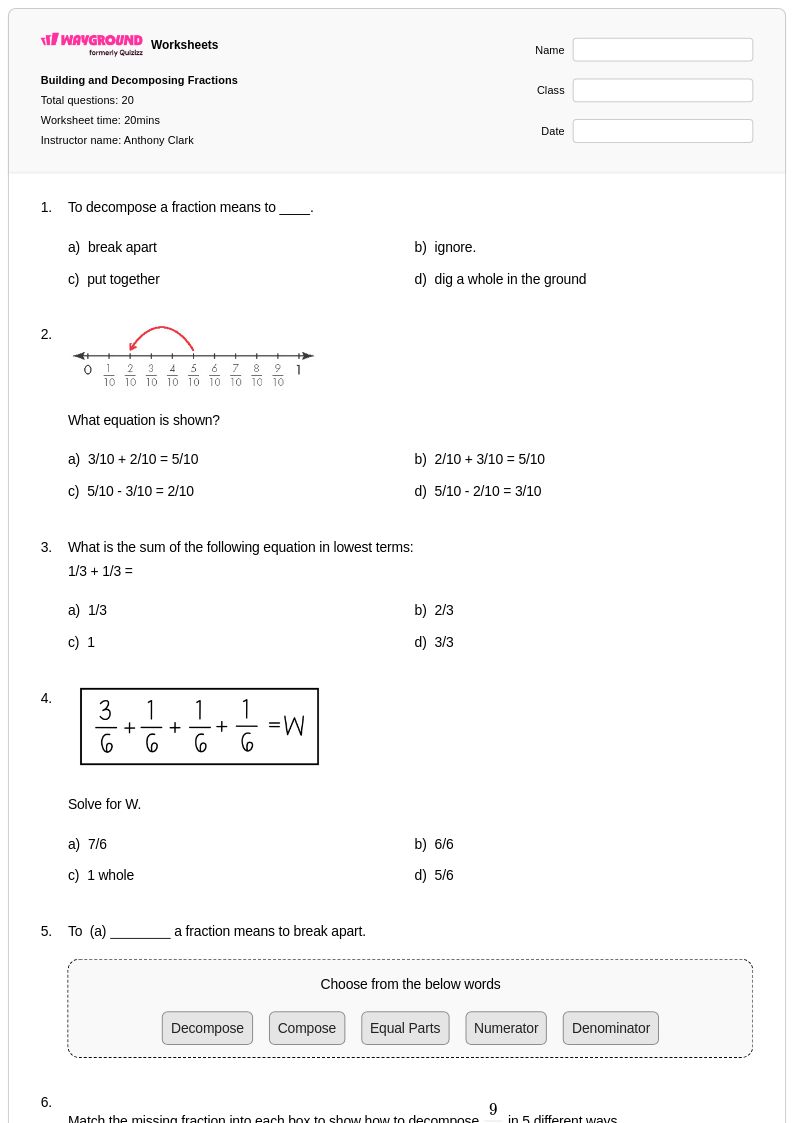
20 Q
4th - Uni
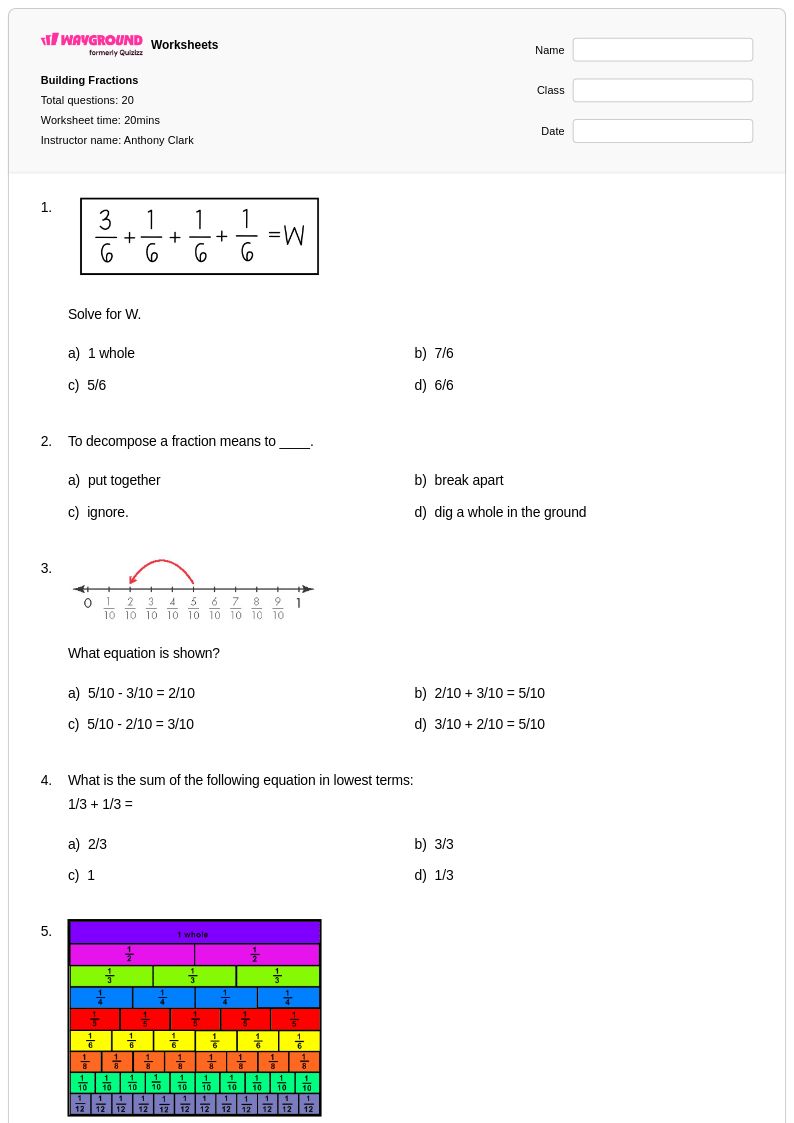
20 Q
4th - Uni
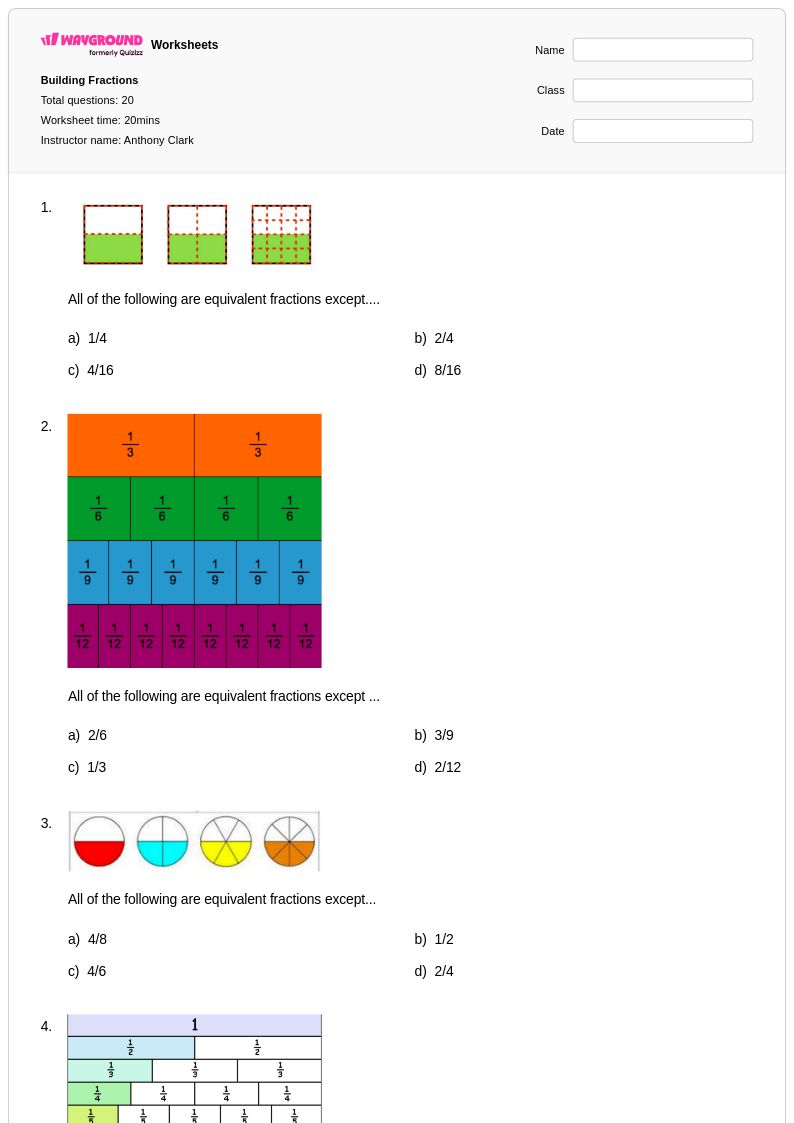
20 Q
4th - Uni
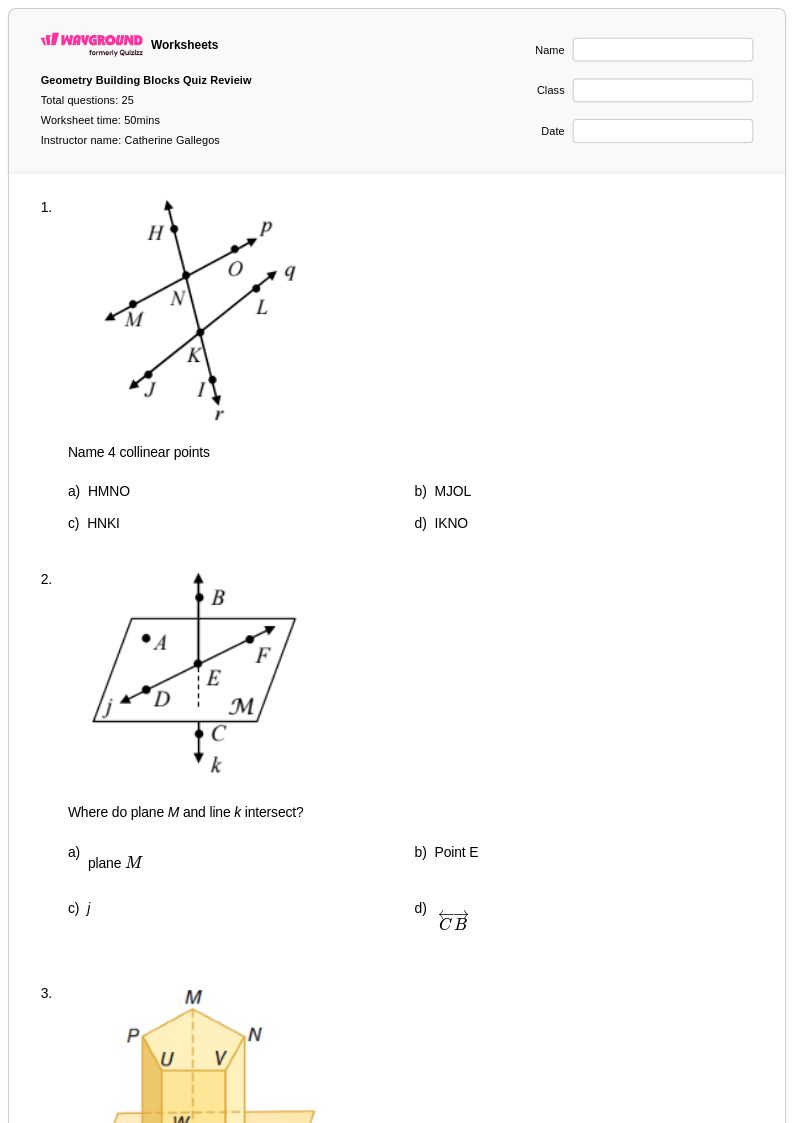
25 Q
8th - 9th
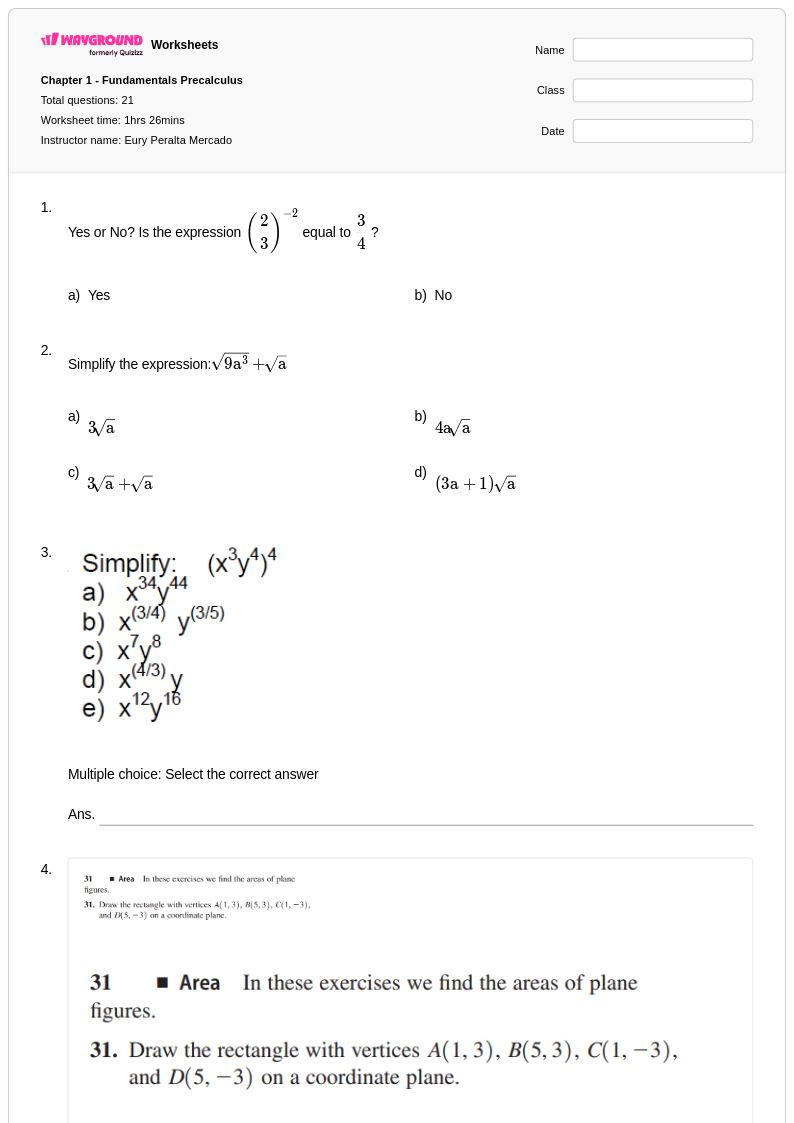
22 Q
11th
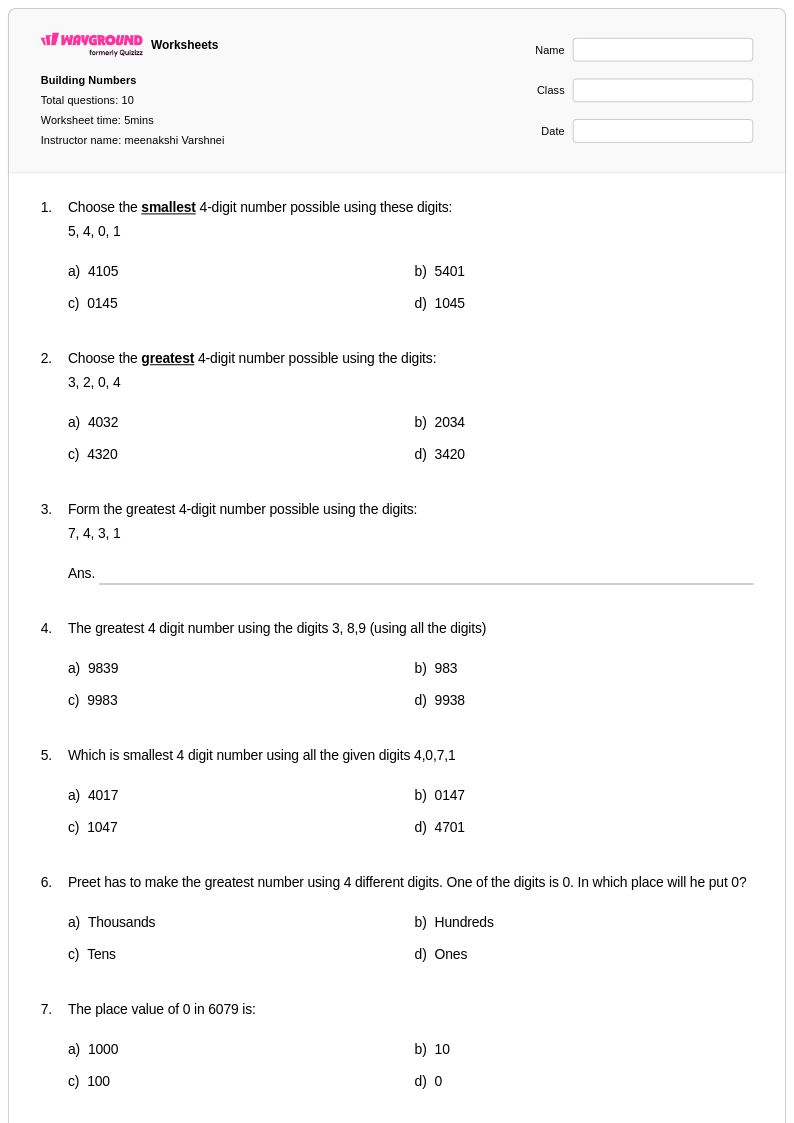
10 Q
3rd
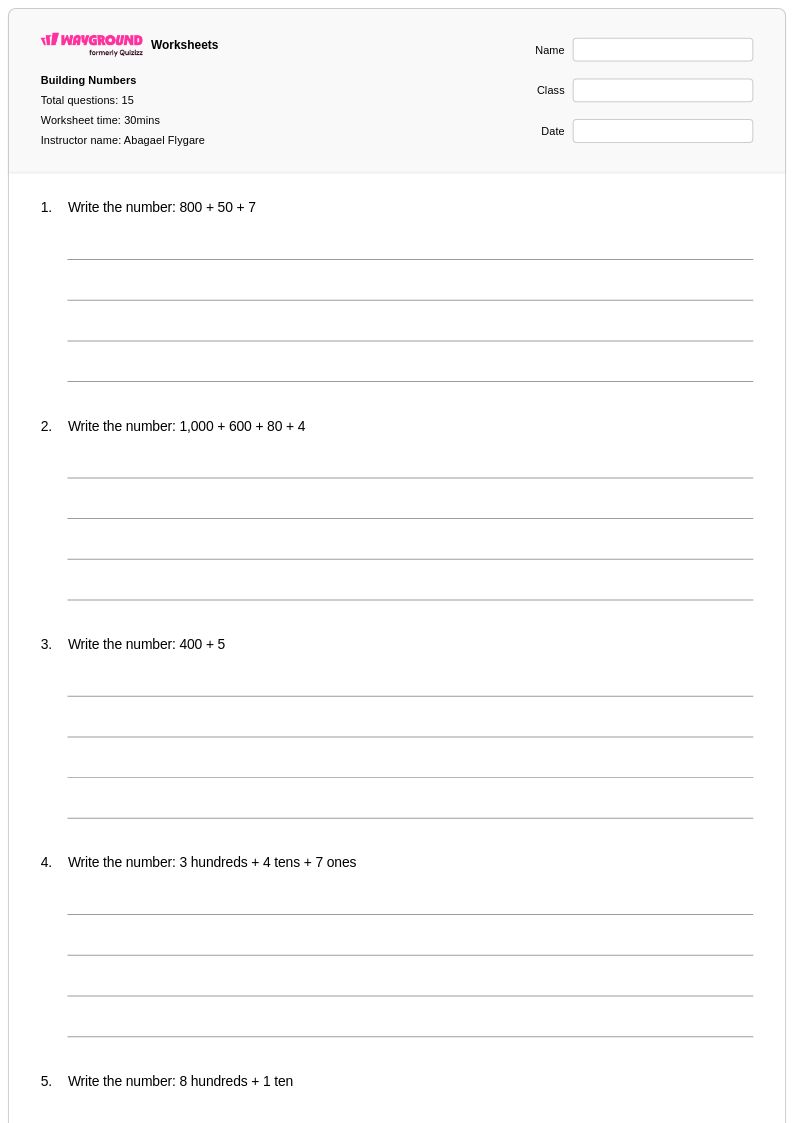
15 Q
3rd
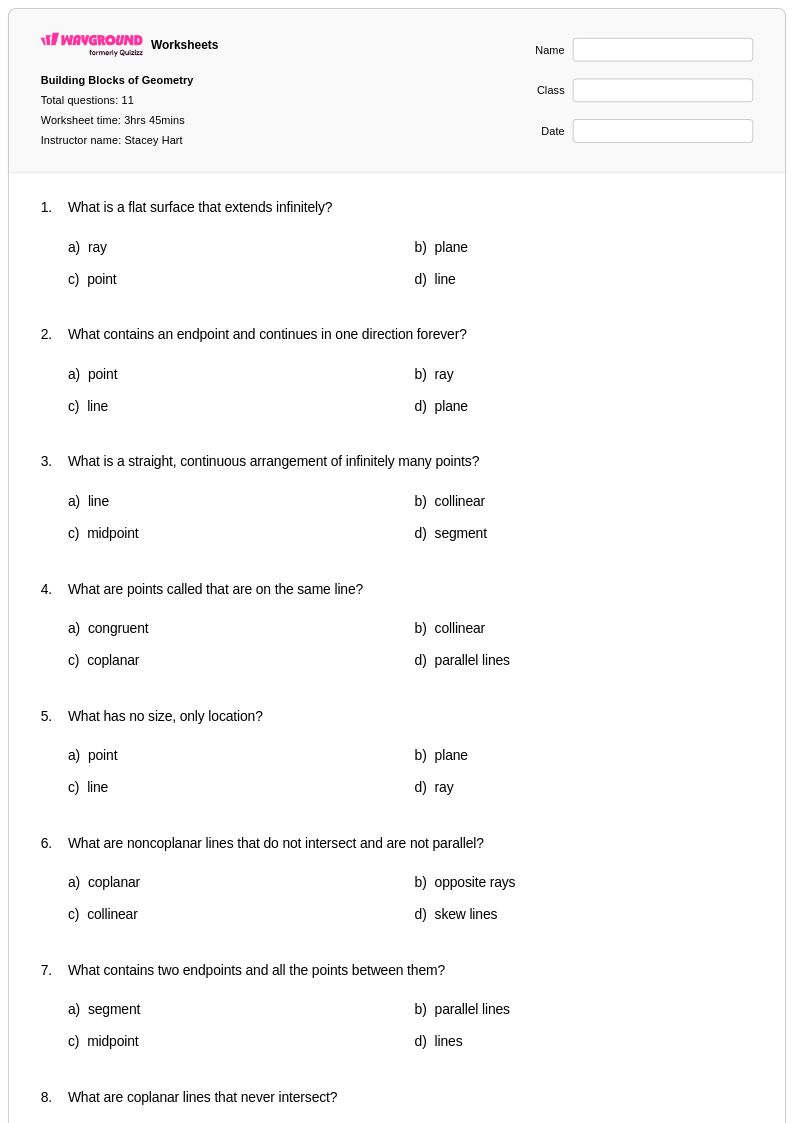
11 Q
10th
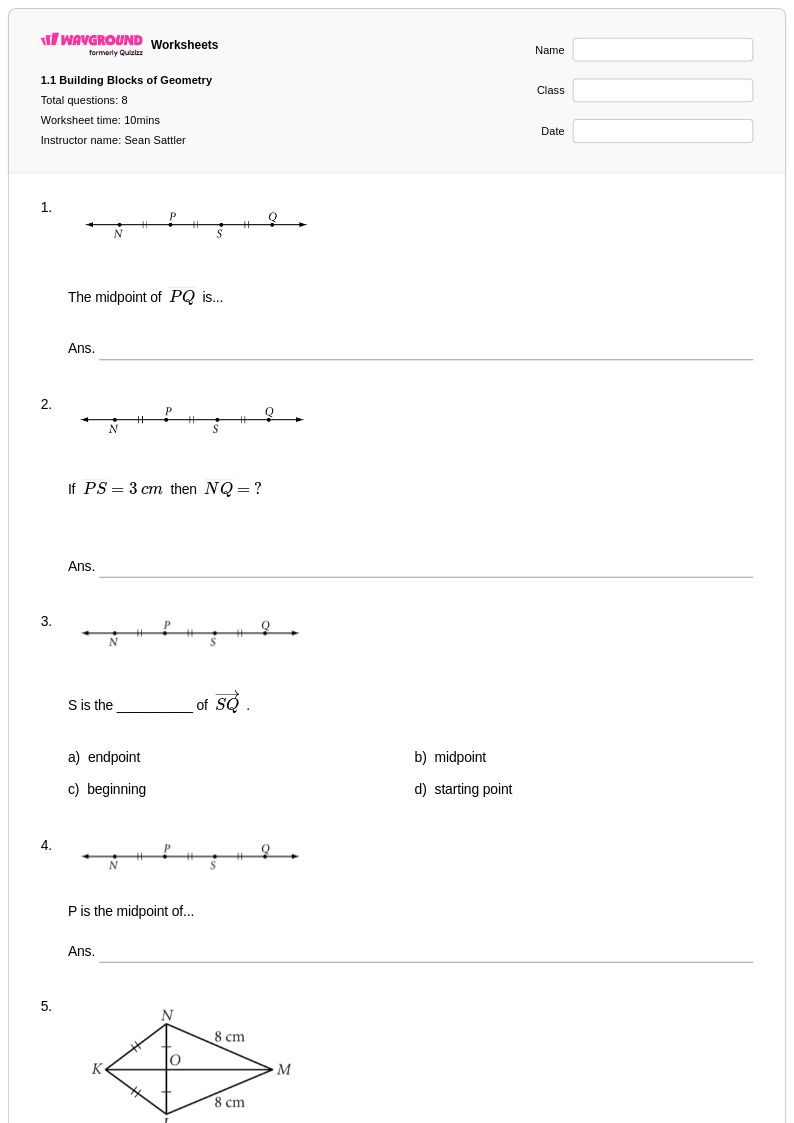
8 Q
9th - 10th
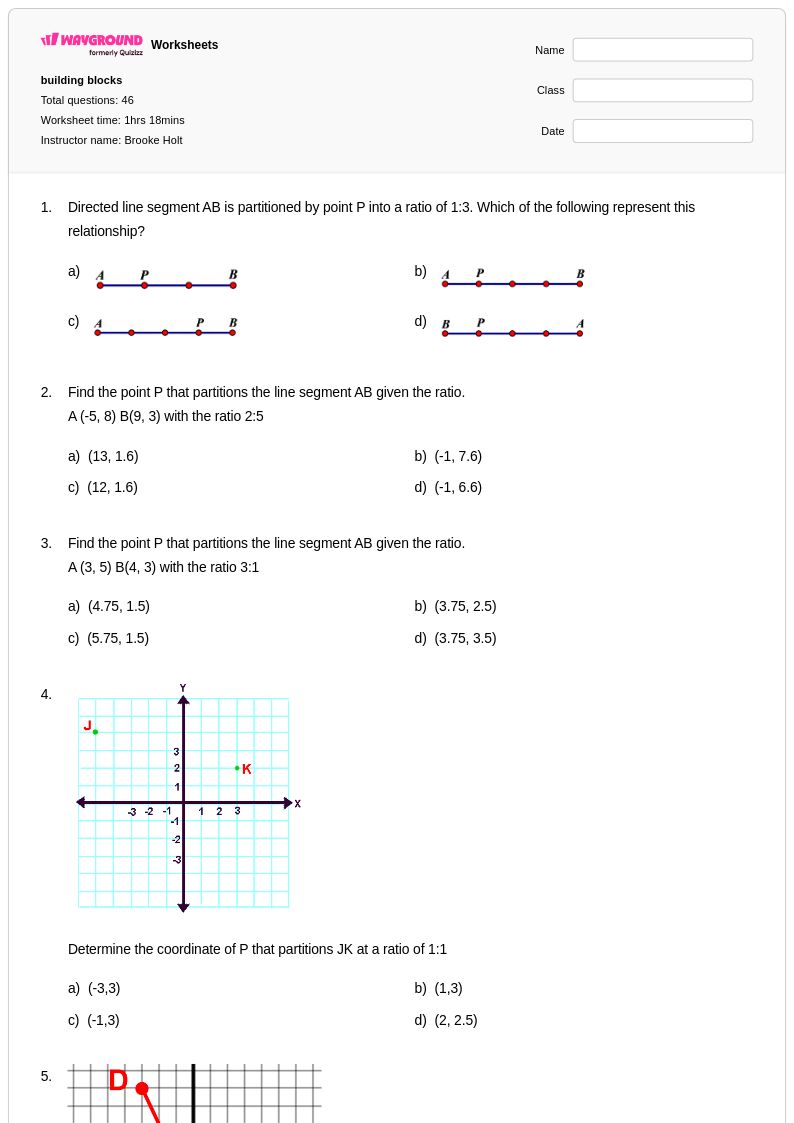
46 Q
9th - 12th
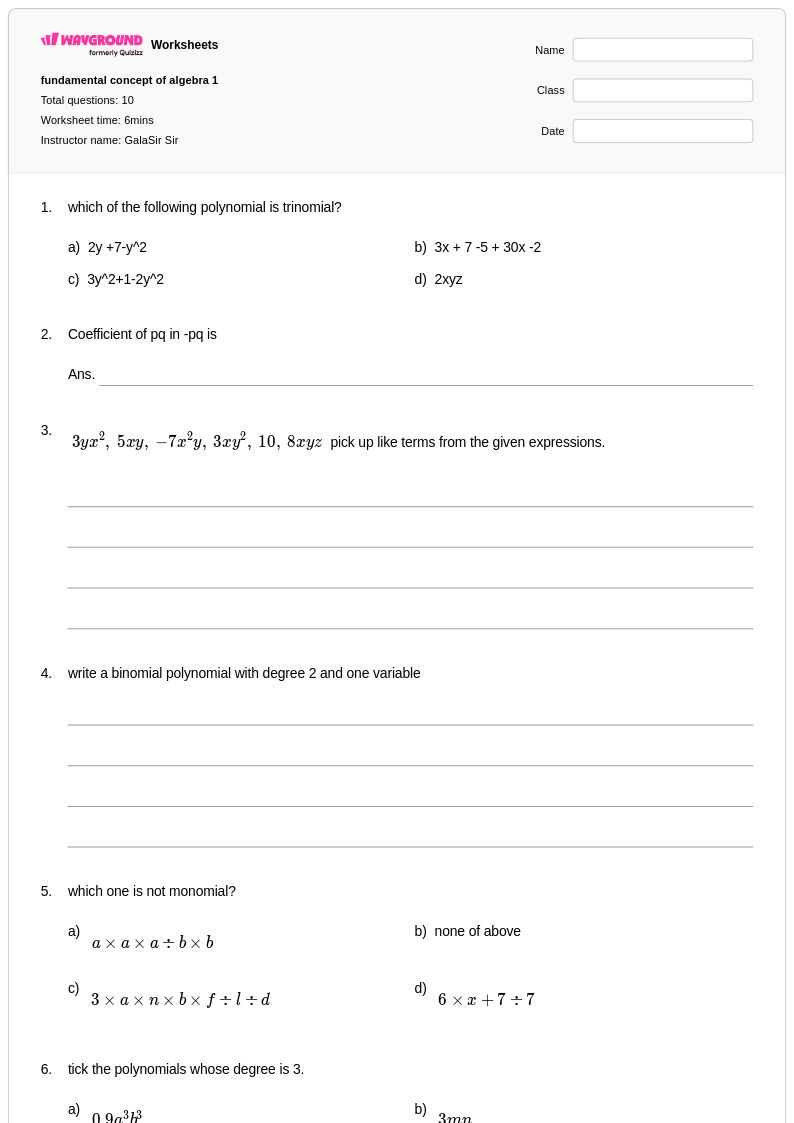
10 Q
7th
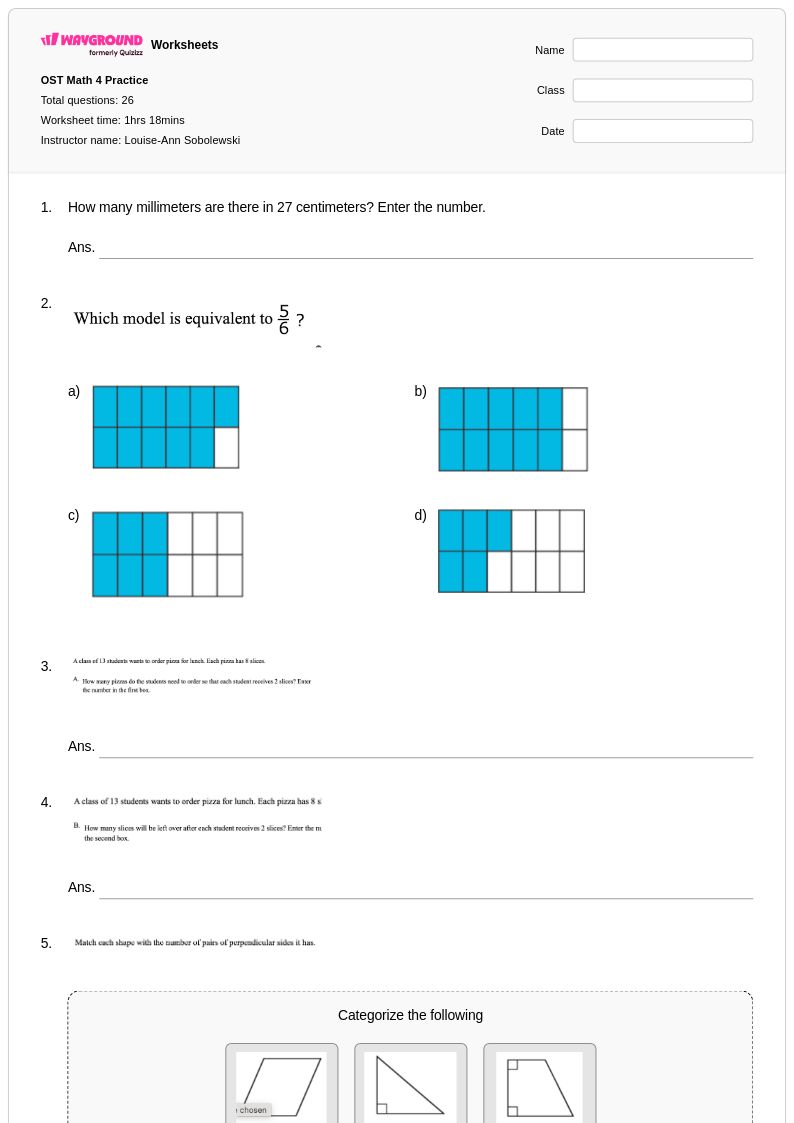
26 Q
4th
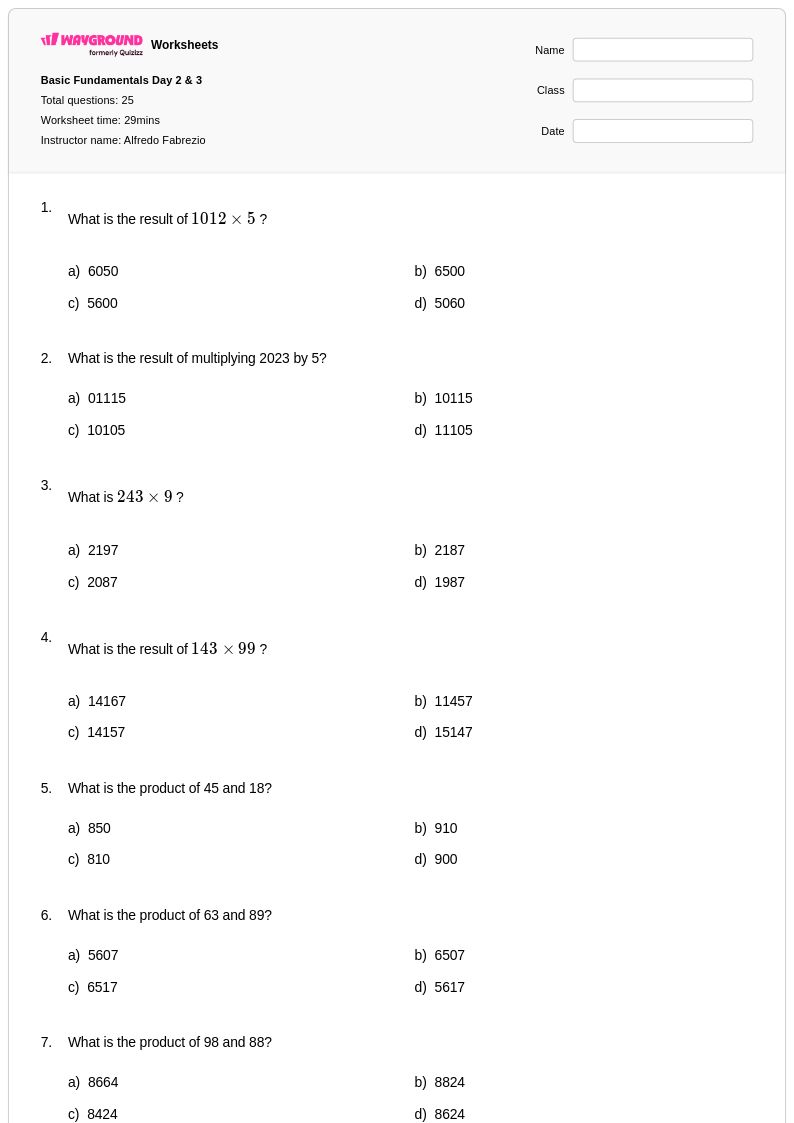
25 Q
8th
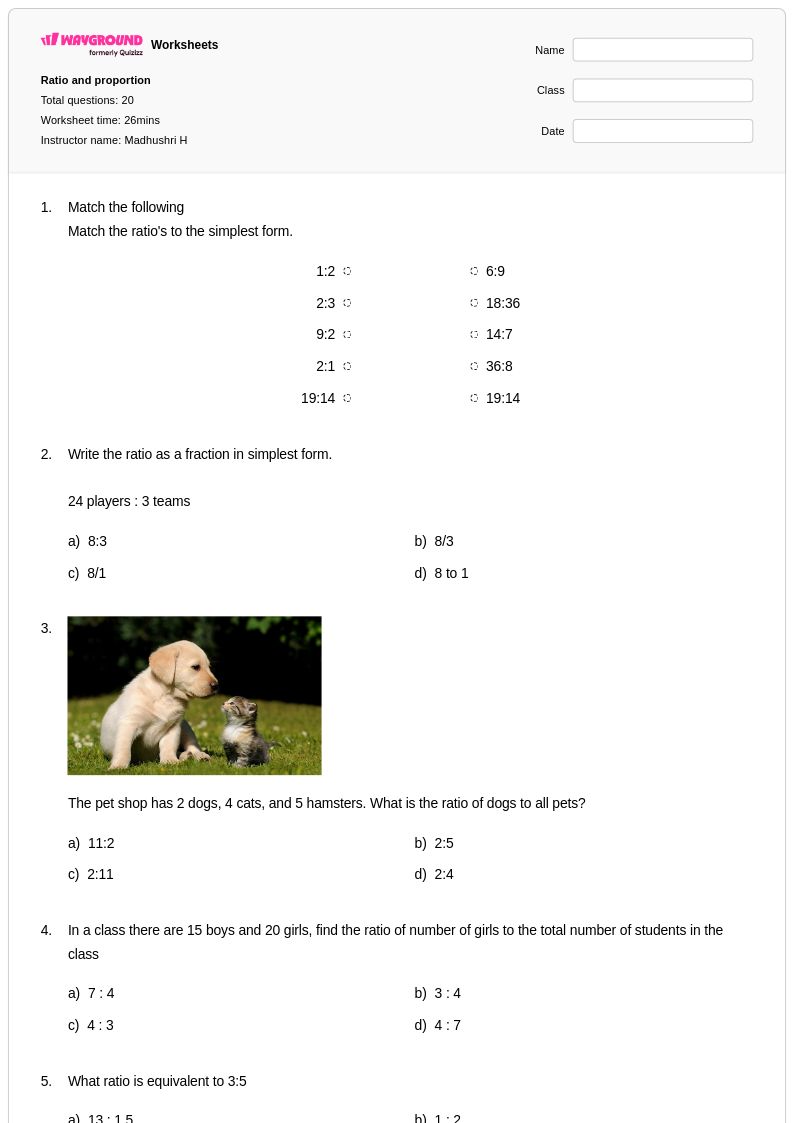
20 Q
6th
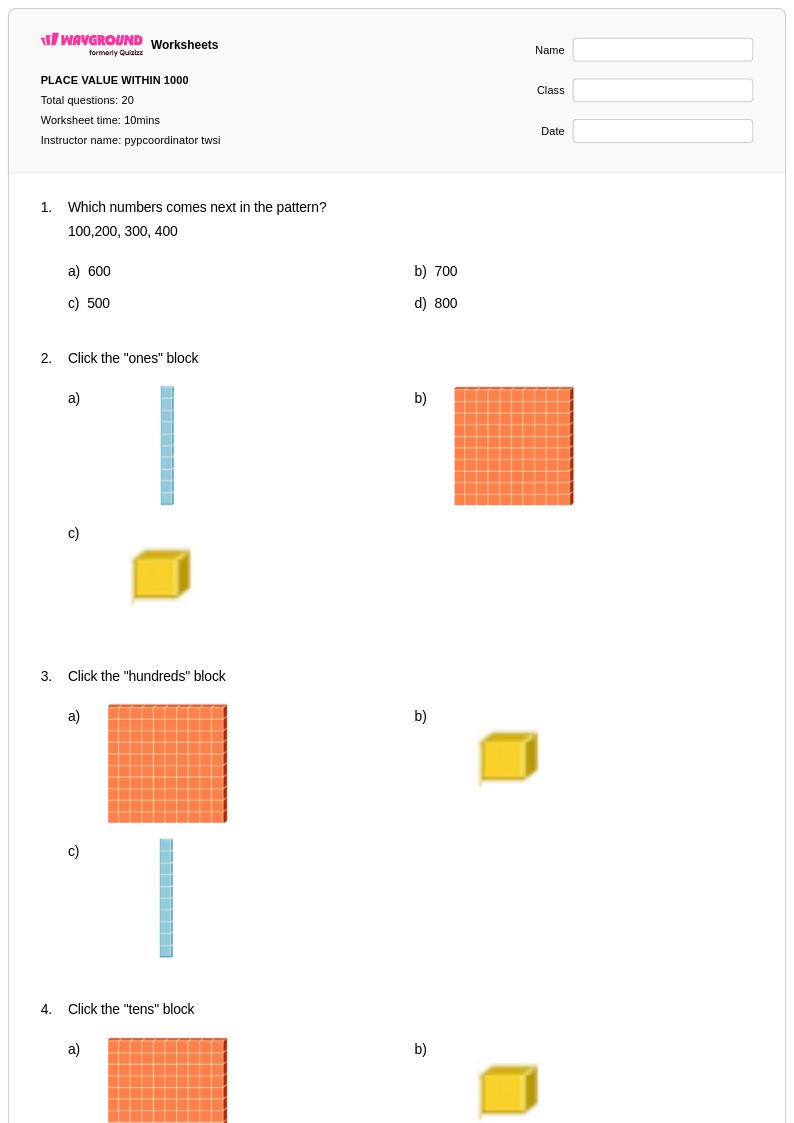
20 Q
3rd
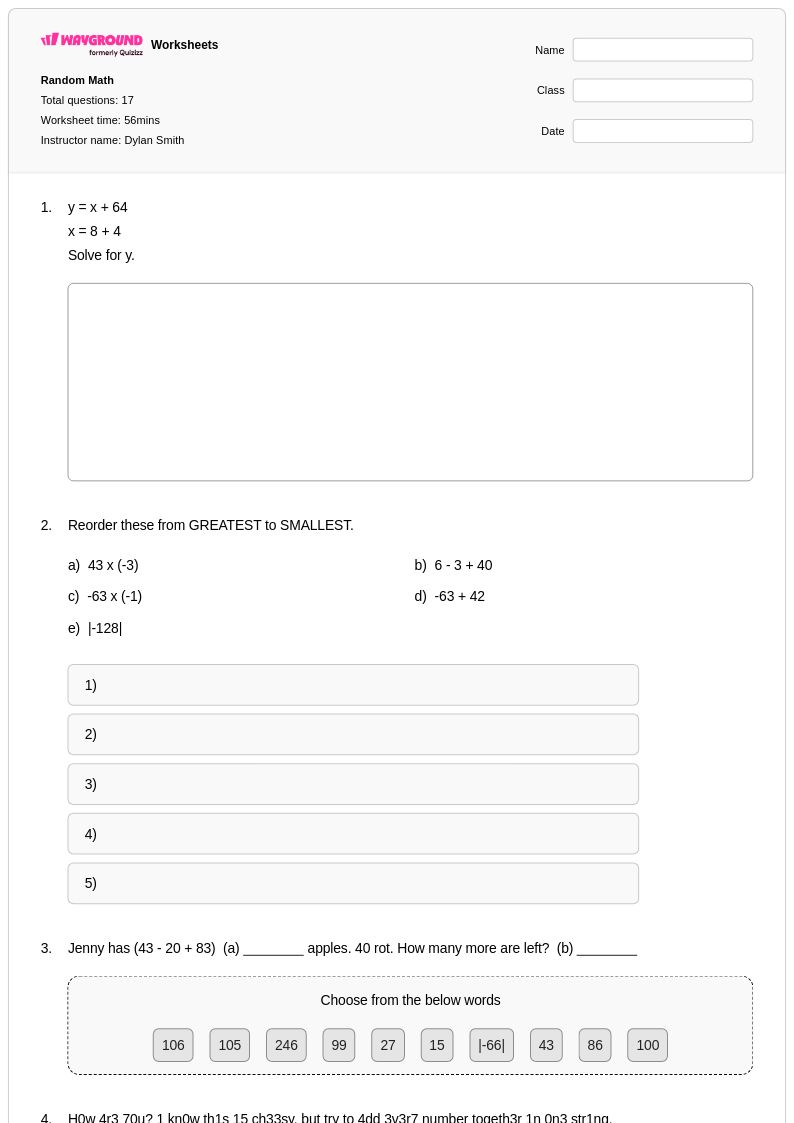
27 Q
11th
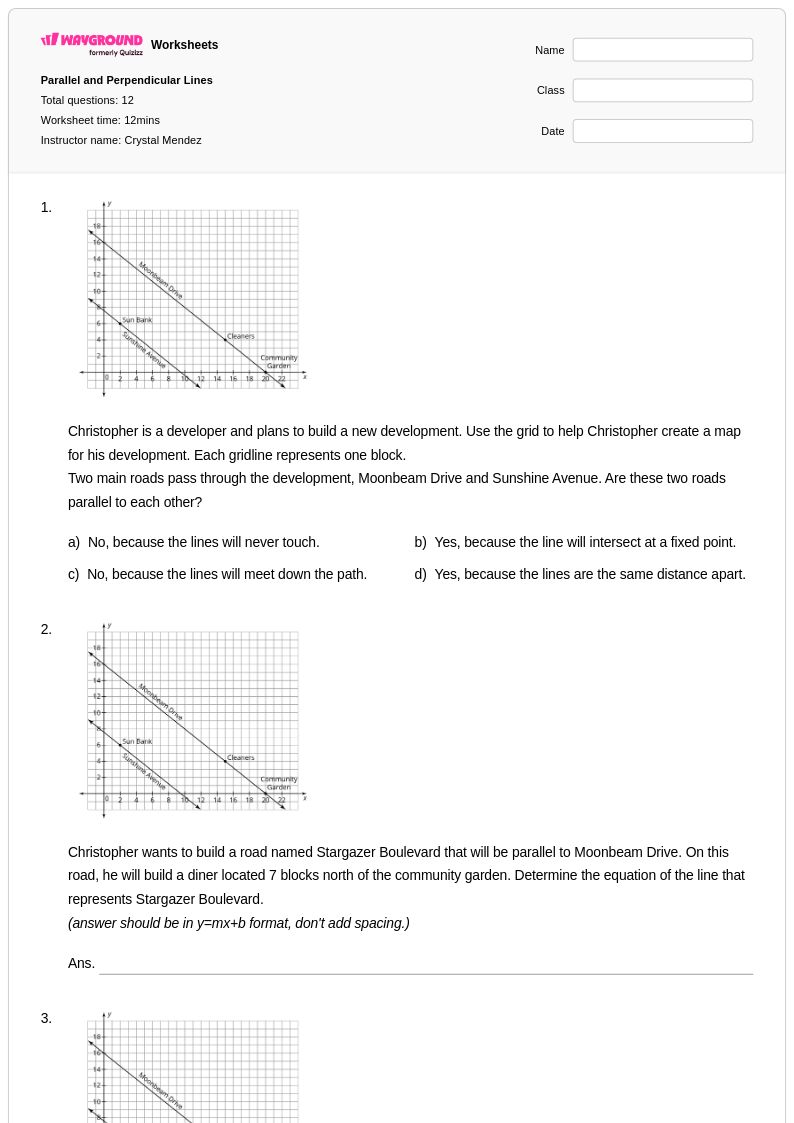
12 Q
10th
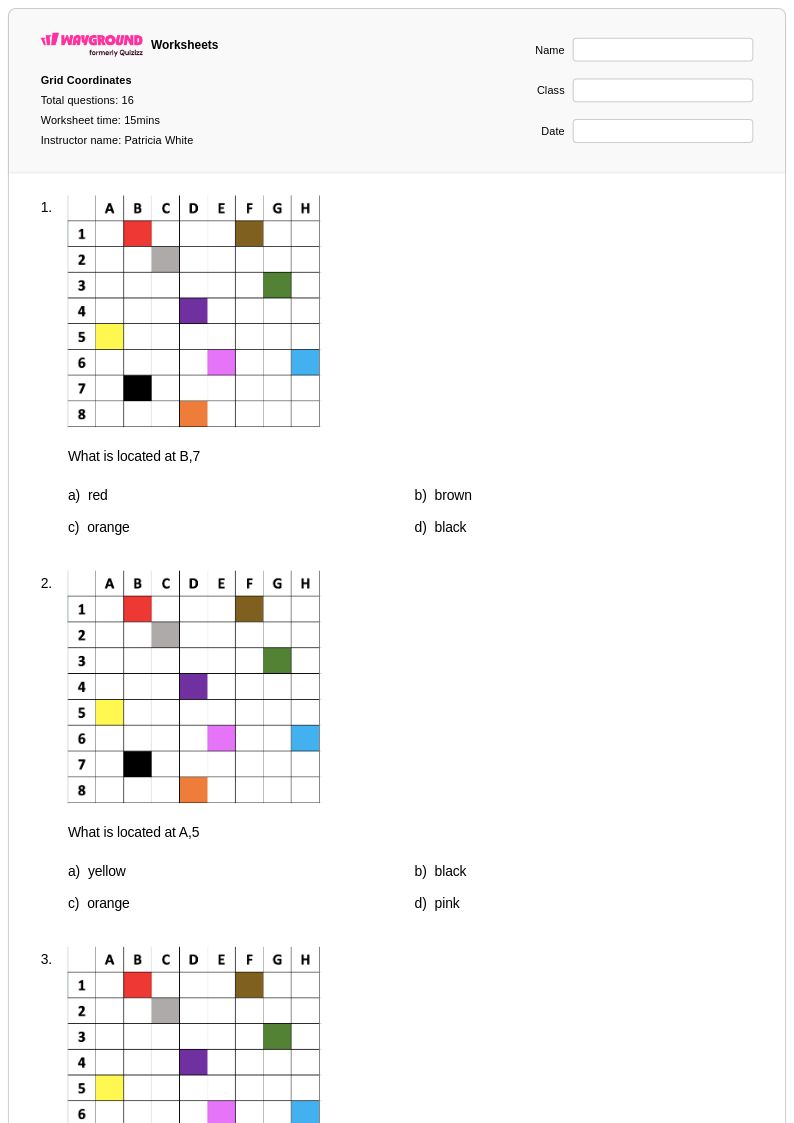
16 Q
2nd - 8th
Explore Fundamentals and Building Blocks Worksheets by Grades
Explore Other Subject Worksheets for kindergarten
Explore printable Fundamentals and Building Blocks worksheets for Kindergarten
Fundamentals and Building Blocks worksheets for kindergarten mathematics through Wayground provide essential practice opportunities for young learners developing their earliest mathematical concepts and skills. These carefully designed resources focus on core foundational elements including number recognition, counting, basic shapes, patterns, size comparisons, and spatial relationships that form the cornerstone of mathematical understanding. Each worksheet targets specific developmental milestones appropriate for kindergarten students, strengthening their ability to identify numbers 1-10, understand one-to-one correspondence, recognize basic geometric shapes, and develop pre-algebraic thinking through simple pattern work. The comprehensive collection includes free printables with answer keys, allowing educators to efficiently assess student progress while providing meaningful practice problems that build confidence and mathematical fluency. These pdf resources support hands-on learning experiences that make abstract concepts concrete and accessible for young minds.
Wayground's extensive library of kindergarten mathematics fundamentals worksheets draws from millions of teacher-created resources, ensuring educators have access to high-quality materials that align with early childhood mathematical standards and developmental expectations. The platform's robust search and filtering capabilities enable teachers to quickly locate worksheets targeting specific skills within the fundamentals and building blocks framework, whether focusing on number sense, geometric concepts, or early measurement understanding. Advanced differentiation tools allow instructors to customize content for diverse learning needs, supporting both remediation for struggling students and enrichment opportunities for advanced learners. Available in both printable and digital pdf formats, these resources integrate seamlessly into various instructional settings, from traditional classroom environments to hybrid learning models. Teachers can efficiently plan lessons, create targeted skill practice sessions, and implement systematic review activities that reinforce fundamental mathematical concepts essential for kindergarten success and future mathematical achievement.
FAQs
What's the best way to introduce foundational math concepts in kindergarten?
What exercises help kindergarteners practice number sense?
What are common stumbling blocks for kindergarteners learning to count?
How can I use these kindergarten math worksheets with my students?
What are the key math building blocks for kindergarten?
How do these worksheets align with Common Core standards for kindergarten math?