
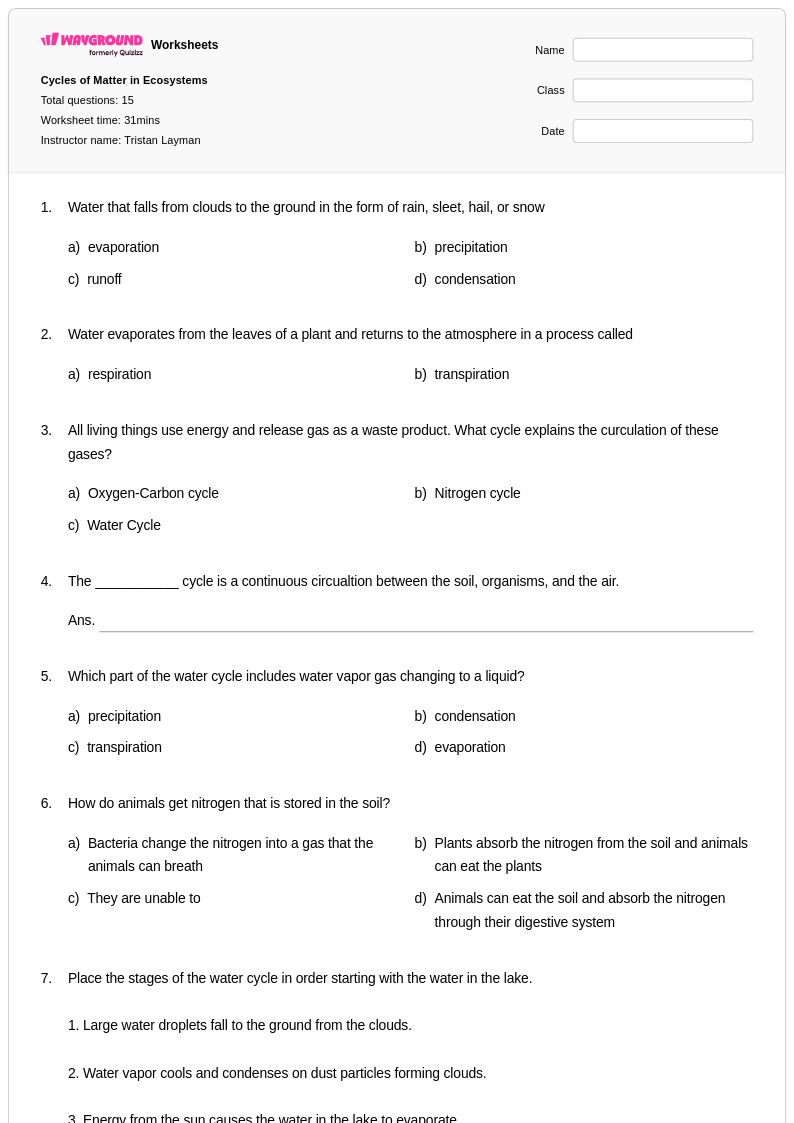
15 Q
5th
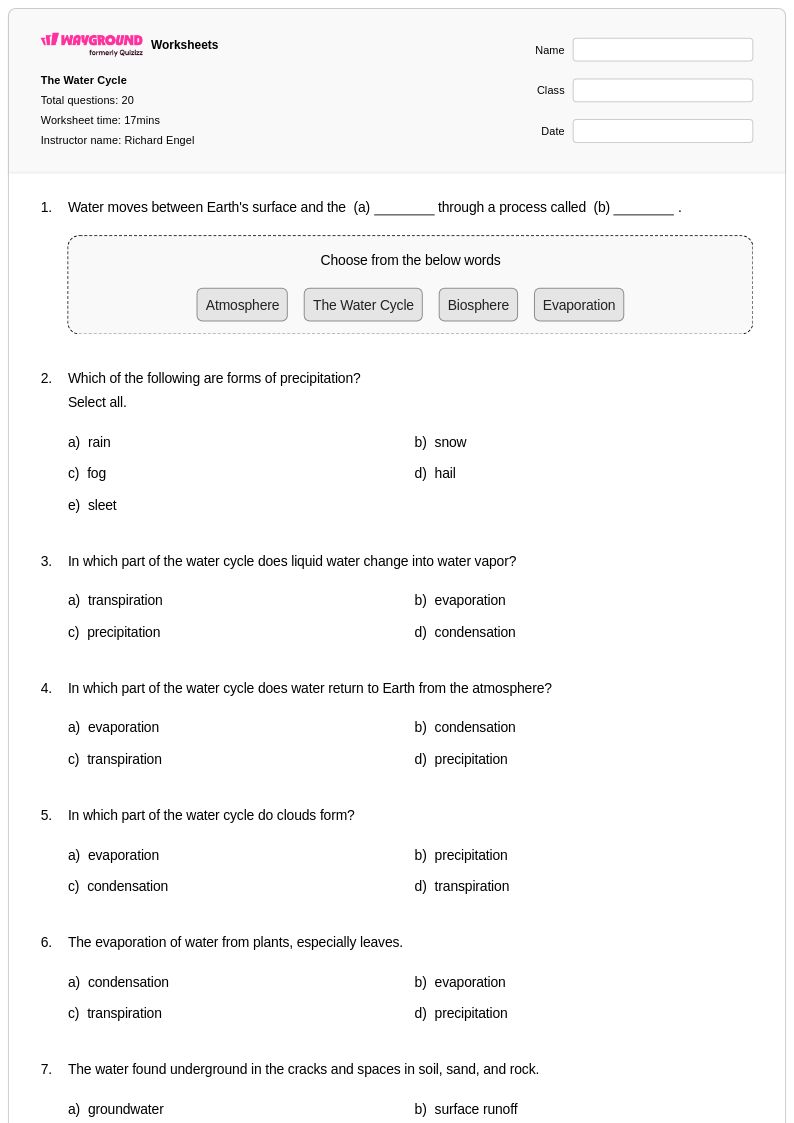
20 Q
5th

15 Q
5th
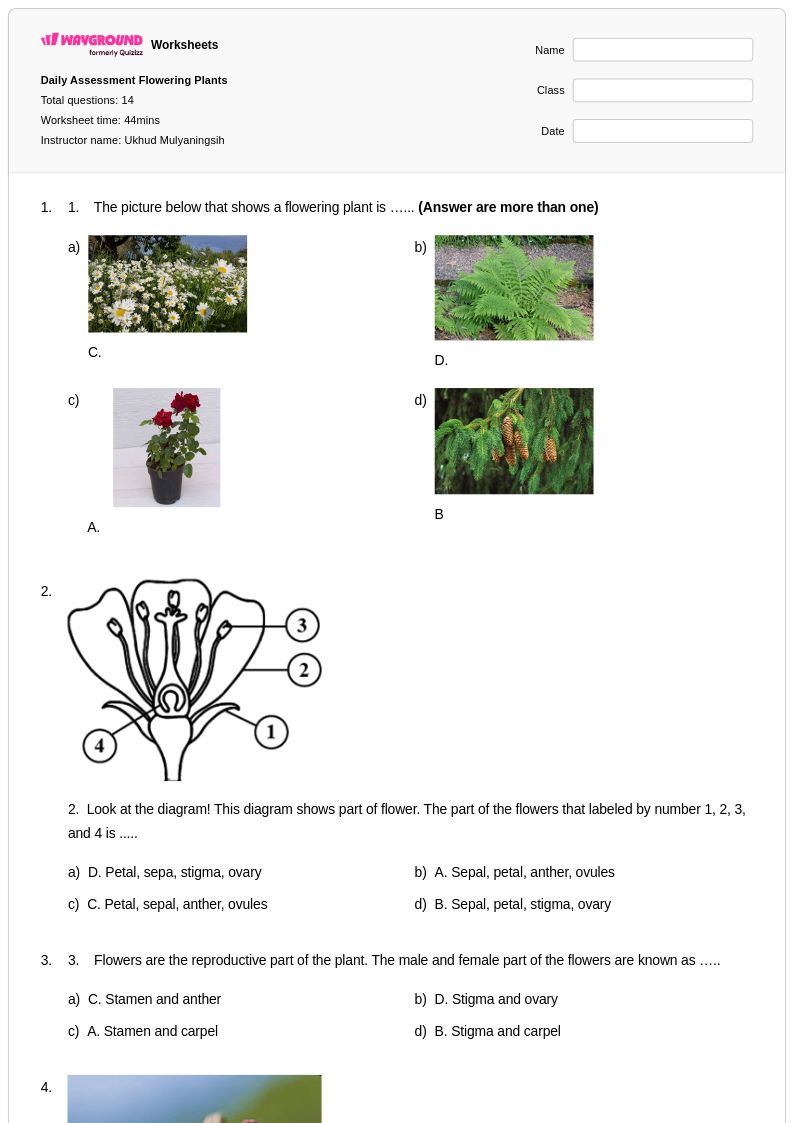
14 Q
5th
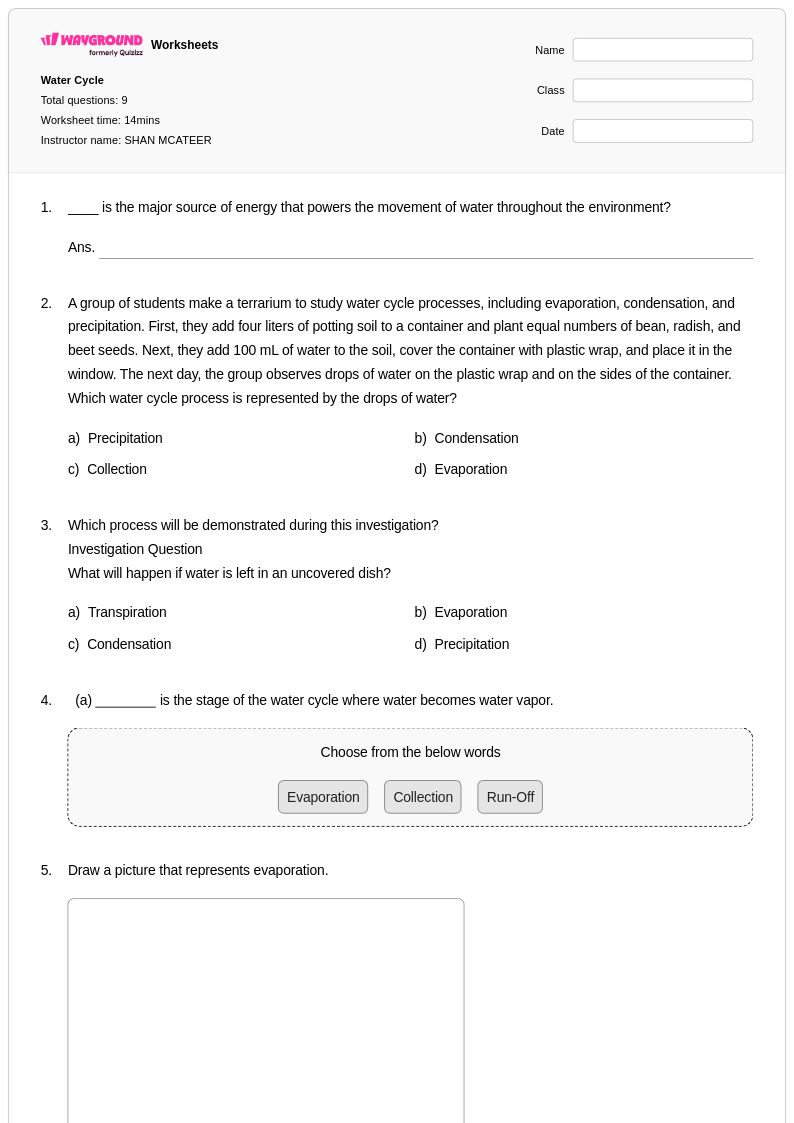
9 Q
5th
10 Q
5th
6 Q
1st - 12th
13 Q
5th
161 Q
5th
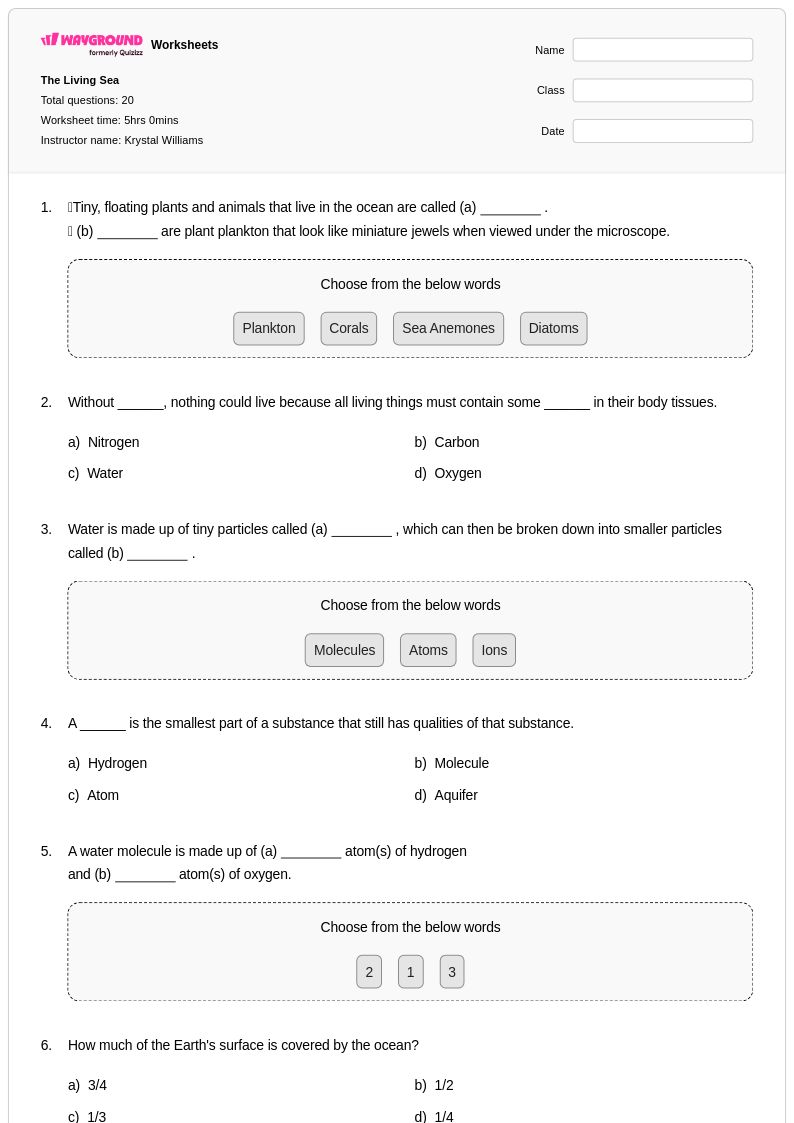
20 Q
5th
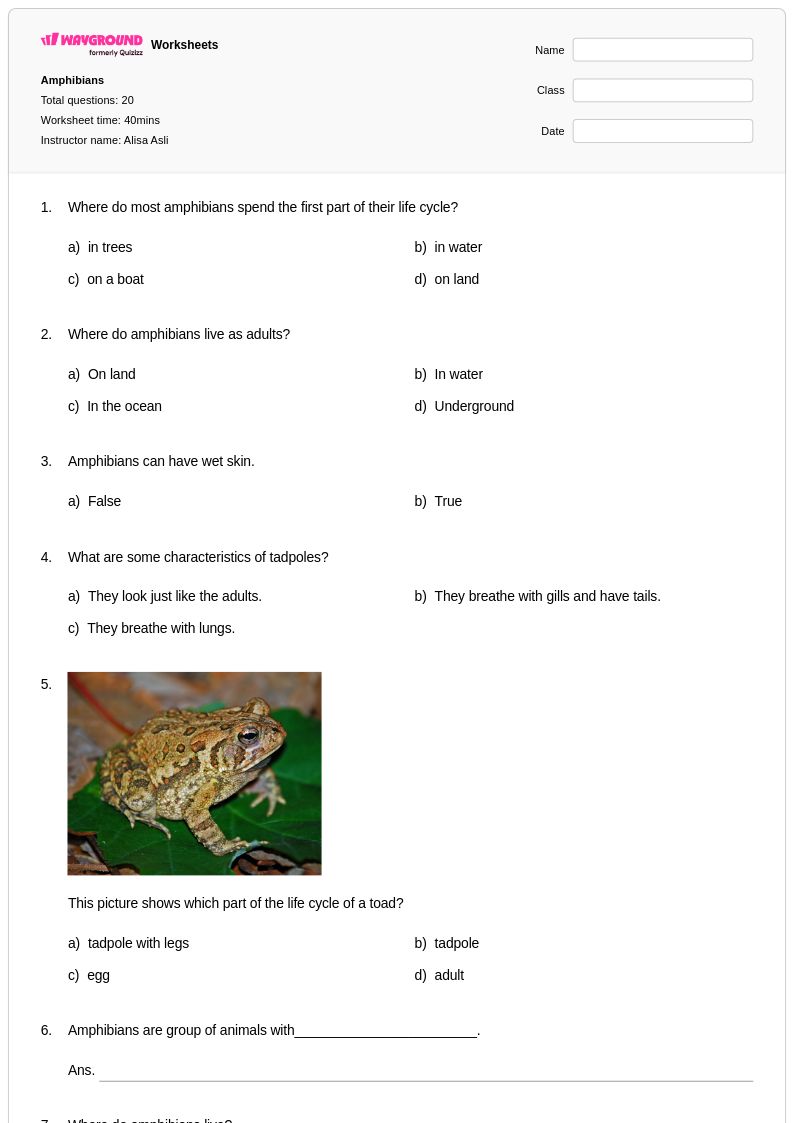
20 Q
5th
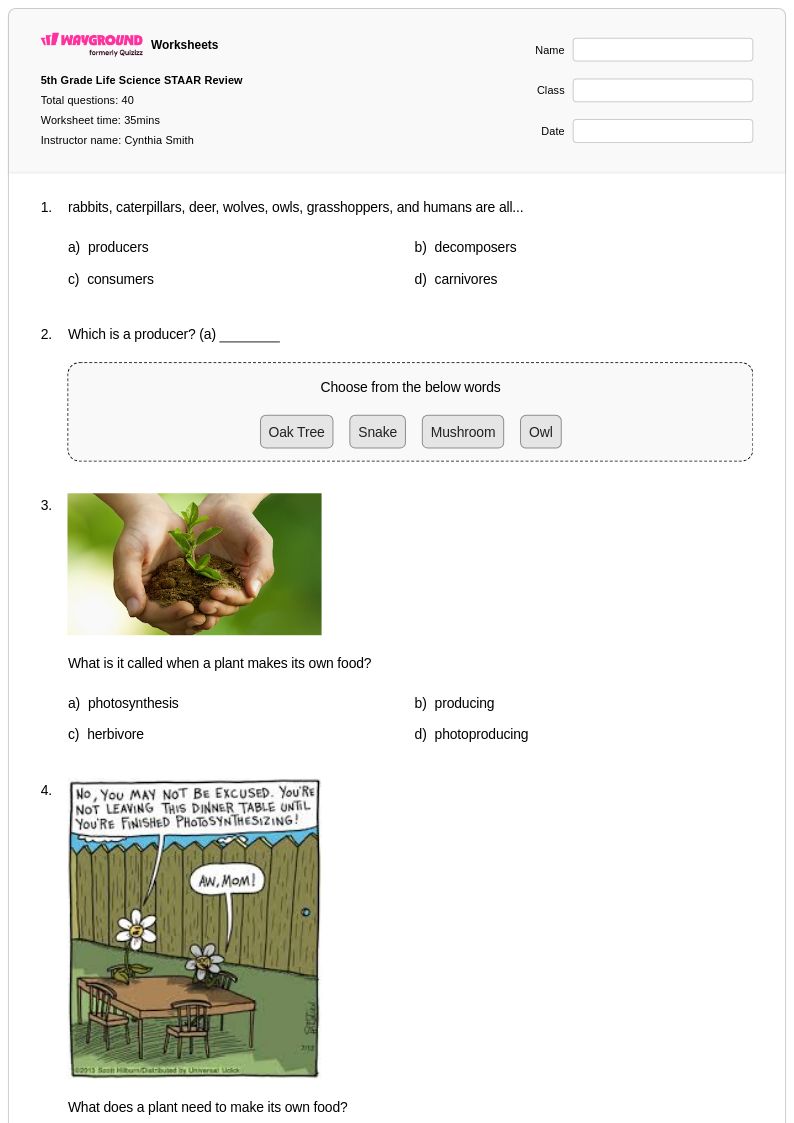
40 Q
5th
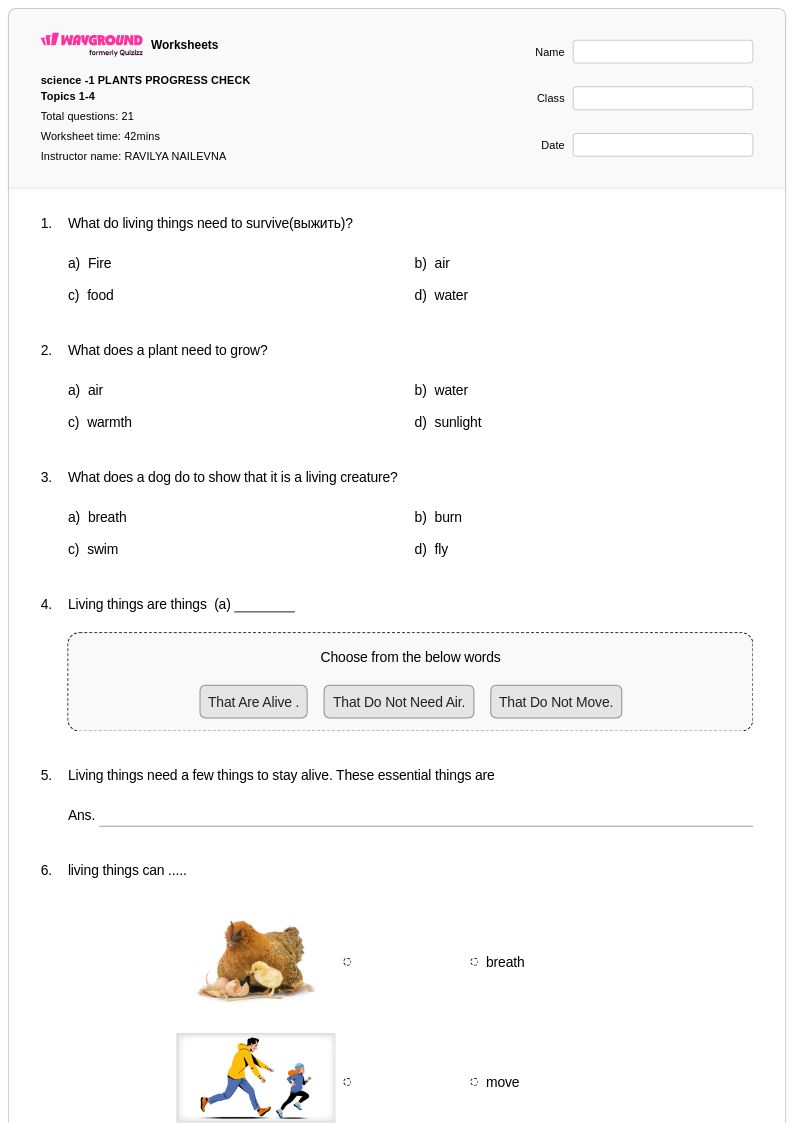
21 Q
5th
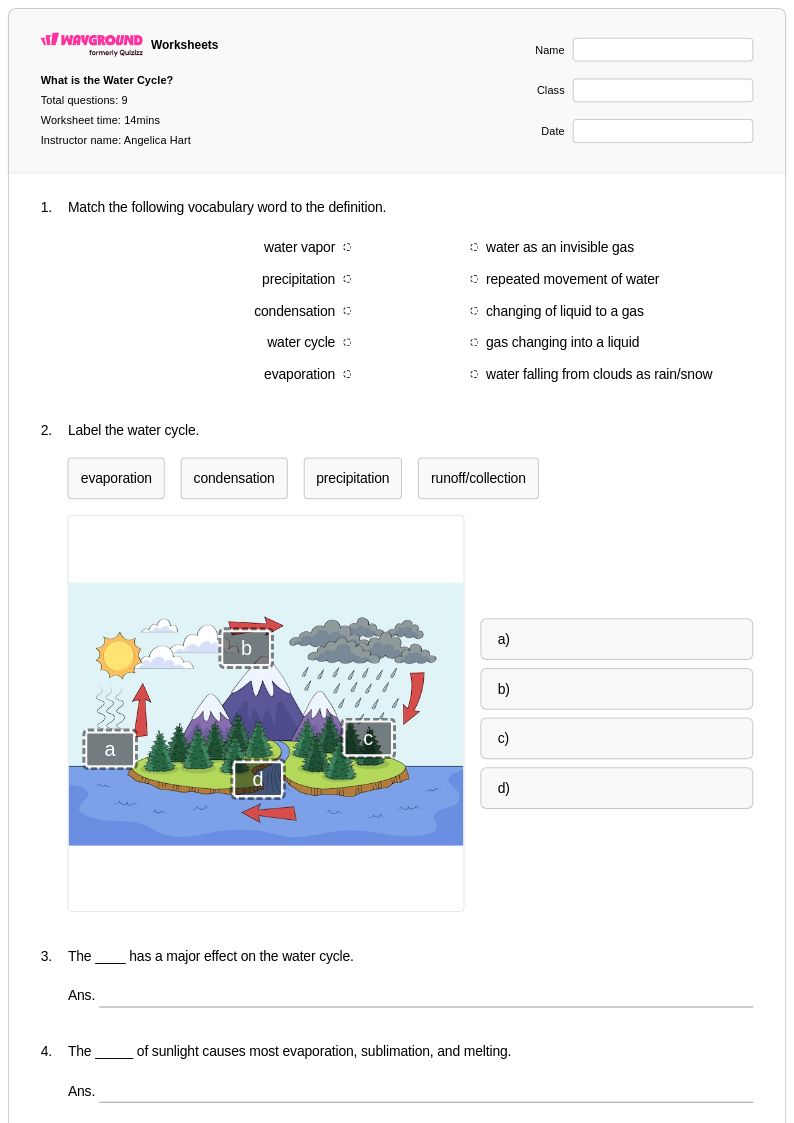
9 Q
5th
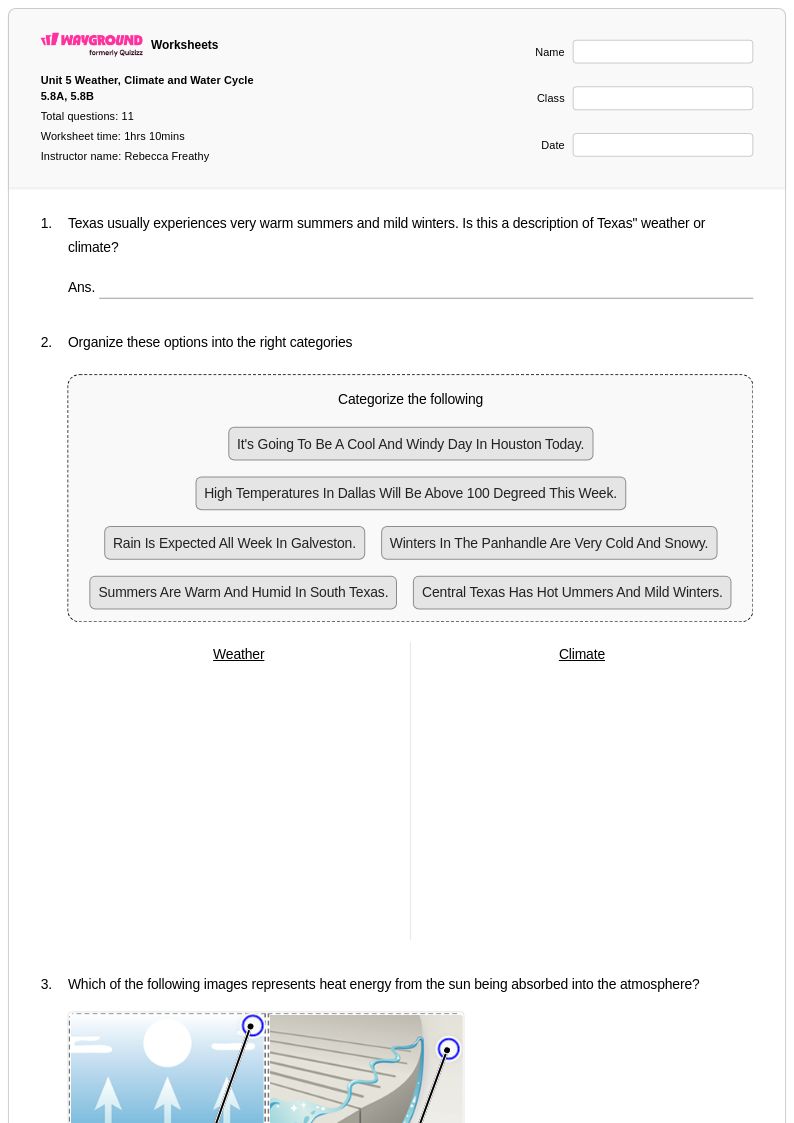
11 Q
5th
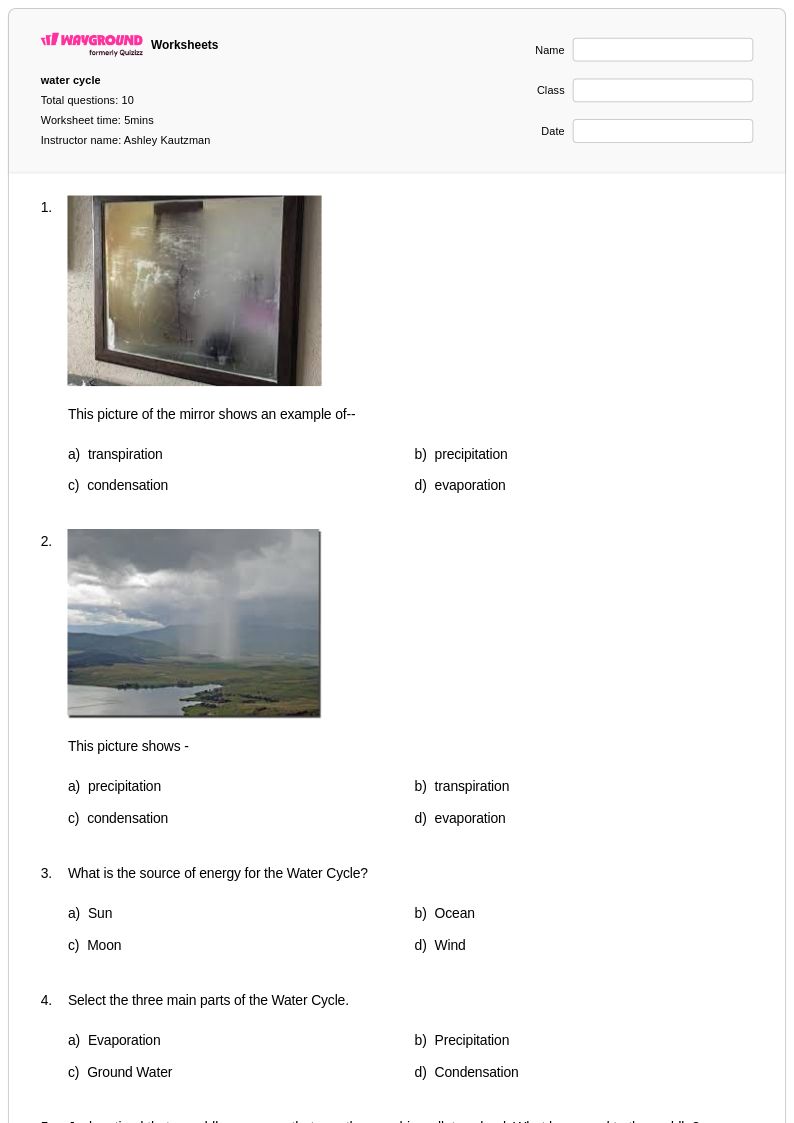
10 Q
5th
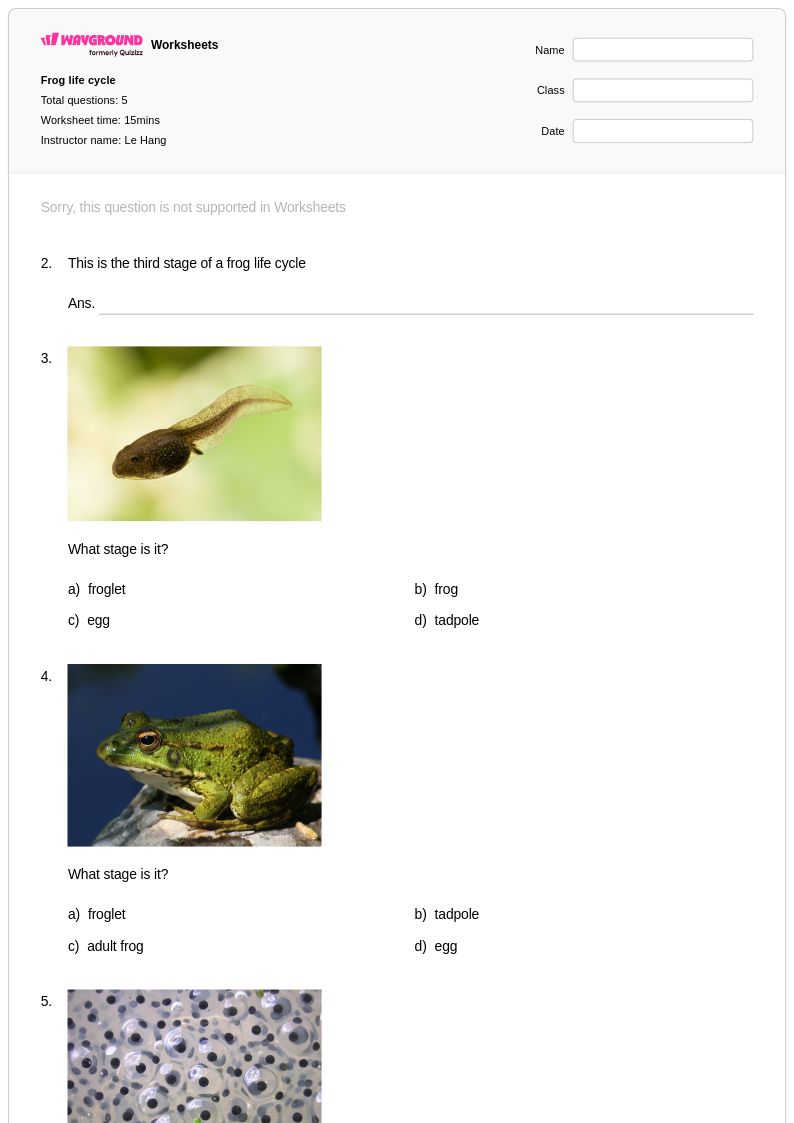
17 Q
1st - 5th
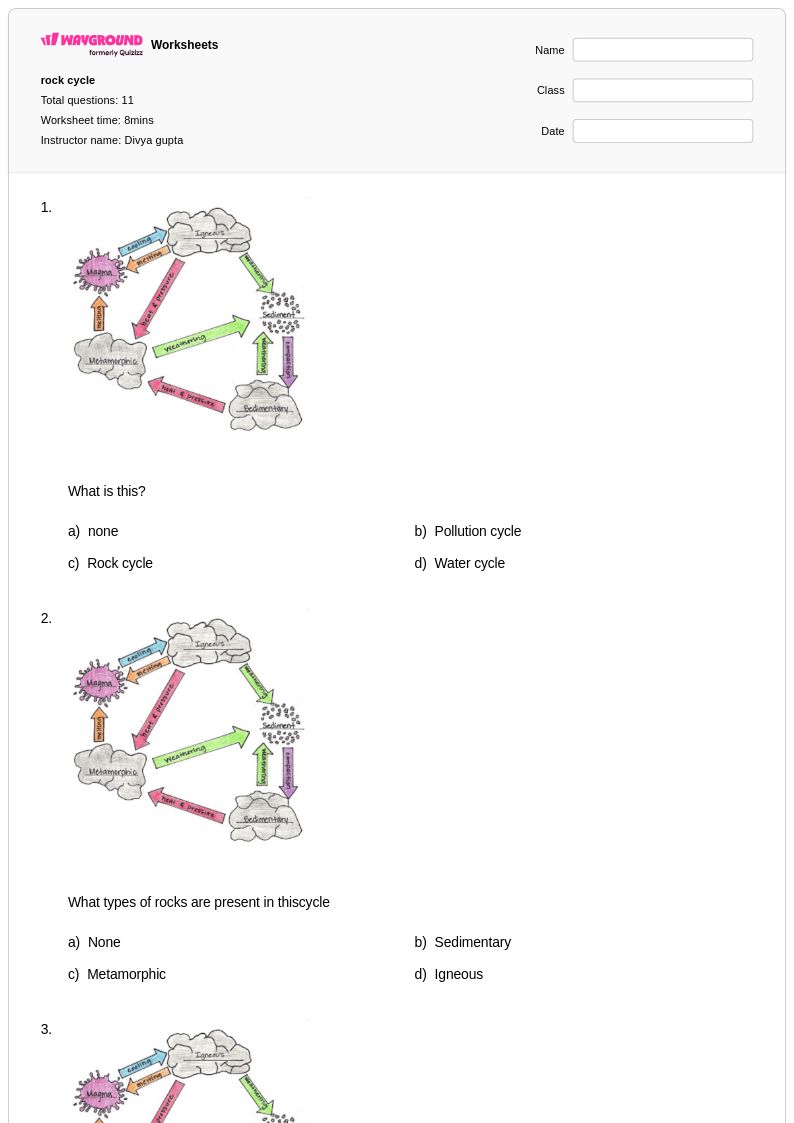
11 Q
5th - 6th
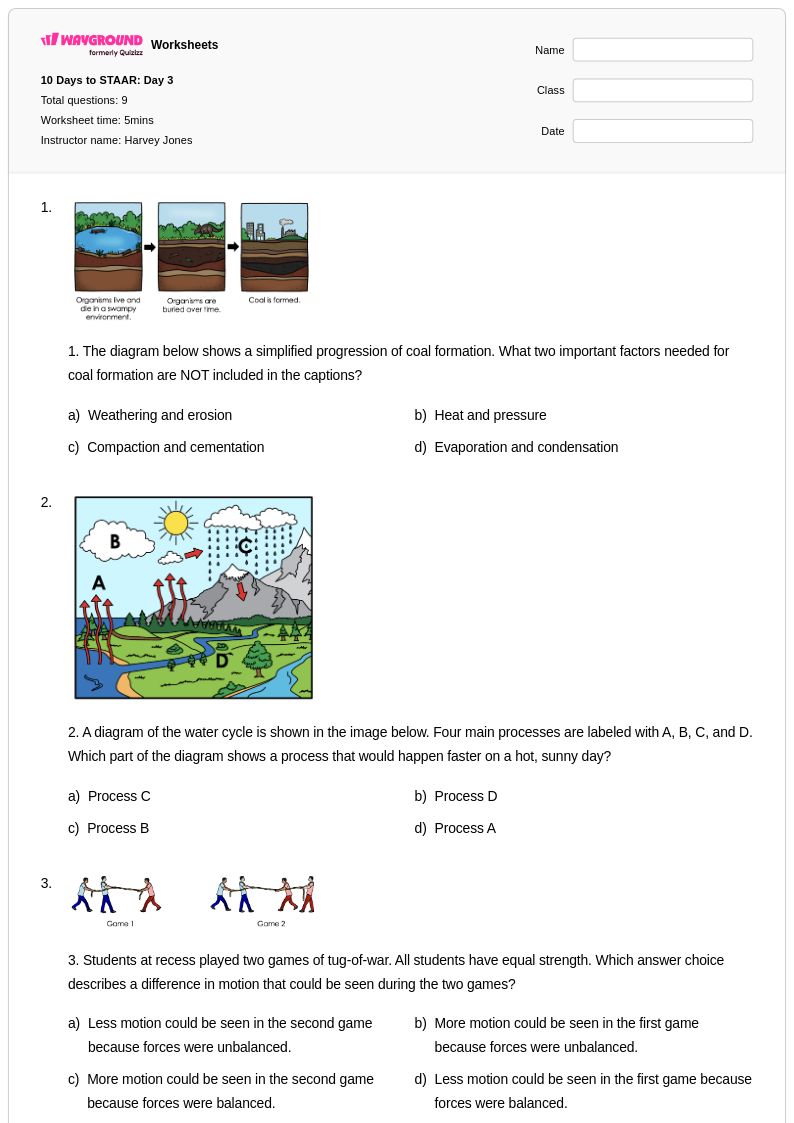
9 Q
5th - Uni
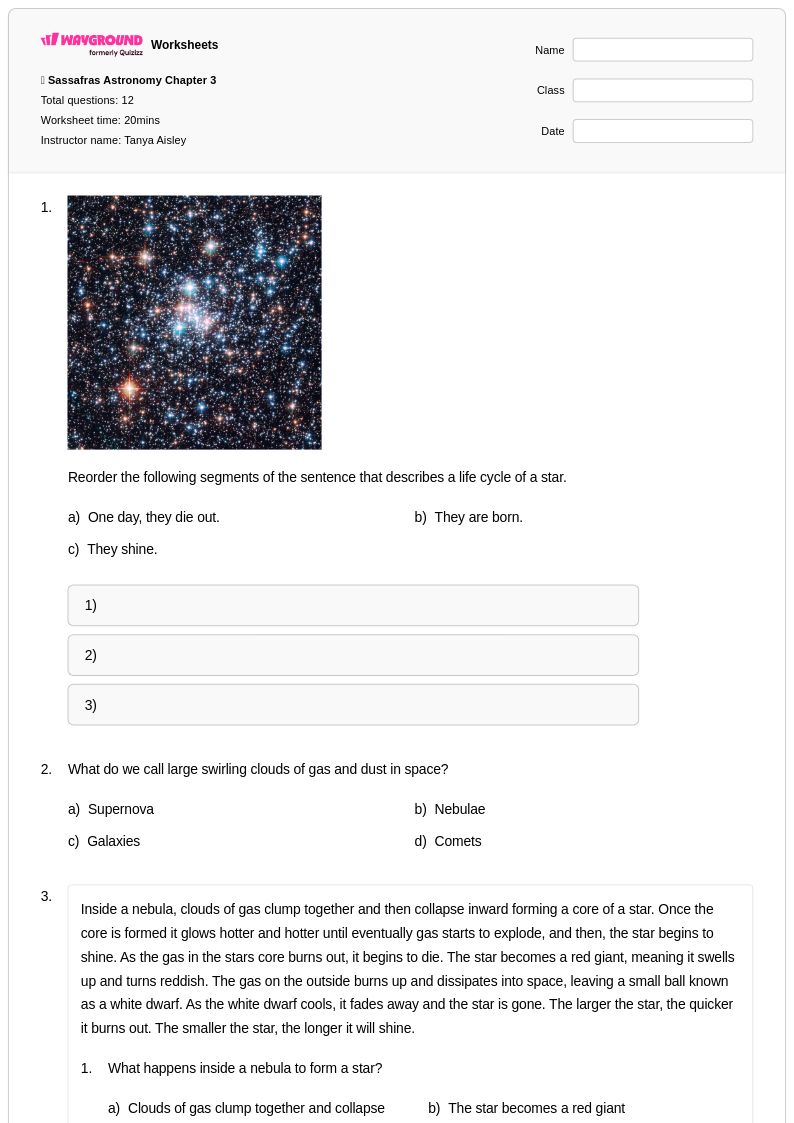
17 Q
1st - 5th
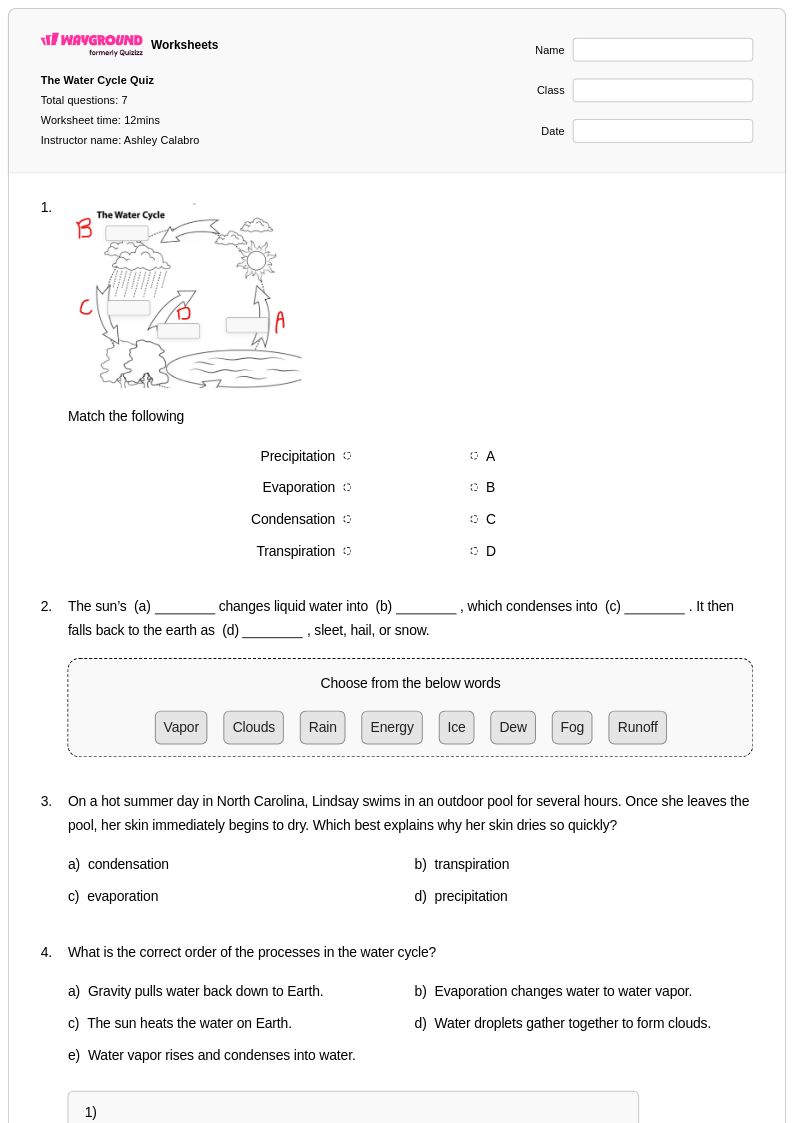
7 Q
5th
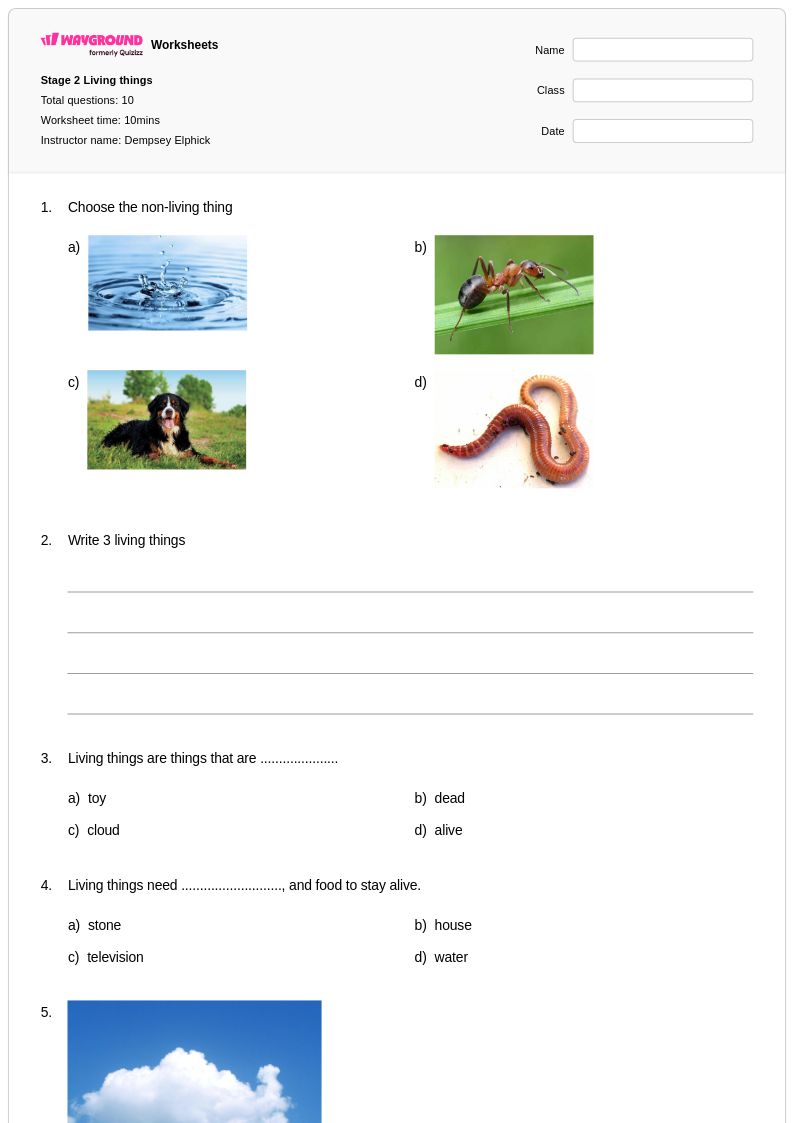
10 Q
3rd - 6th
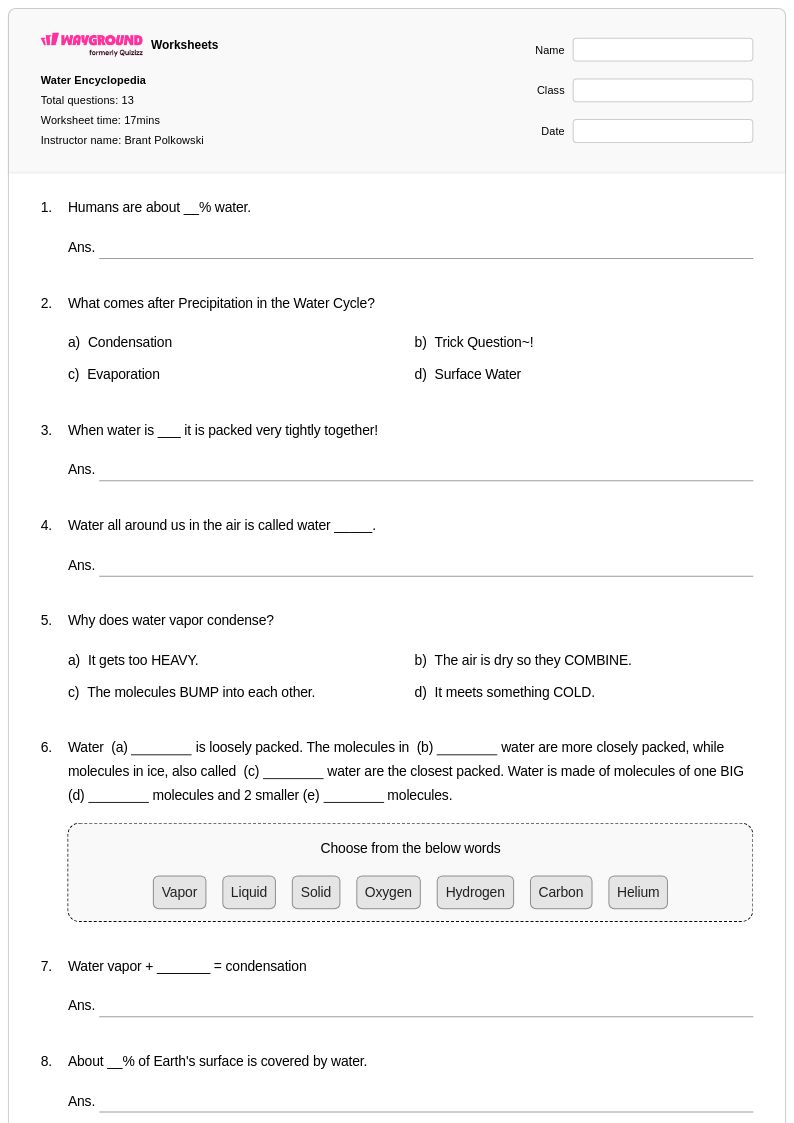
13 Q
5th
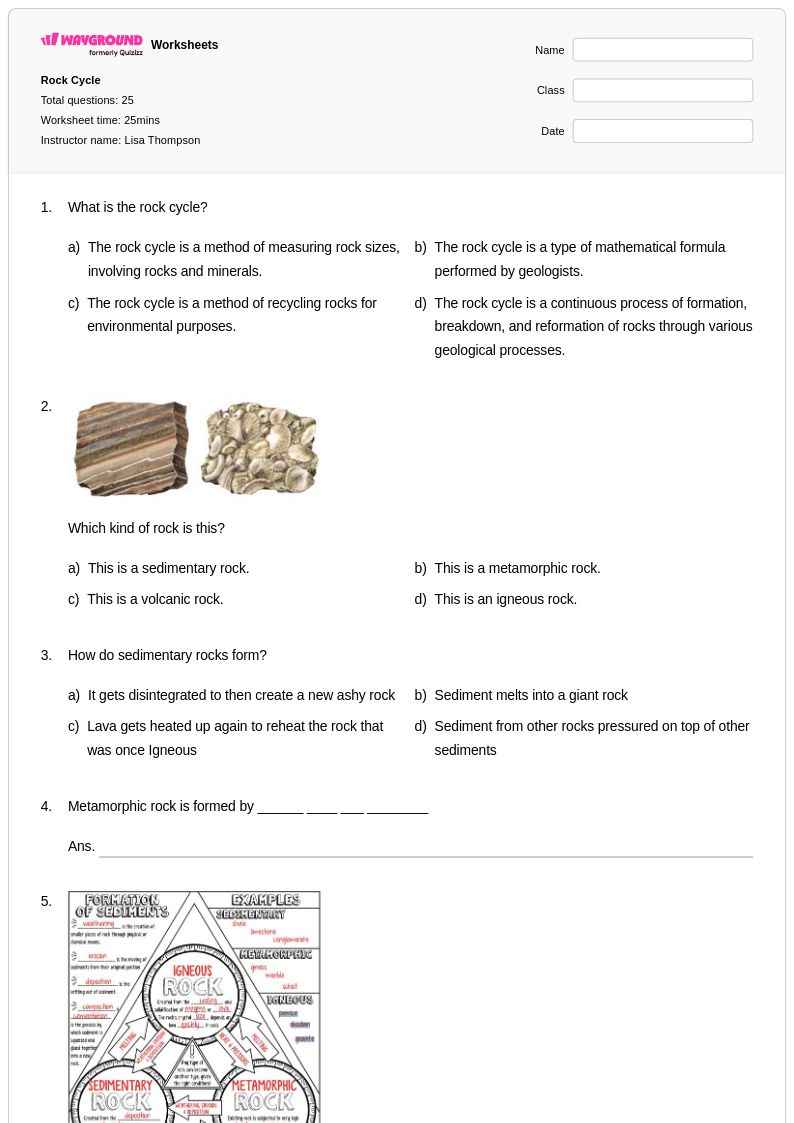
25 Q
5th - Uni
Explore Other Subject Worksheets for class 5
Explore printable Bee Life Cycle worksheets for Class 5
Class 5 bee life cycle worksheets through Wayground (formerly Quizizz) provide comprehensive educational resources that guide students through the fascinating metamorphosis of honeybees from egg to adult. These carefully crafted worksheets strengthen critical scientific observation skills, vocabulary development, and understanding of biological processes as students explore the four distinct stages of complete metamorphosis: egg, larva, pupa, and adult bee. The collection includes detailed diagrams for labeling, sequencing activities that reinforce chronological thinking, and practice problems that challenge students to apply their knowledge of this complex life cycle. Each worksheet comes with a complete answer key, making assessment and self-correction straightforward for both teachers and students. Available as free printables in convenient pdf format, these resources support hands-on learning while building foundational concepts in life science and insect biology.
Wayground (formerly Quizizz) empowers educators with access to millions of teacher-created bee life cycle resources, featuring robust search and filtering capabilities that allow quick identification of materials perfectly matched to Class 5 learning objectives and science standards. The platform's differentiation tools enable teachers to customize worksheets for varying skill levels within their classrooms, supporting both remediation for struggling learners and enrichment opportunities for advanced students. Available in both printable and digital formats including downloadable pdf files, these resources offer maximum flexibility for lesson planning and implementation across diverse teaching environments. Teachers can efficiently organize targeted skill practice sessions, create comprehensive unit assessments, and develop engaging activities that bring the intricate world of bee development to life, all while maintaining alignment with established curriculum standards and learning benchmarks.
FAQs
How do I teach the bee life cycle to elementary students?
What activities help students practice the stages of a bee's life cycle?
What common mistakes do students make when learning about the bee life cycle?
How can I differentiate bee life cycle instruction for students at different skill levels?
How do I use Wayground's bee life cycle worksheets in my classroom?