
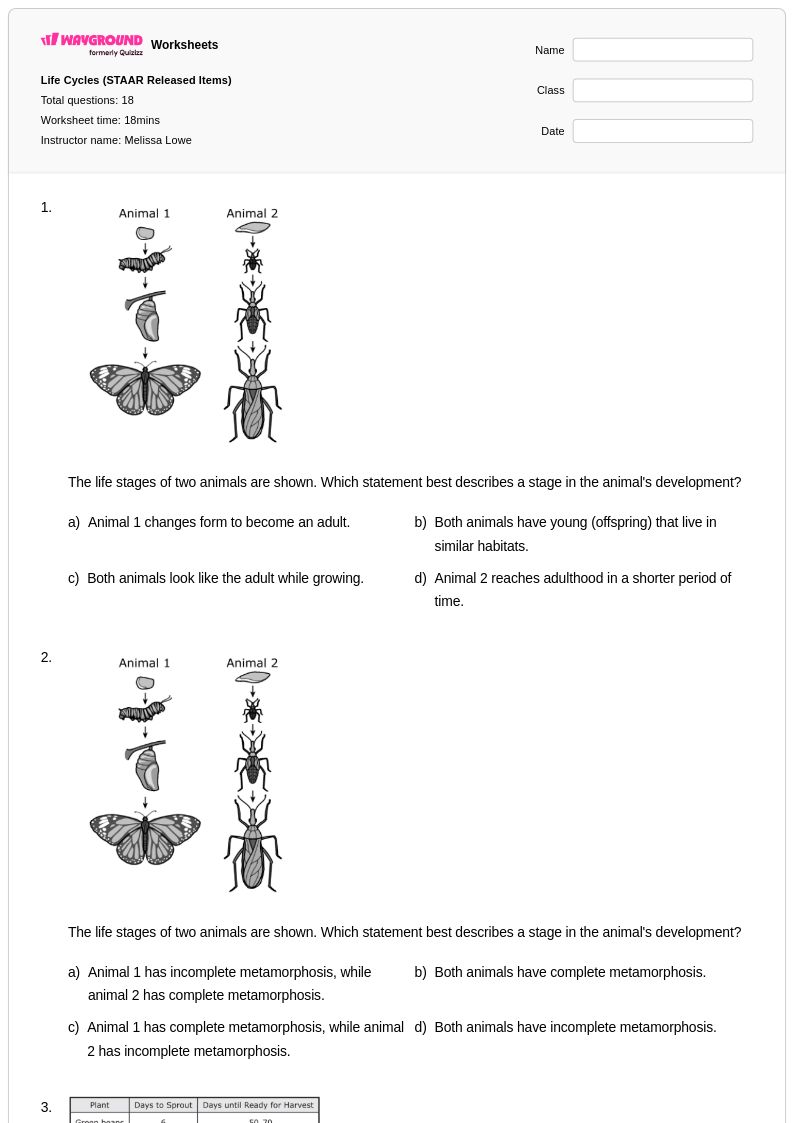
18 Q
5th
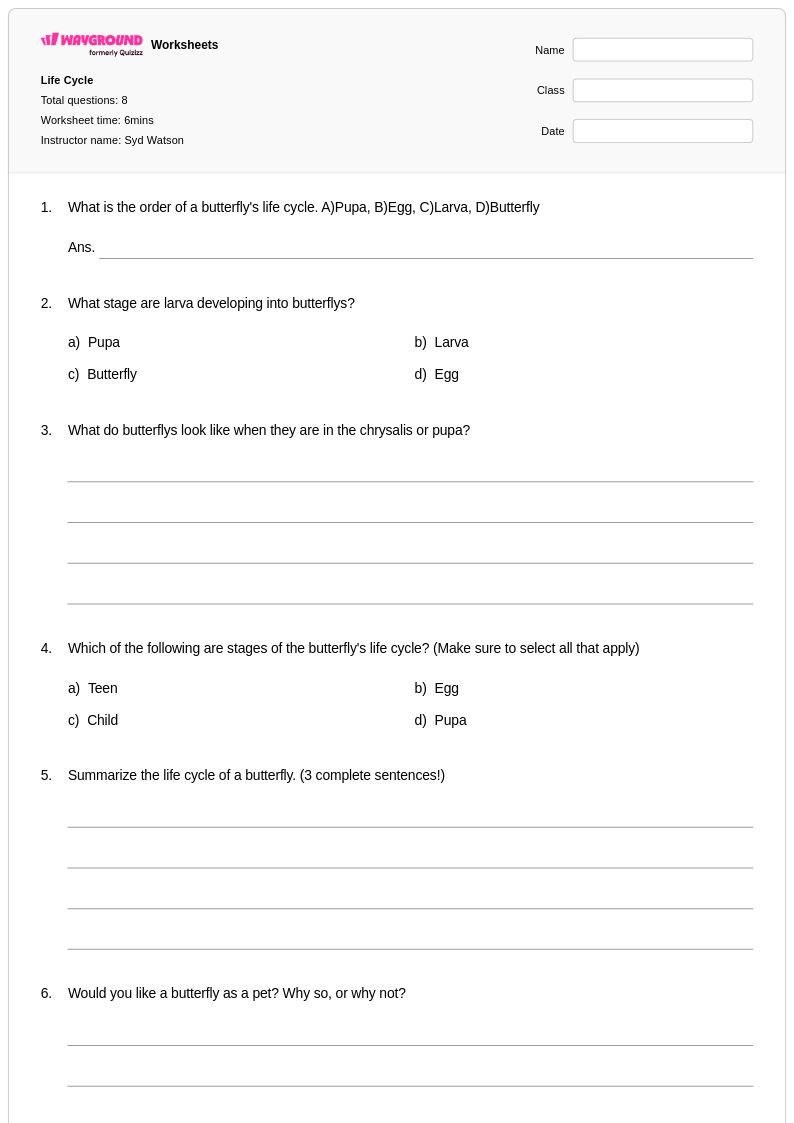
8 Q
2nd - 5th
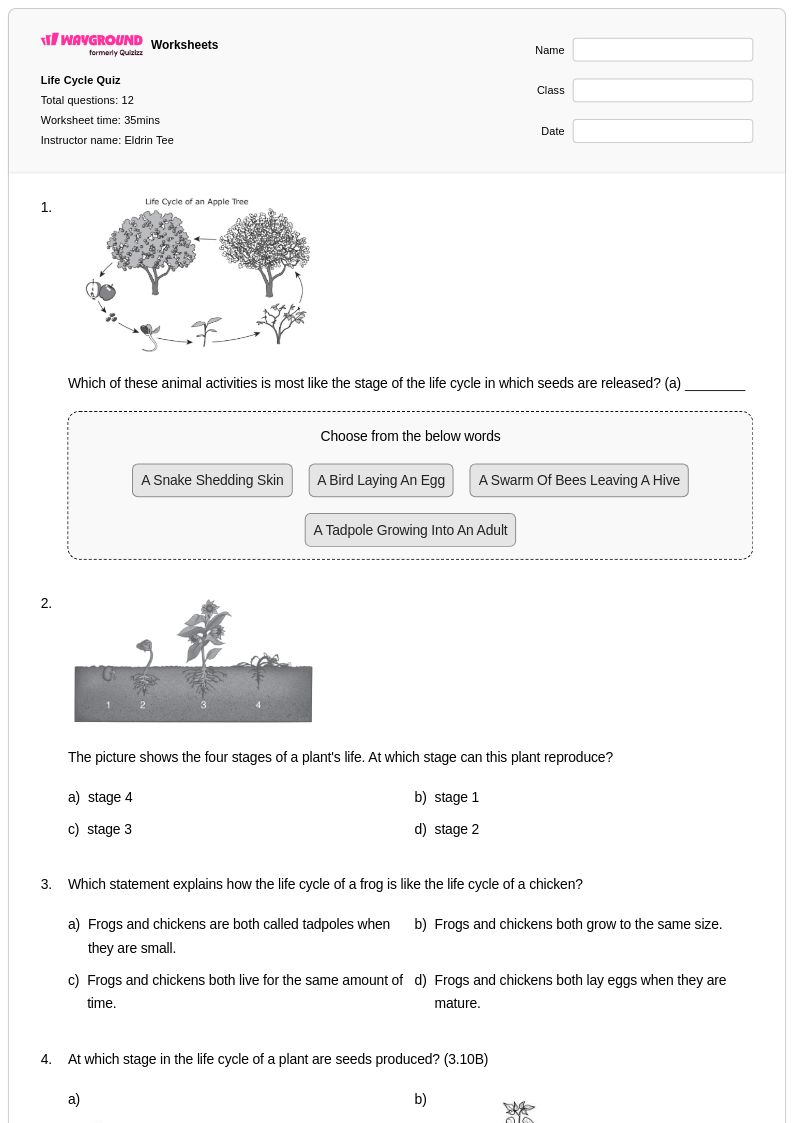
12 Q
5th
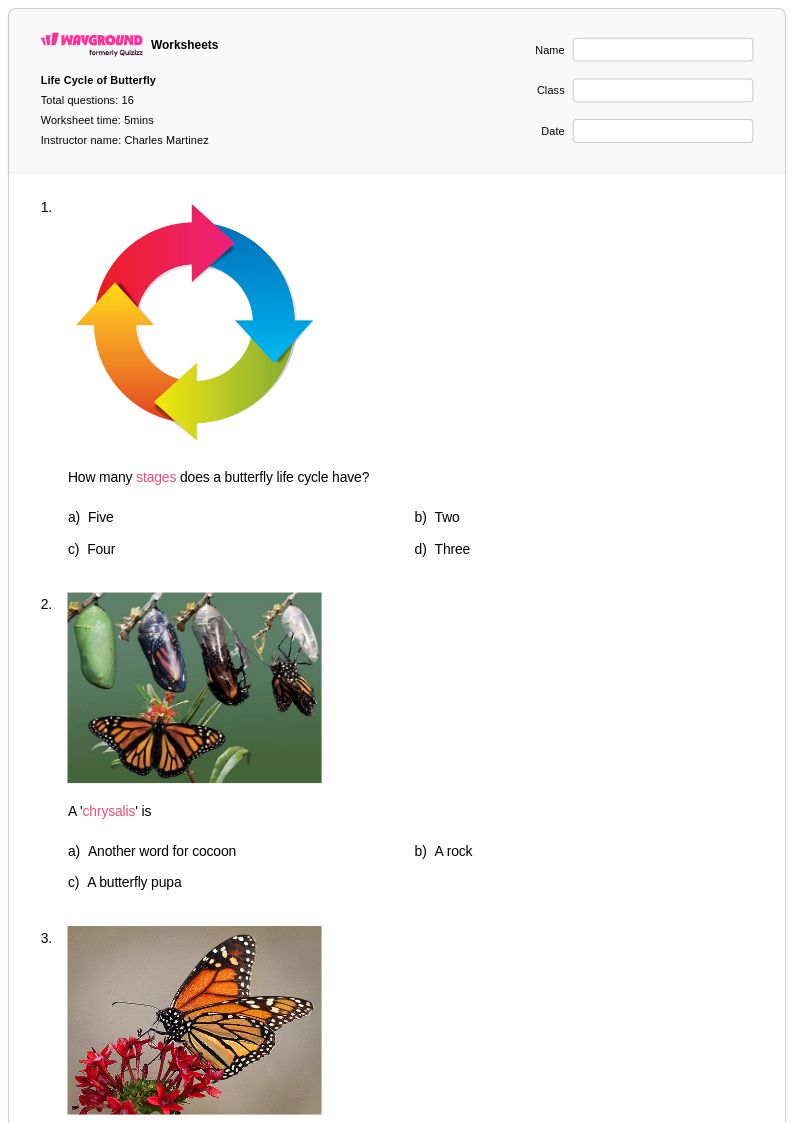
16 Q
5th
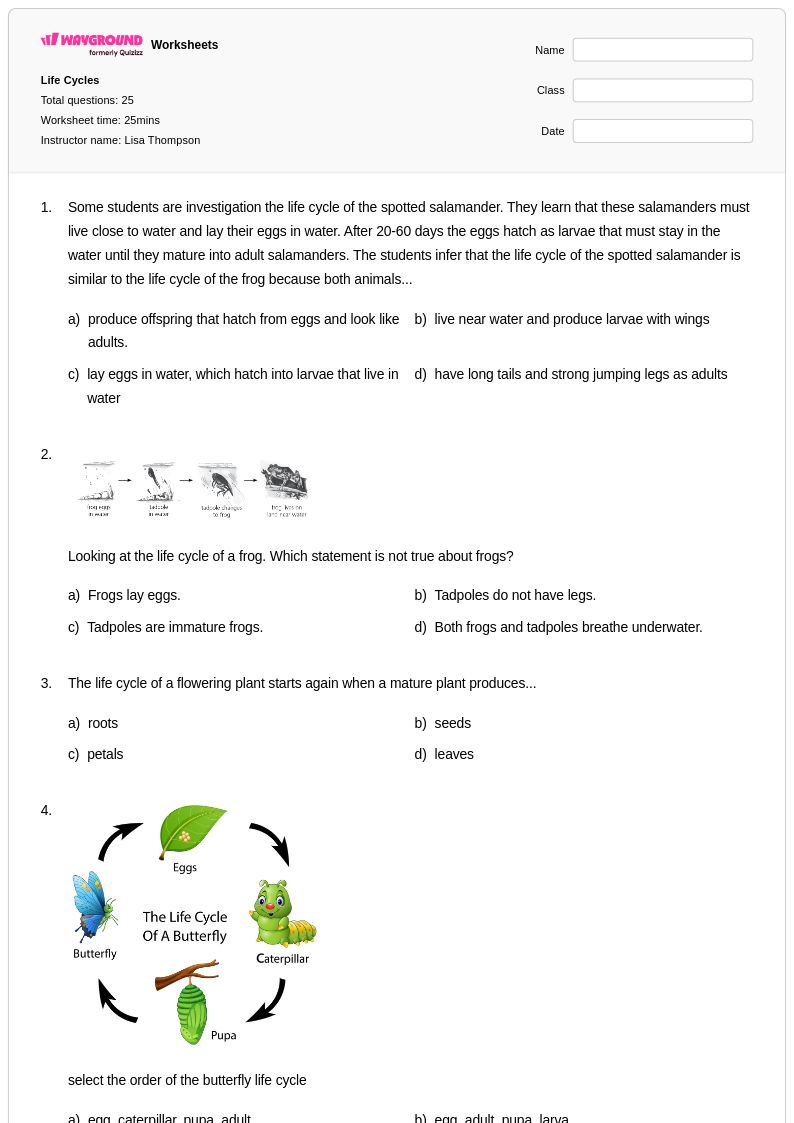
25 Q
3rd - Uni
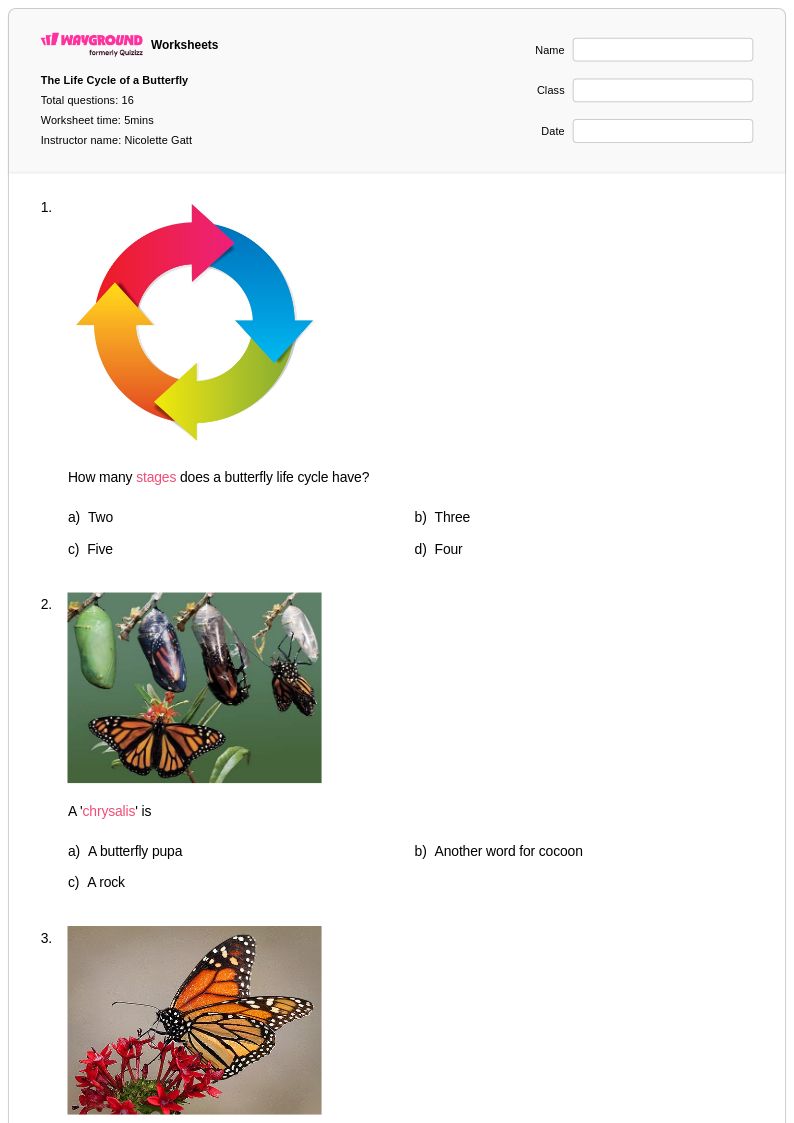
16 Q
5th
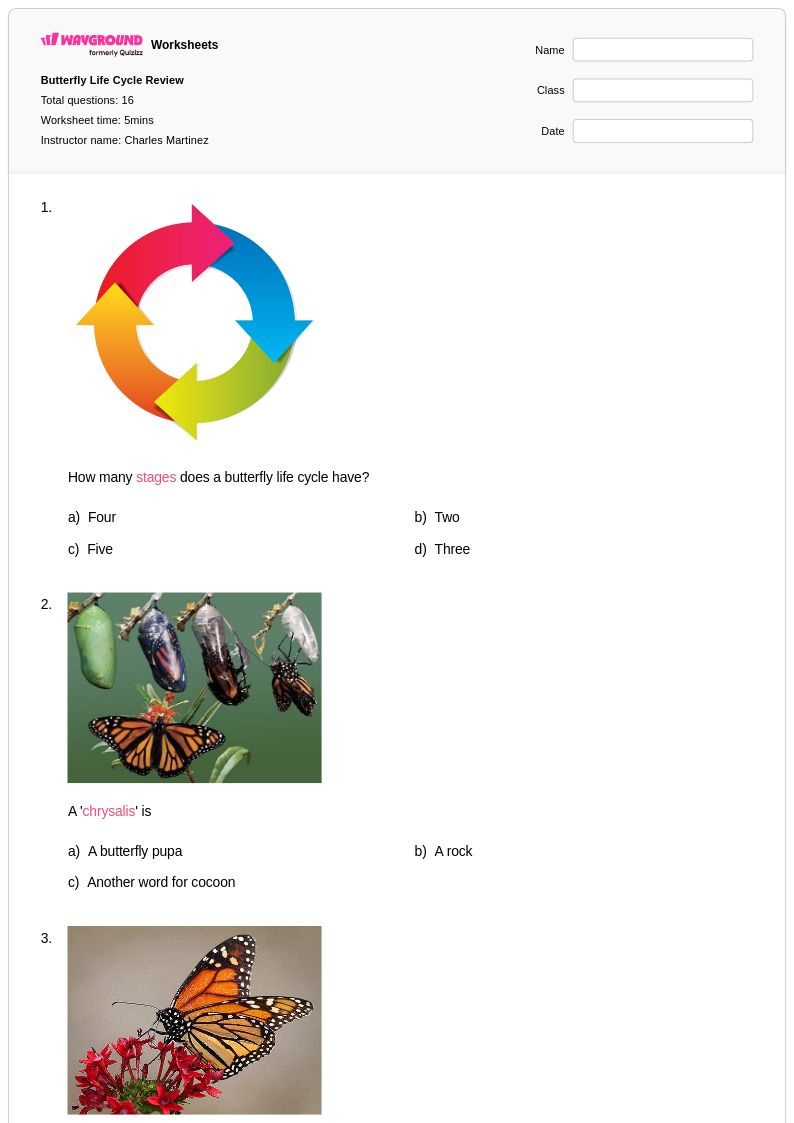
16 Q
5th
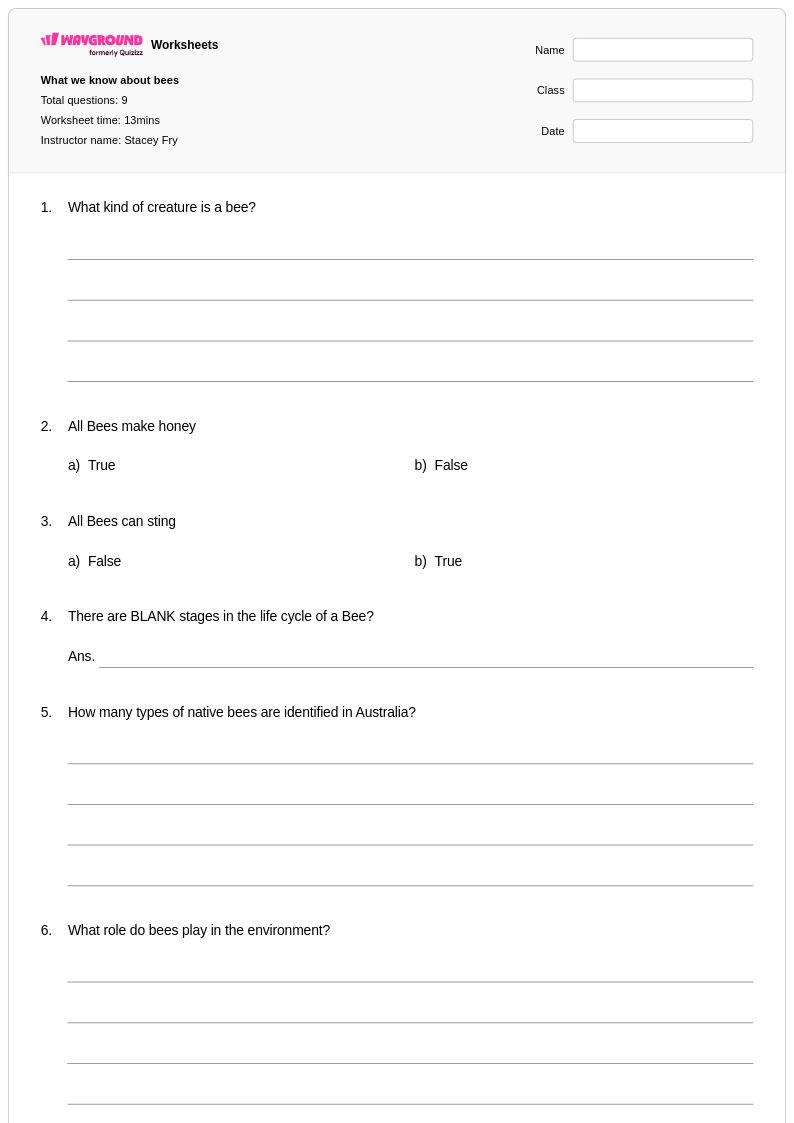
9 Q
5th - 6th
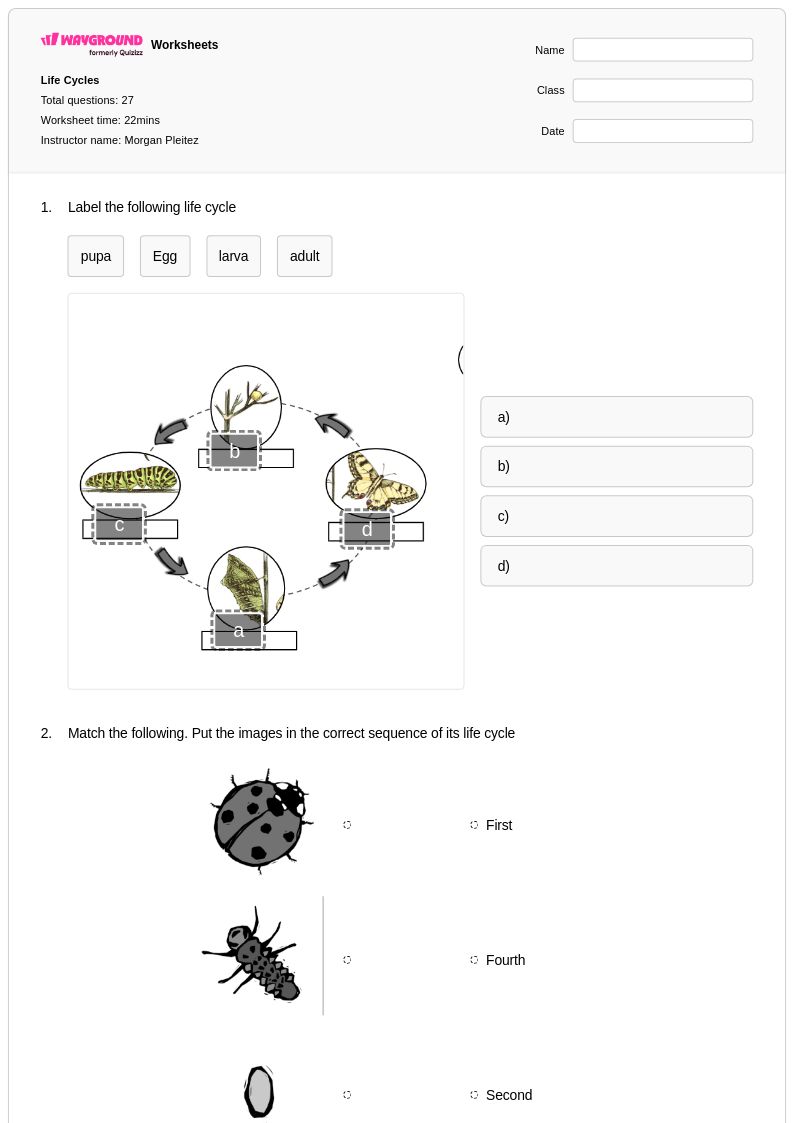
27 Q
5th
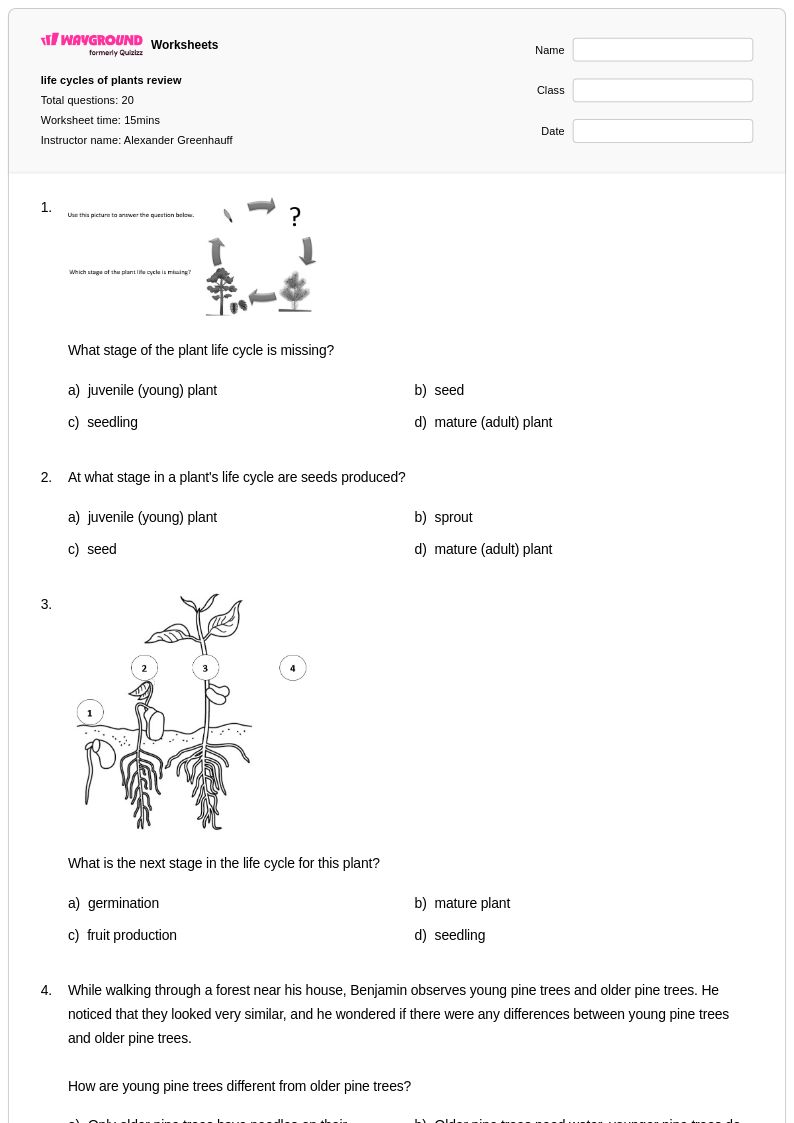
20 Q
5th
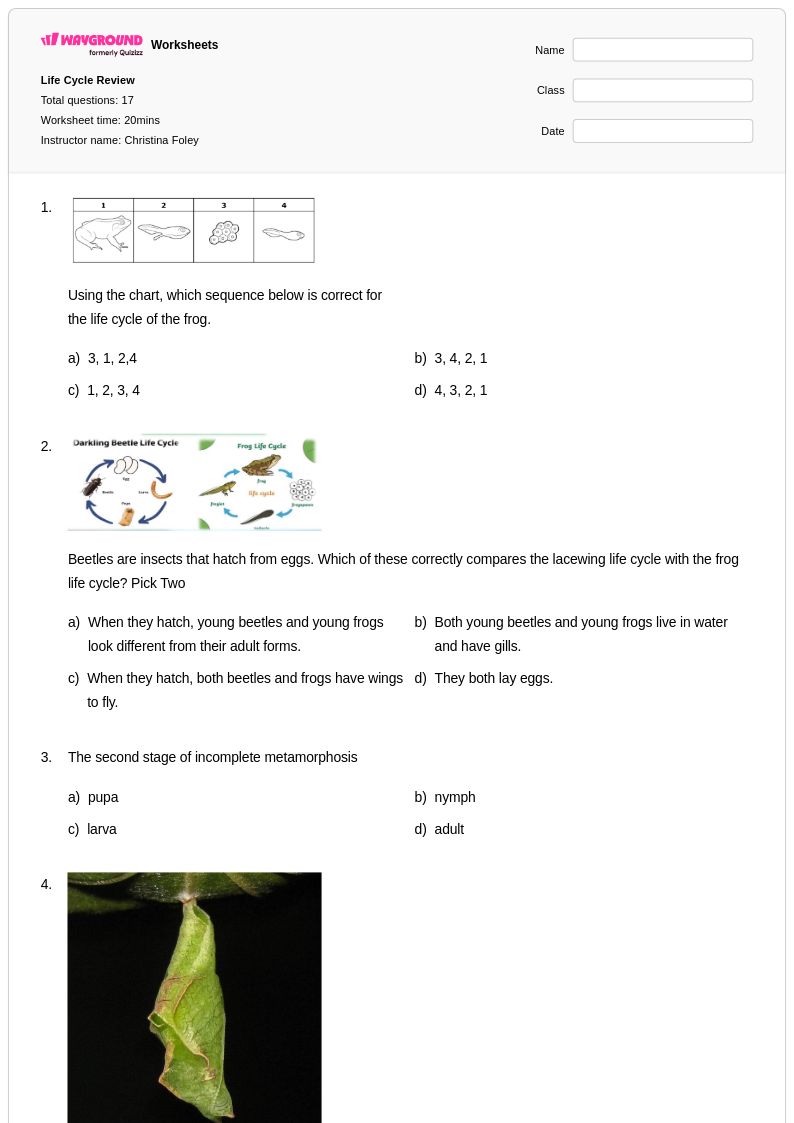
17 Q
5th
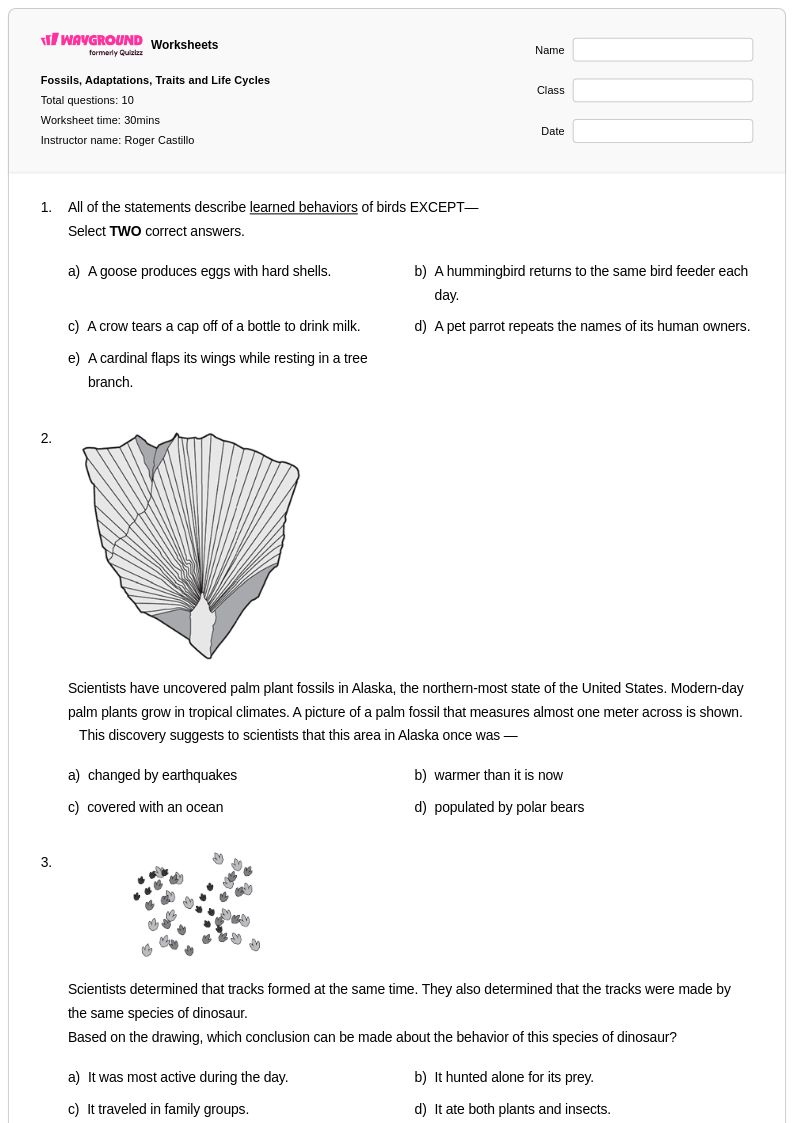
10 Q
5th
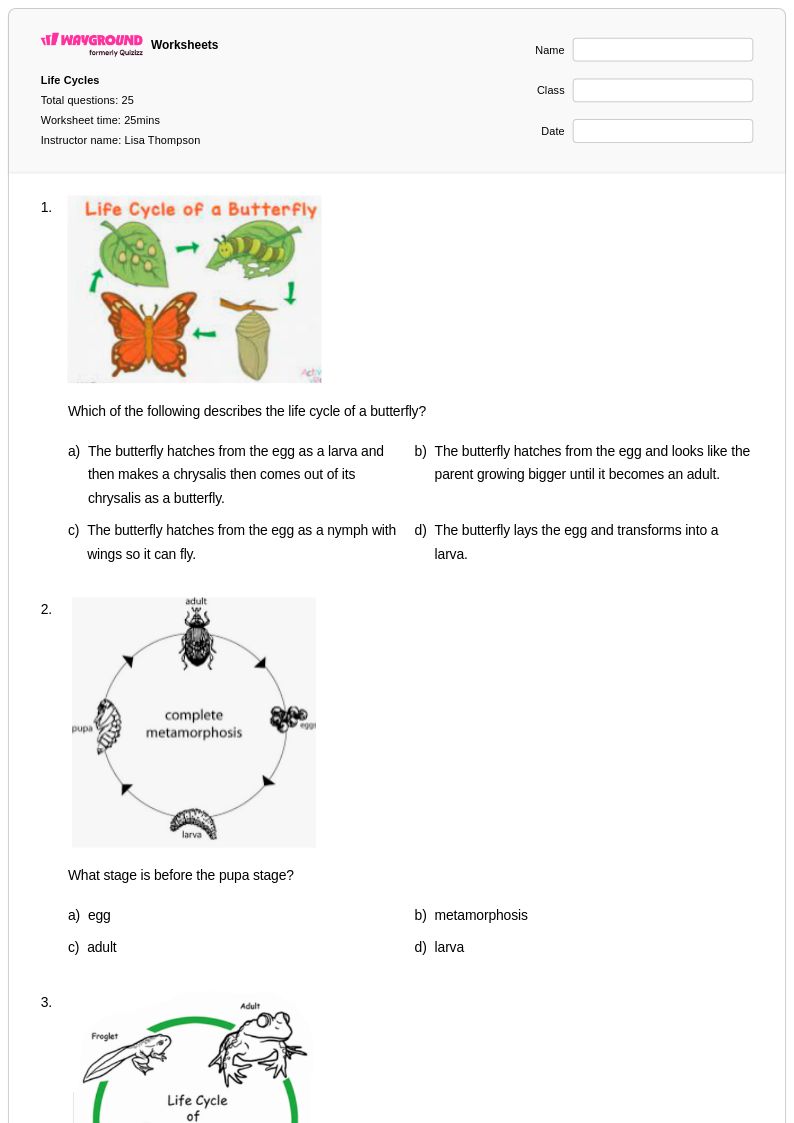
25 Q
3rd - Uni
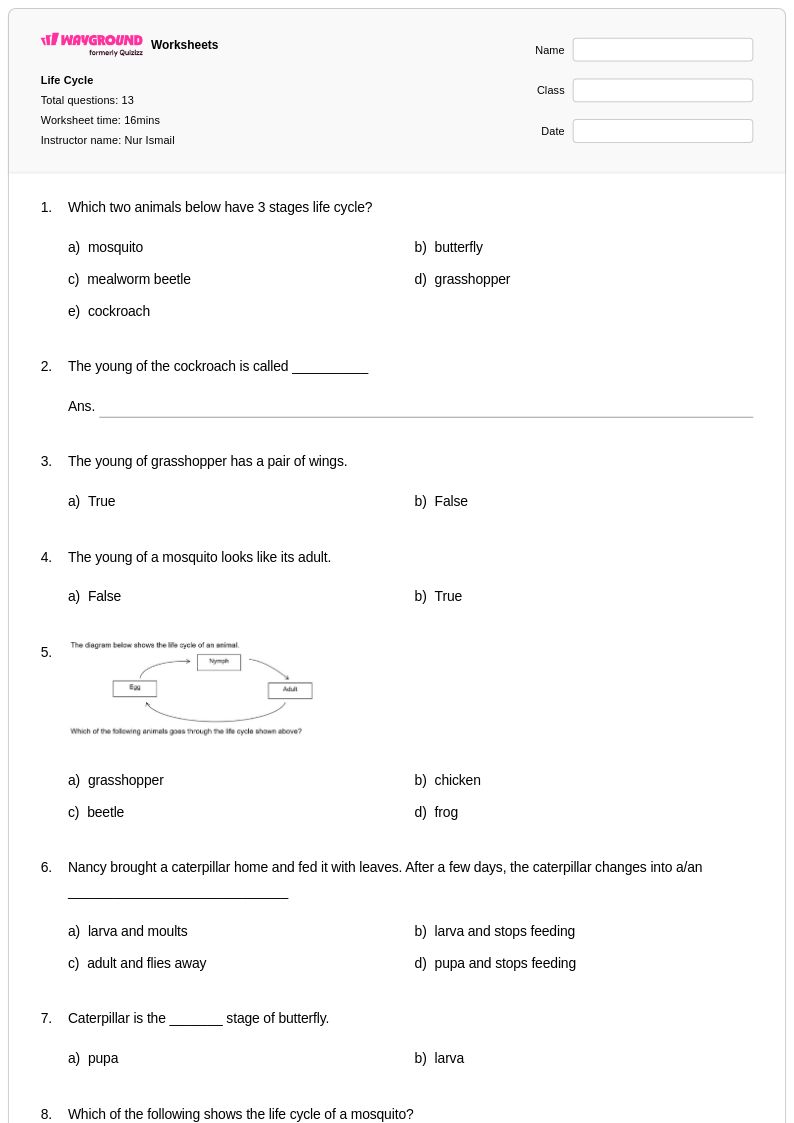
13 Q
3rd - 6th
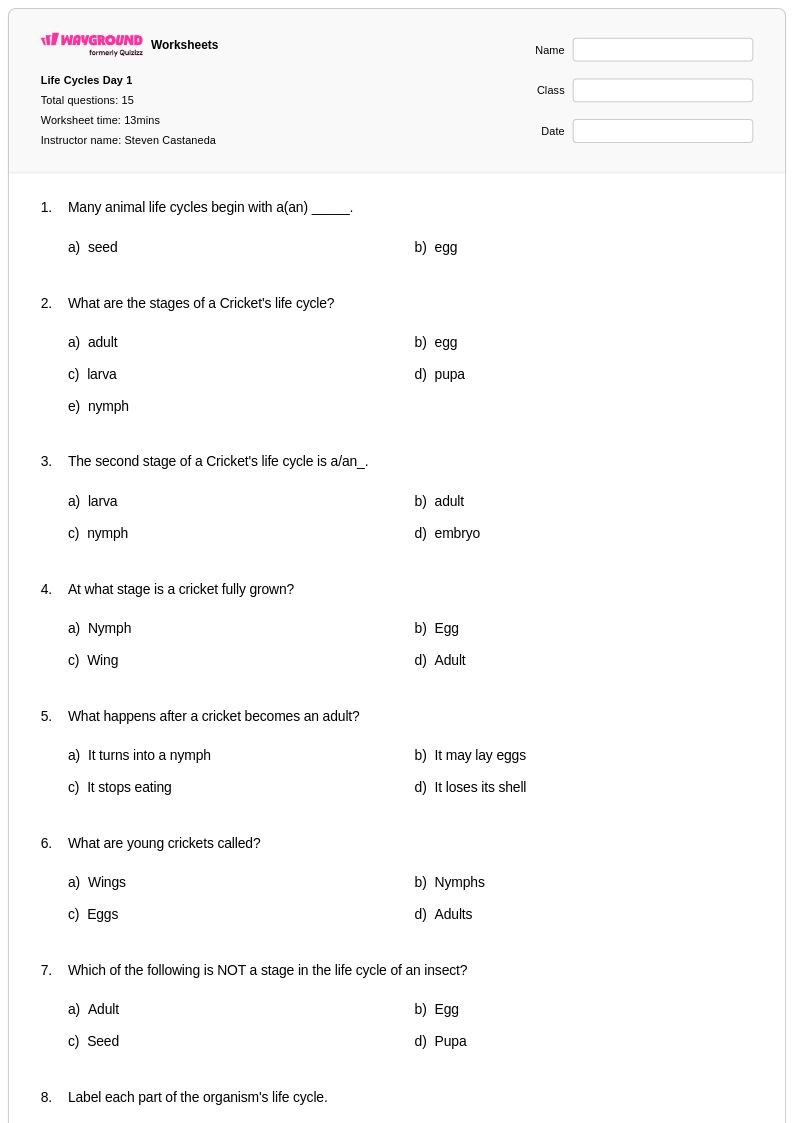
15 Q
5th
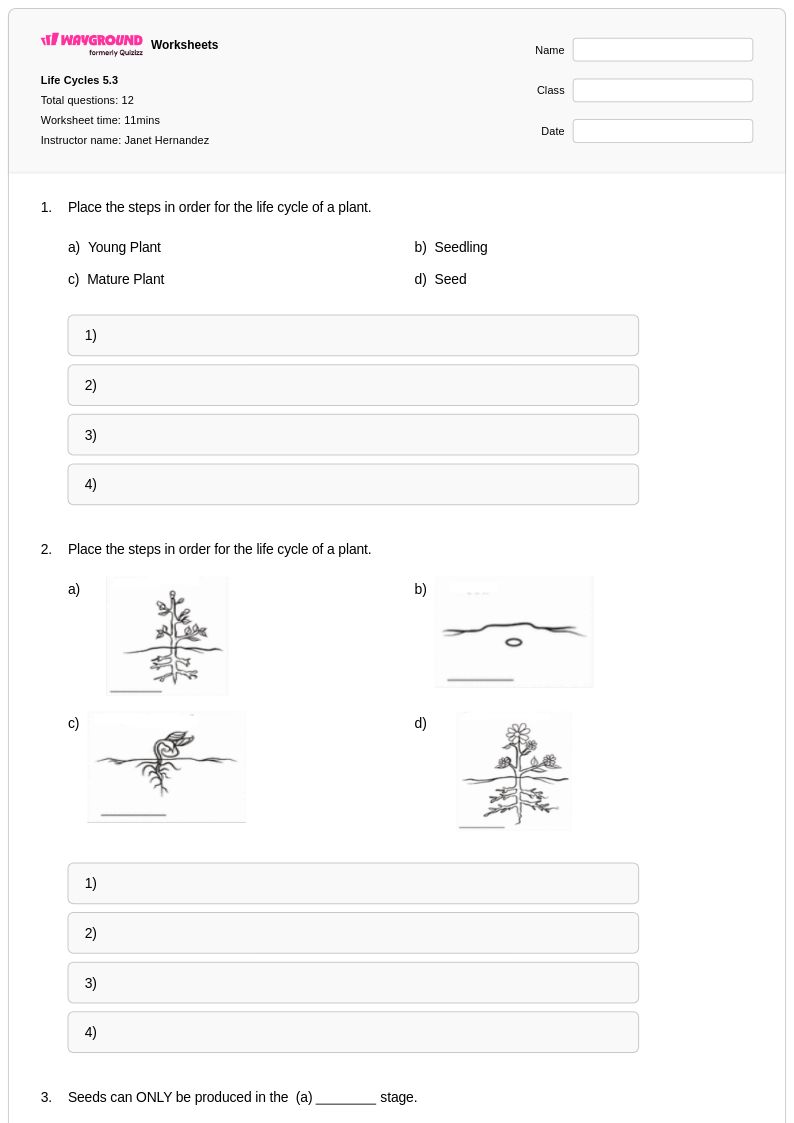
12 Q
5th
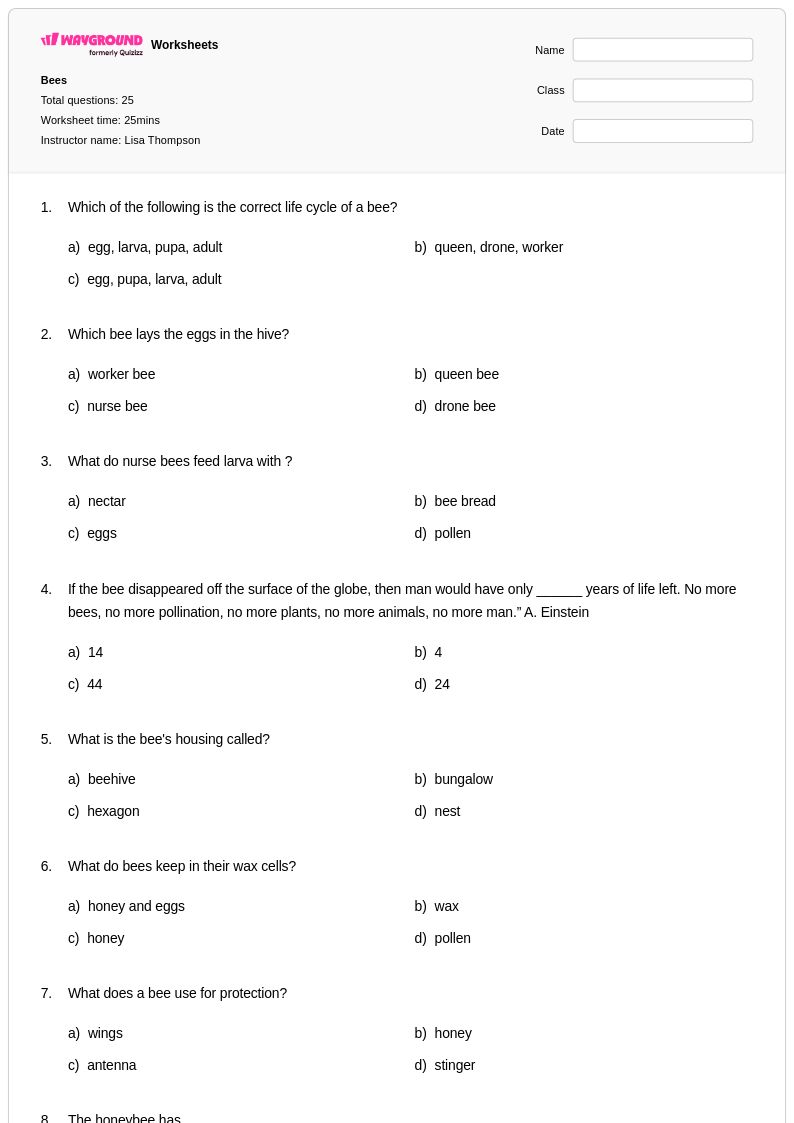
25 Q
5th - Uni
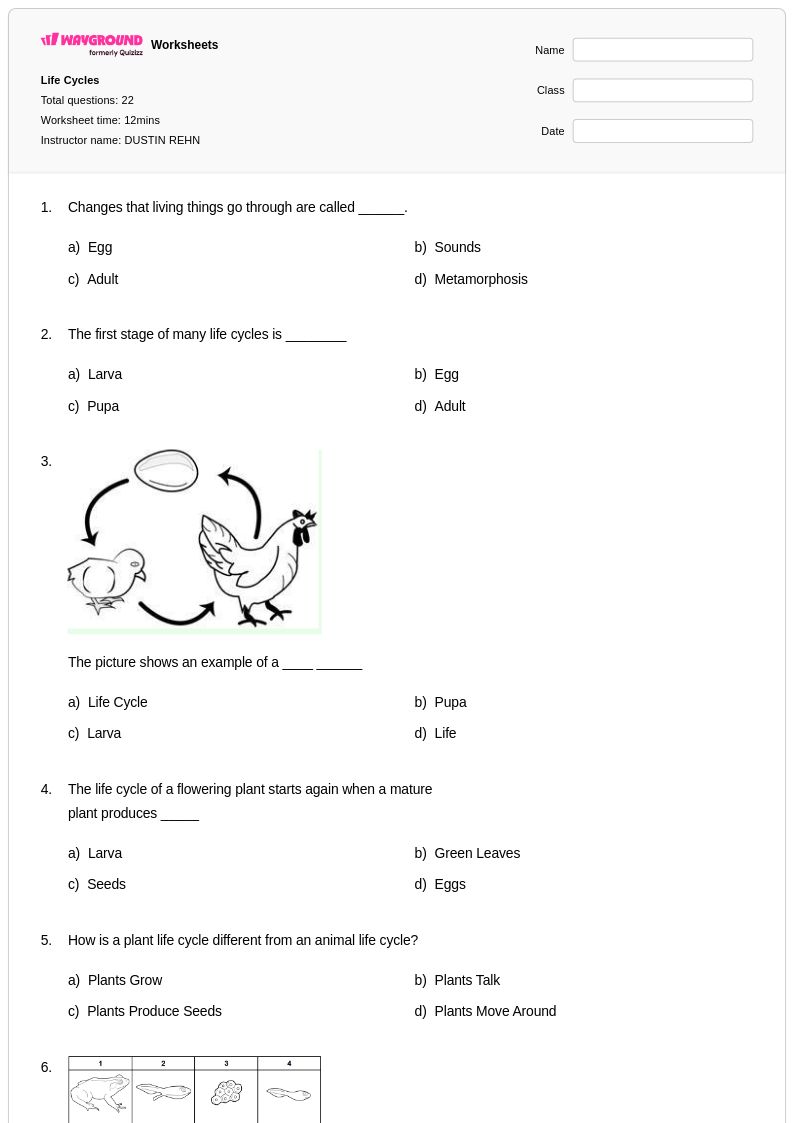
22 Q
5th
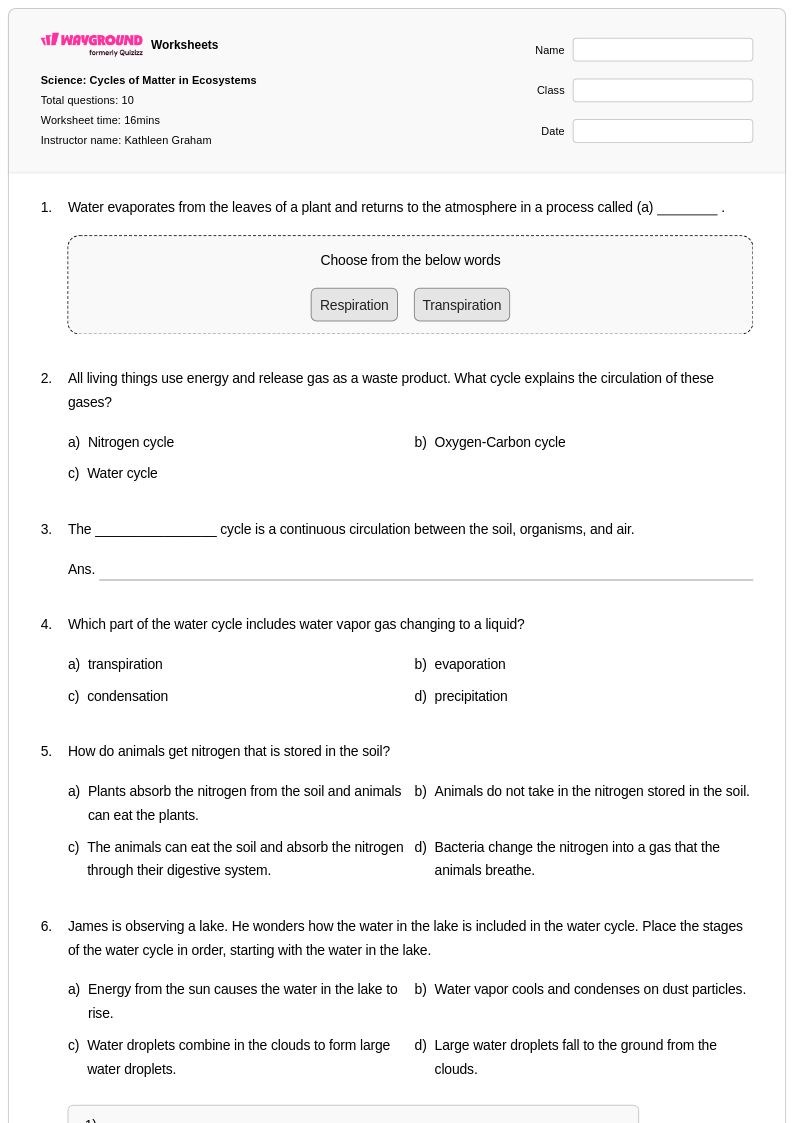
10 Q
5th
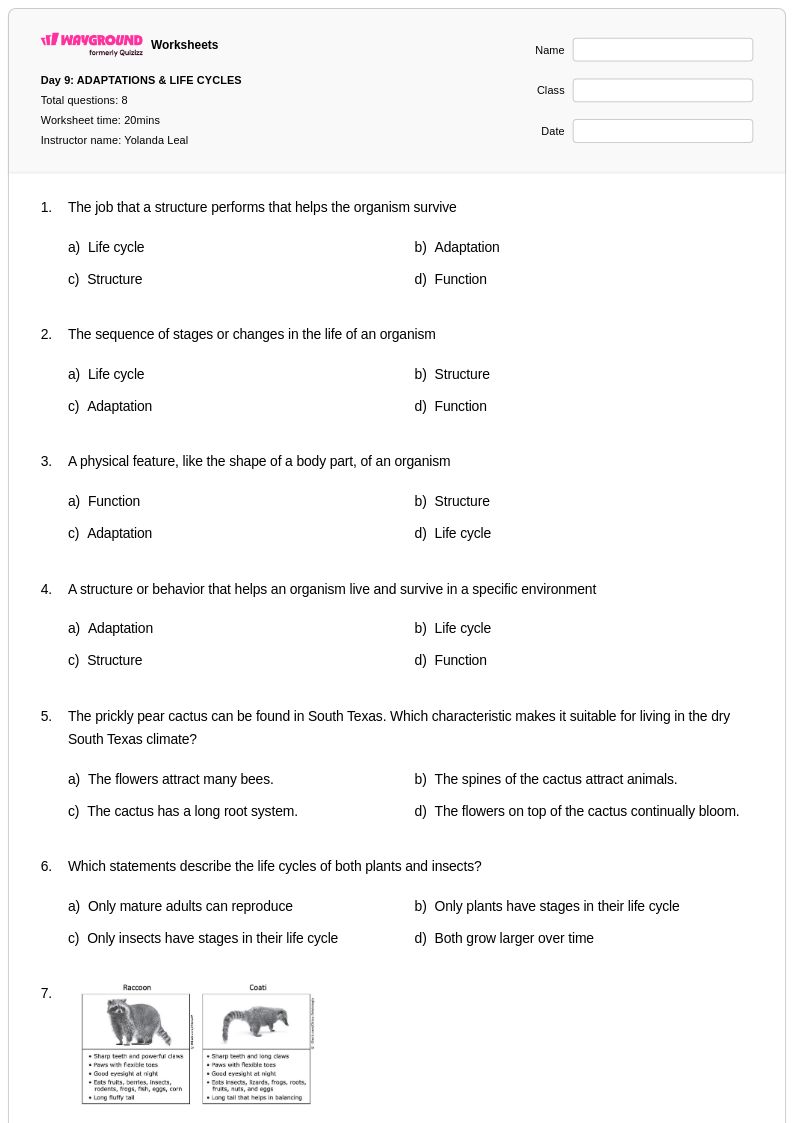
8 Q
5th
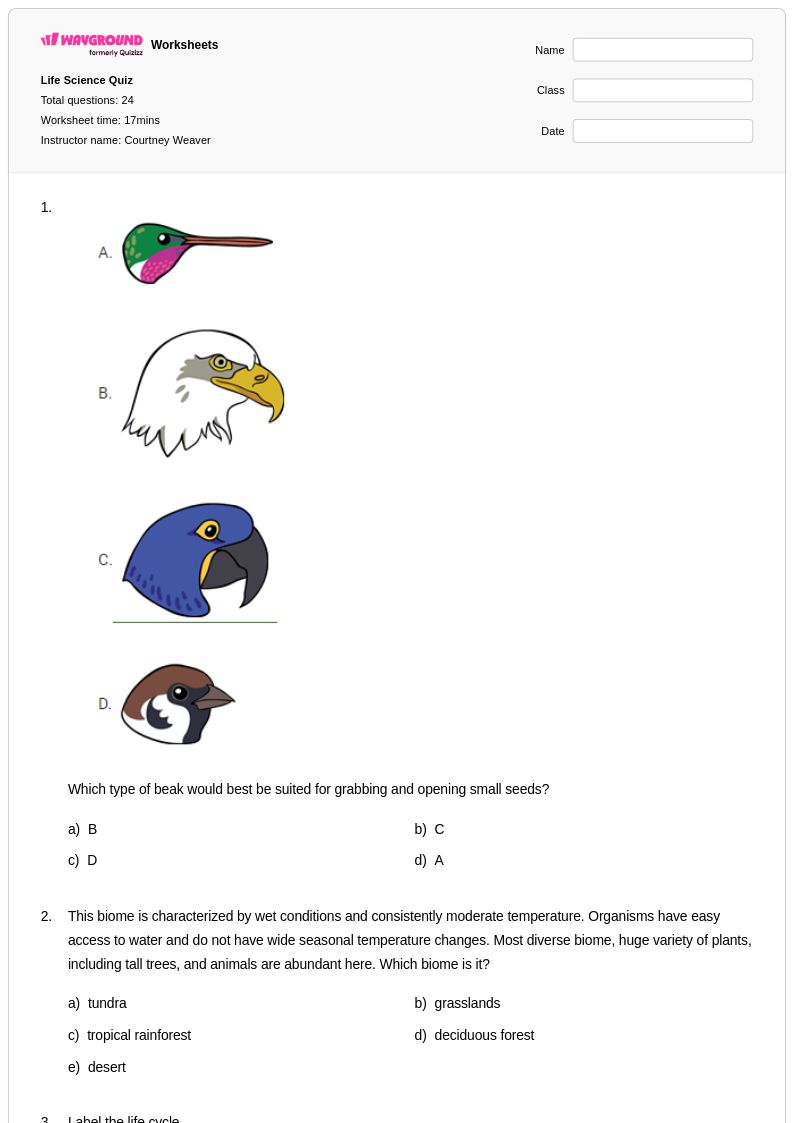
24 Q
5th
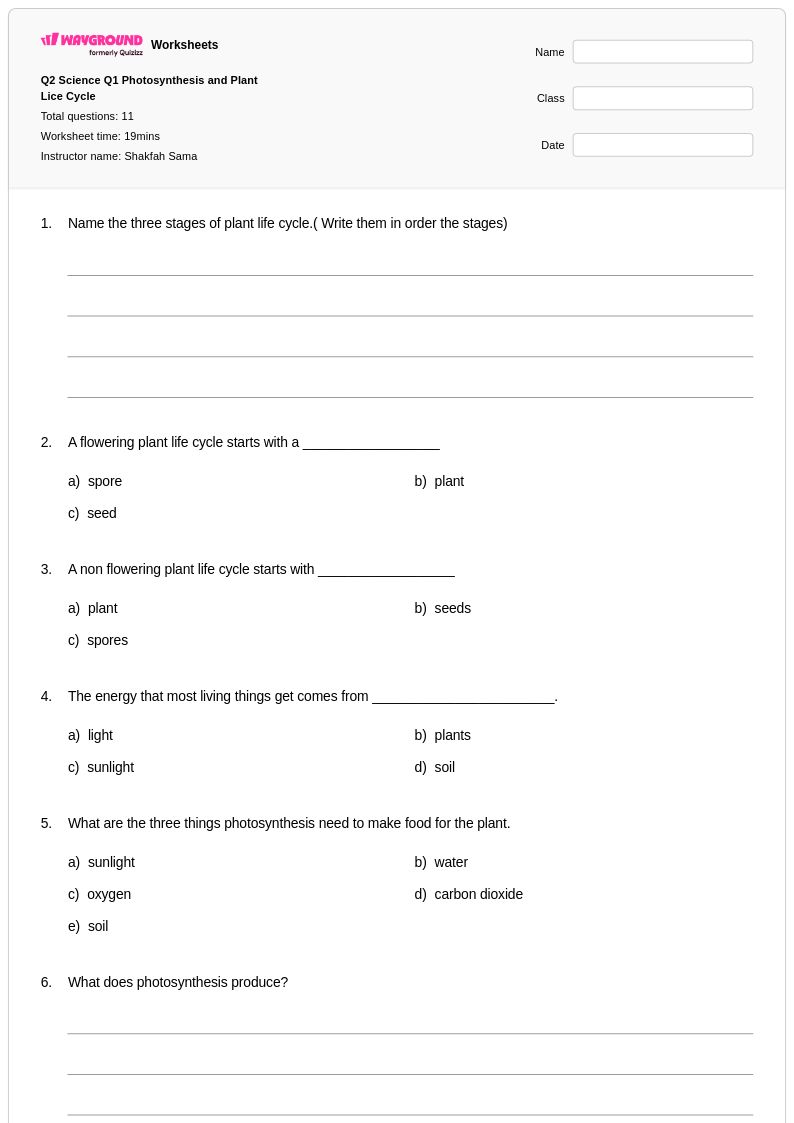
11 Q
3rd - 5th
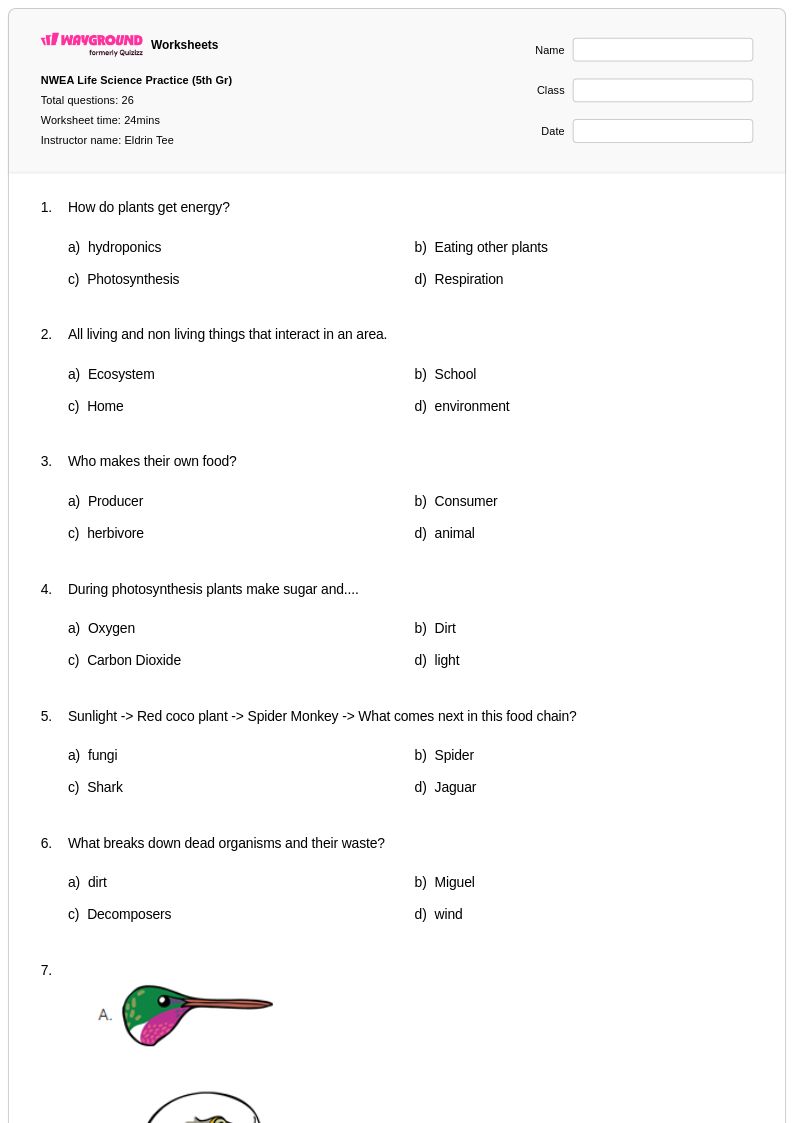
26 Q
5th
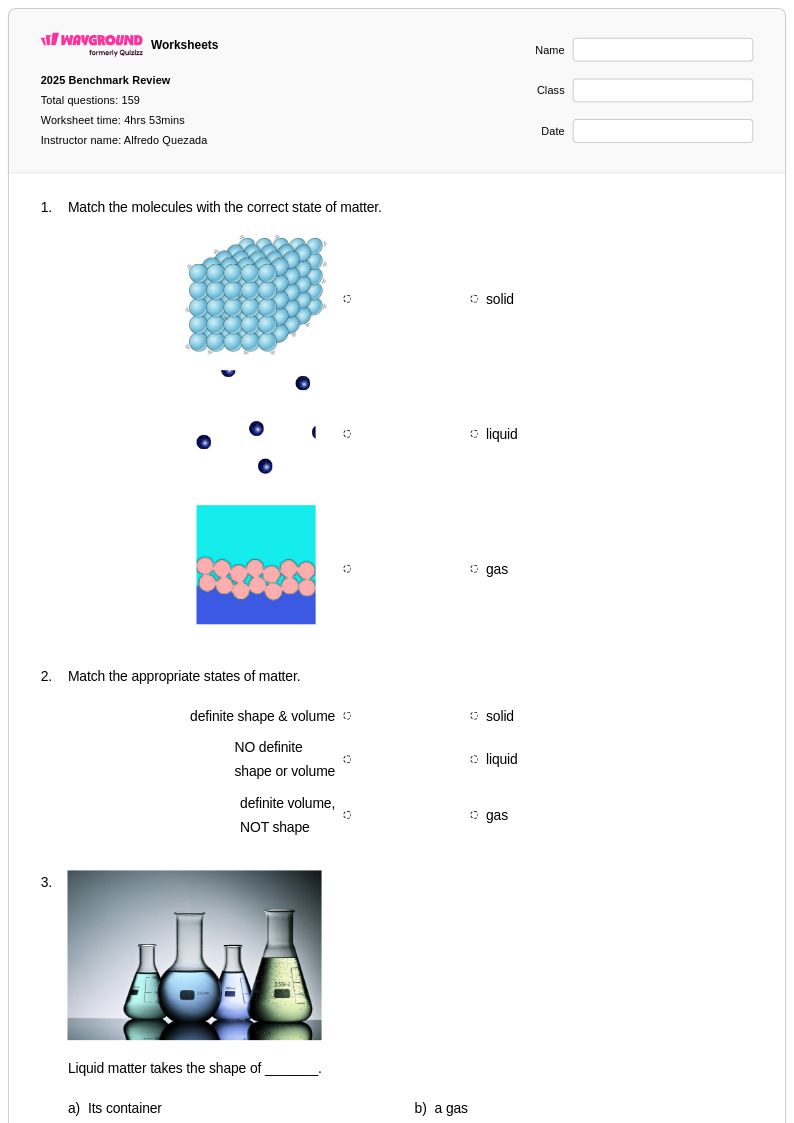
161 Q
5th
Explore Other Subject Worksheets for class 5
Explore printable Life Cycle of Bees worksheets for Class 5
The life cycle of bees provides Class 5 students with a fascinating introduction to complete metamorphosis and the critical role these insects play in our ecosystem. Wayground's comprehensive collection of bee life cycle worksheets guides students through the four distinct stages of development: egg, larva, pupa, and adult bee. These educational materials strengthen students' understanding of biological processes, scientific vocabulary, and observation skills through engaging practice problems that explore each transformation stage. Teachers can access free printables that include detailed answer keys, making it simple to assess student comprehension of concepts like metamorphosis, pollination, and bee colony structure. The pdf format ensures these resources remain accessible for both classroom instruction and home learning, supporting students as they develop foundational knowledge about insect biology and ecological relationships.
Wayground, formerly Quizizz, empowers educators with millions of teacher-created resources specifically designed to enhance life science instruction at the Class 5 level. The platform's advanced search and filtering capabilities allow teachers to quickly locate bee life cycle materials that align with specific learning standards and curriculum requirements. Differentiation tools enable instructors to customize worksheets based on individual student needs, whether providing additional support for struggling learners or enrichment activities for advanced students. These versatile resources are available in both printable and digital formats, including convenient pdf downloads, giving teachers the flexibility to seamlessly integrate bee life cycle content into lesson planning, targeted remediation sessions, or independent skill practice. The comprehensive nature of these materials supports diverse teaching approaches while ensuring students build solid scientific foundations through structured, standards-aligned learning experiences.