
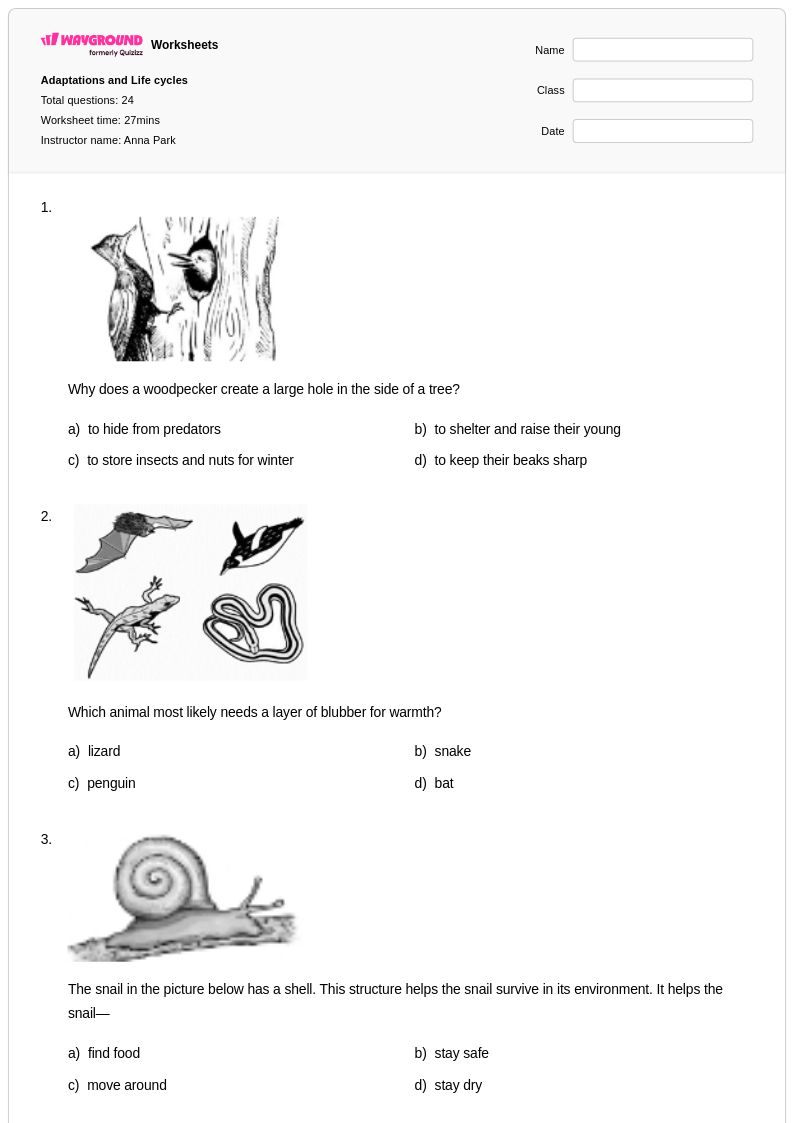
24 Q
3rd
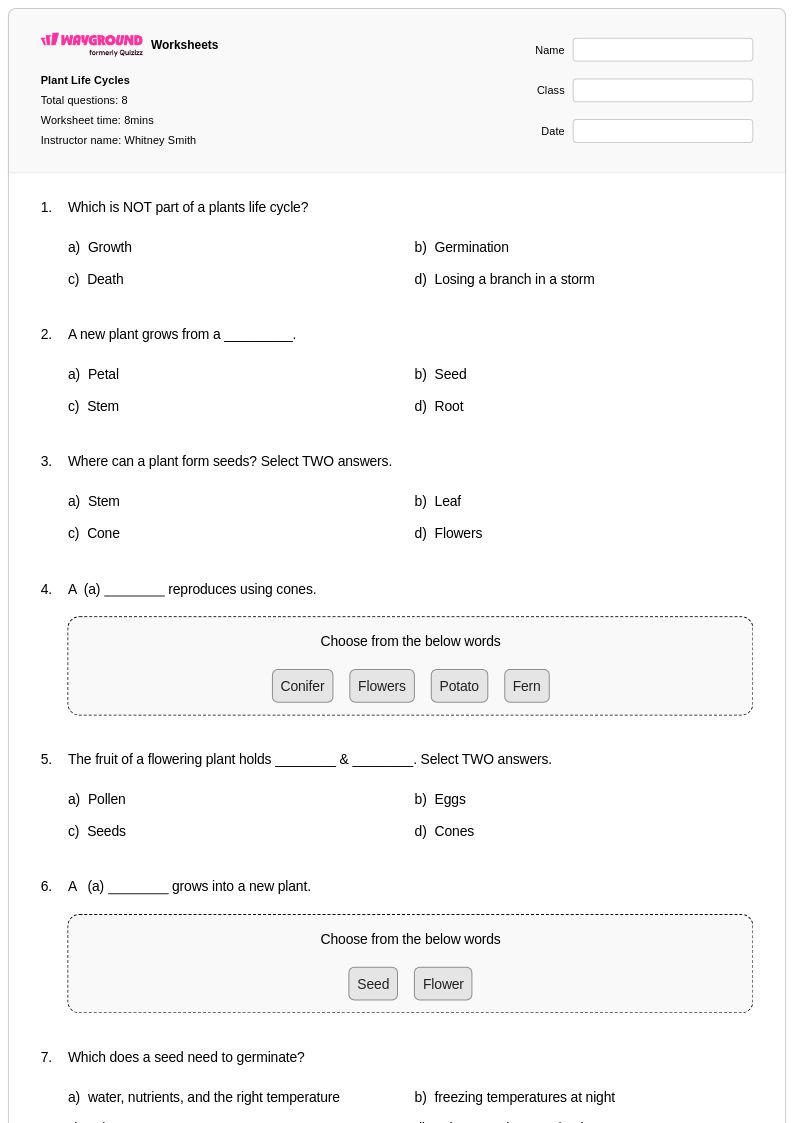
8 Q
3rd
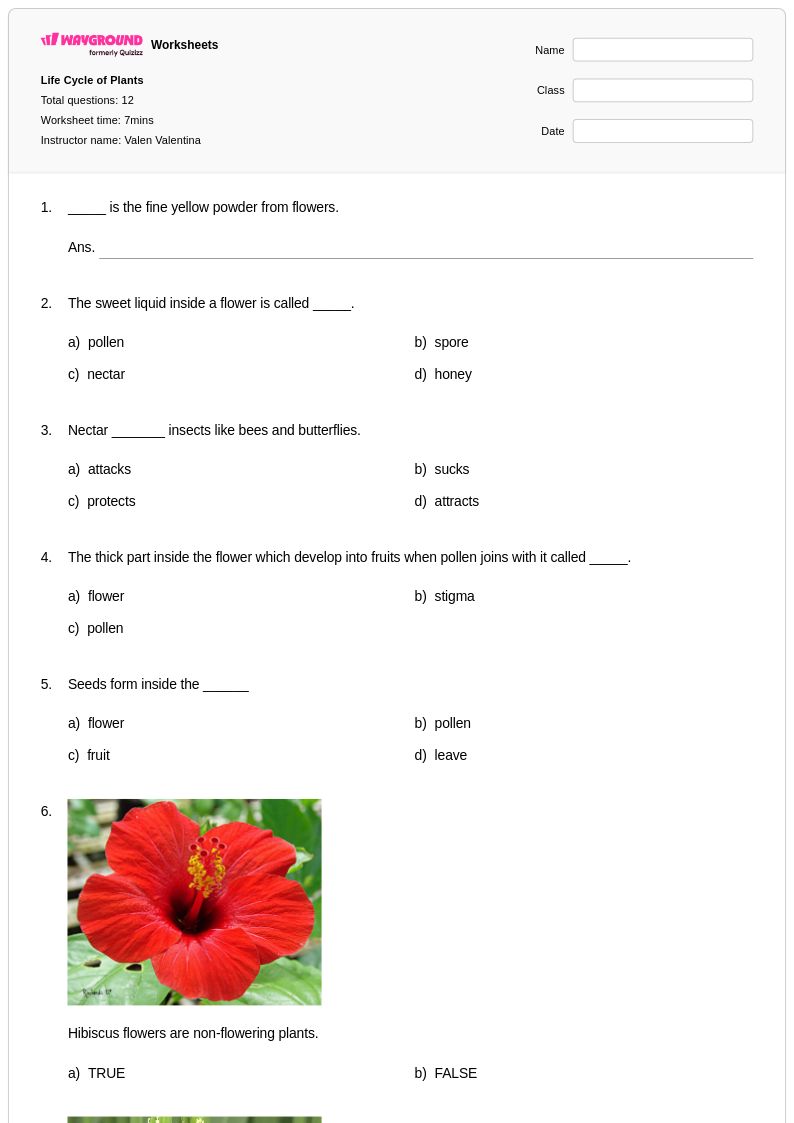
12 Q
3rd
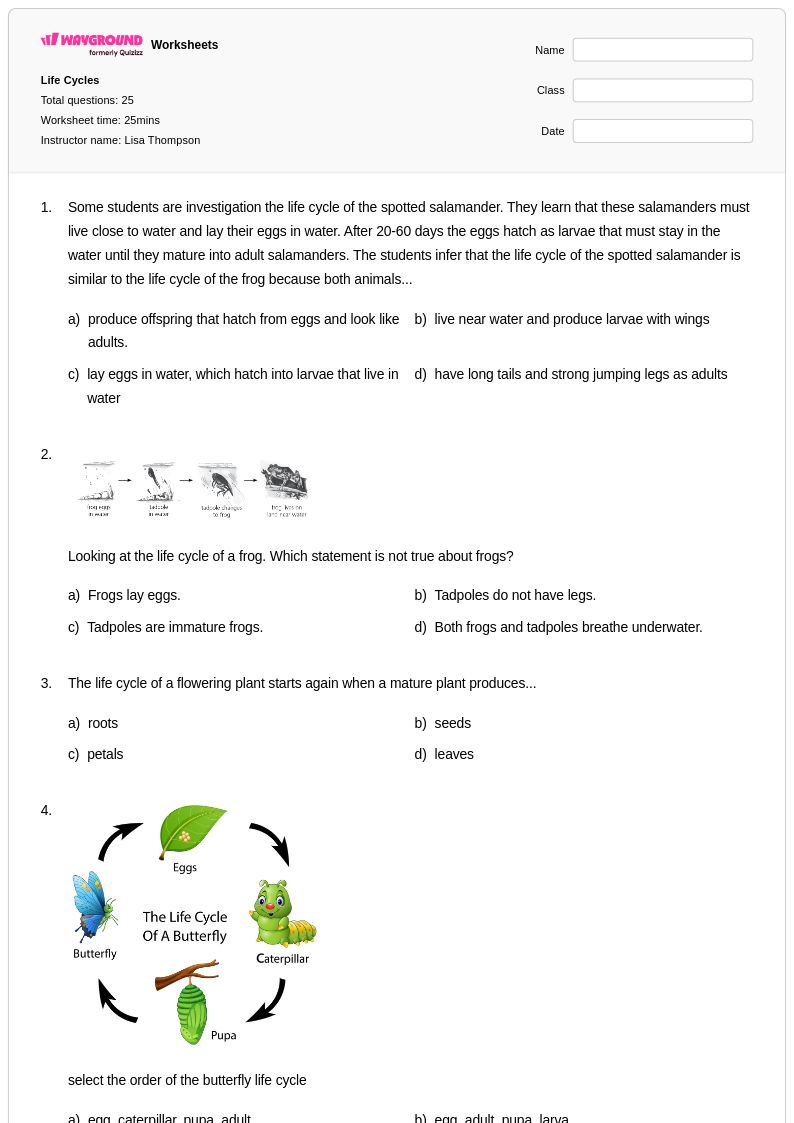
25 Q
3rd - Uni
9 Q
3rd
10 Q
3rd
20 Q
3rd
19 Q
3rd
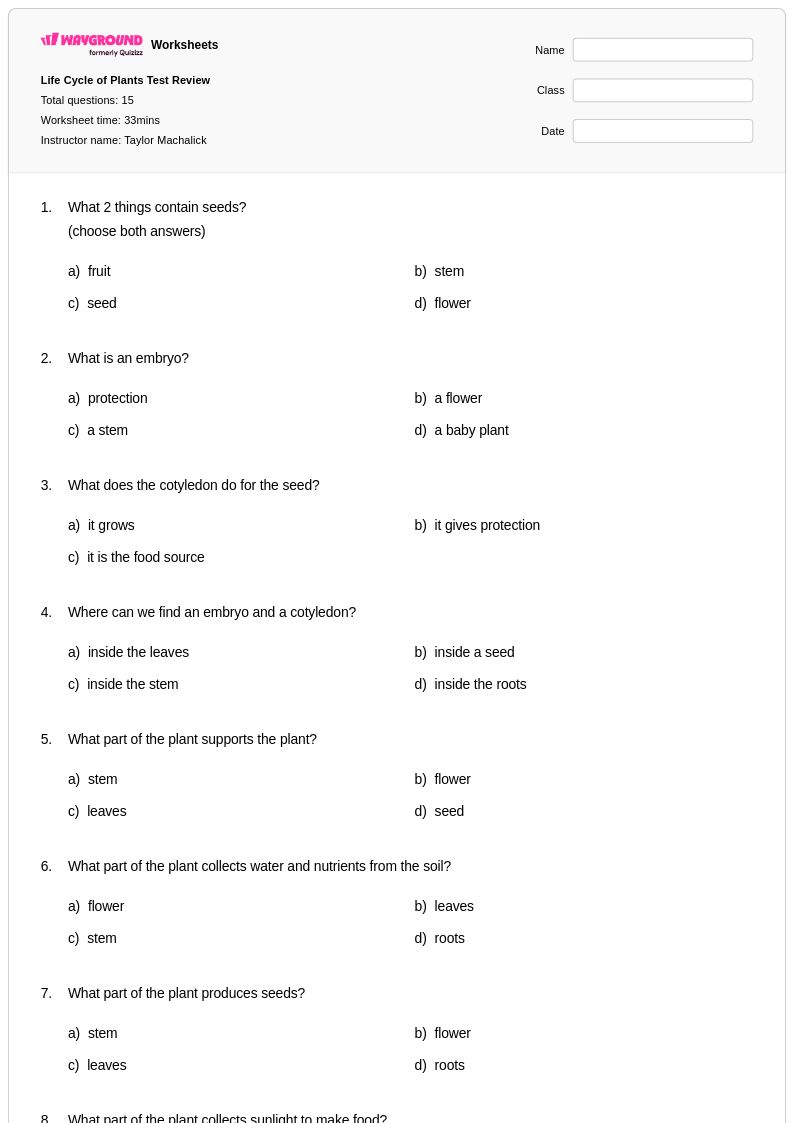
15 Q
3rd
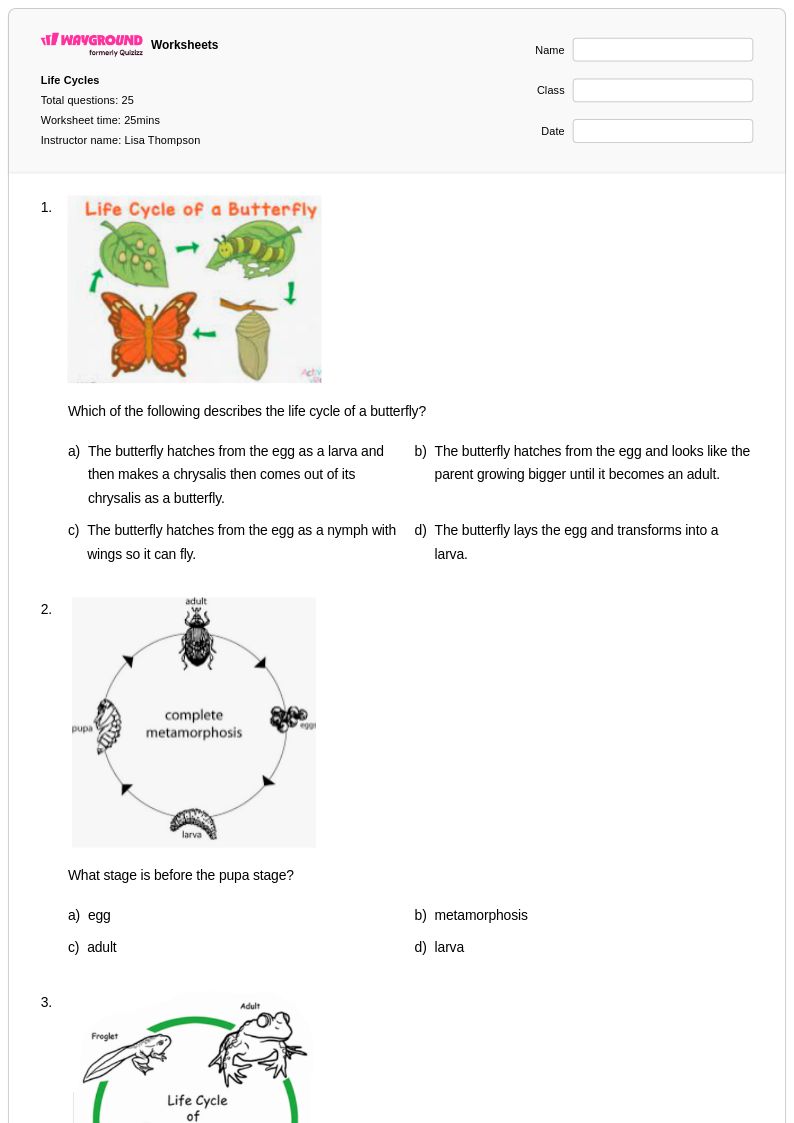
25 Q
3rd - Uni
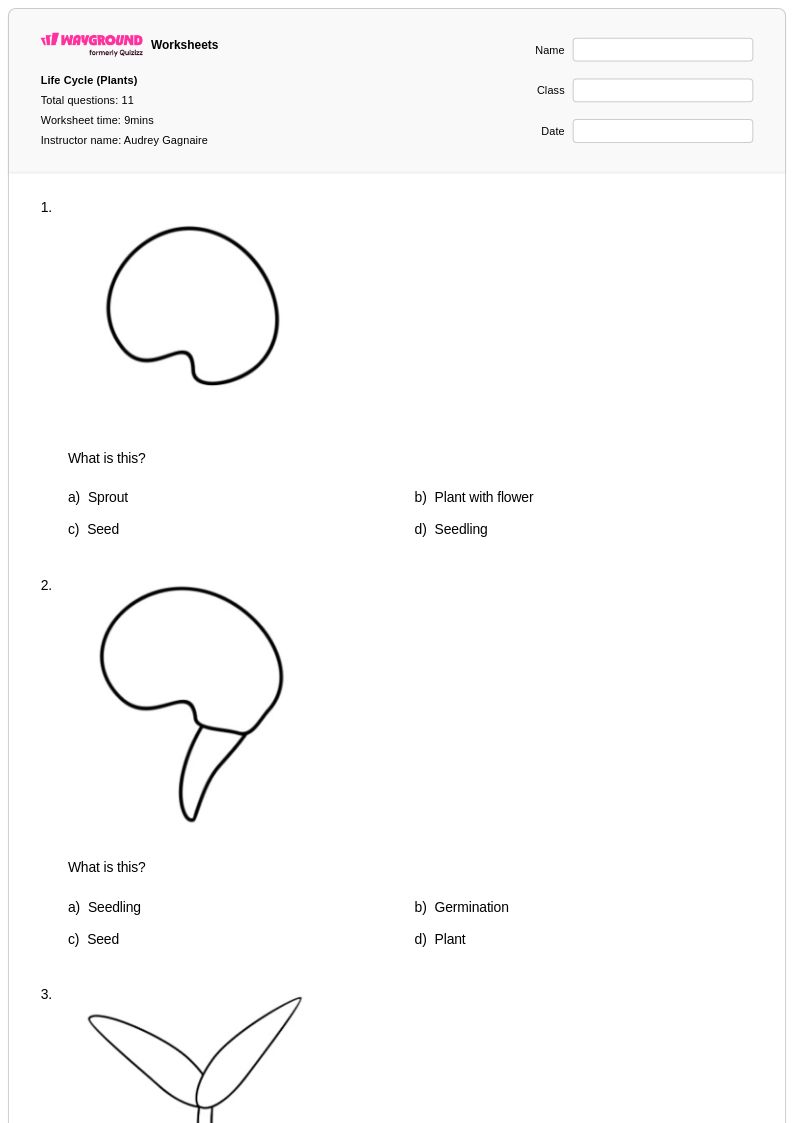
11 Q
3rd
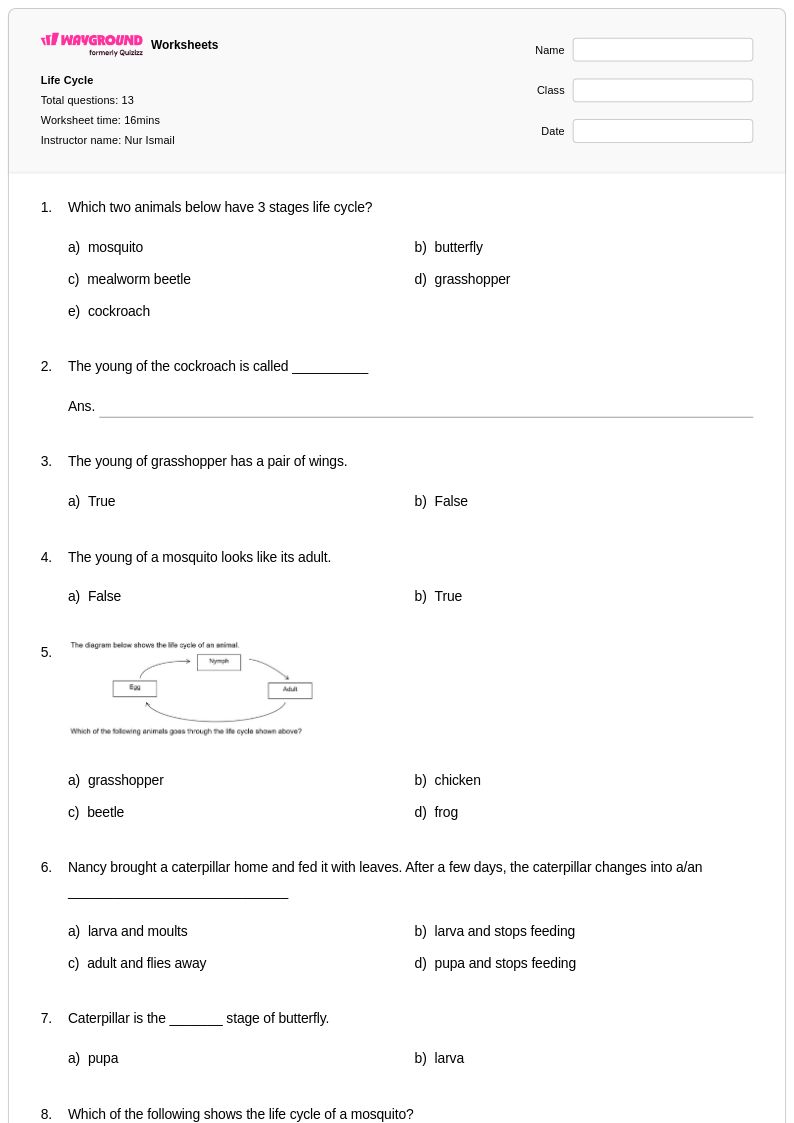
13 Q
3rd - 6th
20 Q
3rd
22 Q
3rd
10 Q
3rd - 4th
9 Q
3rd
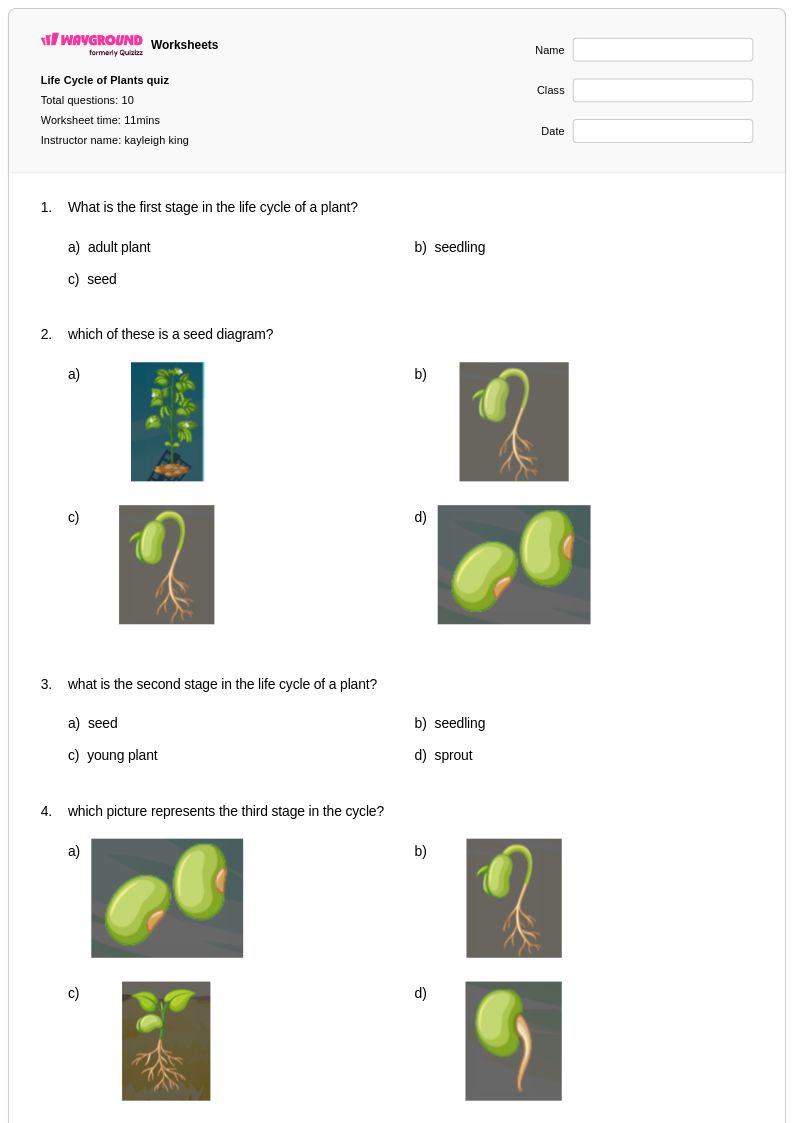
10 Q
3rd
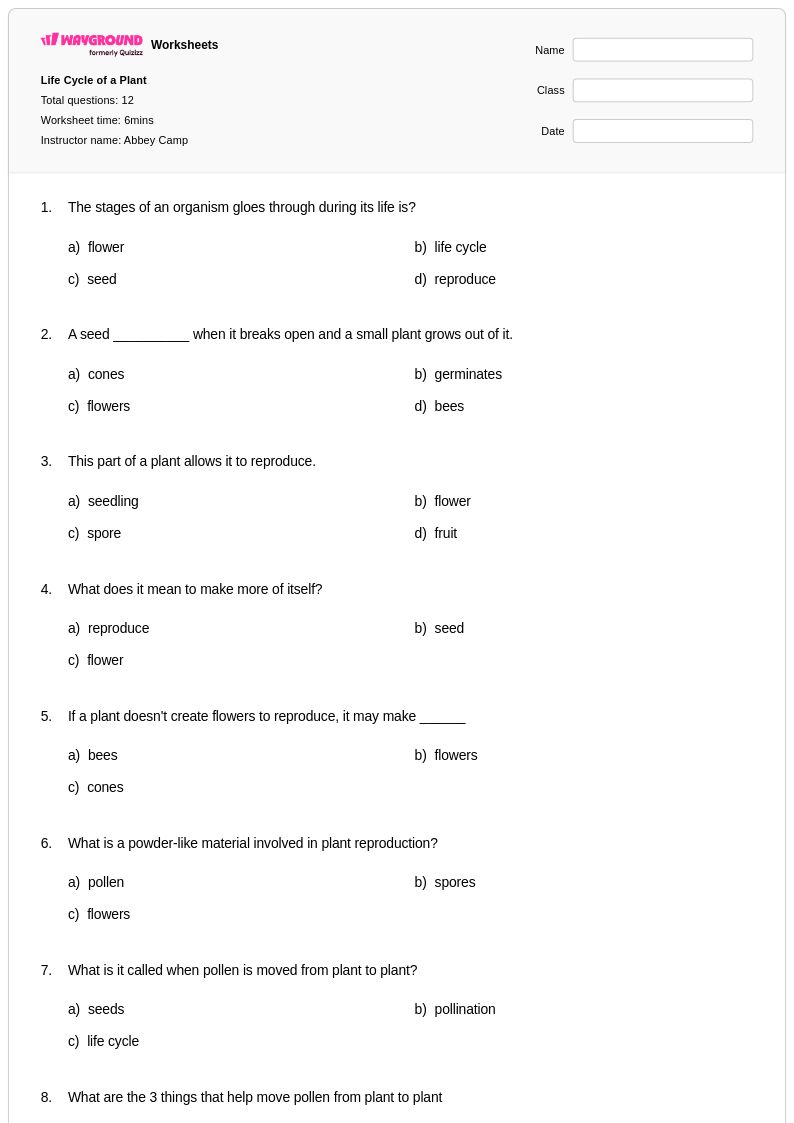
12 Q
3rd - 4th
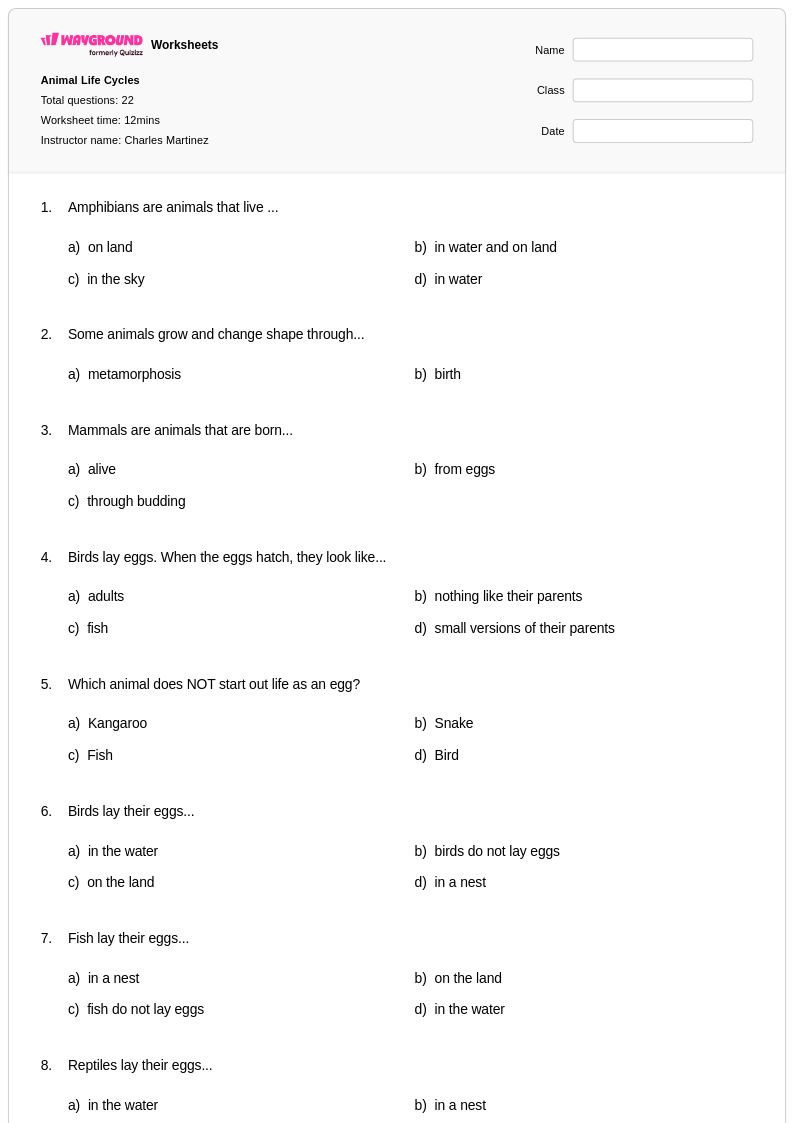
22 Q
3rd
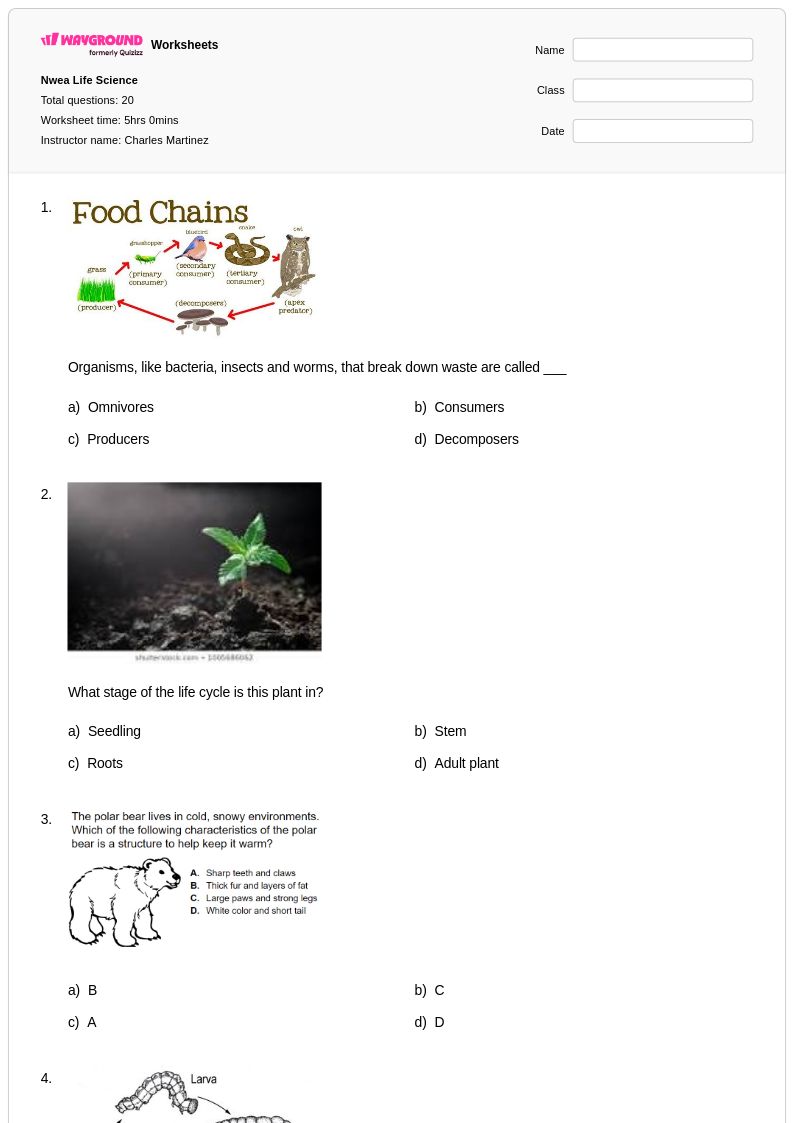
20 Q
3rd
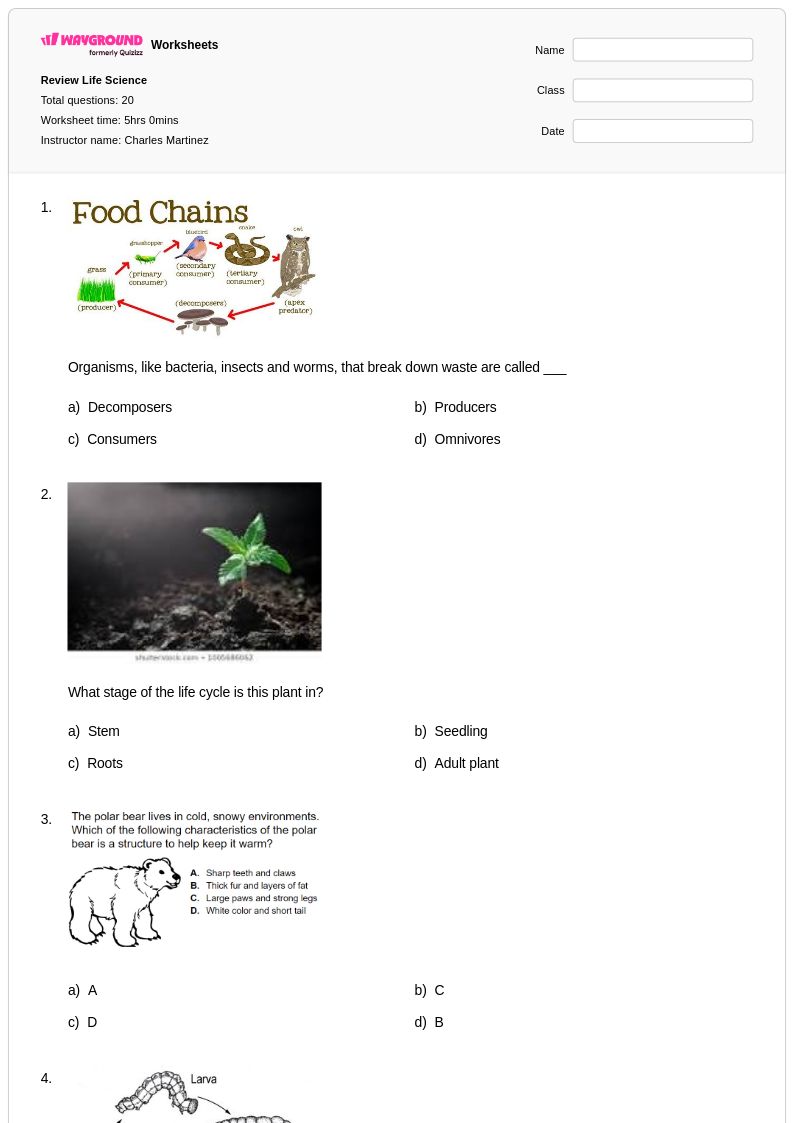
20 Q
3rd
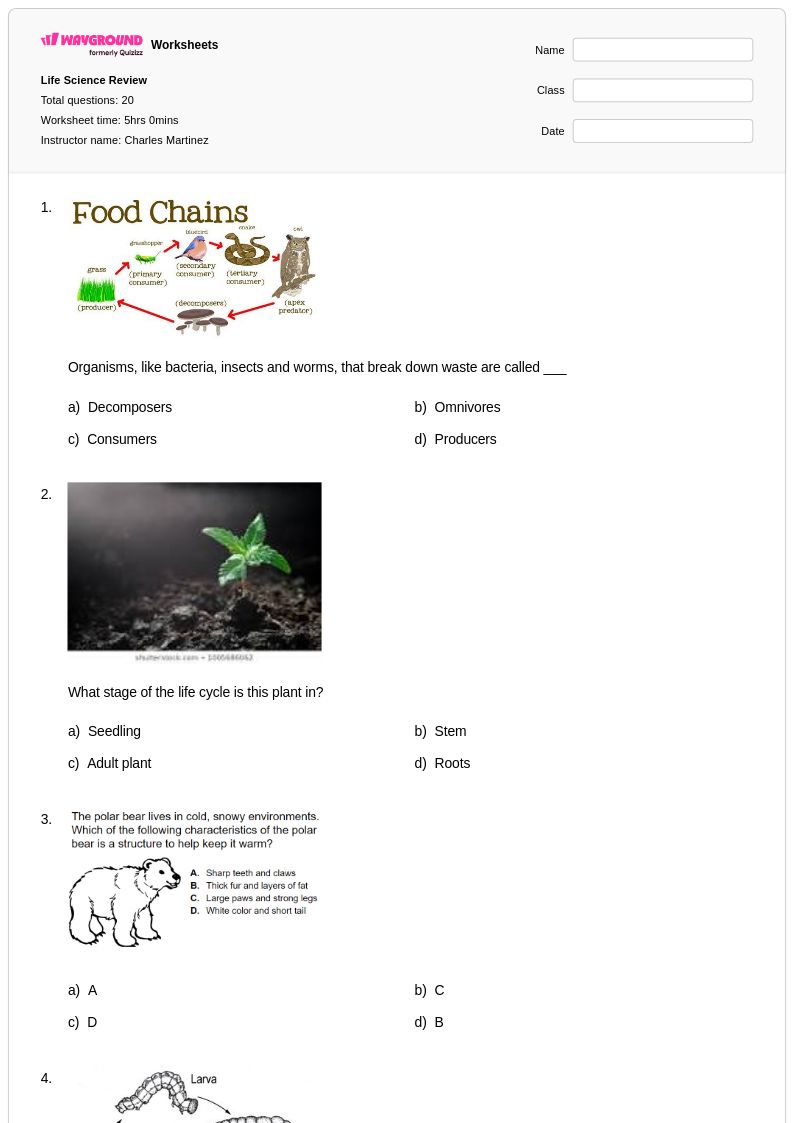
20 Q
3rd
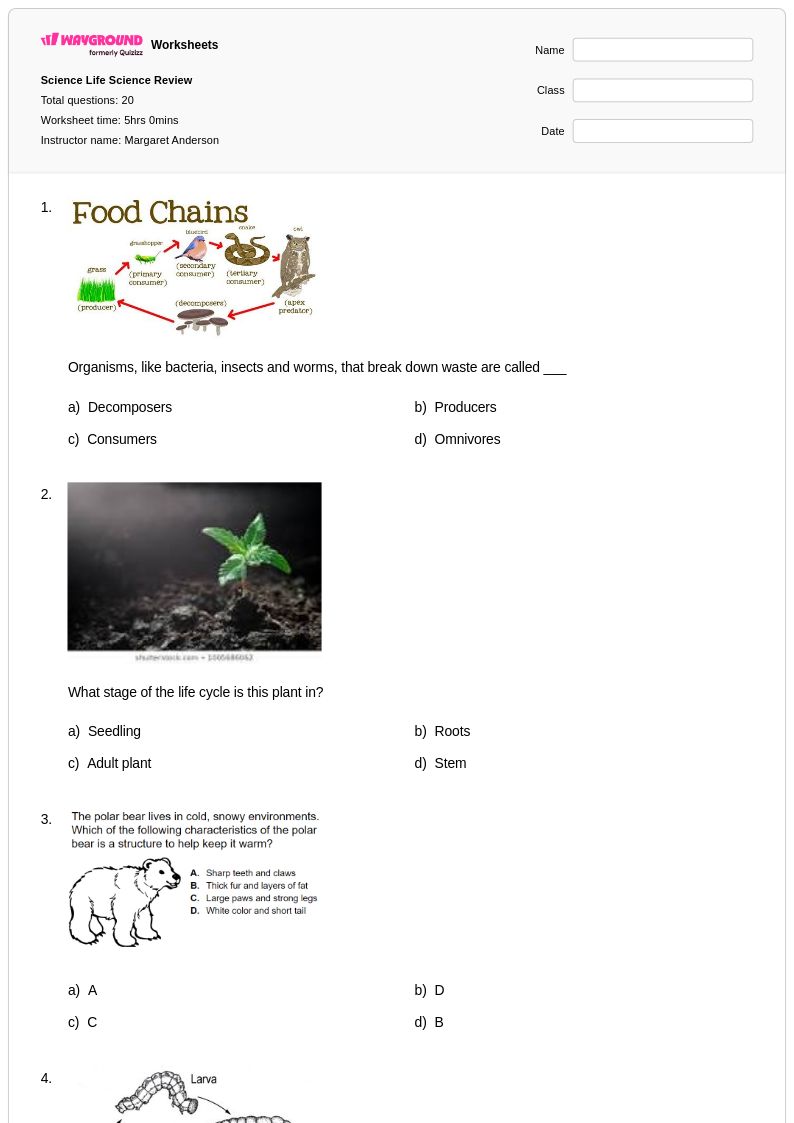
20 Q
3rd
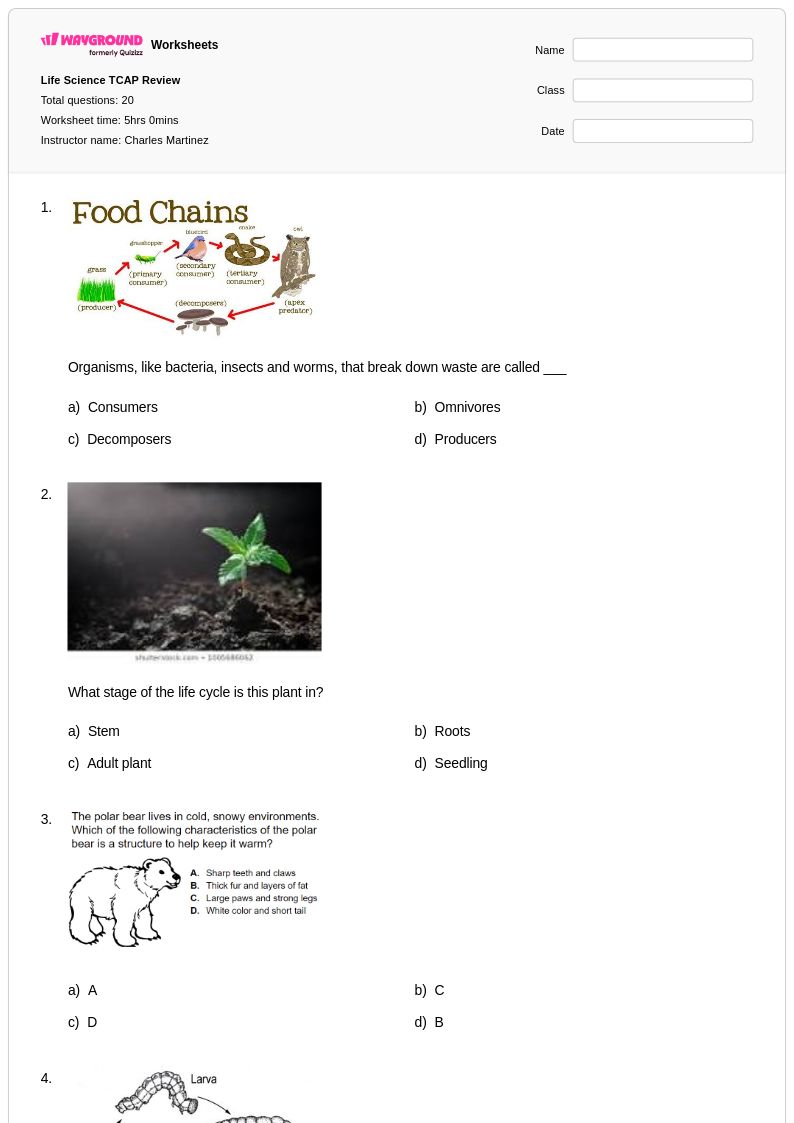
20 Q
3rd
Explore Other Subject Worksheets for class 3
Explore printable Life Cycle of Bees worksheets for Class 3
Life Cycle of Bees worksheets for Class 3 provide young learners with engaging materials to explore the fascinating transformation process of these essential pollinators. These comprehensive worksheets guide students through each stage of bee development, from egg to larva to pupa to adult bee, helping them understand metamorphosis concepts while building critical observation and scientific reasoning skills. The collection includes detailed diagrams, sequencing activities, vocabulary exercises, and hands-on practice problems that reinforce key life science concepts. Teachers can access complete answer keys alongside these free printables, ensuring efficient grading and immediate feedback opportunities that support student learning and comprehension of this fundamental biological process.
Wayground (formerly Quizizz) empowers educators with millions of teacher-created Life Cycle of Bees resources specifically designed for Class 3 science instruction. The platform's robust search and filtering capabilities allow teachers to quickly locate worksheets that align with state and national science standards, while differentiation tools enable customization for diverse learning needs and abilities. These materials are available in both printable pdf format and interactive digital versions, providing flexibility for classroom instruction, homework assignments, remediation sessions, and enrichment activities. The extensive collection supports comprehensive lesson planning by offering varied approaches to teaching bee life cycles, from visual learners who benefit from detailed diagrams to kinesthetic learners who engage with sequencing and matching exercises that reinforce understanding of this critical ecological concept.