
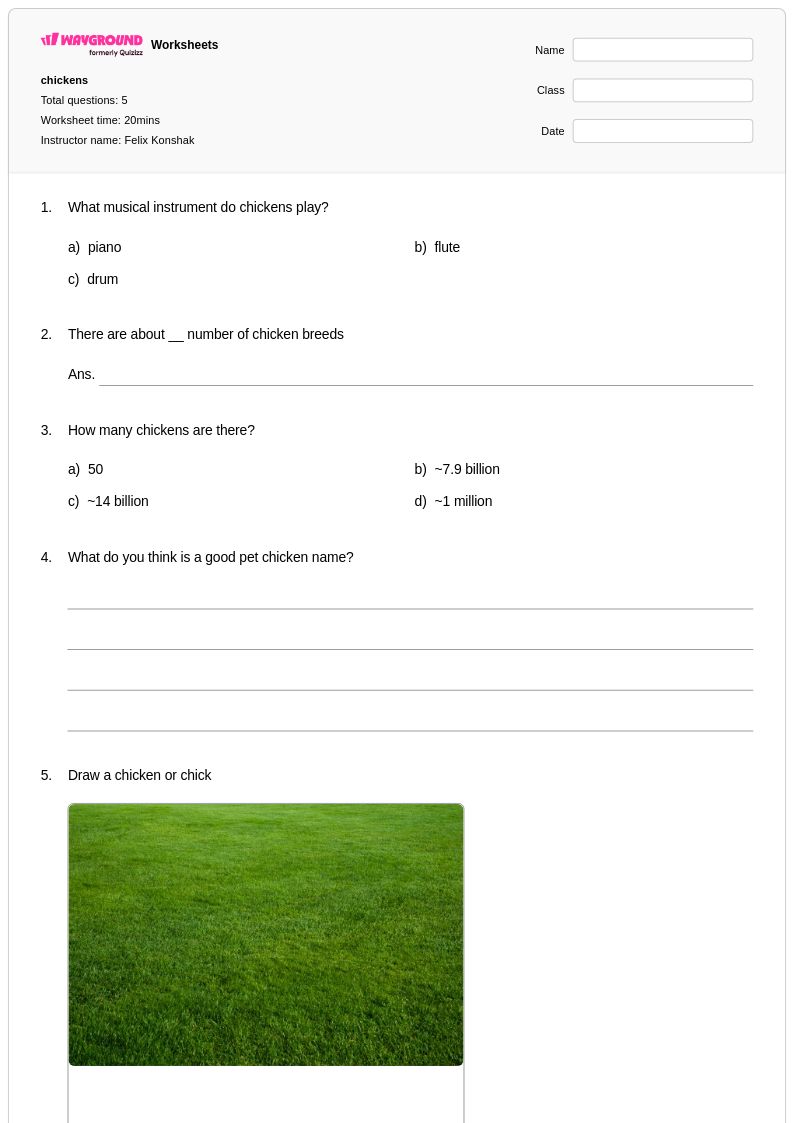
5 Q
1st - 9th
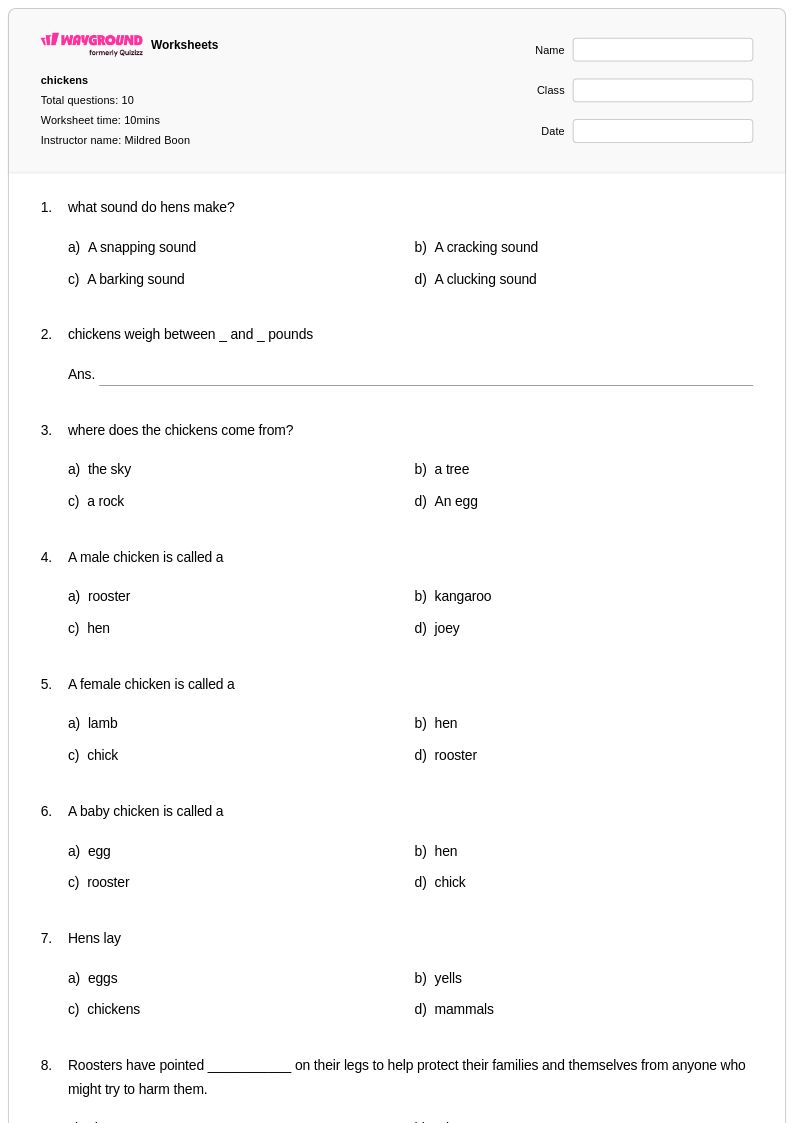
10 Q
3rd - 9th
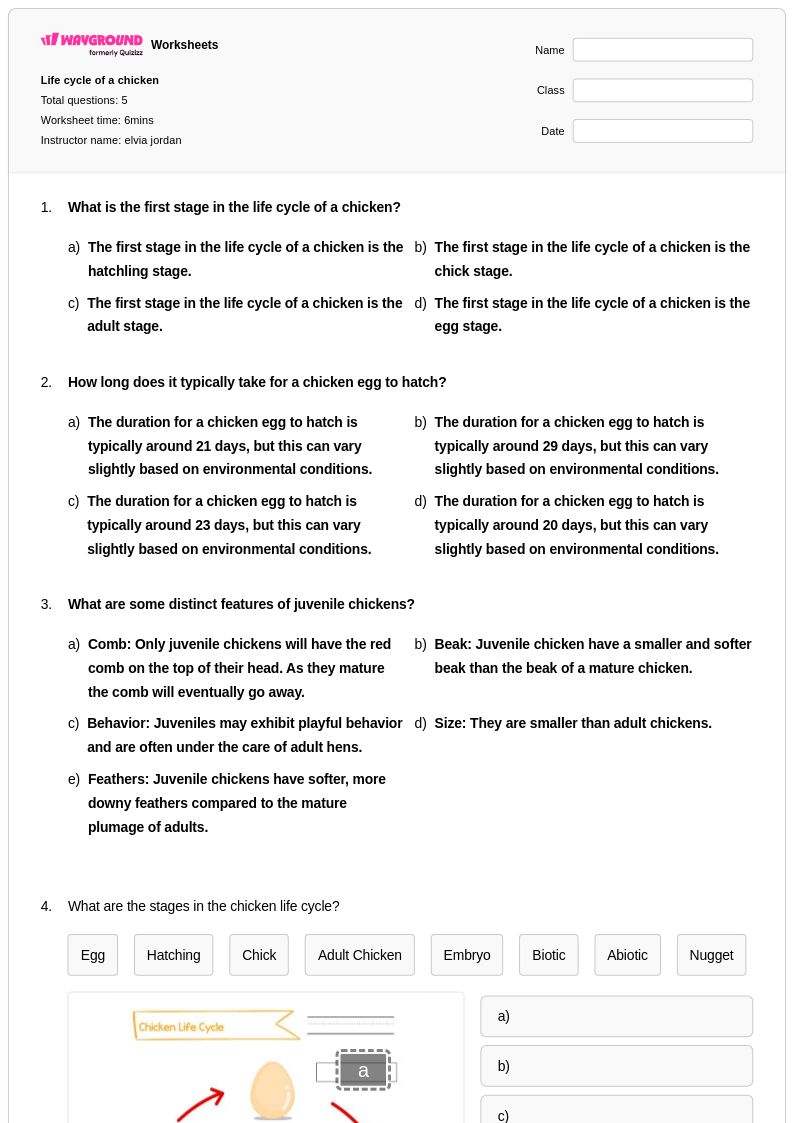
5 Q
3rd
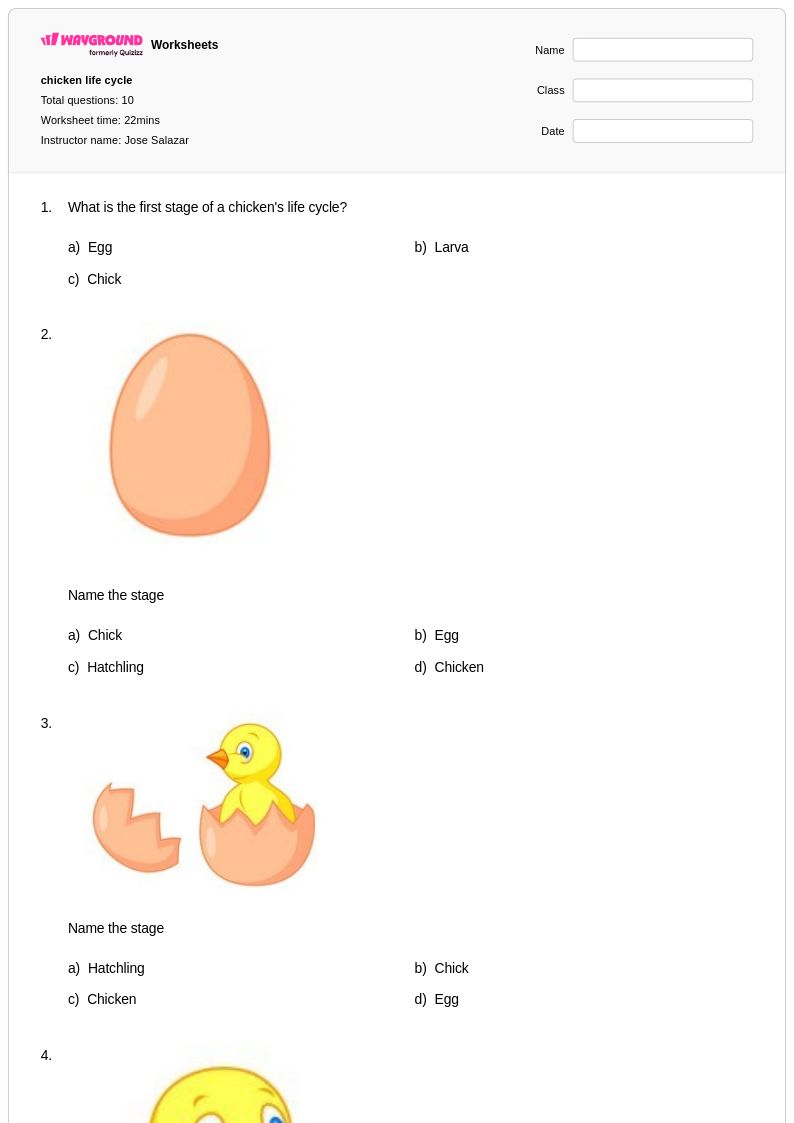
10 Q
3rd
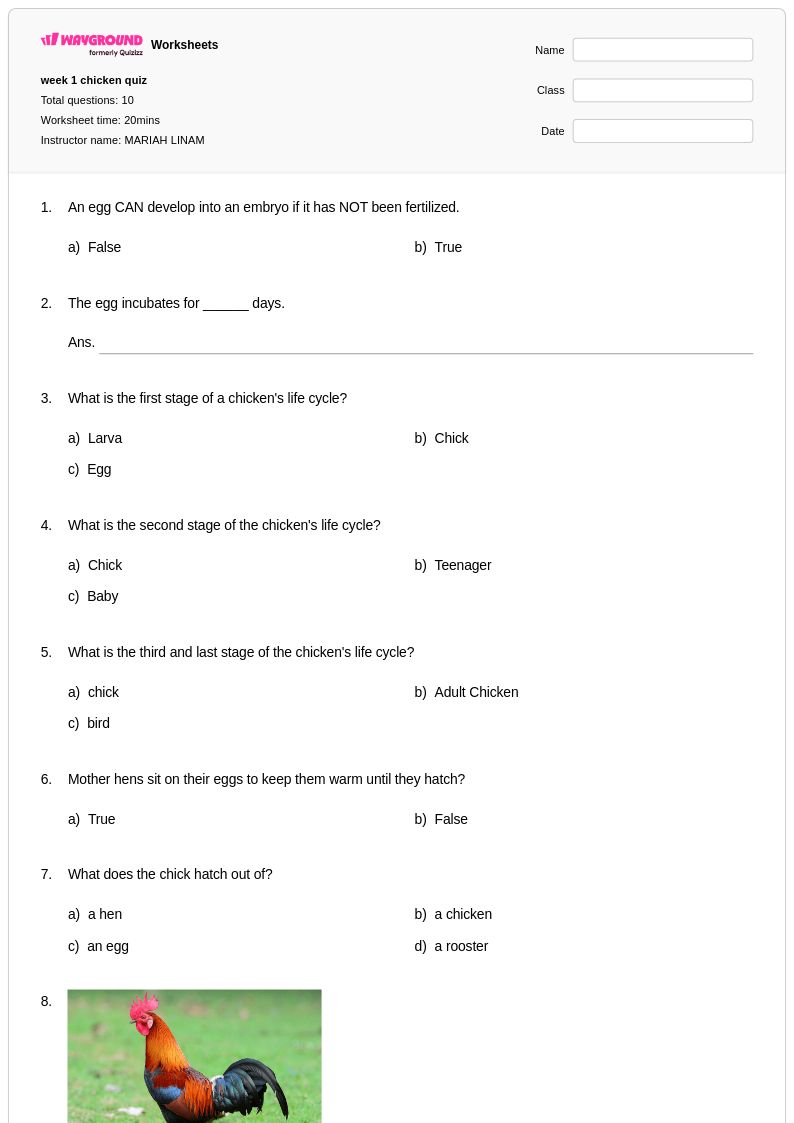
10 Q
1st - 5th
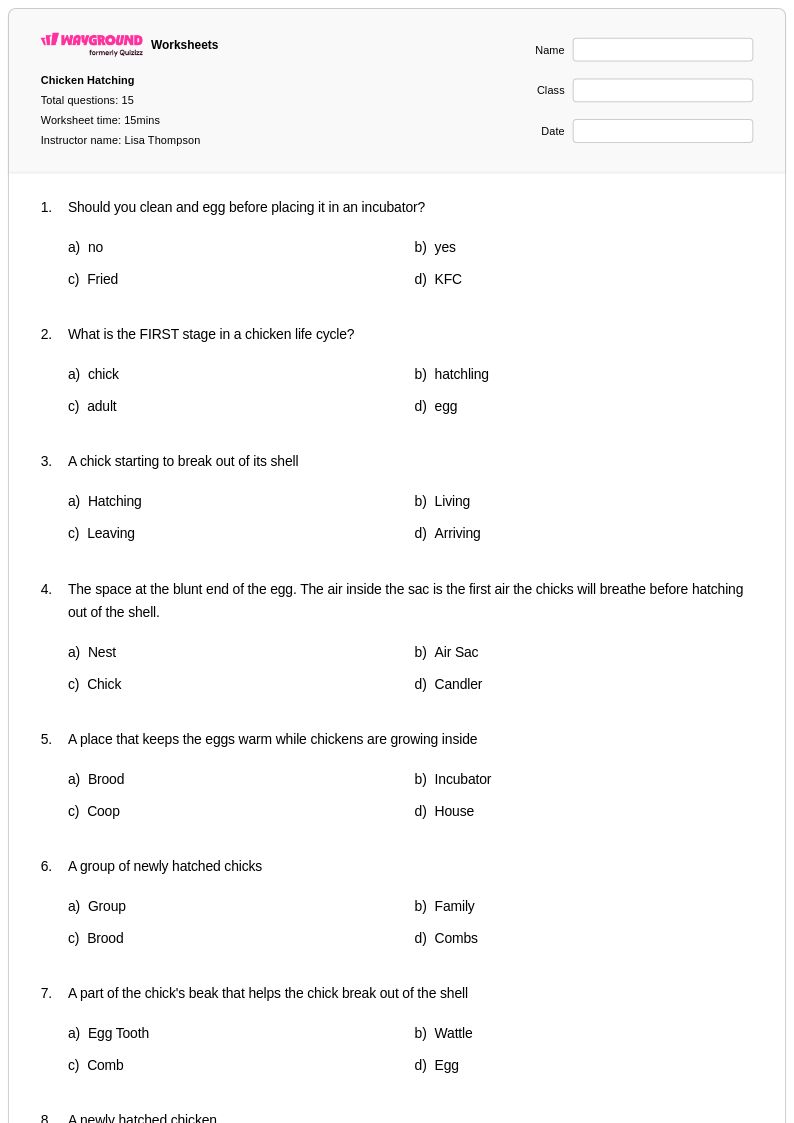
15 Q
3rd - Uni
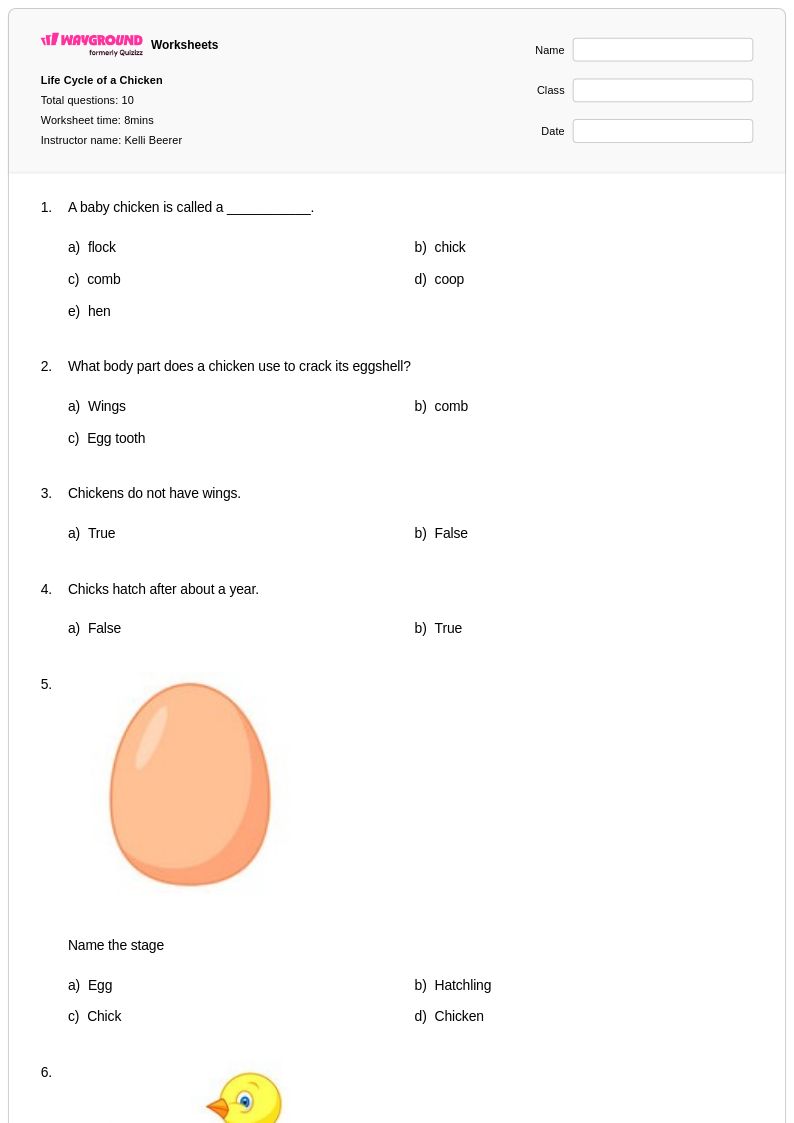
10 Q
2nd - 3rd
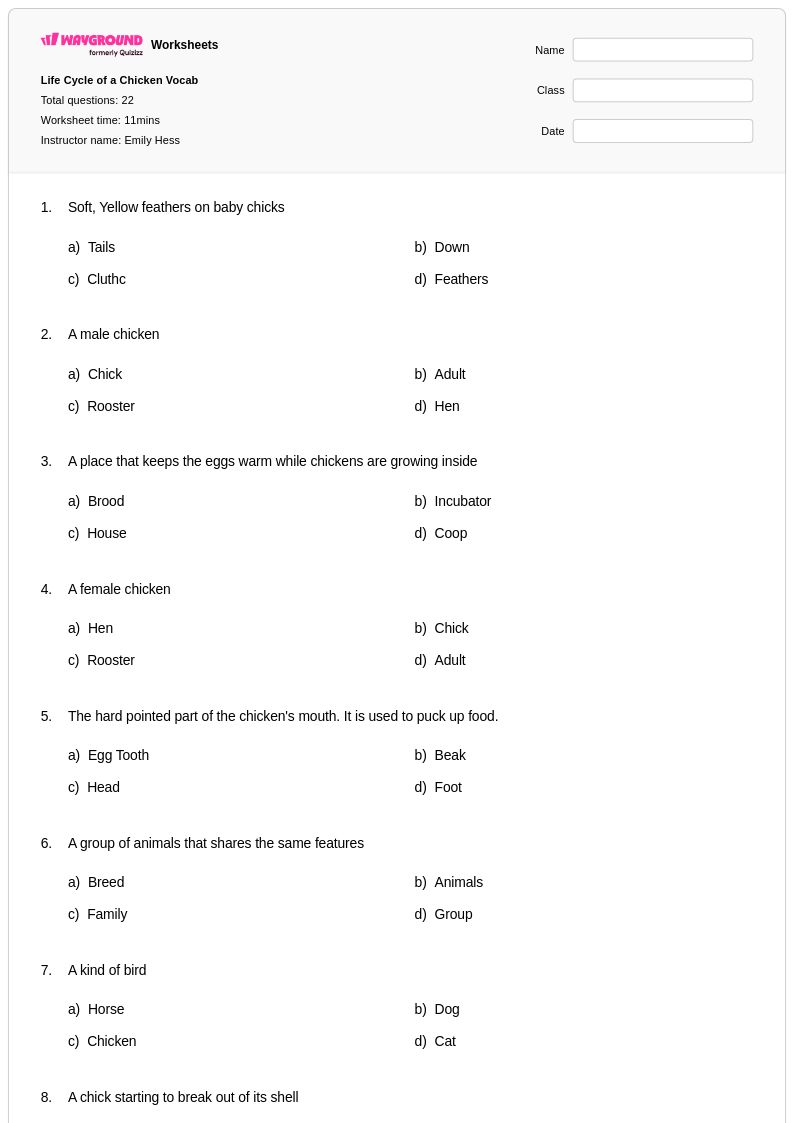
22 Q
1st - 3rd
11 Q
3rd
25 Q
3rd - Uni
15 Q
2nd - 3rd
10 Q
3rd
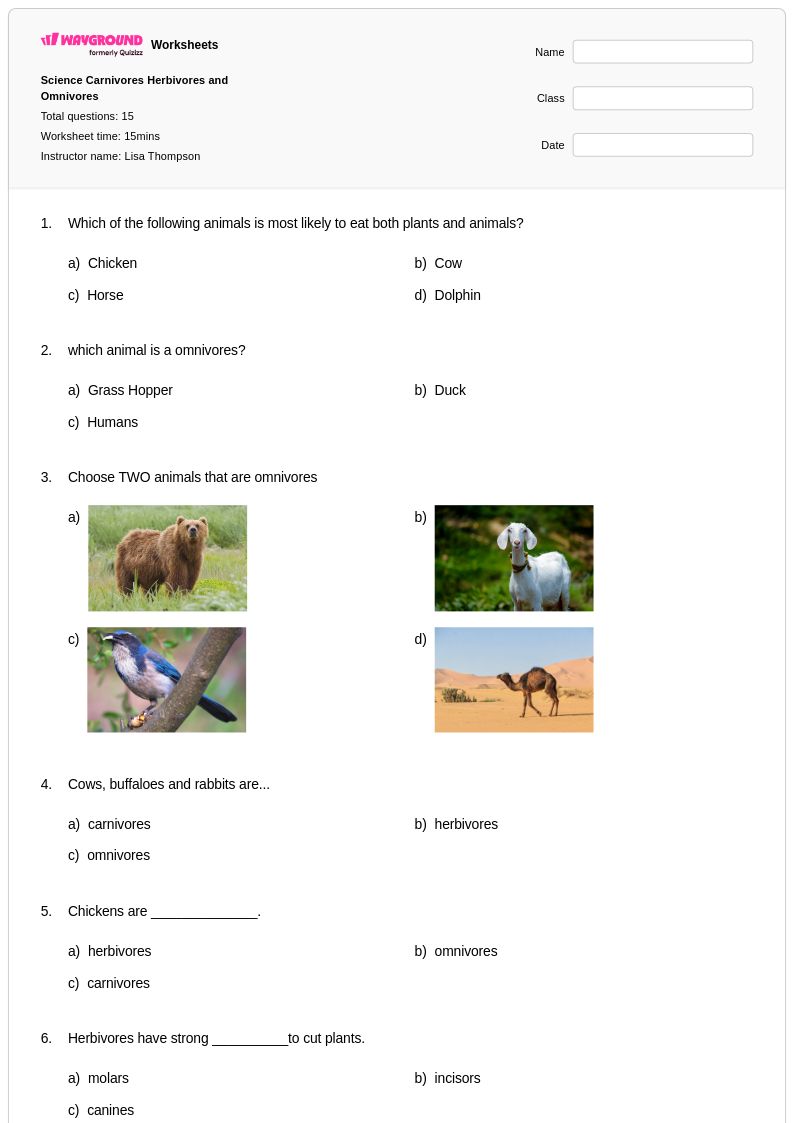
15 Q
3rd - Uni
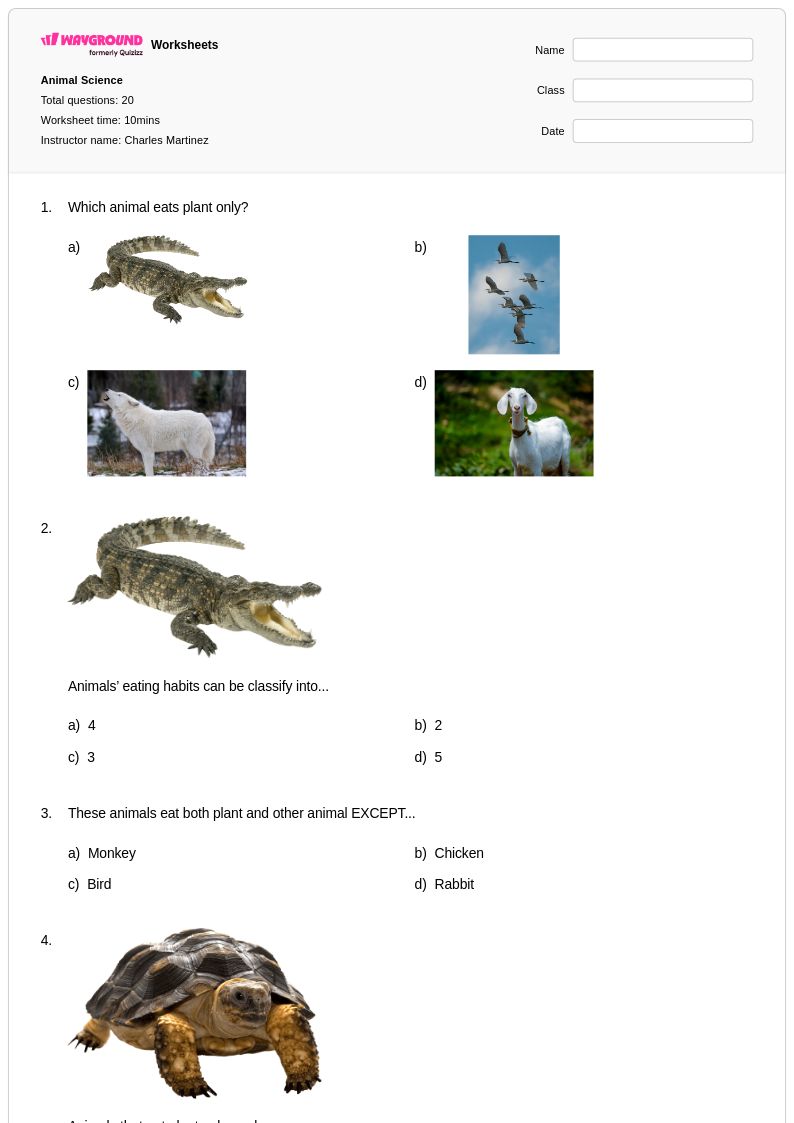
20 Q
3rd
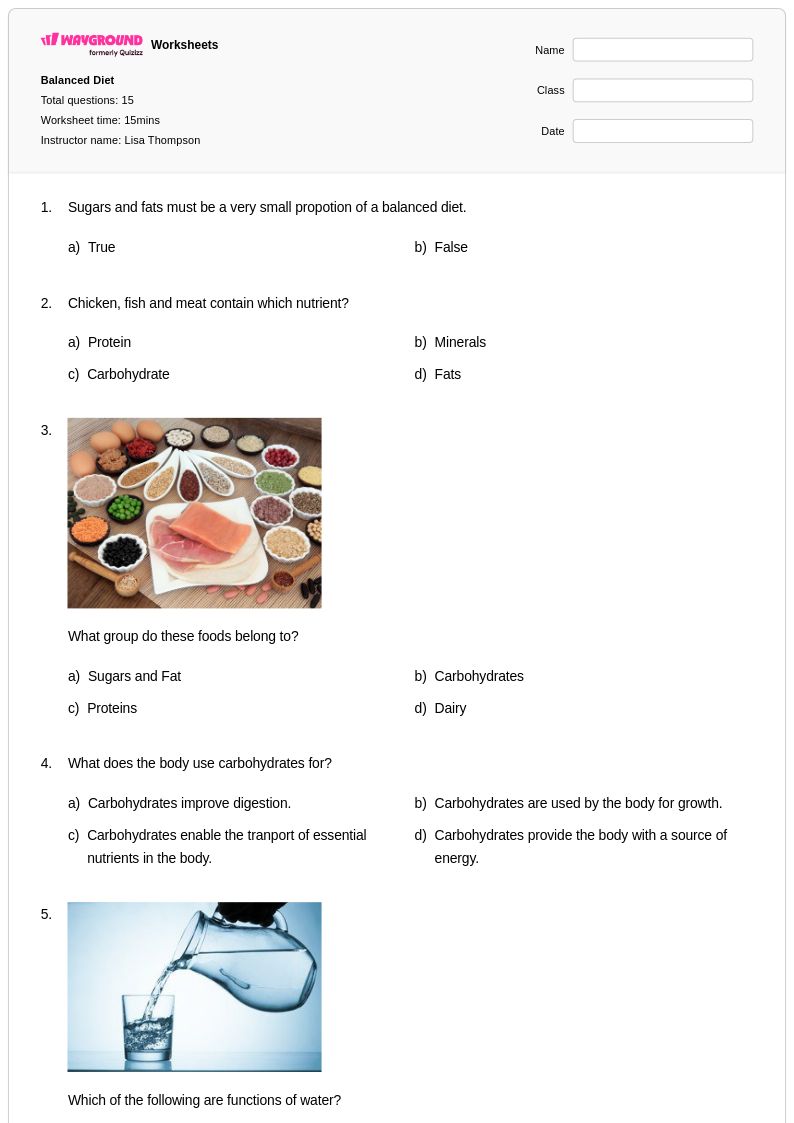
15 Q
2nd - Uni
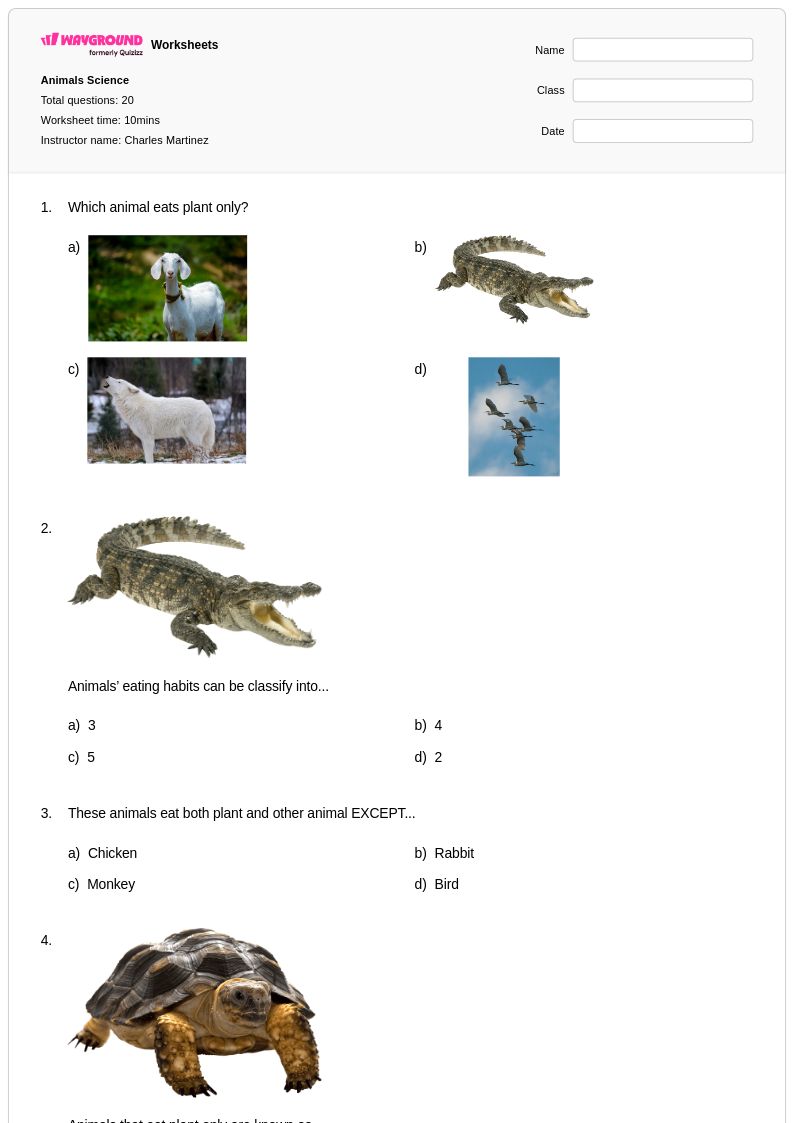
20 Q
3rd
20 Q
3rd
20 Q
3rd
20 Q
3rd
20 Q
3rd
20 Q
3rd
Explore Other Subject Worksheets for class 3
Explore printable Chicken worksheets for Class 3
Chicken-focused Class 3 life science worksheets available through Wayground (formerly Quizizz) provide young learners with comprehensive exploration of one of the most familiar farm animals while building essential biological understanding. These educational resources guide third-grade students through chicken anatomy, life cycles, behaviors, and roles in agriculture through engaging practice problems that reinforce scientific observation skills and vocabulary development. The worksheet collection includes detailed answer keys that support independent learning and teacher assessment, while pdf formats ensure easy classroom distribution and home study accessibility. These free printables incorporate age-appropriate scientific terminology and visual learning opportunities that help students understand concepts like egg development, hatching processes, and basic animal needs while strengthening critical thinking abilities essential for elementary life science mastery.
Wayground (formerly Quizizz) supports educators with an extensive library of millions of teacher-created resources specifically designed for Class 3 chicken and broader life science instruction, featuring robust search and filtering capabilities that help teachers quickly locate materials aligned with curriculum standards and learning objectives. The platform's differentiation tools enable instructors to customize worksheets for varying skill levels within their classrooms, while flexible formatting options provide both printable and digital accessibility to accommodate diverse teaching environments and student needs. These comprehensive features streamline lesson planning by offering ready-to-use materials for skill practice, targeted remediation for struggling learners, and enrichment opportunities for advanced students, allowing teachers to focus on instruction while ensuring all students develop strong foundational knowledge about animal characteristics, life cycles, and scientific inquiry methods through systematic worksheet-based learning experiences.
FAQs
How do I teach chicken biology and life cycles to students?
What exercises help students practice chicken anatomy and development?
What common mistakes do students make when learning about chicken development and anatomy?
How can I use chicken worksheets to support different learners in my classroom?
How do I use Wayground's chicken worksheets in my classroom?
How does studying chickens fit into a broader life science curriculum?