
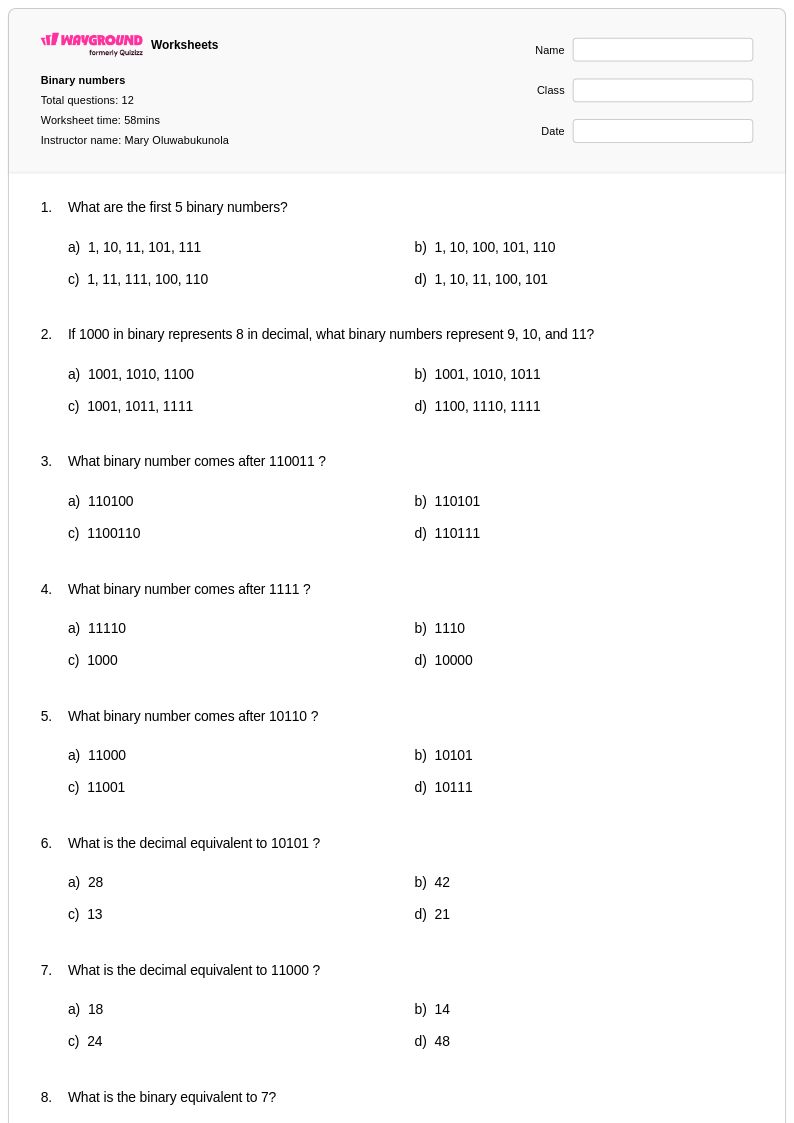
12 Q
7th
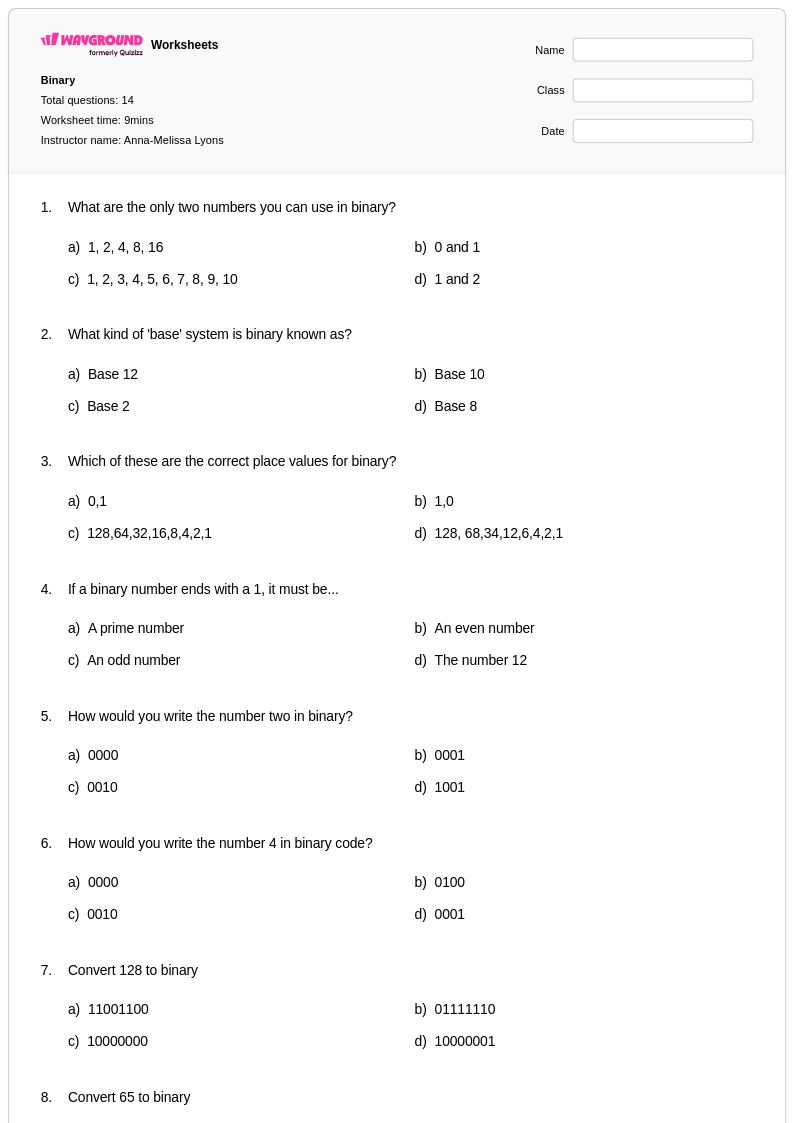
14 Q
7th - 9th
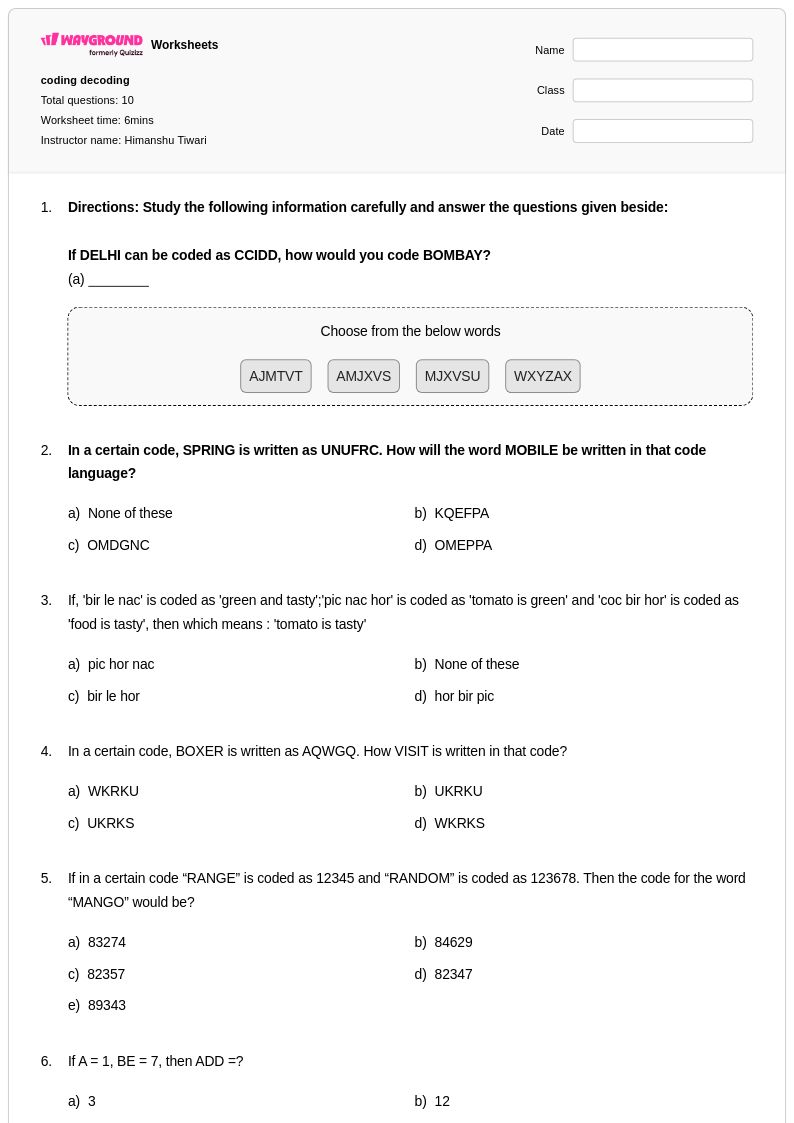
10 Q
6th - 8th
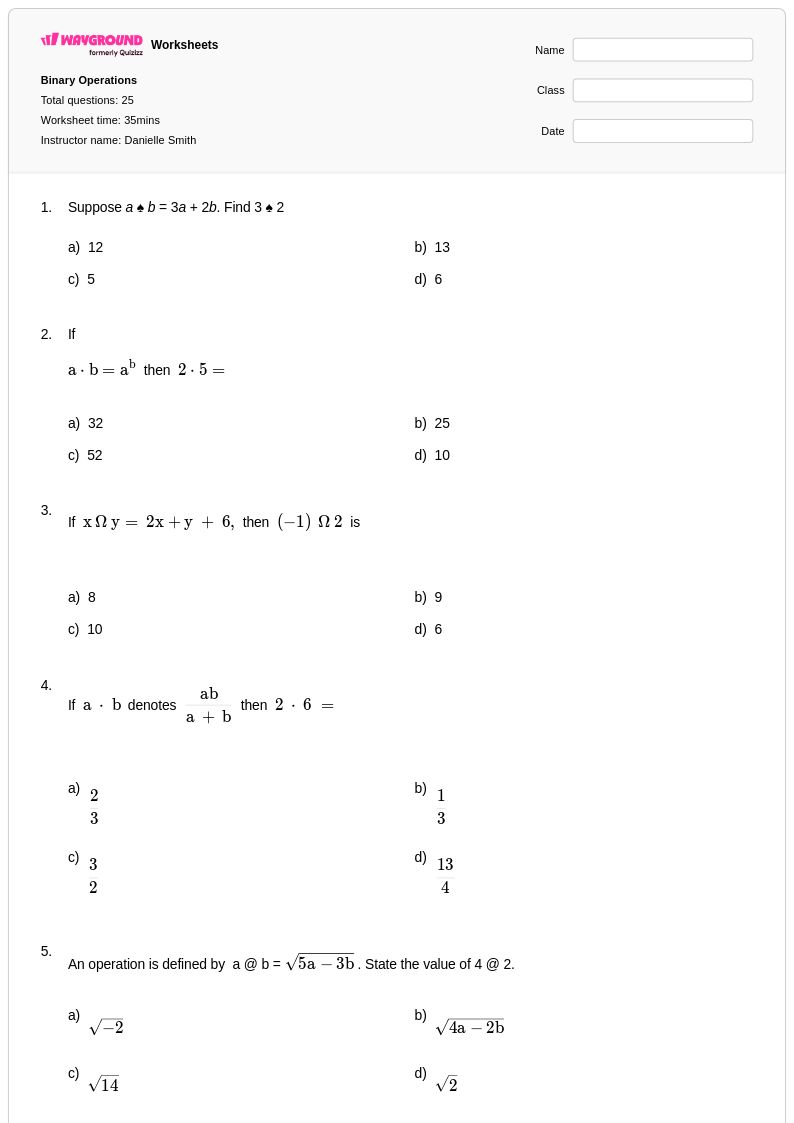
25 Q
7th - 9th
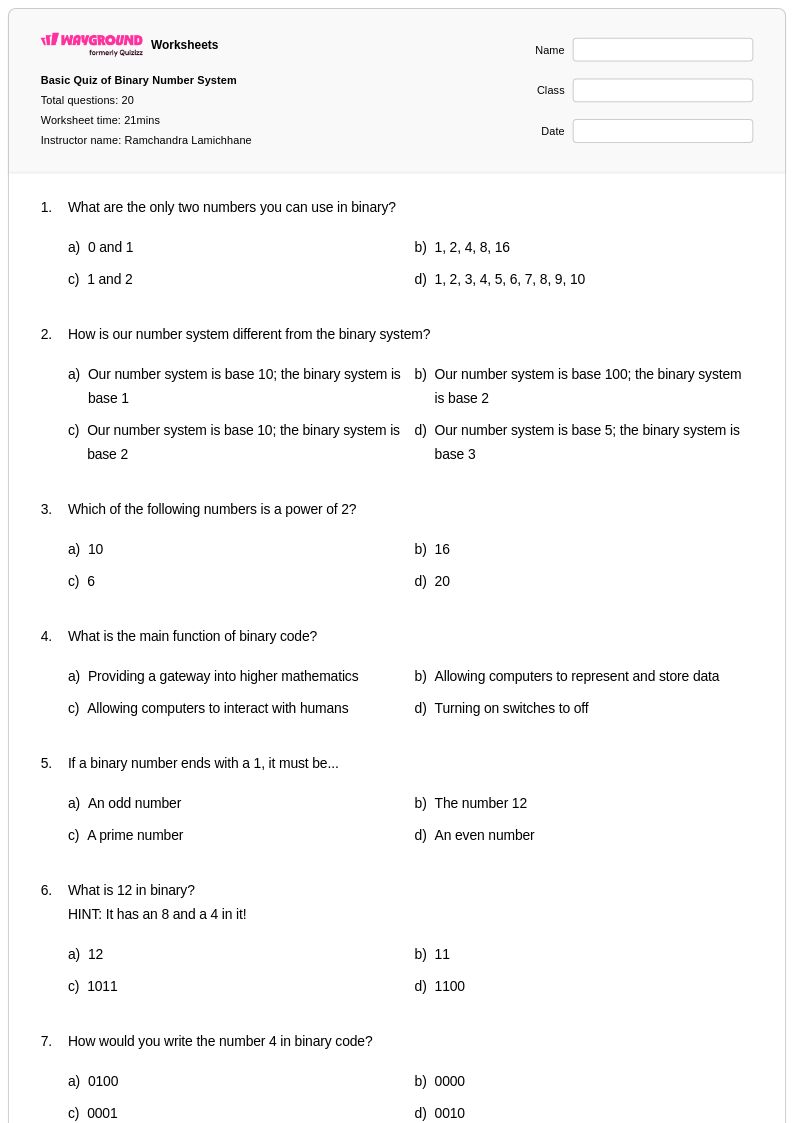
20 Q
6th - 8th
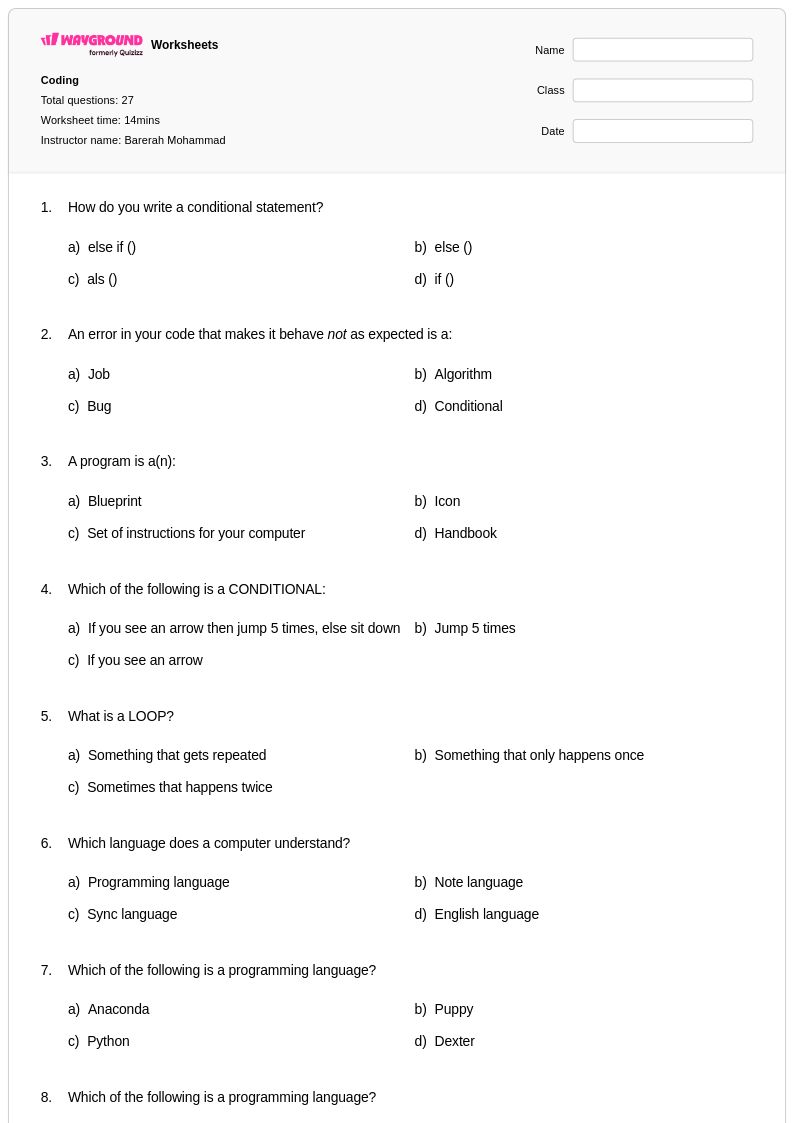
27 Q
6th - 8th
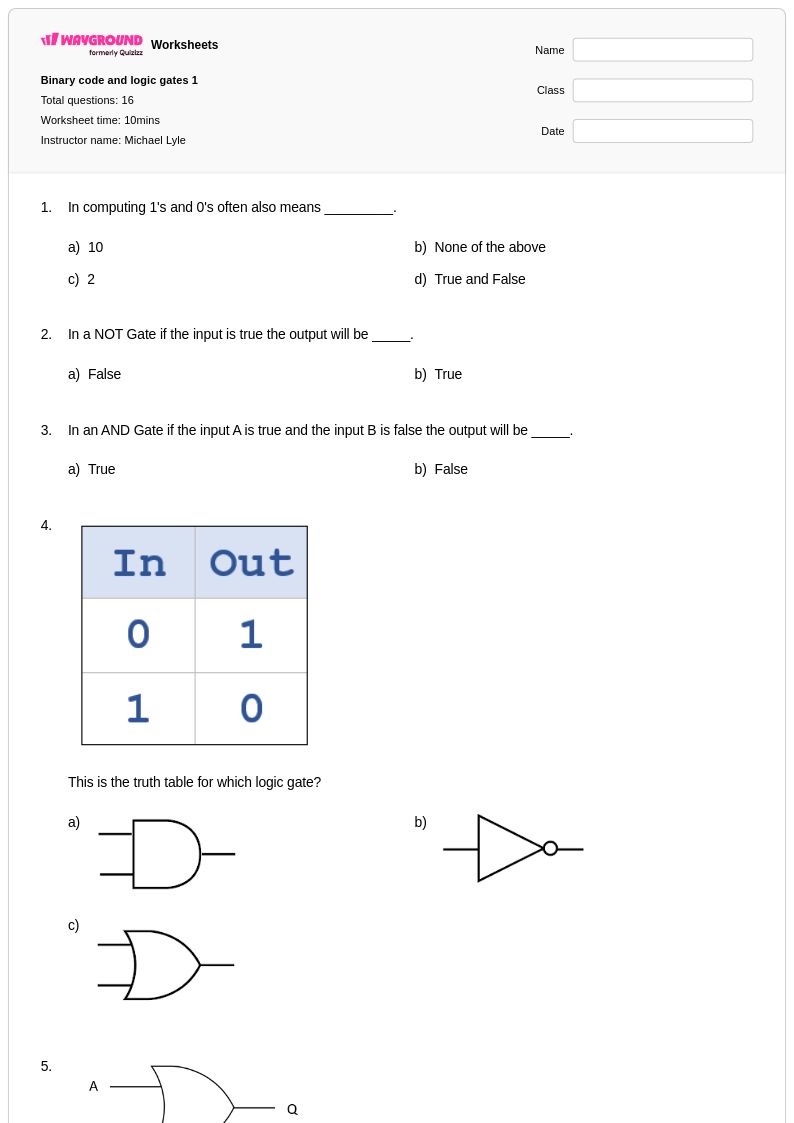
16 Q
6th - 8th
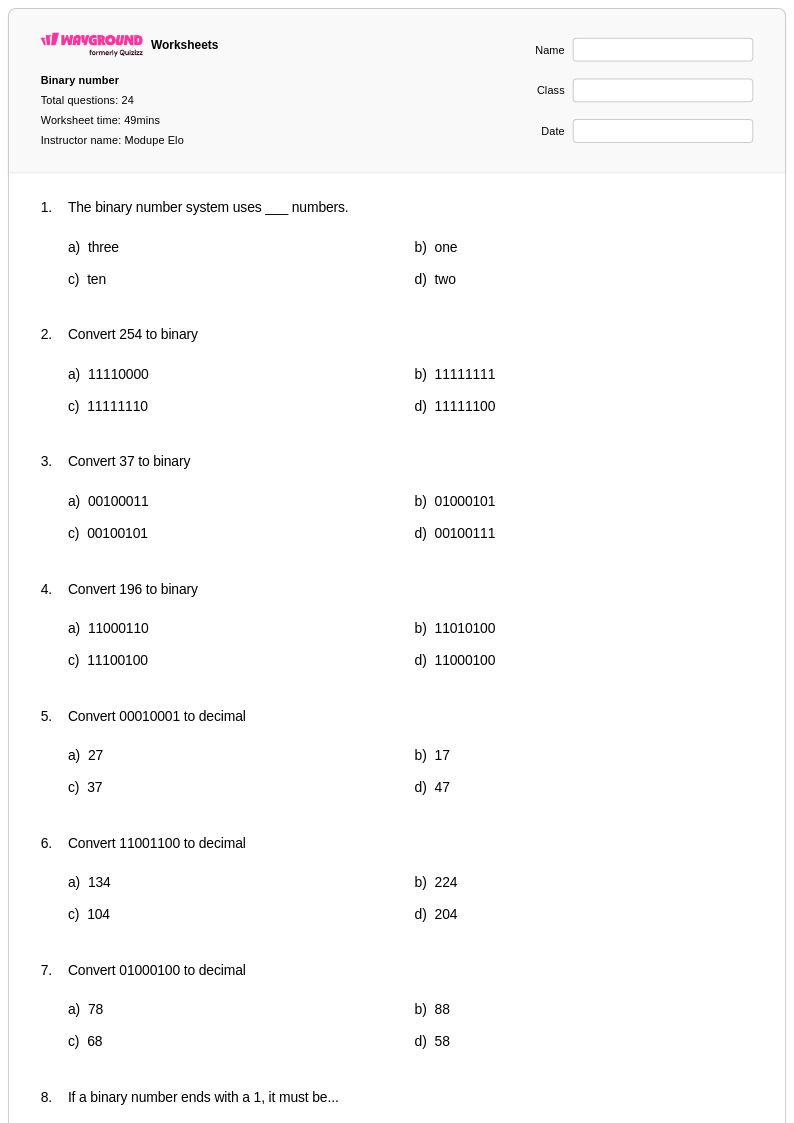
24 Q
1st - 10th
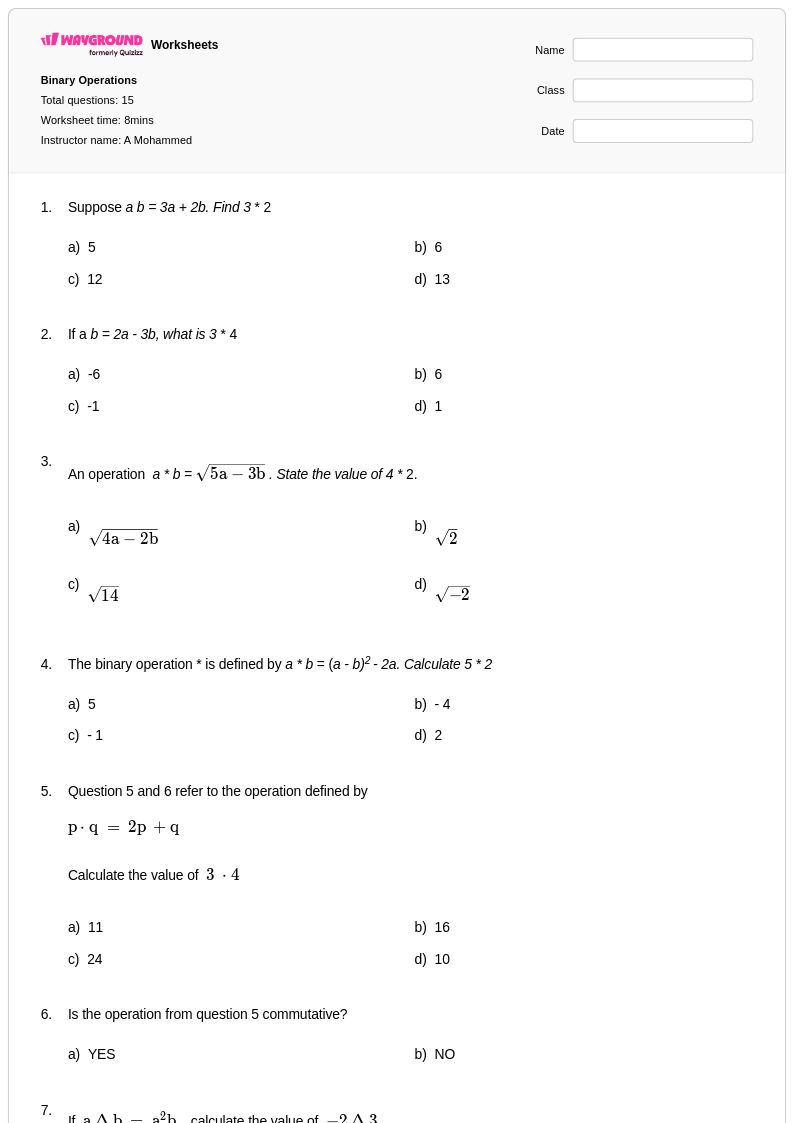
15 Q
7th
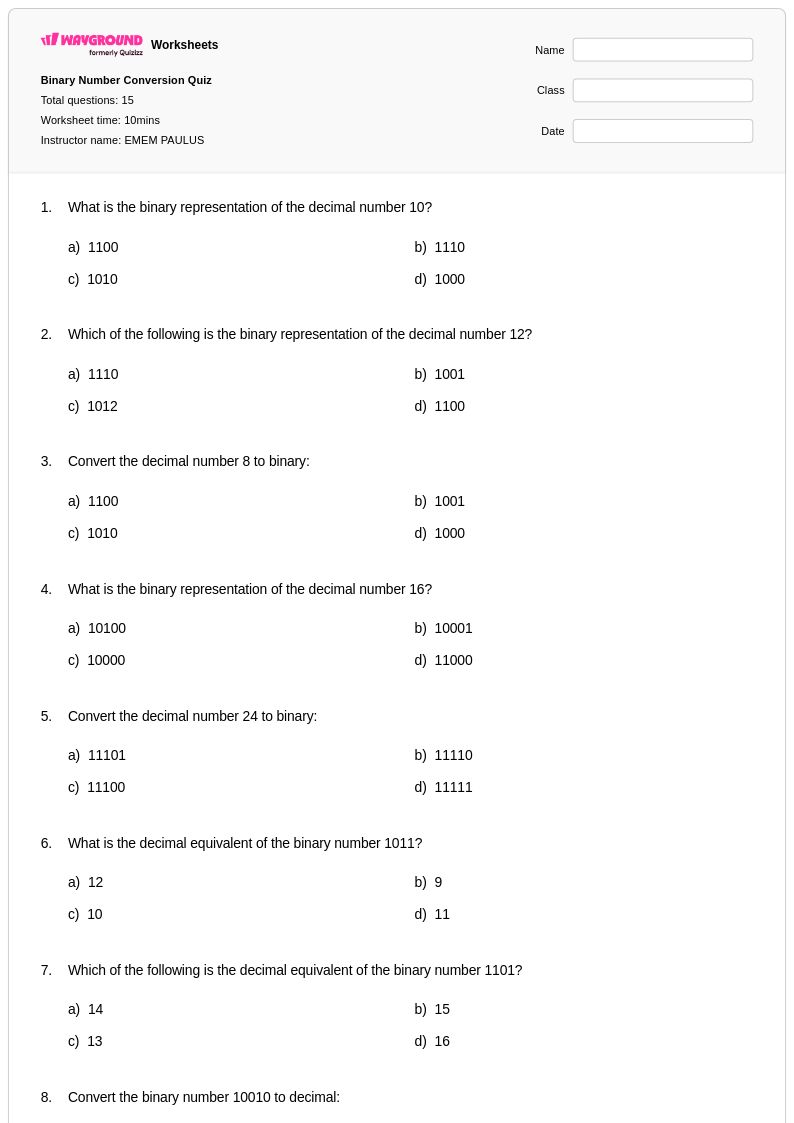
15 Q
6th - 8th
10 Q
7th
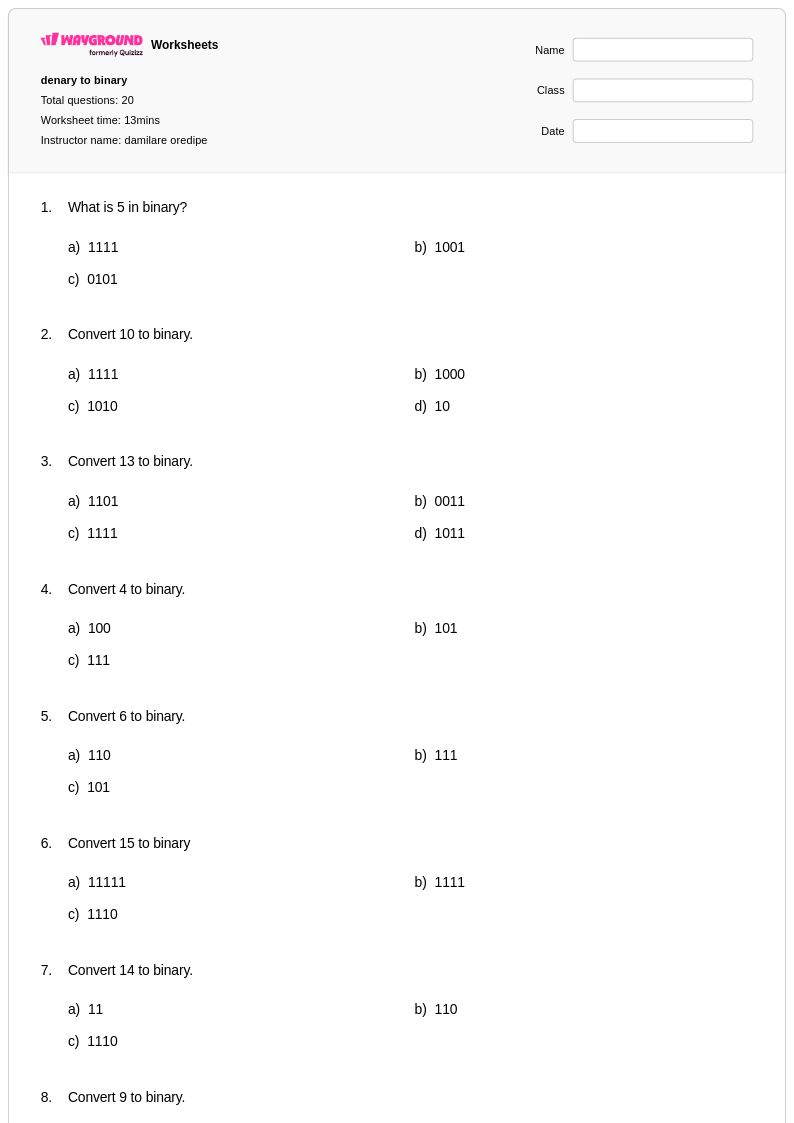
20 Q
7th
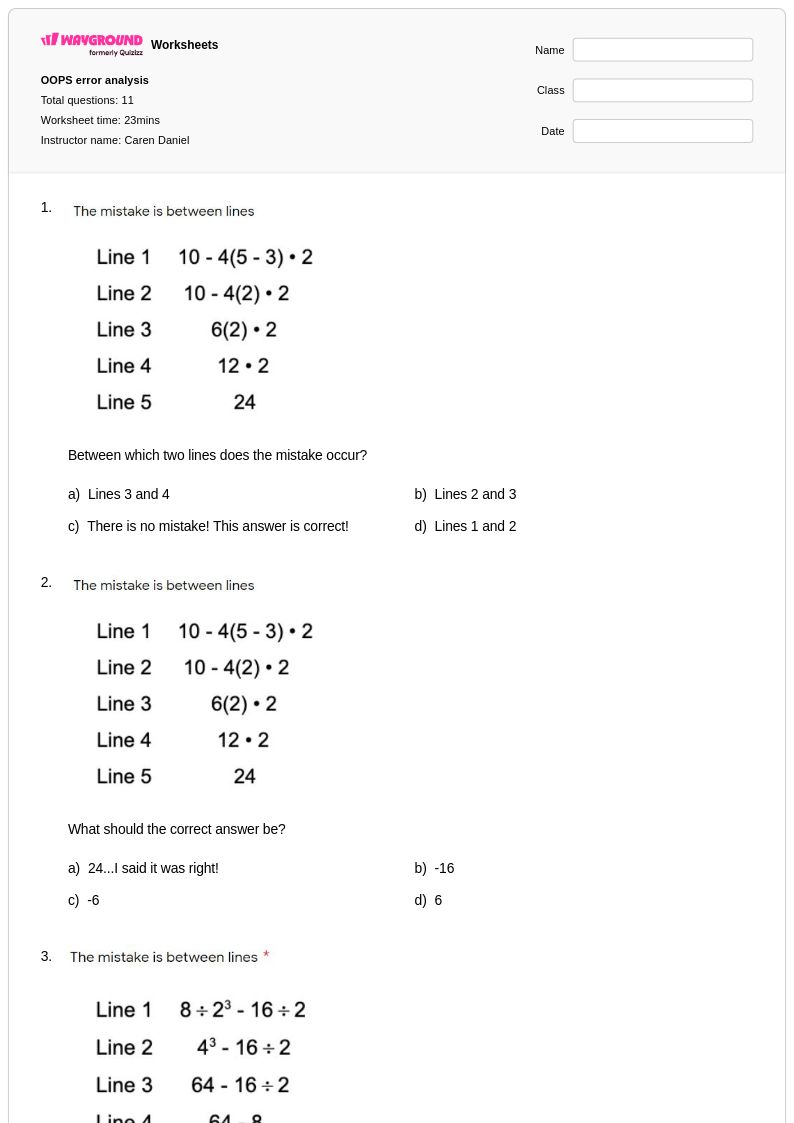
11 Q
7th - 10th
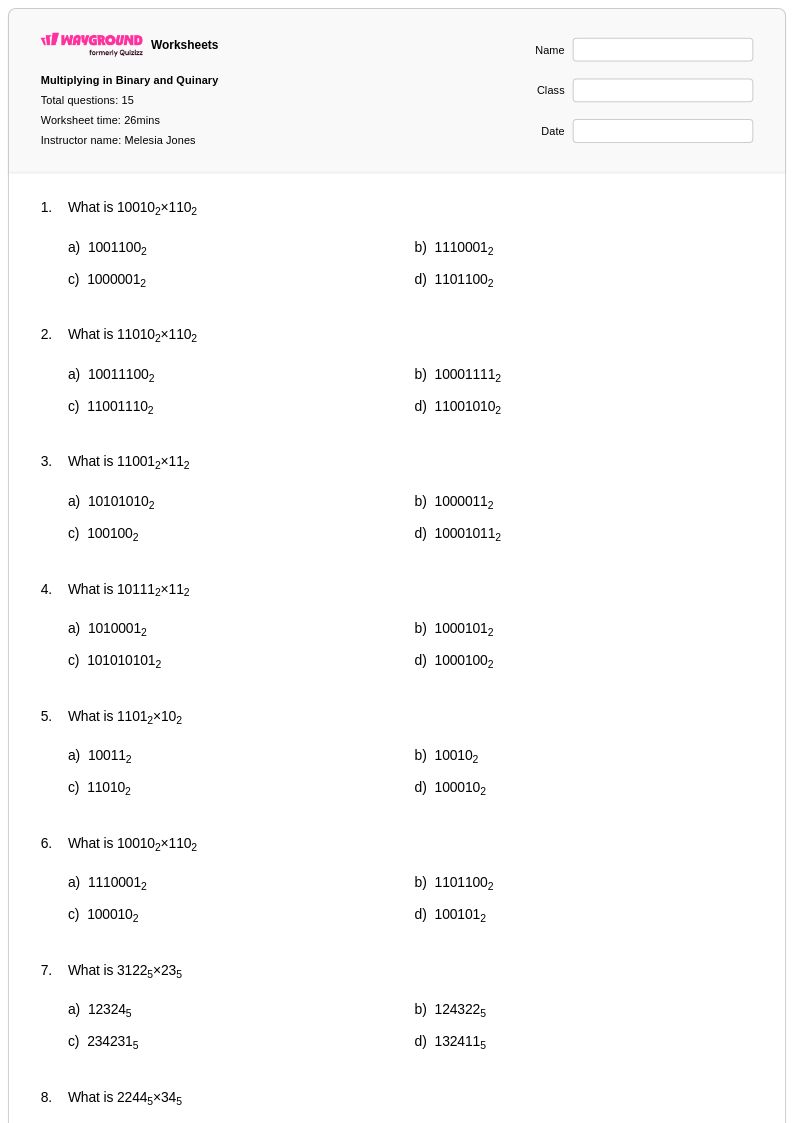
15 Q
7th - 9th
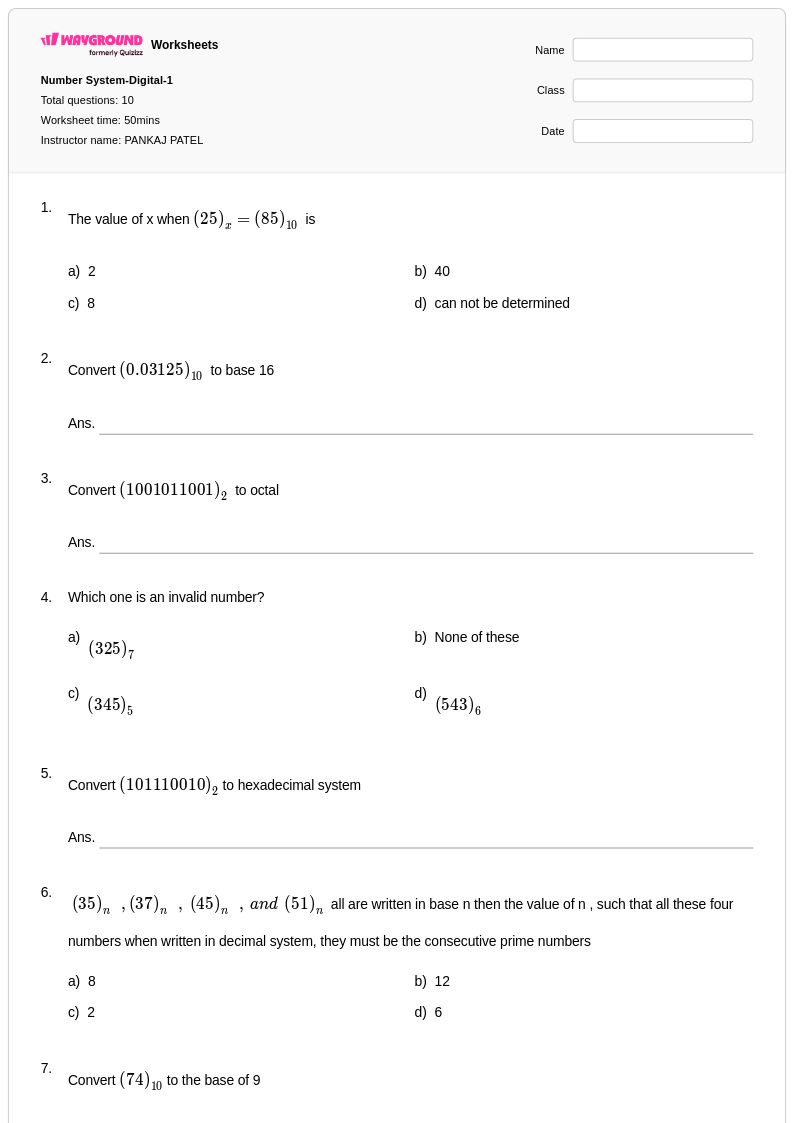
10 Q
7th - 10th
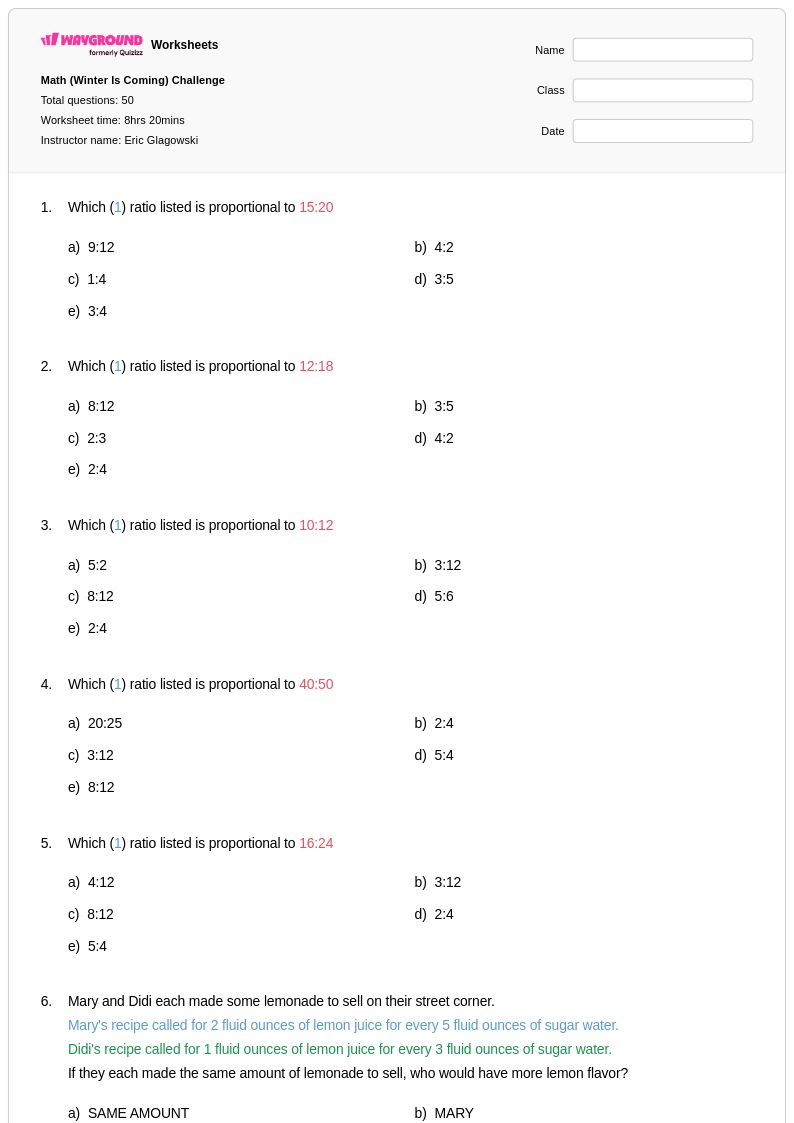
50 Q
6th - Uni
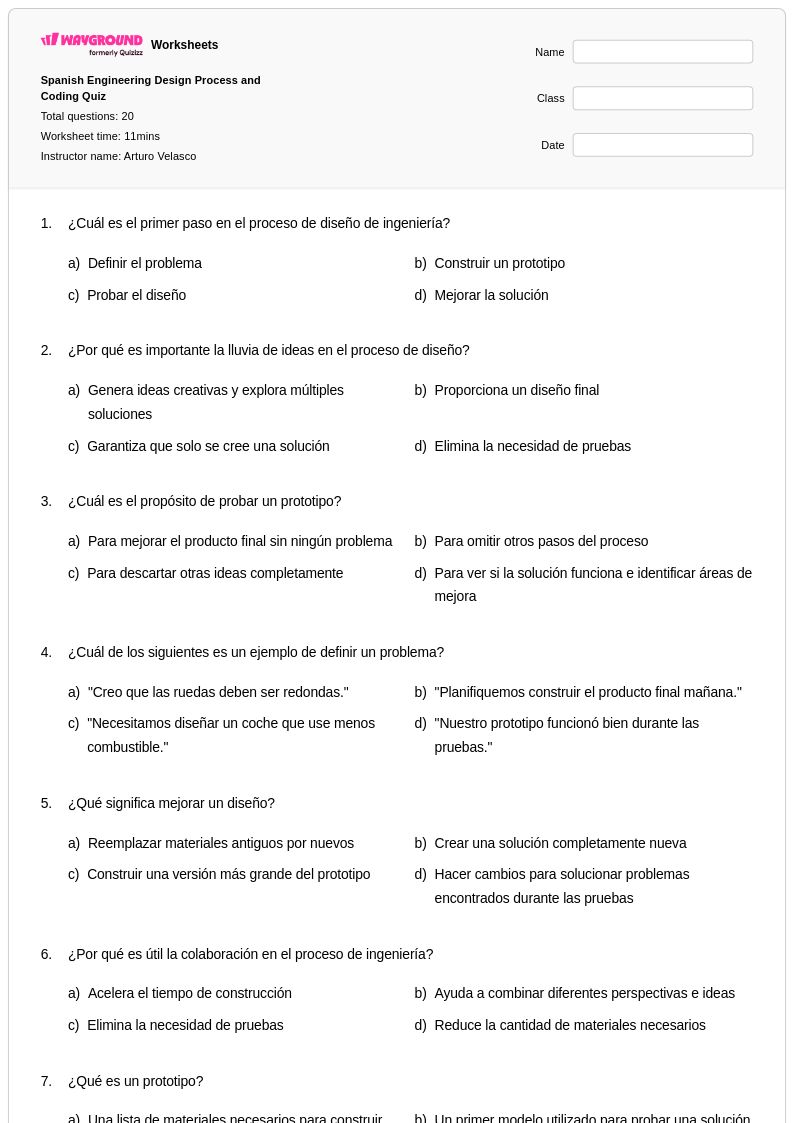
20 Q
6th - Uni
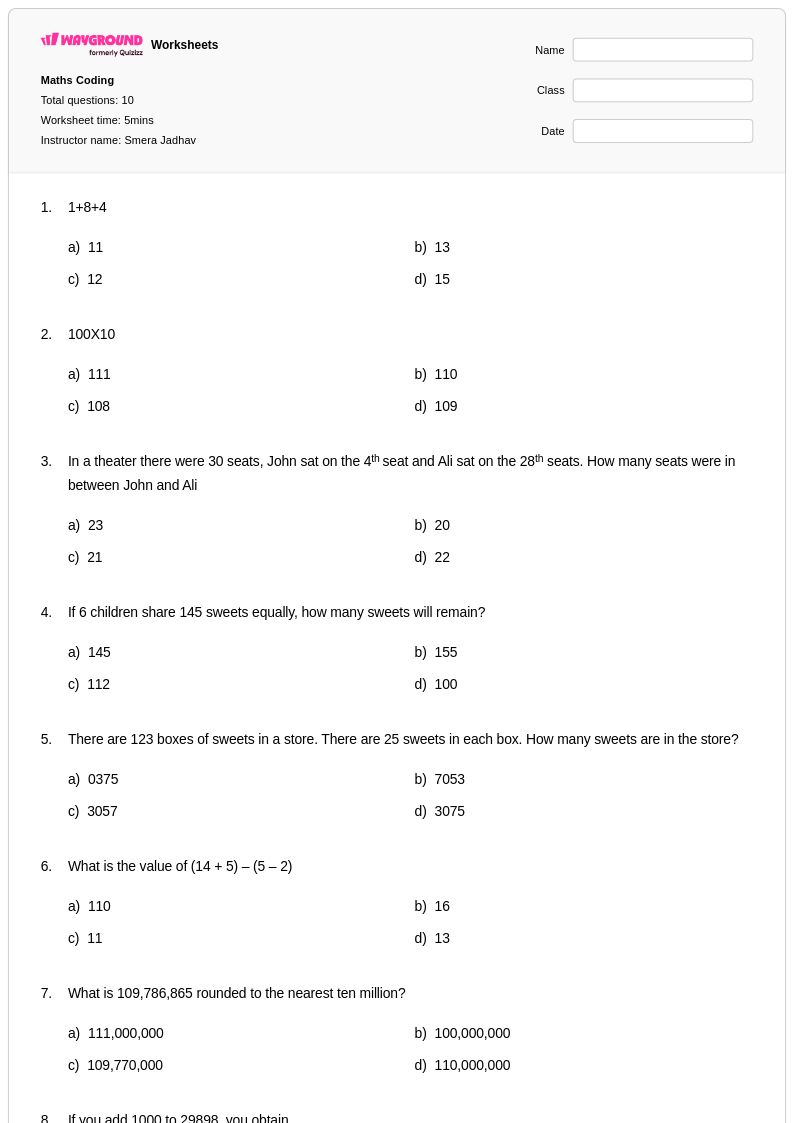
10 Q
5th - 11th
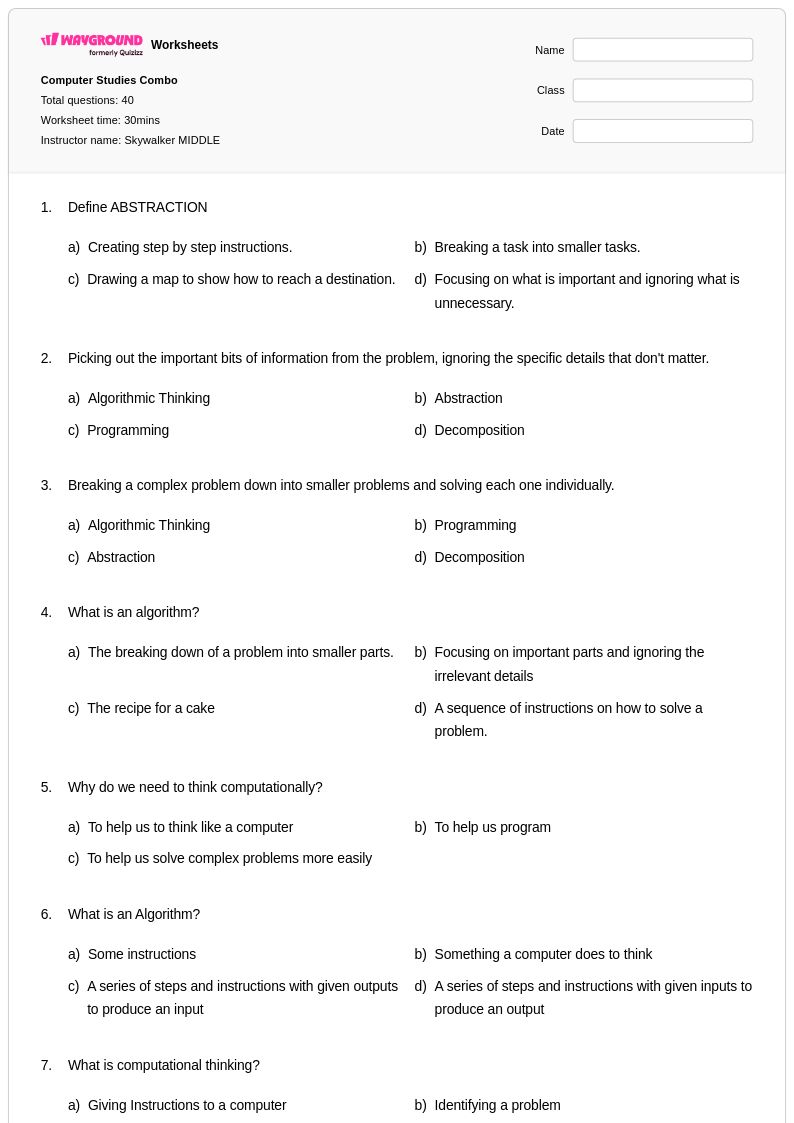
40 Q
6th - 8th
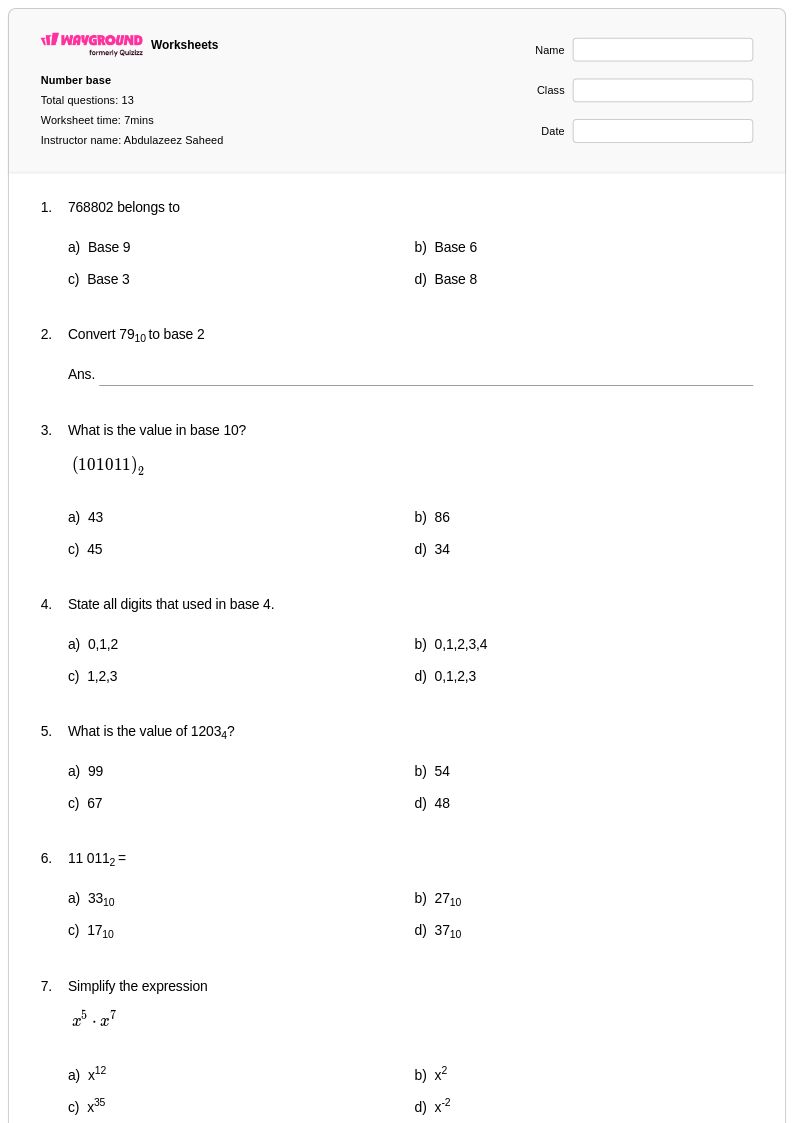
13 Q
7th
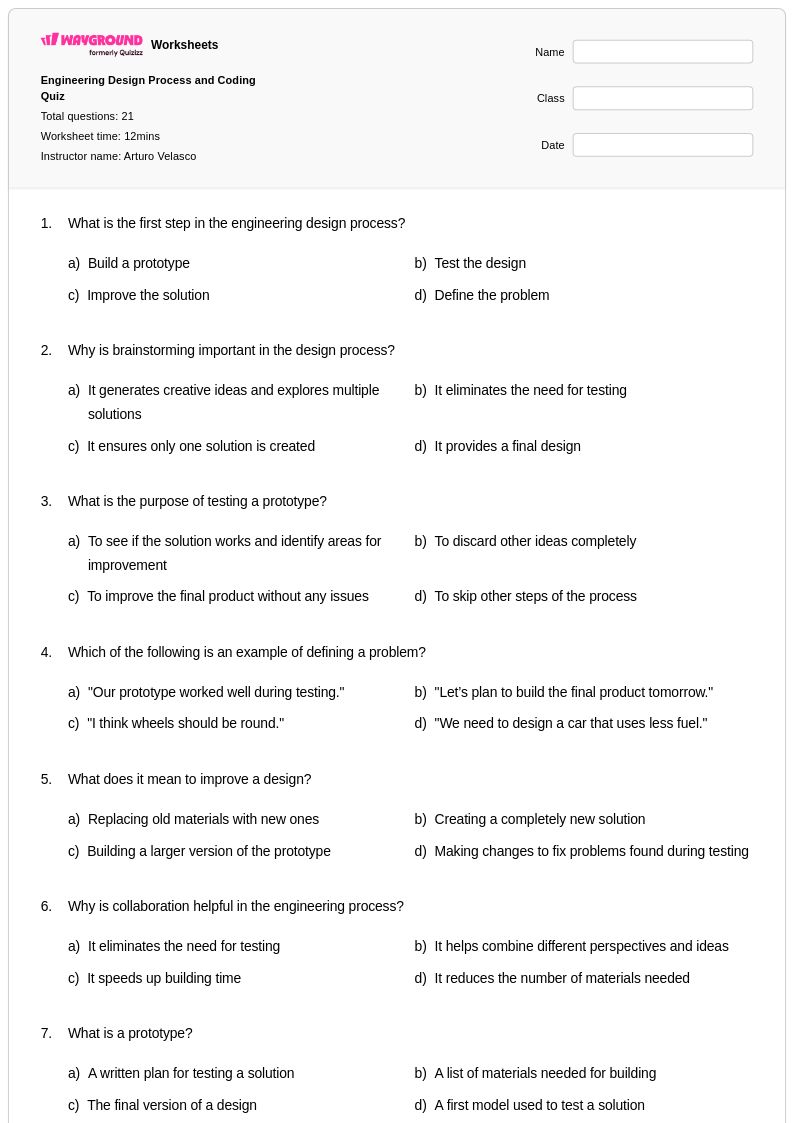
21 Q
6th - 8th
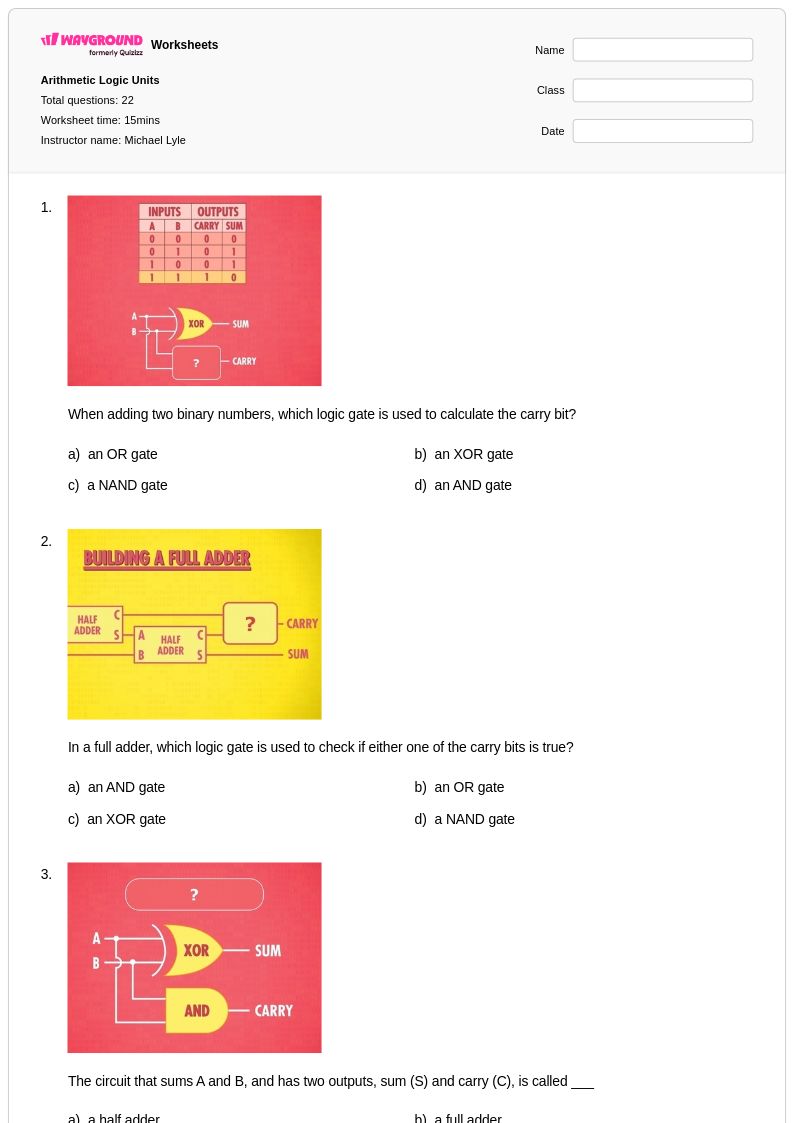
22 Q
6th - 8th
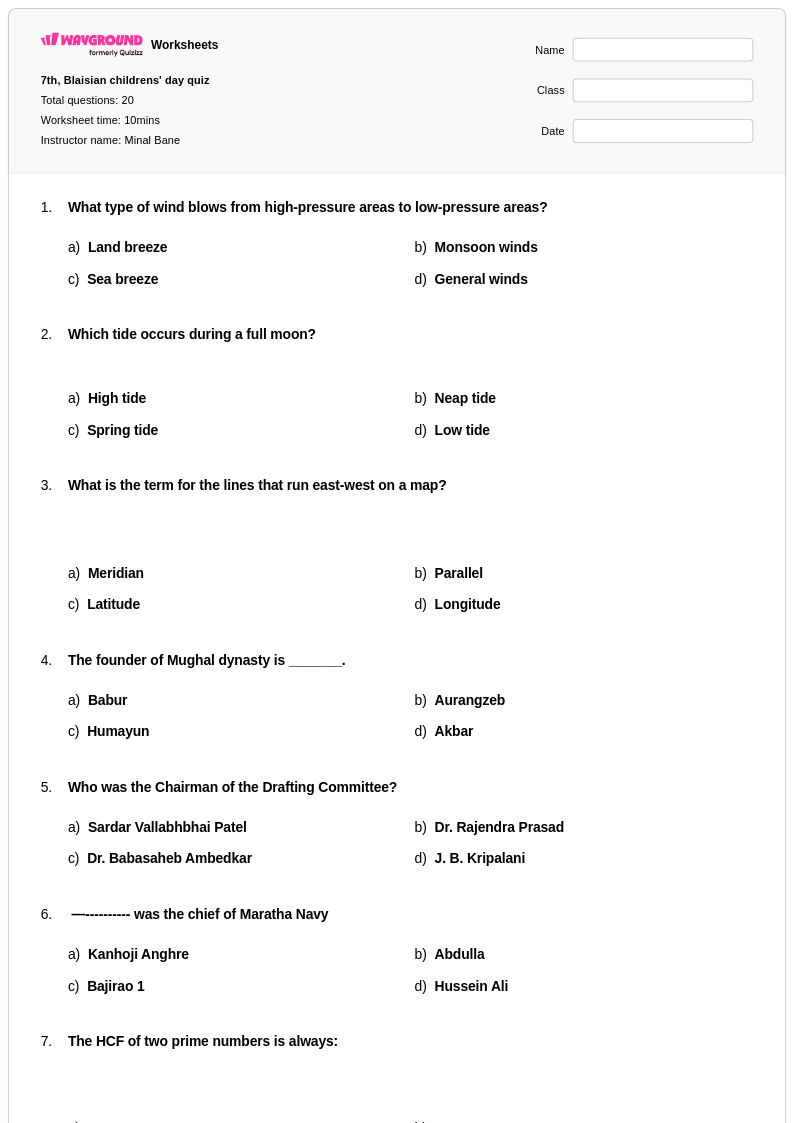
20 Q
7th
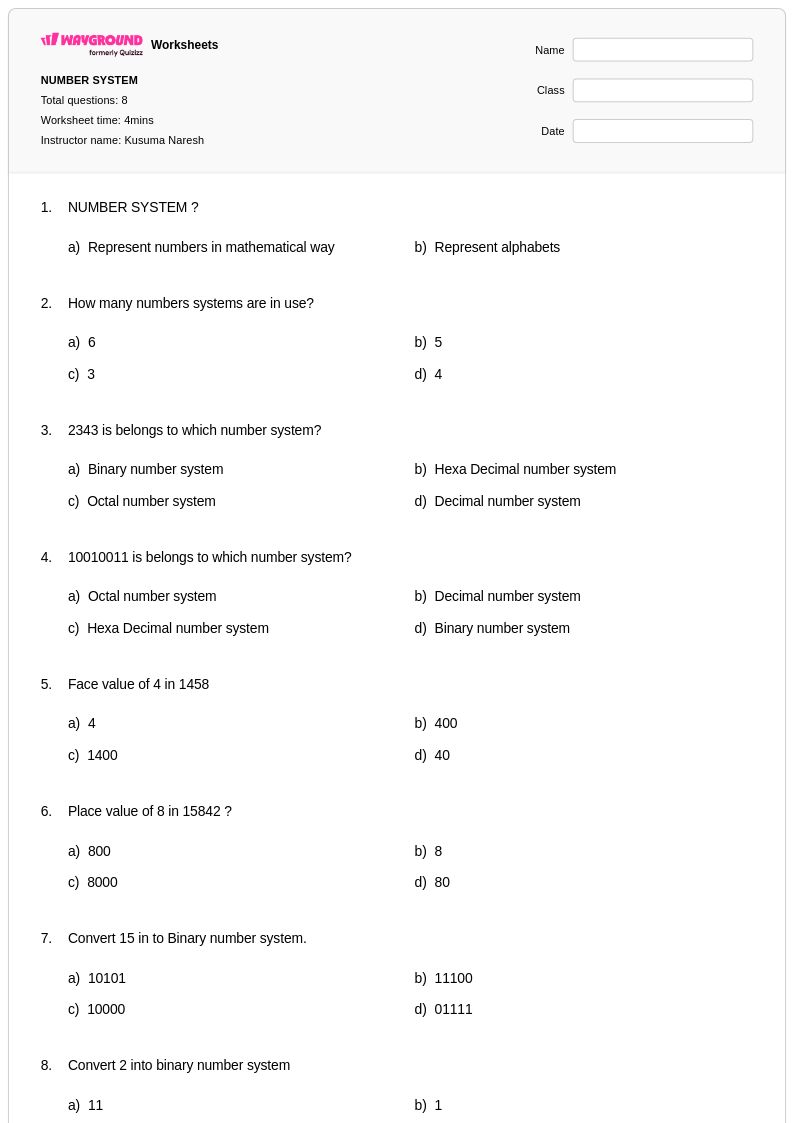
8 Q
7th
Explore Other Subject Worksheets for class 7
Explore printable Binary Coding worksheets for Class 7
Binary coding worksheets for Class 7 represent a crucial intersection of mathematics and computer science, helping students develop essential number sense skills through the exploration of the binary number system. These comprehensive worksheet collections available through Wayground (formerly Quizizz) guide seventh-grade students through converting between decimal and binary representations, understanding place value in base-2 systems, and recognizing patterns in binary sequences. The practice problems systematically build computational thinking skills while reinforcing fundamental mathematical concepts such as powers of two, place value notation, and logical reasoning. Each worksheet comes with detailed answer keys and explanations, making these free printables valuable resources for both classroom instruction and independent study, as students master the foundational concepts that bridge traditional mathematics with digital literacy.
Wayground (formerly Quizizz) empowers educators with millions of teacher-created binary coding resources specifically designed for Class 7 mathematics instruction. The platform's robust search and filtering capabilities allow teachers to quickly locate worksheets that align with specific learning standards and match their students' varying ability levels. These differentiation tools enable seamless customization of binary coding content, from basic decimal-to-binary conversions for developing learners to complex multi-step problems involving binary arithmetic for advanced students. Available in both printable pdf formats and interactive digital versions, these worksheet collections support diverse teaching approaches and learning environments, whether used for initial skill introduction, targeted remediation, or enrichment activities that challenge students to explore real-world applications of binary systems in computer programming and data representation.
FAQs
How do I teach binary coding in Grade 7?
What are effective binary coding exercises for seventh graders?
What errors should I look for when assessing binary conversions?
How do I assign a Grade 7 binary coding worksheet on Wayground?
How can I adapt binary coding worksheets for different ability levels?
What grade level is binary coding usually taught at?