
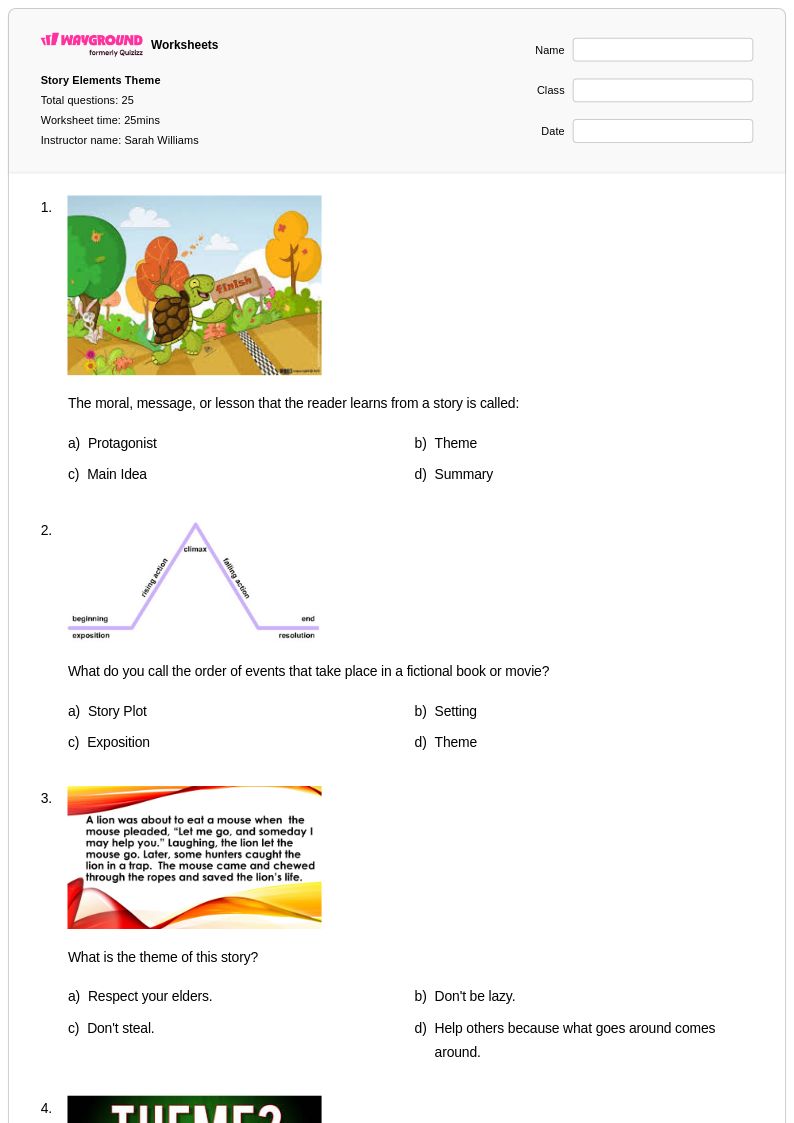
25 Q
5th - Uni
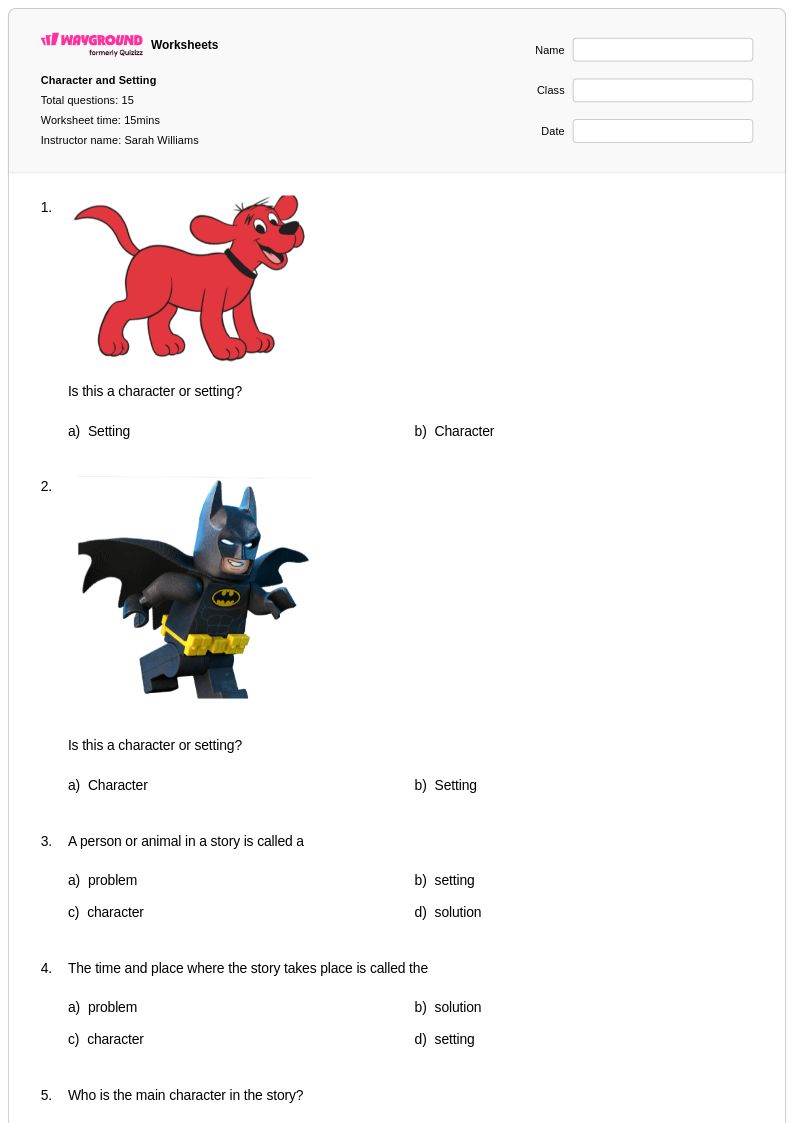
15 Q
1st - Uni
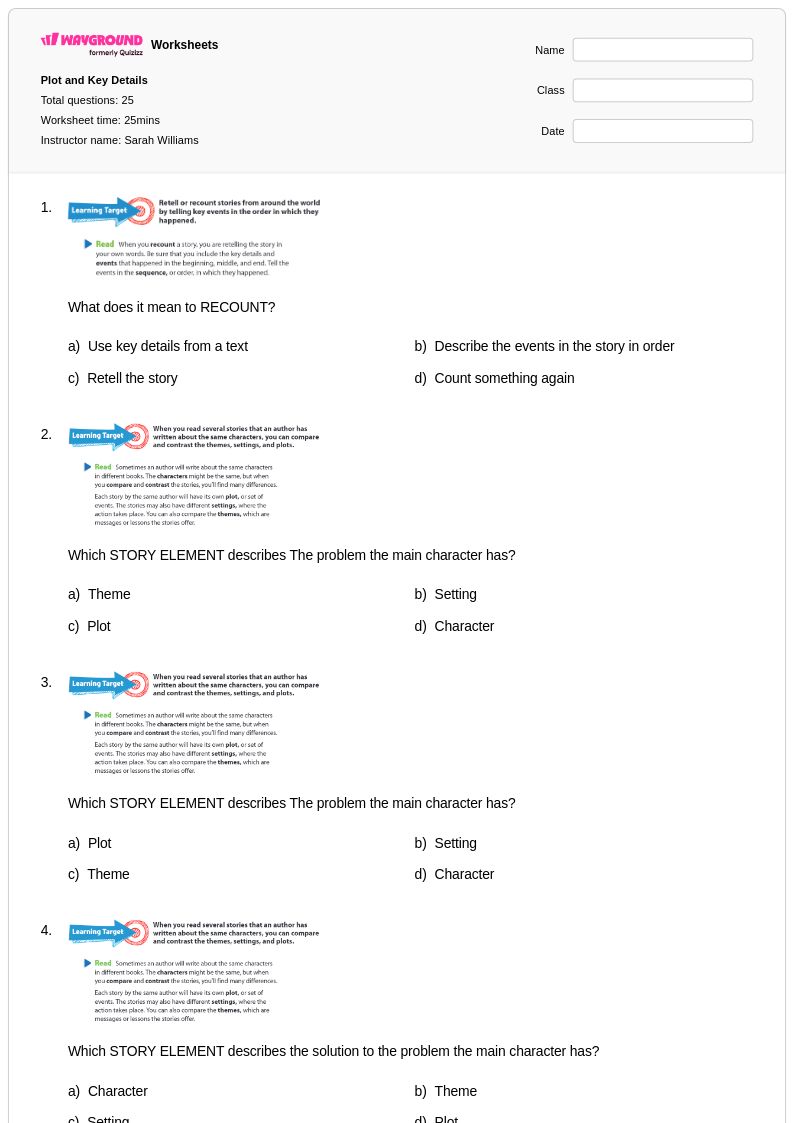
25 Q
3rd - Uni
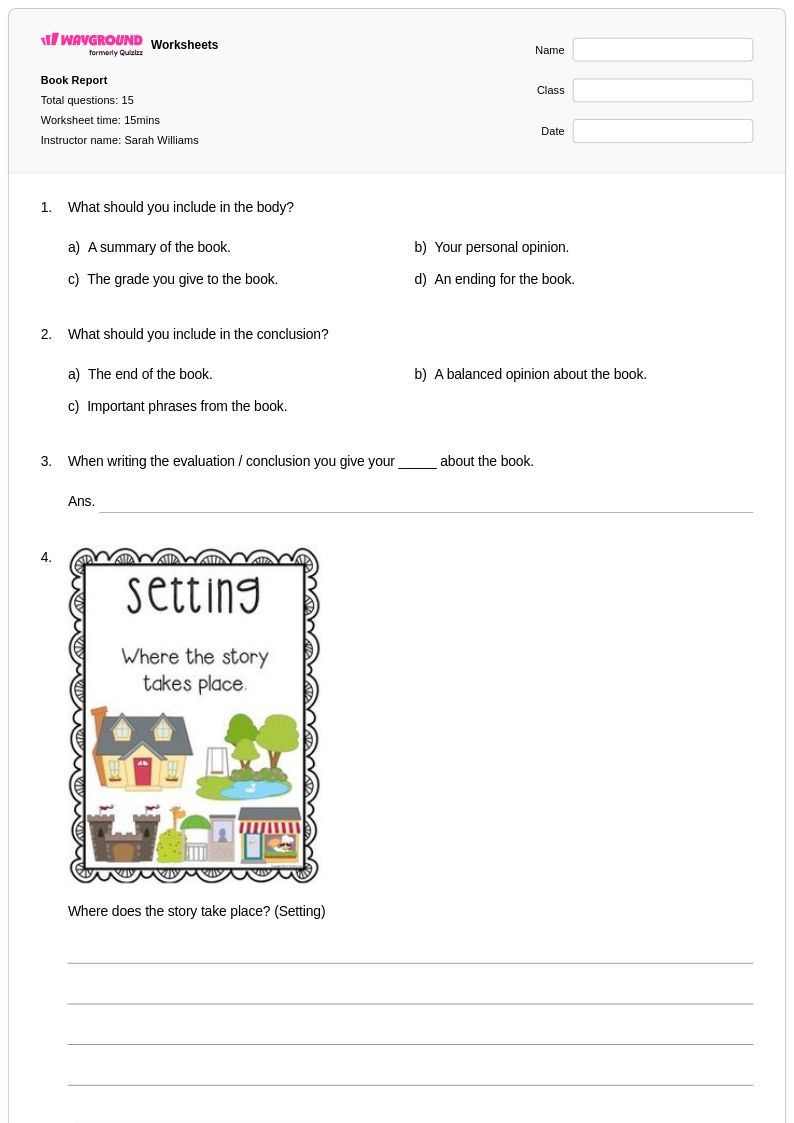
15 Q
5th - Uni
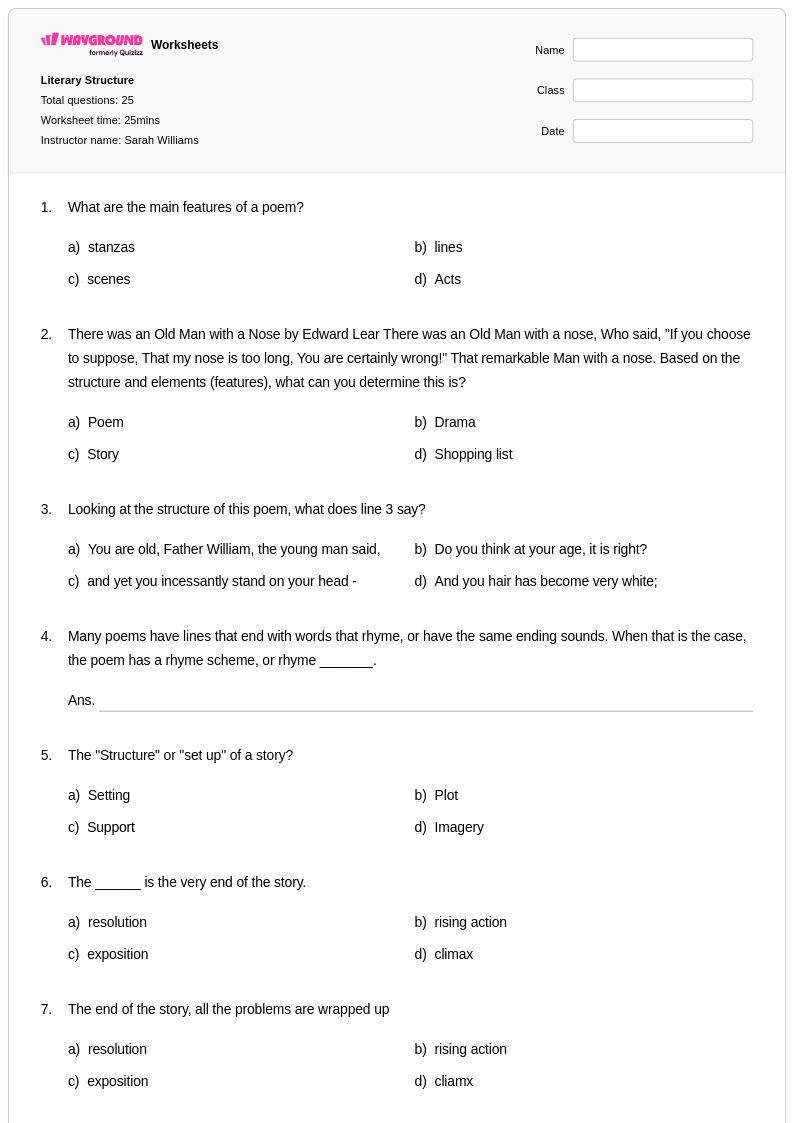
25 Q
5th - Uni
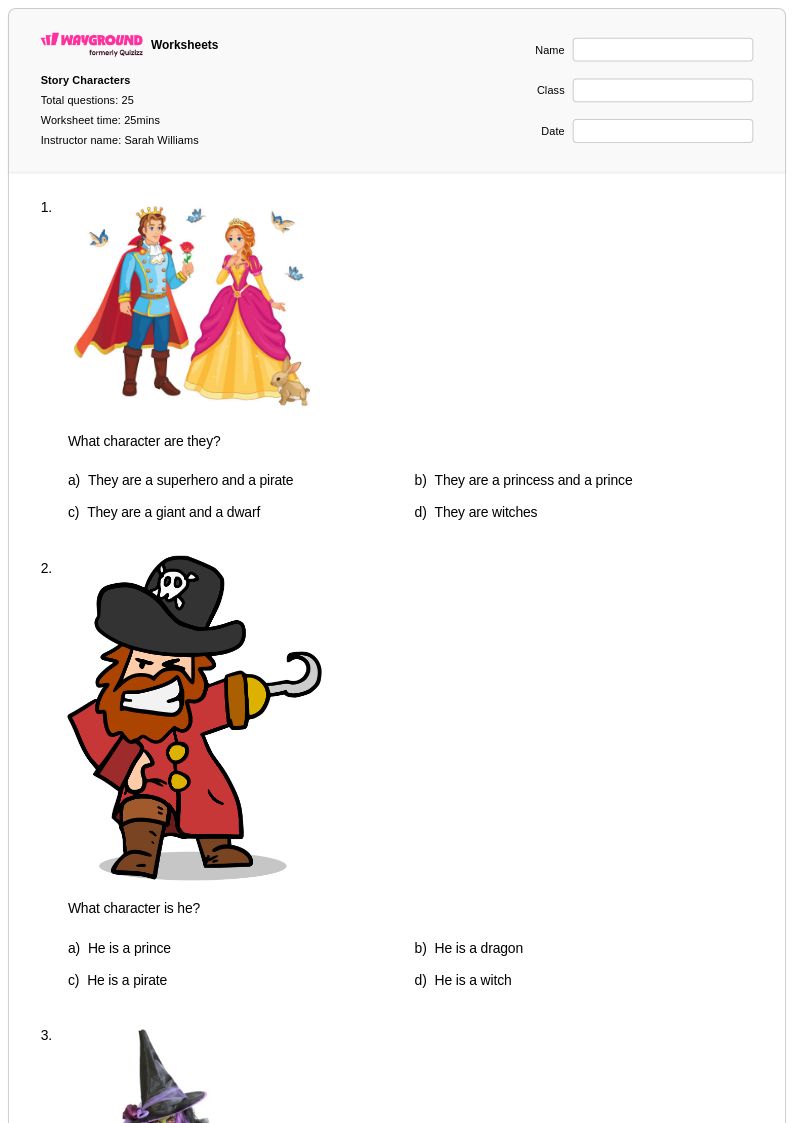
25 Q
3rd - Uni
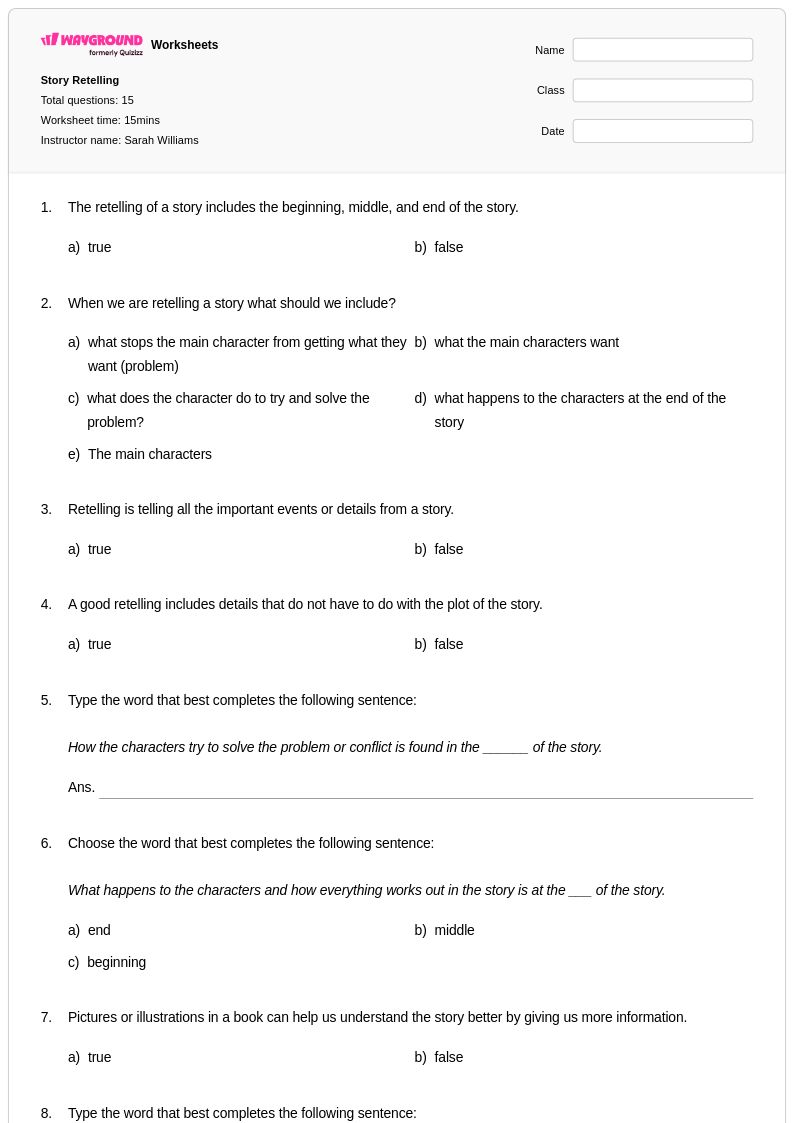
15 Q
3rd - Uni
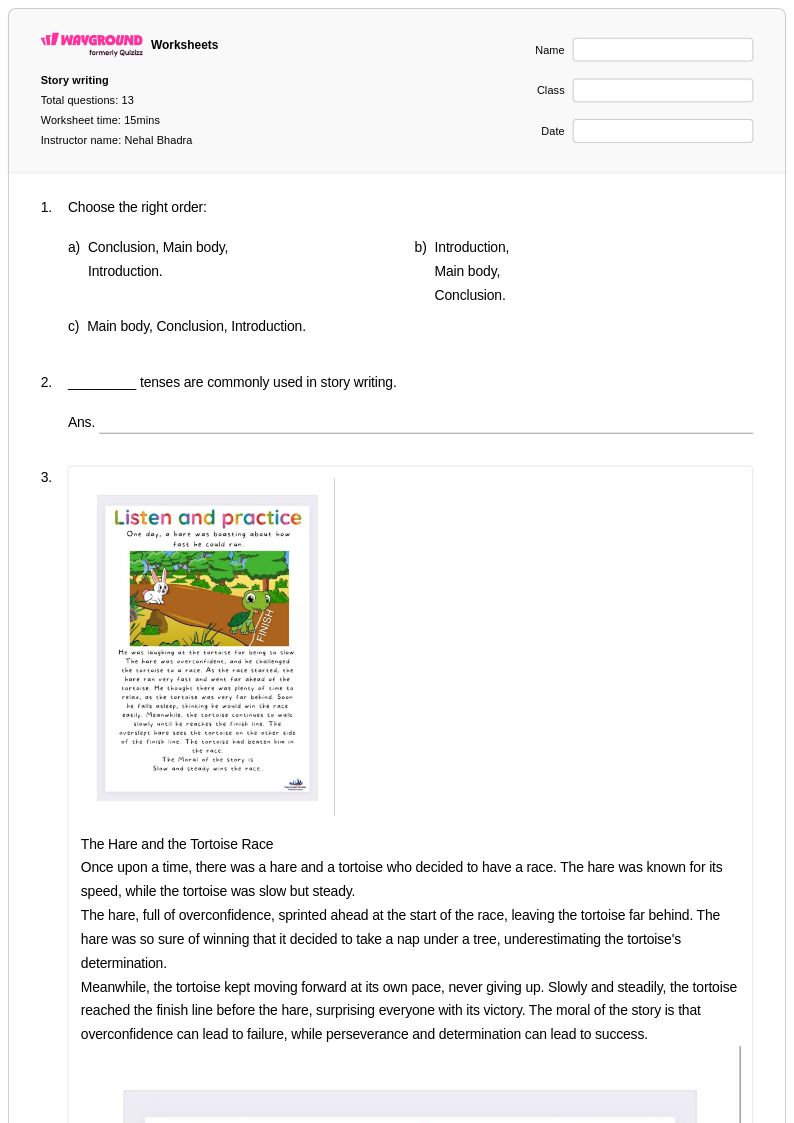
16 Q
1st - 5th
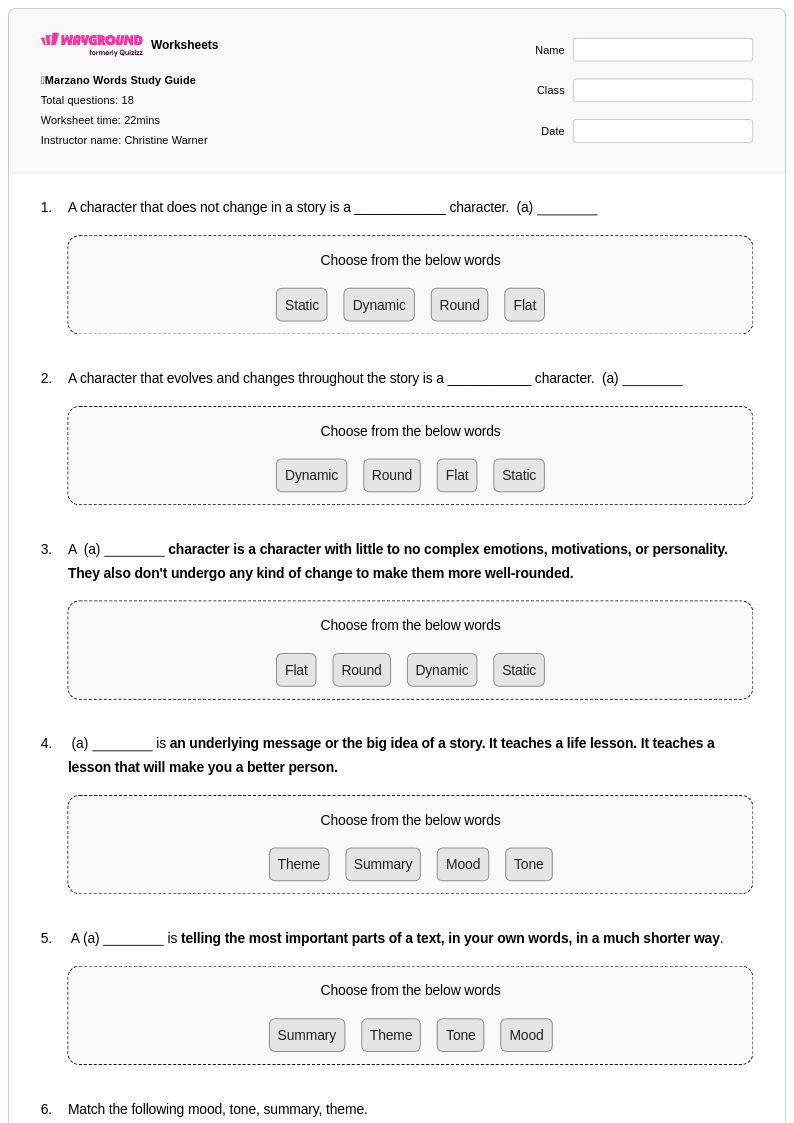
18 Q
5th
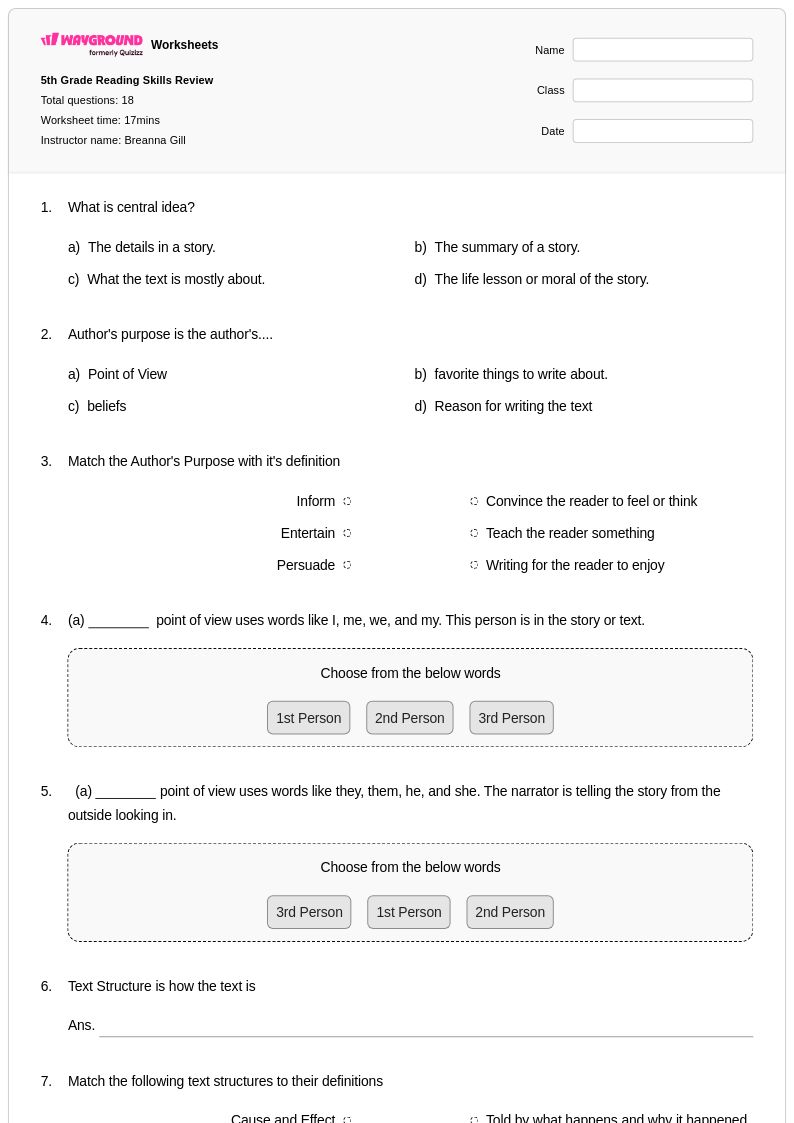
18 Q
5th
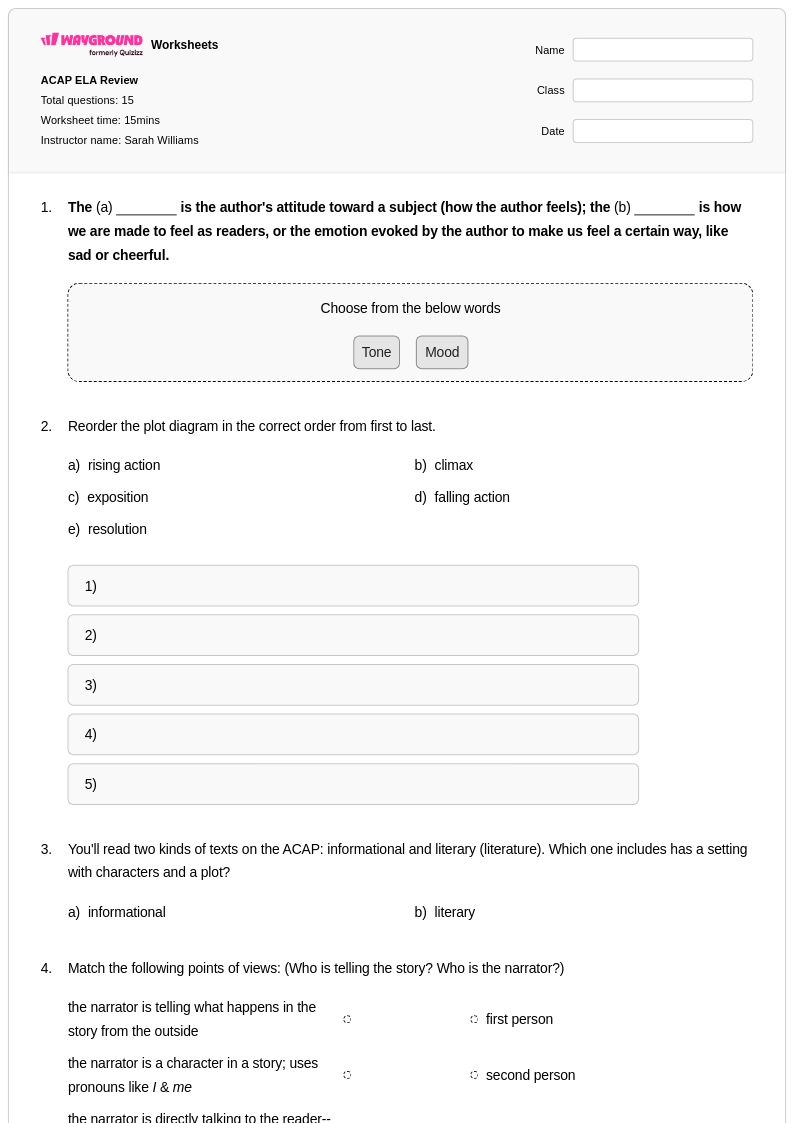
15 Q
5th - Uni
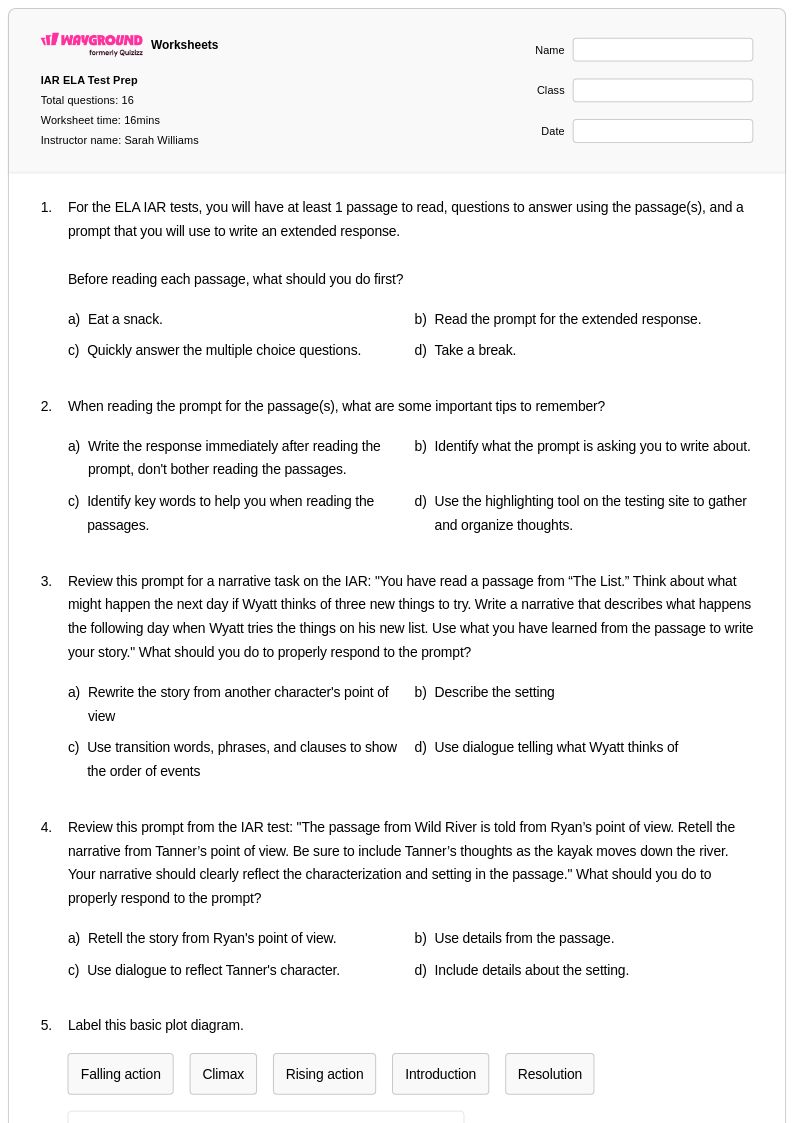
16 Q
5th - Uni
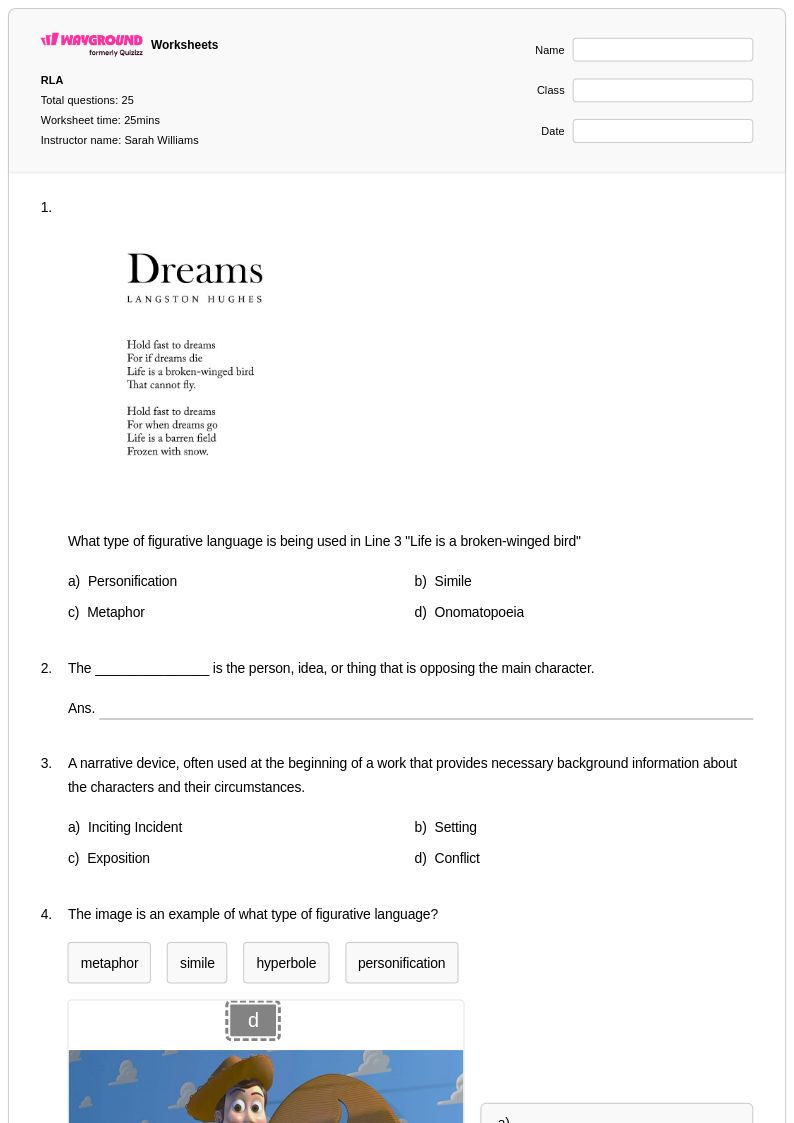
25 Q
4th - Uni
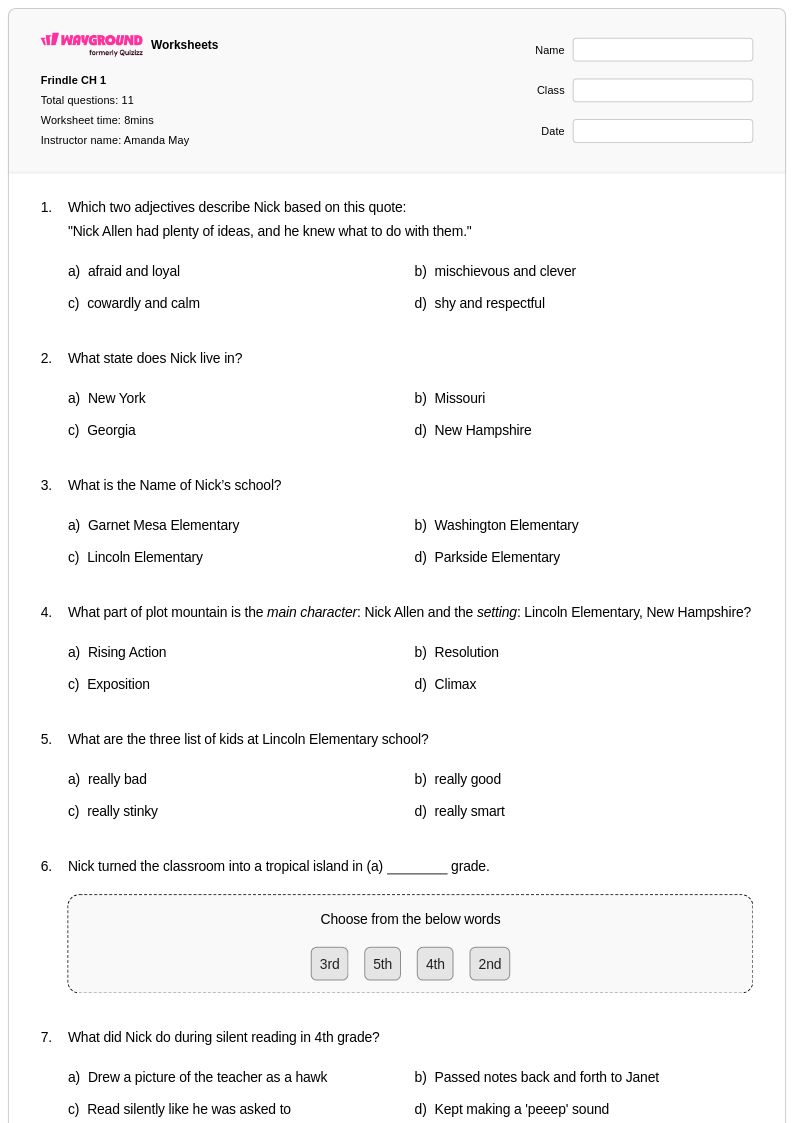
11 Q
5th
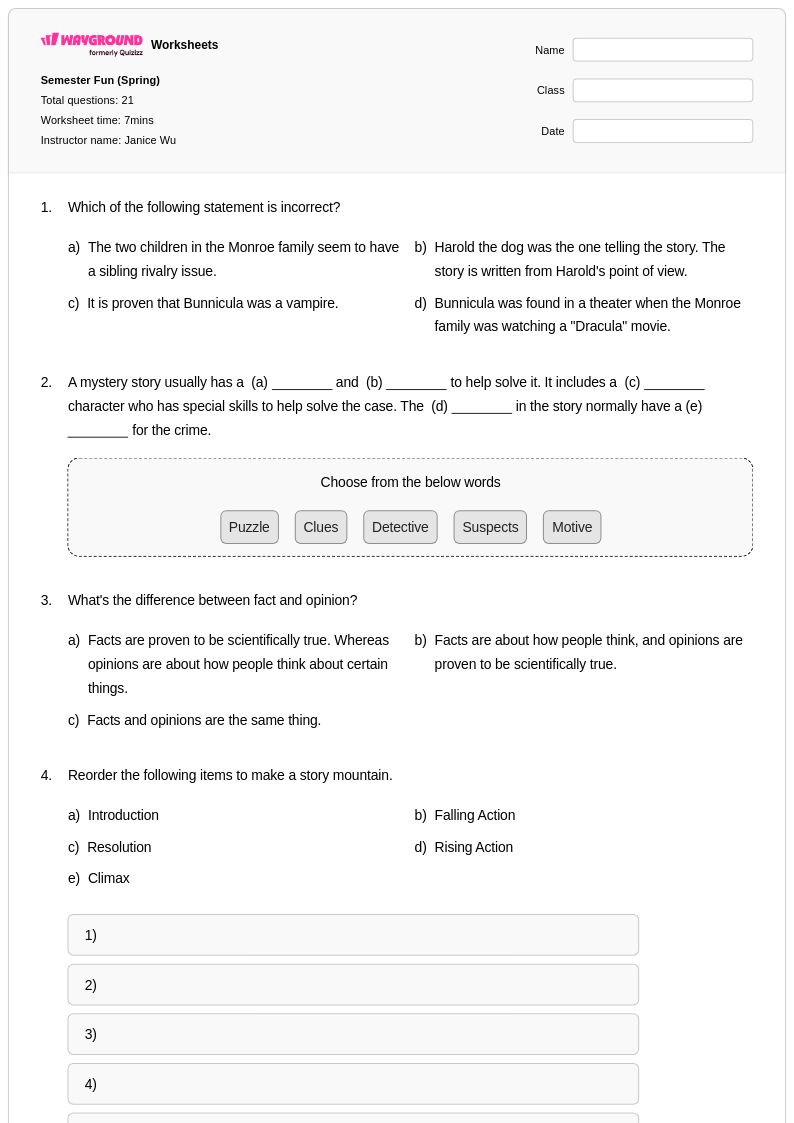
21 Q
5th
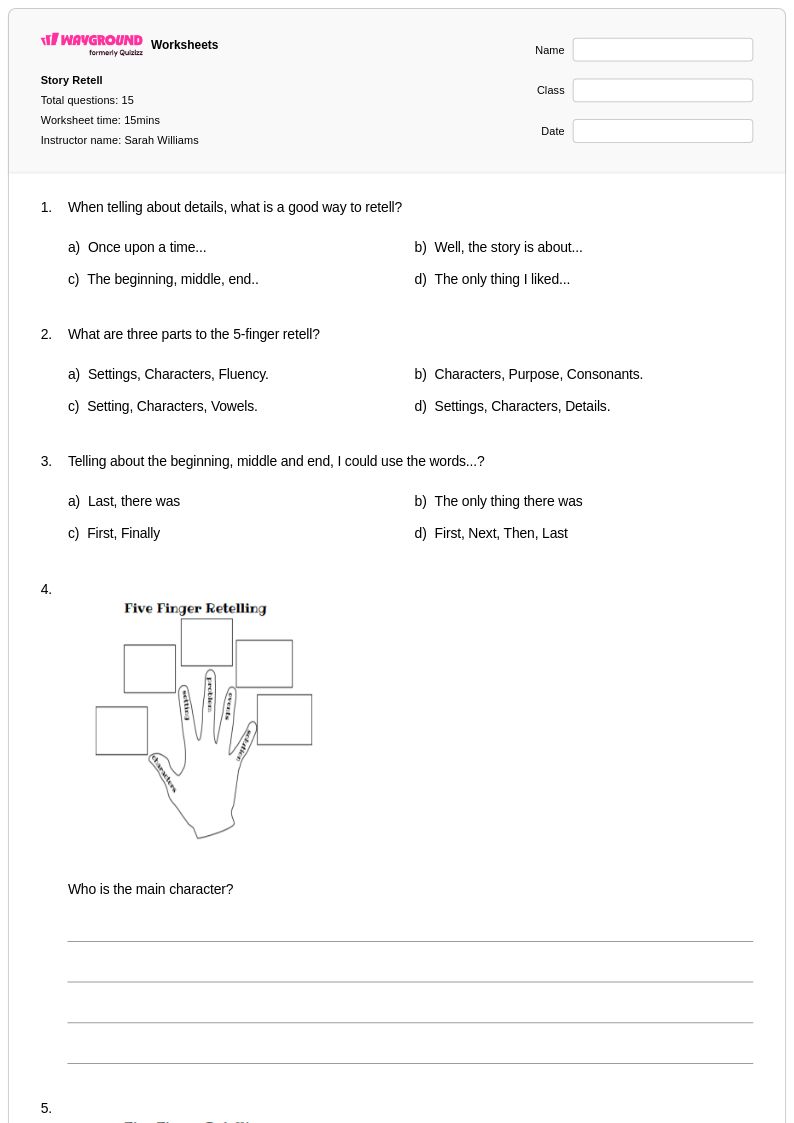
15 Q
3rd - Uni
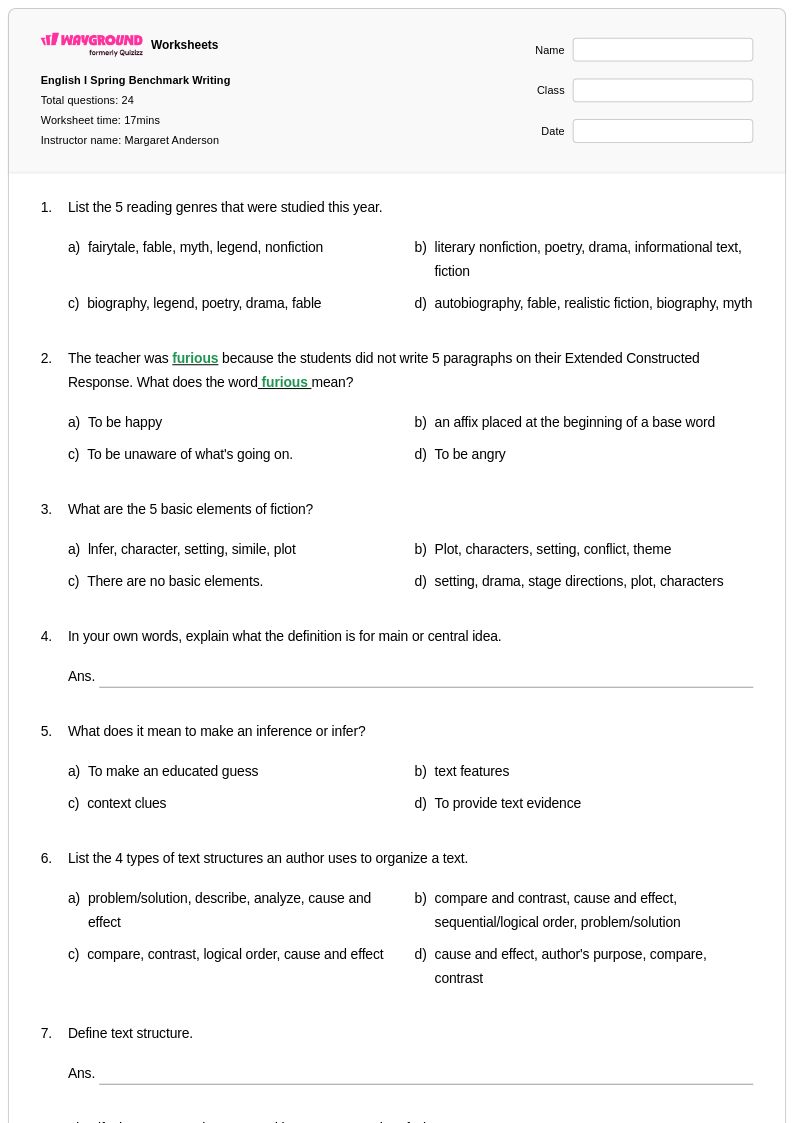
24 Q
5th
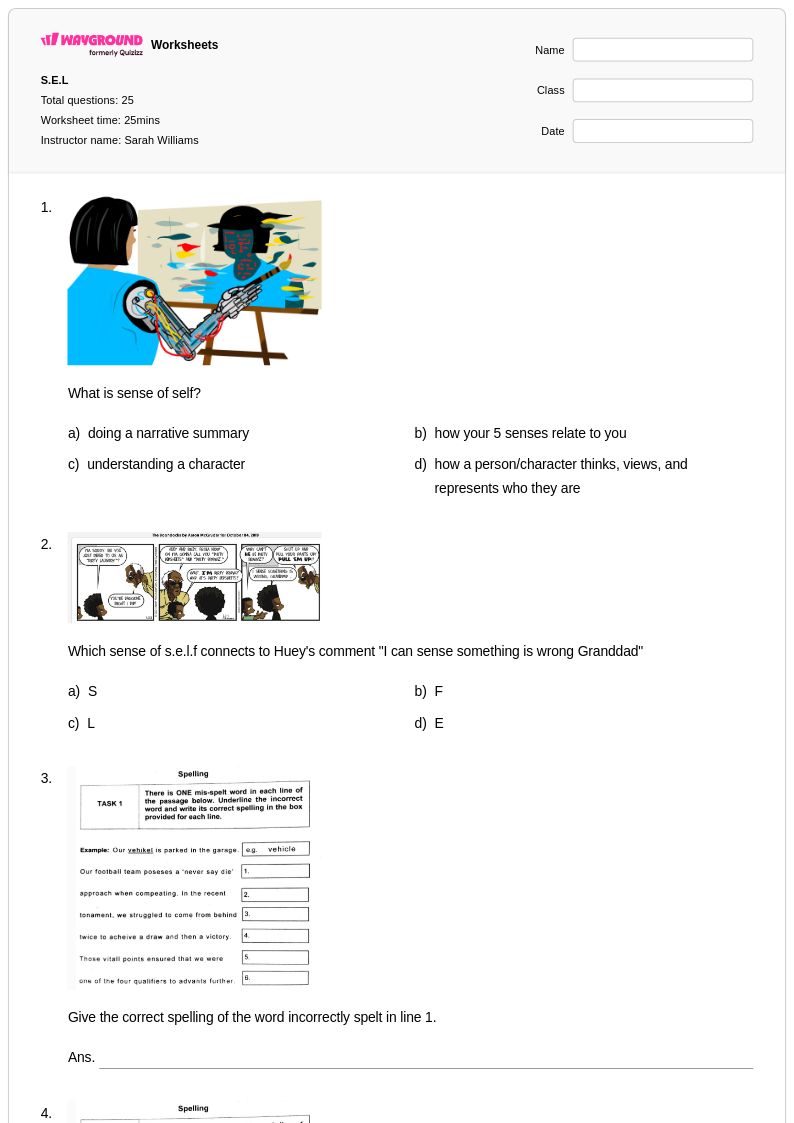
25 Q
5th - Uni
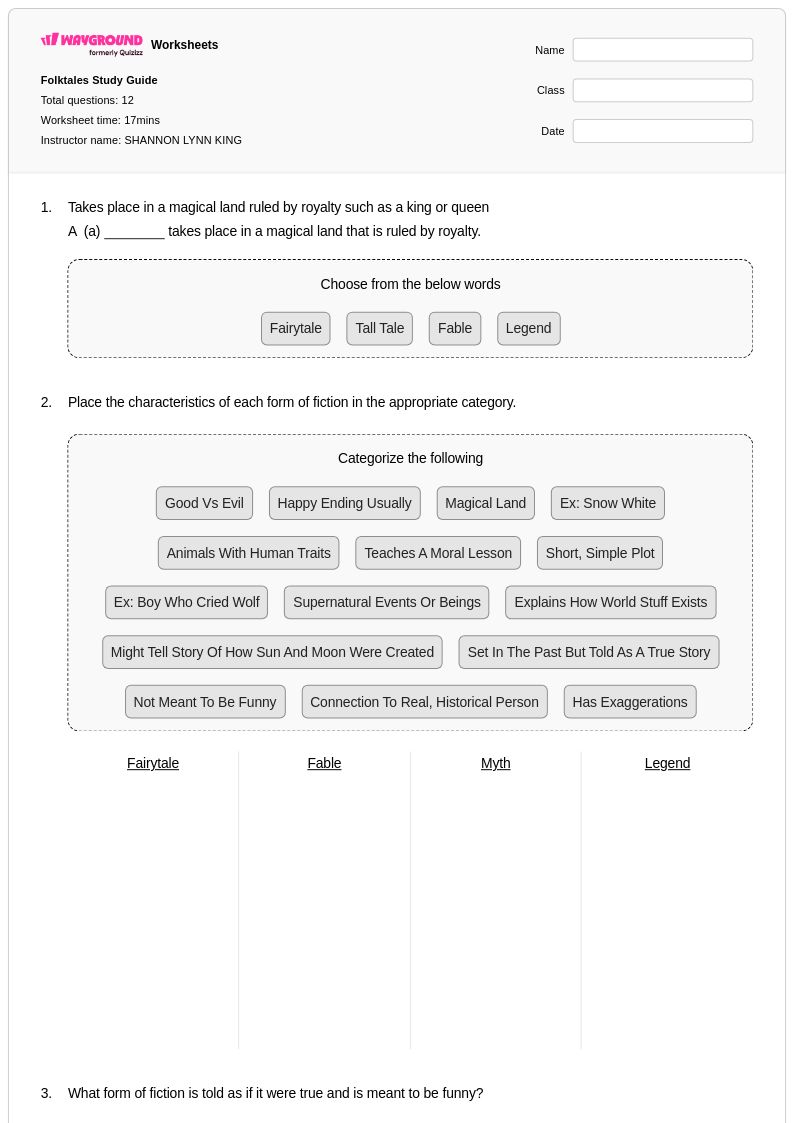
12 Q
5th
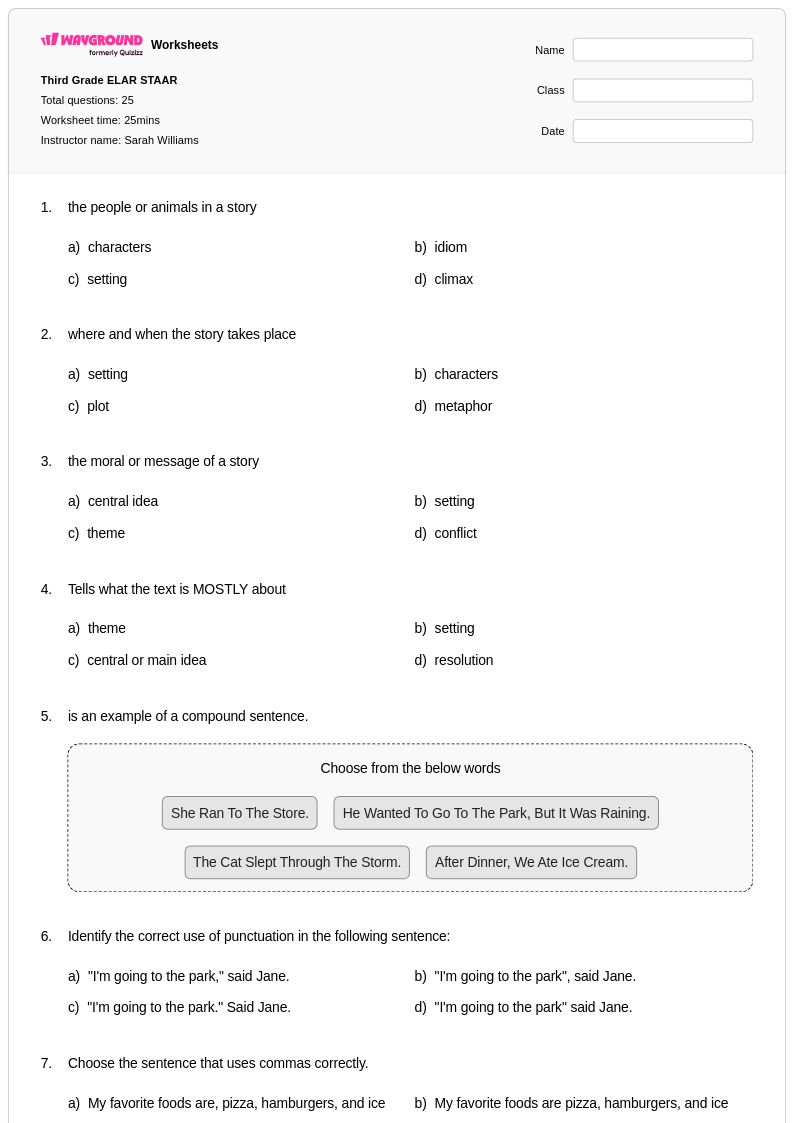
25 Q
3rd - Uni
15 Q
2nd - Uni
12 Q
5th - 8th

20 Q
5th
10 Q
4th - 5th
Explore Character, Setting, and Plot Worksheets by Grades
Explore Other Subject Worksheets for class 5
Explore printable Character, Setting, and Plot worksheets for Class 5
Character, setting, and plot worksheets for Class 5 students available through Wayground (formerly Quizizz) provide comprehensive practice in analyzing the fundamental elements of narrative texts. These carefully designed resources help fifth-grade learners develop critical reading comprehension skills by identifying character traits and motivations, describing how settings influence story events, and tracking plot development through exposition, rising action, climax, falling action, and resolution. Each worksheet includes detailed practice problems that guide students through systematic analysis of age-appropriate literary passages, complete with answer keys that support both independent study and classroom instruction. The printable pdf format makes these free resources easily accessible for homework assignments, reading centers, and targeted skill reinforcement.
Wayground's extensive collection of millions of teacher-created resources ensures educators have access to high-quality character, setting, and plot materials that align with Class 5 reading standards and curriculum requirements. The platform's robust search and filtering capabilities allow teachers to quickly locate worksheets that match specific skill levels, text complexity, and instructional objectives, while differentiation tools enable customization for diverse learner needs. Available in both printable and digital formats, including convenient pdf downloads, these resources support flexible lesson planning whether teachers need materials for whole-group instruction, small-group remediation, or individual enrichment activities. The comprehensive nature of the worksheet collection helps educators systematically build students' analytical thinking skills while providing multiple opportunities for meaningful practice with narrative text elements.
FAQs
How do I teach character, setting, and plot together in one lesson?
What exercises help students practice identifying character, setting, and plot?
What mistakes do students commonly make when analyzing character, setting, and plot?
How can I differentiate character, setting, and plot instruction for students at different reading levels?
How do I use Wayground's character, setting, and plot worksheets in my classroom?
How do I help students understand how setting affects plot and character?