
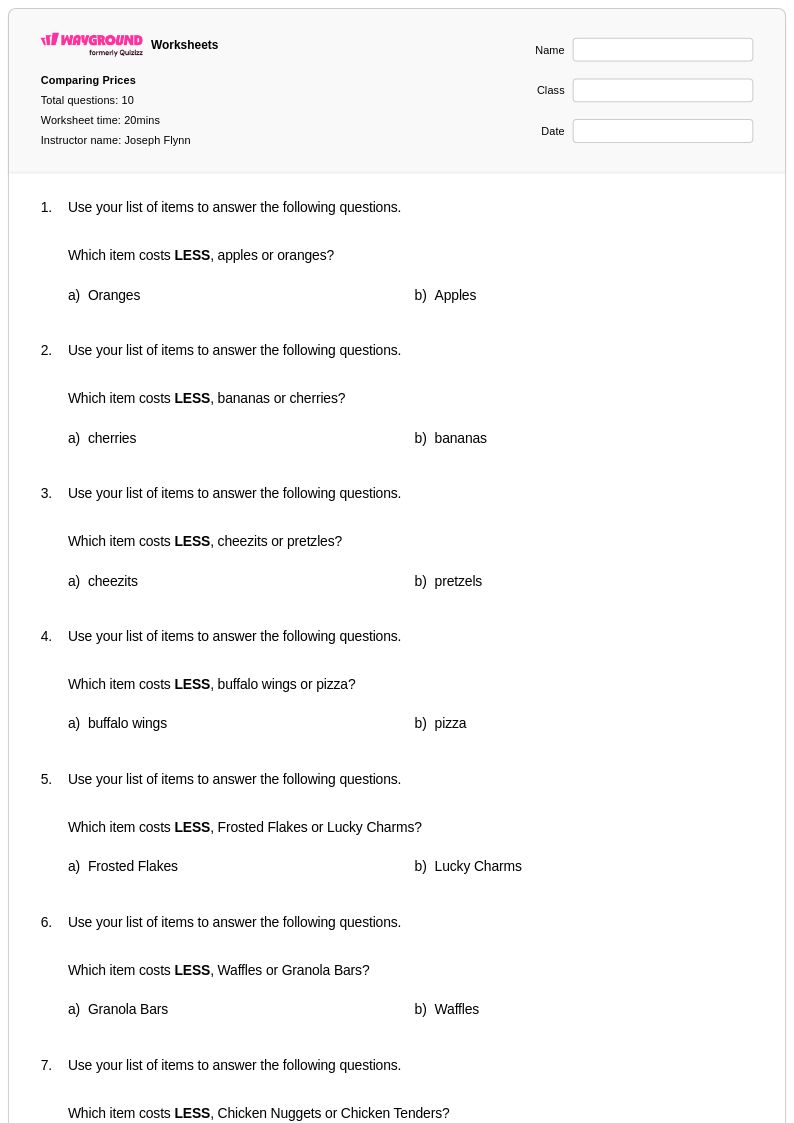
10 Q
1st - 12th
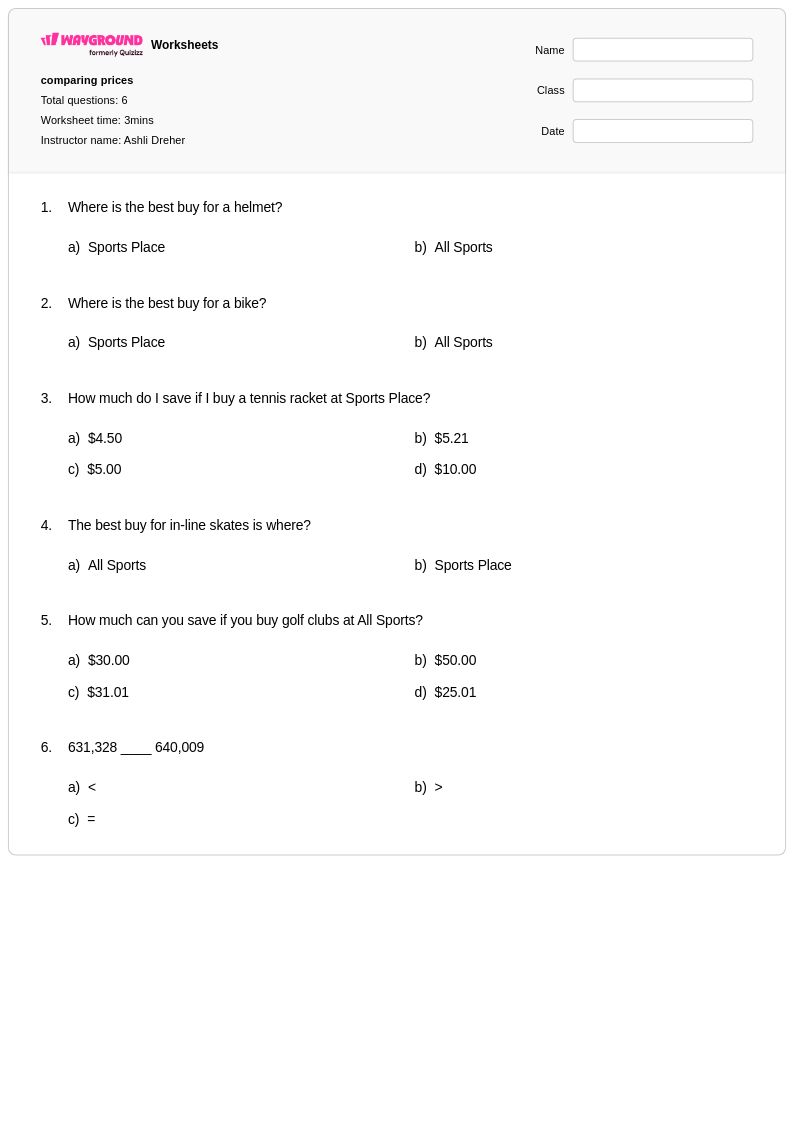
6 Q
1st - 3rd
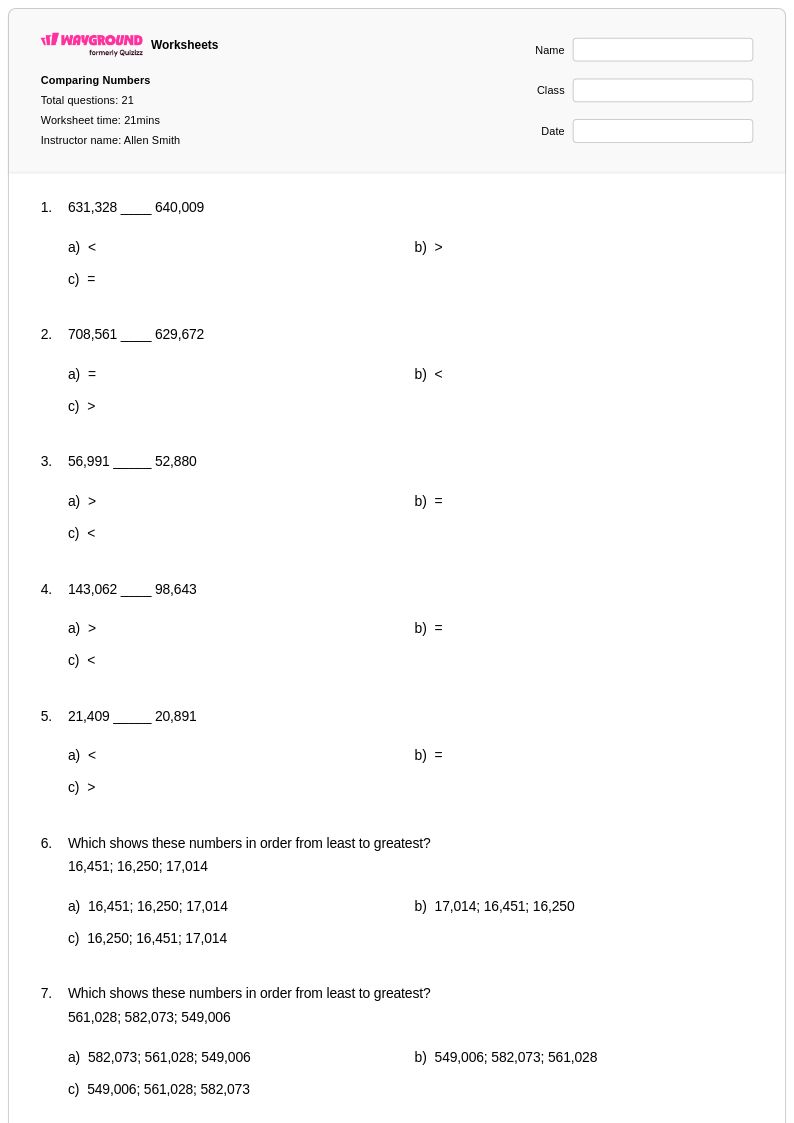
21 Q
KG - PD
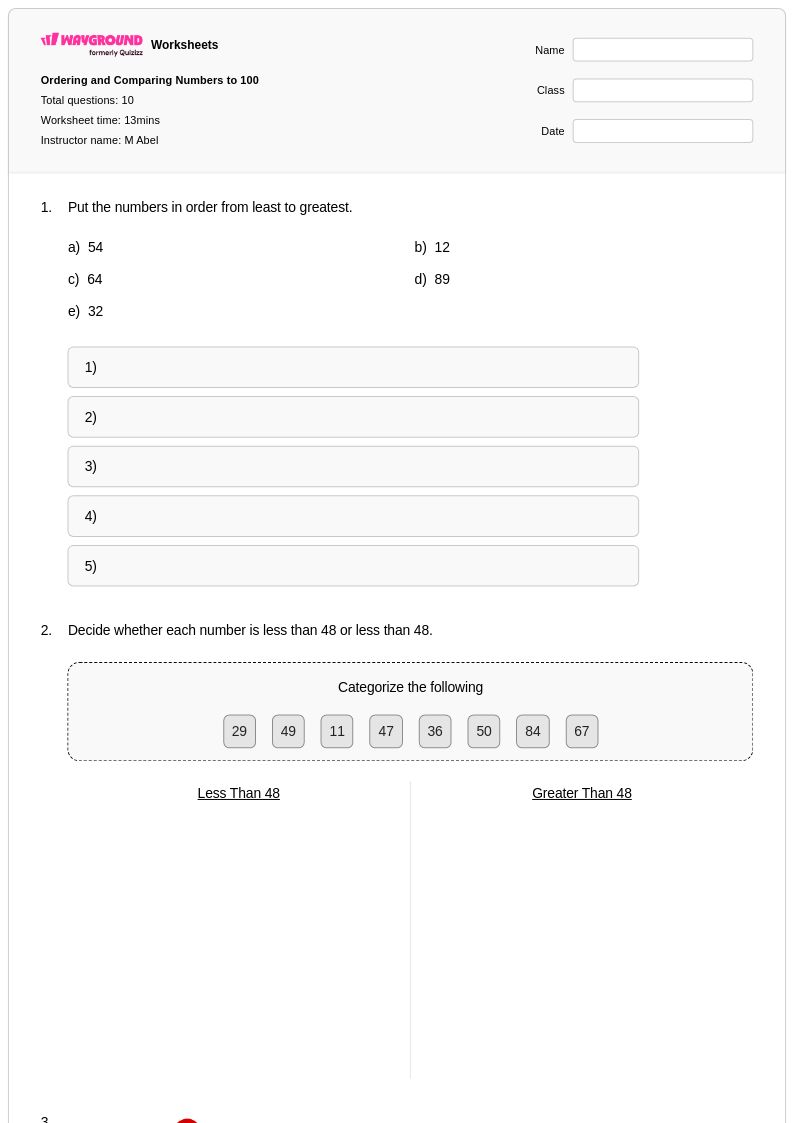
10 Q
1st - 5th
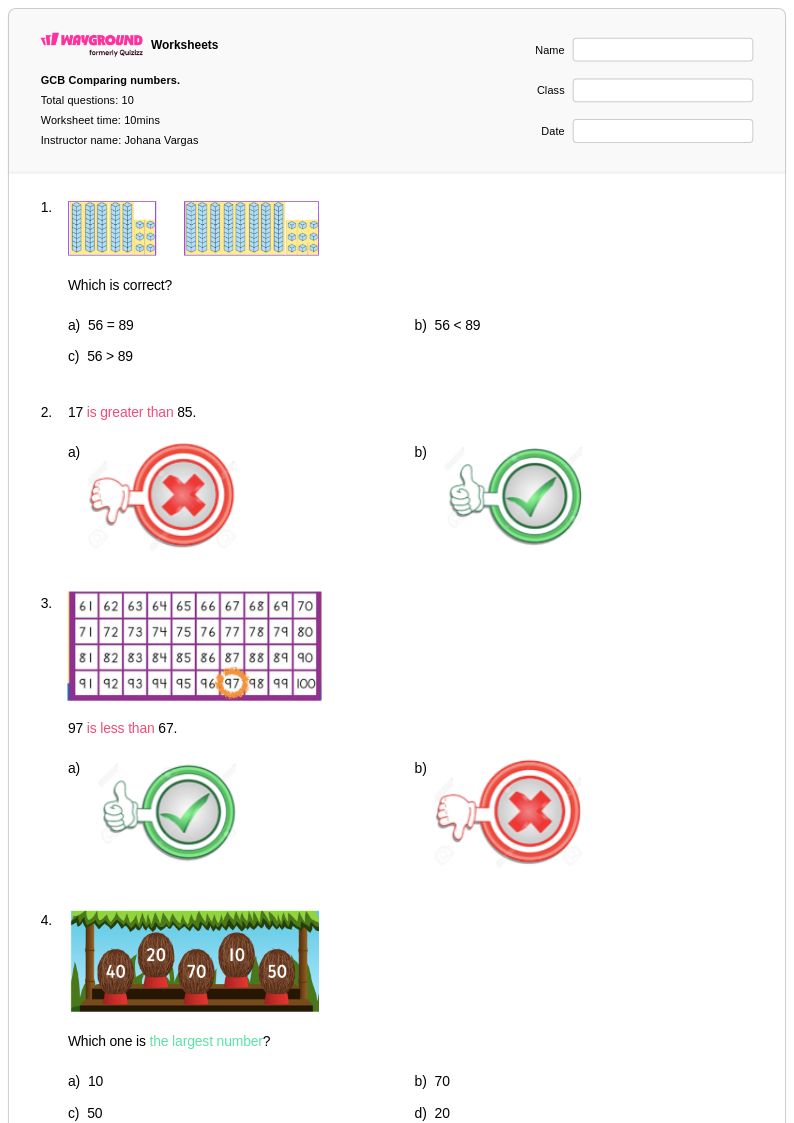
10 Q
1st
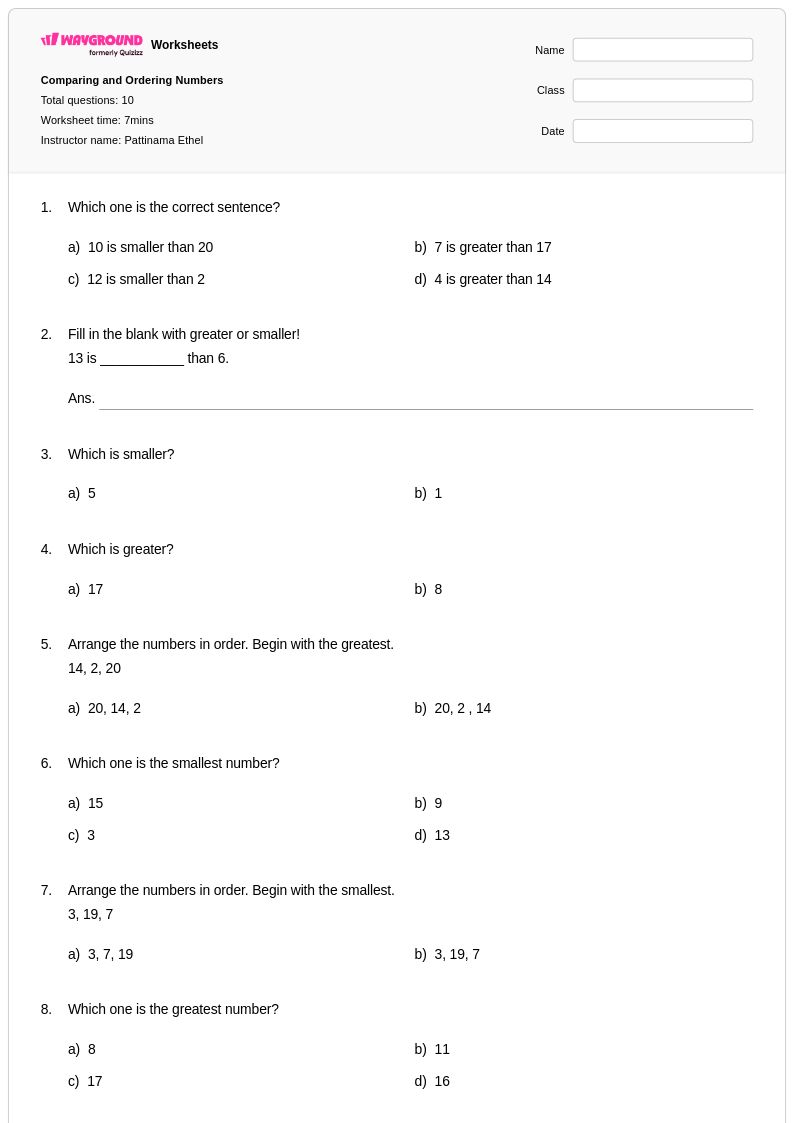
10 Q
1st
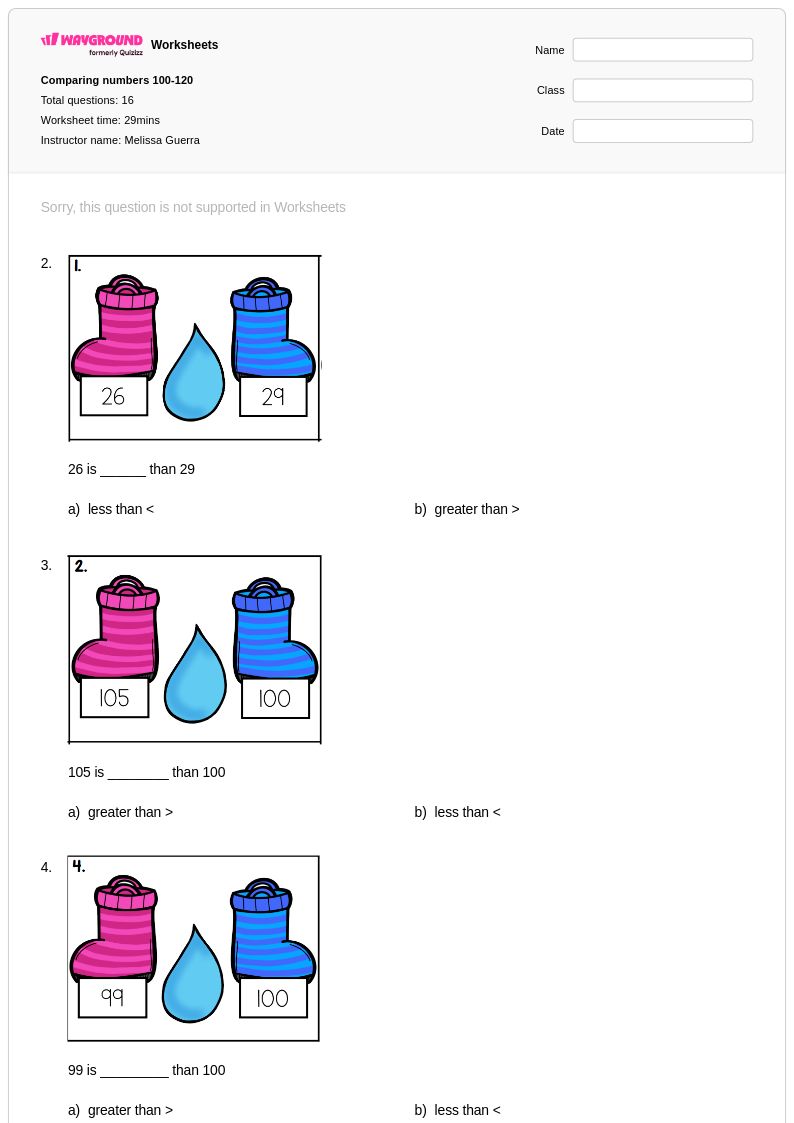
17 Q
1st - Uni
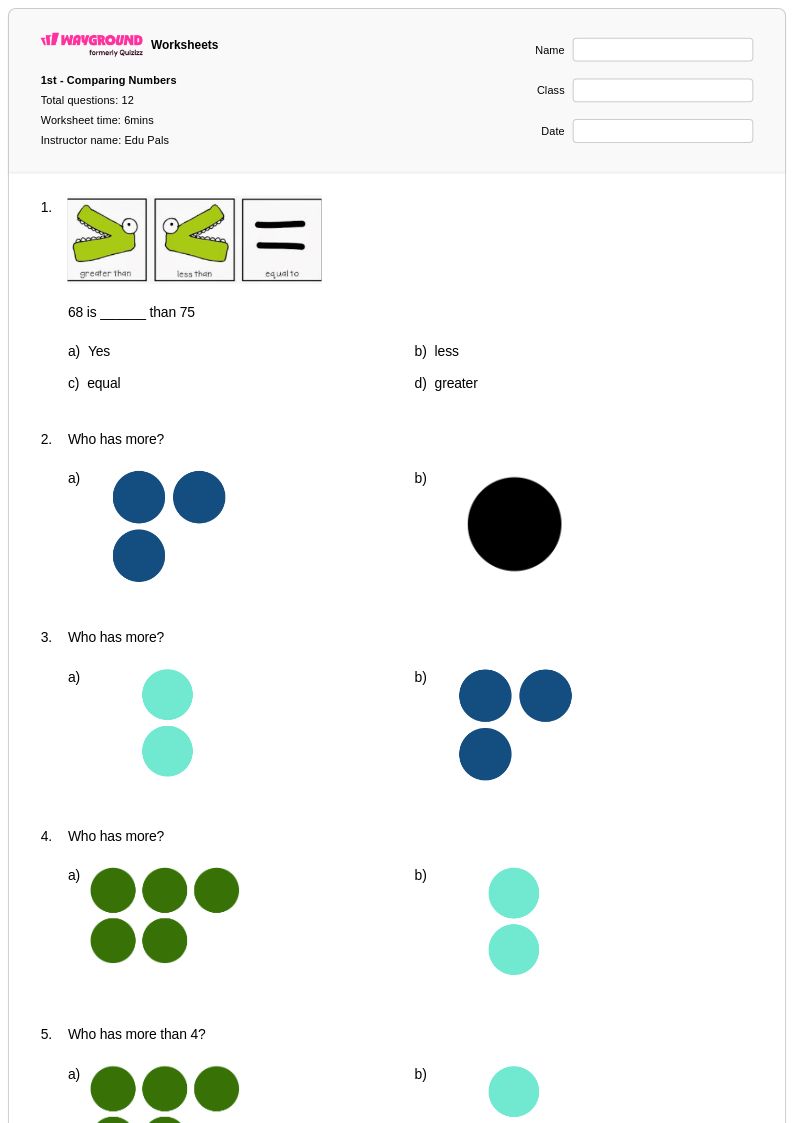
12 Q
1st
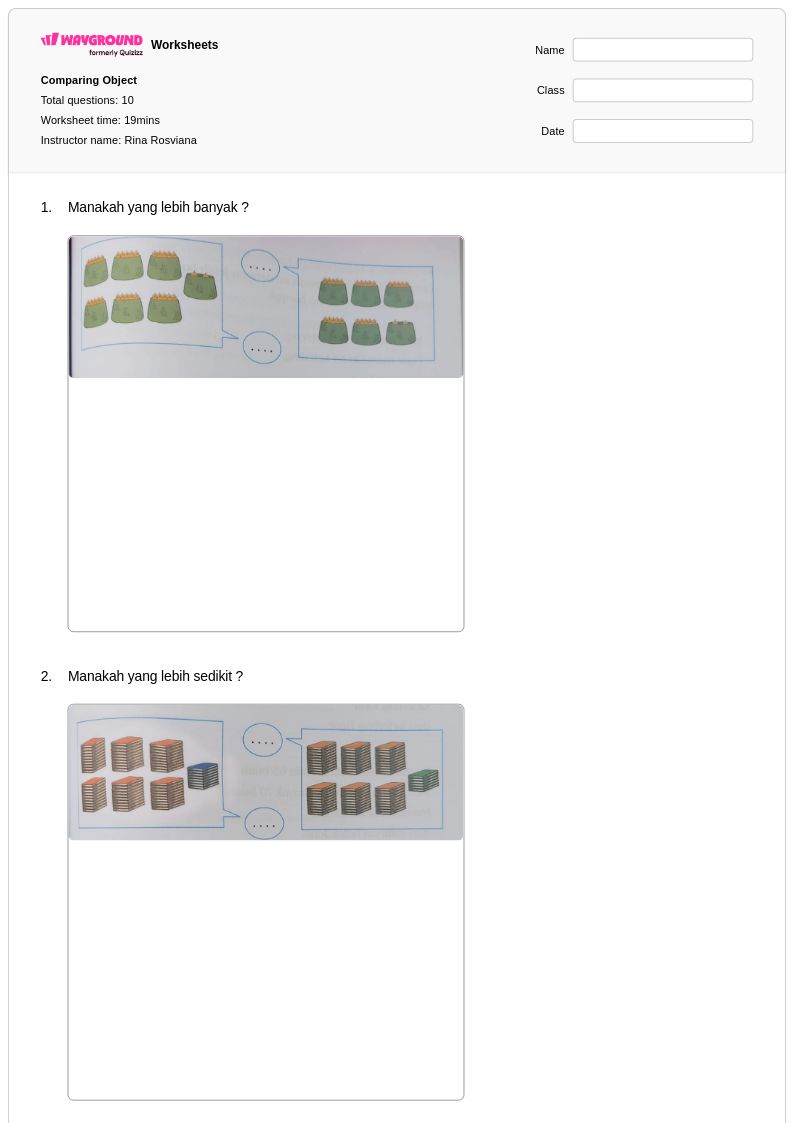
10 Q
1st
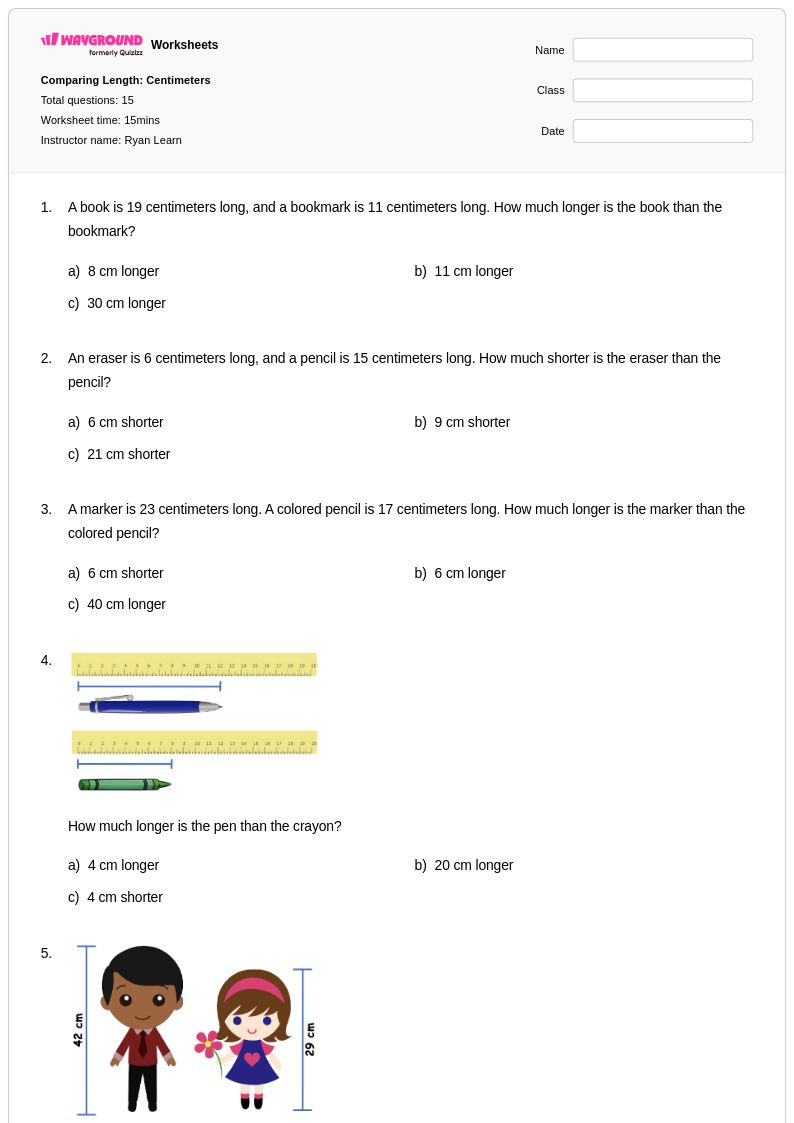
15 Q
1st - 3rd
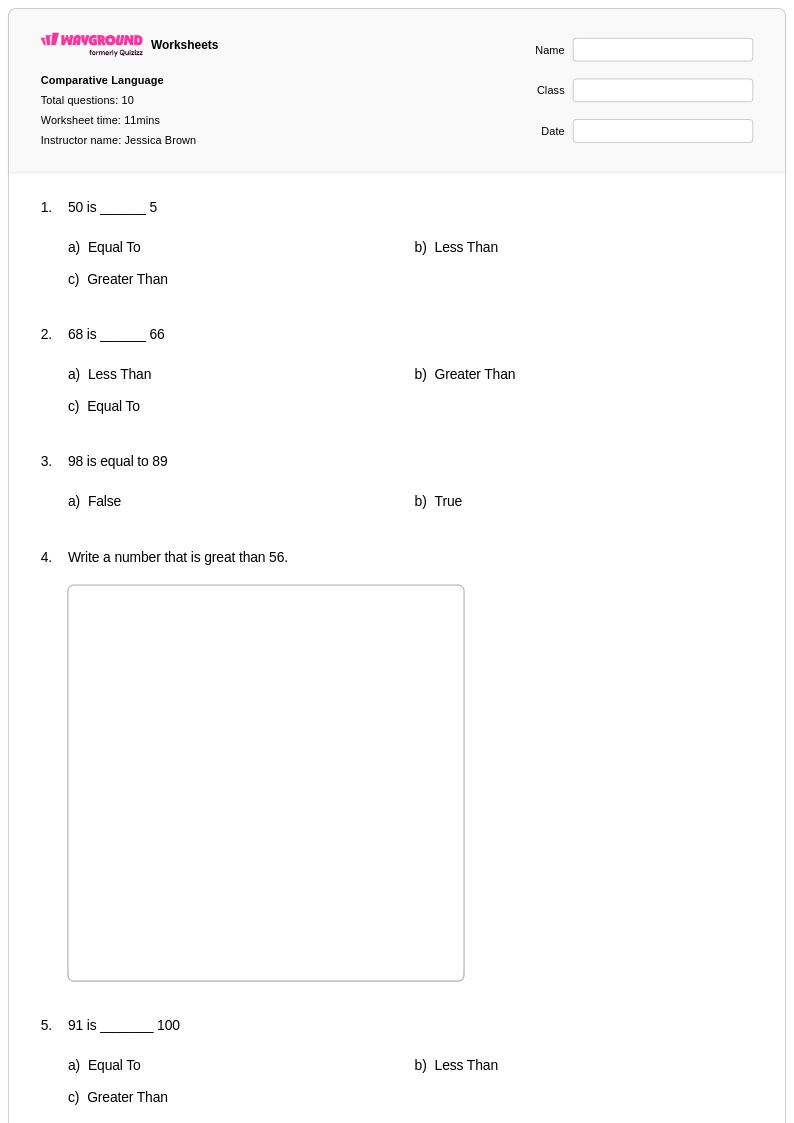
10 Q
1st
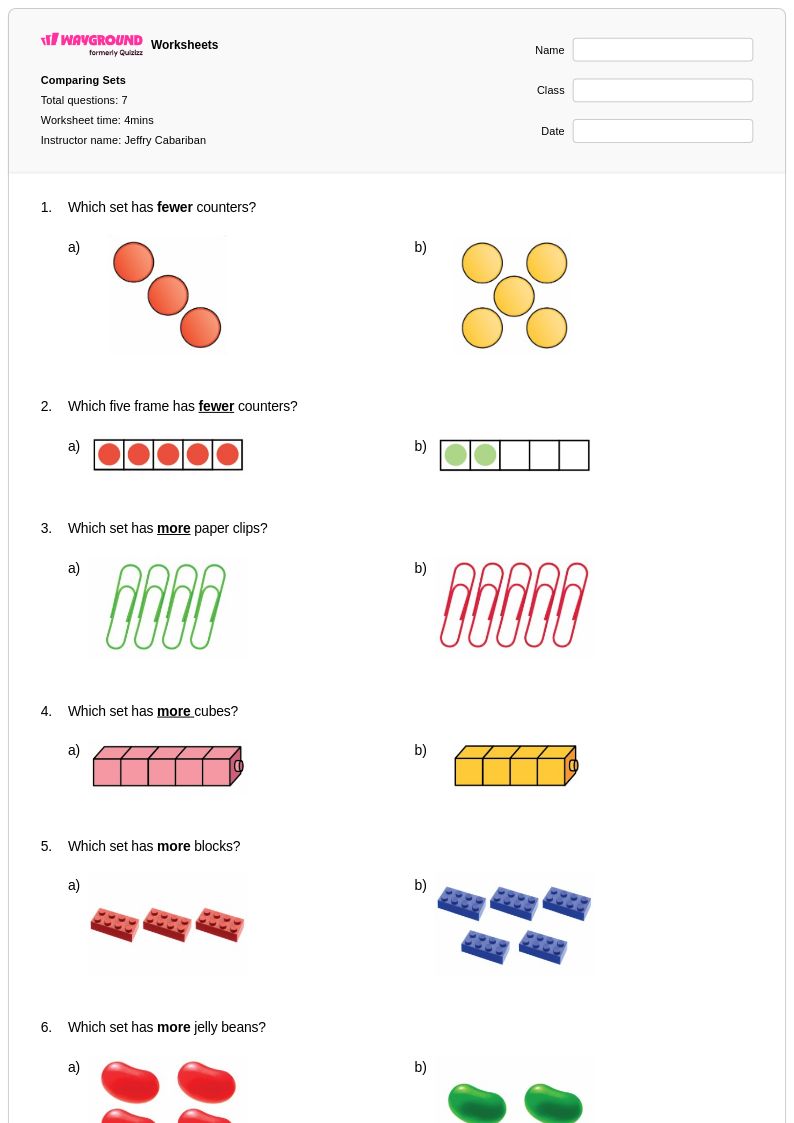
7 Q
1st
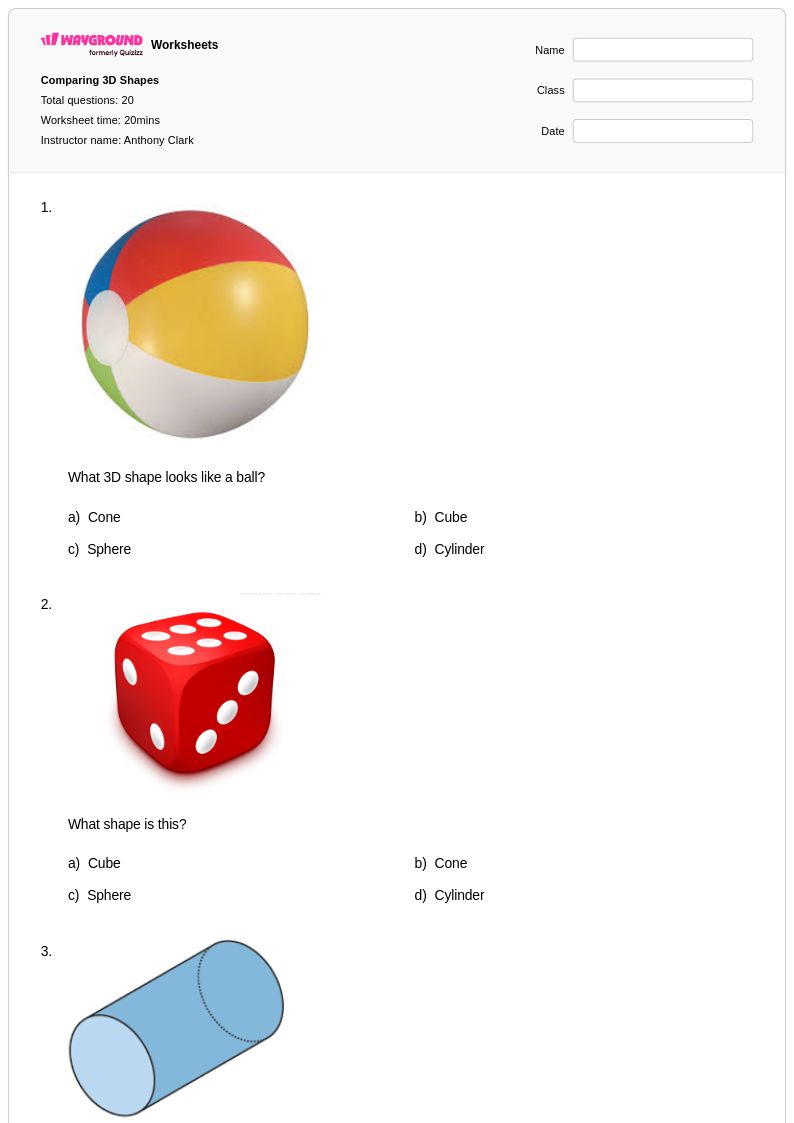
20 Q
1st - Uni
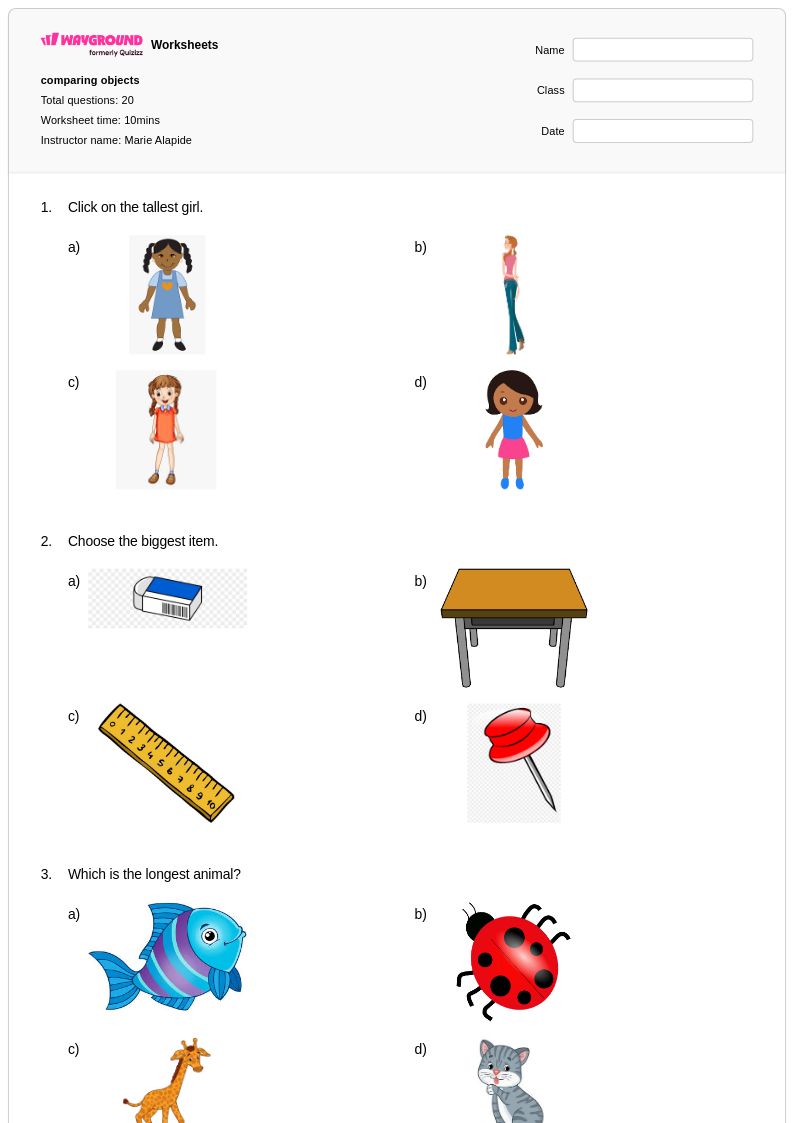
20 Q
1st
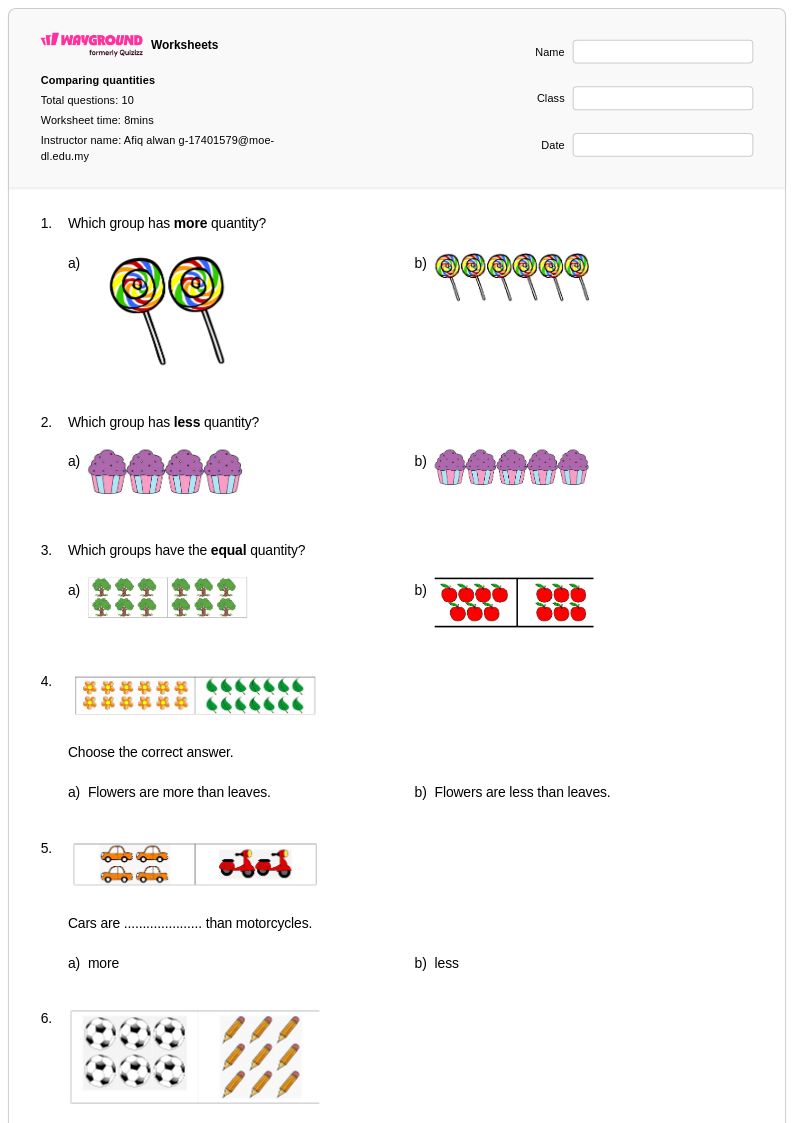
10 Q
1st
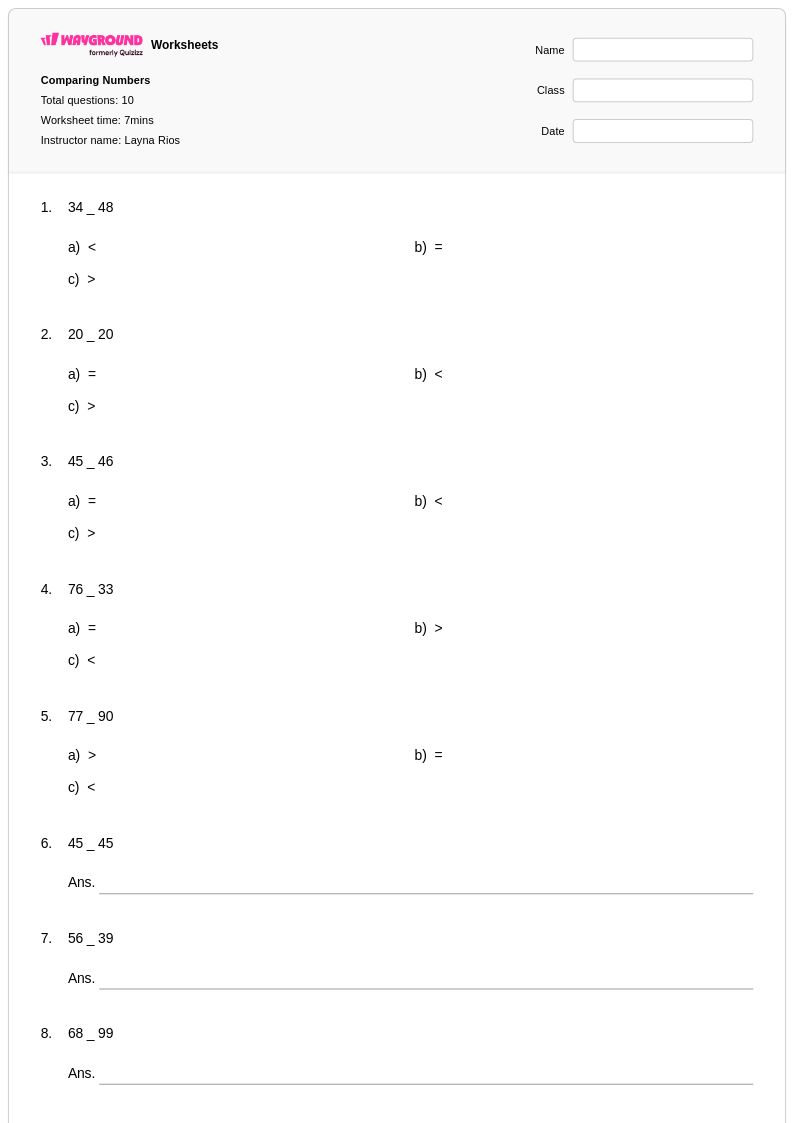
10 Q
1st
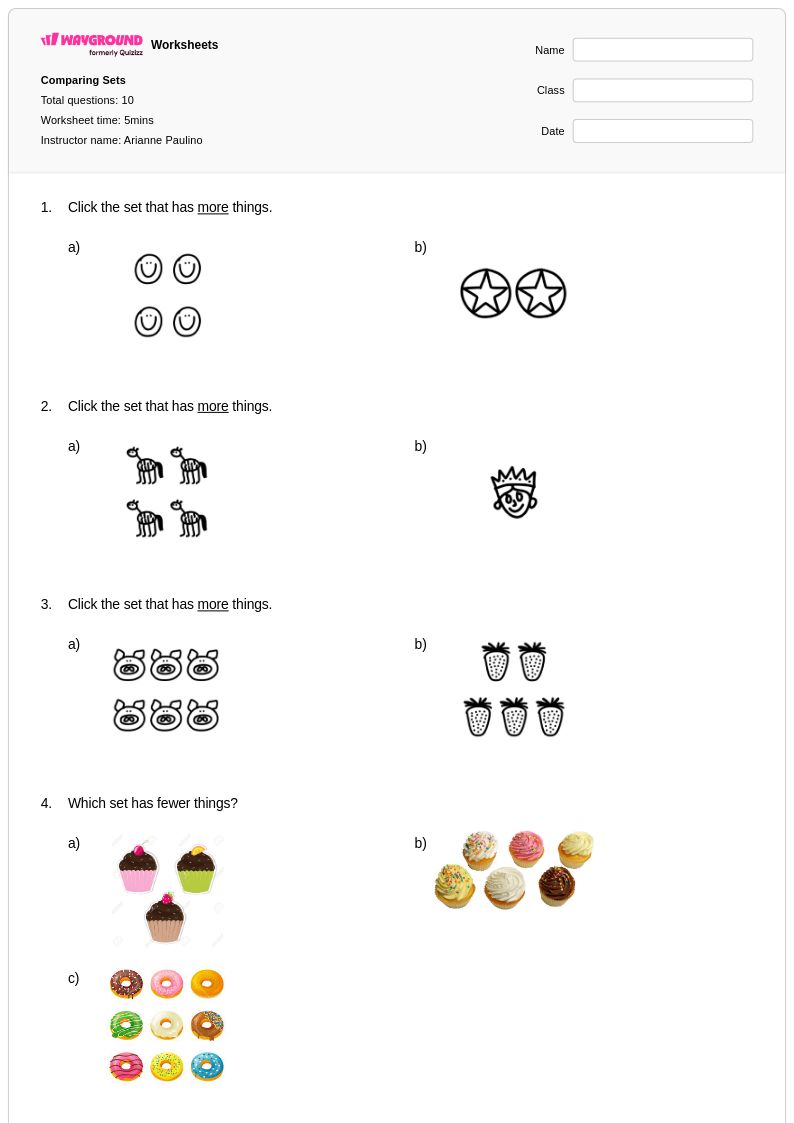
10 Q
1st
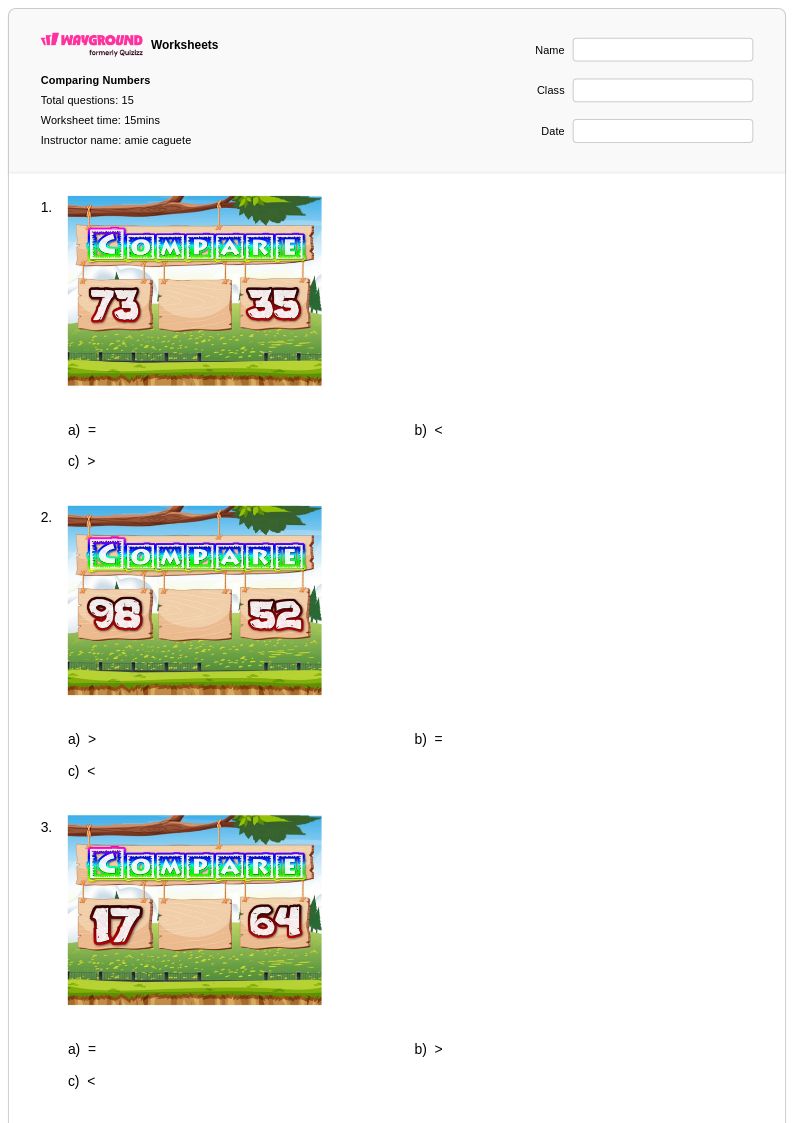
15 Q
1st
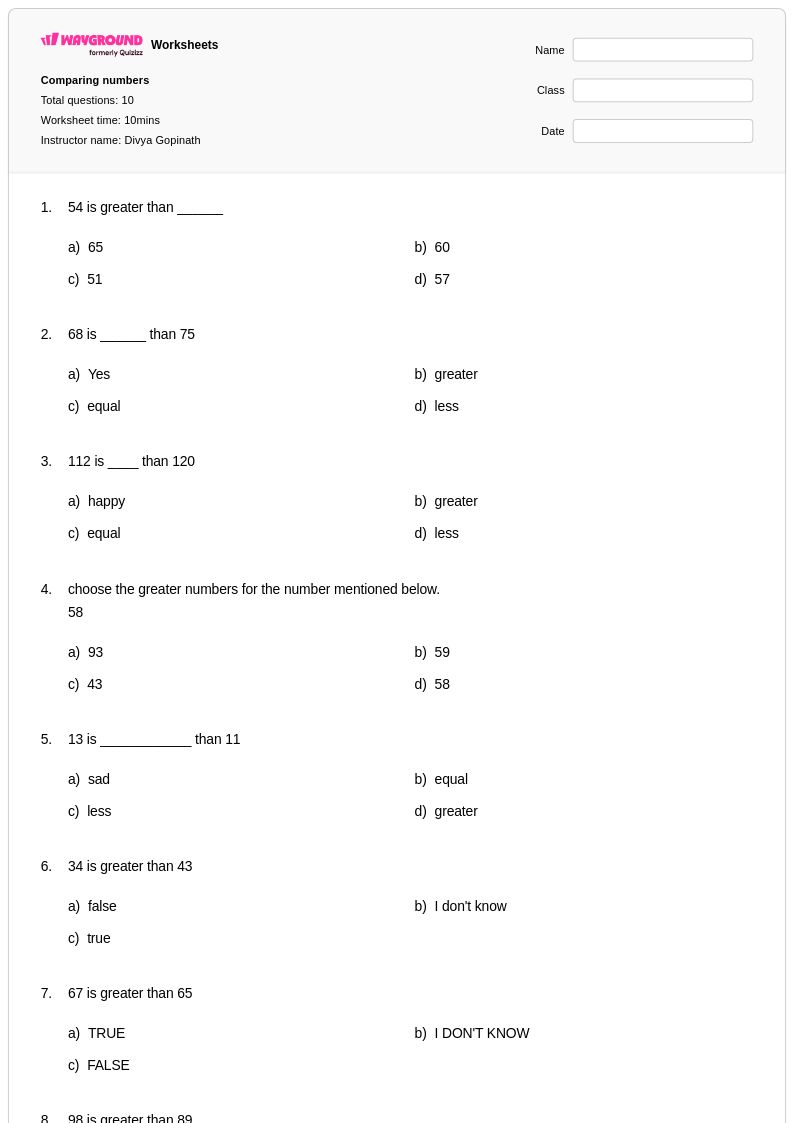
10 Q
1st
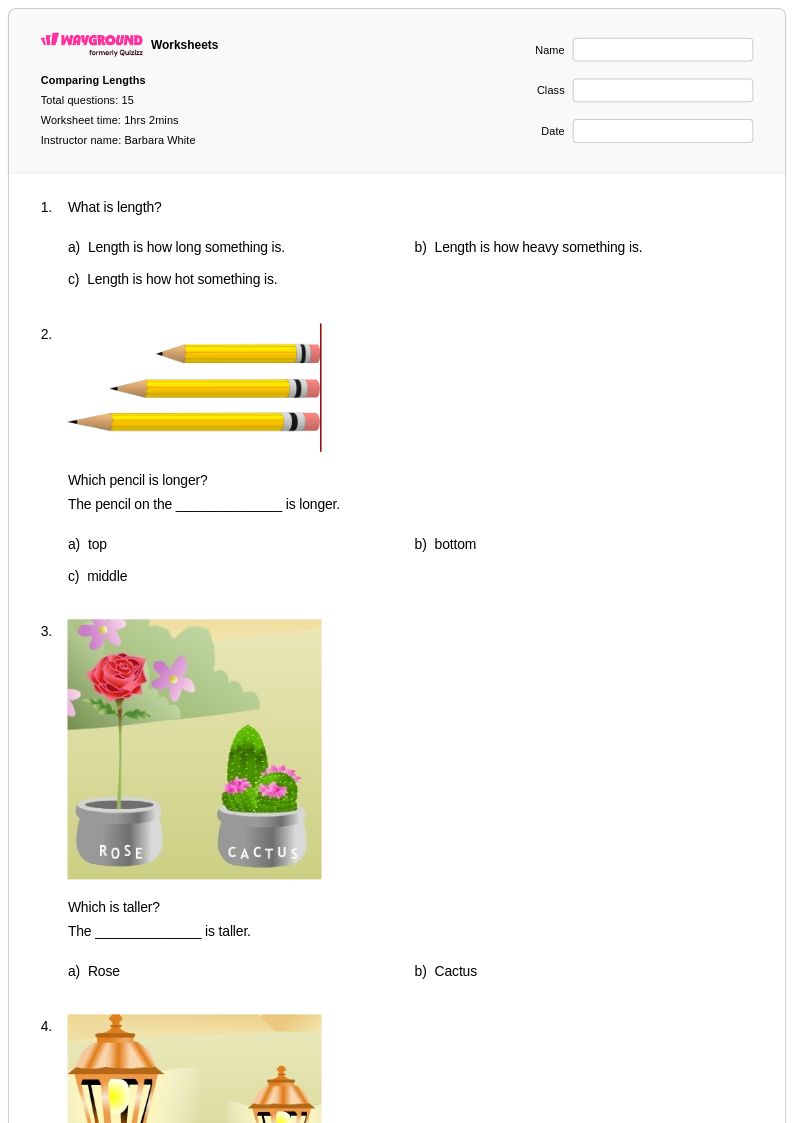
15 Q
1st
10 Q
1st - 2nd
20 Q
1st - Uni
20 Q
1st - 3rd
25 Q
1st - Uni
Explore Other Subject Worksheets for class 1
Explore printable Comparing Prices worksheets for Class 1
Comparing prices worksheets for Class 1 students available through Wayground (formerly Quizizz) introduce young learners to fundamental financial literacy concepts through age-appropriate mathematical activities. These carefully designed worksheets help first-grade students develop essential money management skills by teaching them to identify differences in cost between various items, understand the concept of "more expensive" versus "less expensive," and make basic purchasing decisions within simple scenarios. The practice problems featured in these free printables strengthen critical thinking abilities while building foundational numeracy skills, as students learn to recognize coin and bill values, count money amounts, and compare numerical values in real-world contexts. Each worksheet includes a comprehensive answer key to support both independent learning and guided instruction, making these pdf resources invaluable for reinforcing classroom lessons about money and smart spending habits.
Wayground (formerly Quizizz) empowers educators with access to millions of teacher-created comparing prices worksheets specifically tailored for Class 1 mathematics and financial literacy instruction. The platform's robust search and filtering capabilities allow teachers to quickly locate resources that align with curriculum standards and match their students' developmental needs, while differentiation tools enable customization for learners at various skill levels. These versatile worksheet collections are available in both printable and digital pdf formats, providing flexibility for classroom instruction, homework assignments, remediation sessions, and enrichment activities. Teachers can seamlessly integrate these comparing prices resources into lesson planning to address diverse learning styles, support struggling students with additional practice opportunities, and challenge advanced learners with more complex price comparison scenarios, ultimately fostering mathematical confidence and practical life skills in young students.
FAQs
How do I teach first graders to compare prices?
What exercises help Grade 1 students practice comparing prices?
What mistakes do first graders commonly make when comparing prices?
How can I use a Grade 1 comparing prices worksheet from Wayground?
How does comparing prices fit into the Common Core Grade 1 math progression?
What comparing prices skills should first graders know?
How can I differentiate comparing prices practice in Grade 1?