

10 Q
1st - 2nd
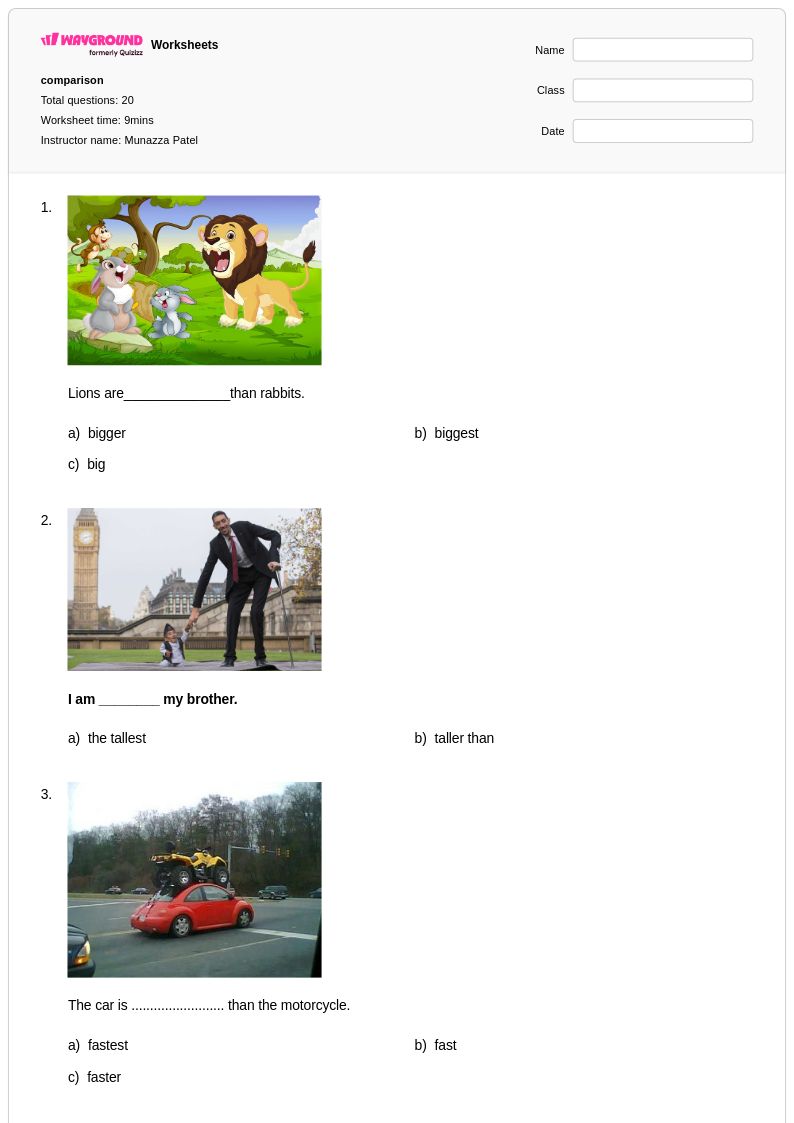
20 Q
1st
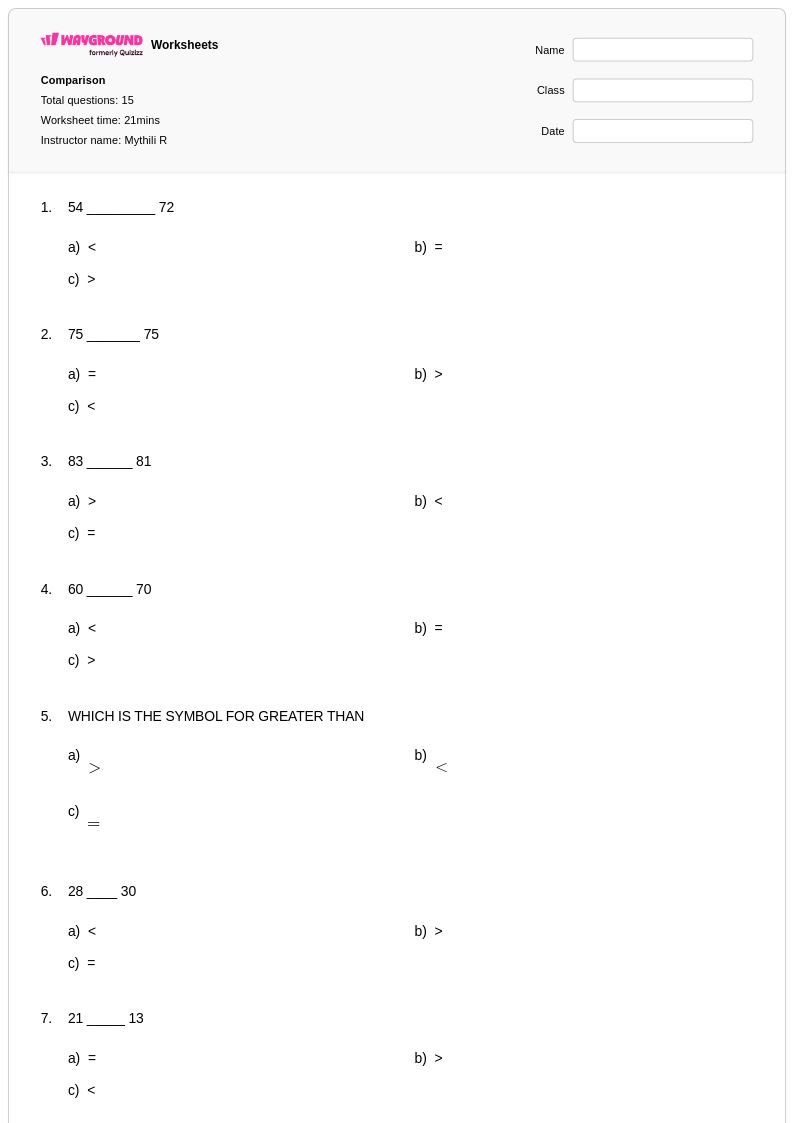
15 Q
1st
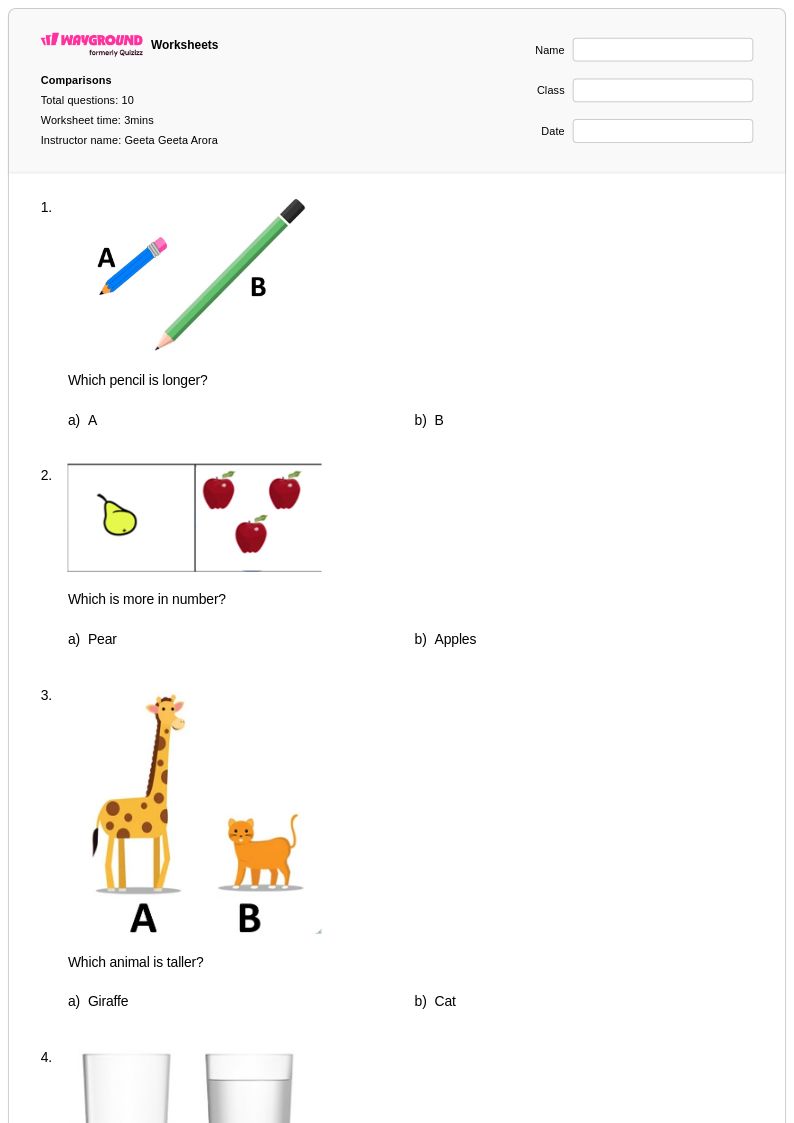
10 Q
1st
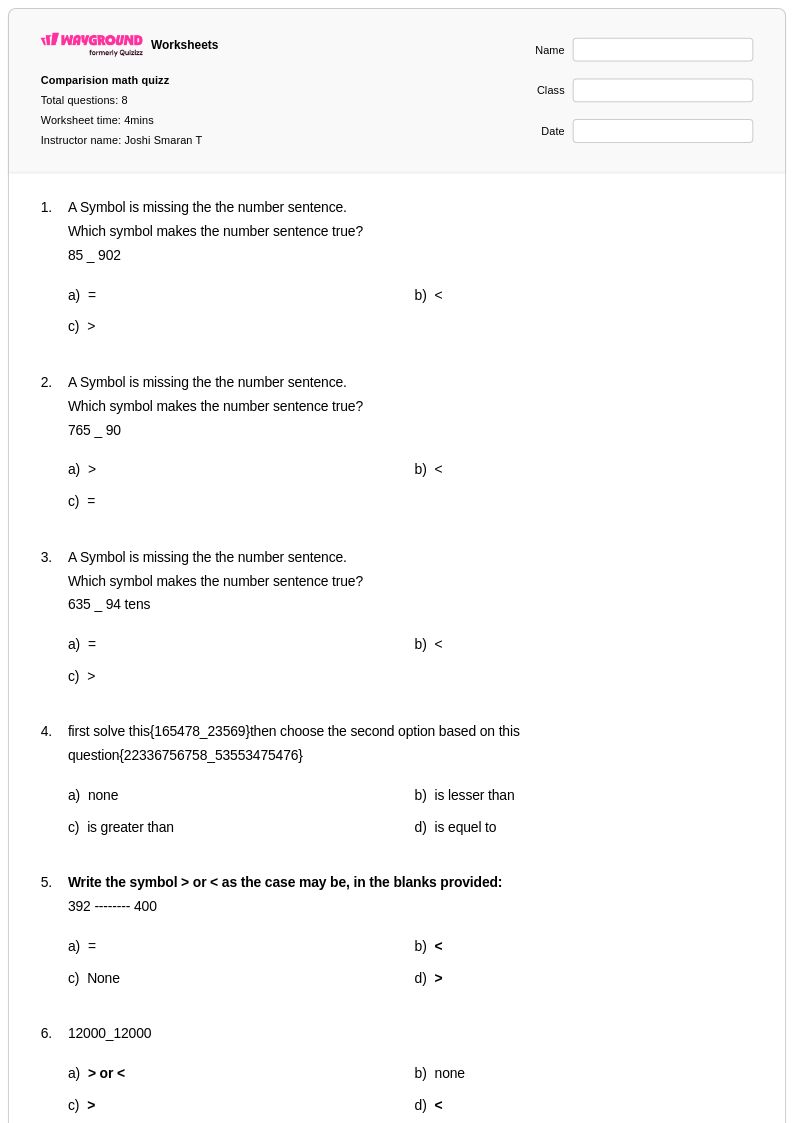
8 Q
KG - 7th
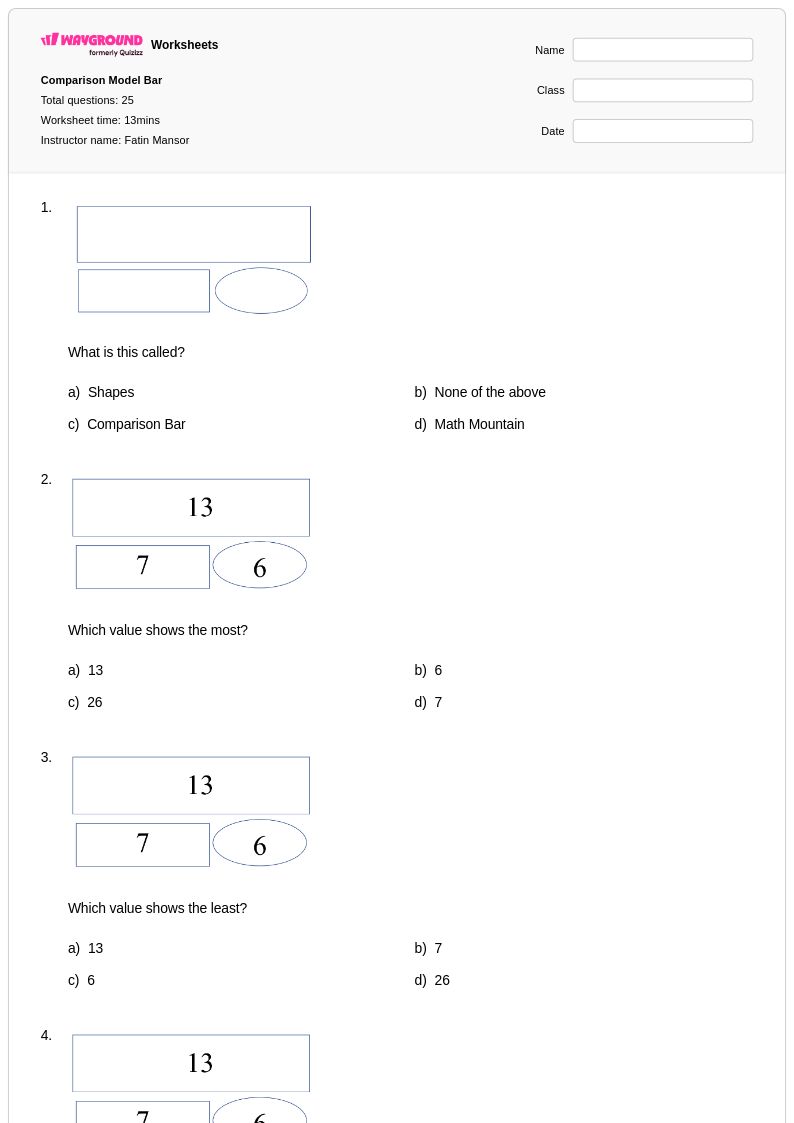
25 Q
1st - 2nd
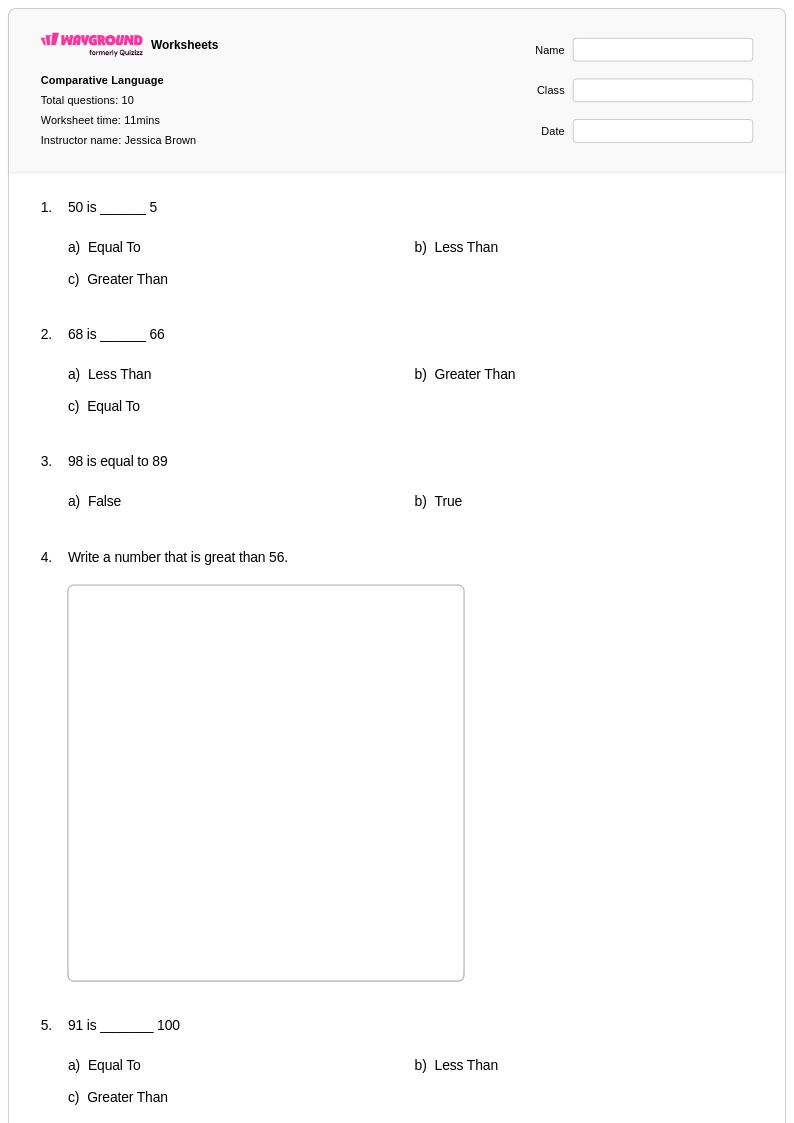
10 Q
1st
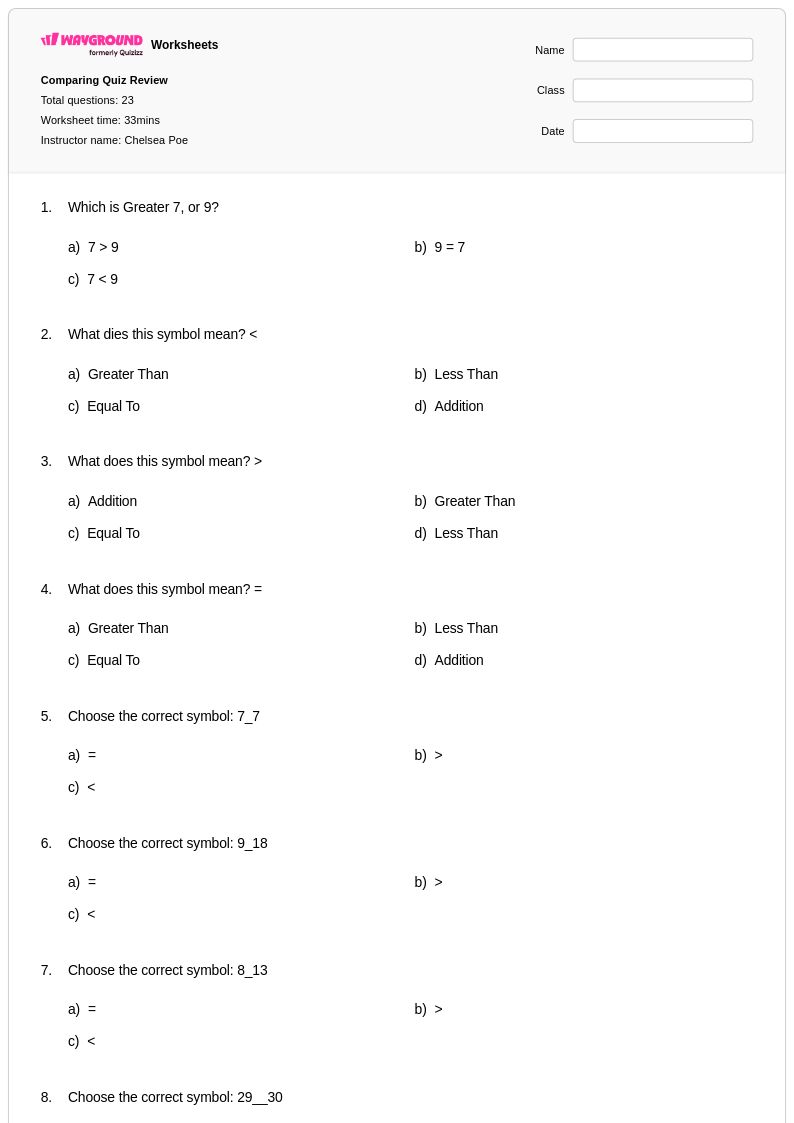
23 Q
1st
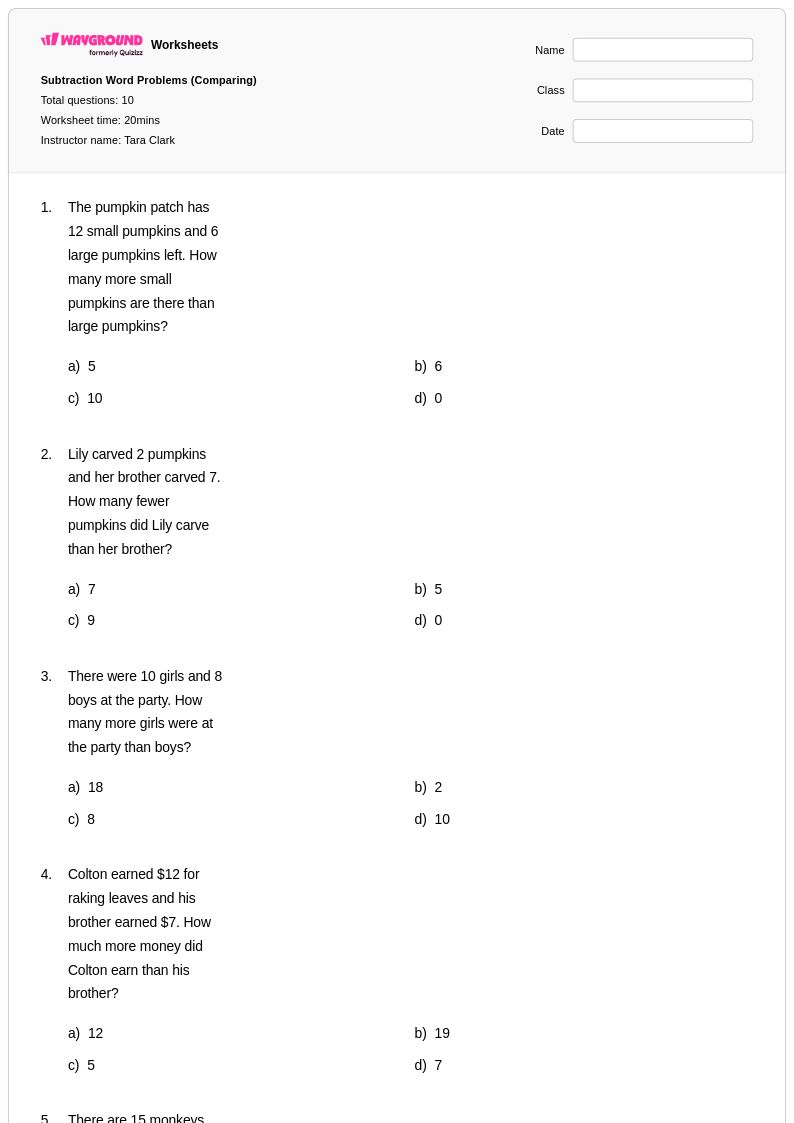
10 Q
1st
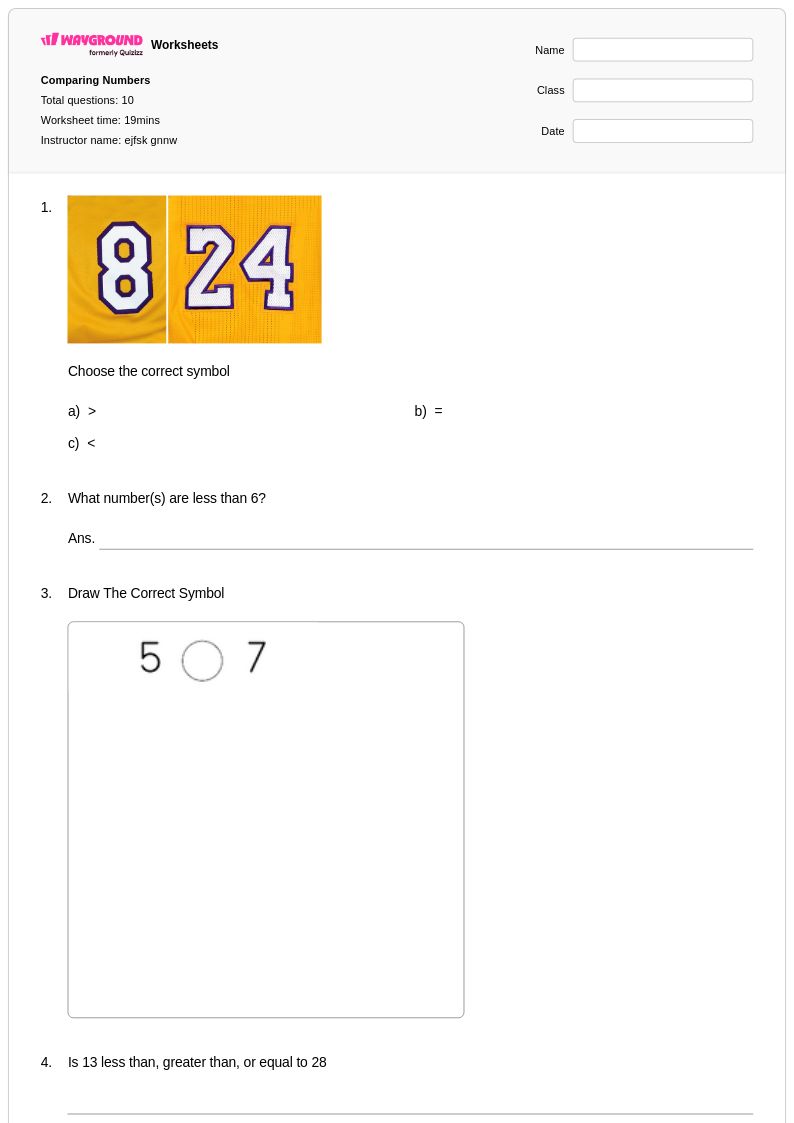
10 Q
1st - 2nd
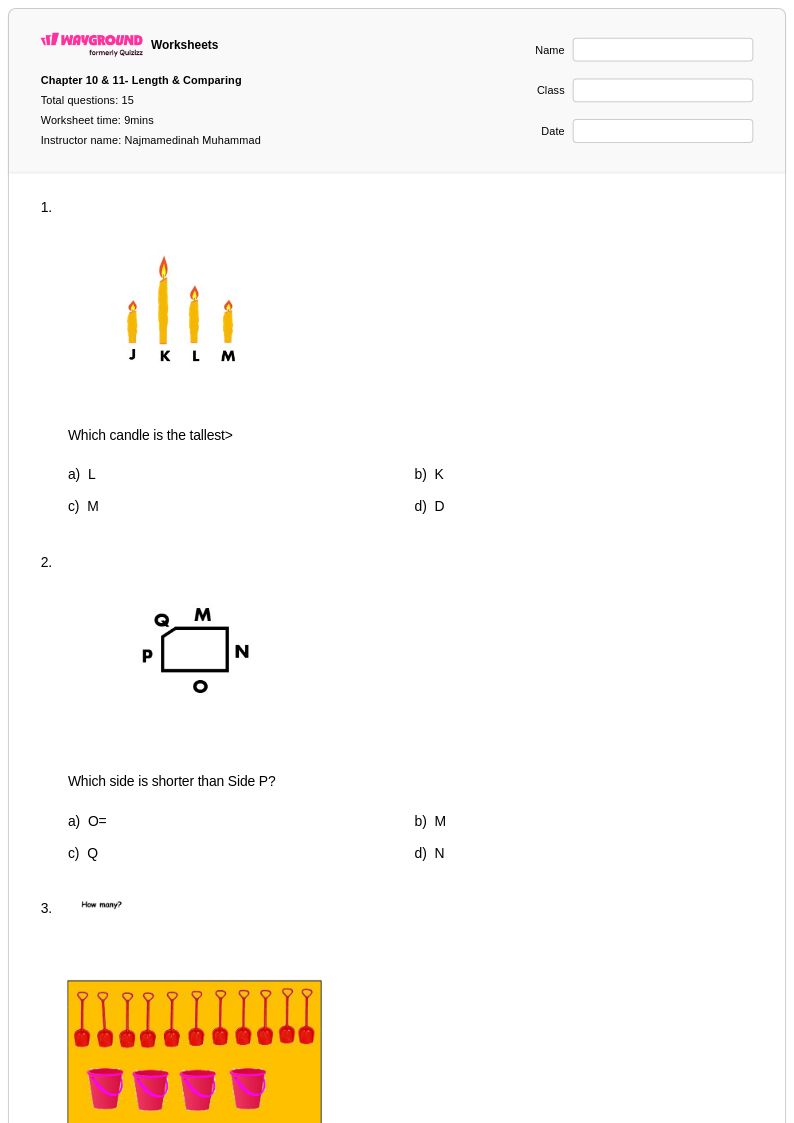
15 Q
1st
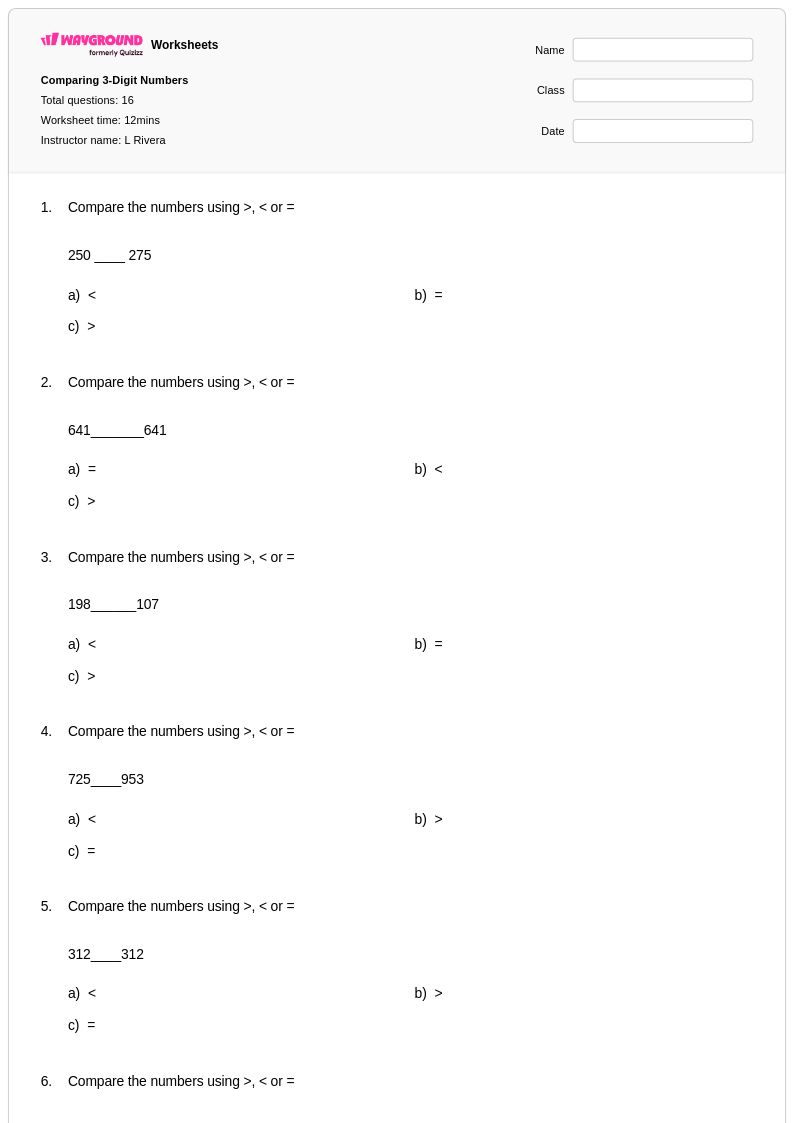
16 Q
1st - 2nd
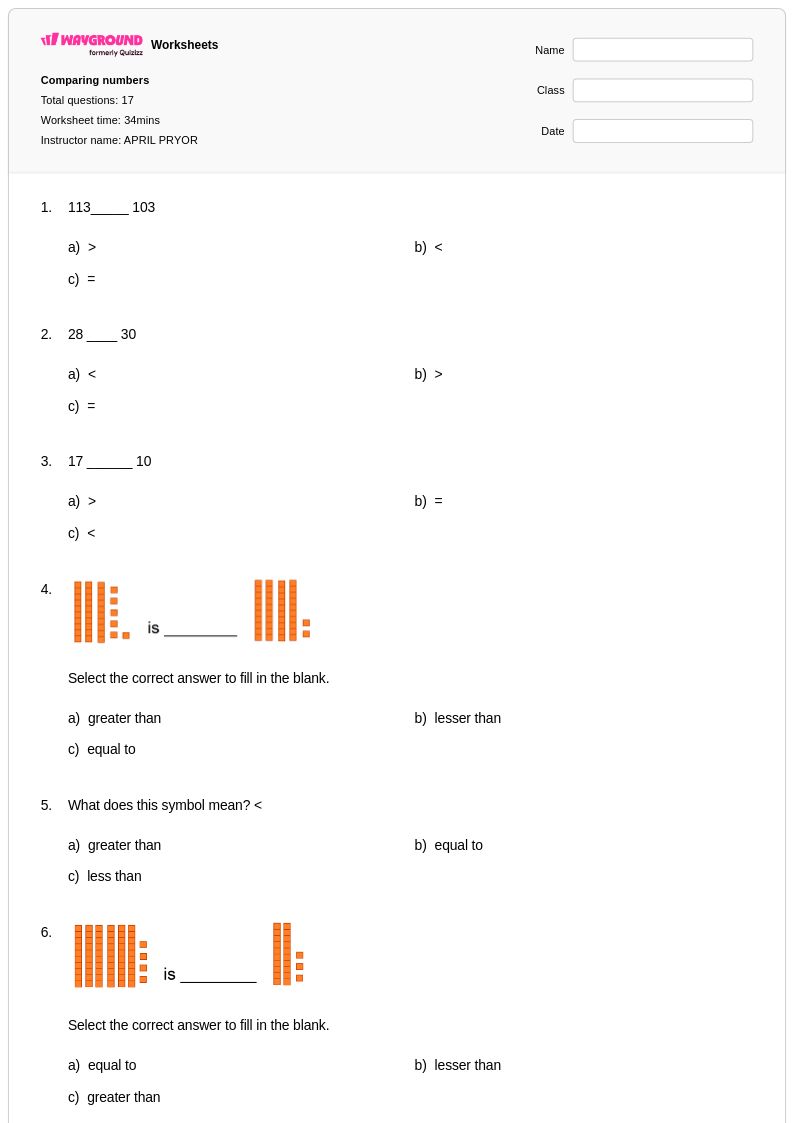
17 Q
1st
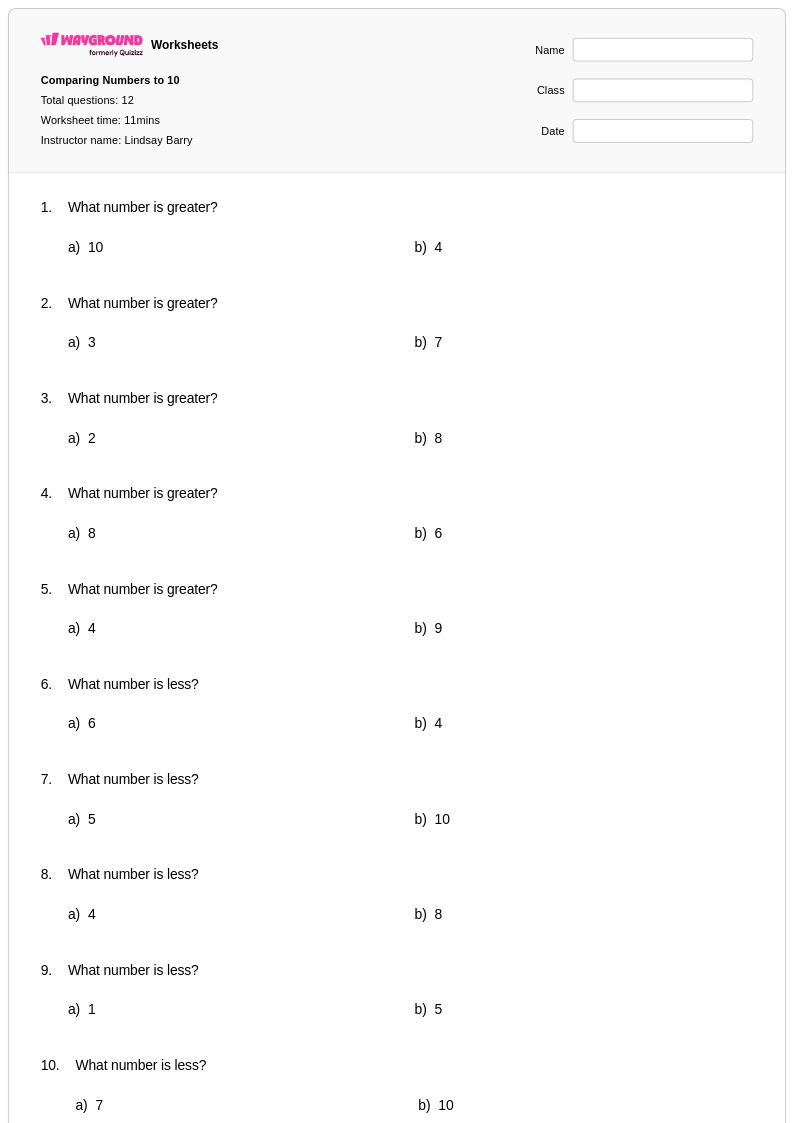
12 Q
1st

20 Q
1st
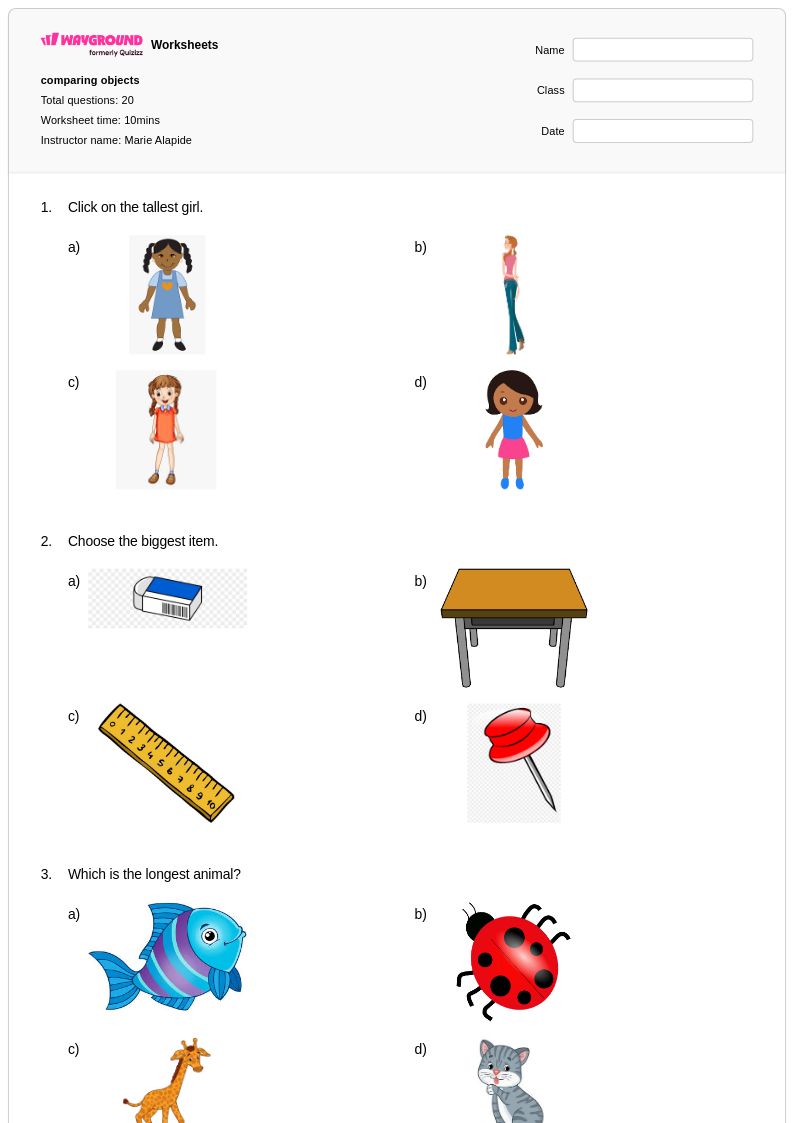
20 Q
1st
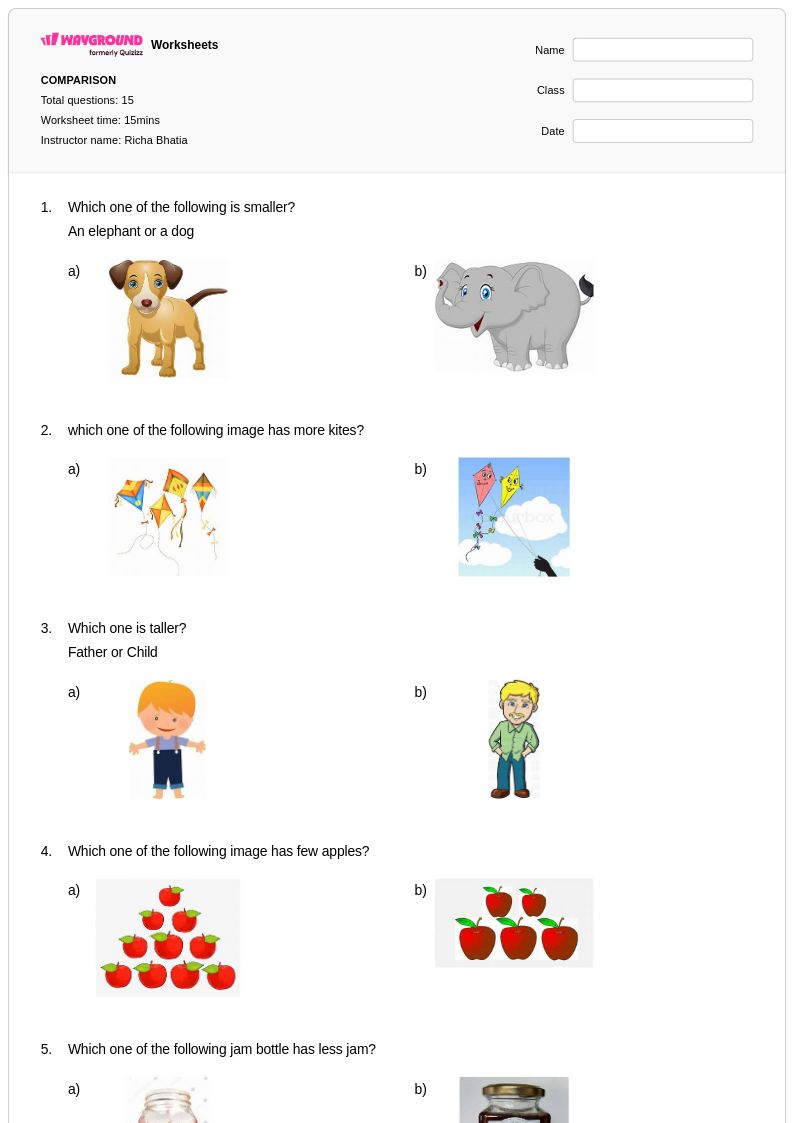
15 Q
1st
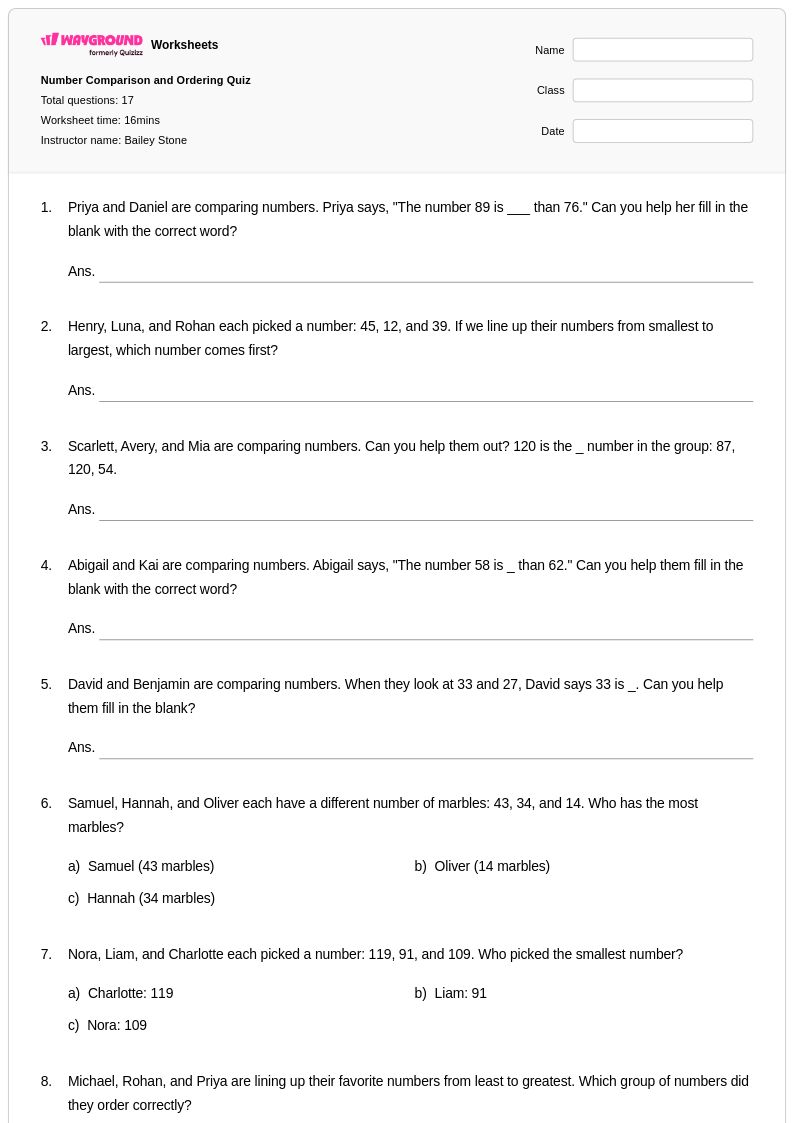
17 Q
1st
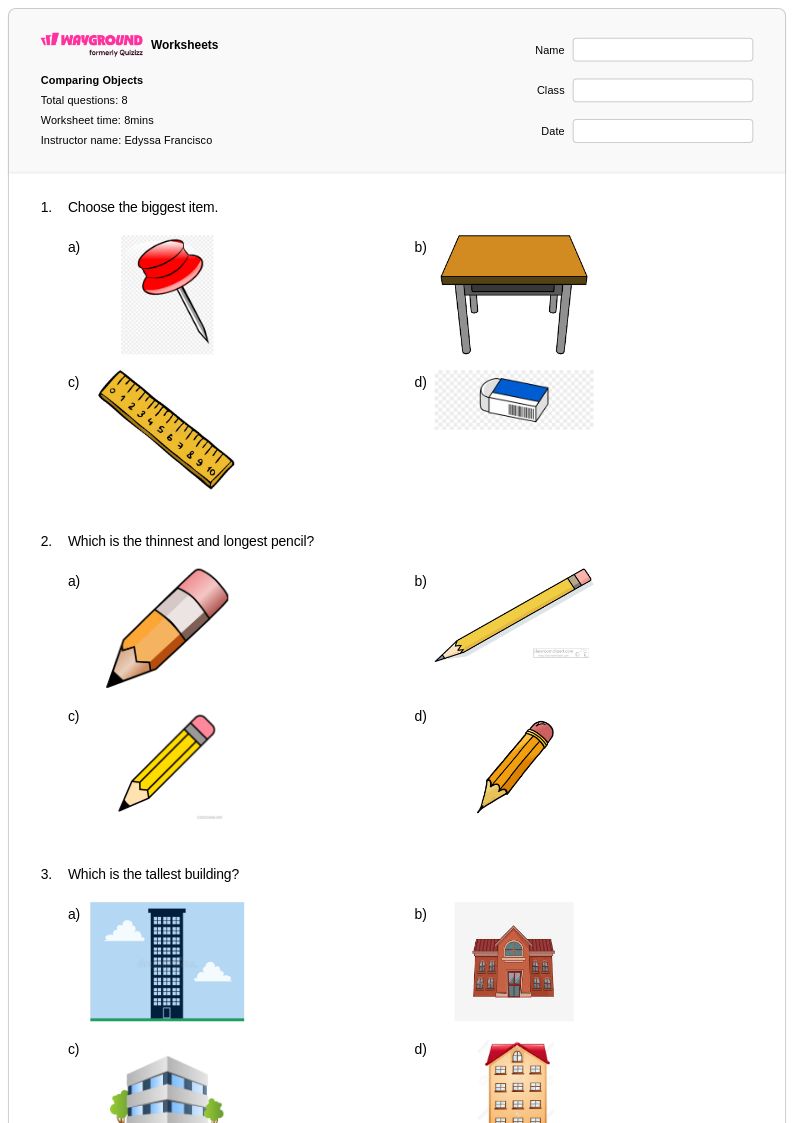
8 Q
KG - 1st
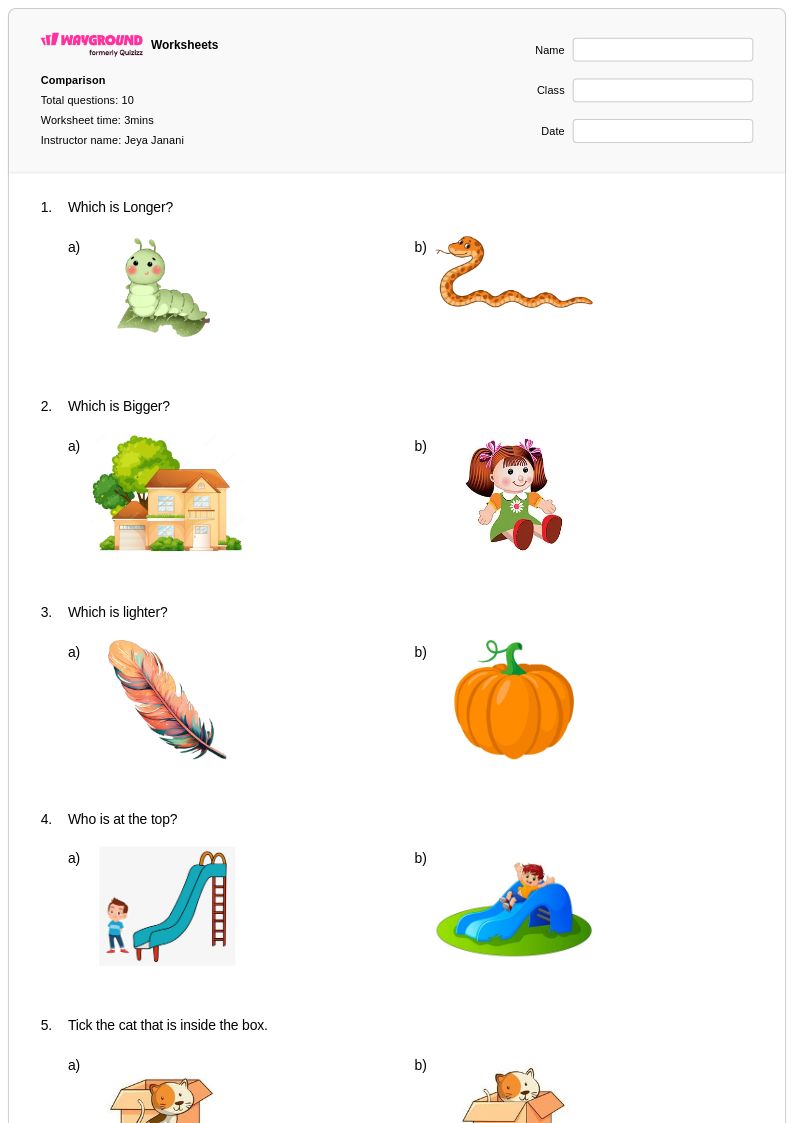
10 Q
1st
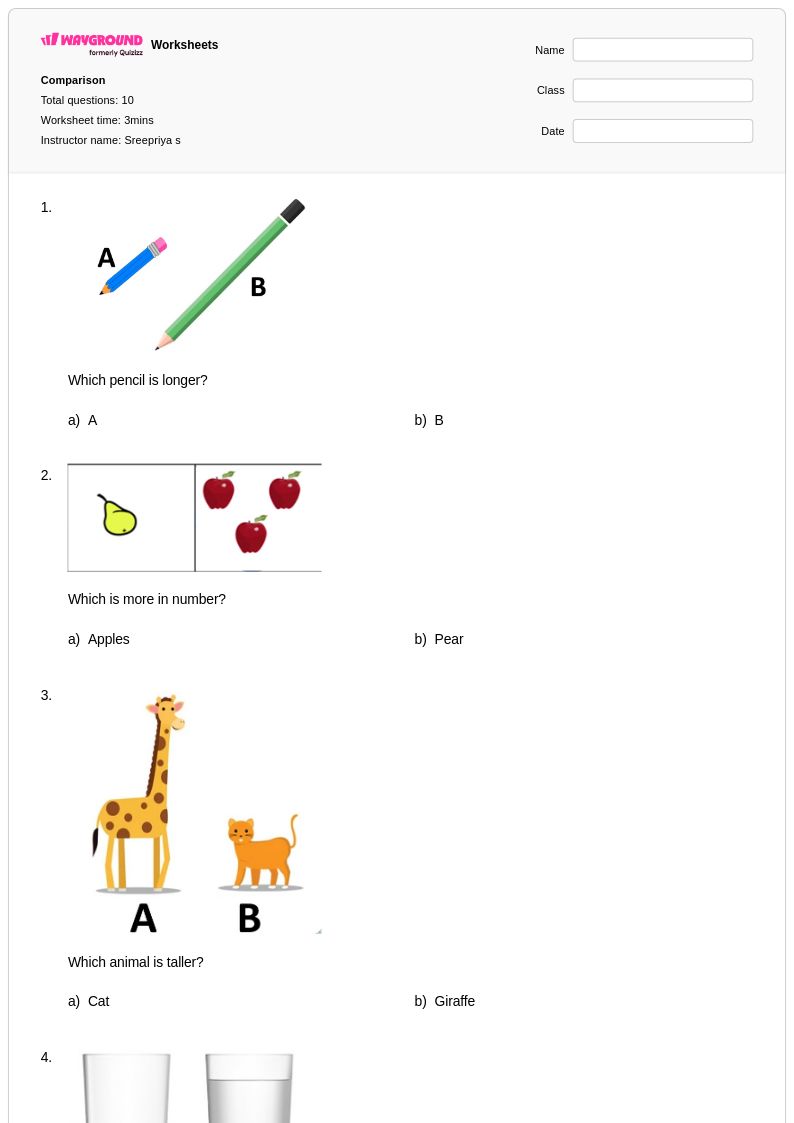
10 Q
1st
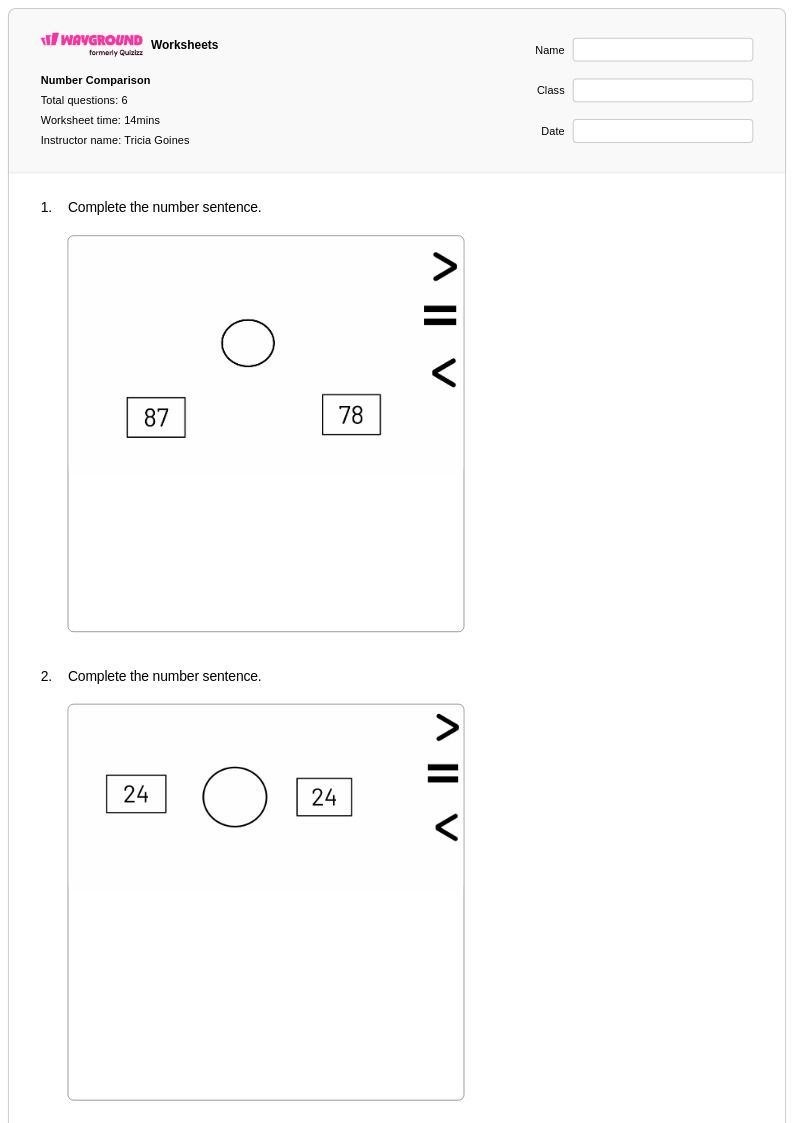
6 Q
1st
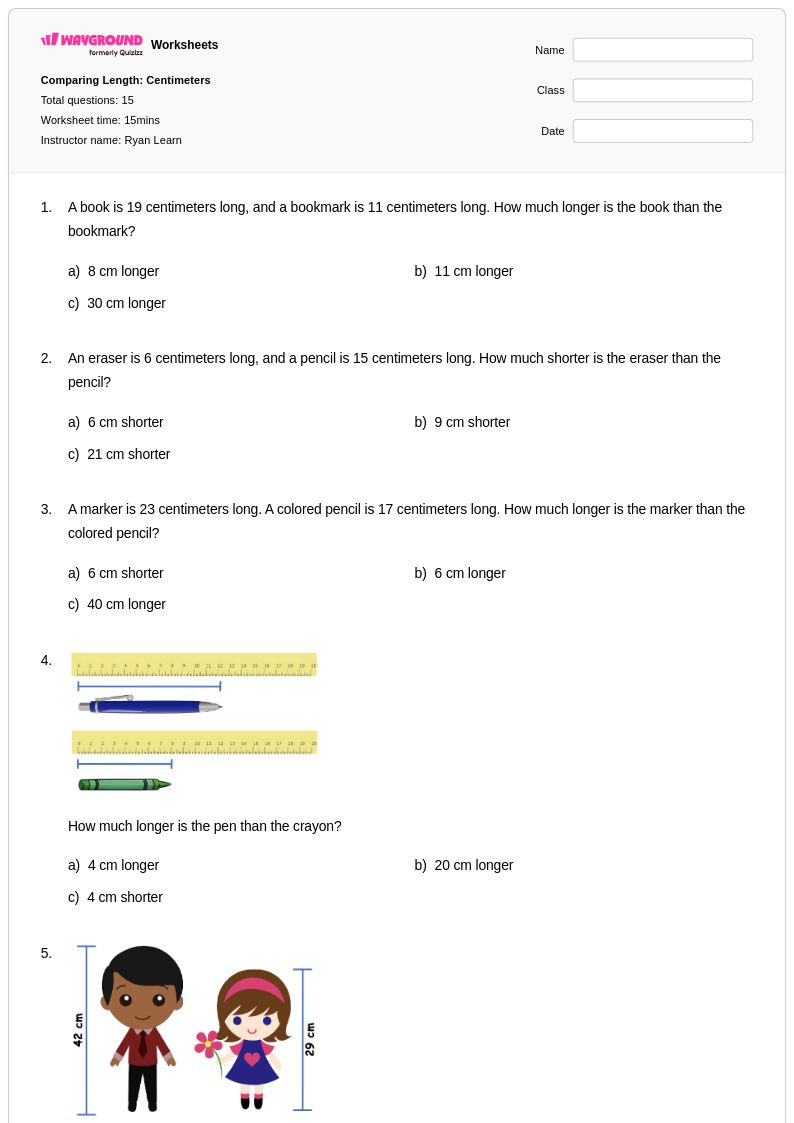
15 Q
1st - 3rd
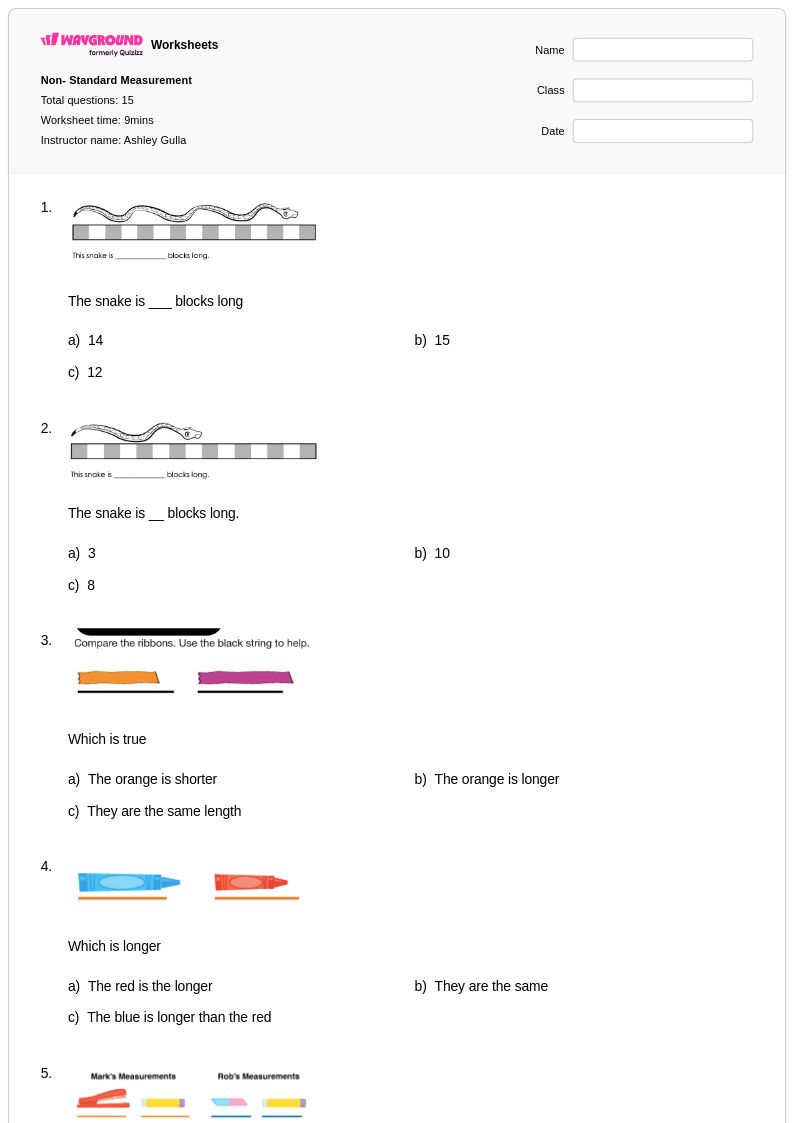
15 Q
1st
Explore Other Subject Worksheets for class 1
Explore printable Comparison Shopping worksheets for Class 1
Comparison shopping worksheets for Class 1 students available through Wayground (formerly Quizizz) introduce young learners to fundamental financial literacy concepts through age-appropriate activities and visual exercises. These educational resources help first-grade students develop essential money management skills by teaching them to evaluate different purchasing options, compare prices on common items, and understand the concept of getting the best value for their money. The worksheets feature engaging practice problems that present real-world scenarios, such as choosing between different toys, snacks, or school supplies based on price and quality considerations. Each resource includes comprehensive answer keys and is available as free printable pdf downloads, making it easy for educators to incorporate hands-on financial literacy learning into their mathematics curriculum while building critical thinking and decision-making abilities.
Wayground (formerly Quizizz) empowers teachers with access to millions of educator-created comparison shopping worksheets specifically designed for Class 1 mathematics instruction, offering robust search and filtering capabilities to locate materials that align with state and national financial literacy standards. The platform's differentiation tools enable teachers to customize worksheets based on individual student needs, whether for remediation support or enrichment activities, while maintaining age-appropriate content that connects mathematical concepts to real-world applications. These resources are available in both printable and digital formats, including easily downloadable pdf versions, allowing educators maximum flexibility in lesson planning and delivery. Teachers can efficiently organize skill practice sessions, create targeted interventions for students who need additional support with money concepts, and develop engaging activities that prepare young learners for more advanced financial literacy topics in future grade levels.
FAQs
How do I teach comparison shopping to first graders?
What exercises help first graders practice comparison shopping?
What mistakes do Grade 1 students make when comparing prices?
How can I use Wayground Grade 1 comparison shopping worksheets?
How does Grade 1 comparison shopping connect to Common Core math?
What grade level is comparison shopping taught at?
How can I differentiate Grade 1 comparison shopping practice?