
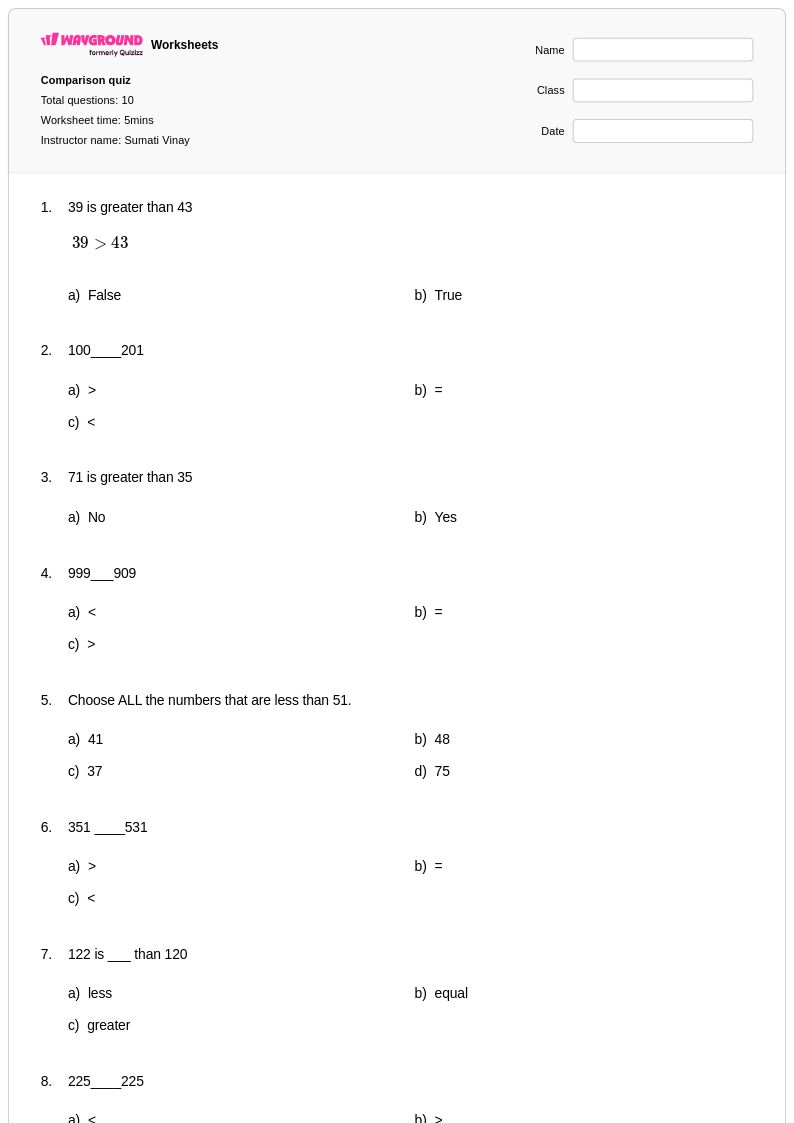
10 Q
2nd - 4th
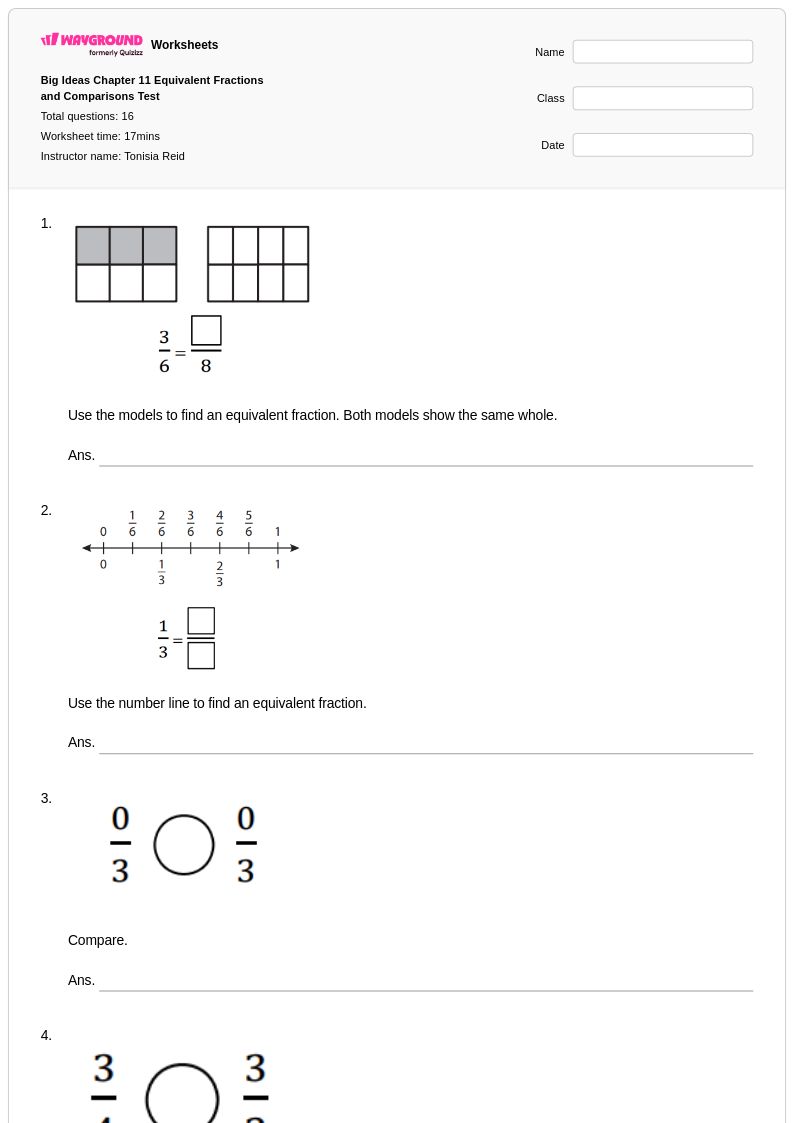
16 Q
3rd
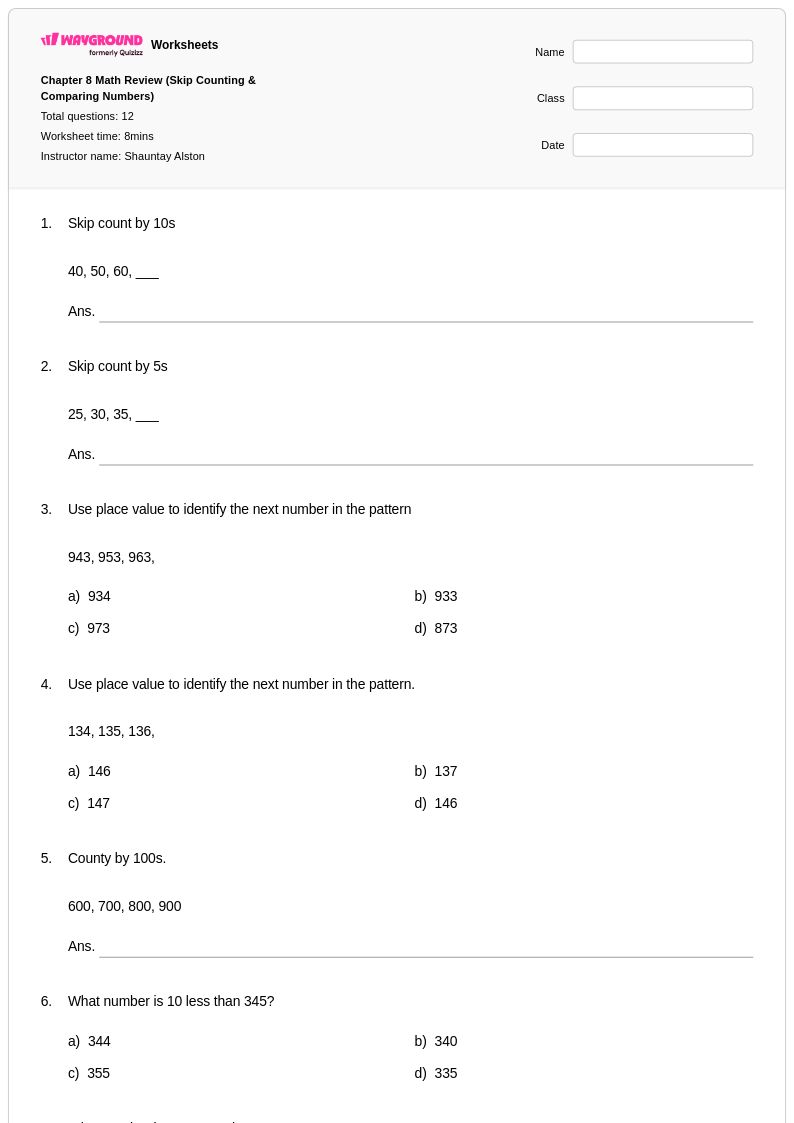
12 Q
2nd - 3rd
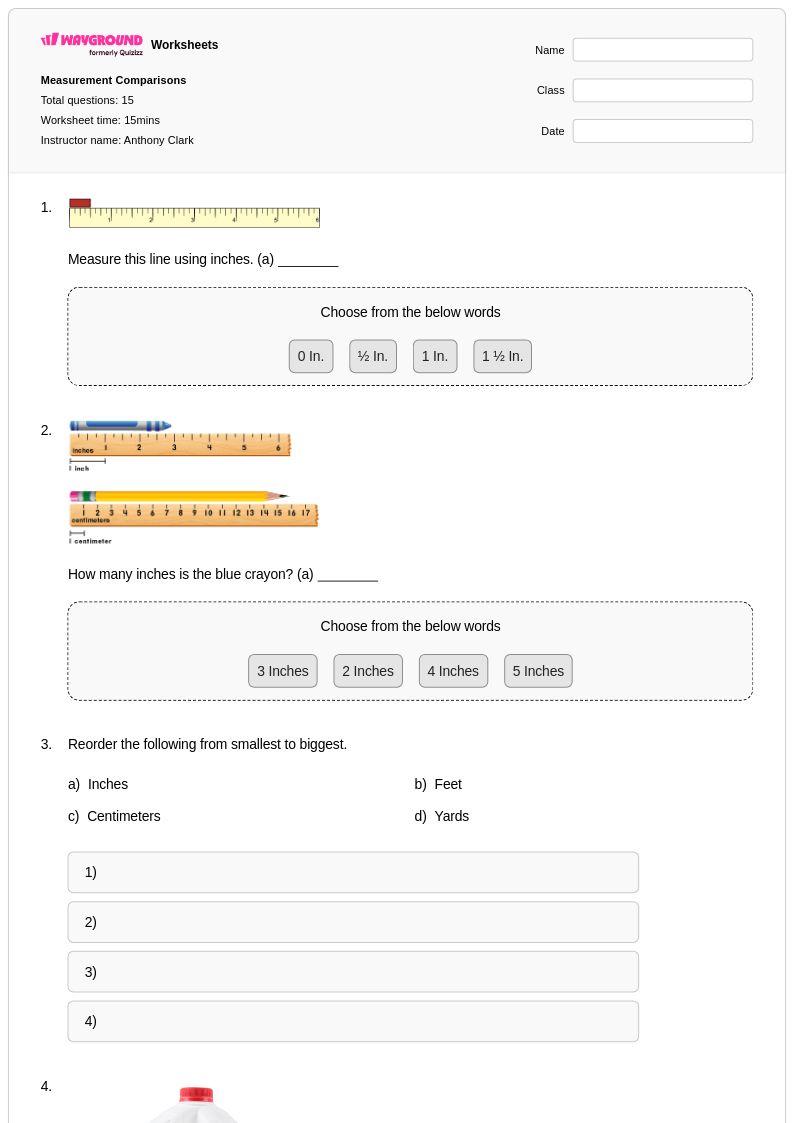
15 Q
3rd - Uni
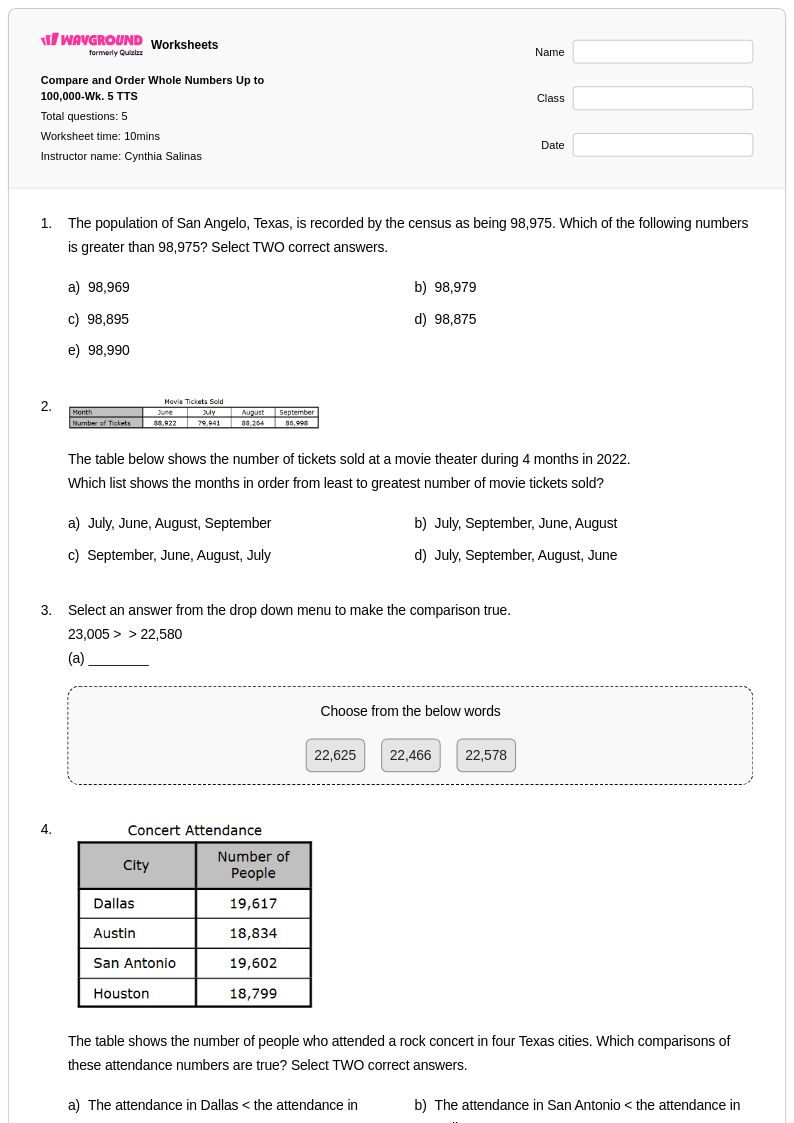
5 Q
3rd
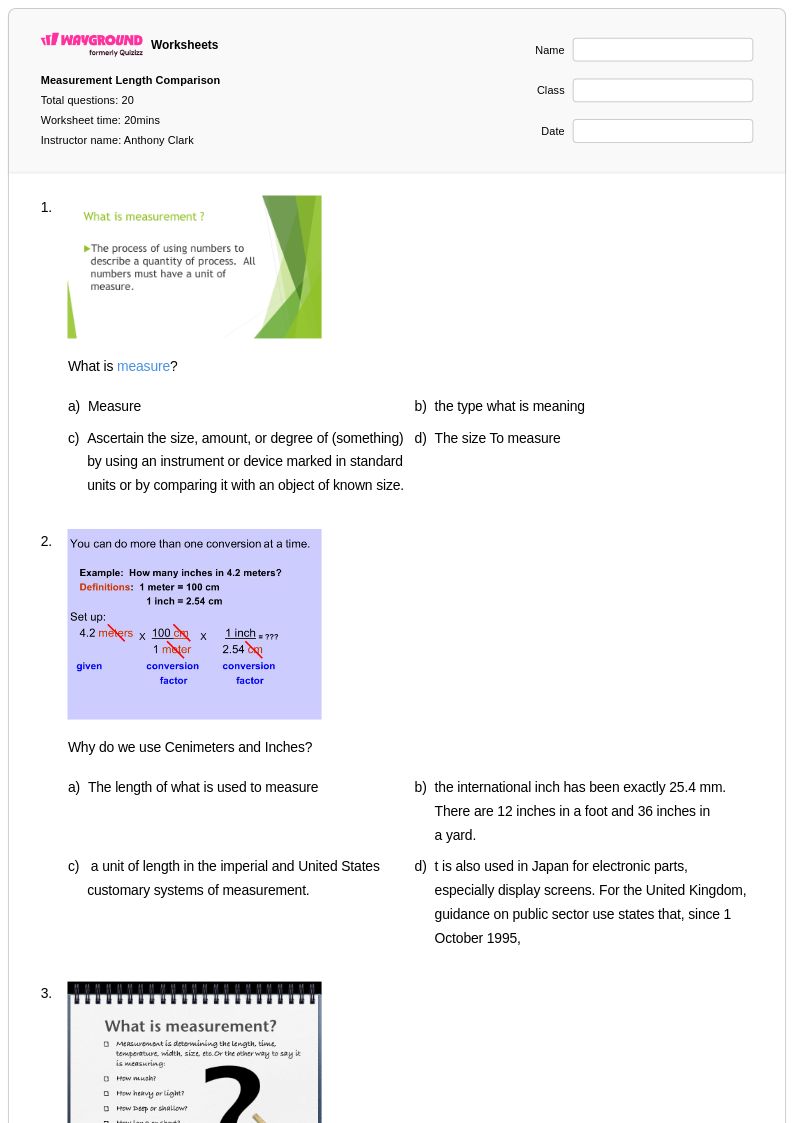
20 Q
2nd - Uni
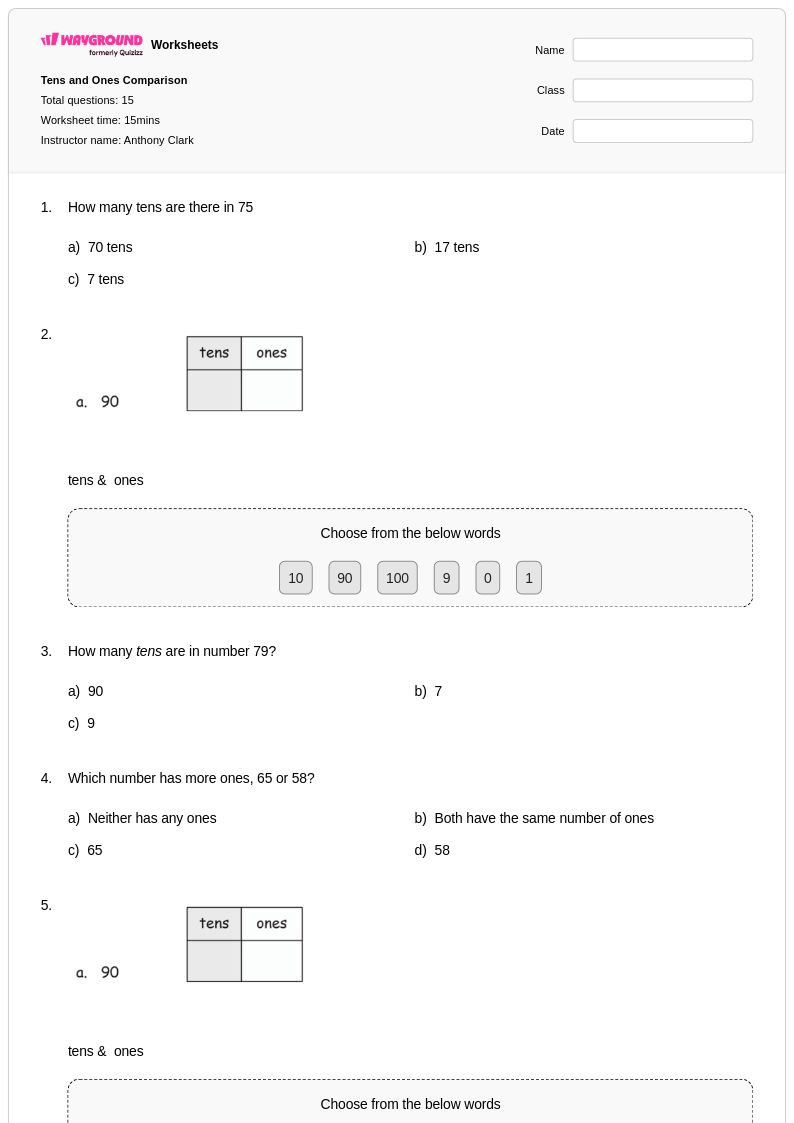
15 Q
2nd - Uni
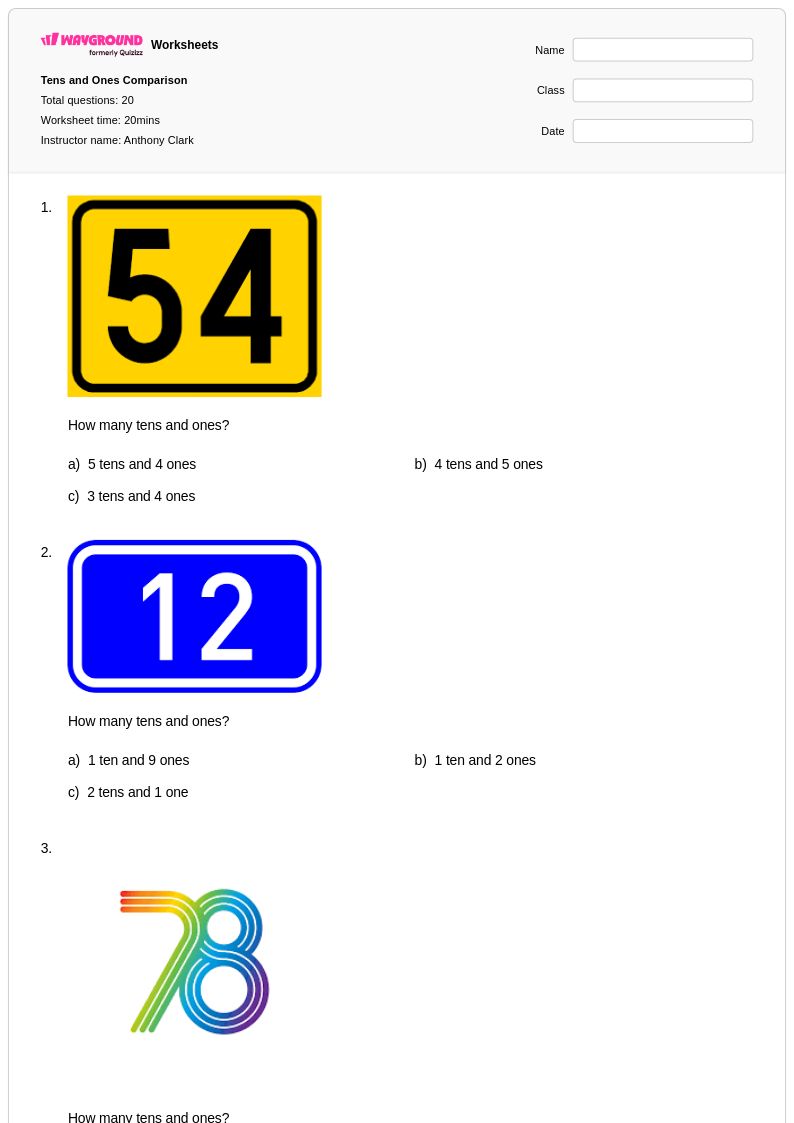
20 Q
2nd - Uni
20 Q
3rd - Uni
20 Q
3rd - Uni
20 Q
3rd - Uni
24 Q
3rd
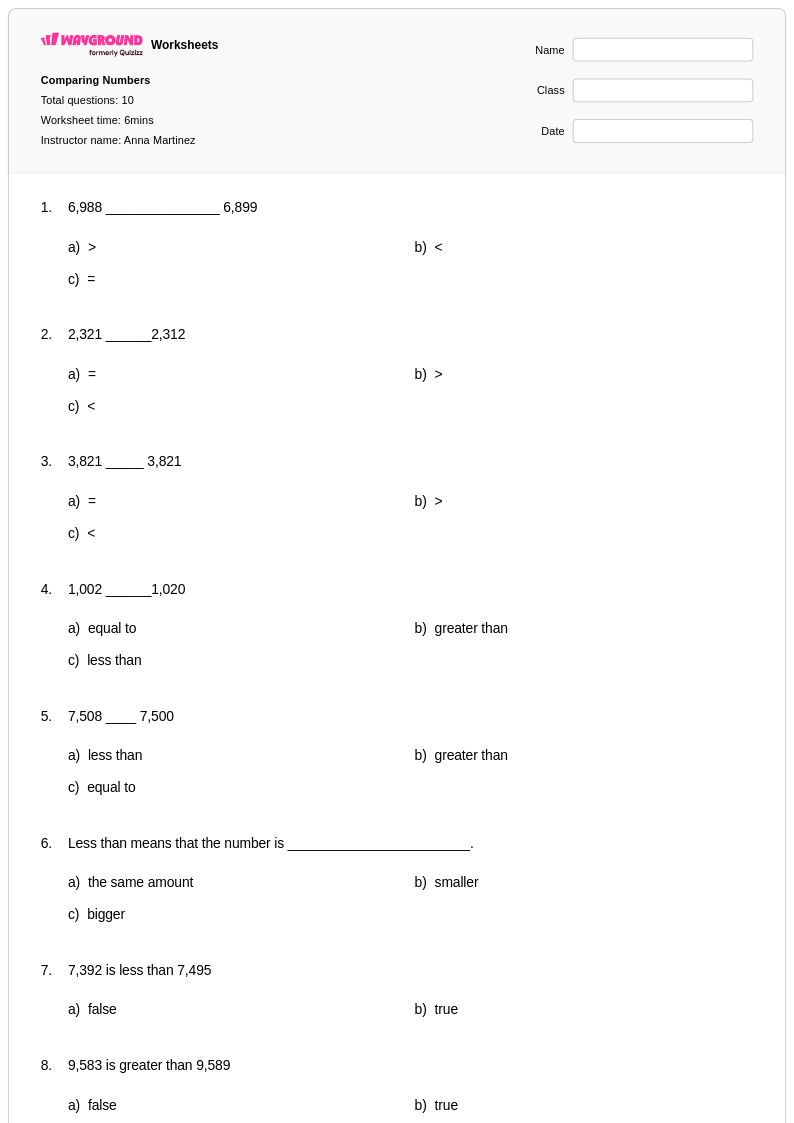
10 Q
3rd
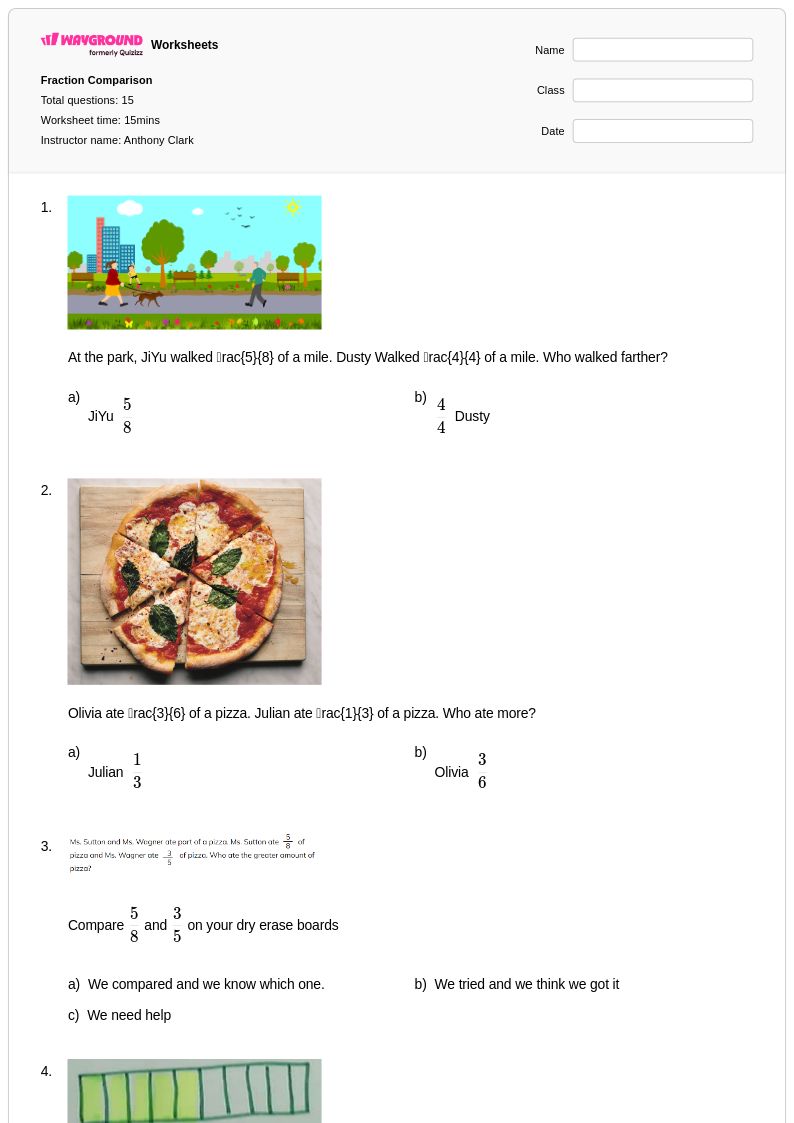
15 Q
3rd - Uni
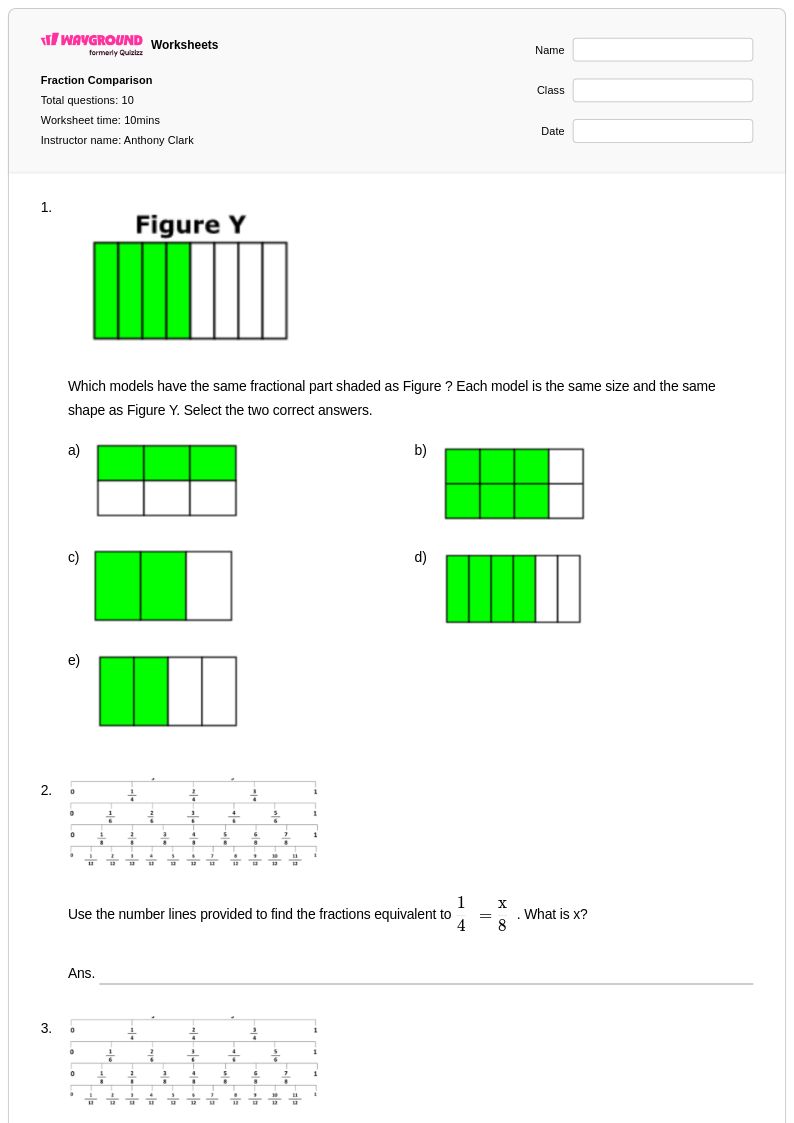
10 Q
3rd - Uni
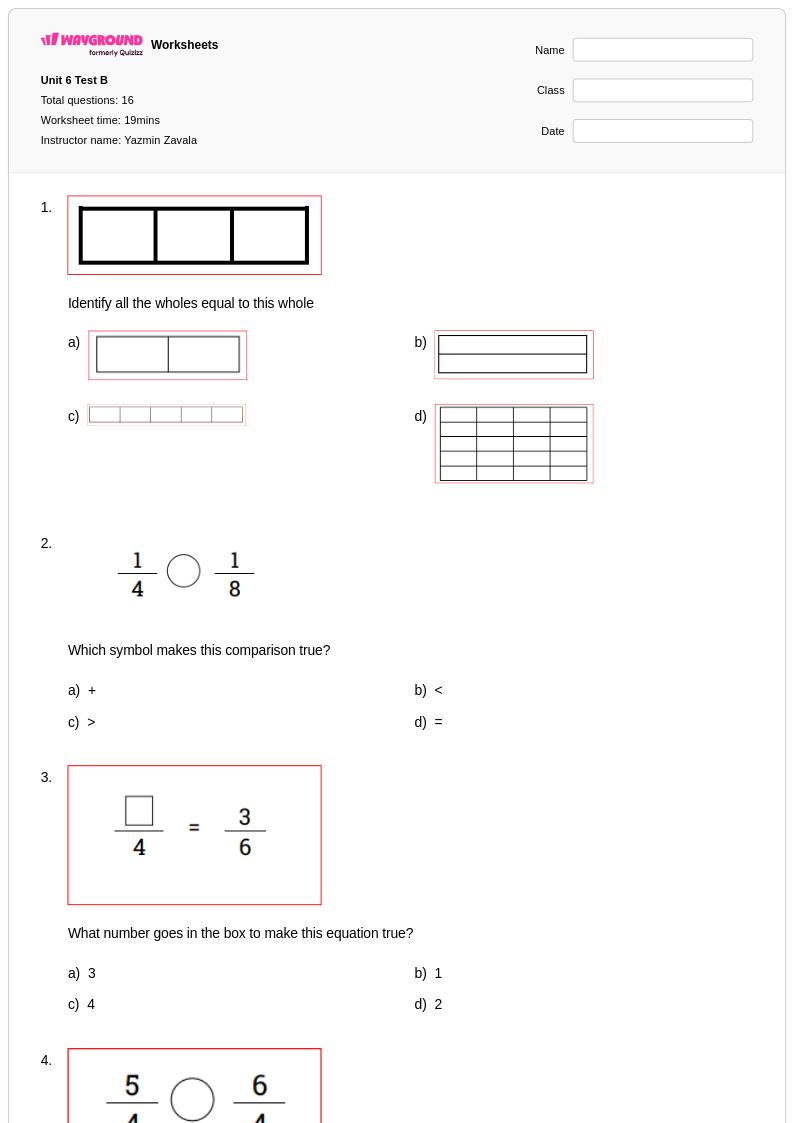
16 Q
3rd
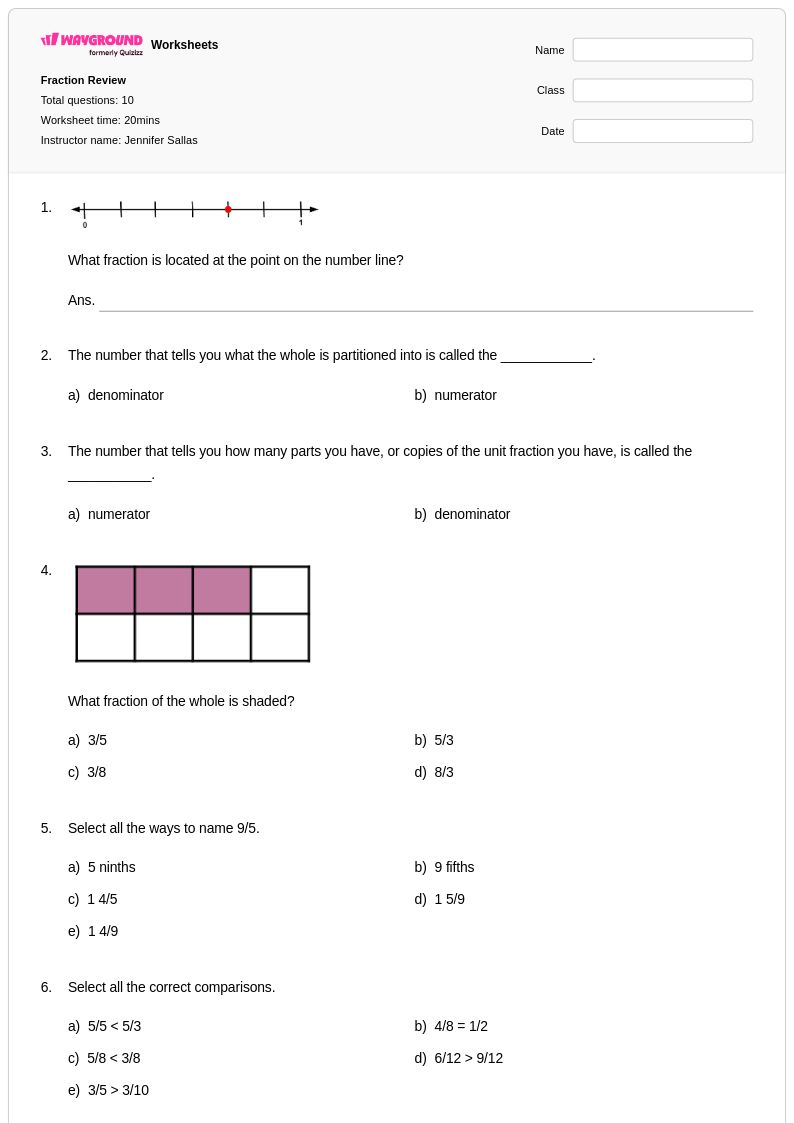
10 Q
3rd
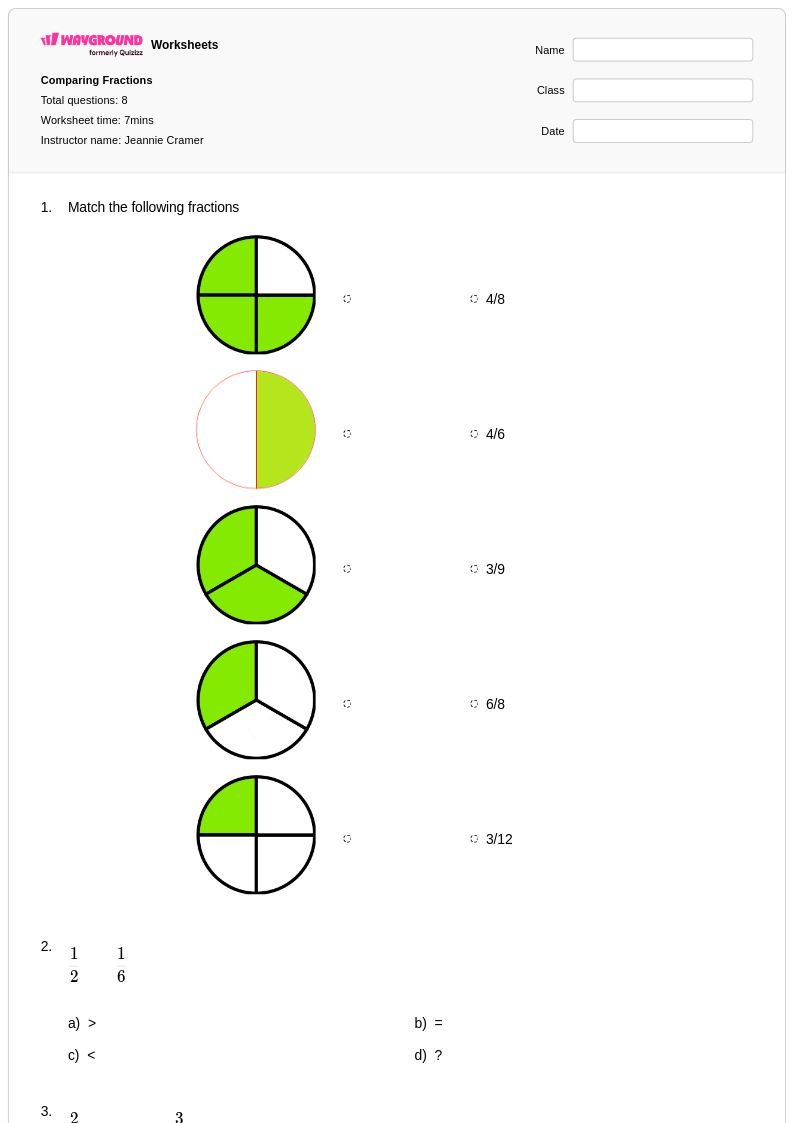
8 Q
3rd
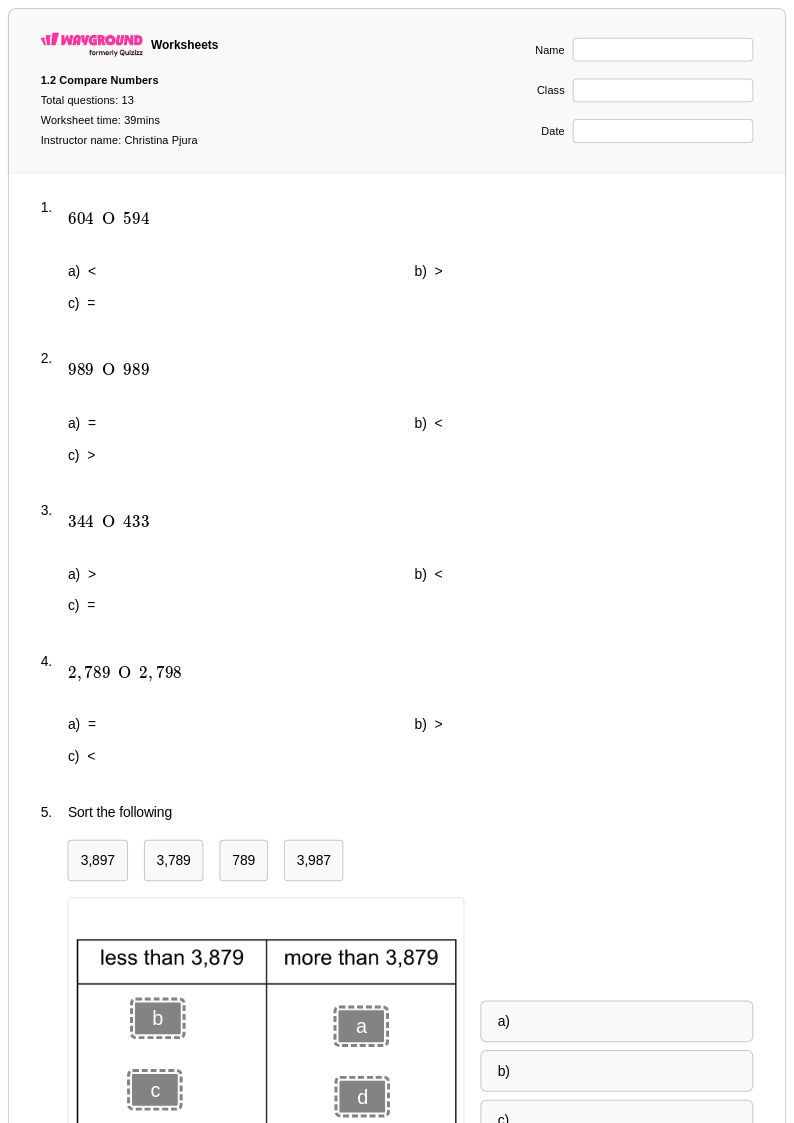
13 Q
3rd

20 Q
3rd
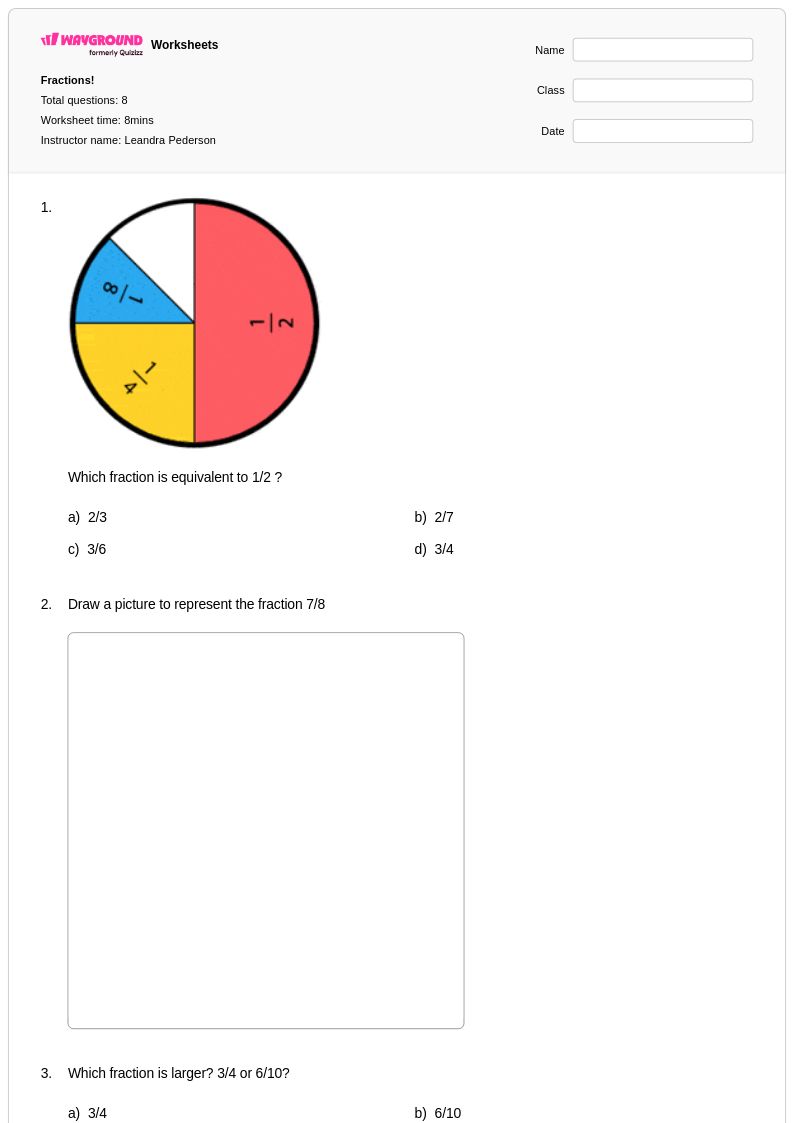
8 Q
3rd
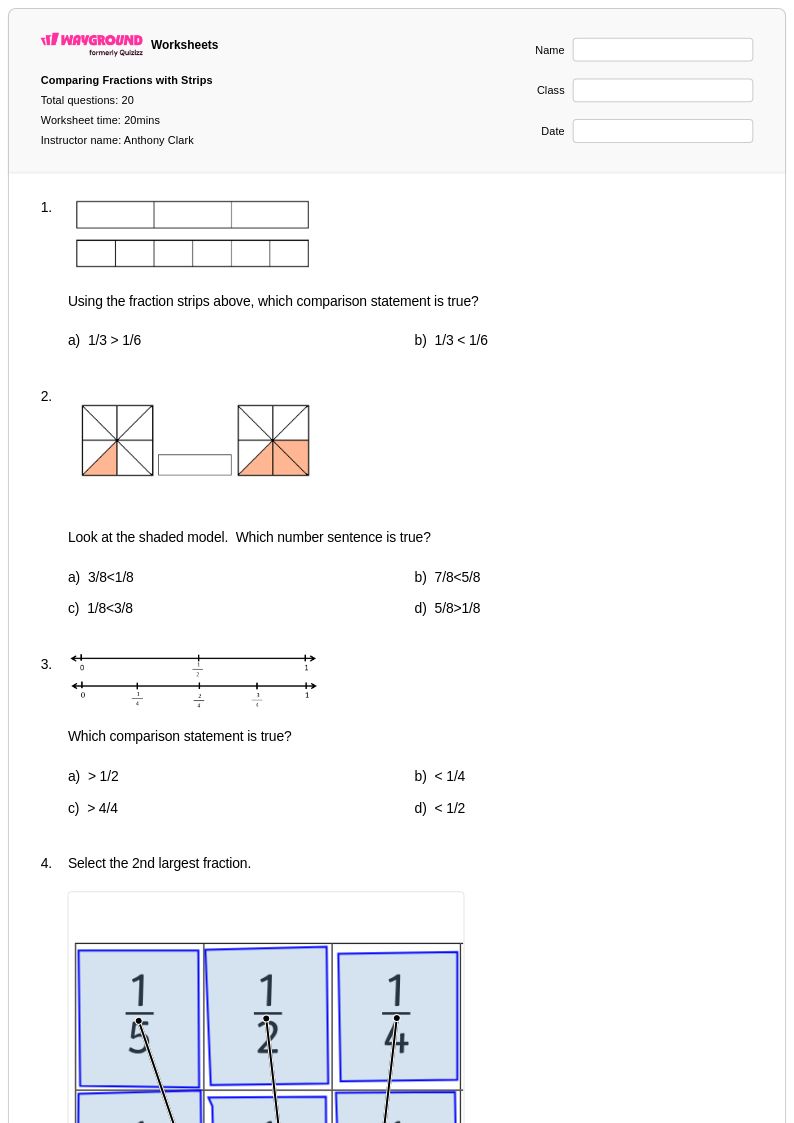
20 Q
3rd - Uni
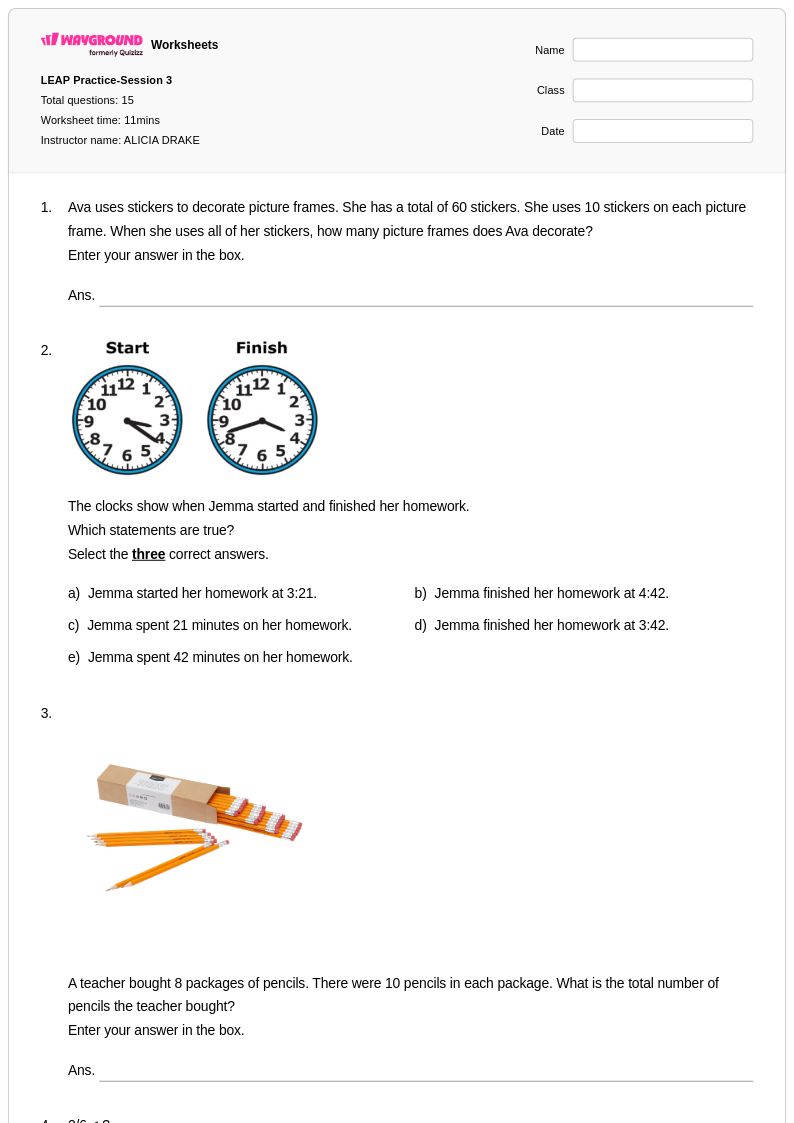
15 Q
3rd
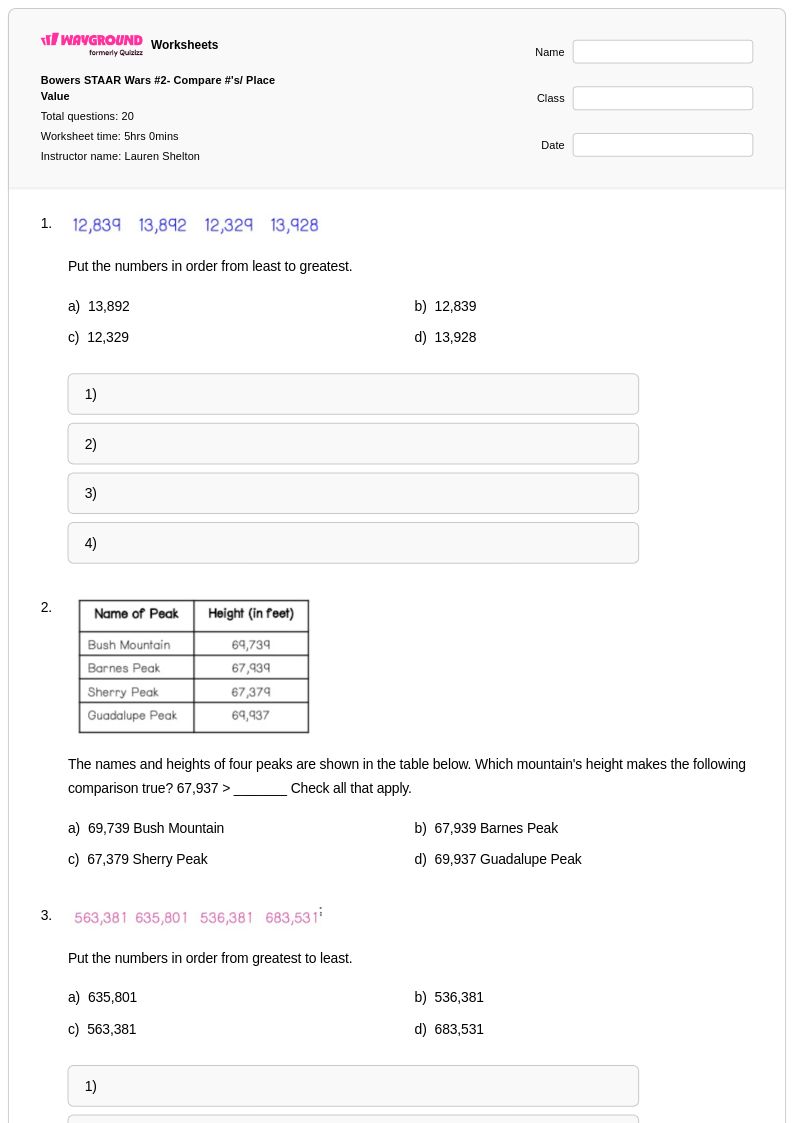
20 Q
3rd
Explore Other Subject Worksheets for class 3
Explore printable Comparison Shopping worksheets for Class 3
Comparison shopping worksheets for Class 3 students available through Wayground (formerly Quizizz) provide essential foundational skills in financial literacy by teaching young learners how to evaluate prices, compare values, and make informed purchasing decisions. These carefully designed practice problems present real-world scenarios where students must analyze different options, calculate savings, and determine the best deals across various products and services. The worksheets strengthen critical thinking abilities while building mathematical reasoning skills through engaging activities that mirror authentic shopping experiences. Each printable resource includes comprehensive answer keys and step-by-step solutions, making them valuable tools for both classroom instruction and independent practice. Teachers can access these free educational materials in convenient PDF format, ensuring easy distribution and consistent formatting across different learning environments.
Wayground's extensive collection of comparison shopping worksheets draws from millions of teacher-created resources, offering educators unparalleled variety and quality in Class 3 financial literacy instruction. The platform's robust search and filtering capabilities allow teachers to quickly locate materials that align with specific learning objectives and curriculum standards, while built-in differentiation tools enable seamless customization for diverse student needs and ability levels. These digital and printable resources support comprehensive lesson planning by providing flexible options for skill practice, remediation sessions, and enrichment activities. Teachers can easily modify worksheets to match their classroom requirements, adjust difficulty levels, and create targeted interventions that address individual learning gaps. The availability of both interactive digital formats and traditional PDF printables ensures that educators can implement these comparison shopping activities across various instructional settings, from technology-rich classrooms to traditional paper-based learning environments.
FAQs
How do I teach comparison shopping to third graders?
What exercises help Grade 3 students practice comparison shopping?
What mistakes do third graders make when comparison shopping?
How can I use Wayground Grade 3 comparison shopping worksheets?
How does Grade 3 comparison shopping connect to Common Core math?
What grade level is comparison shopping taught at?
How can I differentiate Grade 3 comparison shopping practice?