
20 P
9th - 12th
20 P
KG - 12th
35 P
9th - 12th
148 P
11th
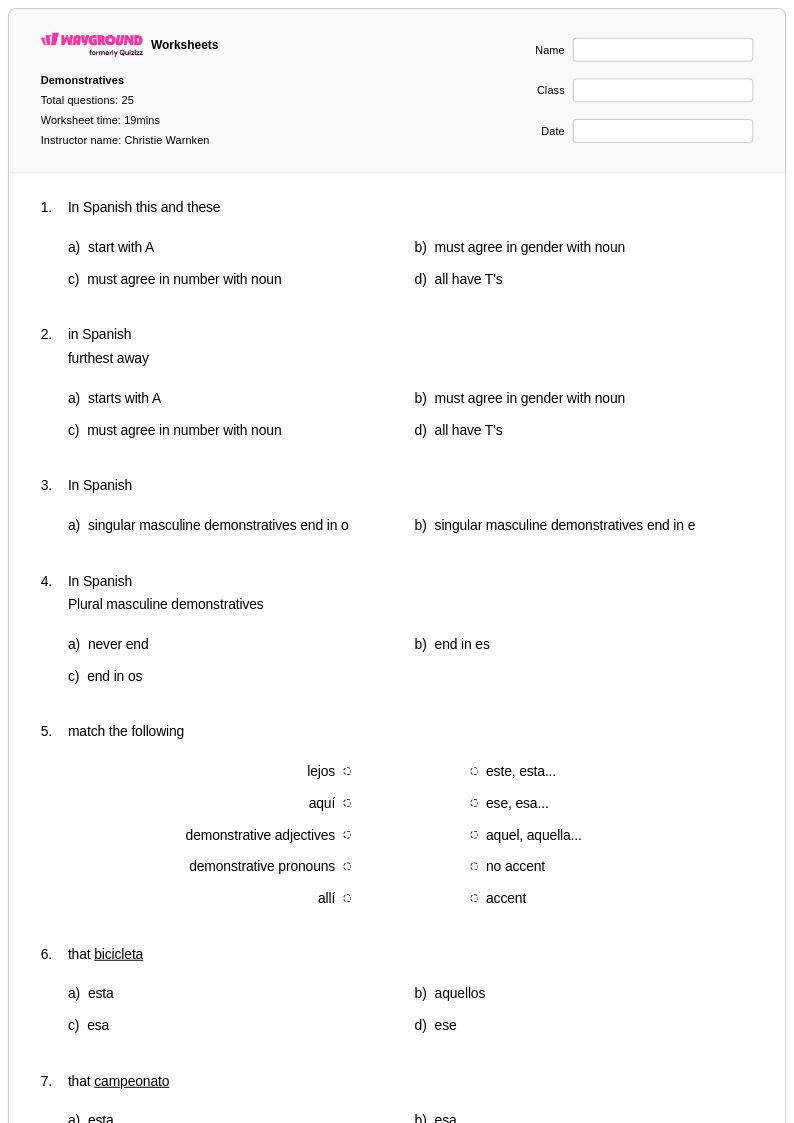
25 P
9th - Uni
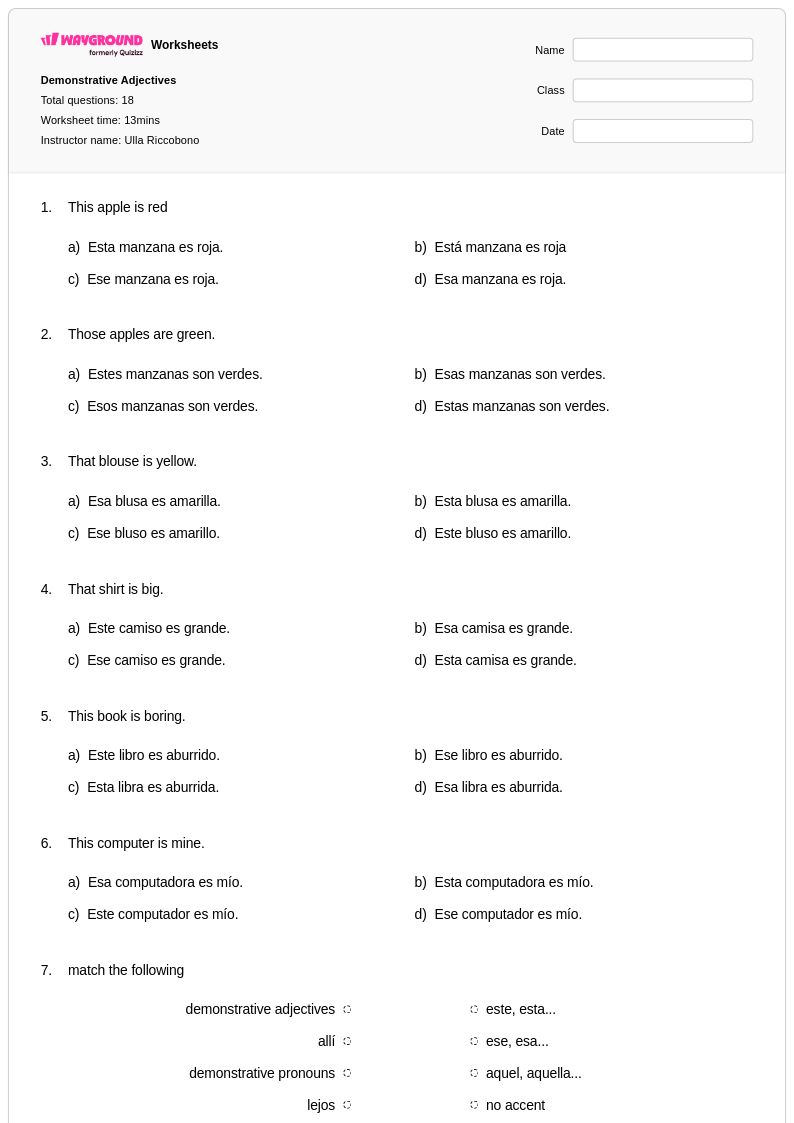
18 P
11th
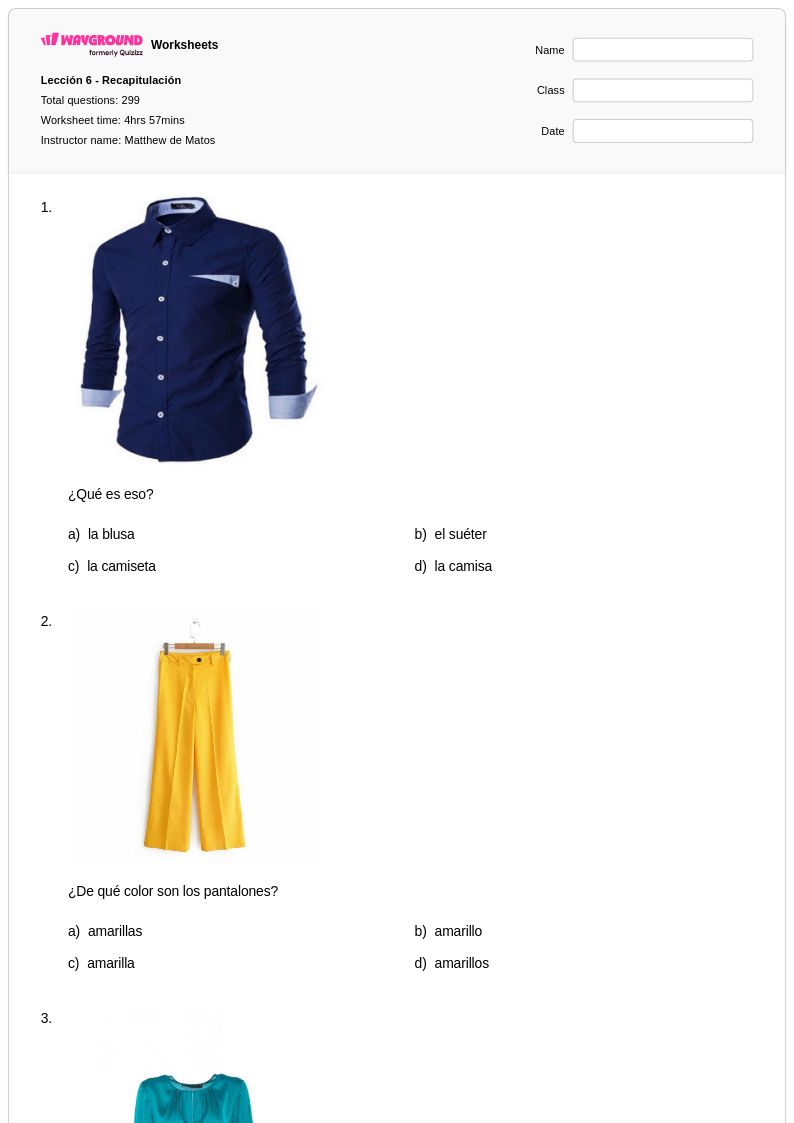
299 P
9th - 12th
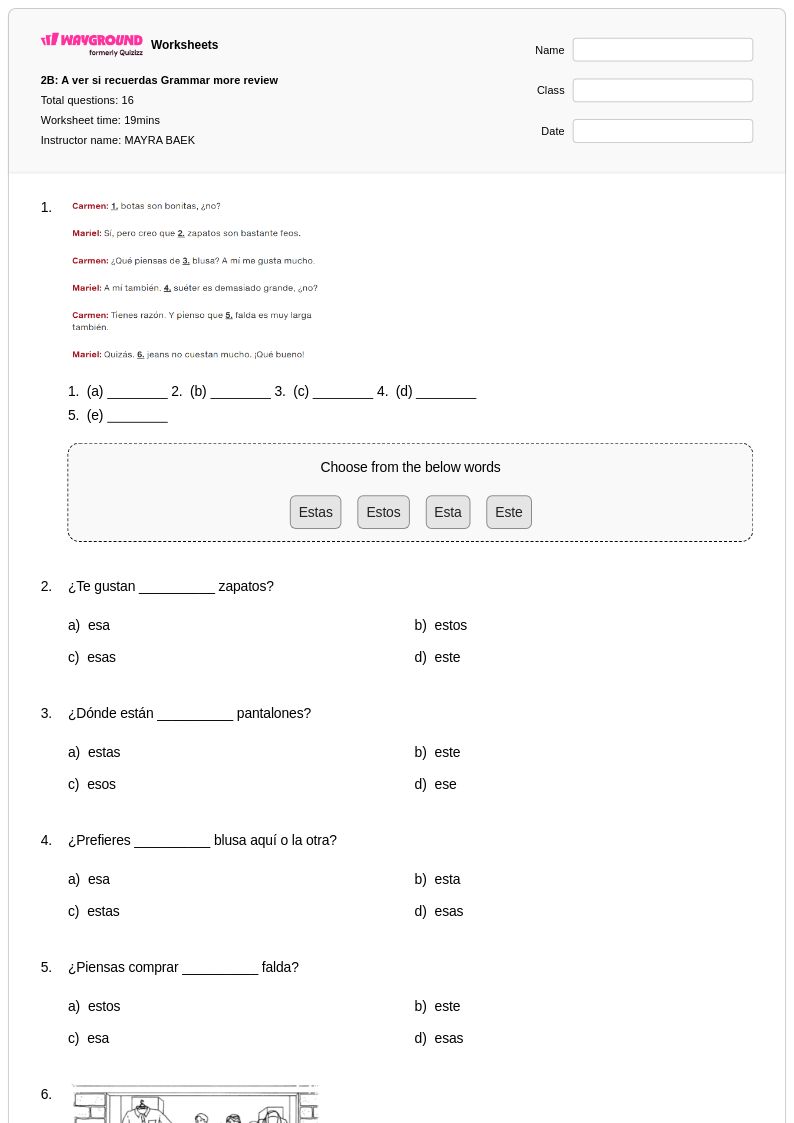
16 P
11th
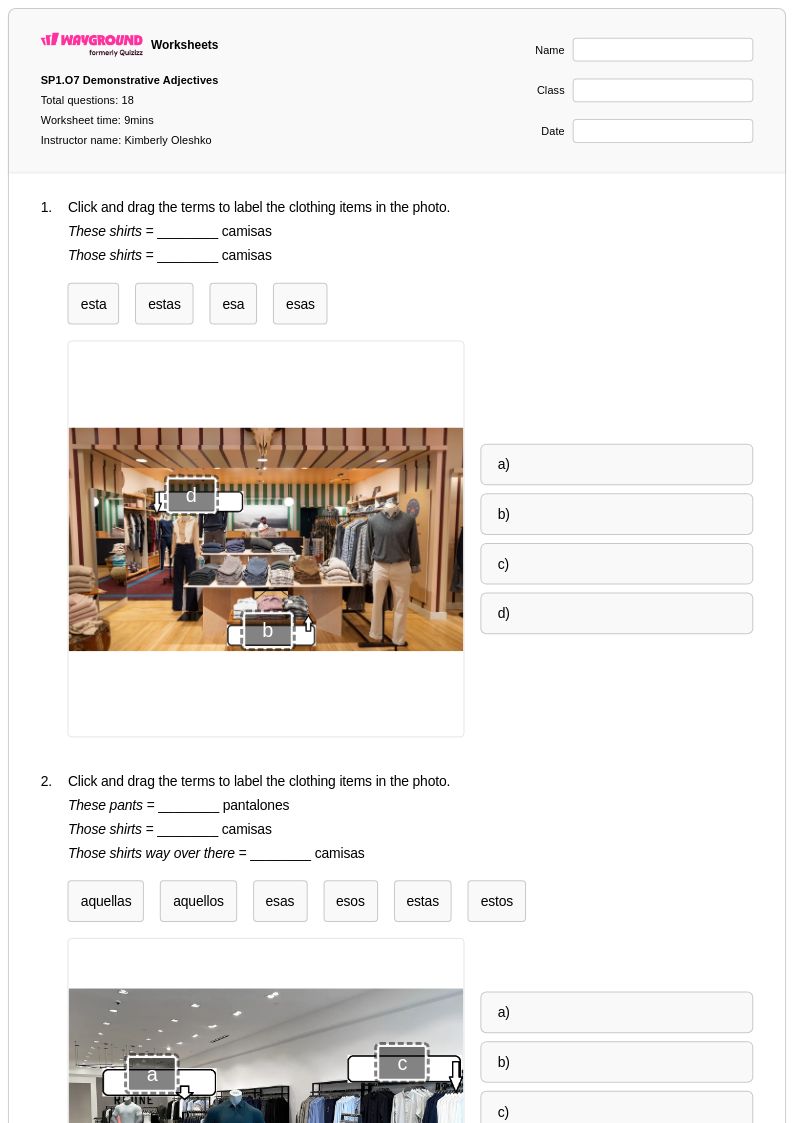
18 P
9th - 12th
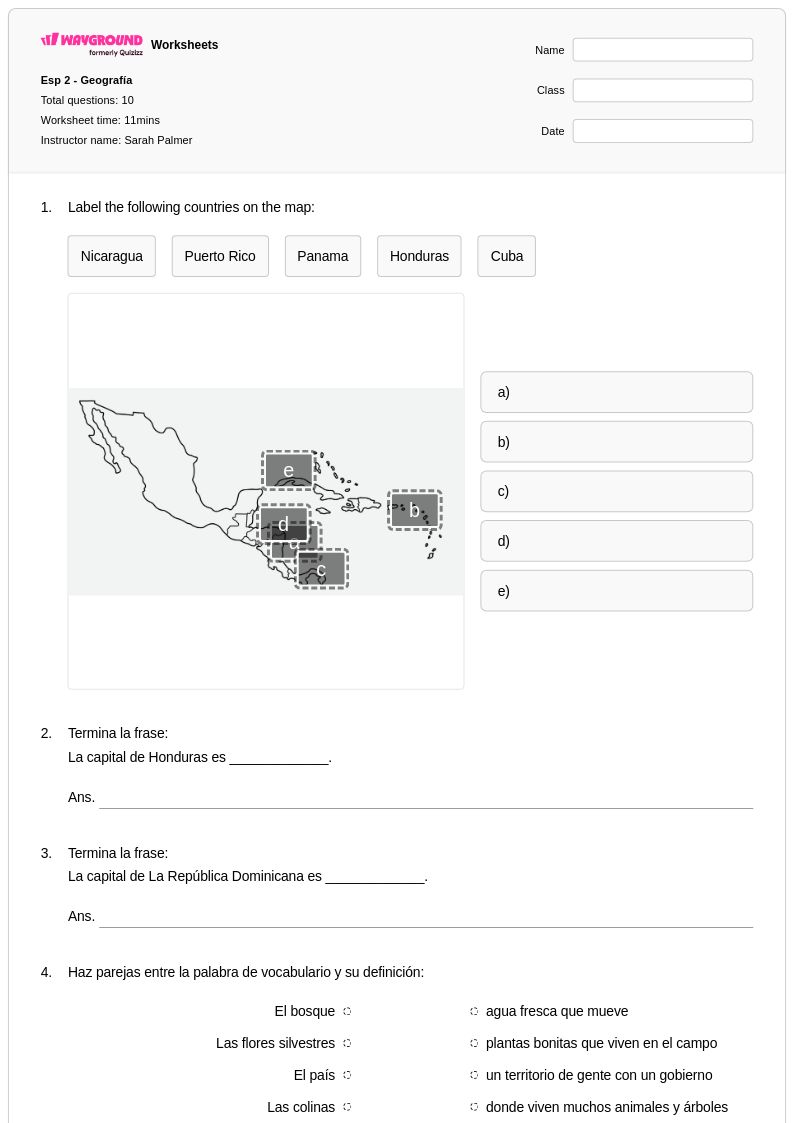
10 P
9th - 12th
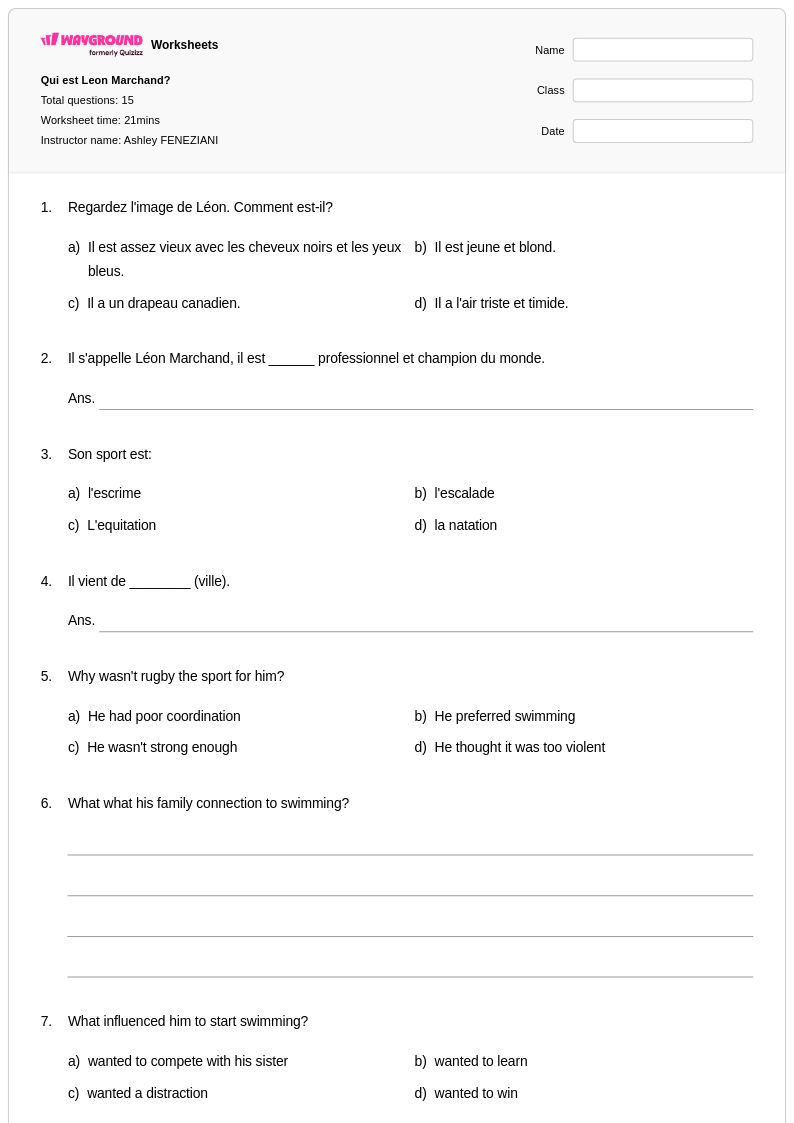
15 P
9th - 12th
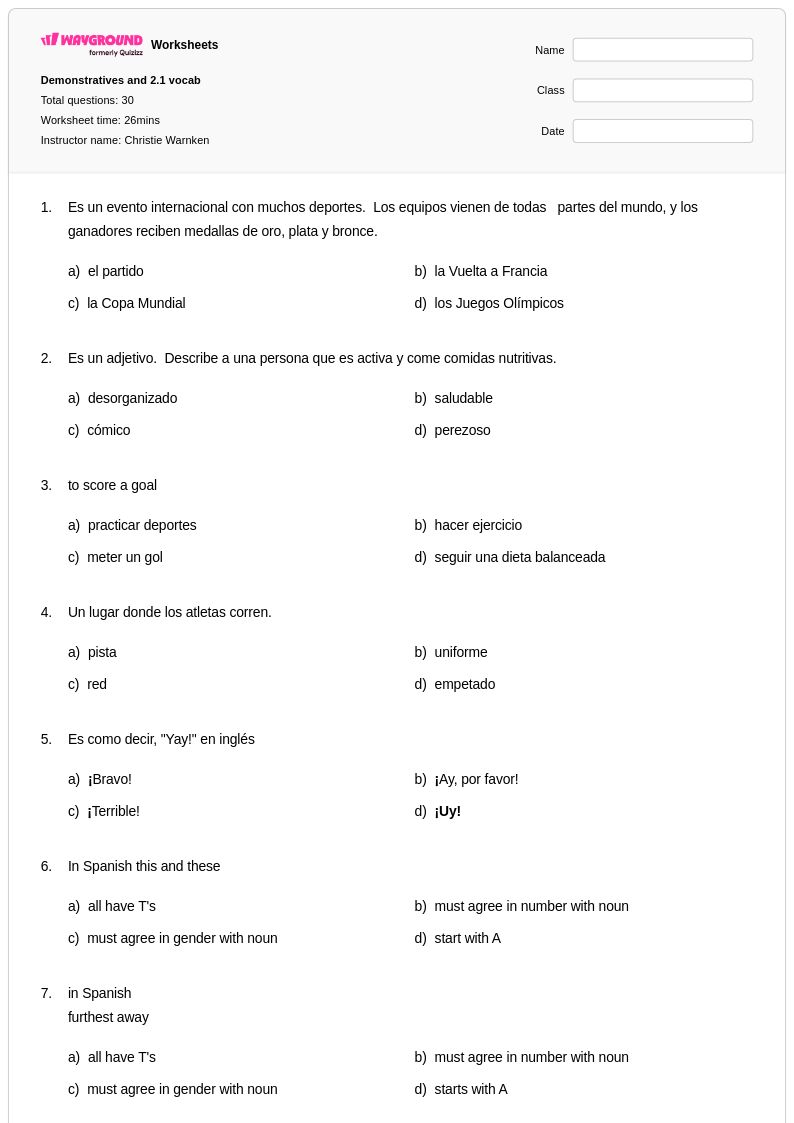
30 P
9th - 12th
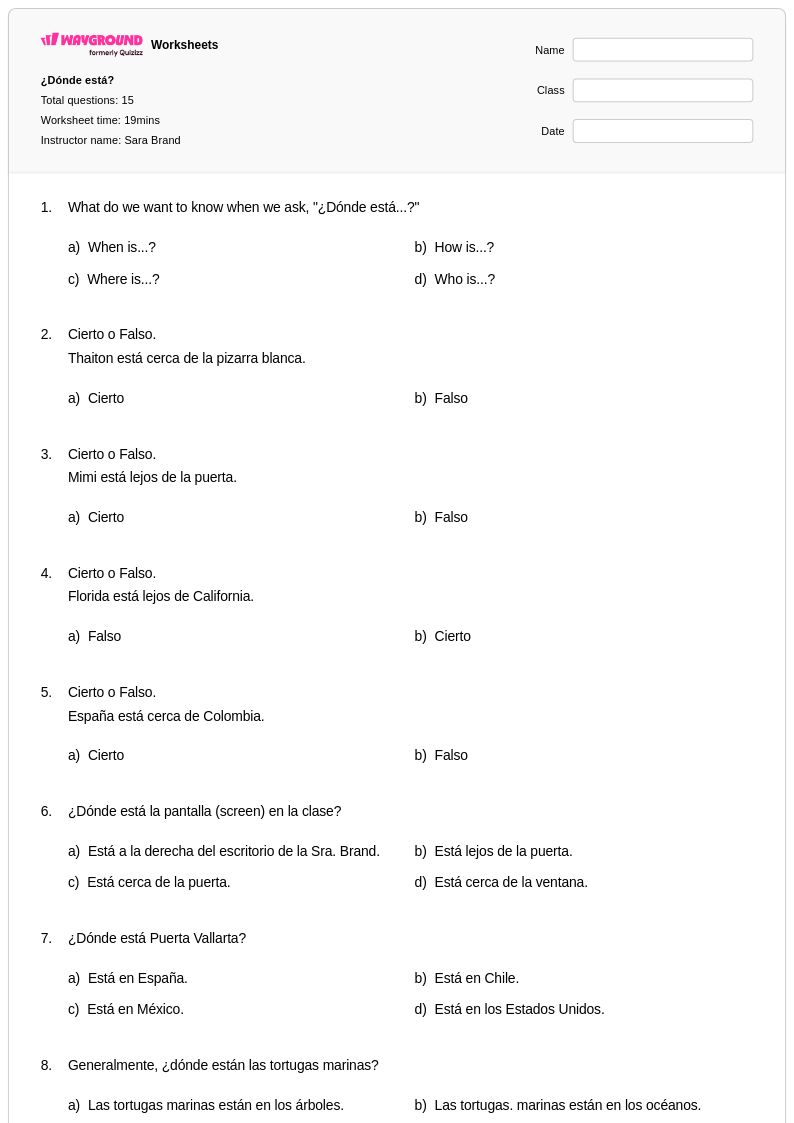
15 P
9th - 11th
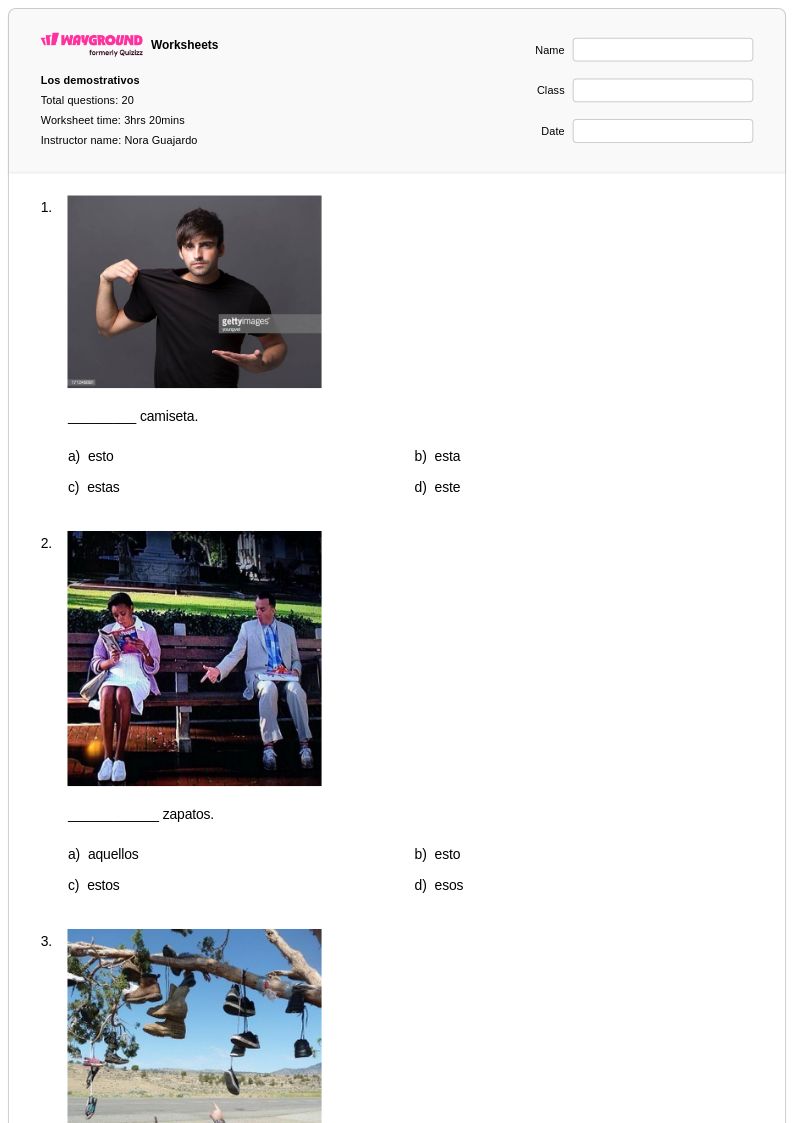
20 P
9th - 12th
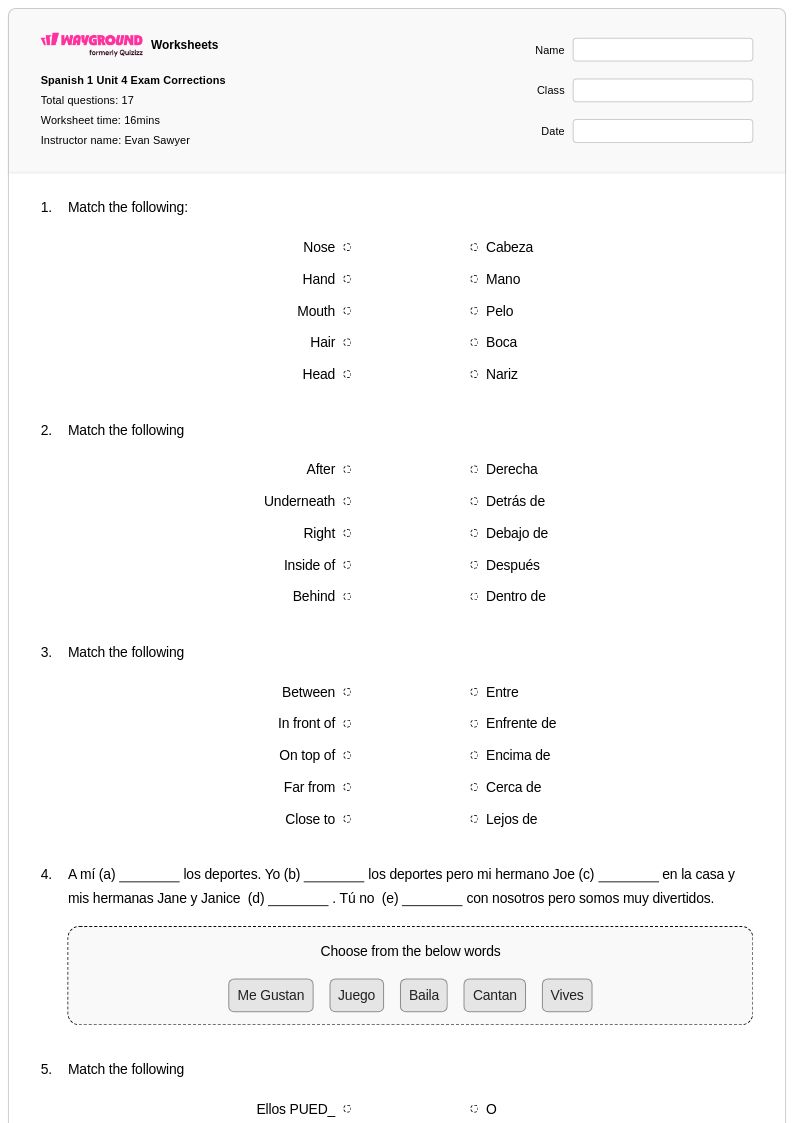
17 P
9th - 12th
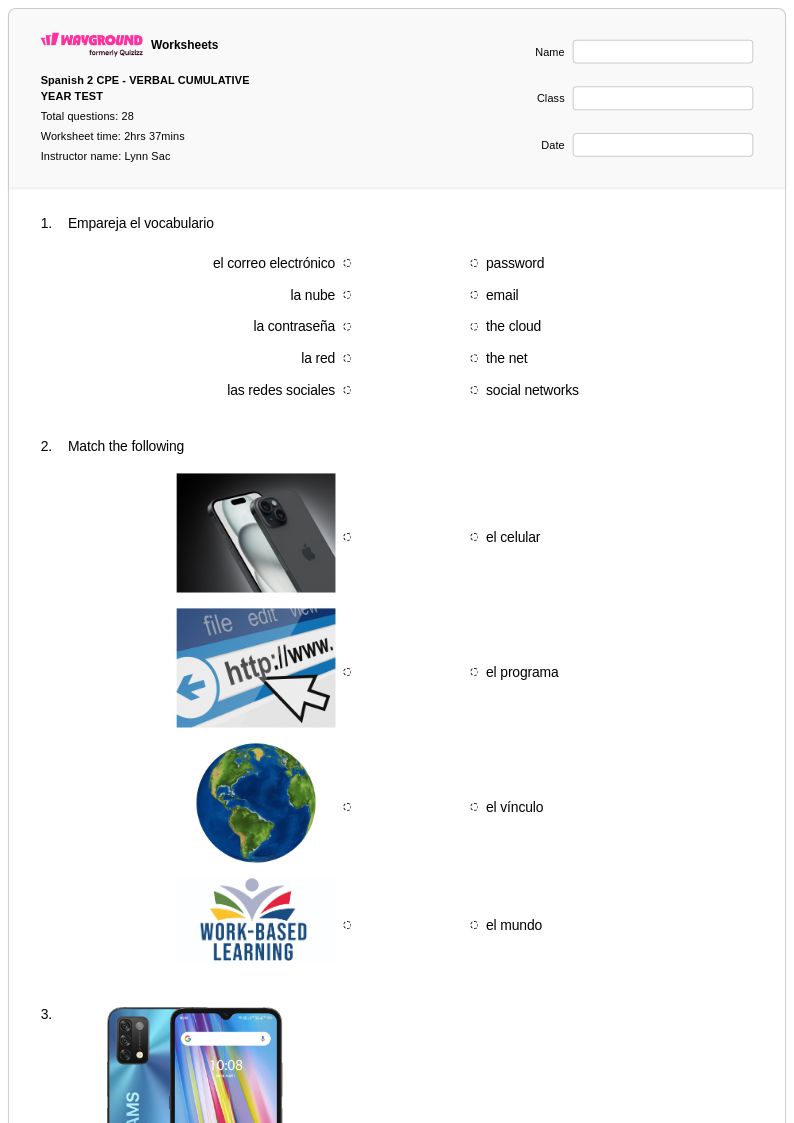
28 P
9th - Uni
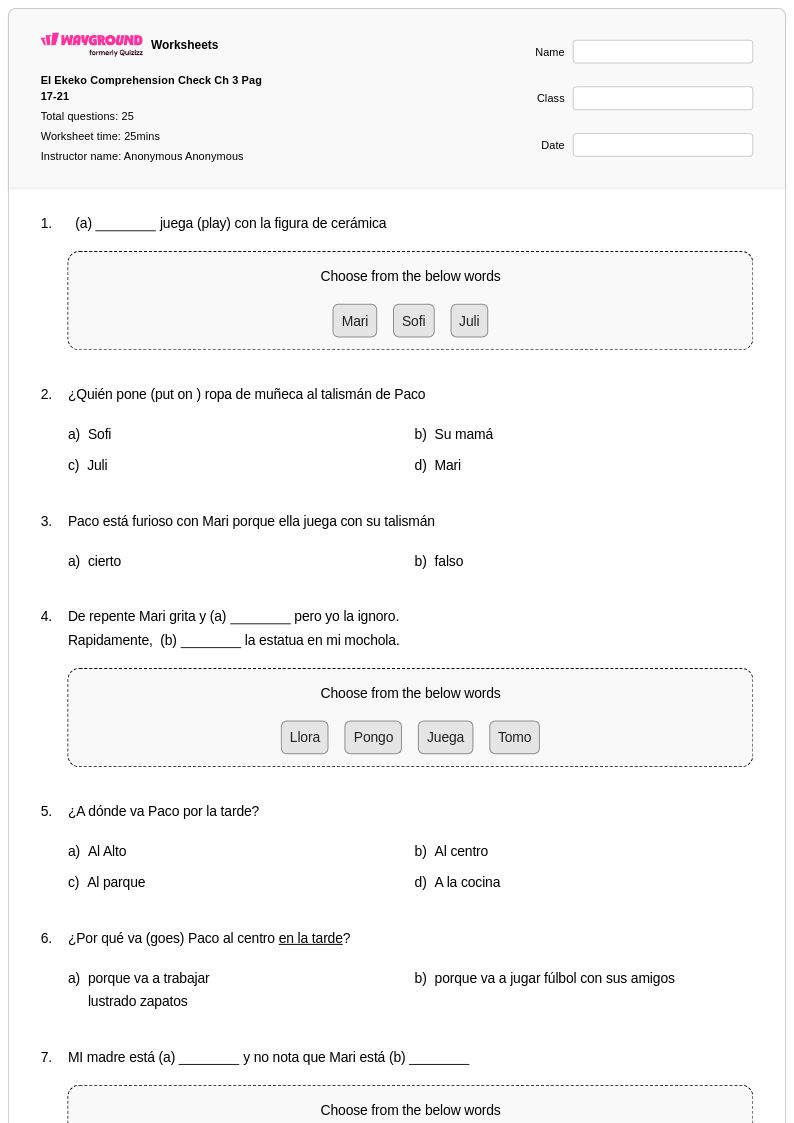
25 P
11th
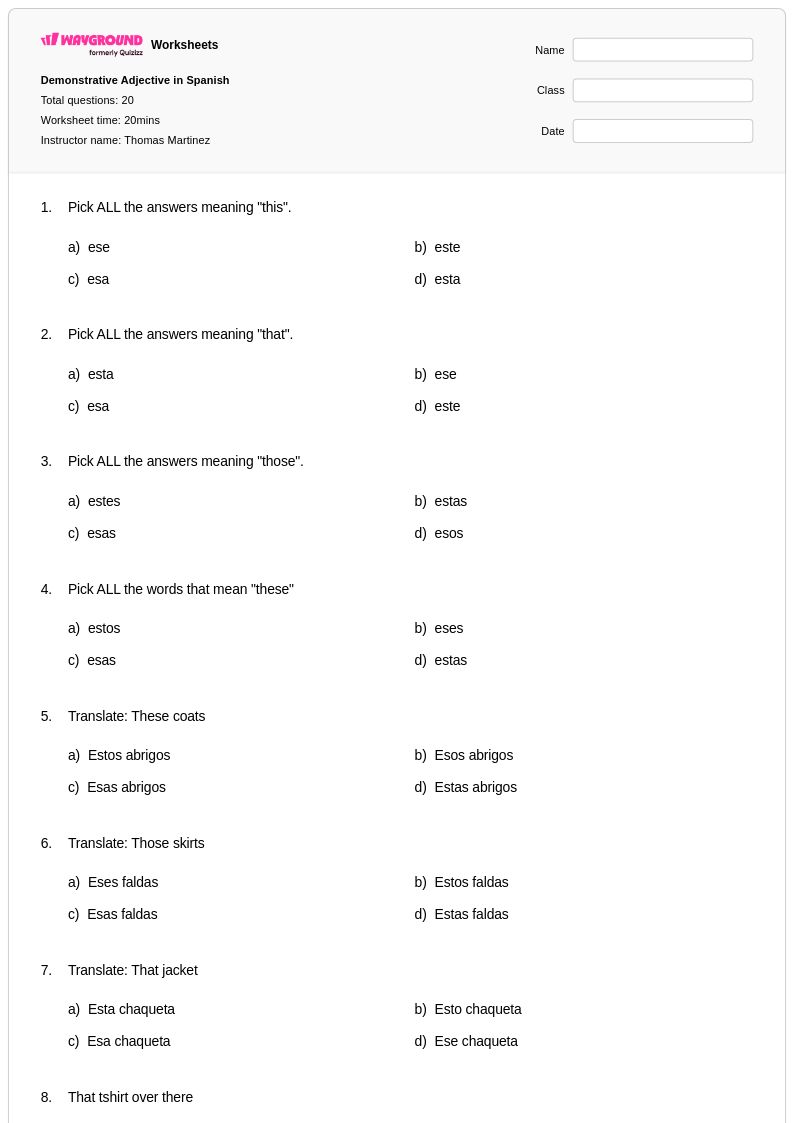
20 P
9th - 12th
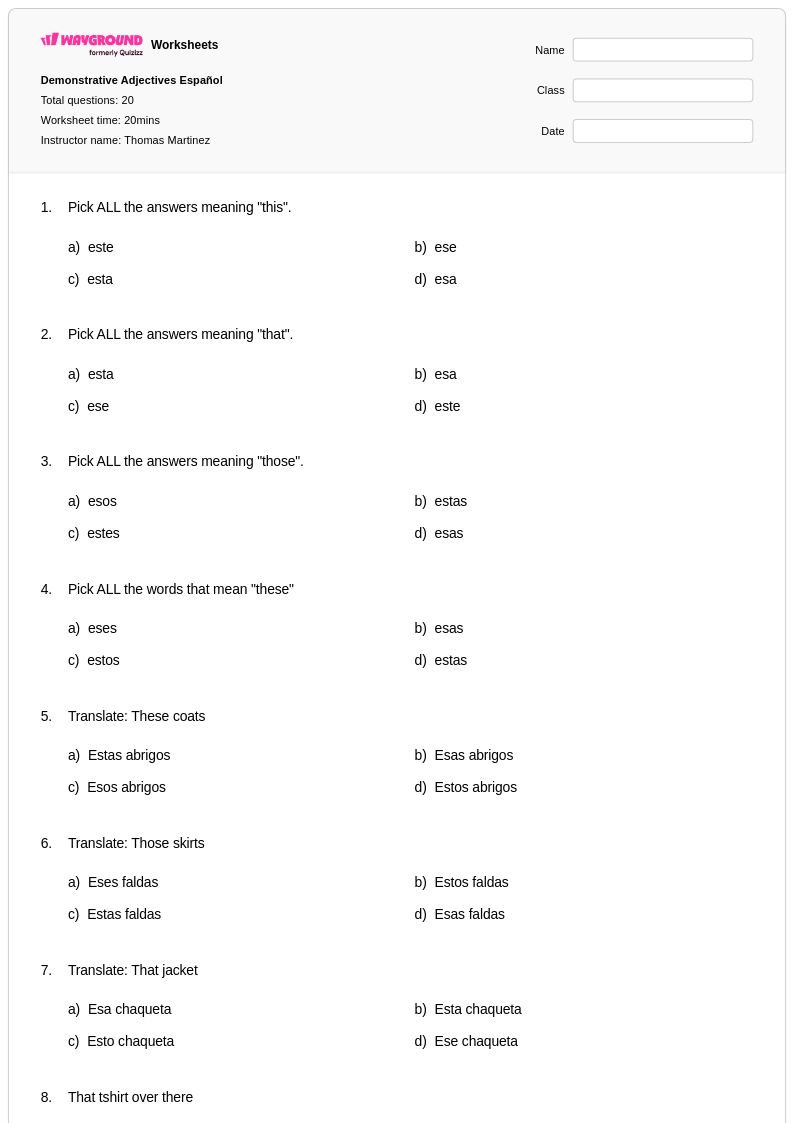
20 P
9th - 12th
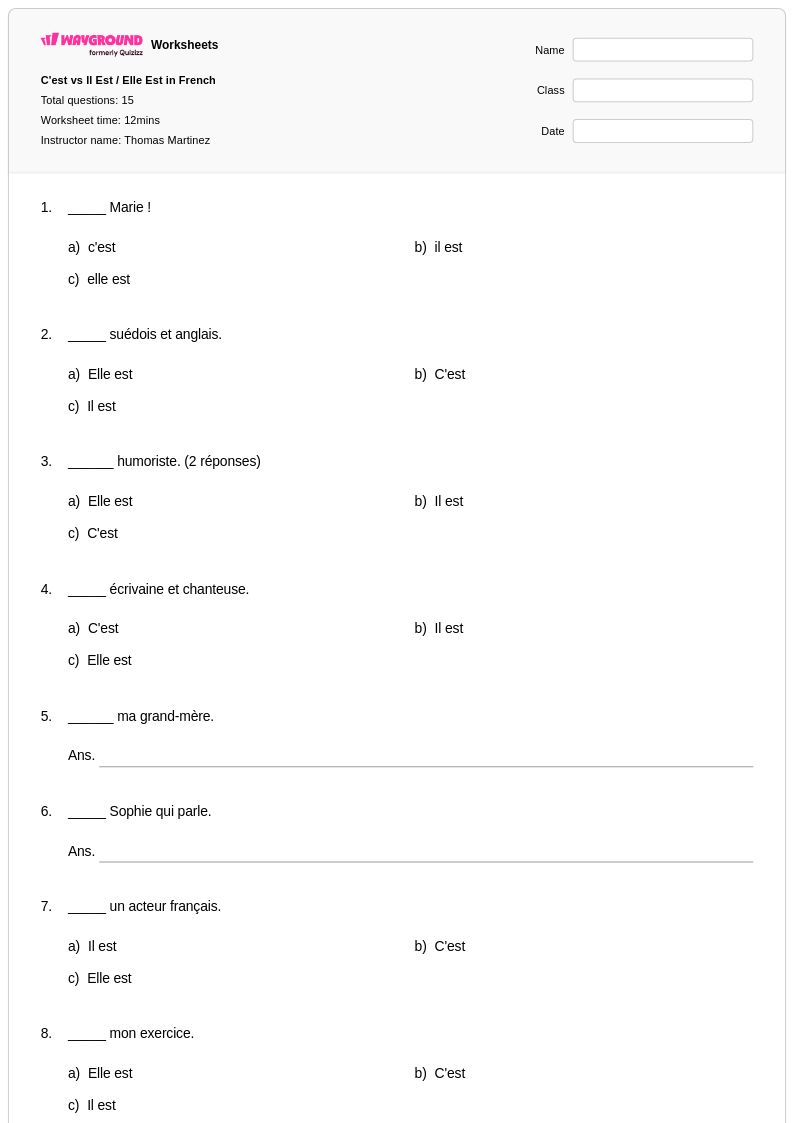
15 P
4th - PD
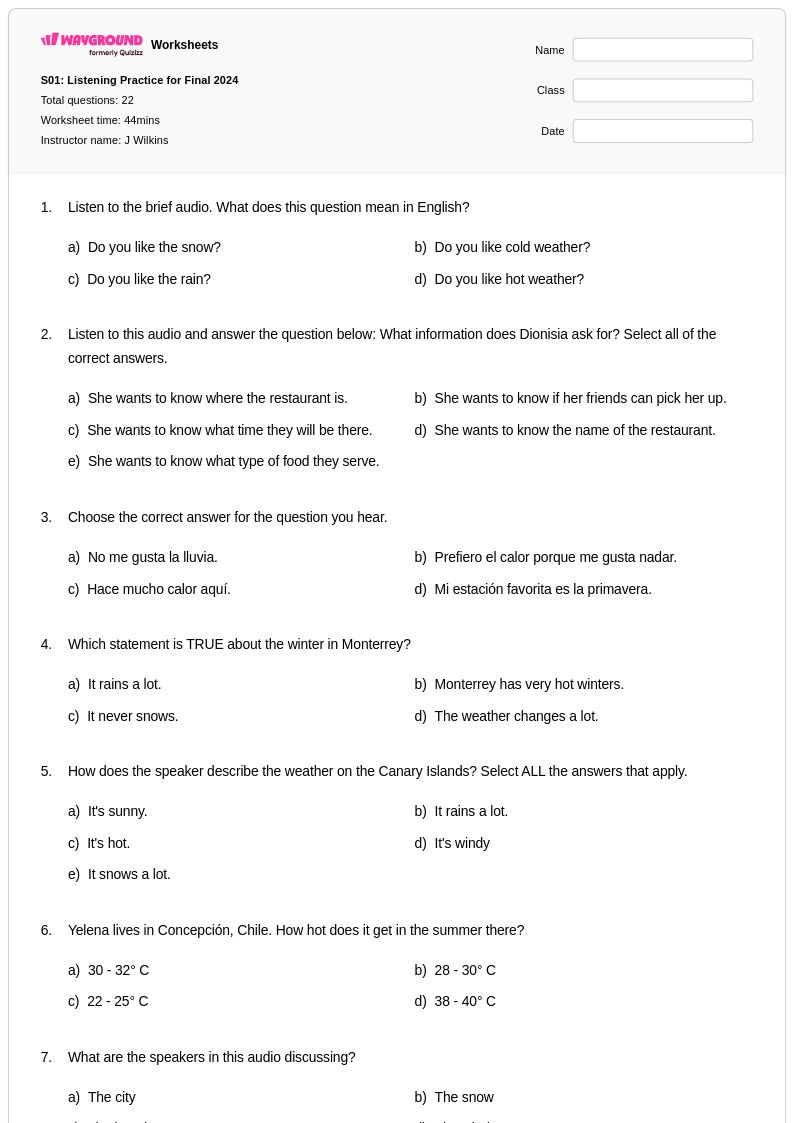
22 P
9th - 12th
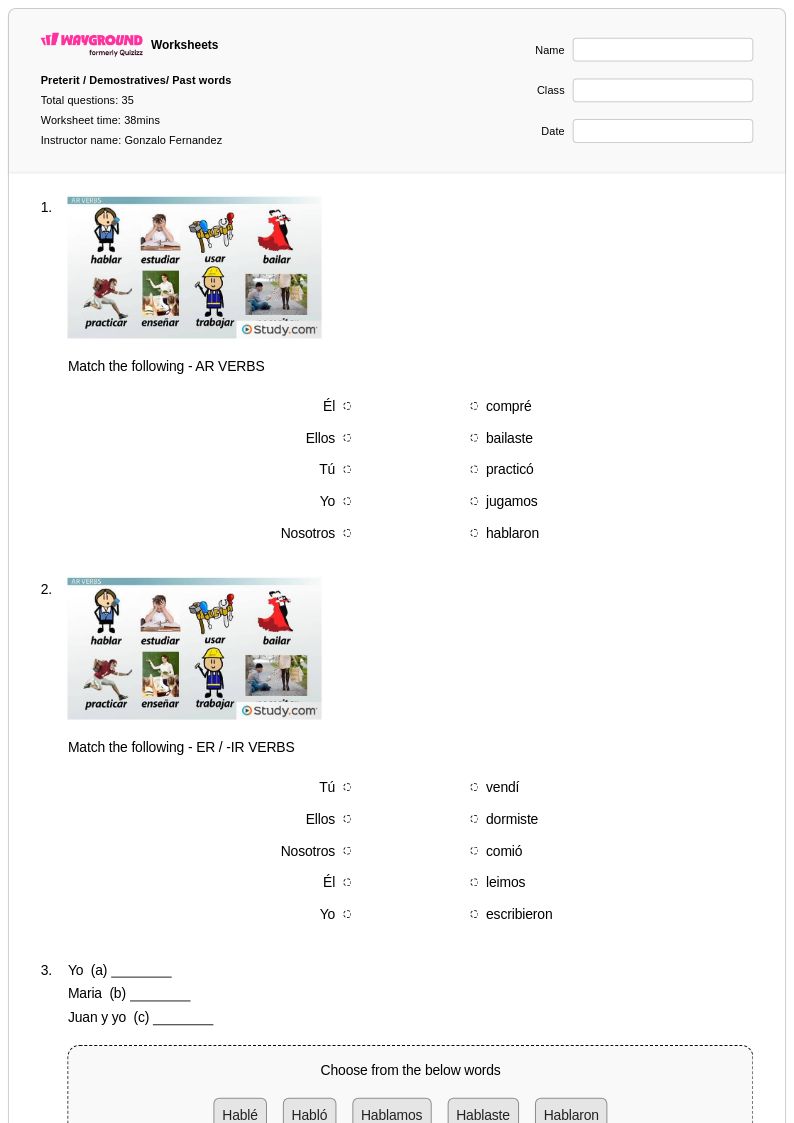
35 P
7th - 12th
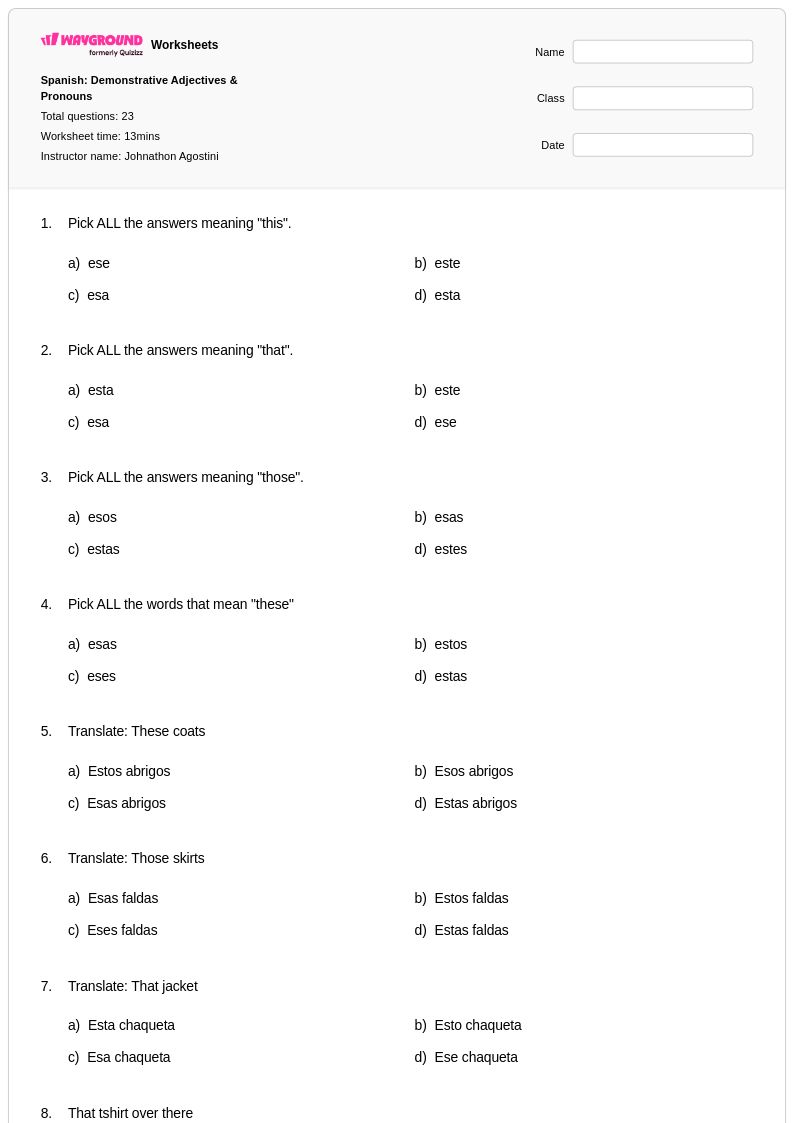
23 P
9th - 12th
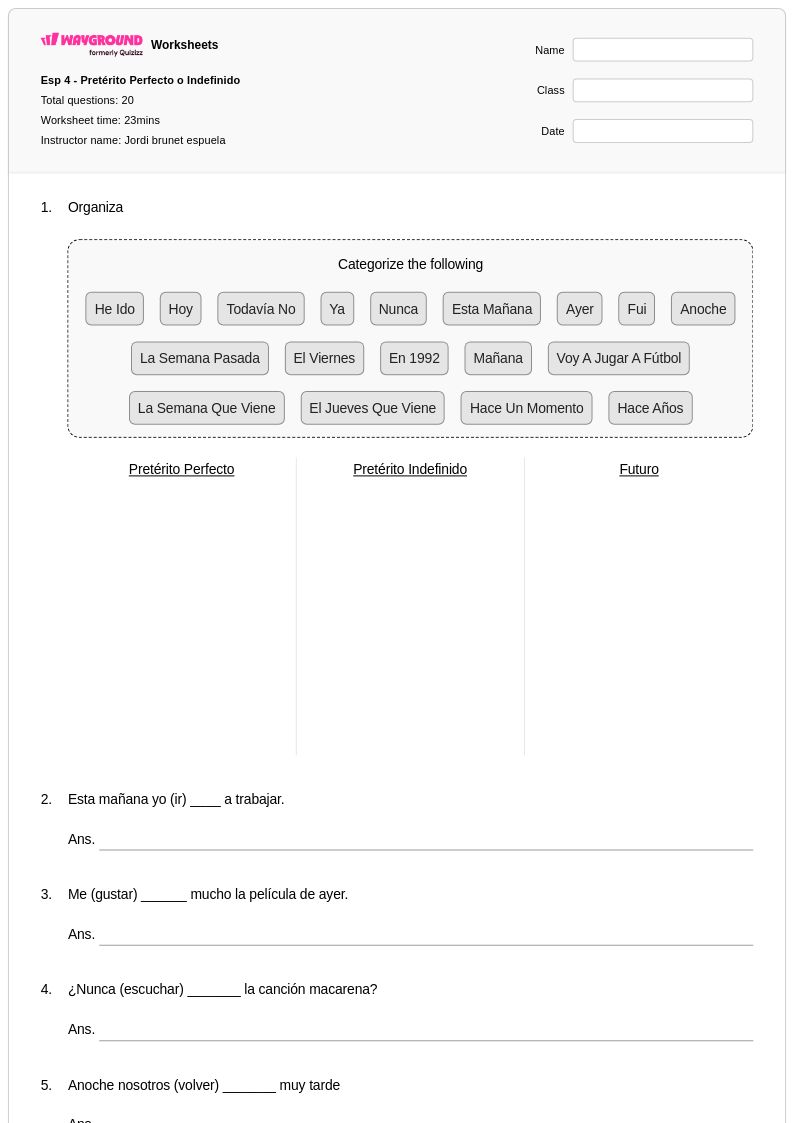
20 P
9th - 12th
Przeglądaj ESL arkusze ćwiczeń według ocen
Przeglądaj inne arkusze tematyczne dla class 11
Explore printable ESL worksheets for Class 11
ESL worksheets for Class 11 students available through Wayground (formerly Quizizz) provide comprehensive language learning support designed to advance English proficiency at the upper secondary level. These carefully structured resources target critical areas including advanced grammar concepts, academic vocabulary expansion, reading comprehension of complex texts, and sophisticated writing skills essential for college and career readiness. The worksheets systematically build upon foundational language skills while introducing more nuanced elements such as idiomatic expressions, formal register usage, and critical analysis techniques. Each printable resource includes detailed answer keys that enable both independent study and guided instruction, while the variety of practice problems ensures students encounter diverse linguistic contexts and text types. These free materials emphasize real-world application of English skills, preparing students for academic success and professional communication through engaging exercises that challenge learners to demonstrate mastery of increasingly complex language structures.
Wayground (formerly Quizizz) empowers educators with an extensive collection of millions of teacher-created ESL resources specifically curated for Class 11 instruction, featuring robust search and filtering capabilities that streamline lesson planning and resource selection. The platform's comprehensive standards alignment ensures that worksheets correspond with established English language learning benchmarks and curriculum requirements, while sophisticated differentiation tools allow teachers to customize materials according to individual student needs and proficiency levels. These versatile resources are available in both printable pdf formats and interactive digital versions, providing educators with flexibility to adapt instruction for various learning environments and teaching modalities. The platform's organizational features facilitate targeted remediation for students struggling with specific language concepts, while also offering enrichment opportunities for advanced learners, making it an invaluable resource for skill practice across diverse classroom settings and enabling teachers to address the wide range of proficiency levels typically found in Class 11 ESL programs.
FAQs
How do I teach English language learners with different proficiency levels in the same classroom?
What exercises help ESL students practice grammar and vocabulary?
What are the most common mistakes ESL students make with English grammar?
How can I assess English language learners without disadvantaging them on standard assessments?
How do I use ESL worksheets on Wayground in my classroom?
How do I support newcomer ESL students who have very limited English proficiency?