
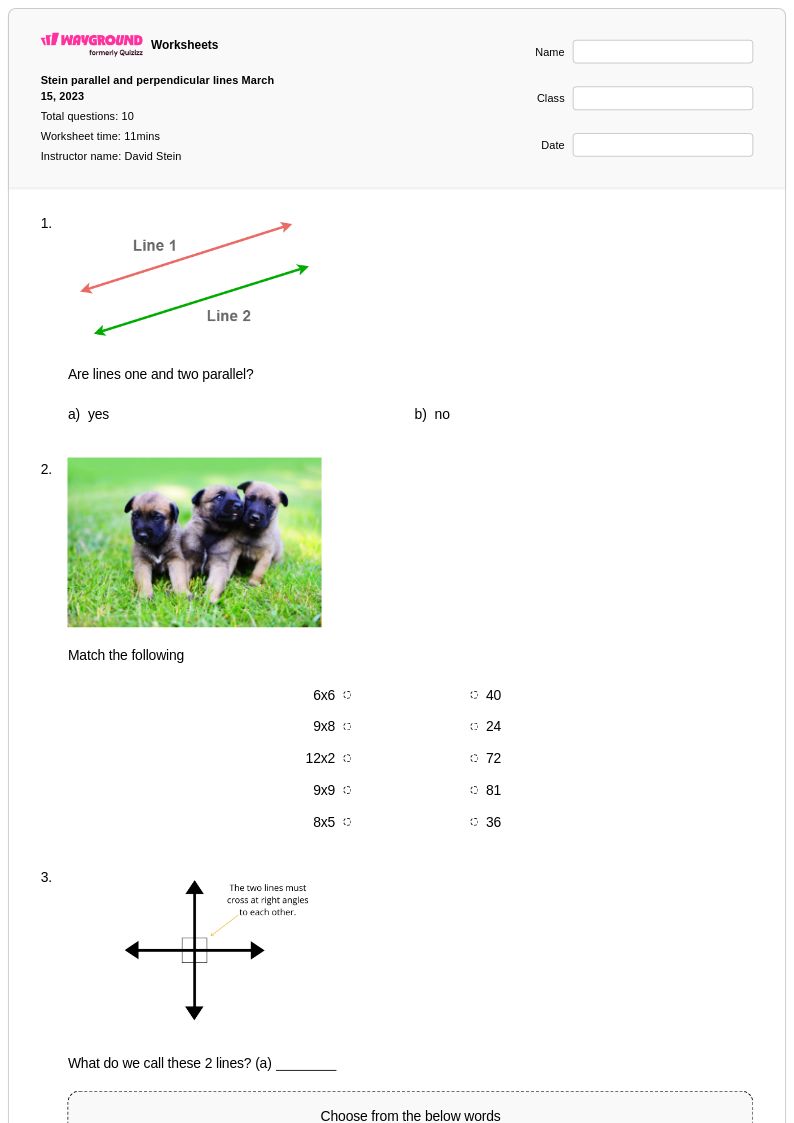
10 Q
2nd
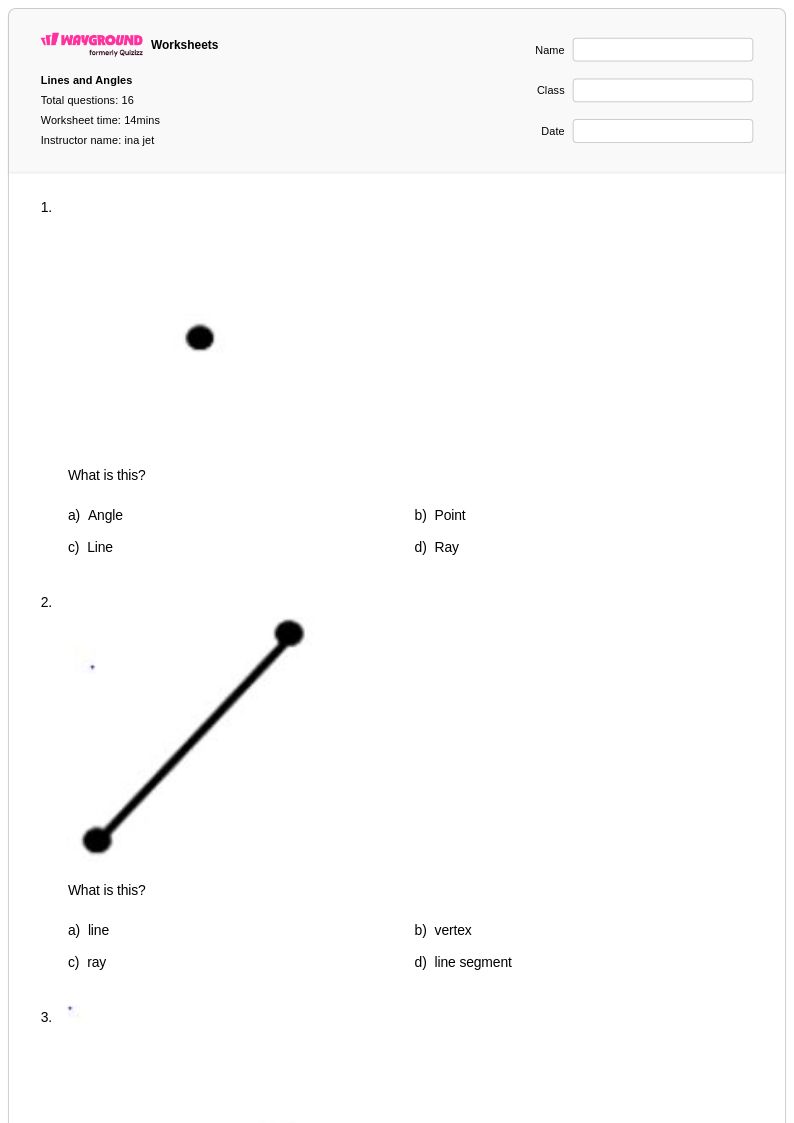
16 Q
1st - 5th
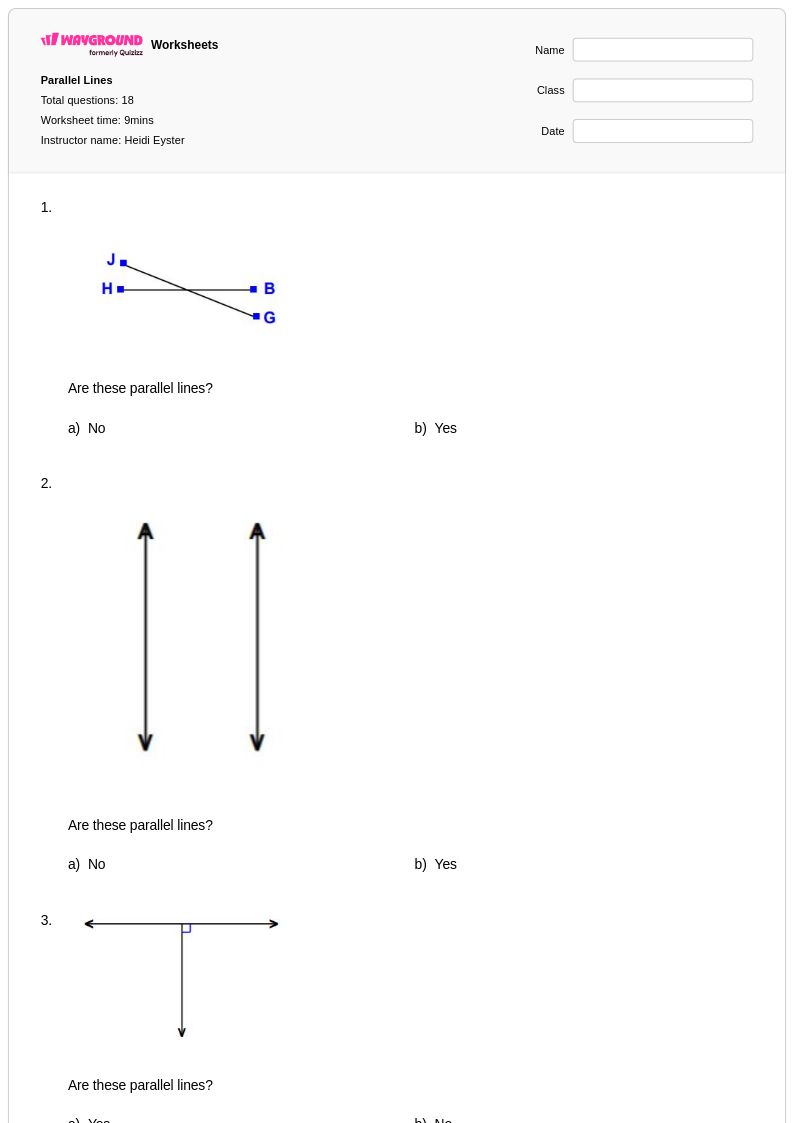
18 Q
2nd
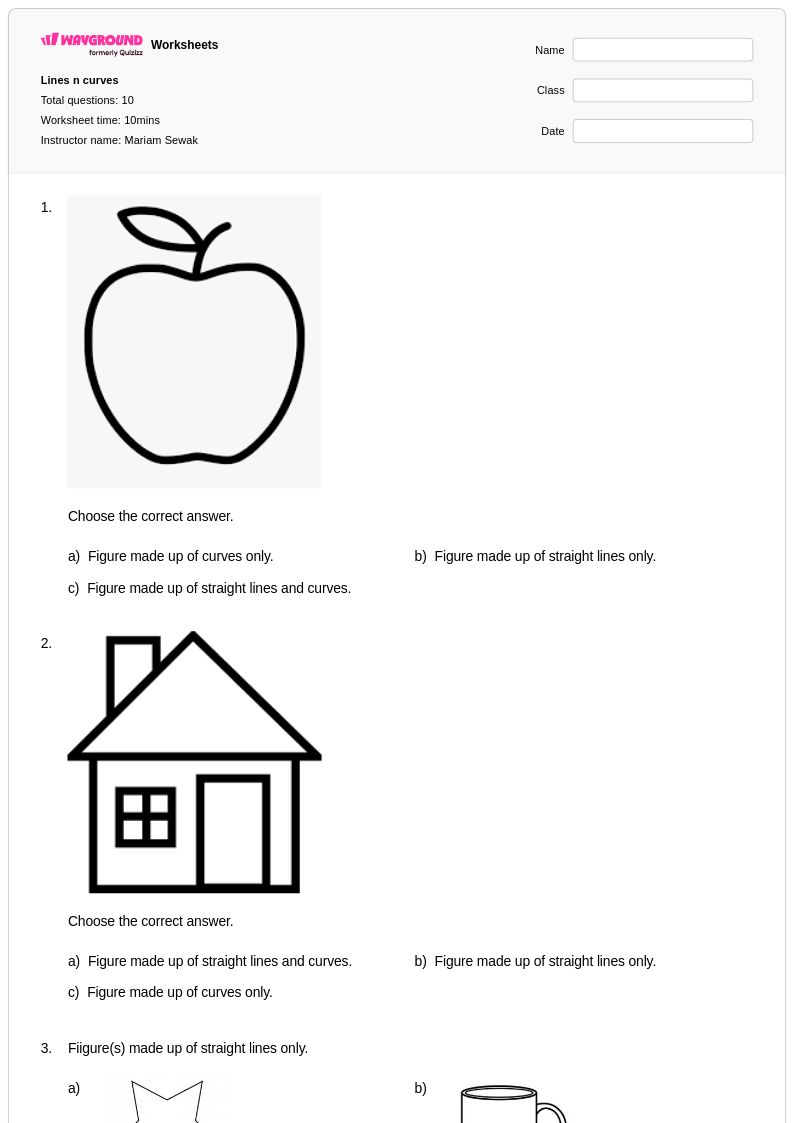
10 Q
2nd
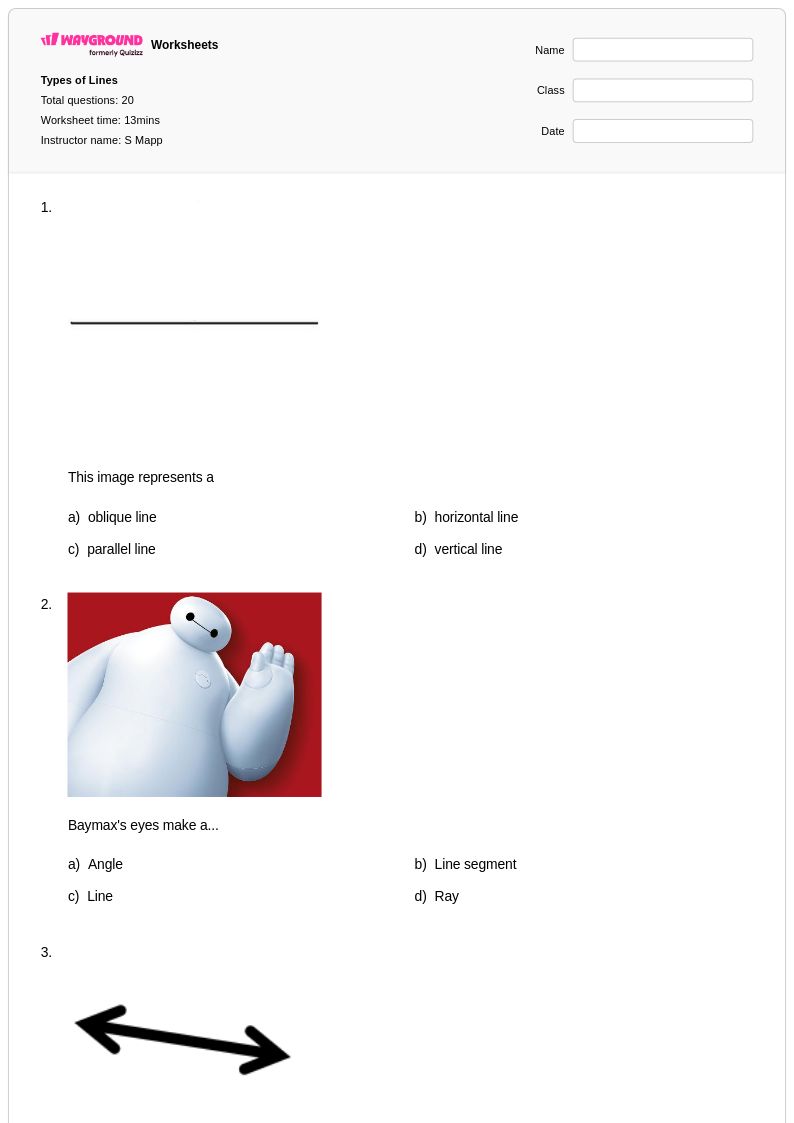
20 Q
1st - 4th
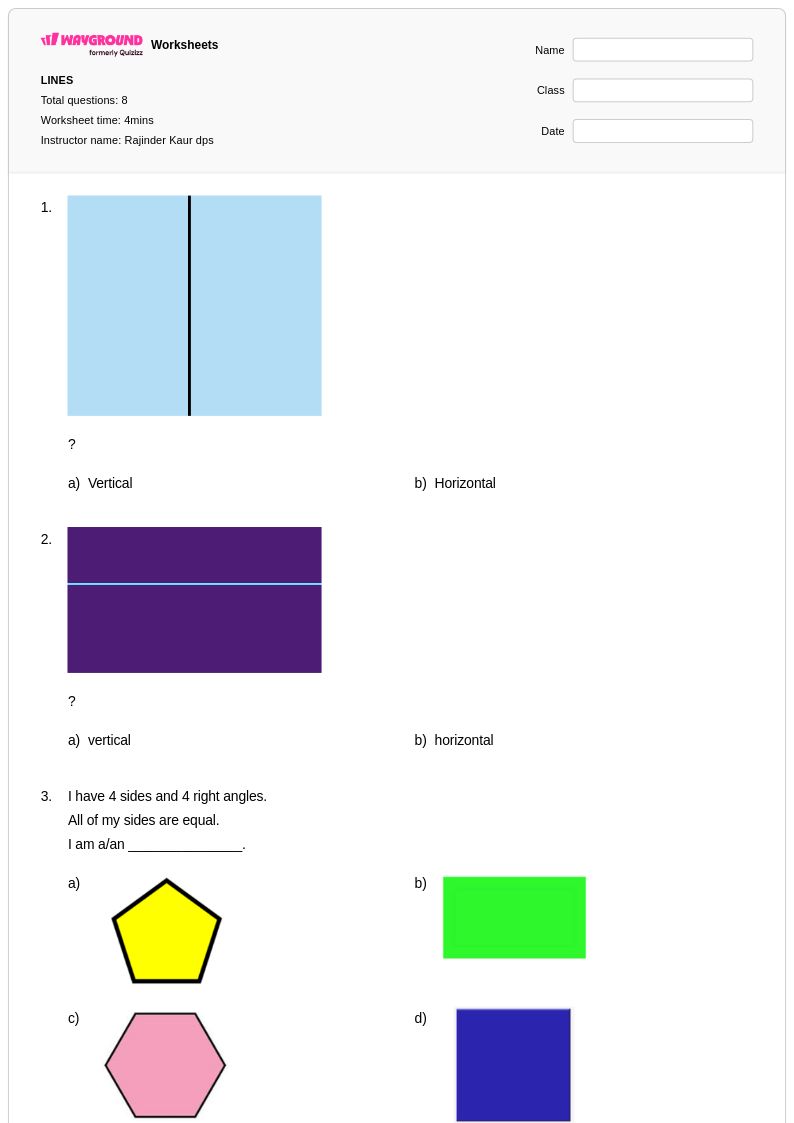
8 Q
2nd
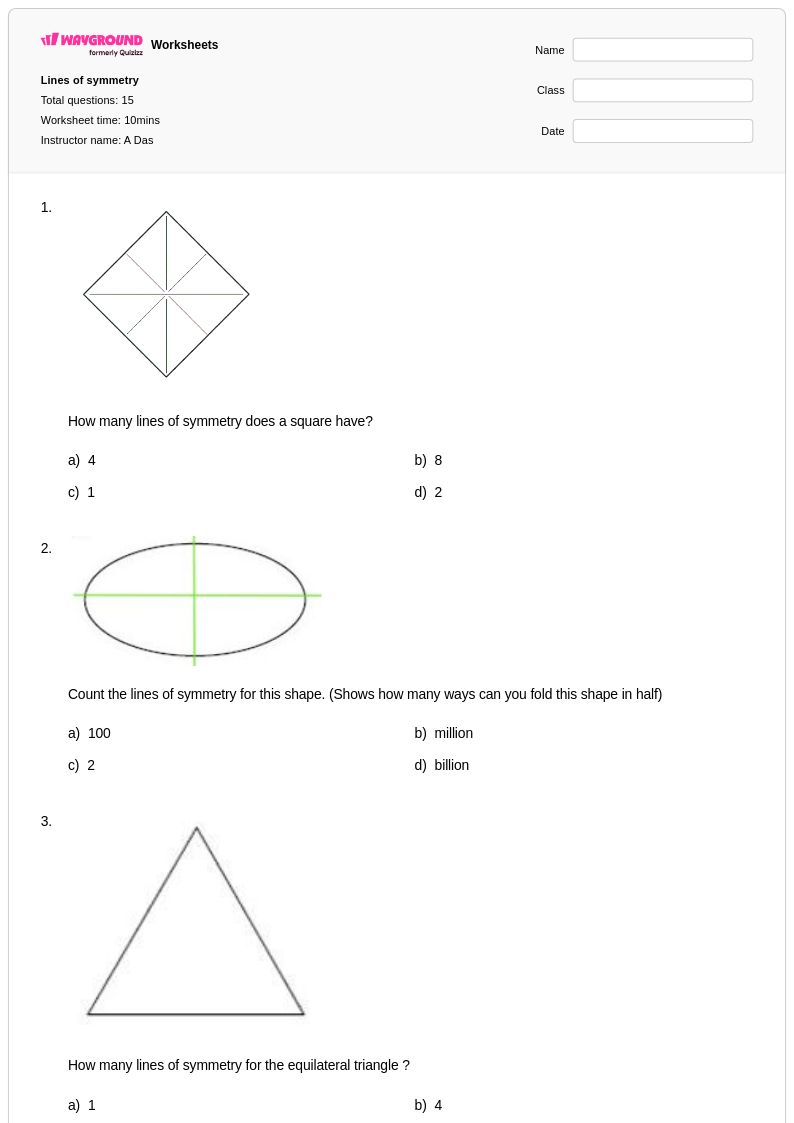
15 Q
1st - 5th
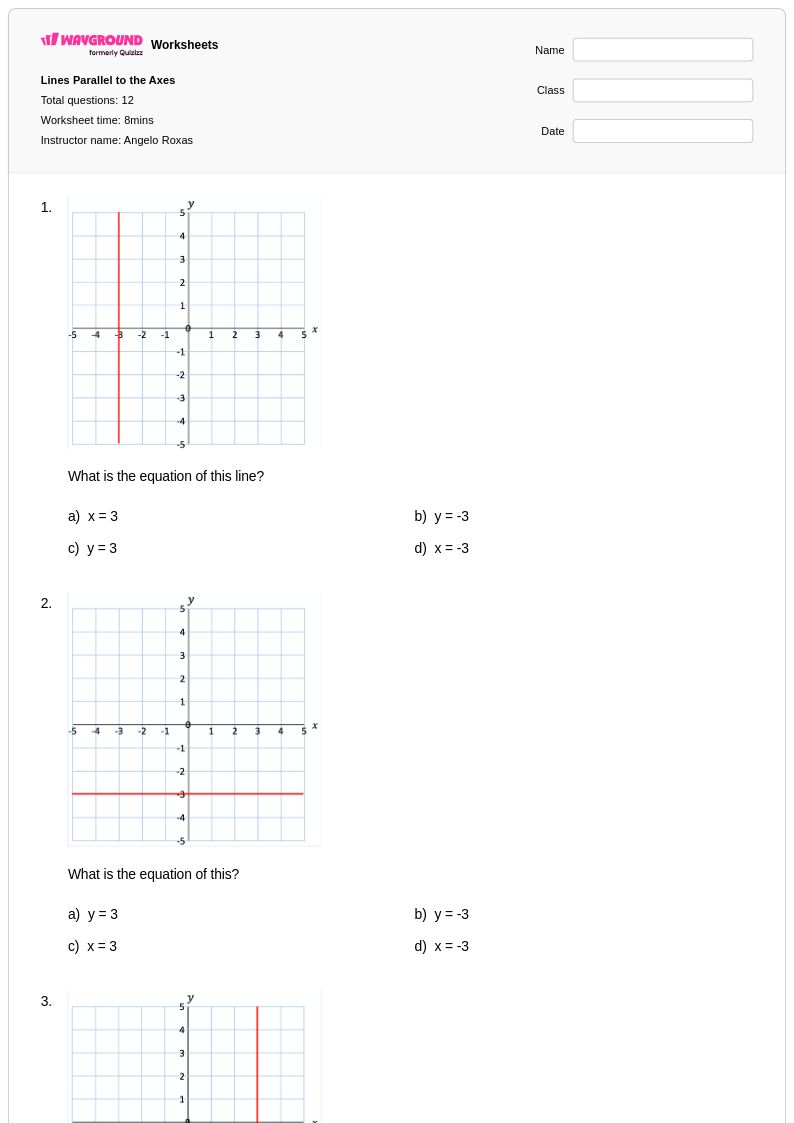
12 Q
2nd - 5th
10 Q
1st - 3rd
10 Q
2nd
10 Q
1st - 2nd
10 Q
2nd
10 Q
2nd
10 Q
2nd
20 Q
2nd - Uni
20 Q
2nd
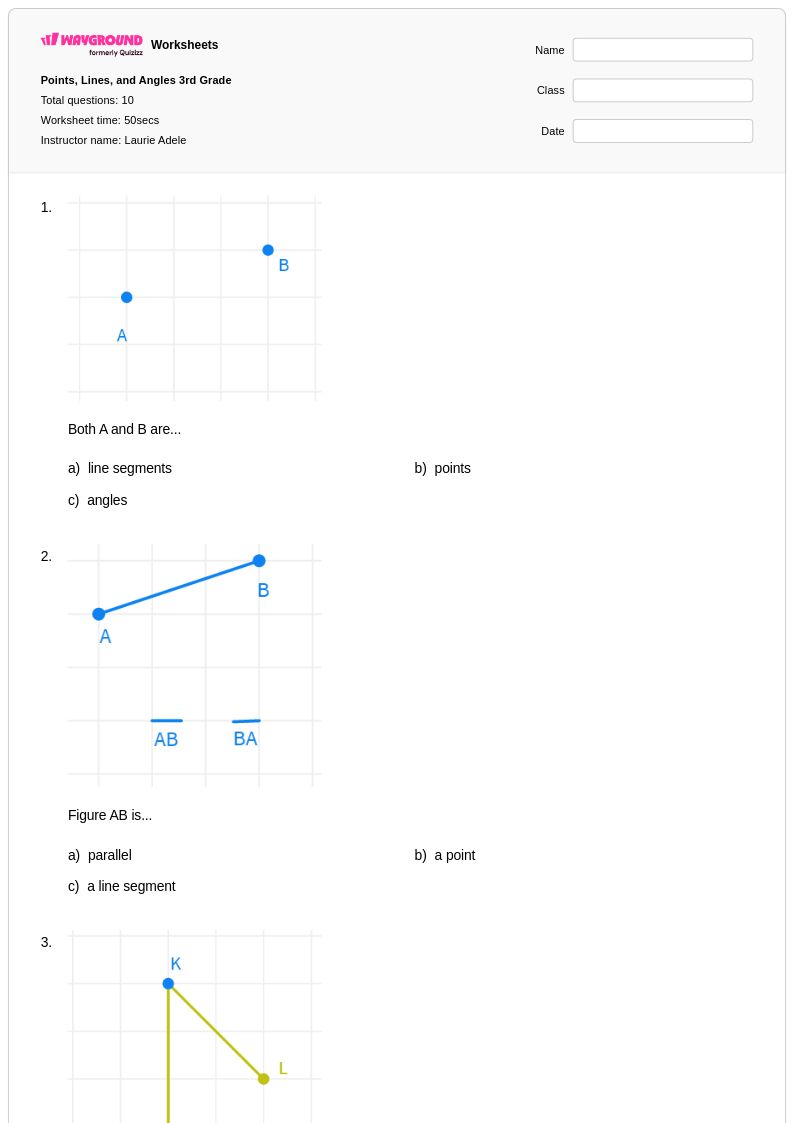
10 Q
2nd - 3rd
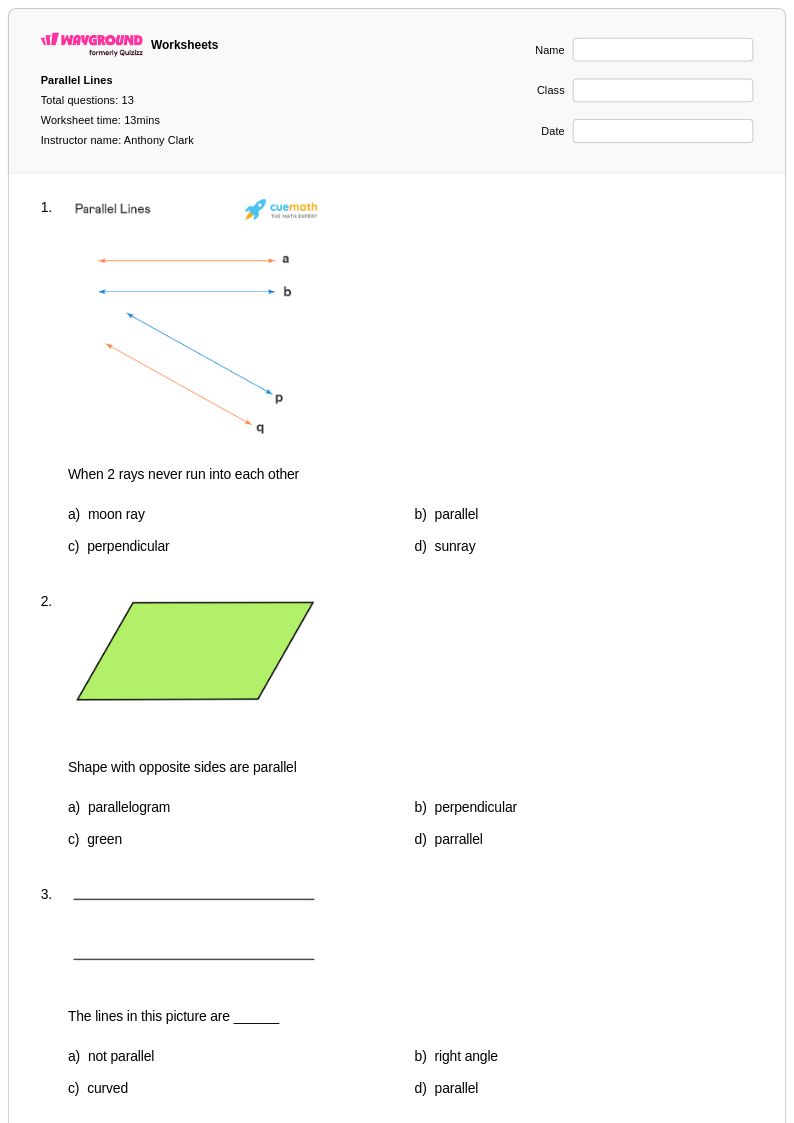
13 Q
2nd - Uni
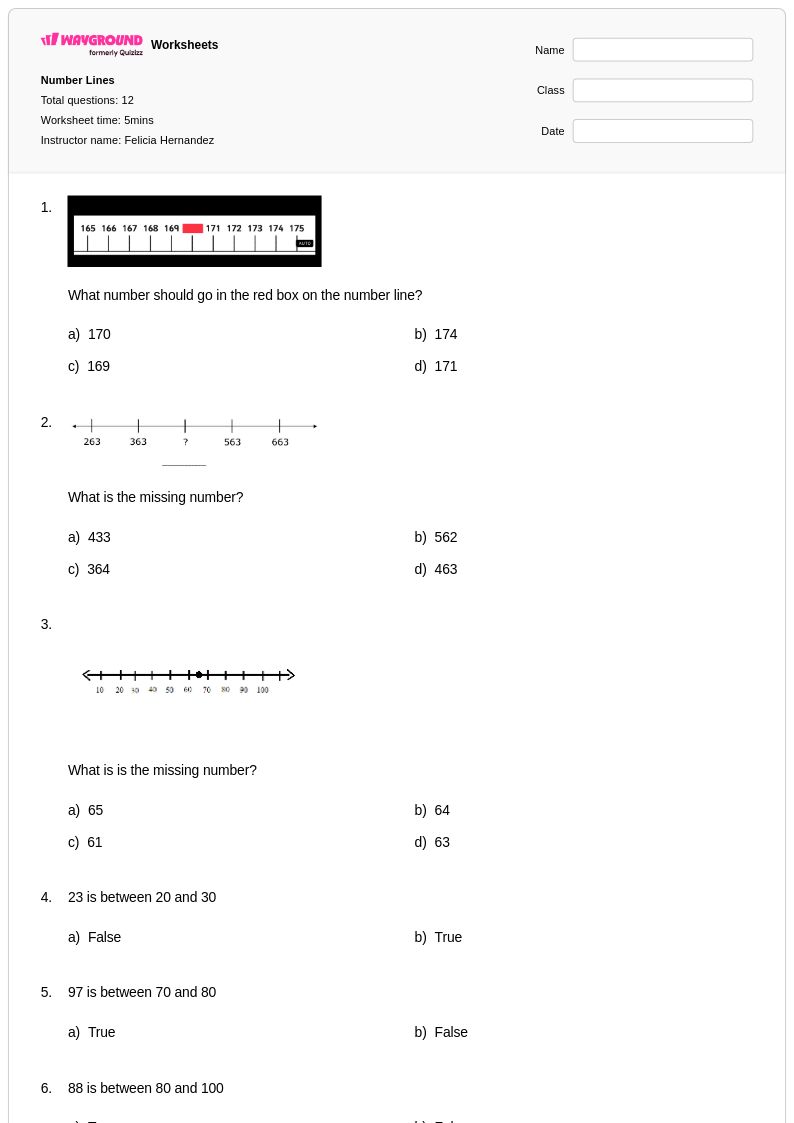
12 Q
2nd
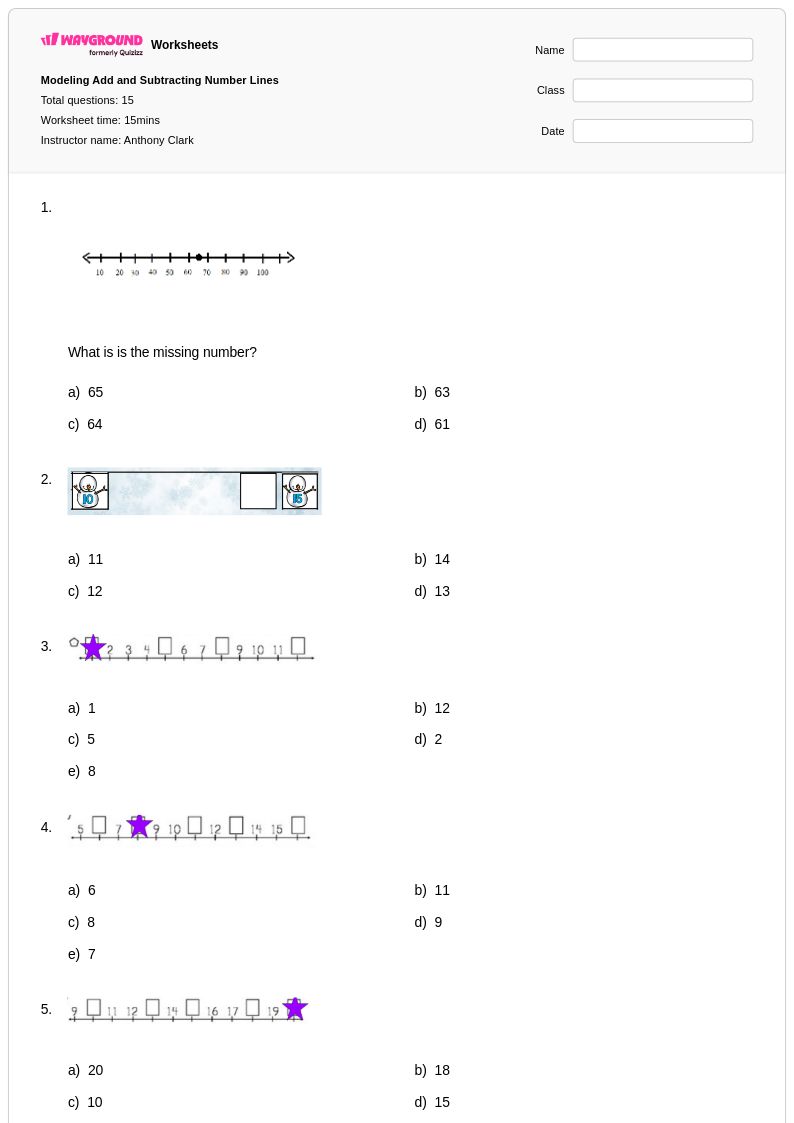
15 Q
2nd - Uni
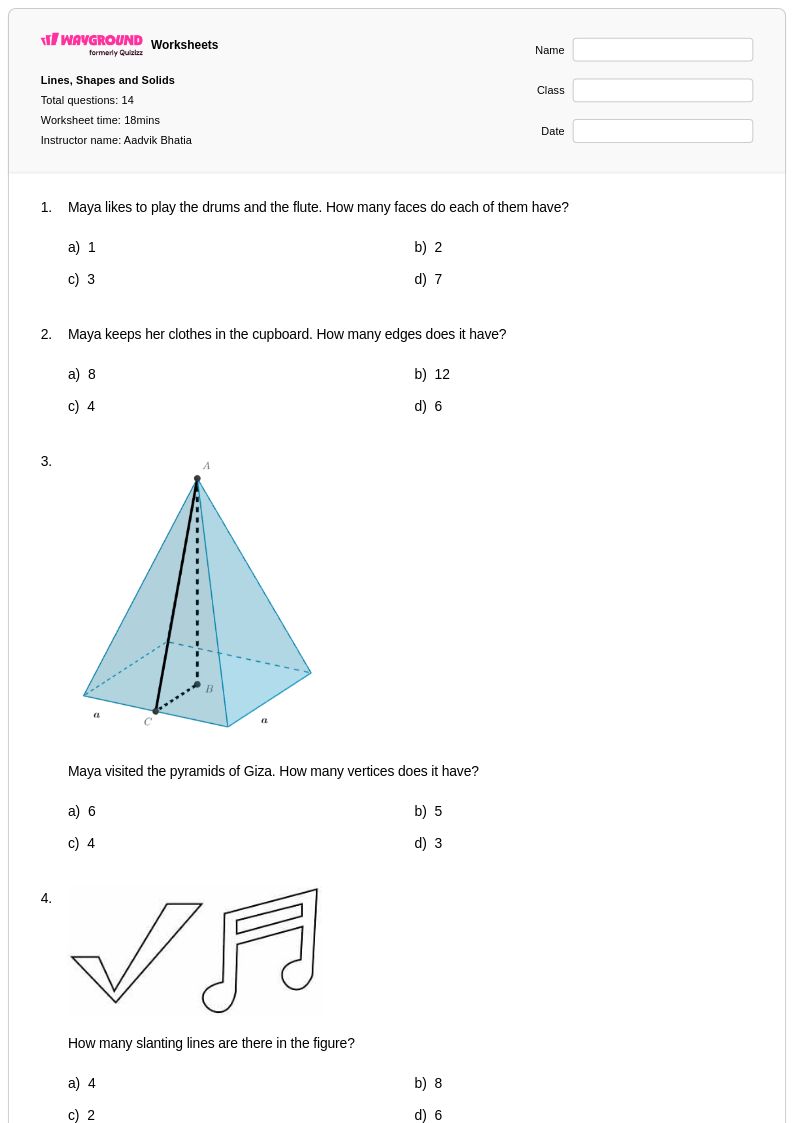
17 Q
2nd - Uni
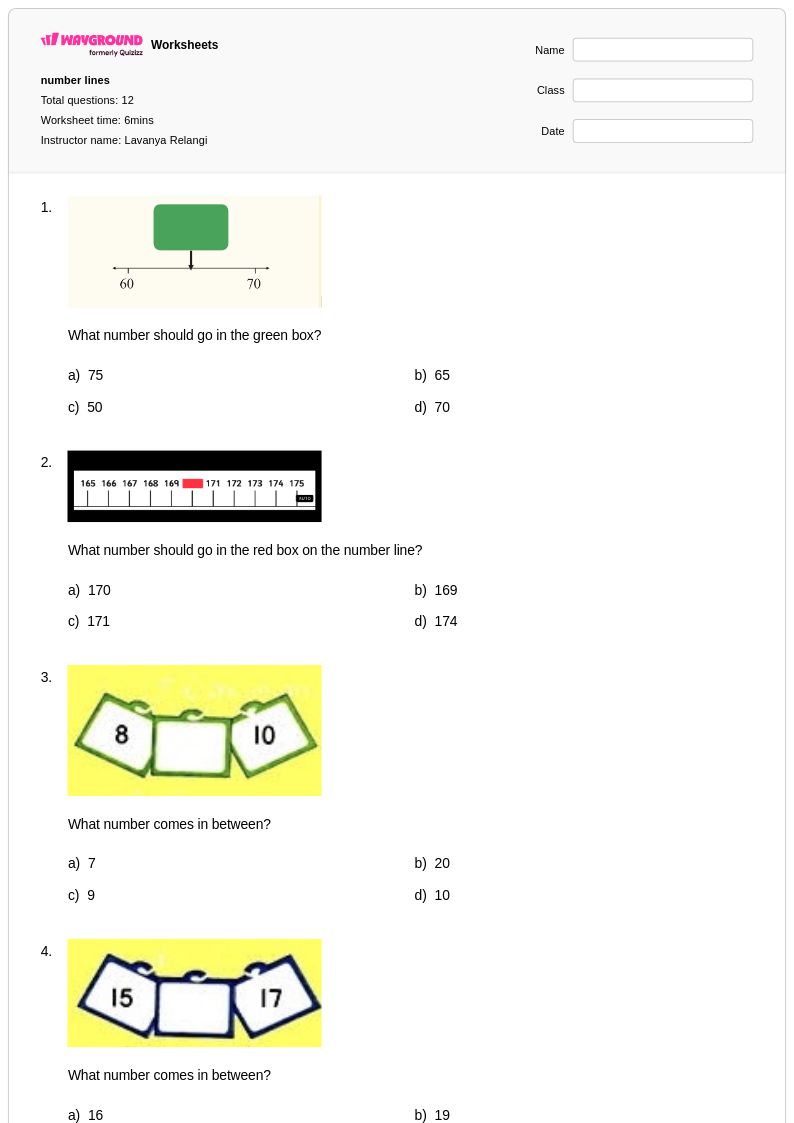
12 Q
2nd
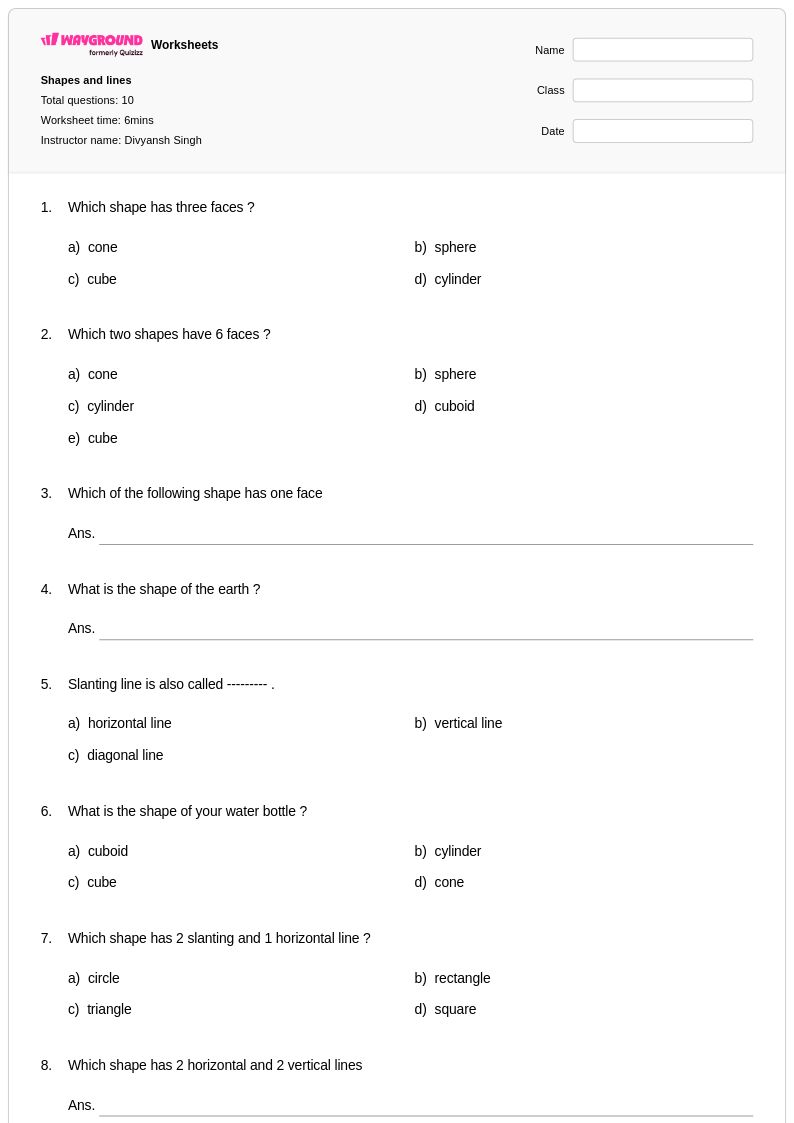
10 Q
2nd
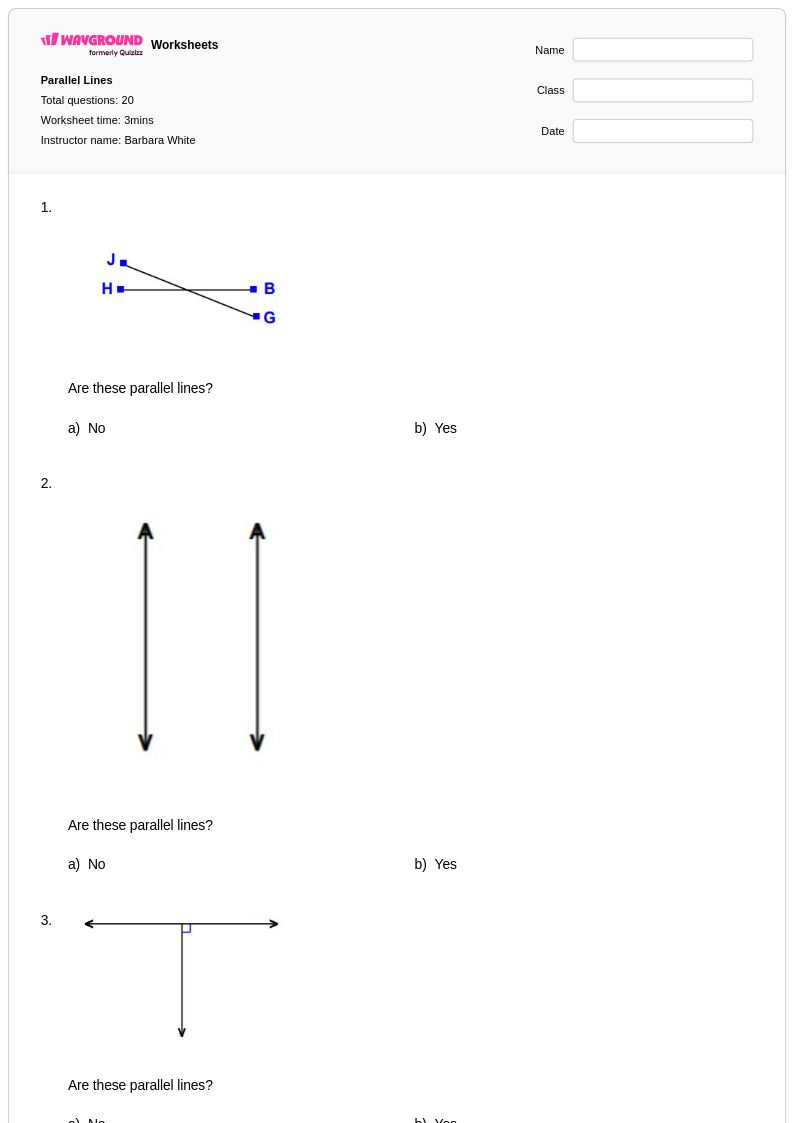
20 Q
2nd
Explore Other Subject Worksheets for class 2
Explore printable Lines worksheets for Class 2
Lines worksheets for Class 2 students through Wayground (formerly Quizizz) provide essential foundational geometry practice that introduces young learners to one of the most fundamental concepts in mathematics. These carefully designed printables help second graders identify, draw, and understand different types of lines including straight lines, curved lines, and line segments through engaging visual exercises and hands-on activities. Each worksheet collection focuses on developing spatial reasoning skills and geometric vocabulary while offering structured practice problems that build confidence in recognizing lines in various orientations and contexts. Teachers can access comprehensive answer keys and free pdf resources that support systematic instruction in this critical early geometry concept, ensuring students develop strong visual-spatial skills that will serve as building blocks for more advanced geometric understanding.
Wayground's extensive library contains millions of teacher-created line worksheets specifically designed for Class 2 mathematics instruction, offering educators powerful search and filtering capabilities to locate resources that perfectly match their classroom needs and standards alignment requirements. The platform's differentiation tools enable teachers to customize worksheets for diverse learning styles and ability levels, while flexible formatting options provide both printable pdf versions for traditional paper-and-pencil work and digital formats for interactive learning experiences. These comprehensive worksheet collections support effective lesson planning by offering varied approaches to line recognition and drawing skills, while providing targeted resources for remediation when students need additional support and enrichment opportunities for advanced learners ready to explore more complex geometric relationships and spatial concepts.
FAQs
What do 2nd graders learn about lines?
What's a good way to introduce lines to second graders?
What activities help second graders practice drawing lines?
What challenges do young students face when learning to identify and draw lines?
How can I use this Grade 2 lines worksheet in my classroom?
How does this topic connect to the Common Core standards for early geometry?