

20 Q
5th
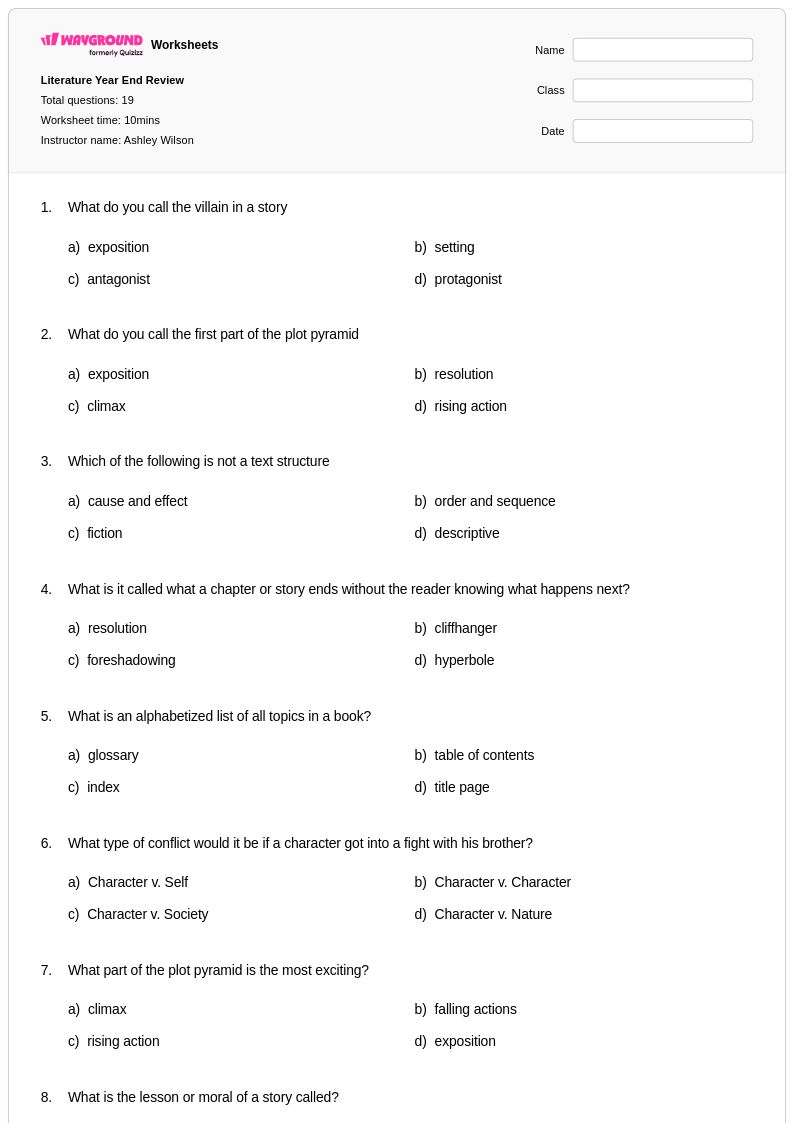
19 Q
4th - 6th
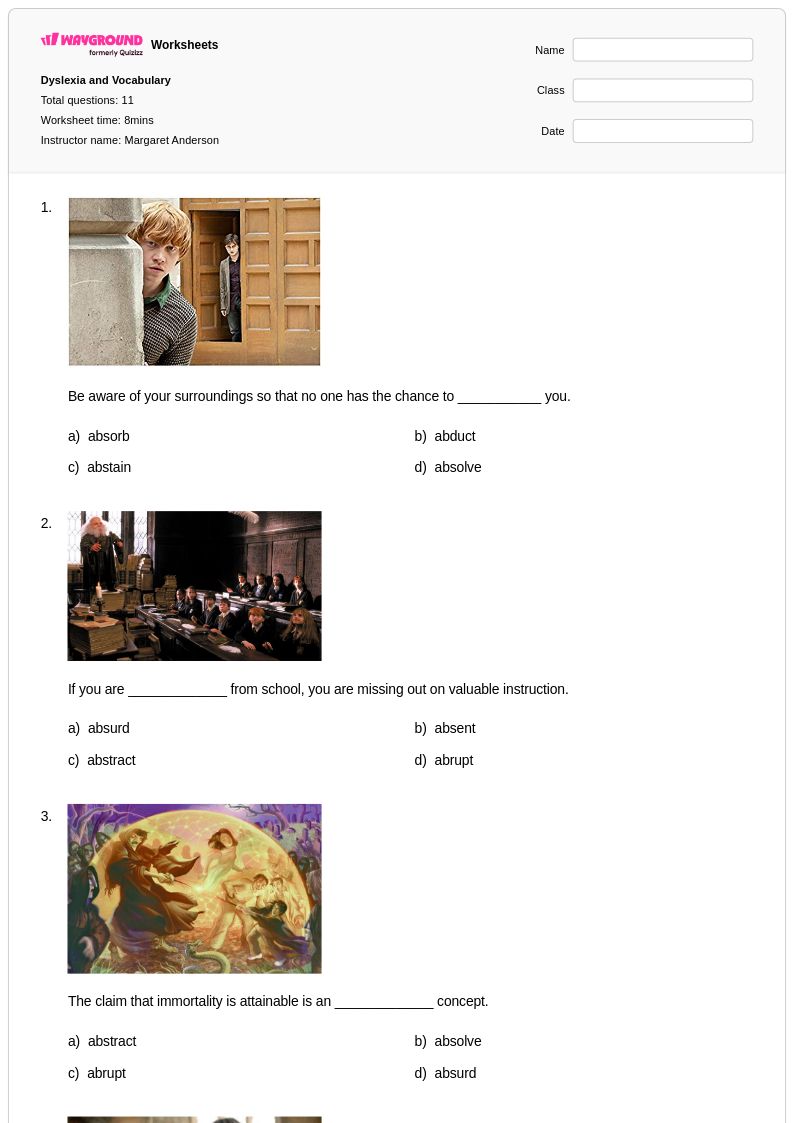
11 Q
5th - 8th
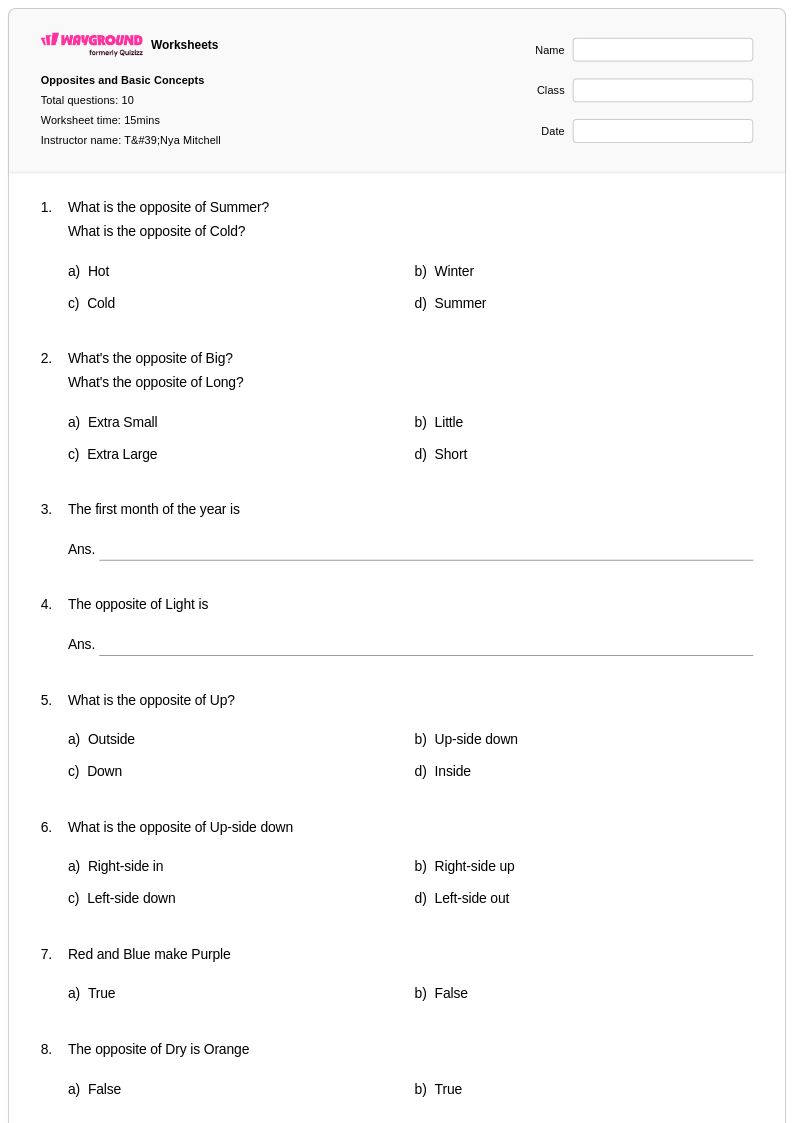
12 Q
1st - 5th
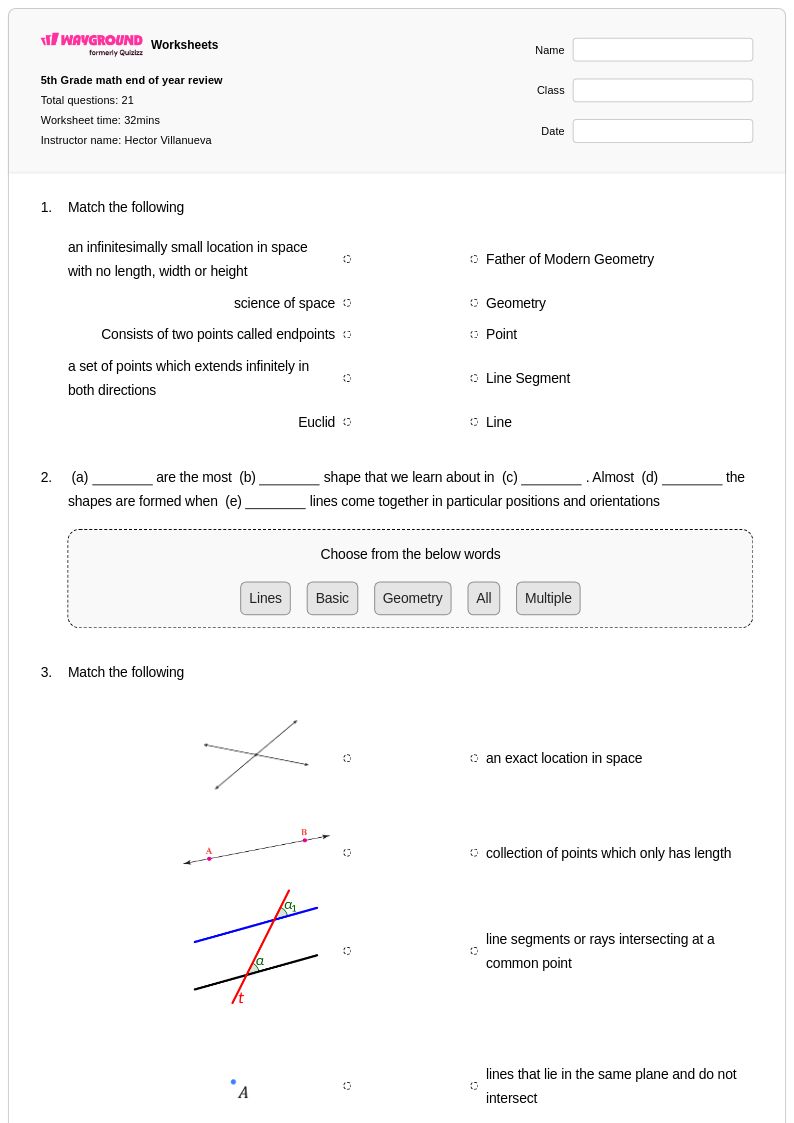
21 Q
5th
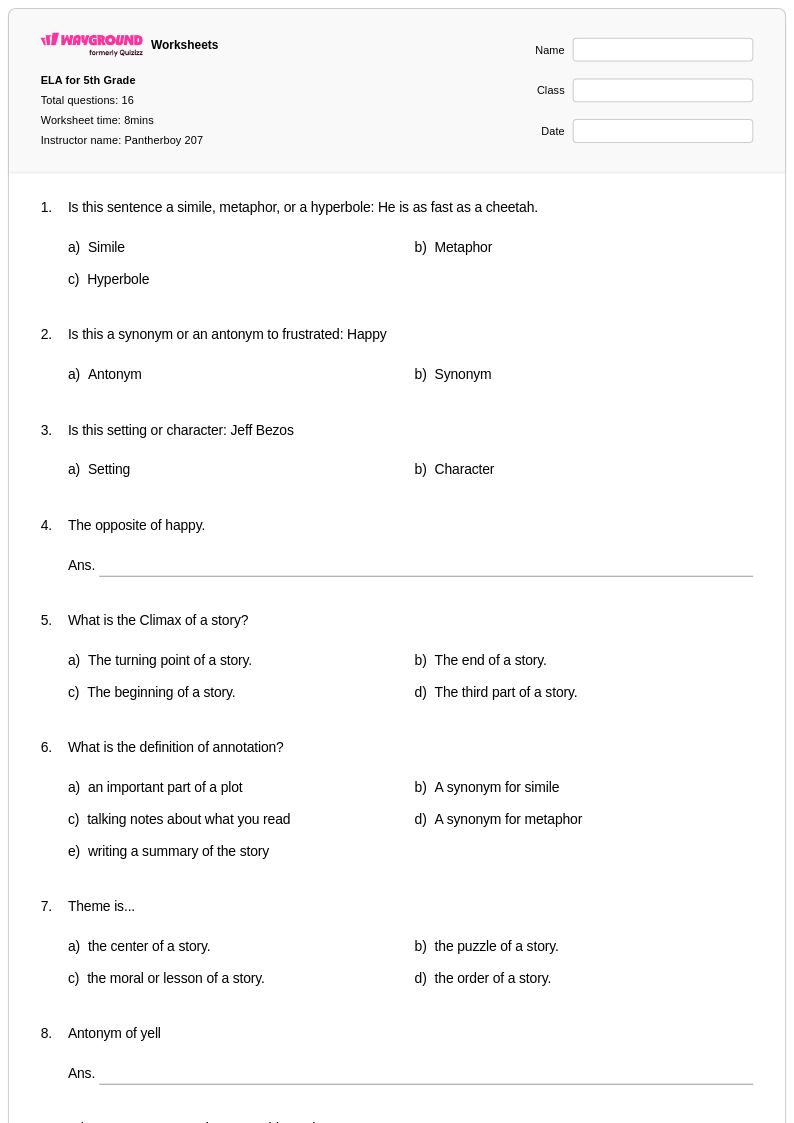
16 Q
5th
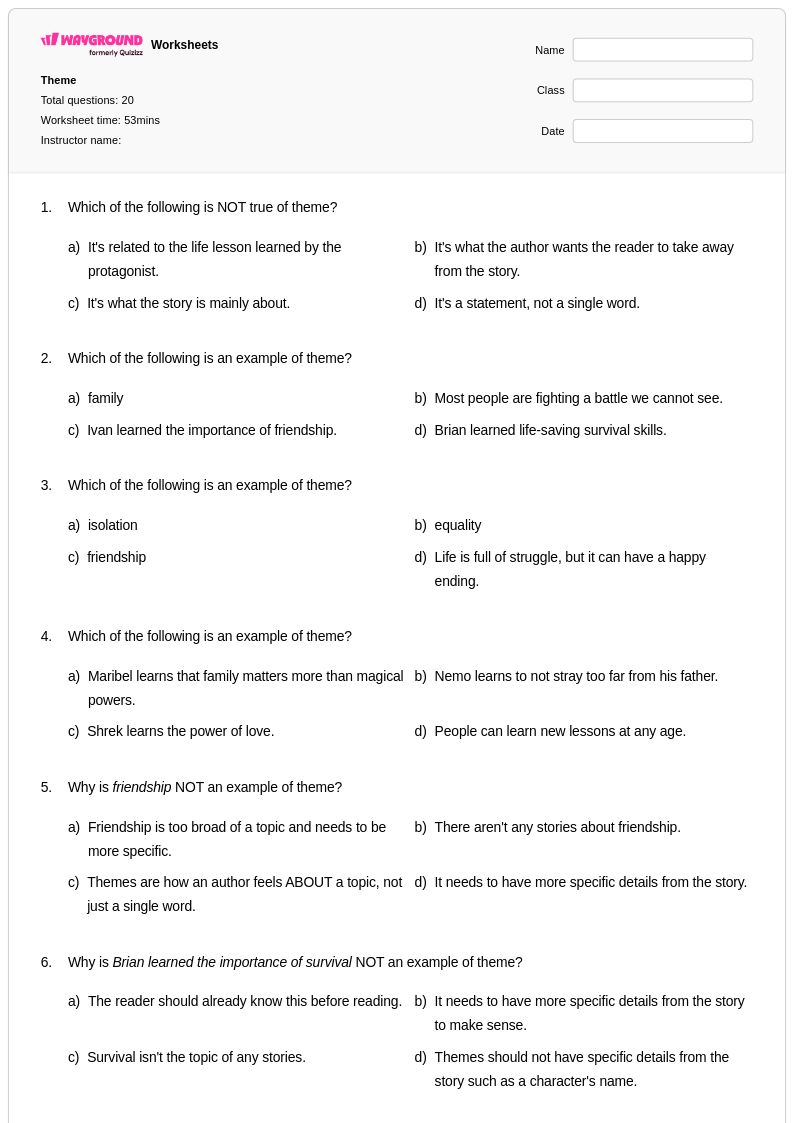
20 Q
5th
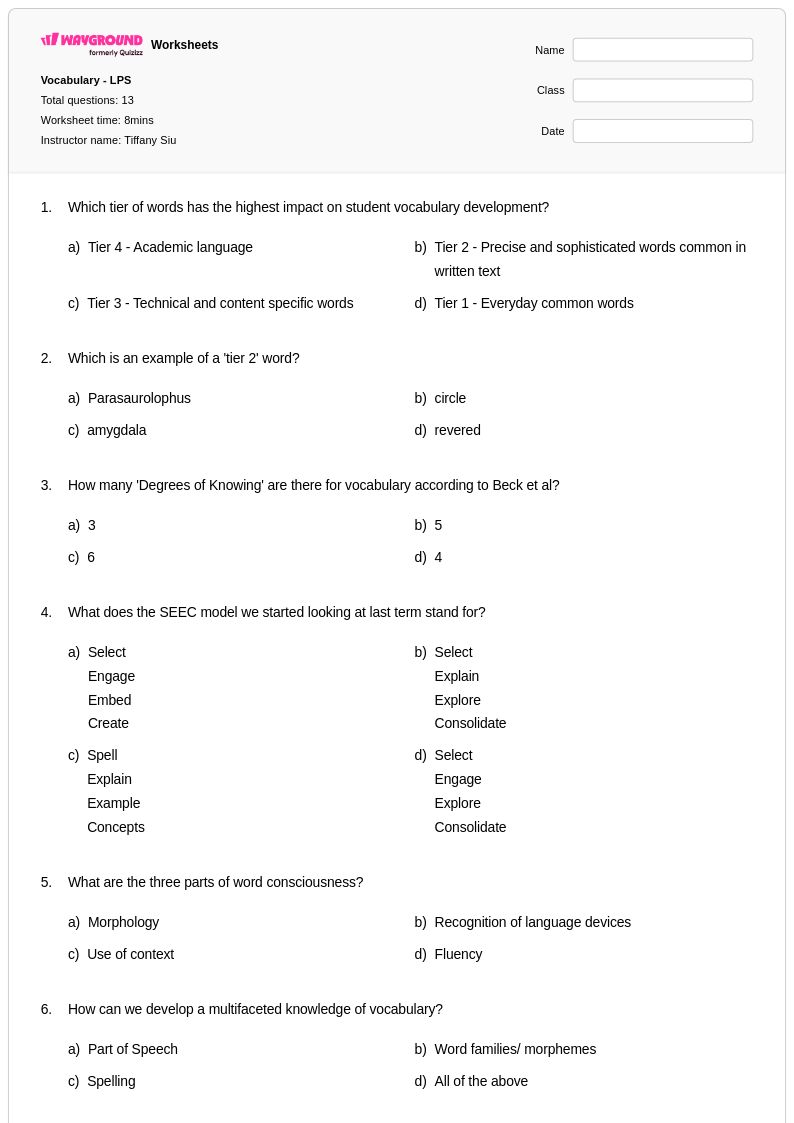
13 Q
3rd - 6th
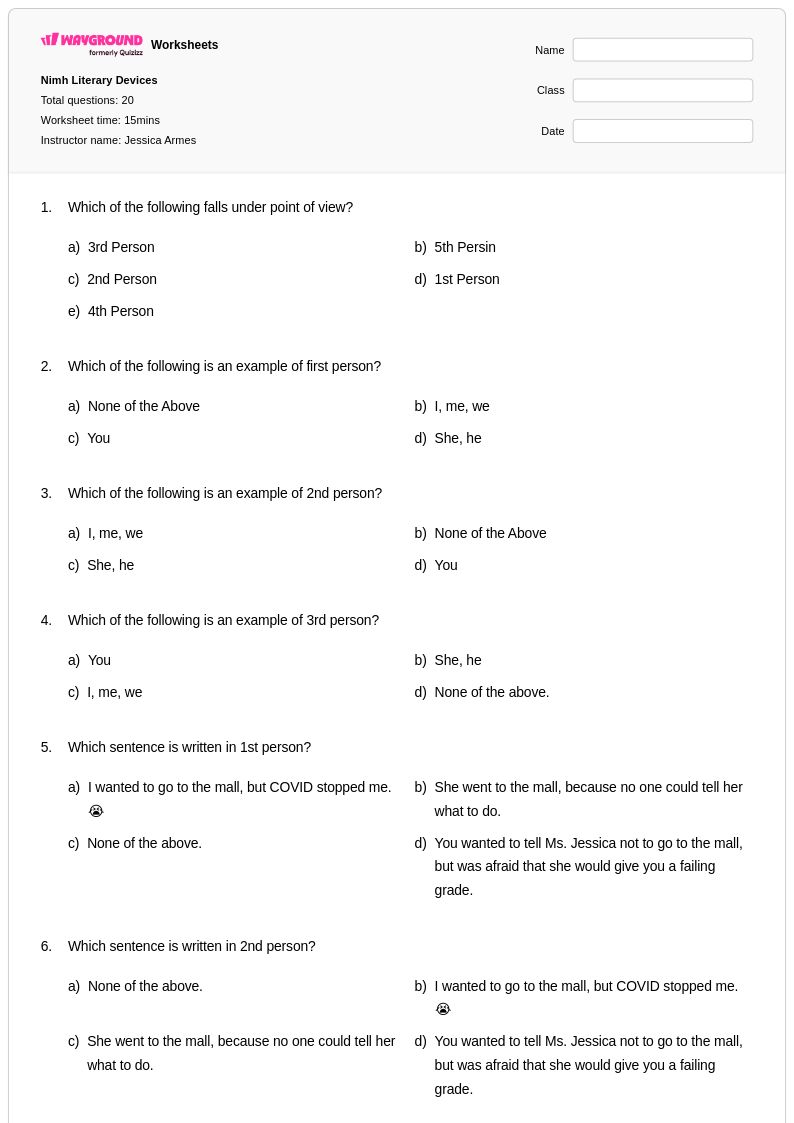
20 Q
5th - 7th
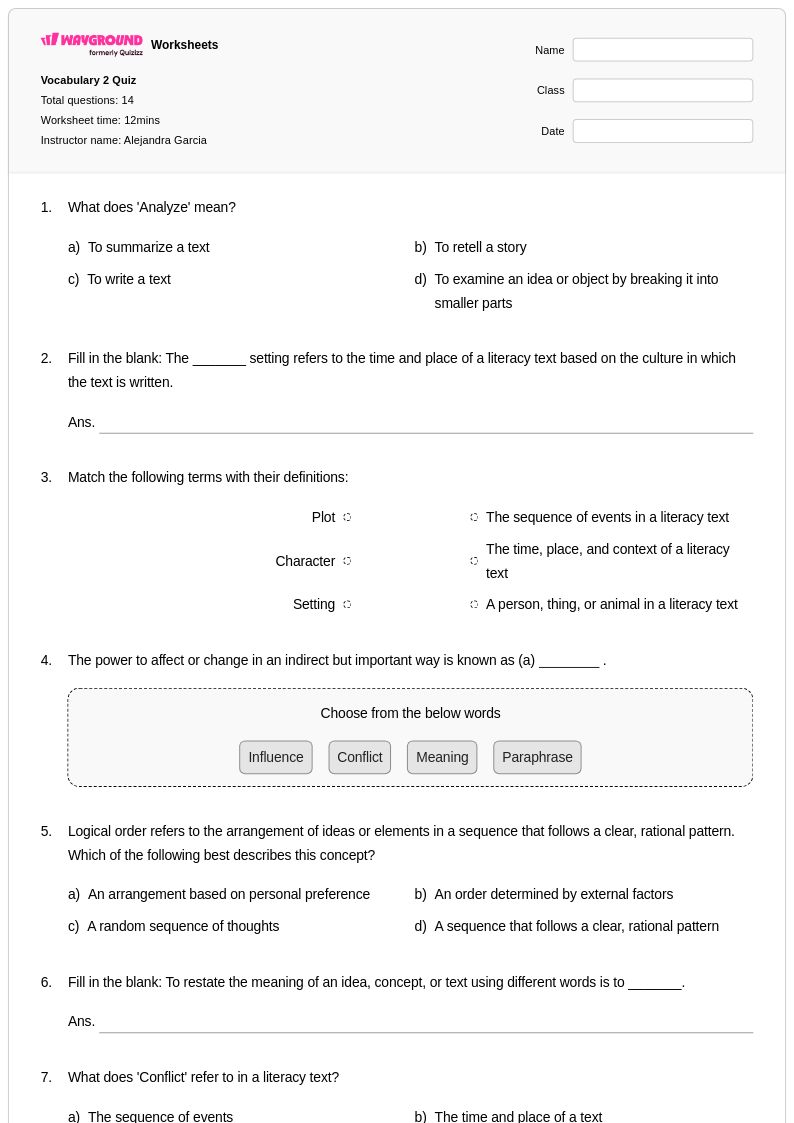
14 Q
5th
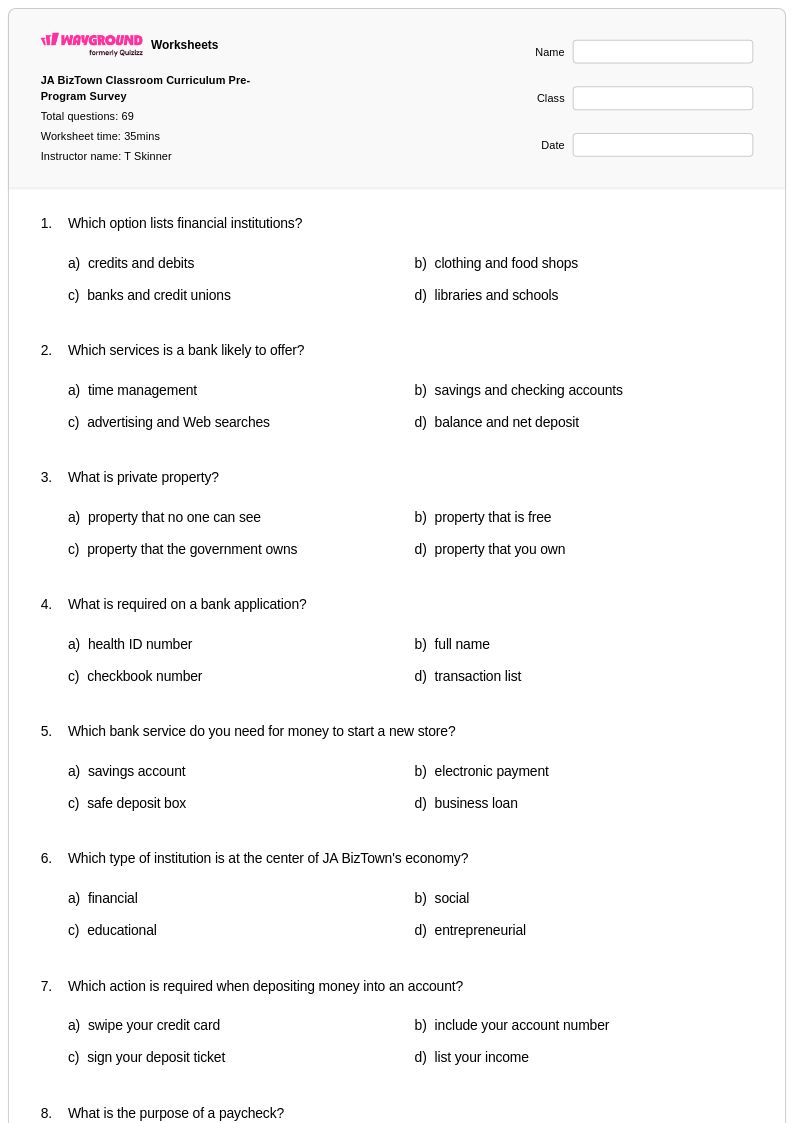
69 Q
5th - Uni
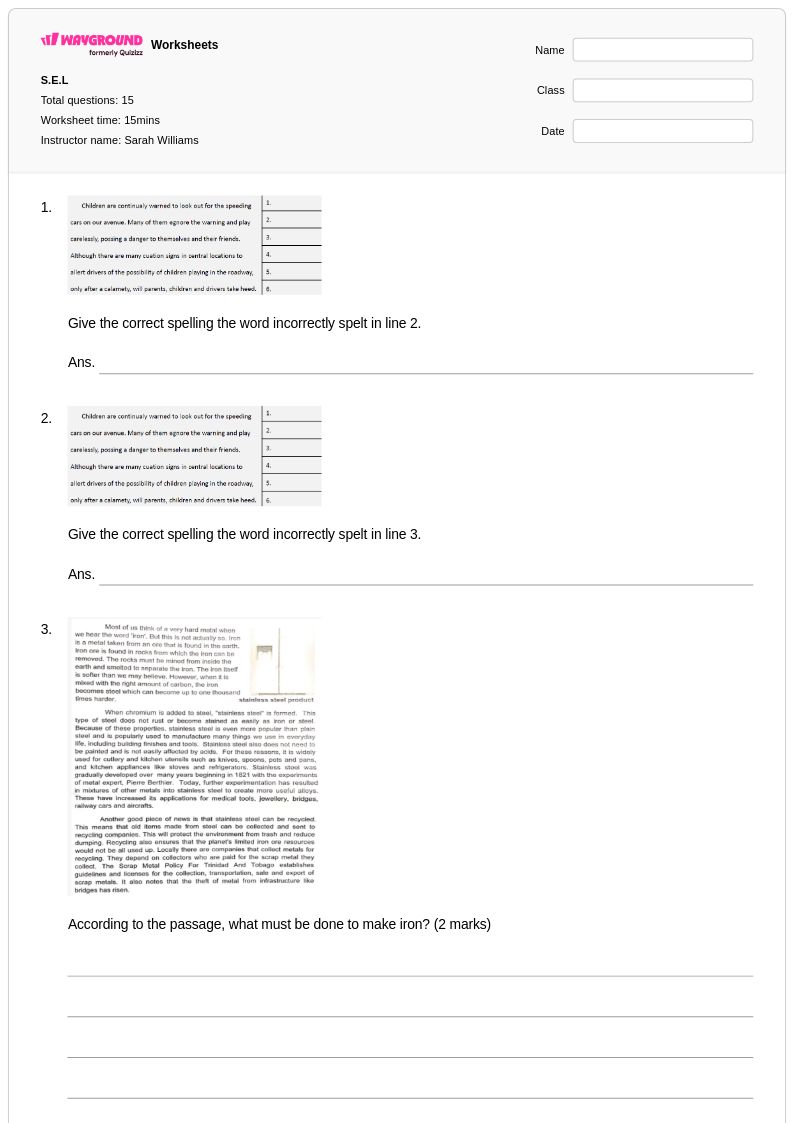
15 Q
5th - Uni
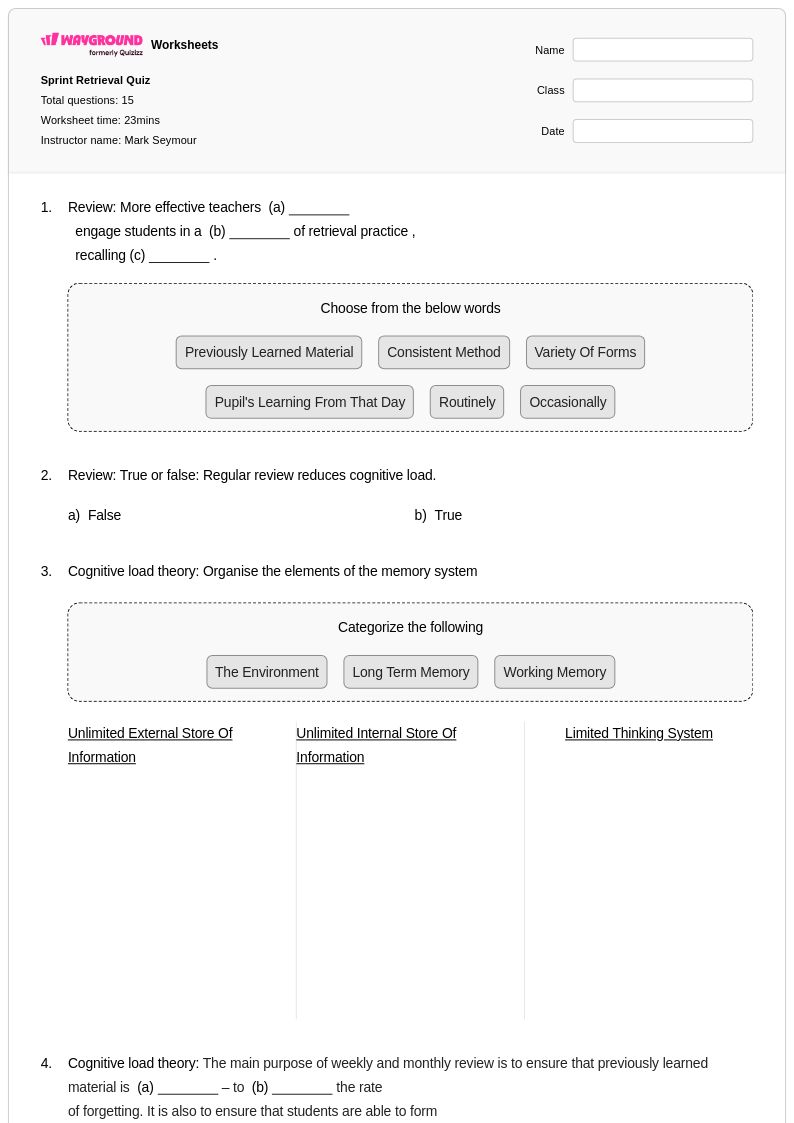
15 Q
5th - Uni
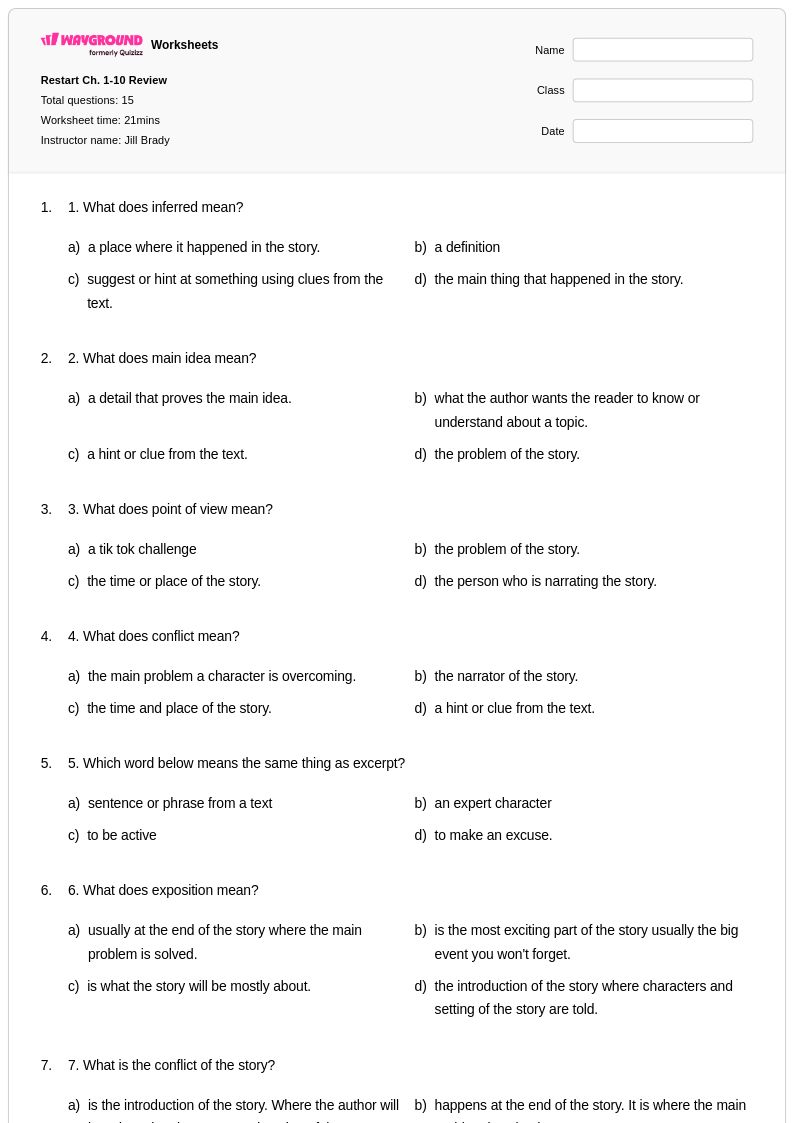
15 Q
5th
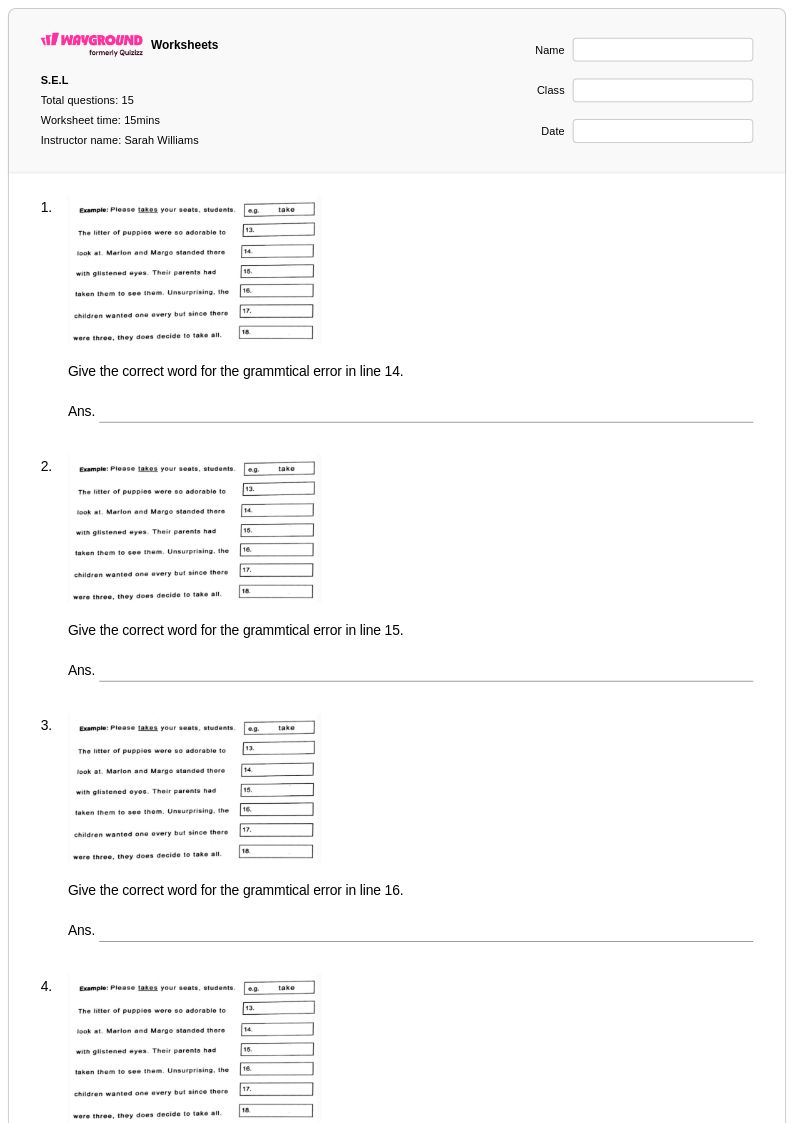
15 Q
5th - Uni
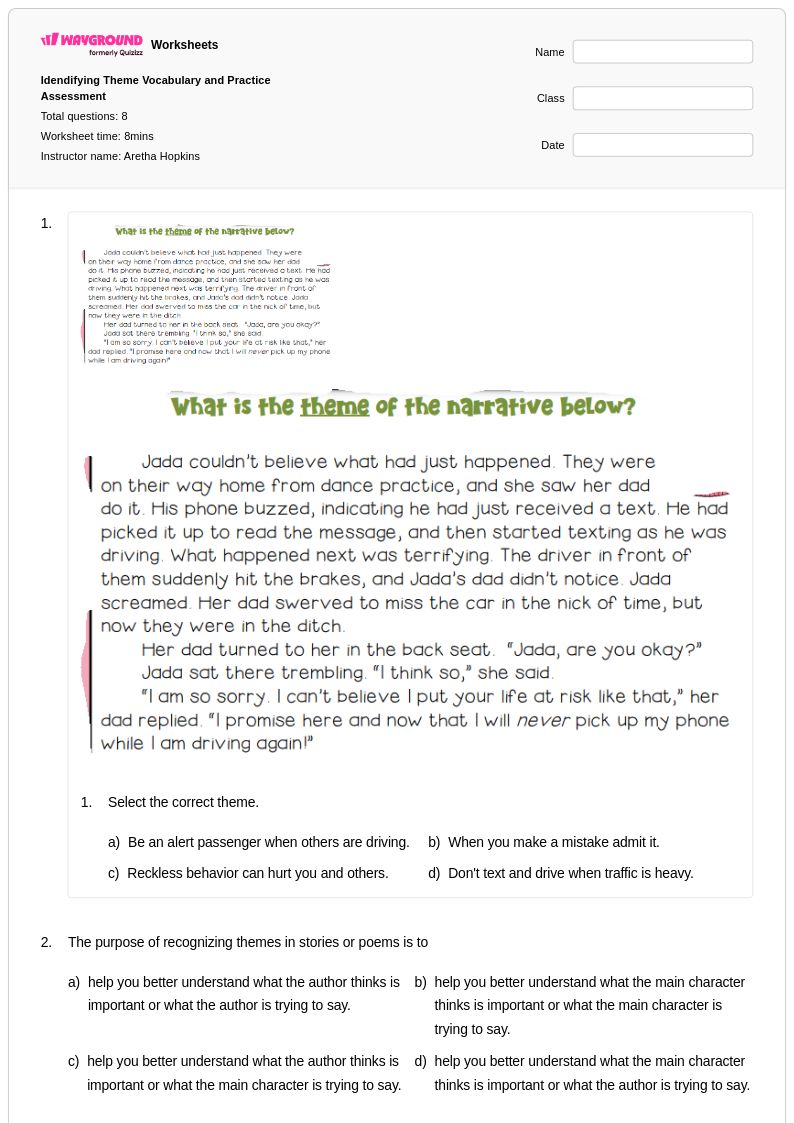
9 Q
5th
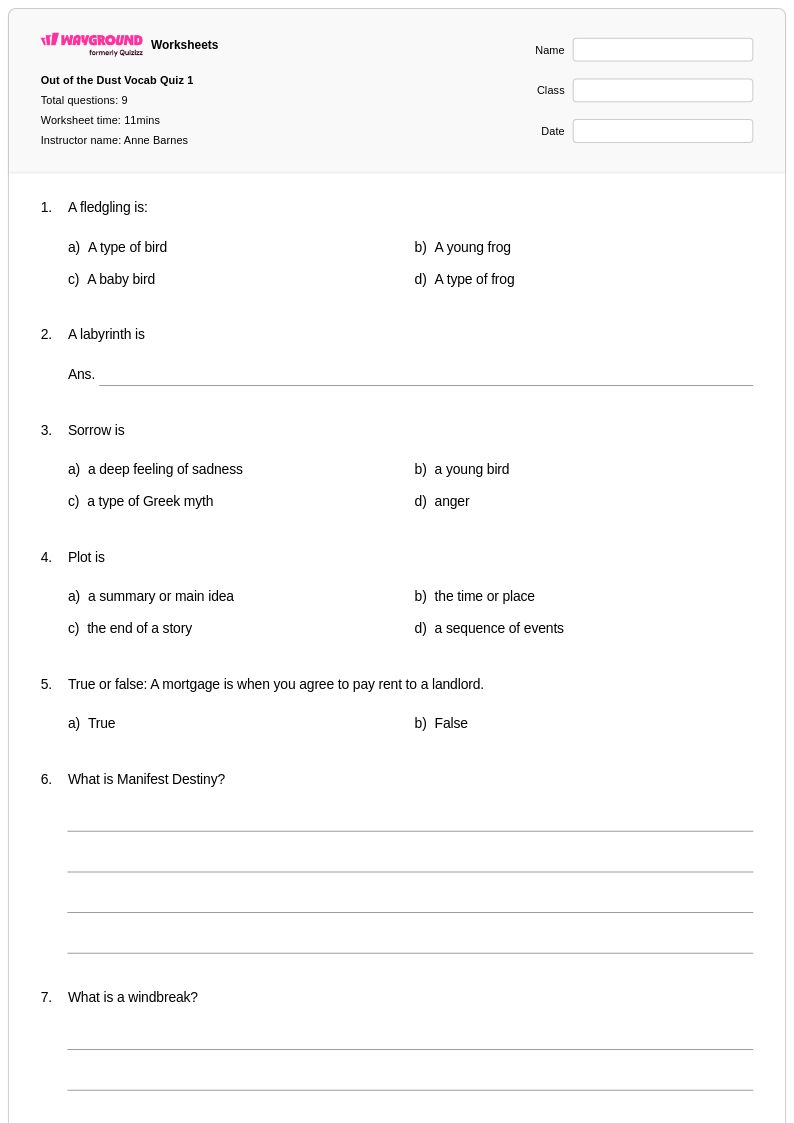
9 Q
5th - 8th
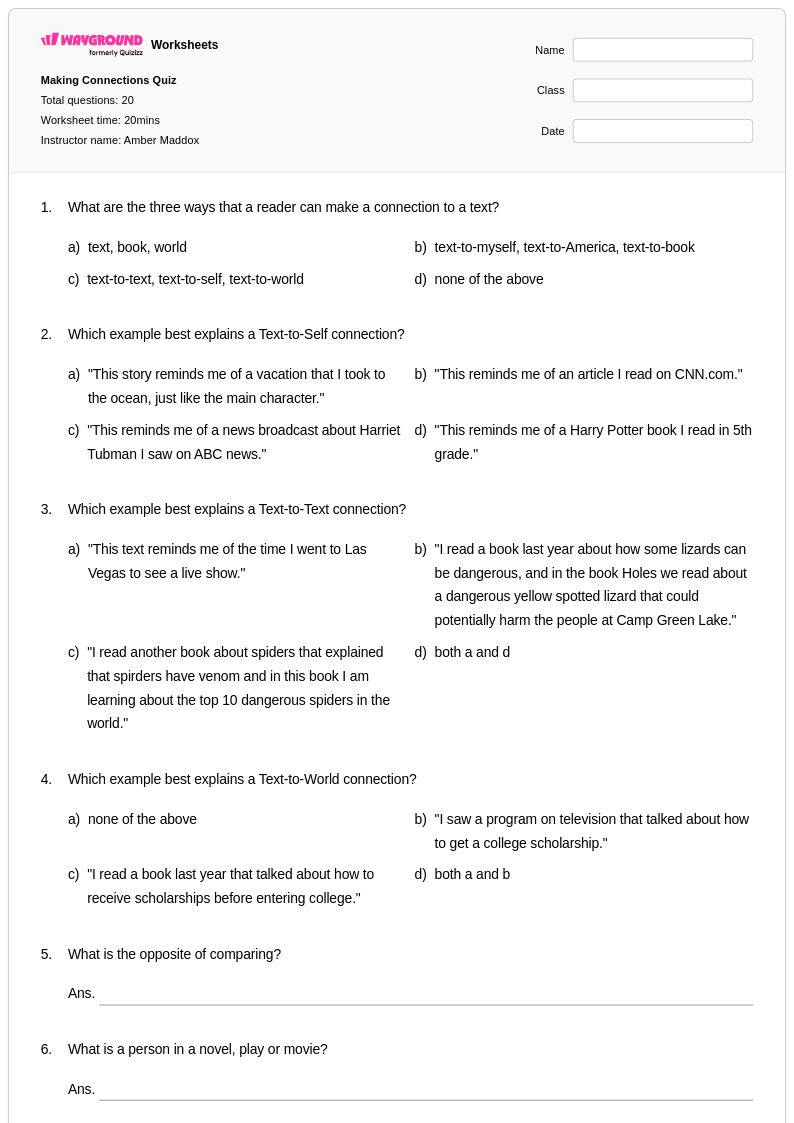
20 Q
5th
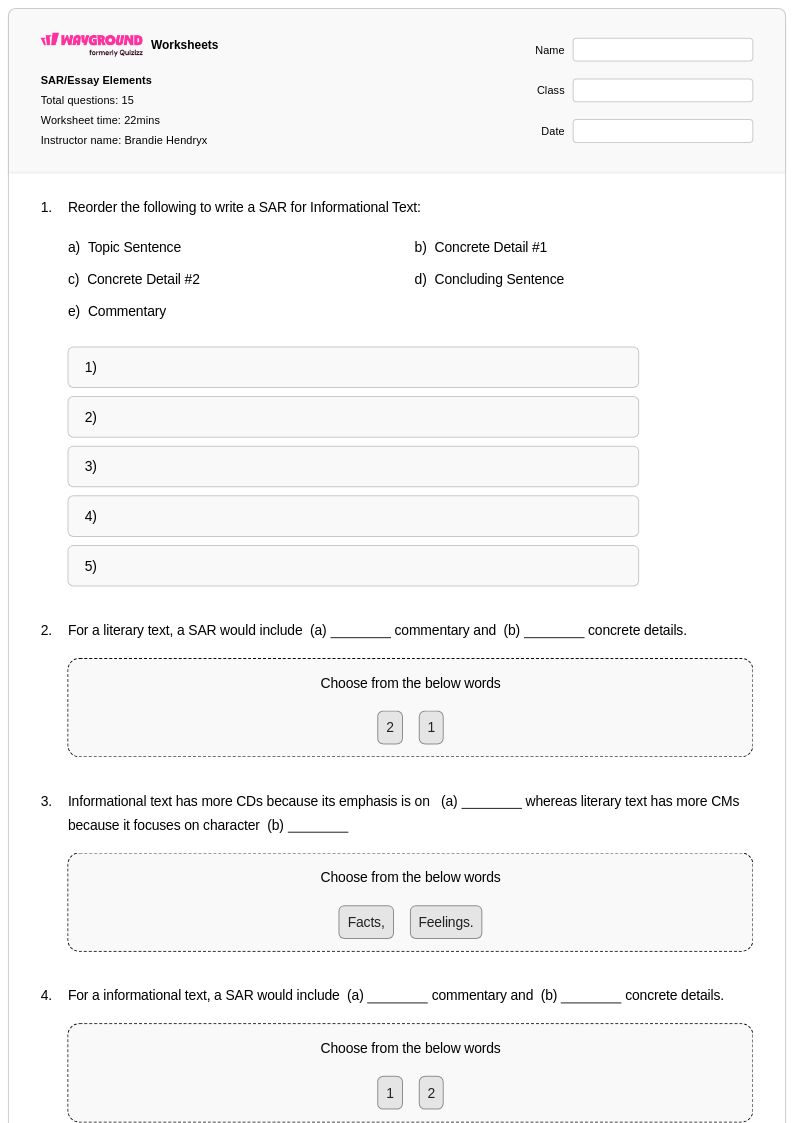
15 Q
5th
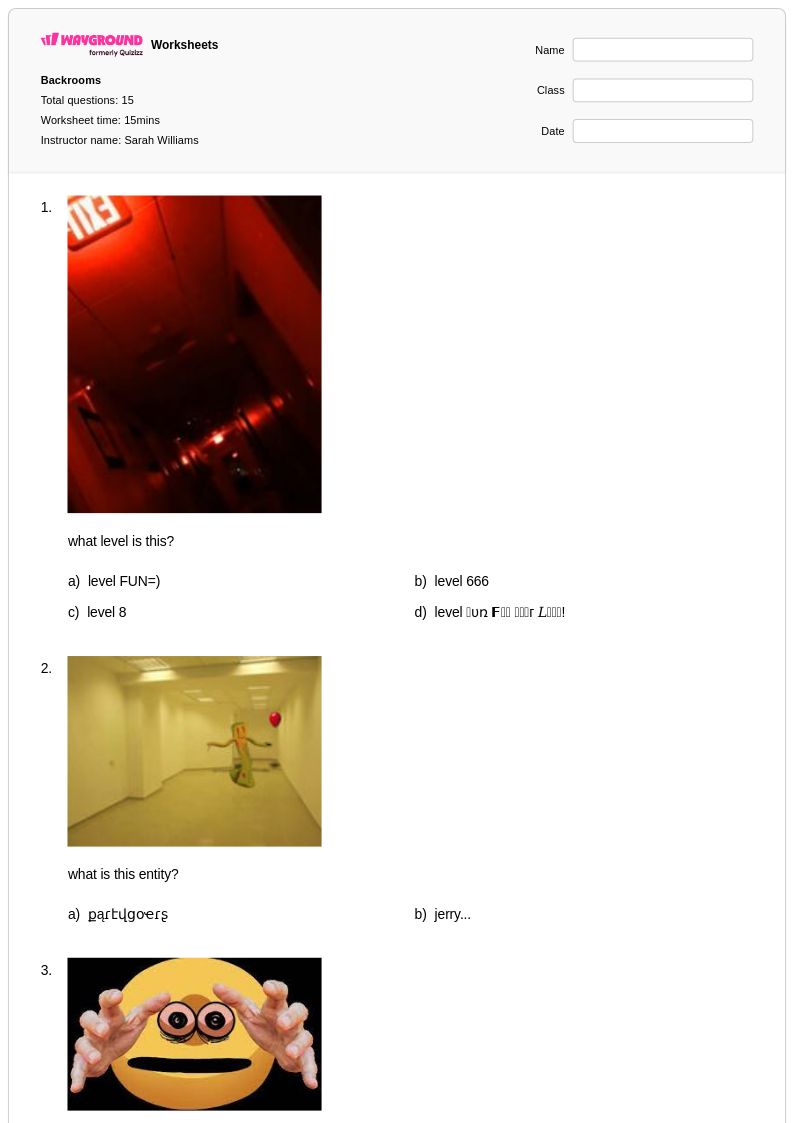
15 Q
1st - Uni
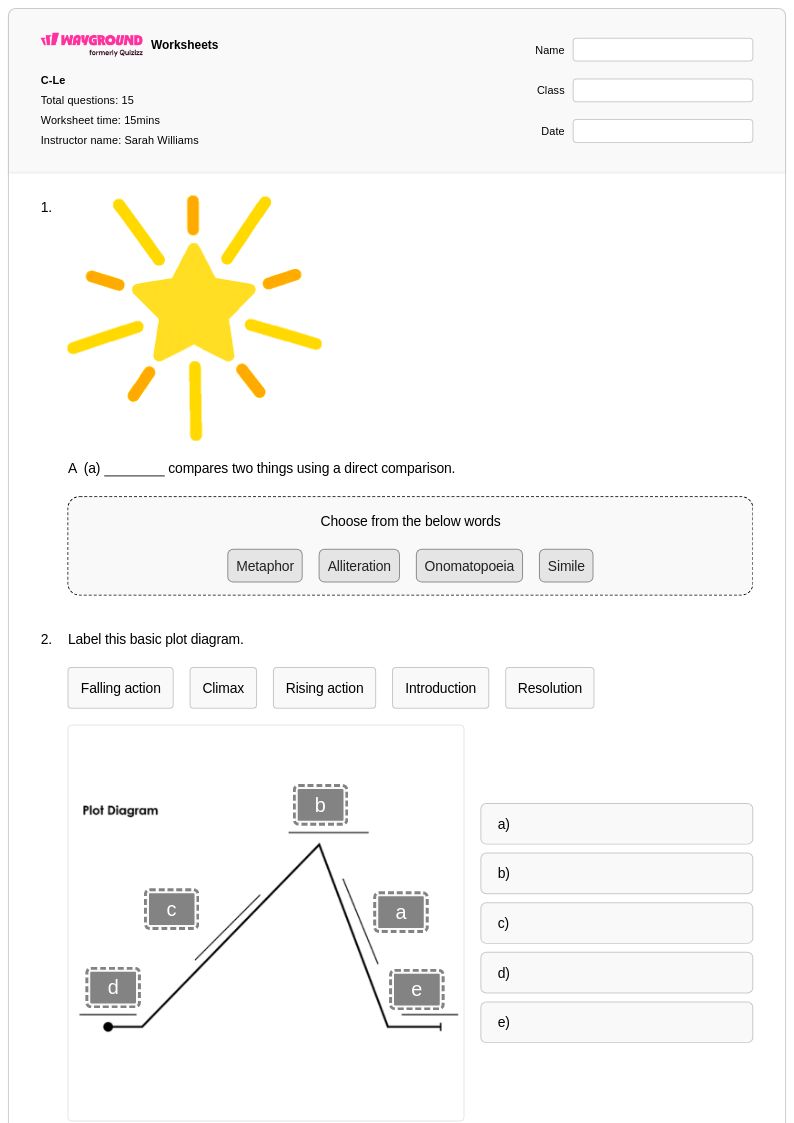
15 Q
3rd - Uni
11 Q
5th - 8th
10 Q
3rd - Uni
11 Q
5th
Explore Literacy Concepts Worksheets by Grades
Explore Other Subject Worksheets for class 5
Explore printable Literacy Concepts worksheets for Class 5
Class 5 literacy concepts worksheets available through Wayground (formerly Quizizz) provide comprehensive coverage of fundamental reading skills that fifth-grade students need to master for academic success. These carefully designed resources target essential literacy elements including phonemic awareness, vocabulary development, reading fluency, comprehension strategies, and text analysis techniques. Students engage with practice problems that reinforce critical thinking about literary devices, story structure, character development, and author's purpose while building confidence in their reading abilities. Each worksheet collection includes detailed answer keys that support both independent learning and guided instruction, with printable pdf formats ensuring easy access for classroom distribution and homework assignments.
Wayground's extensive library of teacher-created literacy concept worksheets draws from millions of educational resources, offering educators powerful search and filtering capabilities to locate materials perfectly aligned with curriculum standards and individual student needs. The platform's differentiation tools enable teachers to customize worksheets for various skill levels, supporting both remediation for struggling readers and enrichment opportunities for advanced students. Whether delivered in digital format for interactive learning or as traditional printables for hands-on practice, these free resources streamline lesson planning while providing flexible options for skill-building activities. Teachers can efficiently organize targeted practice sessions, assess student progress through structured exercises, and reinforce classroom instruction with supplementary materials that address specific literacy concept gaps across diverse learning environments.
FAQs
How do I teach literacy concepts to early elementary students?
What exercises help students practice foundational literacy concepts?
What mistakes do students commonly make when learning literacy concepts?
How can I use literacy concepts worksheets to support struggling readers?
How do I use literacy concepts worksheets on Wayground in my classroom?
At what grade level should students have mastered basic literacy concepts?