Free Printable Location Words Worksheets for Class 1
Class 1 location words worksheets help students learn positional vocabulary through engaging printables and practice problems, with free PDF downloads and answer keys available.
Explore printable Location Words worksheets for Class 1
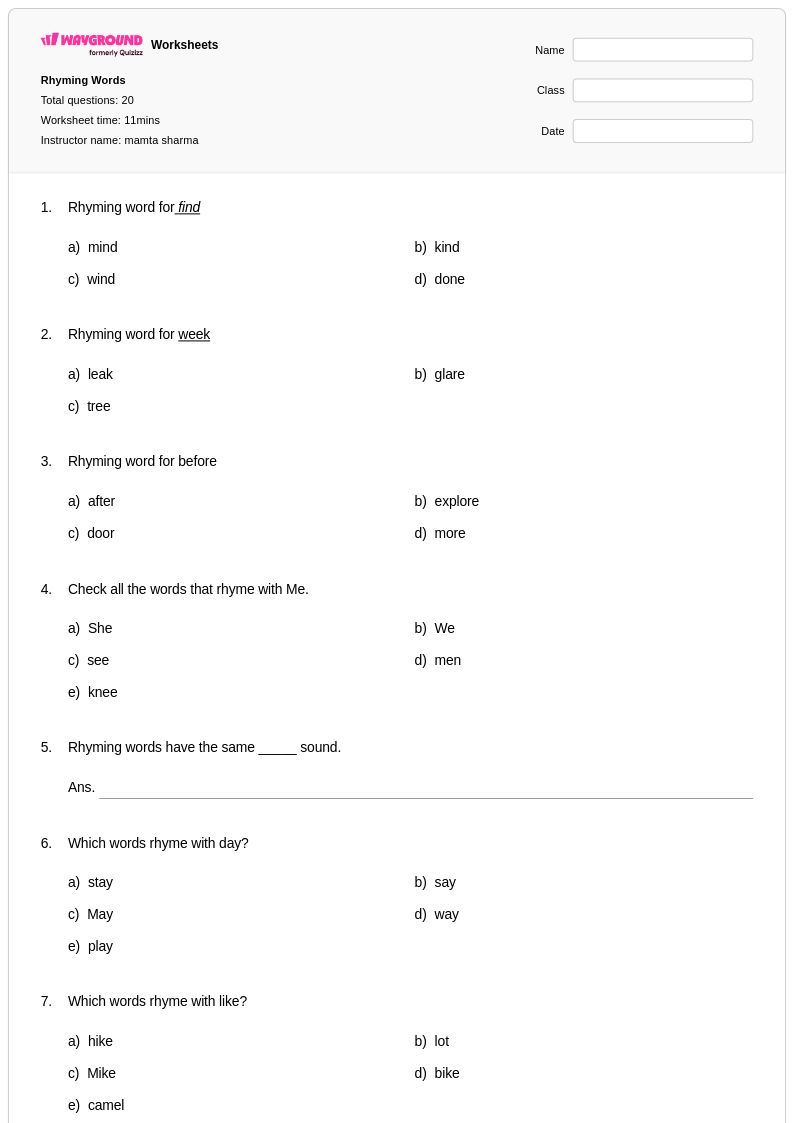
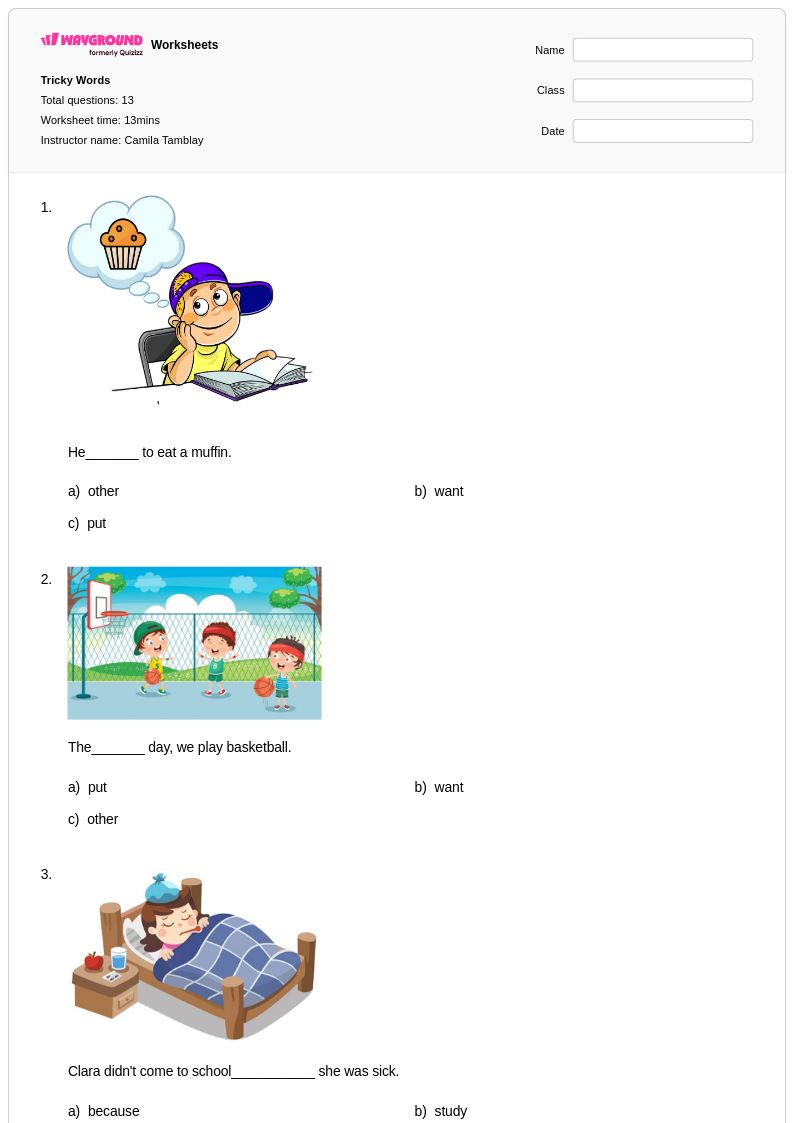
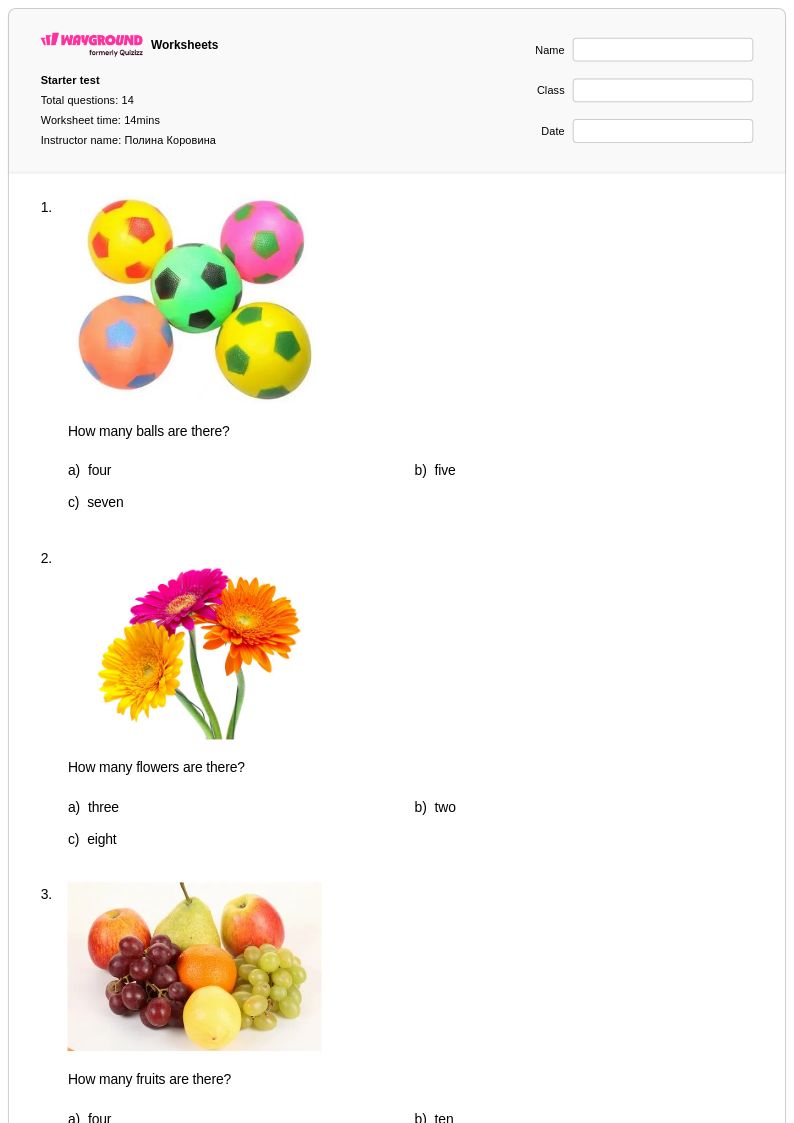
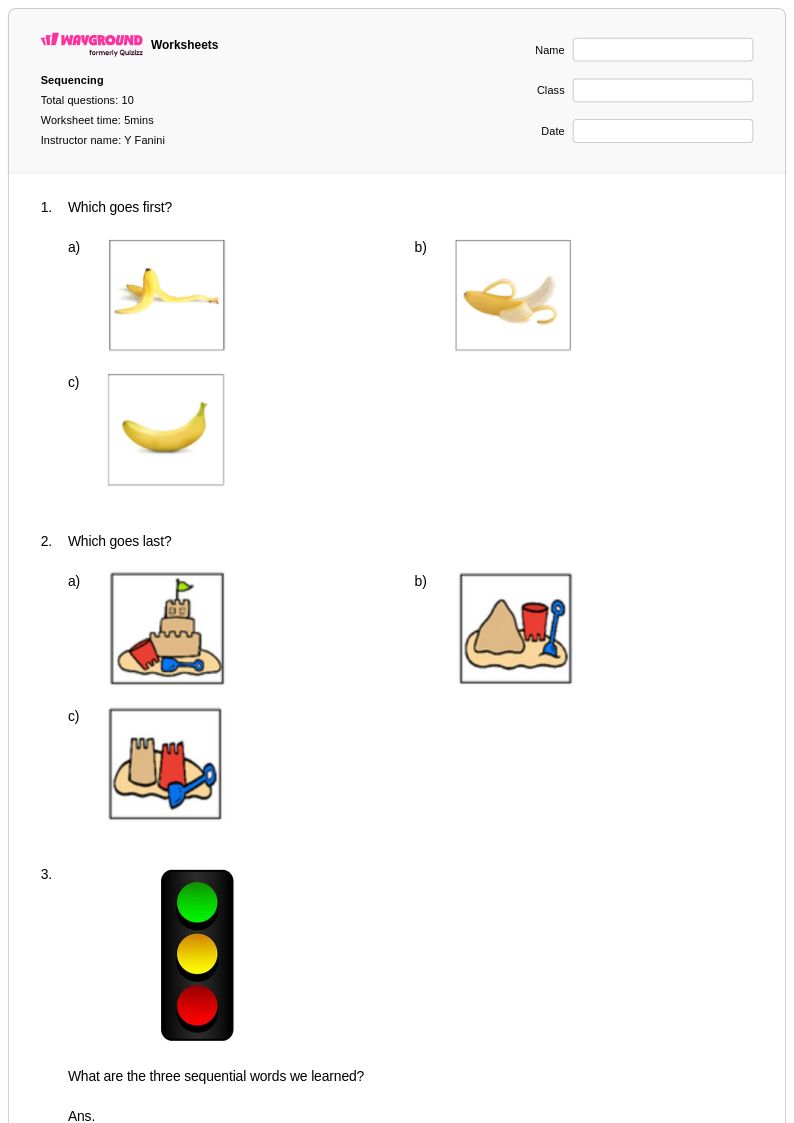
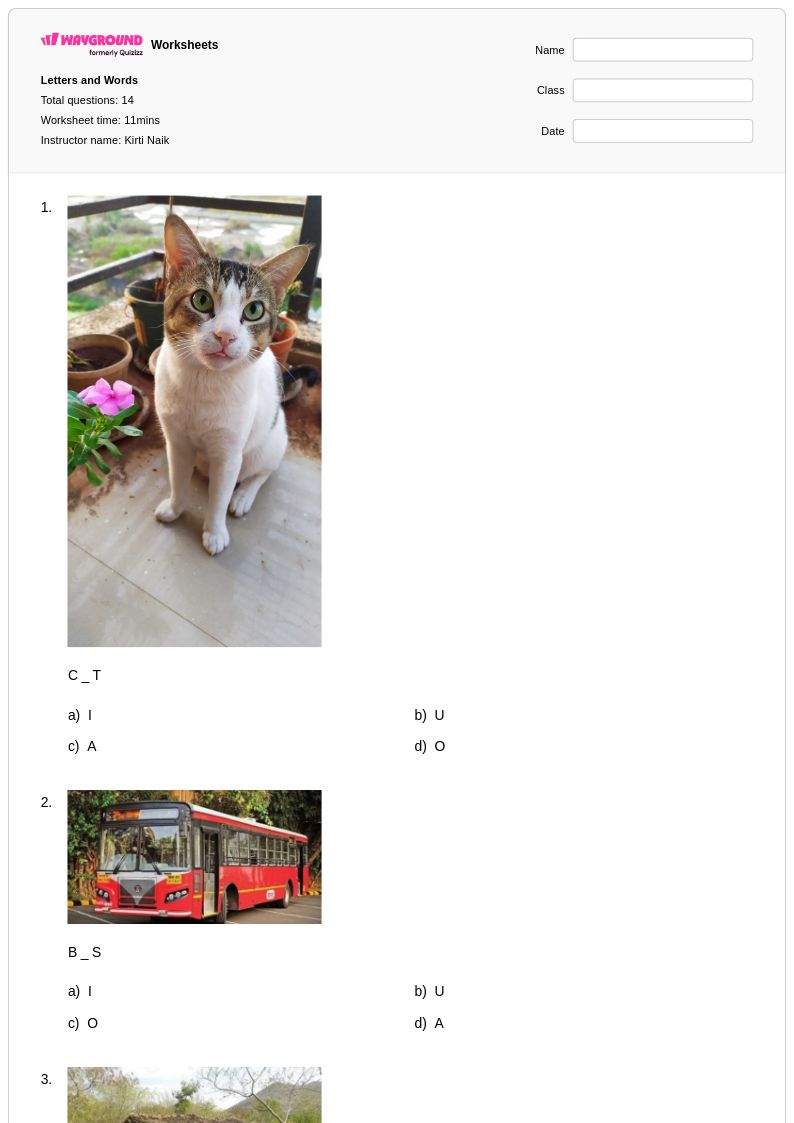
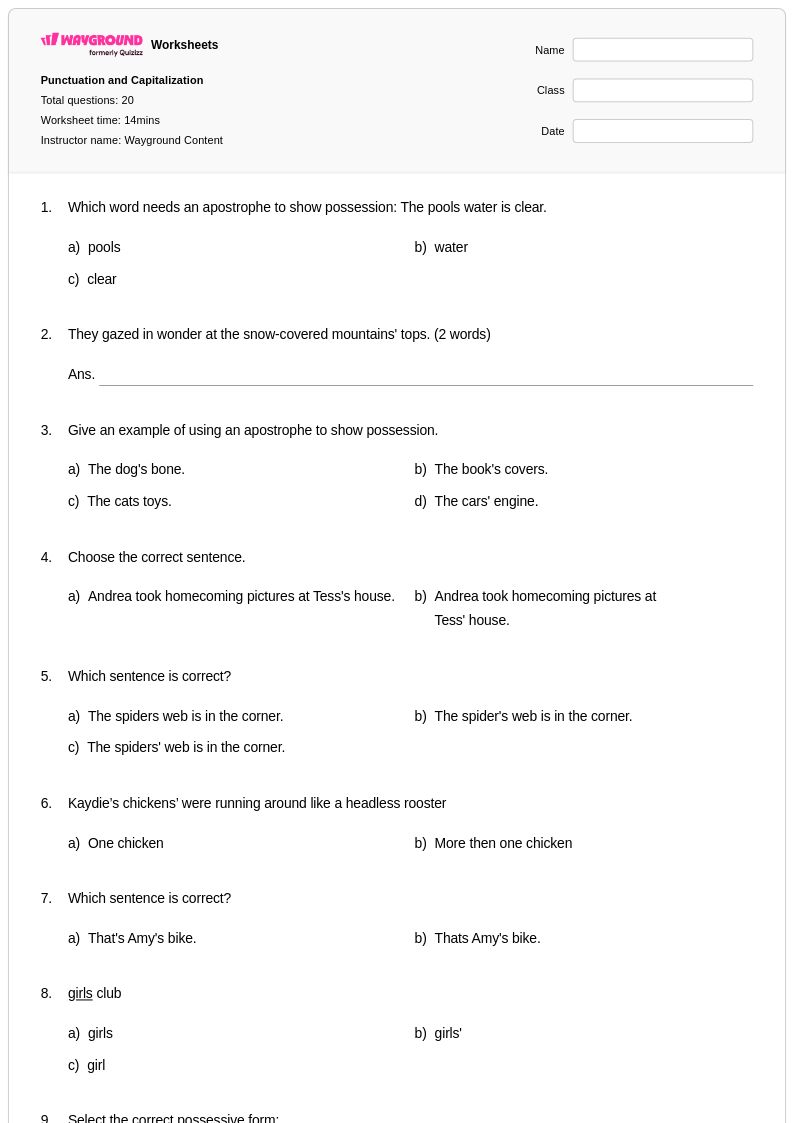
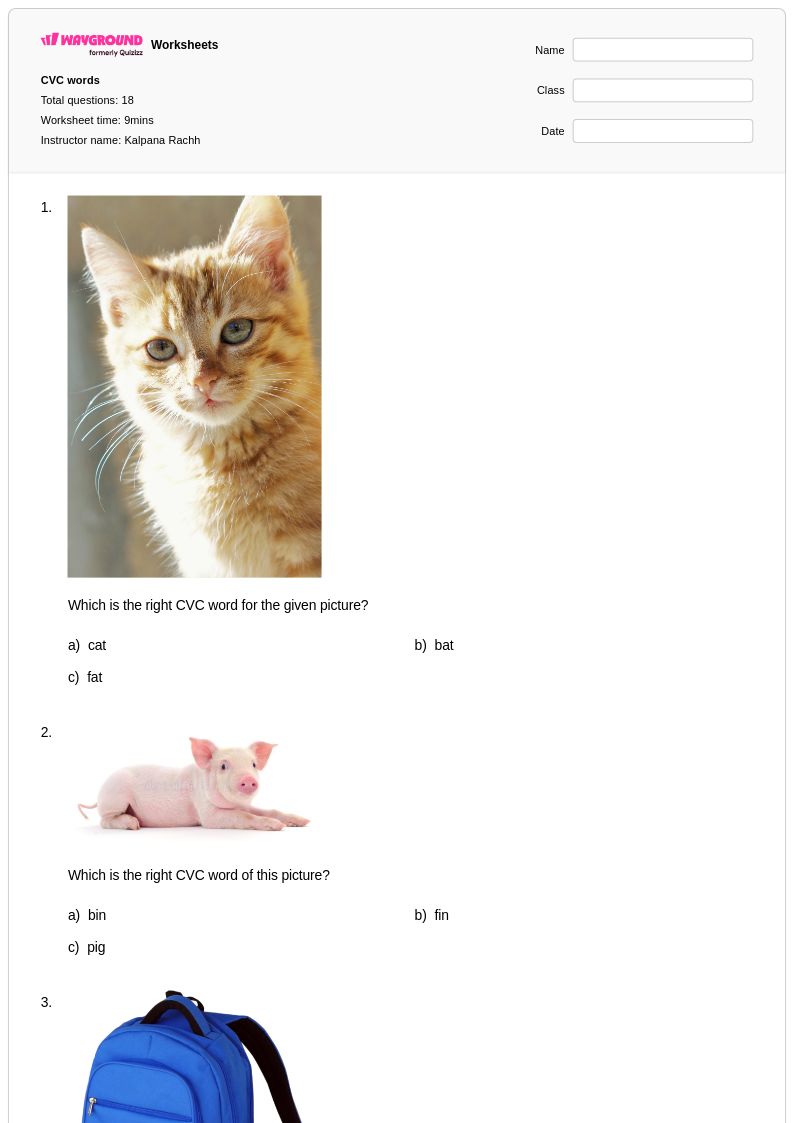
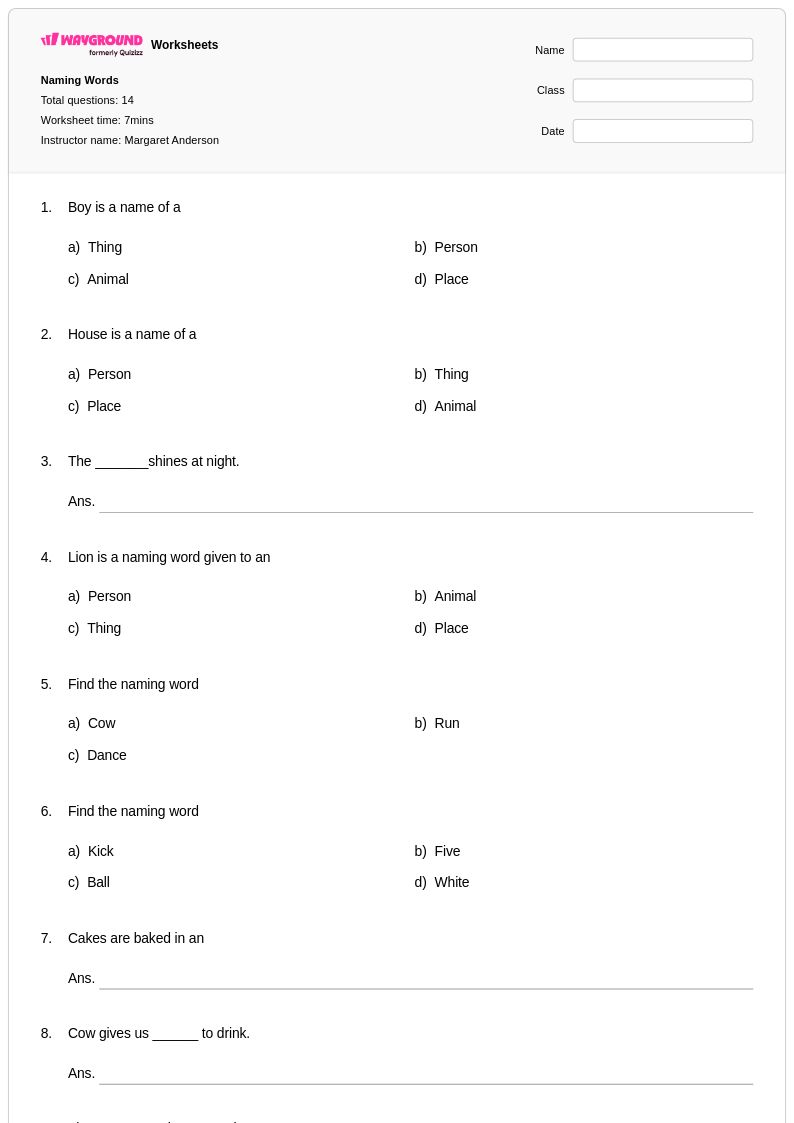
Location words worksheets for Class 1 students available through Wayground provide essential foundational practice for developing spatial awareness and directional vocabulary. These carefully designed printables focus on teaching young learners fundamental positional concepts such as above, below, beside, in front of, behind, left, right, near, and far through engaging activities and practice problems. Students work with visual exercises that require them to identify where objects are positioned relative to one another, complete sentences using appropriate location words, and demonstrate comprehension of spatial relationships through drawing and matching activities. Each worksheet includes a comprehensive answer key, making it easy for educators to assess student understanding and provide immediate feedback on this critical vocabulary development area.
Wayground's extensive collection of location words resources draws from millions of teacher-created materials, offering educators powerful search and filtering capabilities to find exactly the right worksheets for their Class 1 classrooms. The platform's robust differentiation tools allow teachers to customize activities based on individual student needs, while standards alignment ensures that spatial vocabulary instruction meets curriculum requirements across different educational frameworks. These versatile resources are available in both printable pdf format and interactive digital versions, providing flexibility for various learning environments and teaching approaches. Teachers can efficiently plan comprehensive vocabulary lessons, target specific remediation needs, offer enrichment opportunities for advanced learners, and provide consistent skill practice that builds students' confidence with essential location words and spatial concepts.
FAQs
How do I teach location words to early learners?
Teaching location words works best through concrete, physical experiences before moving to paper-based tasks. Have students physically place objects above, below, beside, or inside containers while narrating the position aloud. Once students can demonstrate understanding with manipulatives, transfer that learning to visual worksheets that show objects in spatial relationships, asking students to label or identify the correct positional word.
What location words should students learn first?
Begin with high-contrast opposites that are easy to demonstrate physically: above and below, inside and outside, near and far, and left and right. These foundational pairs give students an anchor for understanding spatial relationships before introducing more nuanced terms like beside, between, and behind. Mastering these core contrasts first reduces confusion and builds confidence for more complex positional vocabulary.
What kinds of exercises help students practice location words?
Effective practice exercises include labeling diagrams where objects are placed in clear spatial relationships, filling in blanks within short sentences describing a scene, and matching location words to corresponding pictures. Worksheets that use familiar settings, such as a classroom, bedroom, or playground, help students connect positional vocabulary to real-world contexts, which strengthens both retention and practical usage in speaking and writing.
What mistakes do students commonly make when learning location words?
The most frequent errors involve confusing words that describe similar but distinct positions, particularly beside versus between, and above versus on top of. Students also commonly reverse left and right, especially in early grades before lateral orientation is fully established. Another common error is overgeneralizing in versus on, applying one preposition where the other is grammatically correct. Targeted practice with minimal pairs helps students notice and correct these distinctions.
How can I use location words worksheets in both print and digital classrooms?
Location words worksheets on Wayground are available as printable PDFs, making them easy to use as in-class activities, homework, or literacy center tasks. They are also available in digital formats for technology-integrated classrooms, and teachers can host them as an interactive quiz directly on Wayground. This flexibility means the same worksheet can serve a whole-group paper-based lesson one day and an individual digital review session the next, without additional preparation.
How do location words connect to other literacy and language skills?
Location vocabulary directly supports reading comprehension, because students must understand positional language to follow story events, interpret maps, and visualize settings described in text. It also strengthens descriptive and instructional writing, as students need precise spatial terms to describe scenes or give directions clearly. Building a strong location word vocabulary early creates a cross-curricular foundation that benefits students in ELA, math, science, and social studies contexts.