
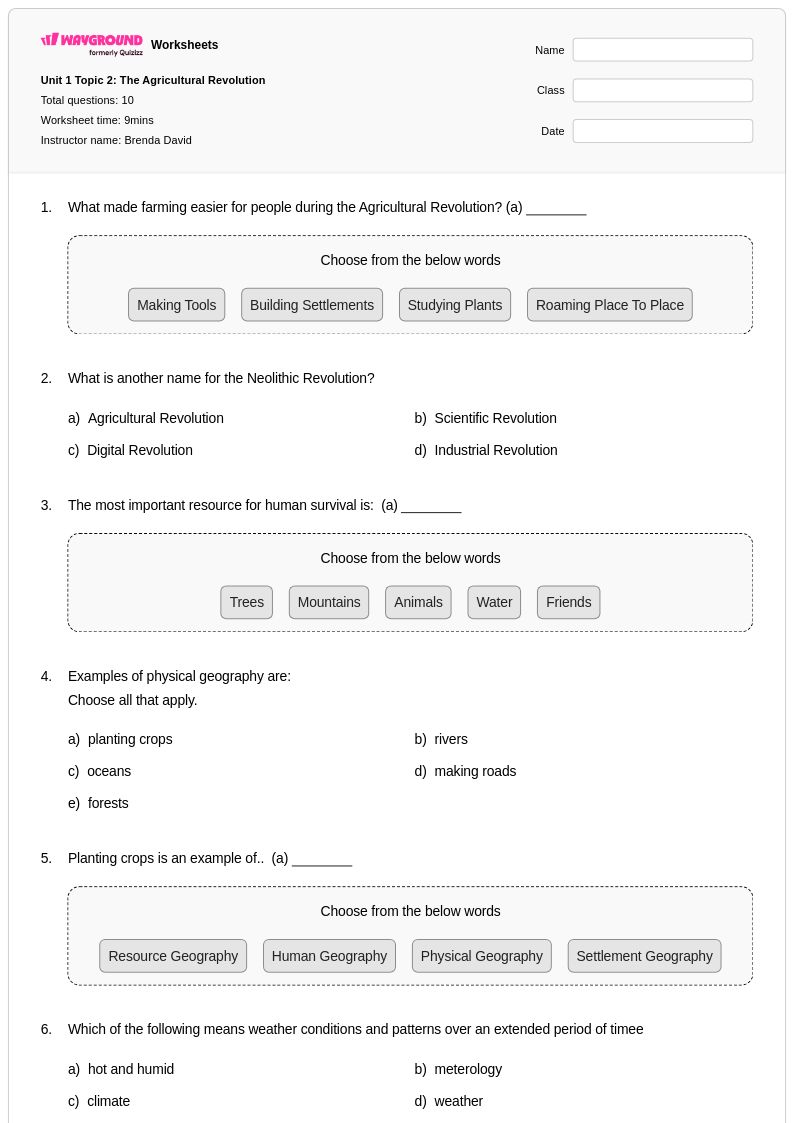
10 Q
4th
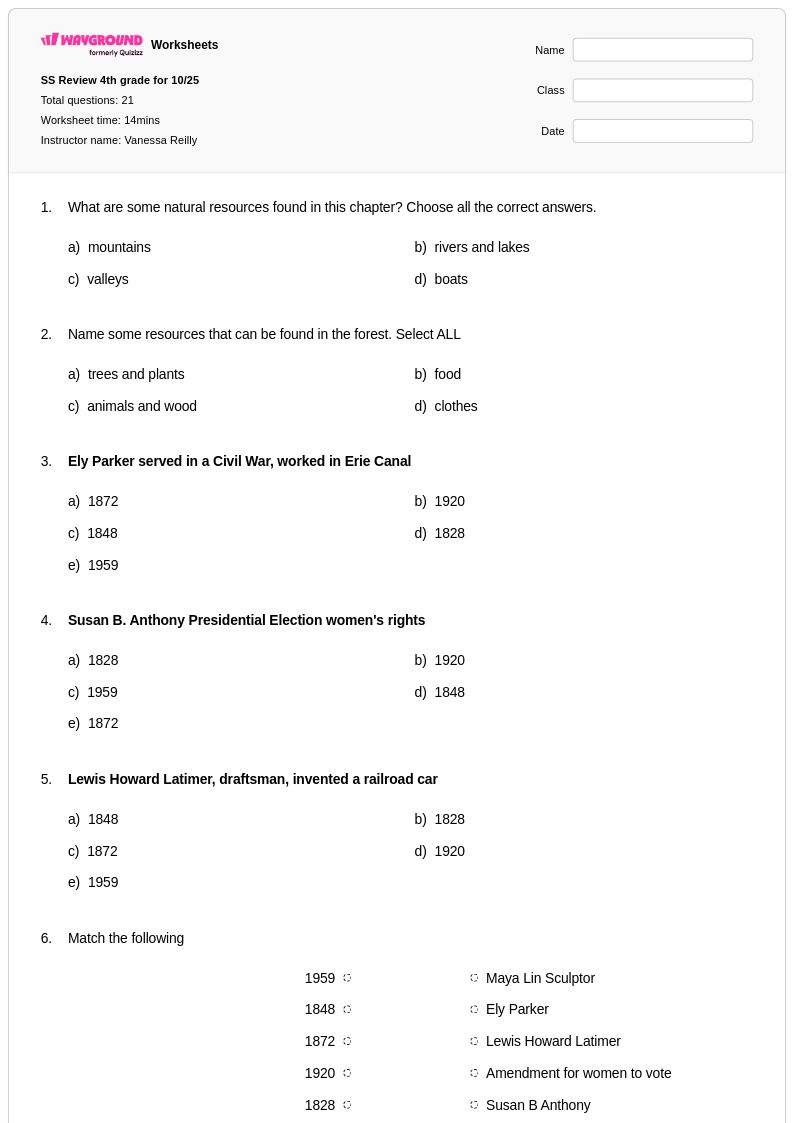
21 Q
4th
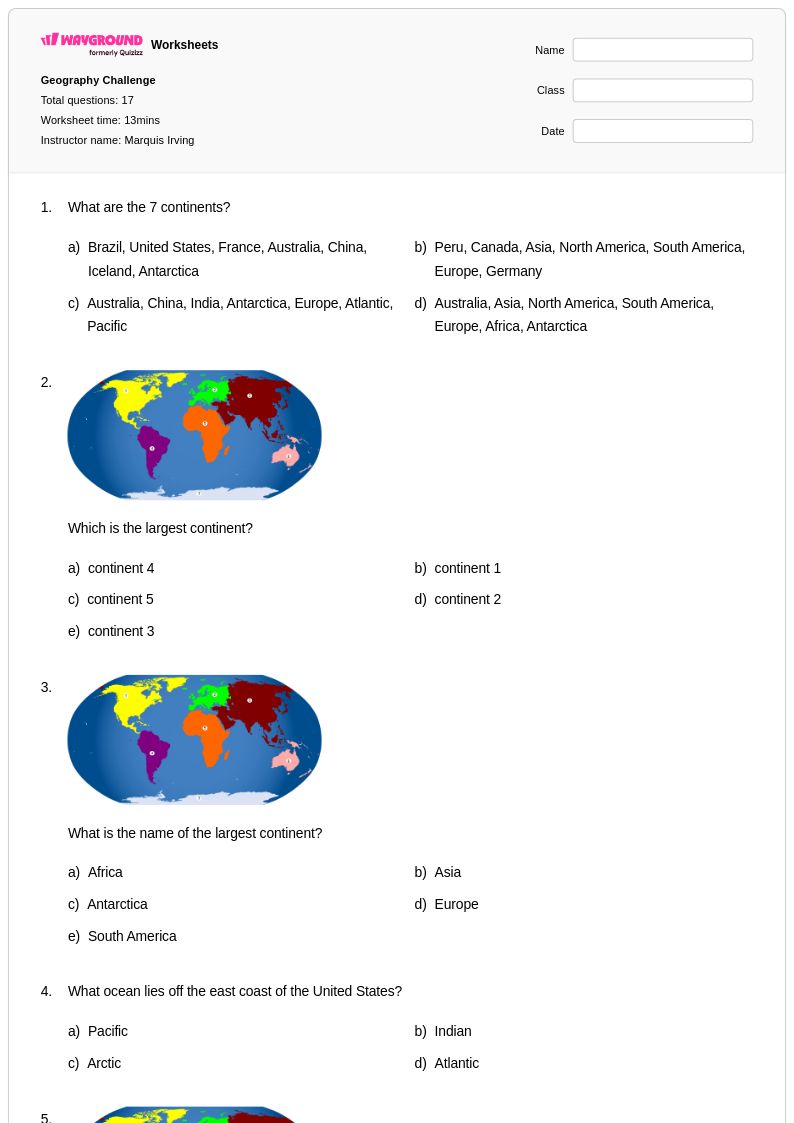
17 Q
4th
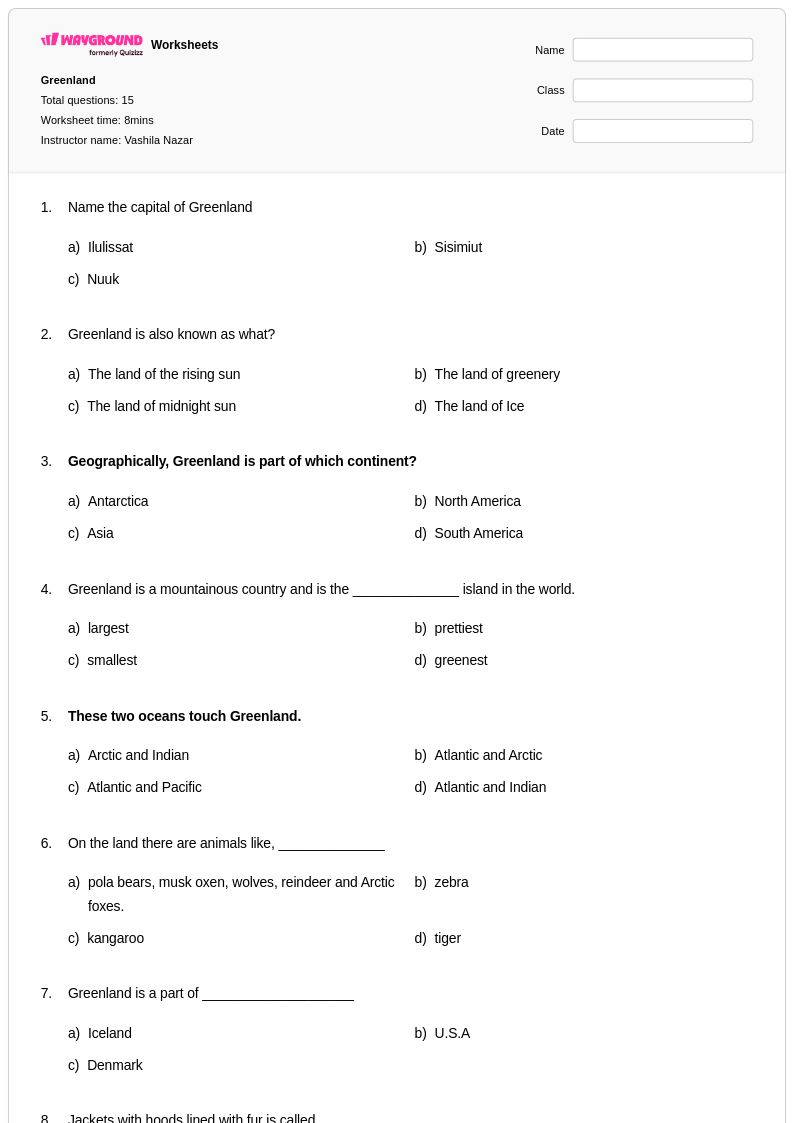
15 Q
4th - 5th
16 Q
4th
21 Q
4th
31 Q
4th
25 Q
4th
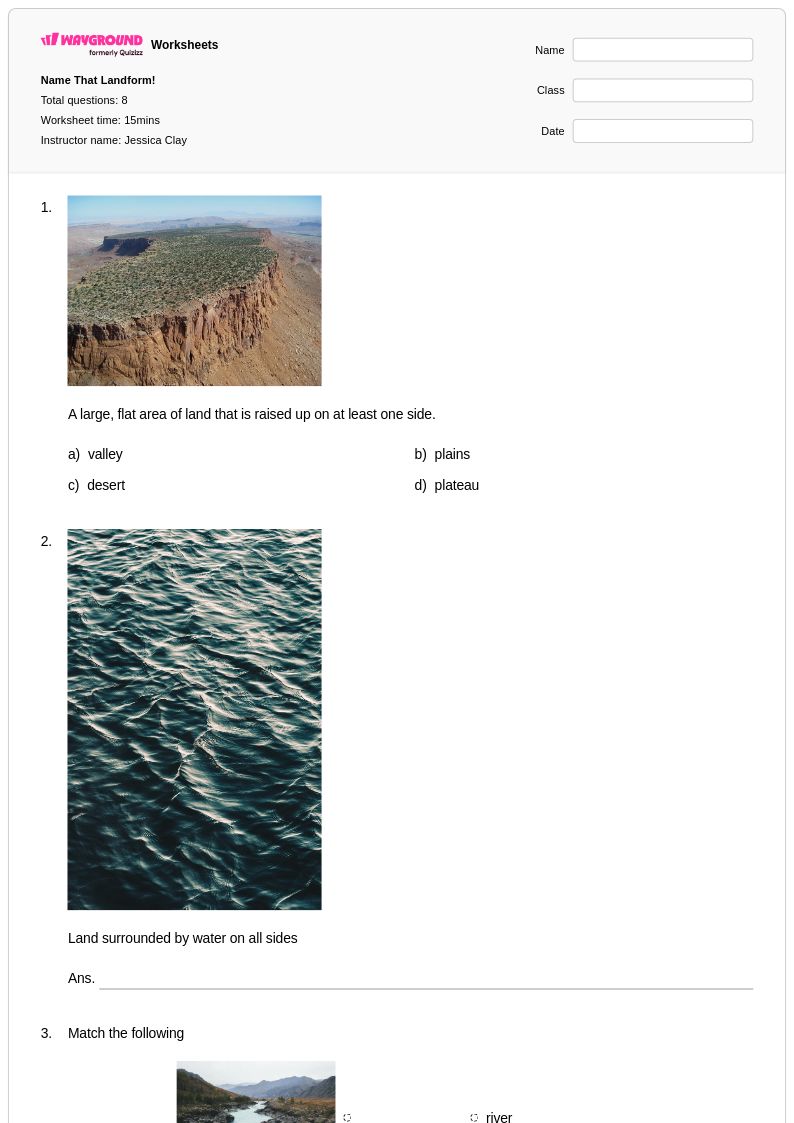
8 Q
4th
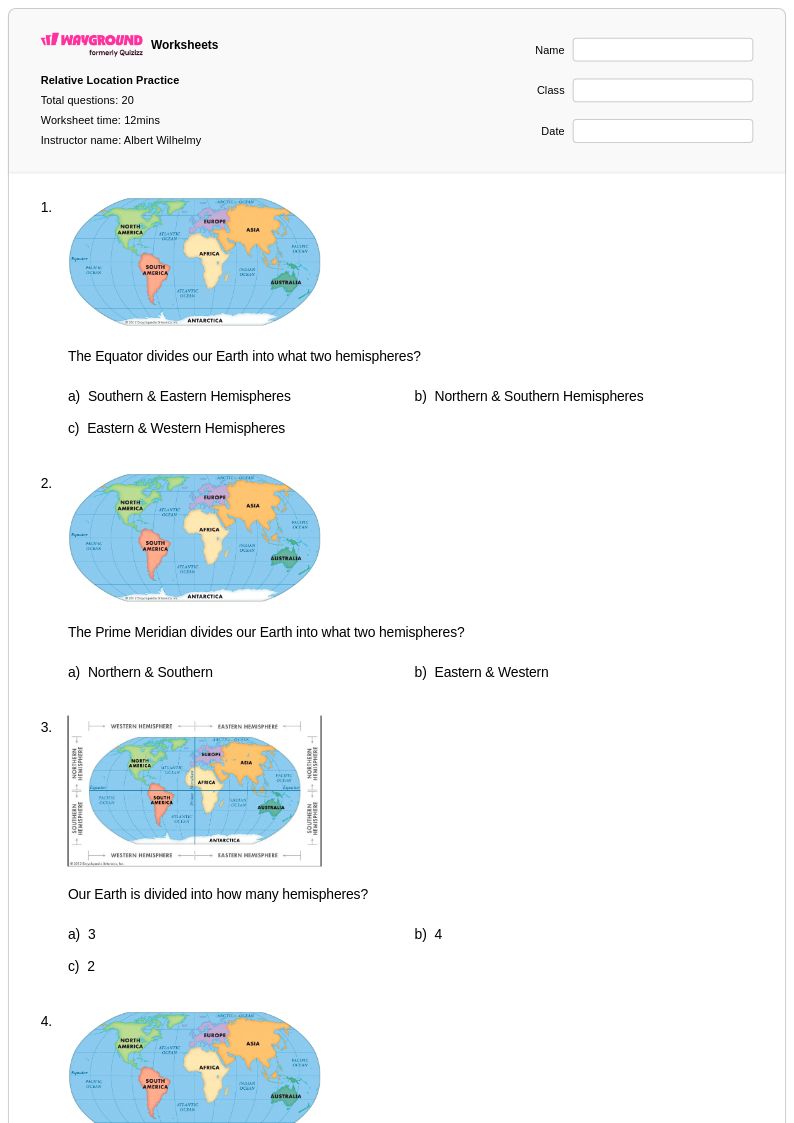
20 Q
4th
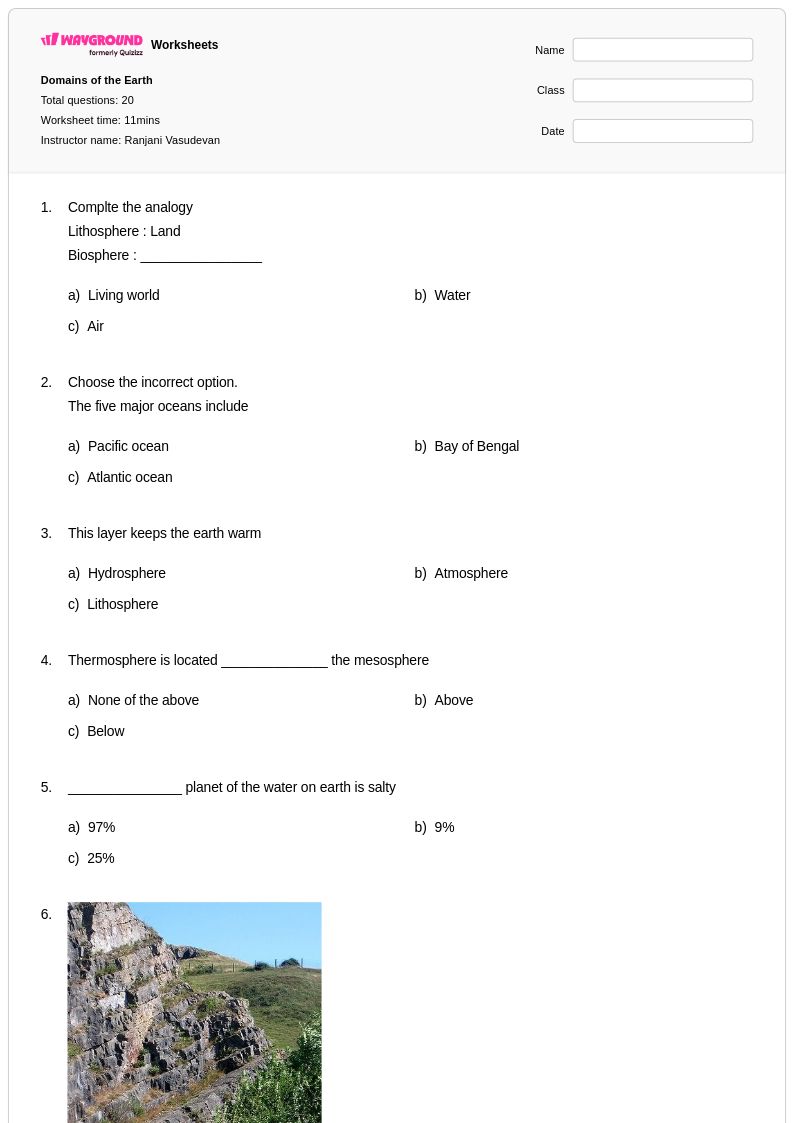
20 Q
4th
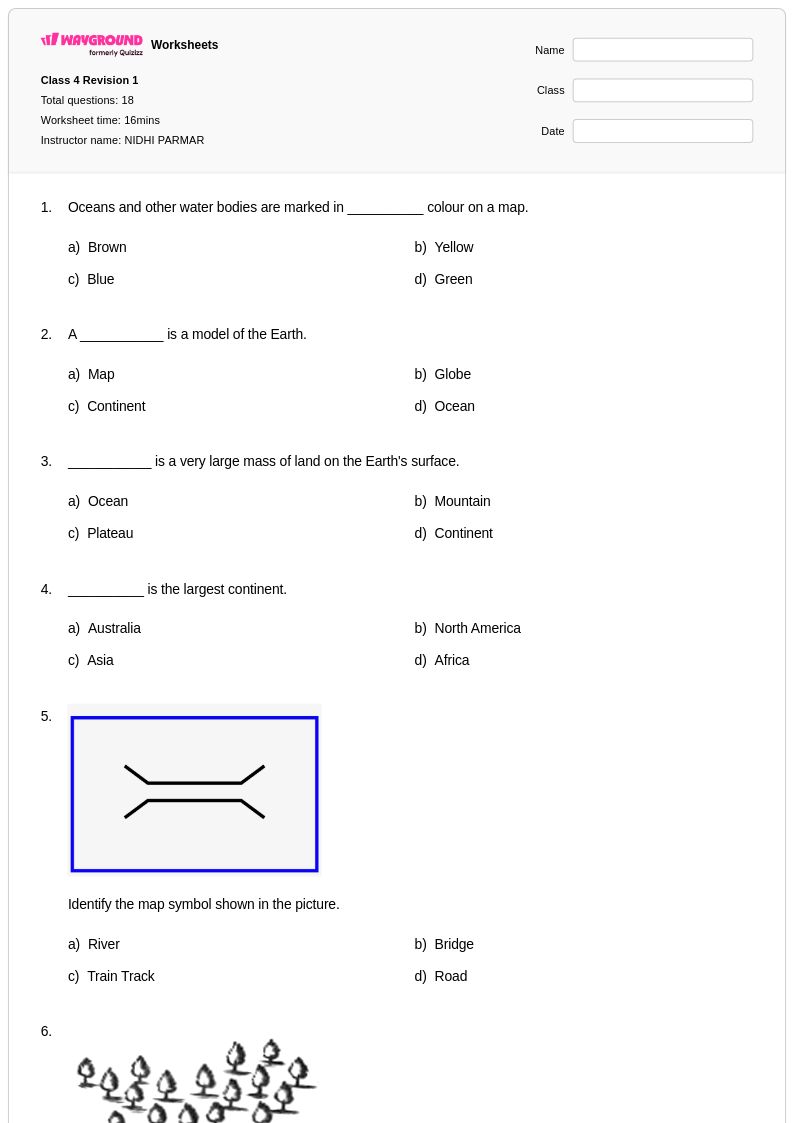
18 Q
4th
9 Q
3rd - 5th
25 Q
4th - Uni
15 Q
4th
10 Q
2nd - 4th
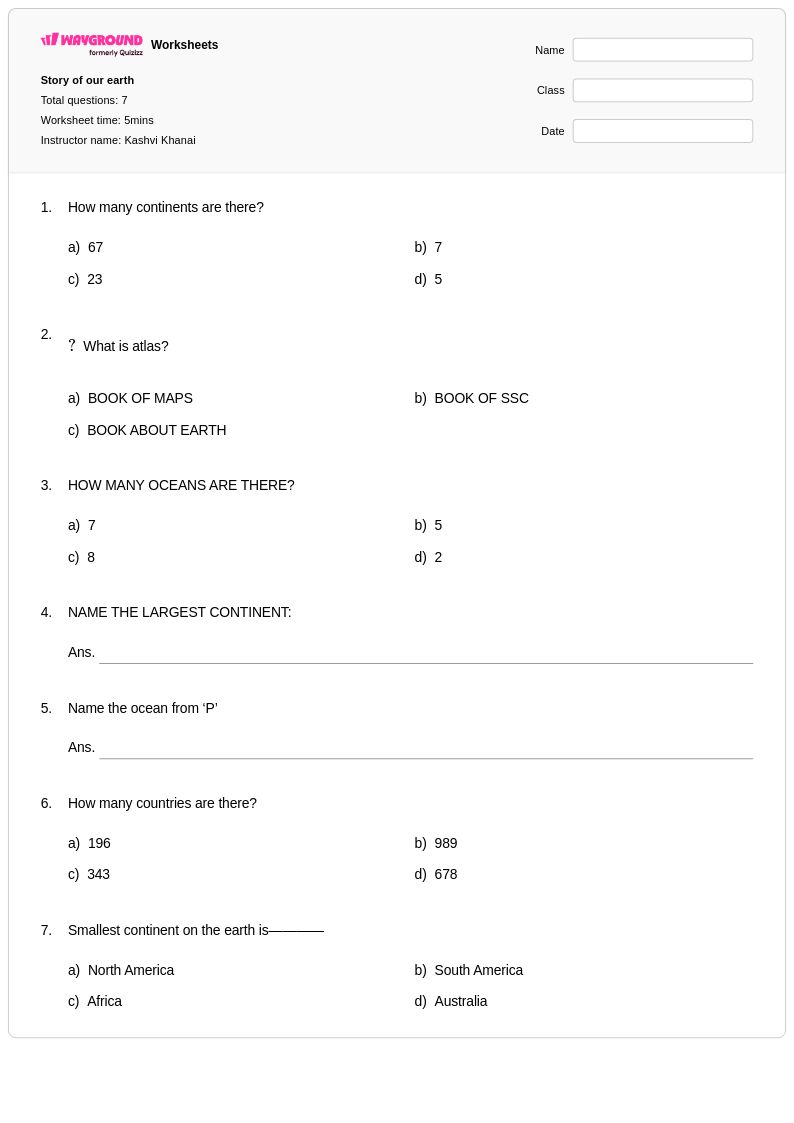
7 Q
4th - 5th
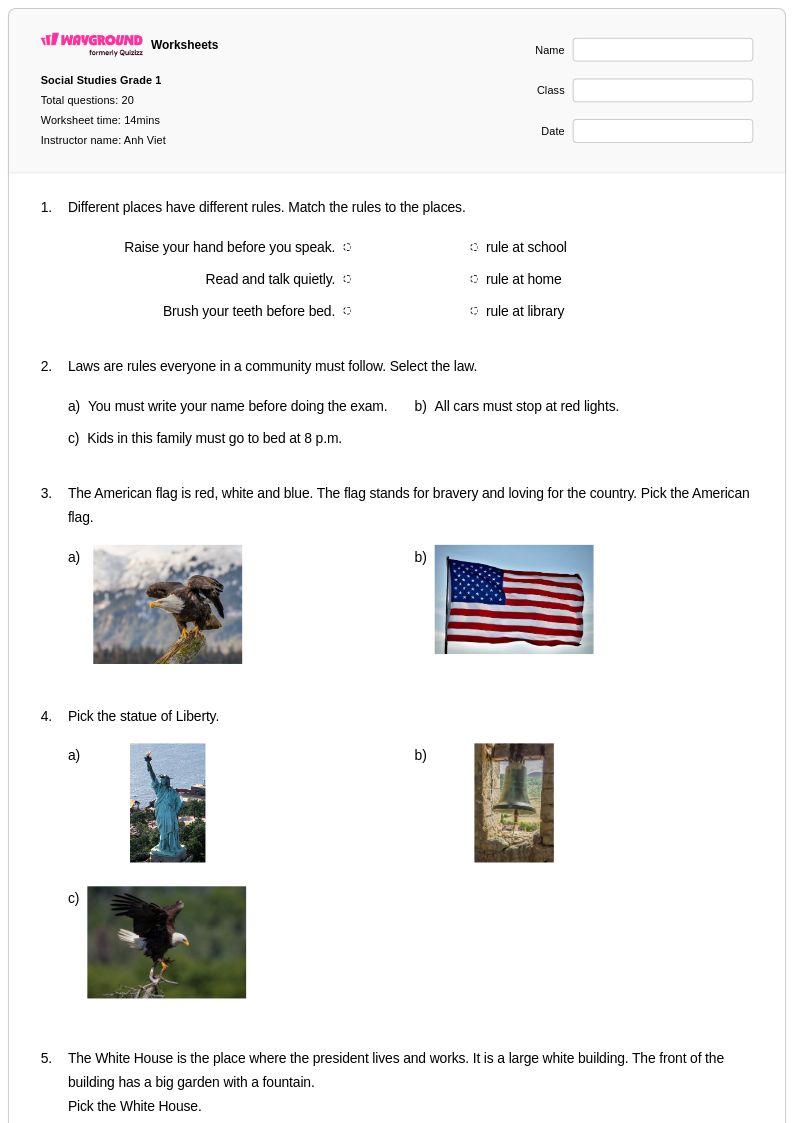
20 Q
1st - 5th
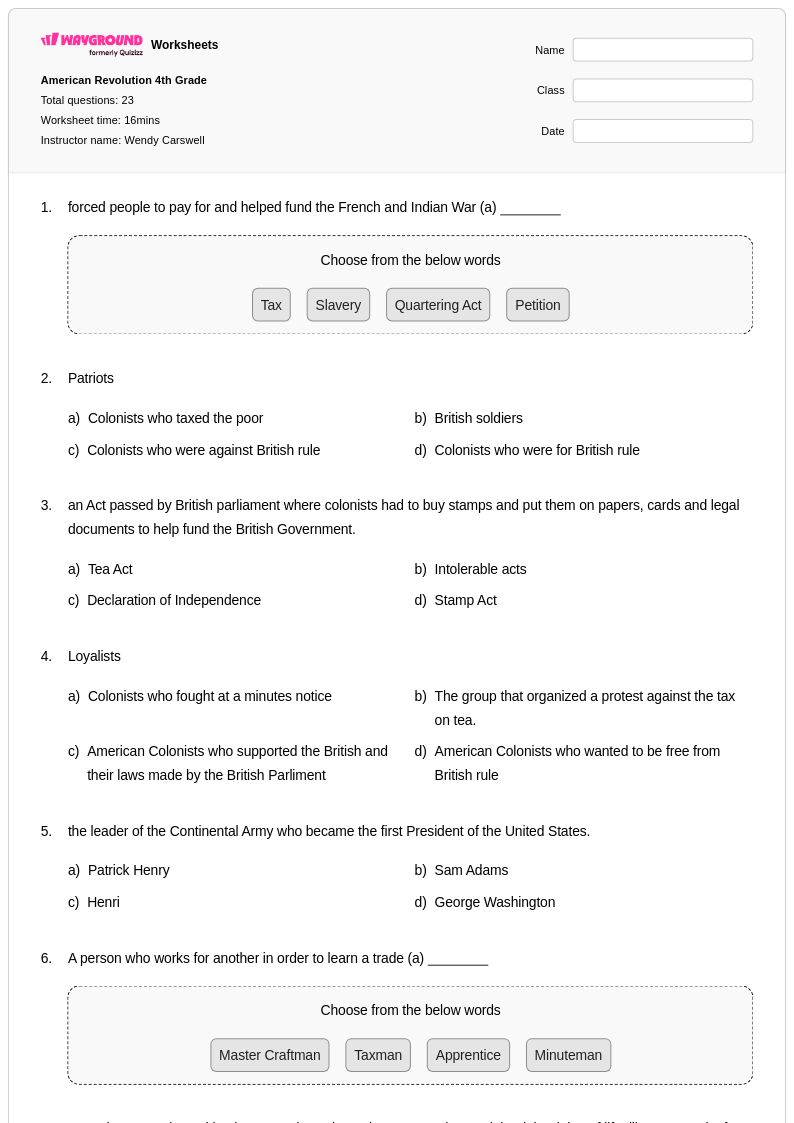
23 Q
4th
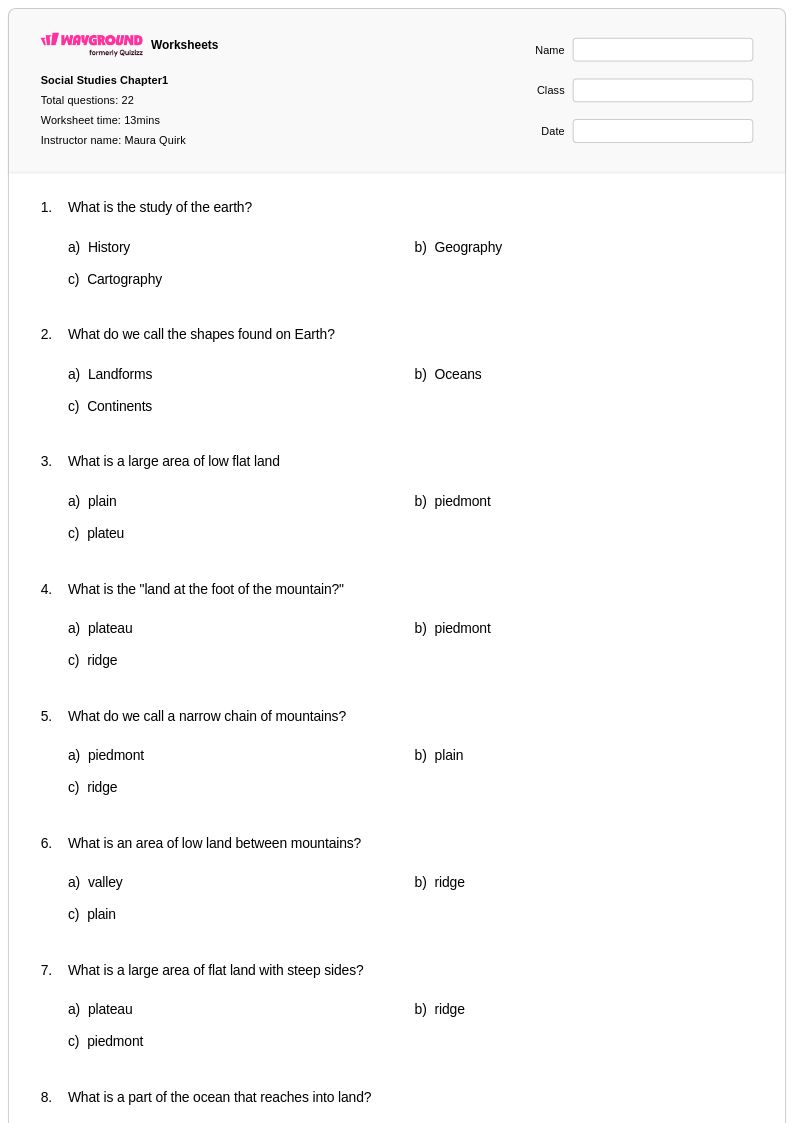
22 Q
4th
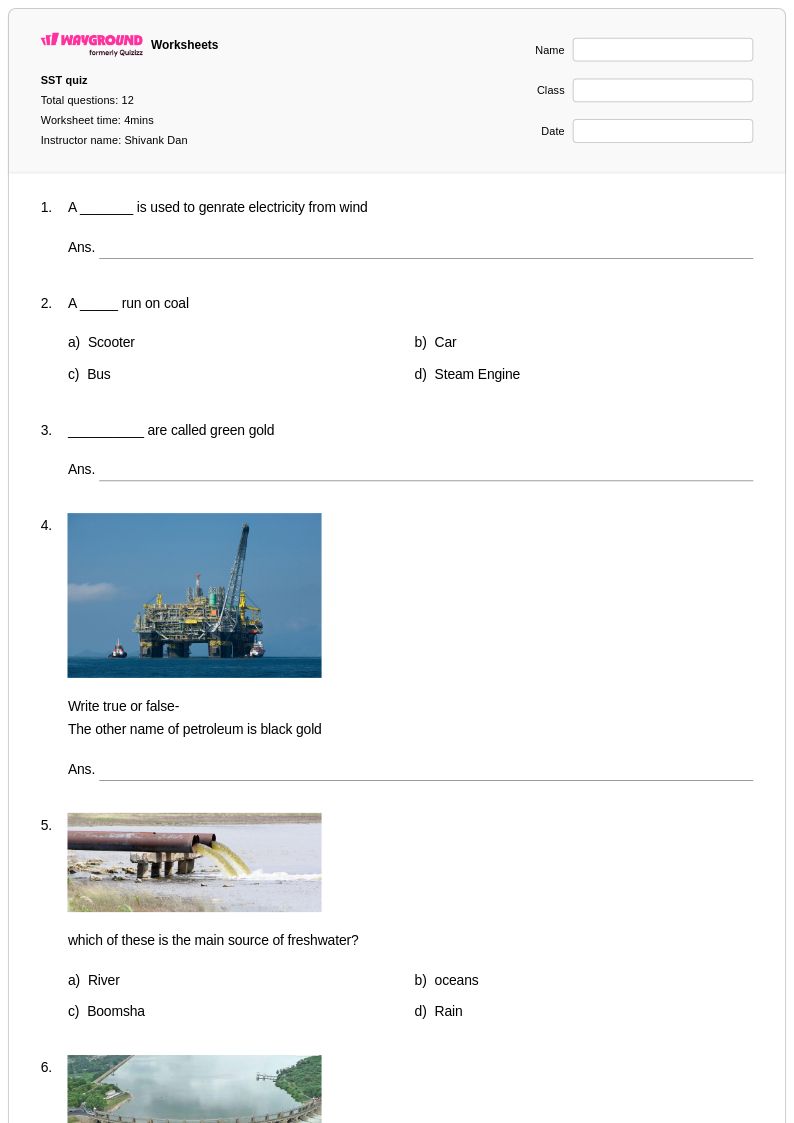
12 Q
4th
211 Q
4th
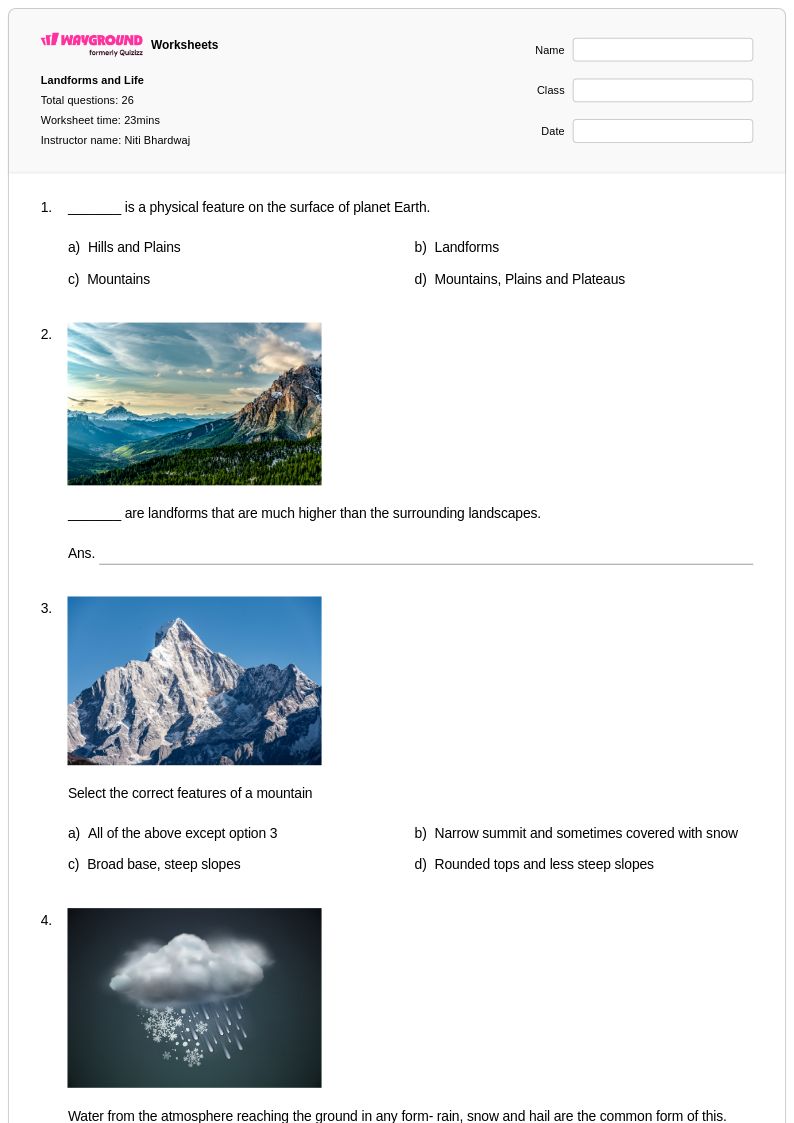
26 Q
1st - 5th
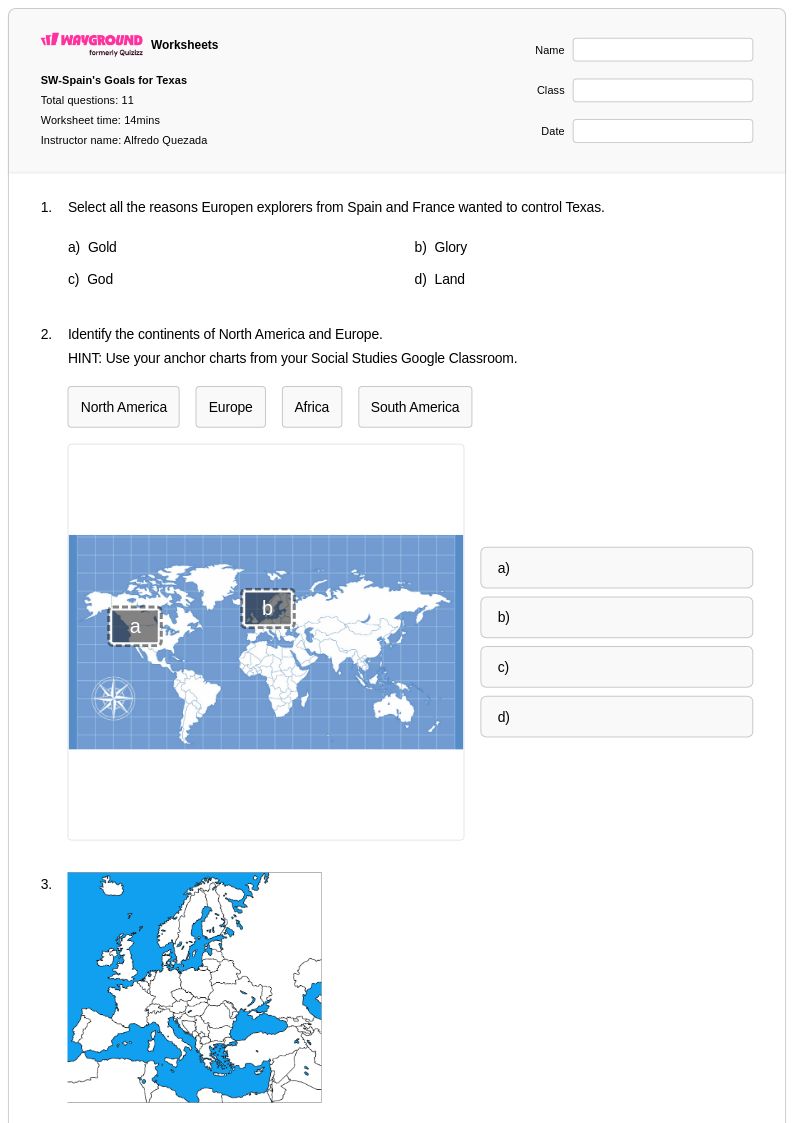
11 Q
4th
Explore Other Subject Worksheets for class 4
Explore printable Name of Oceans worksheets for Class 4
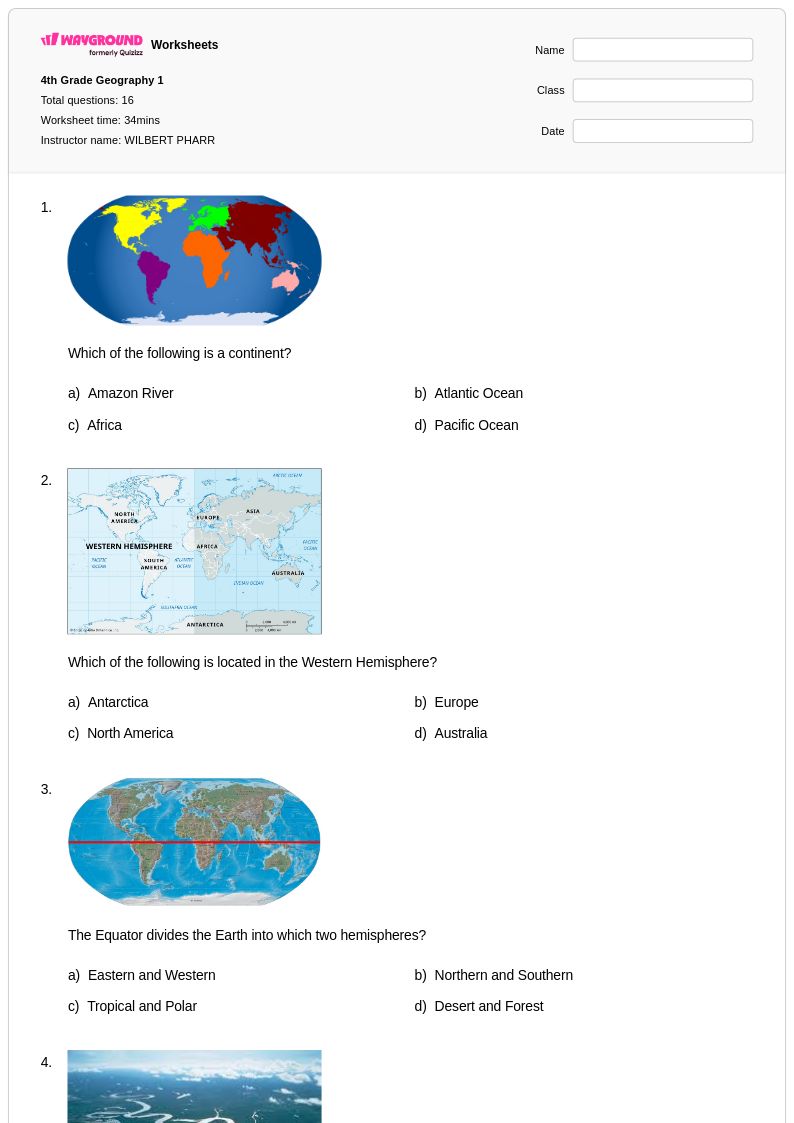
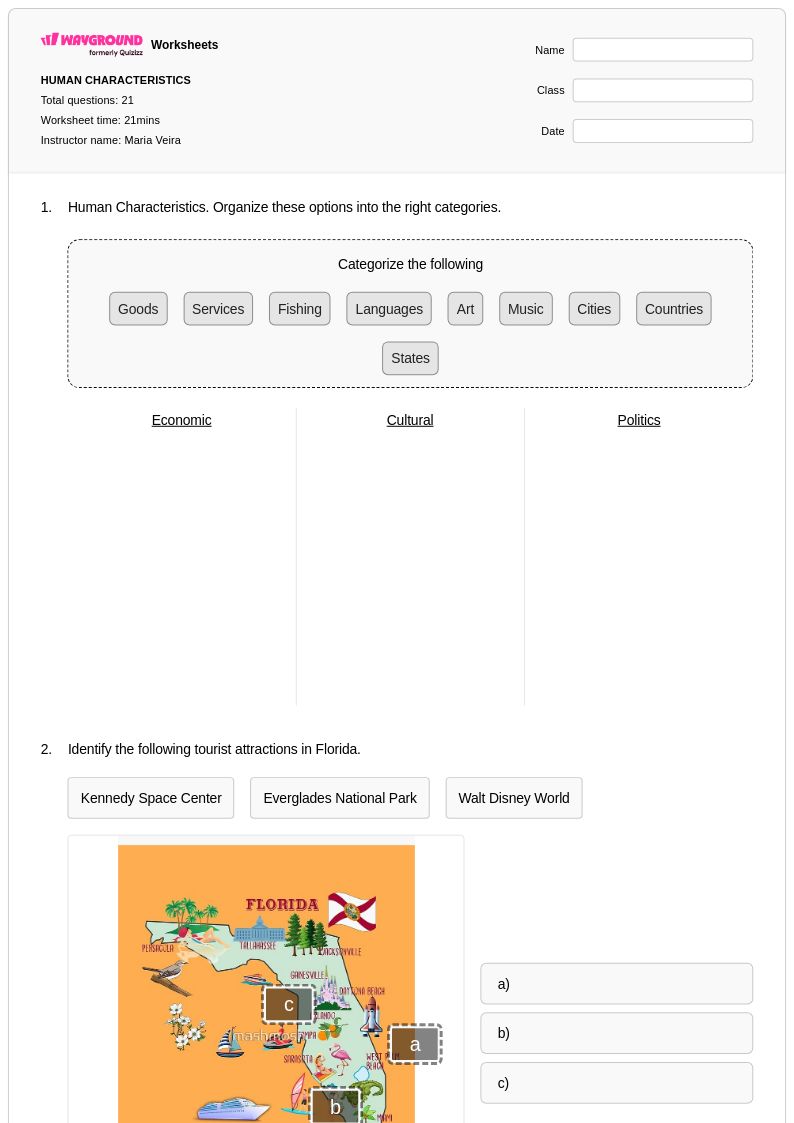
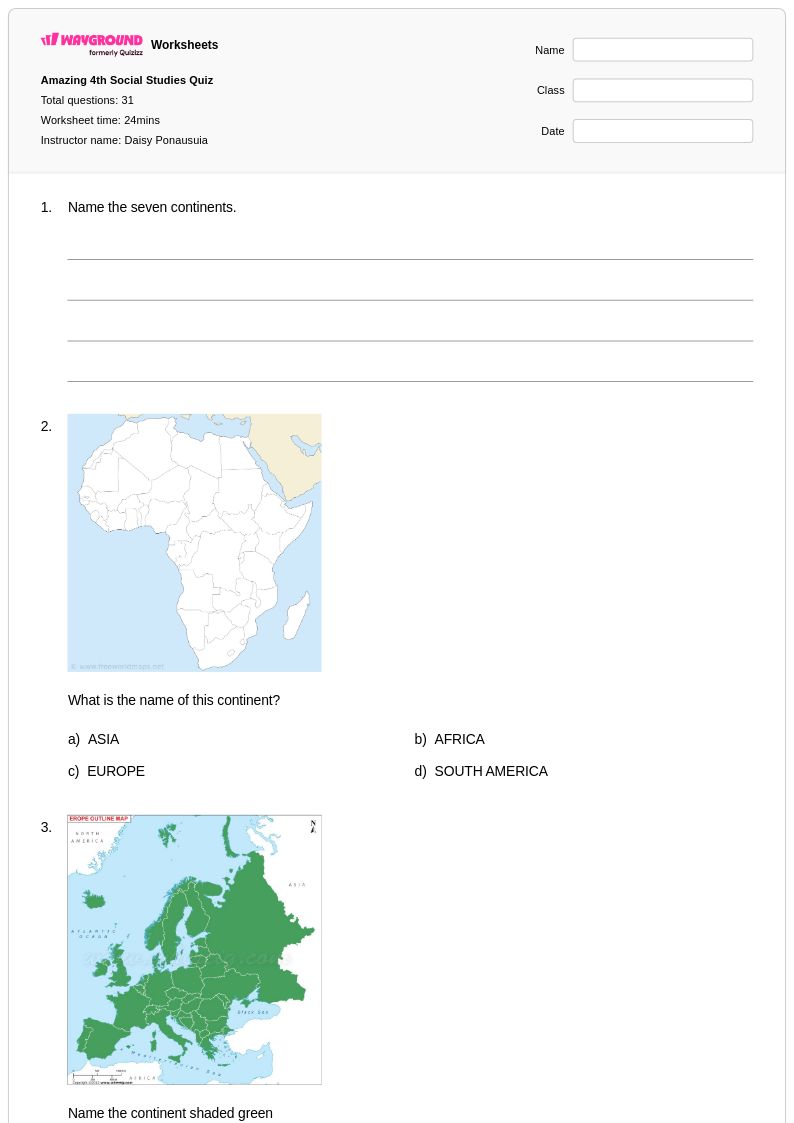
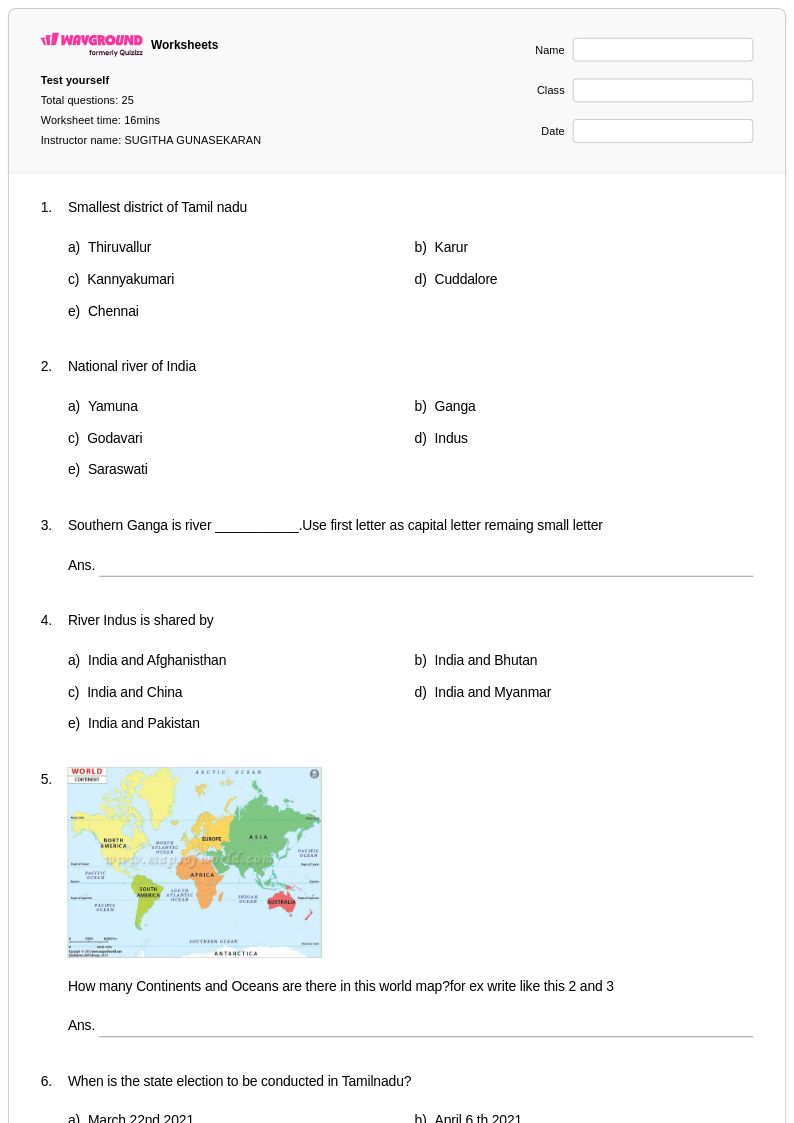
Name of Oceans worksheets for Class 4 students through Wayground (formerly Quizizz) provide comprehensive practice in identifying and locating the world's five major oceans: Pacific, Atlantic, Indian, Arctic, and Southern. These educational resources strengthen essential geography skills including map reading, spatial awareness, and oceanic literacy that form the foundation of global understanding. Students engage with varied practice problems that challenge them to label ocean positions on world maps, match ocean names with their characteristics, and demonstrate knowledge of oceanic boundaries and relative sizes. Each worksheet collection includes detailed answer keys that support independent learning and self-assessment, while the free printable format ensures accessibility for diverse classroom environments and home study sessions.
Wayground (formerly Quizizz) empowers educators with millions of teacher-created resources specifically designed for ocean identification and geographic skill development, featuring robust search and filtering capabilities that align with state geography standards. Teachers can easily differentiate instruction by selecting worksheets that match individual student needs, from basic ocean recognition to advanced comparative analysis of oceanic features. The platform's flexible customization tools allow educators to modify existing materials or combine multiple resources for comprehensive lesson planning, while both printable and digital pdf formats accommodate various learning preferences and classroom technologies. These versatile worksheet collections support targeted remediation for struggling learners, enrichment opportunities for advanced students, and consistent skill practice that reinforces oceanic geography concepts throughout the academic year.