
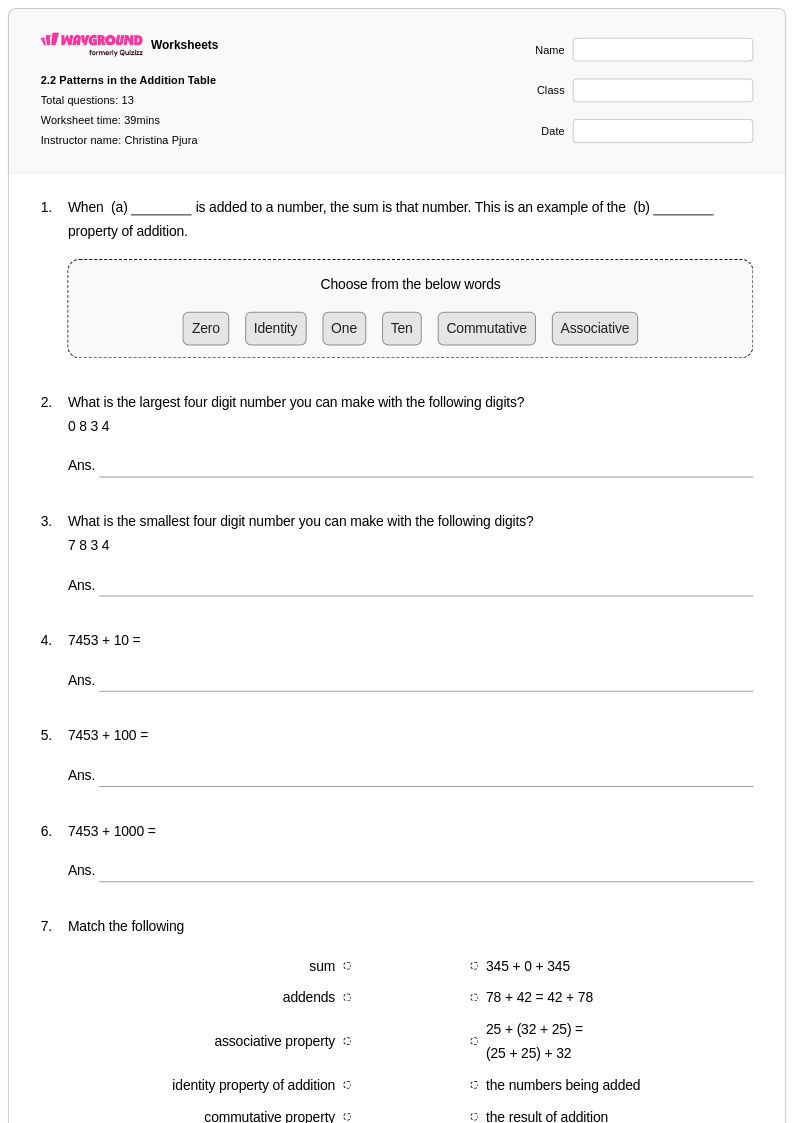
13 Q
3rd
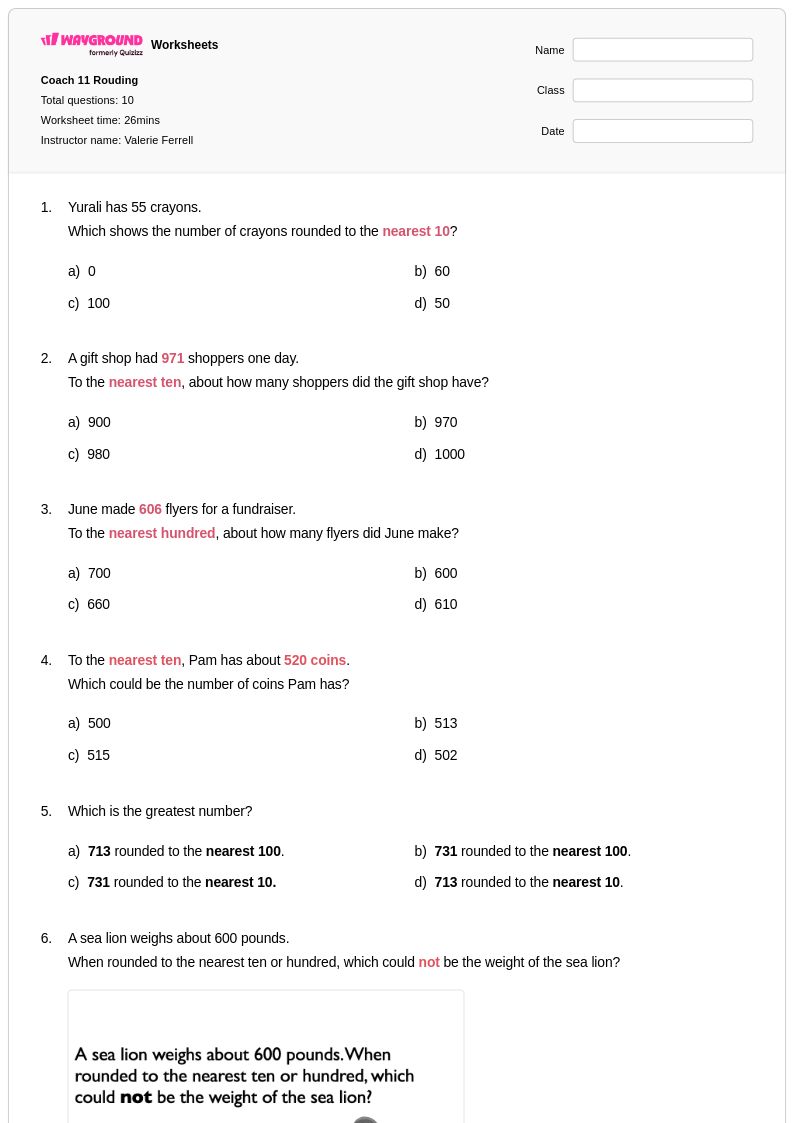
10 Q
3rd
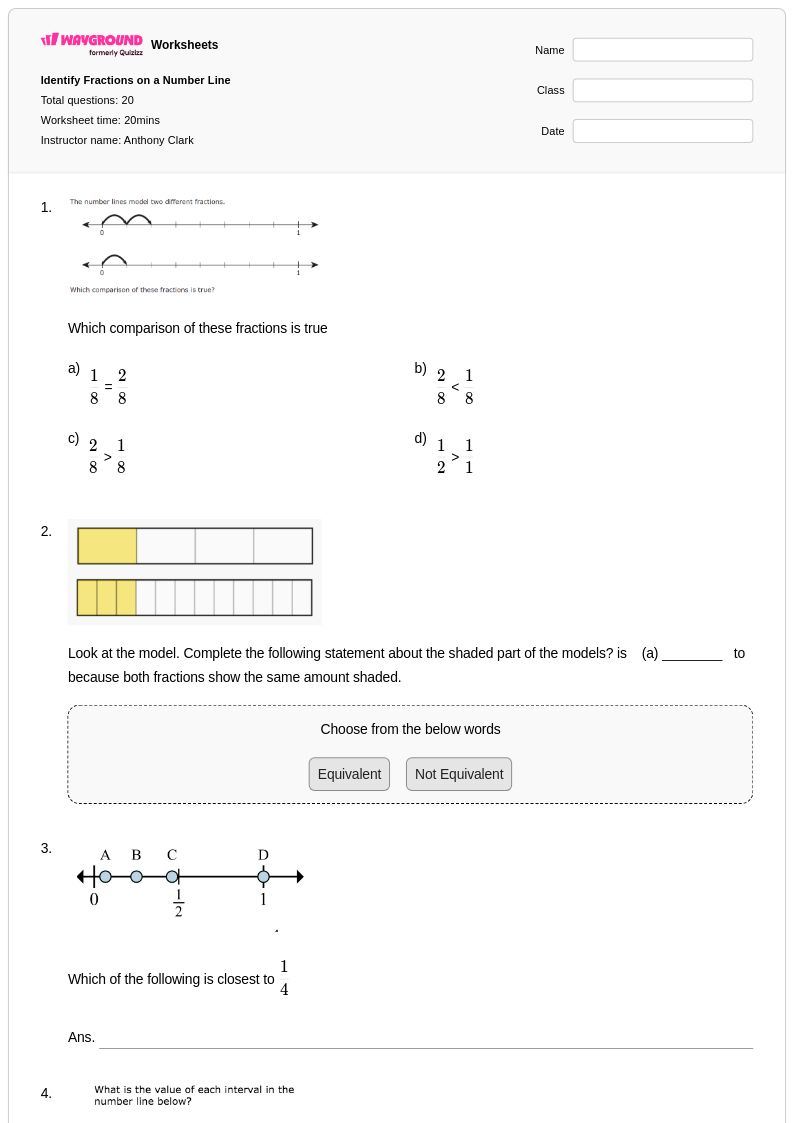
20 Q
3rd - Uni
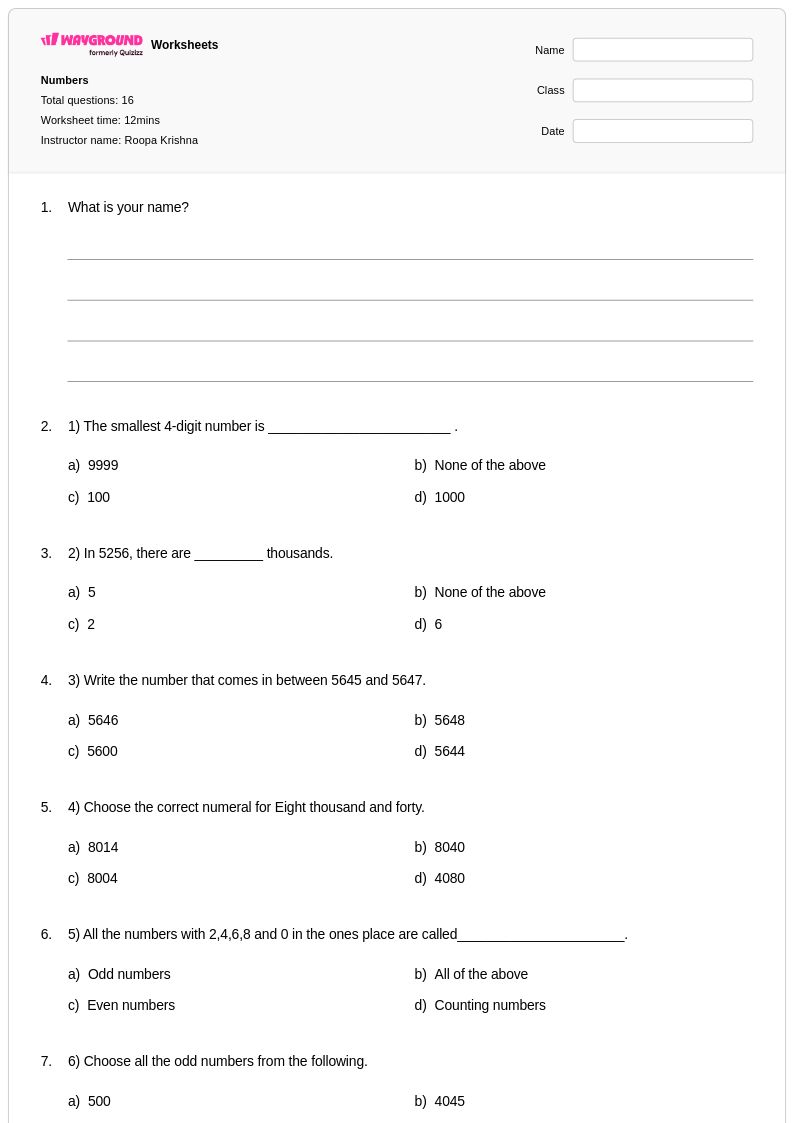
16 Q
3rd
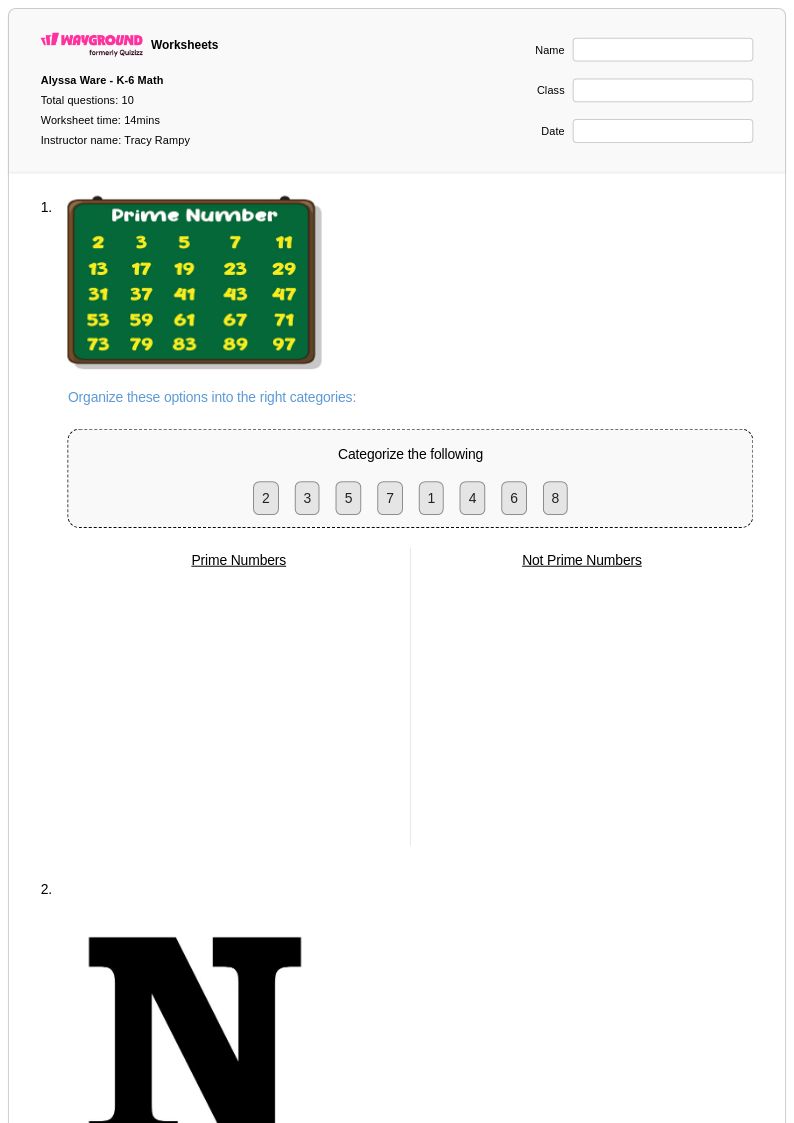
10 Q
1st - 5th
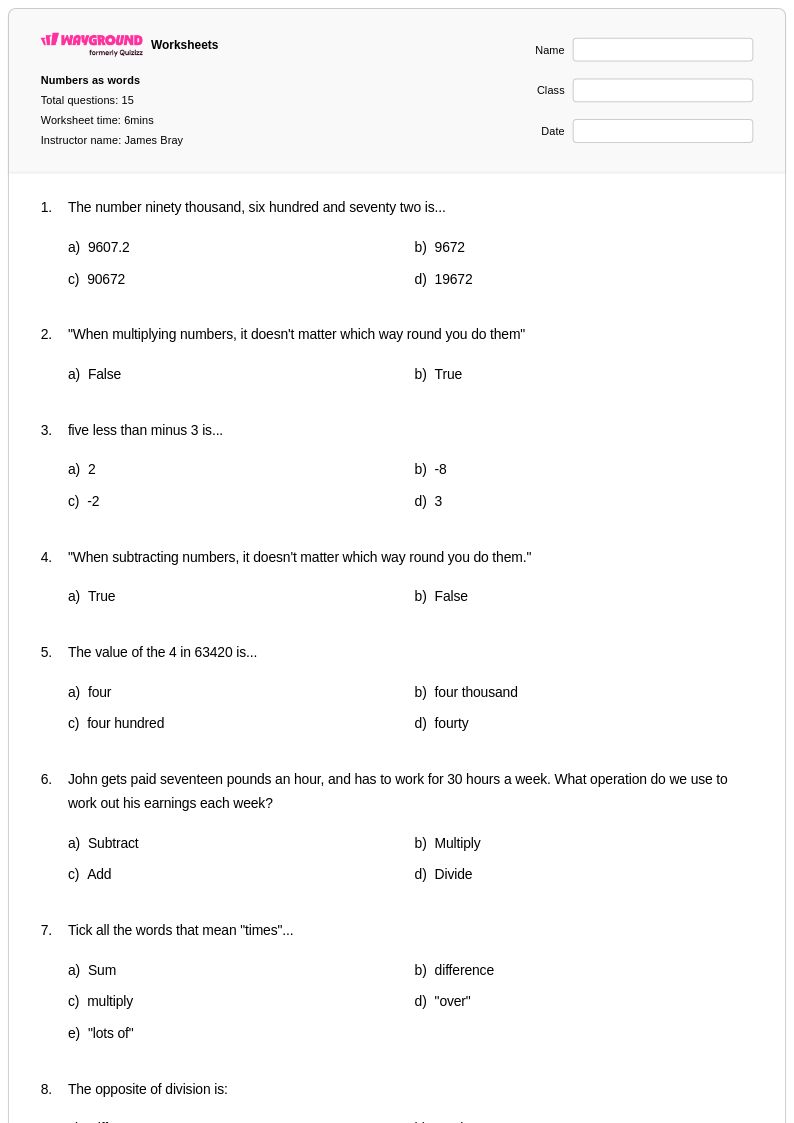
15 Q
3rd - 5th
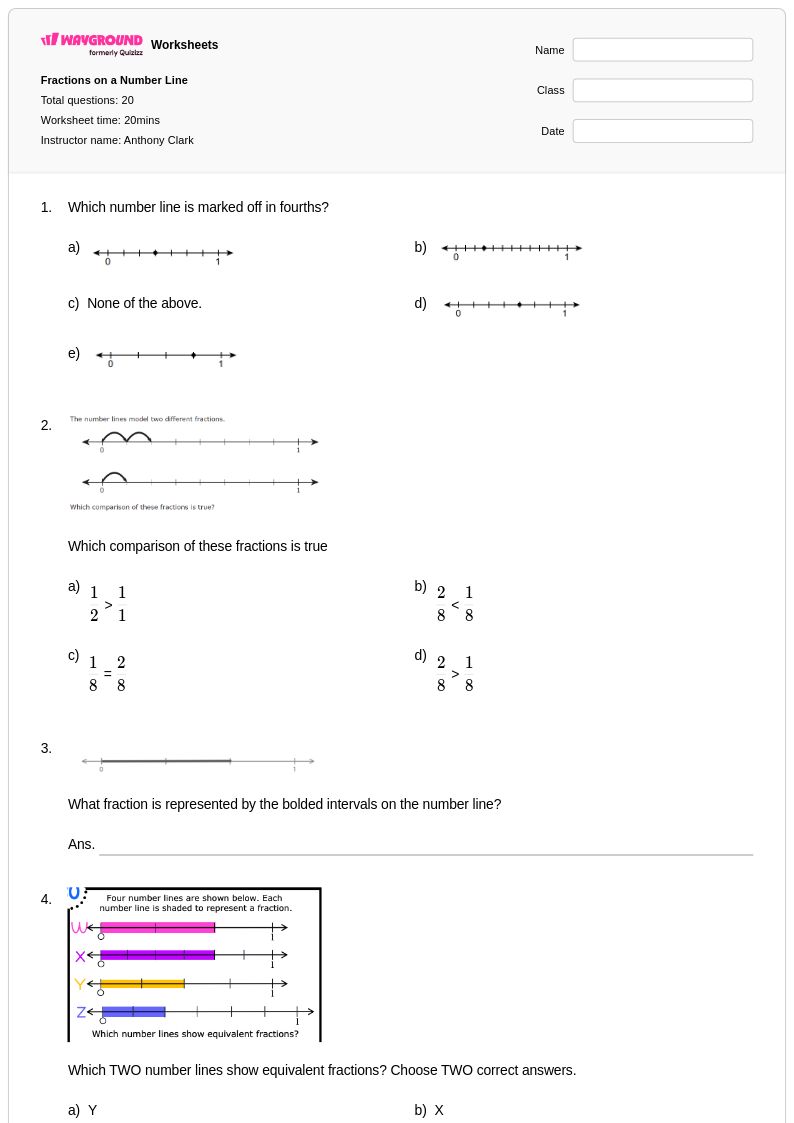
20 Q
3rd - Uni
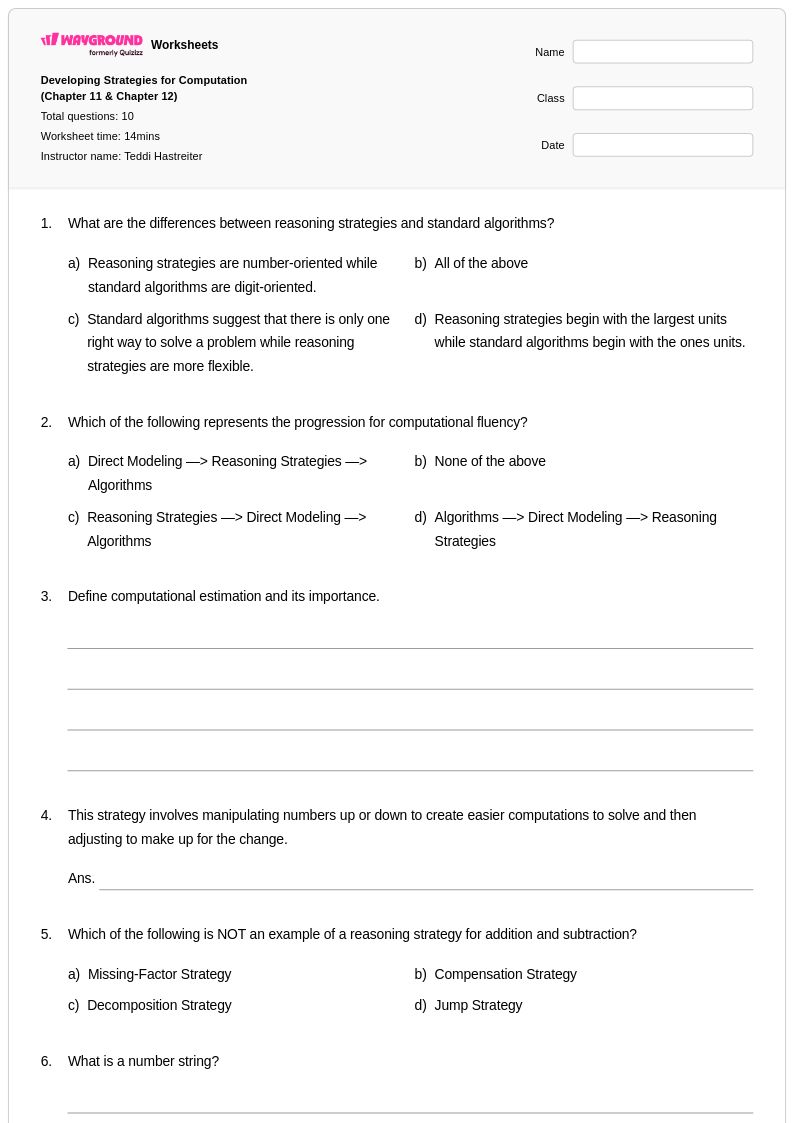
10 Q
1st - 5th
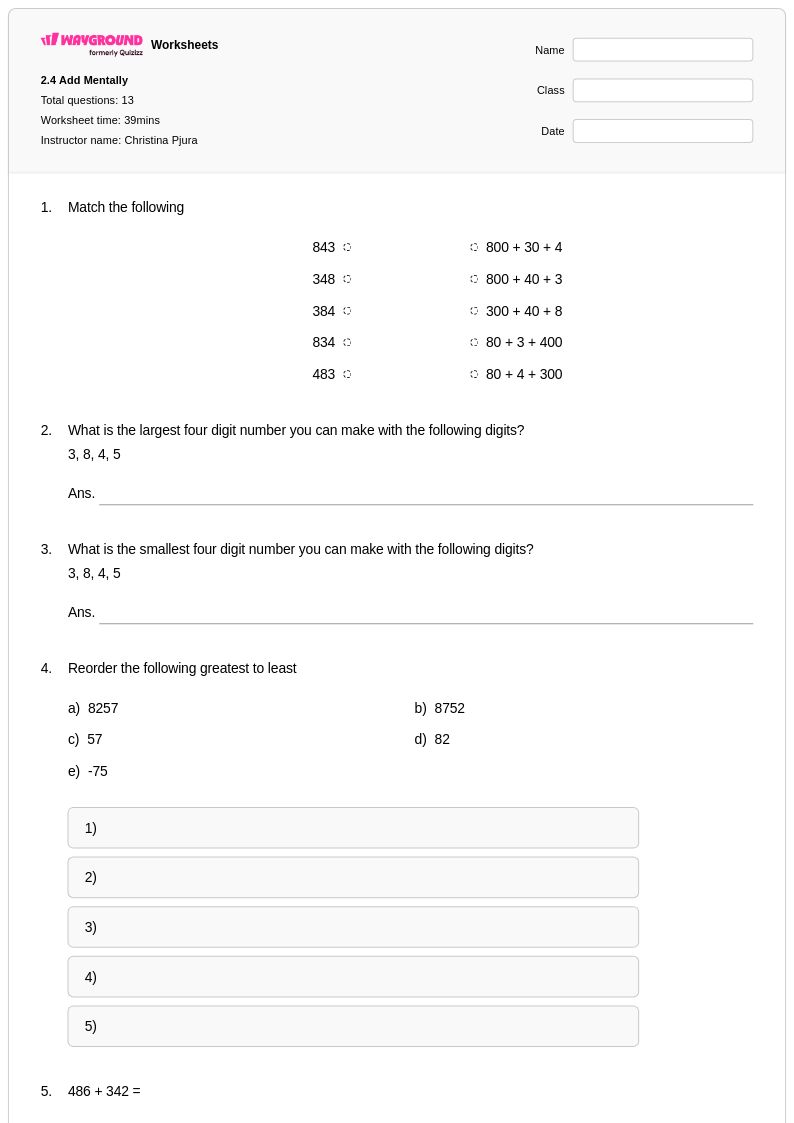
13 Q
3rd
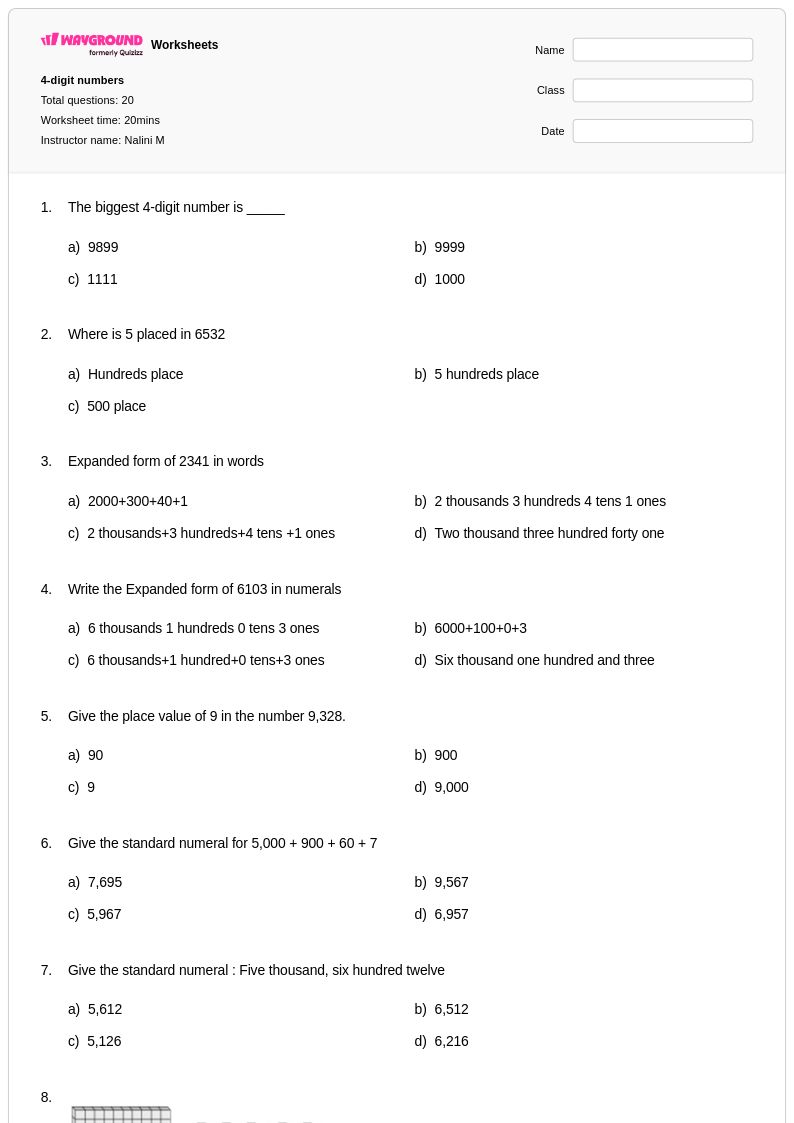
20 Q
3rd
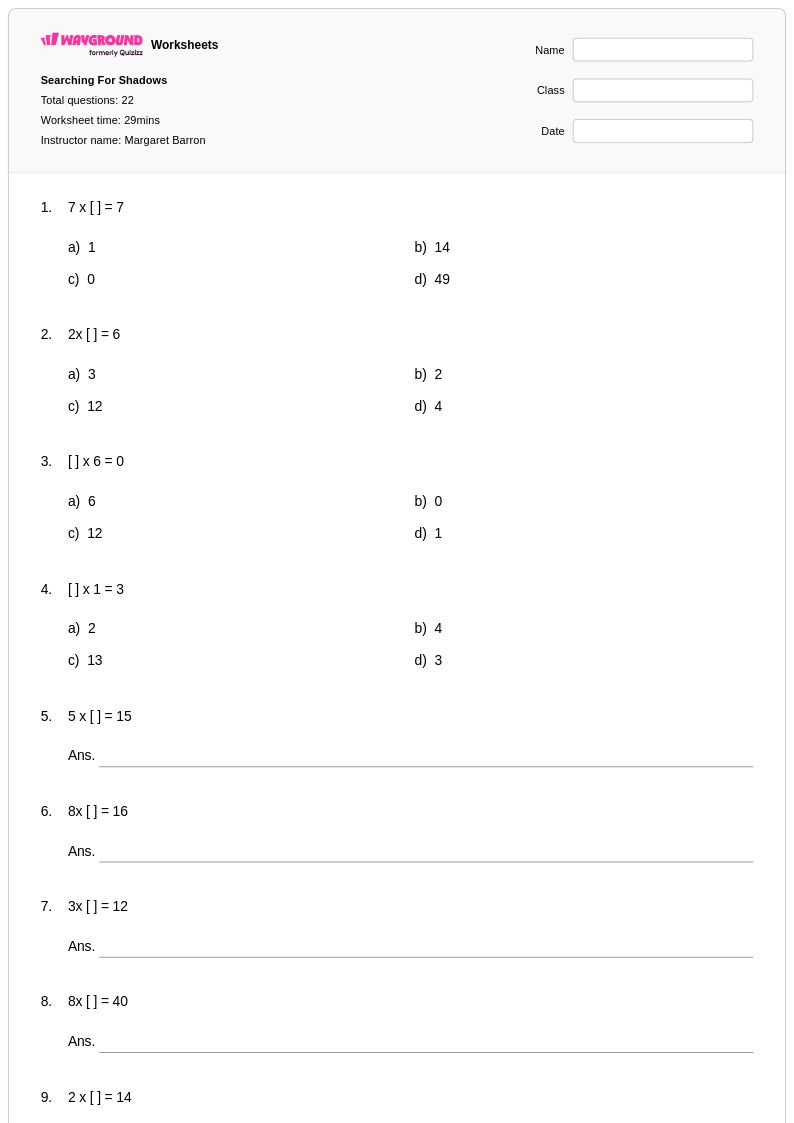
22 Q
3rd
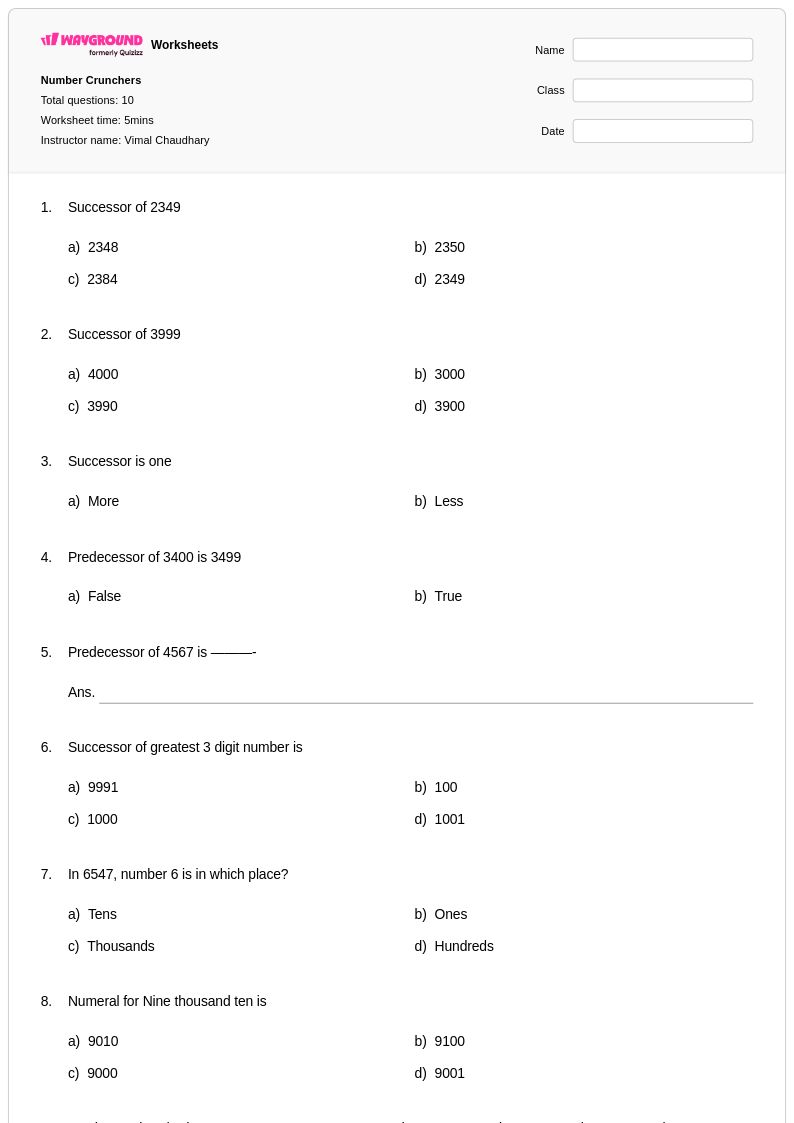
10 Q
3rd
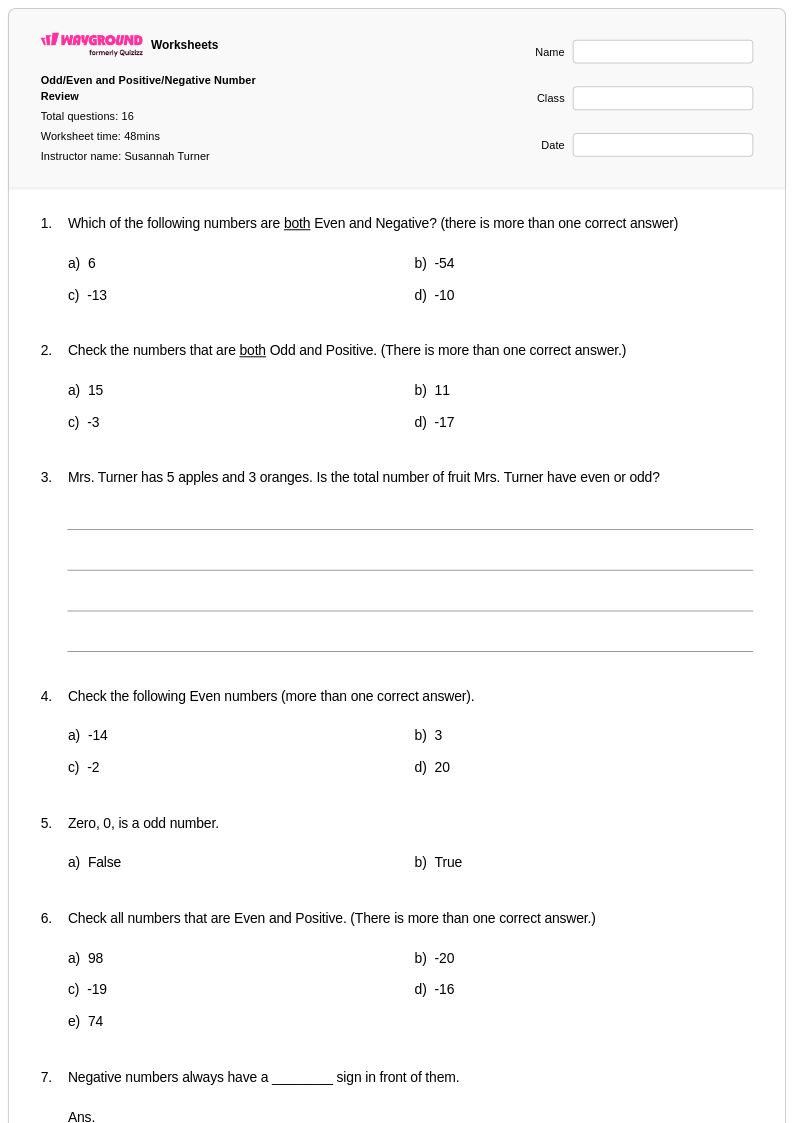
16 Q
1st - 3rd
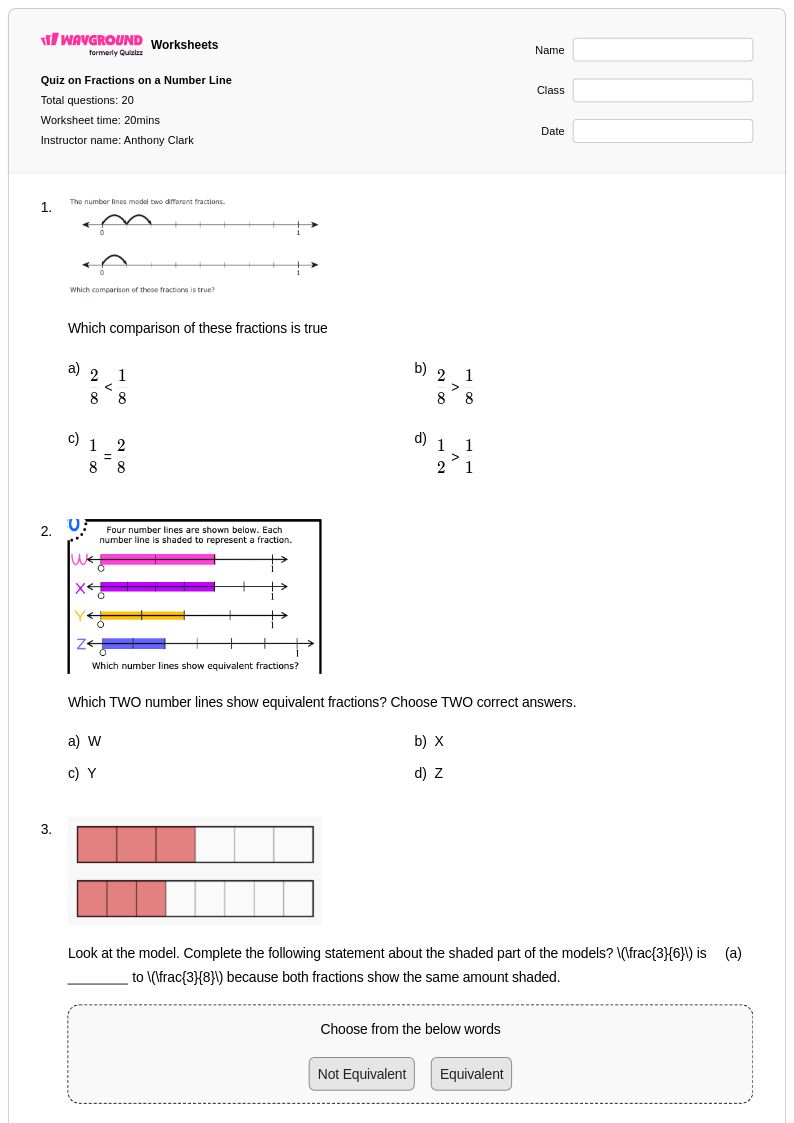
20 Q
3rd - Uni
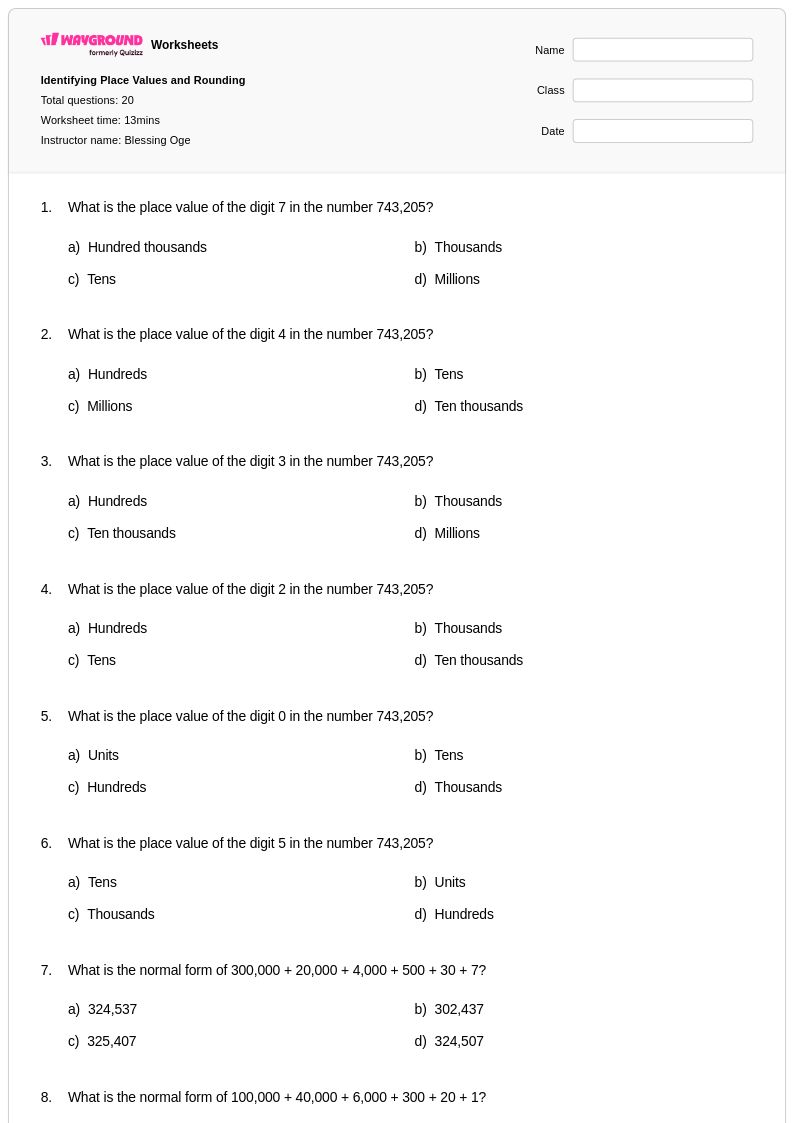
20 Q
3rd
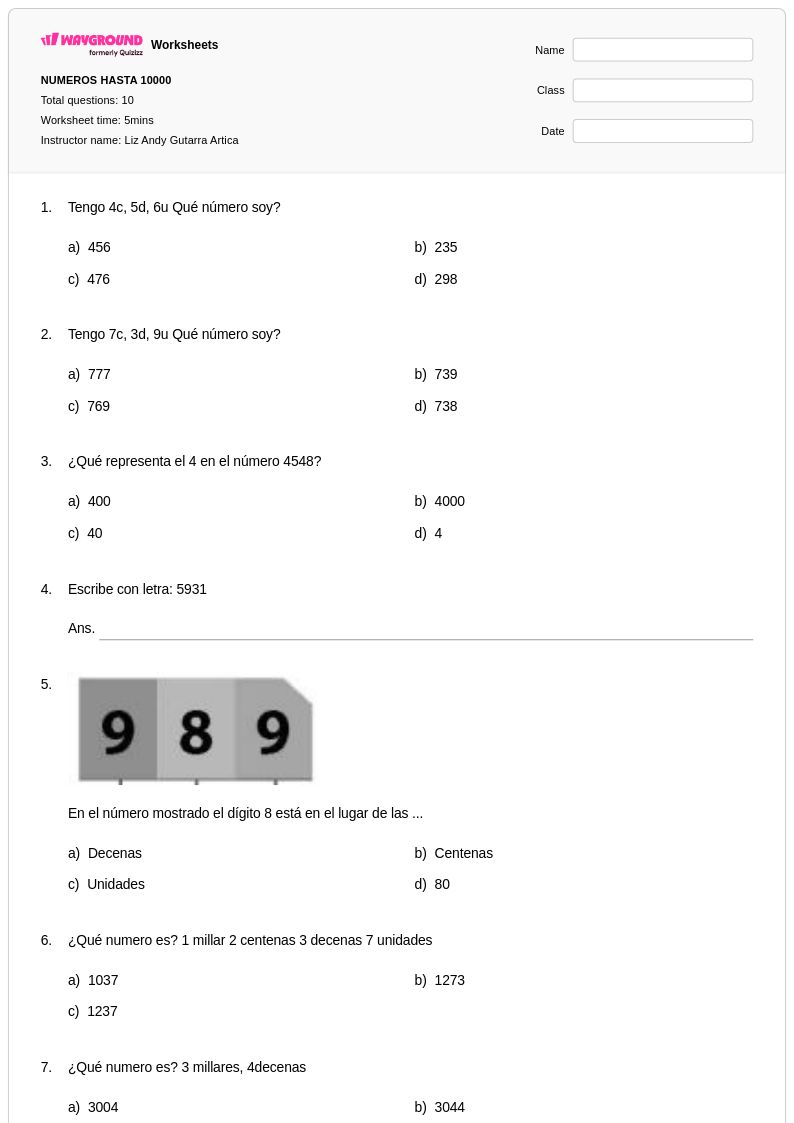
10 Q
3rd
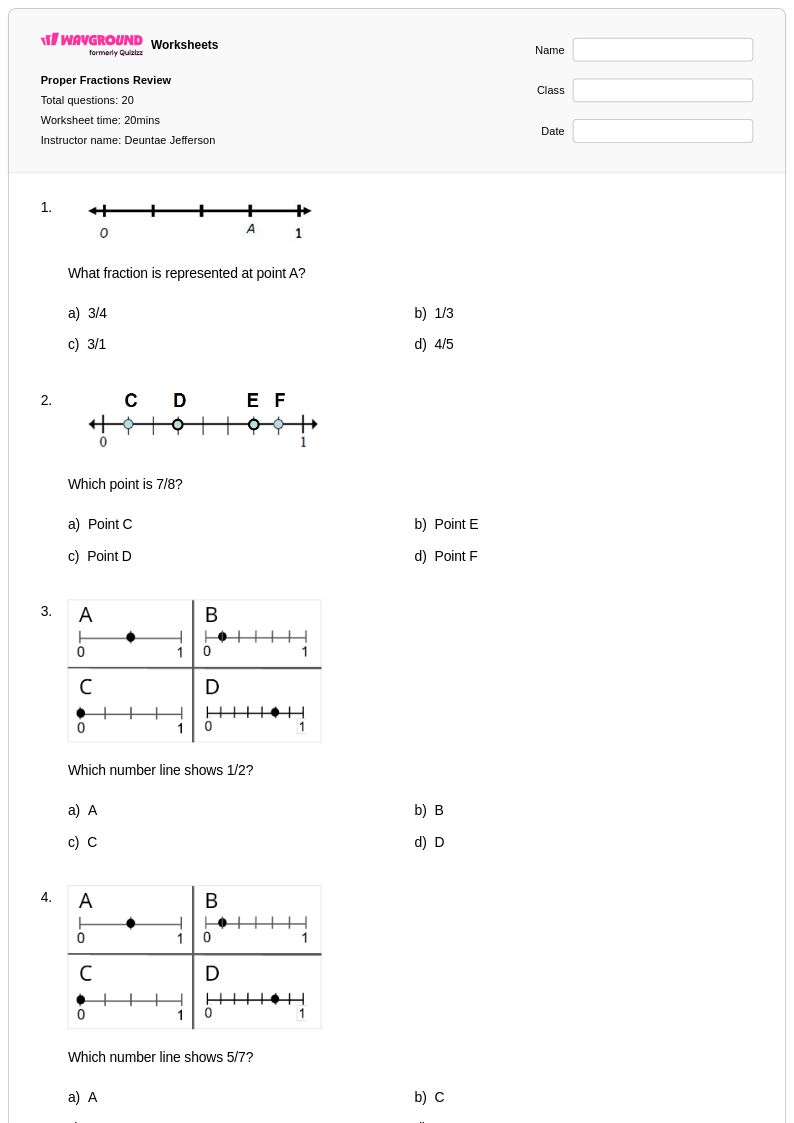
20 Q
3rd
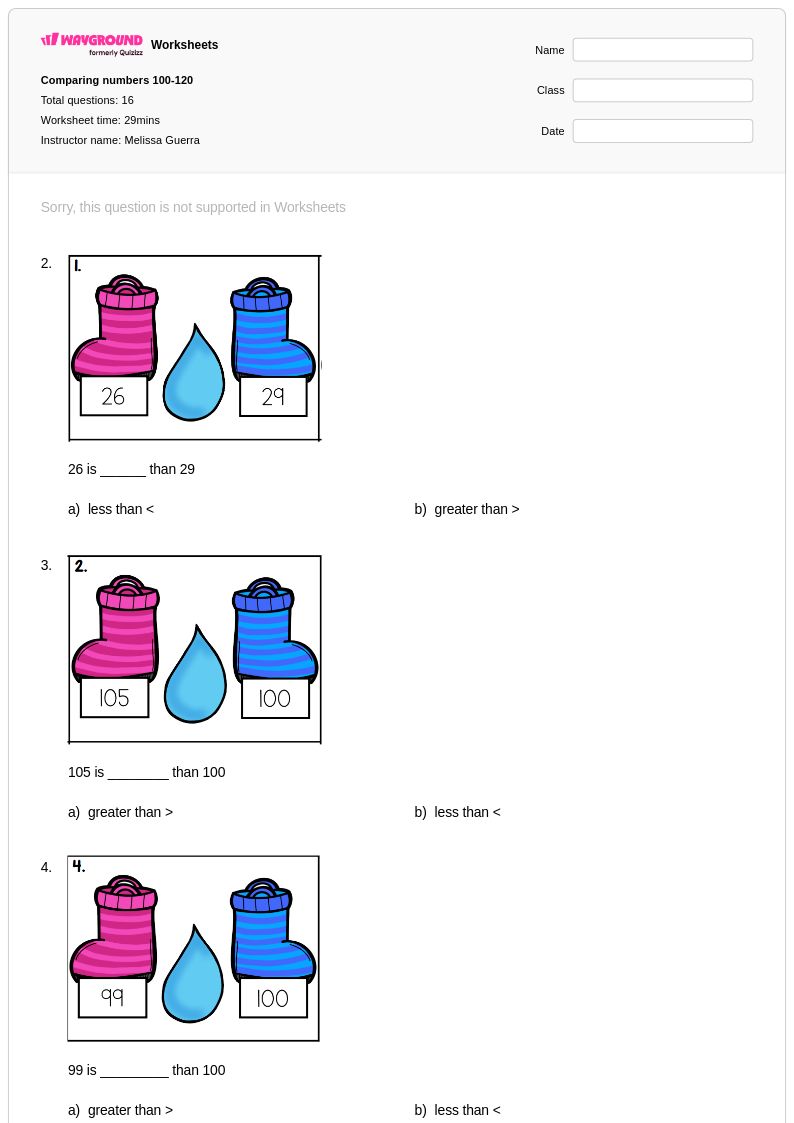
17 Q
1st - Uni
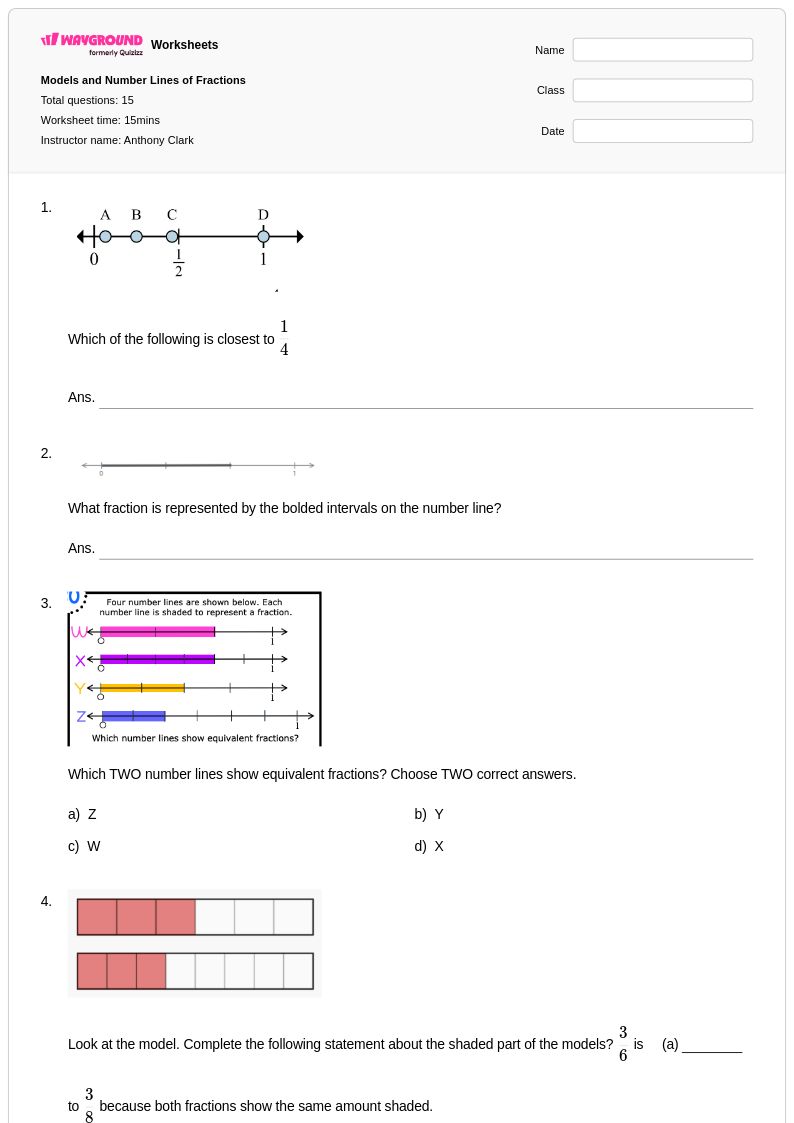
15 Q
3rd - Uni
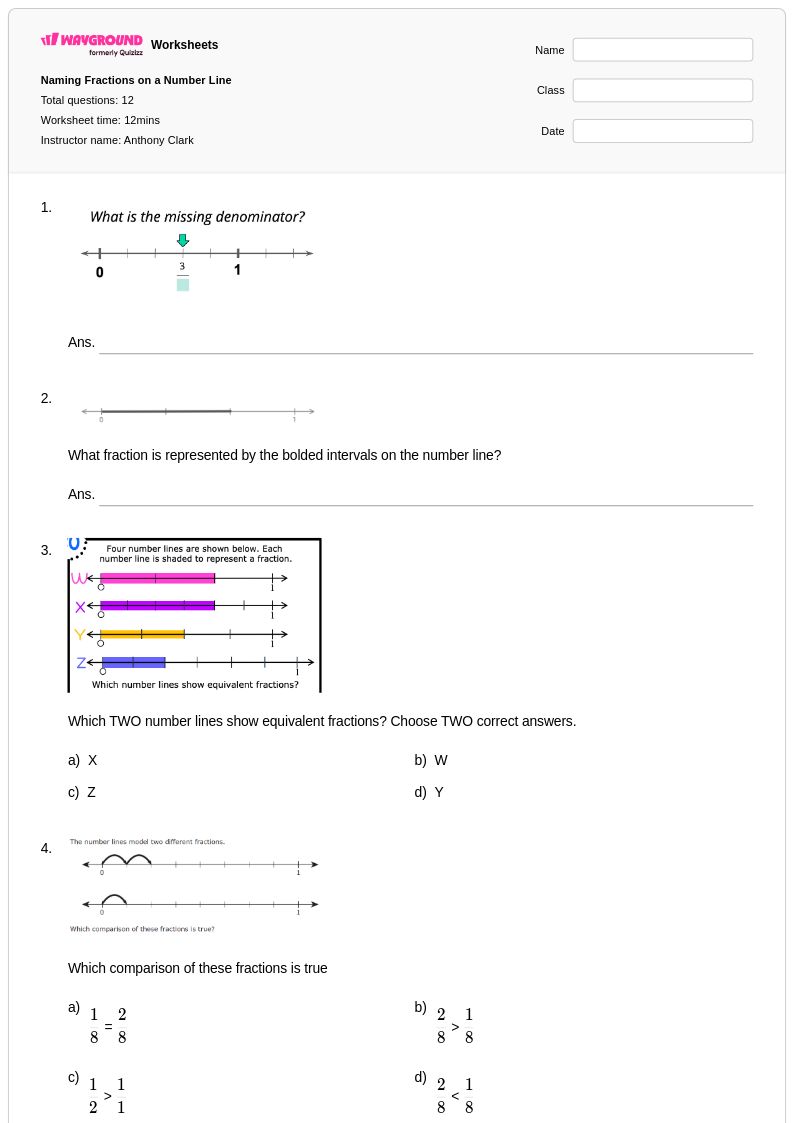
12 Q
3rd - Uni
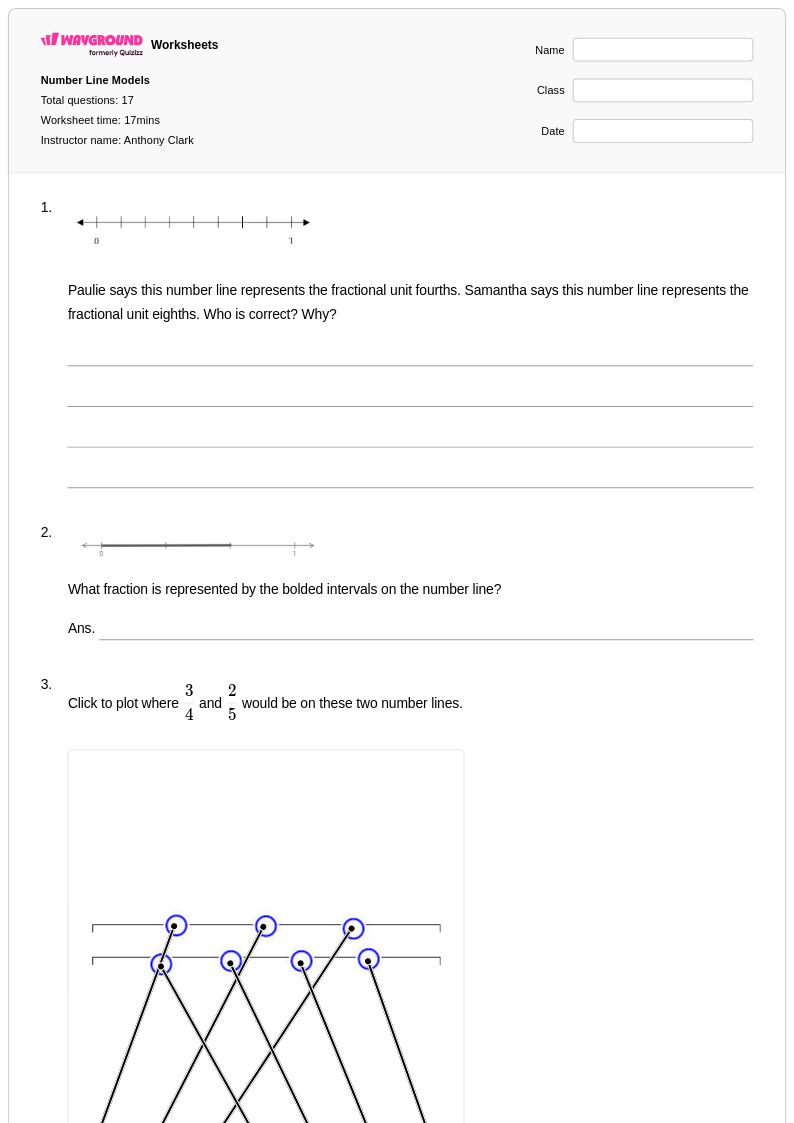
17 Q
3rd - Uni
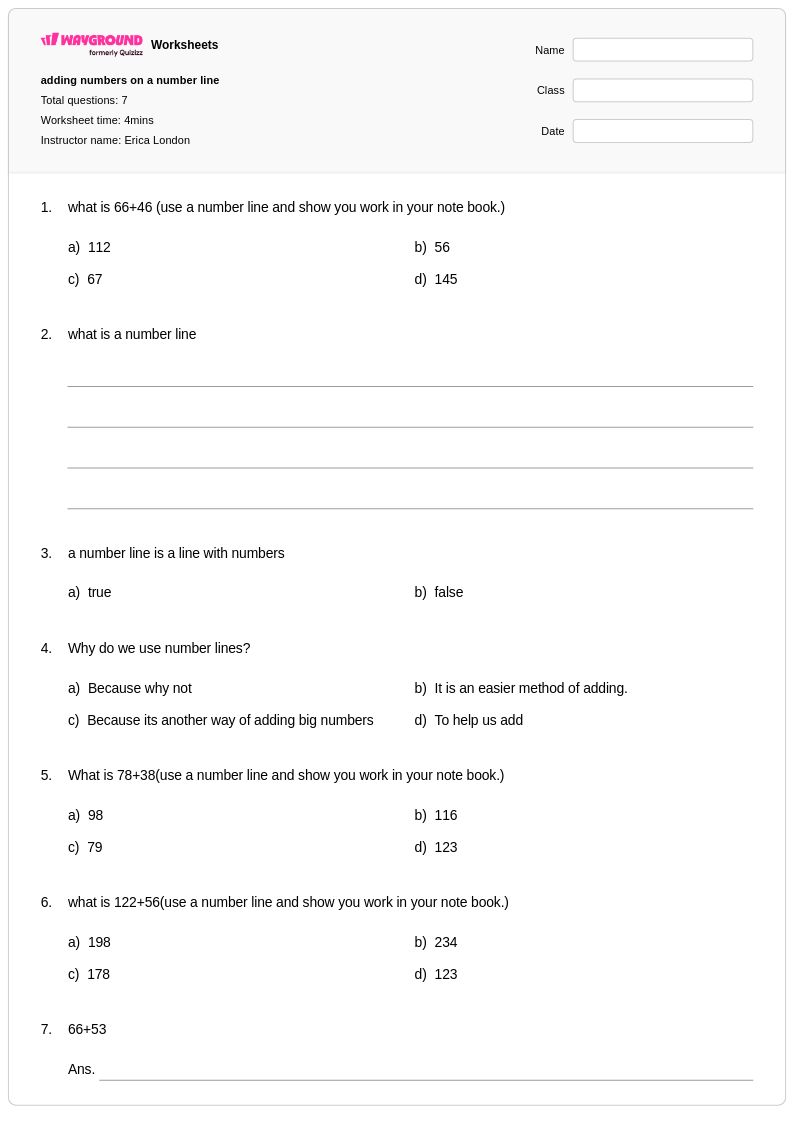
7 Q
3rd
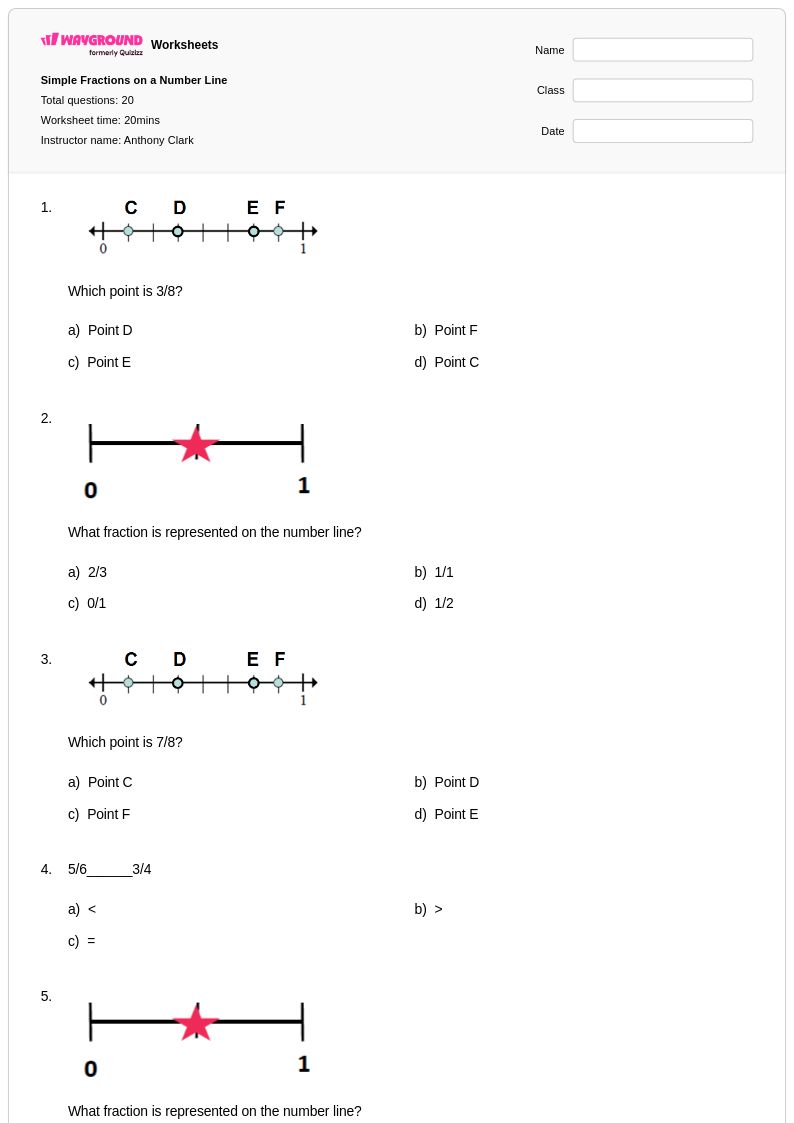
20 Q
3rd - Uni
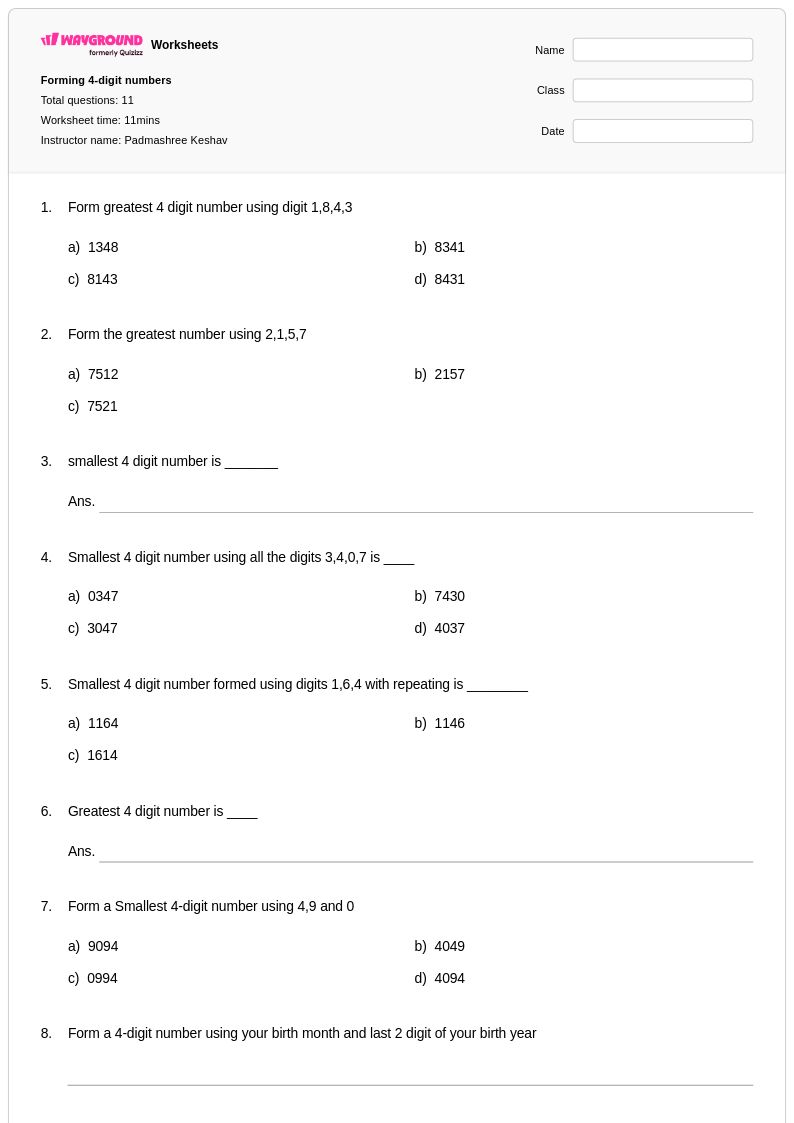
11 Q
3rd
Explore Other Subject Worksheets for class 3
Explore printable Number Decomposition worksheets for Class 3
Number decomposition worksheets for Class 3 students available through Wayground (formerly Quizizz) provide comprehensive practice in breaking apart numbers into their component parts using various strategies and representations. These expertly designed worksheets strengthen students' understanding of place value relationships, part-whole concepts, and flexible thinking about numbers, which serve as fundamental building blocks for advanced mathematical reasoning. The extensive collection includes free printables with detailed answer keys, allowing students to explore number decomposition through visual models, number bonds, base-ten blocks, and expanded form exercises that reinforce how numbers can be taken apart and recombined in multiple ways. These practice problems systematically develop students' ability to see numbers as compositions of smaller parts, supporting their progression toward more sophisticated mathematical operations and problem-solving strategies.
Wayground (formerly Quizizz) empowers educators with millions of teacher-created number decomposition resources specifically aligned to Class 3 mathematics standards, featuring robust search and filtering capabilities that help instructors quickly locate materials matching their specific curricular needs. The platform's differentiation tools enable teachers to customize worksheets for diverse learning levels within their classrooms, while the availability of both printable pdf formats and interactive digital versions provides maximum flexibility for various instructional settings. These comprehensive features streamline lesson planning by offering ready-to-use materials for skill practice, targeted remediation for students who need additional support with place value concepts, and enrichment opportunities for advanced learners ready to explore more complex decomposition strategies, ultimately supporting teachers in building their students' number sense foundation through systematic, scaffolded practice.
FAQs
How is number decomposition used in Grade 3 math?
How does number decomposition connect to multiplication?
What exercises reinforce number decomposition for third graders?
What misconceptions might third graders have with number decomposition?
How can I use these Grade 3 worksheets in my classroom?
How does this topic align with Grade 3 math standards?