
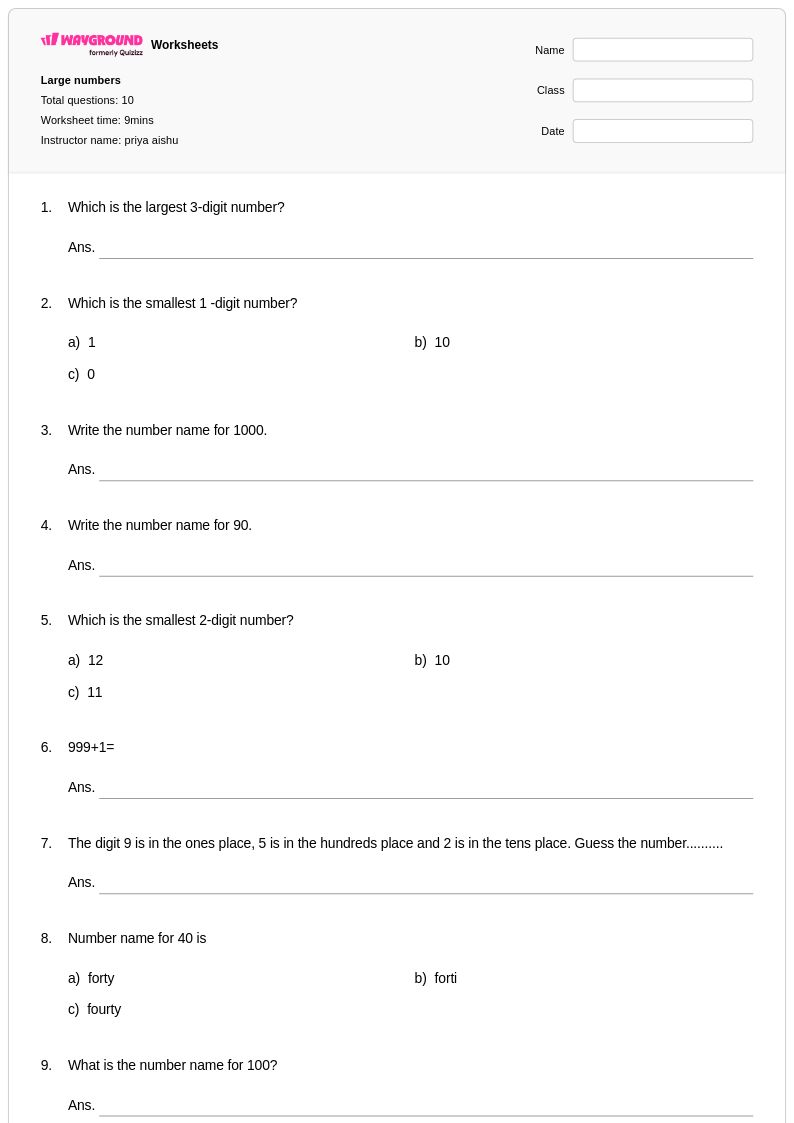
10 Q
3rd
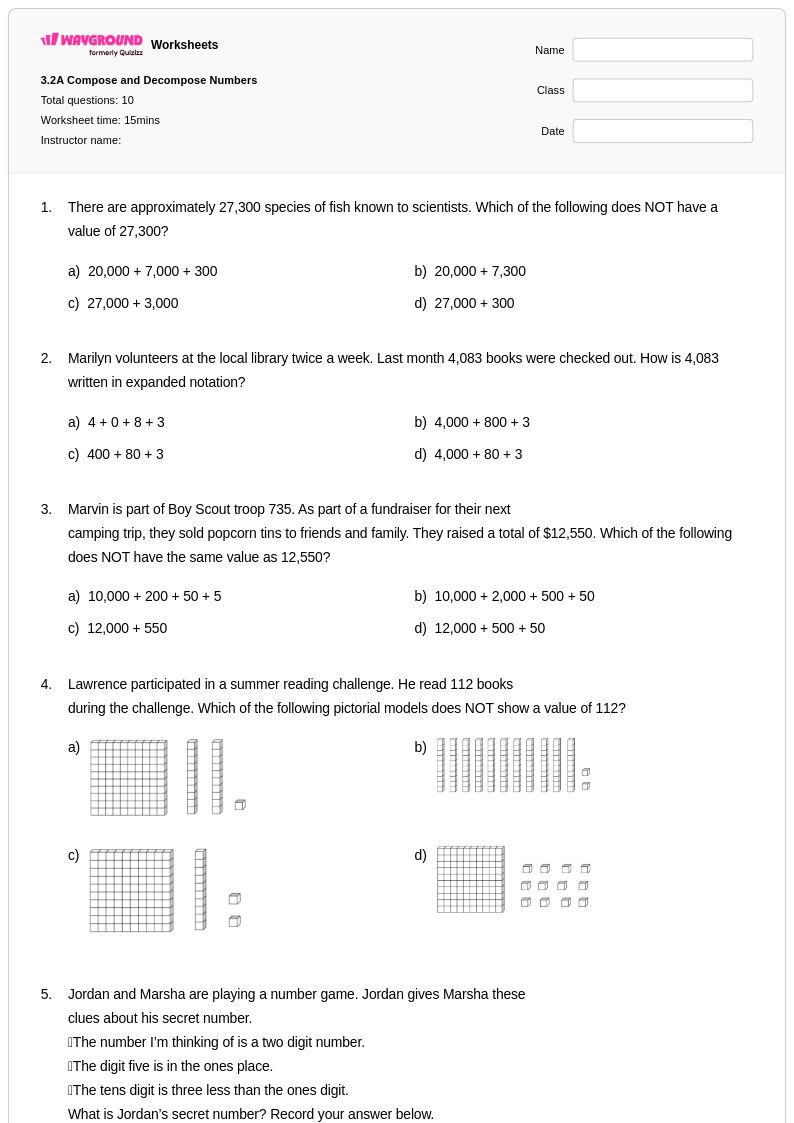
10 Q
3rd
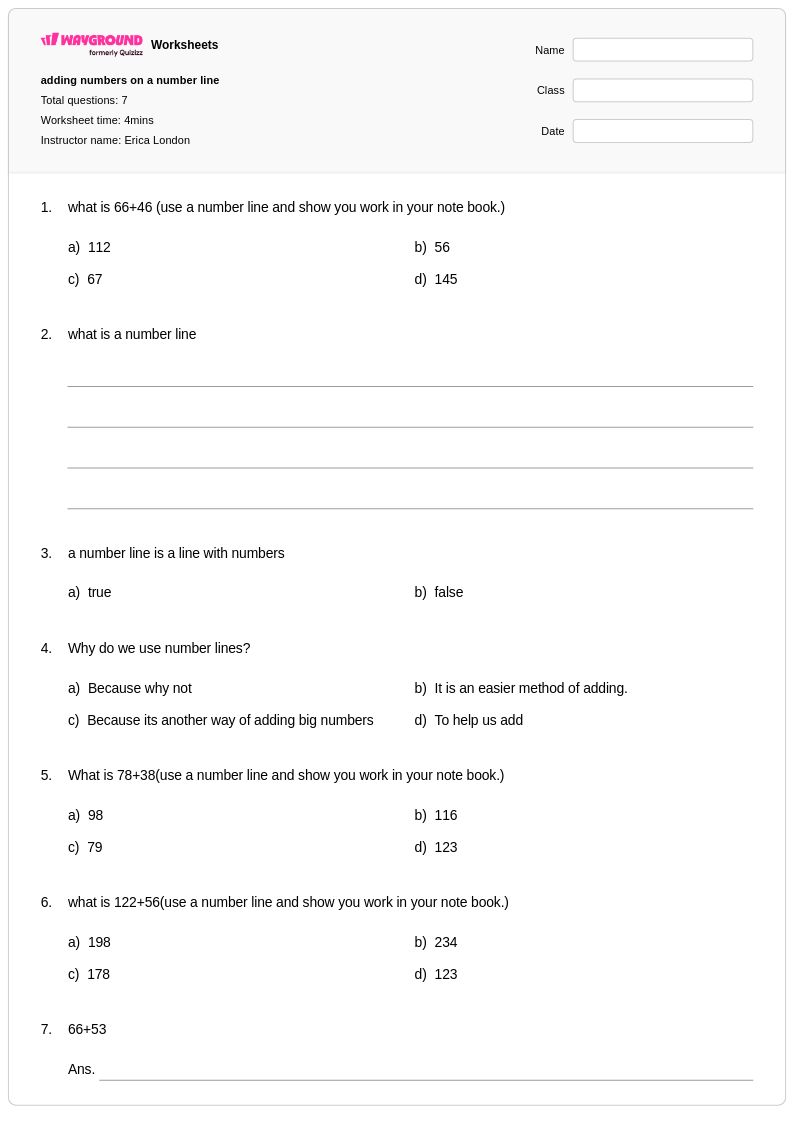
7 Q
3rd
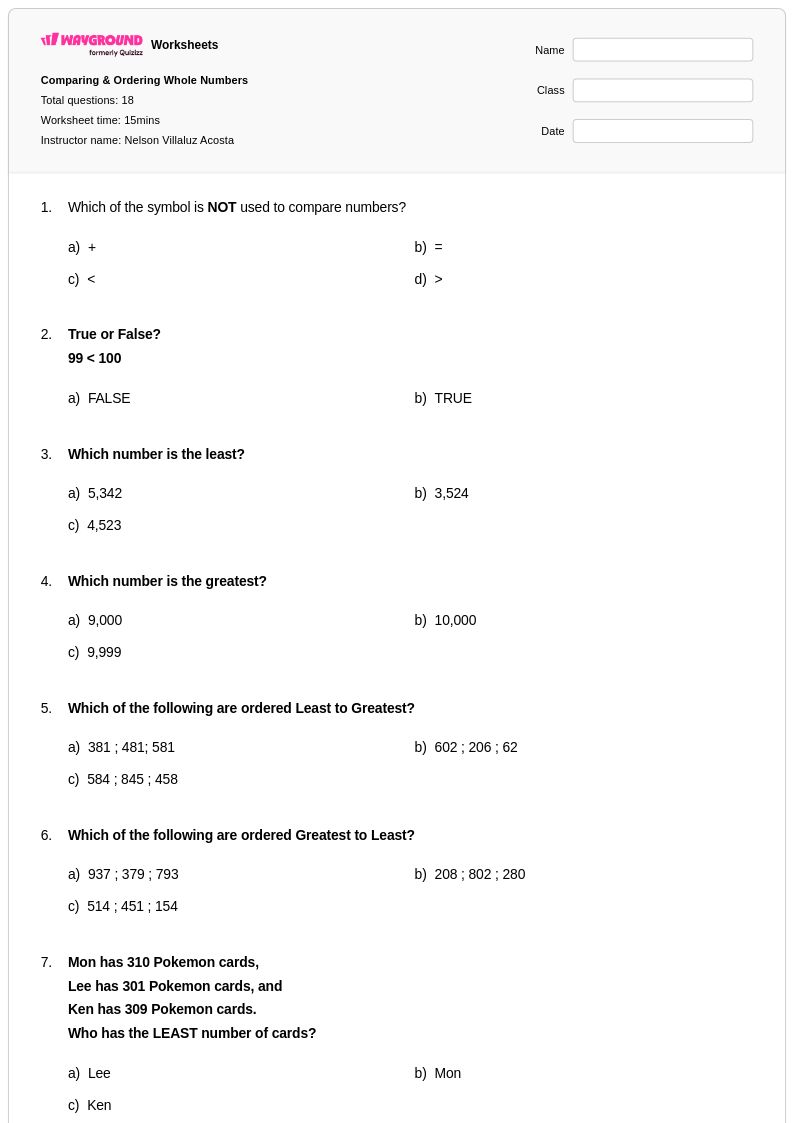
18 Q
3rd
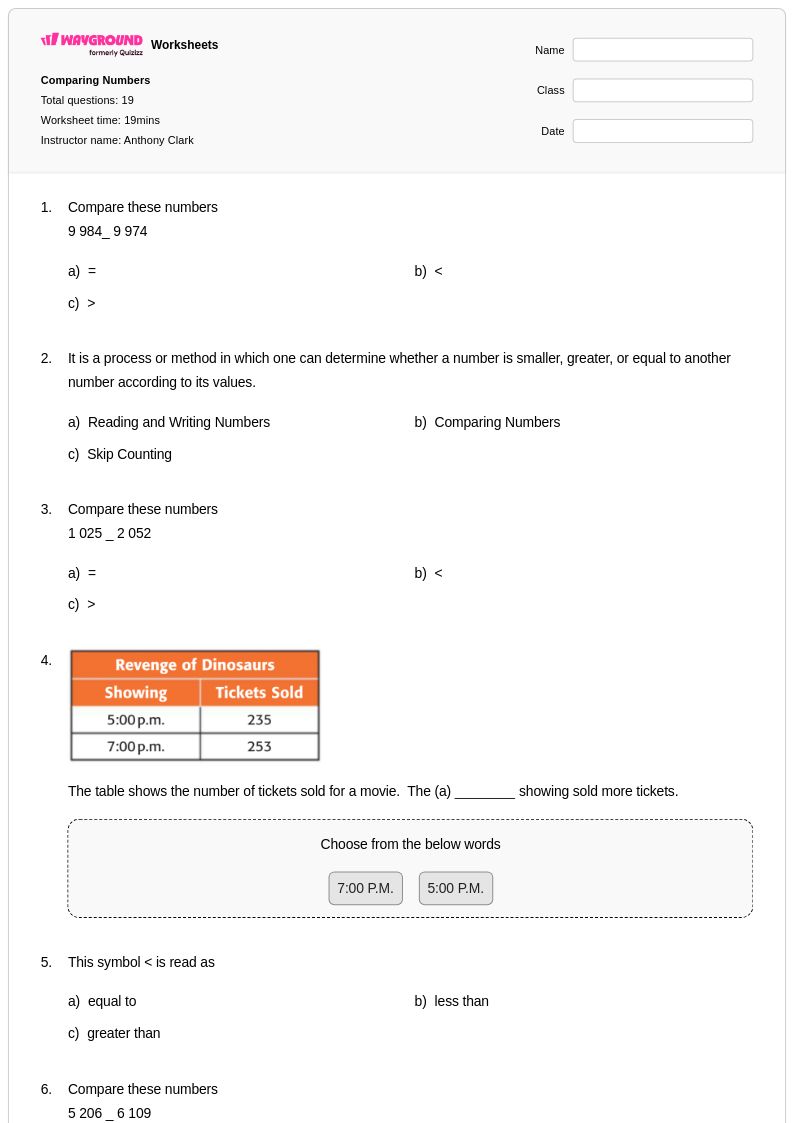
19 Q
2nd - Uni
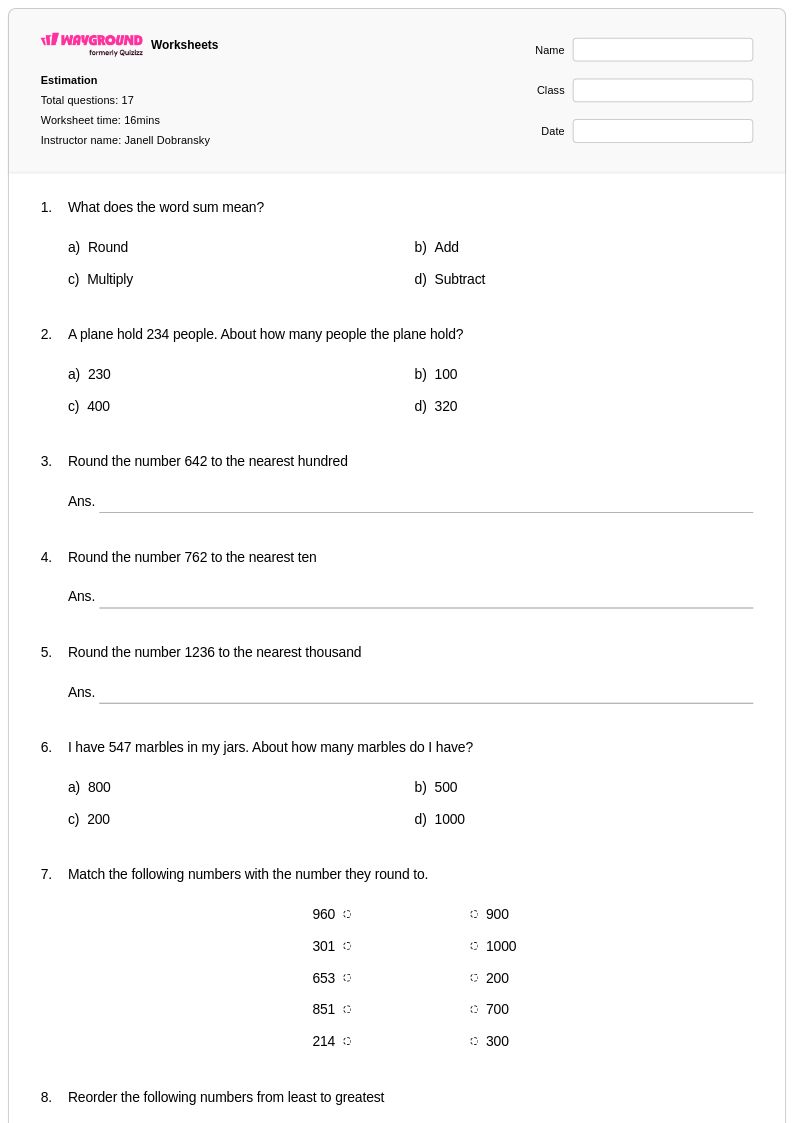
17 Q
3rd
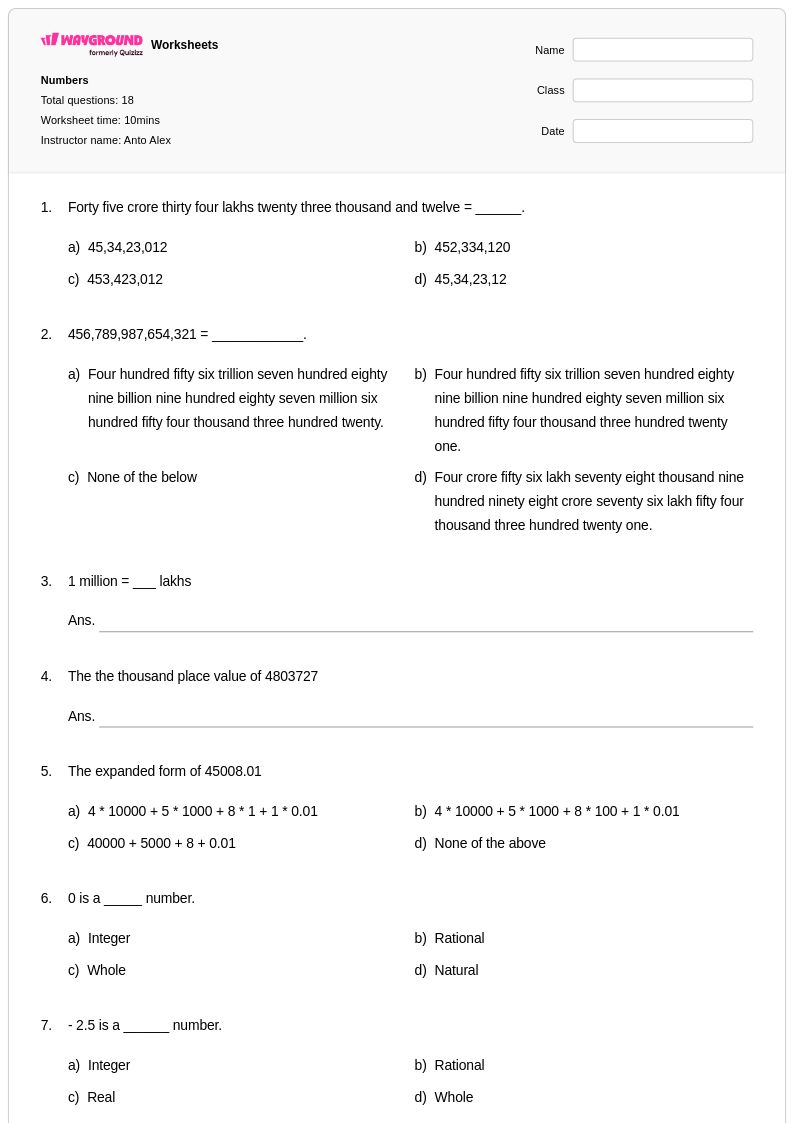
18 Q
1st - PD
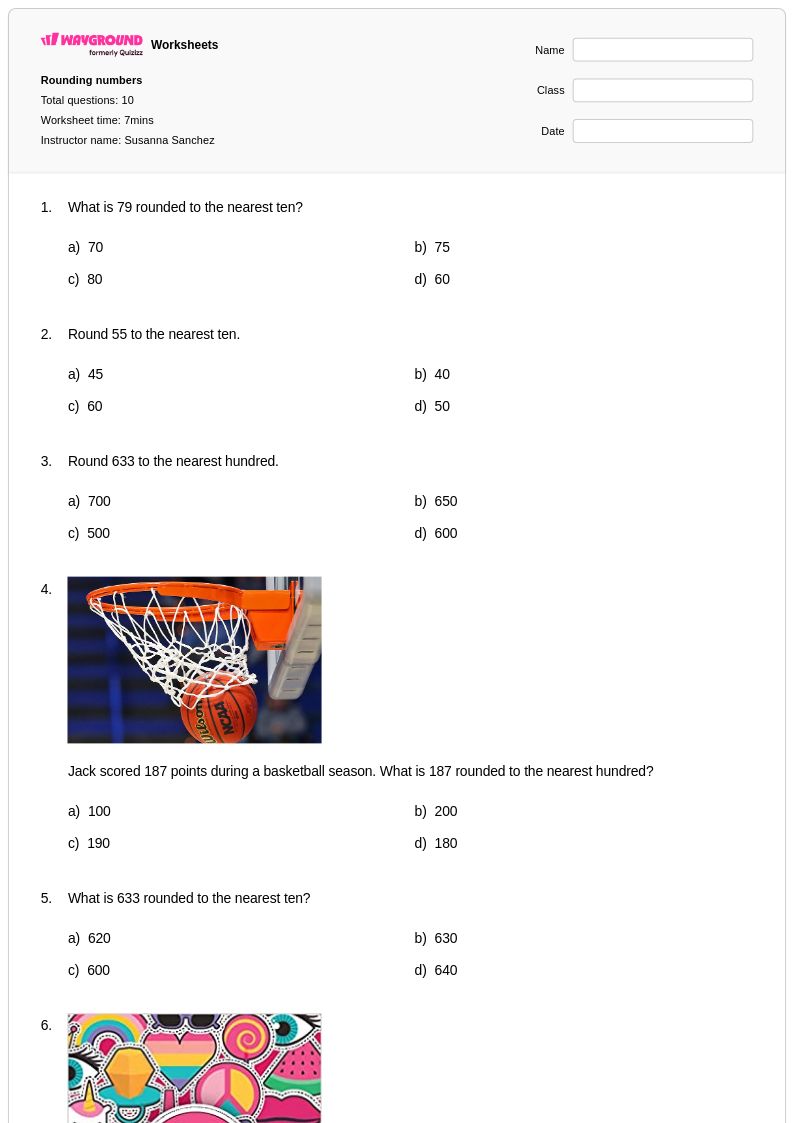
10 Q
3rd
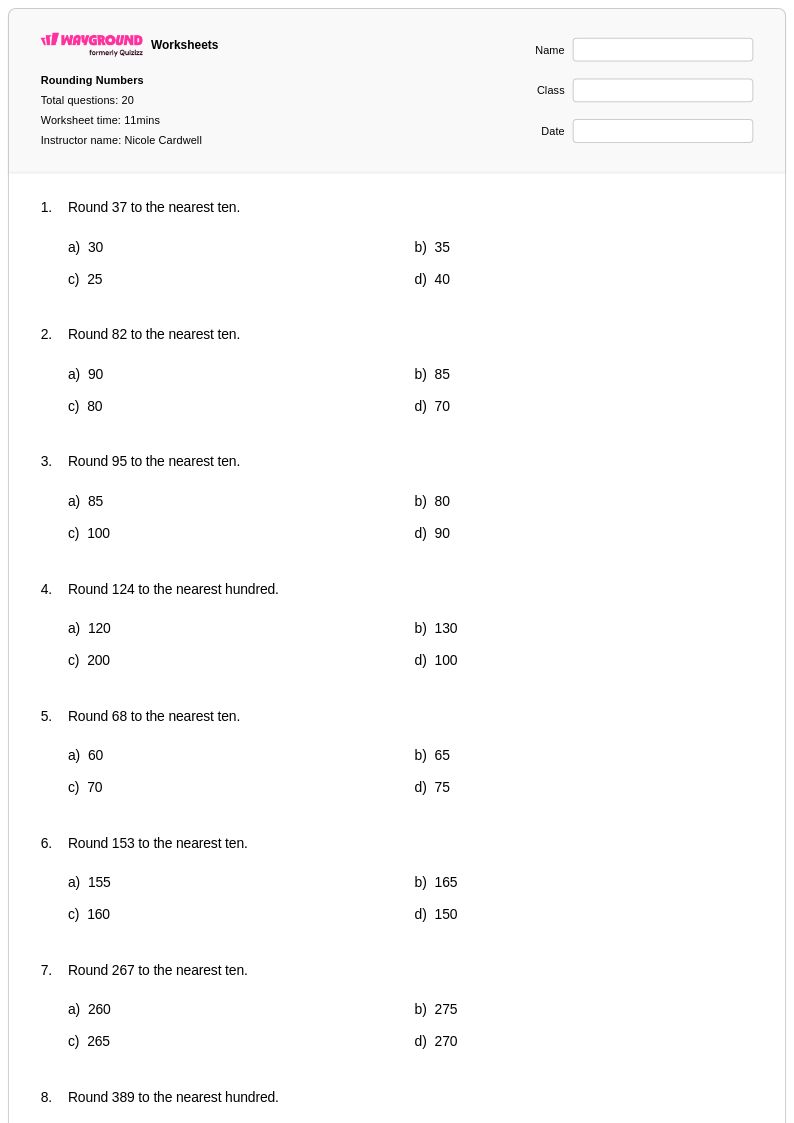
20 Q
3rd
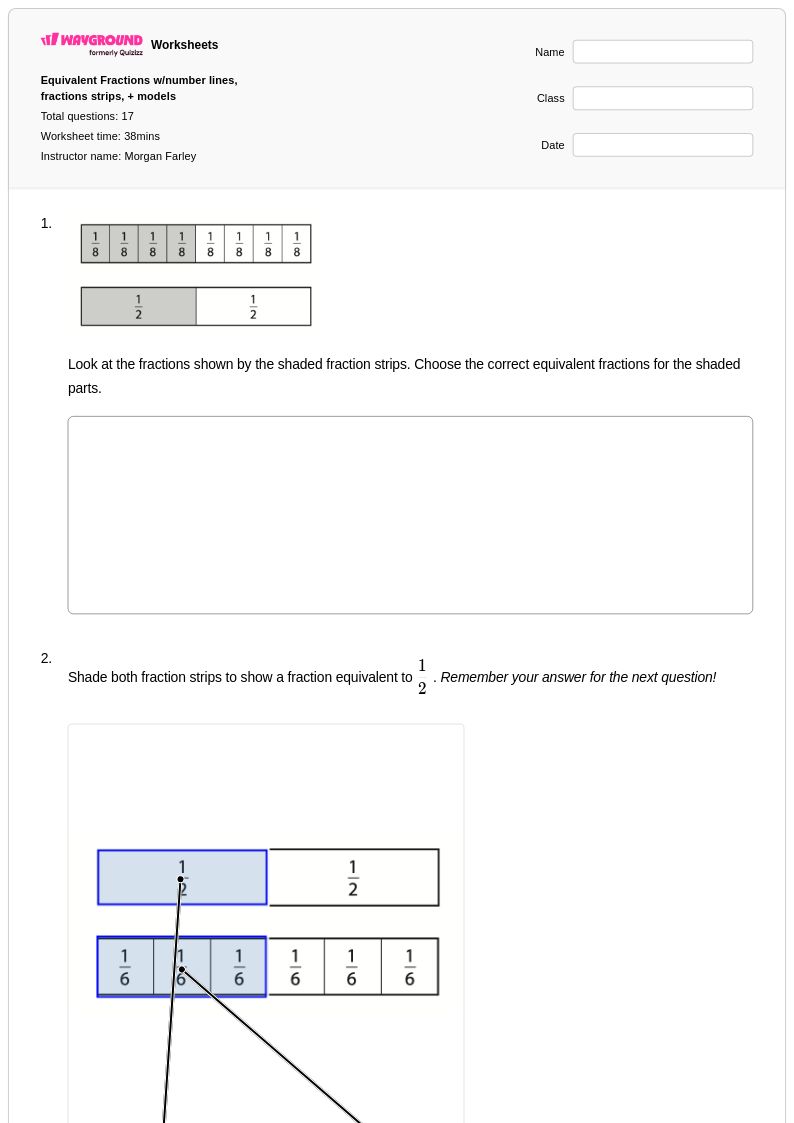
17 Q
3rd
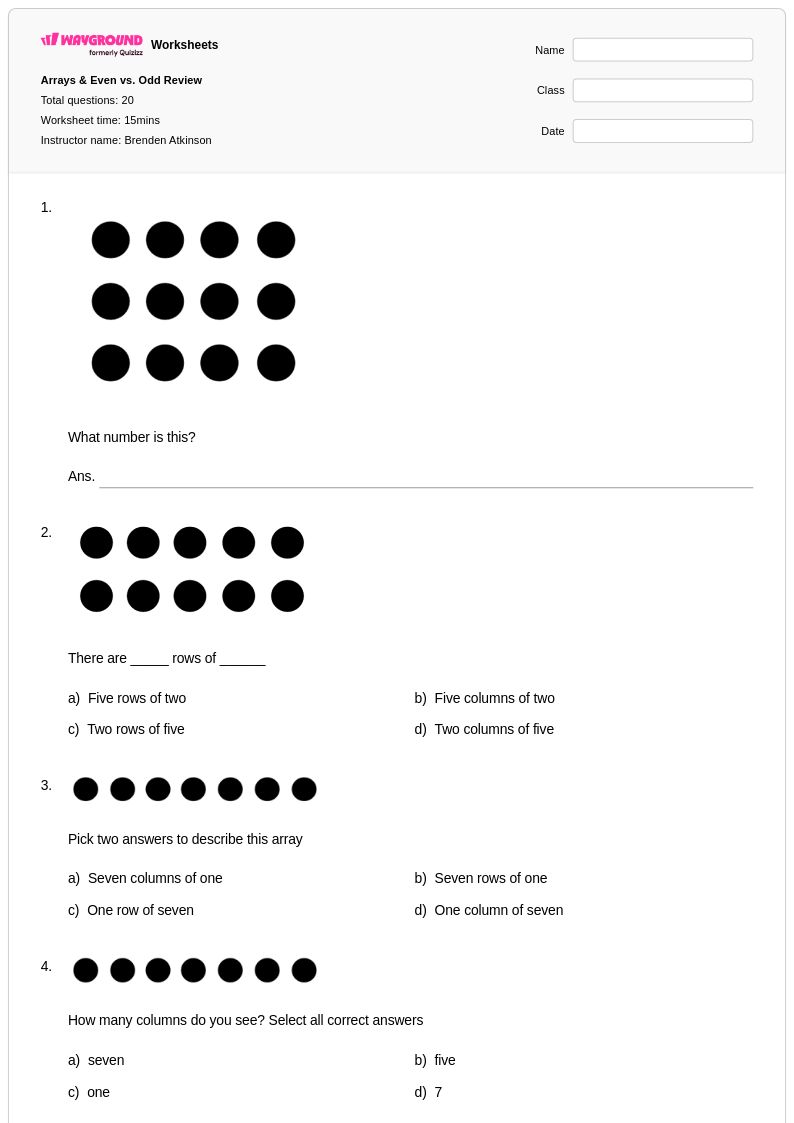
20 Q
2nd - 4th
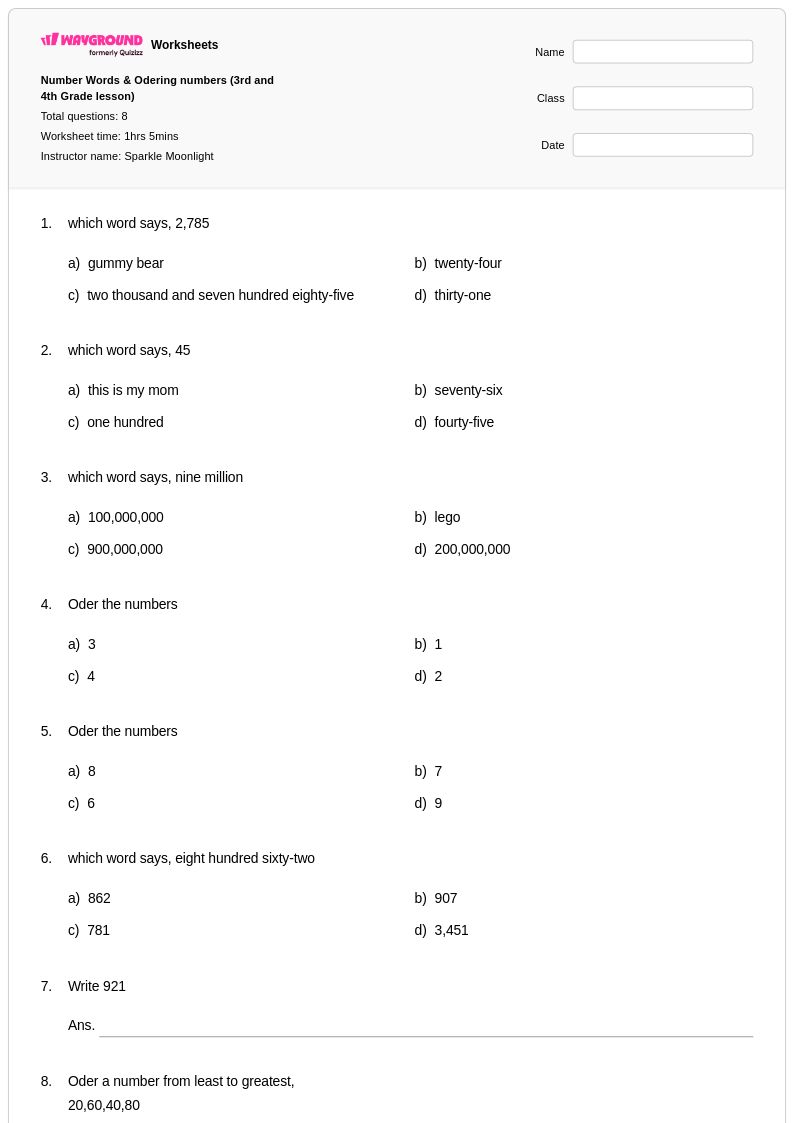
8 Q
3rd - 4th
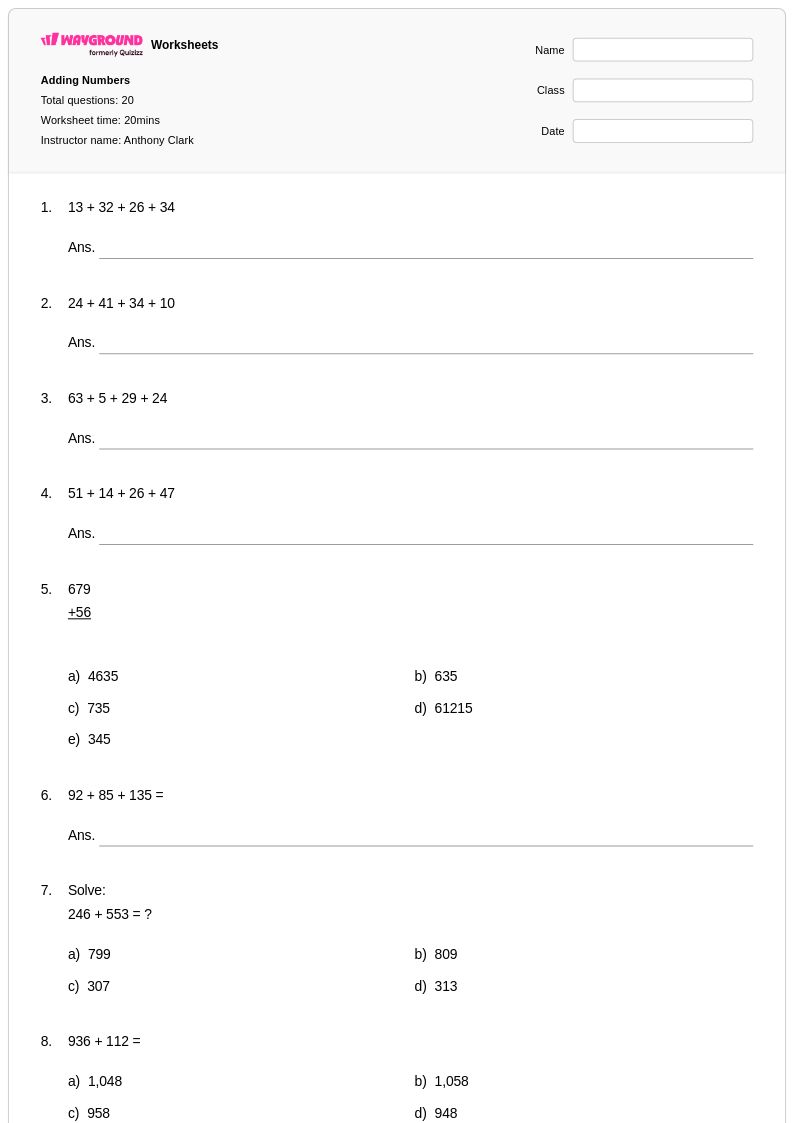
20 Q
2nd - Uni
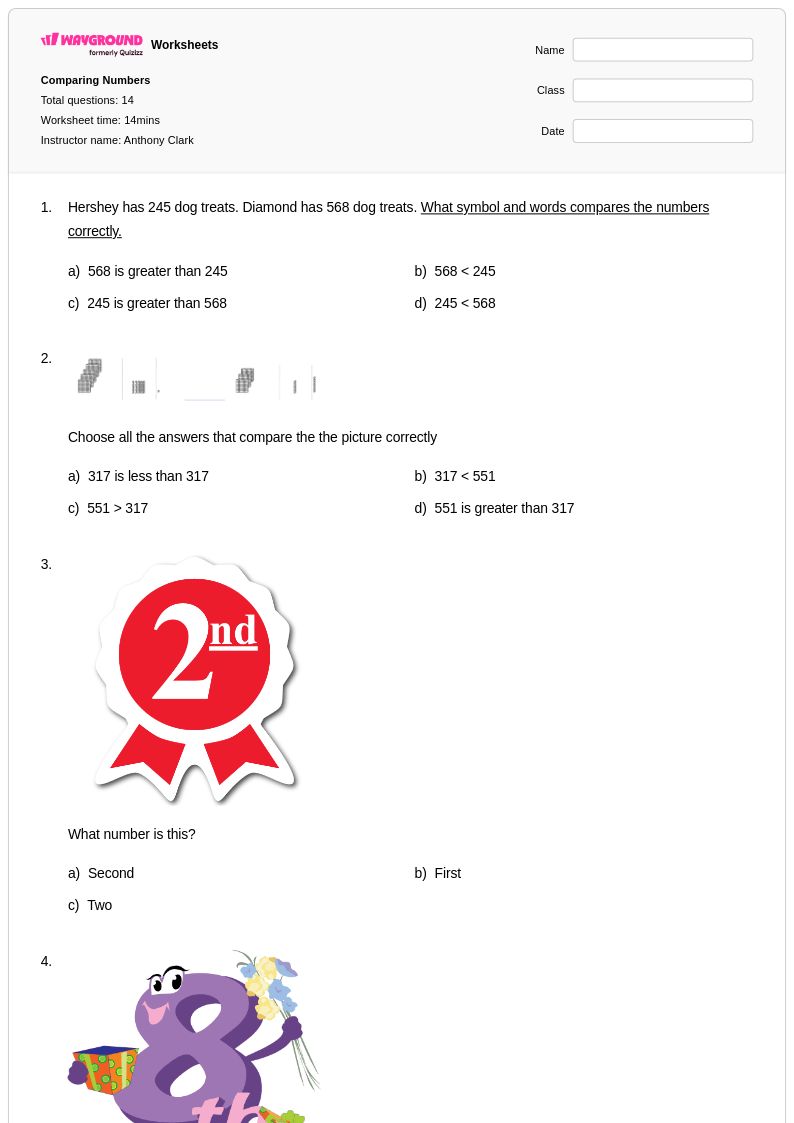
14 Q
2nd - Uni
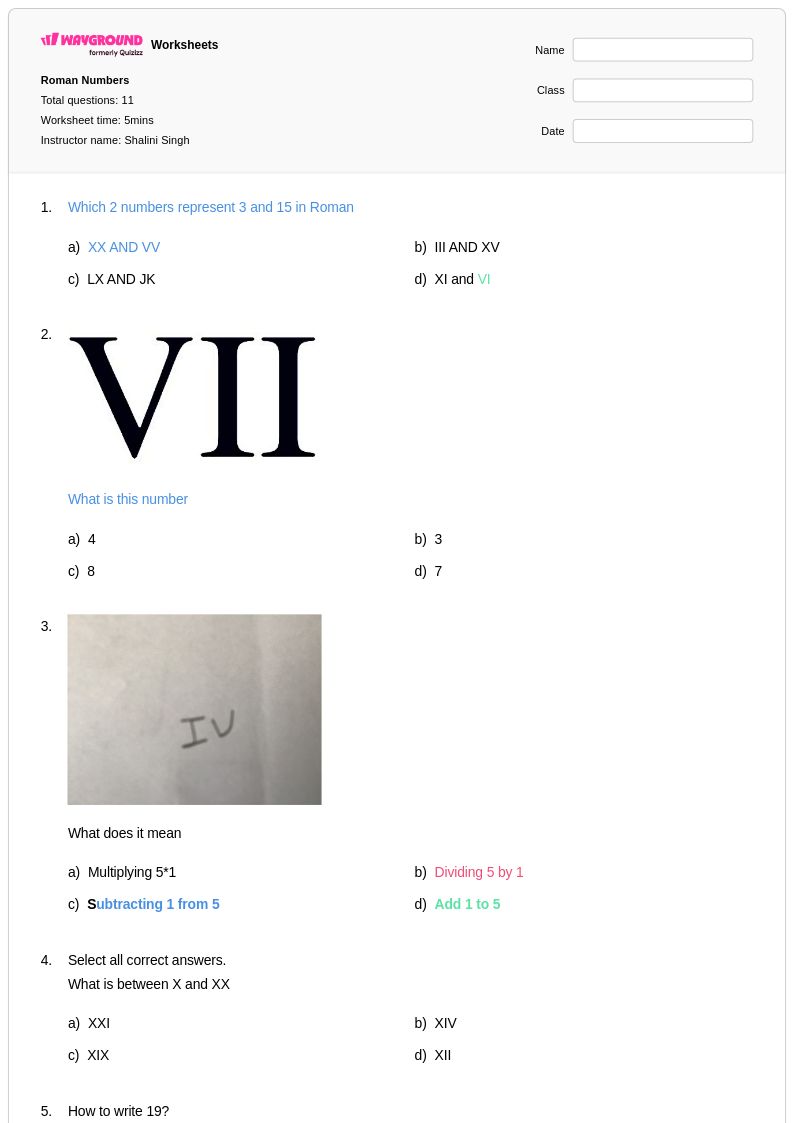
11 Q
3rd
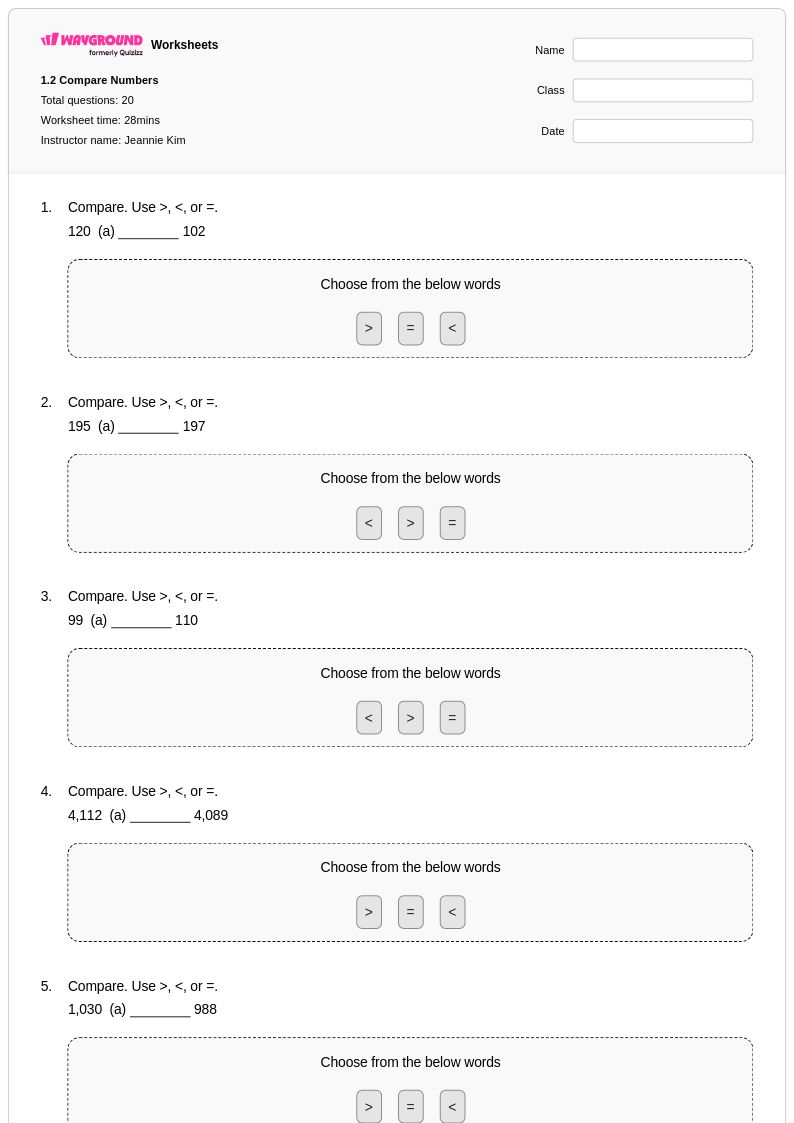
20 Q
3rd
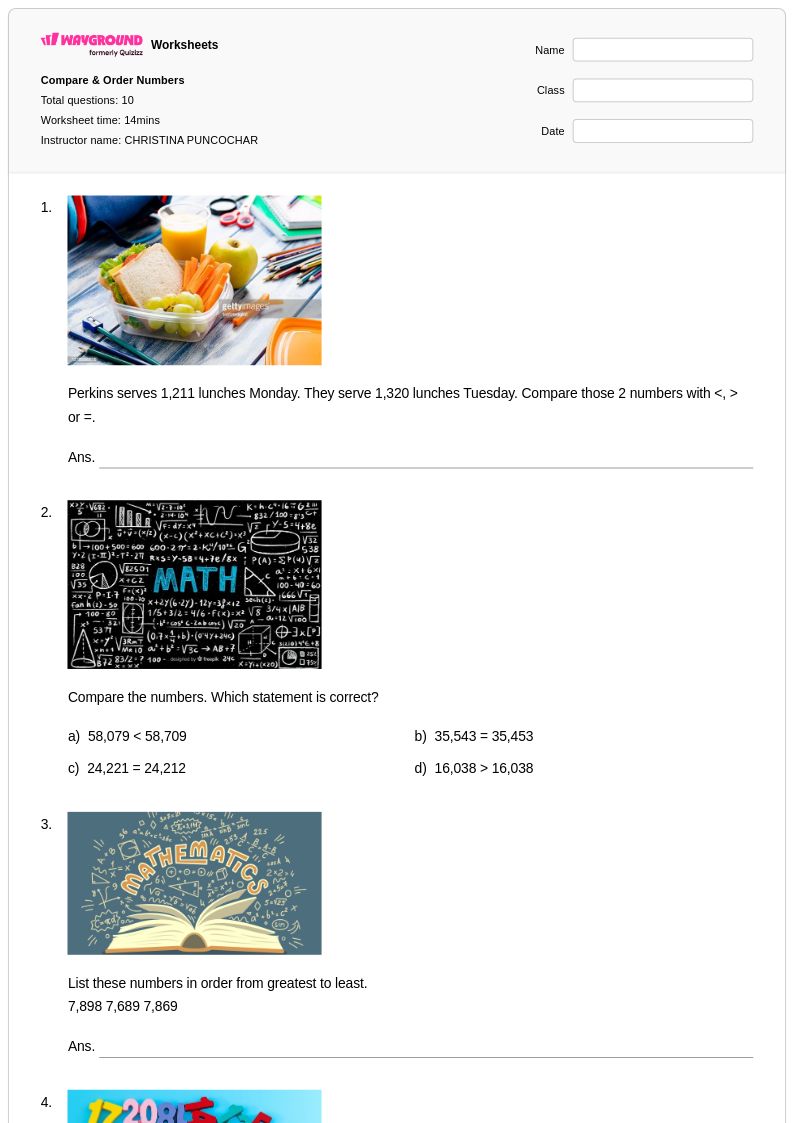
10 Q
3rd
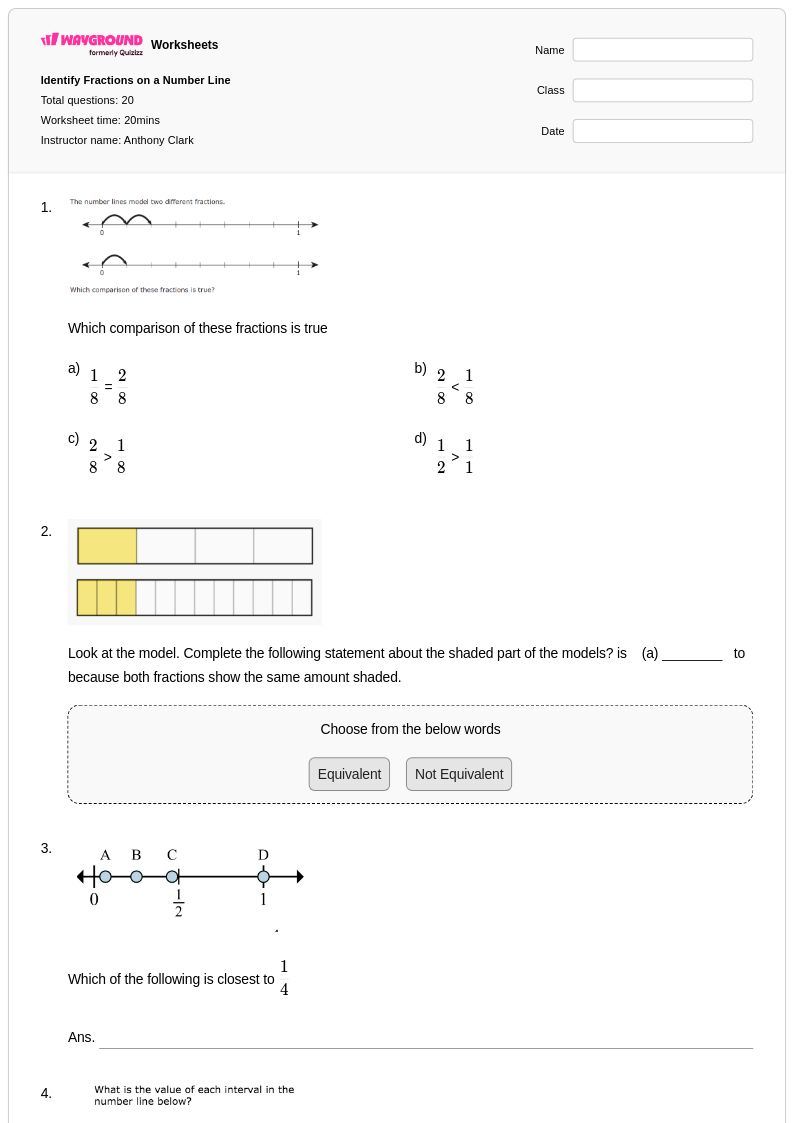
20 Q
3rd - Uni
22 Q
3rd - 5th
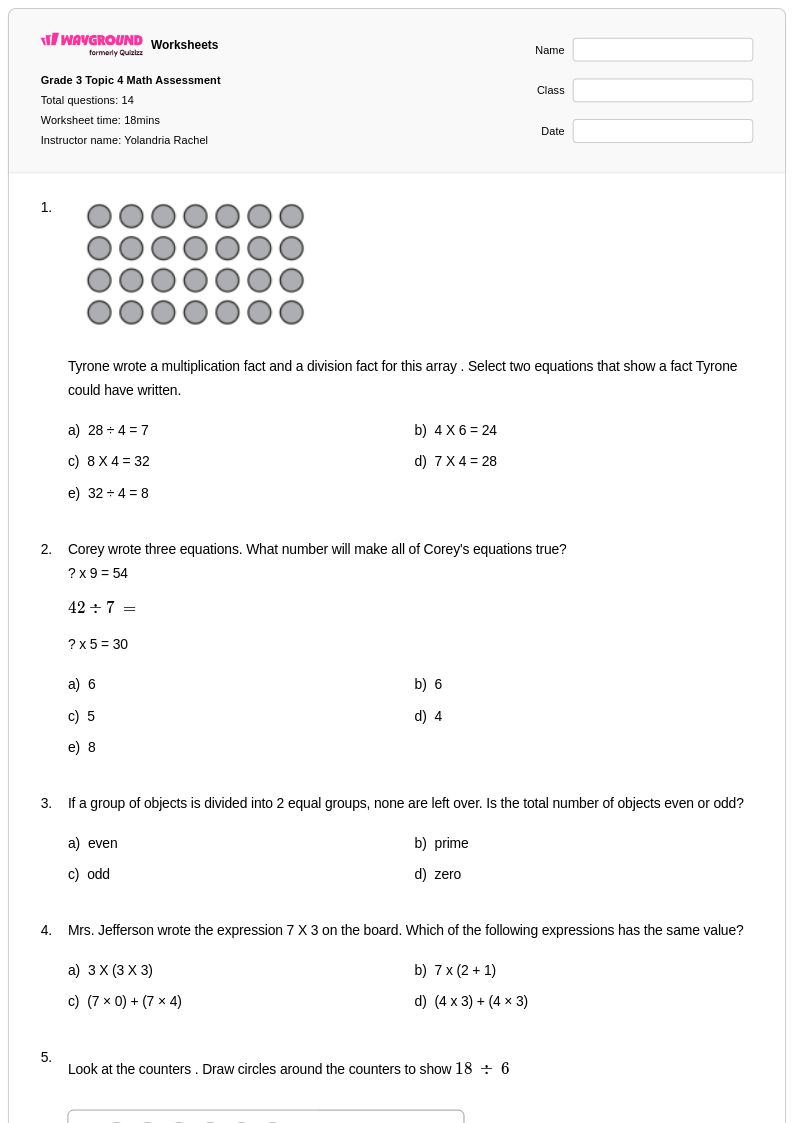
14 Q
3rd
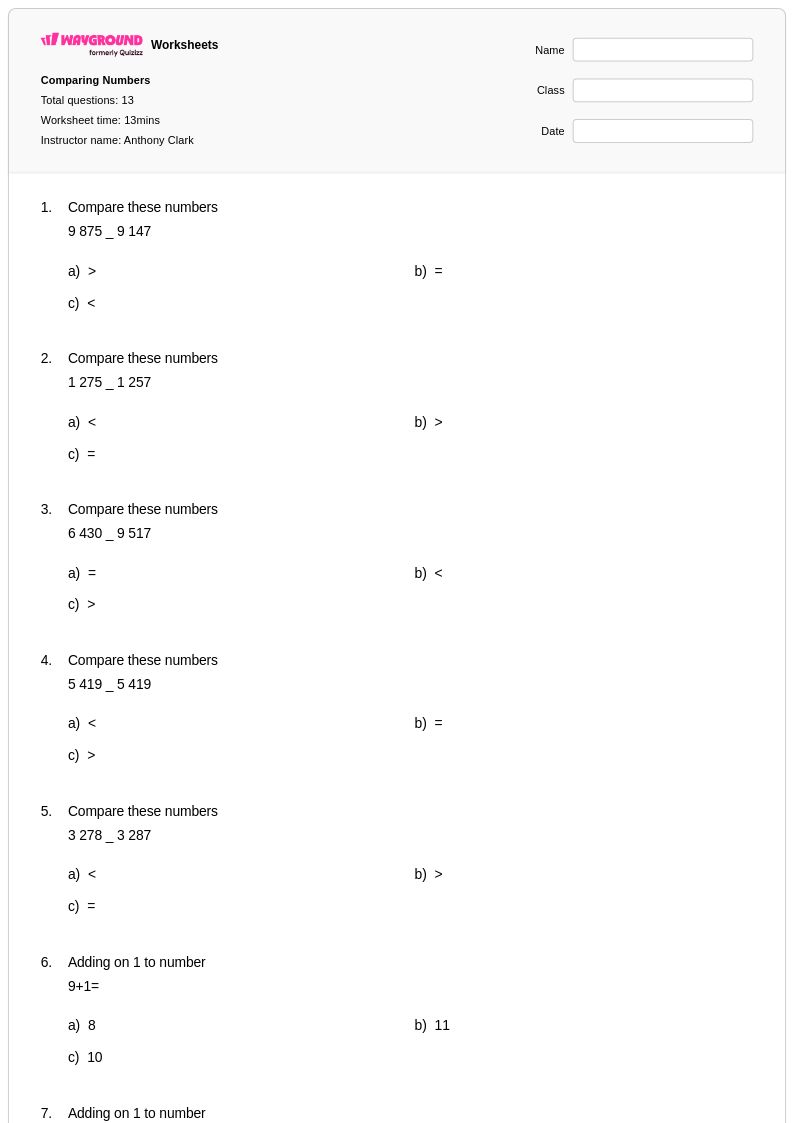
13 Q
1st - Uni
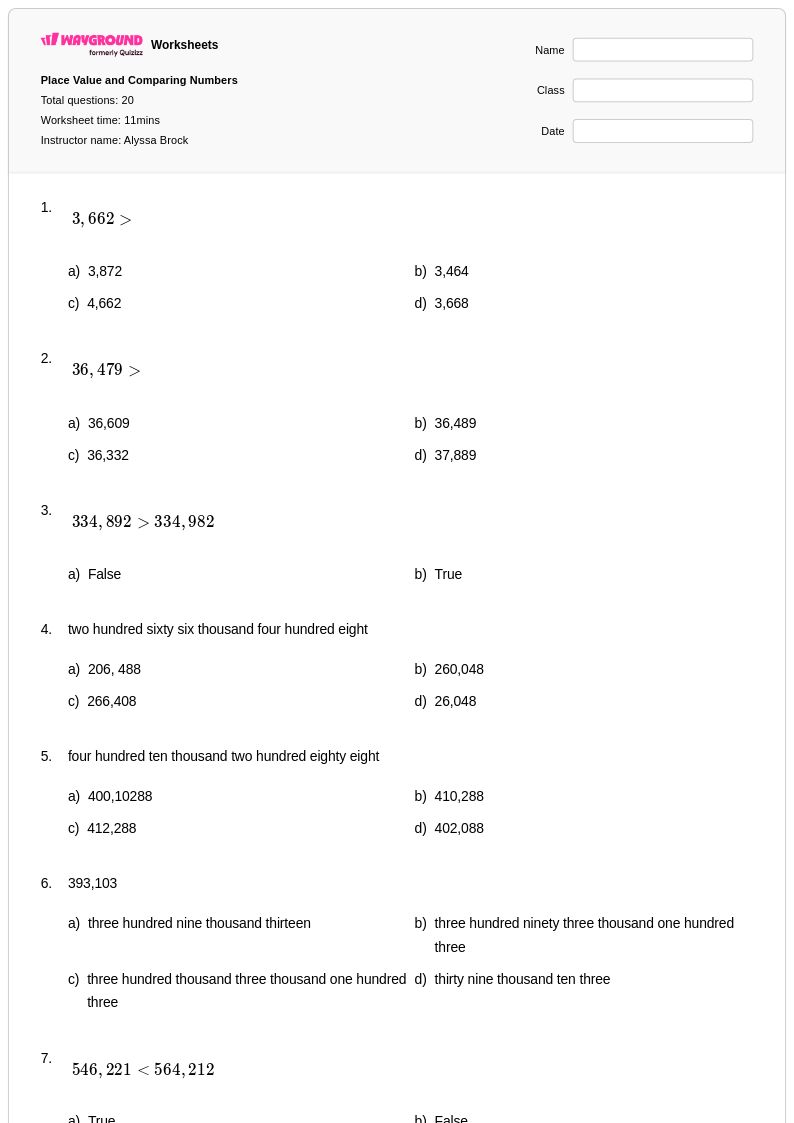
20 Q
3rd
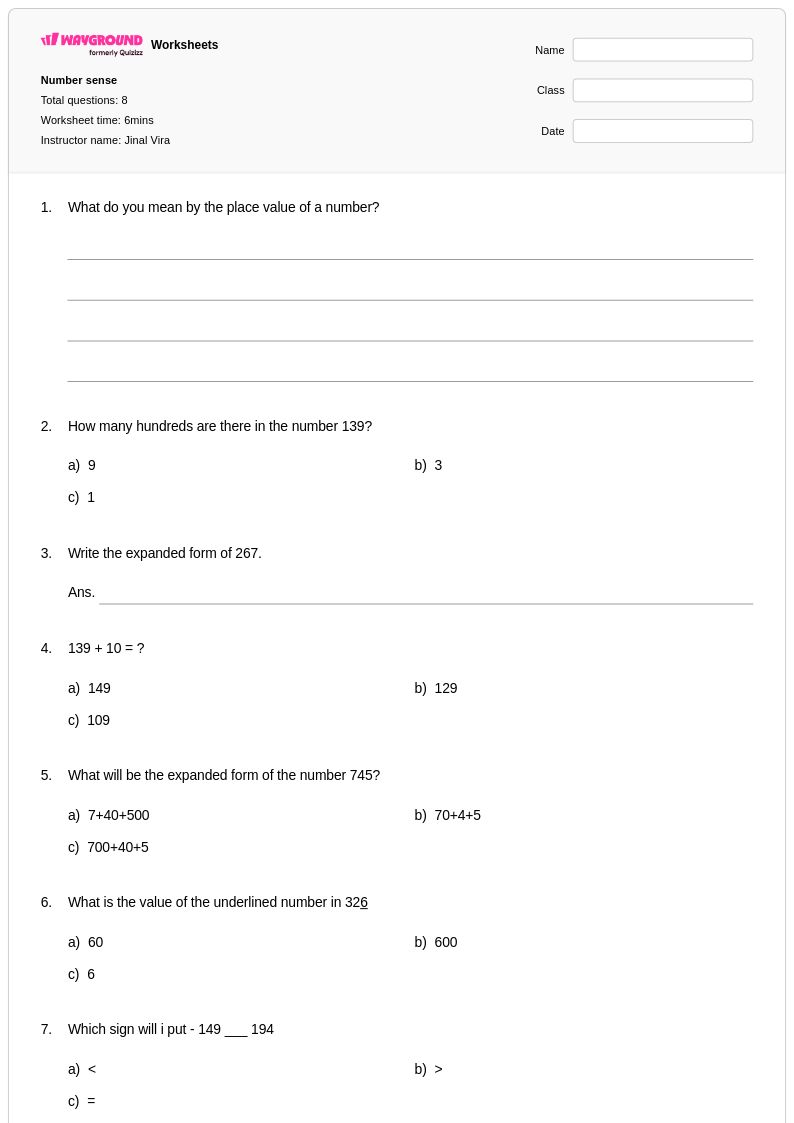
8 Q
2nd - 3rd
Explore Other Subject Worksheets for class 3
Explore printable Squaring Numbers worksheets for Class 3
Squaring numbers worksheets for Class 3 students available through Wayground (formerly Quizizz) provide essential foundational practice in understanding how numbers multiply by themselves to create perfect squares. These comprehensive printables focus on developing students' computational fluency with basic squaring operations, typically covering squares of single-digit numbers and introducing the concept that squaring means multiplying a number by itself. Each worksheet collection includes carefully scaffolded practice problems that progress from visual representations using arrays and grids to numerical calculations, helping third graders build conceptual understanding alongside procedural skills. Teachers can access complete answer keys and free pdf downloads that support both classroom instruction and independent practice, ensuring students master this crucial building block for future work with exponents and algebraic thinking.
Wayground's extensive library contains millions of teacher-created squaring numbers resources specifically designed for Class 3 mathematics instruction, offering educators powerful search and filtering capabilities to locate materials that align with state standards and individual classroom needs. The platform's differentiation tools enable teachers to customize worksheets for varying ability levels, providing remediation support for struggling learners while offering enrichment opportunities for advanced students ready to explore larger perfect squares or connect squaring to geometric concepts. Available in both printable and digital formats including downloadable pdfs, these resources seamlessly integrate into lesson planning whether teachers need quick practice activities, formal assessments, or homework assignments. The flexible customization options allow educators to modify problems, adjust difficulty levels, and create targeted skill practice that addresses specific learning gaps or extends mathematical understanding.
FAQs
What do 3rd graders learn about squaring numbers?
How can I introduce the concept of 'squaring' to third graders?
What exercises are best for practicing squaring numbers in Grade 3?
What's a common misconception for 3rd graders learning about squaring?
How can I use this Grade 3 worksheet?
How does this topic connect to the Grade 3 math curriculum?