
22Q
9th - 10th
19Q
8th - Uni
15Q
8th - Uni
20Q
8th - Uni
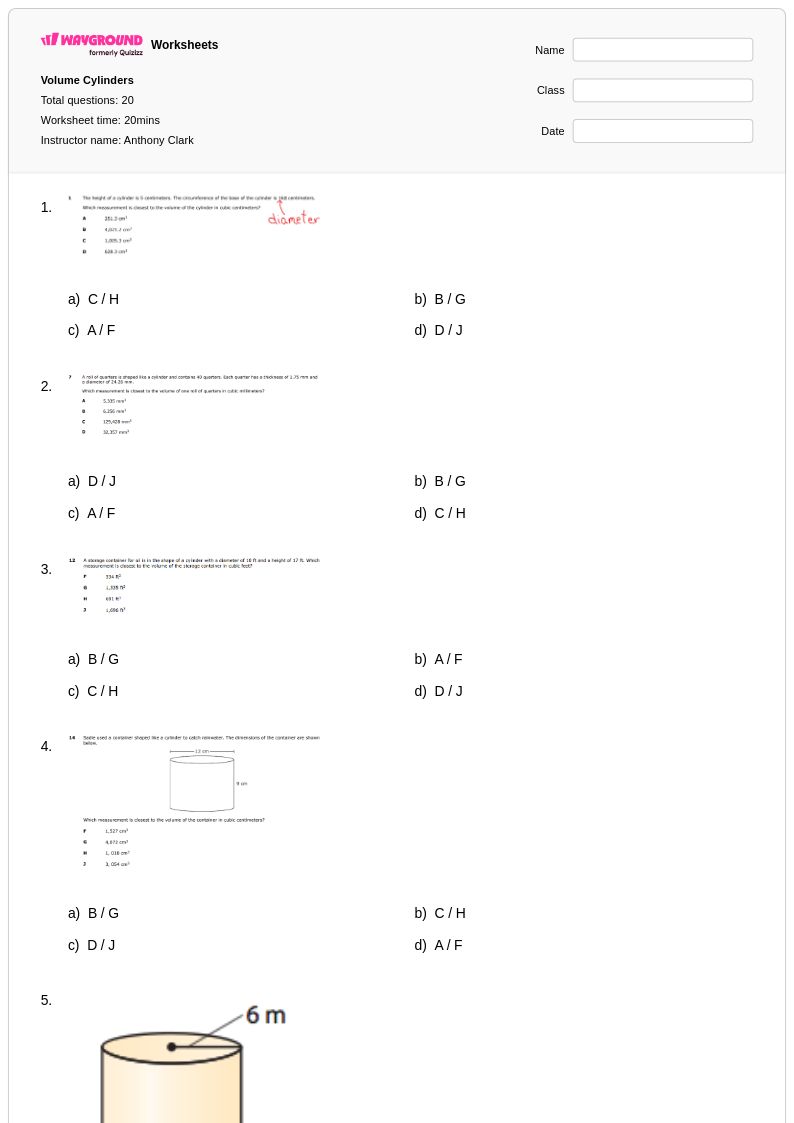
20Q
8th - Uni
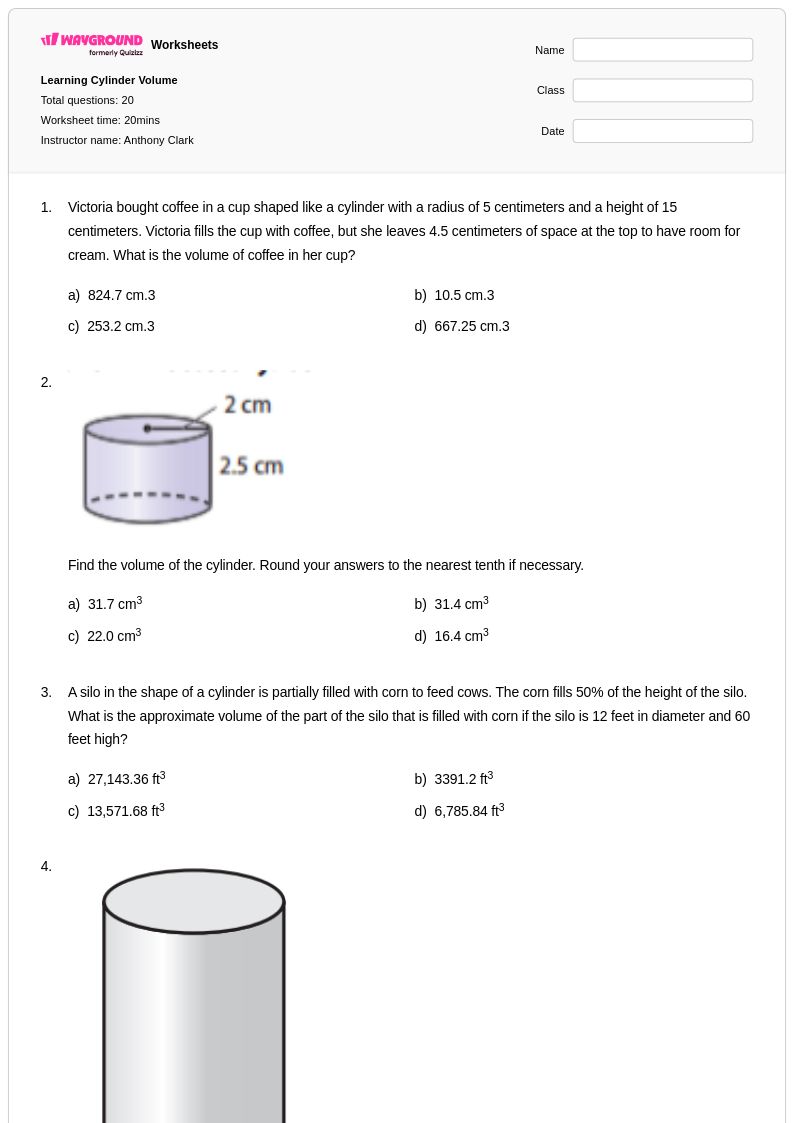
20Q
8th - Uni
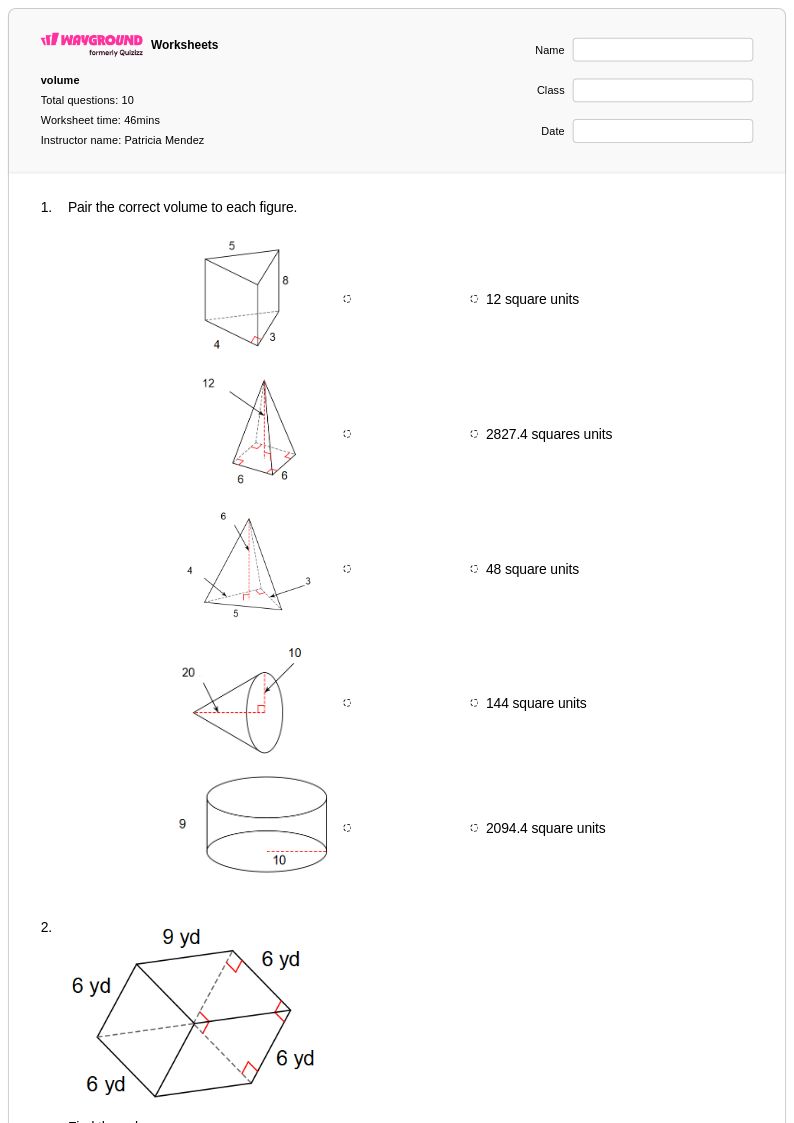
10Q
9th - 12th
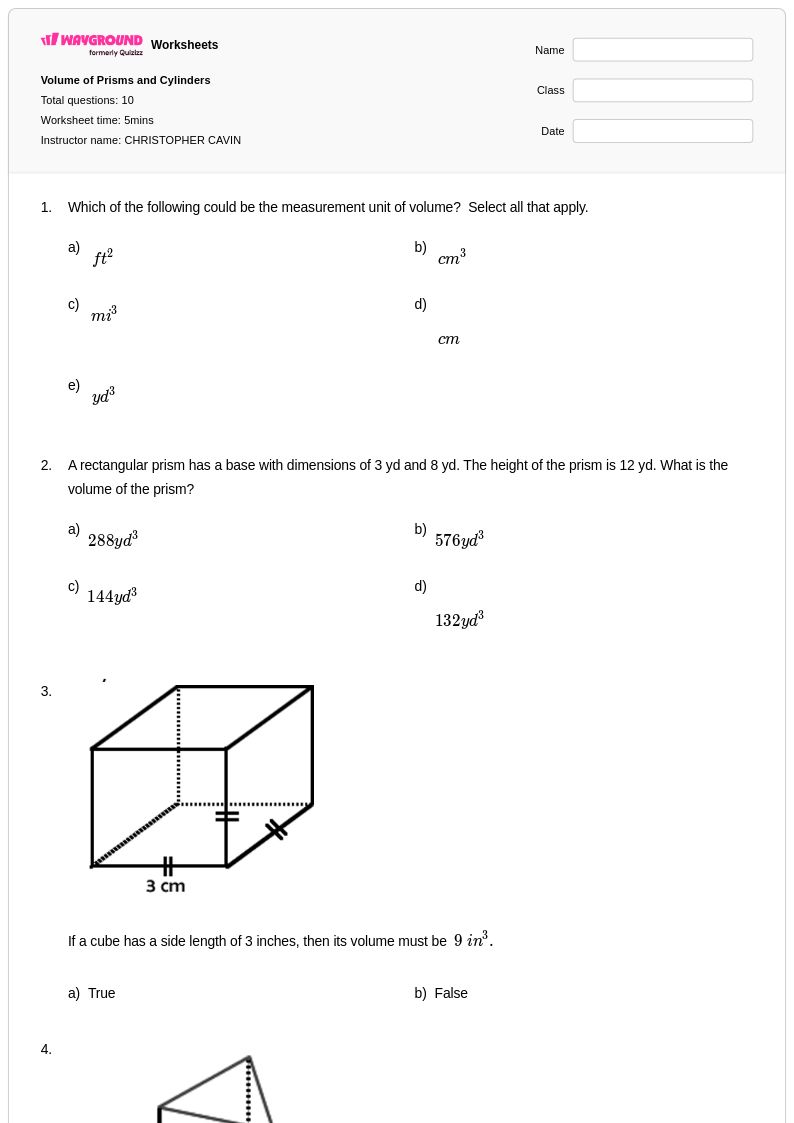
10Q
10th
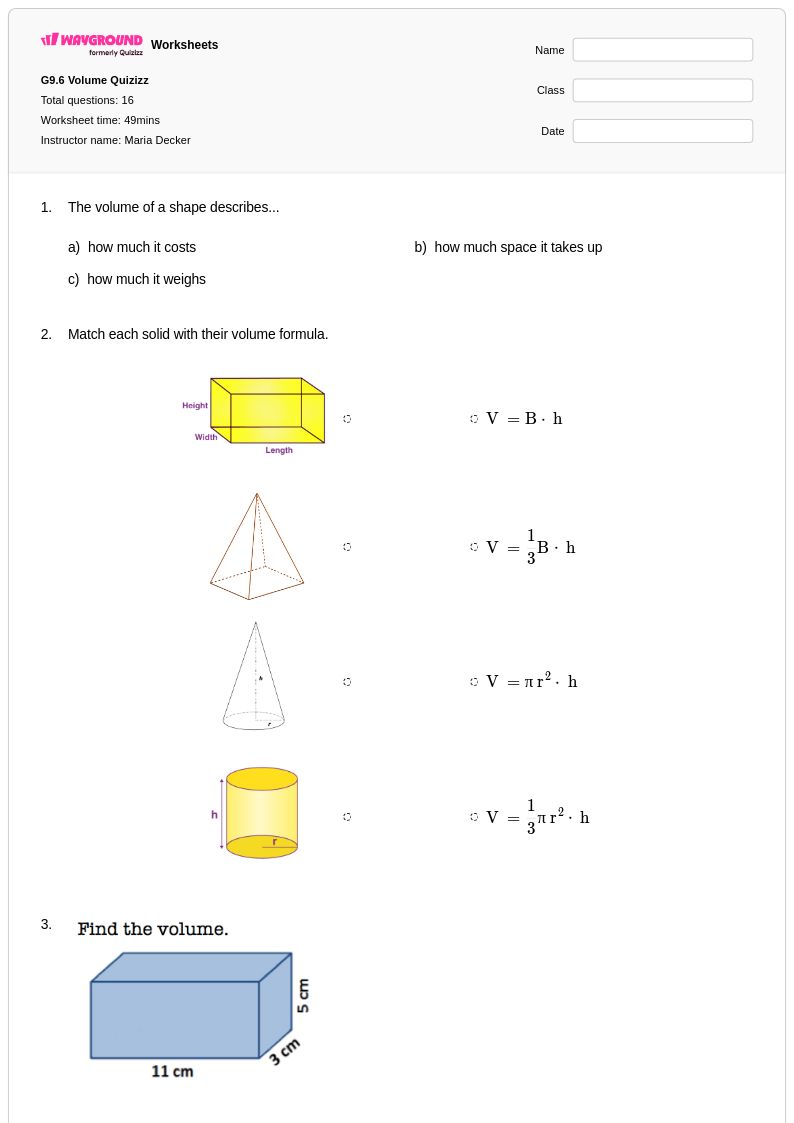
16Q
9th - 12th
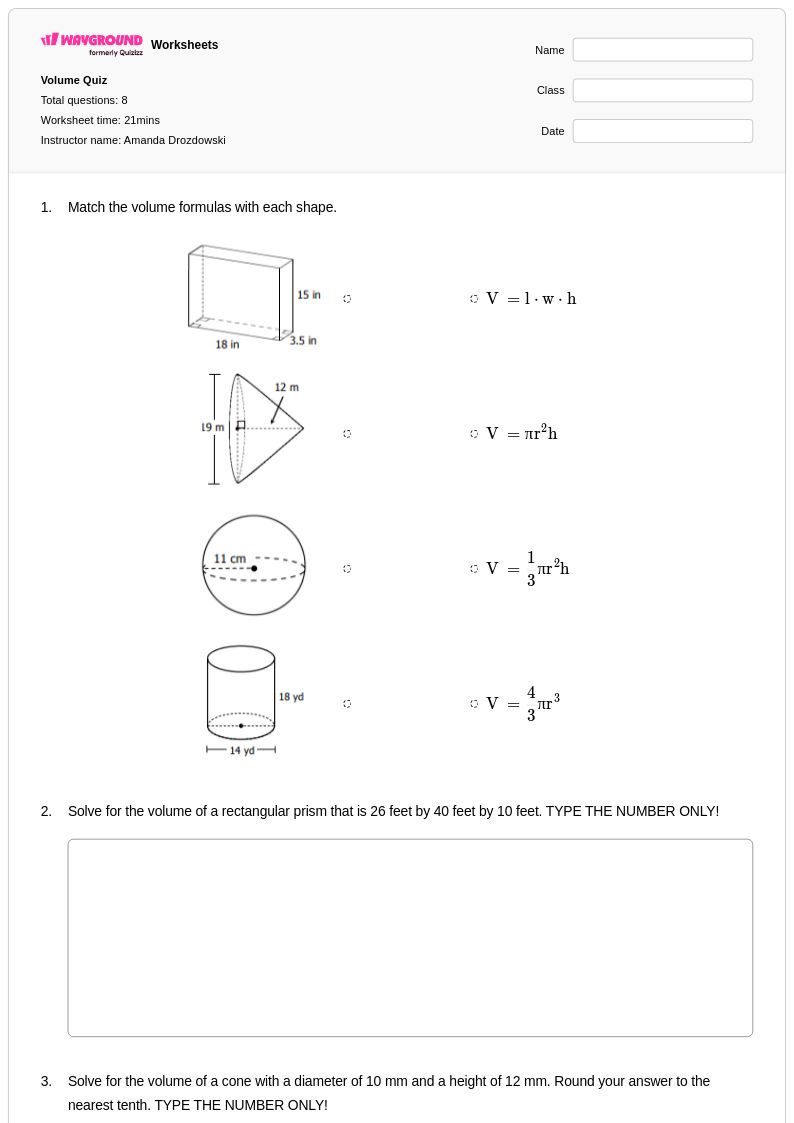
15Q
9th - 12th
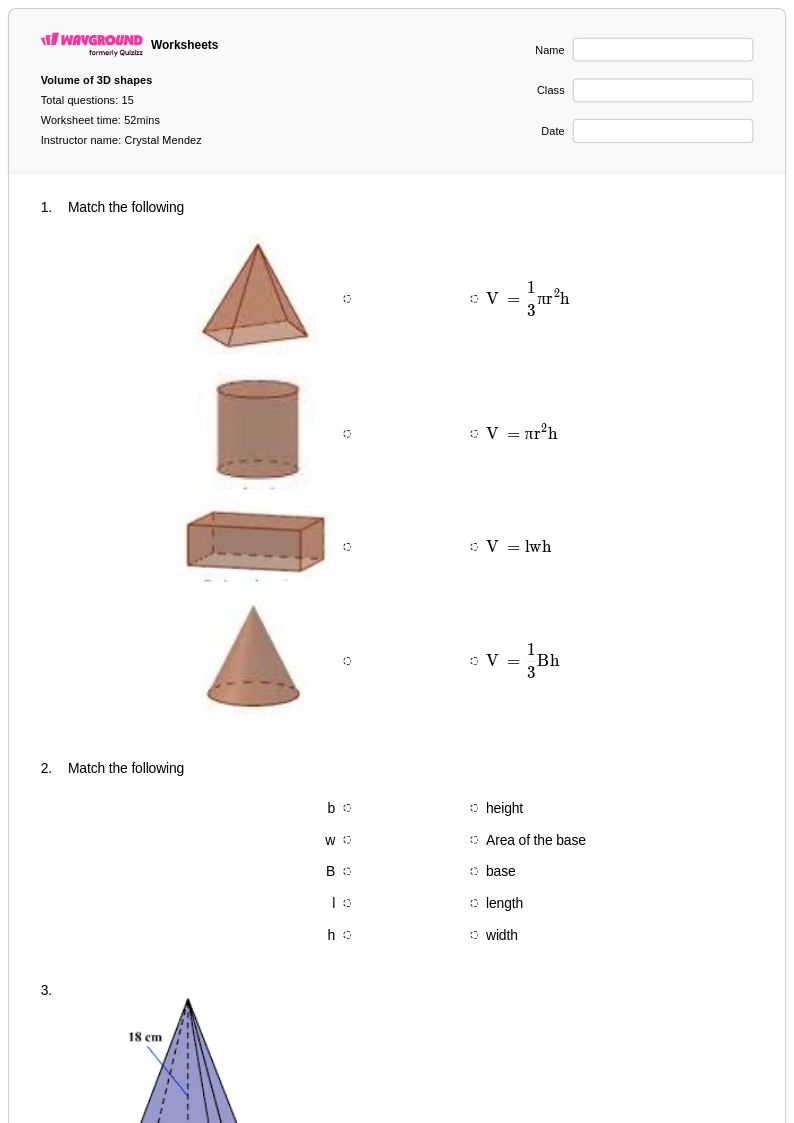
15Q
10th
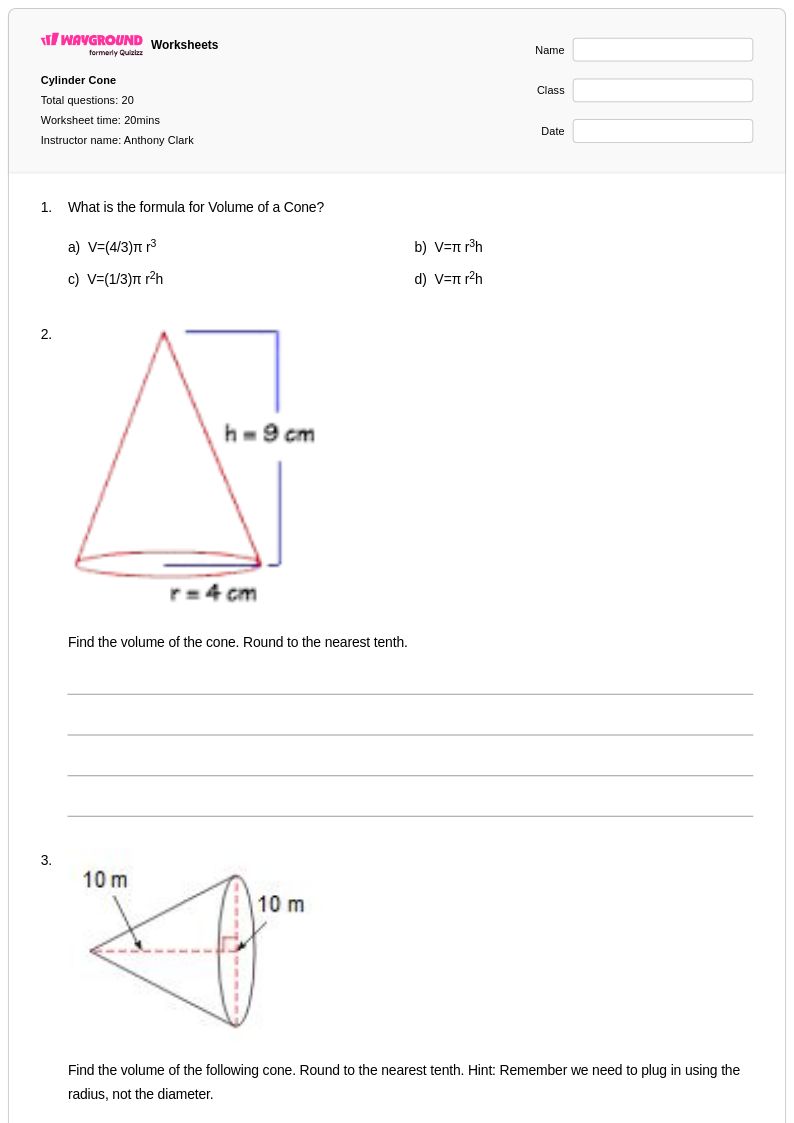
20Q
8th - Uni
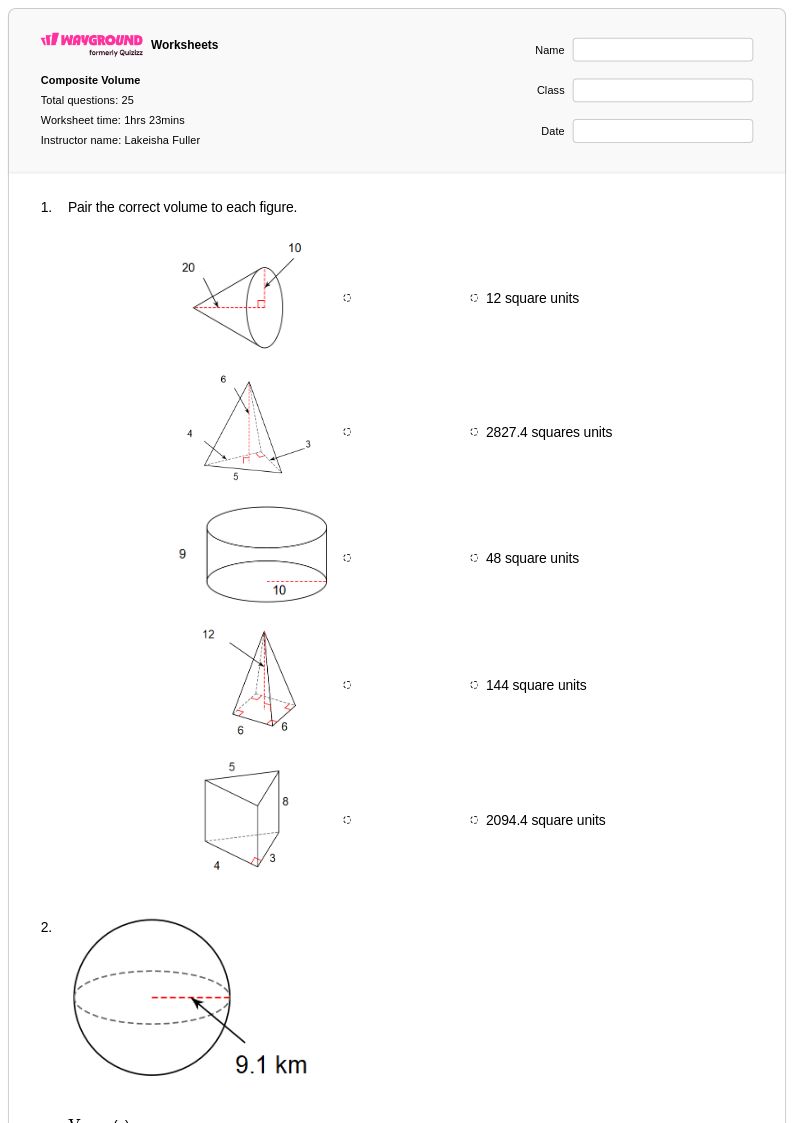
25Q
10th
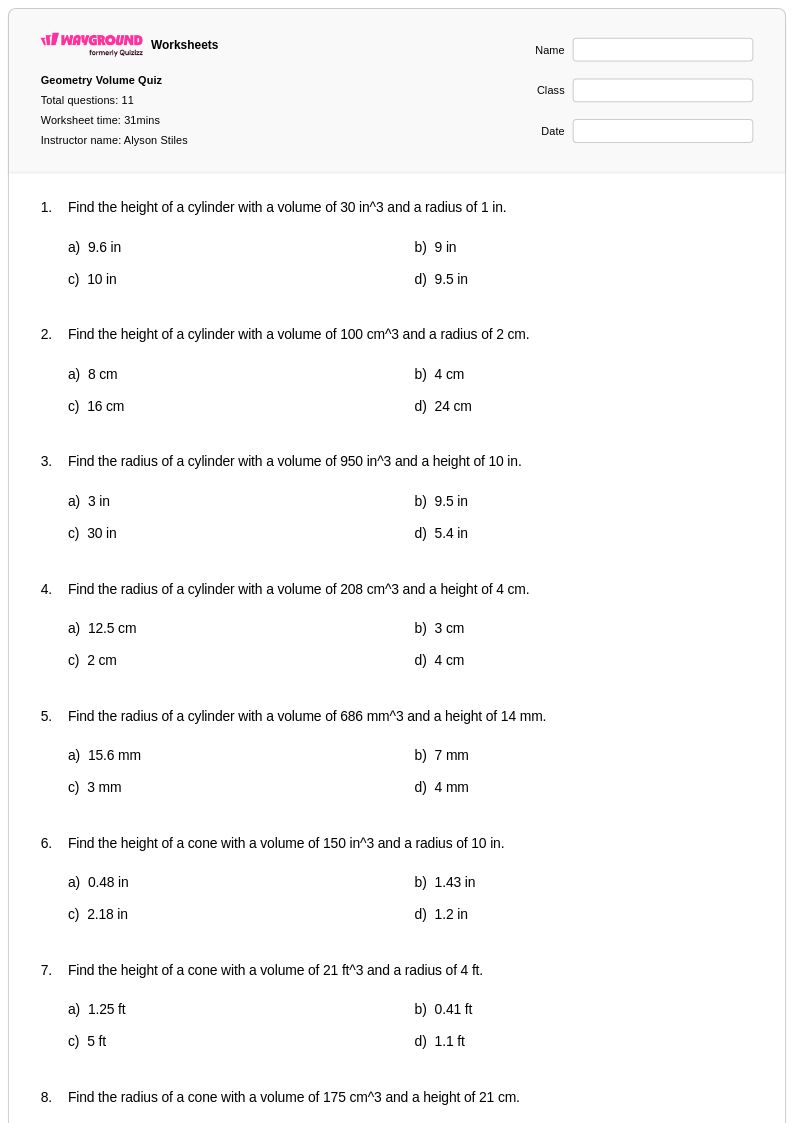
11Q
10th
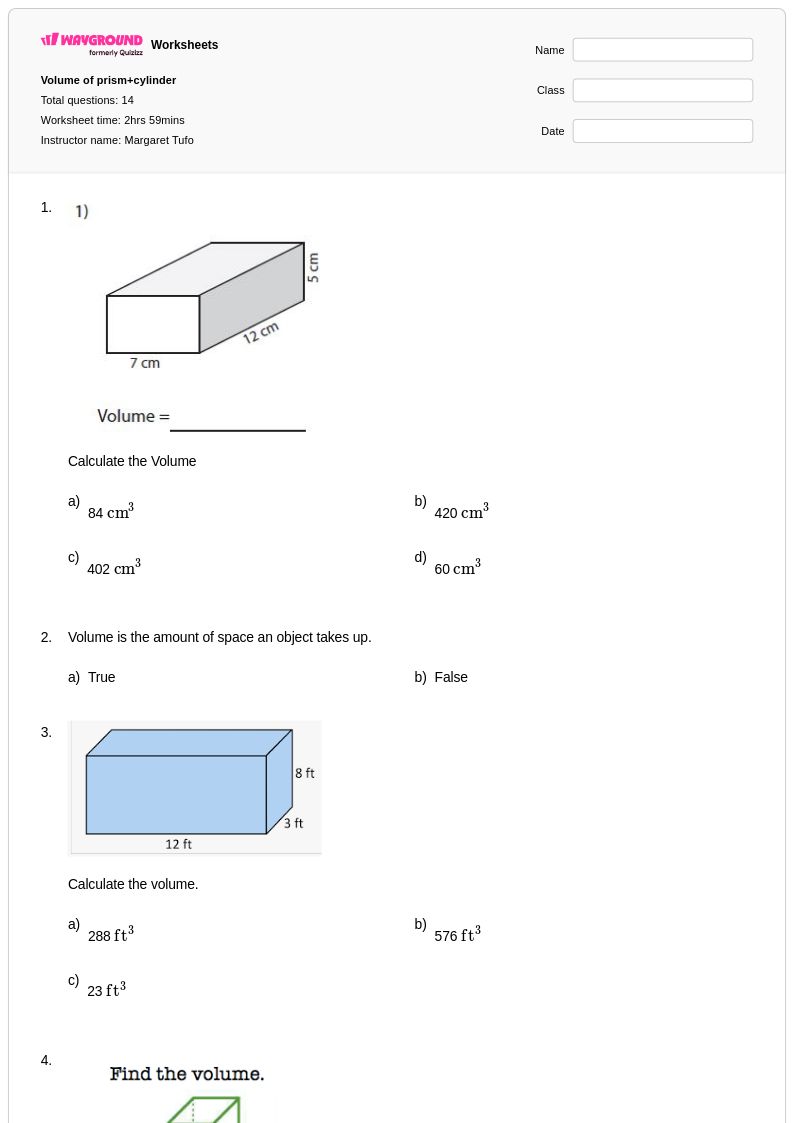
14Q
7th - 10th
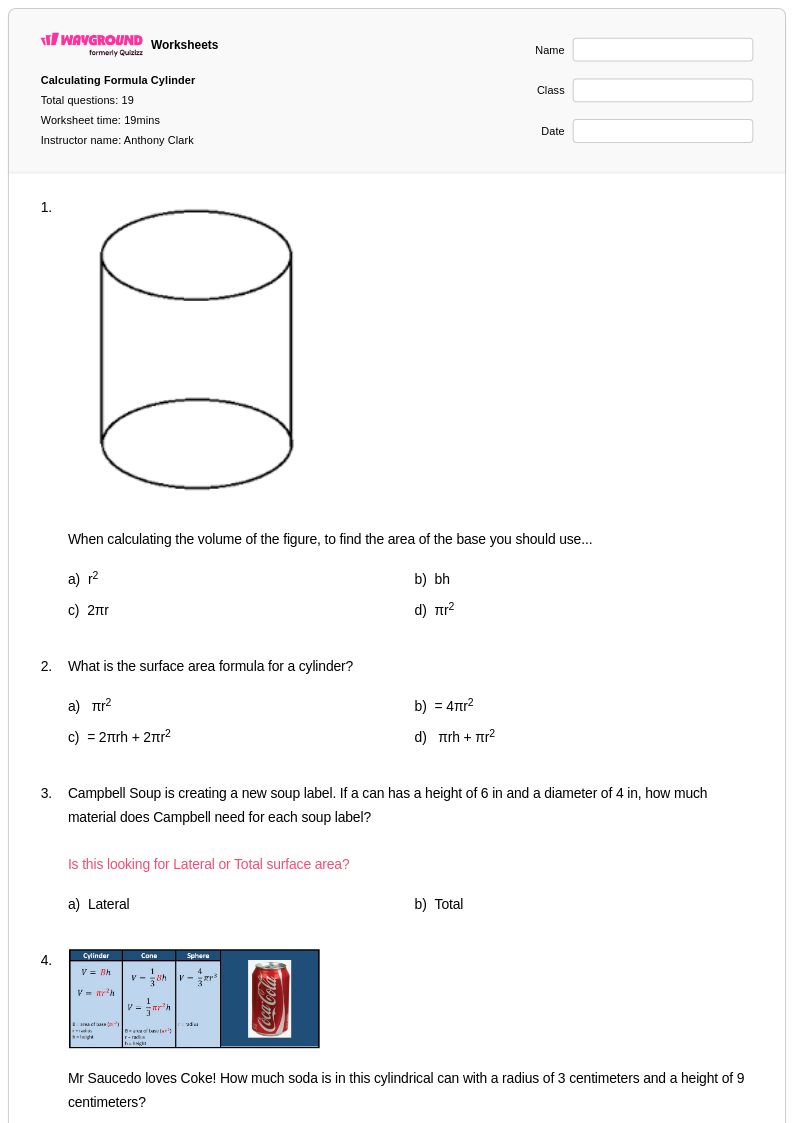
19Q
8th - Uni
20Q
9th - 12th
10Q
8th - Uni
20Q
8th - Uni
20Q
8th - Uni
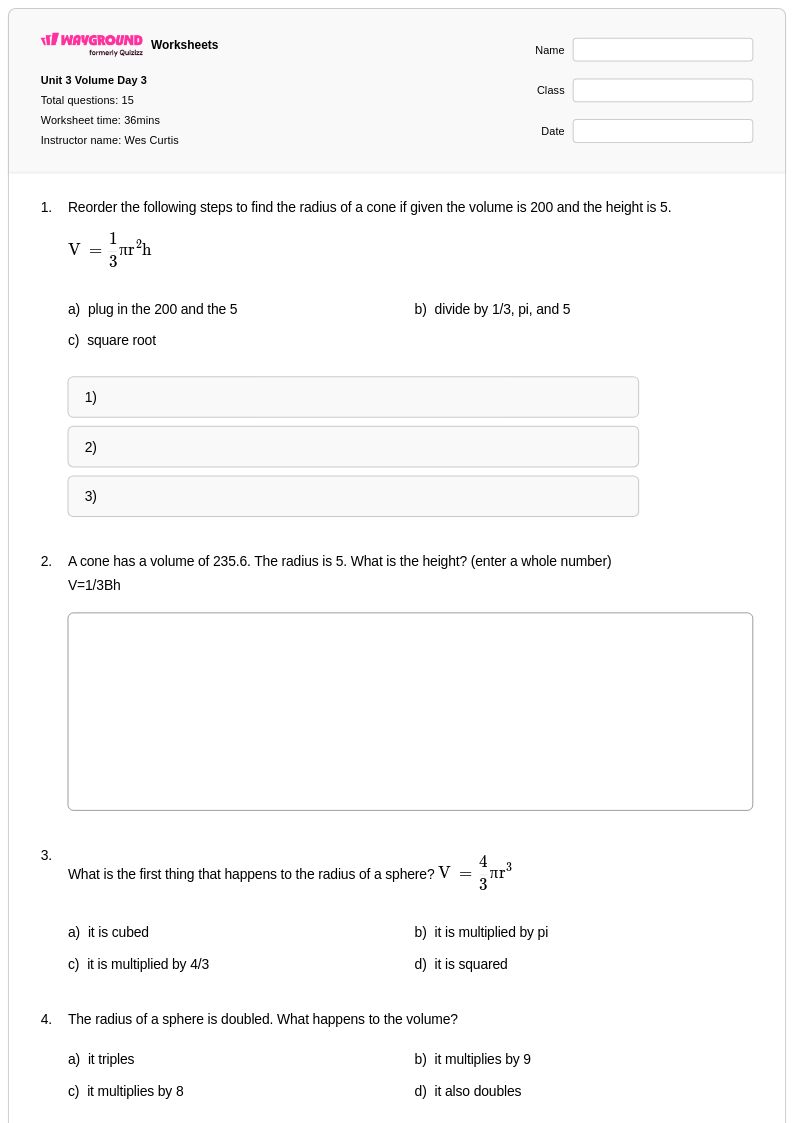
10Q
9th - 12th
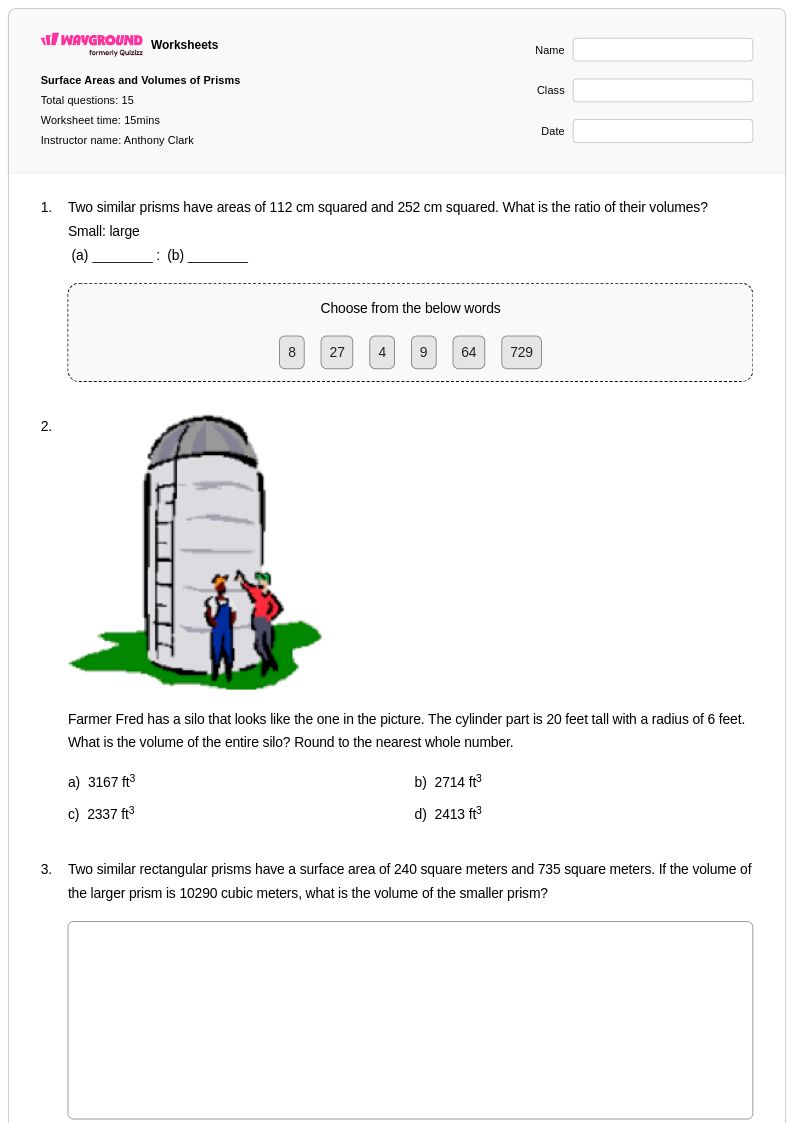
15Q
10th - Uni
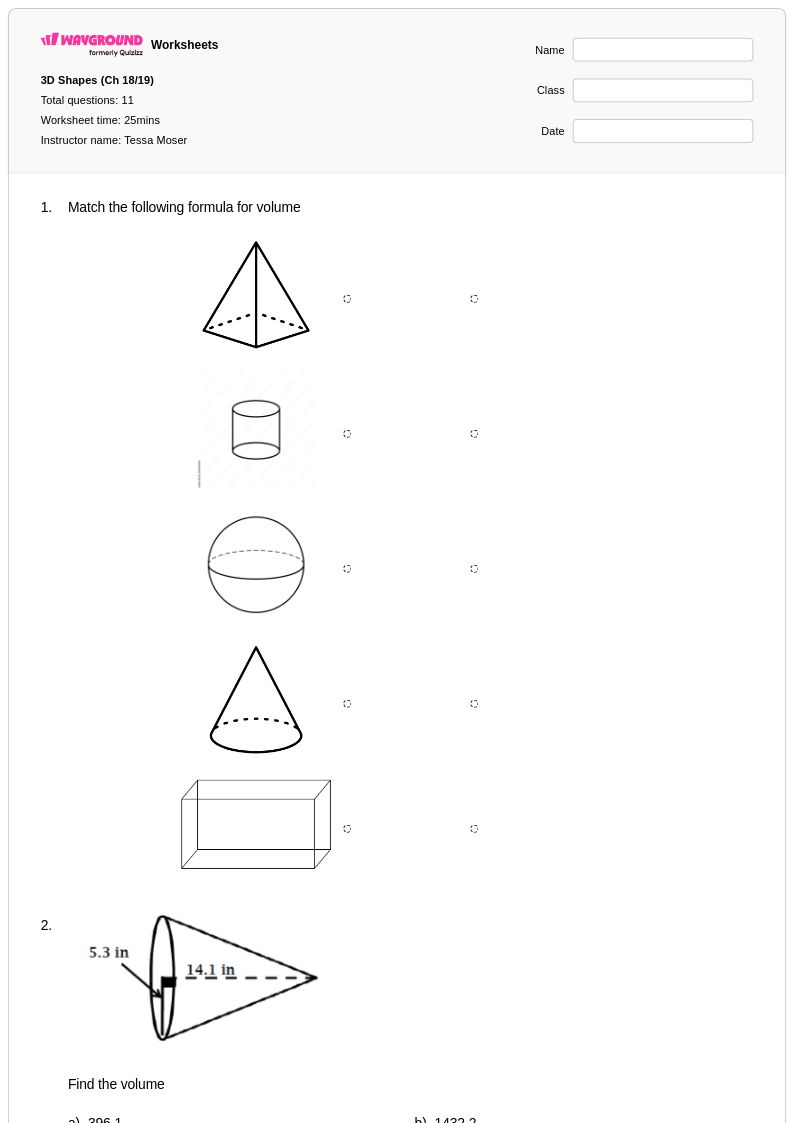
11Q
10th
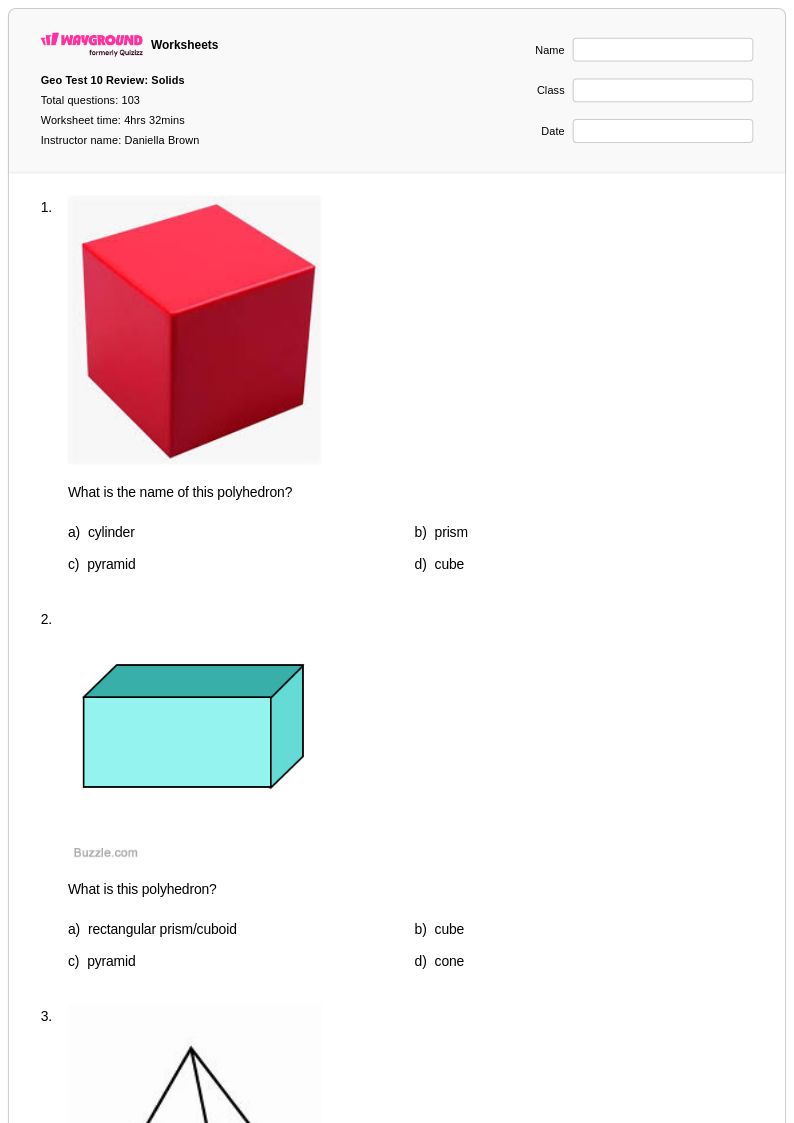
103Q
10th
Explorar Volume of a Cylinder hojas de trabajo por grados
Explore otras hojas de trabajo de materias para class 10
Explore printable Volume of a Cylinder worksheets for Class 10
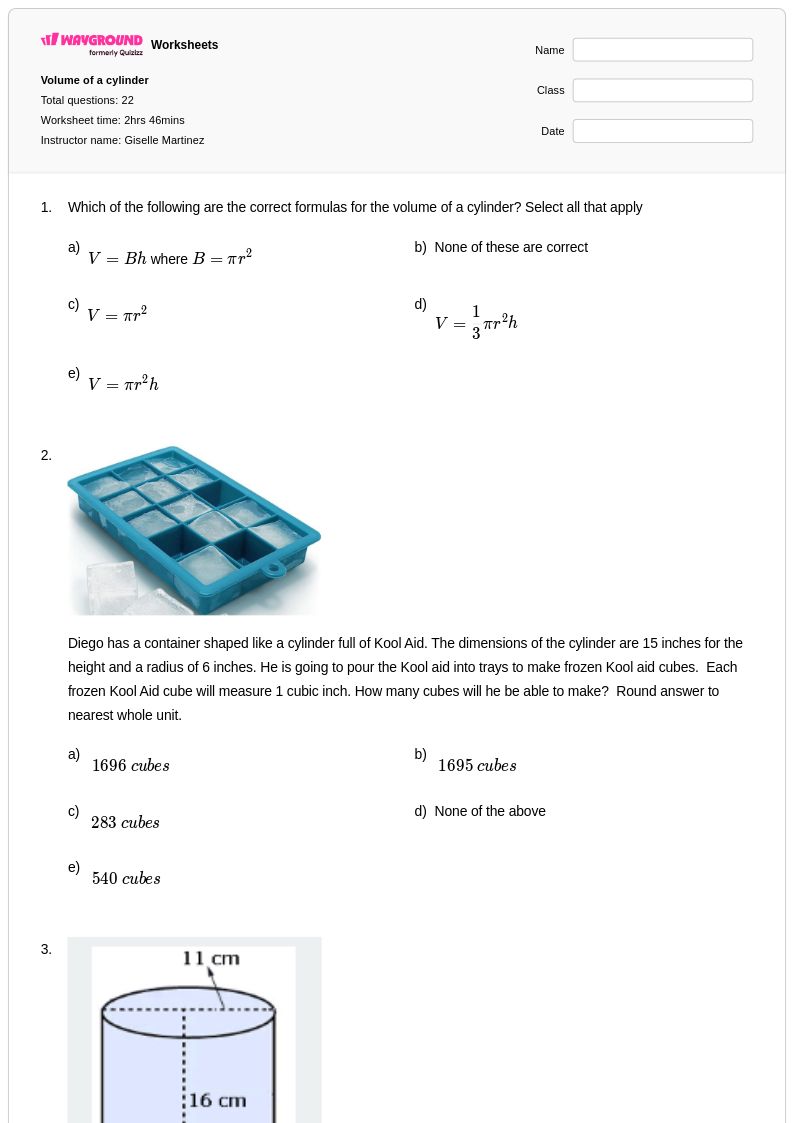
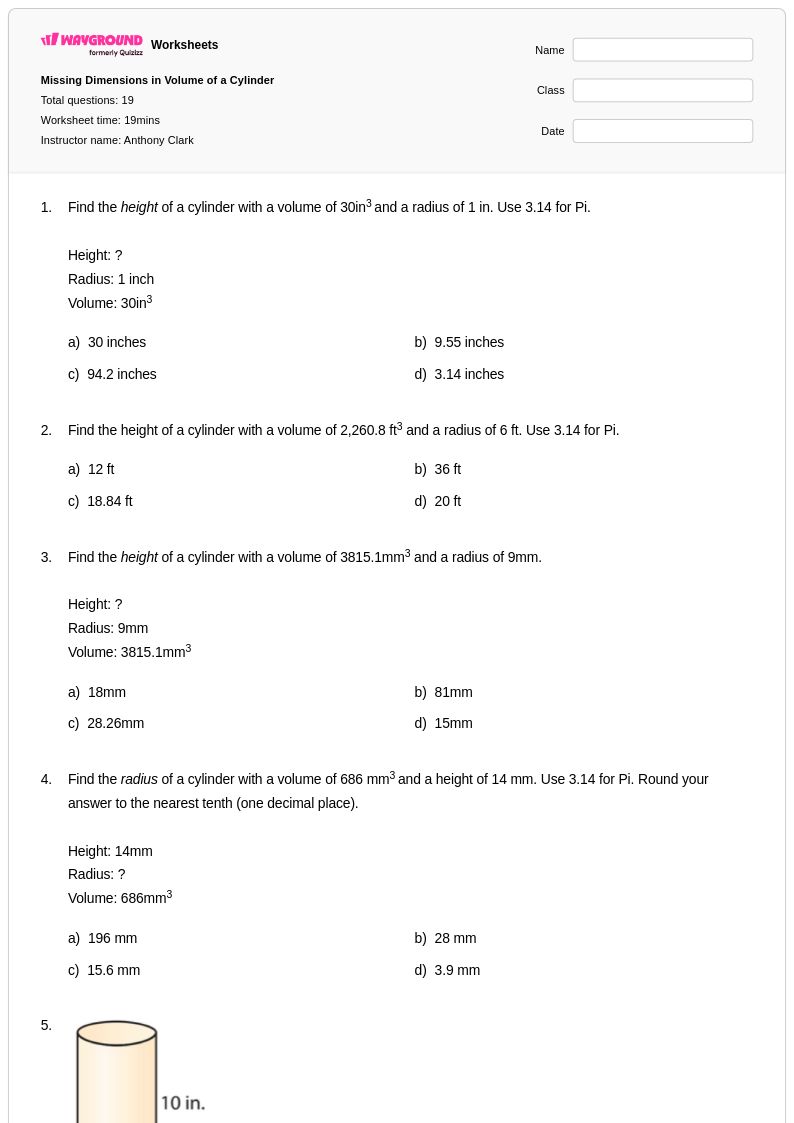
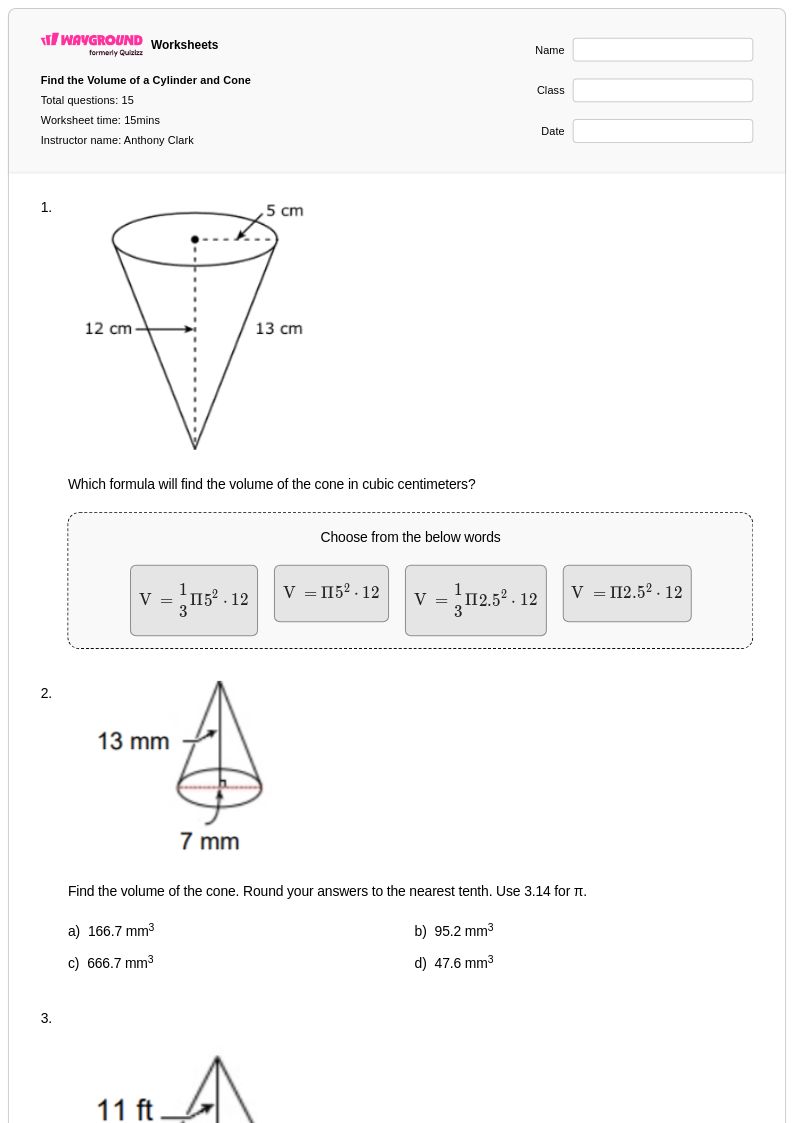
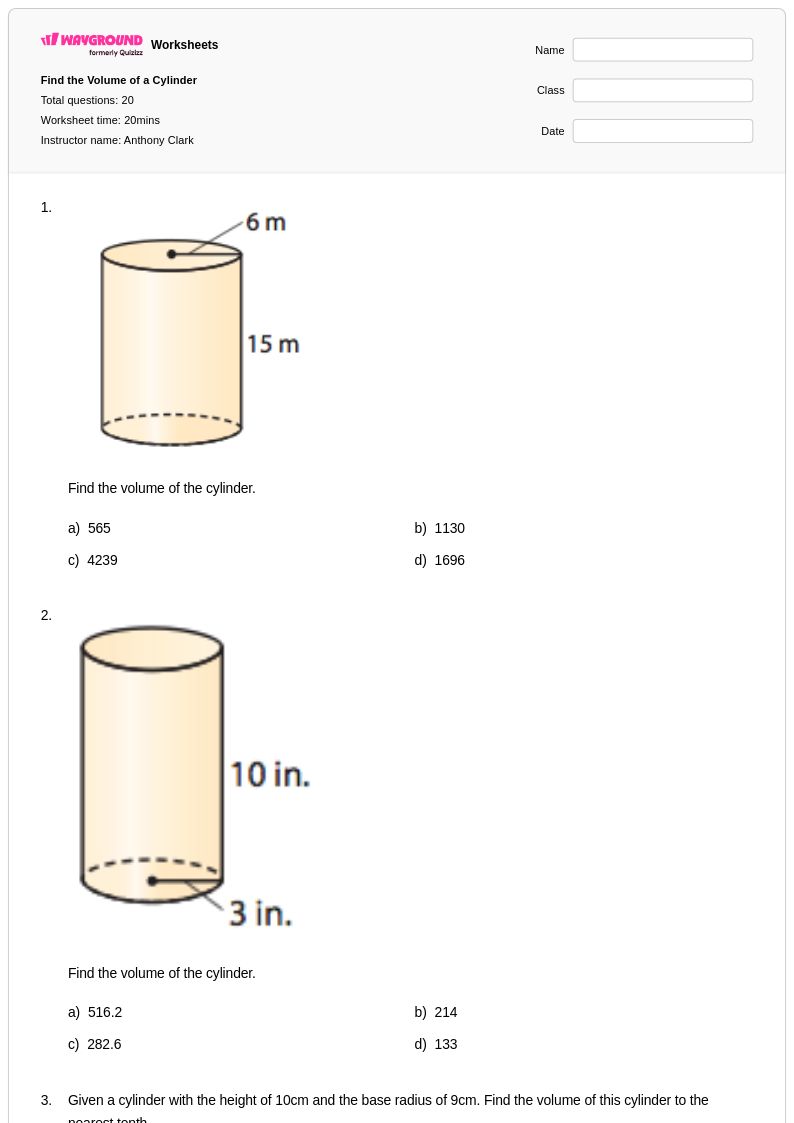
Volume of a cylinder worksheets for Class 10 students available through Wayground provide comprehensive practice with calculating the three-dimensional space enclosed by circular cylinders using the fundamental formula V = πr²h. These expertly designed worksheets strengthen essential mathematical skills including applying the relationship between radius, height, and volume, working with pi in both exact and decimal forms, and solving multi-step problems involving real-world cylindrical objects like tanks, pipes, and containers. Students develop proficiency in substituting values into formulas, performing accurate calculations with squared terms, and interpreting results in appropriate units through structured practice problems that progress from basic applications to more complex scenarios. Each worksheet collection includes detailed answer keys and is available as free printable pdf resources that support both classroom instruction and independent study.
Wayground's extensive mathematics worksheet library empowers teachers with millions of educator-created resources specifically focused on volume of a cylinder concepts for Class 10 learners. The platform's robust search and filtering capabilities enable instructors to quickly locate materials that align with curriculum standards and match their students' specific learning needs, while built-in differentiation tools allow for seamless customization of problem difficulty and complexity levels. Teachers can access these resources in both printable and digital pdf formats, making them ideal for varied instructional settings including traditional classrooms, hybrid learning environments, and remote education scenarios. This flexibility supports effective lesson planning by providing ready-to-use materials for initial skill introduction, targeted remediation for struggling students, and enrichment opportunities for advanced learners who need additional challenge in mastering cylindrical volume calculations.