
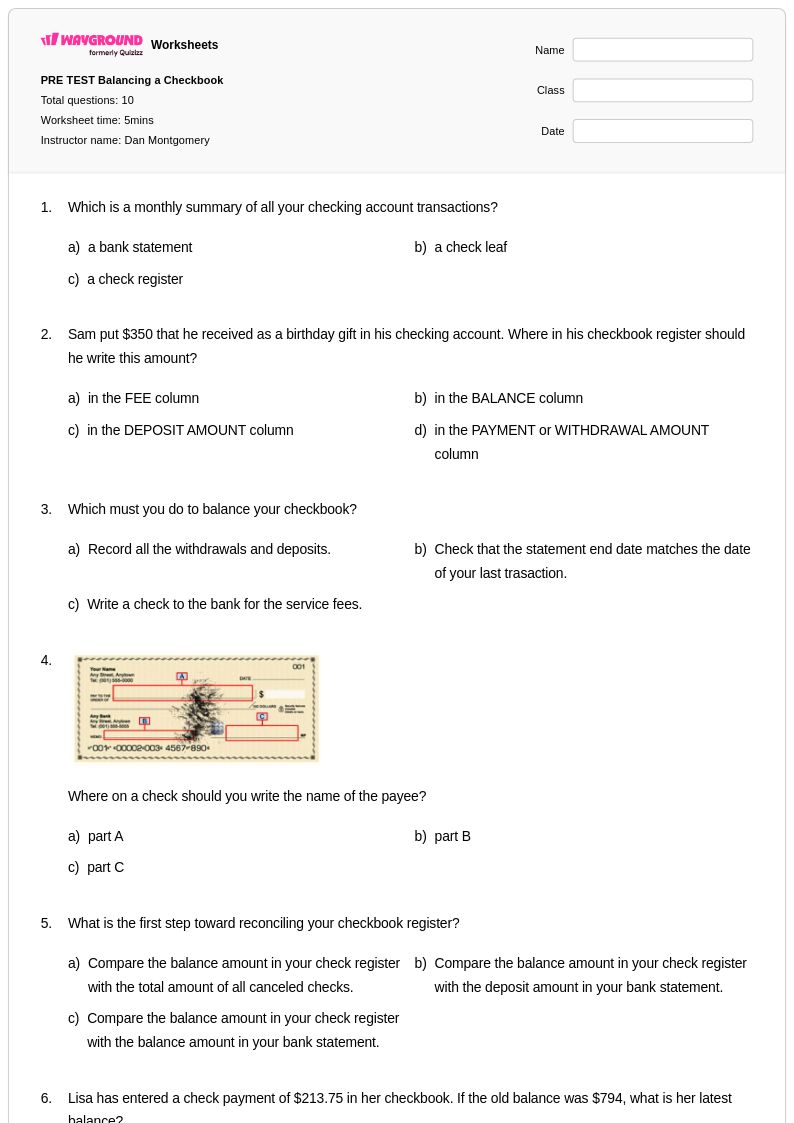
10 Q
9th - 12th
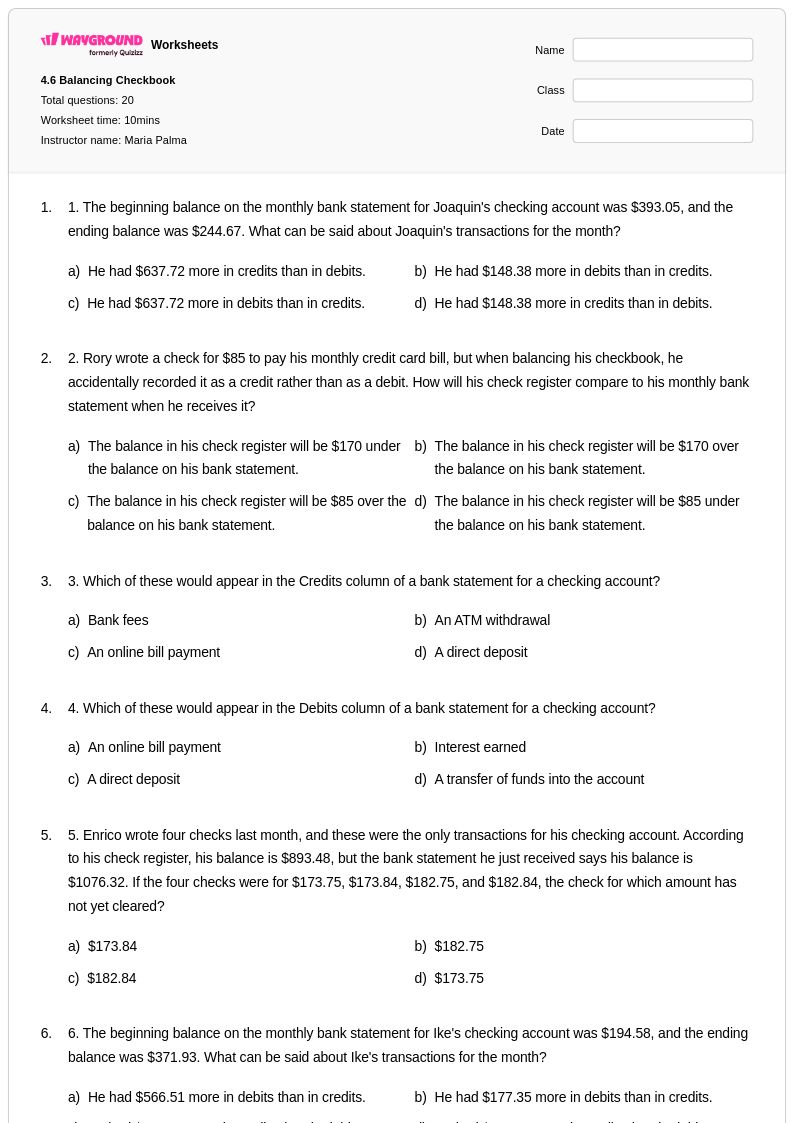
20 Q
10th - 12th
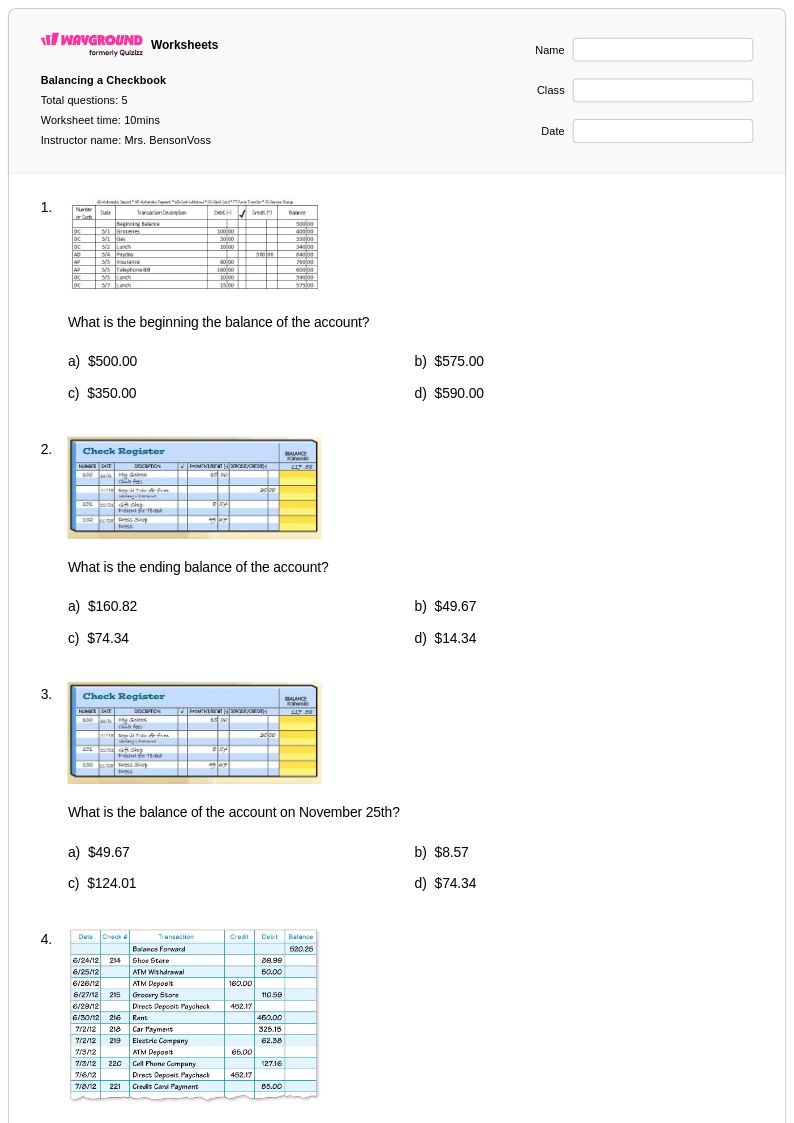
5 Q
8th - 12th
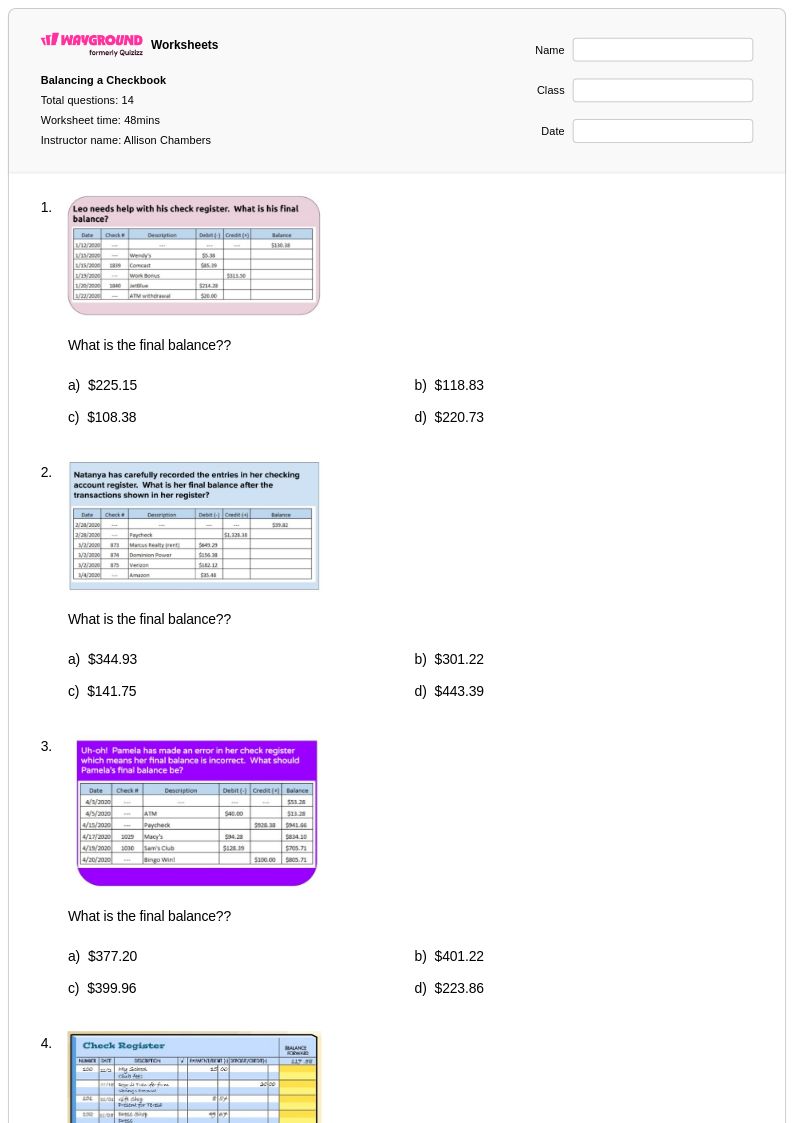
14 Q
11th
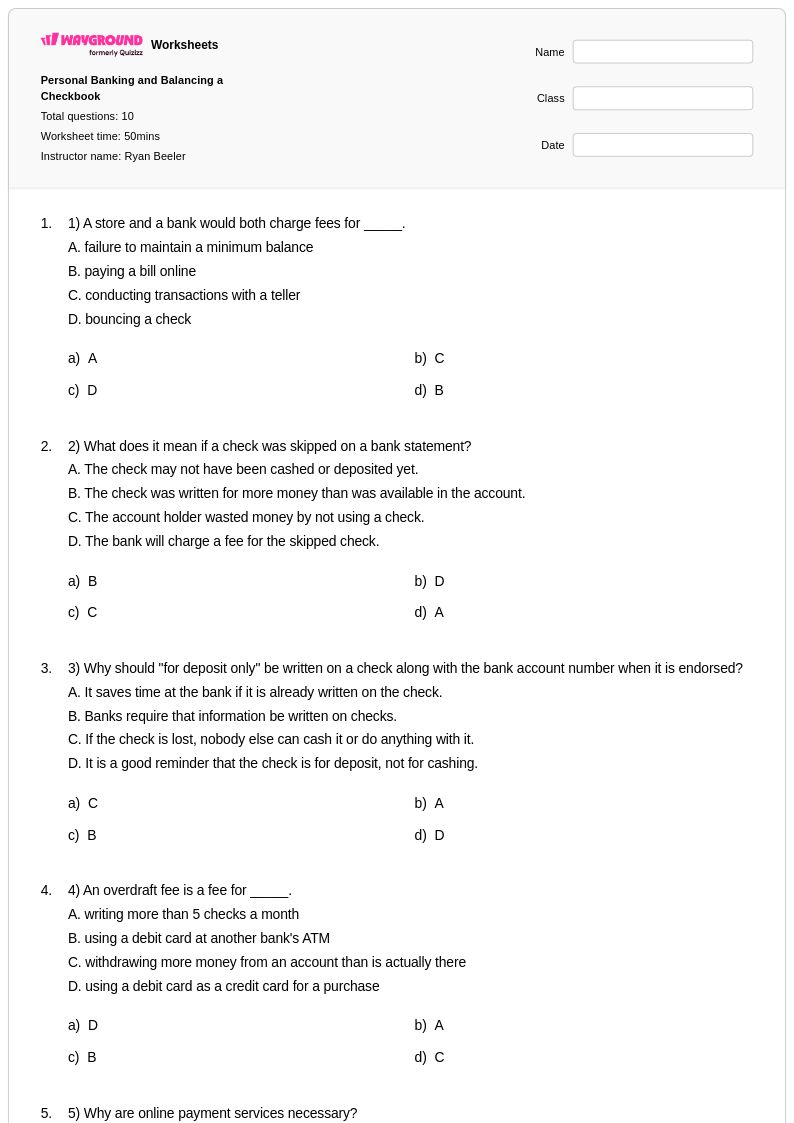
10 Q
9th - 12th
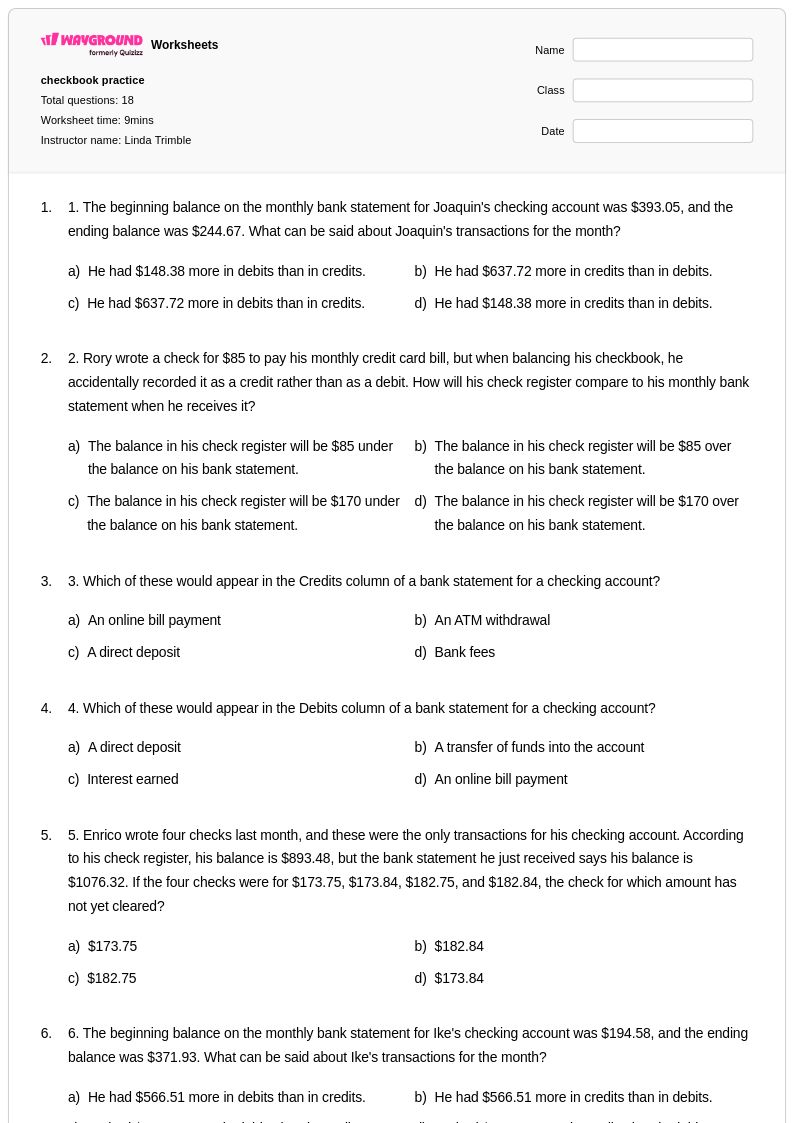
18 Q
11th
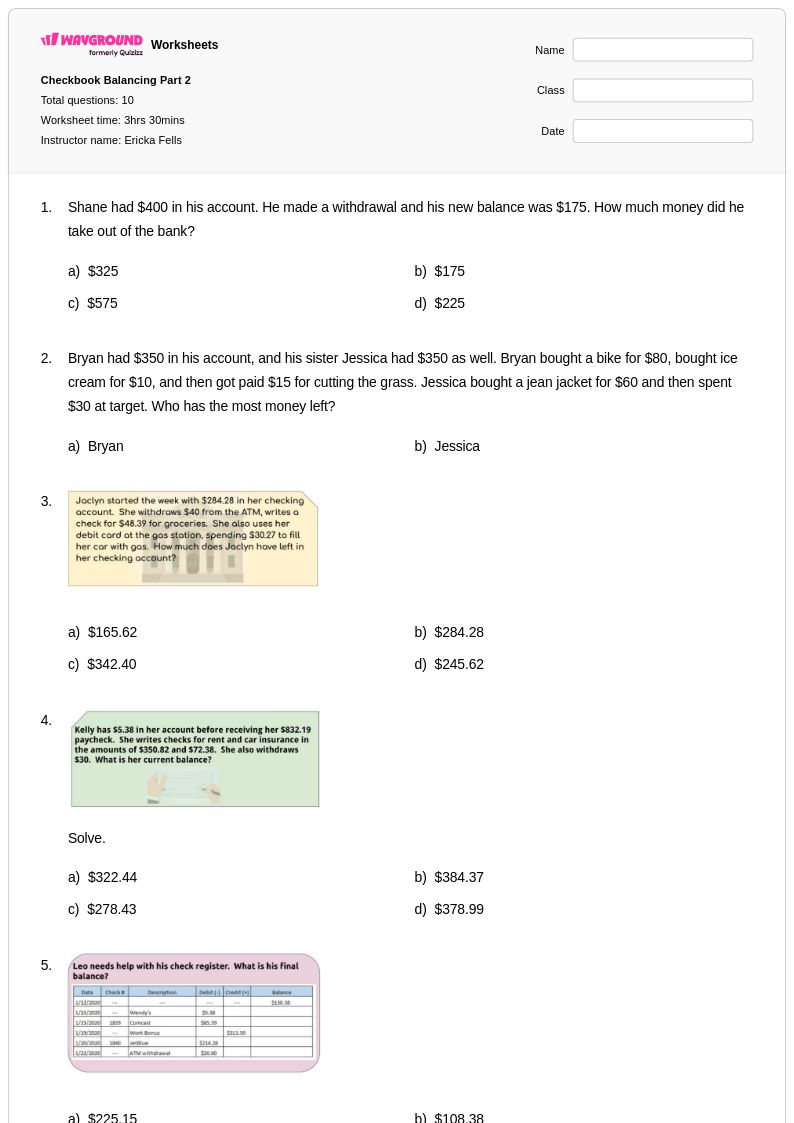
10 Q
8th - 12th
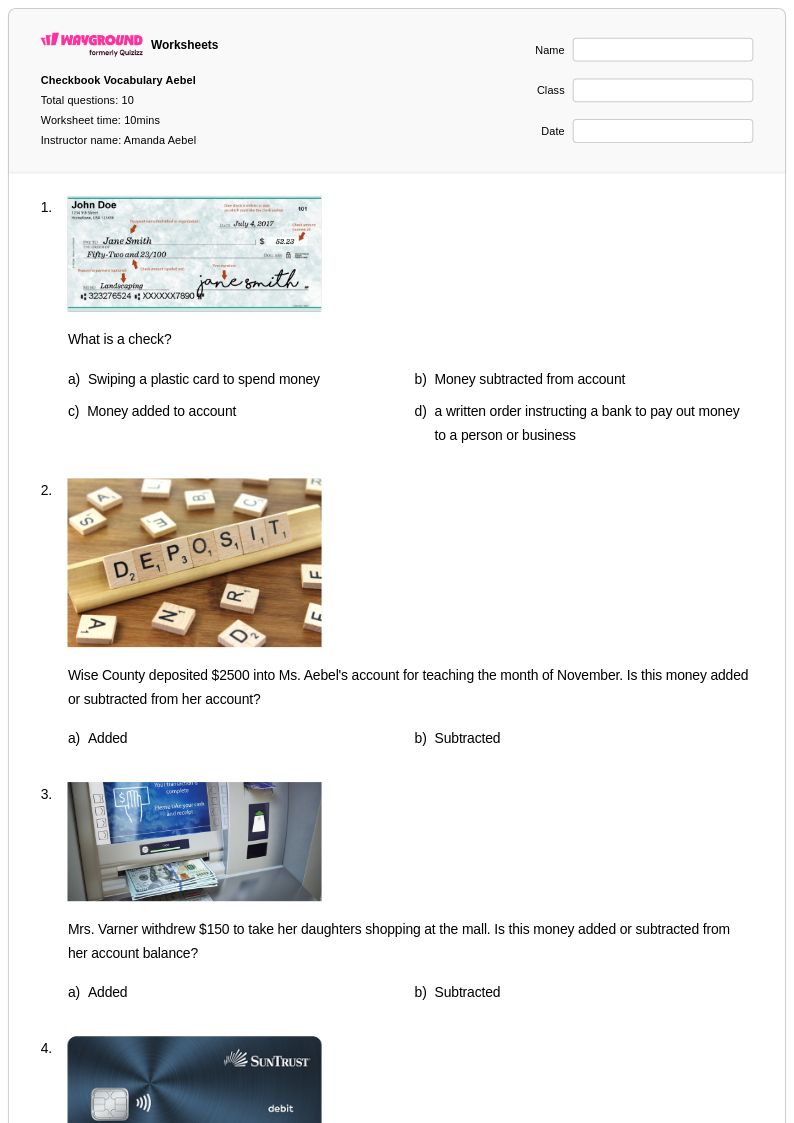
10 Q
8th - 12th
7 Q
9th - 12th
16 Q
6th - Uni
11 Q
11th - 12th
20 Q
6th - Uni
50 Q
9th - Uni
20 Q
6th - Uni
19 Q
6th - Uni
10 Q
9th - 12th
20 Q
6th - Uni
19 Q
6th - Uni
10 Q
9th - Uni

20 Q
8th - Uni
20 Q
3rd - Uni
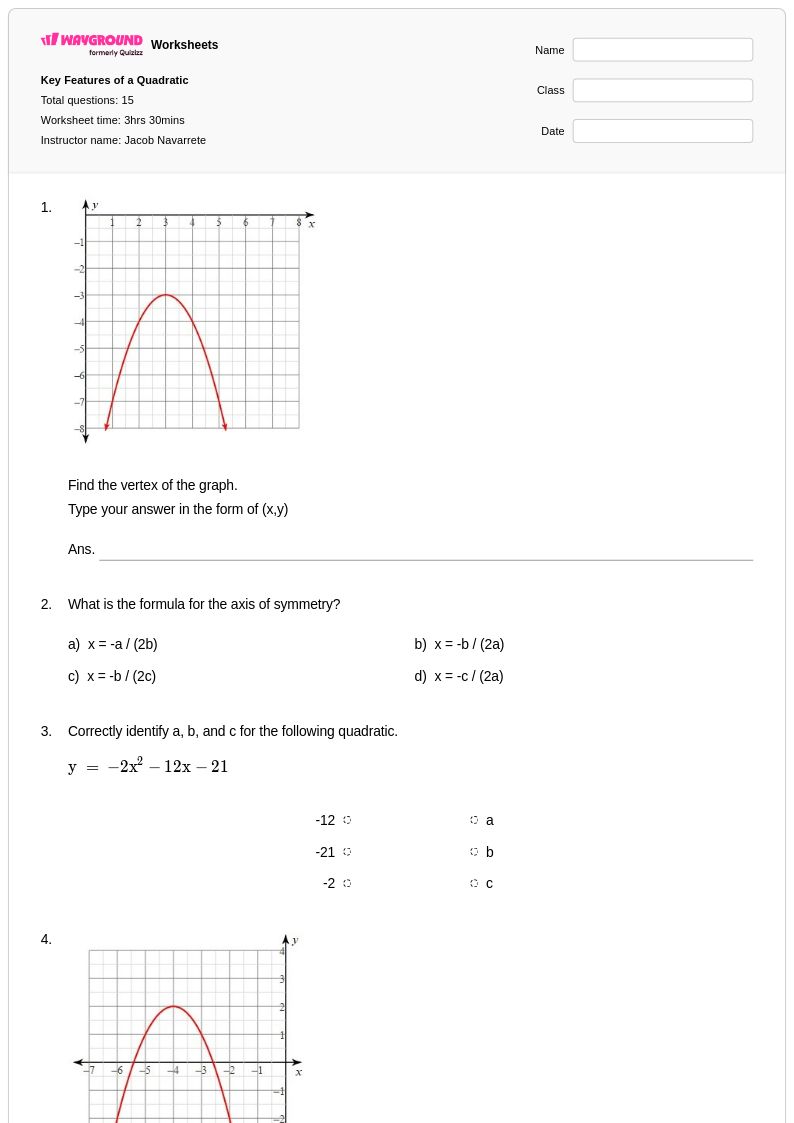
15 Q
9th - 12th
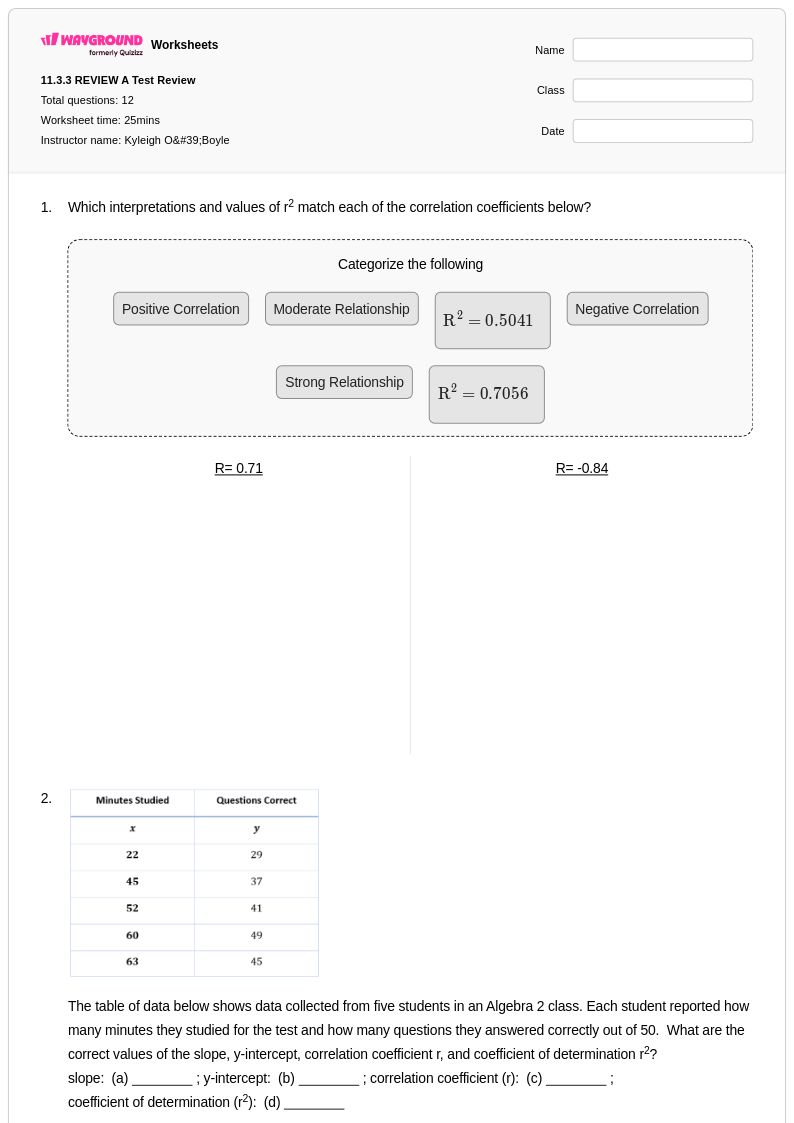
12 Q
9th - 12th
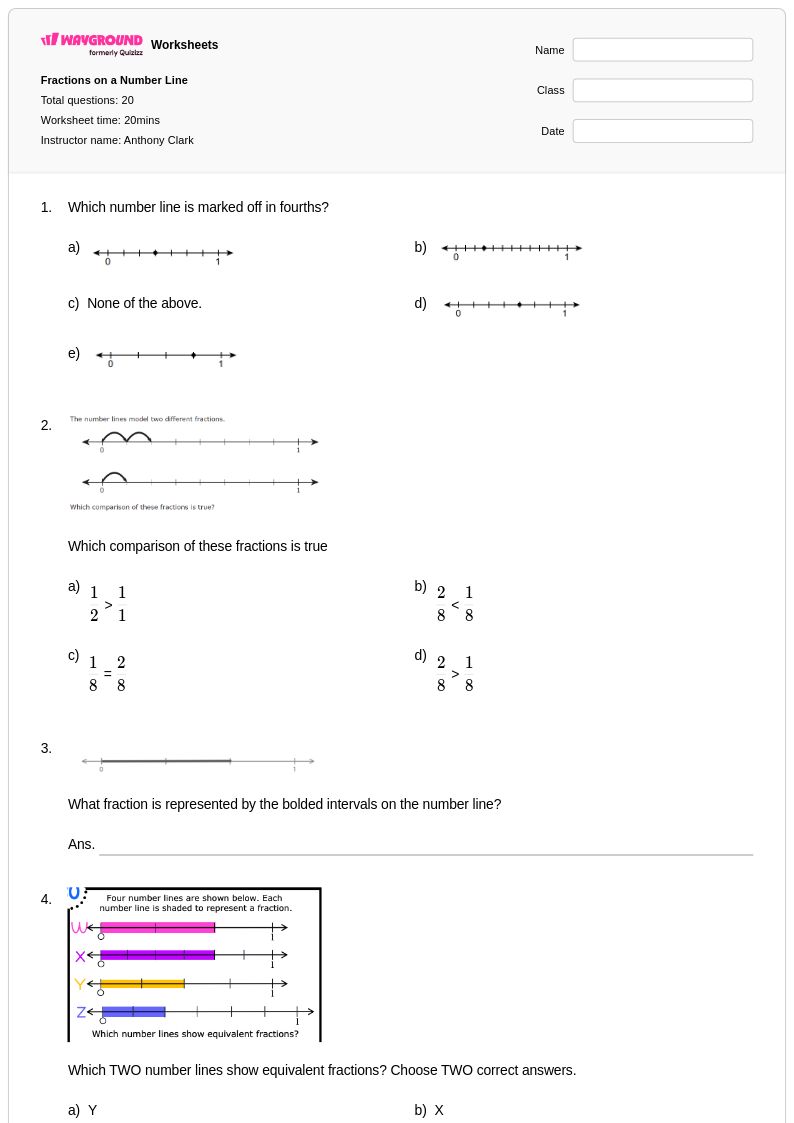
20 Q
3rd - Uni
Explore Balancing a Checkbook Worksheets by Grades
Explore Other Subject Worksheets for grade 11
Explore printable Balancing a Checkbook worksheets for Grade 11
Balancing a checkbook worksheets for Grade 11 students provide essential practice in managing personal finances and developing real-world mathematical applications. These comprehensive worksheets guide students through the systematic process of reconciling bank statements with personal records, calculating running balances, identifying discrepancies, and maintaining accurate financial records. Students strengthen critical skills including decimal operations, addition and subtraction with money amounts, logical reasoning, and attention to detail while working through realistic scenarios involving deposits, withdrawals, checks, and electronic transactions. Each worksheet includes detailed answer keys and step-by-step solutions, making them valuable resources for both independent practice and classroom instruction. These free printables offer structured practice problems that progress from basic checkbook entries to more complex reconciliation tasks involving service fees, interest calculations, and error detection.
Wayground, formerly Quizizz, empowers educators with an extensive collection of teacher-created checkbook balancing worksheets specifically designed for Grade 11 mathematics and financial literacy instruction. The platform's millions of resources include standards-aligned materials that support comprehensive lesson planning while offering robust search and filtering capabilities to locate worksheets targeting specific learning objectives or skill levels. Teachers can easily differentiate instruction by selecting from various difficulty levels and problem types, then customize worksheets to match their students' needs and pacing. The flexible format options include both printable PDF versions for traditional classroom use and digital formats for online learning environments, enabling seamless integration into any teaching approach. These resources prove invaluable for targeted skill practice, remediation support for struggling learners, and enrichment opportunities for advanced students ready to explore more sophisticated financial concepts.
FAQs
How do I teach Grade 11 students to balance a checkbook?
What exercises help students practice balancing a checkbook?
What mistakes do students commonly make when balancing a checkbook?
How can I use these Grade 11 checkbook-balancing worksheets?
How does balancing a checkbook fit into the Grade 11 math curriculum?
How can I differentiate checkbook-balancing practice for a mixed-ability class?
Is balancing a checkbook appropriate for Grade 11?