
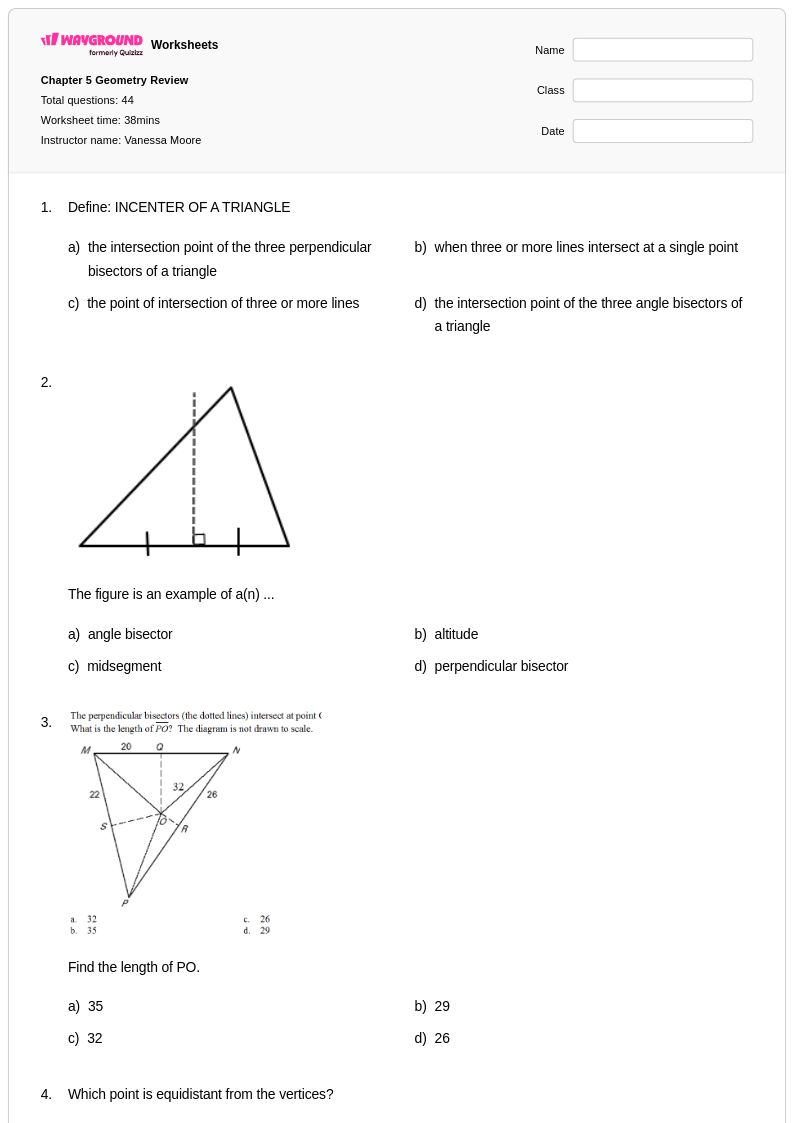
44 Q
5th - Uni
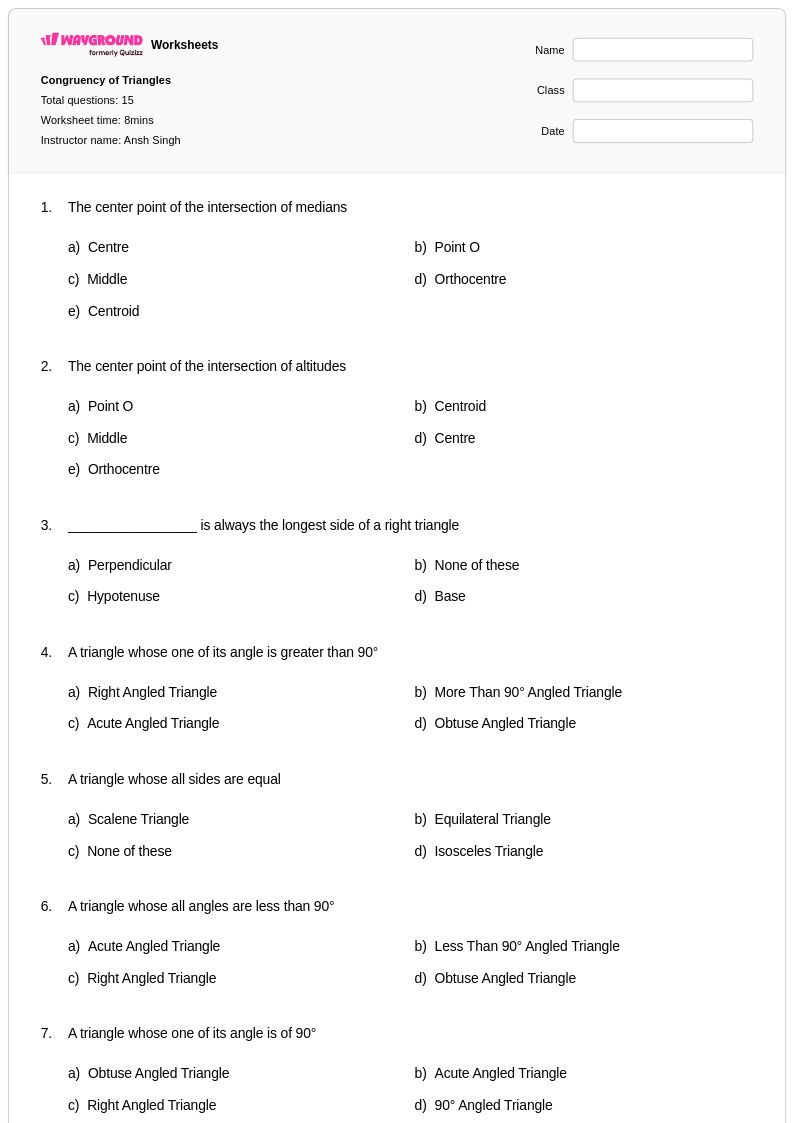
15 Q
6th - 8th
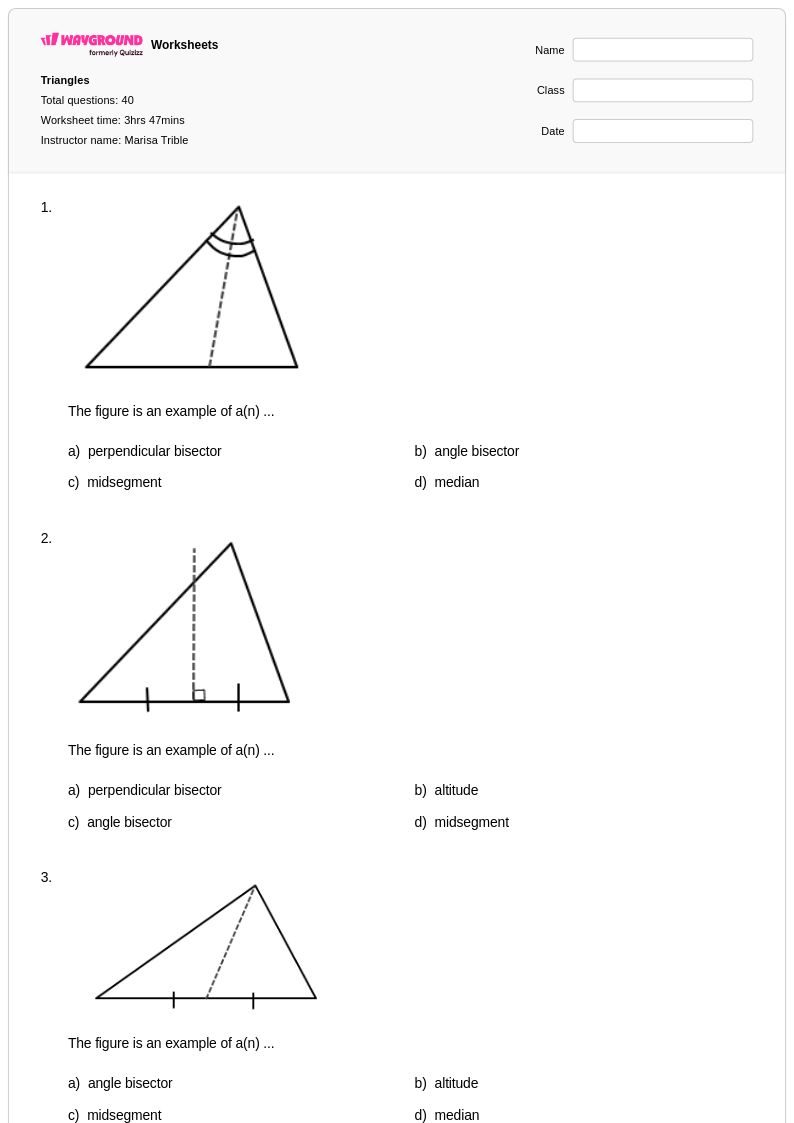
40 Q
6th - 8th
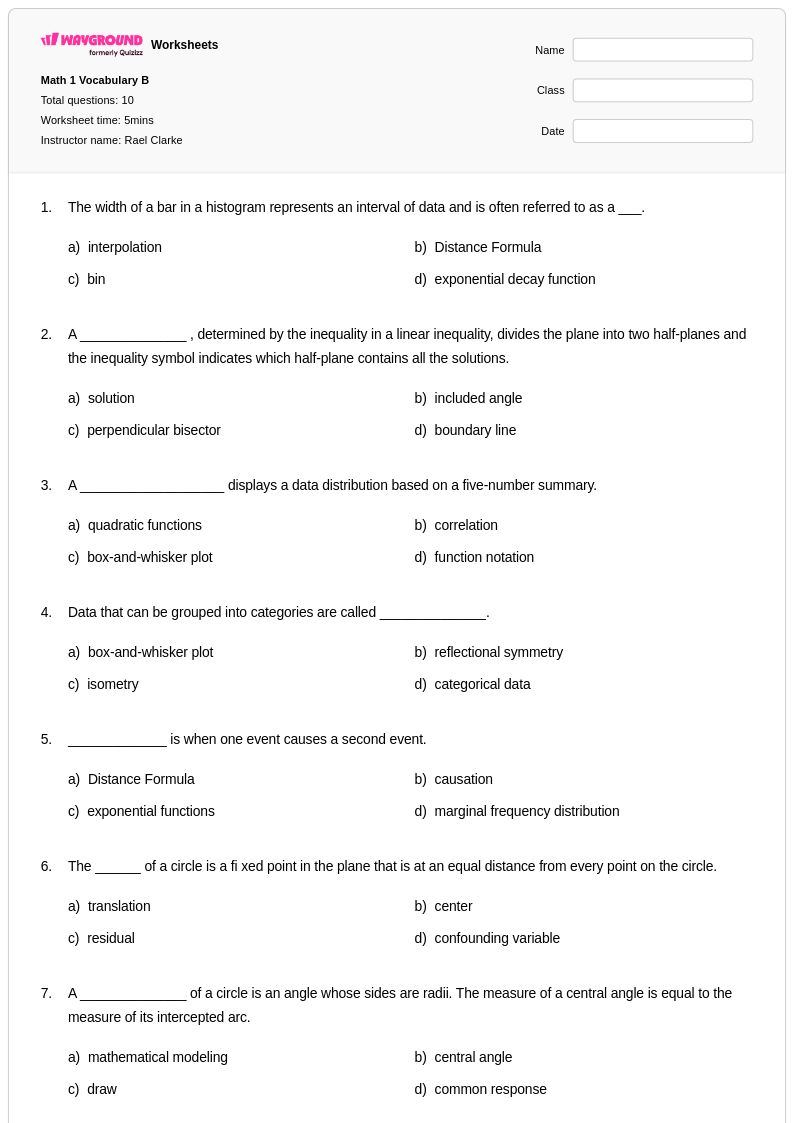
10 Q
5th - 9th
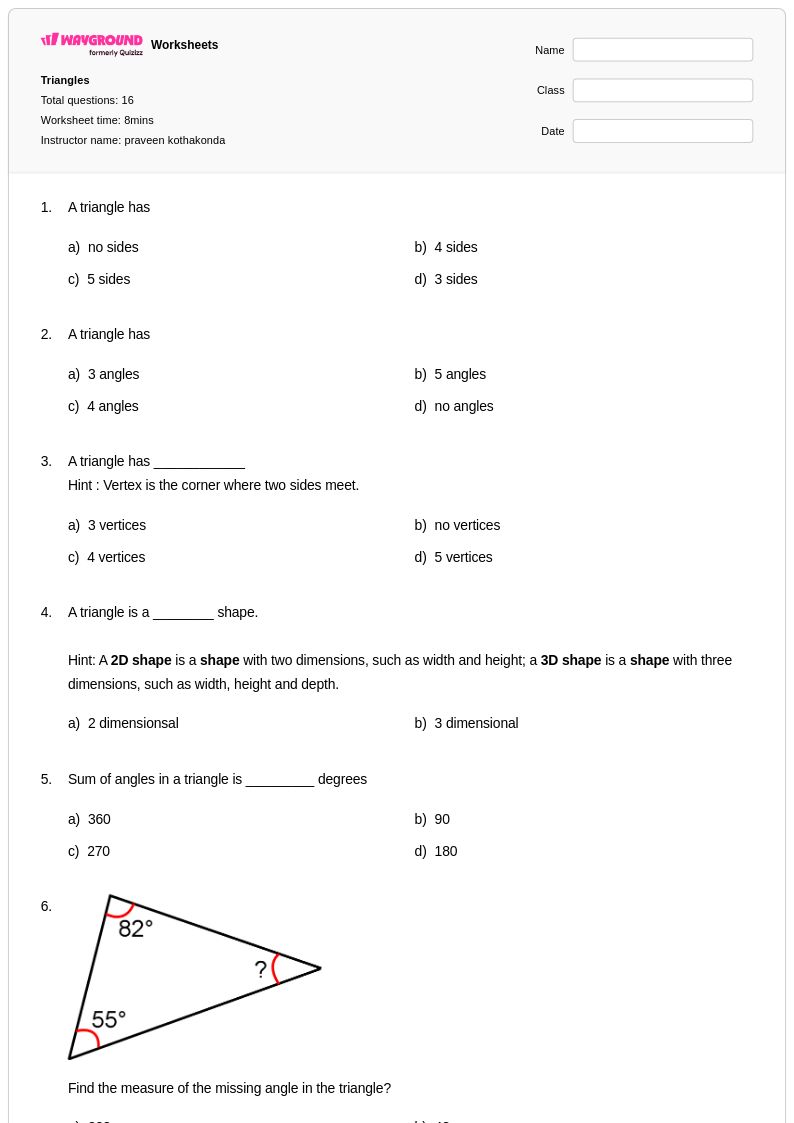
16 Q
6th - 12th
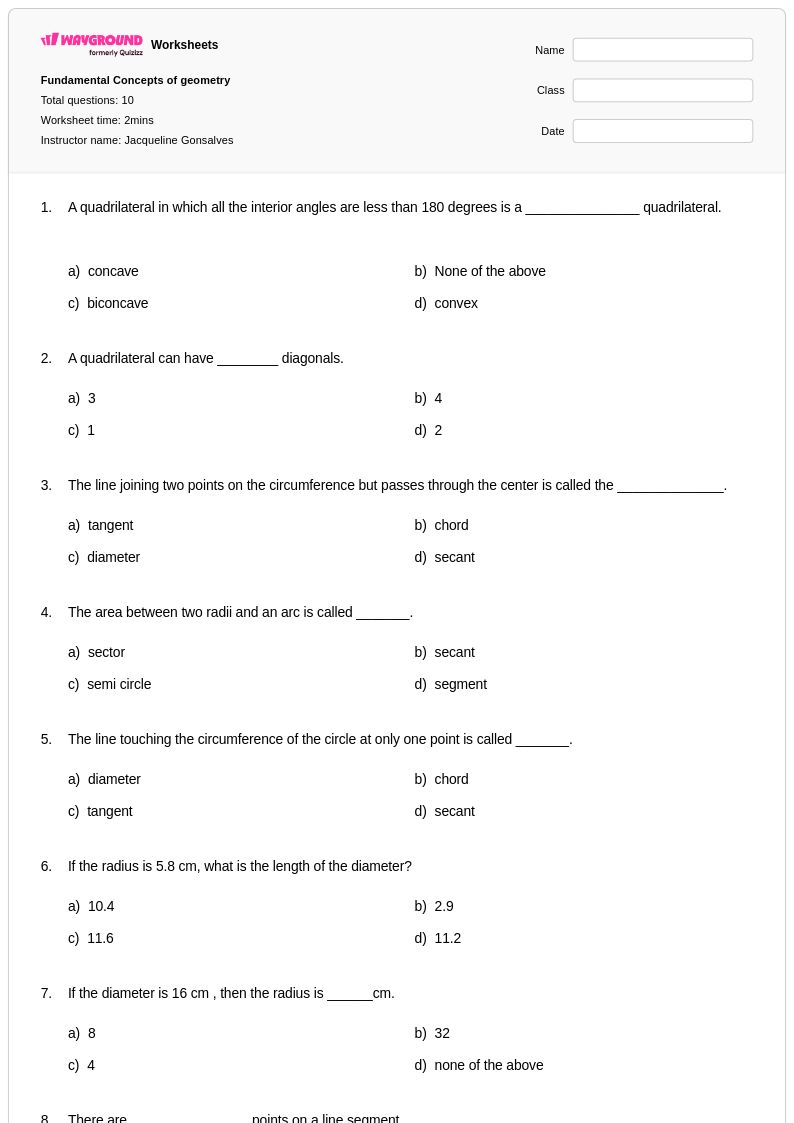
10 Q
6th
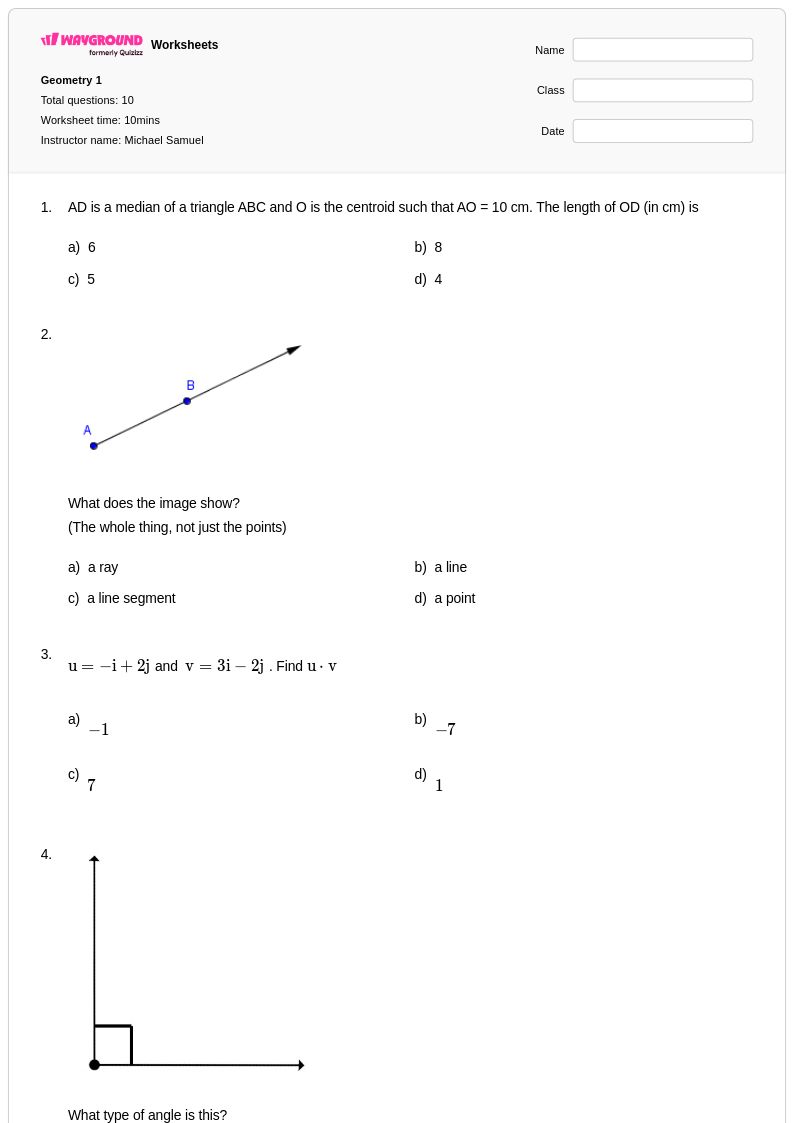
10 Q
6th
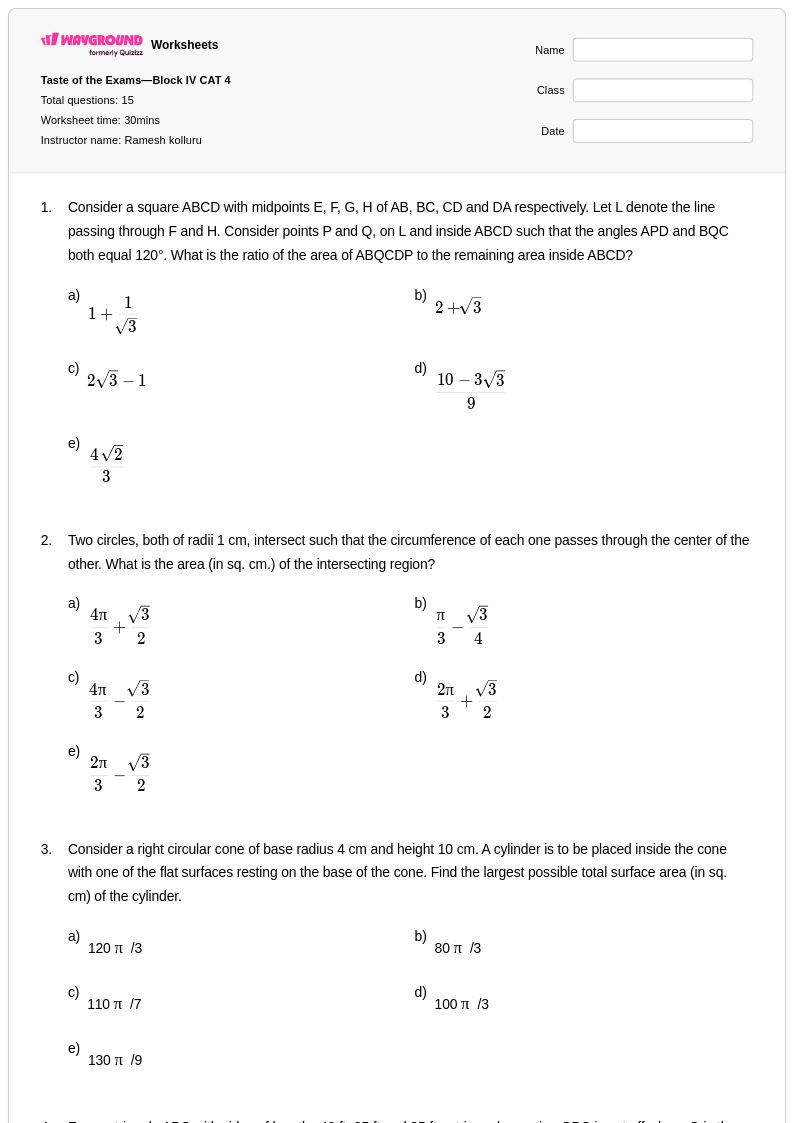
15 Q
4th - 10th
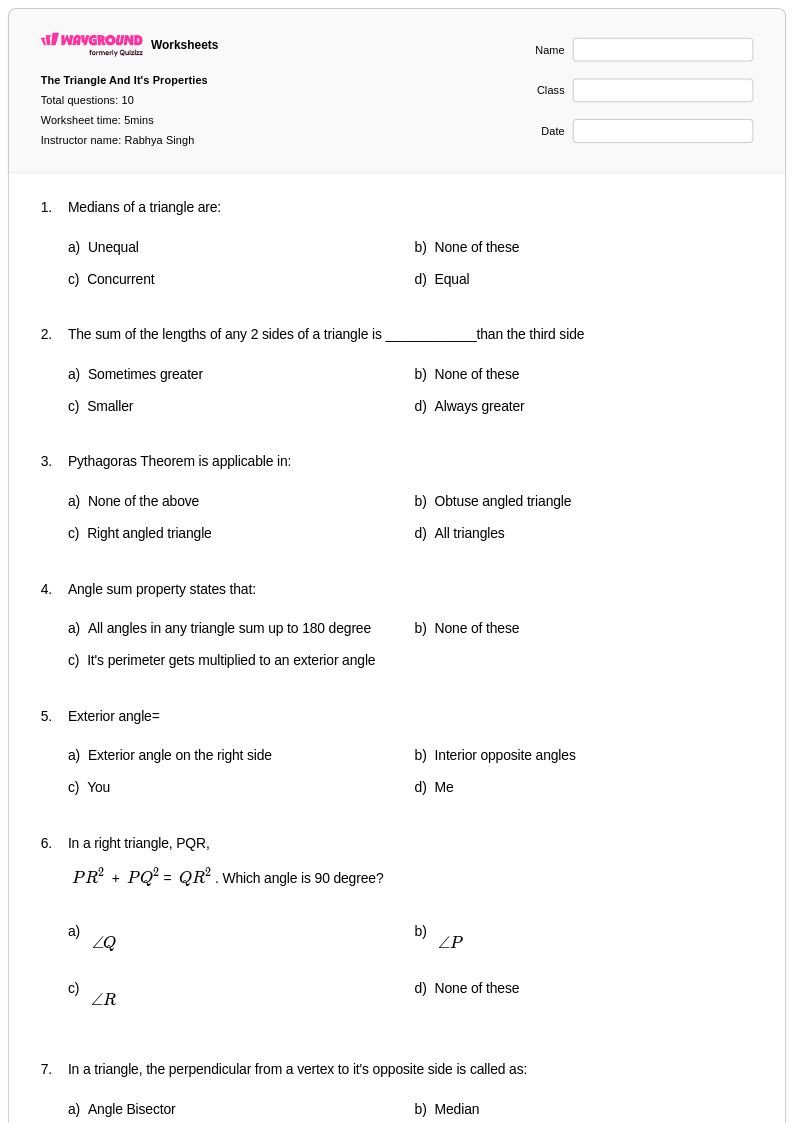
10 Q
5th - PD
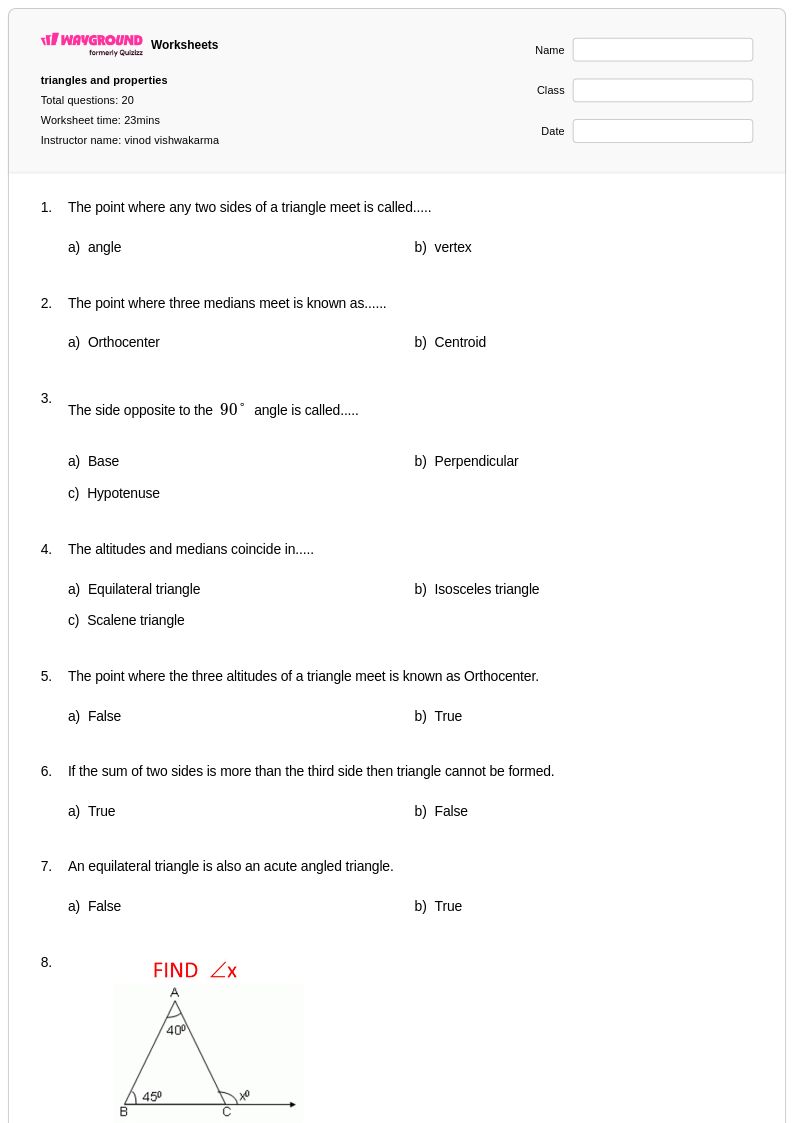
20 Q
6th - 8th
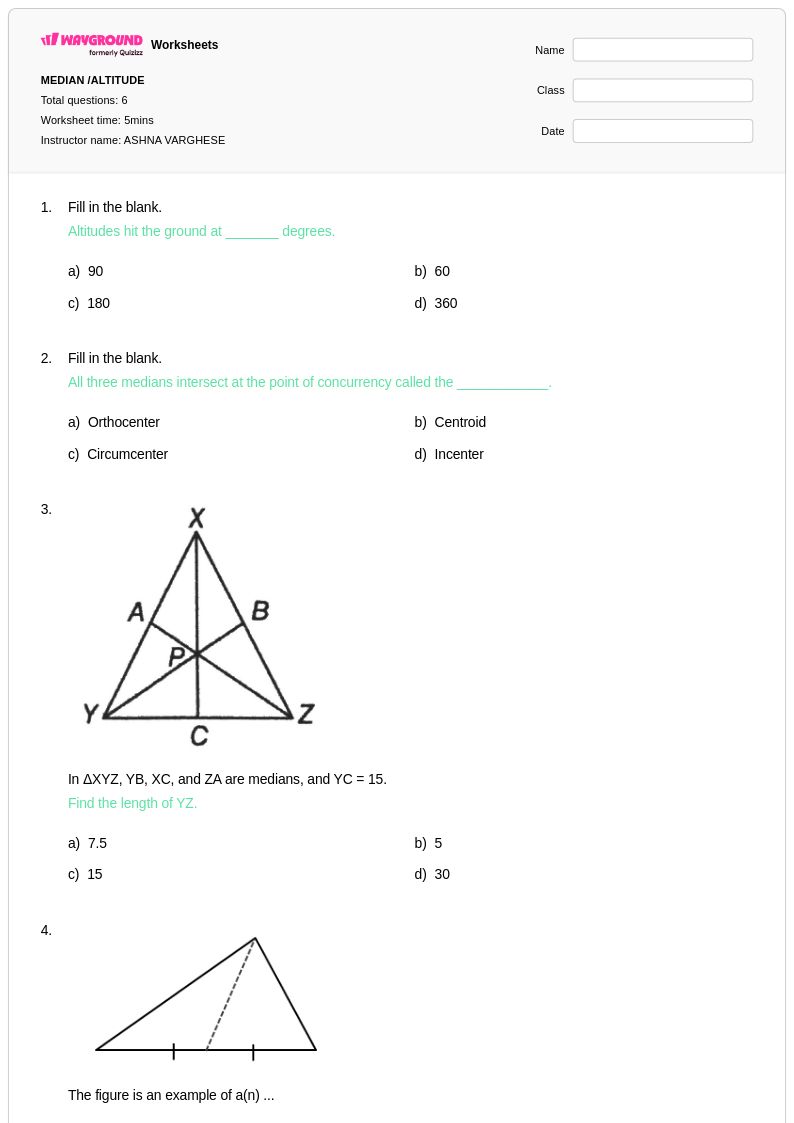
6 Q
6th - 7th
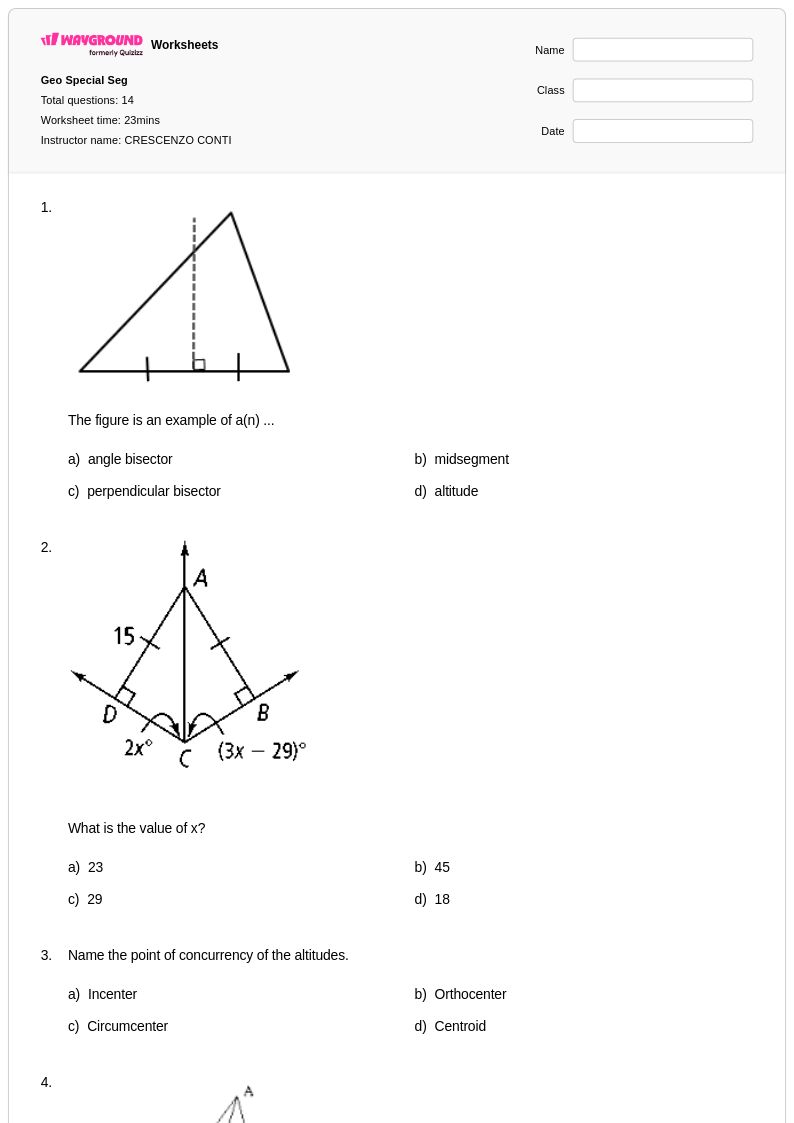
14 Q
5th - 11th
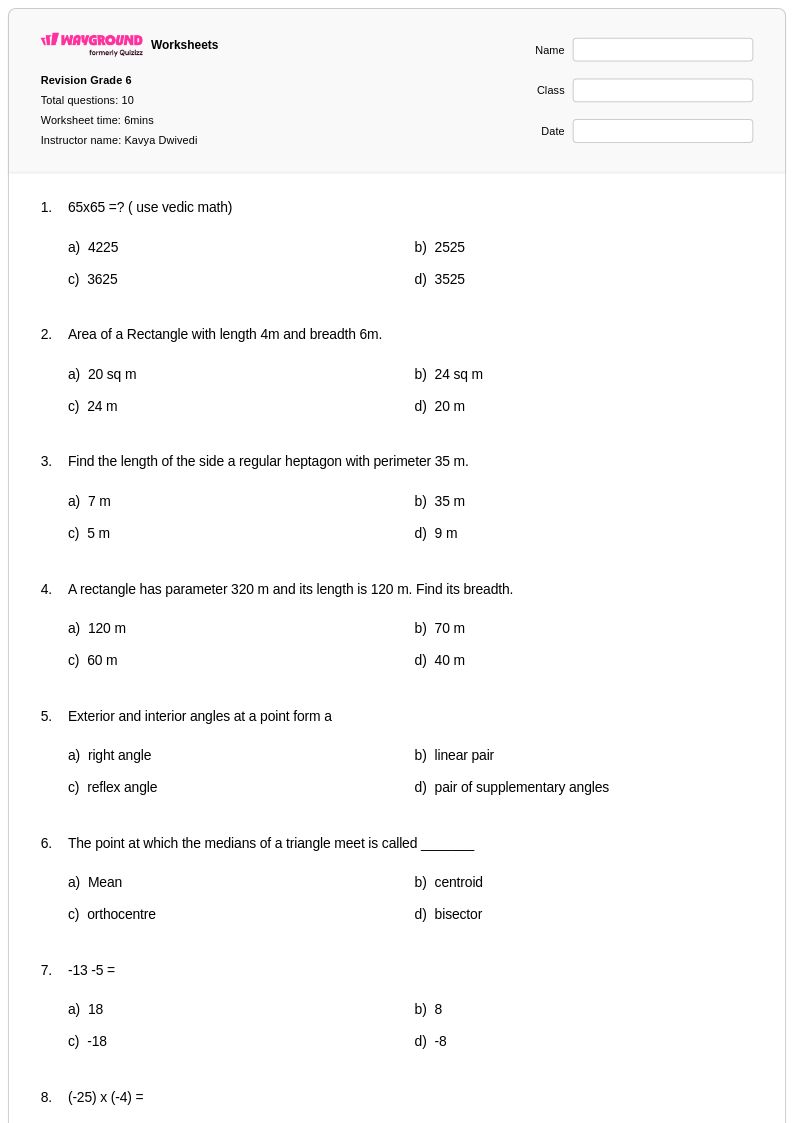
10 Q
5th - 7th
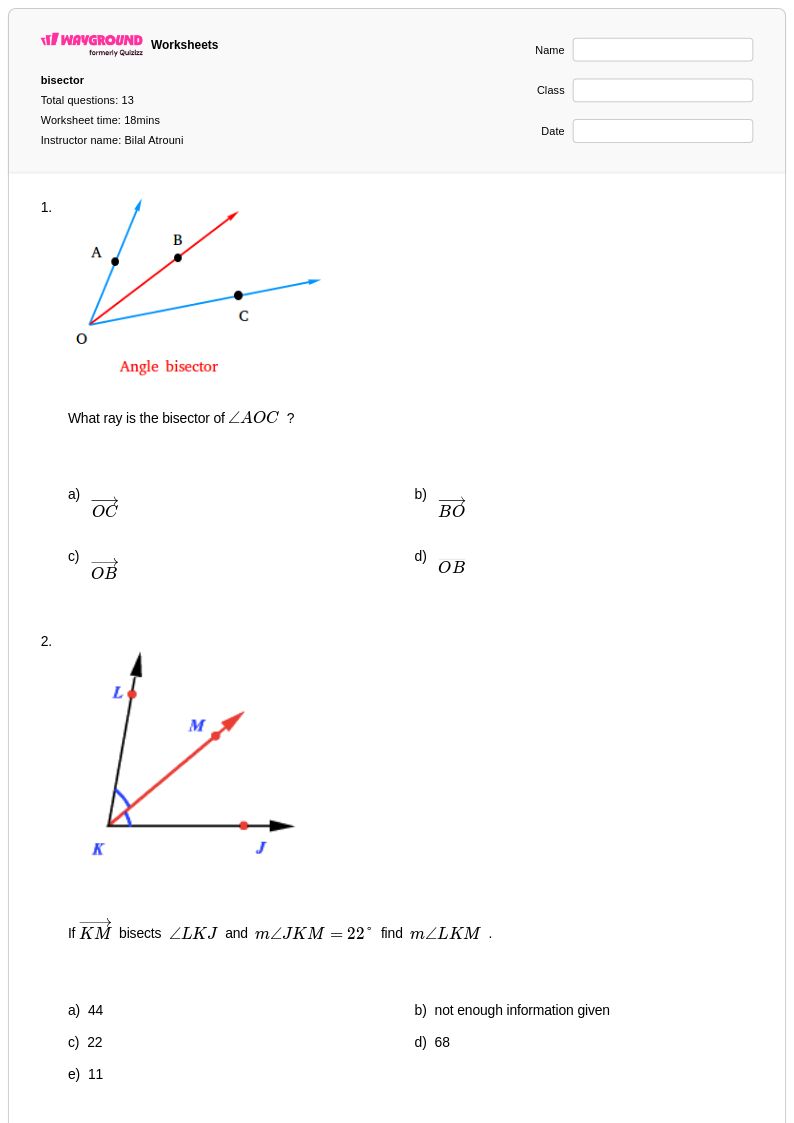
13 Q
6th
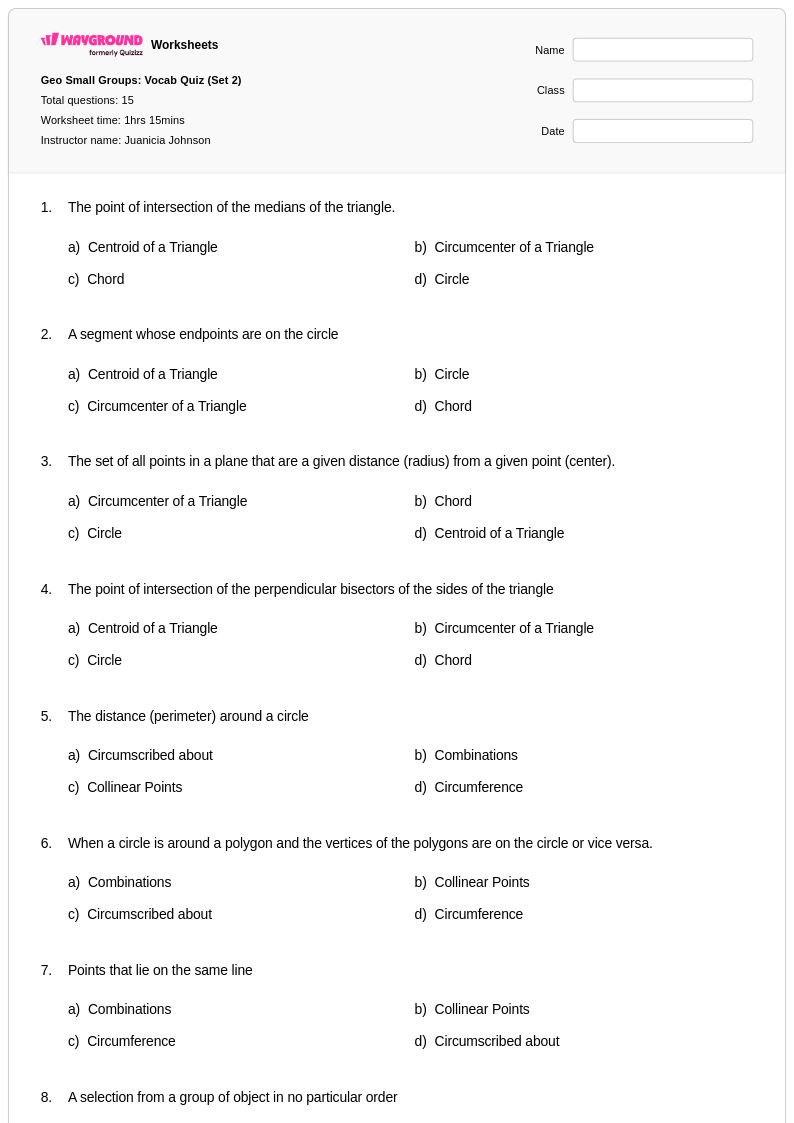
15 Q
6th - 8th

100 Q
6th
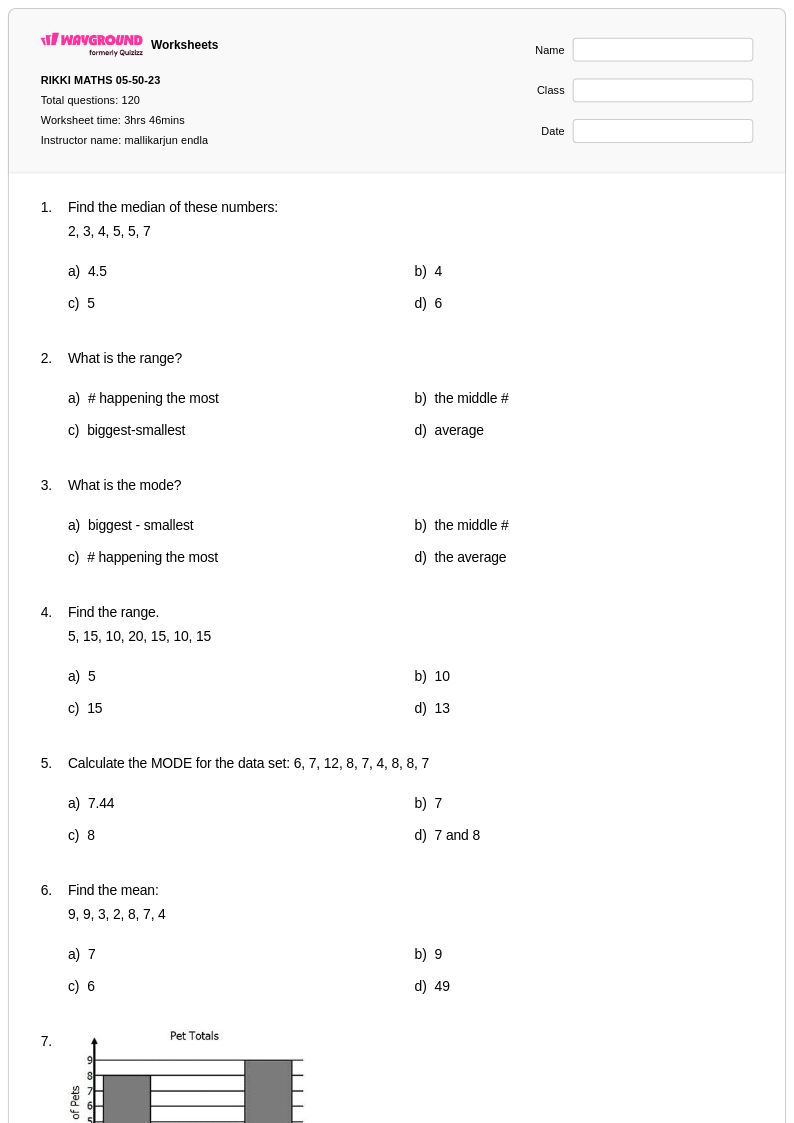
120 Q
6th
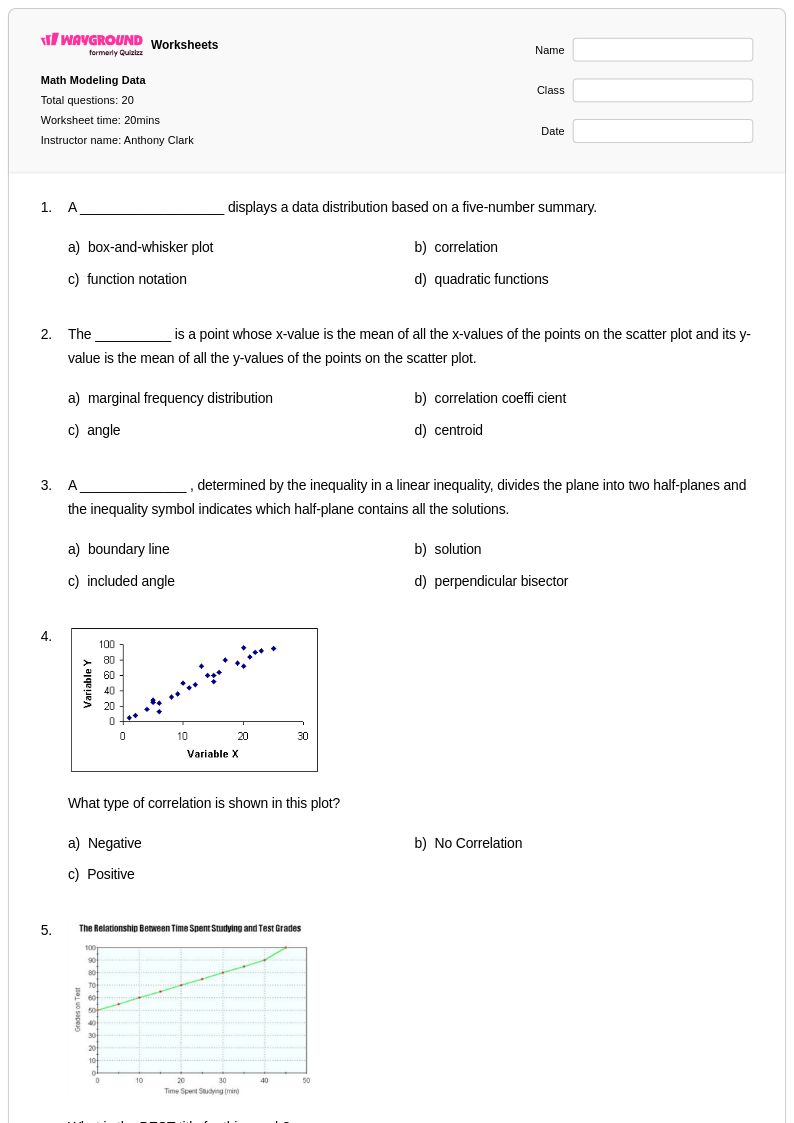
20 Q
6th - Uni
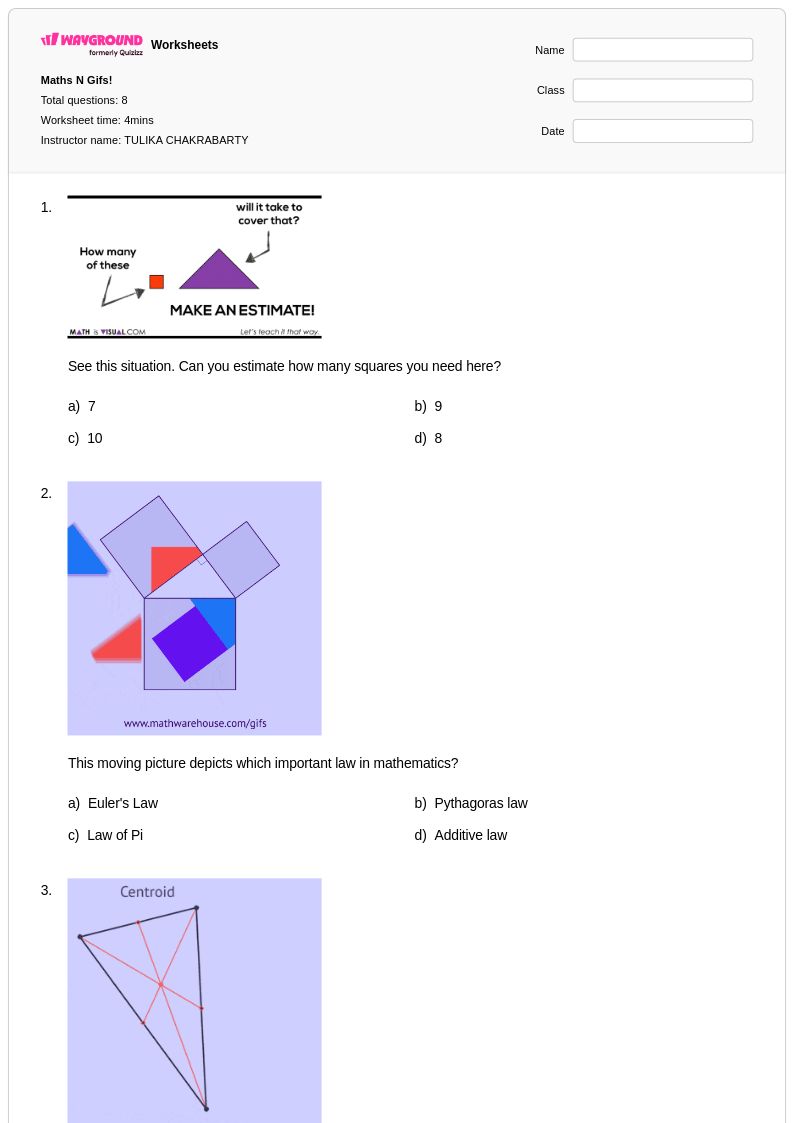
8 Q
6th - 10th
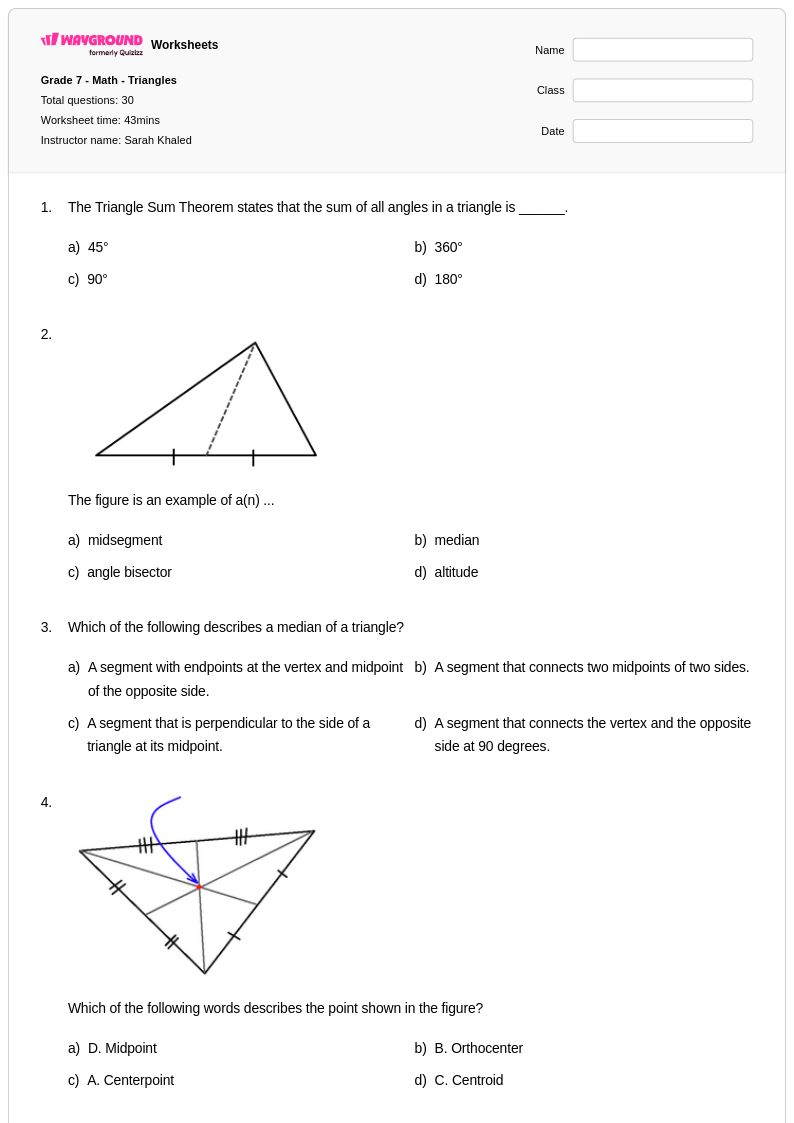
30 Q
6th - 7th
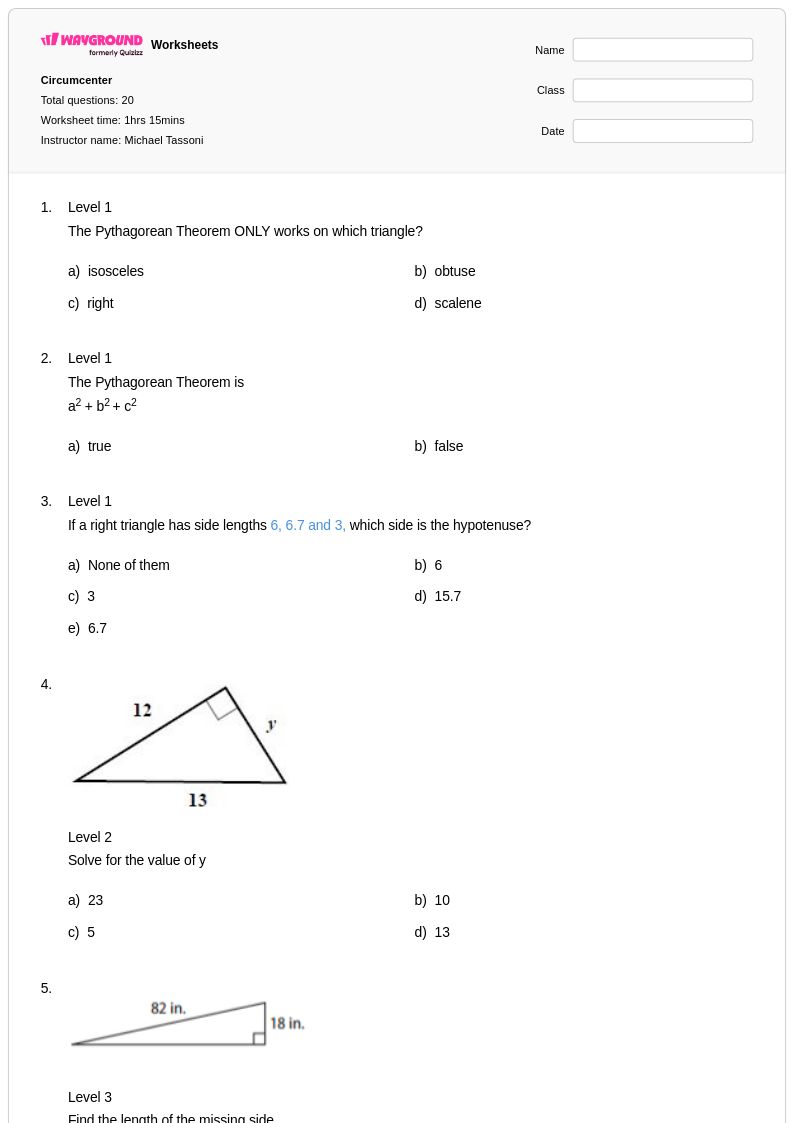
20 Q
1st - 11th
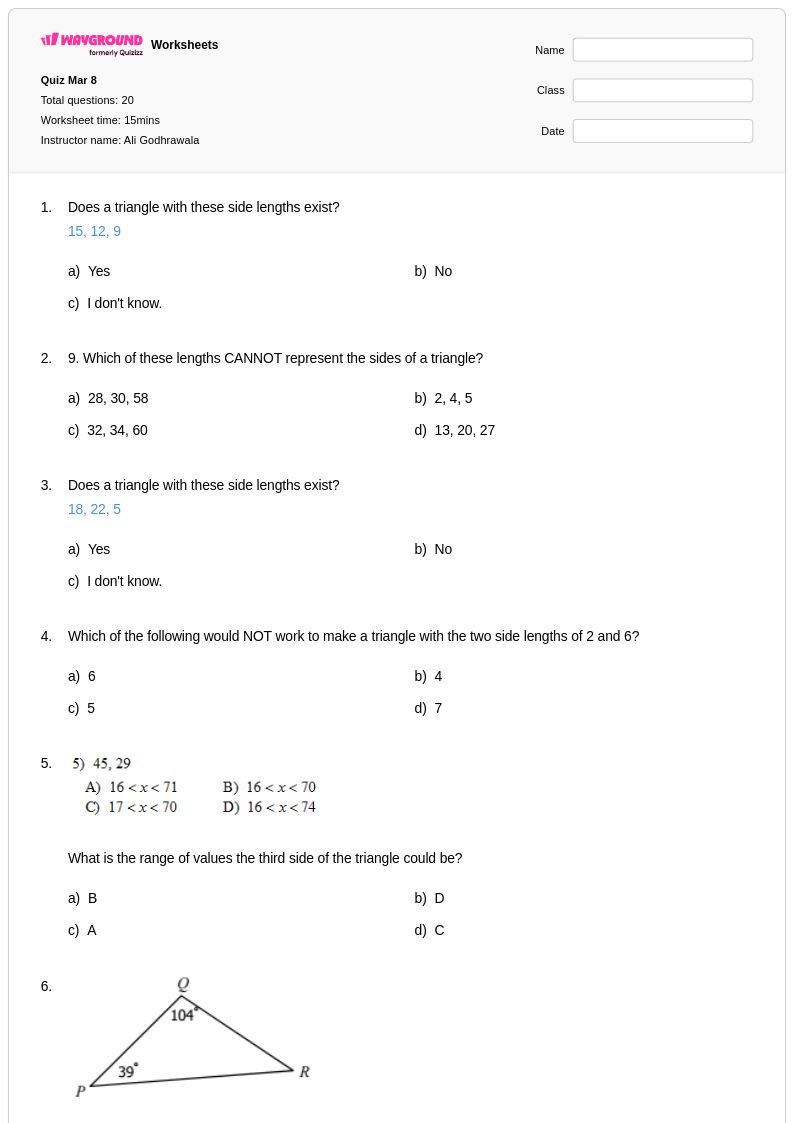
20 Q
5th - 12th
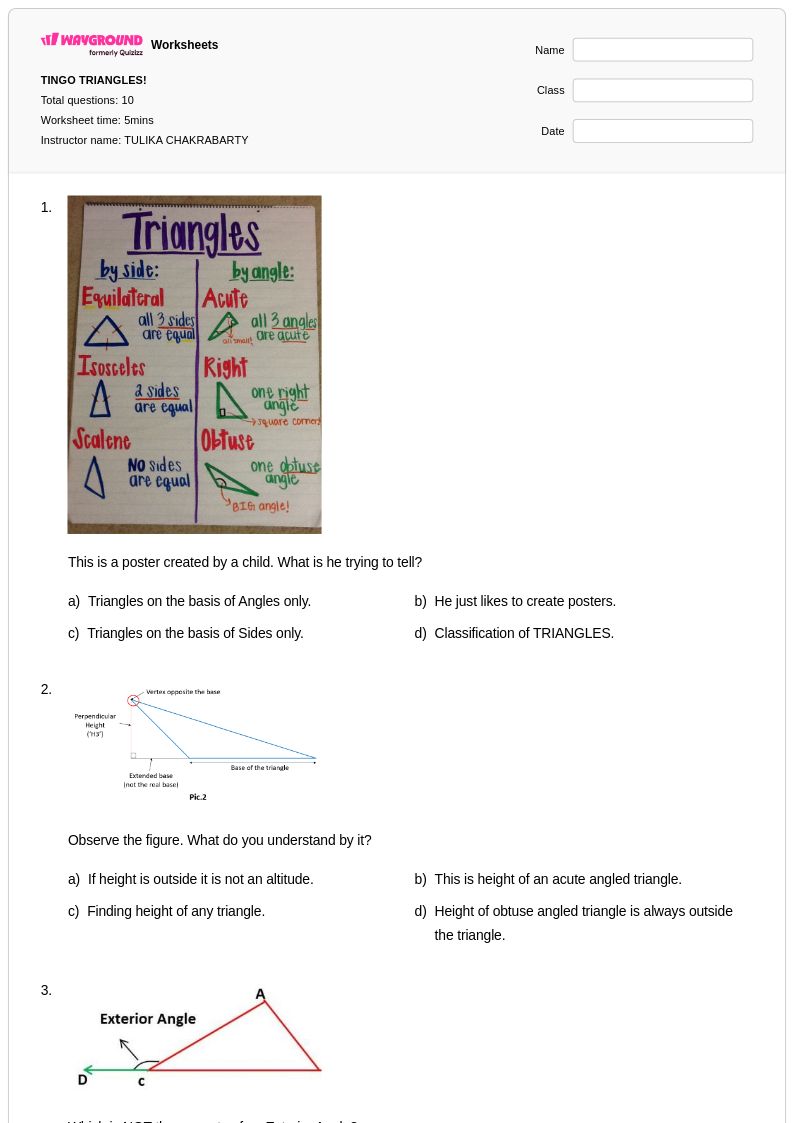
10 Q
6th - 7th
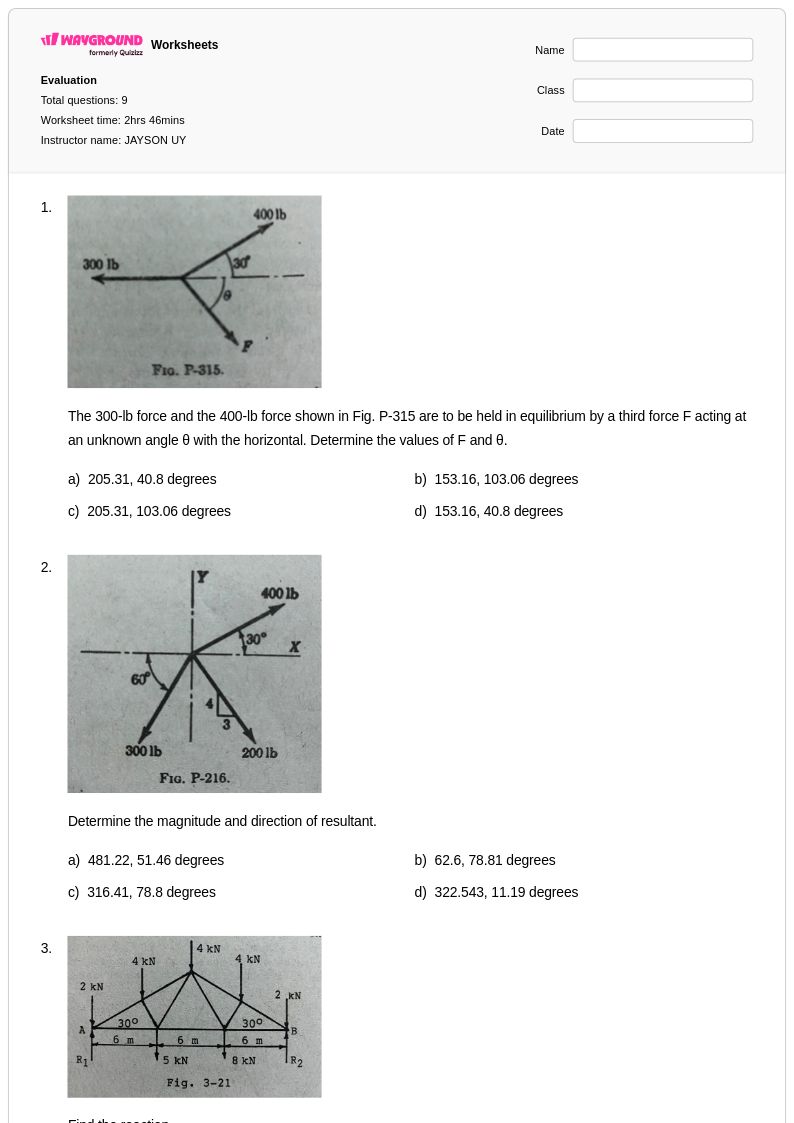
9 Q
1st - Uni
Explore Other Subject Worksheets for grade 6
Explore printable Centroids worksheets for Grade 6
Centroids worksheets for Grade 6 students available through Wayground (formerly Quizizz) provide comprehensive practice in understanding this fundamental concept of triangle geometry. These educational resources help students develop crucial spatial reasoning skills by exploring how to locate the centroid as the point where the three medians of a triangle intersect, typically positioned two-thirds of the way from each vertex to the opposite side's midpoint. The worksheets strengthen mathematical thinking through systematic practice problems that guide students through identifying medians, calculating centroid coordinates, and understanding the geometric properties that make centroids essential in advanced geometric applications. Each worksheet collection includes detailed answer keys and is available as free printables in pdf format, making it easy for educators to implement immediate feedback and assessment strategies.
Wayground (formerly Quizizz) supports mathematics teachers with an extensive library of millions of teacher-created centroid worksheets specifically designed for Grade 6 geometry instruction. The platform's robust search and filtering capabilities allow educators to quickly locate resources that align with specific curriculum standards and match their students' varying ability levels through sophisticated differentiation tools. Teachers can customize existing worksheets or create entirely new practice sets, with flexible options for both printable pdf distribution and interactive digital formats that accommodate diverse classroom environments. These comprehensive tools streamline lesson planning while providing targeted resources for remediation support, enrichment activities, and systematic skill practice, enabling educators to address individual learning needs and ensure mastery of centroid concepts before progressing to more complex geometric theorems.
FAQs
How do I introduce centroids to sixth graders?
What exercises help Grade 6 students practice finding centroids?
What mistakes do students make when locating a centroid?
How can I use a Grade 6 centroids worksheet in class?
Are centroids part of the Grade 6 Common Core math progression?
How can I differentiate centroid practice for a mixed-ability Grade 6 class?
What grade do students learn about centroids?