
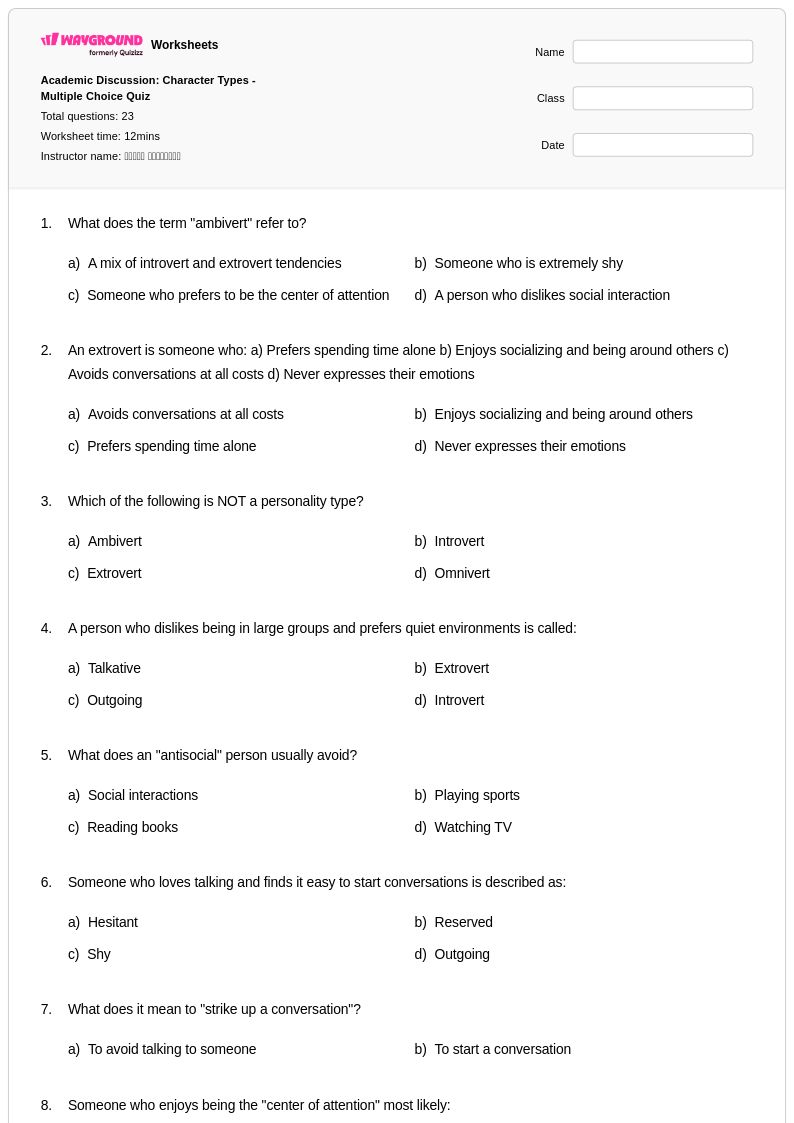
23 Q
3rd
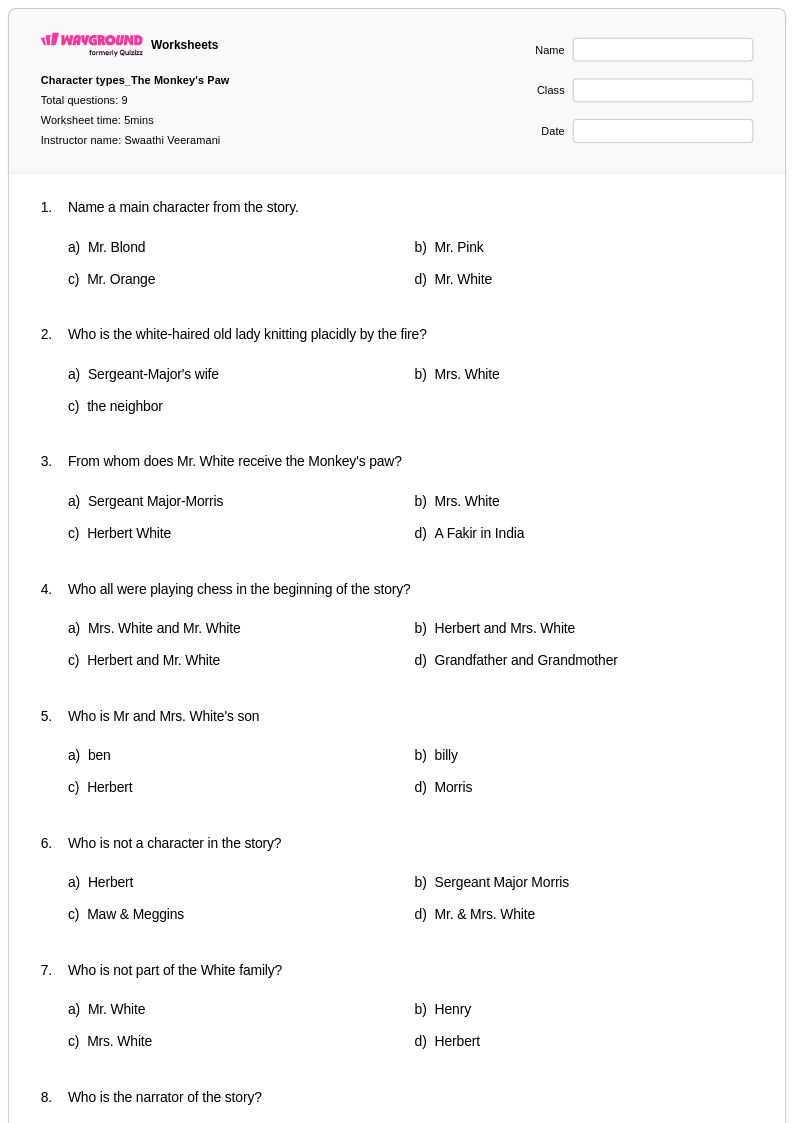
9 Q
1st - 5th
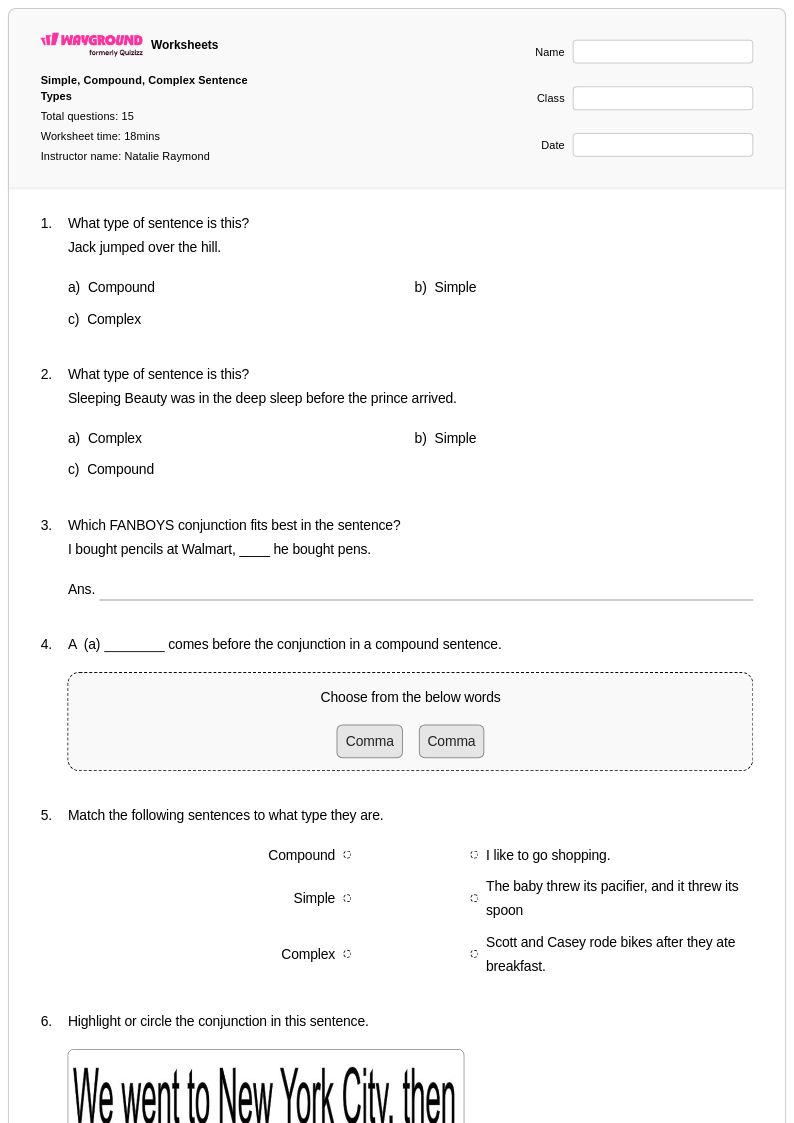
15 Q
3rd
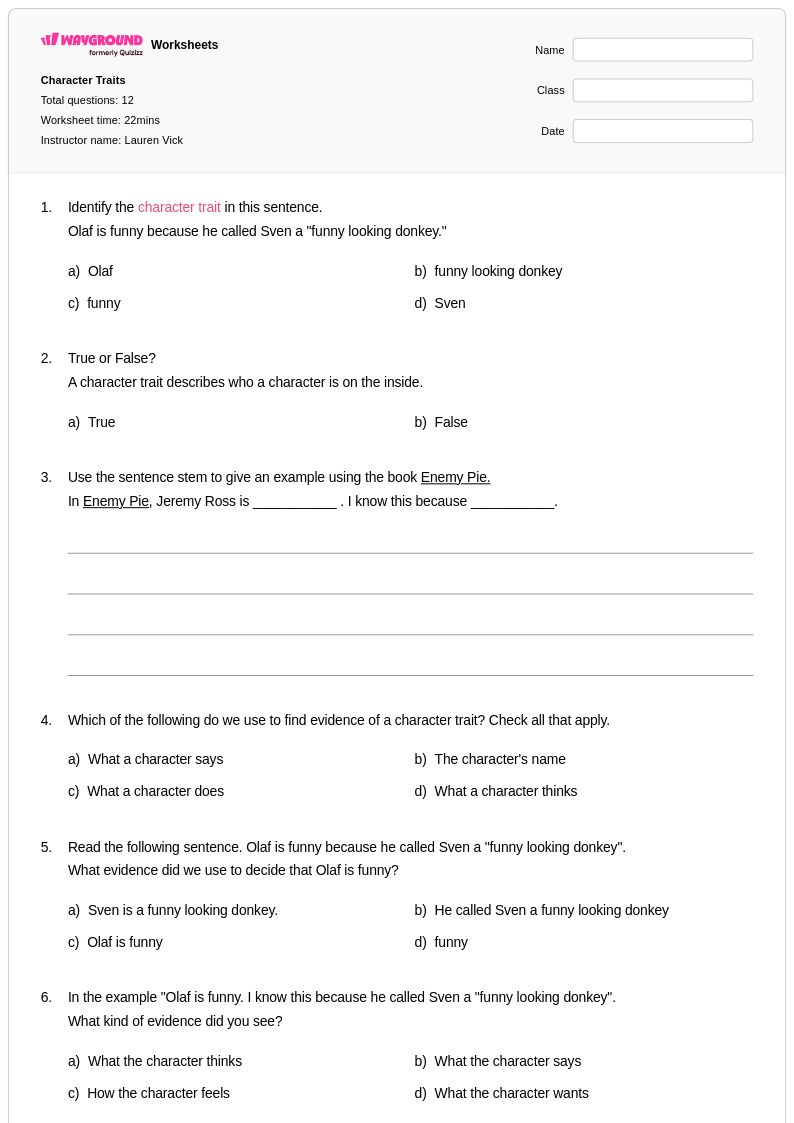
12 Q
3rd
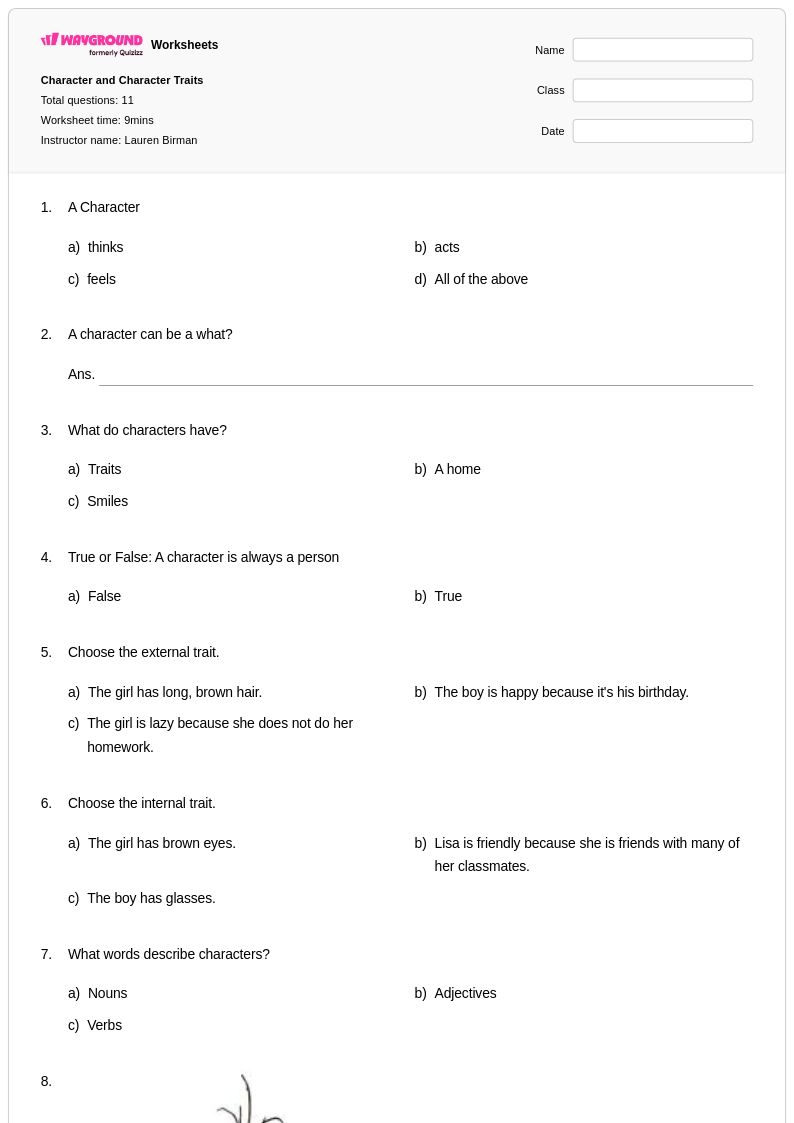
11 Q
2nd - 5th
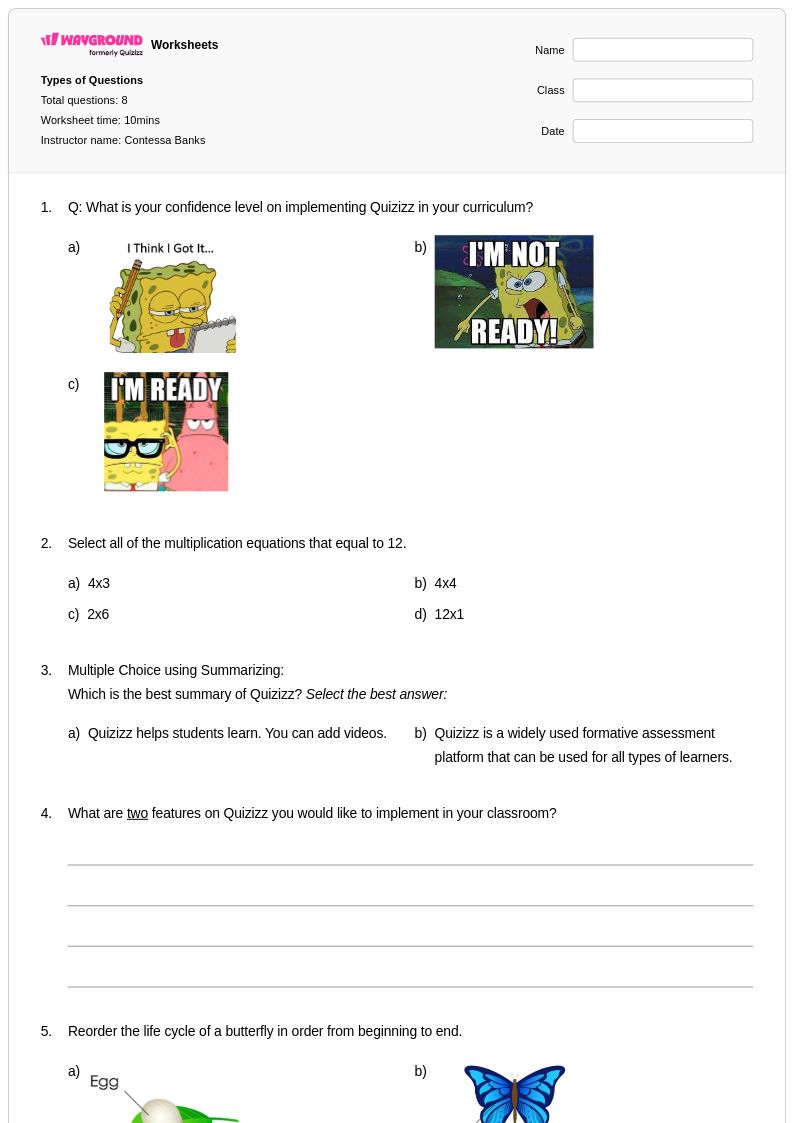
8 Q
1st - 5th
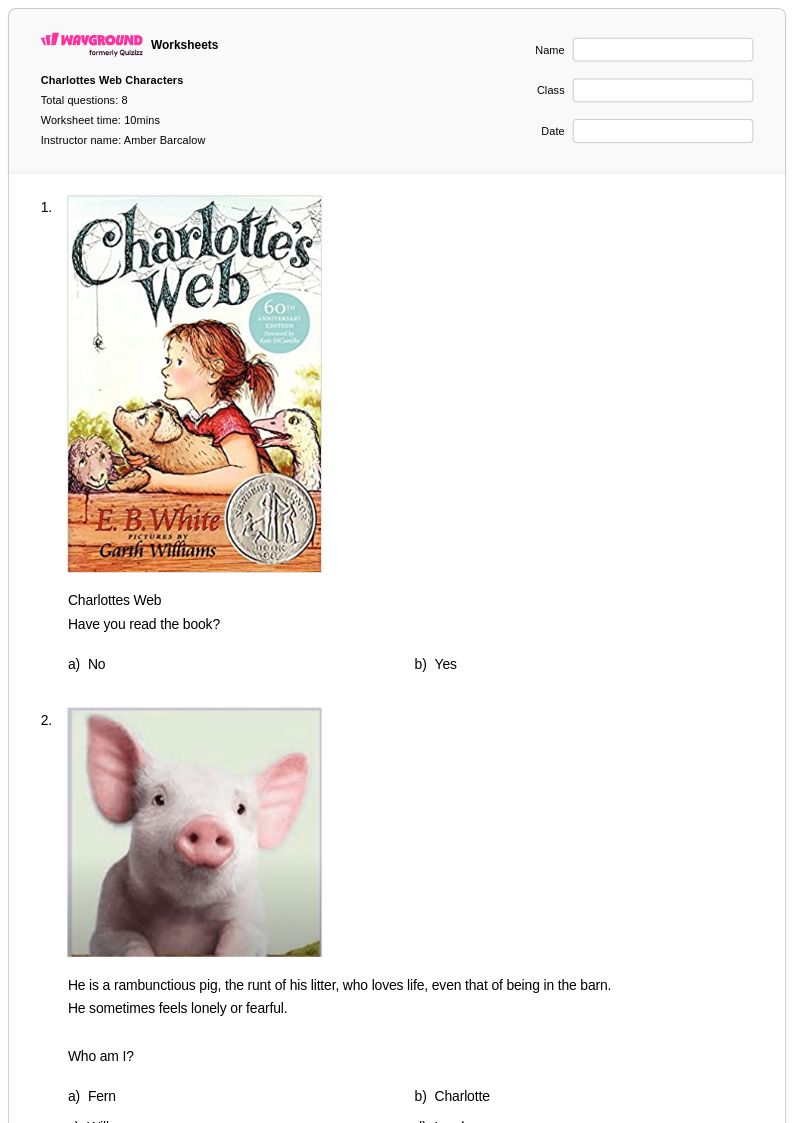
8 Q
KG - 4th
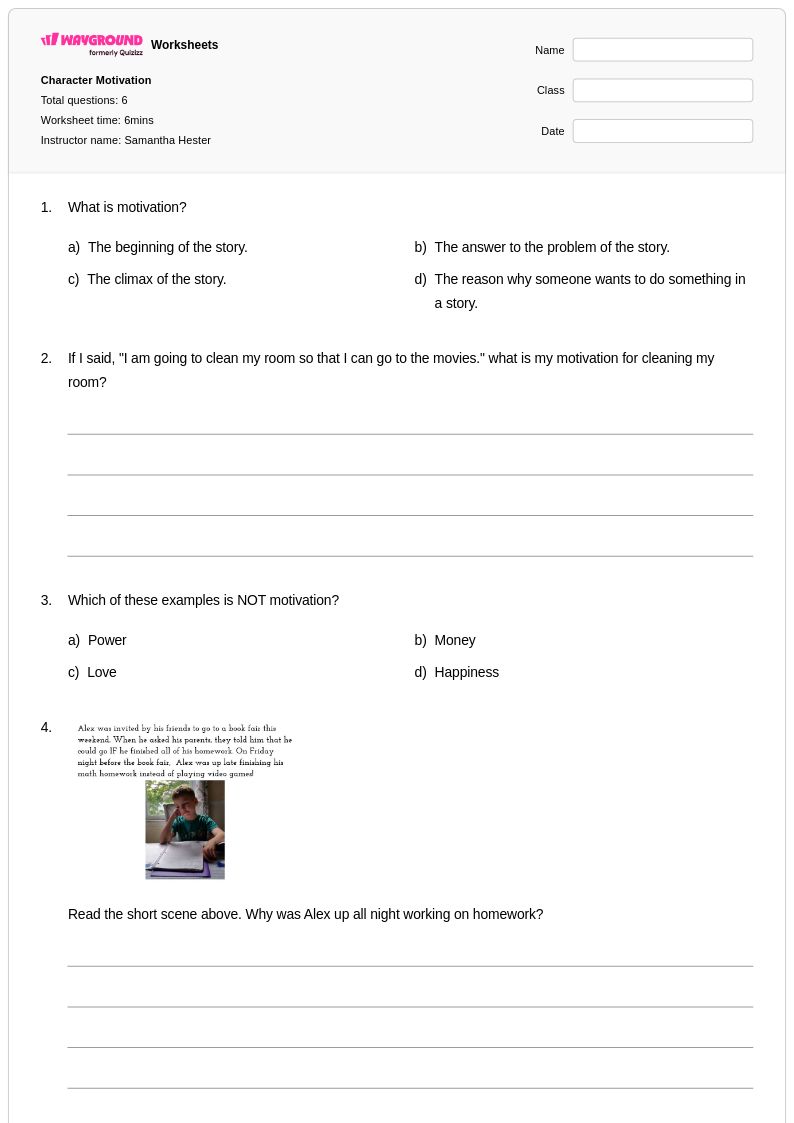
6 Q
3rd
10 Q
3rd
10 Q
3rd
25 Q
3rd - Uni
10 Q
3rd
47 Q
1st - 5th
16 Q
3rd
5 Q
3rd
12 Q
3rd - Uni
16 Q
3rd
14 Q
3rd
15 Q
2nd - 4th
23 Q
3rd
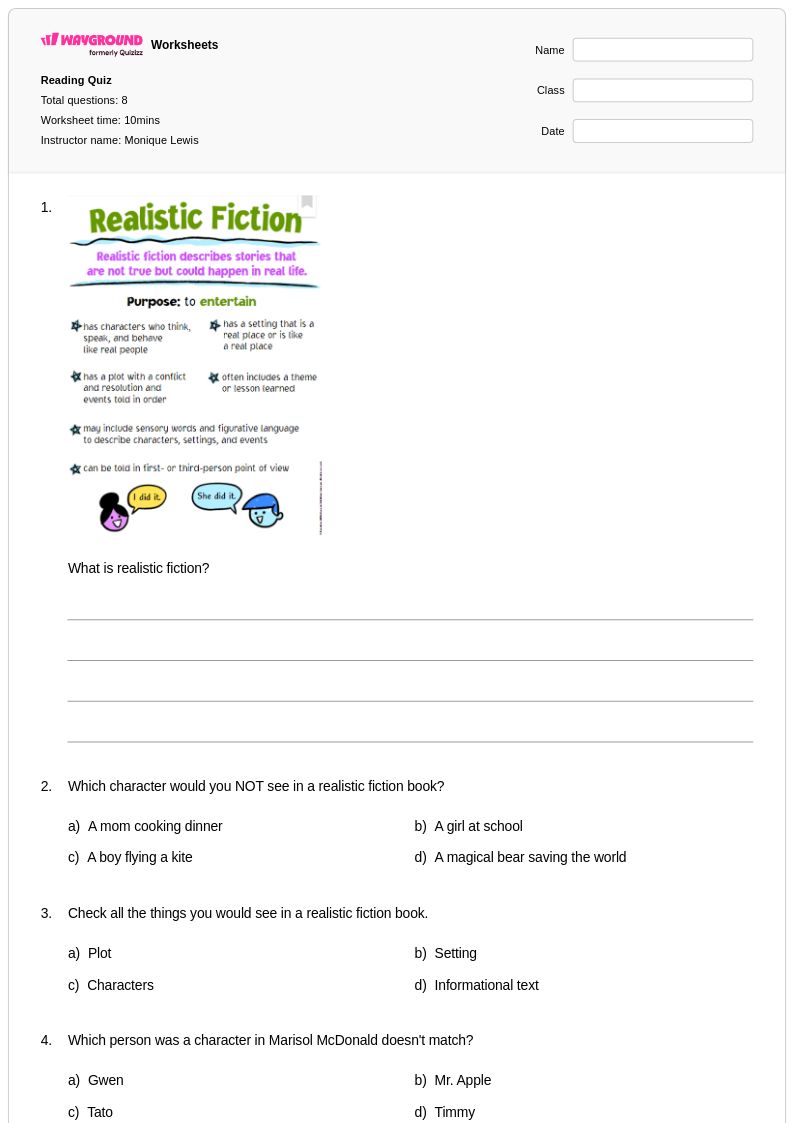
8 Q
3rd
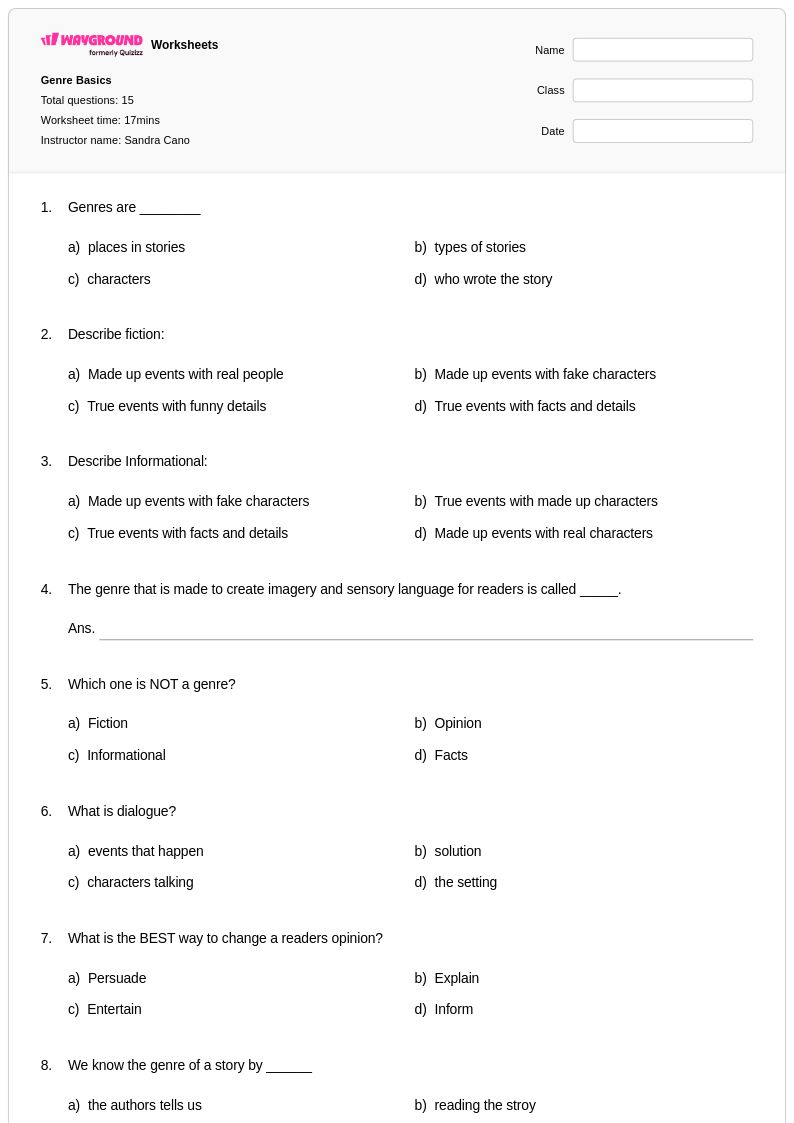
15 Q
2nd - 5th
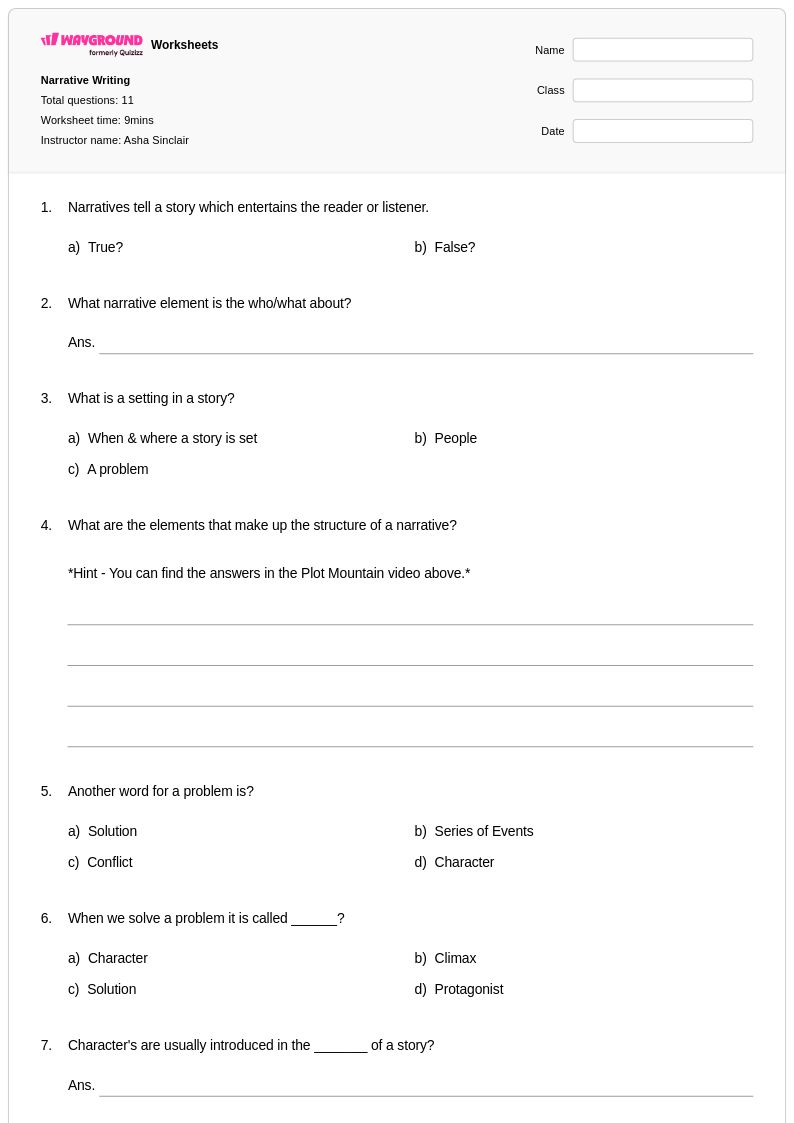
11 Q
3rd
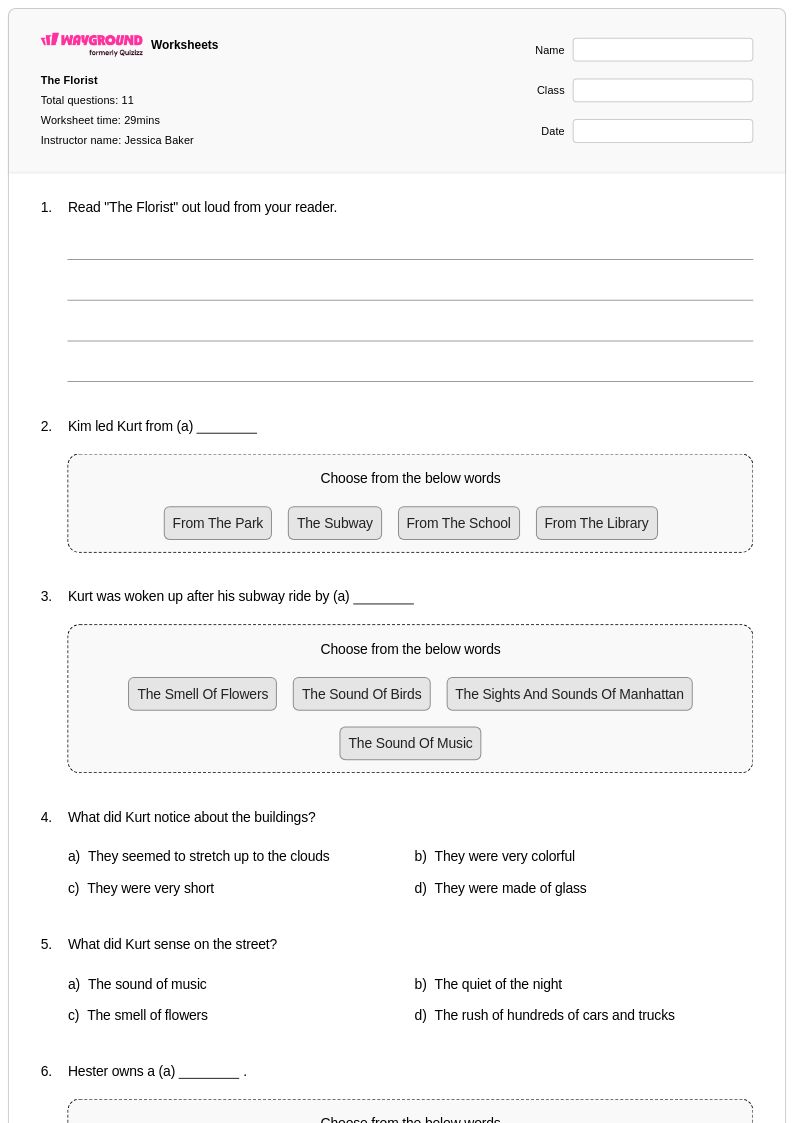
11 Q
3rd
Explore Character Types Worksheets by Grades
Explore Other Subject Worksheets for grade 3
Explore printable Character Types worksheets for Grade 3
Character types worksheets for Grade 3 students available through Wayground (formerly Quizizz) provide essential practice in identifying and analyzing different kinds of characters found in stories and literature. These comprehensive printables strengthen students' ability to distinguish between main characters and supporting characters, recognize character traits through actions and dialogue, and understand how different character types contribute to story development. Each worksheet includes carefully crafted practice problems that guide third-grade readers through the process of categorizing characters as protagonists, antagonists, or minor characters while building critical thinking skills. The accompanying answer key materials support both independent learning and teacher-guided instruction, making these free resources invaluable for developing foundational reading comprehension abilities that align with Grade 3 literacy expectations.
Wayground (formerly Quizizz) empowers educators with millions of teacher-created character types resources specifically designed to meet diverse classroom needs and support standards-aligned instruction. The platform's robust search and filtering capabilities allow teachers to quickly locate worksheets that target specific character analysis skills, whether for whole-class instruction, small group remediation, or individual enrichment activities. These differentiation tools enable seamless customization of content difficulty and focus areas, while the flexible format options provide both printable pdf versions for traditional classroom use and digital alternatives for technology-integrated learning environments. Teachers can efficiently plan comprehensive character study units, provide targeted skill practice for struggling readers, and offer advanced analytical challenges for accelerated students, all while accessing high-quality materials that support effective reading comprehension strategy development.
FAQs
How do I teach character types in a literature class?
What exercises help students practice identifying character types?
What mistakes do students commonly make when analyzing character types?
How can I differentiate character types instruction for struggling readers?
How do I use Wayground's character types worksheets in my classroom?