Free Printable Rebus Puzzles Worksheets for Grade 3
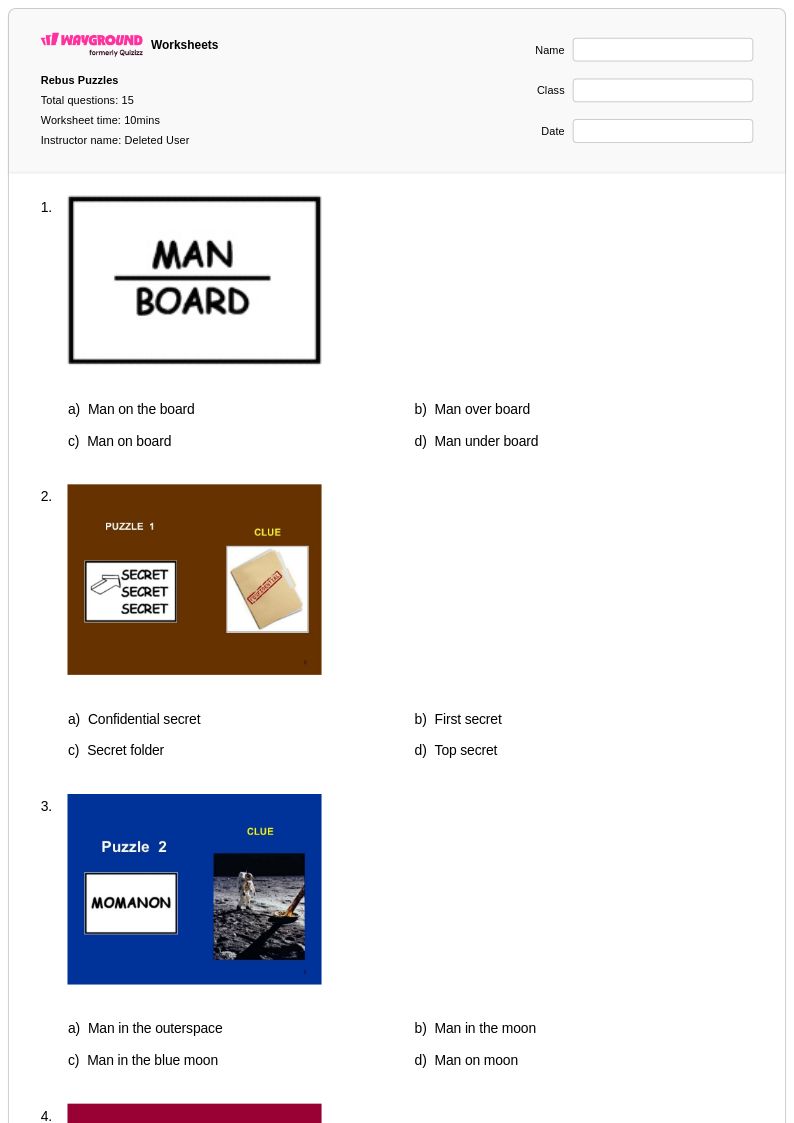
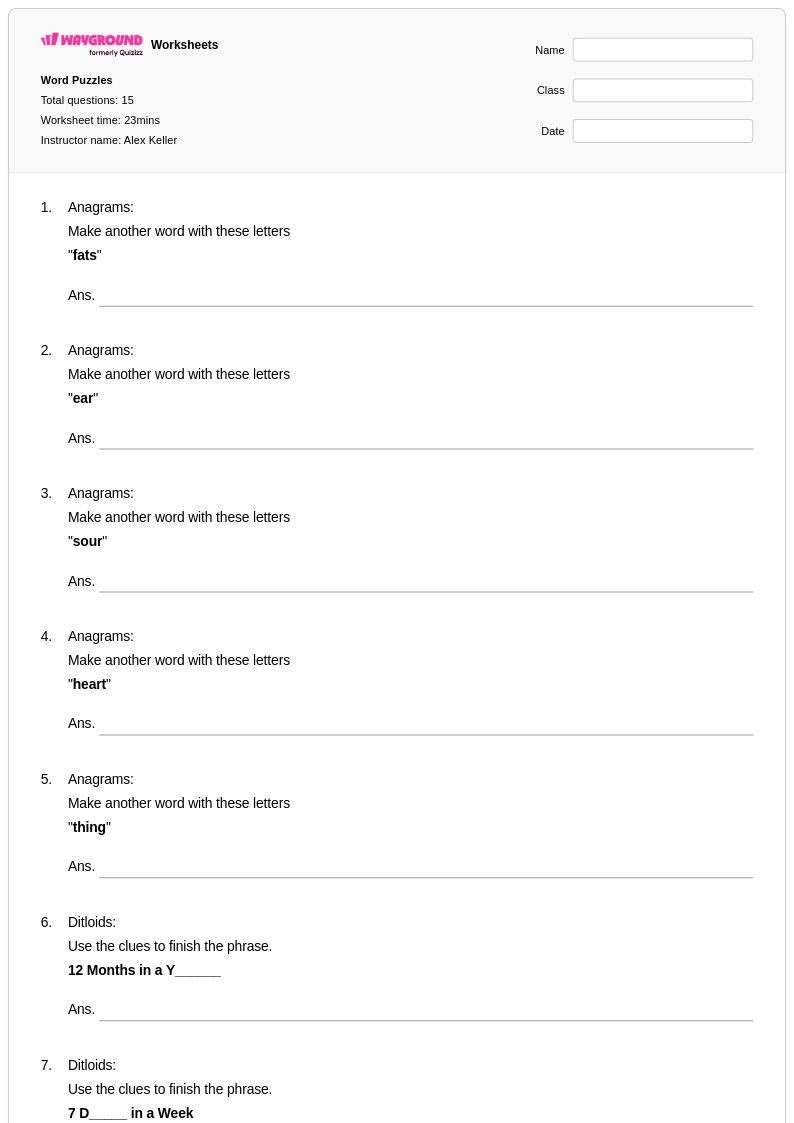
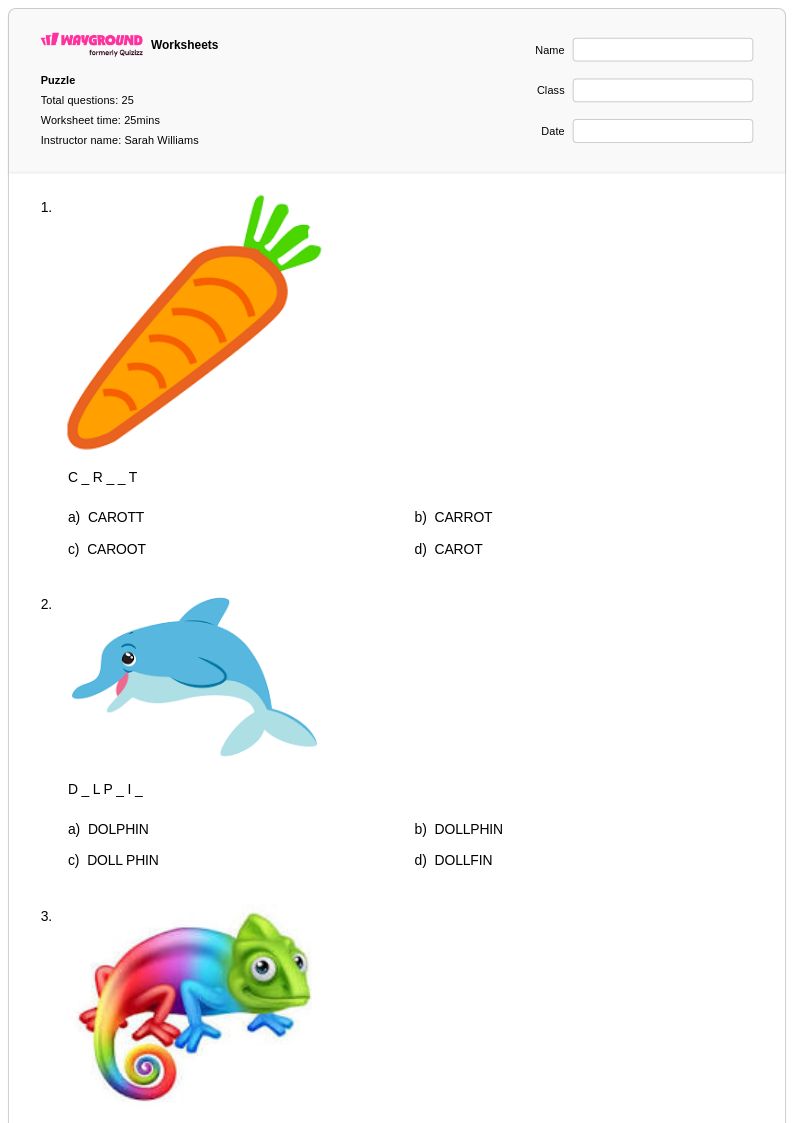
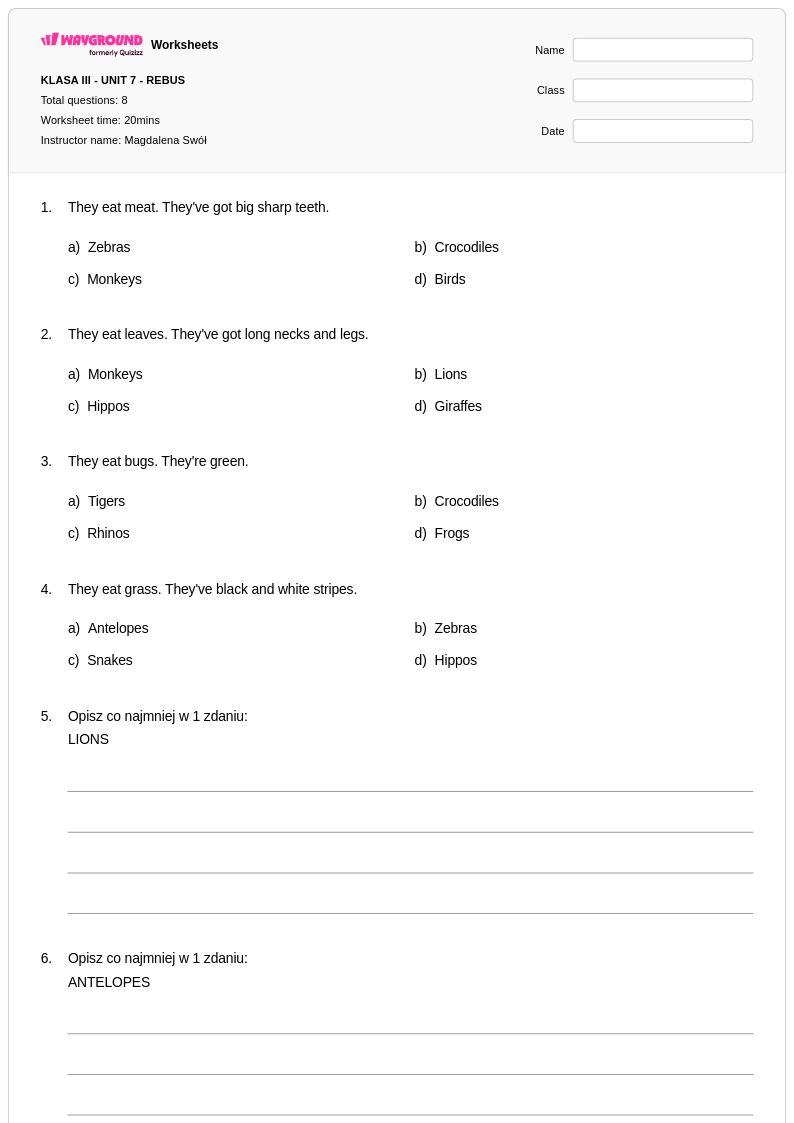
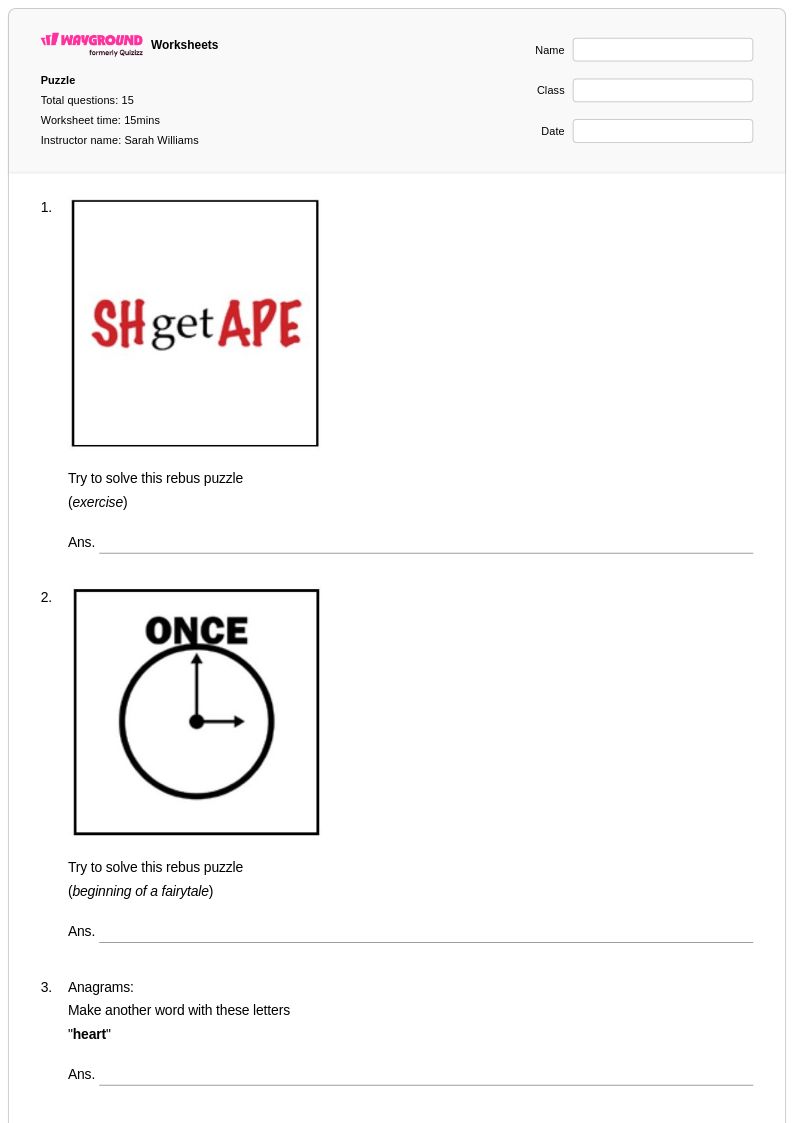
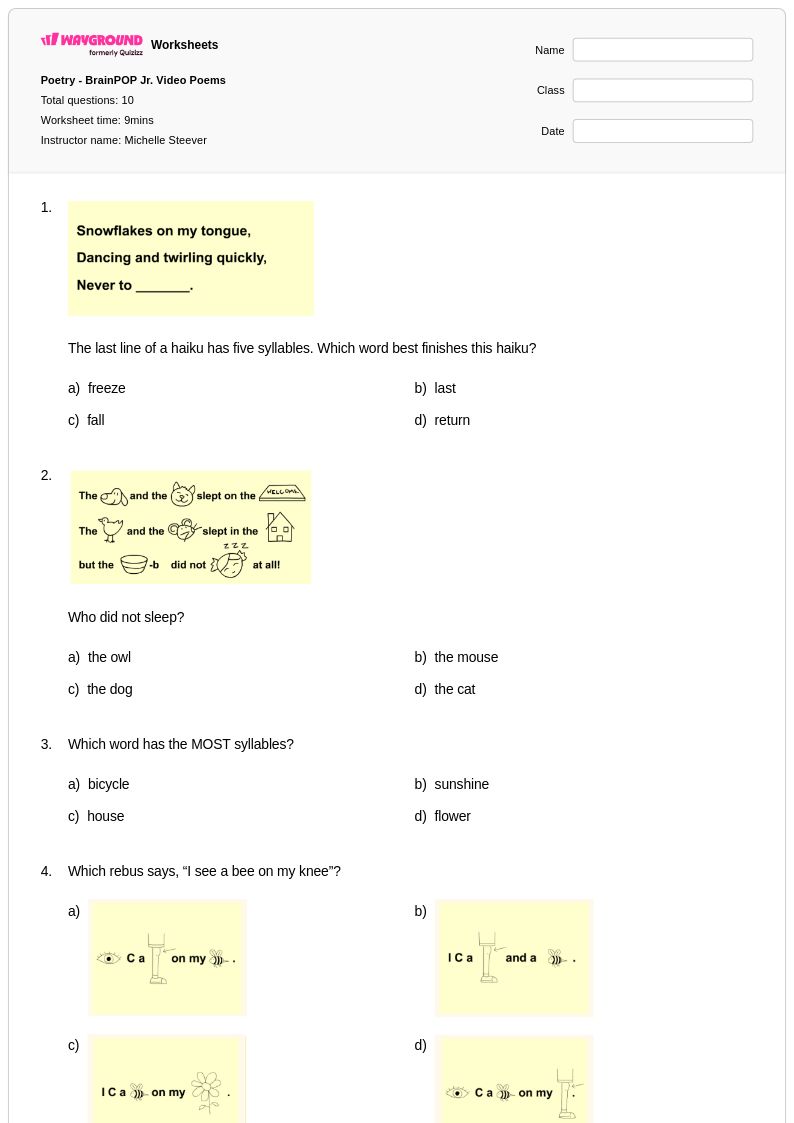
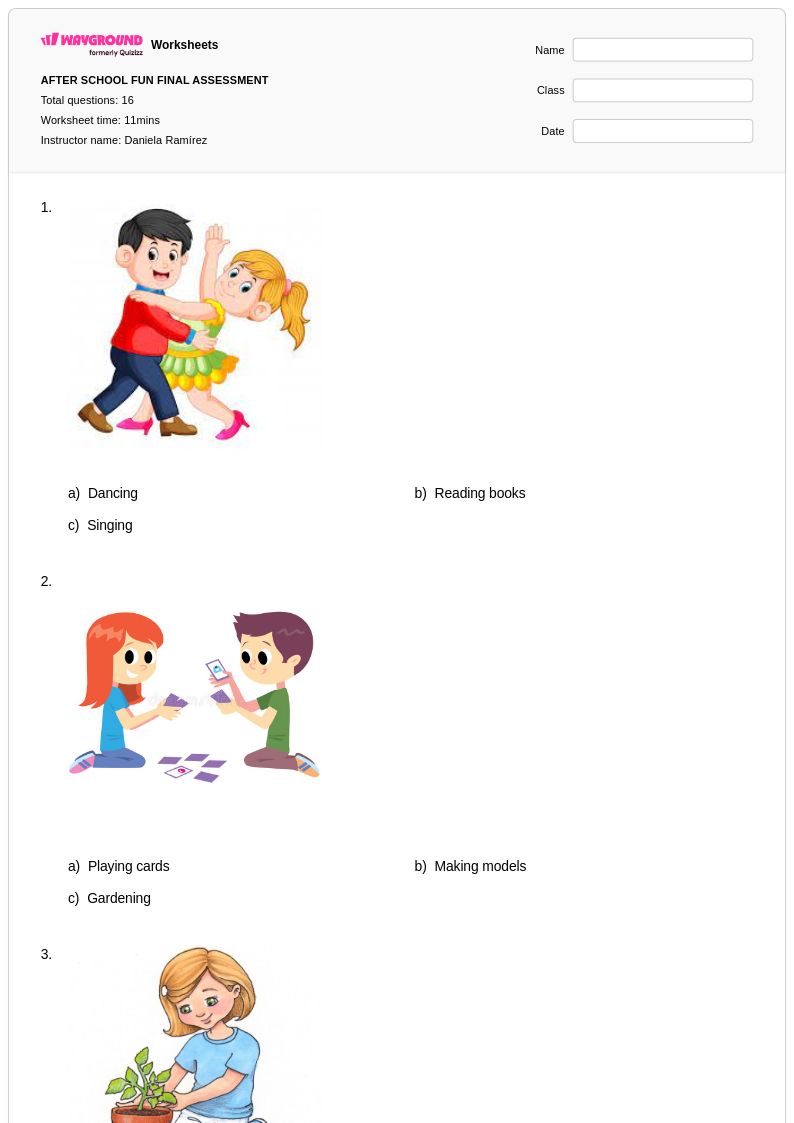
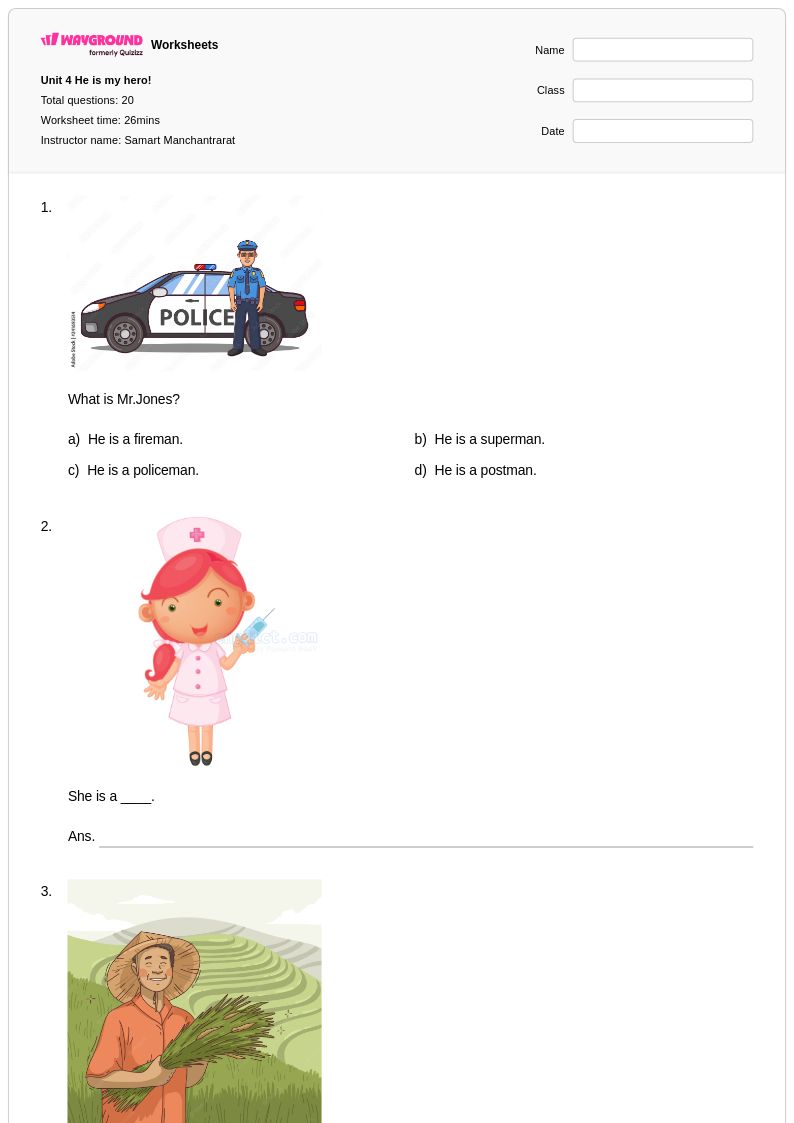
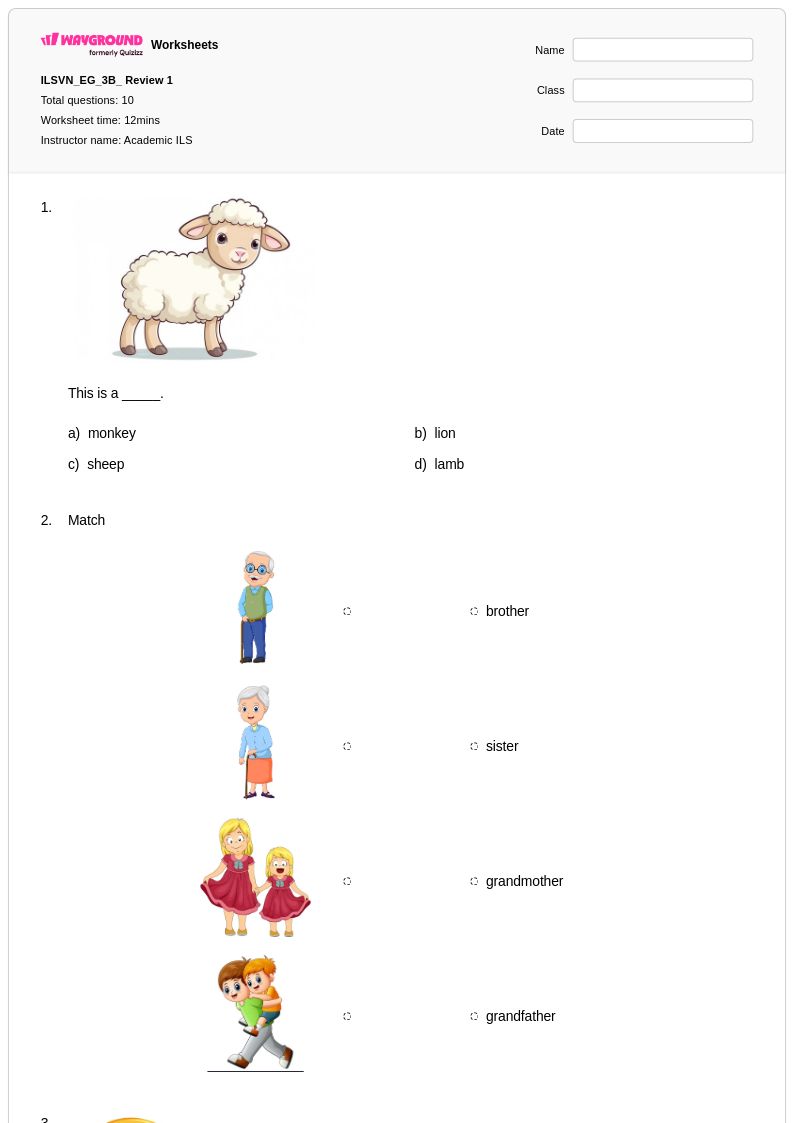
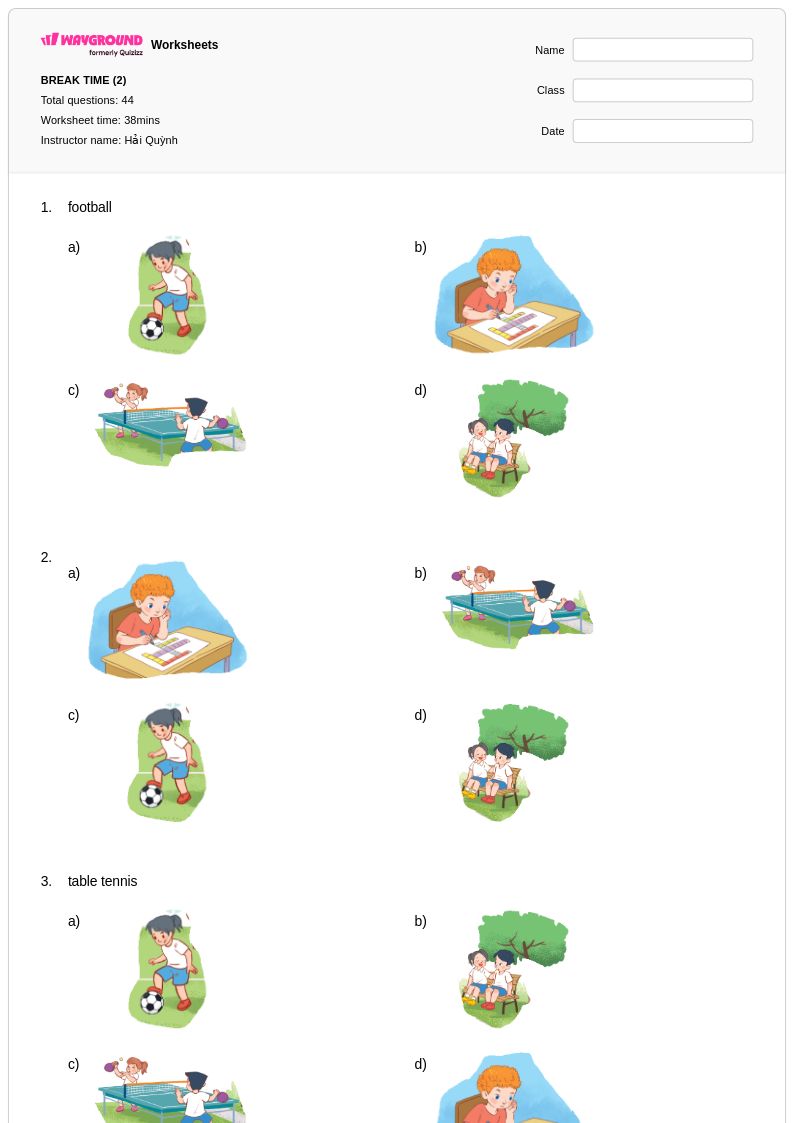
Wayground's Grade 3 rebus puzzles worksheets offer engaging printables and free practice problems that help students decode picture-word combinations while building critical reading comprehension skills through interactive PDF exercises with answer keys.
Explore printable Rebus Puzzles worksheets for Grade 3
Rebus puzzles for Grade 3 students offer an engaging approach to developing critical reading comprehension strategies through visual word games that challenge young learners to decode meaning from pictures, symbols, and letter arrangements. These specialized worksheets available through Wayground combine the excitement of puzzle-solving with essential literacy skills, helping third-grade students strengthen their ability to use context clues, make logical inferences, and think creatively about language patterns. Each printable collection includes carefully designed practice problems that progress from simple picture-word combinations to more complex symbol arrangements, complete with answer keys that allow students to check their solutions independently. The free pdf formats make these resources easily accessible for both classroom instruction and home practice, providing teachers and parents with effective tools to reinforce reading comprehension strategies in an entertaining format that maintains student engagement.
Wayground's extensive collection of teacher-created rebus puzzle worksheets draws from millions of educational resources specifically designed to support Grade 3 reading comprehension instruction across diverse learning environments. The platform's robust search and filtering capabilities enable educators to quickly locate materials that align with specific curriculum standards and accommodate varying skill levels within their classrooms. Teachers can easily customize these digital and printable resources to meet individual student needs, whether for targeted remediation with struggling readers or enrichment activities for advanced learners. The flexible pdf format ensures seamless integration into lesson plans, homework assignments, and independent practice sessions, while the comprehensive answer keys streamline grading and enable immediate feedback. This versatility makes Wayground an invaluable resource for educators seeking to incorporate creative, standards-aligned materials that make reading comprehension strategy instruction both effective and enjoyable for third-grade students.
FAQs
How do I teach rebus puzzles to students?
Start by introducing the concept with familiar phrases students already know, such as common idioms or compound words, and show how pictures, symbols, and letters can represent sounds or meanings. Walk through a few examples together before asking students to decode independently, encouraging them to think about spatial relationships (e.g., a word written inside another word) and letter positioning as clues. Modeling the thinking process aloud helps students internalize the decoding strategies they'll need to work through harder puzzles on their own.
What skills do rebus puzzles help students practice?
Rebus puzzles build critical thinking, visual reasoning, and reading comprehension by requiring students to decode meaning from pictures, symbols, letters, and numbers rather than straight text. They also reinforce vocabulary and idiom recognition, since many rebus puzzles represent common phrases that students need prior language knowledge to unlock. Because the puzzles reward pattern recognition and logical reasoning, they provide meaningful practice in skills that transfer directly to broader literacy and analytical tasks.
What grade level are rebus puzzles appropriate for?
Rebus puzzles can be used across a wide range of grade levels, from early elementary through middle school, depending on the complexity of the phrases and the visual clues involved. Simpler puzzles with picture-for-word substitutions work well for younger or emerging readers, while puzzles involving idioms, homophones, and multi-step symbol logic are better suited for upper elementary and middle school students. The format is also effective for enrichment activities or brain-warming exercises at any level.
What mistakes do students commonly make when solving rebus puzzles?
The most common mistake is reading every element too literally, missing the figurative or phonetic trick embedded in the puzzle. Students often overlook spatial clues such as a word written above, below, or inside another, which are essential to decoding the intended phrase. Encouraging students to read the puzzle out loud while noting the position and relationship of each element helps them catch these details and avoid surface-level misreads.
How can I use rebus puzzle worksheets in my classroom?
Rebus puzzle worksheets on Wayground are available as printable PDFs for traditional classroom use and in digital formats for technology-integrated environments, including the option to host them as a quiz directly on Wayground. They work well as warm-up activities, early finisher tasks, reading centers, or enrichment challenges. Because answer keys are included, students can self-check their reasoning, which makes the worksheets effective for independent practice or small-group work without requiring constant teacher oversight.
How can I differentiate rebus puzzle activities for students with different learning needs?
When using rebus puzzle worksheets digitally on Wayground, teachers can apply individual accommodations such as read aloud support, reduced answer choices, extended time, and adjustable font sizes and themes through Reading Mode. These settings can be assigned to specific students so that the rest of the class receives default settings without any disruption. This makes it straightforward to support students with reading difficulties, processing differences, or language barriers while keeping the same engaging puzzle format for the whole class.