Free Printable Cognitive Development Worksheets for Grade 4
Grade 4 cognitive development worksheets help students explore how the brain learns and processes information through engaging printables, practice problems, and free PDF resources with complete answer keys.
Explore printable Cognitive Development worksheets for Grade 4
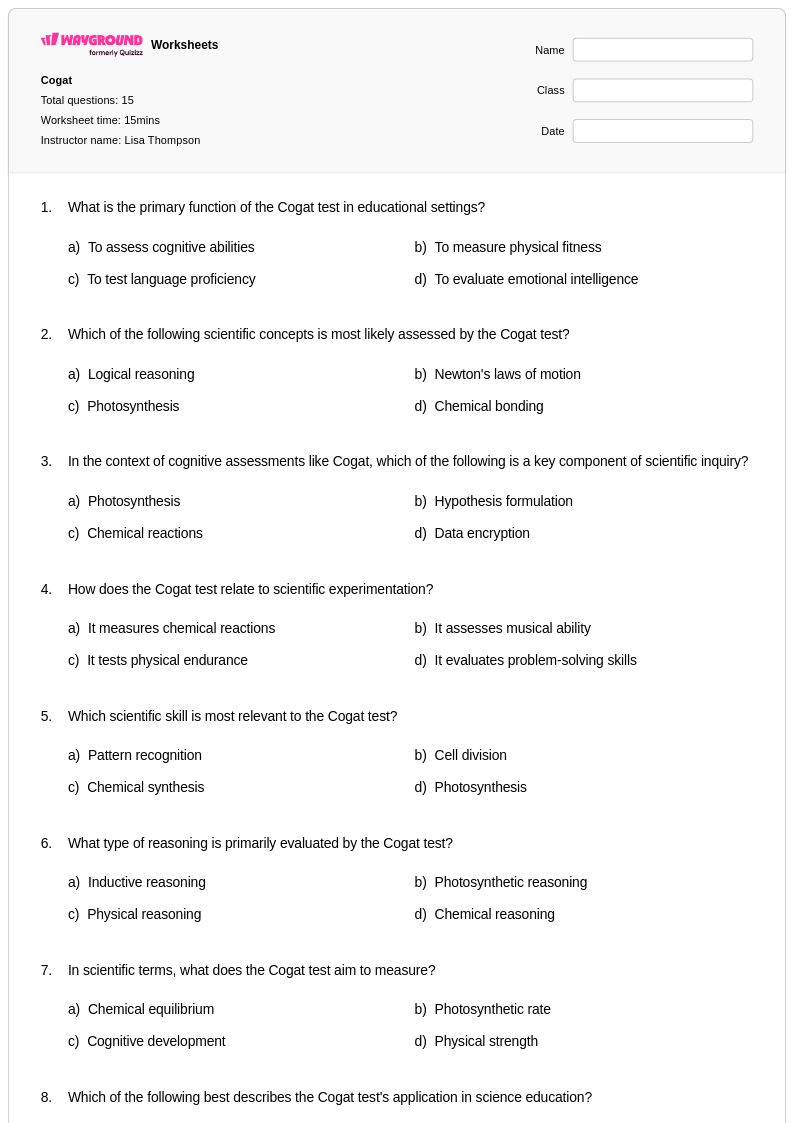
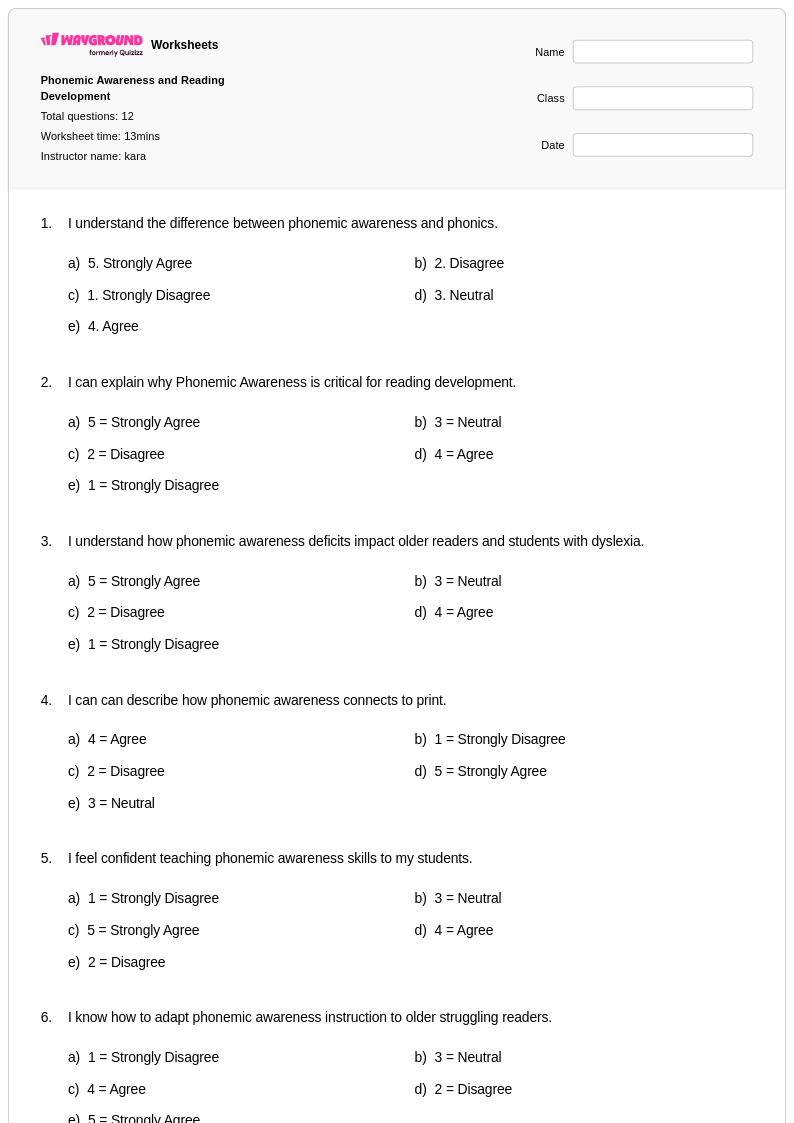
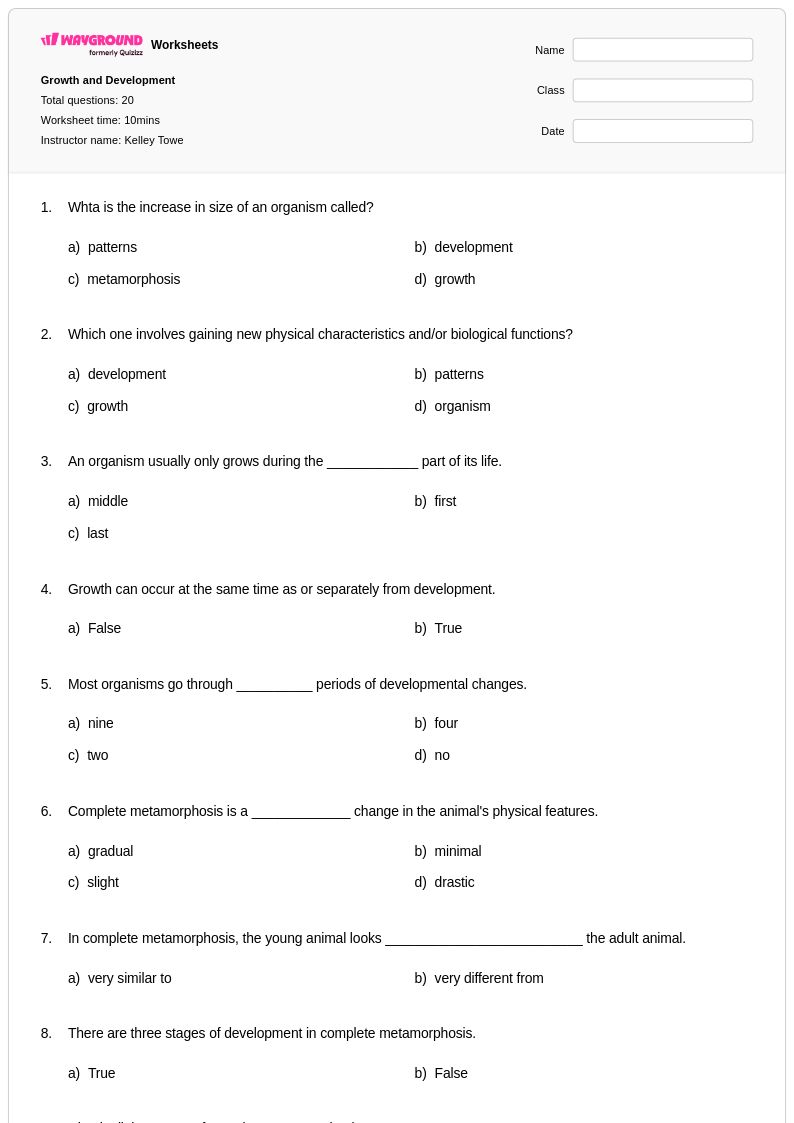
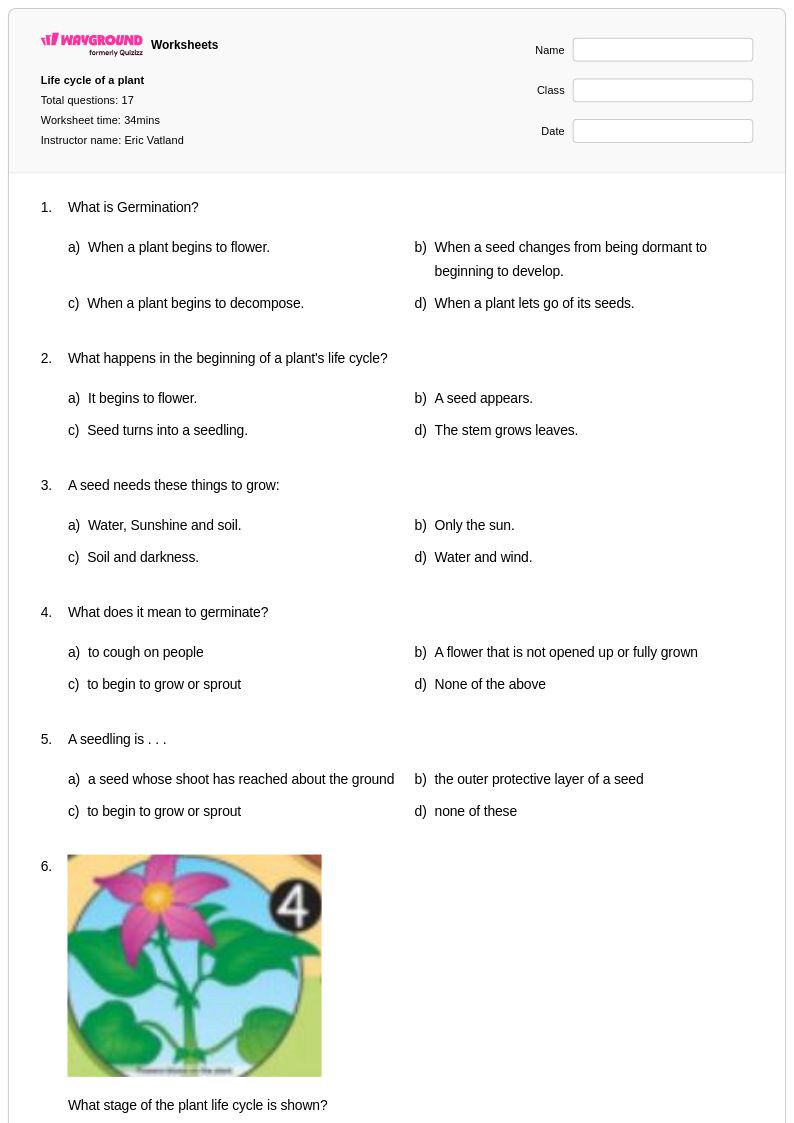
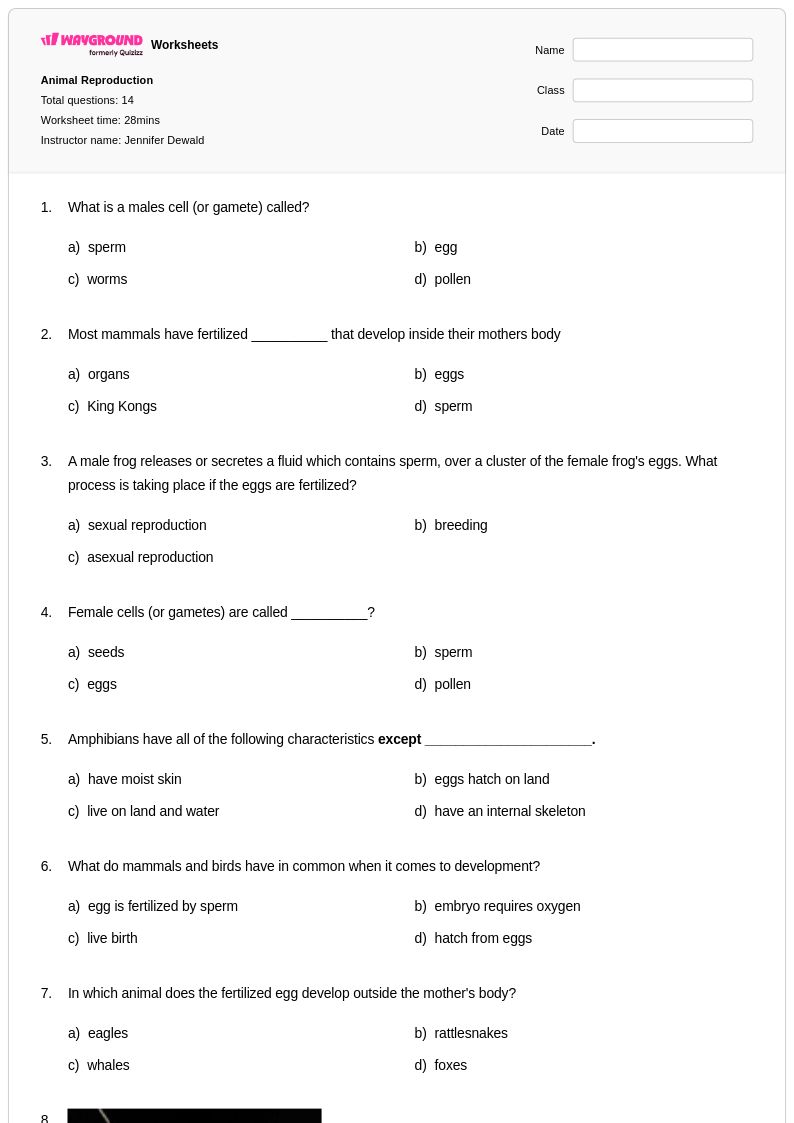
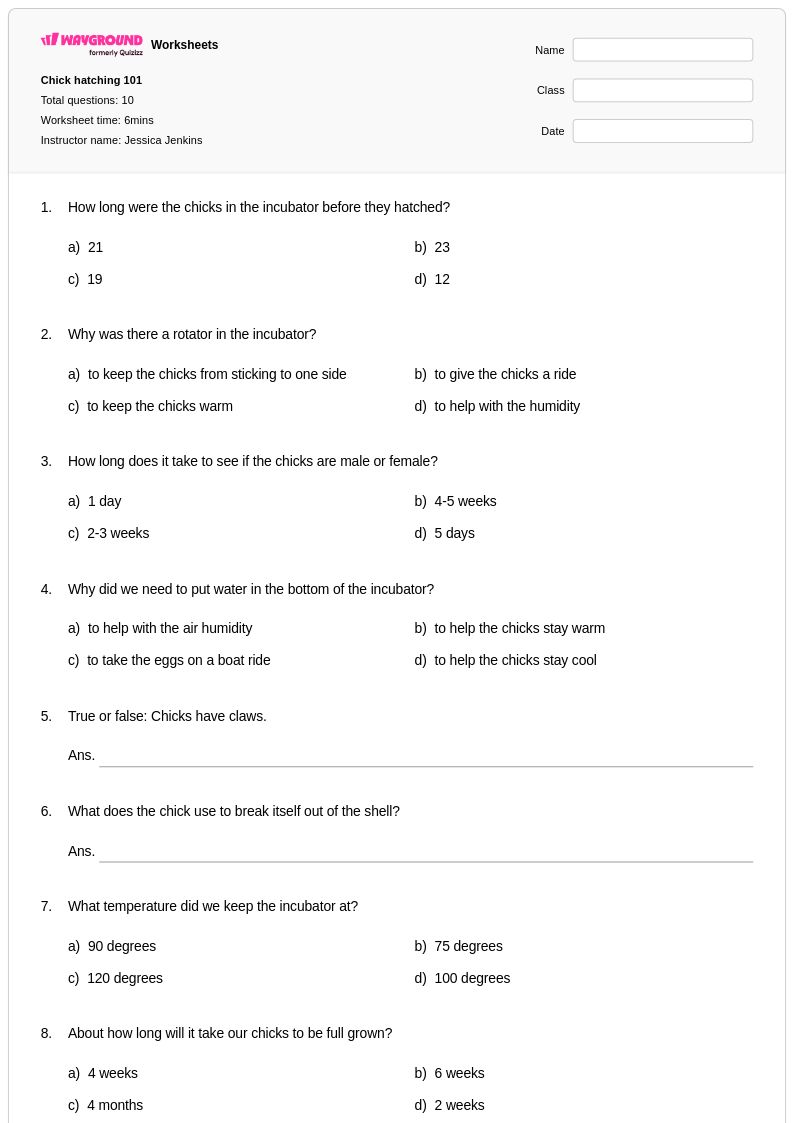
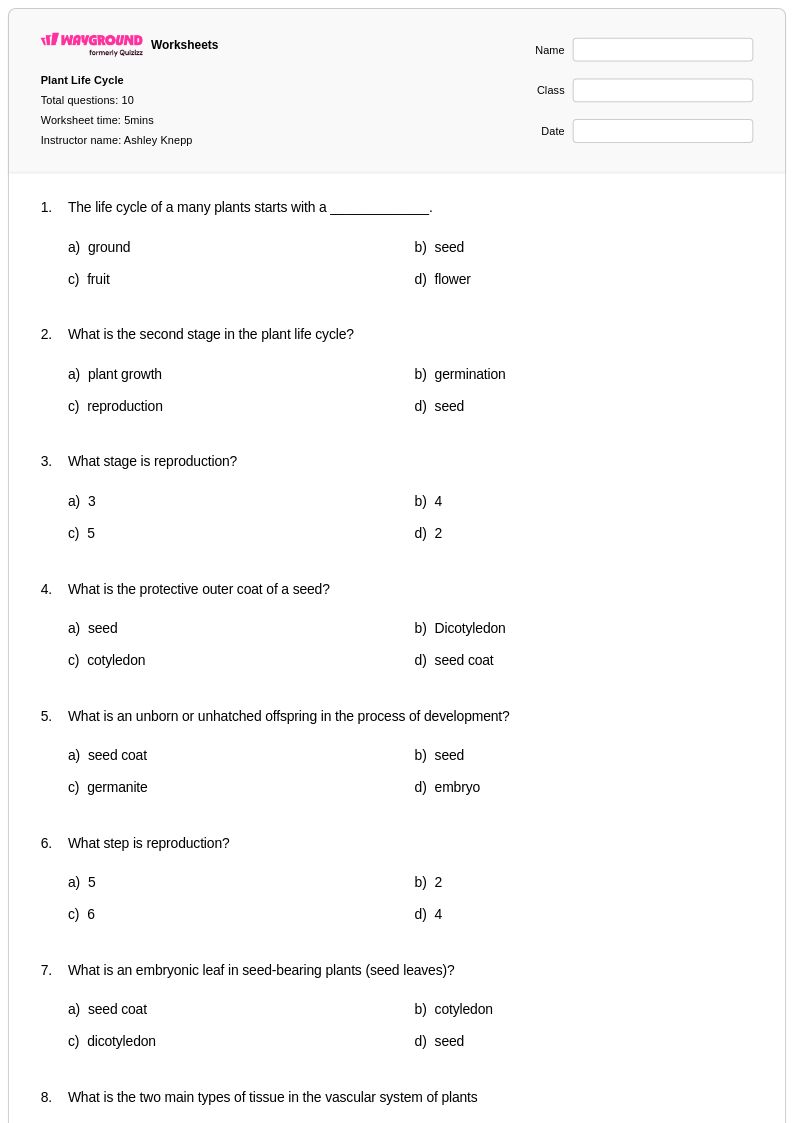
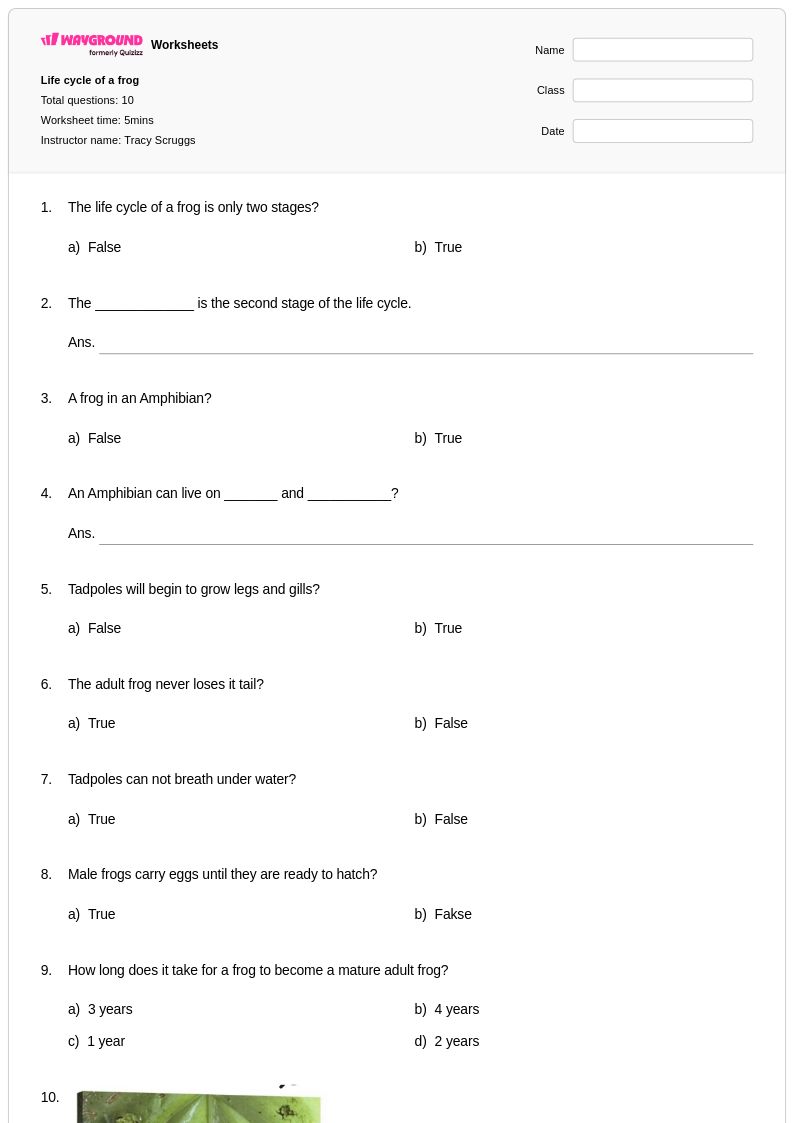
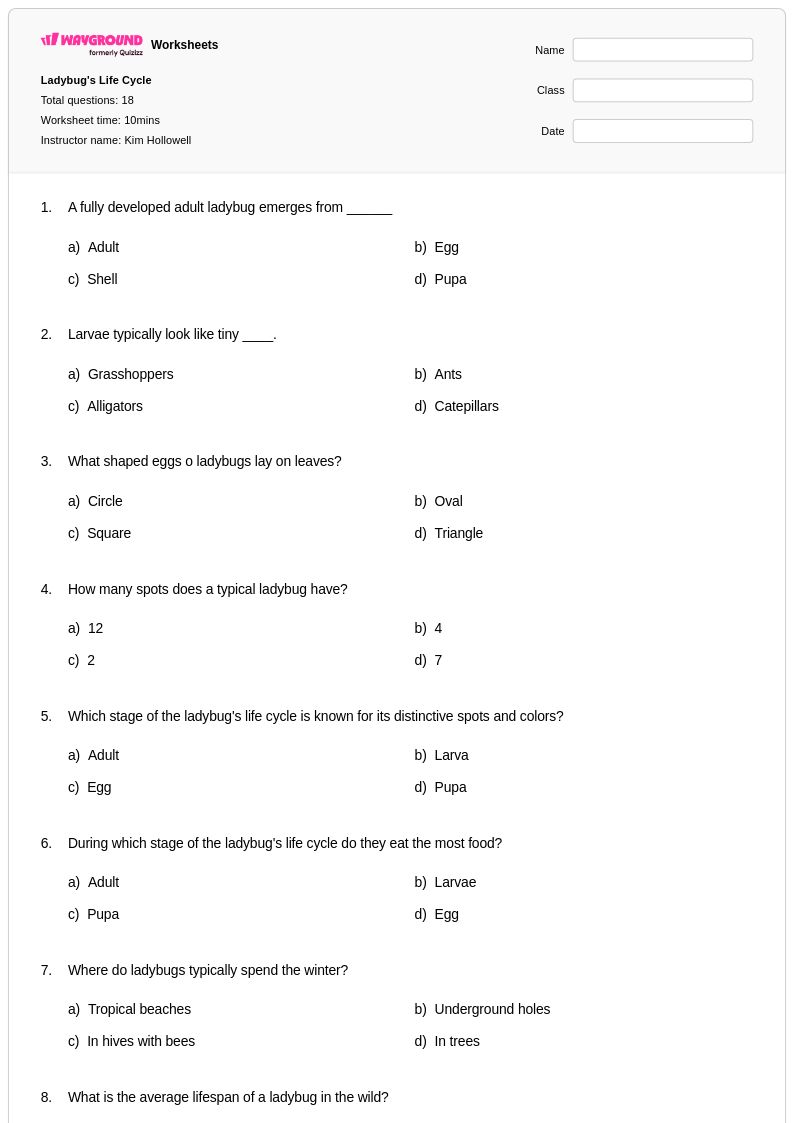
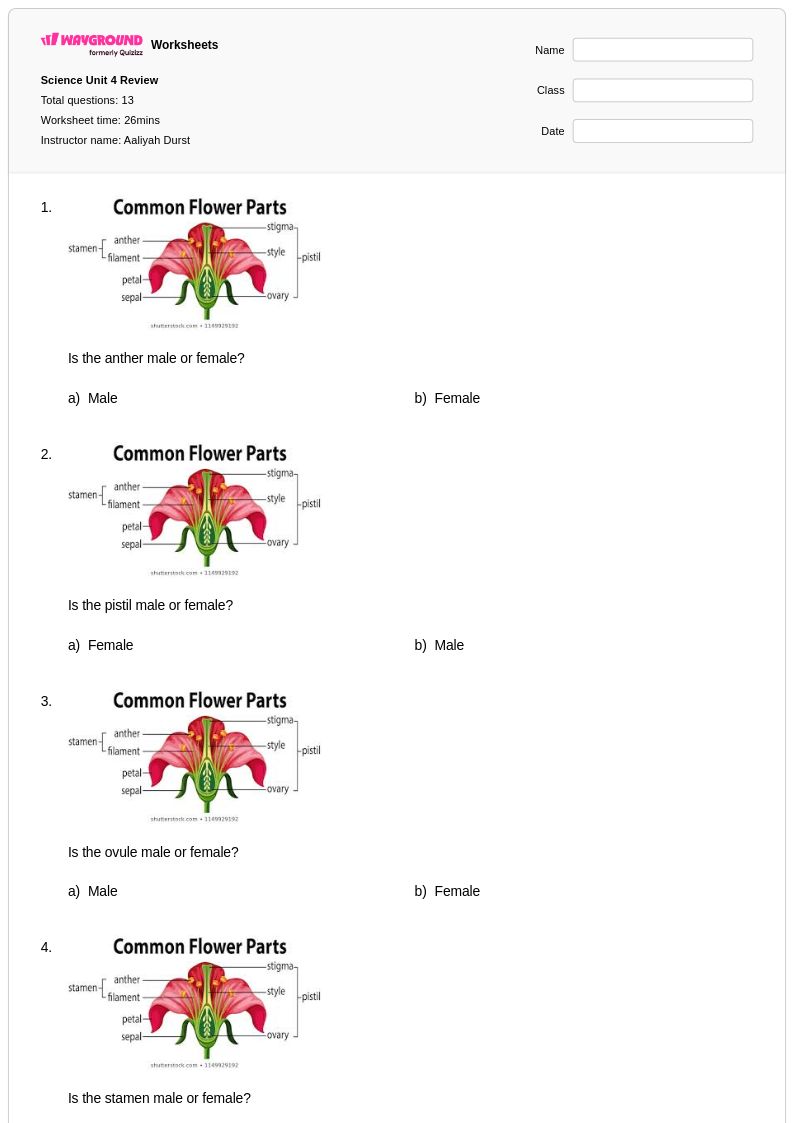
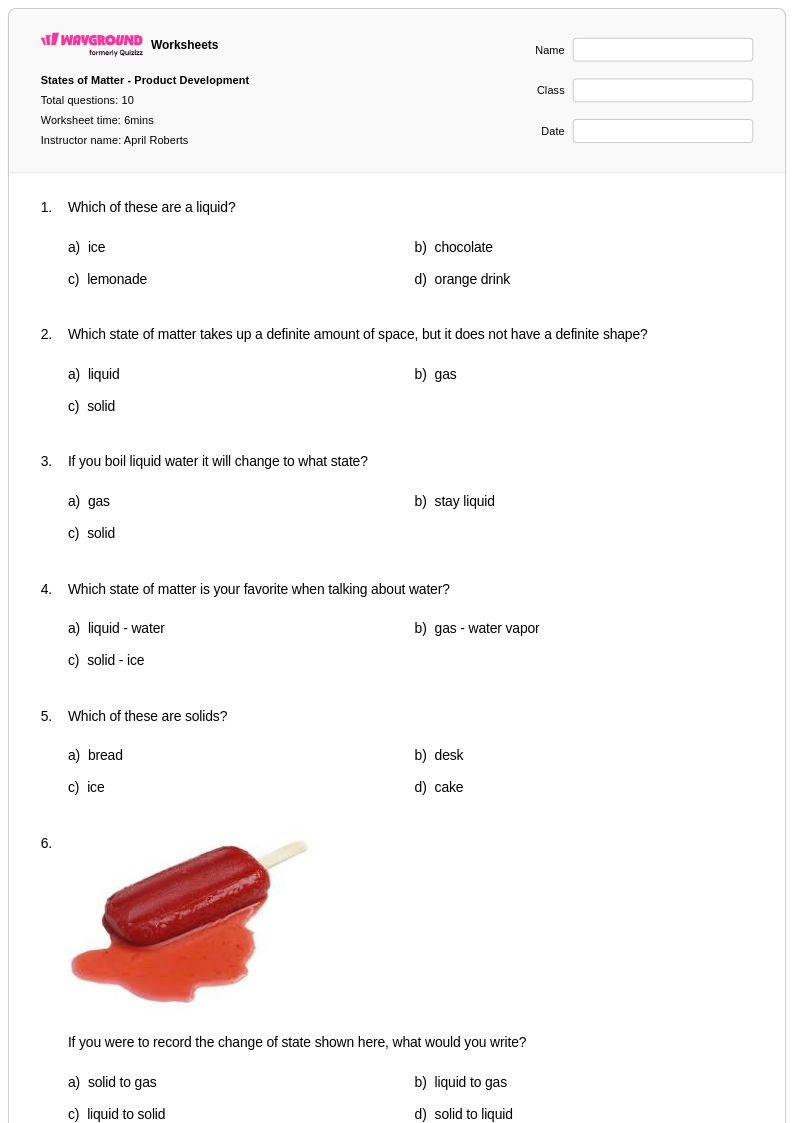
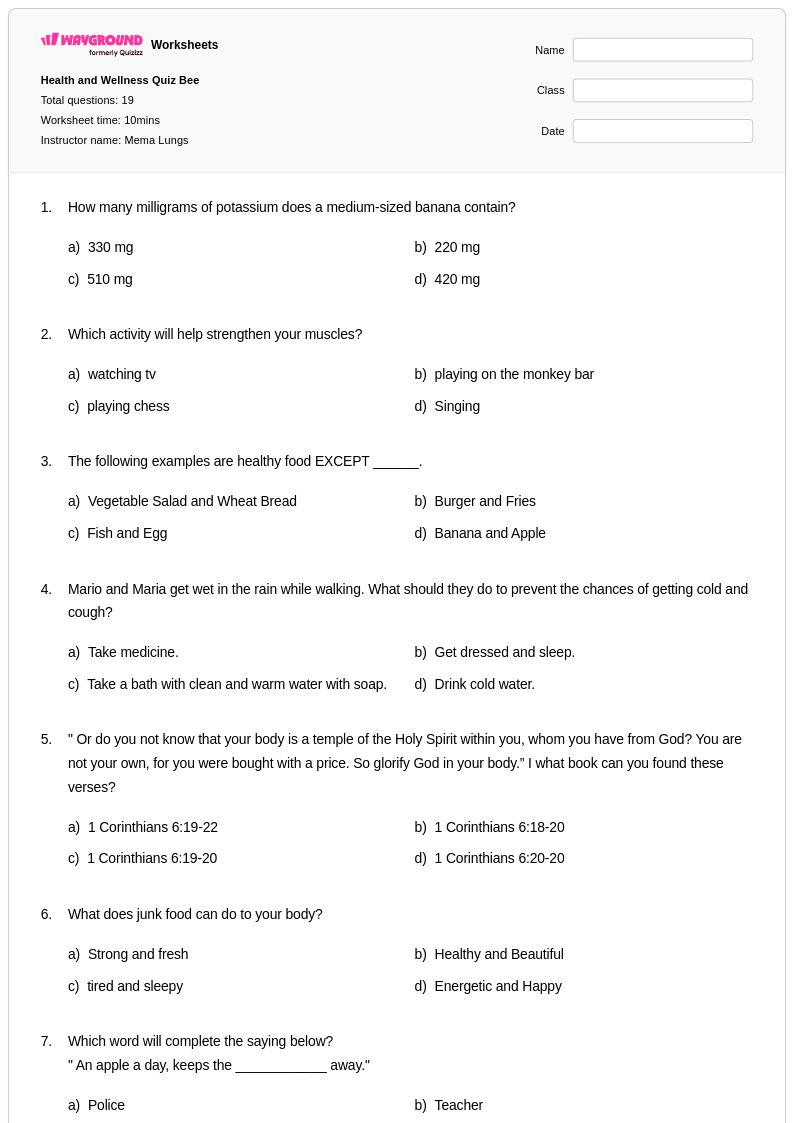
Cognitive development worksheets for Grade 4 students available through Wayground (formerly Quizizz) provide comprehensive resources that help young learners understand how the brain grows and changes during childhood. These carefully crafted materials focus on building students' knowledge of memory formation, learning processes, problem-solving skills, and how emotions affect thinking and decision-making. The worksheets strengthen critical thinking abilities while introducing age-appropriate concepts about brain development, attention span, and how children's cognitive abilities expand as they mature. Each worksheet comes with a detailed answer key and is available as a free printable pdf, making it simple for educators to incorporate practice problems that reinforce understanding of how the mind develops and processes information during the elementary years.
Wayground (formerly Quizizz) empowers teachers with access to millions of educator-created cognitive development resources specifically designed for Grade 4 life science instruction. The platform's advanced search and filtering capabilities allow instructors to quickly locate worksheets that align with specific learning standards and match their students' developmental needs. Teachers can easily differentiate instruction by selecting from various difficulty levels and customize materials to address individual learning gaps or provide enrichment opportunities for advanced learners. The flexible format options include both printable pdf versions for traditional classroom use and digital formats for interactive learning, supporting diverse teaching approaches whether for whole-class instruction, small group activities, or independent practice sessions focused on cognitive development concepts.
FAQs
How do I teach cognitive development to students?
Teaching cognitive development is most effective when abstract theories are connected to concrete, relatable examples from students' own lives and experiences. Start with foundational frameworks such as Piaget's stages or Vygotsky's zone of proximal development before introducing more complex concepts like executive function and brain plasticity. Structured practice problems that ask students to apply cognitive milestones to real scenarios help solidify understanding and build critical analytical skills.
What topics are covered in cognitive development worksheets?
Cognitive development worksheets typically cover memory formation, language acquisition, executive function development, cognitive milestones across the lifespan, brain plasticity, and the neurological basis of learning and decision-making. More advanced materials may extend into metacognition, cognitive biases, and developmental psychology theories that underpin modern neuroscience and behavioral research. This range makes them suitable for introductory life science courses through upper-level psychology and human development classes.
What exercises help students practice cognitive development concepts?
Effective practice exercises include analyzing case studies of individuals at different developmental stages, matching cognitive milestones to age ranges, and evaluating factors that promote or inhibit healthy mental development. Worksheets that ask students to compare and contrast theoretical frameworks, such as identifying the differences between Piaget and Vygotsky, build both comprehension and analytical thinking. Practice problems that tie brain functions to observable behaviors are especially useful for making abstract neuroscience concepts tangible.
What mistakes do students commonly make when learning about cognitive development?
A common misconception is that cognitive development stops at adolescence, when in fact the brain continues to develop and adapt well into adulthood through neuroplasticity. Students also frequently confuse cognitive development theories, conflating Piaget's stage-based model with Vygotsky's sociocultural approach or misattributing key concepts between theorists. Another frequent error is treating cognitive milestones as rigid benchmarks rather than flexible indicators, which can lead to oversimplified conclusions about individual development.
How can I differentiate cognitive development worksheets for students with varying skill levels?
Differentiation can be achieved by scaffolding content so that foundational worksheets focus on defining key terms and identifying cognitive milestones, while advanced materials ask students to evaluate theories, analyze research, and explore topics like cognitive biases and metacognition. On the Wayground platform, teachers can apply individual accommodations such as read aloud support, extended time, and reduced answer choices to specific students, ensuring that all learners can access the same core content at an appropriate level. These settings are saved and reusable, so differentiation does not require rebuilding configurations for each new activity.
How do I use Wayground's cognitive development worksheets in my classroom?
Wayground's cognitive development worksheets are available as free printable PDFs for traditional classroom use and in interactive digital formats for technology-integrated learning environments, including the option to host them as a quiz directly on the platform. Teachers can use the robust search and filtering tools to locate materials aligned with specific learning standards and student needs, whether for direct instruction, targeted remediation, or enrichment. The included answer keys make grading efficient and allow students to self-check their work during independent practice.