Free Printable Health Science Worksheets for Grade 4
Explore Grade 4 Health Science worksheets and printables from Wayground that help students learn essential health concepts through engaging practice problems, free PDF downloads, and comprehensive answer keys.
Explore printable Health Science worksheets for Grade 4
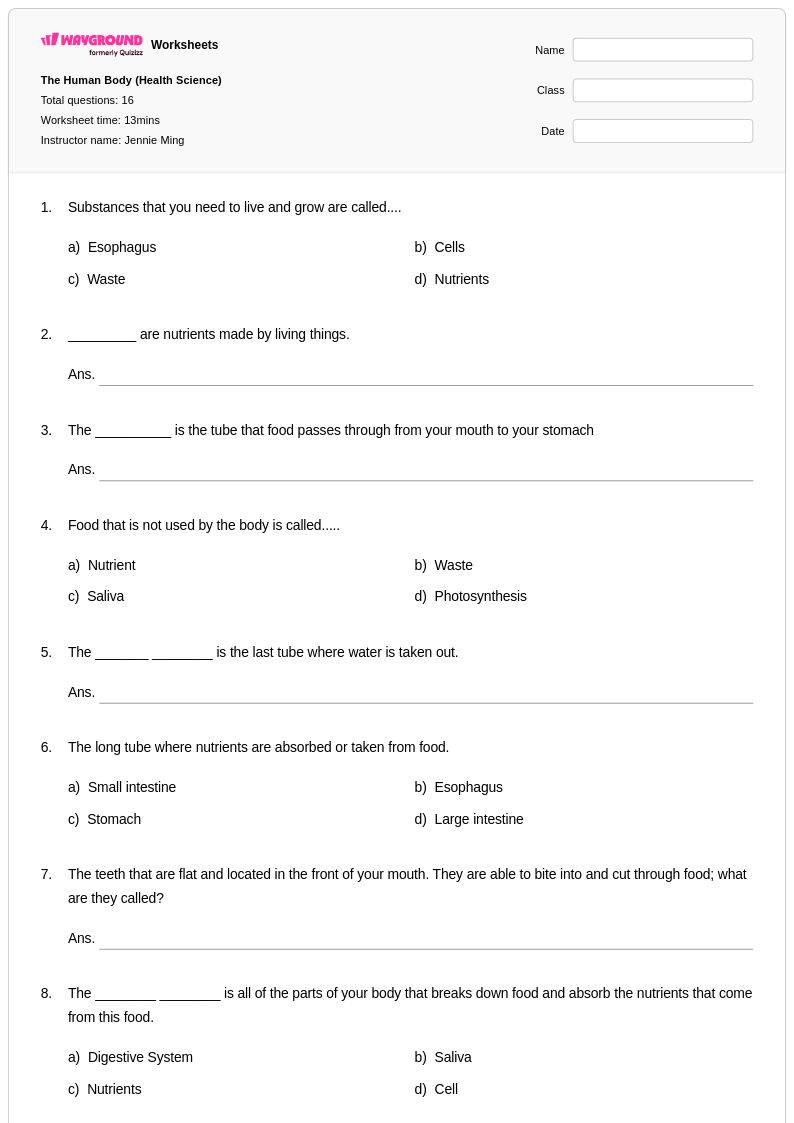
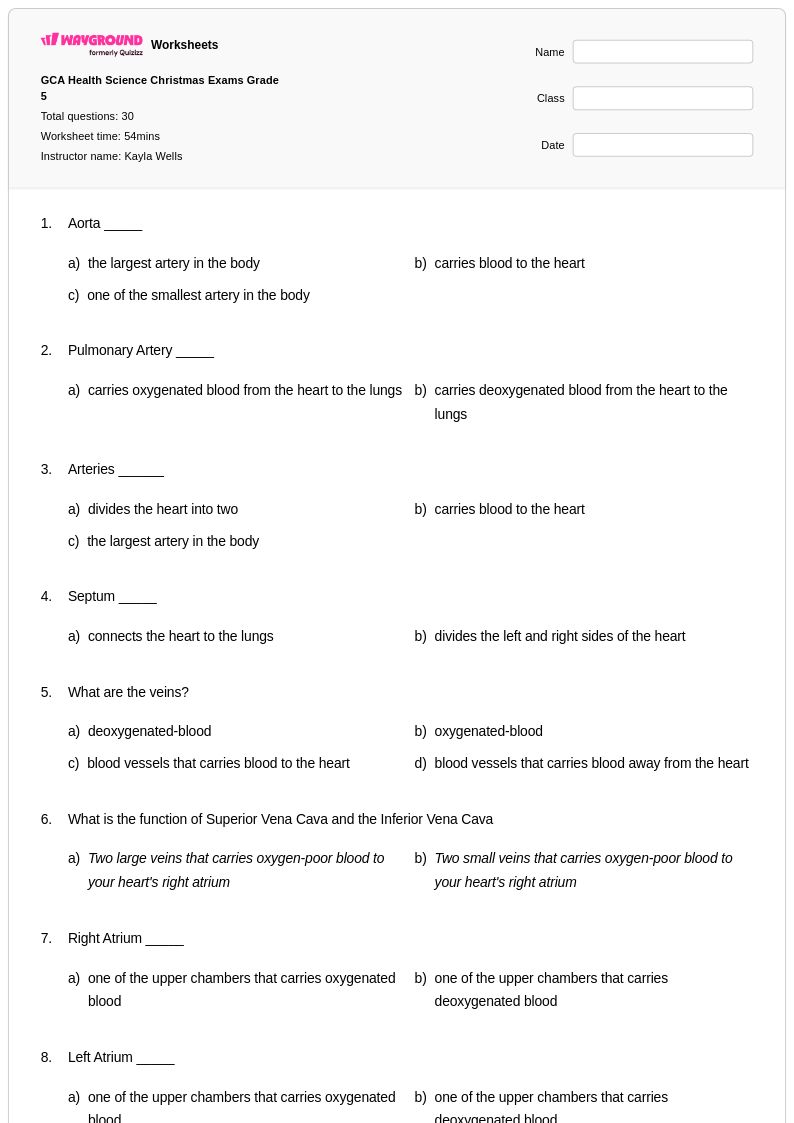
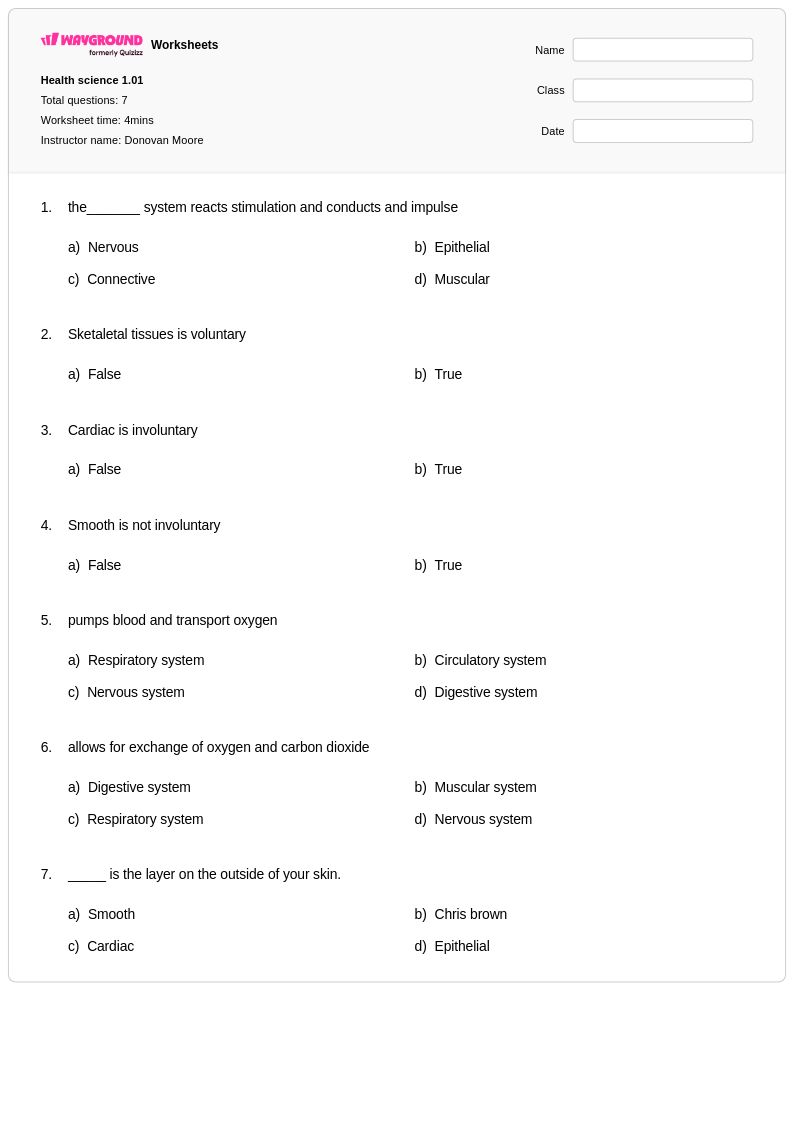
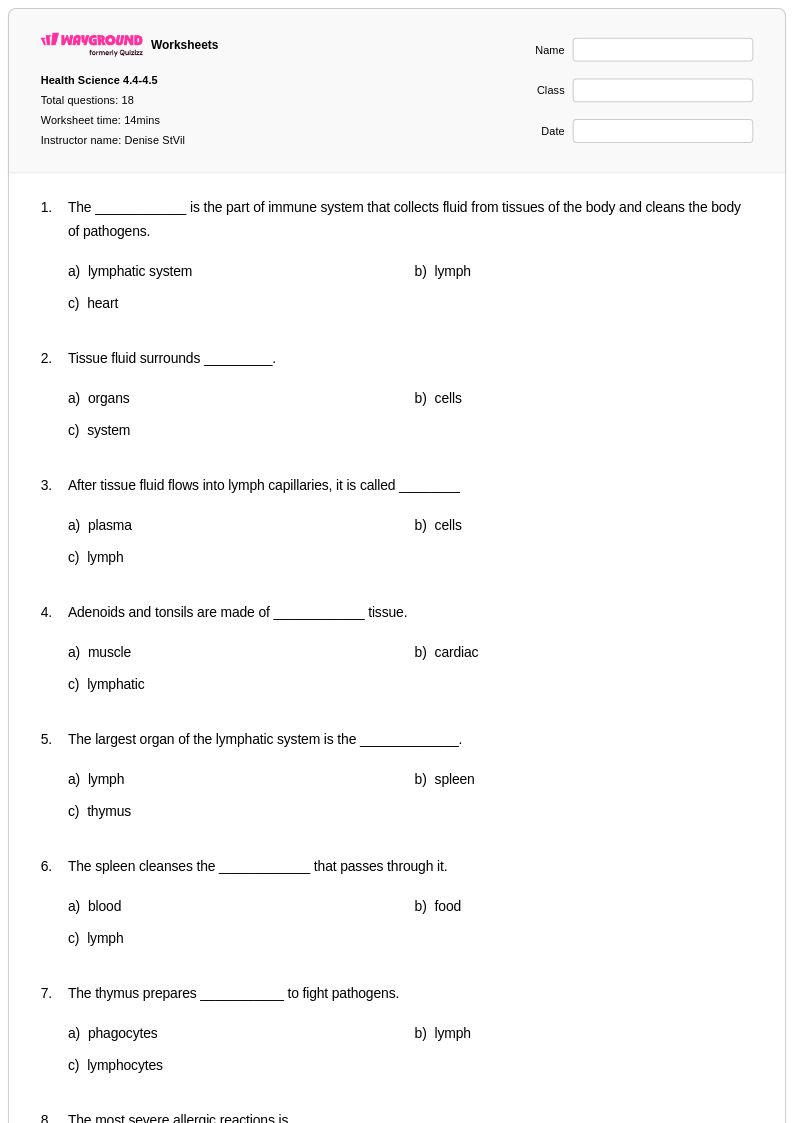
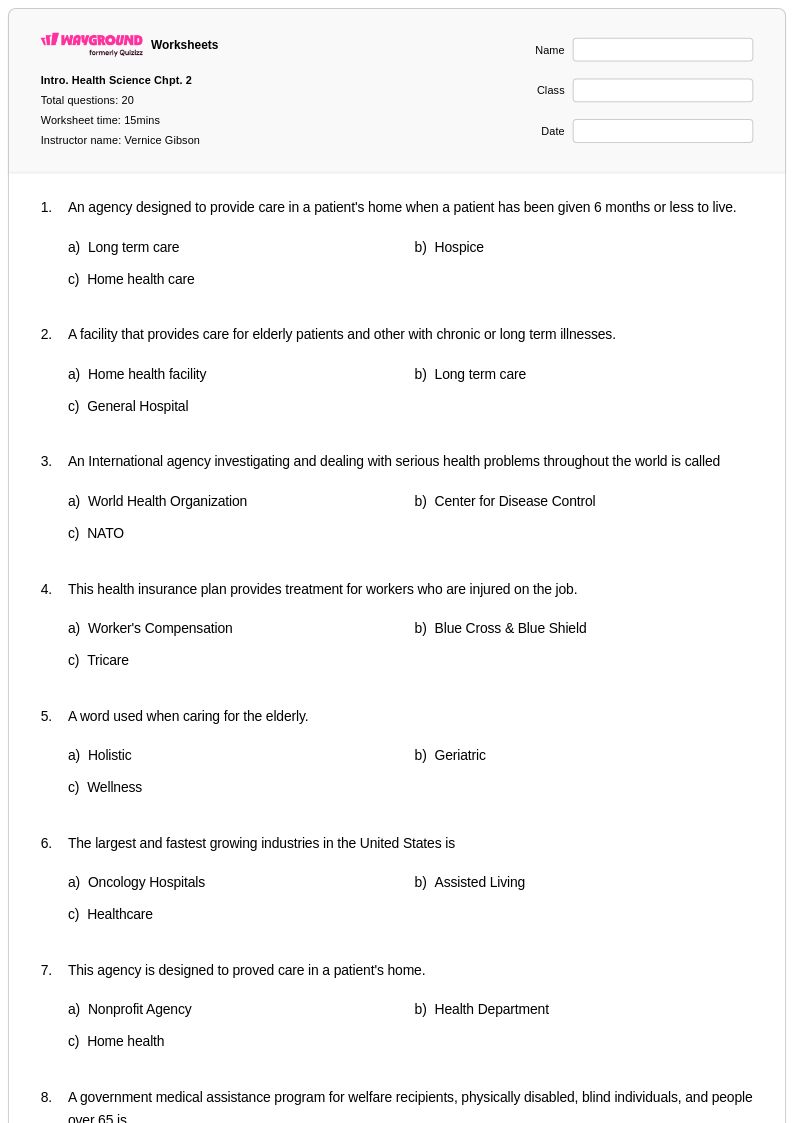
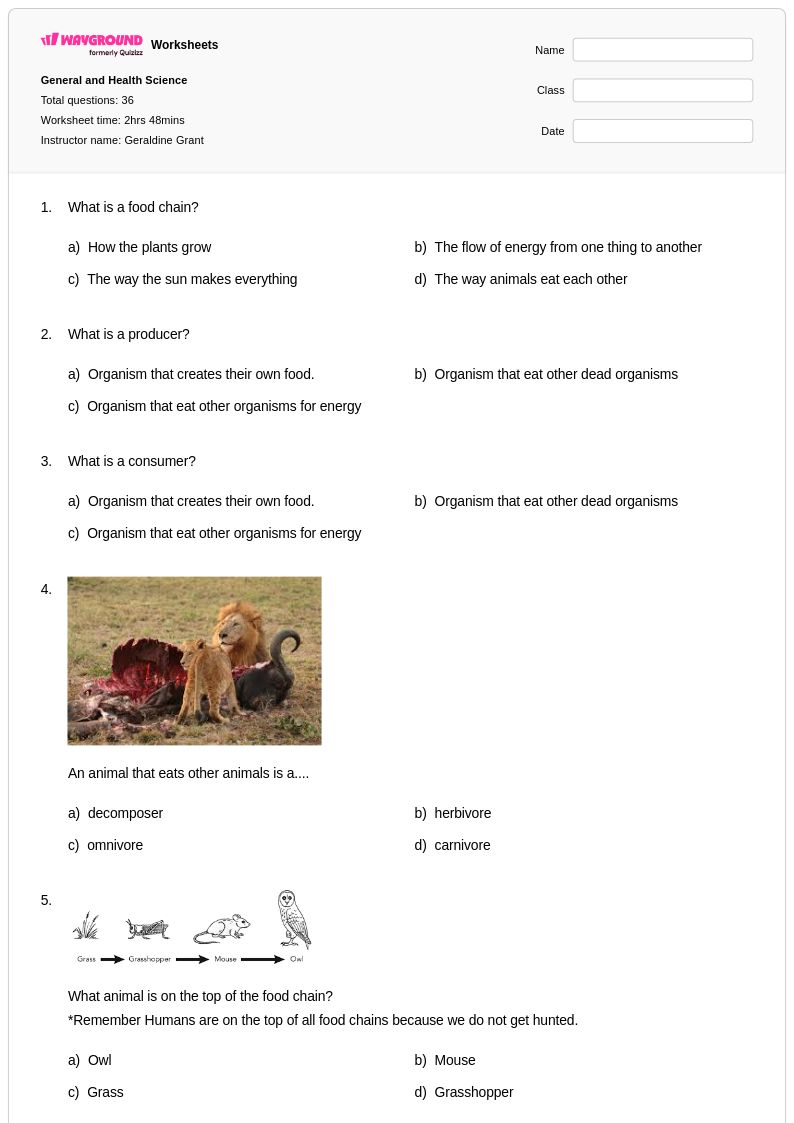
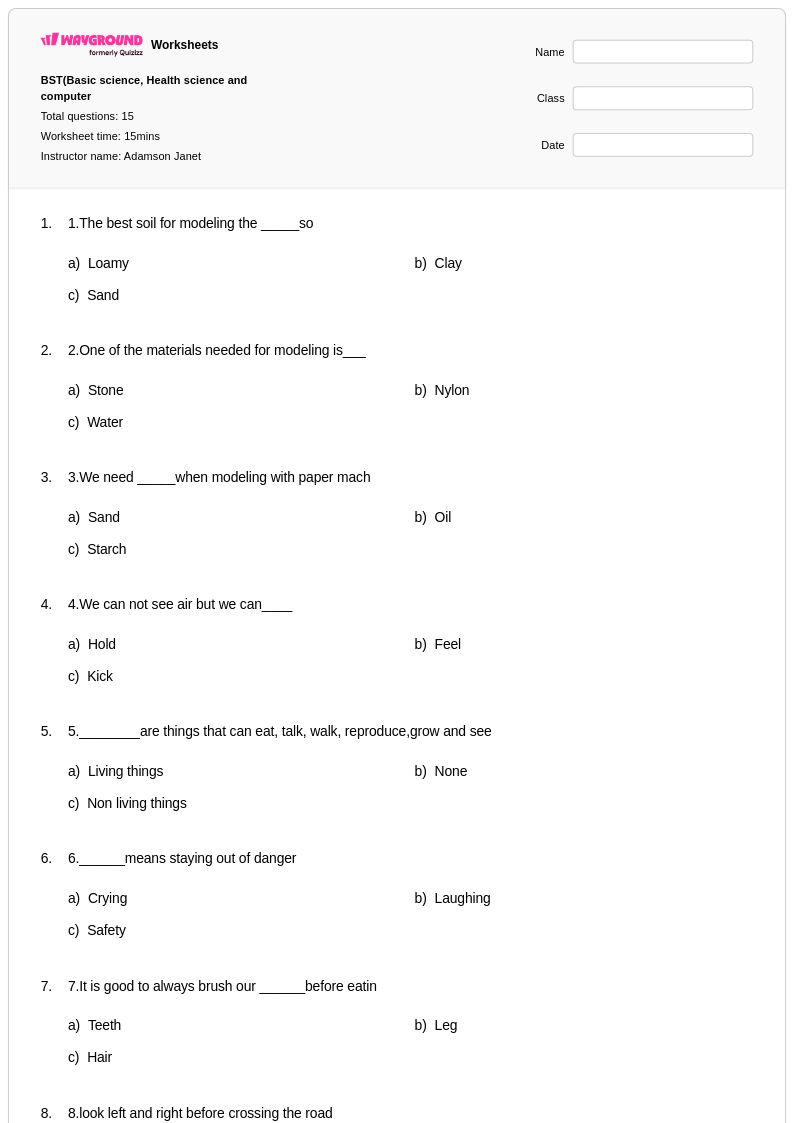
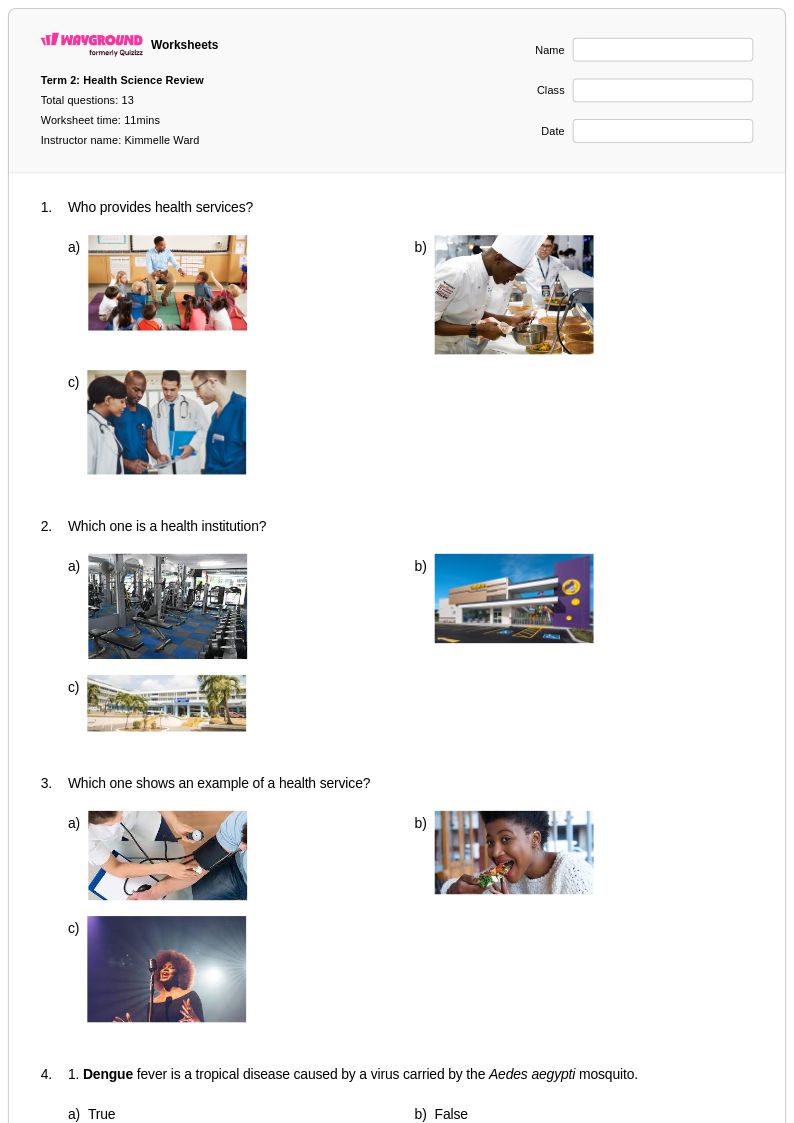
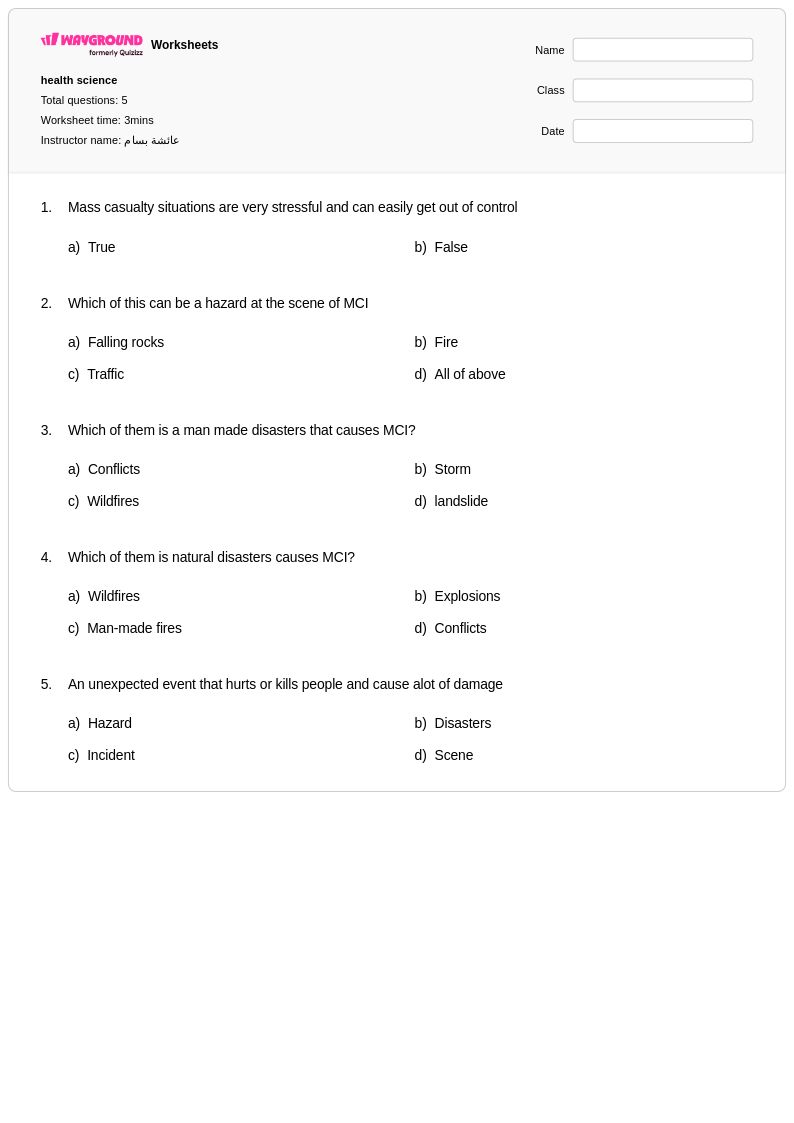
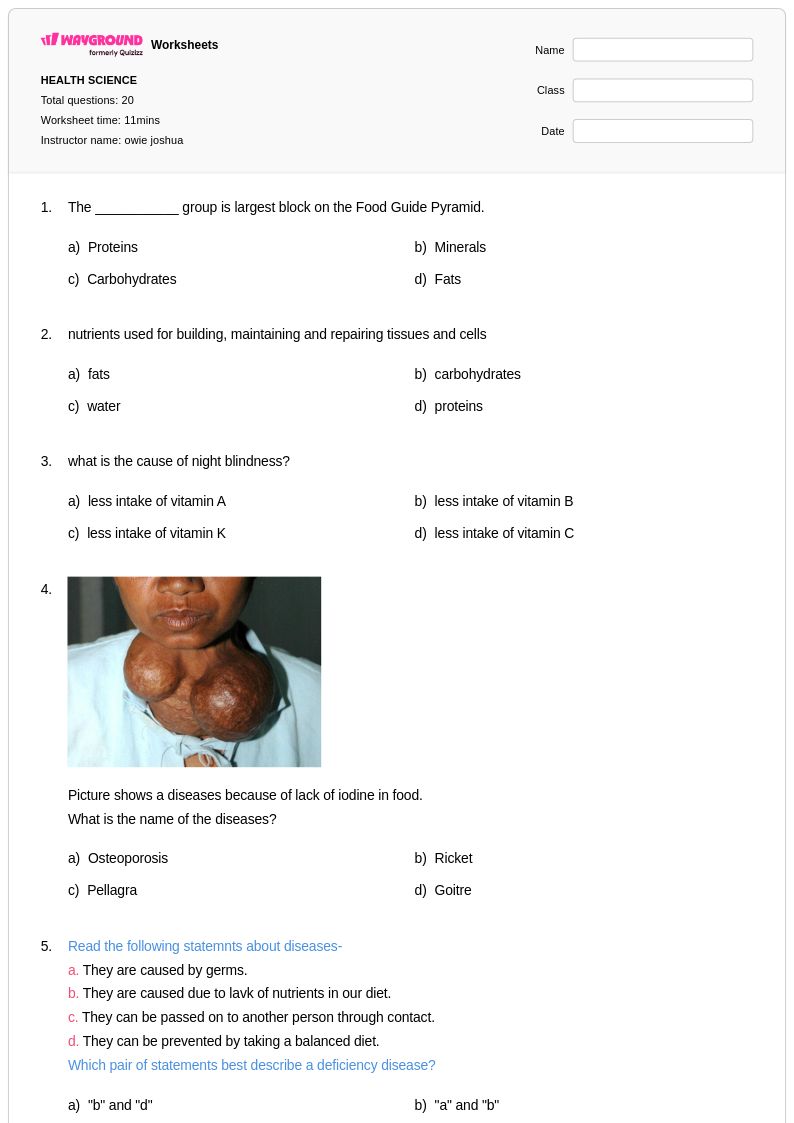
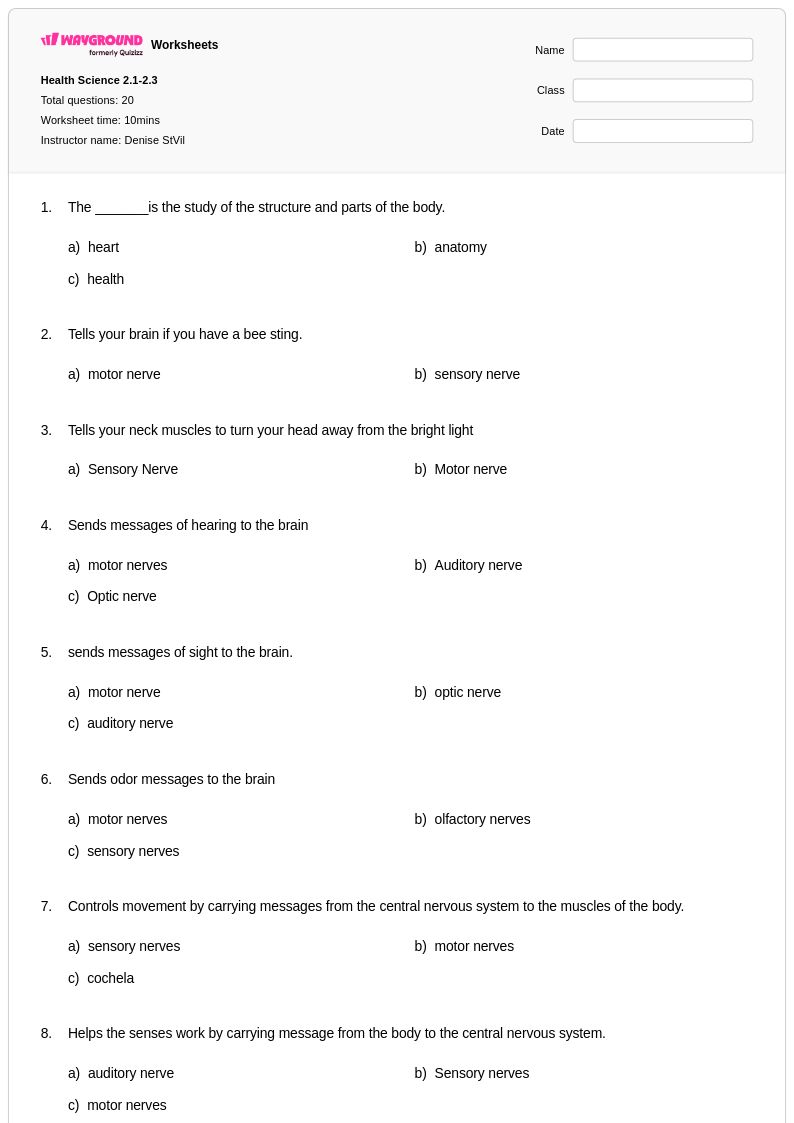
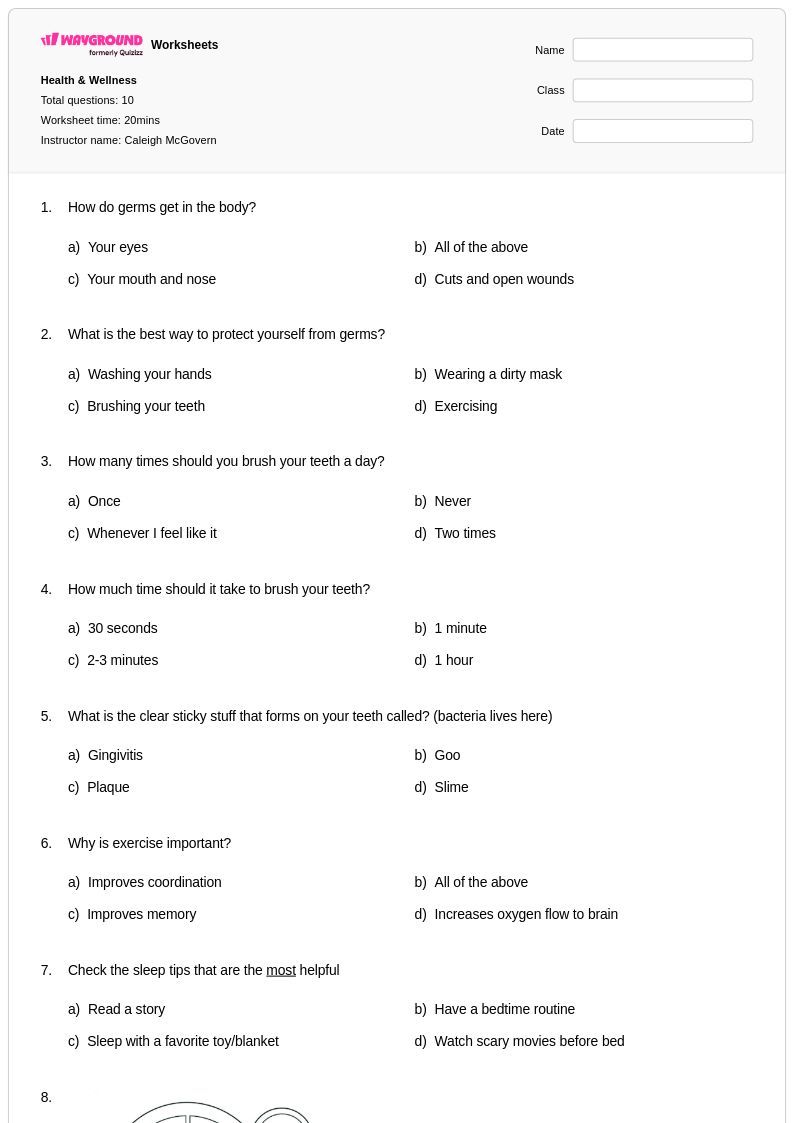
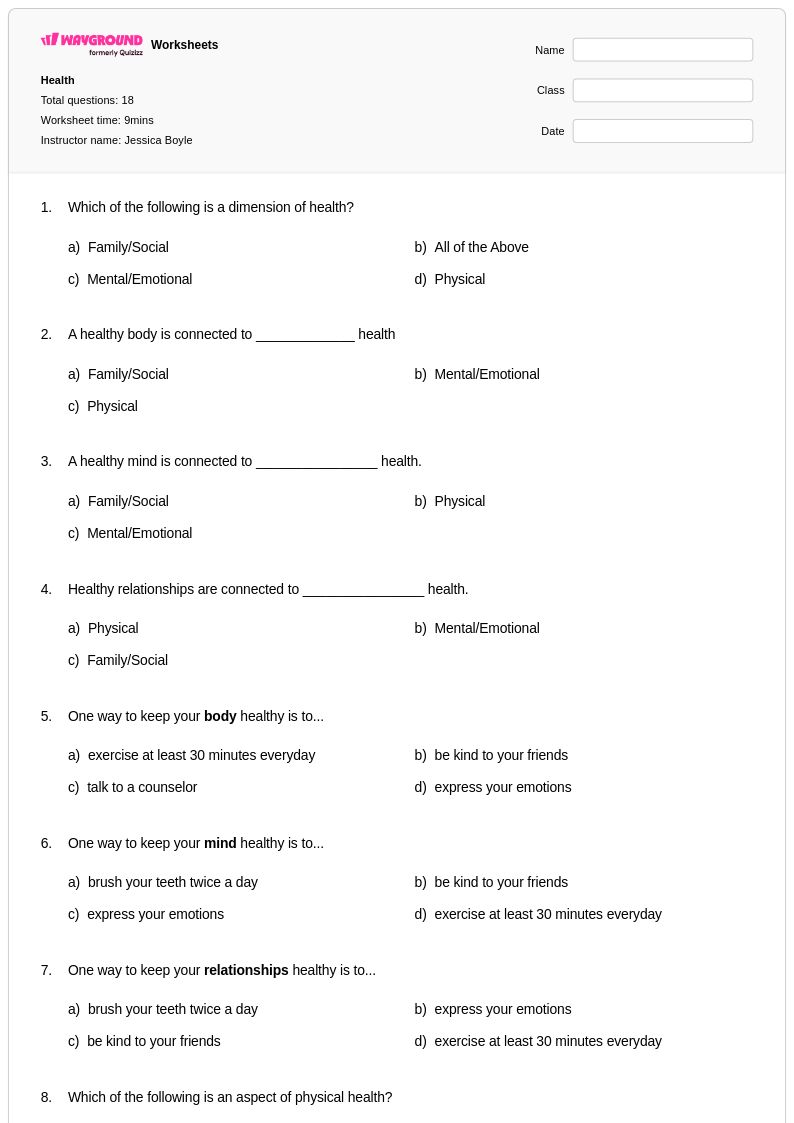
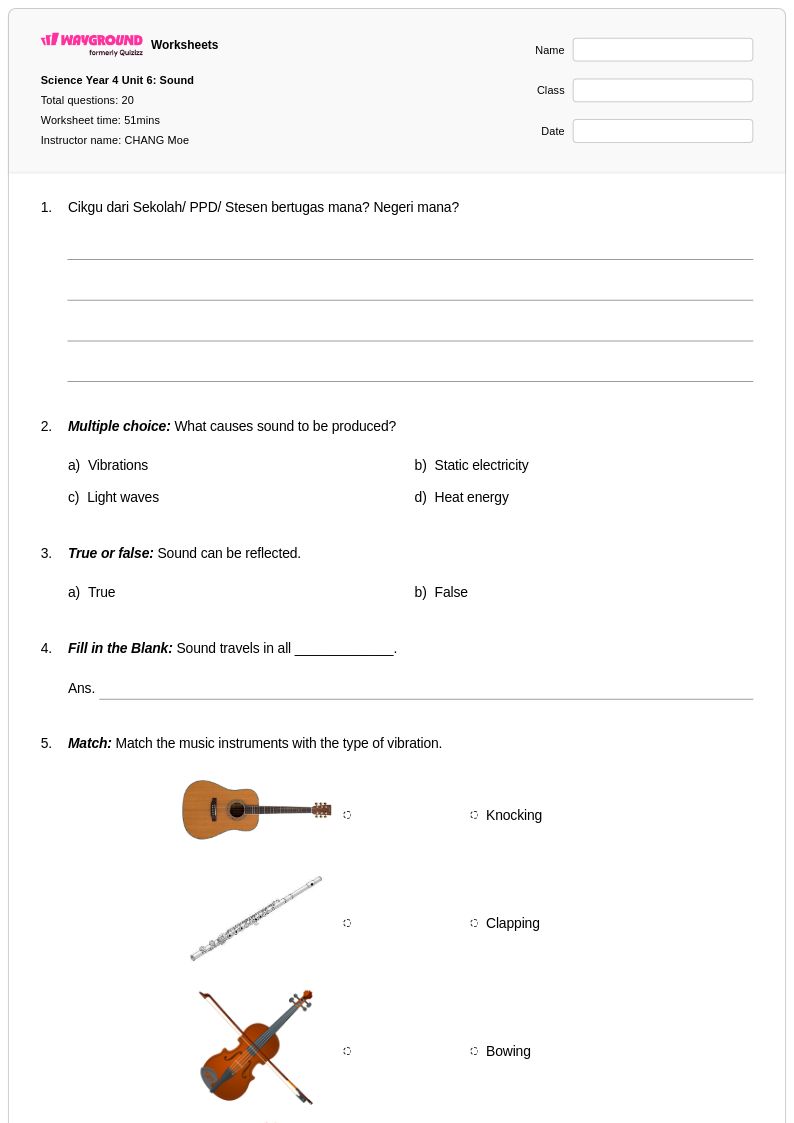
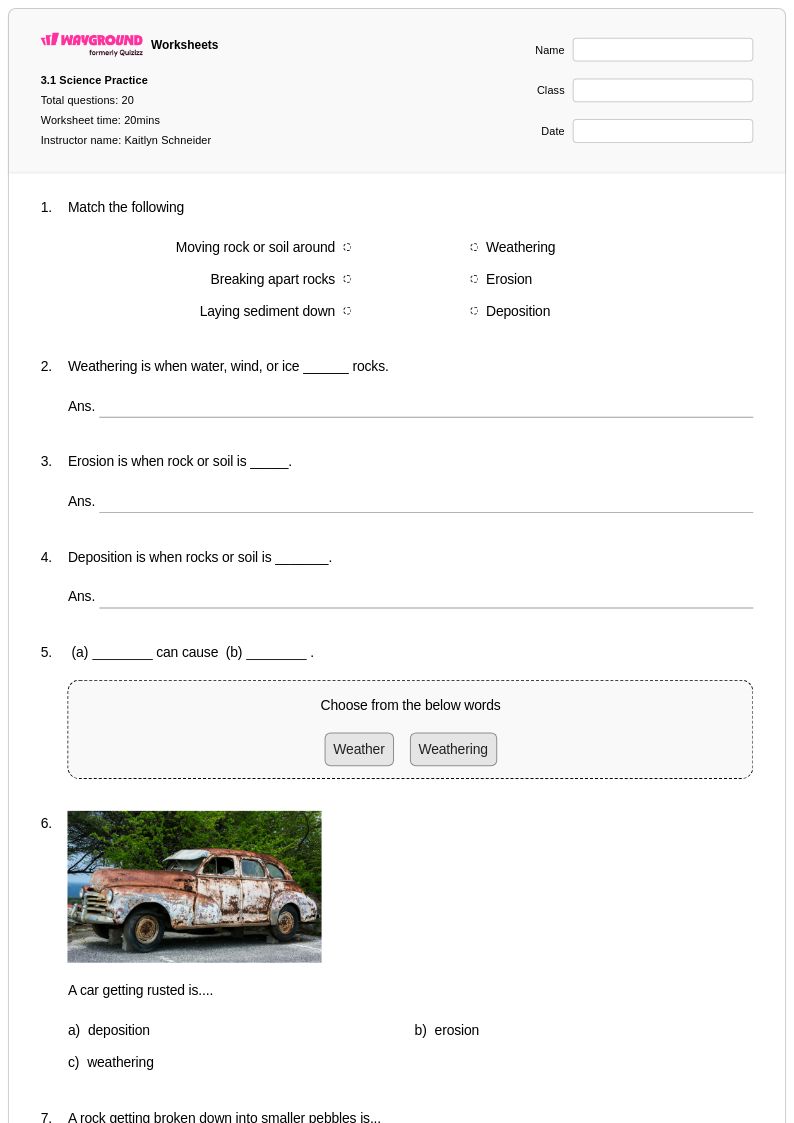
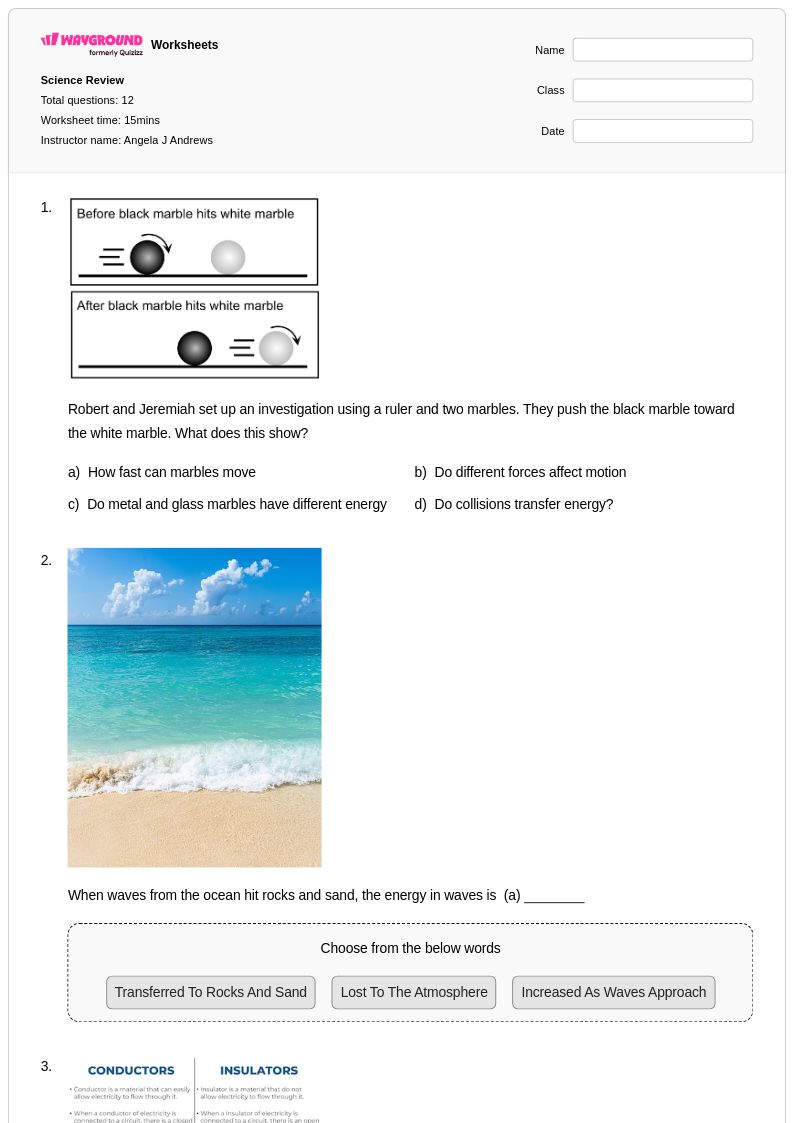
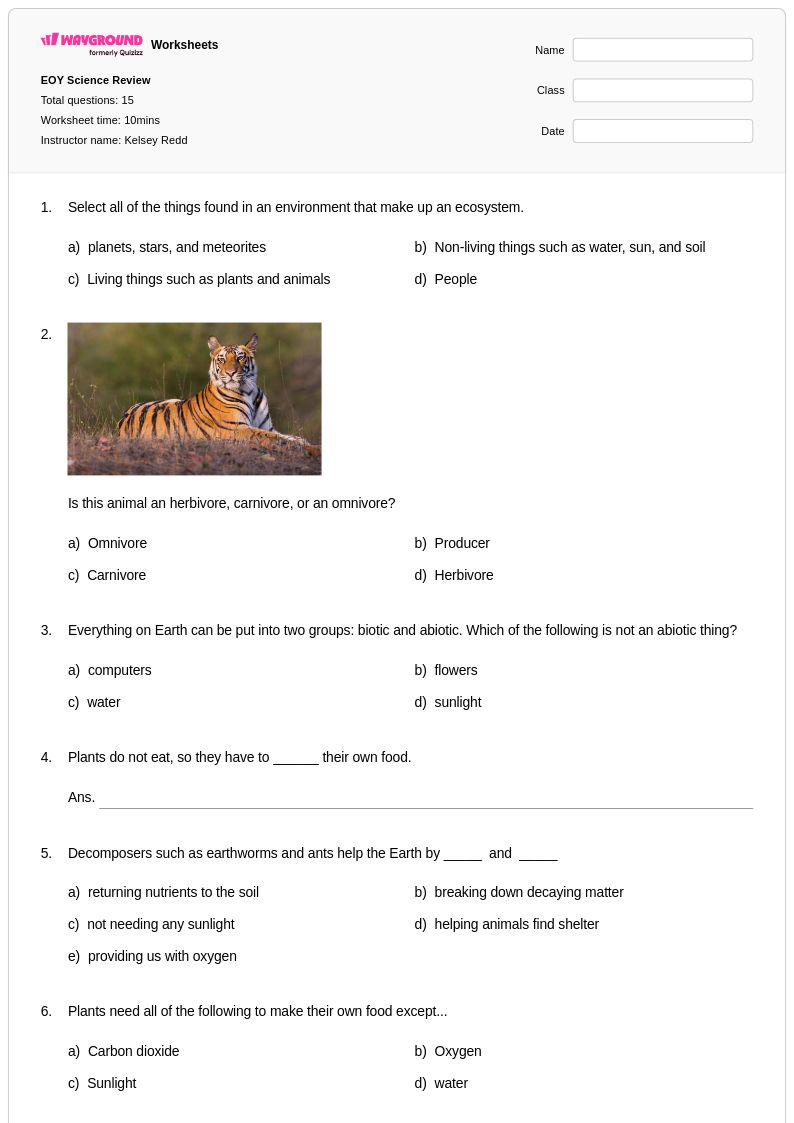
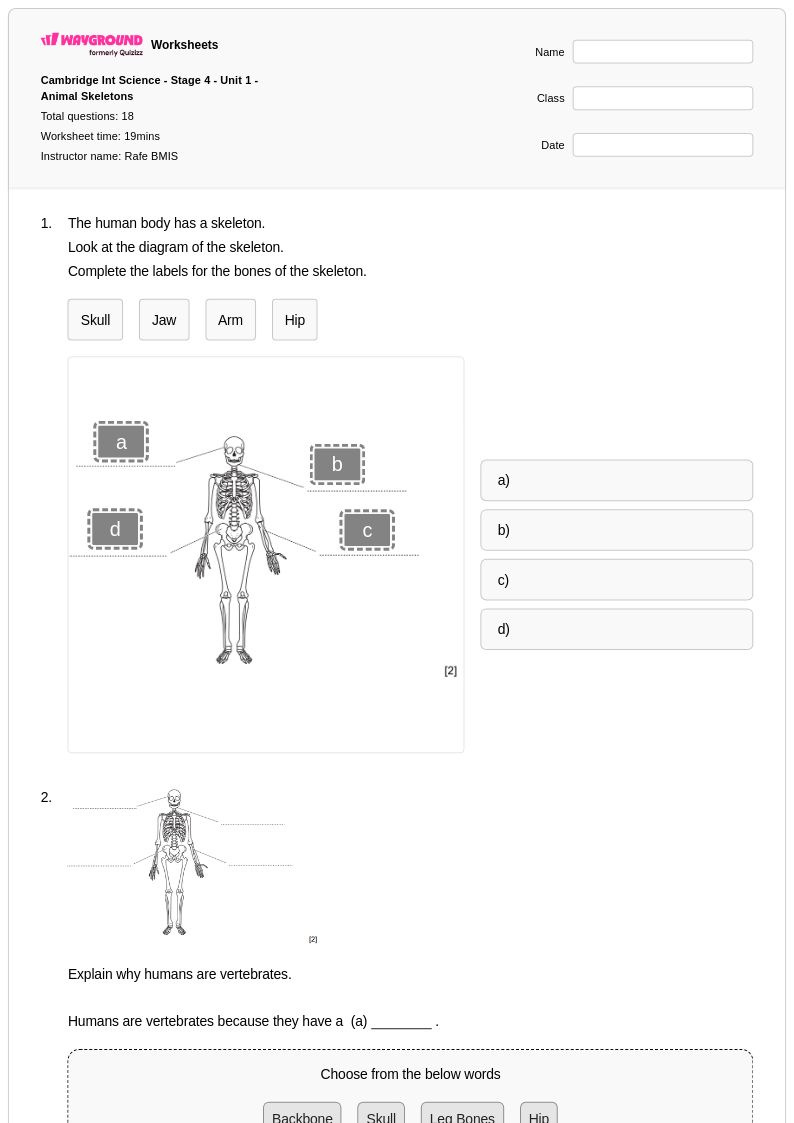
Grade 4 Health Science worksheets from Wayground (formerly Quizizz) provide comprehensive practice materials that help elementary students develop essential knowledge about maintaining physical and mental wellness. These educational resources focus on fundamental health concepts including nutrition and food groups, personal hygiene habits, exercise and physical fitness, safety practices, and understanding basic body systems. The worksheets strengthen critical thinking skills as students analyze healthy lifestyle choices, practice identifying nutritious foods, and learn to make informed decisions about their wellbeing. Each resource includes detailed answer keys and is available as free printable materials, allowing teachers to easily distribute practice problems that reinforce classroom instruction and assess student understanding of core health science principles.
Wayground (formerly Quizizz) empowers educators with millions of teacher-created Grade 4 Health Science worksheet collections that streamline lesson planning and enhance student learning outcomes. The platform's robust search and filtering capabilities enable teachers to quickly locate standards-aligned materials that match their specific curriculum requirements and student needs. Advanced differentiation tools allow instructors to customize worksheets for various learning levels, while the flexible format options include both printable pdf versions and interactive digital activities. These comprehensive features support effective remediation for struggling learners, provide enrichment opportunities for advanced students, and facilitate targeted skill practice that helps all fourth-grade students master essential health science concepts through engaging, age-appropriate exercises.
FAQs
How do I teach health science concepts effectively across different grade levels?
Effective health science instruction builds from foundational body awareness in early grades to more complex analysis of physiology, public health, and lifestyle decisions in upper grades. Connecting scientific content to real-world health choices — such as how nutrition affects body systems or how vaccines prevent disease — increases relevance and retention. Progressing from body system identification to evaluating evidence-based health information ensures students develop both content knowledge and health literacy.
What types of exercises help students practice health science skills?
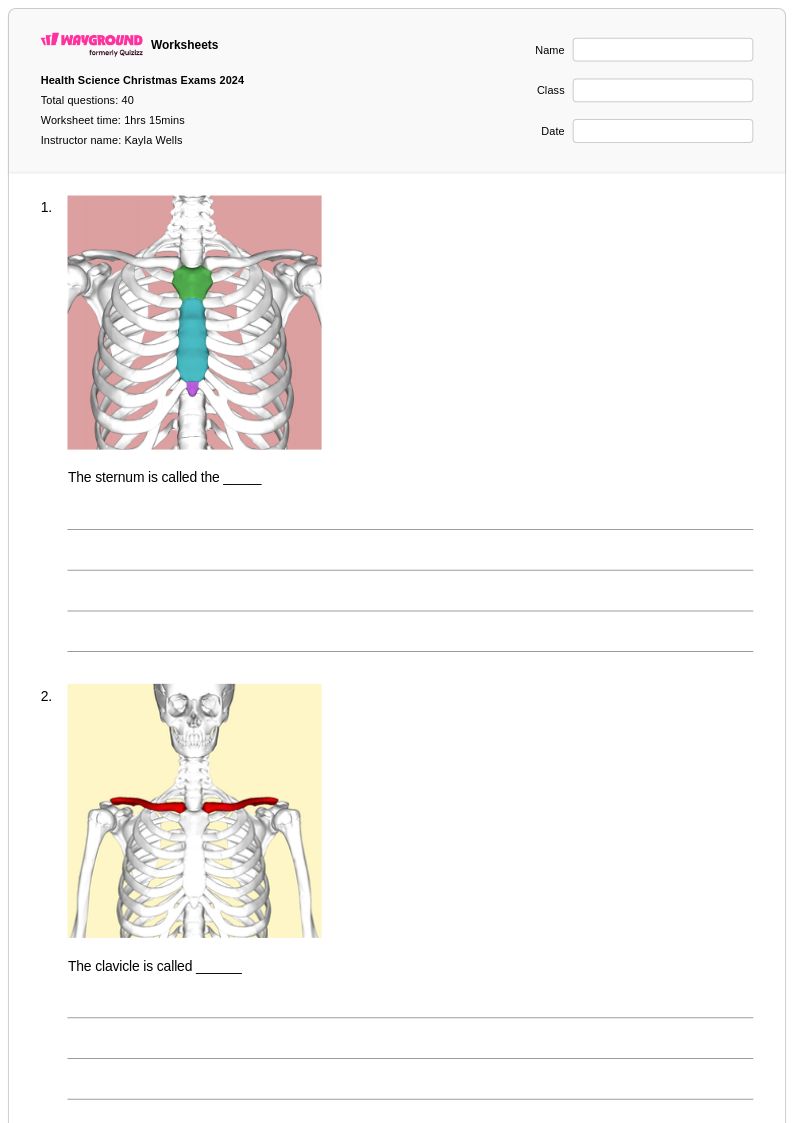
Health science practice is most effective when it combines vocabulary building, diagram interpretation, and scenario-based problem solving. Activities that ask students to label anatomical diagrams, analyze dietary information, or evaluate public health scenarios build the range of skills required across the discipline. Worksheet-based practice that spans multiple subtopics — such as body systems, disease prevention, and mental health awareness — helps students see connections across the field.
What common mistakes do students make when learning about body systems and disease?
Students frequently confuse the functions of related body systems, such as conflating the roles of the respiratory and circulatory systems in oxygen transport. A persistent misconception is that all dietary fats are harmful, which interferes with accurate nutritional analysis. Students also commonly conflate bacteria and viruses, leading to misunderstandings about appropriate treatments — for example, assuming antibiotics are effective against viral infections.
How can I differentiate health science instruction for students with different learning needs?
Differentiation in health science can involve scaffolding content from concrete body awareness activities to abstract physiological analysis, ensuring all learners have an entry point. On Wayground, teachers can apply individual accommodations such as read aloud for students who need audio support, reduced answer choices to lower cognitive load, and extended time for assessments. These settings can be assigned per student and reused across sessions without affecting the experience of other students in the class.
How do I use Wayground's health science worksheets in my classroom?
Wayground's health science worksheets are available as printable PDFs for traditional classroom use and as digital formats for technology-integrated environments, including interactive quizzes hosted directly on the platform. Teachers can filter resources by grade, topic, and health science subtopic to quickly locate relevant materials for a specific unit or standard. Each worksheet includes a complete answer key, reducing prep time and supporting efficient formative assessment.
How do I help students think critically about health information rather than just memorizing facts?
Building health literacy requires moving students beyond recall toward evaluating the quality and relevance of health information. Scenario-based problem solving — where students analyze lifestyle choices, interpret nutrition labels, or assess public health claims — develops this critical thinking within a structured framework. Connecting biological content to decisions students encounter in daily life makes abstract concepts concrete and transferable.