
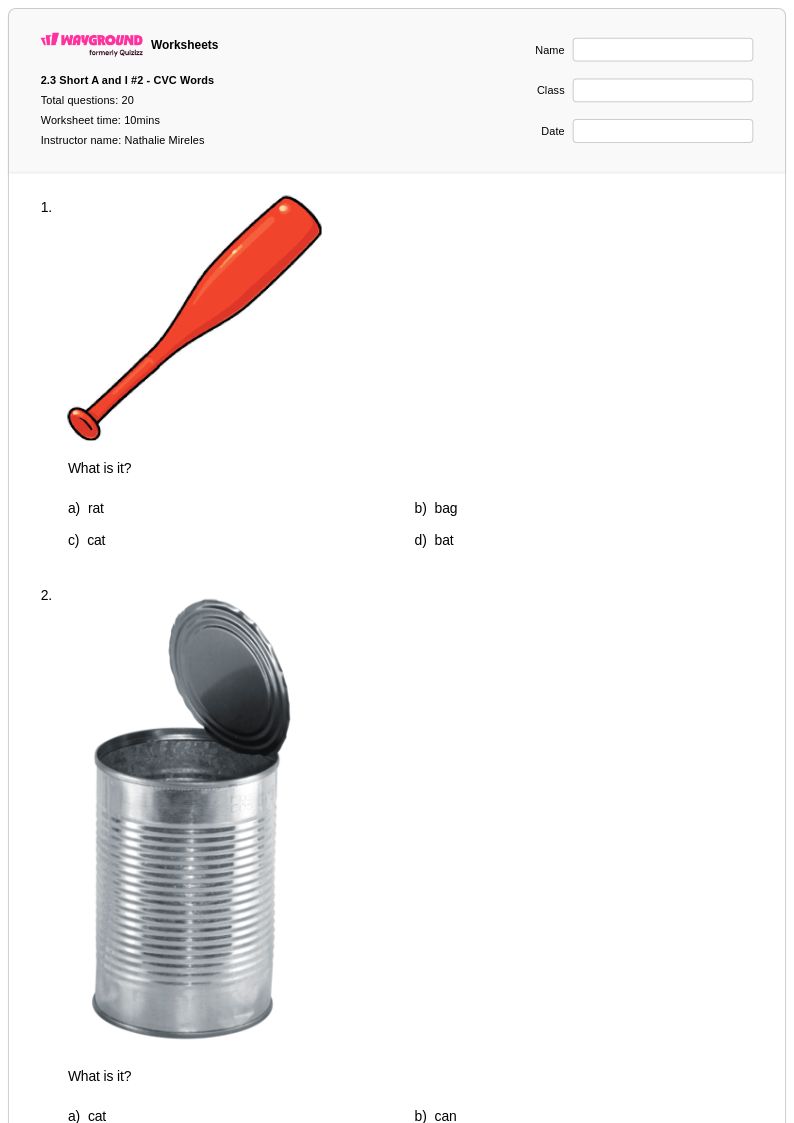
20 Q
KG - 2nd
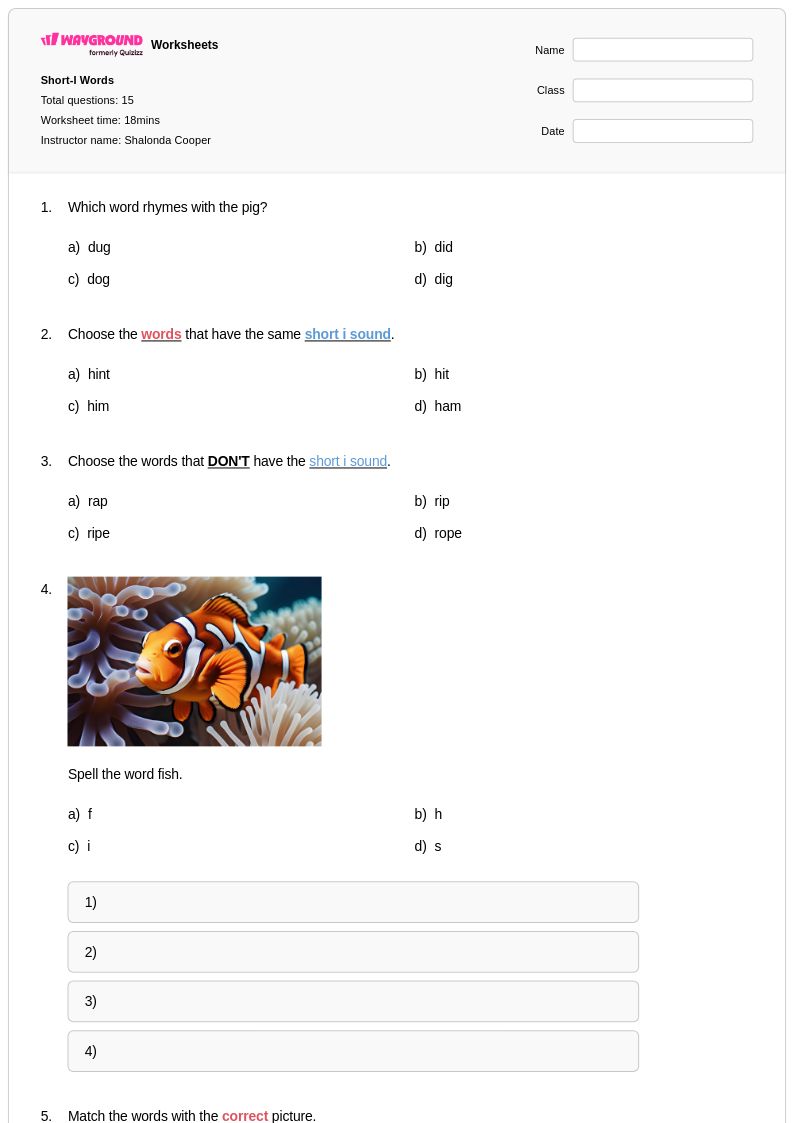
15 Q
2nd - Uni
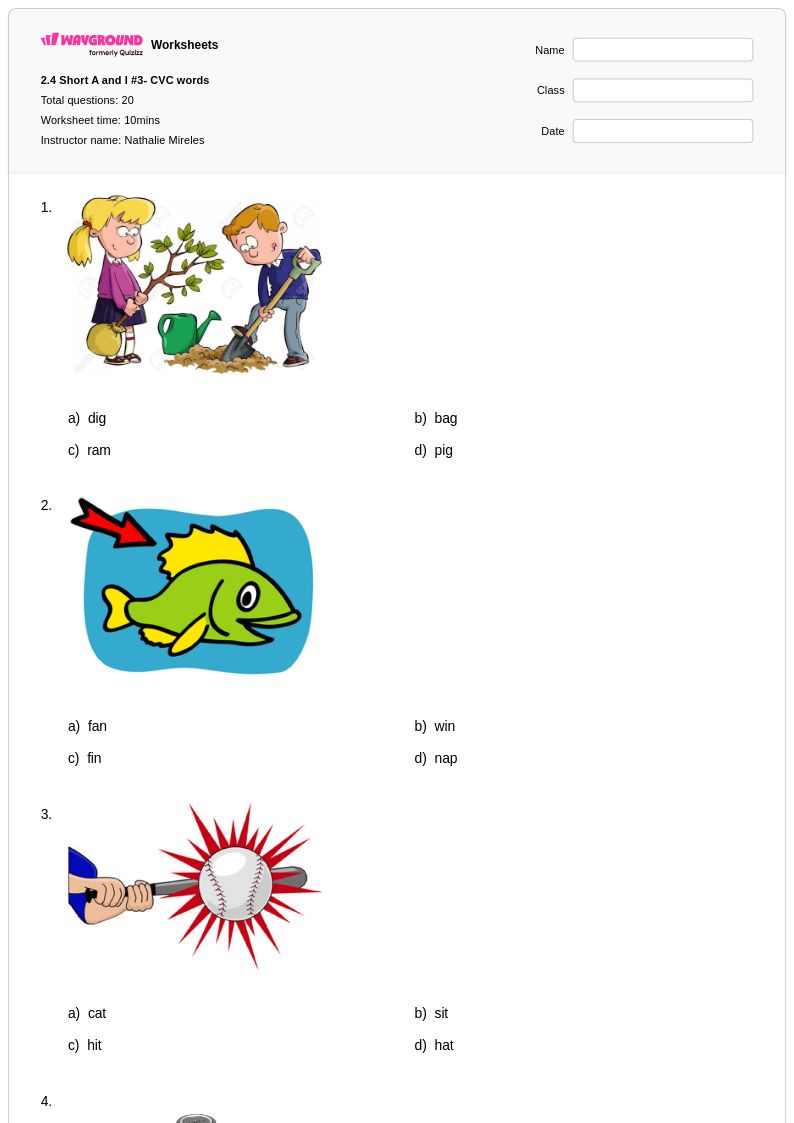
20 Q
KG - 2nd
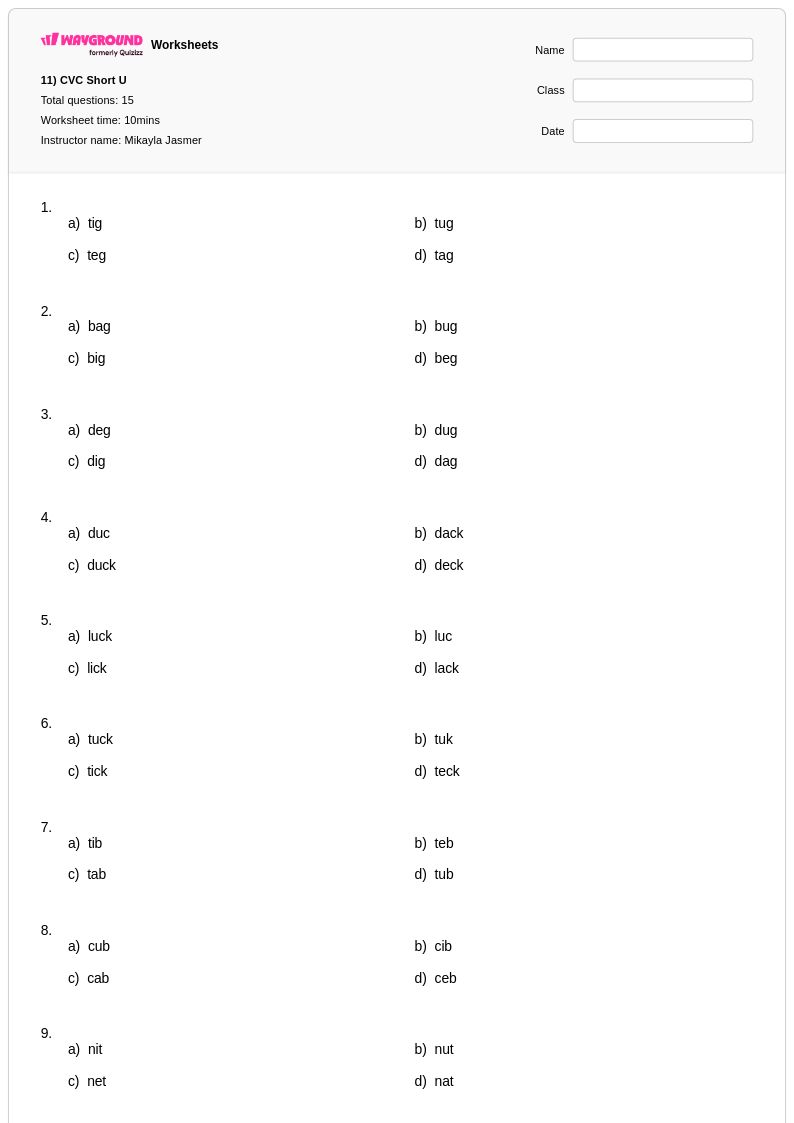
15 Q
1st - 4th
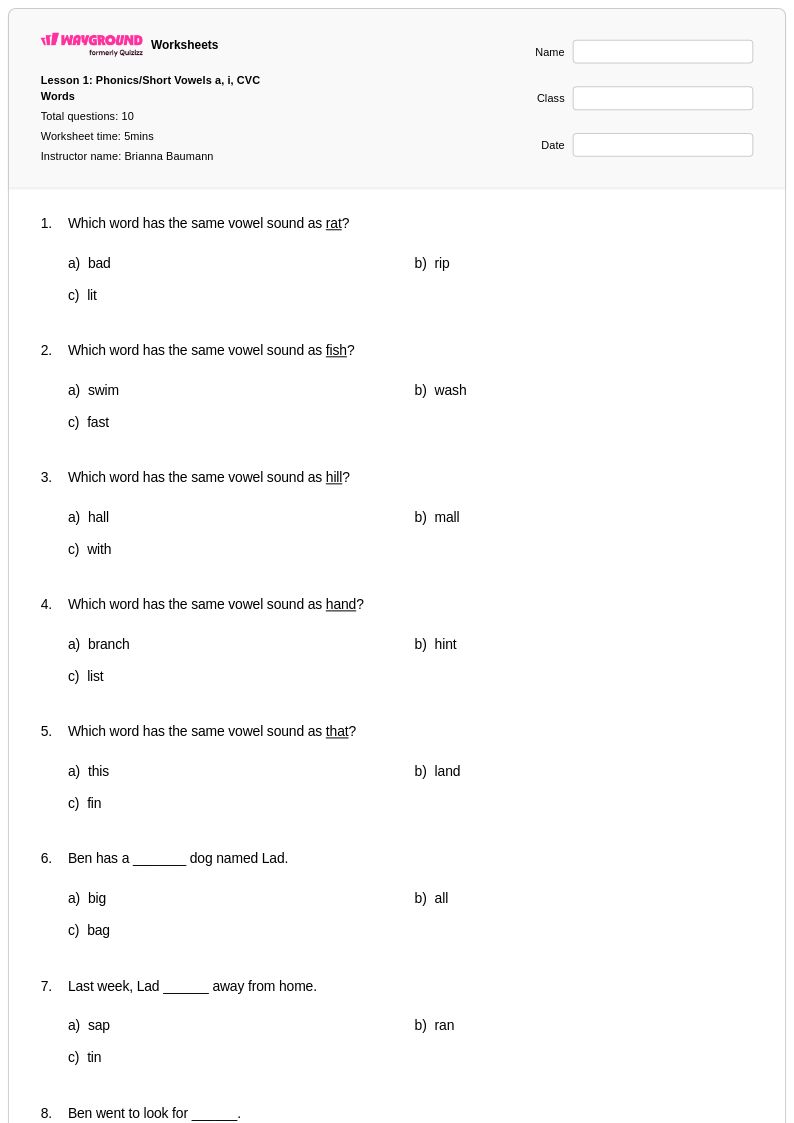
10 Q
2nd
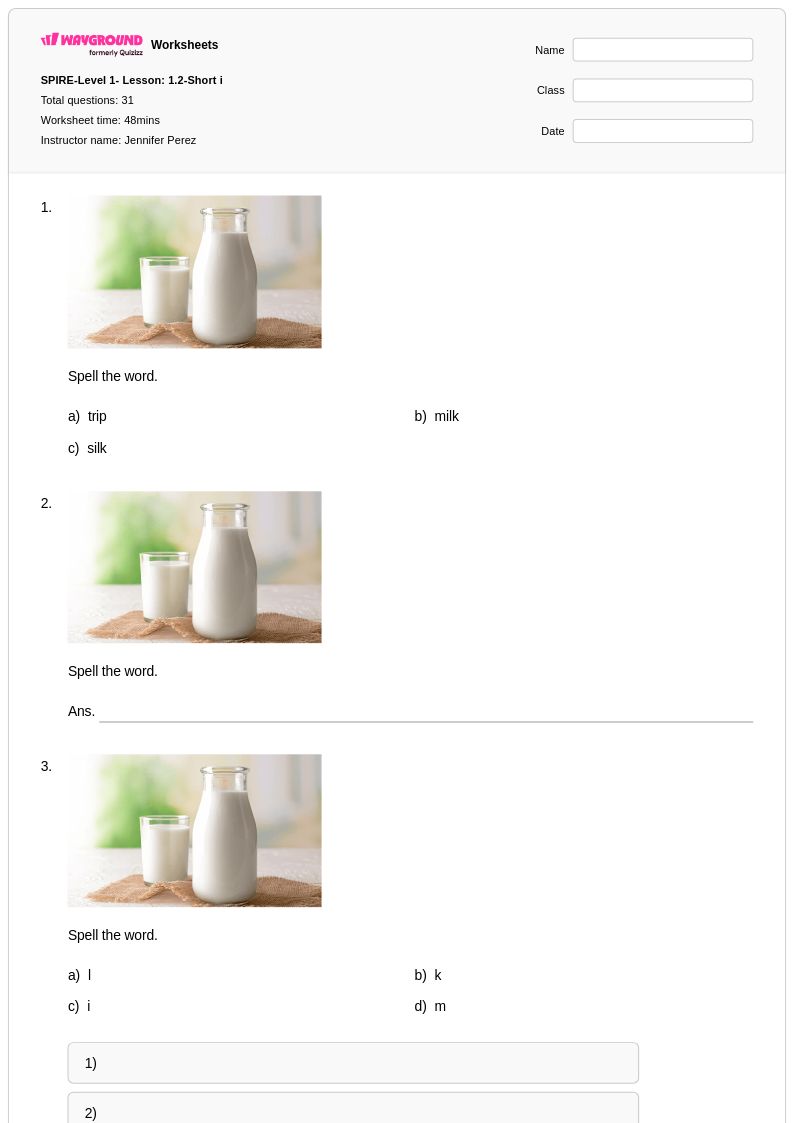
31 Q
1st - 5th
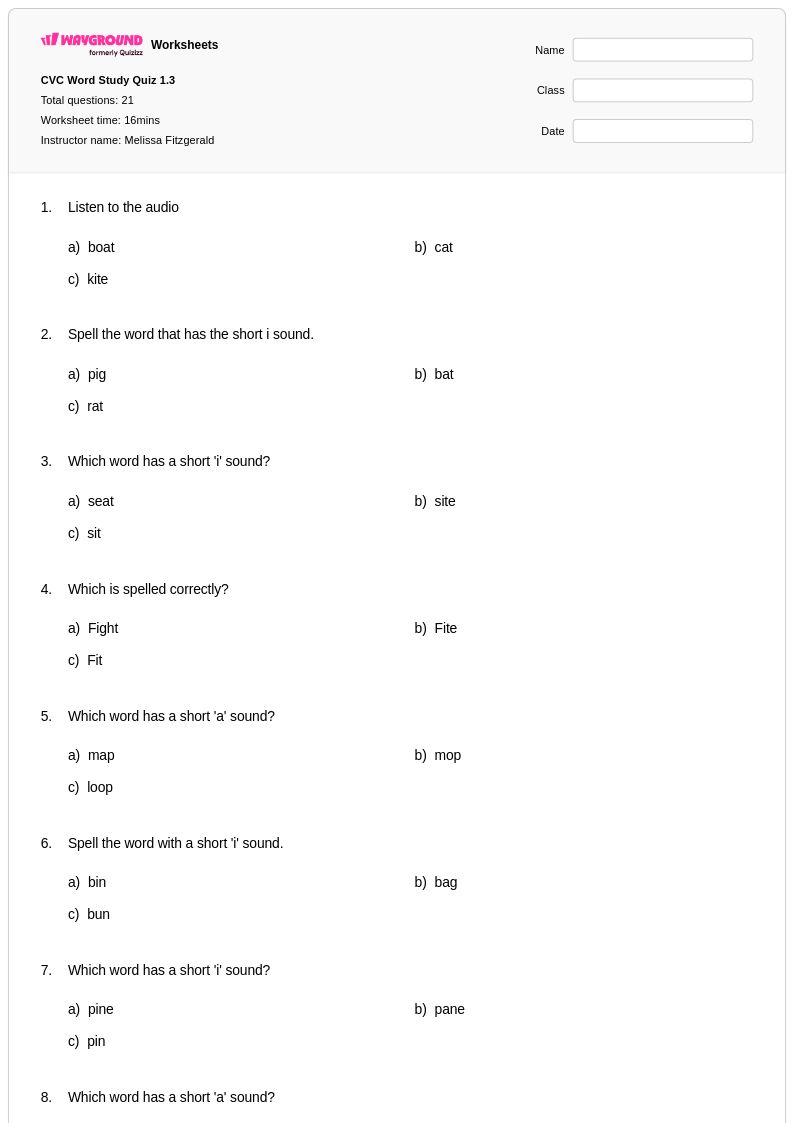
21 Q
2nd
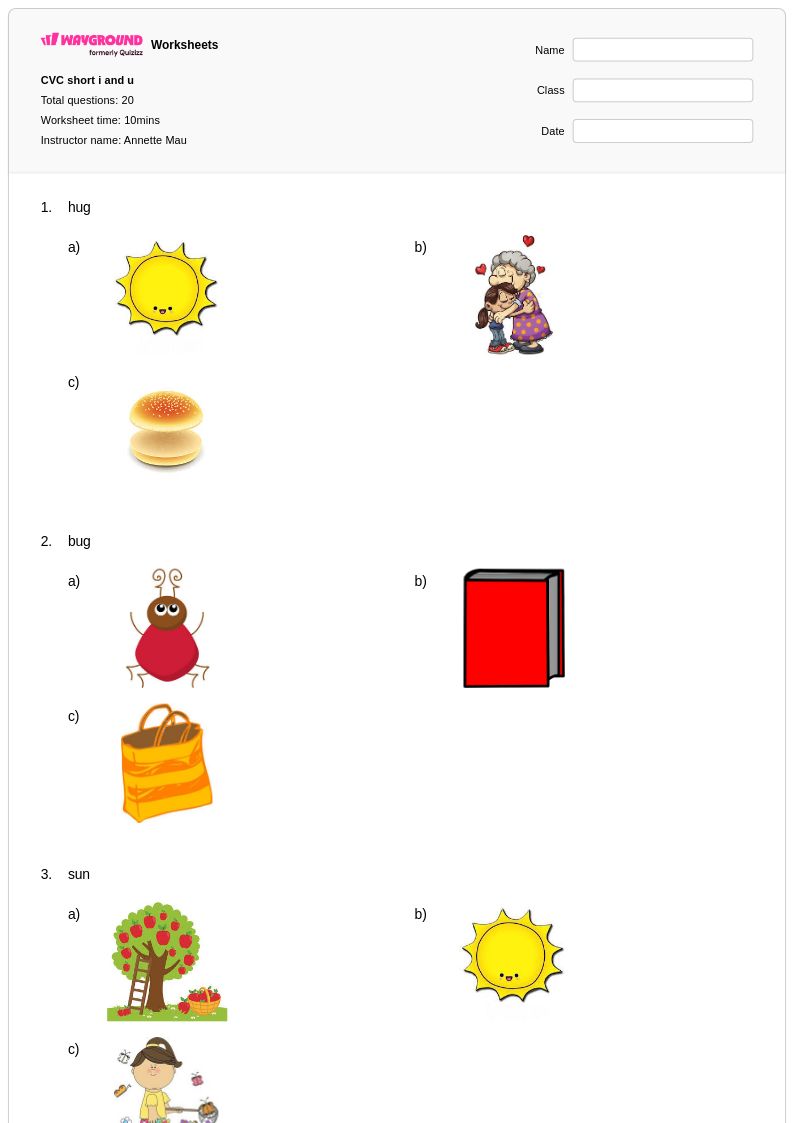
20 Q
1st - 5th
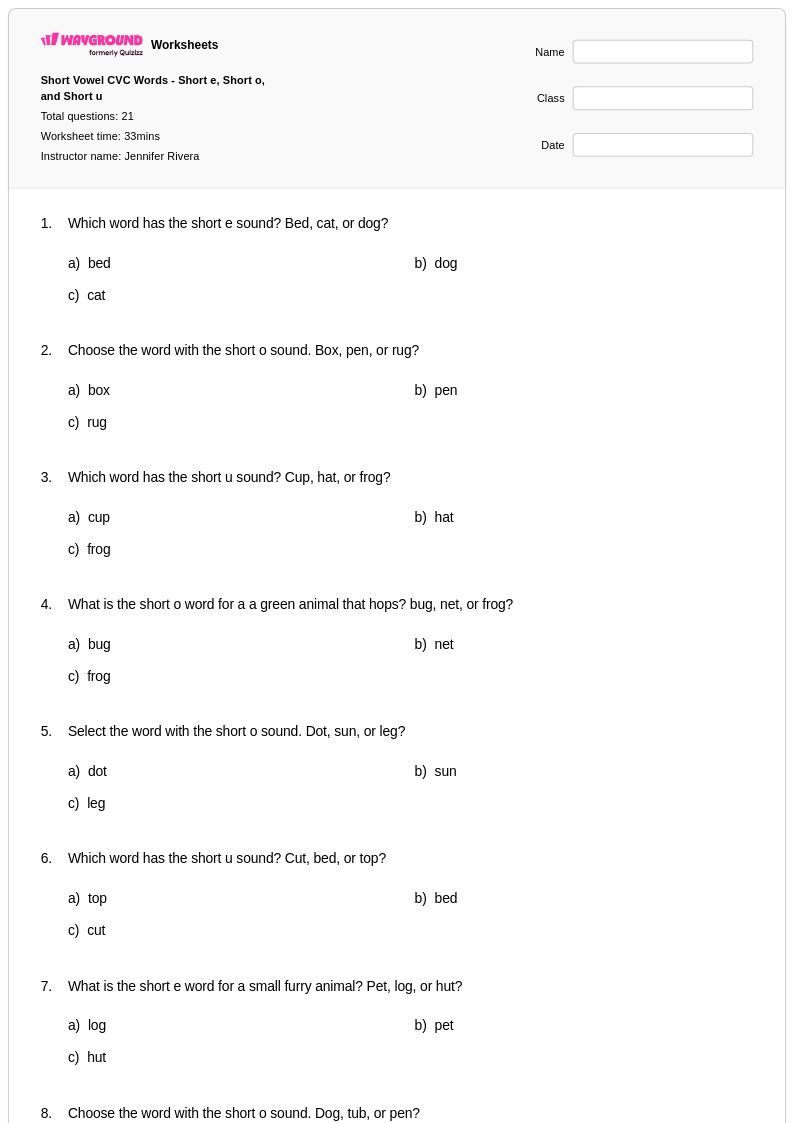
21 Q
2nd
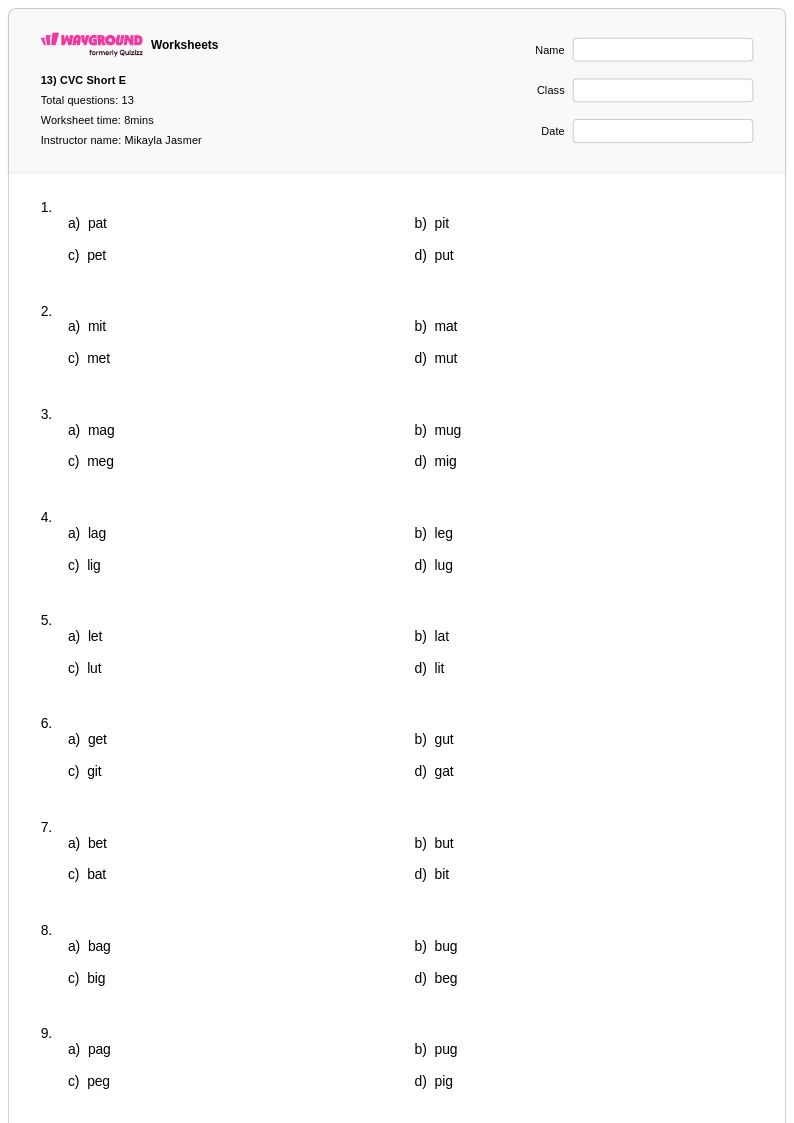
13 Q
1st - 4th
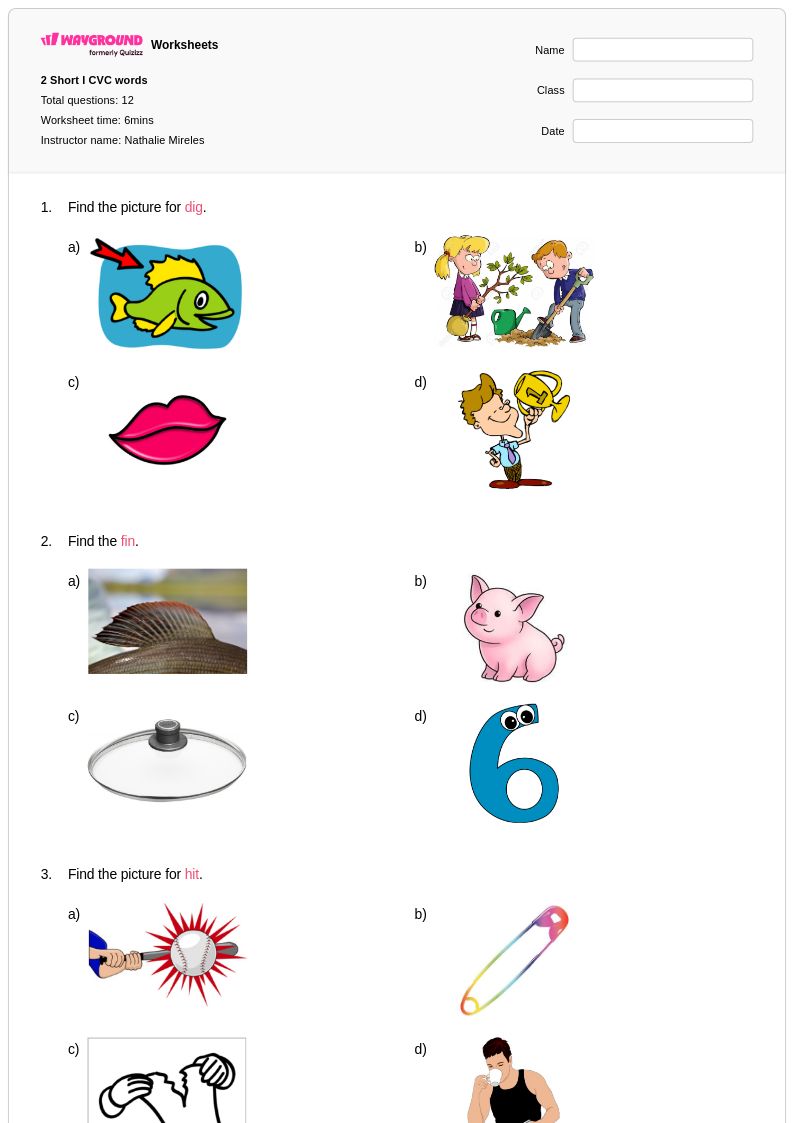
12 Q
KG - 2nd
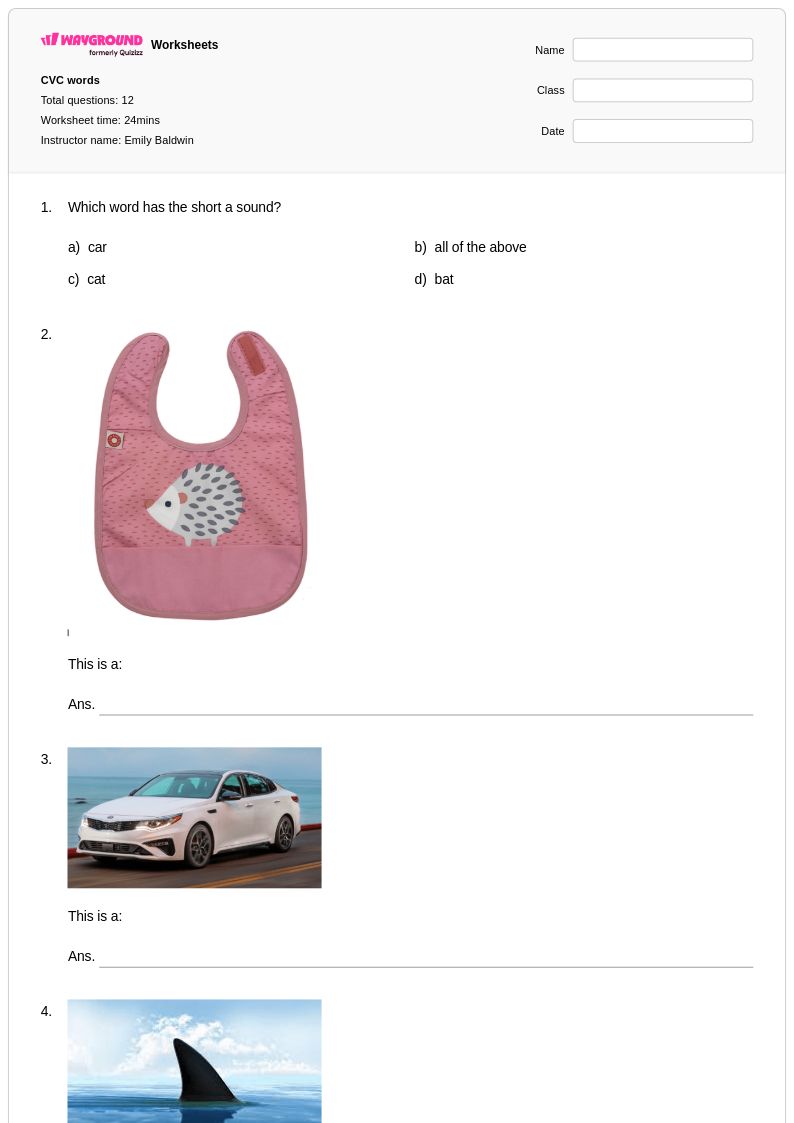
12 Q
2nd
21 Q
2nd
10 Q
1st - 2nd
12 Q
2nd
10 Q
2nd
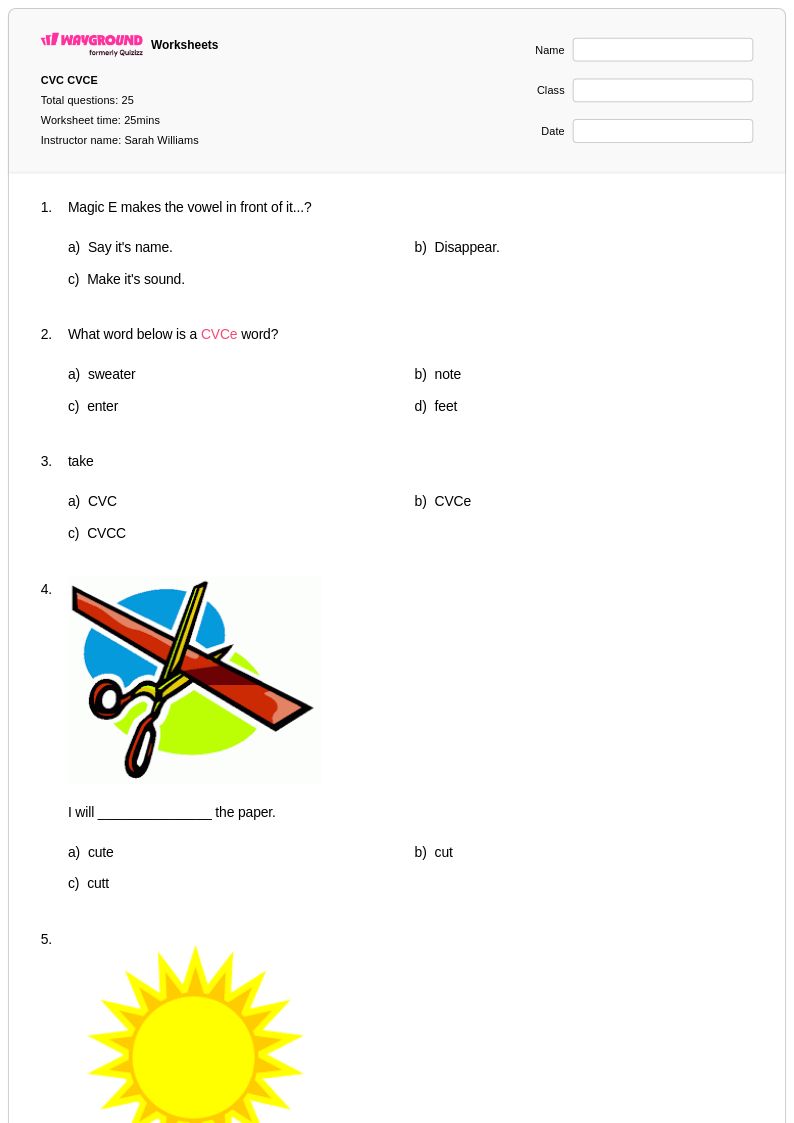
25 Q
2nd - Uni
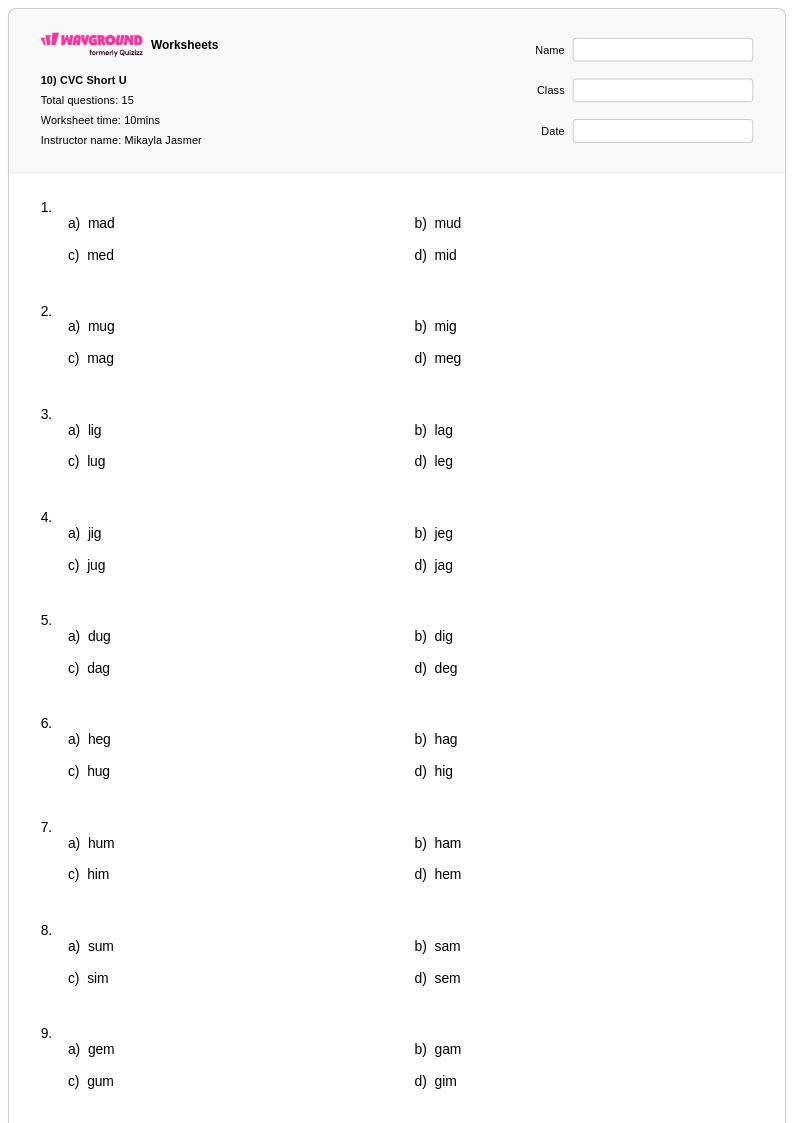
15 Q
1st - 4th
21 Q
2nd
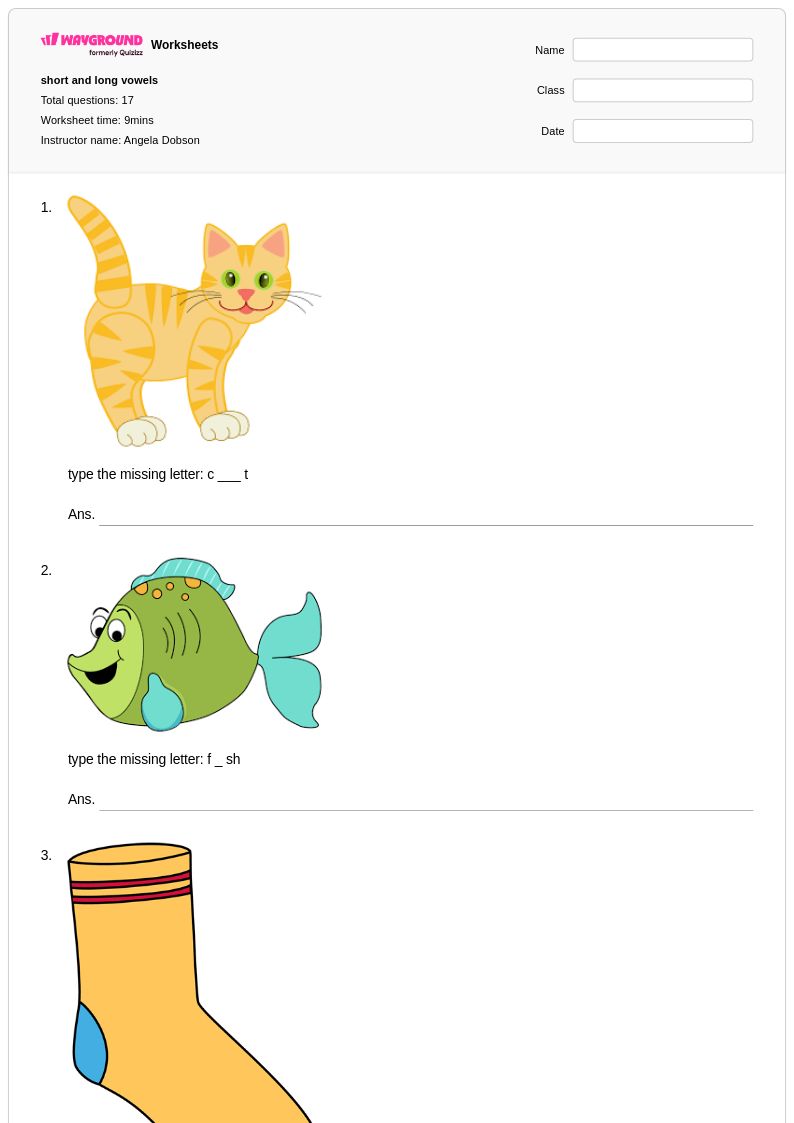
17 Q
1st - 3rd
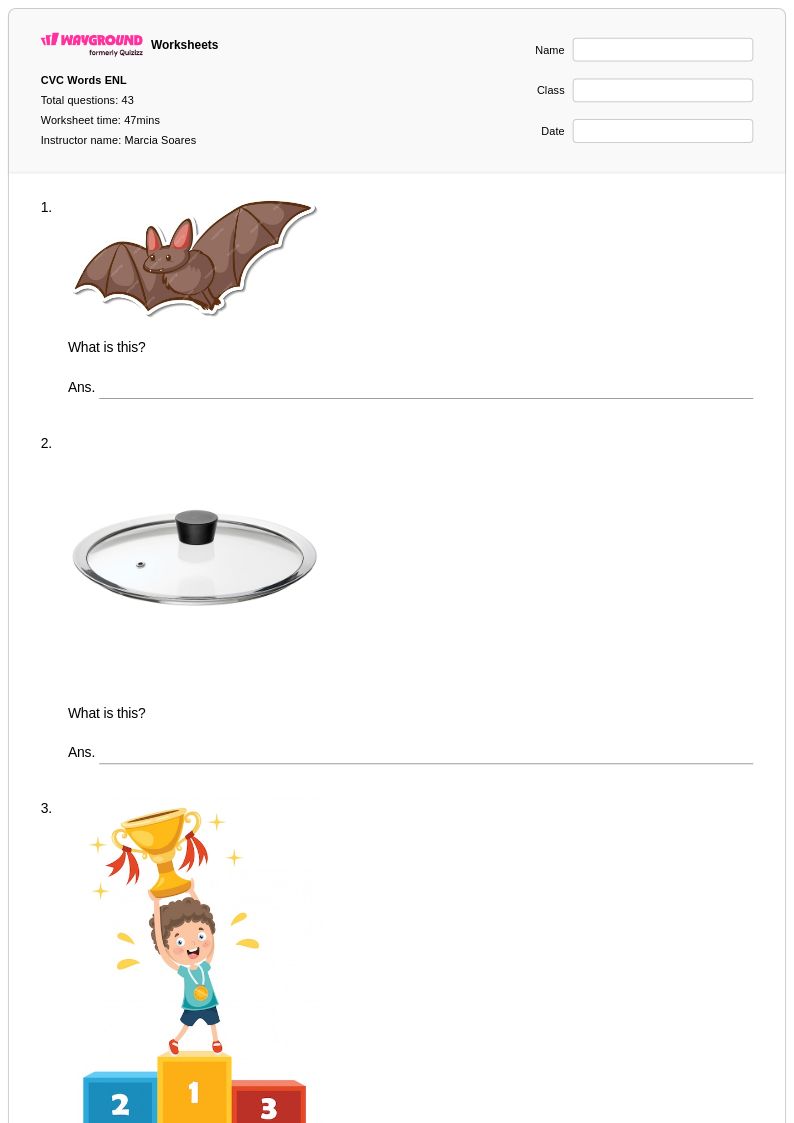
43 Q
1st - 5th
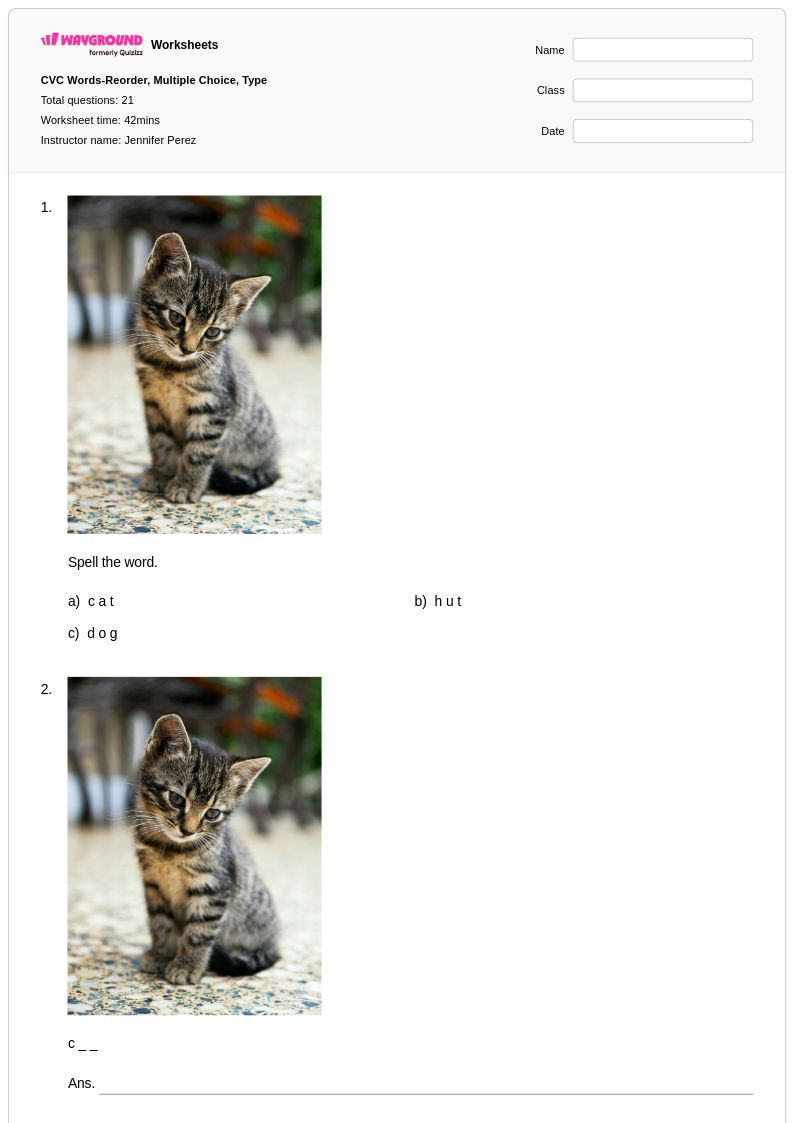
21 Q
1st - 5th
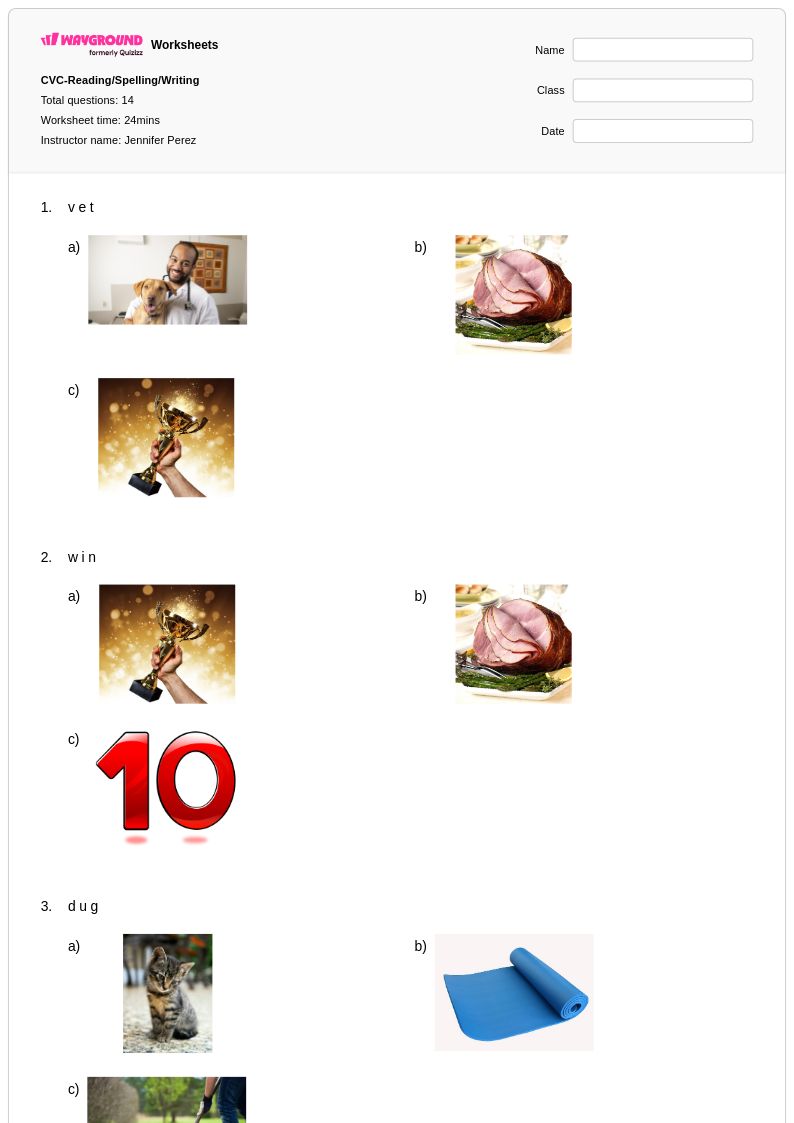
14 Q
1st - 5th
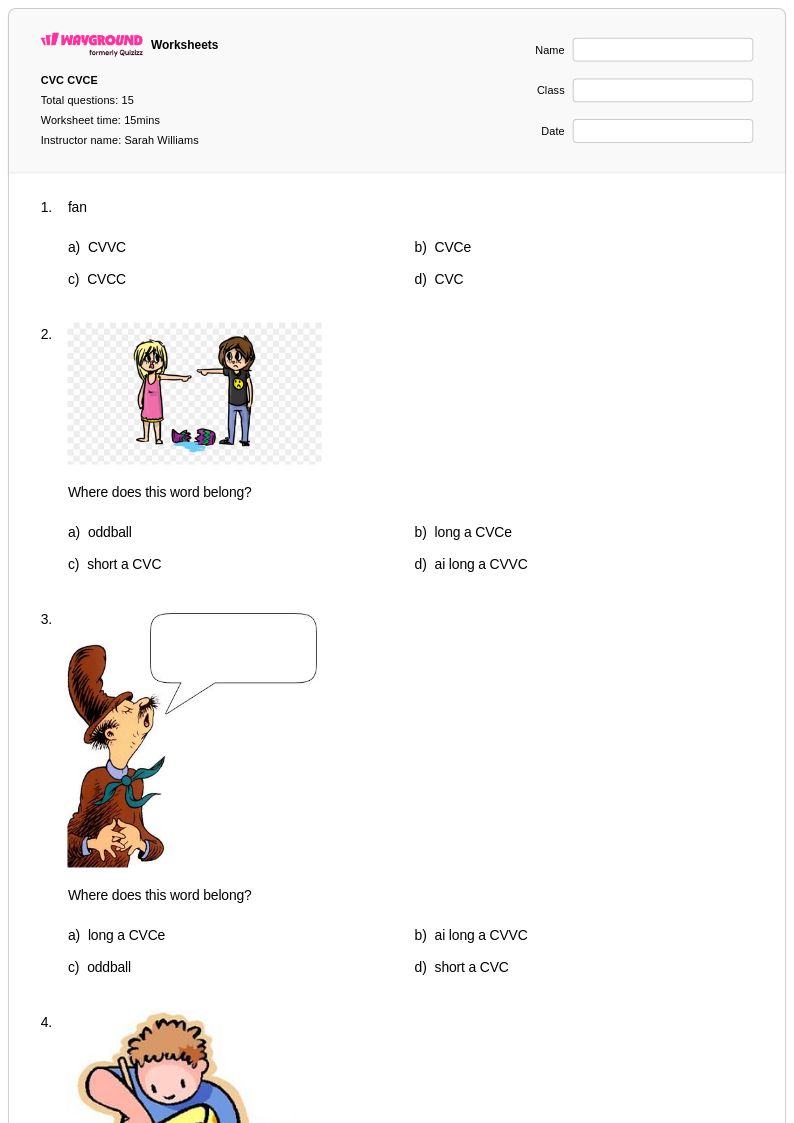
15 Q
2nd - Uni
Explore Cvc Short I Worksheets by Grades
Explore Other Subject Worksheets for grade 2
Explore printable Cvc Short I worksheets for Grade 2
CVC short I worksheets for Grade 2 students available through Wayground (formerly Quizizz) provide targeted instruction in one of the most fundamental phonetic patterns young readers encounter. These comprehensive practice materials focus specifically on consonant-vowel-consonant words containing the short I sound, such as "big," "sit," "win," and "zip," helping second-grade learners master this essential building block of reading fluency. Each worksheet systematically develops phonemic awareness, decoding skills, and spelling accuracy through carefully structured exercises that progress from sound identification to word construction and reading comprehension. The collection includes varied practice problems that reinforce letter-sound relationships, complete answer keys for immediate feedback, and free printable pdf formats that make implementation seamless for both classroom instruction and independent practice sessions.
Wayground (formerly Quizizz) empowers educators with an extensive library of millions of teacher-created CVC short I resources specifically designed to meet the diverse learning needs of Grade 2 students. The platform's advanced search and filtering capabilities allow teachers to quickly locate worksheets aligned with specific phonics standards and learning objectives, while built-in differentiation tools enable customization for students at various skill levels. These materials are available in both printable and digital formats, including easily downloadable pdfs, making them adaptable for traditional classroom settings, remote learning environments, or hybrid instructional models. Teachers can efficiently plan targeted phonics lessons, provide remediation for struggling readers, offer enrichment opportunities for advanced learners, and implement consistent skill practice routines that build confidence and competency in early reading development.
FAQs
How do I teach CVC short I words to early readers?
What exercises help students practice CVC short I words?
What mistakes do students commonly make with CVC short I words?
How do I differentiate CVC short I instruction for students at different skill levels?
How do I use CVC short I worksheets from Wayground in my classroom?