Explore free Grade 1 gardening worksheets and printables that help young students learn about plants, seeds, and growing through engaging practice problems with answer keys.
Explore printable Gardening worksheets for Grade 1
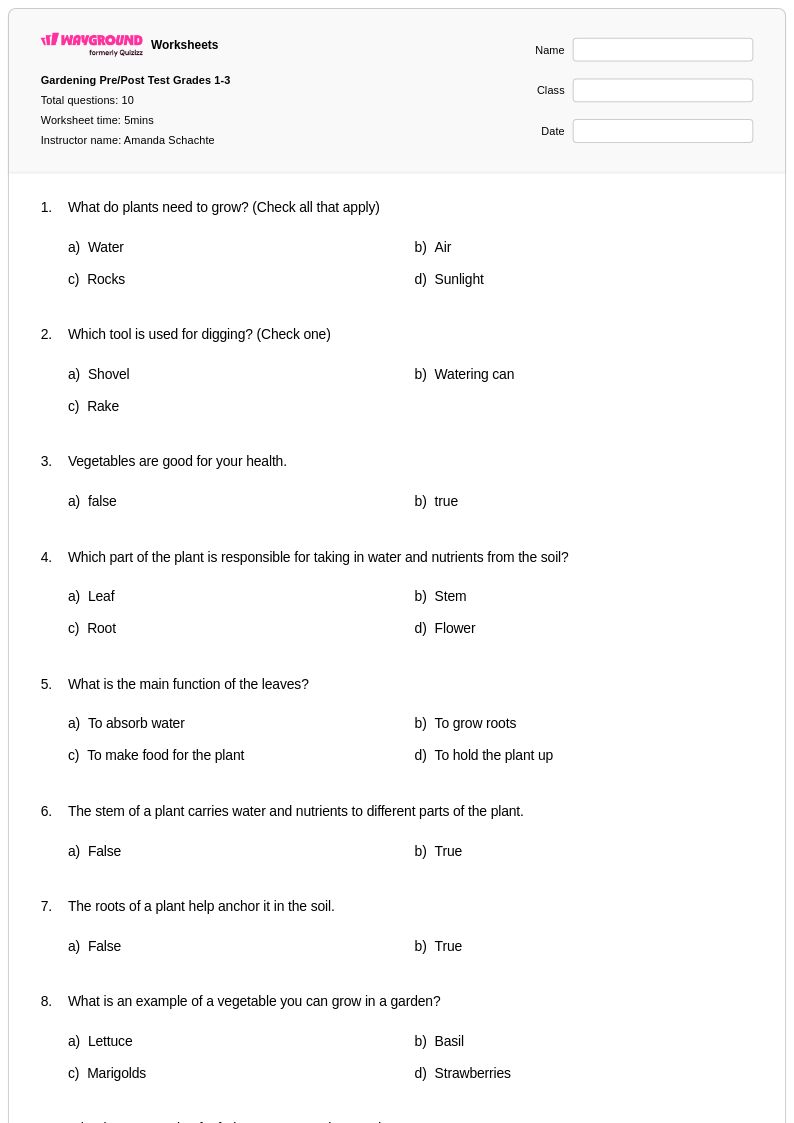
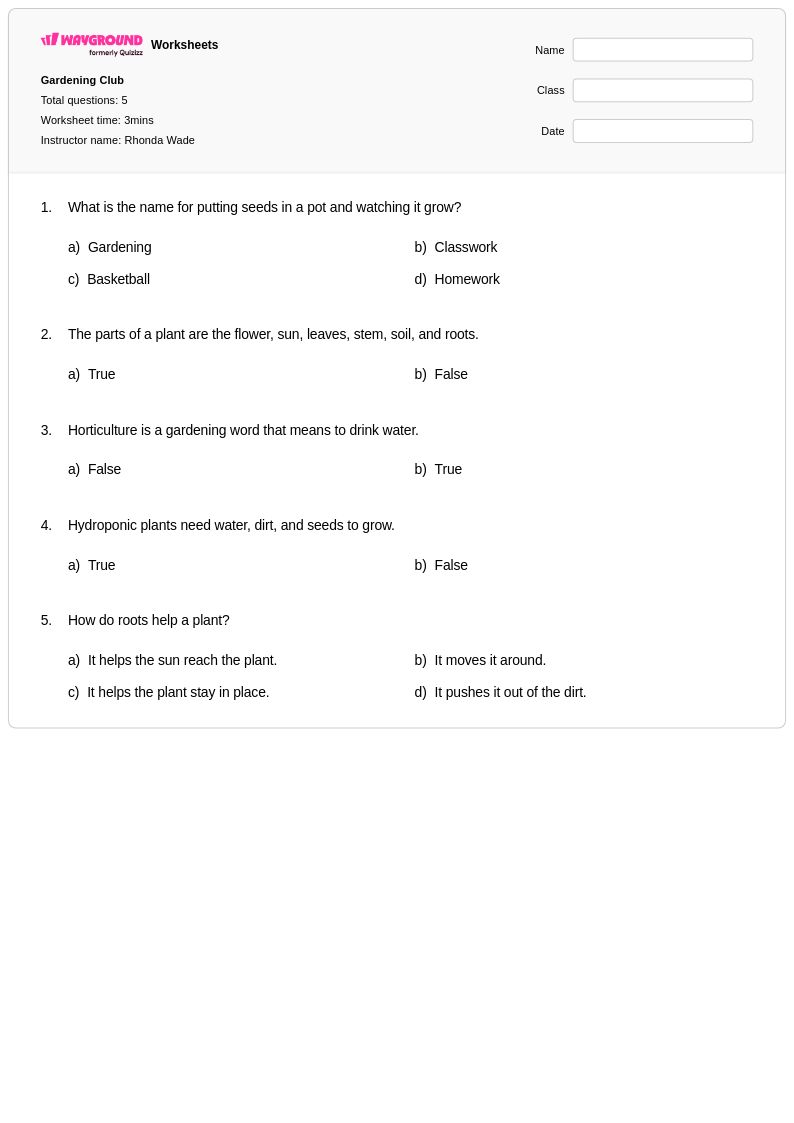
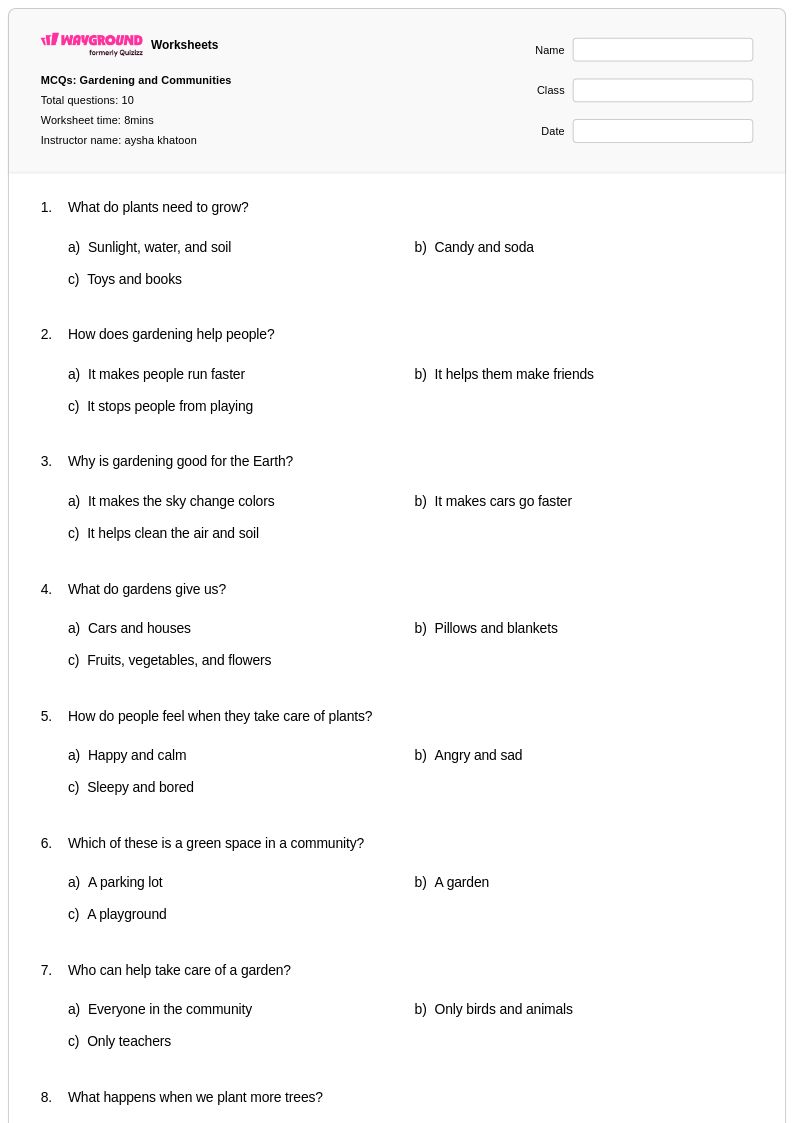
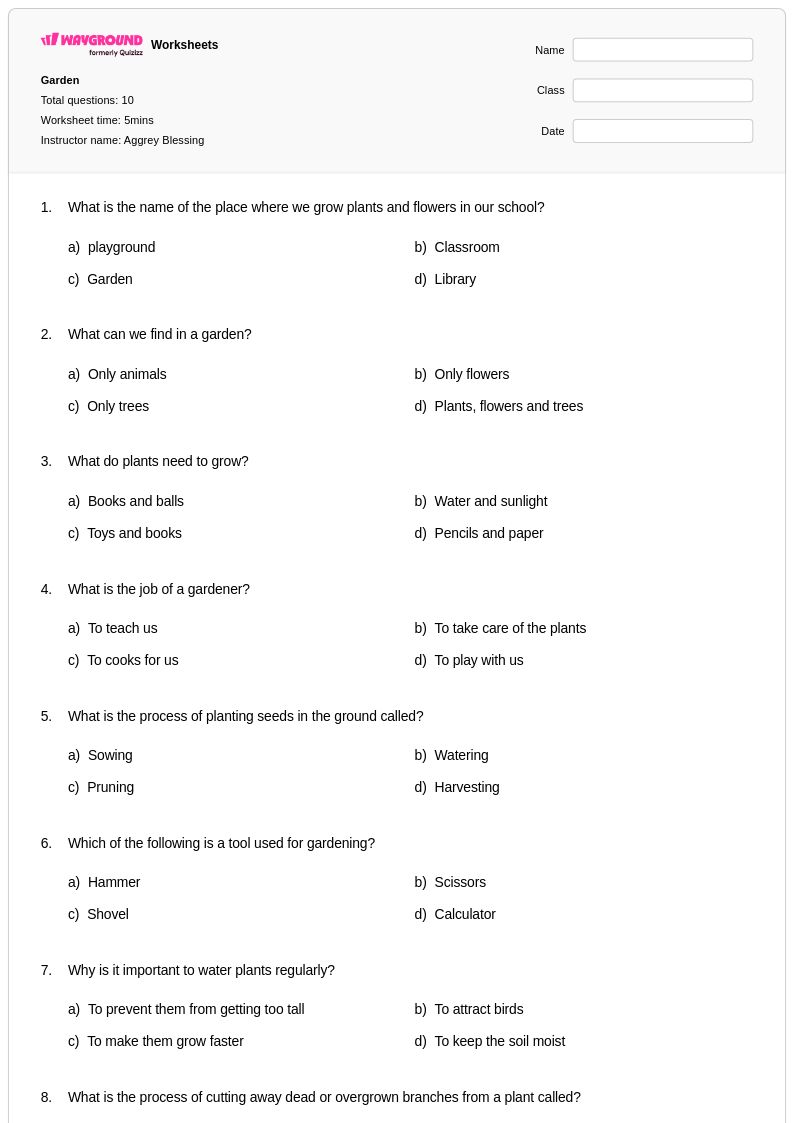
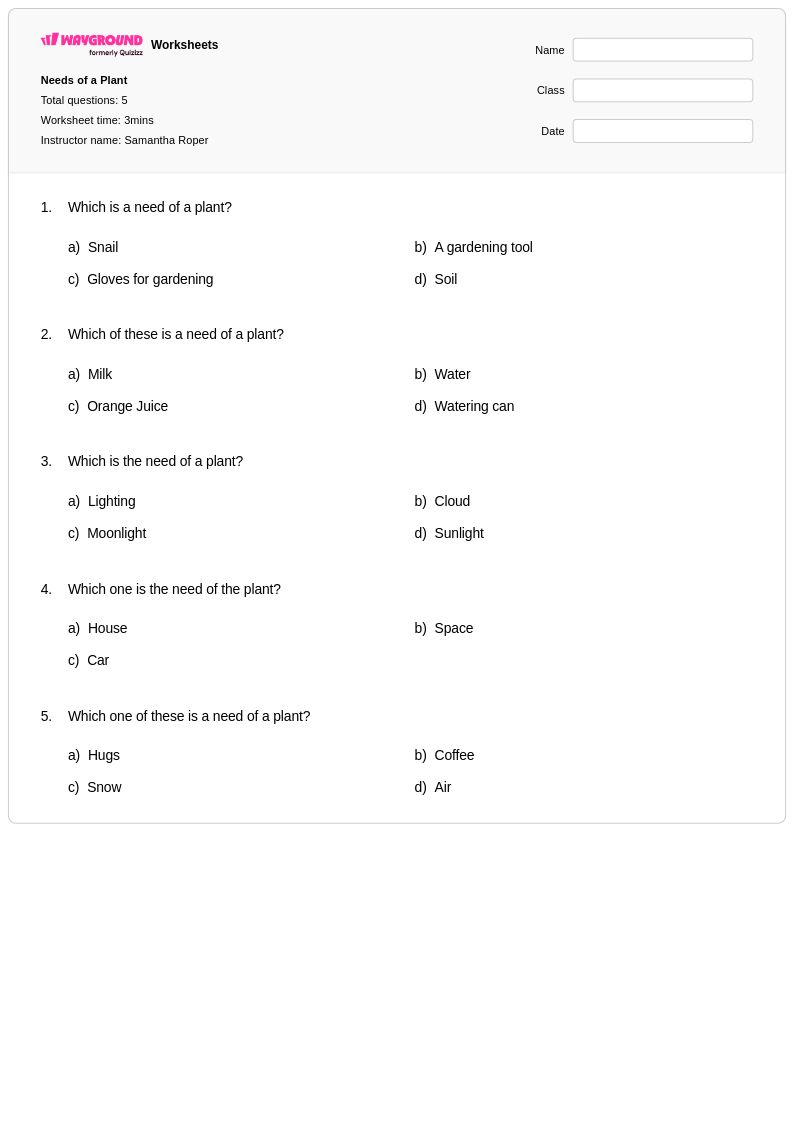
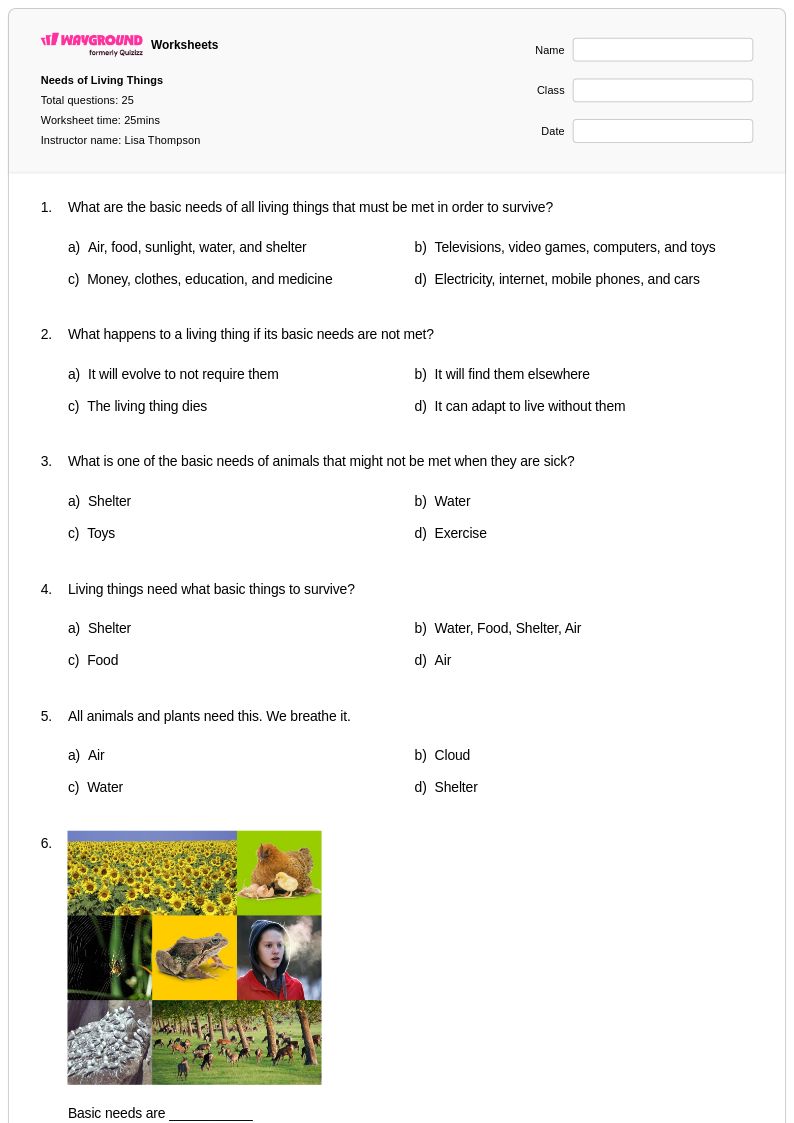
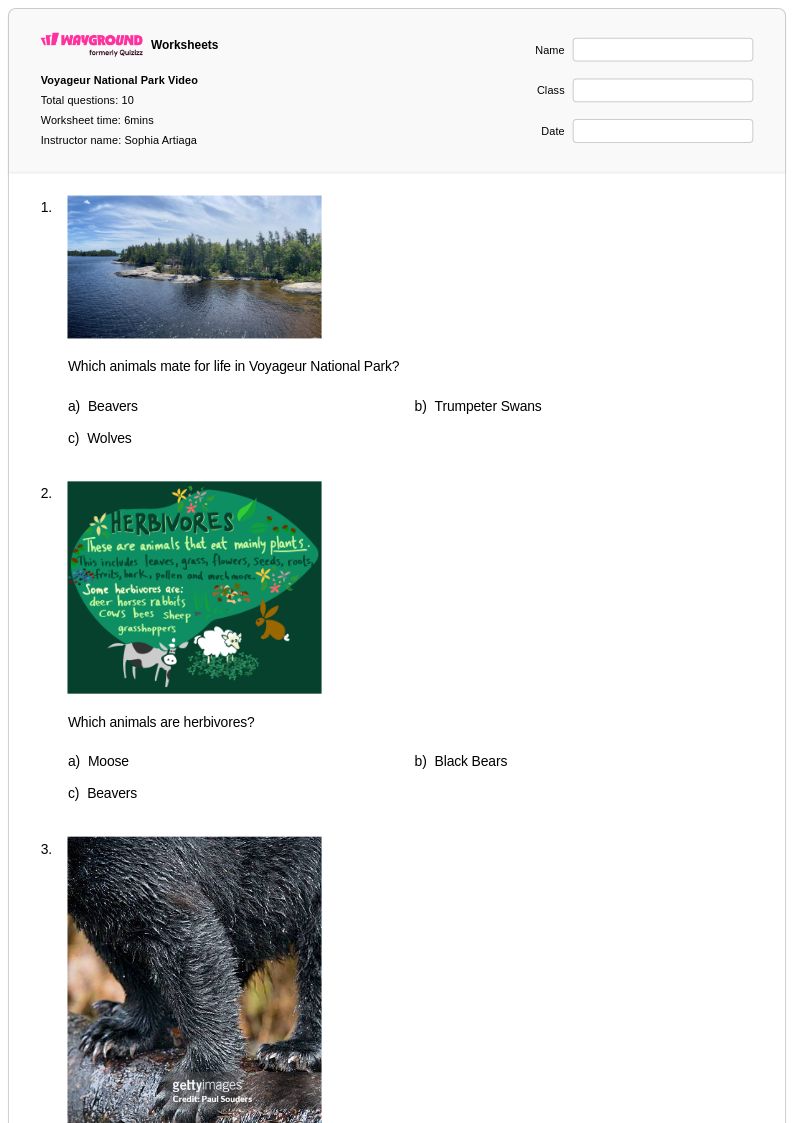
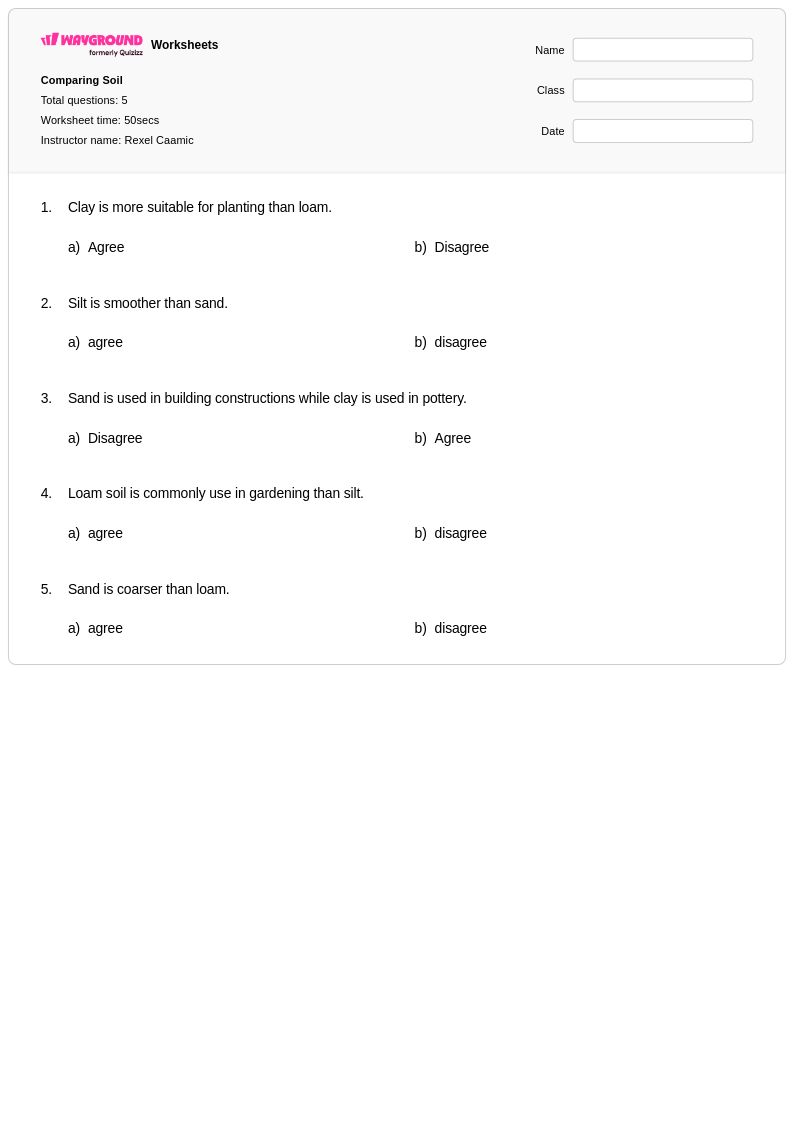
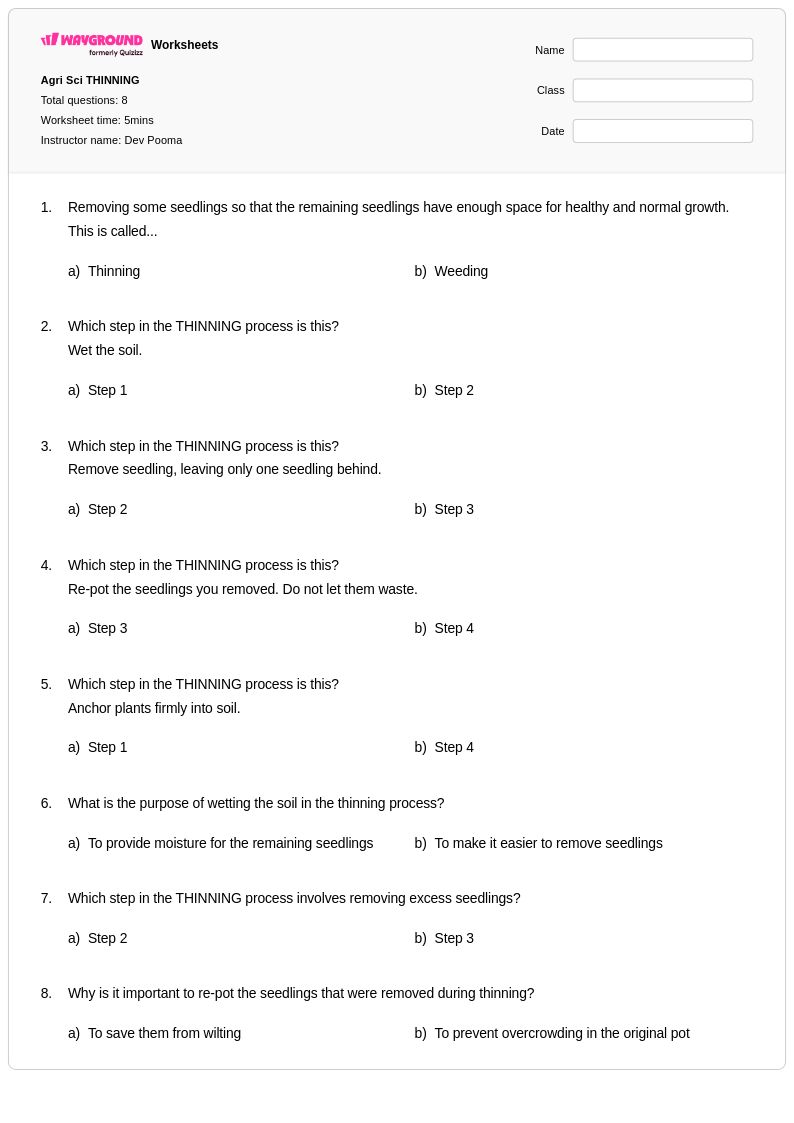
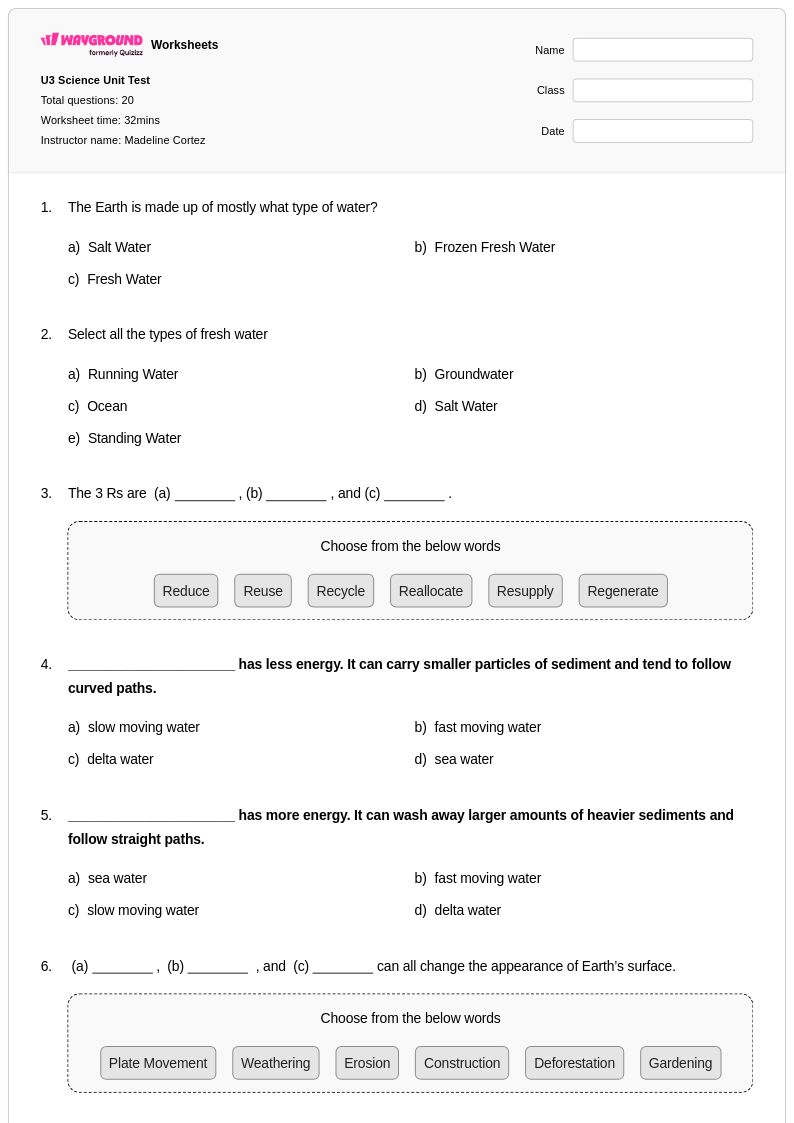
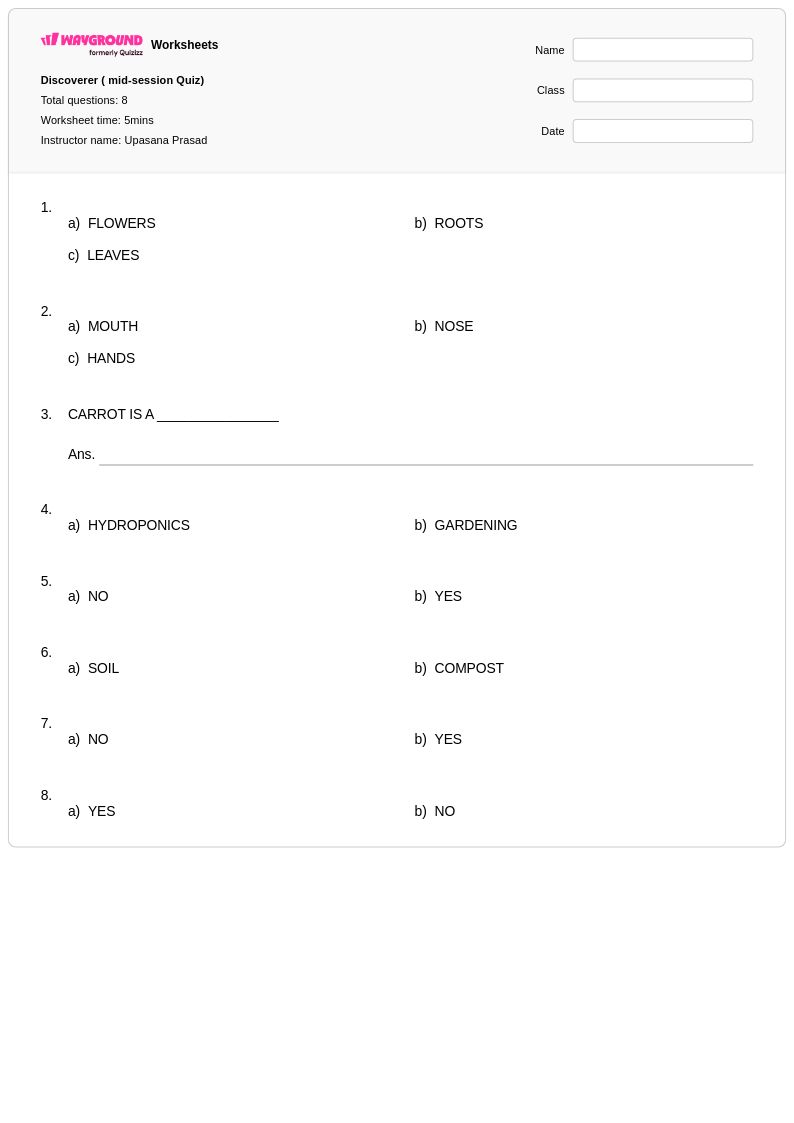
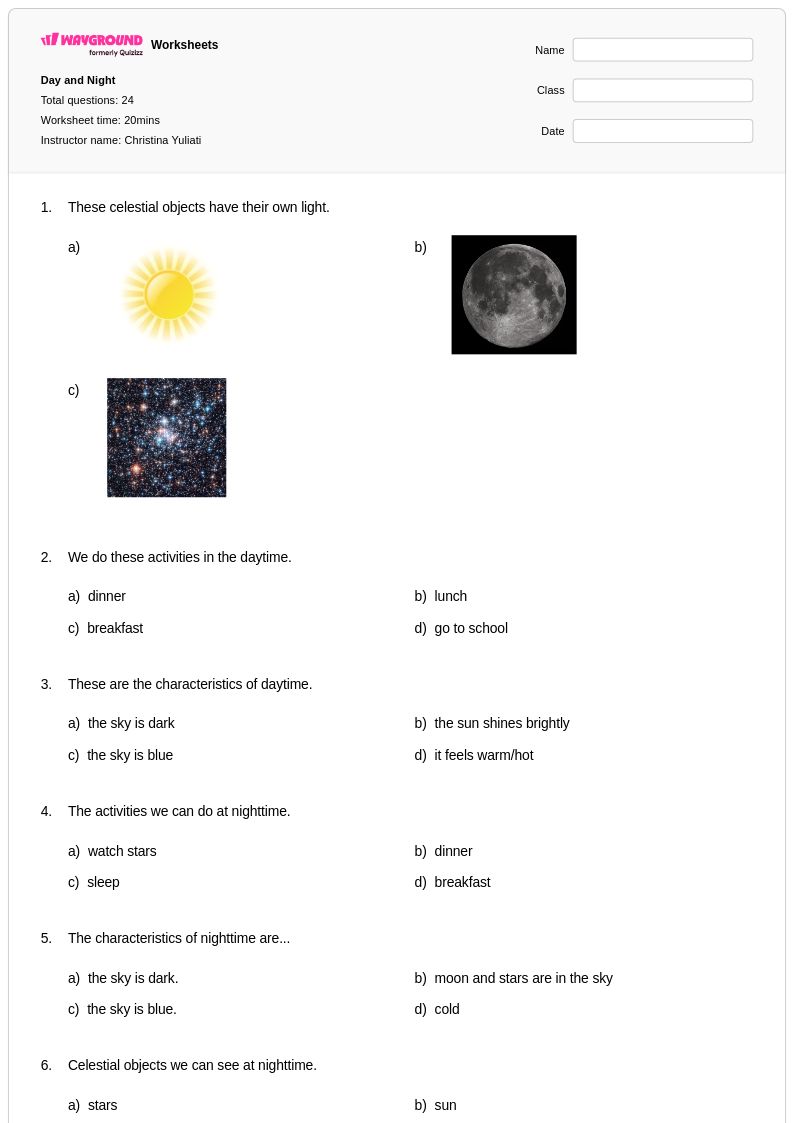
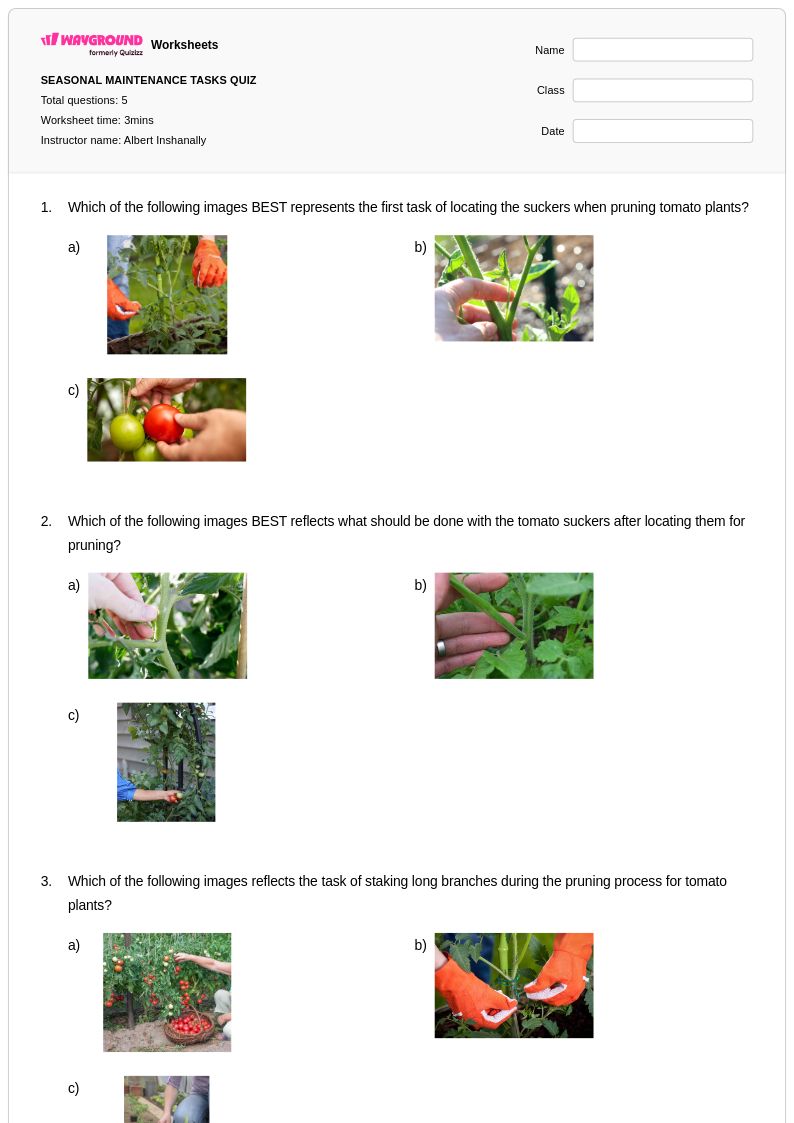
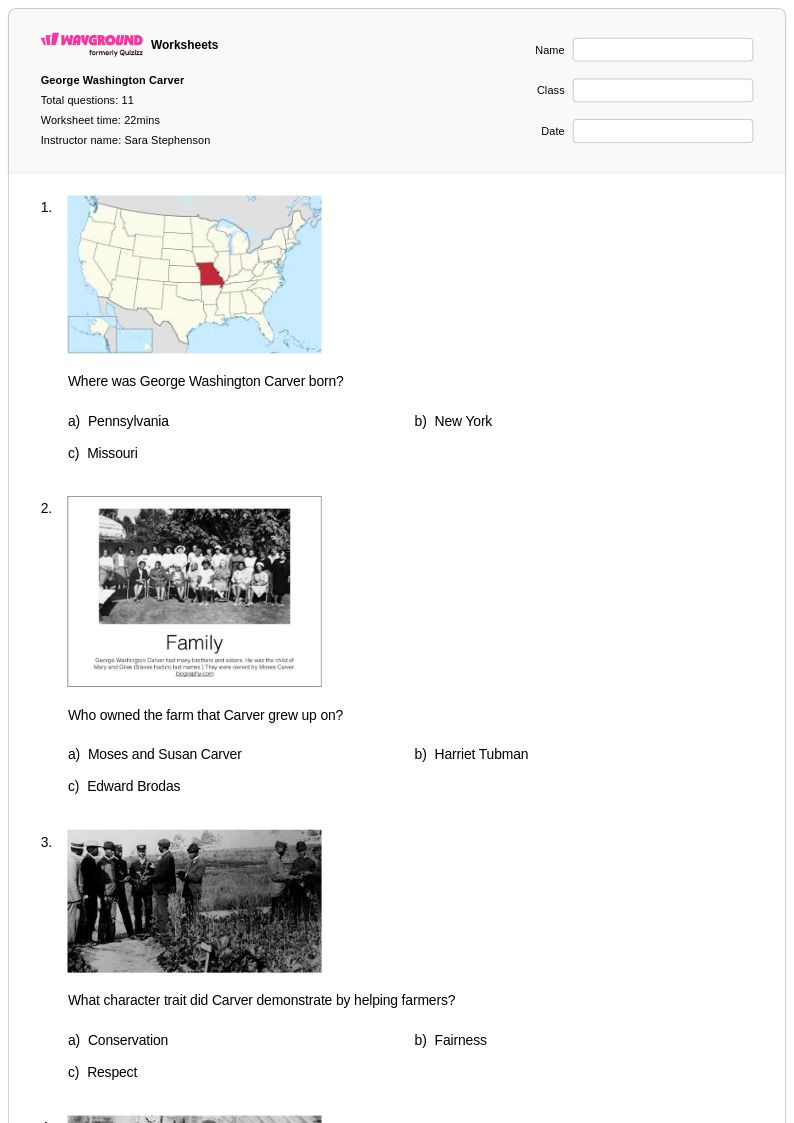
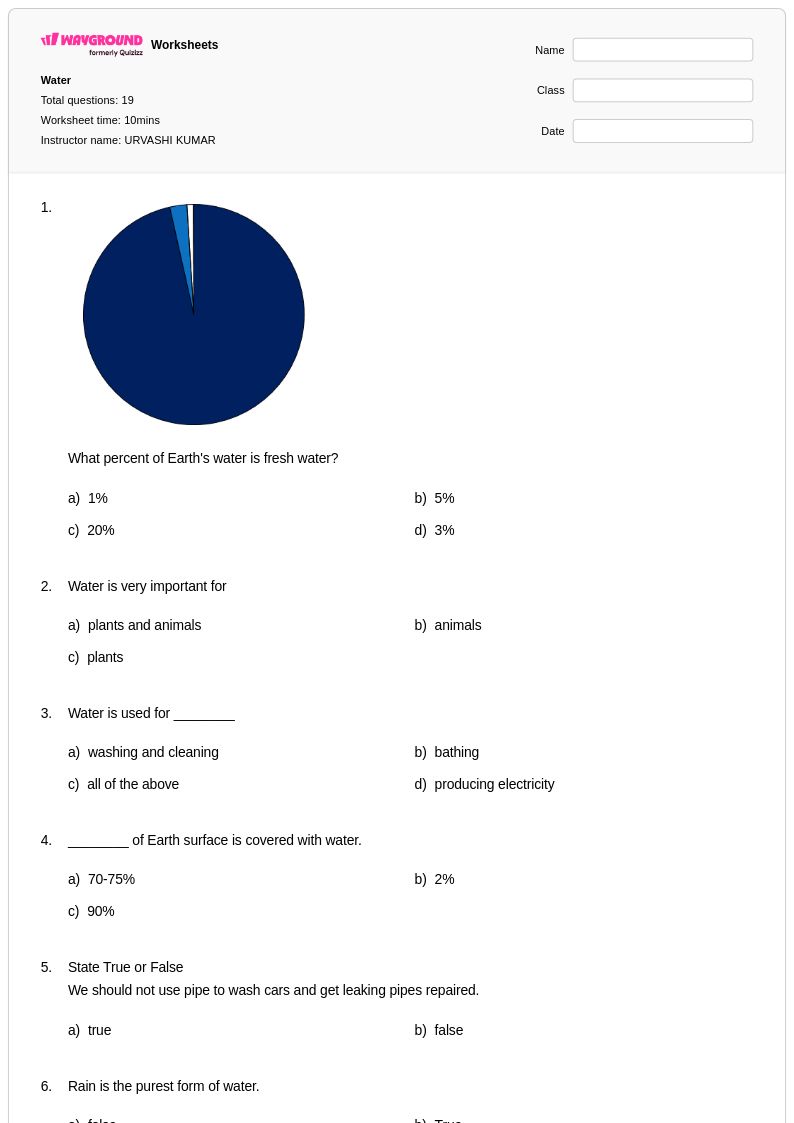
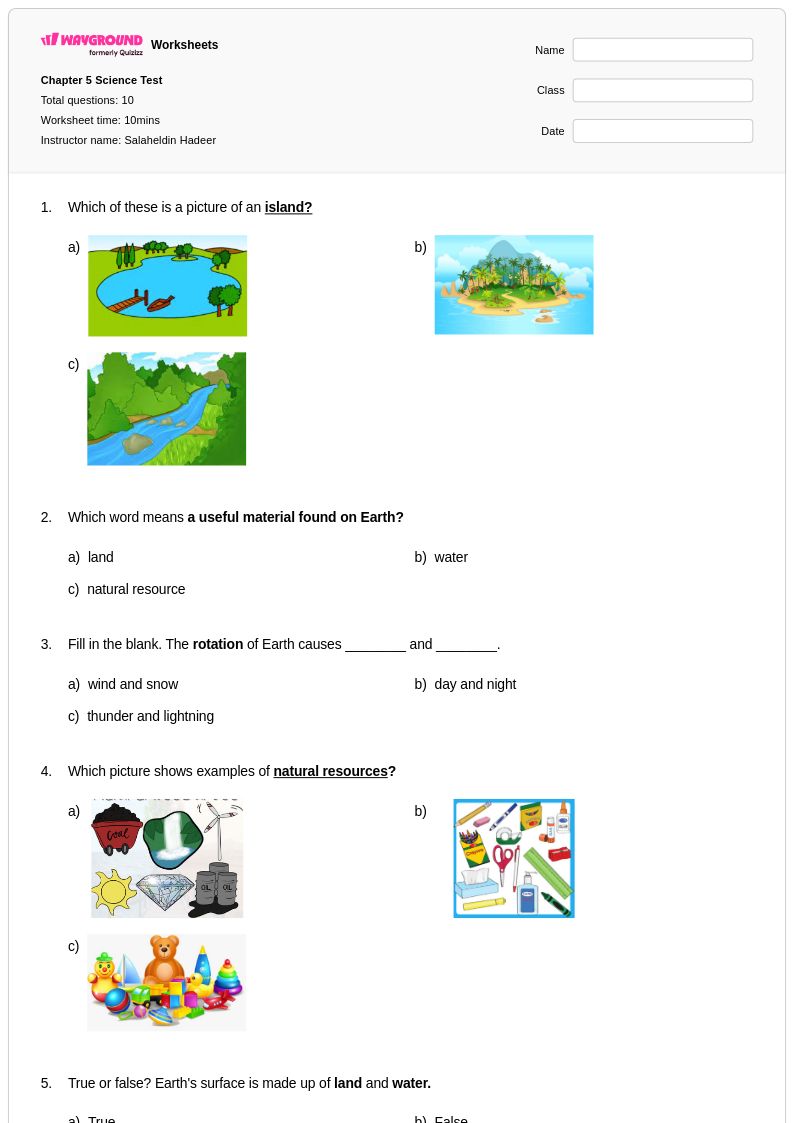
Gardening worksheets for Grade 1 students available through Wayground (formerly Quizizz) introduce young learners to the fundamental concepts of plant life cycles, seed growth, and basic horticultural practices through age-appropriate activities and visual exercises. These educational resources strengthen essential scientific observation skills, vocabulary development, and understanding of living organisms while fostering curiosity about the natural world. The collection includes practice problems that guide students through identifying plant parts, sequencing growth stages, and recognizing the basic needs of plants such as water, sunlight, and soil. Each worksheet comes with a comprehensive answer key to support accurate assessment, and the printable pdf format ensures easy classroom distribution and home practice opportunities for reinforcing botanical concepts.
Wayground (formerly Quizizz) empowers educators with an extensive library of millions of teacher-created gardening resources specifically designed for Grade 1 learners, featuring robust search and filtering capabilities that allow quick identification of materials aligned with specific learning objectives and educational standards. The platform's differentiation tools enable teachers to customize worksheets based on individual student needs, while the flexible format options include both printable and digital versions to accommodate diverse classroom environments and learning preferences. These comprehensive features streamline lesson planning by providing ready-to-use materials for skill practice, support targeted remediation for students requiring additional plant science reinforcement, and offer enrichment opportunities for advanced learners ready to explore more complex gardening concepts and botanical relationships.
FAQs
How do I teach gardening concepts to students who don't have access to an outdoor garden?
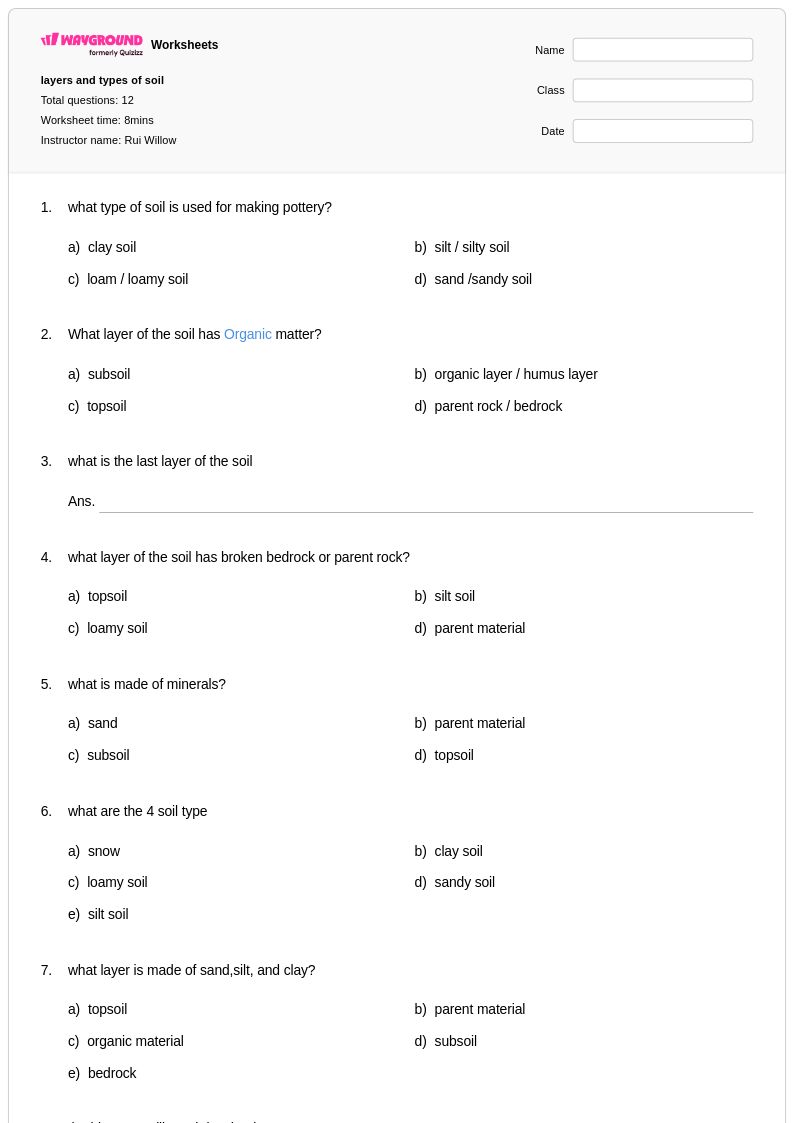
You can teach gardening effectively in a classroom setting by focusing on the underlying science: seed germination experiments in cups, soil composition labs using sand, clay, and organic matter, and photosynthesis observations with potted plants on windowsills. Structured worksheets that walk students through plant biology, growing cycles, and ecosystem relationships give students a conceptual foundation even without outdoor garden access. Pairing visual diagrams with guided practice problems helps students internalize concepts like root systems, nutrient uptake, and companion planting without needing a physical plot.
What exercises help students practice plant biology and gardening science skills?
Effective practice exercises for gardening science include labeling plant anatomy diagrams, sequencing seed germination stages, analyzing soil composition scenarios, and completing data tables that track plant growth under different conditions. Students also benefit from activities that connect gardening to broader life science concepts, such as mapping ecosystem relationships, comparing photosynthesis rates, and evaluating sustainable planting strategies. These structured problems develop both scientific vocabulary and analytical reasoning in a hands-on context.
What misconceptions do students commonly have about how plants grow and what they need?
A common misconception is that plants get most of their mass from soil rather than from carbon dioxide absorbed during photosynthesis, which causes confusion when students analyze nutrient cycles or soil composition. Students also frequently confuse the roles of sunlight, water, and nutrients, assuming that more of each always produces better growth rather than understanding that balance and timing matter. Another frequent error is treating all soils as interchangeable, when in practice drainage, pH, and organic content significantly affect which plants can thrive.
How do I use Wayground's gardening worksheets in my classroom?
Wayground's gardening worksheets are available as printable PDFs for traditional classroom use and in digital formats for technology-integrated or remote learning environments, giving teachers flexibility in how they assign and collect work. Teachers can also host worksheets as a quiz directly on Wayground, enabling interactive digital delivery with built-in answer tracking. Each worksheet includes a complete answer key, so they work equally well for independent student practice, guided group work, or teacher-led instruction.
How can I differentiate gardening worksheets for students at different skill levels?
On Wayground, teachers can apply student-level accommodations directly within the platform, including reduced answer choices to lower cognitive load for struggling learners, read aloud support for students who need audio delivery of questions, and extended time settings configurable per student. These accommodations can be assigned to individual students while the rest of the class receives default settings, making differentiation seamless and private. For advanced students, the platform's filtering tools help locate enrichment-level materials covering more complex topics like sustainable gardening practices and ecosystem interdependence.
How does teaching gardening connect to broader life science standards?
Gardening serves as a practical entry point into core life science standards including plant biology, photosynthesis, nutrient cycles, soil science, and ecosystem relationships. Because gardening integrates multiple scientific domains simultaneously, it gives students a real-world context for understanding abstract concepts like energy transfer, decomposition, and biodiversity. Structured gardening worksheets that address these connections explicitly help teachers align hands-on activities to grade-level science standards without sacrificing rigor.