
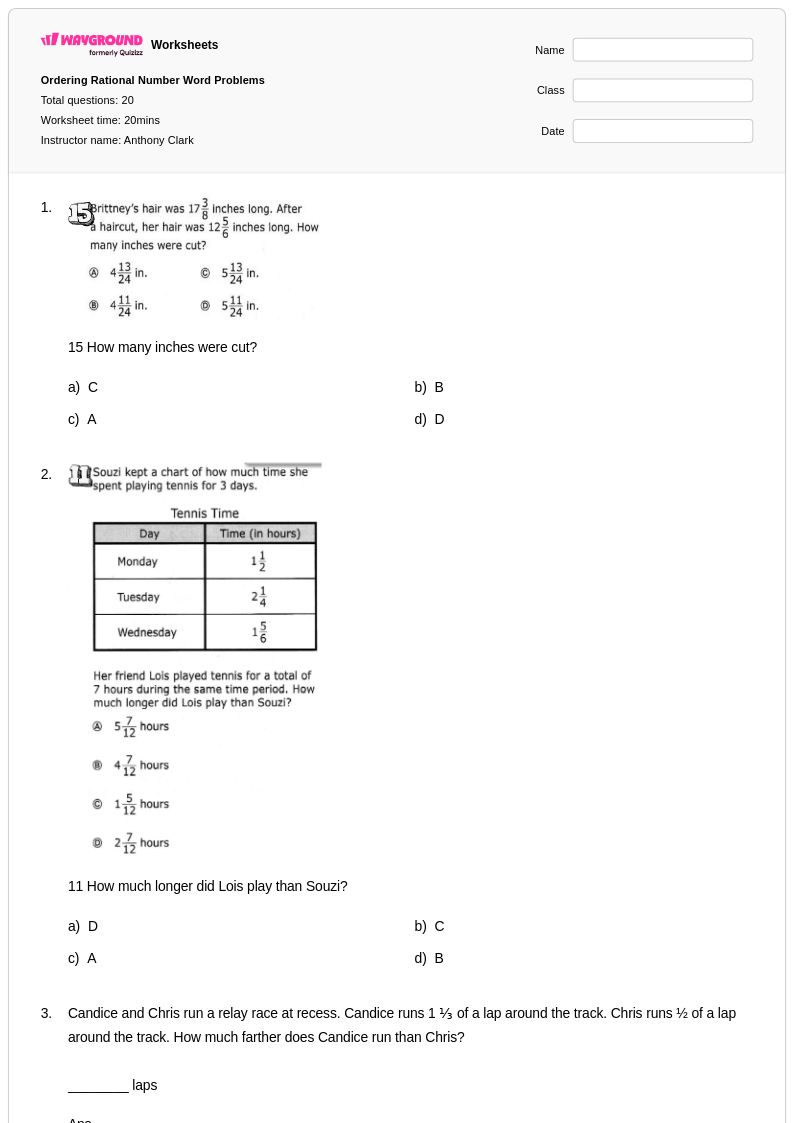
20 Q
6th - Uni
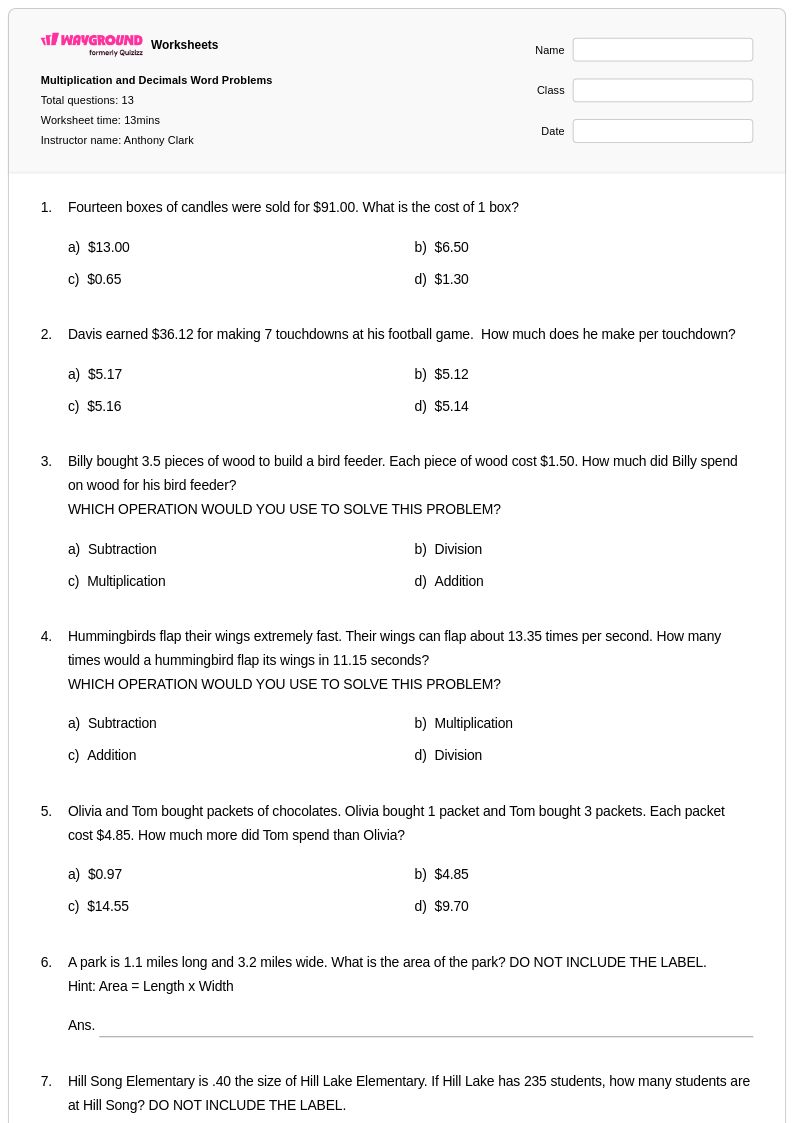
13 Q
6th - Uni
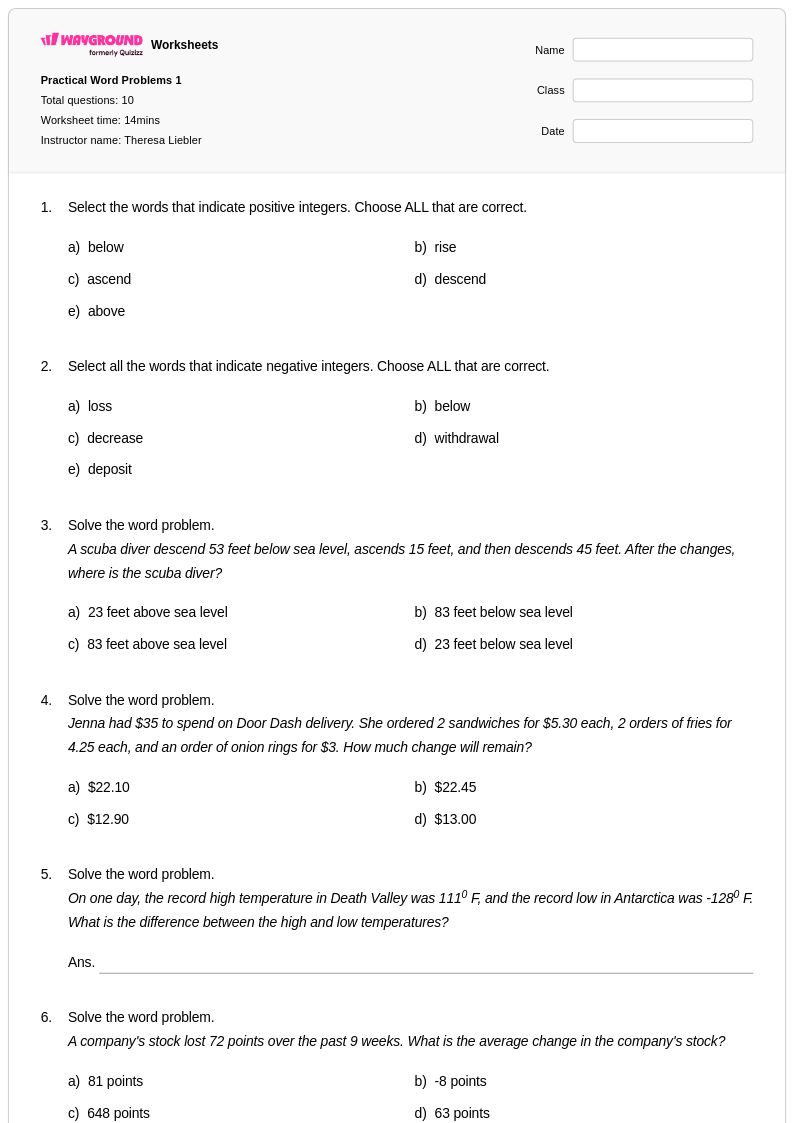
10 Q
6th - 7th
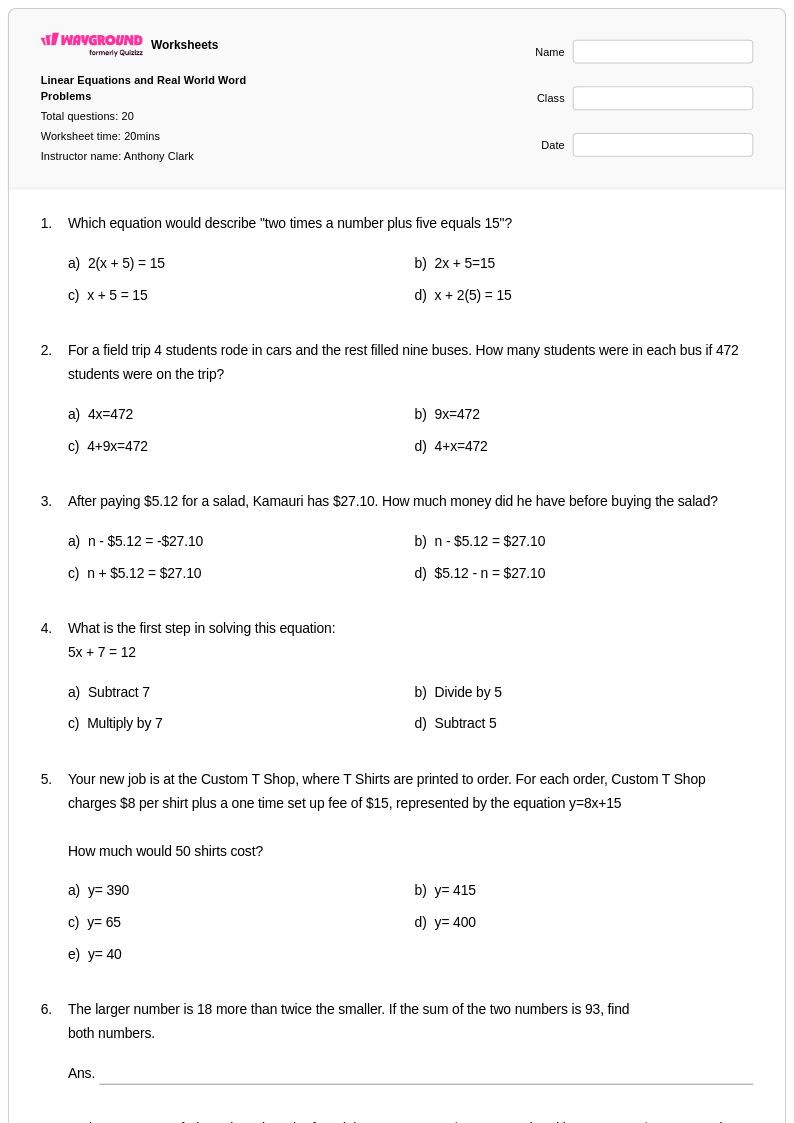
20 Q
7th - Uni
15 Q
7th - Uni
15 Q
2nd - Uni
11 Q
7th
21 Q
6th - 8th
18 Q
7th - Uni
13 Q
6th - 8th
15 Q
7th - 9th
10 Q
6th - 8th
20 Q
7th
20 Q
7th
18 Q
7th
19 Q
6th - Uni
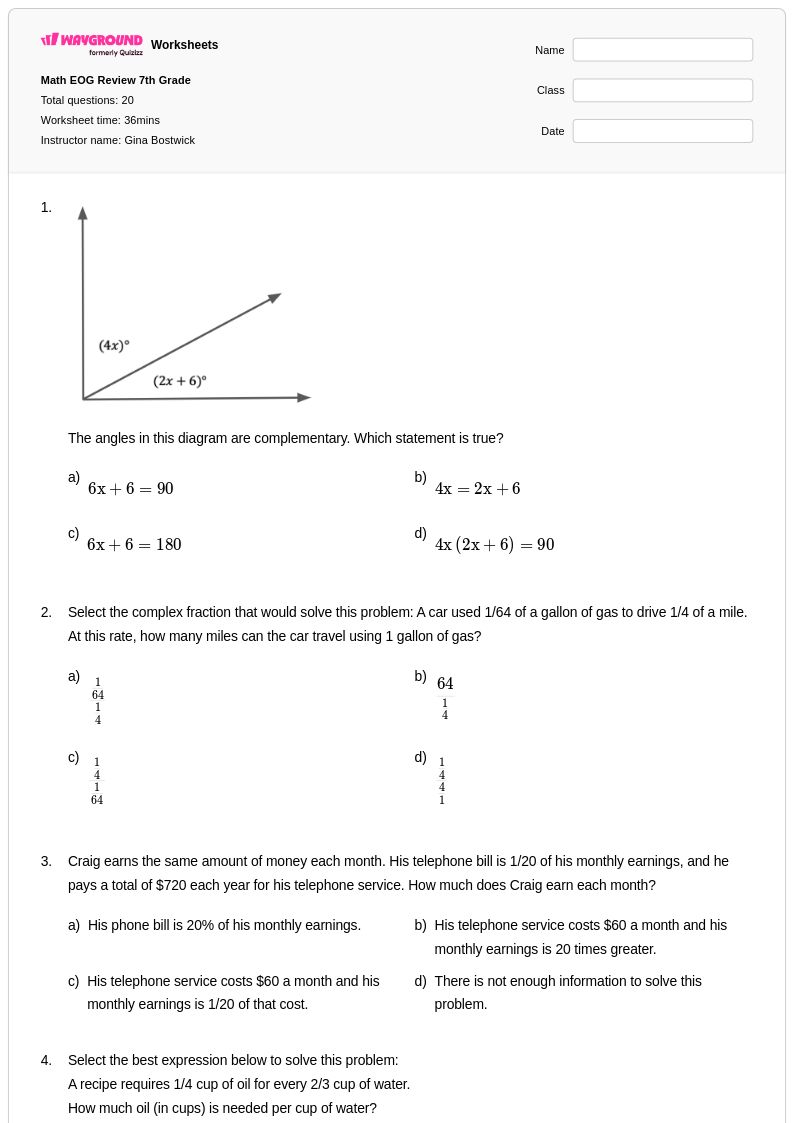
20 Q
7th
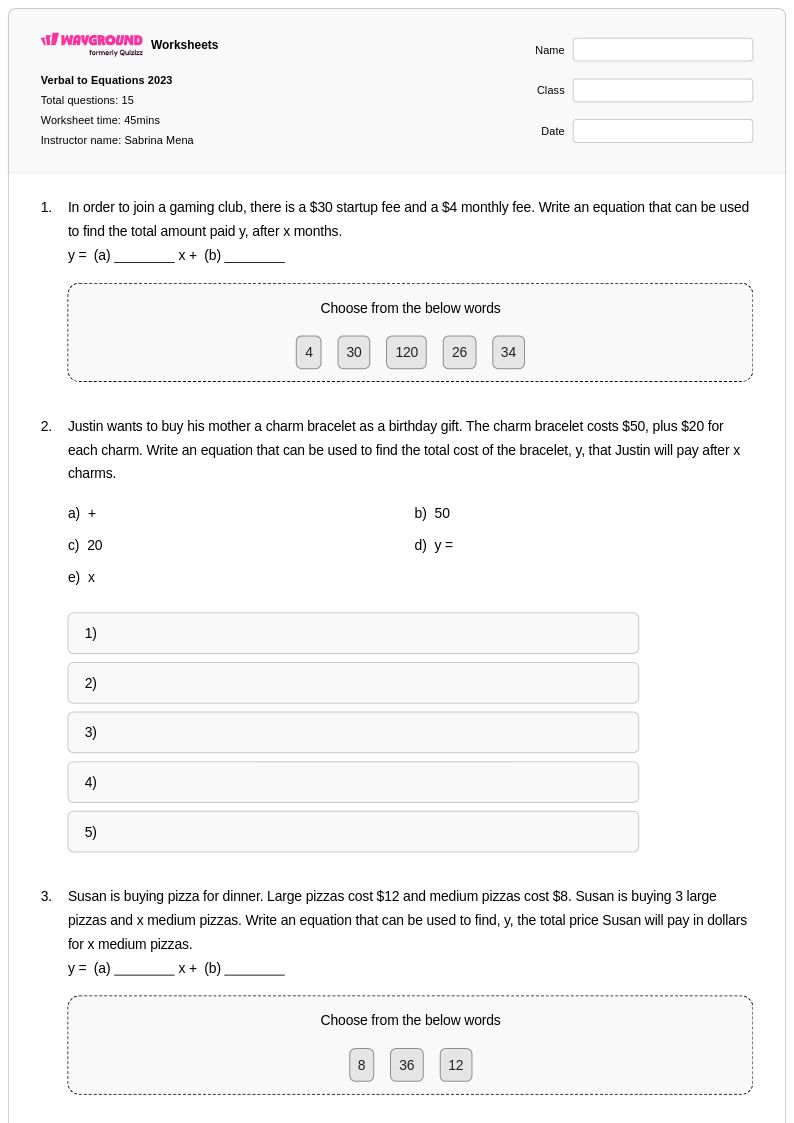
15 Q
7th
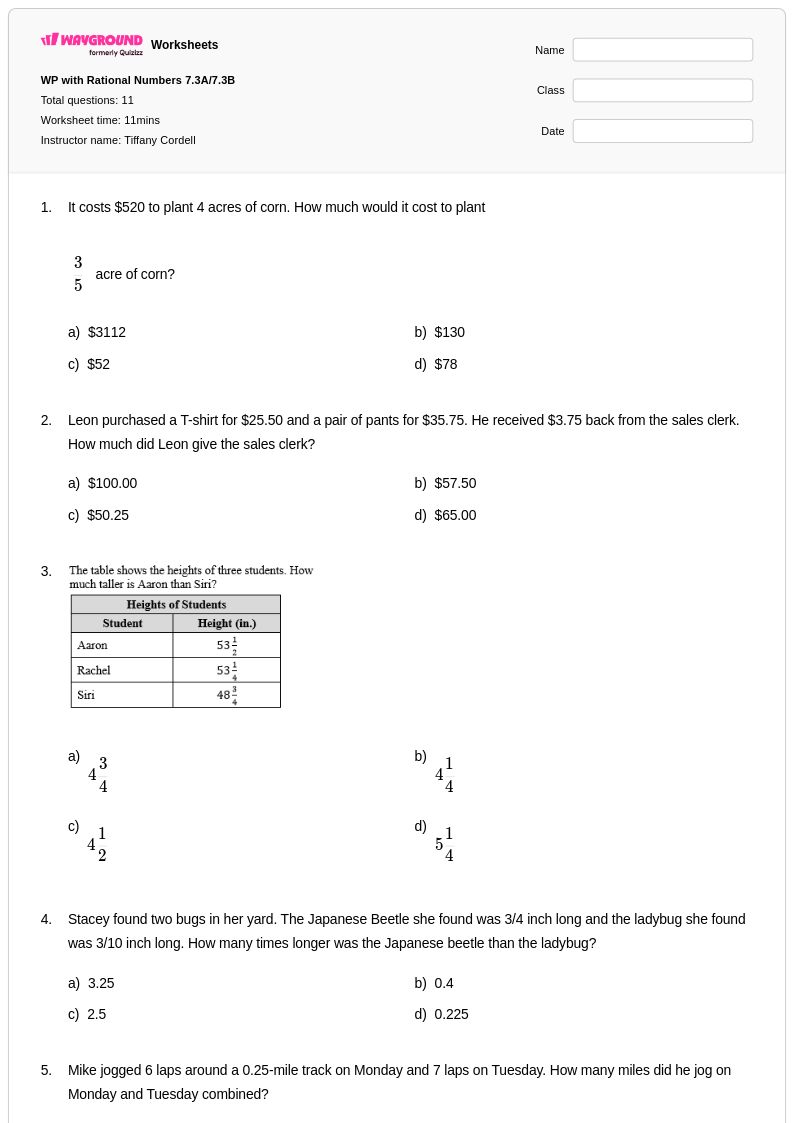
11 Q
7th
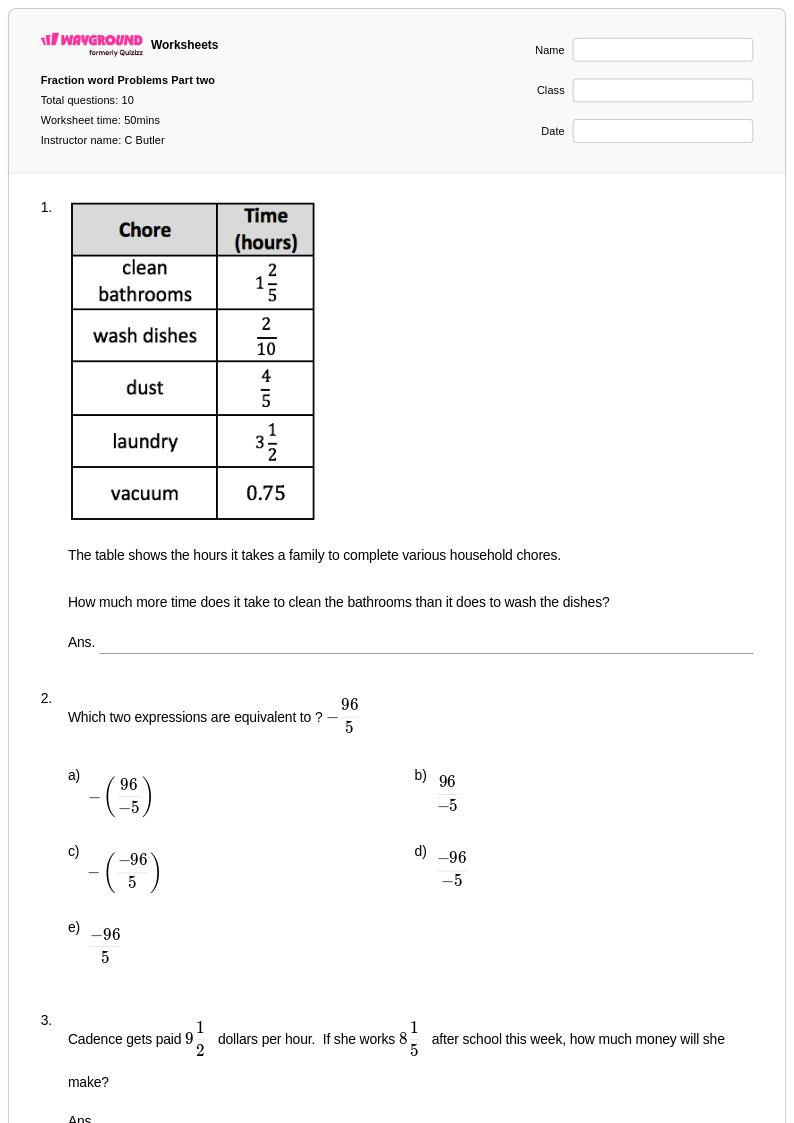
10 Q
7th
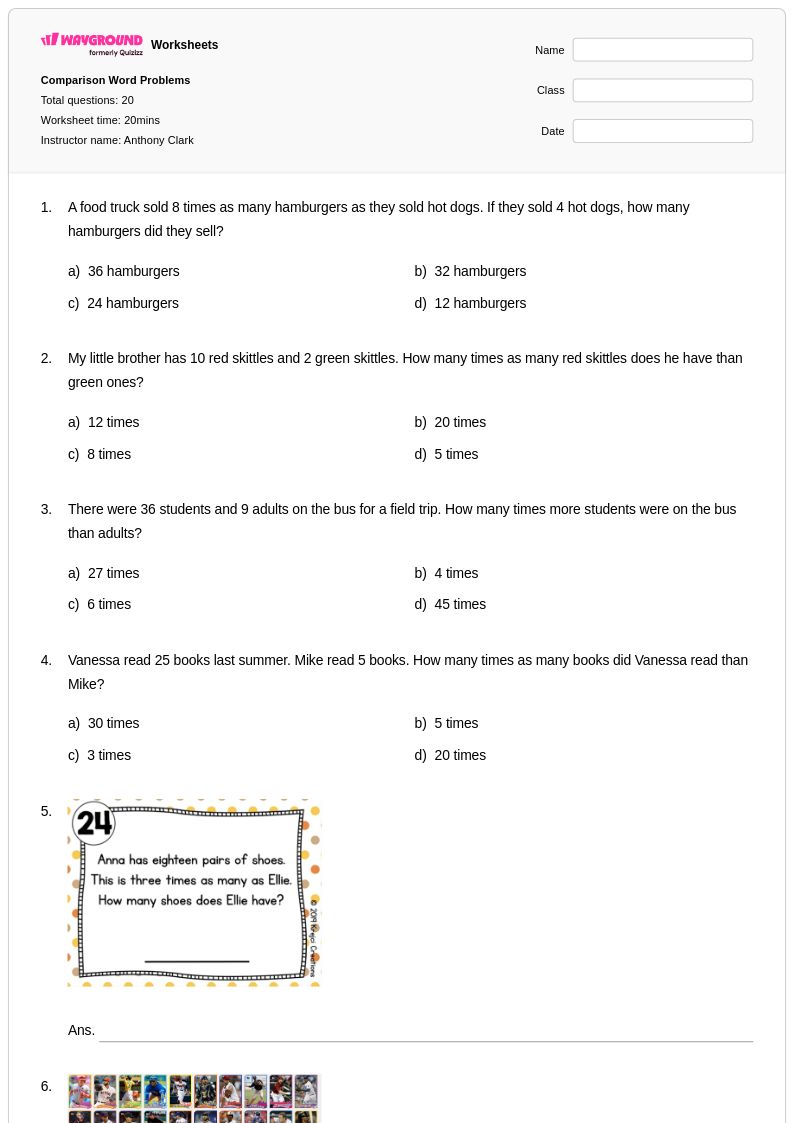
20 Q
4th - Uni
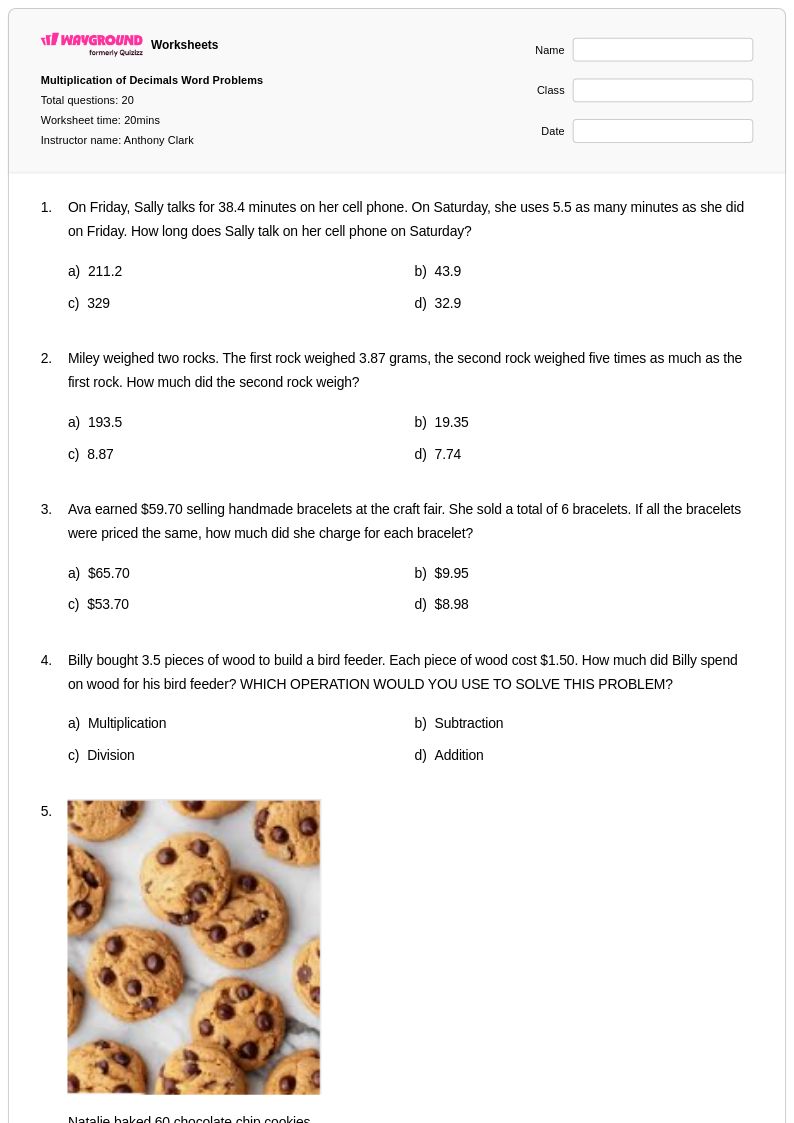
20 Q
5th - Uni
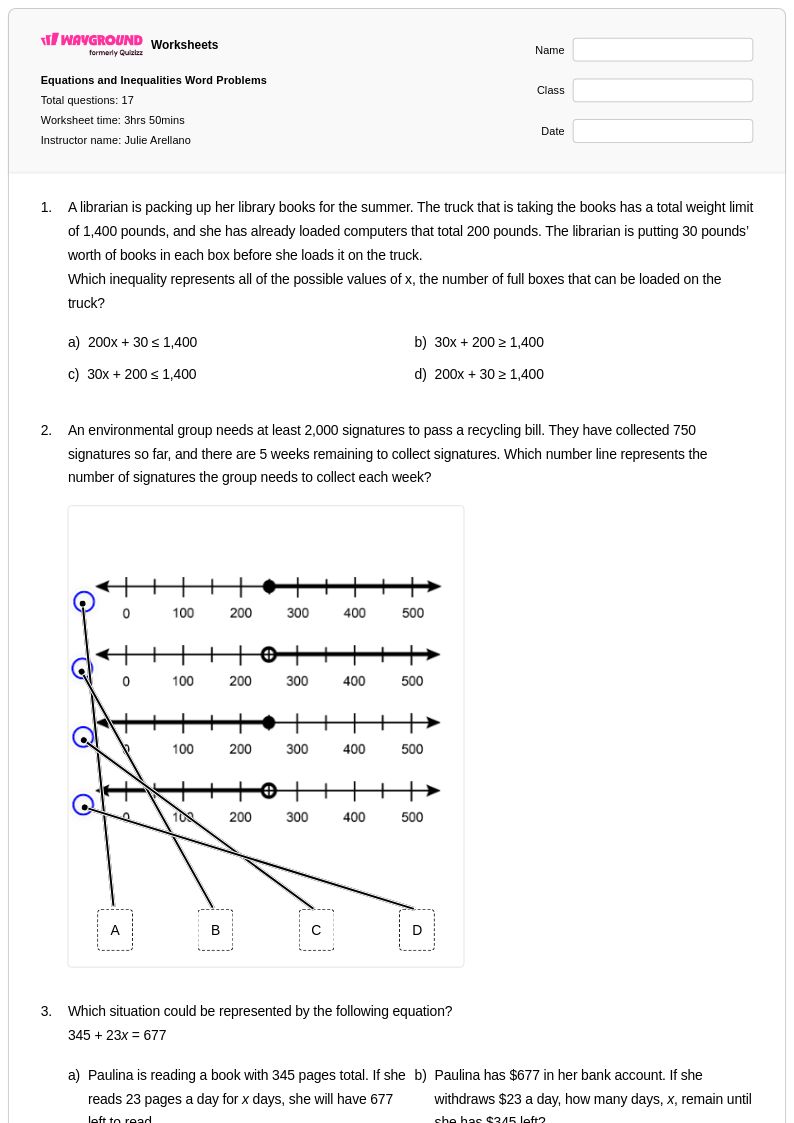
17 Q
7th
Explore Other Subject Worksheets for grade 7
Explore printable Geometry Word Problems worksheets for Grade 7
Grade 7 geometry word problems worksheets available through Wayground (formerly Quizizz) provide comprehensive practice opportunities that bridge mathematical reasoning with spatial concepts essential for middle school mathematics mastery. These carefully designed resources challenge students to apply geometric principles including area, perimeter, volume, and angle relationships within real-world contexts, strengthening their ability to translate written scenarios into mathematical equations and visual representations. Each worksheet collection includes detailed answer keys that support both independent study and classroom instruction, while the free printable format ensures accessibility for diverse learning environments. Students engage with practice problems that progress from basic shape identification and measurement calculations to complex multi-step scenarios involving coordinate geometry, transformations, and geometric proofs.
Wayground (formerly Quizizz) empowers educators with an extensive library of millions of teacher-created geometry word problem resources, featuring advanced search and filtering capabilities that enable precise alignment with curriculum standards and individual student needs. The platform's differentiation tools allow teachers to customize worksheet difficulty levels, modify problem complexity, and adapt content for various learning styles, making it invaluable for planning targeted instruction, remediation sessions, and enrichment activities. Teachers can seamlessly access materials in both digital and printable PDF formats, facilitating flexible implementation across traditional classrooms, hybrid learning environments, and remote instruction scenarios. This comprehensive approach to skill practice ensures that educators can efficiently address diverse student abilities while maintaining rigorous academic standards in geometric problem-solving development.
FAQs
How should I teach geometry word problems to seventh graders?
What exercises help seventh graders practice geometry word problems?
What mistakes do students make on Grade 7 geometry word problems?
How can I use these Grade 7 geometry word problem worksheets?
How do Grade 7 geometry word problems fit into the Common Core progression?
How can I differentiate geometry word problems for a mixed-ability Grade 7 class?
What grade are geometry word problems typically taught in?