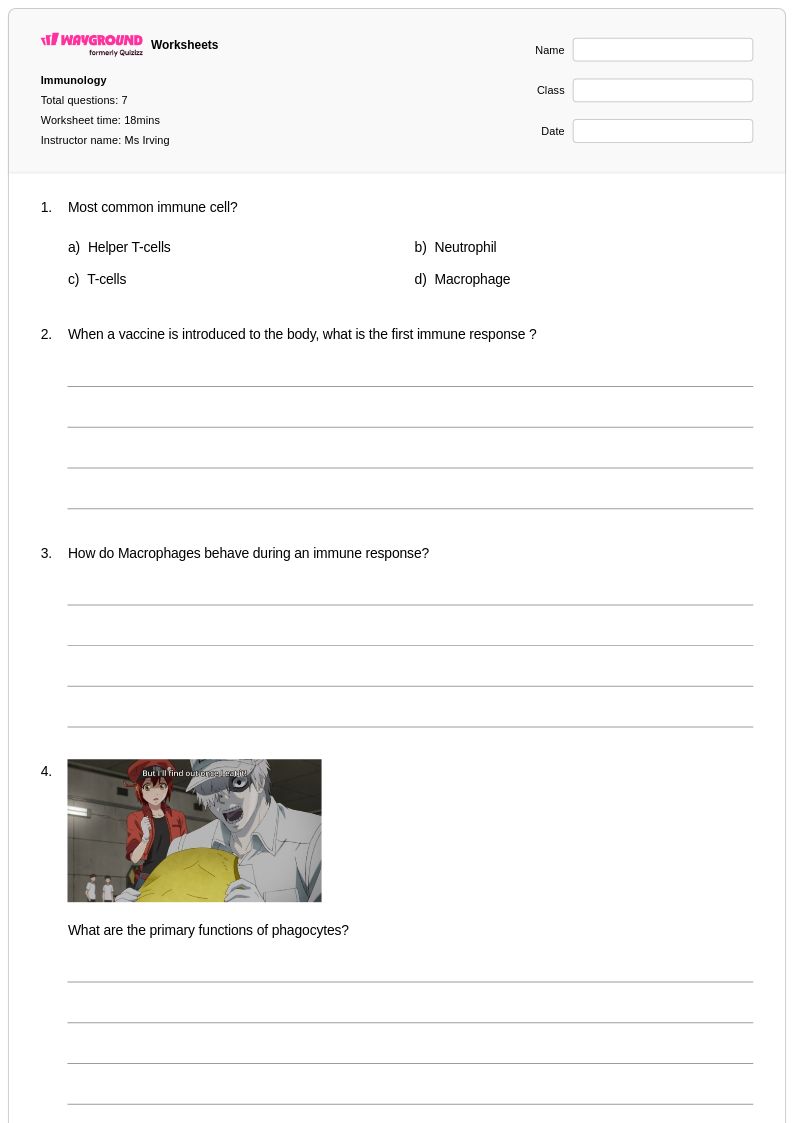
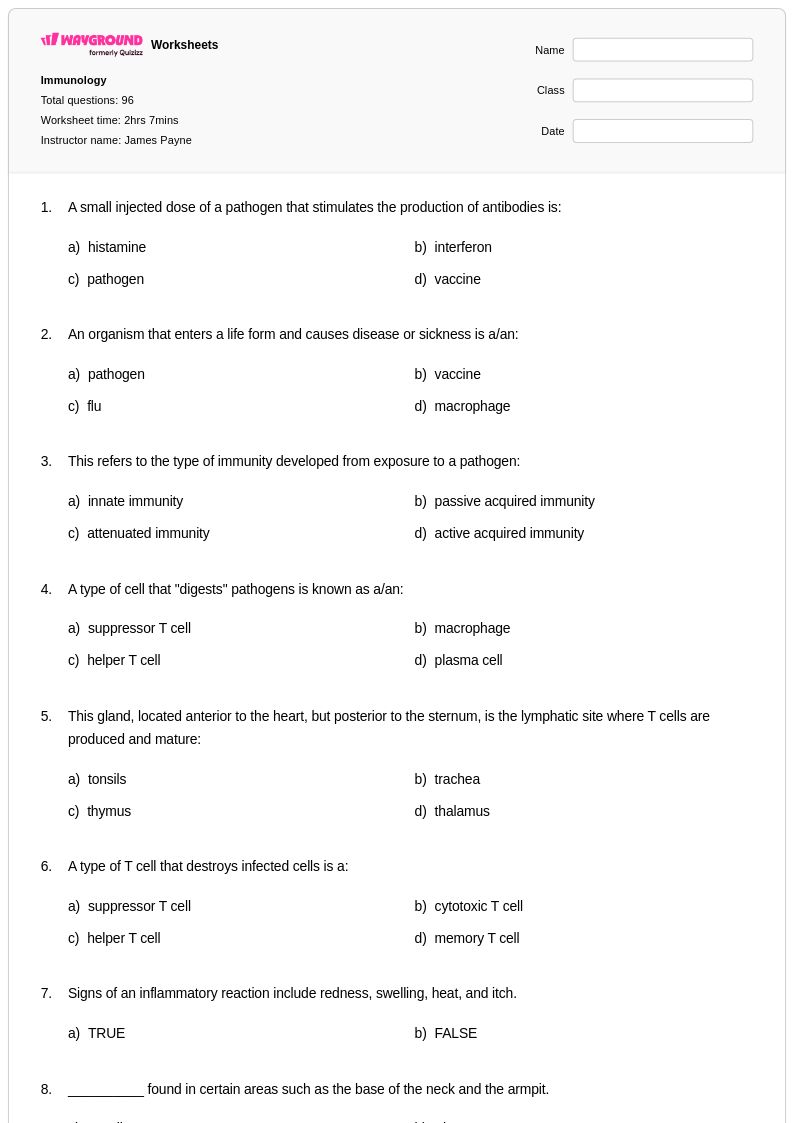
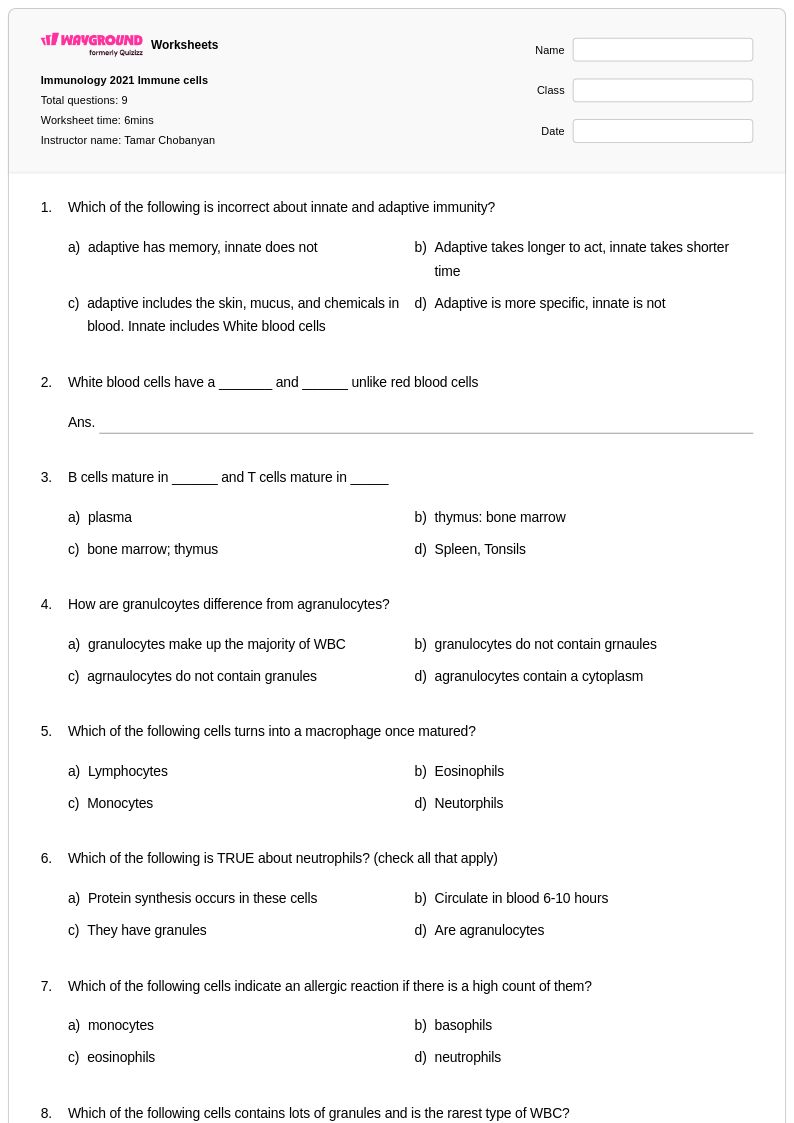
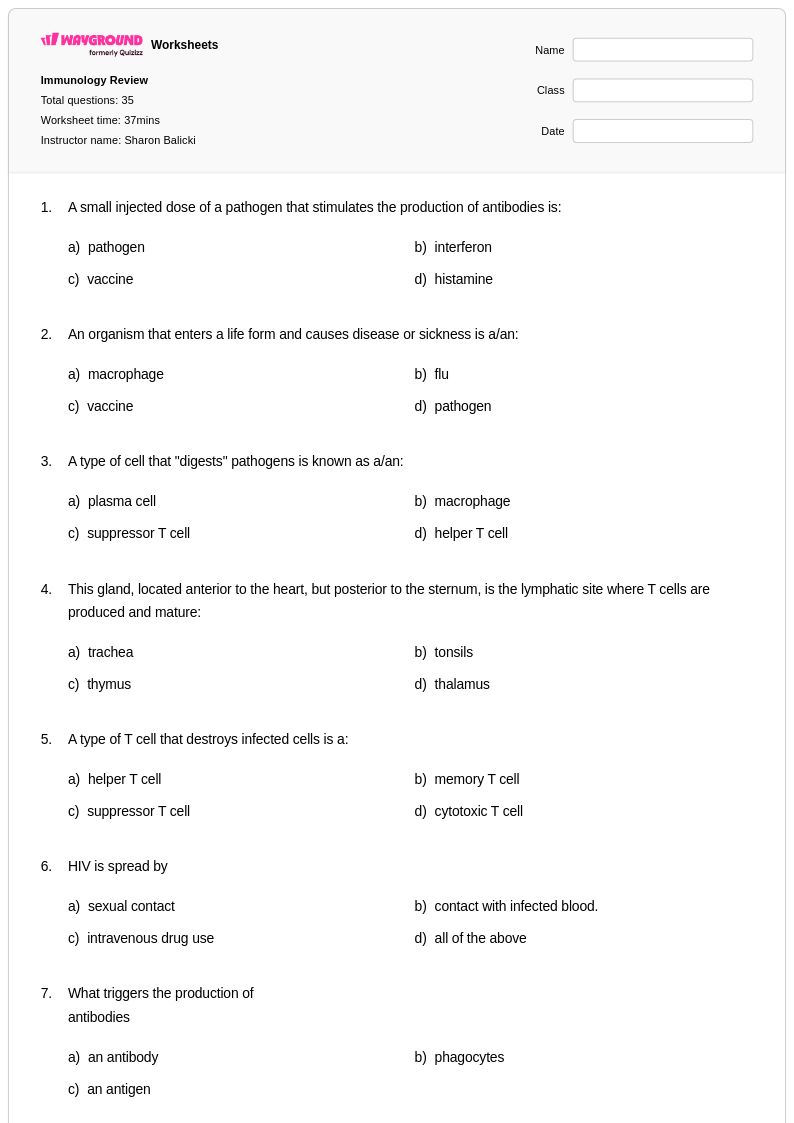
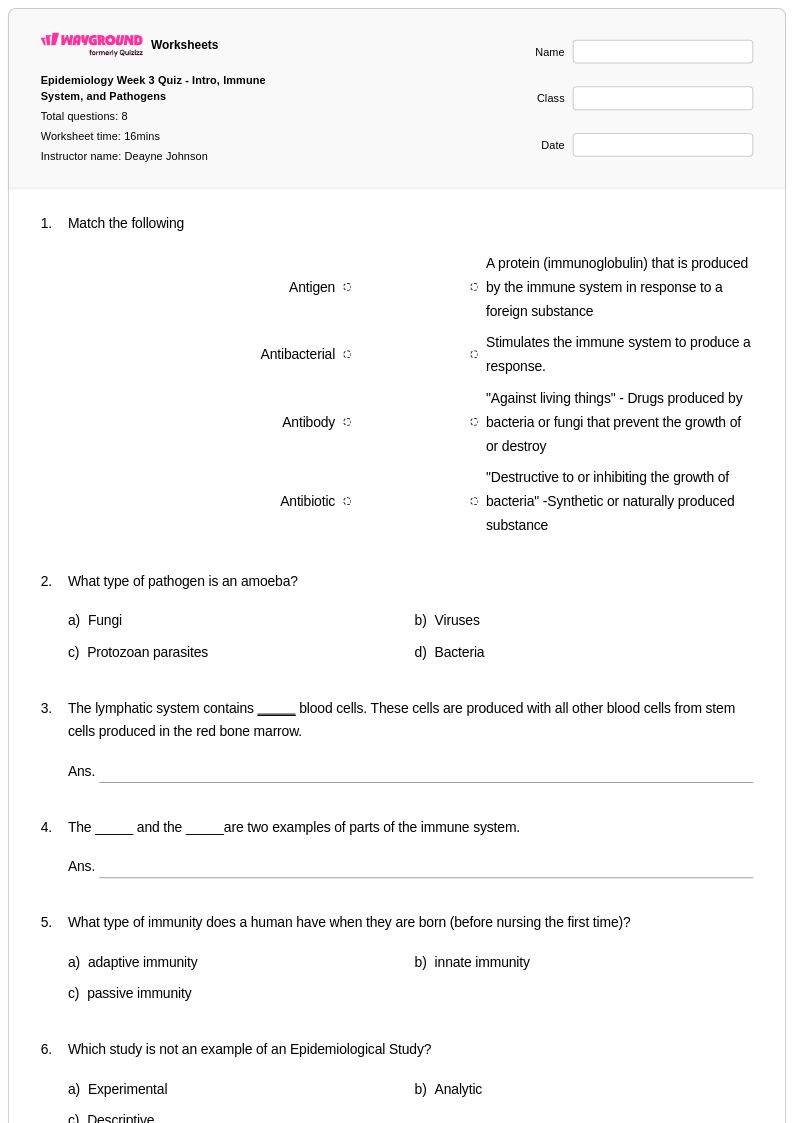
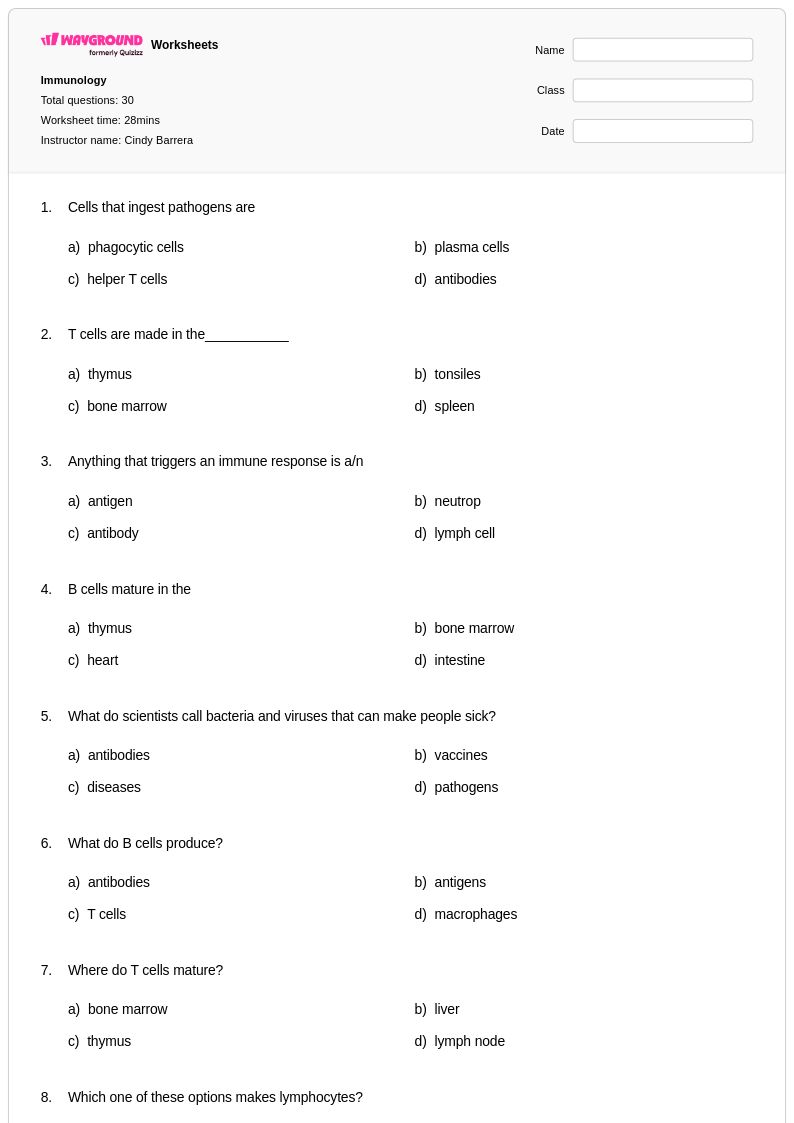
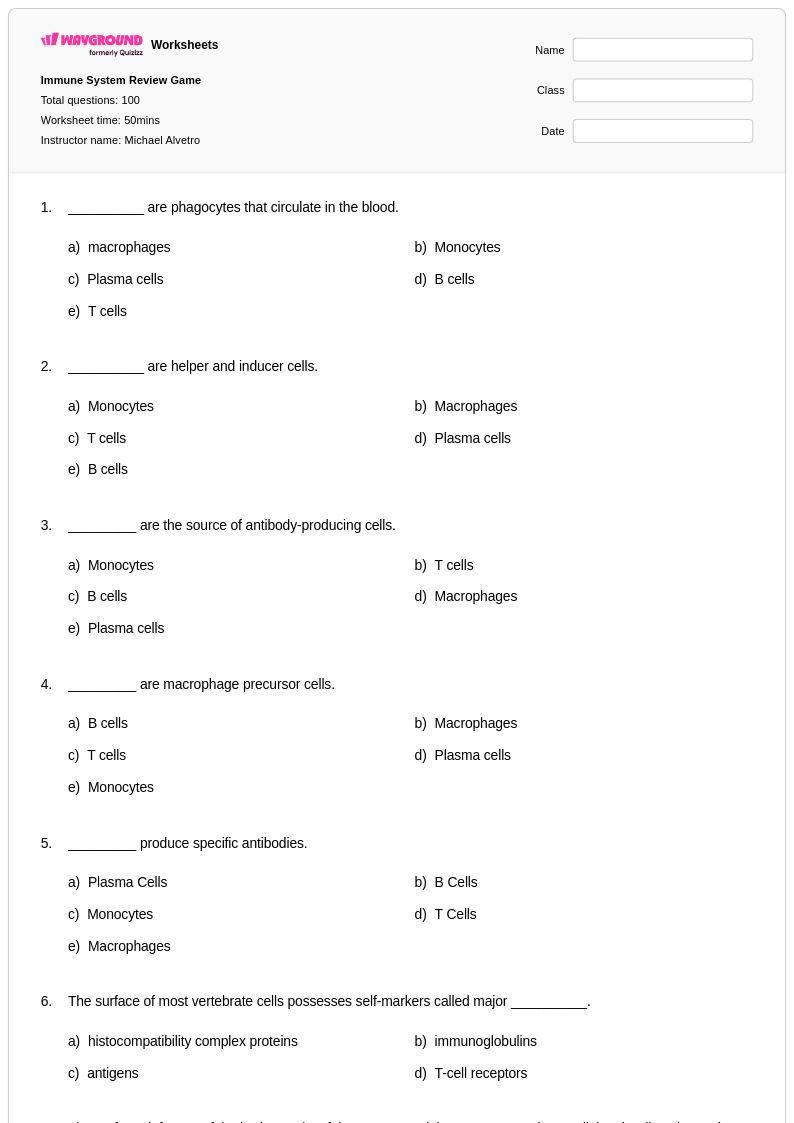
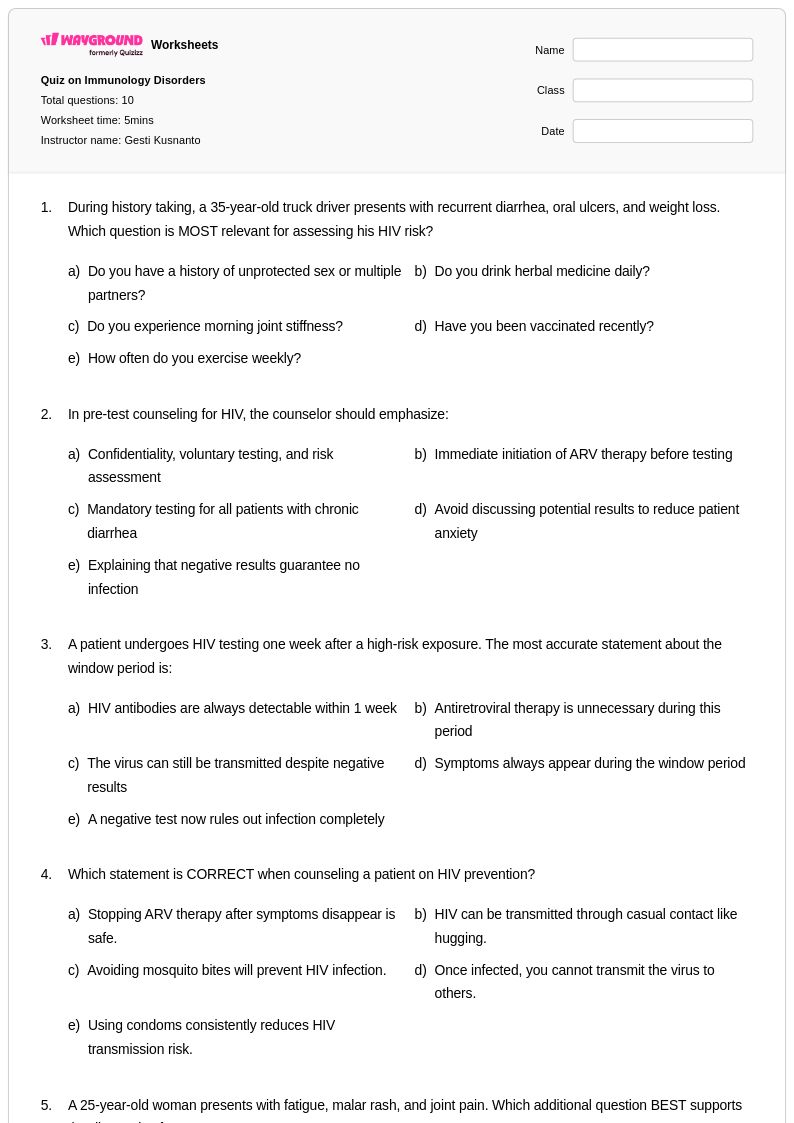
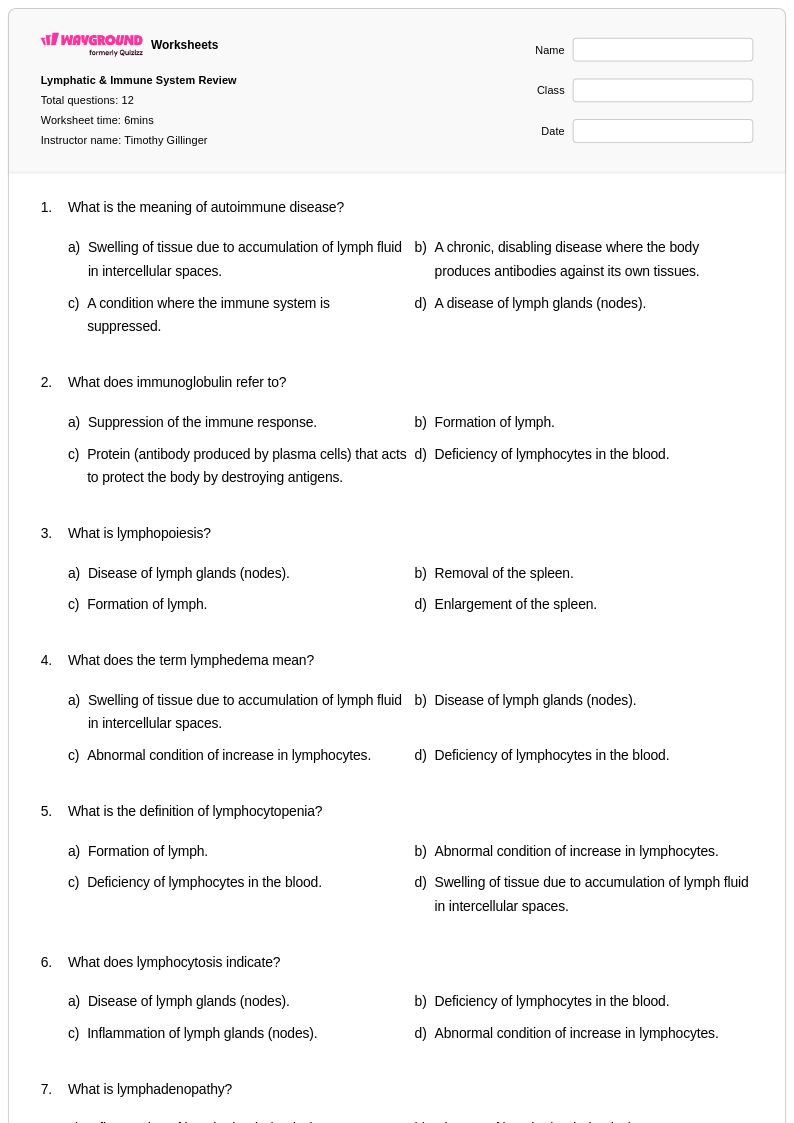
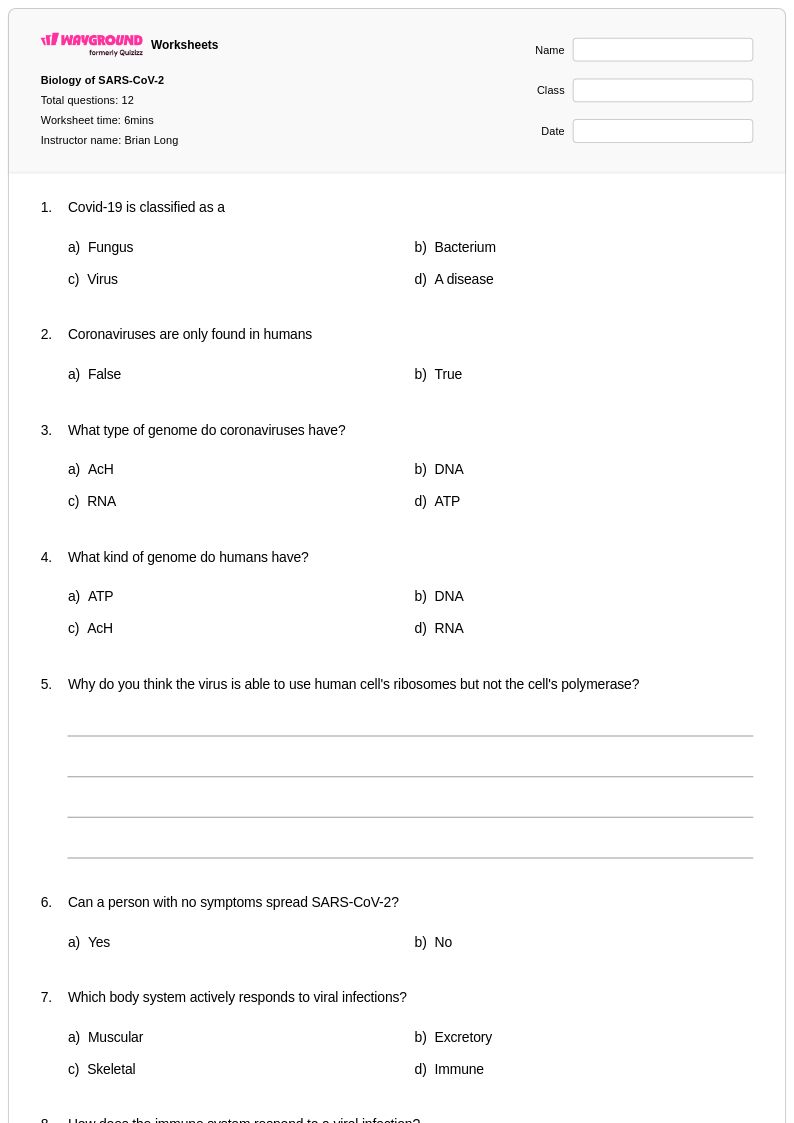
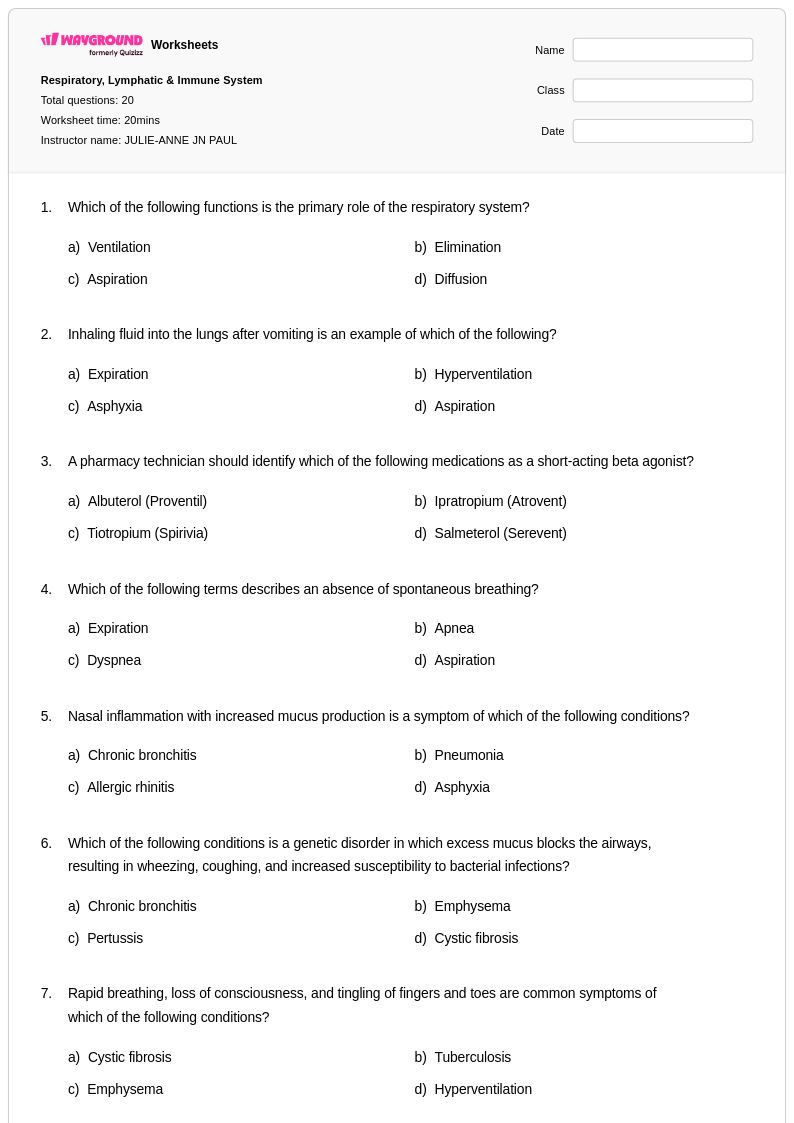
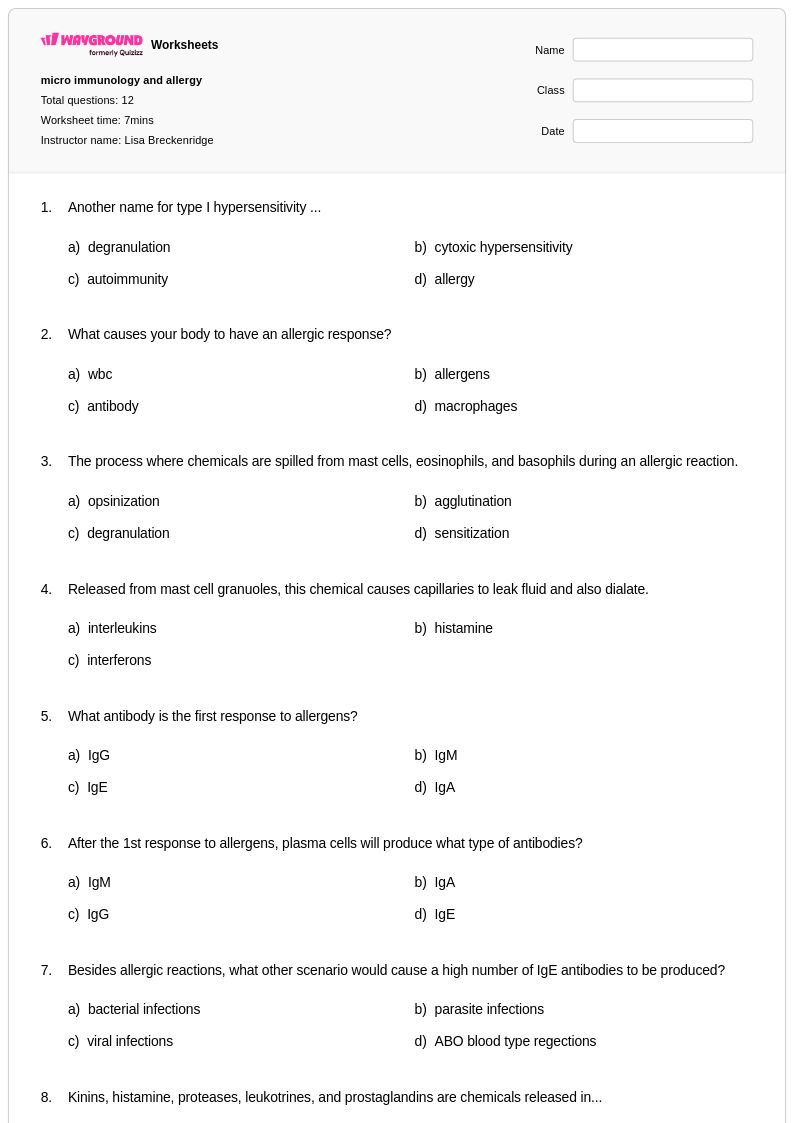
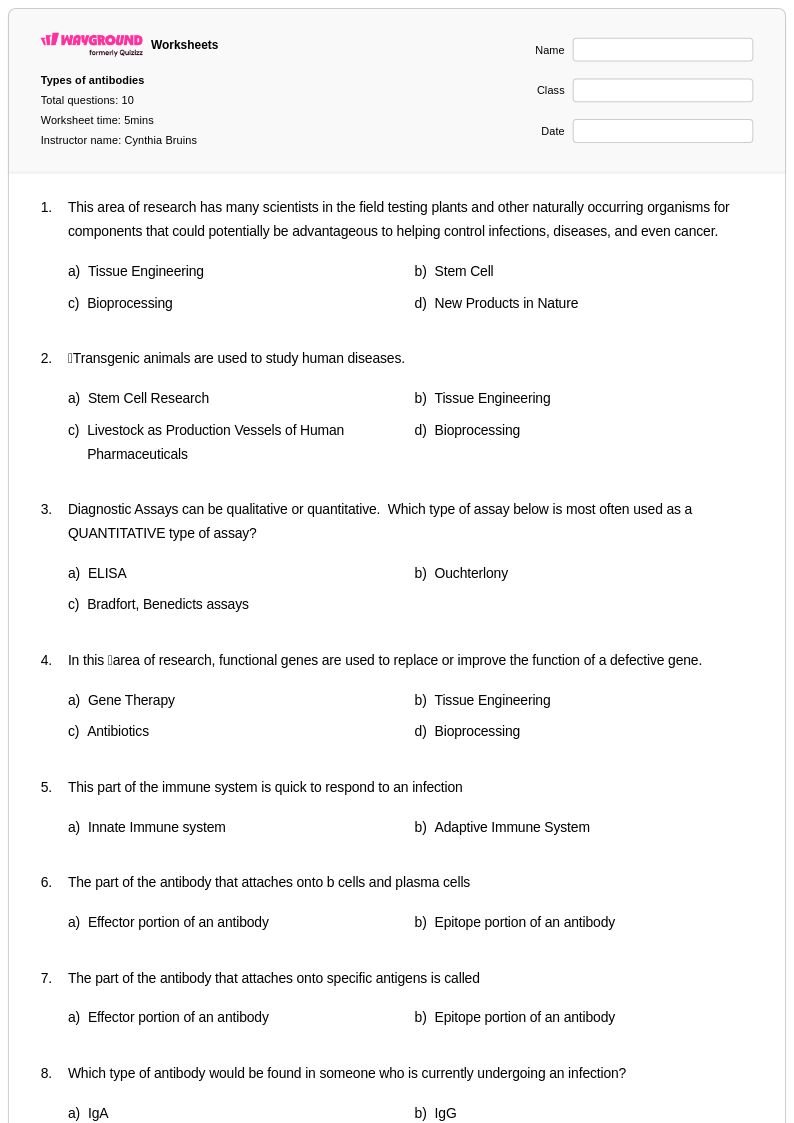
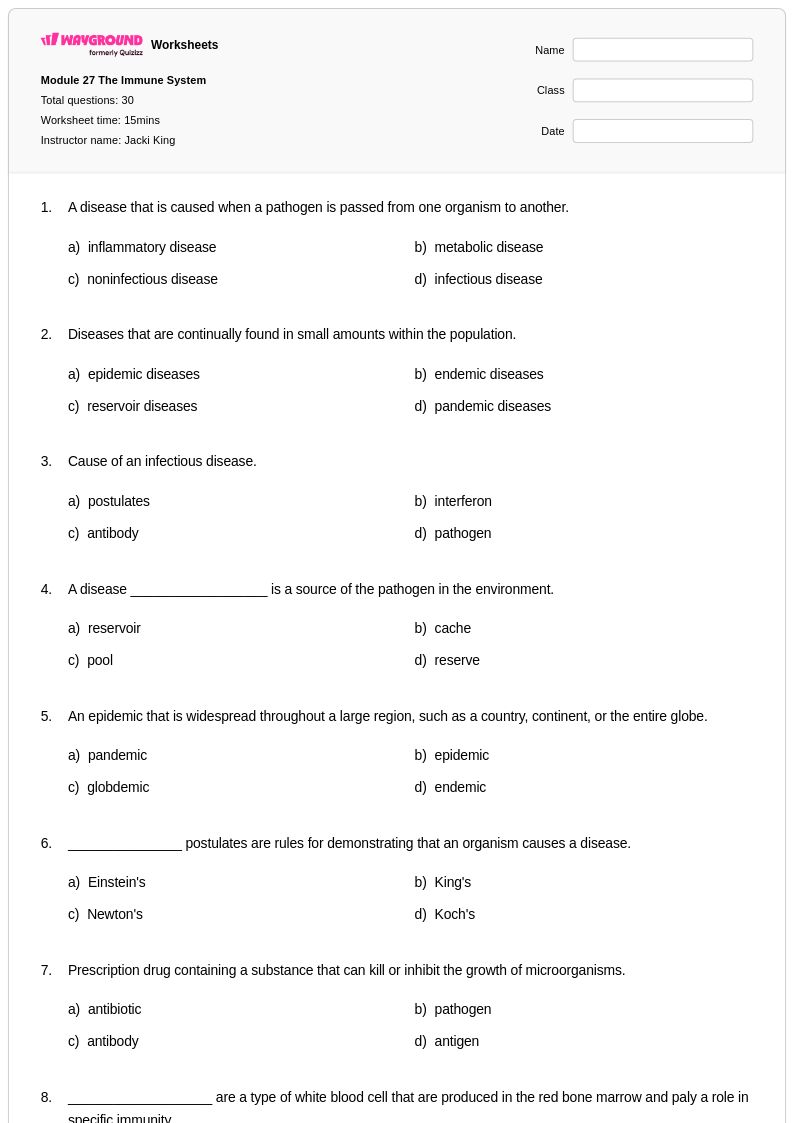
Grade 12 immunology worksheets from Wayground help students master immune system concepts through comprehensive printables, practice problems, and answer keys that reinforce understanding of antibodies, pathogens, and immune responses.
Explore printable Immunology worksheets for Grade 12
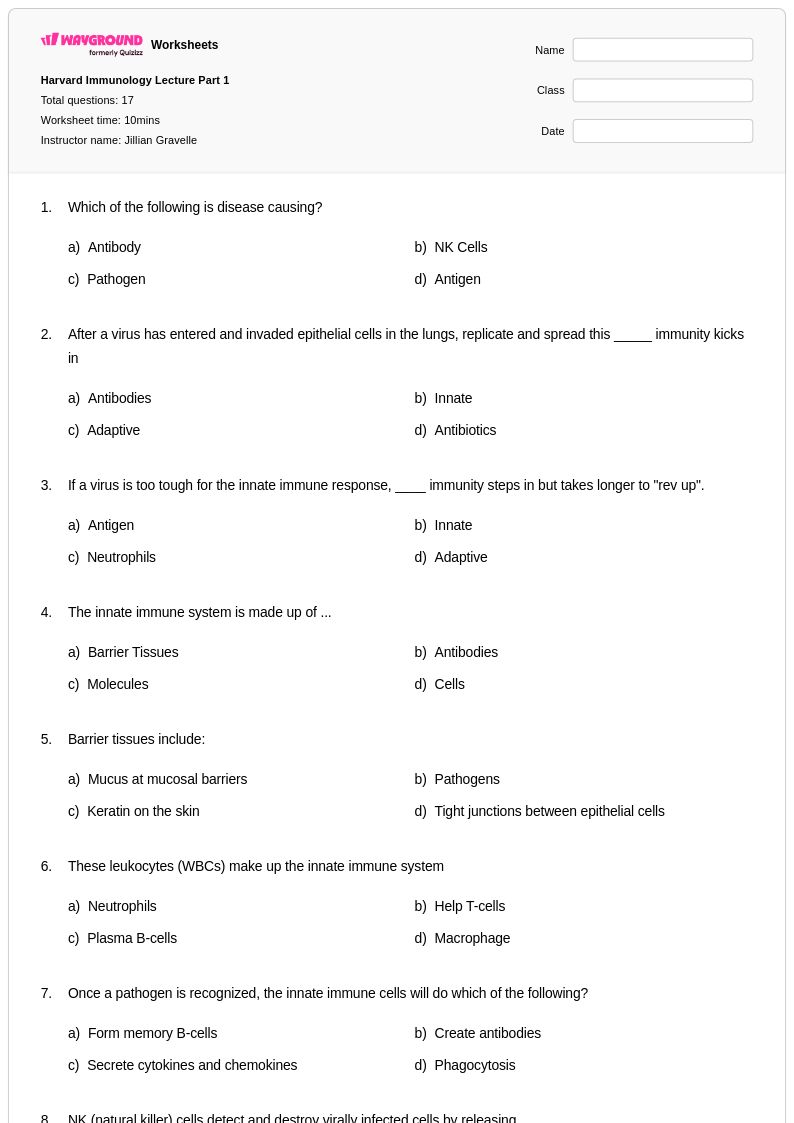
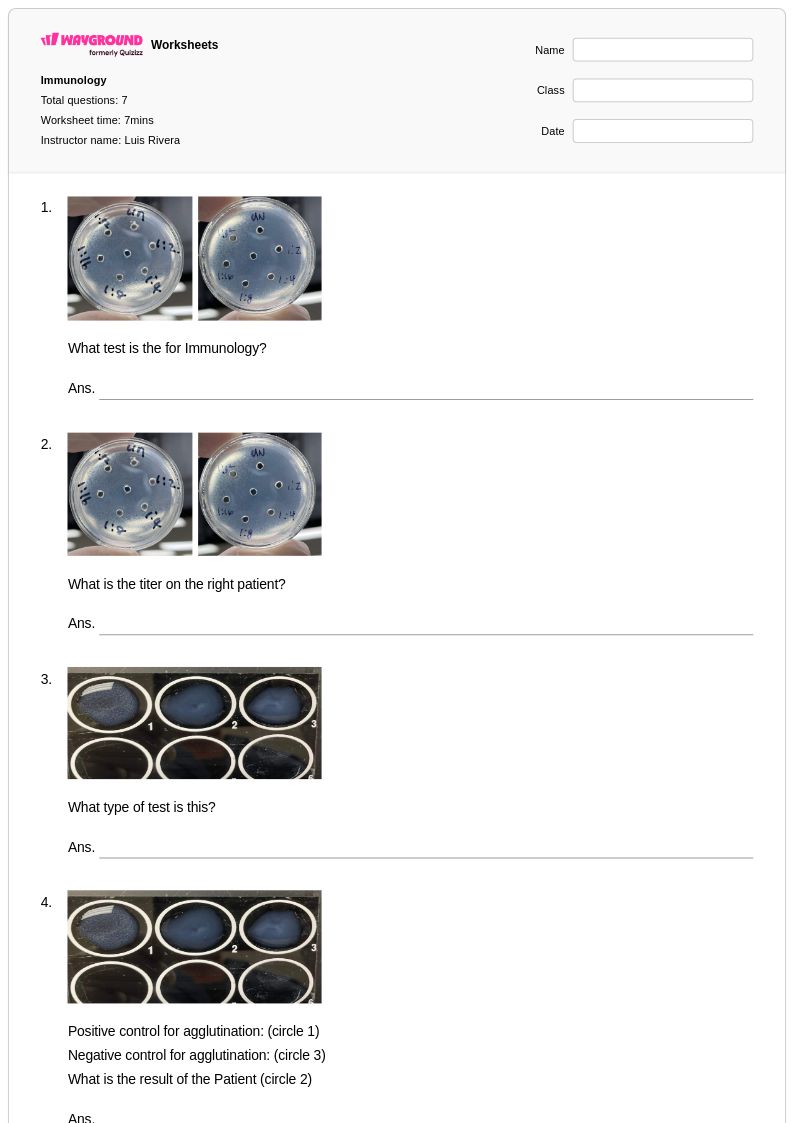
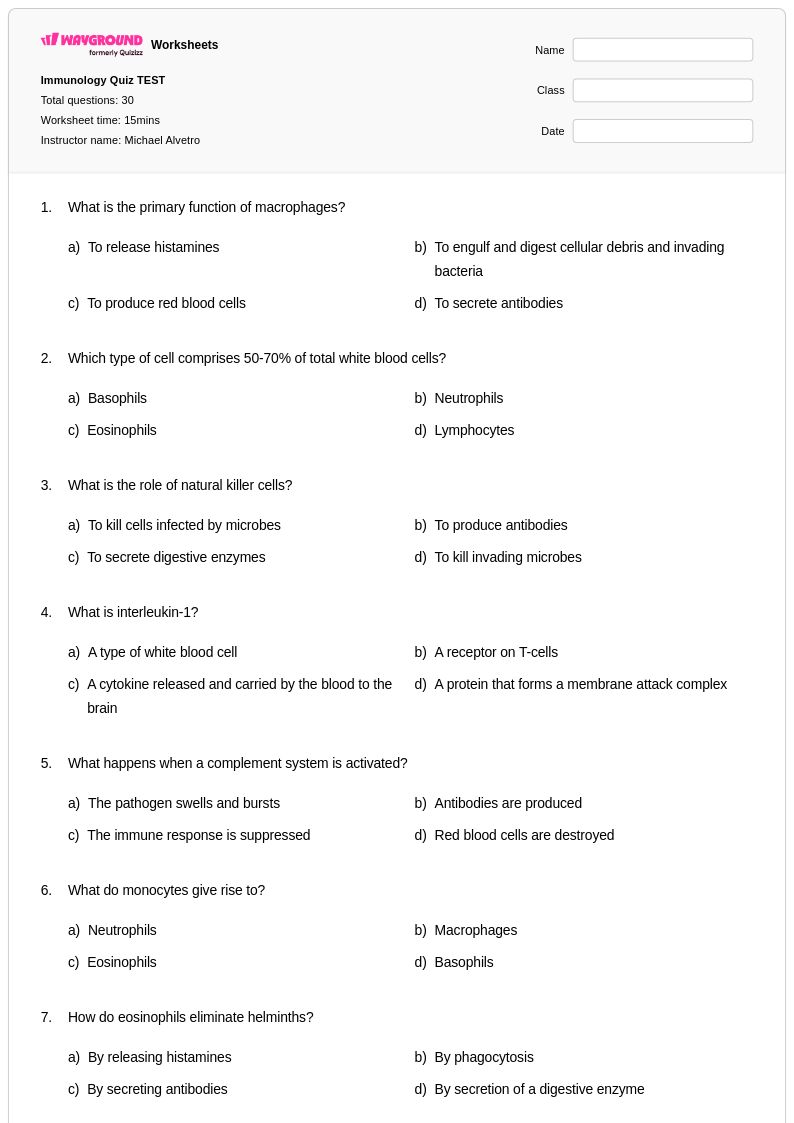
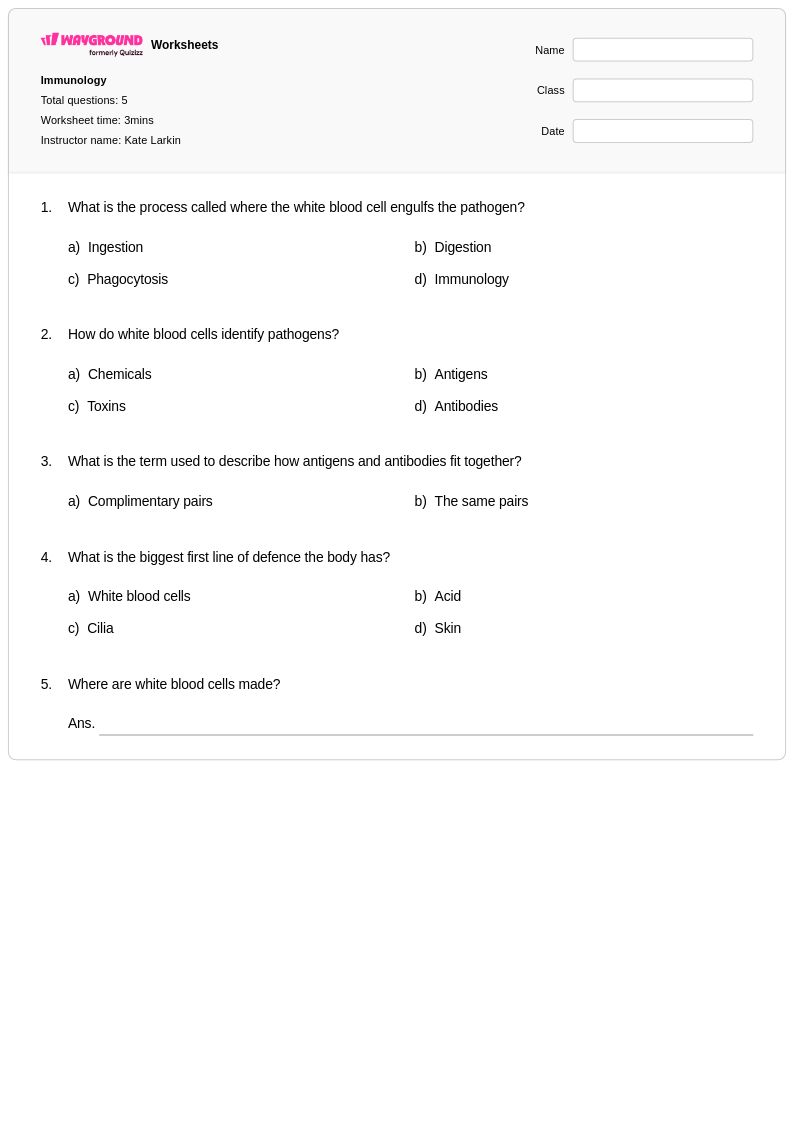
Immunology worksheets for Grade 12 students available through Wayground (formerly Quizizz) provide comprehensive coverage of the human immune system's complex mechanisms and responses. These carefully designed practice problems guide students through essential concepts including innate and adaptive immunity, antigen recognition, antibody structure and function, cellular immune responses, and immunological memory. Students develop critical analytical skills as they work through scenarios involving pathogen identification, vaccine mechanisms, autoimmune disorders, and immunodeficiency conditions. The worksheets feature detailed answer keys that support independent learning and self-assessment, while the free printables offer flexible options for both classroom instruction and homework assignments, ensuring students master the sophisticated biological processes that protect human health.
Wayground (formerly Quizizz) empowers educators with an extensive collection of millions of teacher-created immunology resources that streamline lesson planning and enhance student outcomes. The platform's robust search and filtering capabilities allow teachers to quickly locate worksheets aligned with specific learning standards and curriculum requirements, while built-in differentiation tools enable customization for diverse learning needs and abilities. Teachers can access these materials in both printable pdf formats for traditional classroom use and digital versions for online learning environments, providing maximum flexibility in delivery methods. These comprehensive worksheet collections support targeted skill practice, remediation for struggling students, and enrichment opportunities for advanced learners, helping educators address the full spectrum of student needs while building deep understanding of immunological principles and their real-world applications in medicine and public health.
FAQs
How do I teach immunology to high school students?
Start by grounding students in the distinction between innate and adaptive immunity before introducing specific cell types like T-cells, B-cells, and macrophages. Use analogies to make abstract processes like antigen presentation and clonal selection concrete — for example, comparing antigen-antibody binding to a lock-and-key mechanism. From there, connect cellular mechanisms to real-world outcomes like vaccination, autoimmune disorders, and immunodeficiency conditions so students understand the clinical relevance of what they're learning.
What are good practice exercises for students learning about the immune system?
Effective practice for immunology includes labeling diagrams of antibody structure, sequencing the steps of an immune response, and analyzing case studies involving immunodeficiency or autoimmune conditions. Data interpretation problems — such as reading graphs of antibody titer levels after vaccination — help students connect molecular-level processes to physiological outcomes. These varied exercise types reinforce both factual recall and higher-order thinking about immune system pathways.
What concepts do students find most confusing in immunology?
Students most commonly confuse innate and adaptive immunity, often misattributing specific cell functions or assuming both responses occur simultaneously with equal speed. The distinction between humoral immunity (B-cells and antibodies) and cellular immunity (T-cells and direct cell killing) is another frequent stumbling block. Students also struggle with the mechanics of vaccination — specifically why a second exposure to an antigen produces a faster, stronger response — because it requires understanding immunological memory at the cellular level.
How do I help students understand antibody structure and function?
Begin with a labeled diagram of an antibody, emphasizing the variable regions that determine antigen specificity and the constant regions that interact with immune effectors. Then connect structure to function by walking through how antibodies neutralize pathogens, activate complement, or flag antigens for destruction by phagocytes. Practice problems that ask students to predict outcomes when specific antibody regions are altered or absent reinforce this structure-function relationship effectively.
How do I use Wayground's immunology worksheets in my classroom?
Wayground's immunology worksheets are available as free printable PDFs for traditional classroom use and in digital formats for technology-integrated environments, including the option to host them as a quiz directly on Wayground. Each worksheet includes a complete answer key, making them practical for independent study, homework, lab preparation, and formative assessment. Wayground's search and filtering tools also allow teachers to locate materials aligned to specific curriculum standards, and differentiation settings let you customize worksheets for students at different skill levels — including read aloud support, extended time, and reduced answer choices for students who need additional accommodations.
How can I differentiate immunology instruction for students at different skill levels?
For students struggling with foundational concepts, focus practice on the sequence of a basic immune response and the roles of key cell types before introducing more complex topics. Advanced learners can be challenged with enrichment problems involving complement cascades, MHC class interactions, or analysis of immunological data sets. On Wayground, teachers can apply accommodations like reduced answer choices or read aloud support to individual students while the rest of the class receives standard settings, allowing meaningful differentiation without disrupting the classroom experience.