
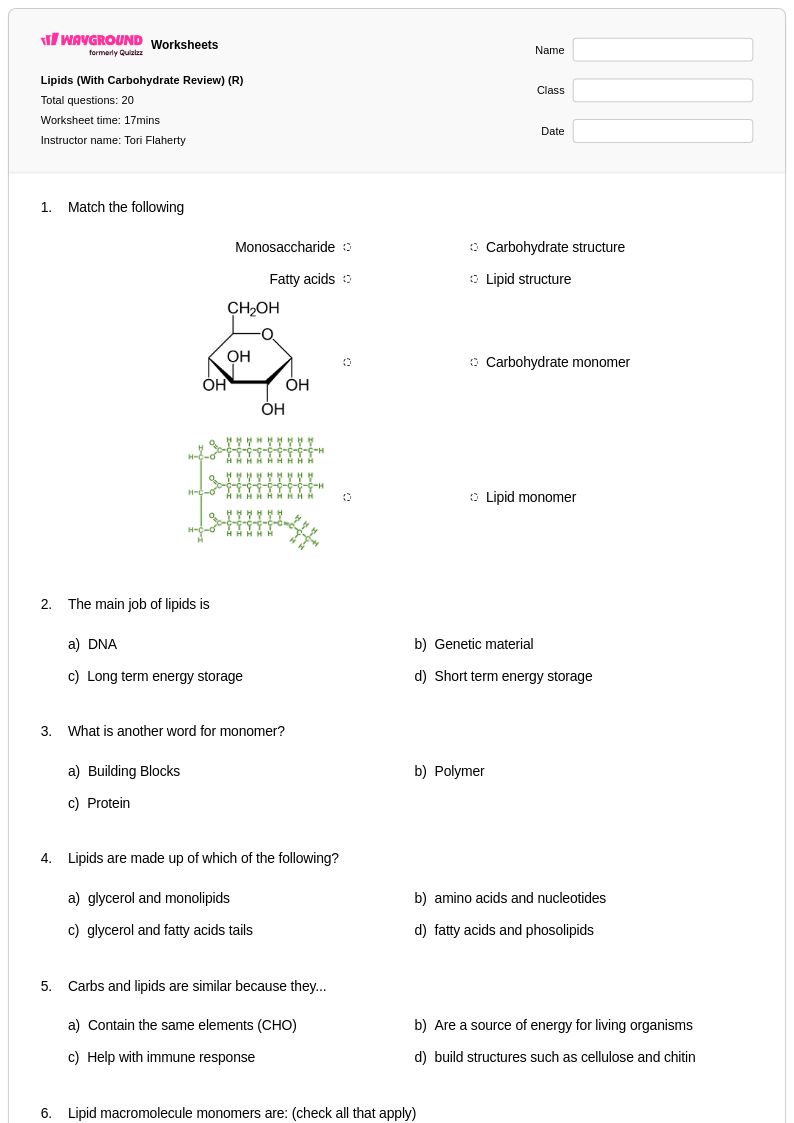
20 Hỏi
9th - 12th
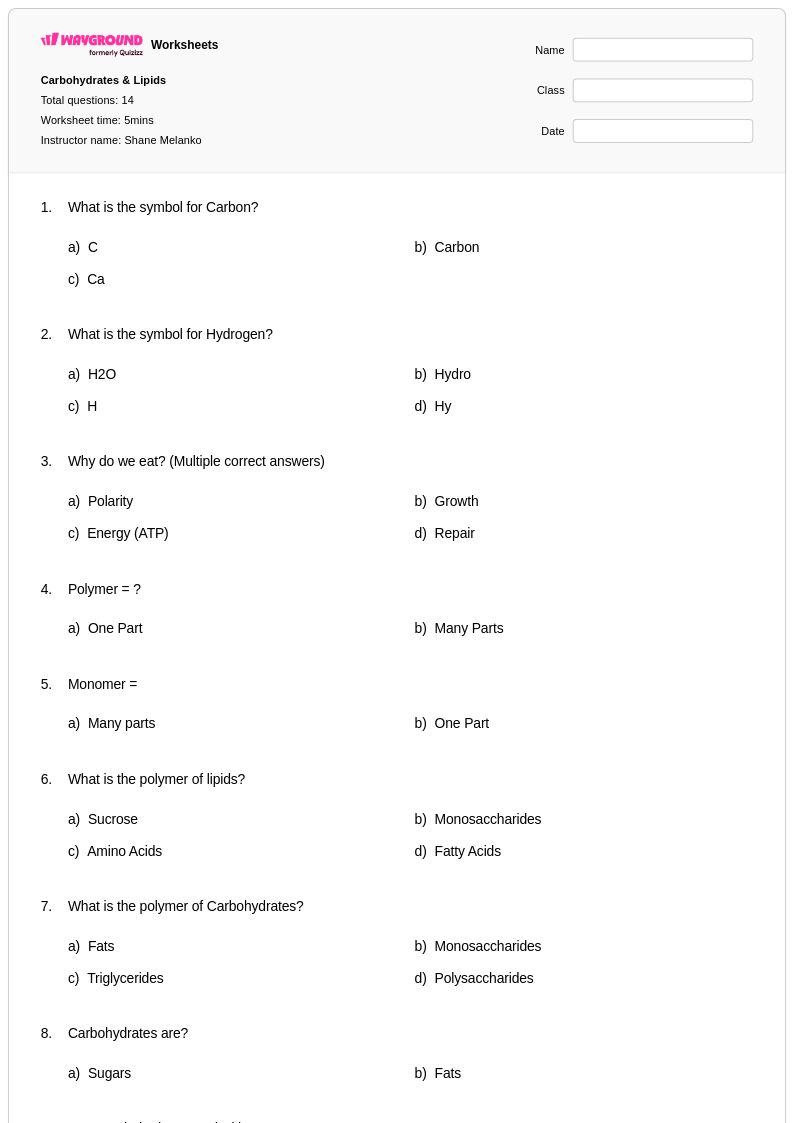
14 Hỏi
9th - 12th
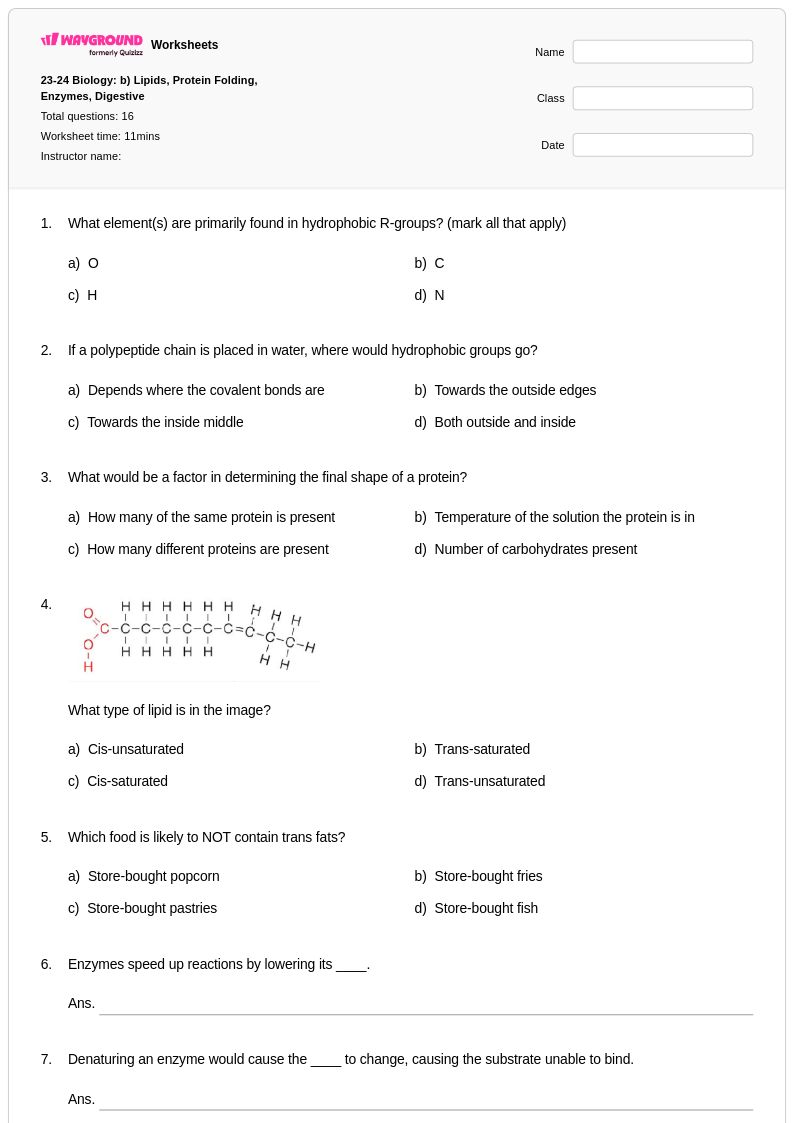
16 Hỏi
12th
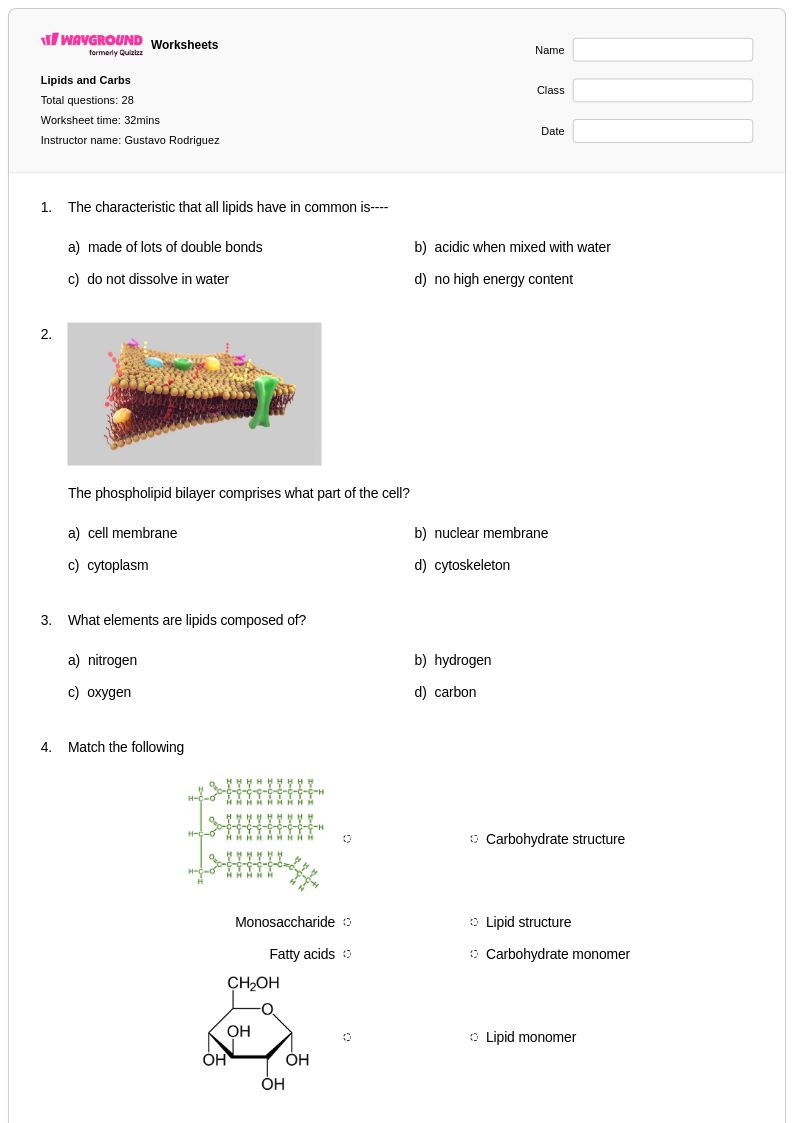
28 Hỏi
12th
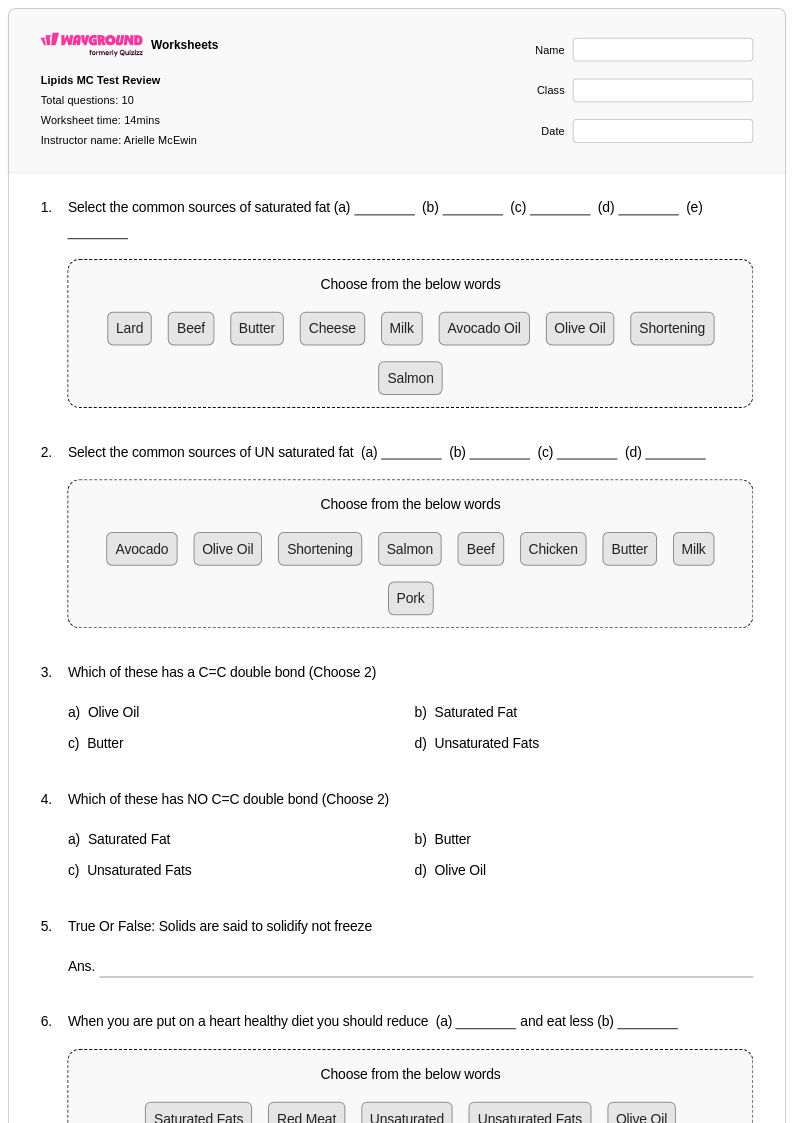
10 Hỏi
9th - 12th
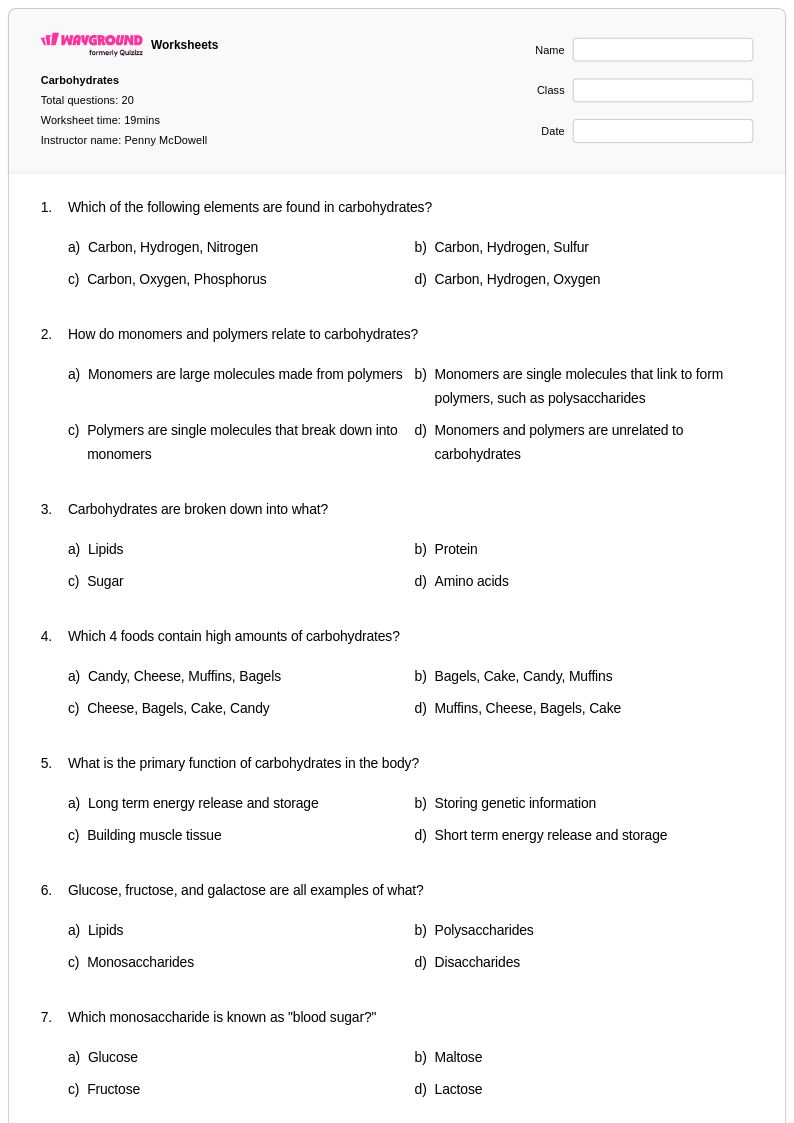
20 Hỏi
9th - Uni
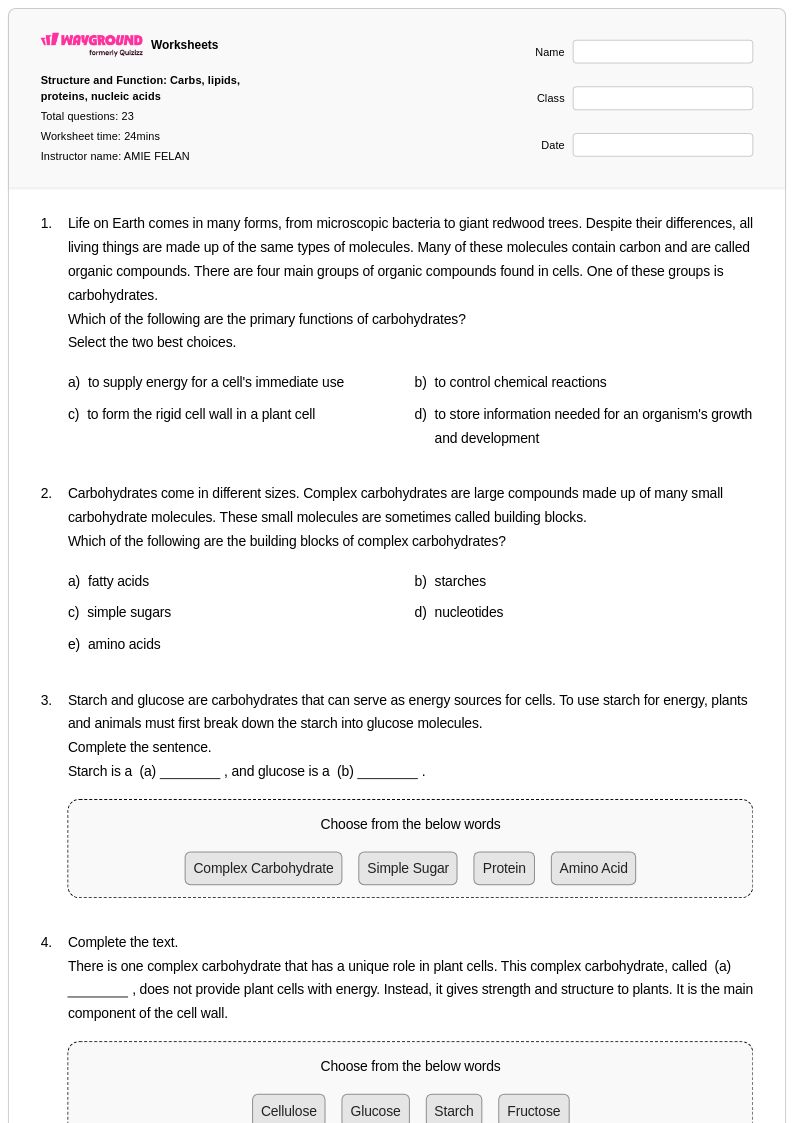
23 Hỏi
9th - 12th
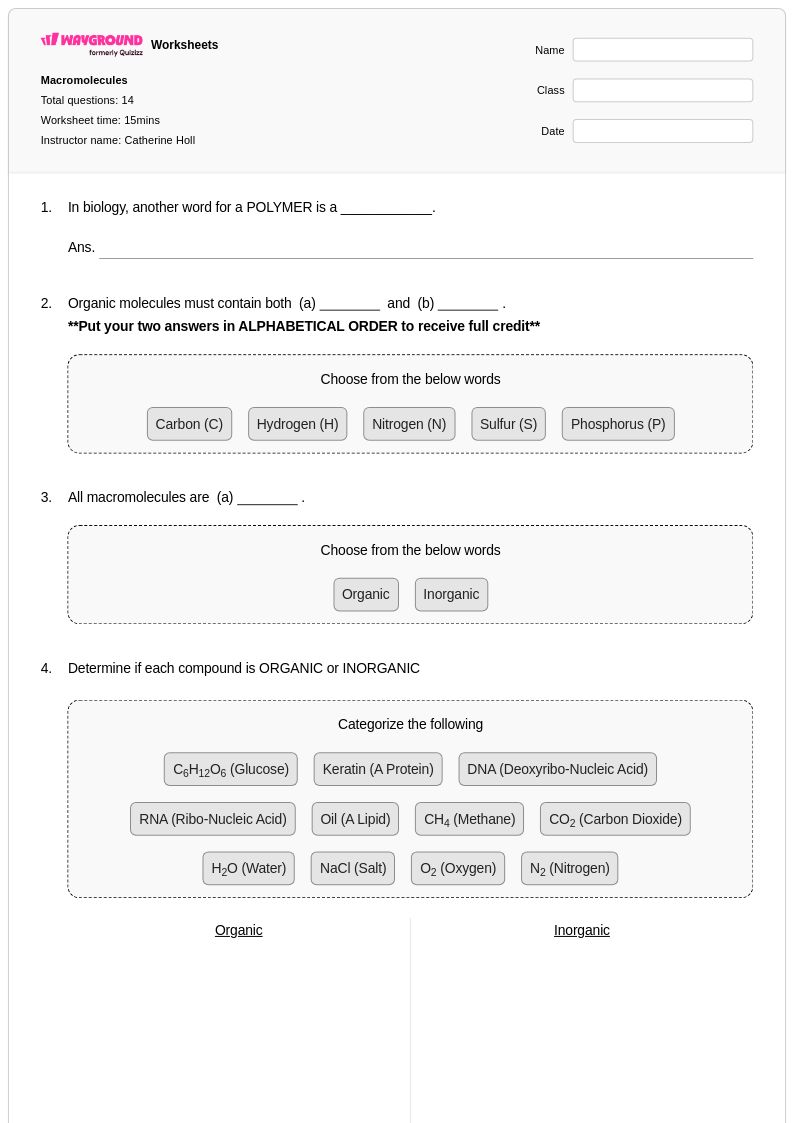
14 Hỏi
9th - Uni
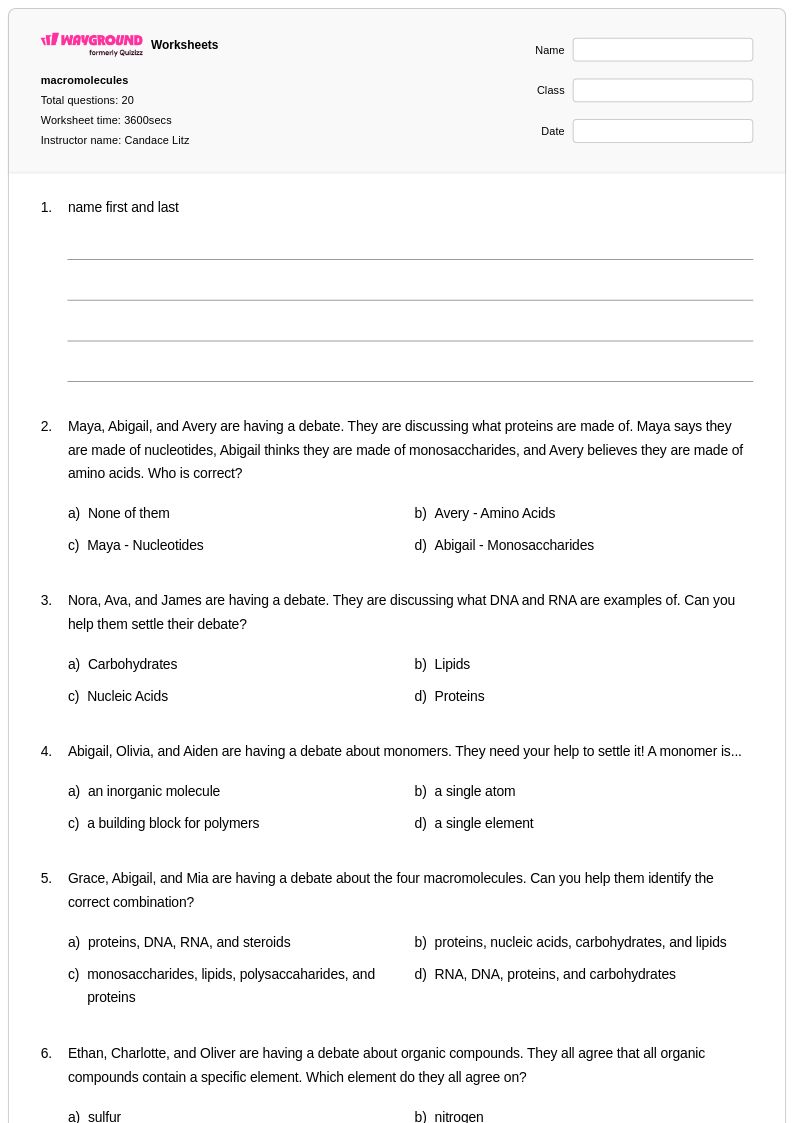
50 Hỏi
9th - 12th
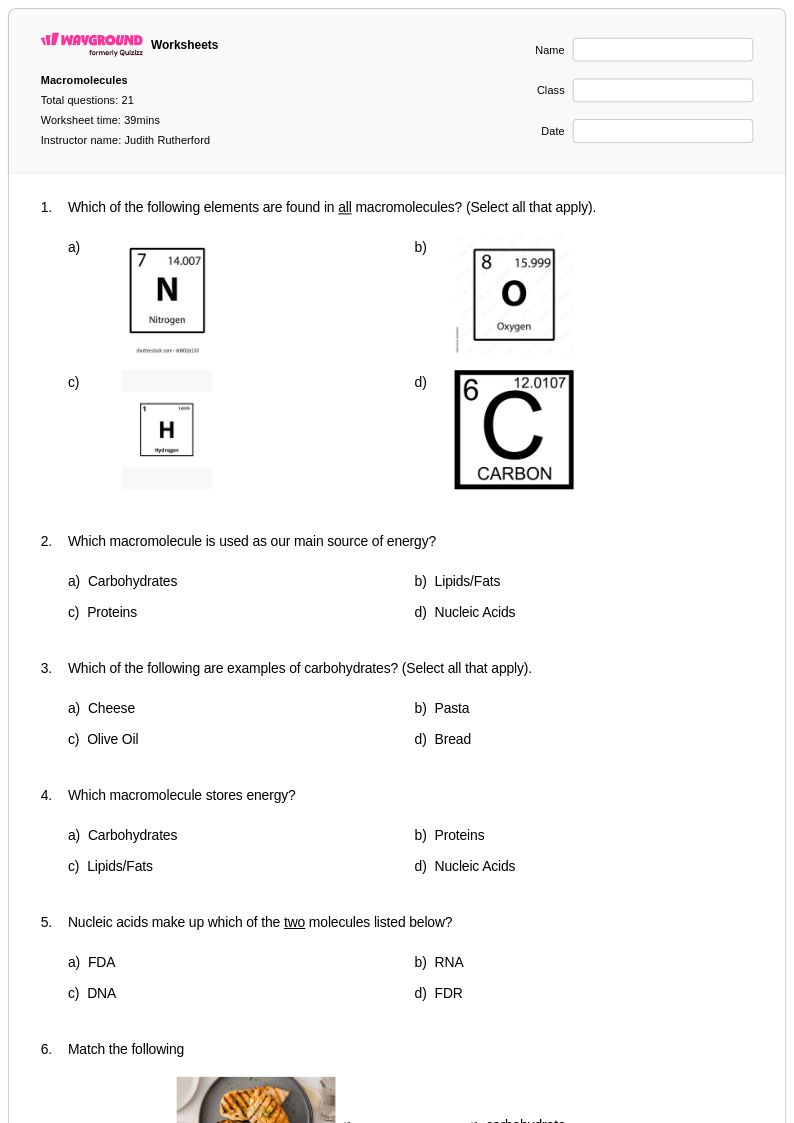
21 Hỏi
9th - 12th
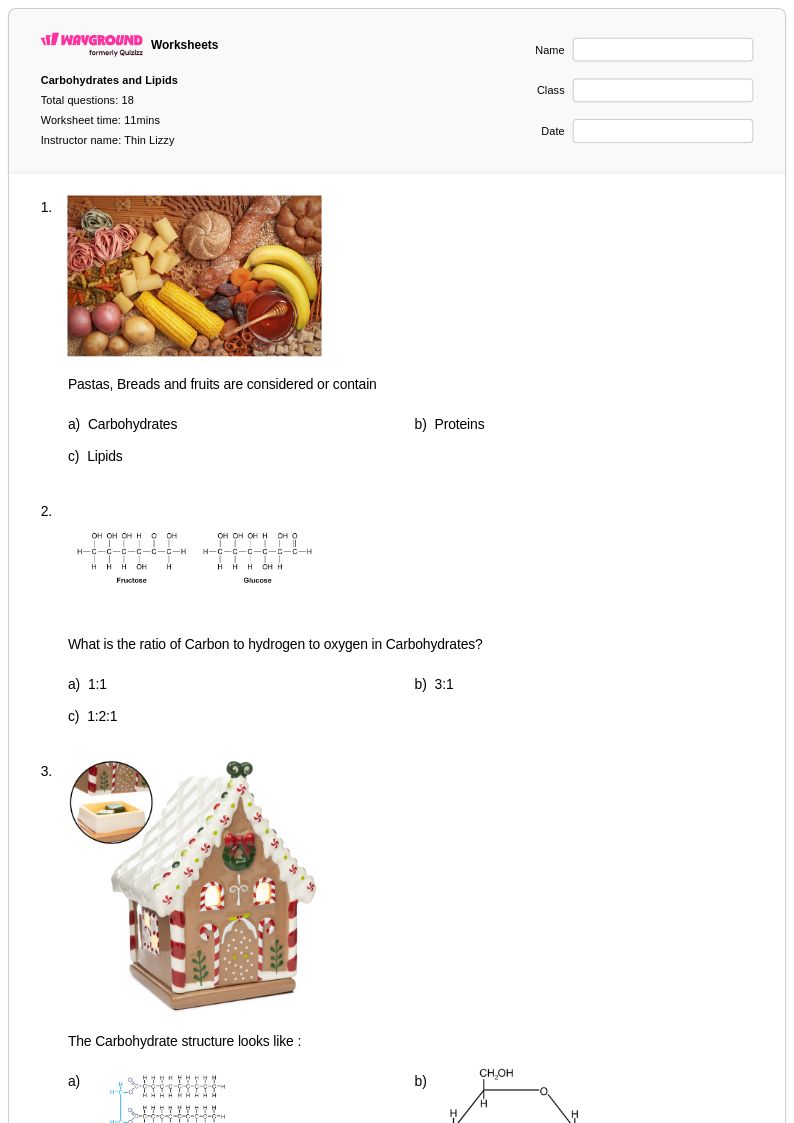
18 Hỏi
9th - 12th
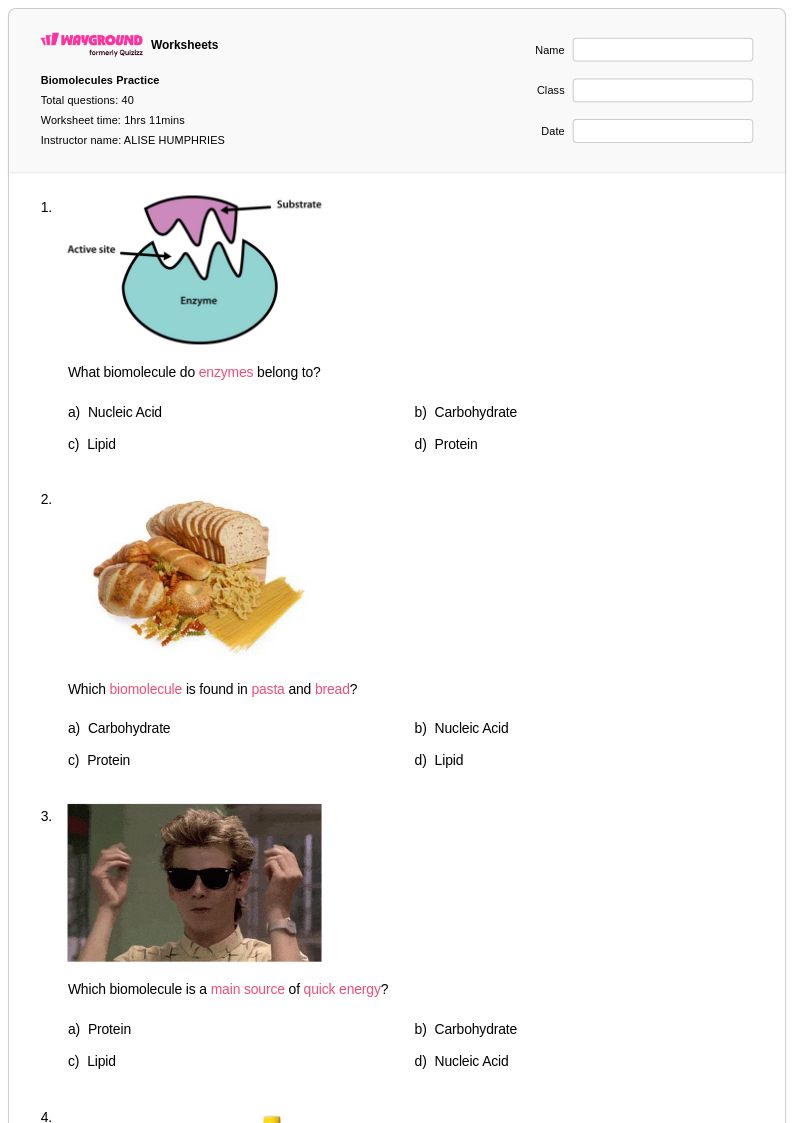
40 Hỏi
9th - 12th
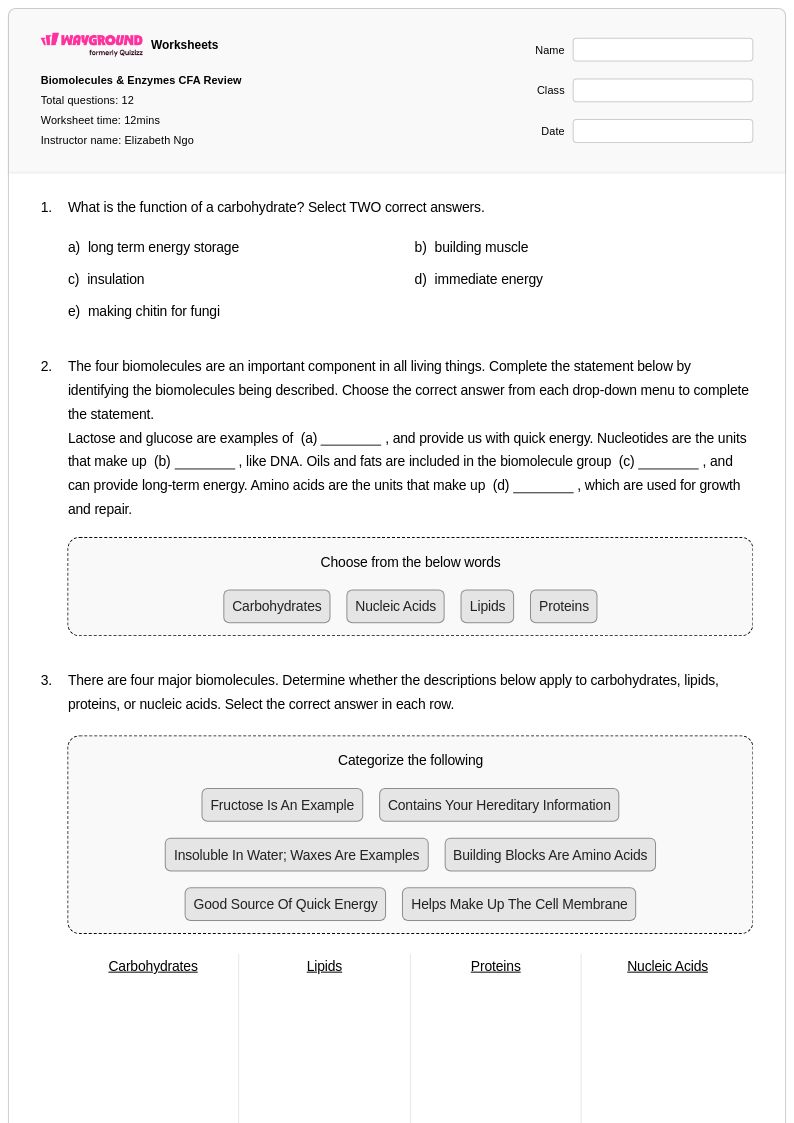
12 Hỏi
9th - Uni
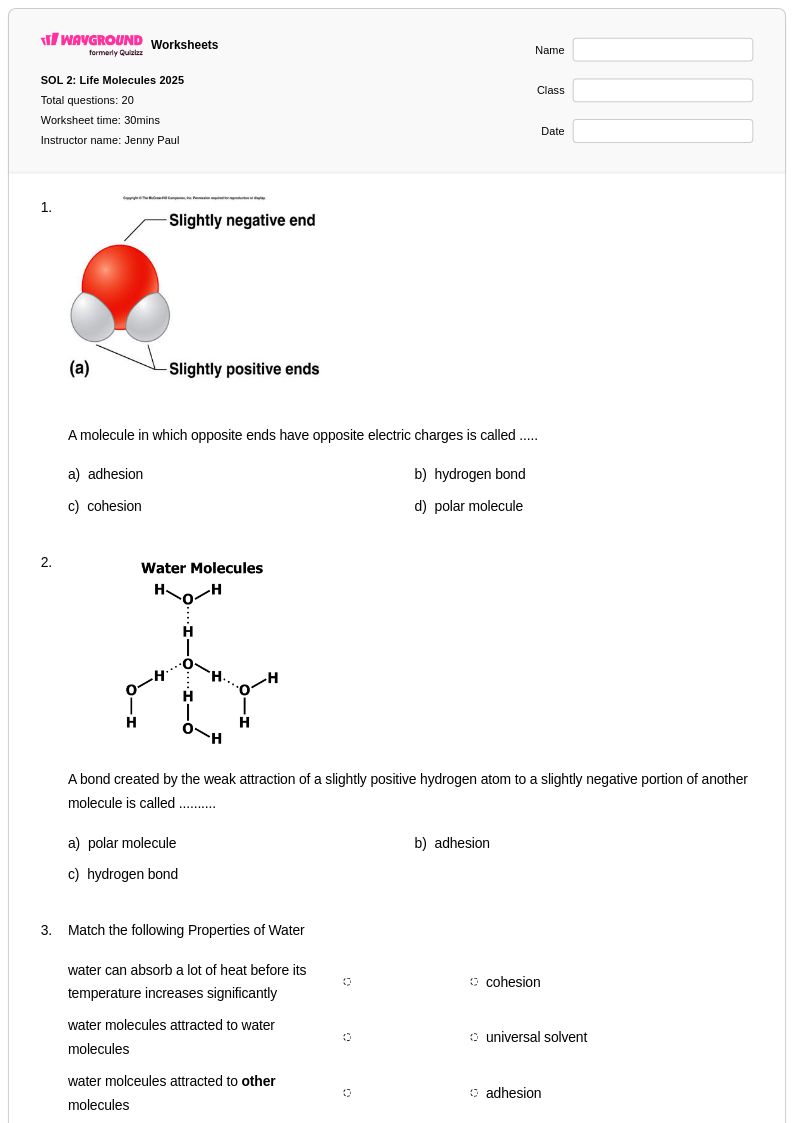
20 Hỏi
9th - 12th
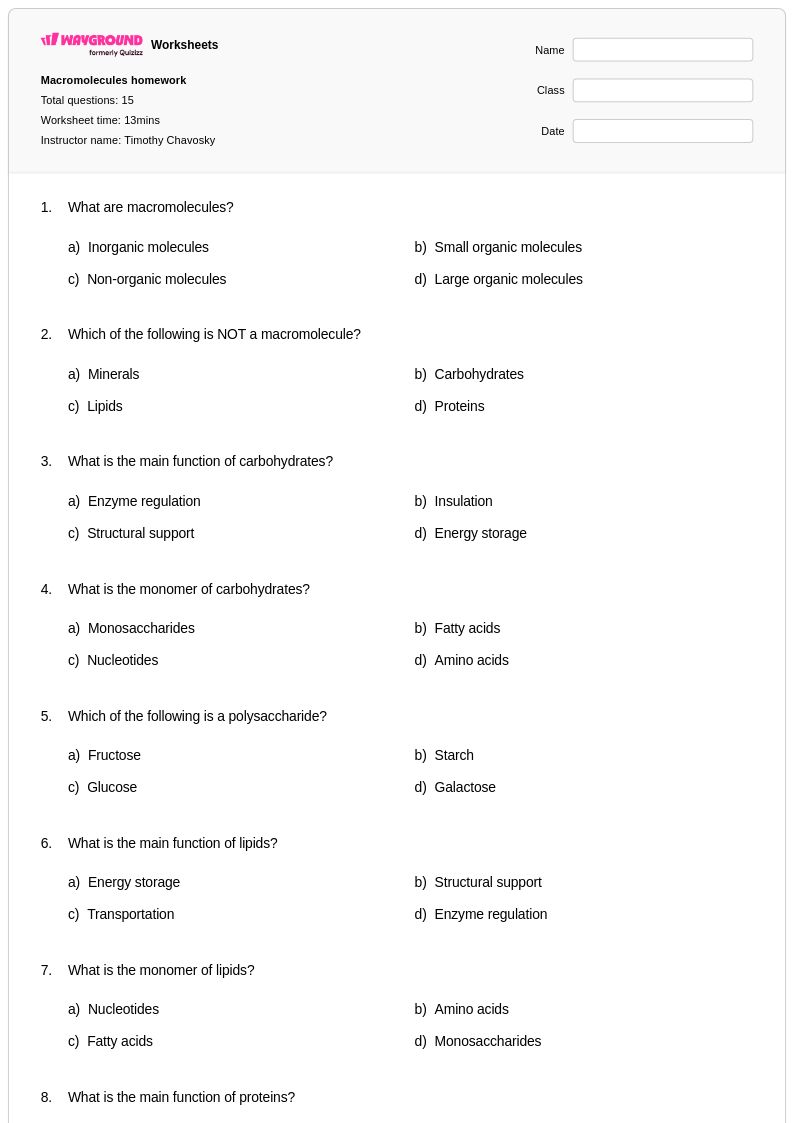
15 Hỏi
12th
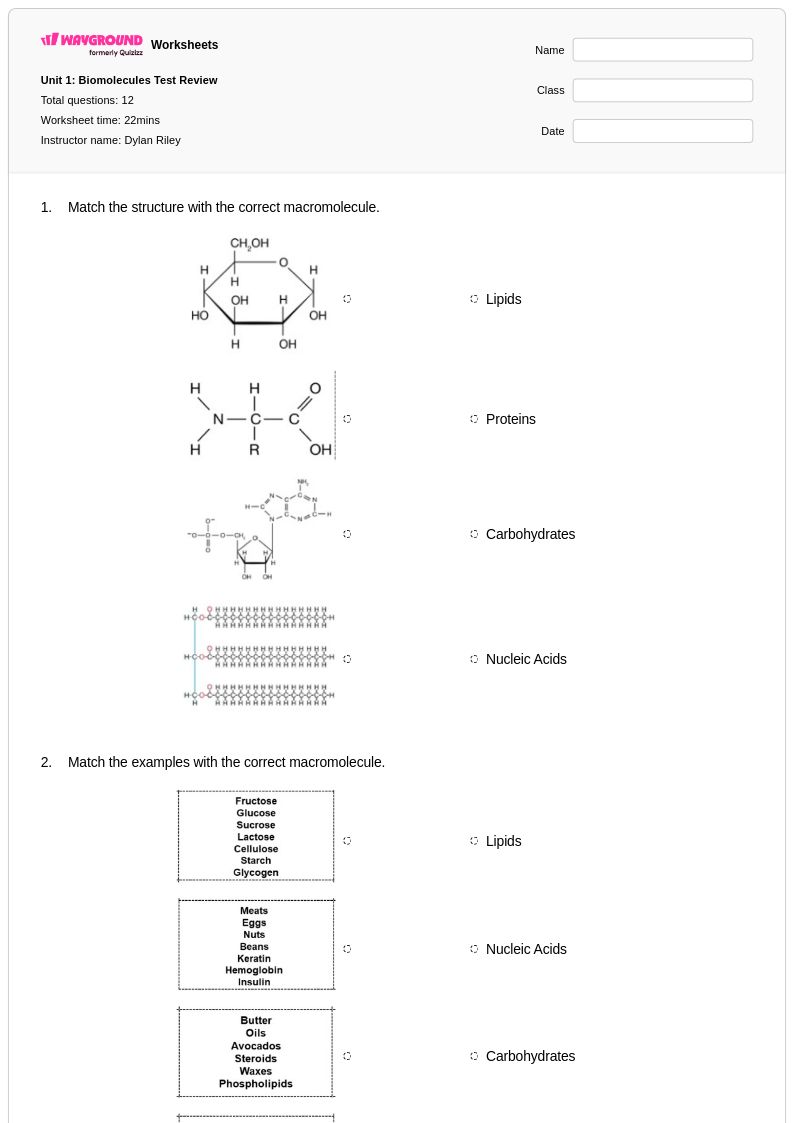
12 Hỏi
9th - 12th
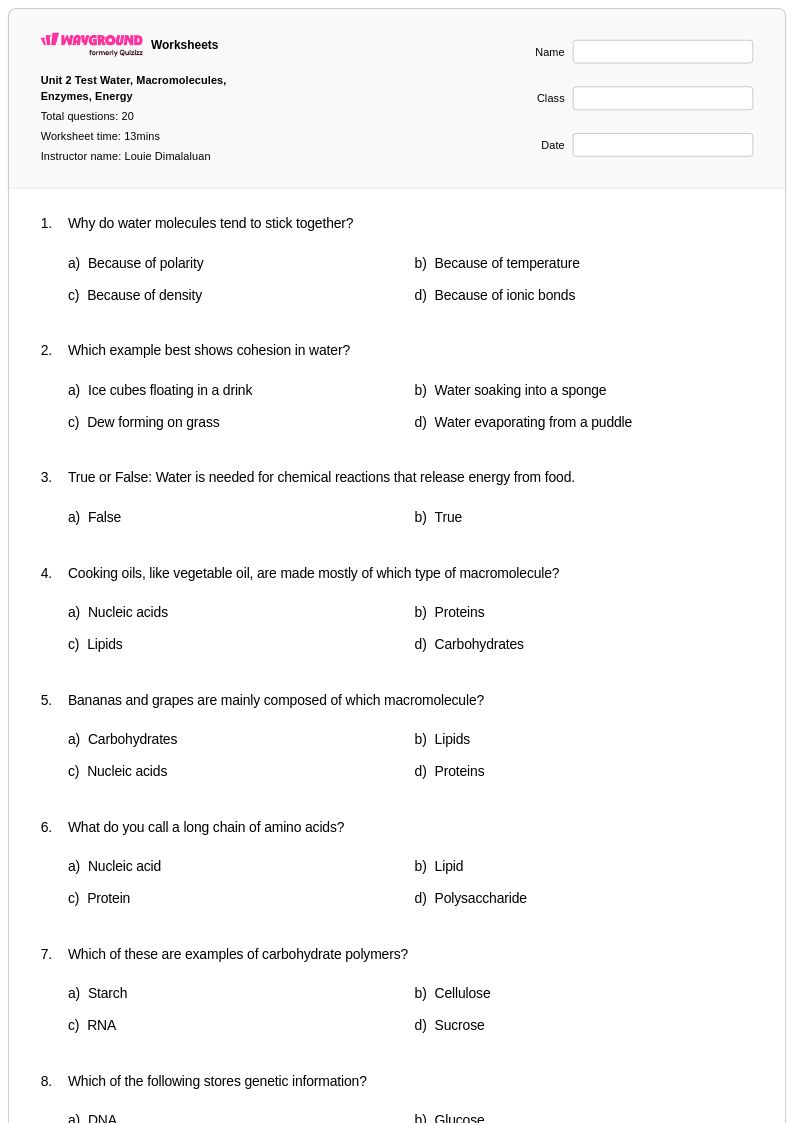
20 Hỏi
9th - 12th
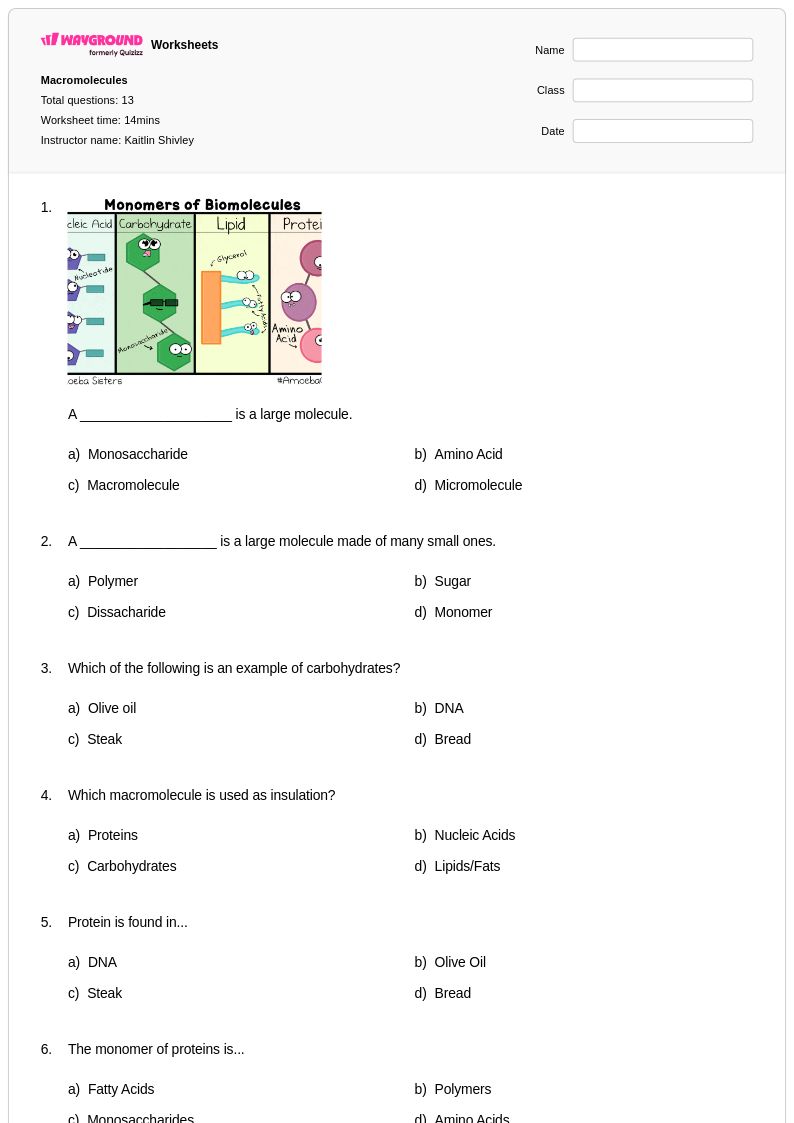
13 Hỏi
9th - 12th
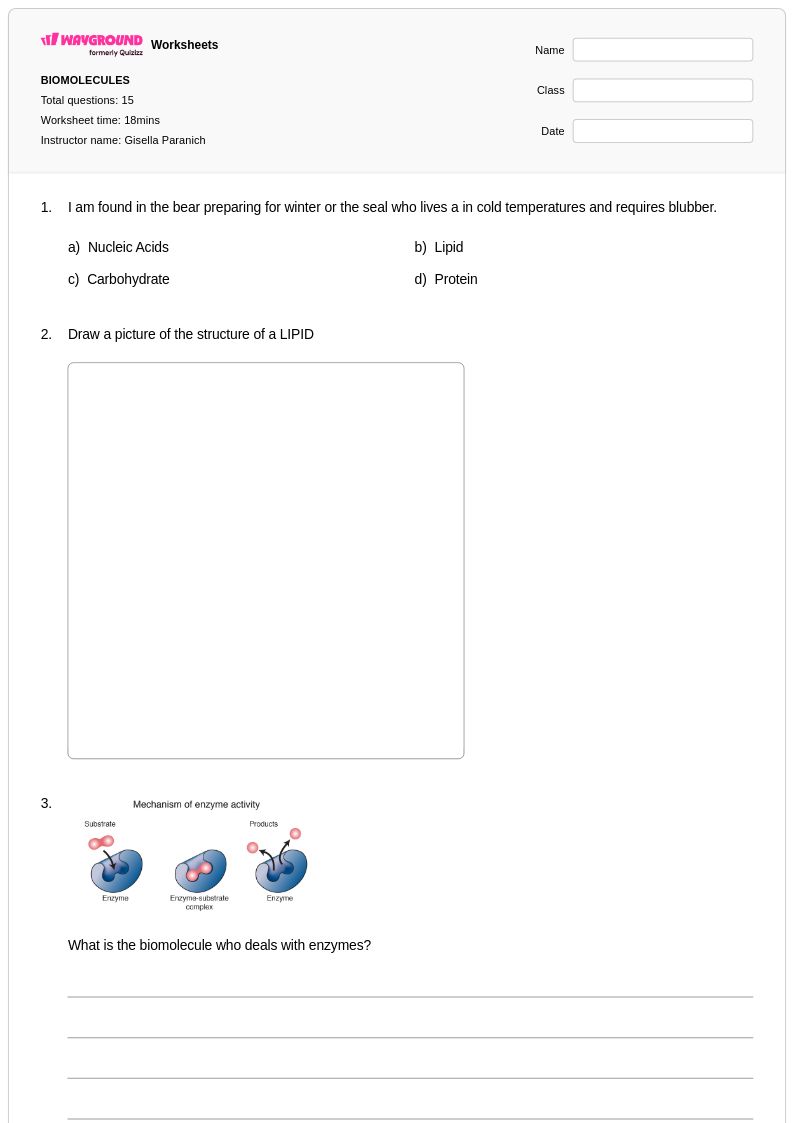
15 Hỏi
7th - 12th
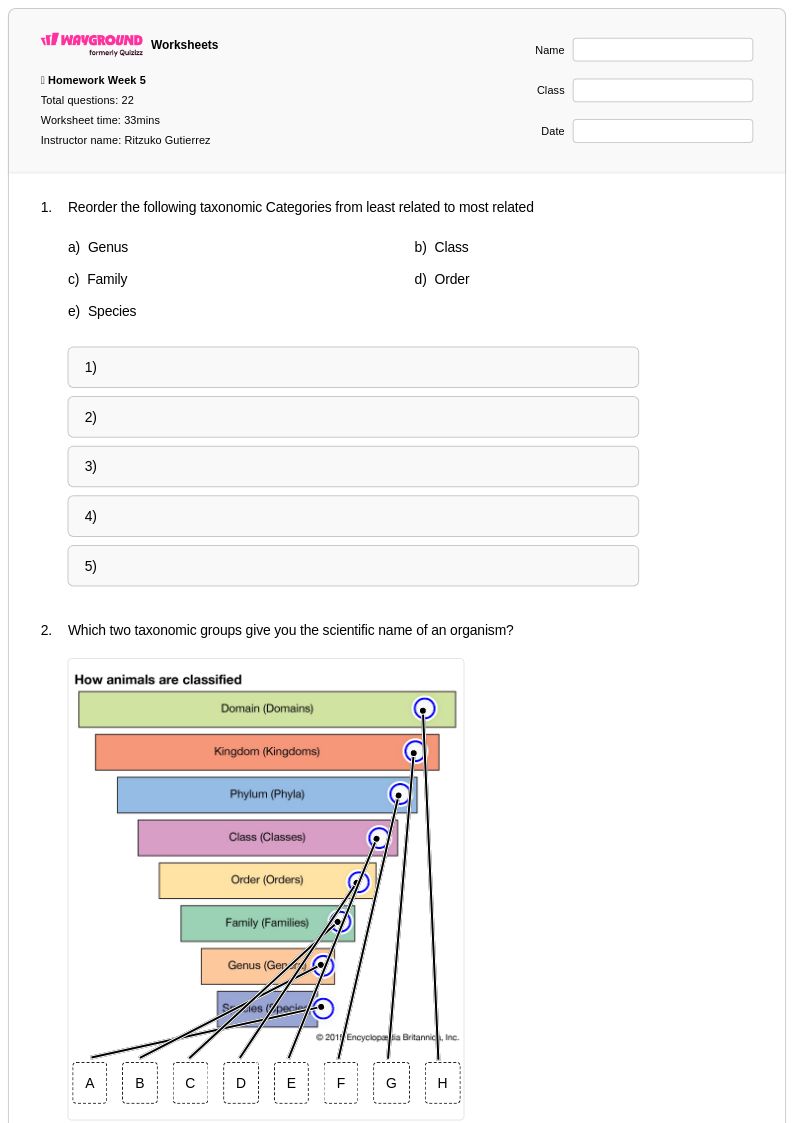
22 Hỏi
12th
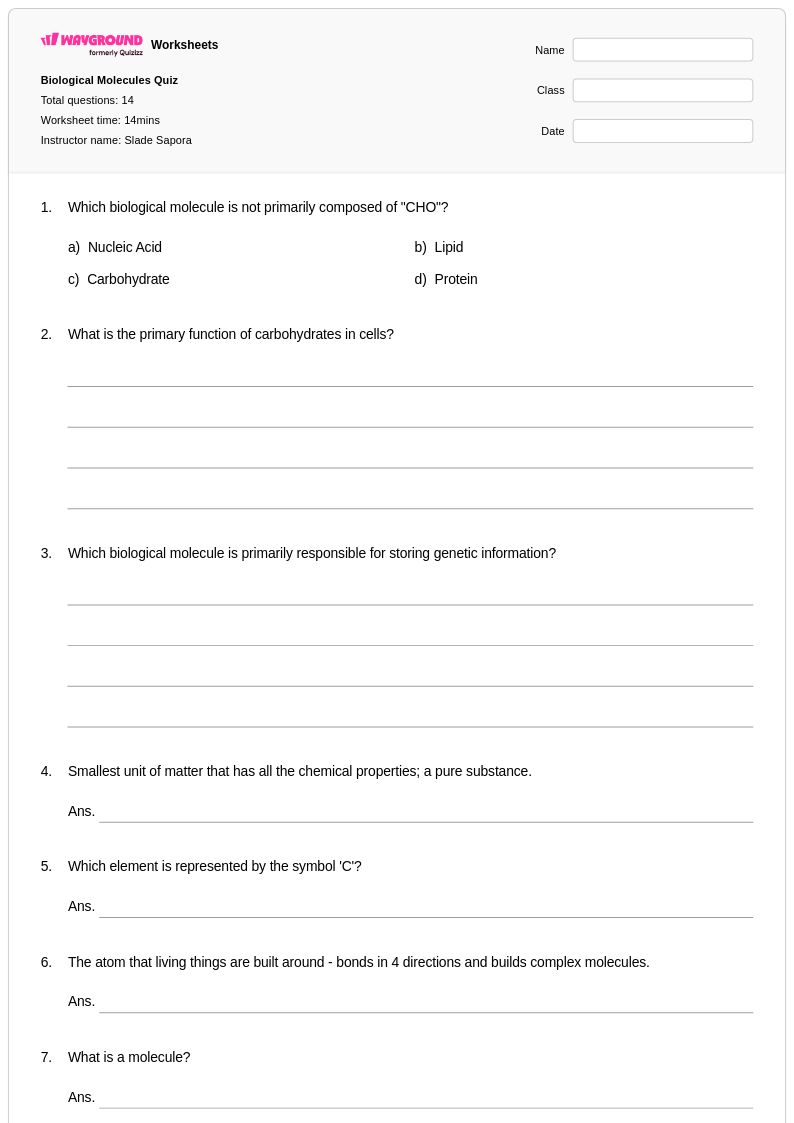
14 Hỏi
10th - Uni
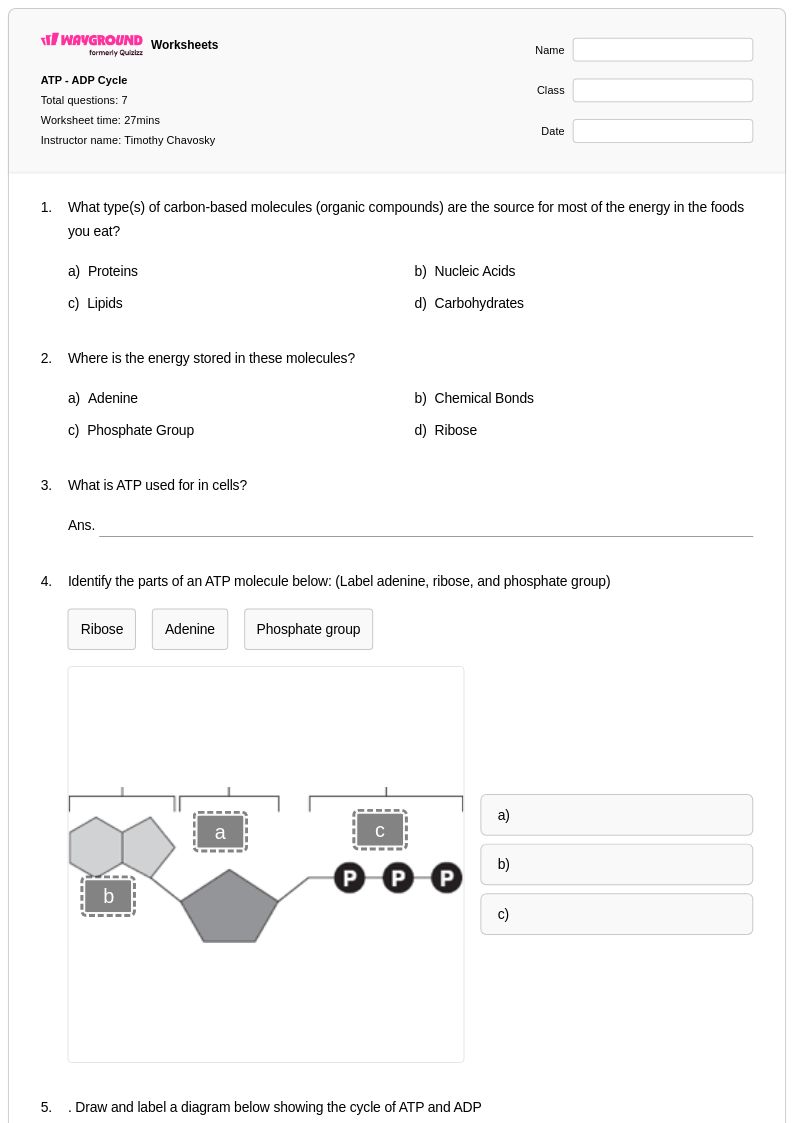
18 Hỏi
12th
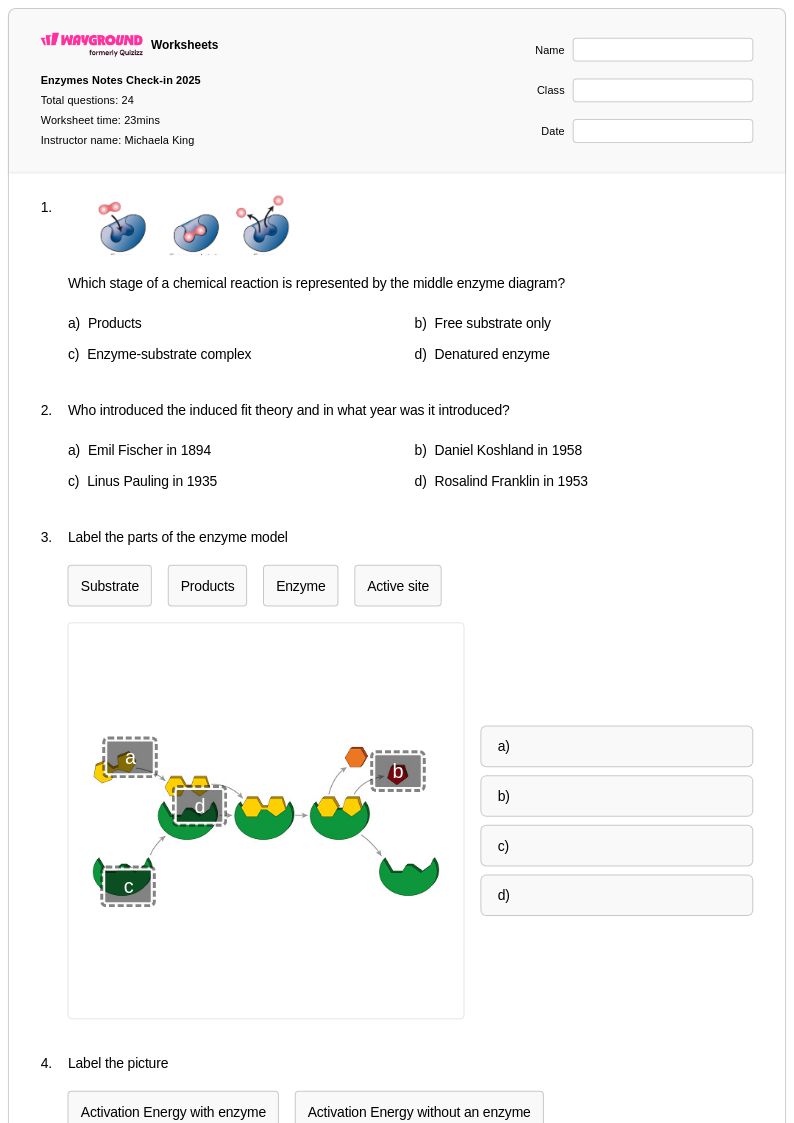
24 Hỏi
9th - Uni
Khám phá các bảng tính chủ đề khác cho grade 12
Explore printable Lipids worksheets for Grade 12
Grade 12 lipids worksheets available through Wayground (formerly Quizizz) provide comprehensive coverage of these essential biomolecules, focusing on their diverse structures, functions, and biological significance. These expertly crafted resources strengthen students' understanding of fatty acids, phospholipids, steroids, and triglycerides while developing critical analysis skills needed for advanced biology coursework. The worksheet collections include detailed practice problems that challenge students to identify lipid classifications, analyze membrane composition, and evaluate the roles of cholesterol and other steroids in cellular processes. Each printable resource comes with a complete answer key, enabling students to verify their understanding of complex concepts such as lipid metabolism, membrane fluidity, and the structural differences between saturated and unsaturated fats. These free educational materials serve as valuable study tools for reinforcing classroom instruction and preparing students for assessments in advanced biology courses.
Wayground (formerly Quizizz) supports Grade 12 biology educators with an extensive collection of millions of teacher-created lipids worksheets that streamline lesson planning and enhance student learning outcomes. The platform's robust search and filtering capabilities allow teachers to quickly locate resources aligned with specific curriculum standards, whether focusing on biochemical pathways, membrane transport, or lipid synthesis and breakdown. Teachers can easily differentiate instruction by selecting from worksheets of varying complexity levels, customizing content to meet individual student needs, and choosing between printable pdf formats for traditional classroom use or digital formats for interactive learning environments. These versatile tools prove invaluable for targeted skill practice, remediation of challenging concepts like lipid bilayer dynamics, and enrichment activities that explore advanced topics such as lipid signaling molecules and their roles in cellular communication.