
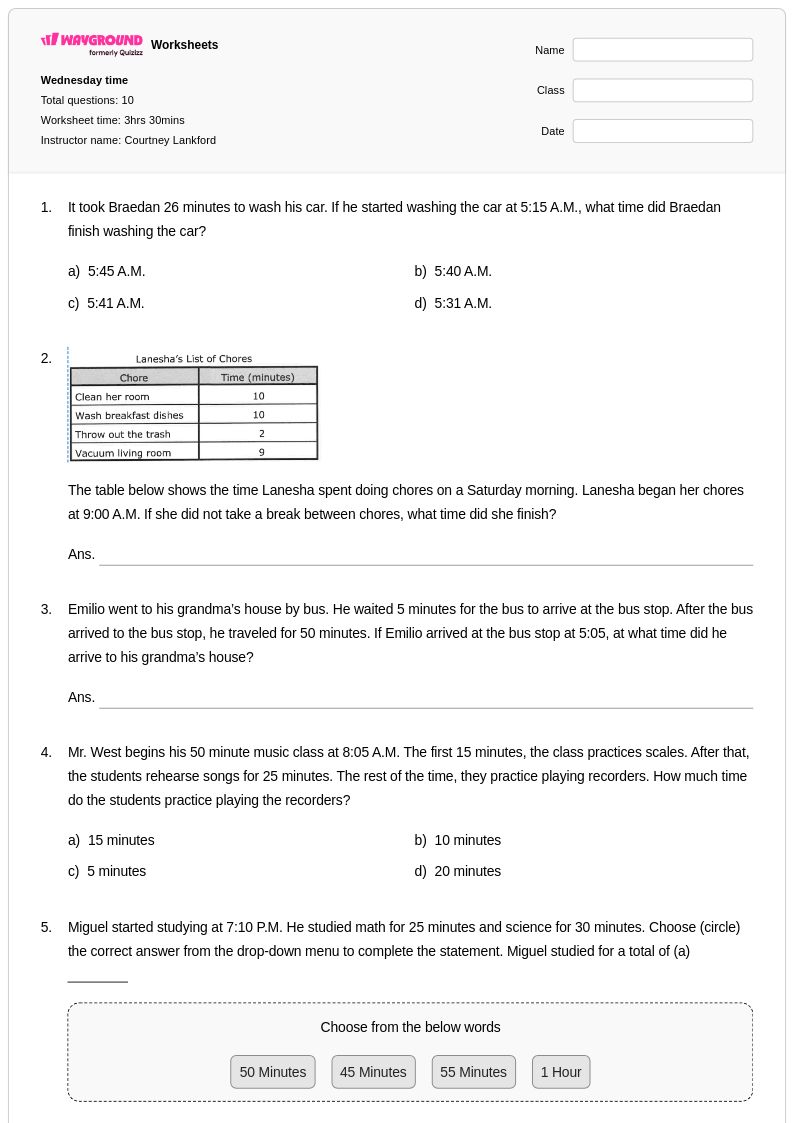
10 Q
3rd
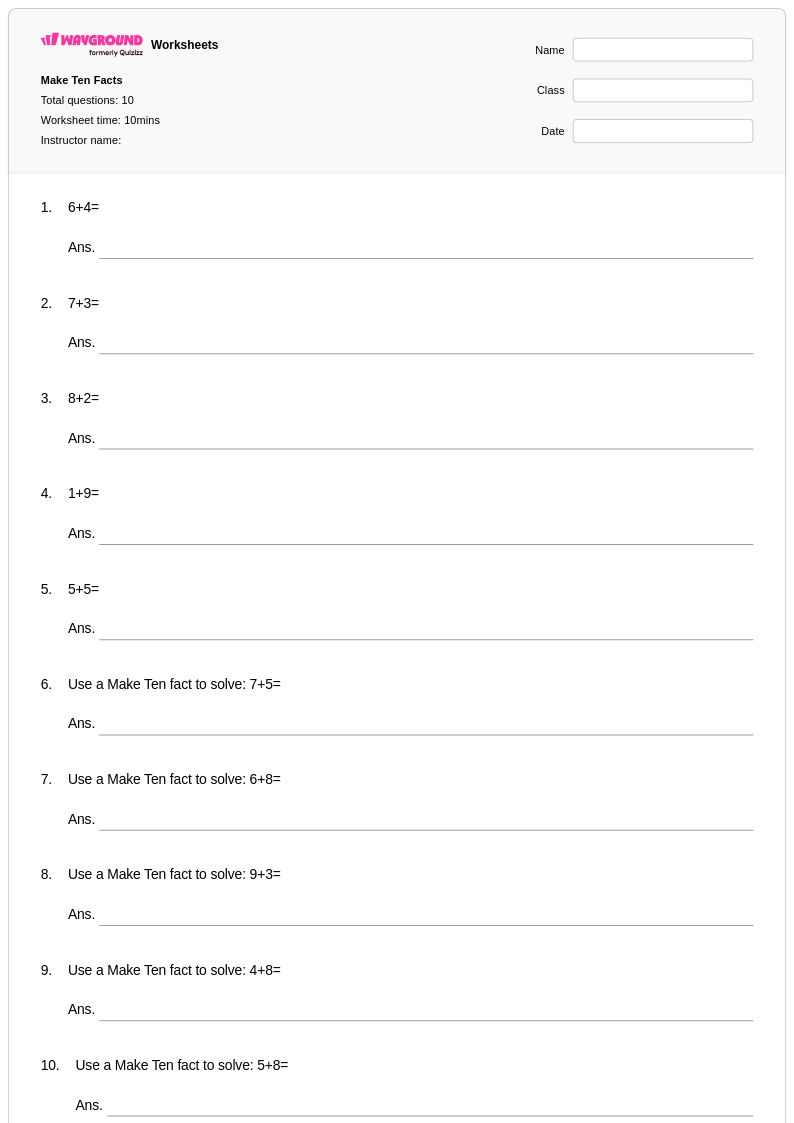
10 Q
3rd
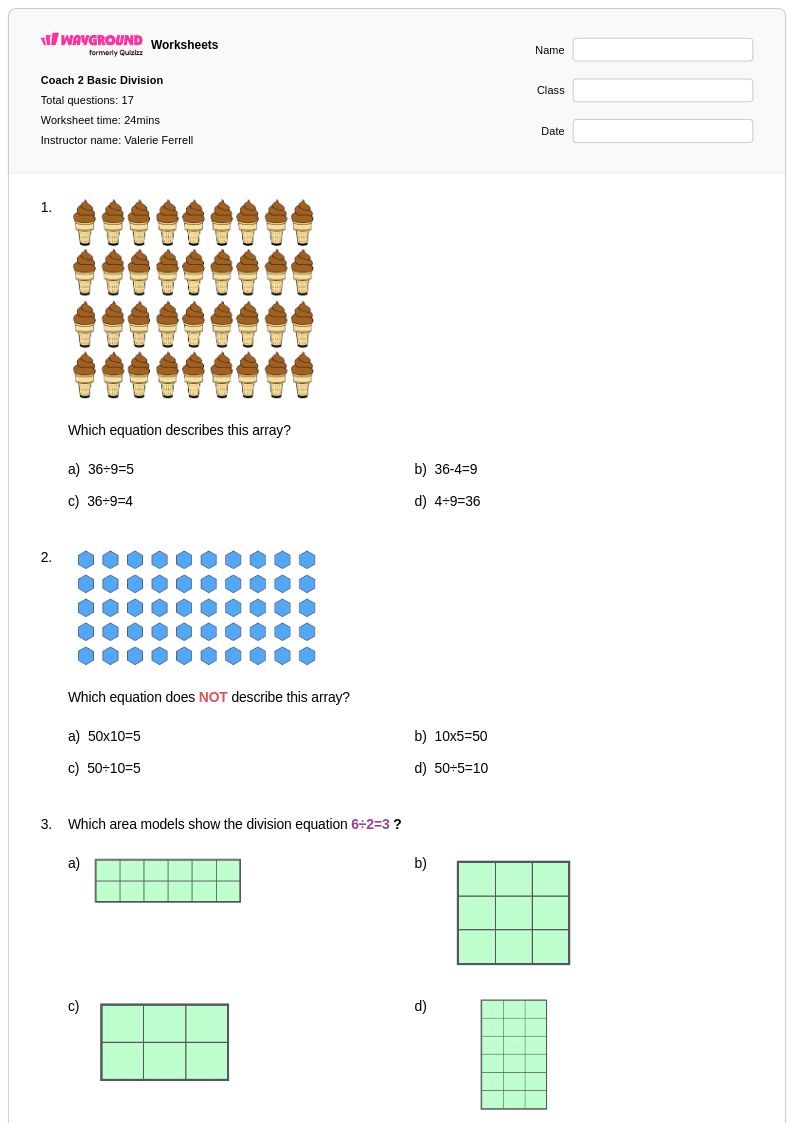
17 Q
3rd
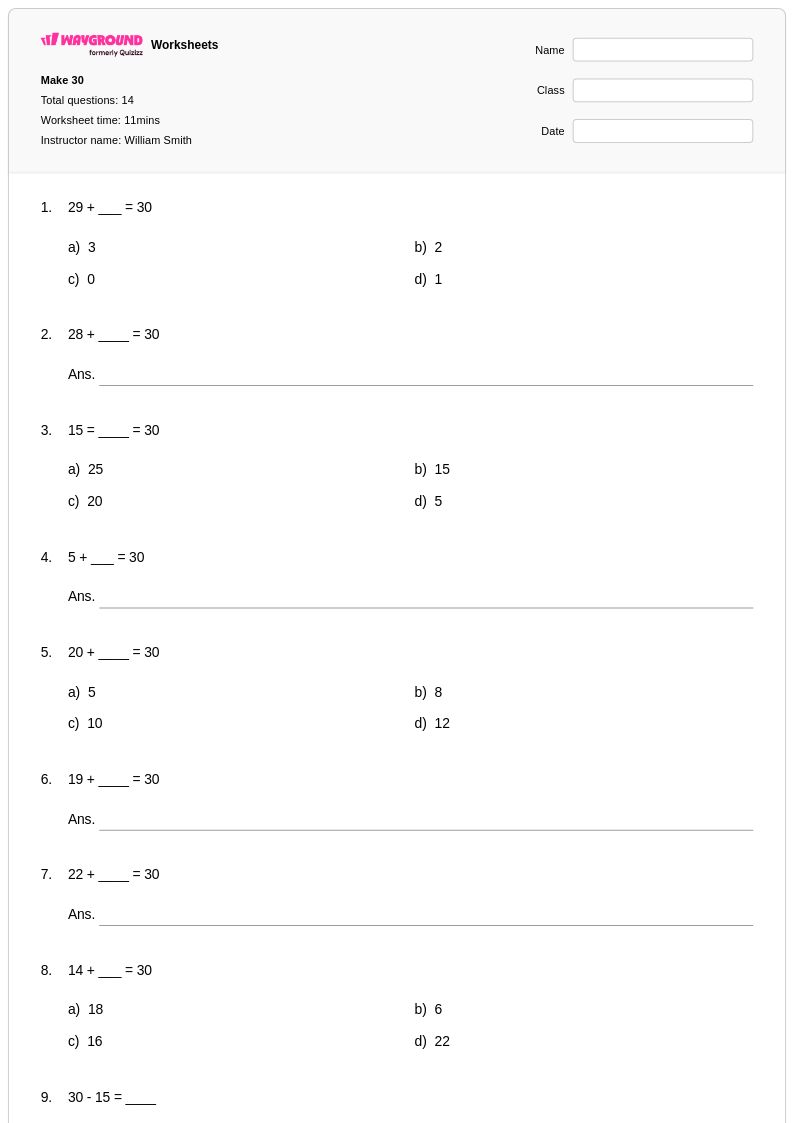
14 Q
3rd - 7th
55 Q
3rd
10 Q
1st - 6th
15 Q
3rd
20 Q
1st - Uni
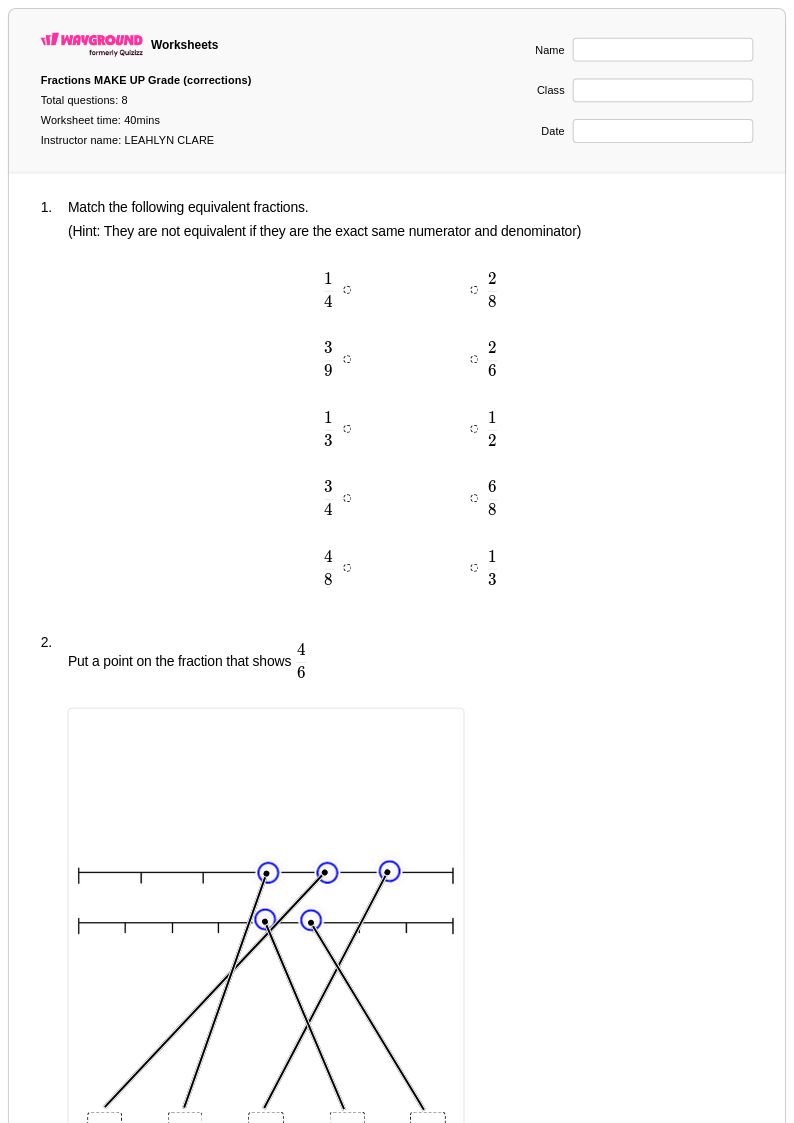
8 Q
3rd
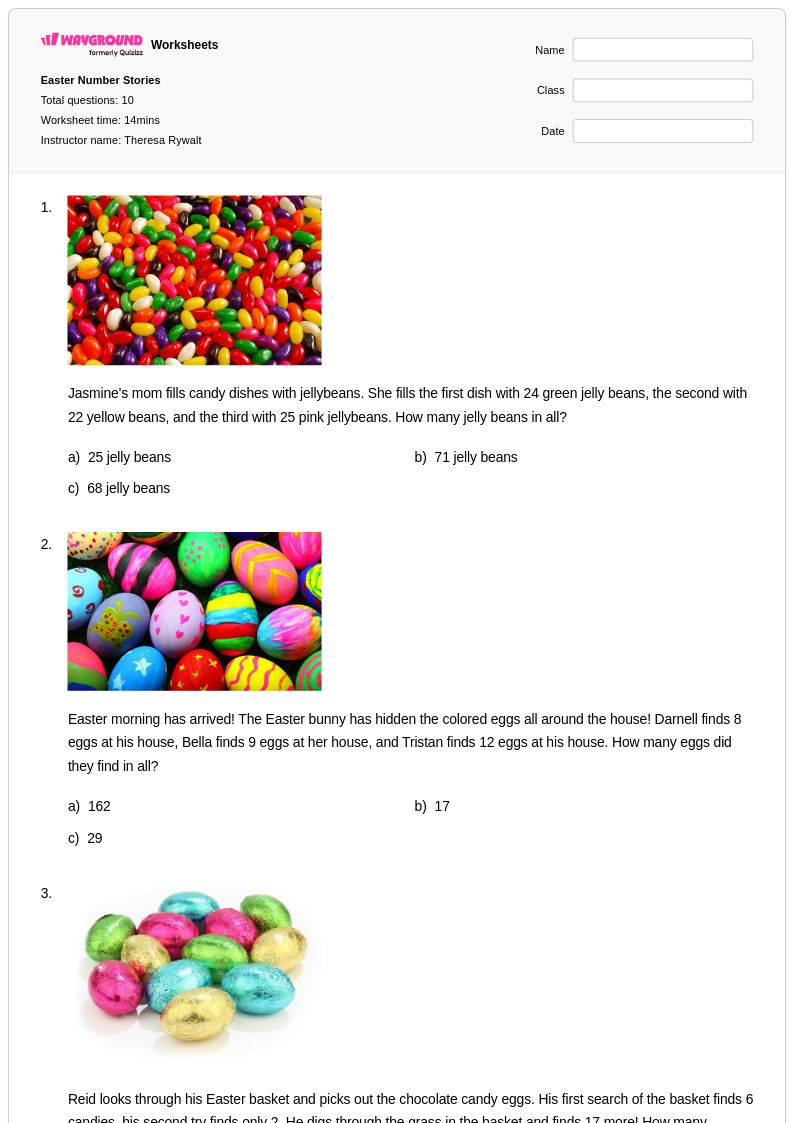
10 Q
2nd - 3rd
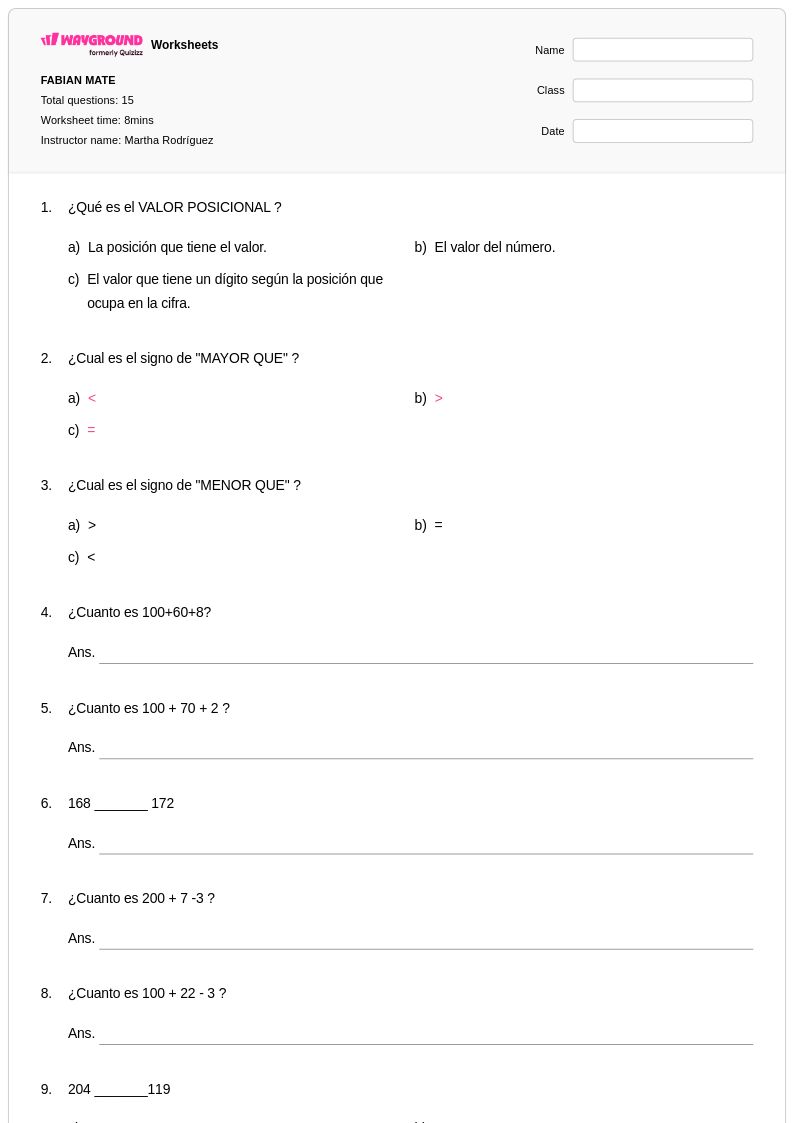
15 Q
1st - 3rd
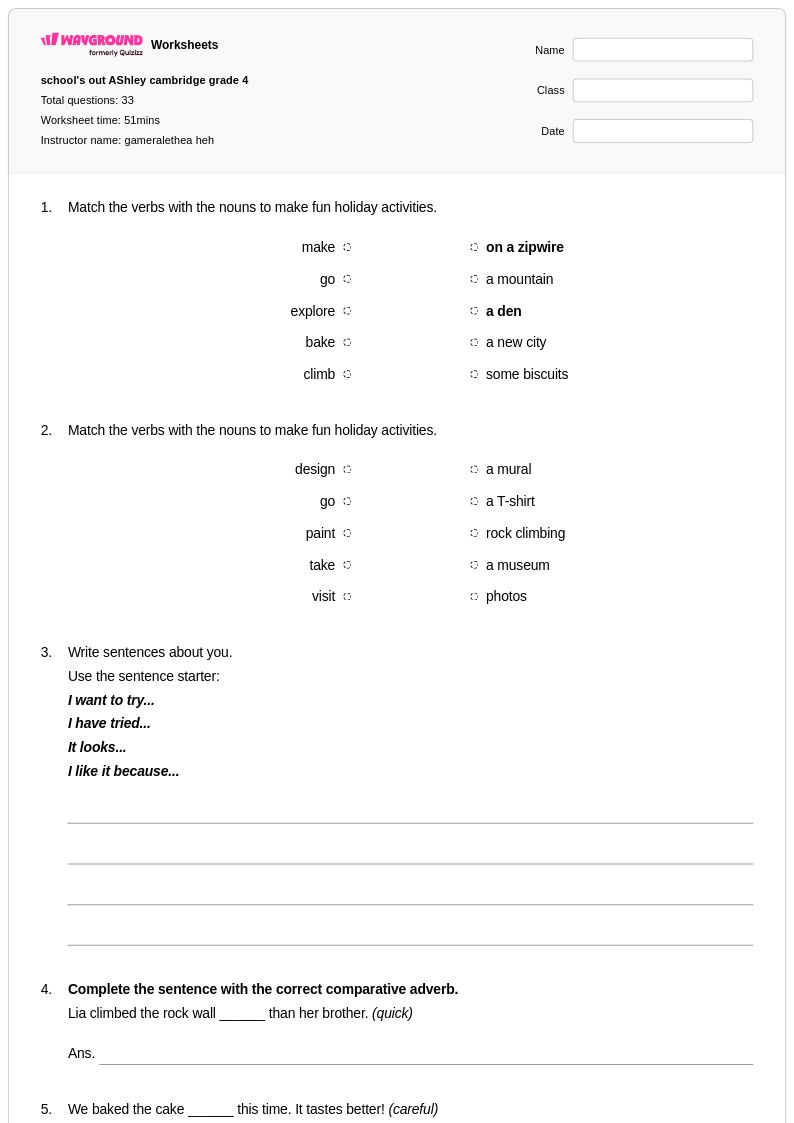
33 Q
1st - 5th
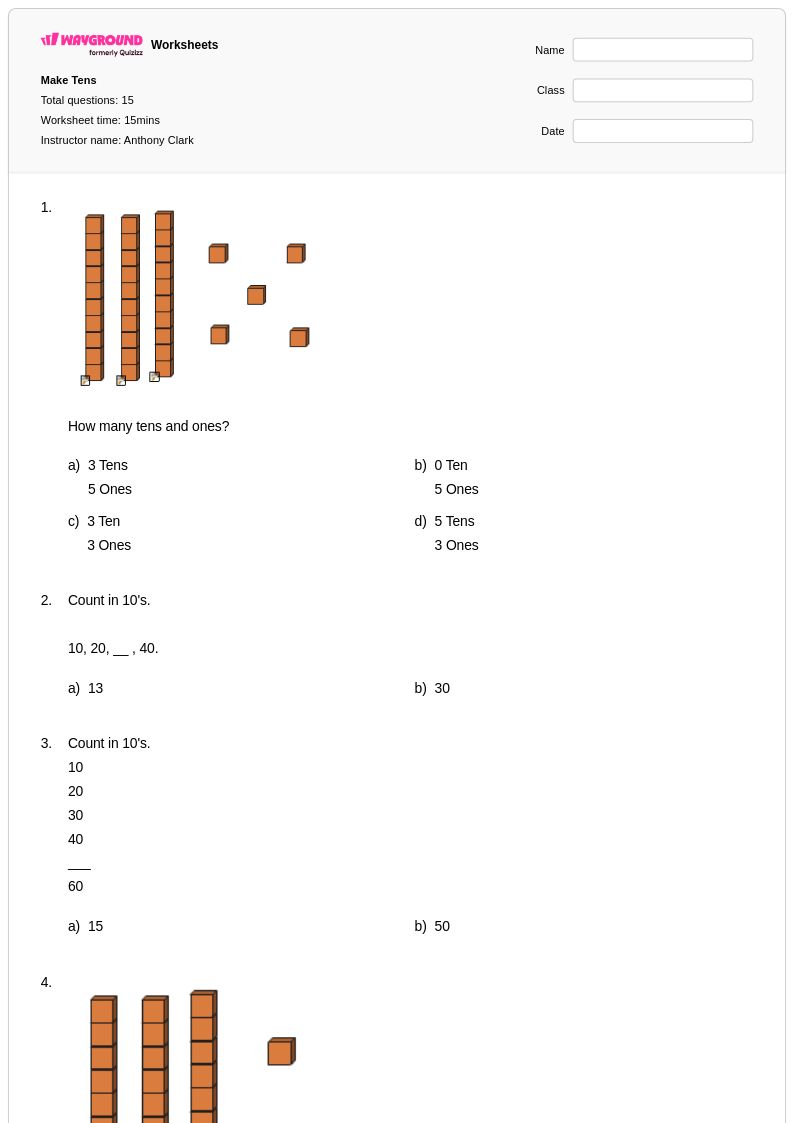
15 Q
1st - Uni
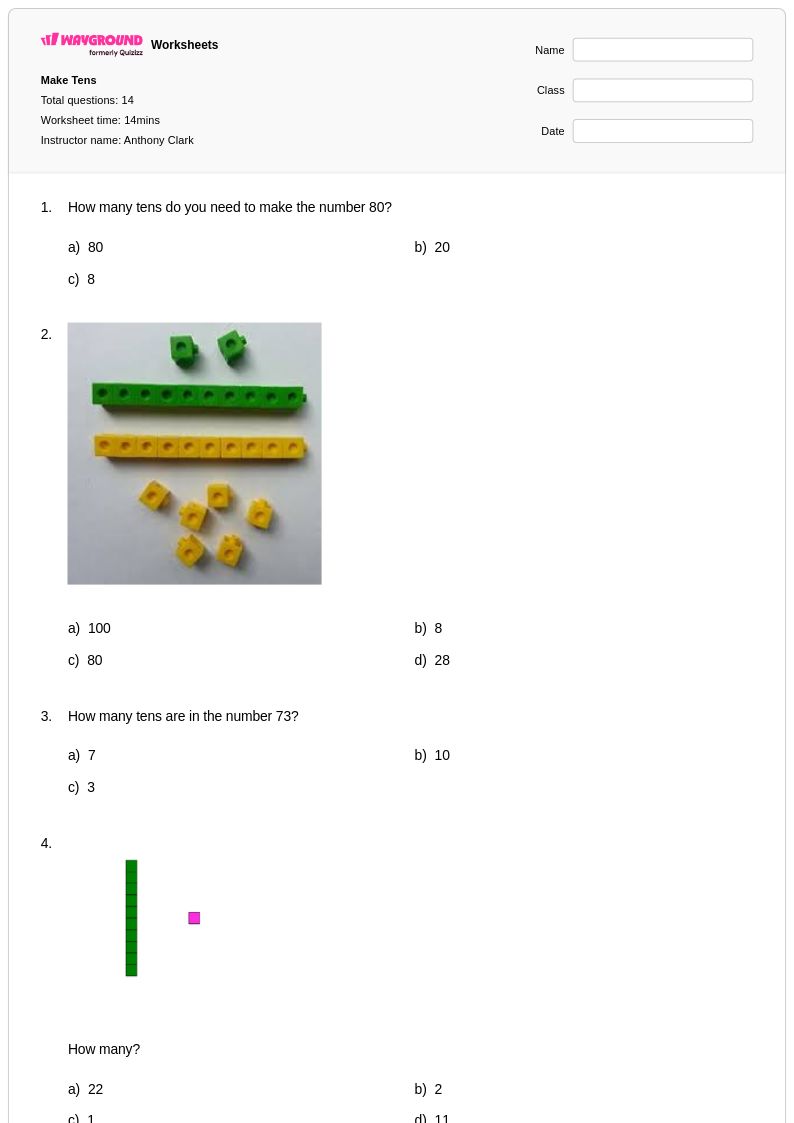
14 Q
2nd - Uni
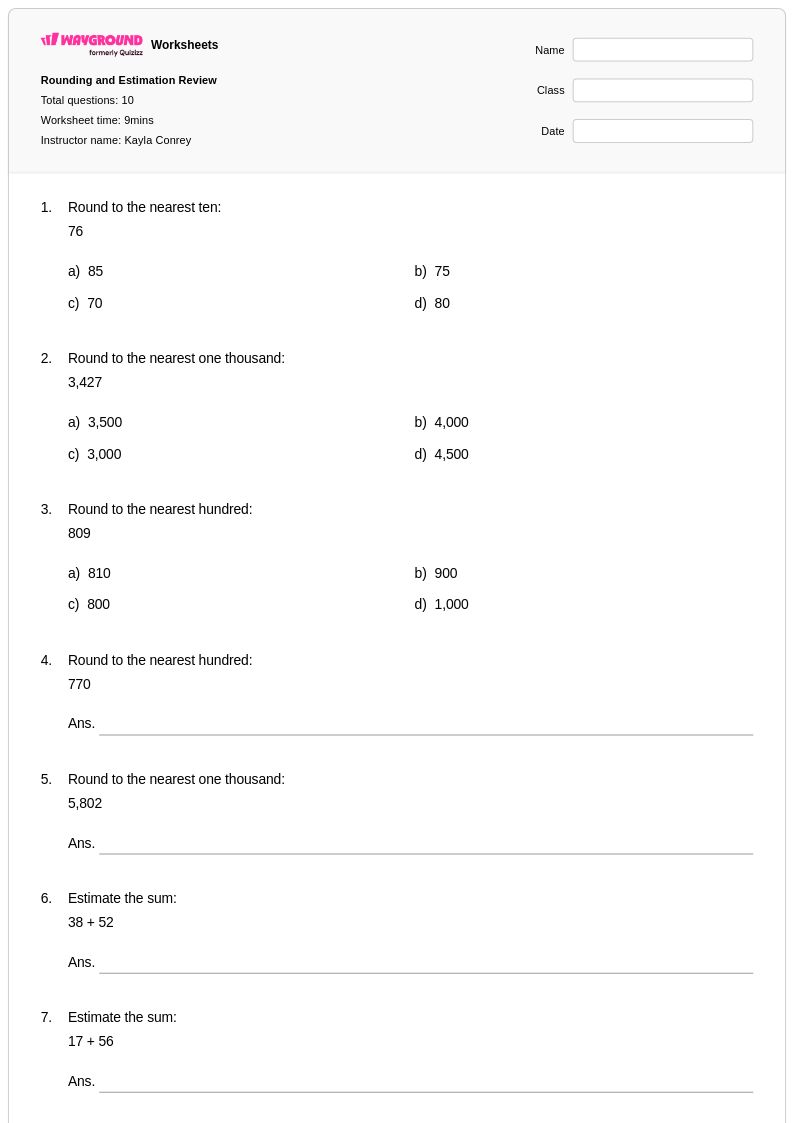
10 Q
3rd
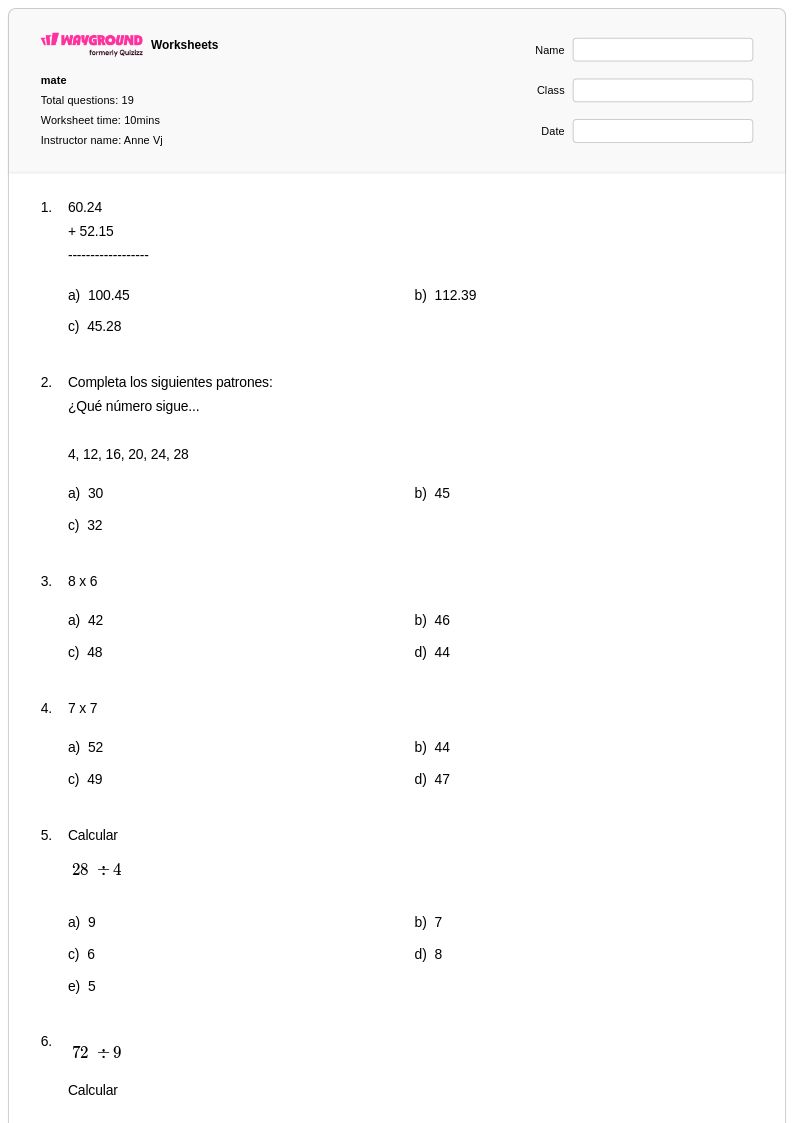
19 Q
1st - 11th
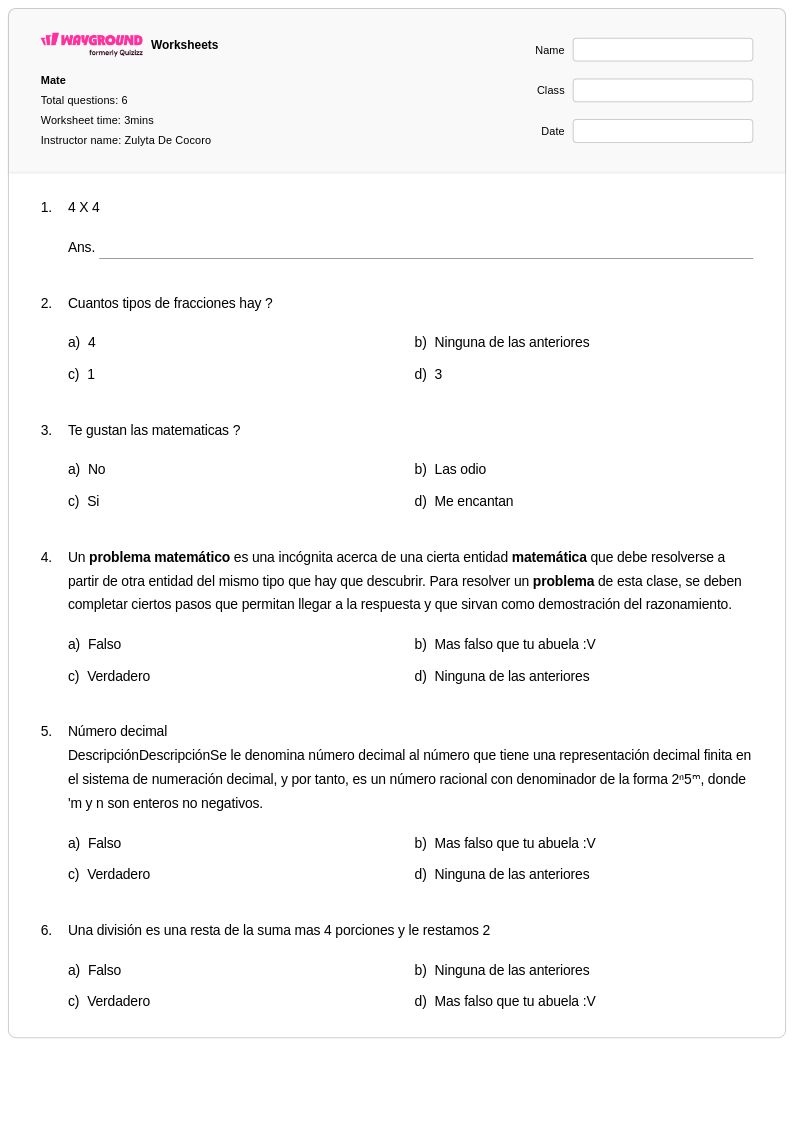
6 Q
3rd - 5th
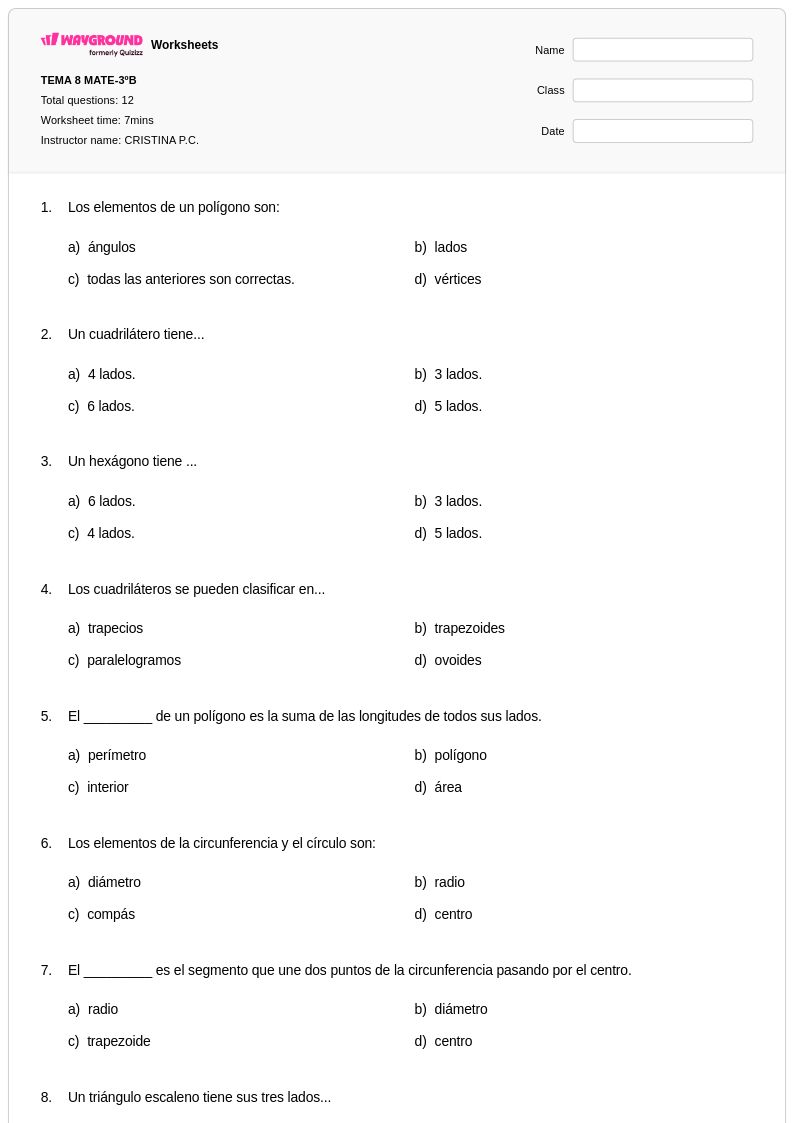
12 Q
3rd
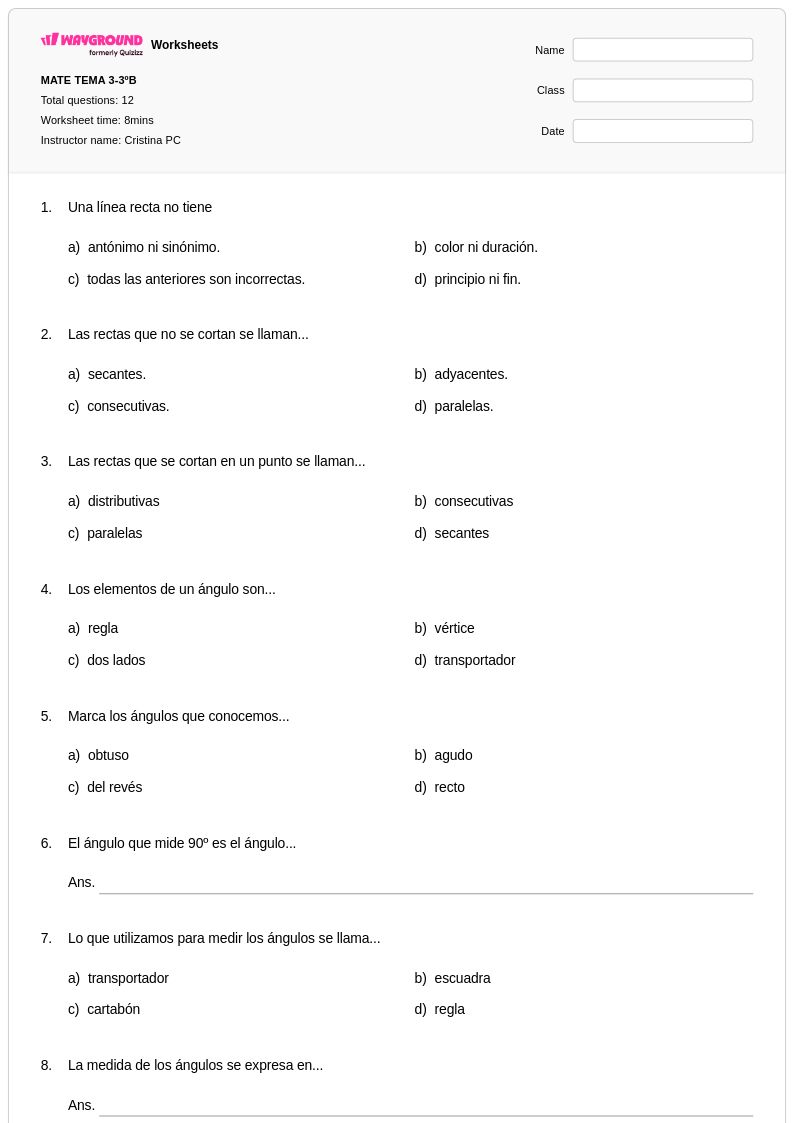
12 Q
3rd
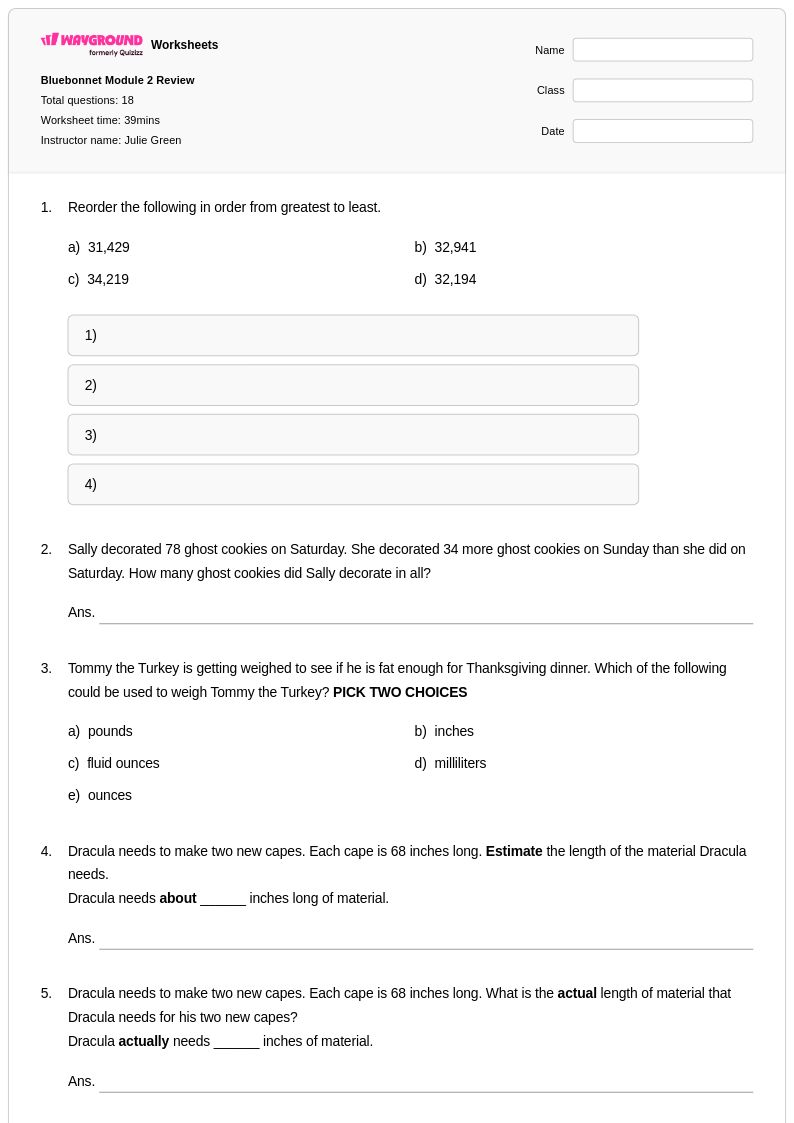
18 Q
3rd
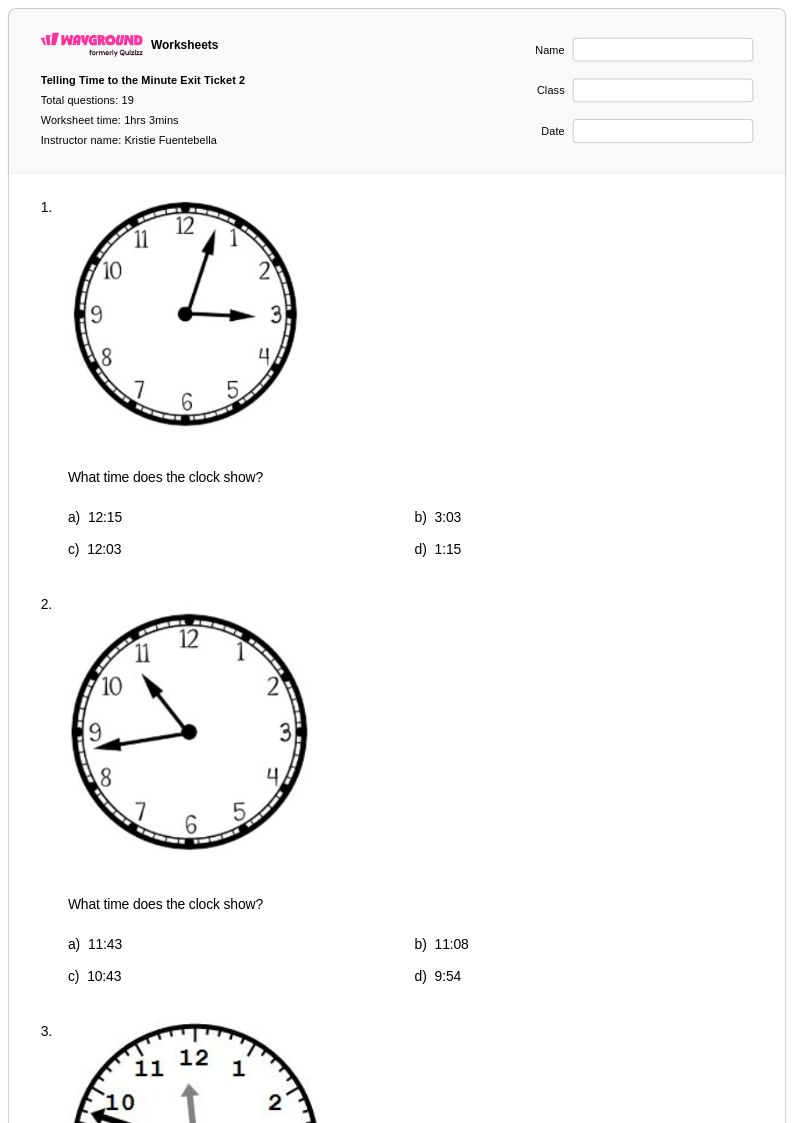
19 Q
3rd
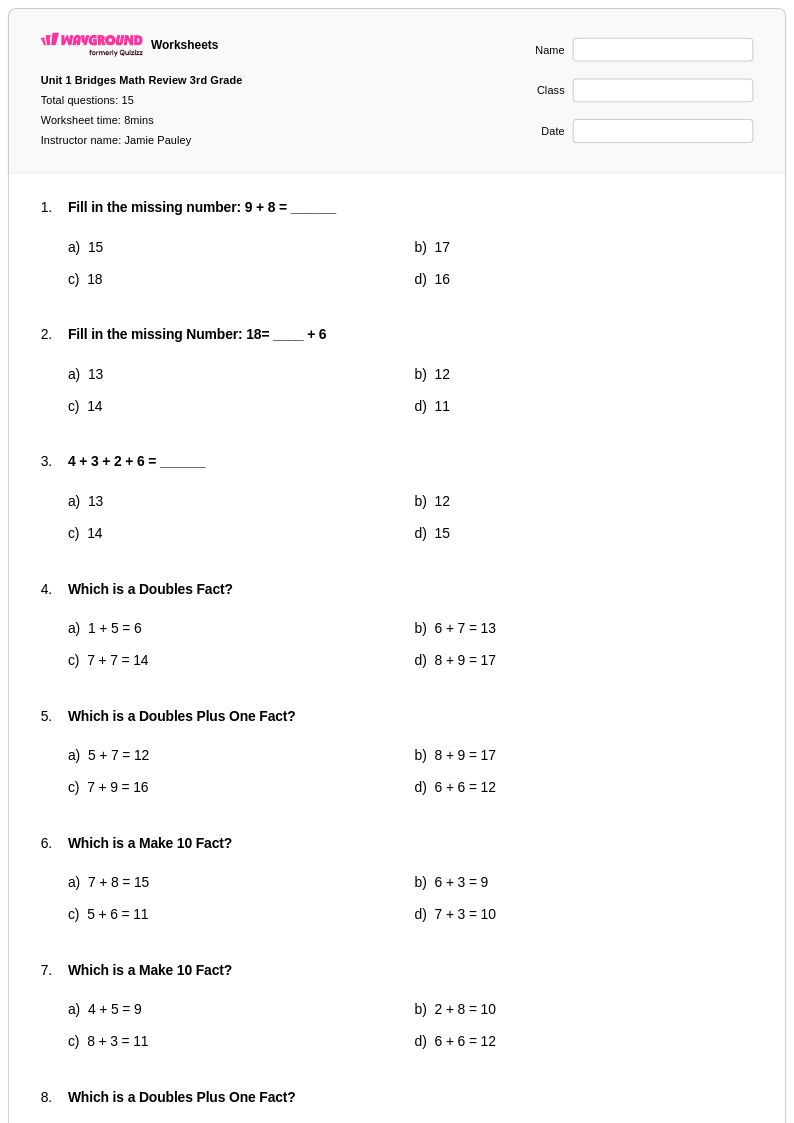
15 Q
3rd
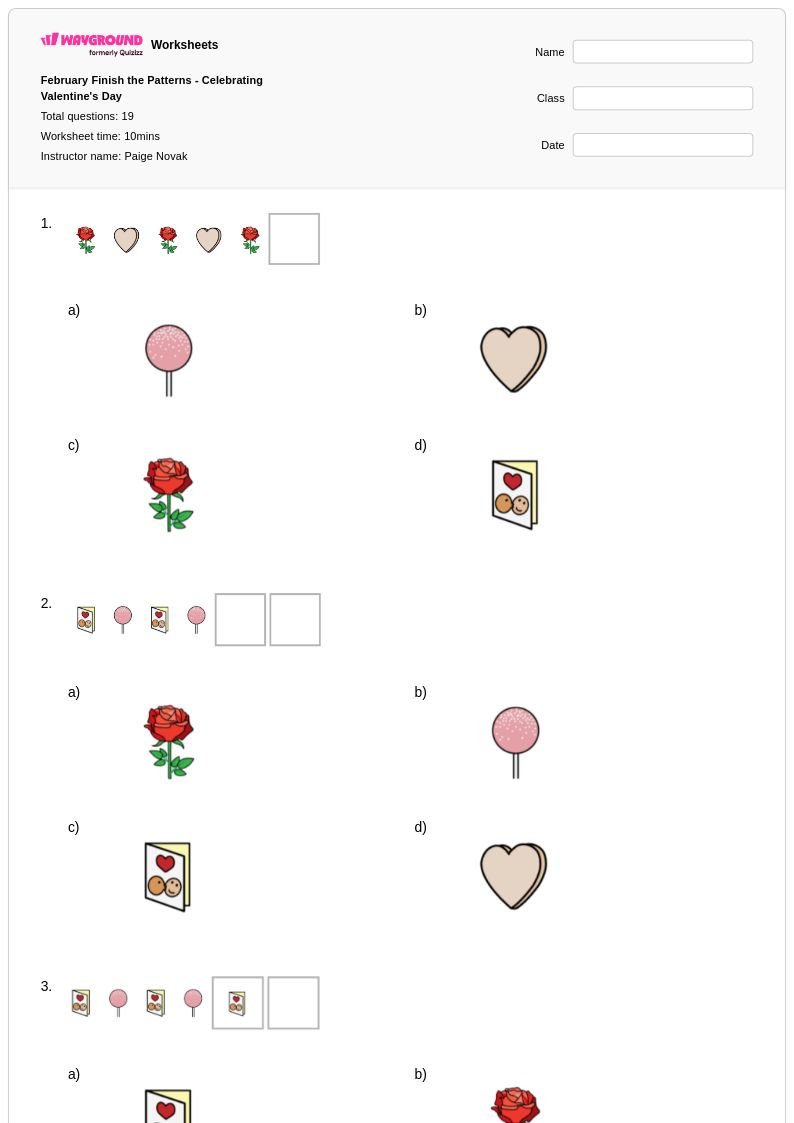
19 Q
3rd - 5th
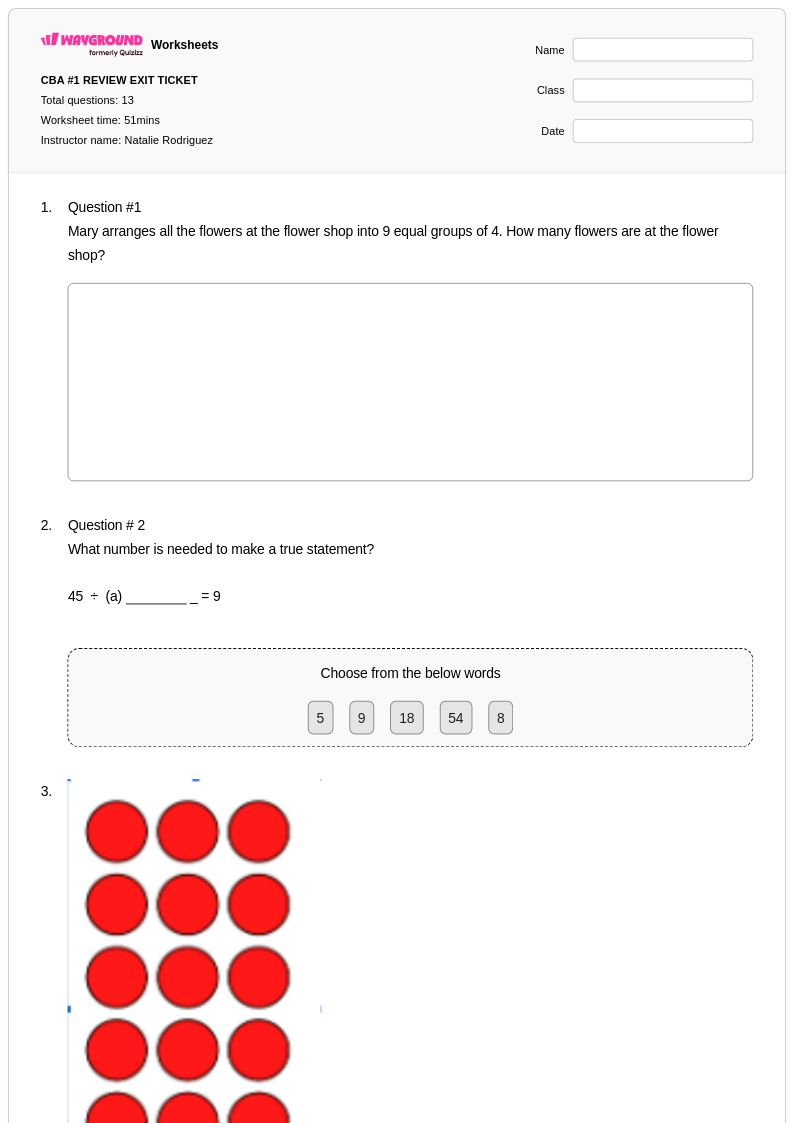
13 Q
3rd
Explore Other Subject Worksheets for grade 3
Explore printable Maze Activities worksheets for Grade 3
Grade 3 geometry maze activities available through Wayground (formerly Quizizz) transform spatial learning into engaging puzzle-solving adventures that captivate young mathematicians while building essential geometric understanding. These carefully designed worksheets combine the excitement of navigating through mazes with fundamental geometry concepts such as identifying shapes, understanding spatial relationships, recognizing patterns, and developing visual perception skills. Students strengthen their problem-solving abilities as they work through practice problems that require them to apply geometric knowledge to find correct paths, making abstract concepts tangible and memorable. Each printable worksheet includes comprehensive answer keys that allow teachers and parents to provide immediate feedback, while the free pdf format ensures easy access and distribution for classroom or home use.
Wayground's extensive collection of geometry maze worksheets draws from millions of teacher-created resources, providing educators with a robust library of materials that can be easily searched and filtered by specific geometric concepts, difficulty levels, and learning objectives. The platform's alignment with educational standards ensures that these maze activities support curriculum goals while offering built-in differentiation tools that allow teachers to customize worksheets for diverse learning needs and abilities. Whether used for skill practice, remediation for struggling learners, or enrichment for advanced students, these resources are available in both printable pdf formats for traditional paper-and-pencil work and digital formats for interactive learning experiences. This flexibility supports comprehensive lesson planning by giving educators the tools to seamlessly integrate engaging geometry practice into their instructional routines while maintaining focus on essential Grade 3 spatial reasoning and shape recognition skills.
FAQs
How can I use mazes to teach 3rd-grade geometry concepts?
What specific skills do these mazes reinforce for 3rd graders?
What might a 3rd grader's mistake on a maze tell me?
How can I use these maze worksheets in my 3rd-grade class?
How do these activities support 3rd-grade geometry standards?