
10 Q
7th - Uni
20 Q
7th - Uni
10 Q
11th
14 Q
6th - 8th
12 Q
5th
11 Q
5th
20 Q
9th - 12th
12 Q
9th - 12th
16 Q
7th - Uni
16 Q
6th - Uni
8 Q
1st
12 Q
2nd
10 Q
1st
10 Q
KG
20 Q
6th - Uni
16 Q
8th
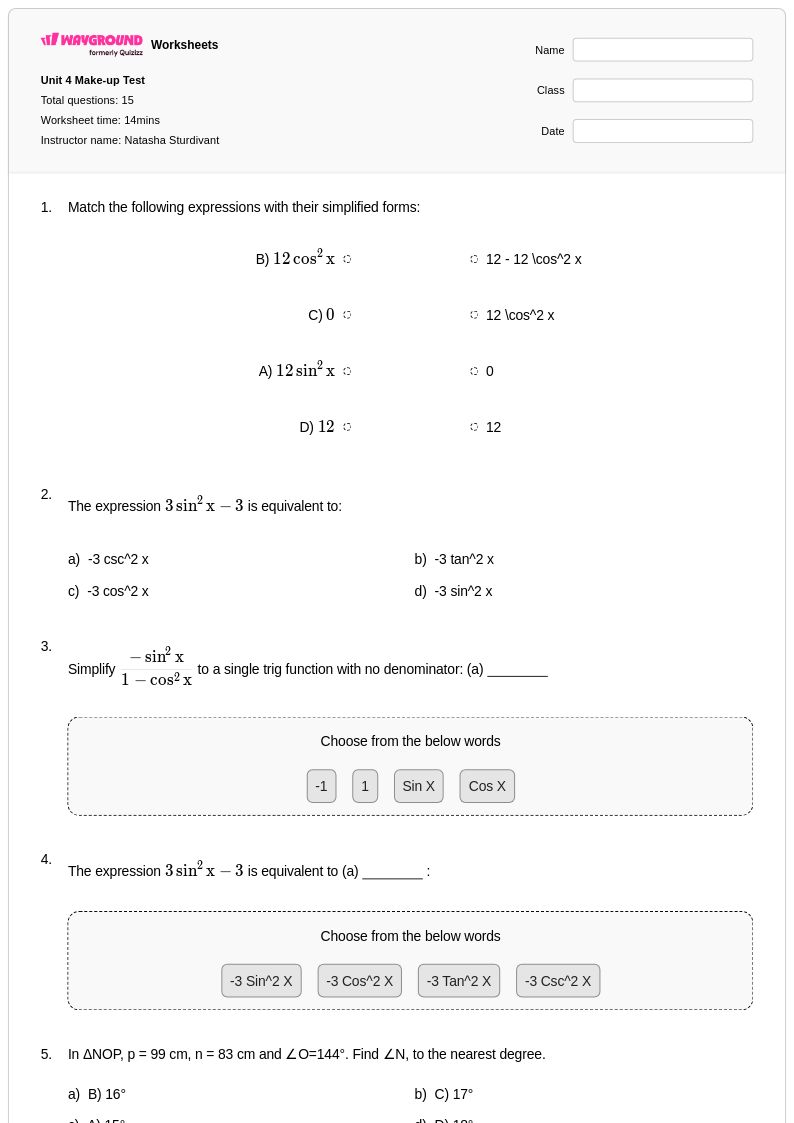
15 Q
11th
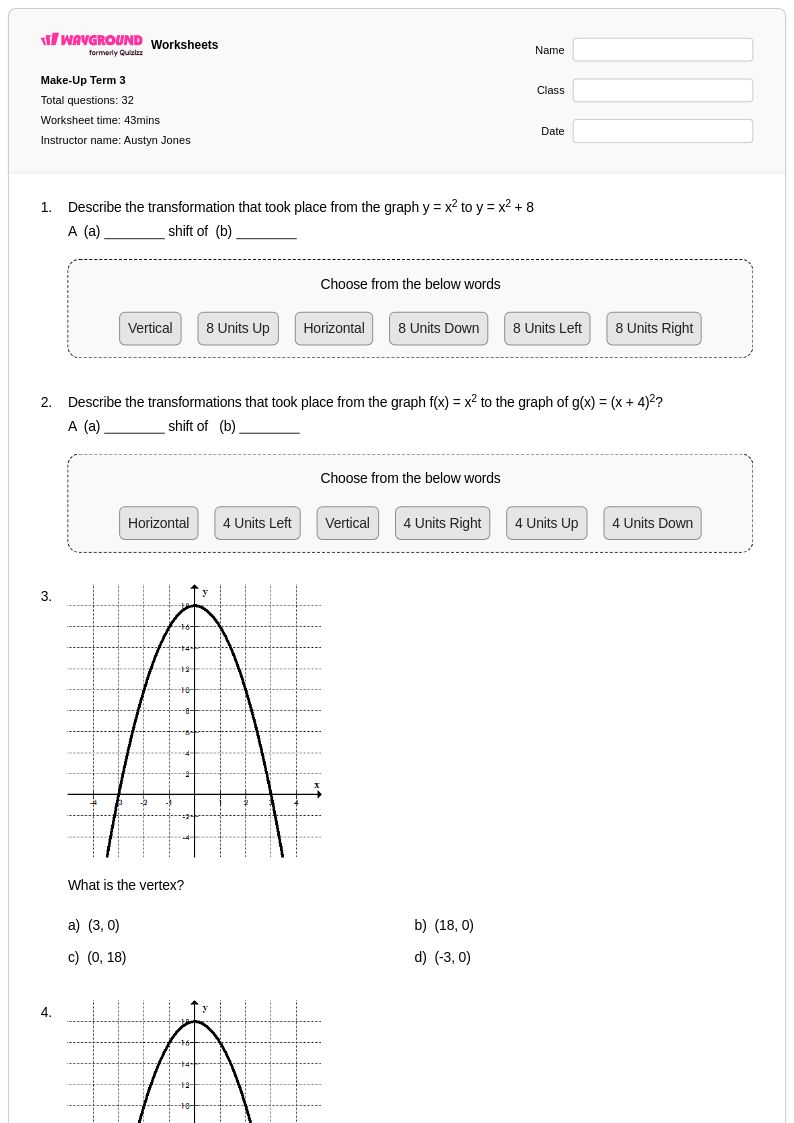
32 Q
9th - 12th
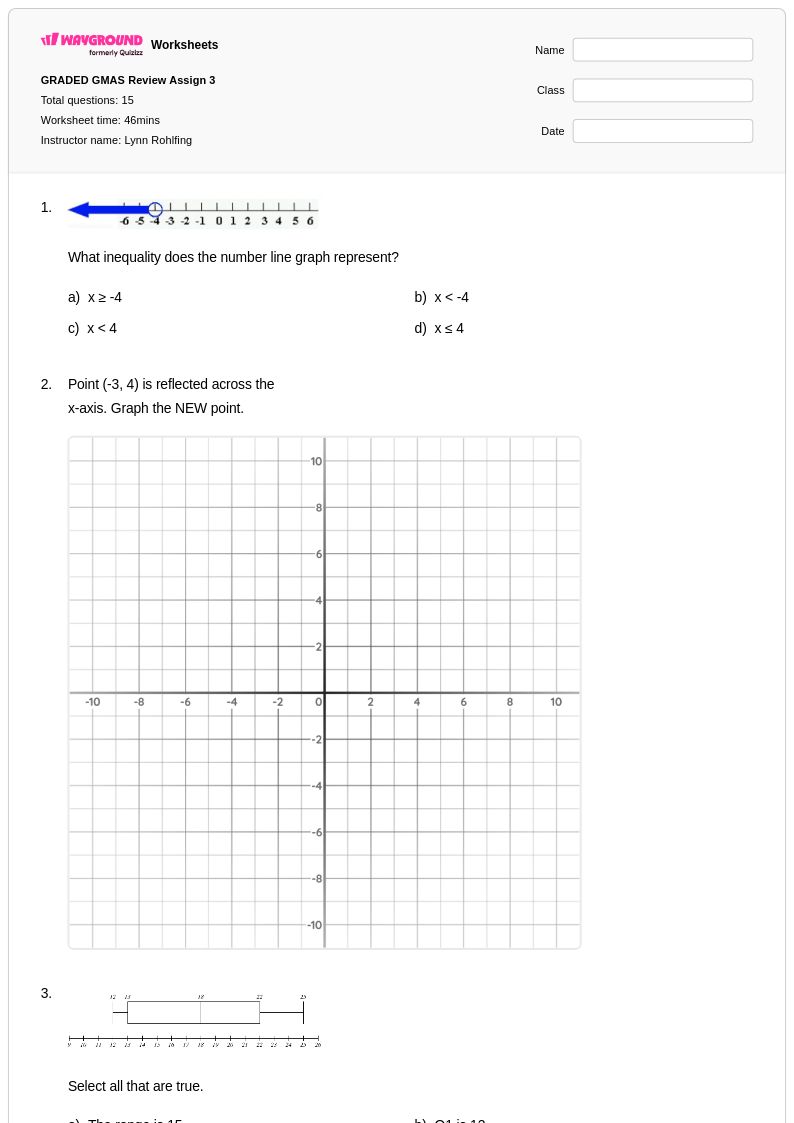
15 Q
6th
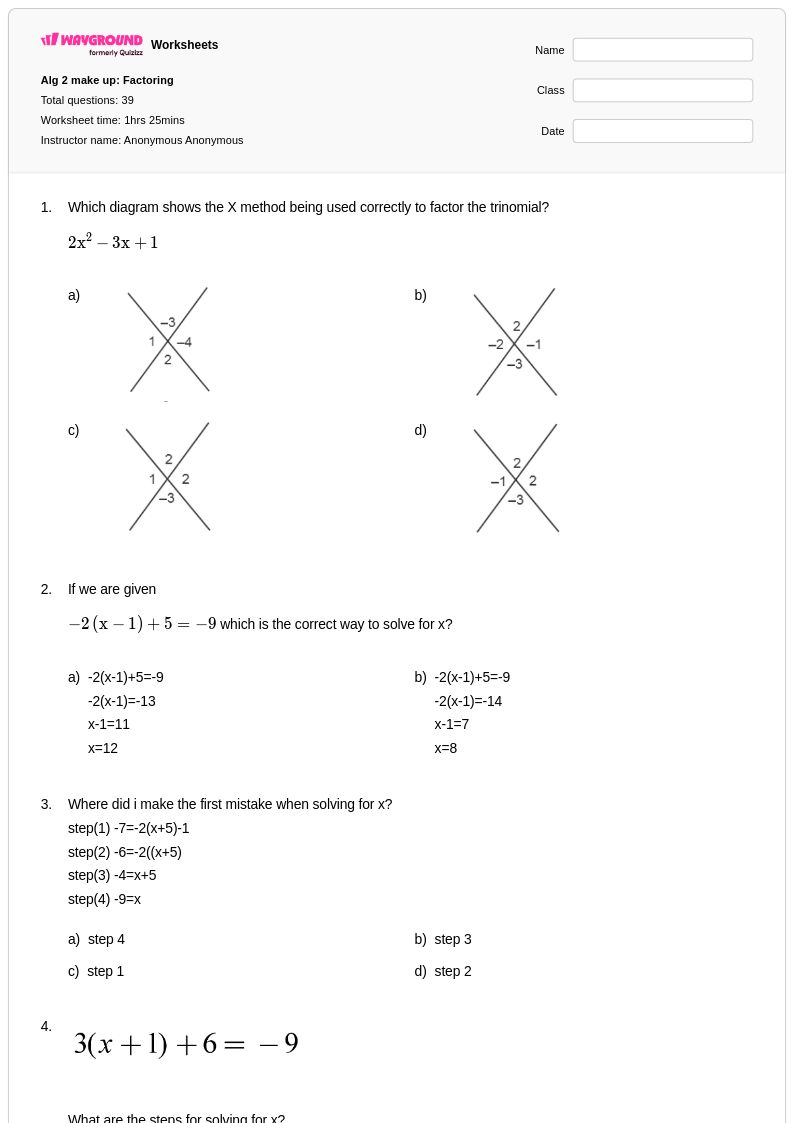
39 Q
9th
30 Q
1st - 2nd
20 Q
6th
10 Q
6th
20 Q
12th
Explore Other Subject Worksheets for kindergarten
Explore printable Maze Activities worksheets for Kindergarten
Maze activities for kindergarten geometry provide an engaging and developmentally appropriate way to introduce young learners to fundamental spatial concepts and shape recognition skills. These interactive worksheets available through Wayground combine the excitement of puzzle-solving with essential geometric learning objectives, helping kindergarten students develop visual perception, directional awareness, and basic shape identification abilities. The carefully designed practice problems guide children through colorful pathways while reinforcing concepts such as identifying circles, squares, triangles, and rectangles, as well as understanding positional vocabulary like above, below, beside, and through. Teachers can access these resources as free printables in convenient pdf format, complete with answer keys that streamline grading and allow for immediate feedback during independent work time or small group instruction.
Wayground's extensive collection of kindergarten geometry maze worksheets draws from millions of teacher-created resources, ensuring educators have access to high-quality materials that align with early childhood mathematics standards and developmental milestones. The platform's robust search and filtering capabilities enable teachers to quickly locate age-appropriate content that matches their specific instructional needs, whether for whole-class instruction, differentiated learning centers, or targeted skill remediation. These versatile resources are available in both printable and digital formats, allowing for seamless integration into various classroom environments and teaching styles. The flexibility to customize worksheets supports effective lesson planning by enabling teachers to select appropriate difficulty levels for enrichment activities or provide additional practice opportunities for students who need extra support in developing their spatial reasoning and geometric thinking skills.
FAQs
Why are maze activities effective for kindergarten students?
What pre-geometry skills do these kindergarten mazes teach?
What should I watch for when a kindergartener is working on a maze?
How can I use these maze worksheets with my kindergarten class?
How do these mazes align with early math standards for kindergarten?