
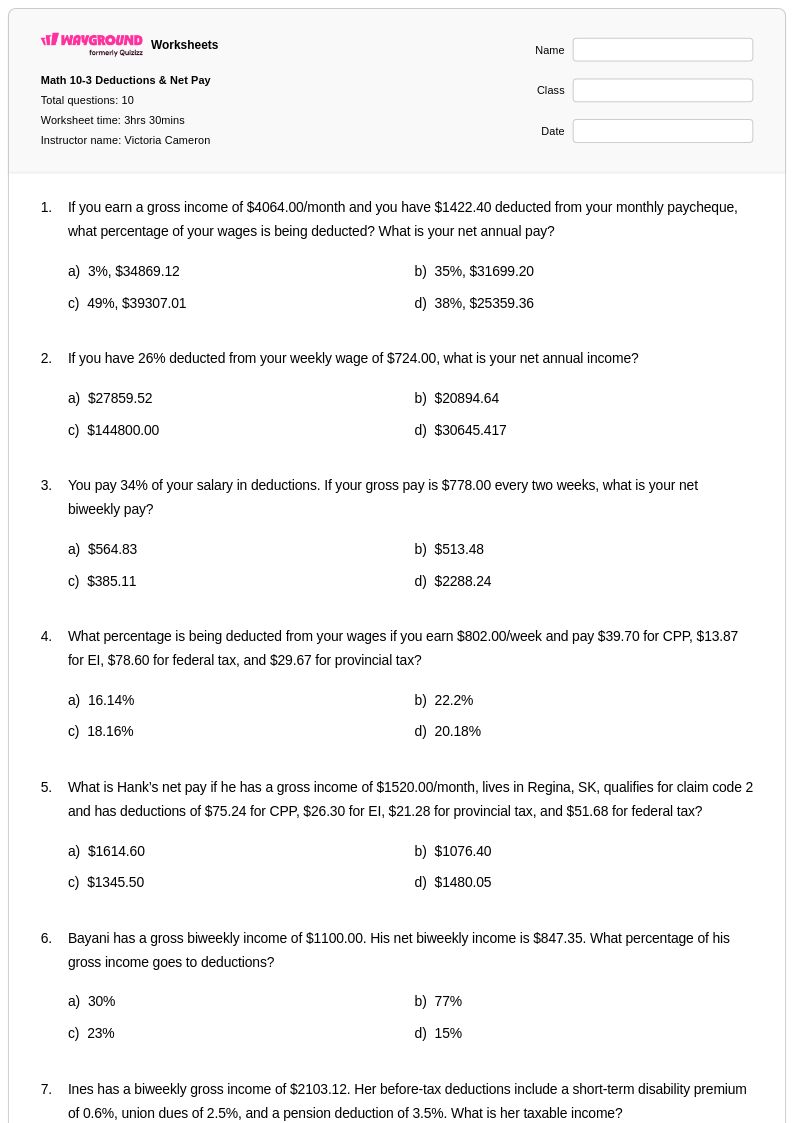
10 Q
6th - 12th
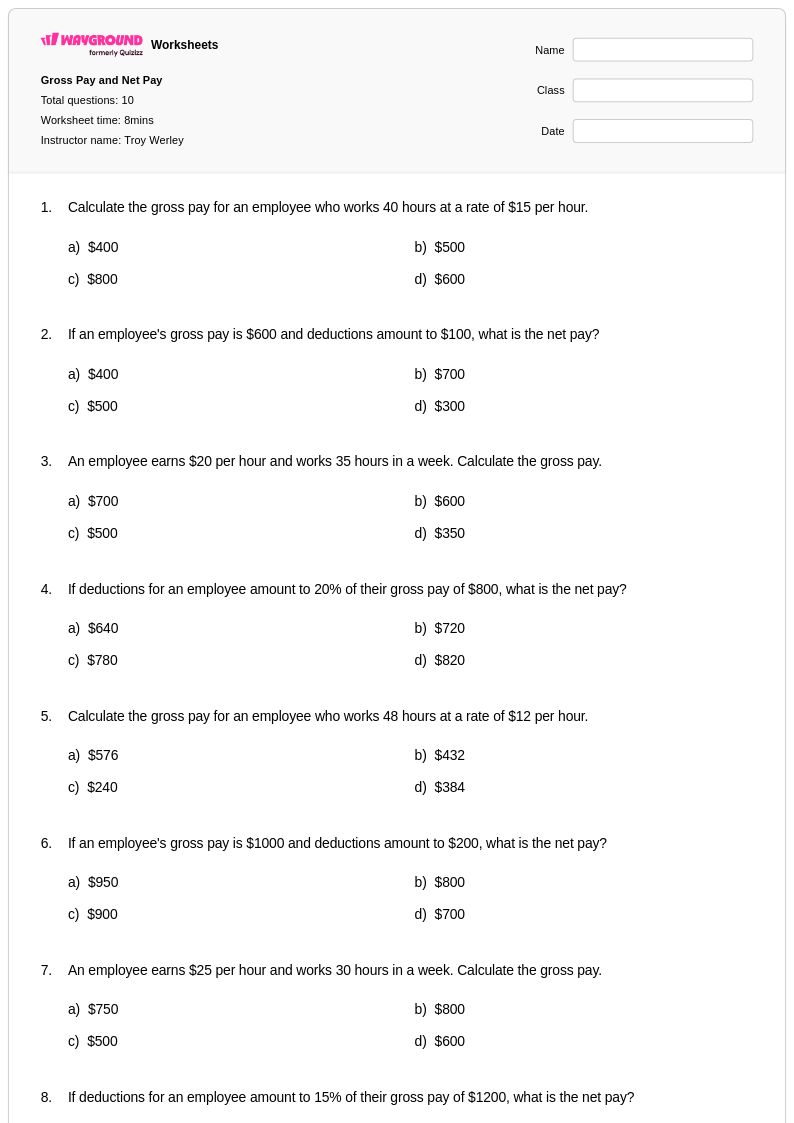
10 Q
6th
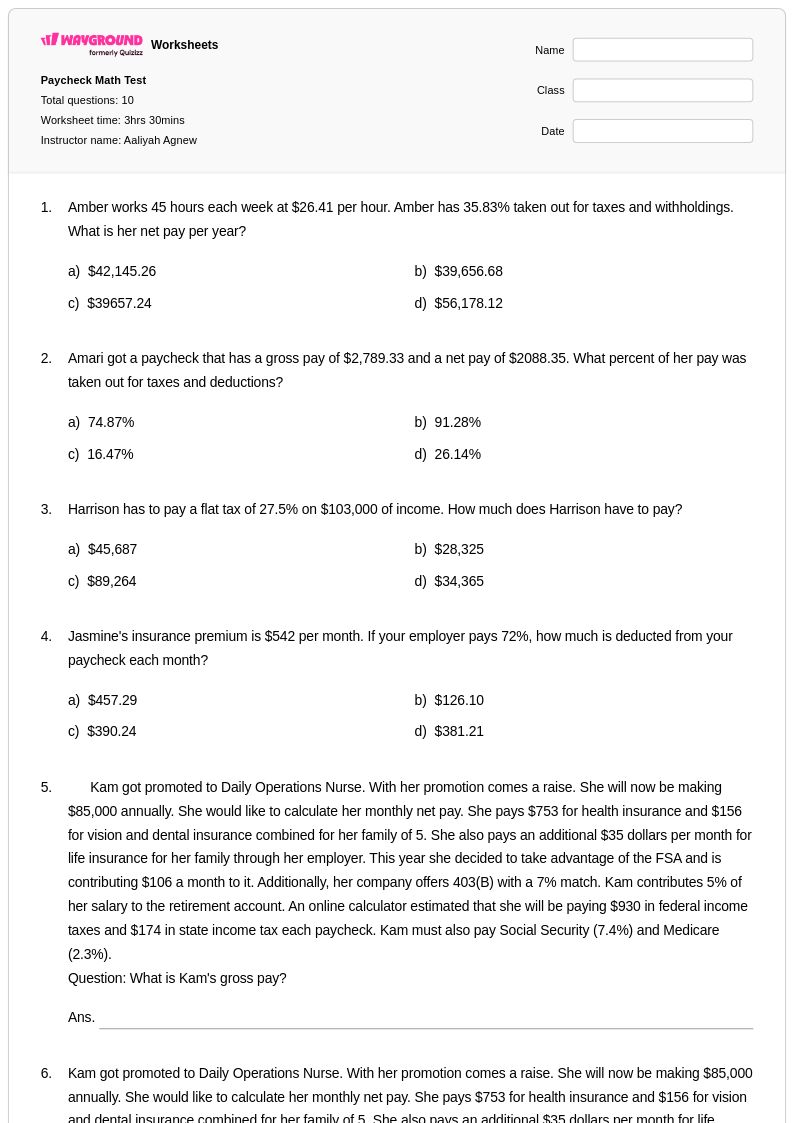
10 Q
6th - 8th
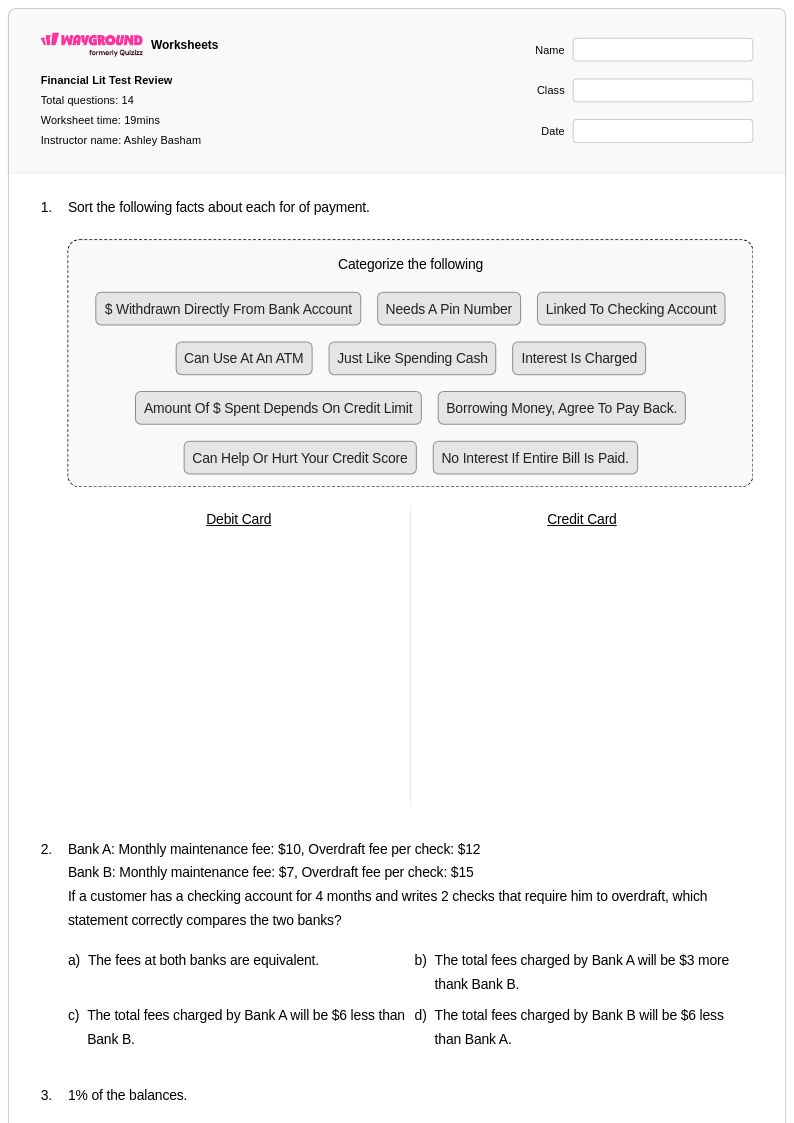
14 Q
6th
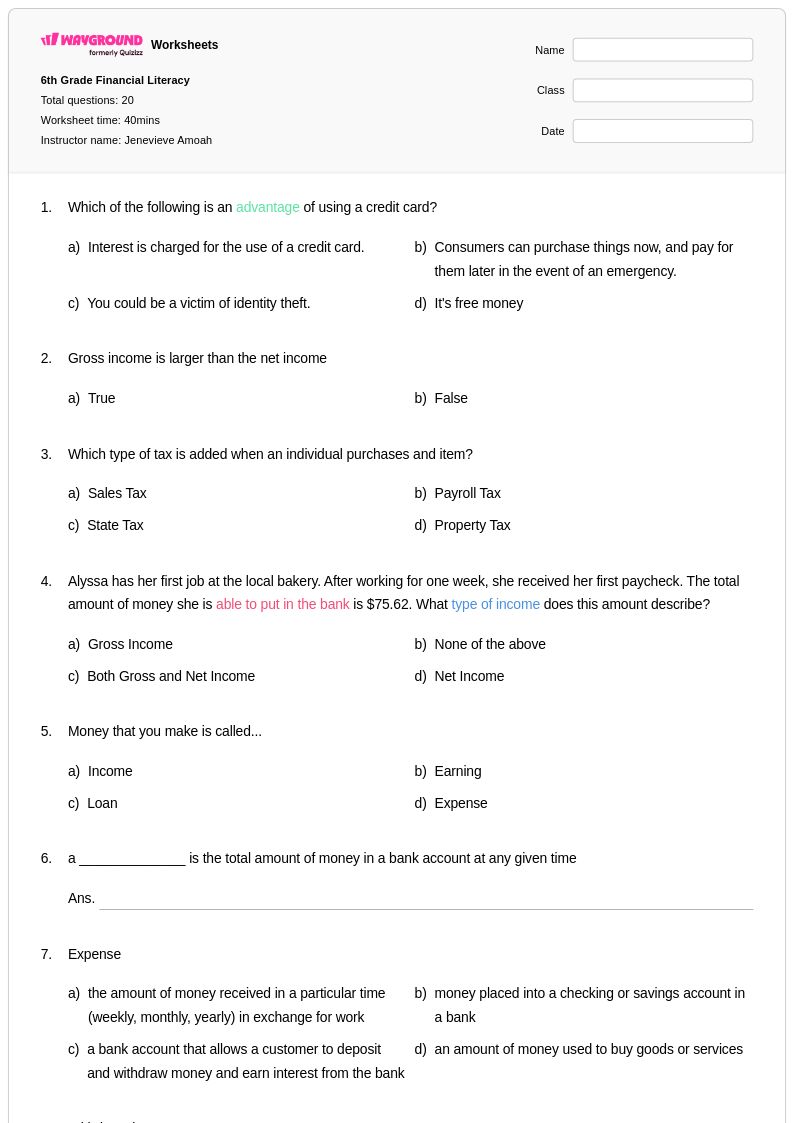
20 Q
5th - 12th
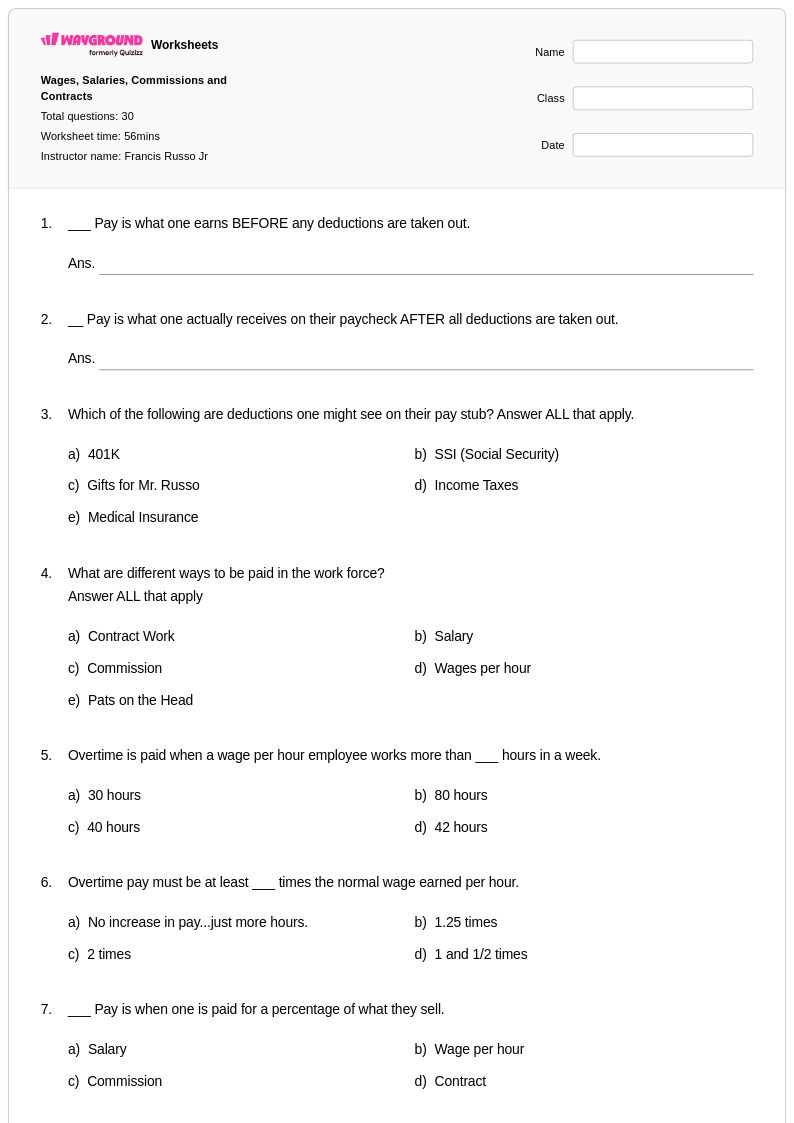
30 Q
6th - 8th
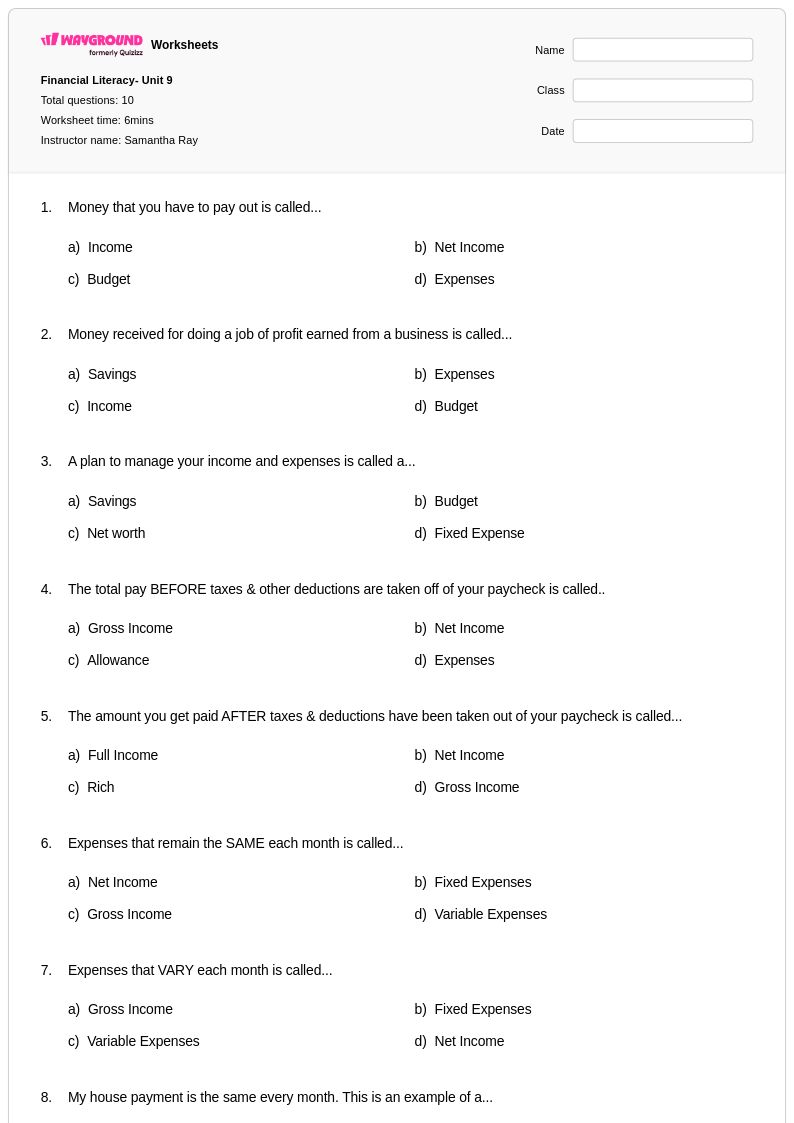
10 Q
6th - 7th
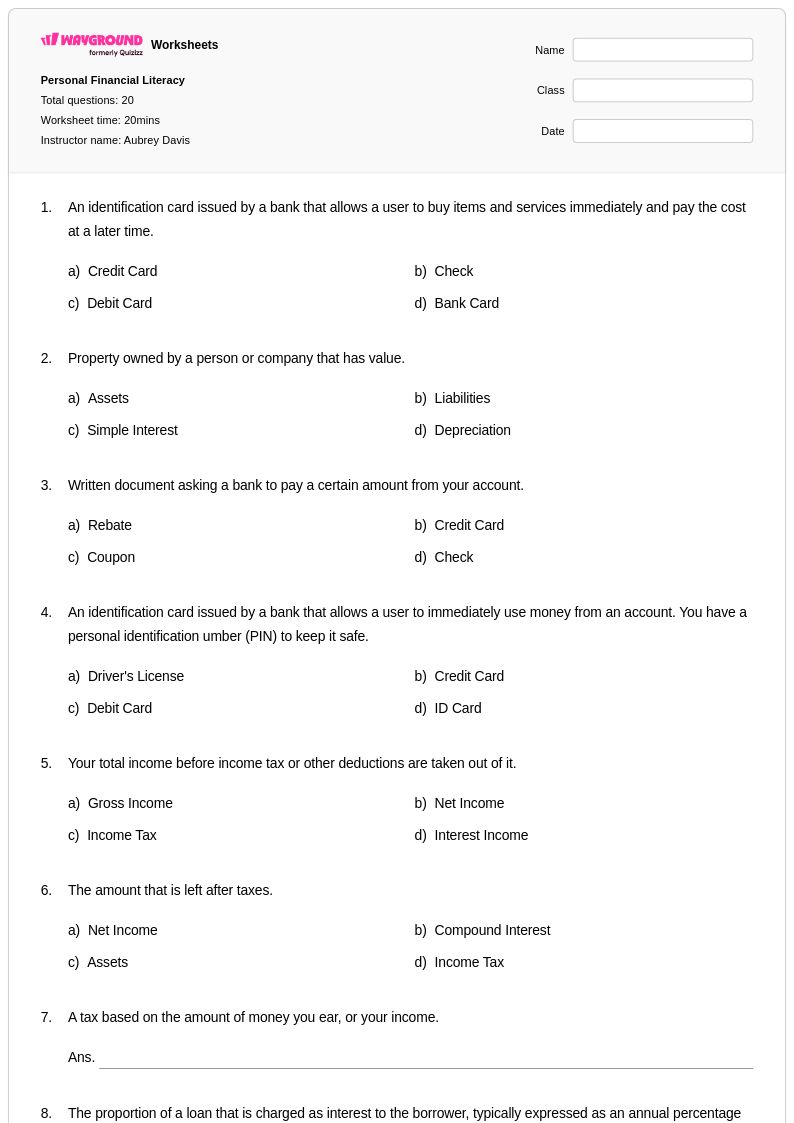
20 Q
6th - 8th
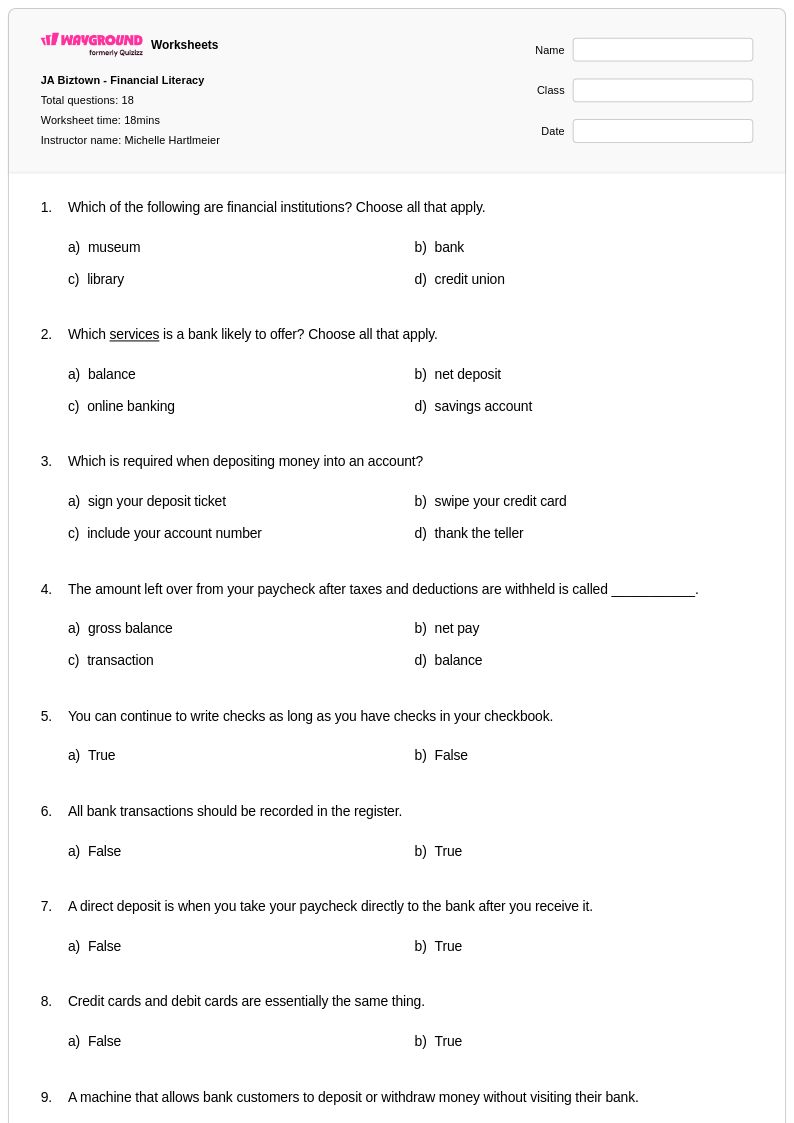
18 Q
5th - 6th
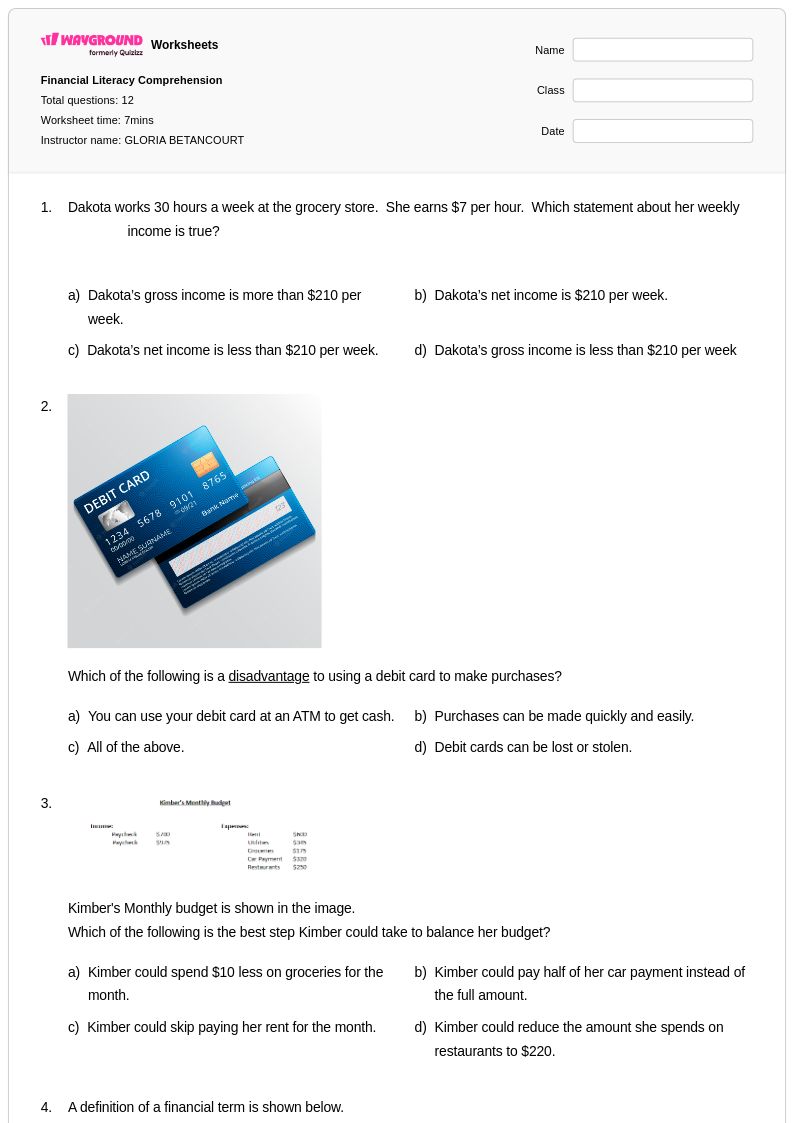
12 Q
5th - 6th
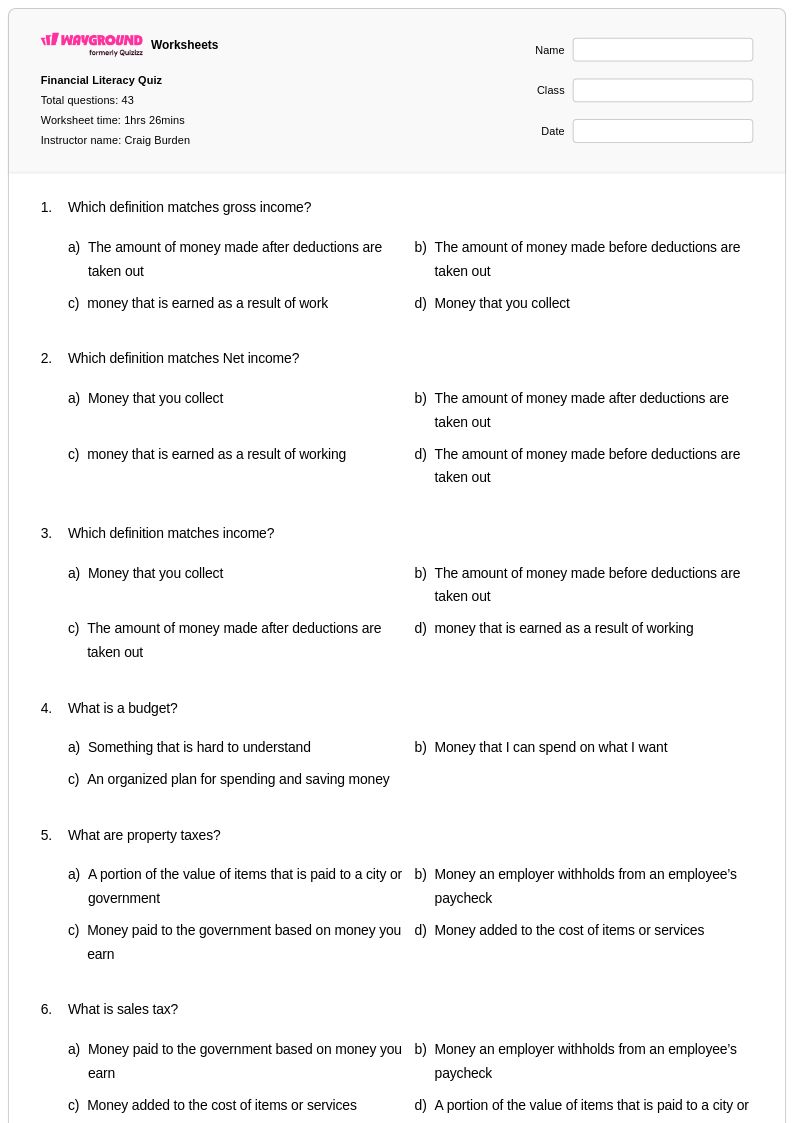
43 Q
6th
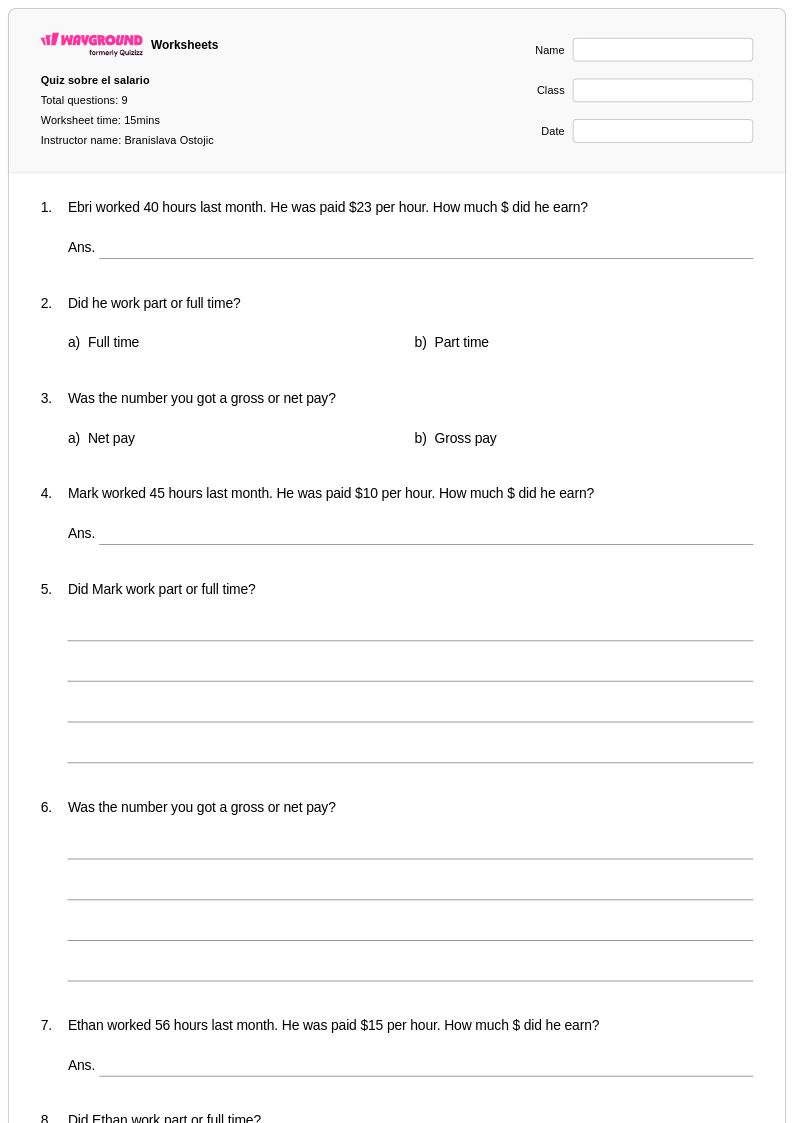
9 Q
6th
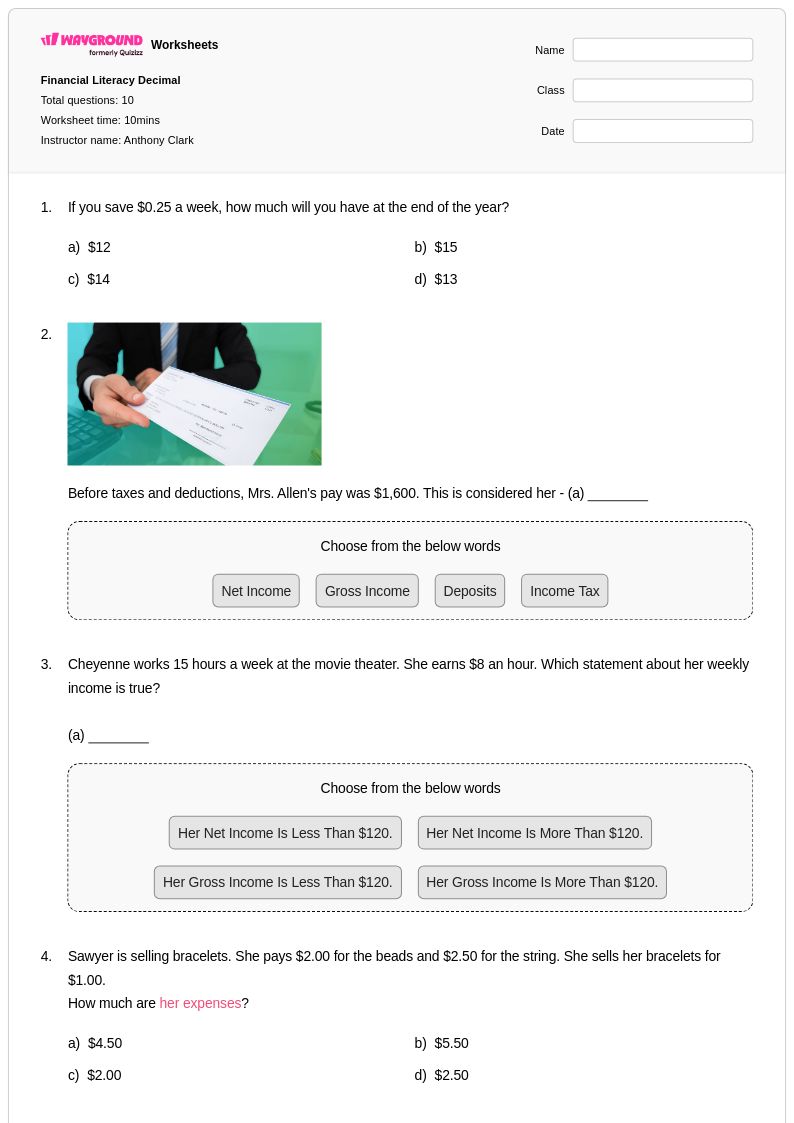
10 Q
4th - Uni
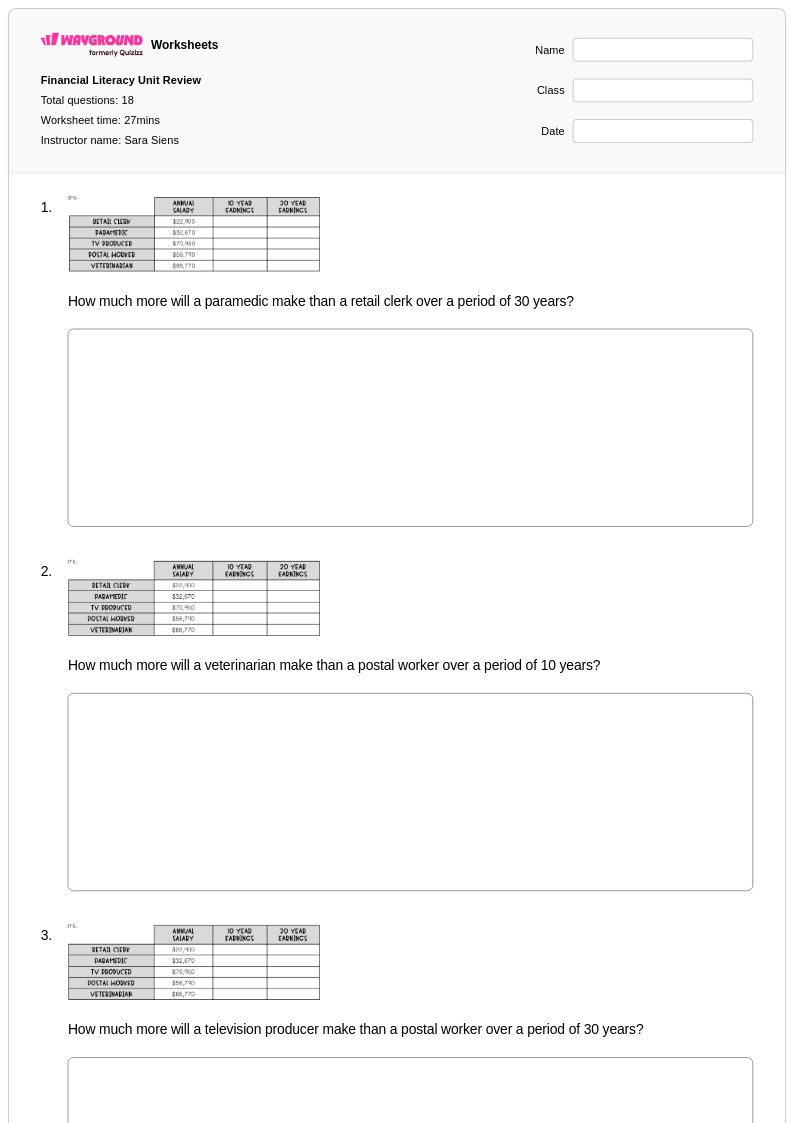
18 Q
6th
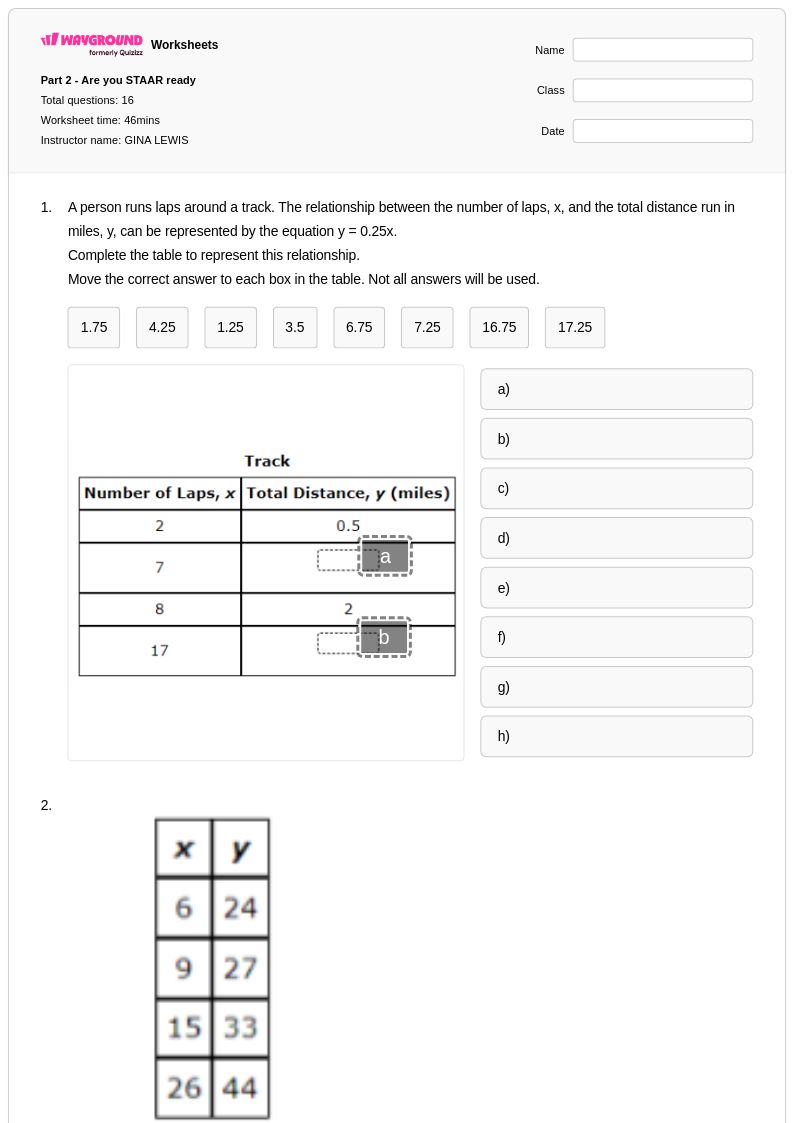
16 Q
5th - Uni
10 Q
6th - 8th
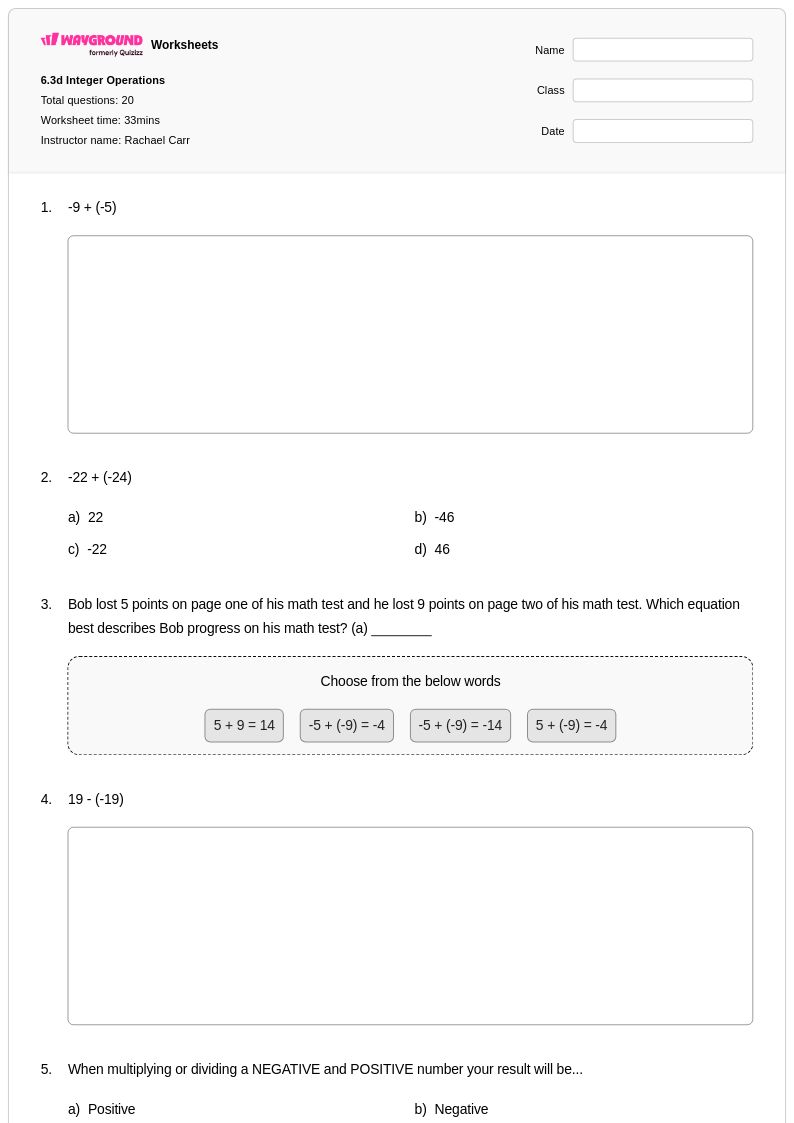
20 Q
6th
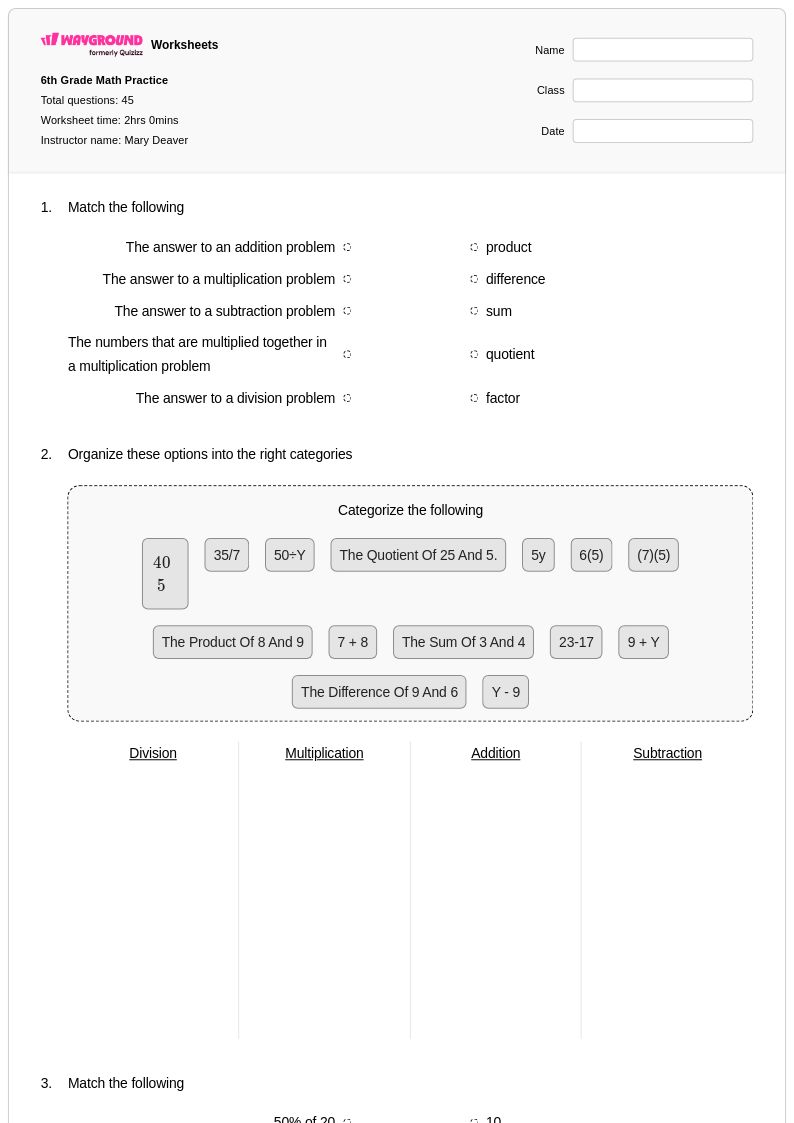
45 Q
6th - 8th
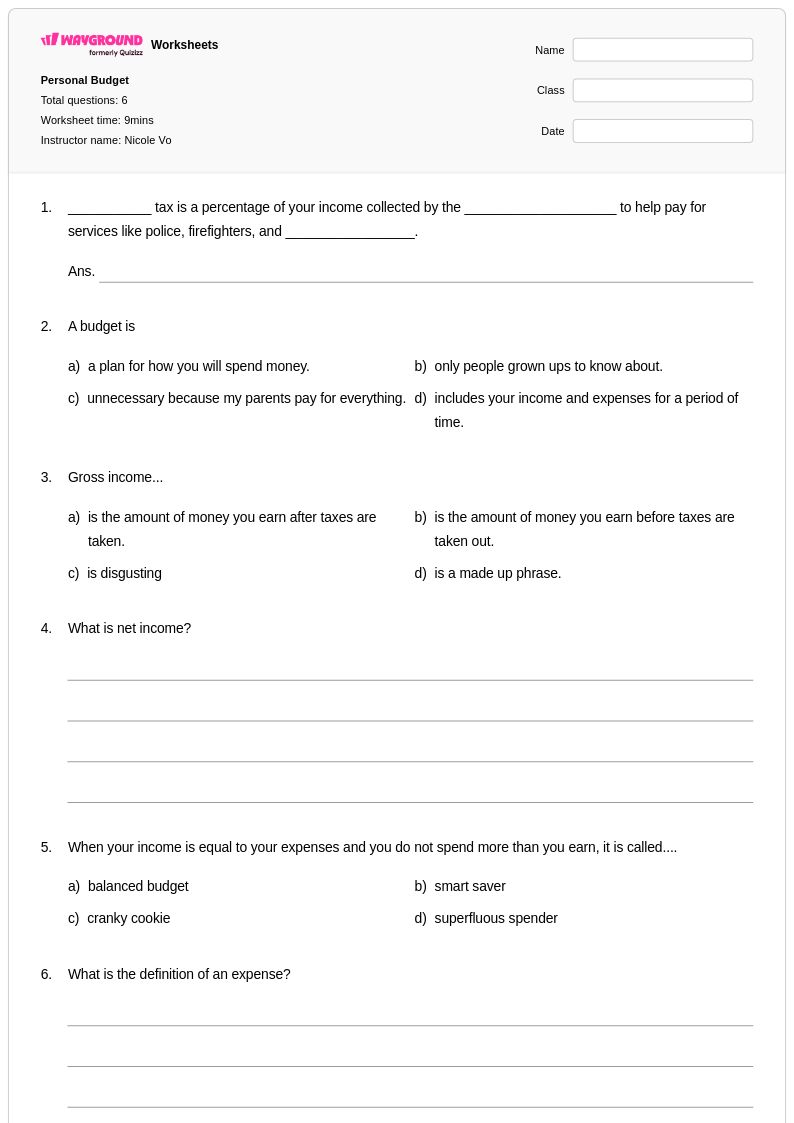
6 Q
4th - 6th
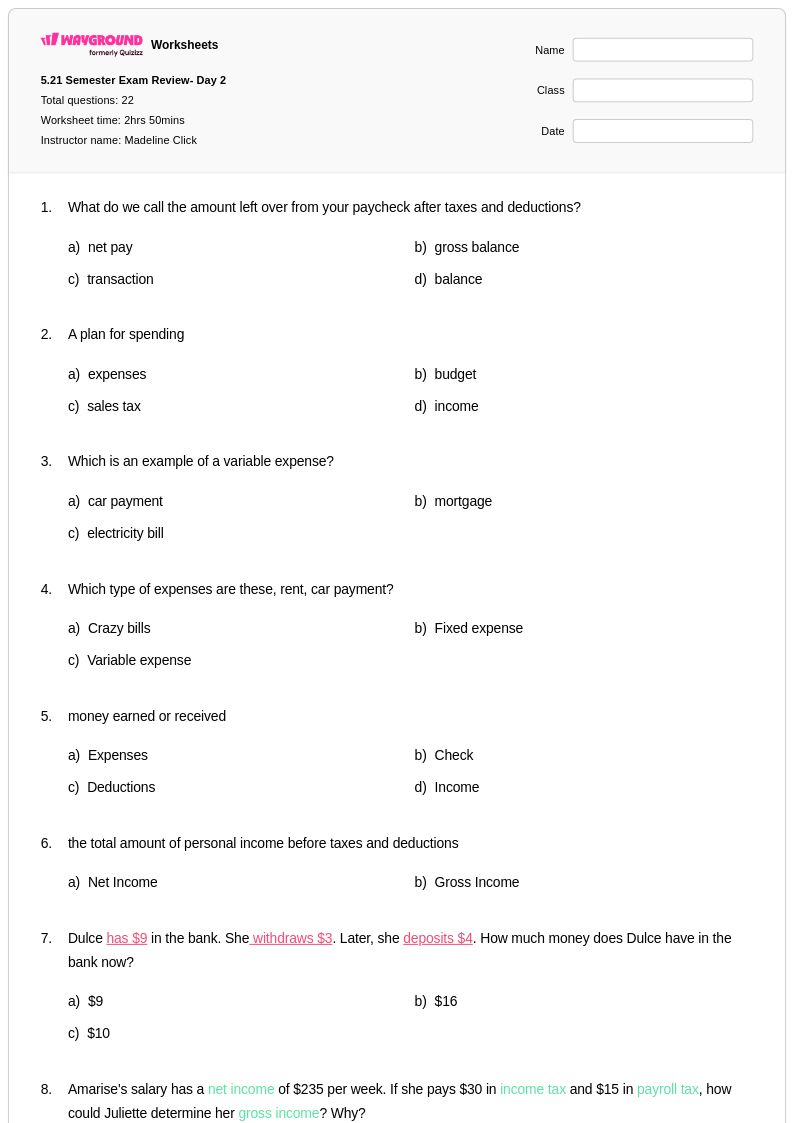
22 Q
6th - 8th
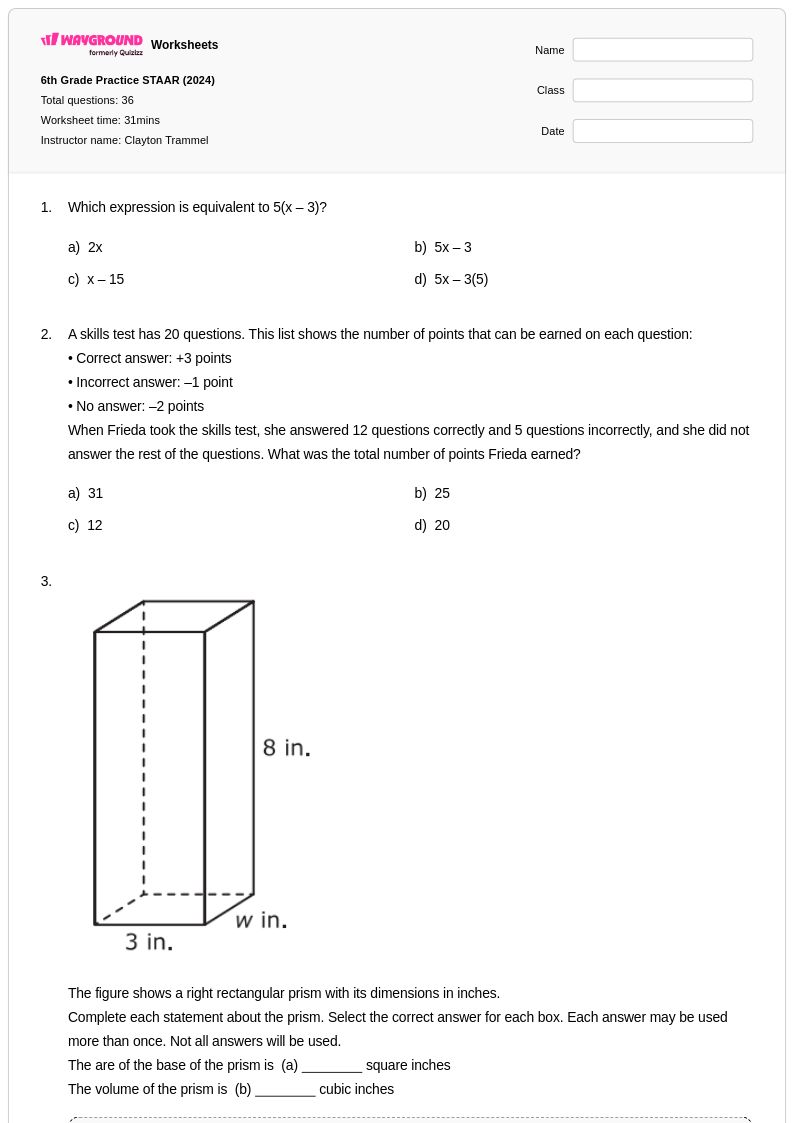
39 Q
6th
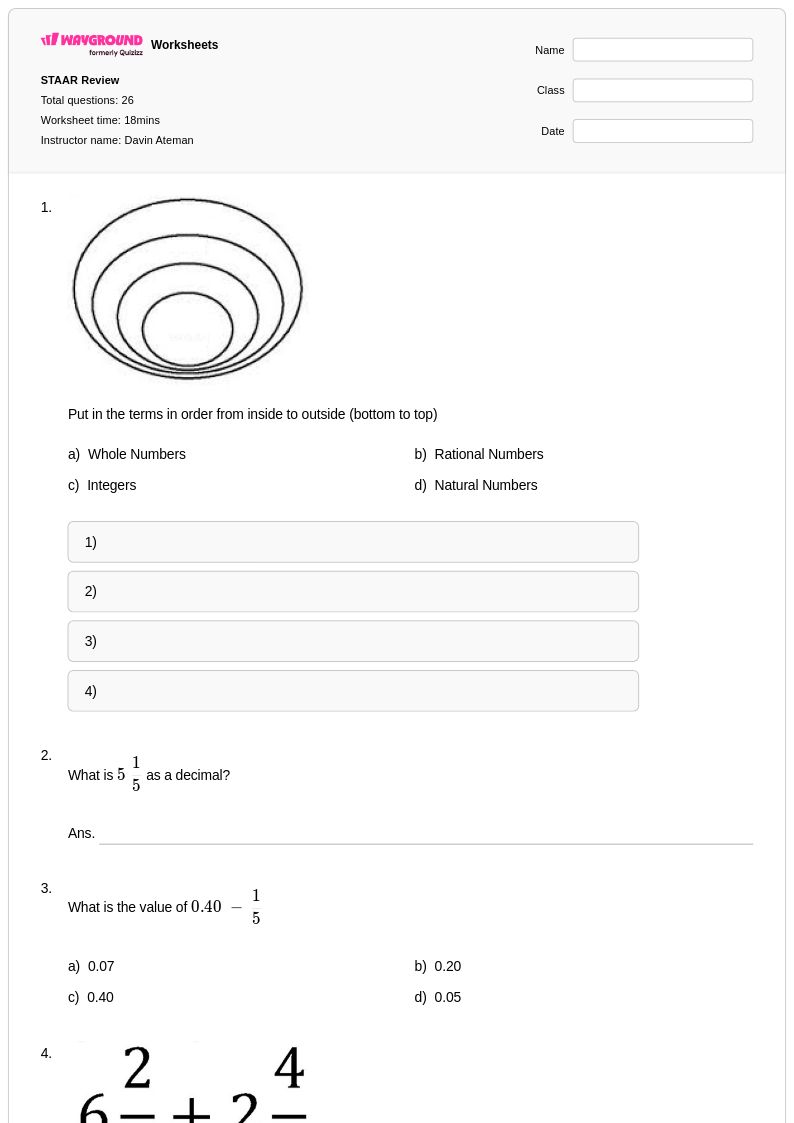
26 Q
6th - 8th
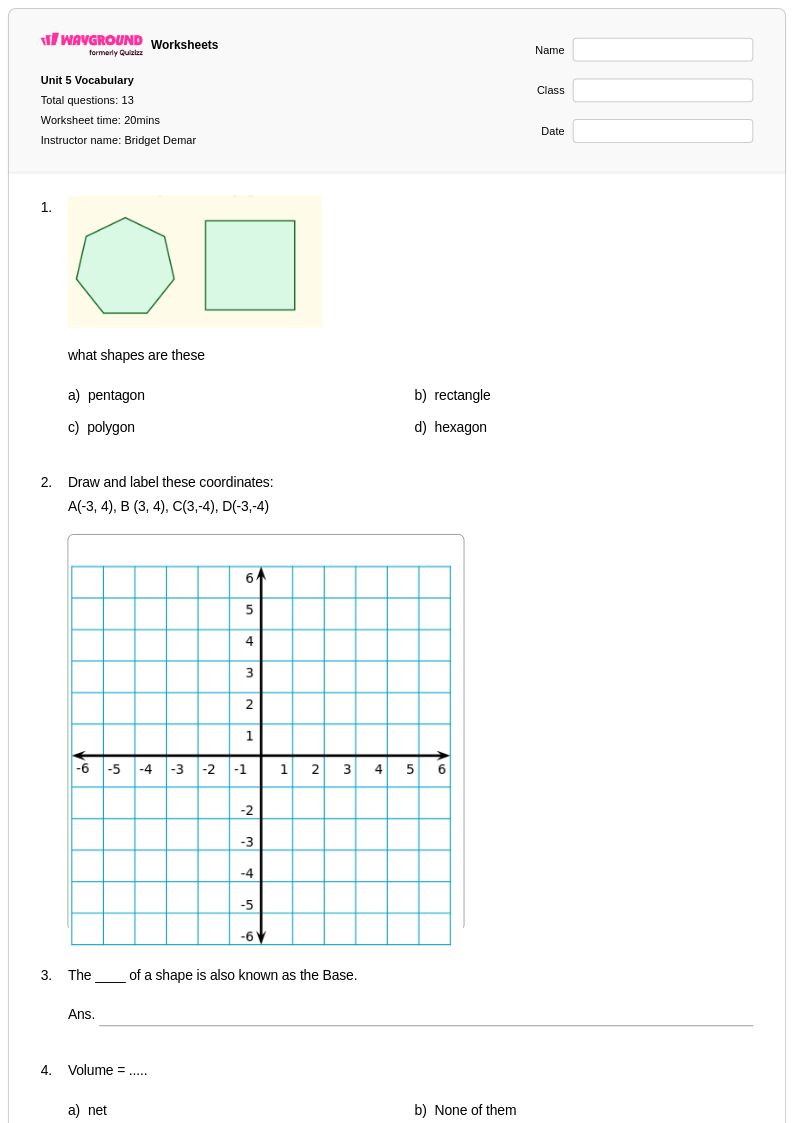
13 Q
6th
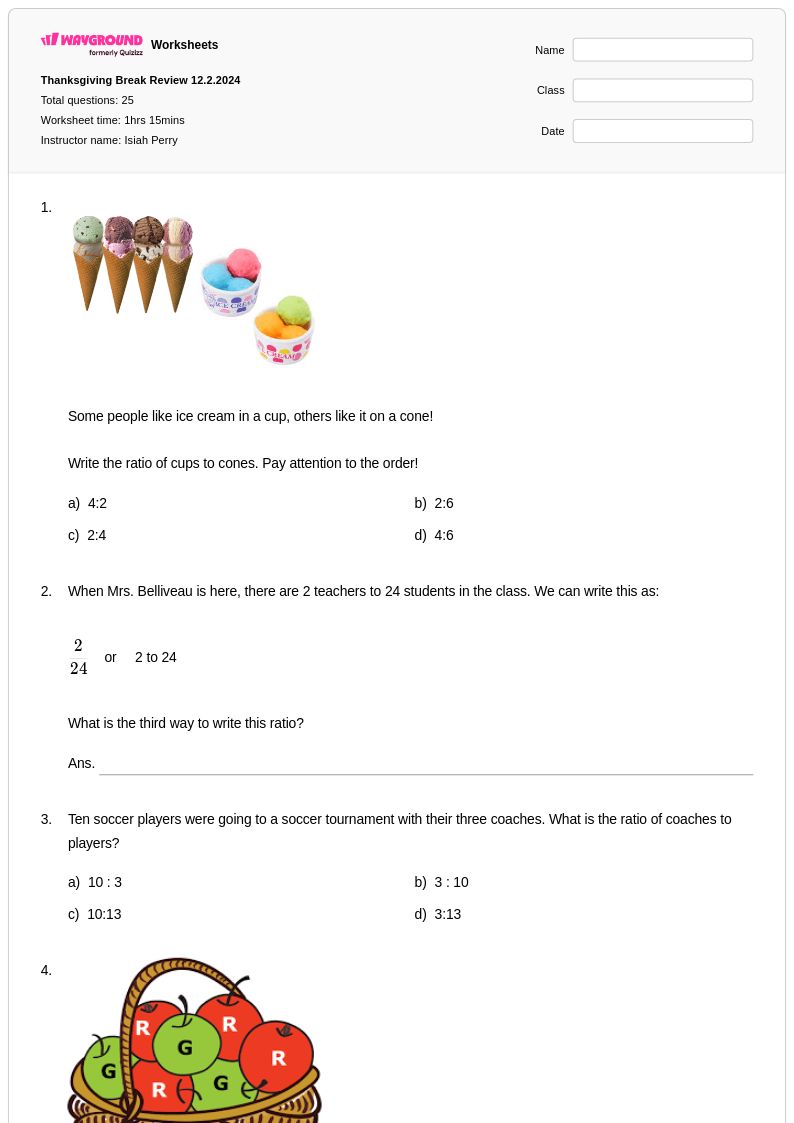
25 Q
6th
Explore Other Subject Worksheets for grade 6
Explore printable Net Pay worksheets for Grade 6
Net pay worksheets for Grade 6 students available through Wayground (formerly Quizizz) provide essential mathematical foundations for understanding personal finance and real-world money management. These comprehensive worksheets guide sixth-grade learners through the critical process of calculating take-home income by subtracting various deductions from gross pay, including taxes, insurance premiums, and retirement contributions. Students develop crucial mathematical skills while working through practice problems that mirror authentic payroll scenarios, strengthening their ability to perform multi-step calculations, work with percentages, and interpret financial documents. Each worksheet collection includes detailed answer keys and is available as free printable pdf resources, enabling students to master the fundamental concept of net pay through structured, grade-appropriate exercises that bridge abstract mathematical concepts with practical financial literacy applications.
Wayground (formerly Quizizz) empowers educators with millions of teacher-created net pay worksheets and financial literacy resources specifically designed for Grade 6 mathematics instruction. The platform's robust search and filtering capabilities allow teachers to quickly locate materials that align with state and national mathematics standards while meeting diverse classroom needs through built-in differentiation tools and flexible customization options. These net pay worksheet collections are available in both printable pdf formats and interactive digital versions, providing instructors with versatile resources for lesson planning, targeted remediation sessions, and enrichment activities. Teachers can seamlessly adapt these materials to support students at varying skill levels, whether reinforcing foundational percentage calculations or challenging advanced learners with complex payroll deduction scenarios, ensuring comprehensive skill practice that prepares students for more sophisticated financial literacy concepts in higher grade levels.
FAQs
What net pay concepts should a 6th grader be able to master?
How can I introduce net pay to my 6th grade class?
What kinds of practice problems are on these 6th grade net pay worksheets?
What are common errors 6th graders make when calculating net pay?
How can I use this Grade 6 net pay worksheet in my classroom?
How does calculating net pay align with 6th grade math standards?