
15 Q
6th - Uni
18 Q
9th - 12th
25 Q
9th - 12th
18 Q
7th - Uni
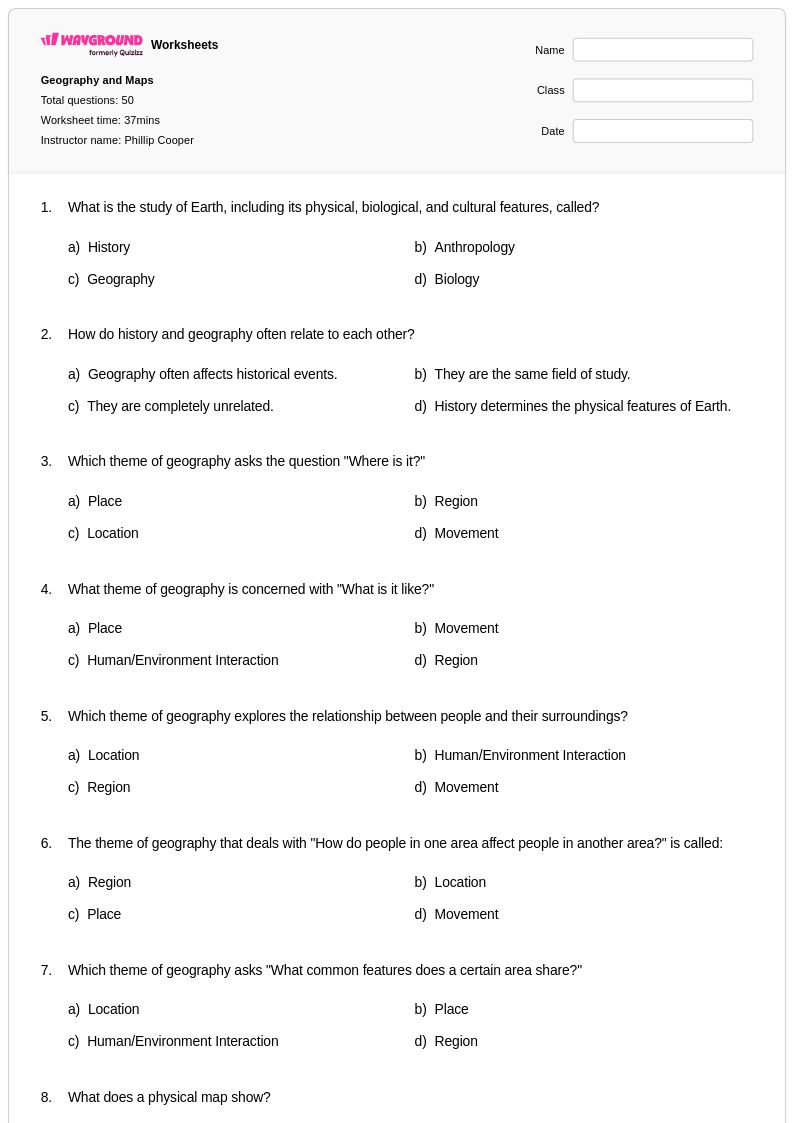
50 Q
6th - Uni
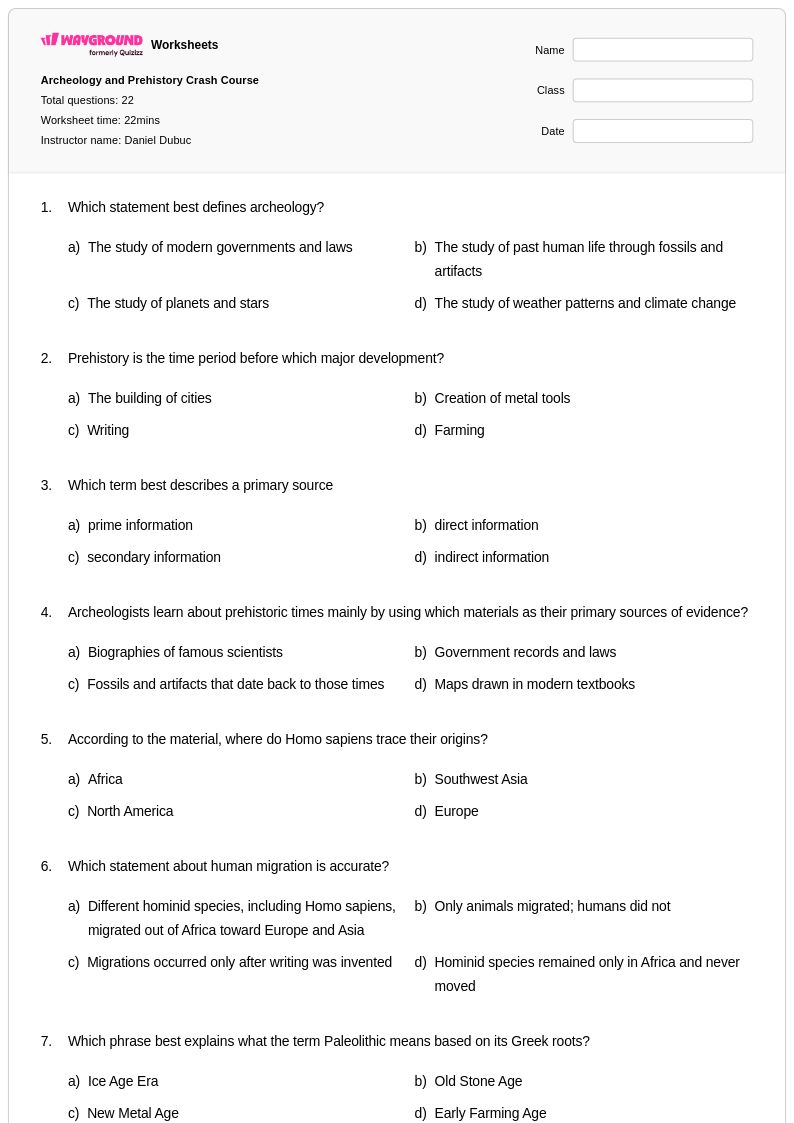
22 Q
6th - Uni
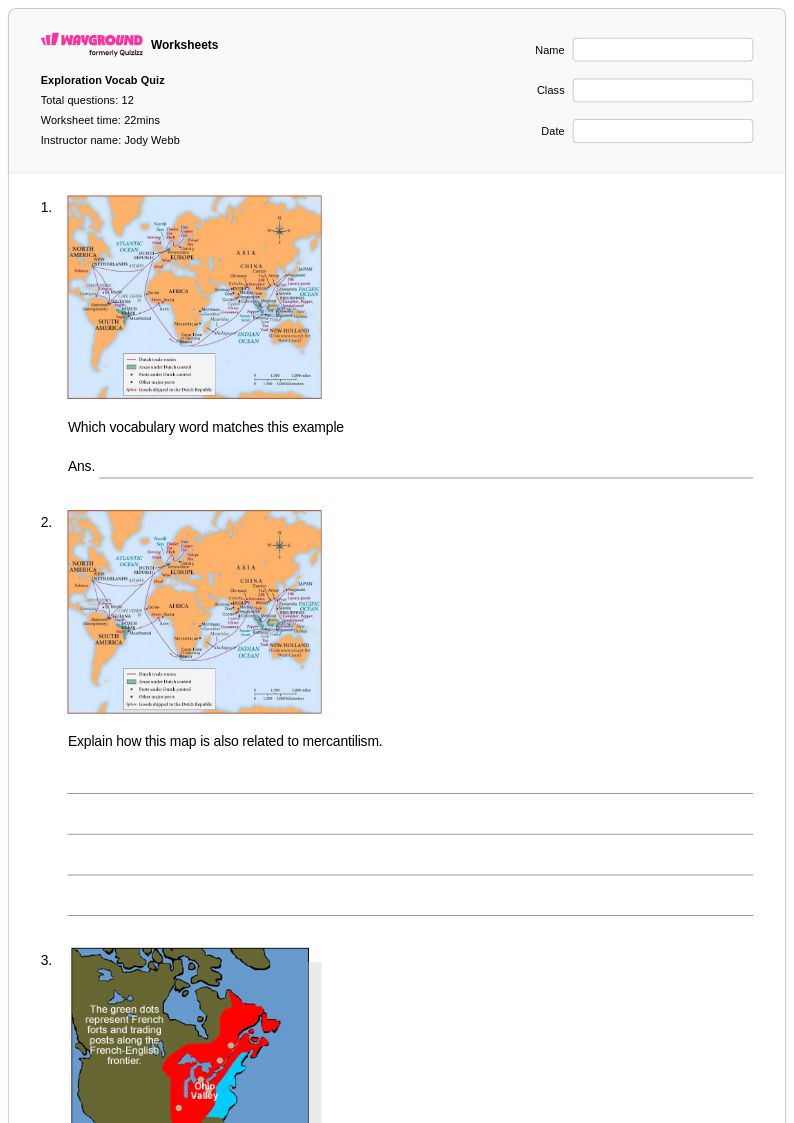
12 Q
9th - 12th
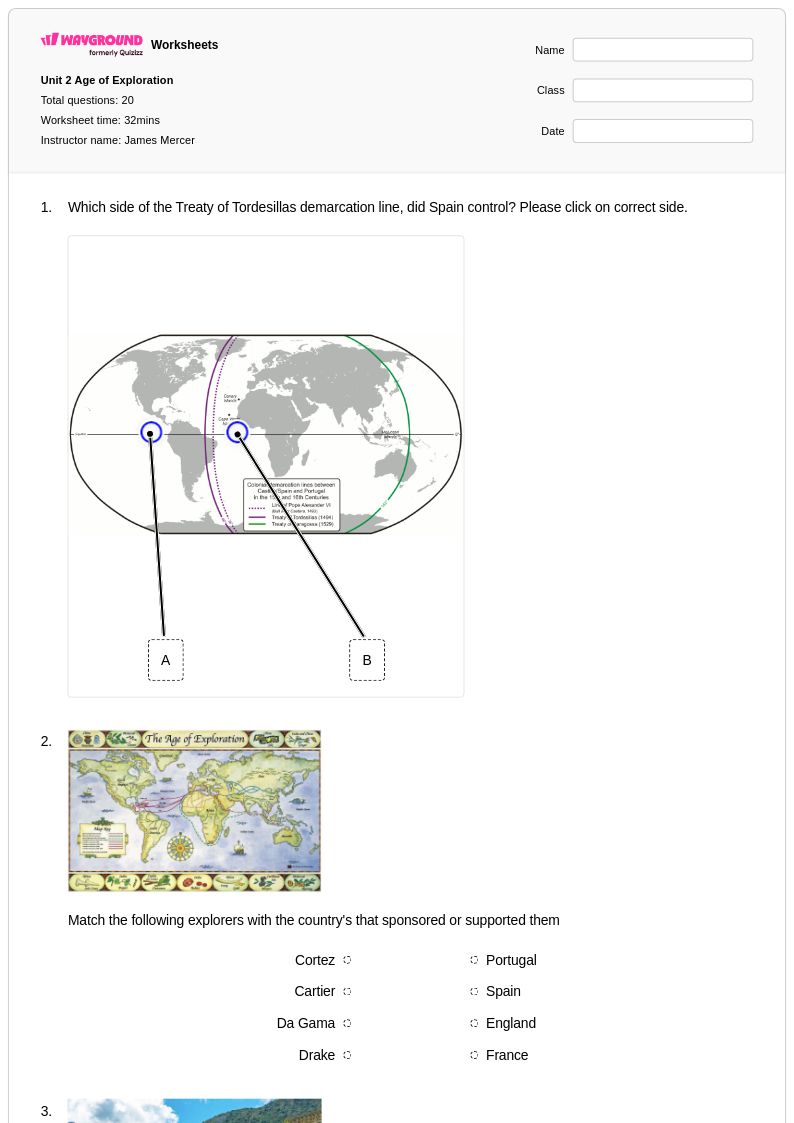
20 Q
9th - 12th
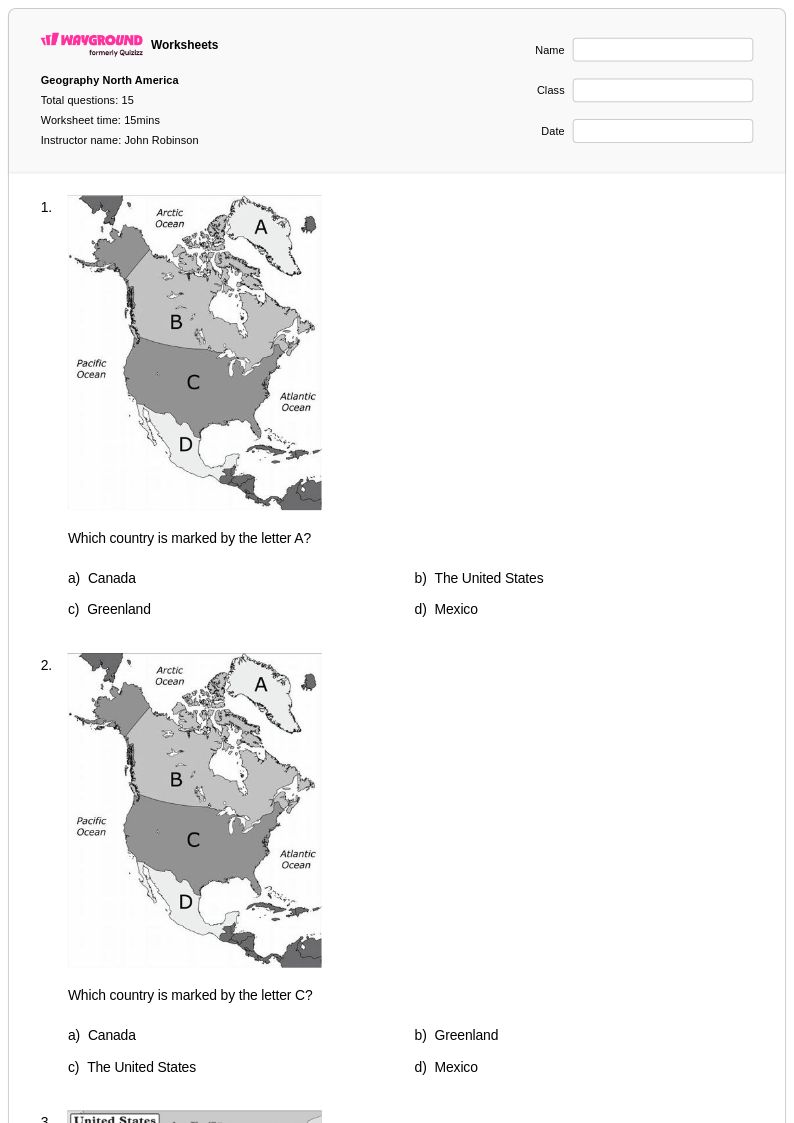
15 Q
6th - Uni
20 Q
6th - Uni
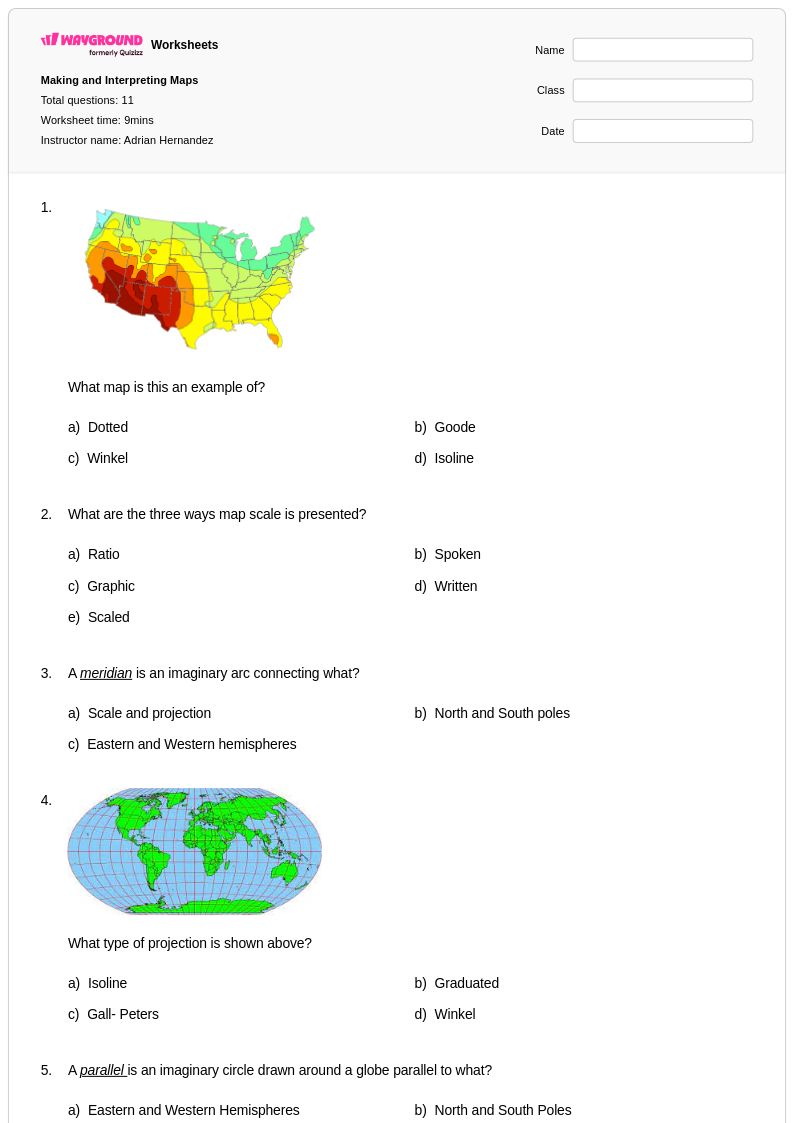
11 Q
9th - 12th
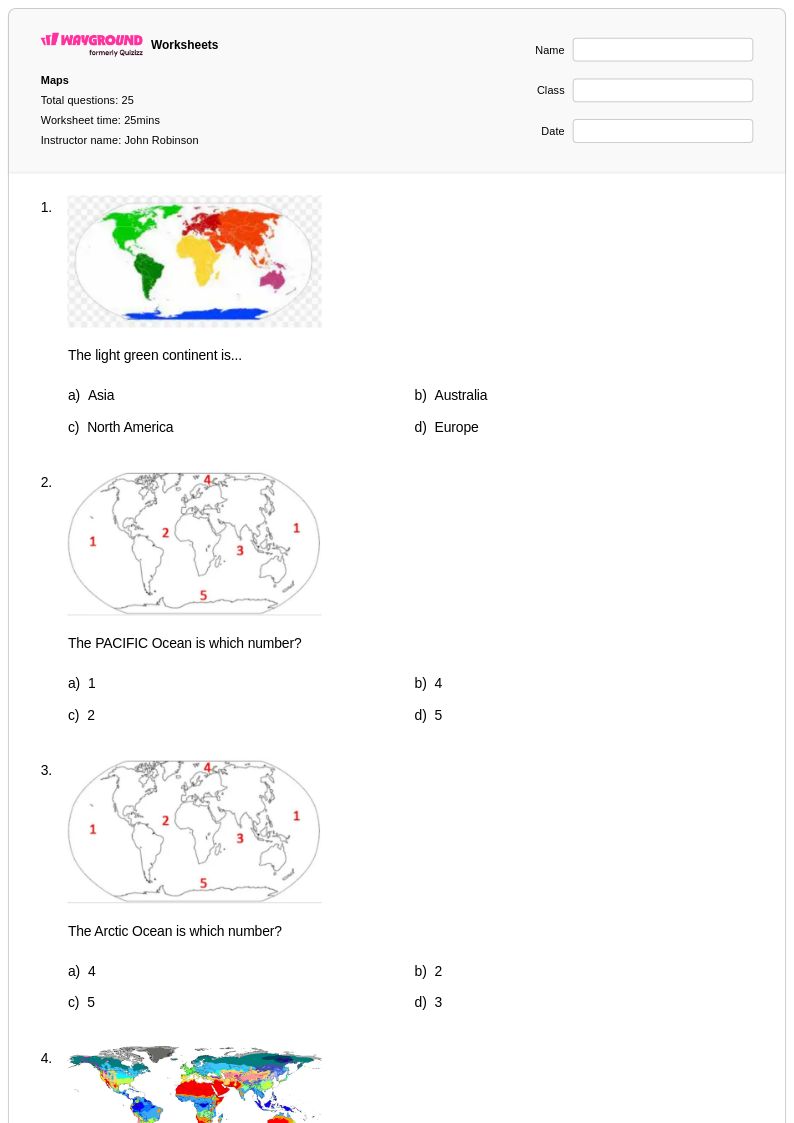
25 Q
6th - Uni
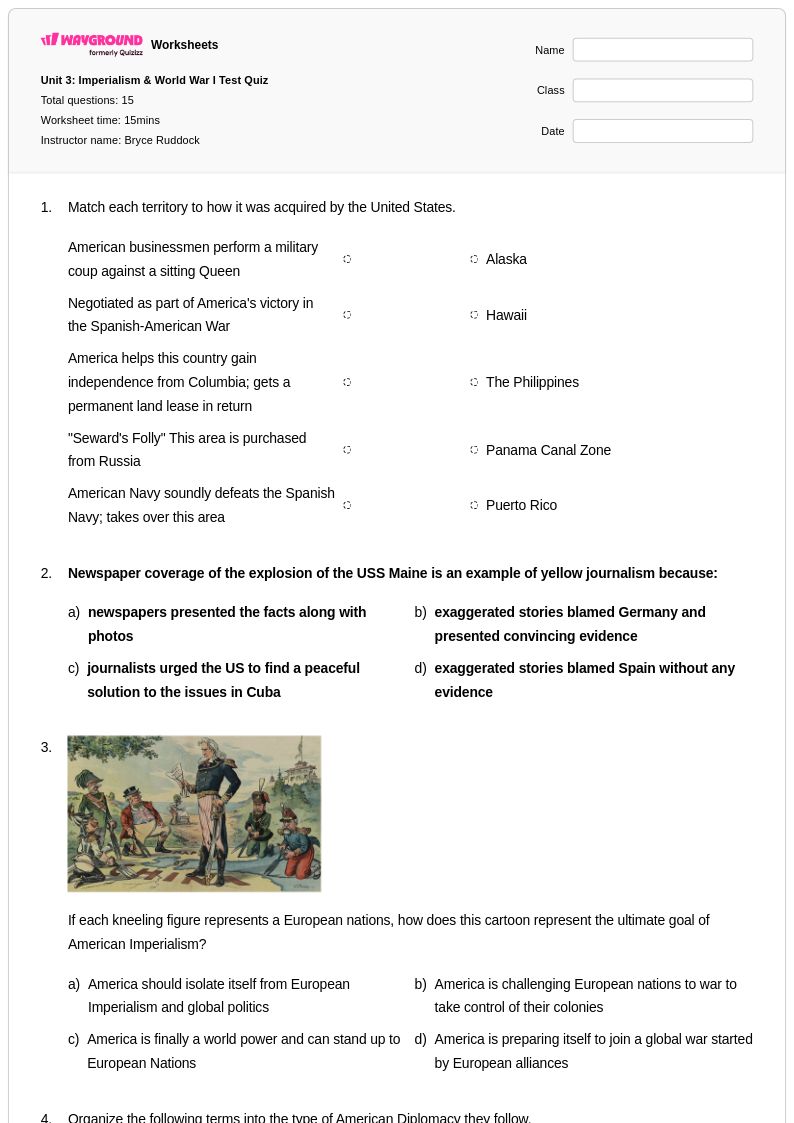
15 Q
11th - Uni
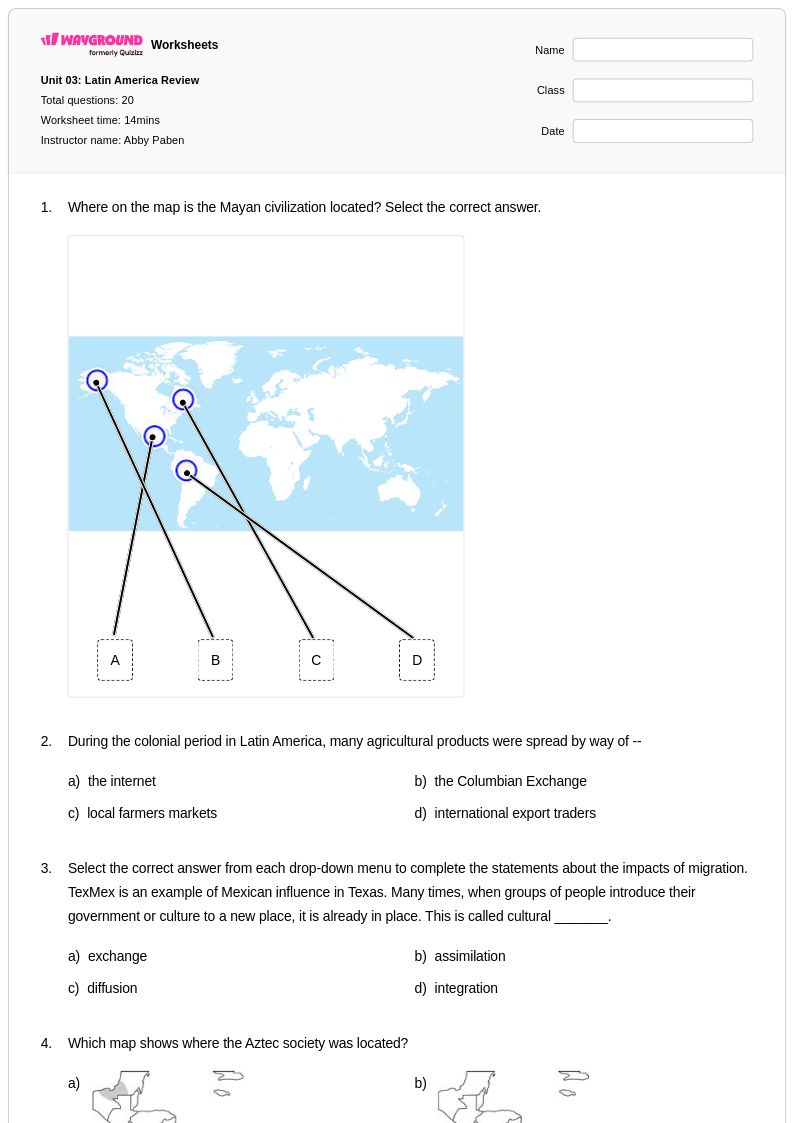
20 Q
6th - Uni
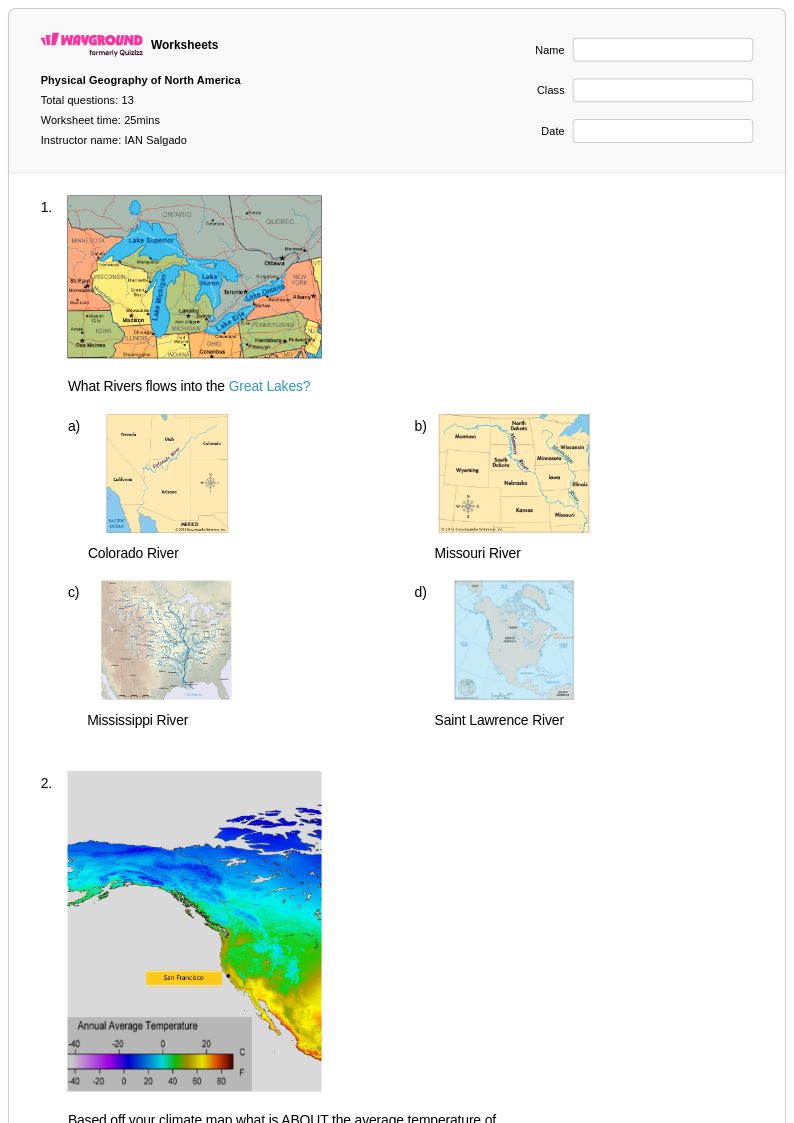
13 Q
9th - 12th
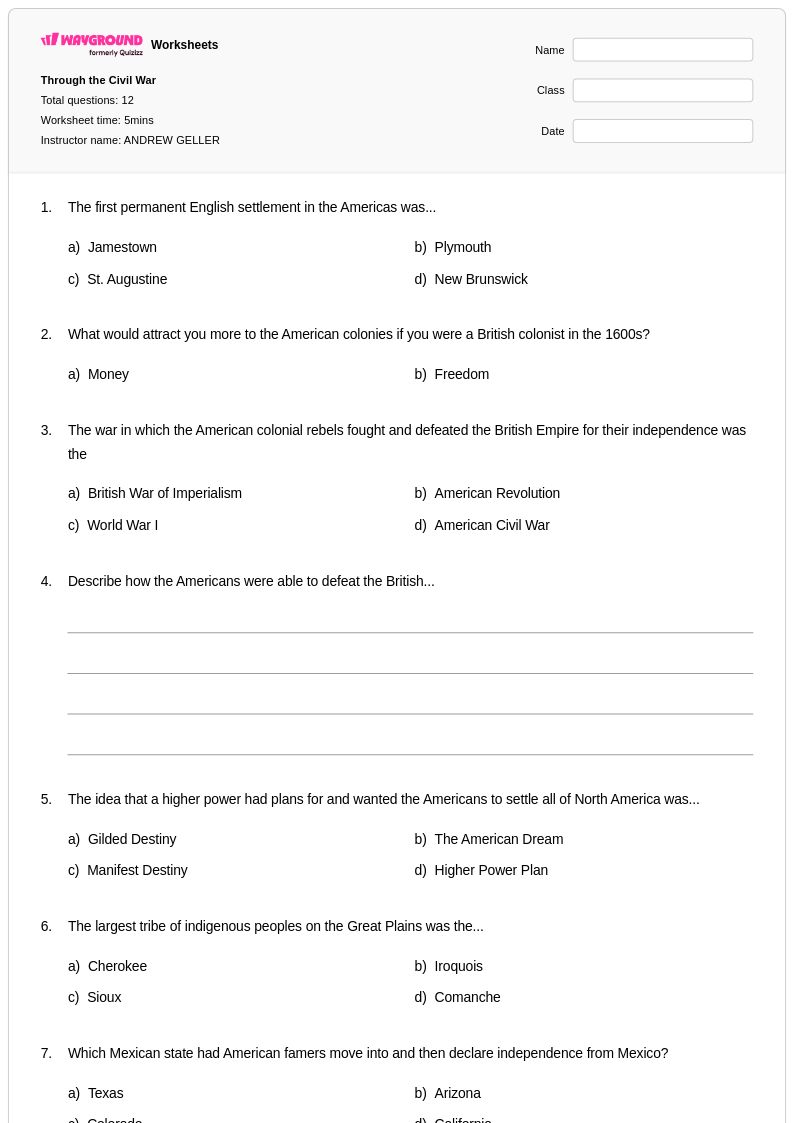
12 Q
8th - 12th
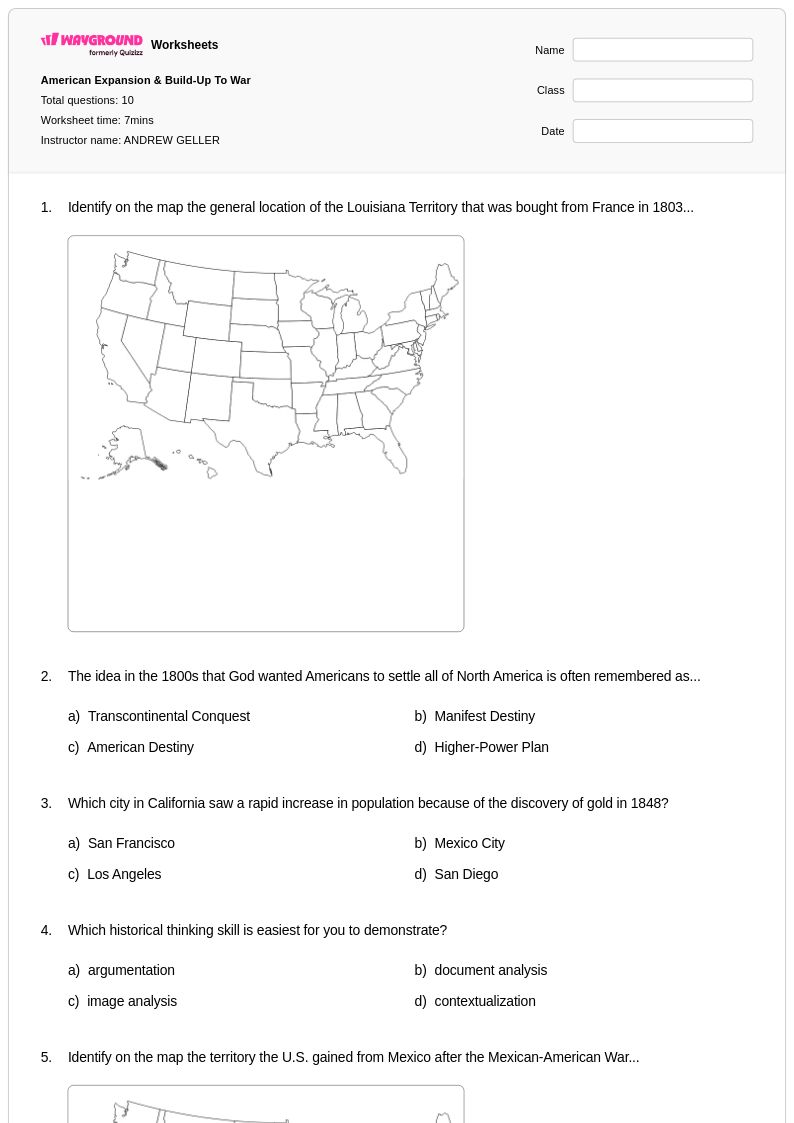
10 Q
8th - 12th
25 Q
6th - Uni
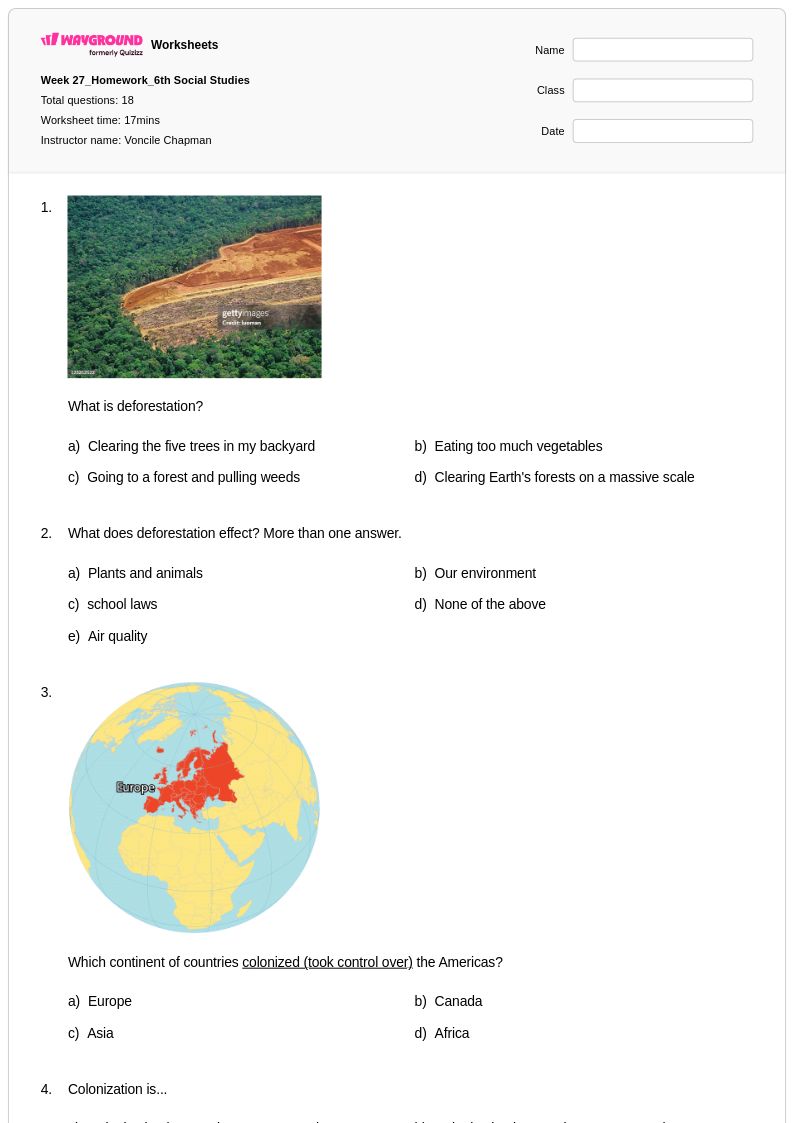
18 Q
6th - Uni
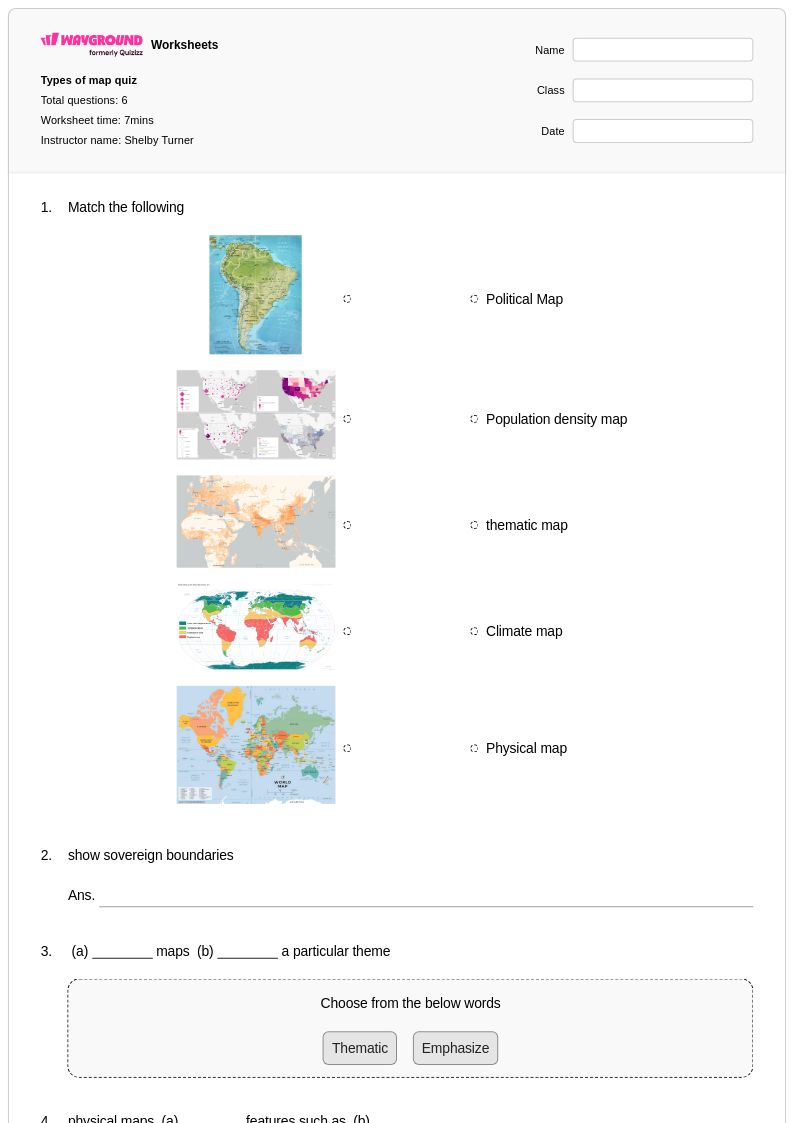
6 Q
12th
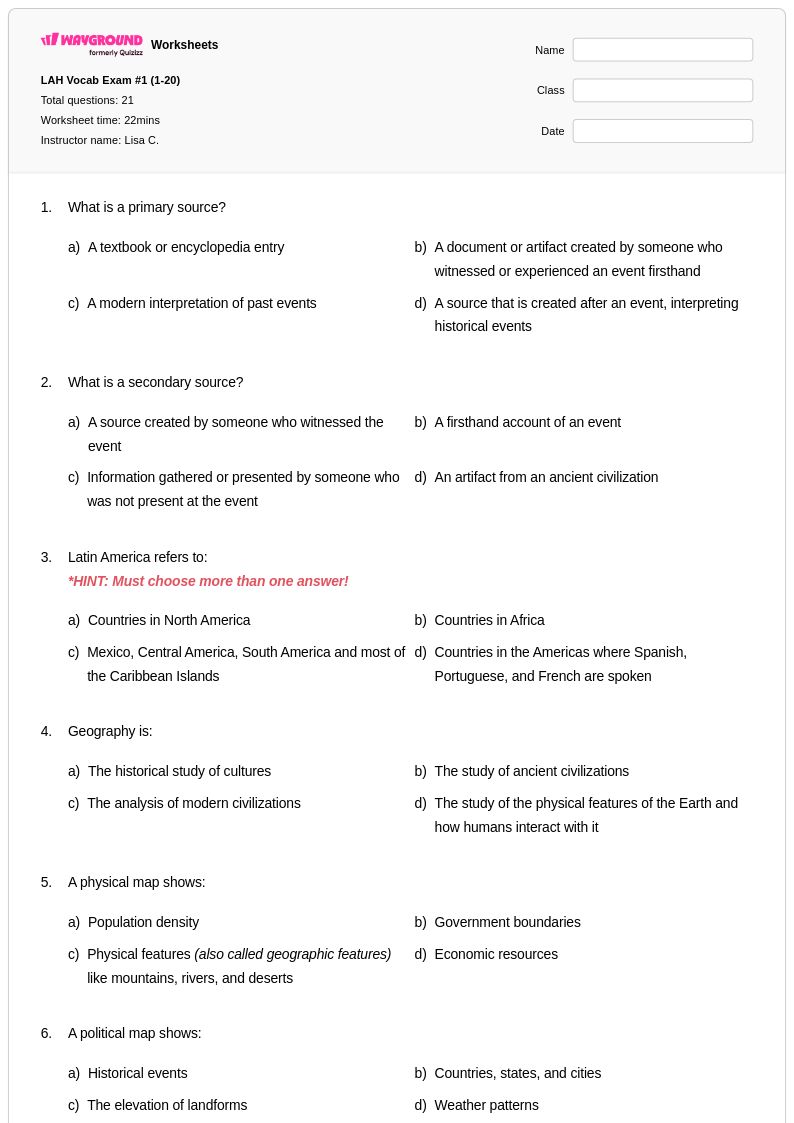
21 Q
9th - Uni
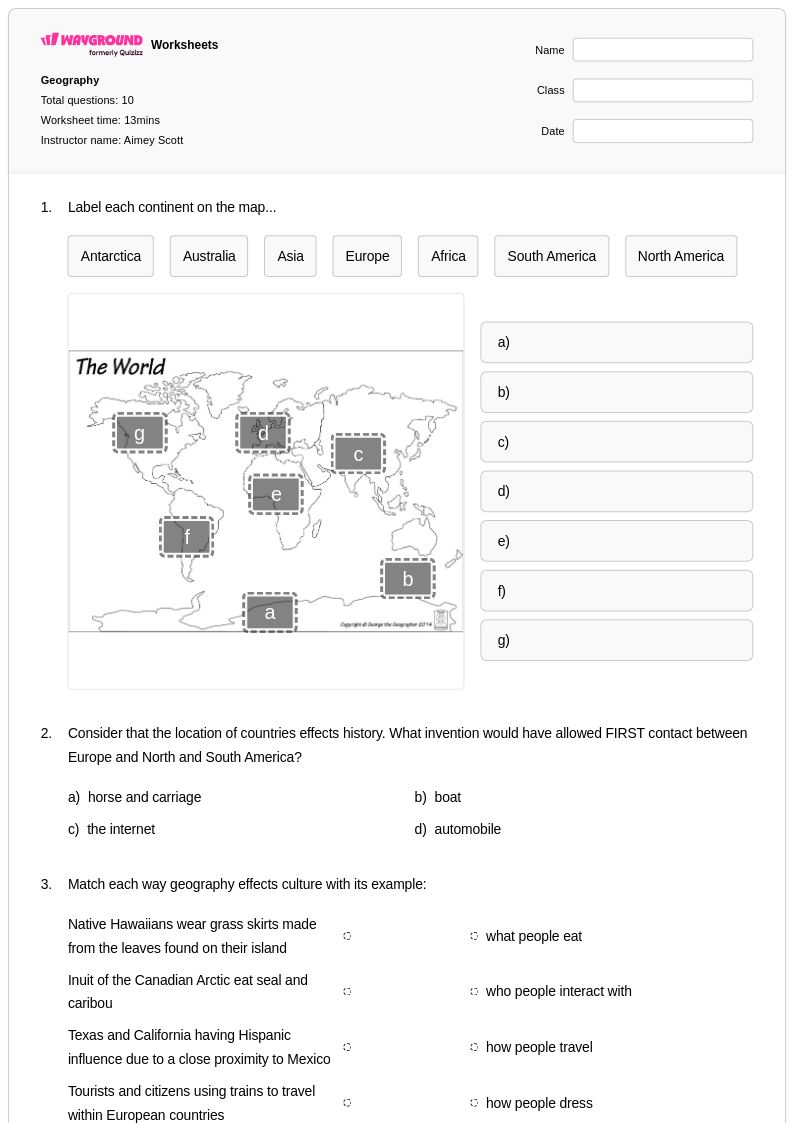
10 Q
9th - 12th
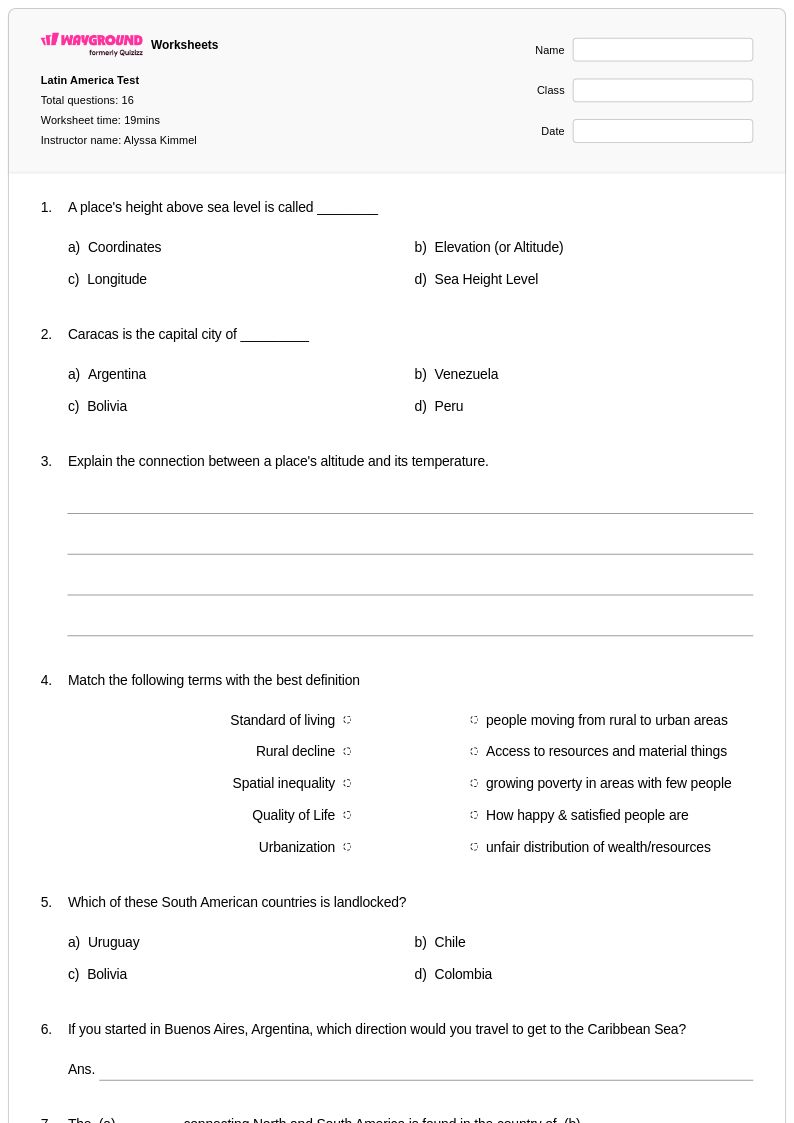
16 Q
7th - Uni
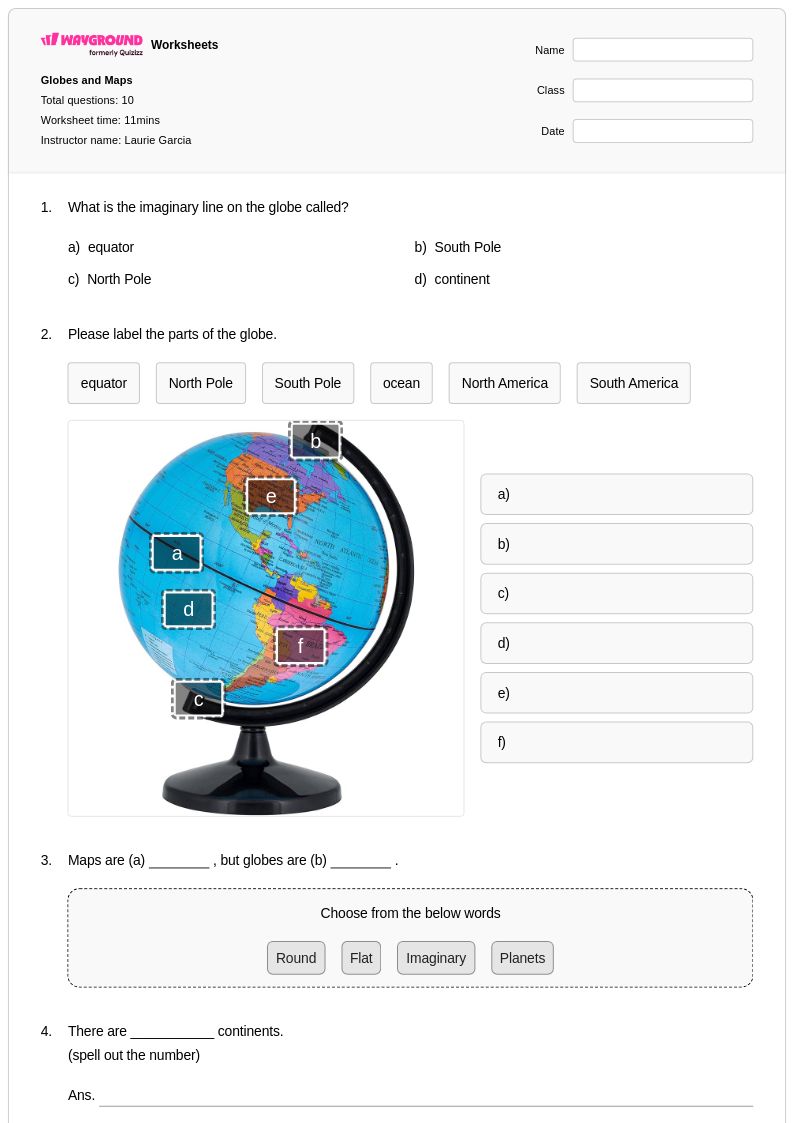
10 Q
9th - Uni
Explore North America Historical Maps Worksheets by Grades
Explore Other Subject Worksheets for grade 12
Explore printable North America Historical Maps worksheets for Grade 12
North America historical maps worksheets for Grade 12 students through Wayground (formerly Quizizz) provide an essential foundation for understanding the continent's complex geographical and political evolution over time. These comprehensive worksheets challenge advanced high school students to analyze territorial changes, migration patterns, colonial expansions, and border modifications that shaped modern North America from pre-Columbian civilizations through contemporary times. Students develop critical thinking skills by examining primary source maps, comparing different time periods, and interpreting cartographic evidence to understand how historical events influenced geographical boundaries. Each worksheet collection includes detailed answer keys and practice problems that reinforce map reading skills, spatial reasoning, and historical analysis techniques essential for college-level social studies coursework. The free printable pdf format ensures accessibility for both classroom instruction and independent study, allowing students to engage with authentic historical documents while building proficiency in geographical interpretation and historical synthesis.
Wayground (formerly Quizizz) supports social studies educators with millions of teacher-created North America historical maps resources that streamline lesson planning and enhance student engagement with complex geographical concepts. The platform's robust search and filtering capabilities enable teachers to quickly locate grade-appropriate materials aligned with state and national social studies standards, while differentiation tools allow for customization based on individual student needs and learning objectives. Teachers can seamlessly integrate these worksheets into both traditional classroom settings and digital learning environments, utilizing the flexible pdf and printable formats for various instructional approaches. The extensive collection facilitates targeted remediation for students struggling with map interpretation skills, provides enrichment opportunities for advanced learners ready to tackle complex historical geography concepts, and offers consistent skill practice that builds confidence in analyzing primary source cartographic materials essential for success in advanced placement courses and college preparatory programs.
FAQs
How do I teach North American historical maps in the classroom?
What exercises help students practice analyzing historical maps of North America?
What common mistakes do students make when interpreting North American historical maps?
How can I use North America historical maps worksheets to support different skill levels in my class?
How do I use North America historical maps worksheets from Wayground?
How do North American historical maps connect to broader social studies curriculum standards?