

20 Q
9th
21 Q
8th
11 Q
Uni
19 Q
9th - Uni
20 Q
7th - Uni
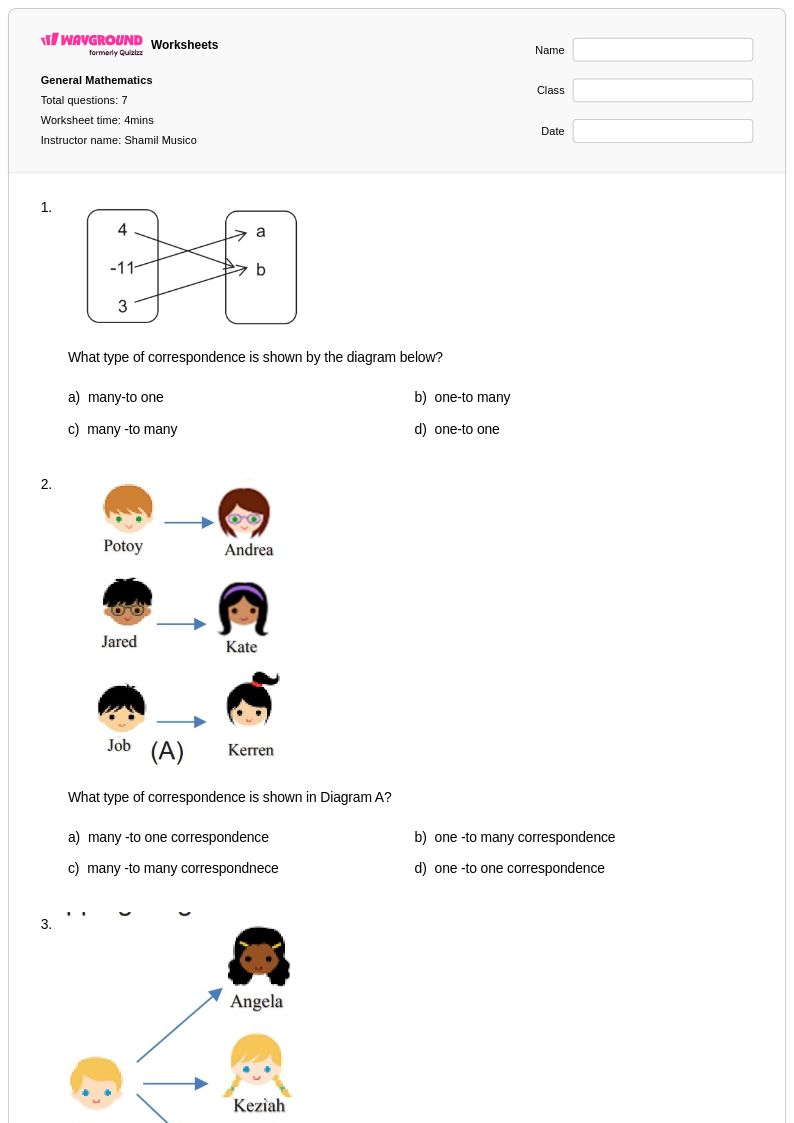
7 Q
11th
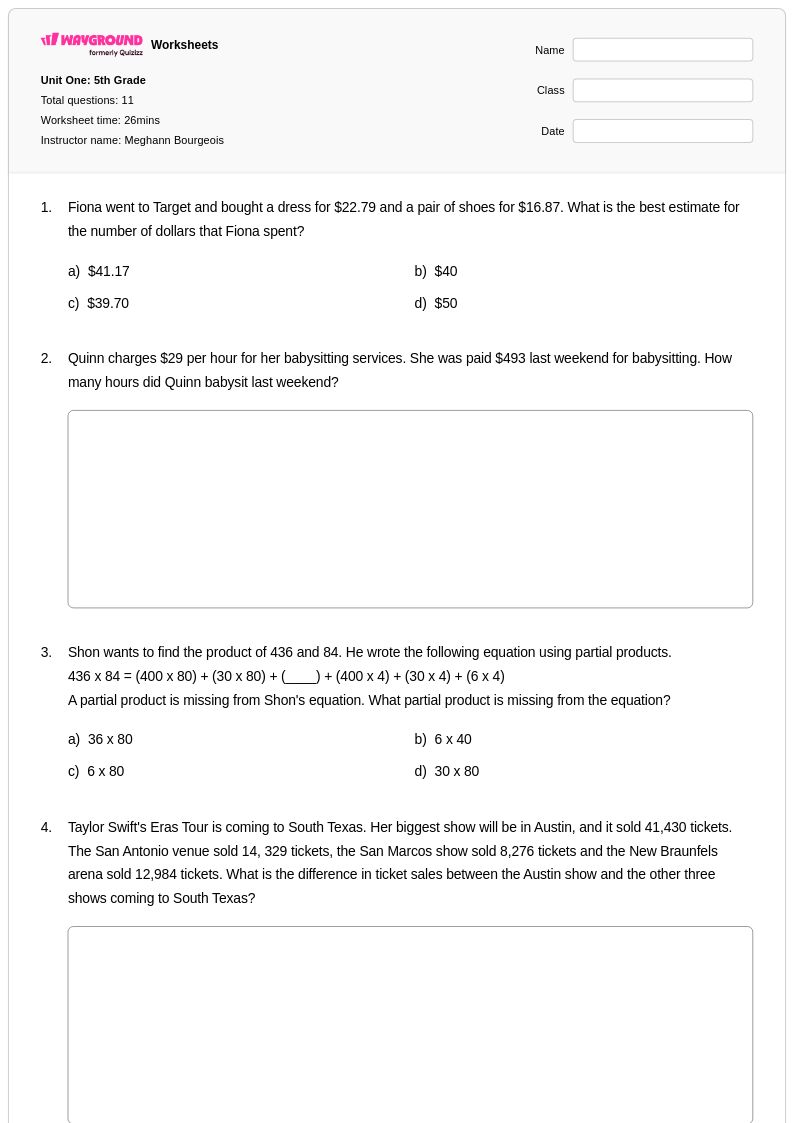
11 Q
5th
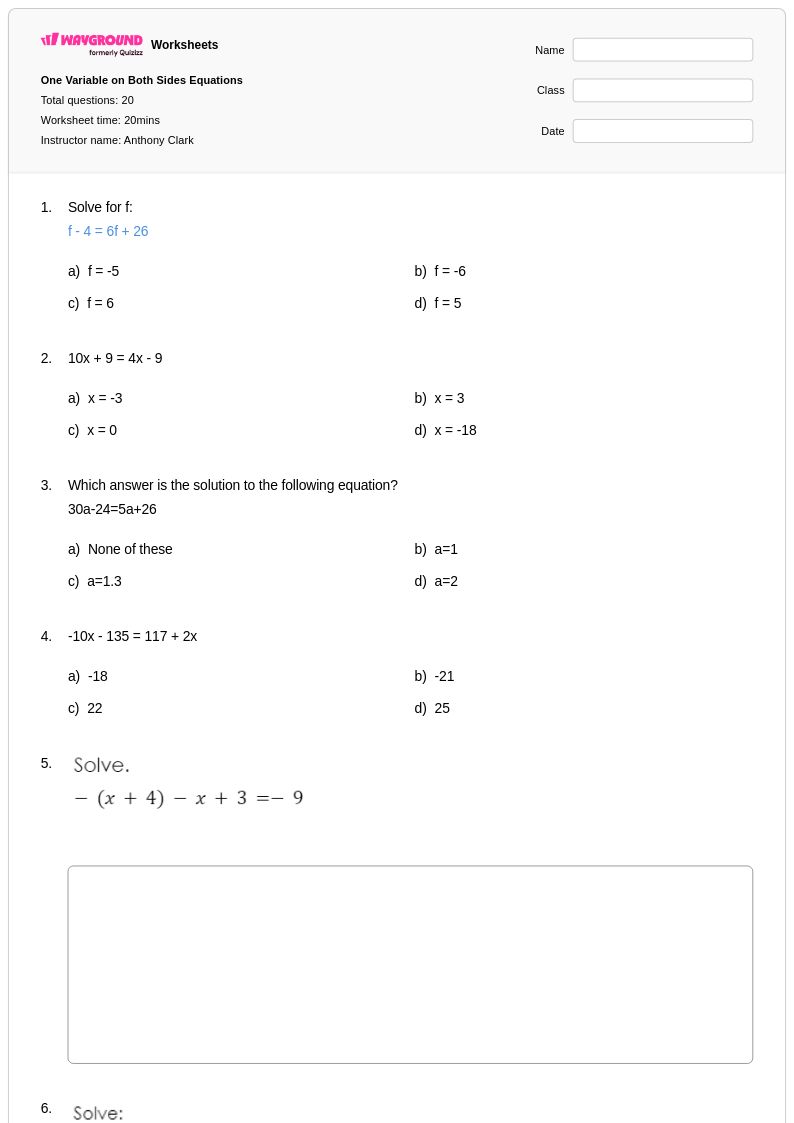
20 Q
8th - Uni
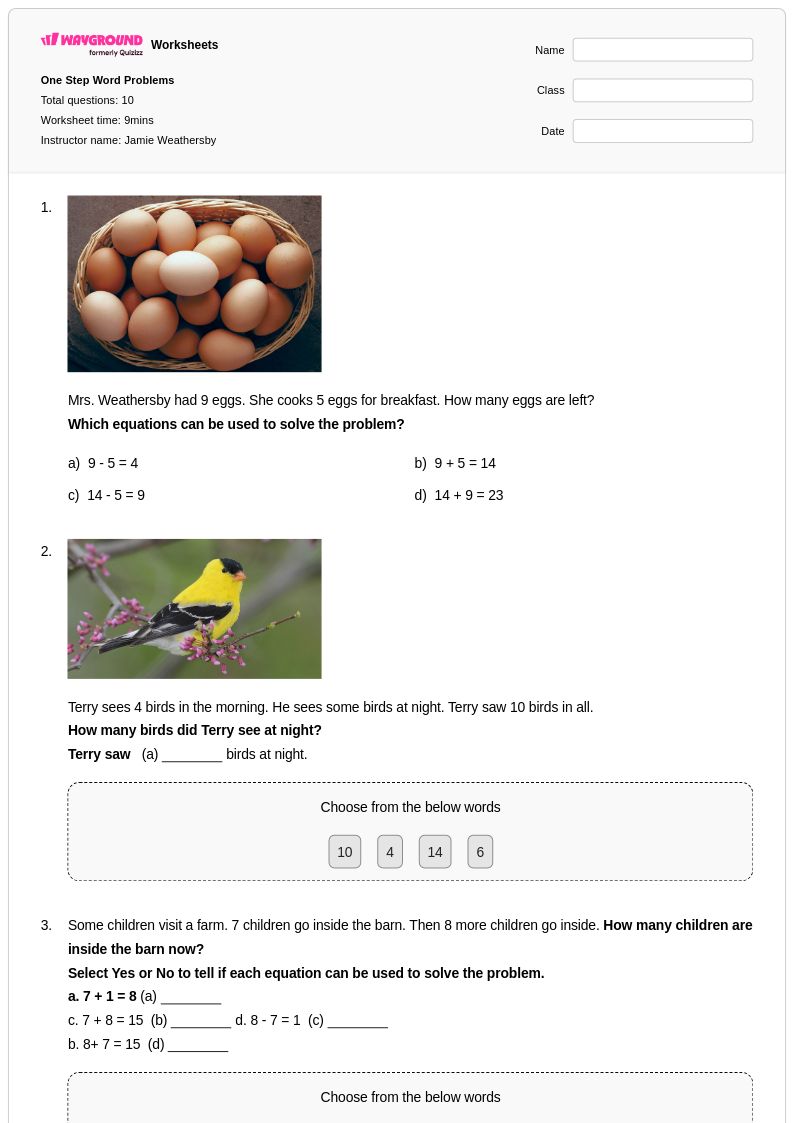
10 Q
2nd
20 Q
8th
10 Q
6th
16 Q
KG
12 Q
2nd
22 Q
8th
10 Q
7th
20 Q
8th - Uni
20 Q
9th
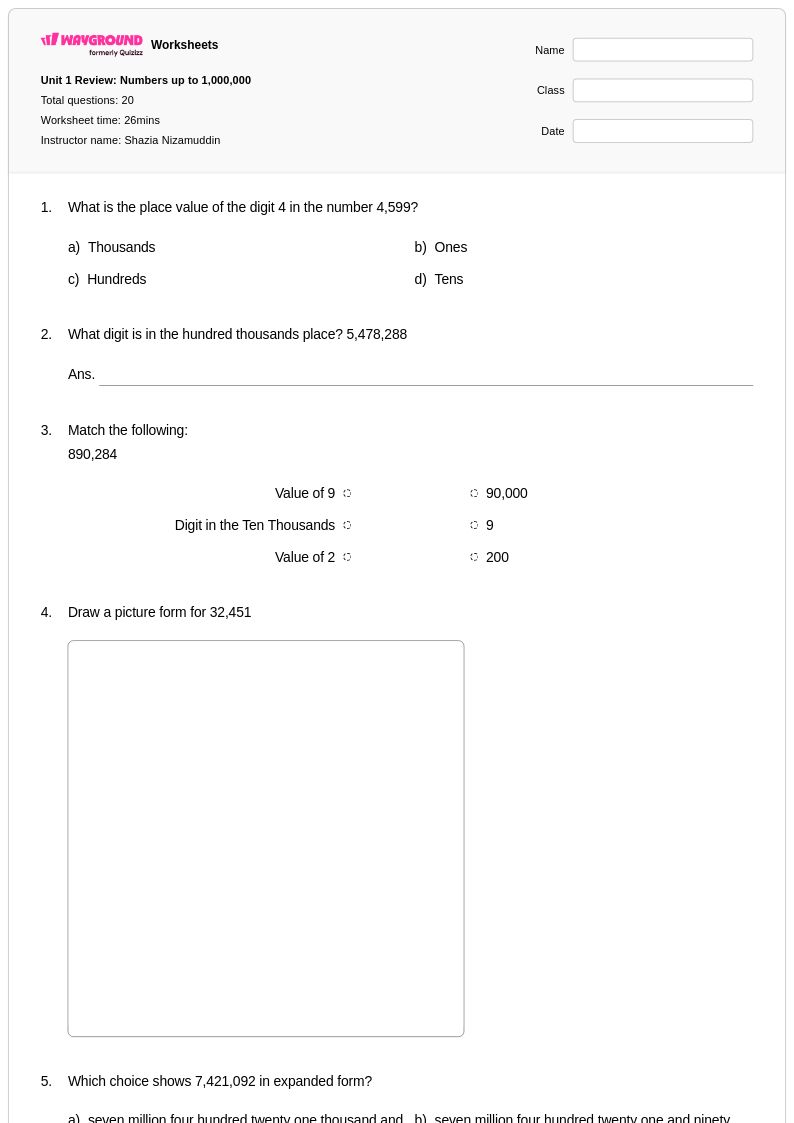
20 Q
4th
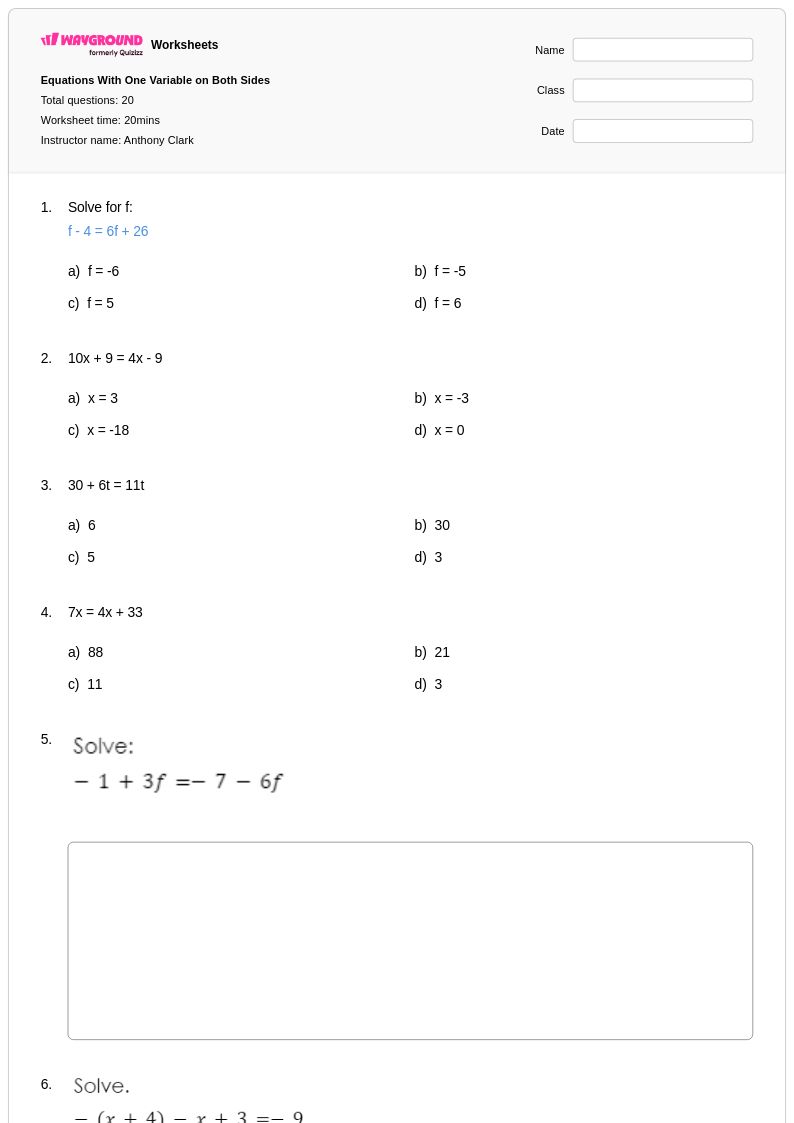
20 Q
8th - Uni
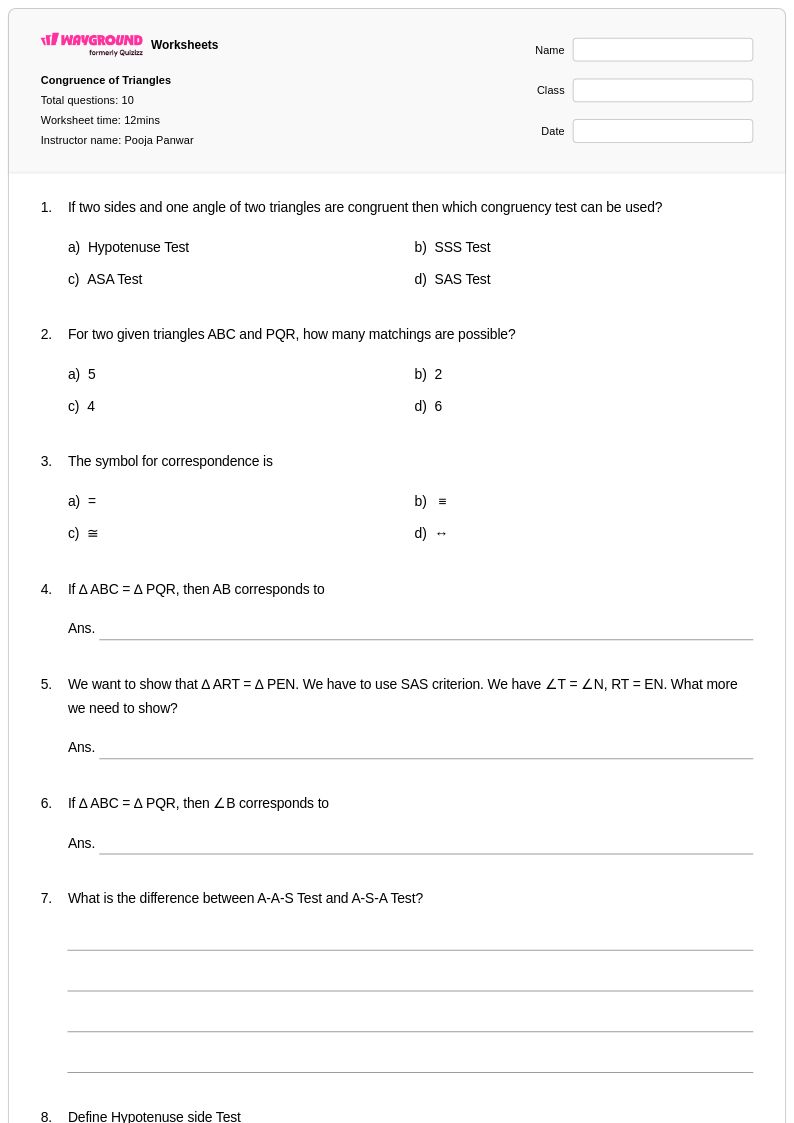
10 Q
7th
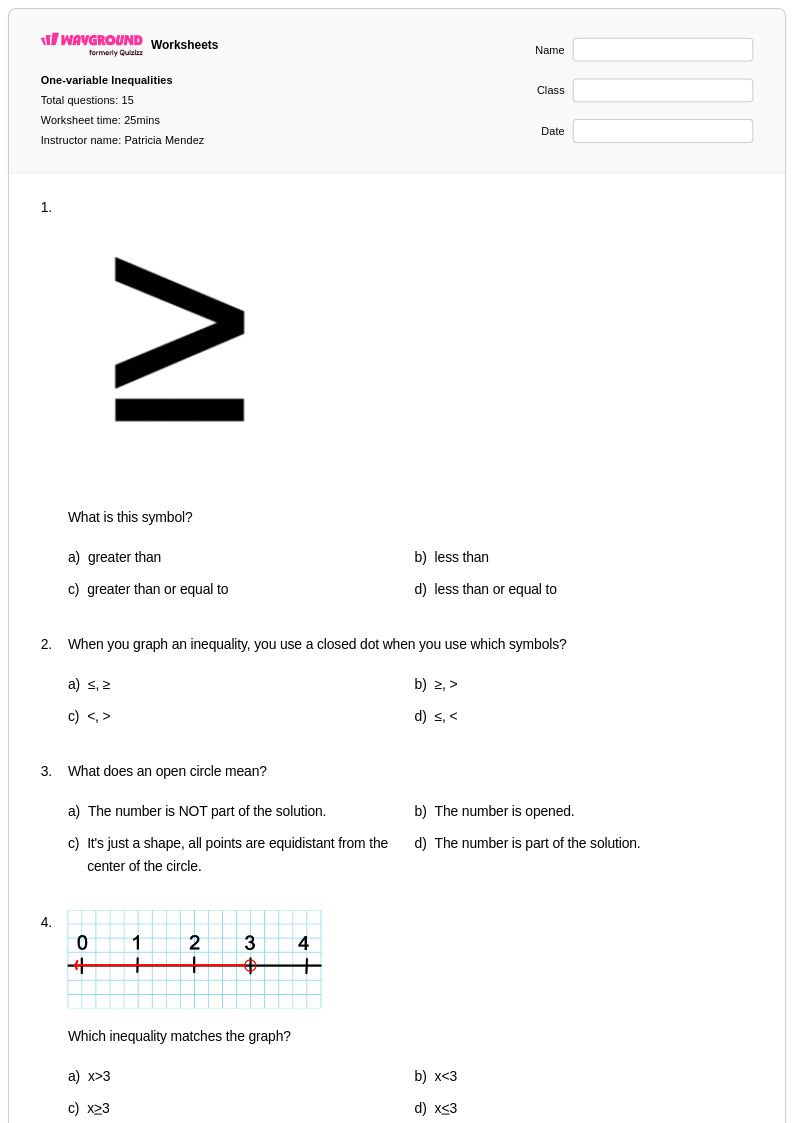
15 Q
9th - 12th
21 Q
Uni
20 Q
3rd - Uni
20 Q
10th - Uni
Explore One-to-one Correspondence Worksheets by Grades
Explore Other Subject Worksheets for kindergarten
Explore printable One-to-one Correspondence worksheets for Kindergarten
One-to-one correspondence worksheets for kindergarten students available through Wayground provide essential foundational practice for developing early mathematical reasoning and counting skills. These carefully designed printables help young learners understand that each object in a set corresponds to exactly one number when counting, a critical concept that underlies all future number sense development. The worksheets feature engaging activities where students match objects to numerals, count collections of items, and demonstrate understanding that the last number counted represents the total quantity of a set. Each worksheet includes a comprehensive answer key to support accurate assessment, and the free pdf format makes these practice problems easily accessible for classroom use, homework assignments, or intervention support.
Wayground (formerly Quizizz) empowers kindergarten teachers with an extensive collection of millions of teacher-created one-to-one correspondence resources that streamline lesson planning and support differentiated instruction. The platform's robust search and filtering capabilities allow educators to quickly locate worksheets aligned with specific standards and learning objectives, while built-in customization tools enable teachers to modify content difficulty levels to meet individual student needs. These versatile materials are available in both printable pdf format and interactive digital versions, making them ideal for various instructional settings including whole group lessons, small group remediation, and independent practice stations. Teachers can efficiently assess student progress, provide targeted enrichment opportunities for advanced learners, and offer additional skill practice for students who need extra support in developing this fundamental mathematical concept.
FAQs
Why is one-to-one correspondence a key skill in Kindergarten?
What are some effective activities for teaching one-to-one correspondence in Kindergarten?
What types of problems are on these Kindergarten worksheets?
How can I tell if a Kindergartener is struggling with one-to-one correspondence?
How can I use these worksheets with my Kindergarten class?
How does this topic align with Kindergarten math standards?