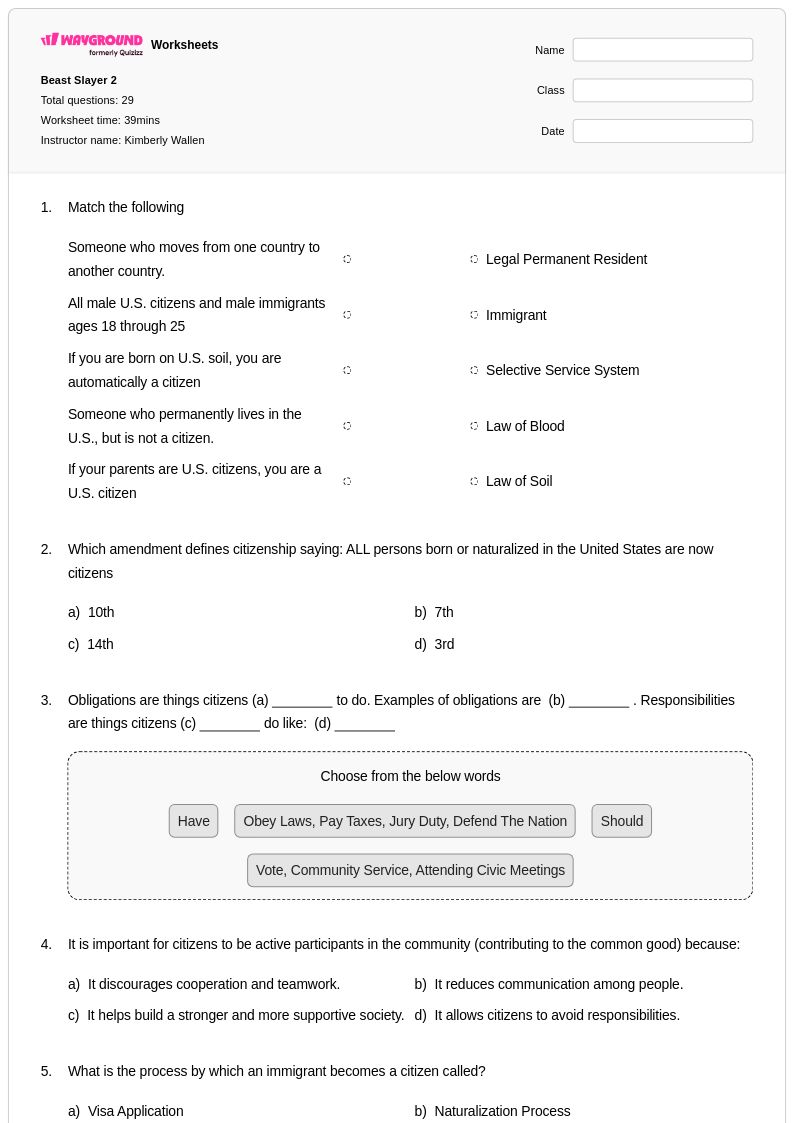
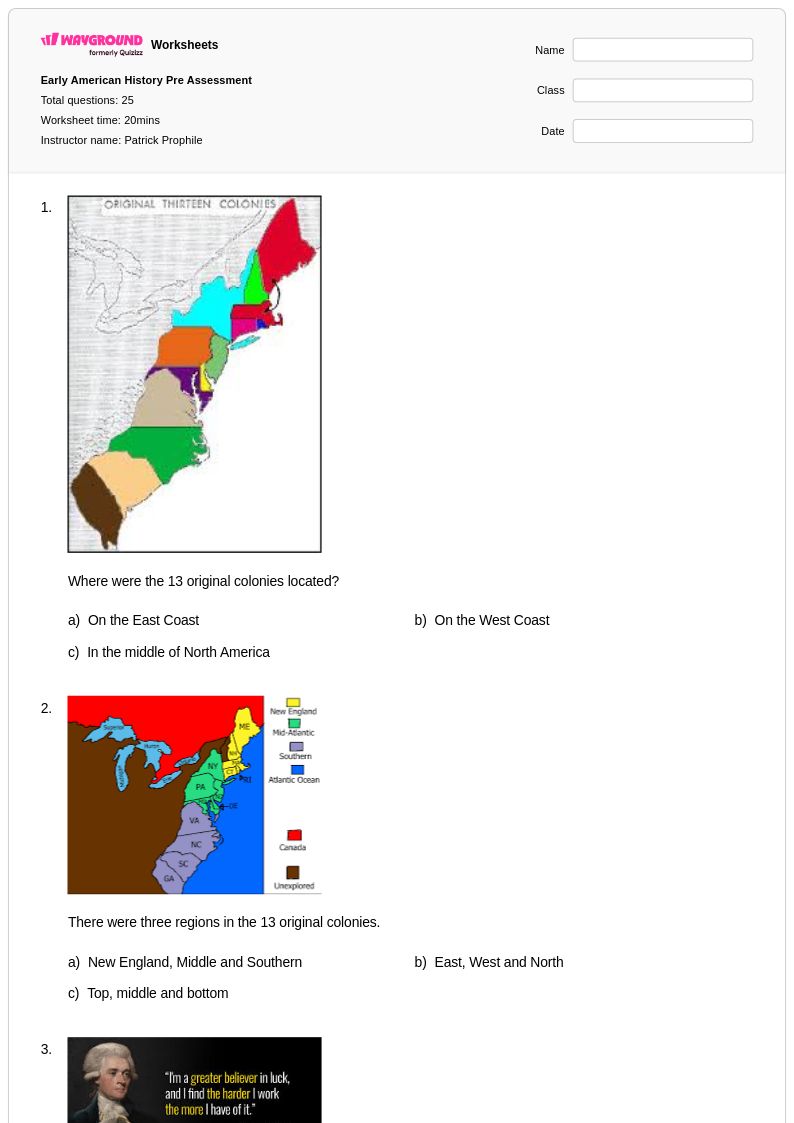
Free Printable Self Control Worksheets for Grade 7
Grade 7 self control worksheets and printables help students develop emotional regulation and impulse management skills through engaging practice problems, free PDF resources, and comprehensive answer keys.
Explore printable Self Control worksheets for Grade 7
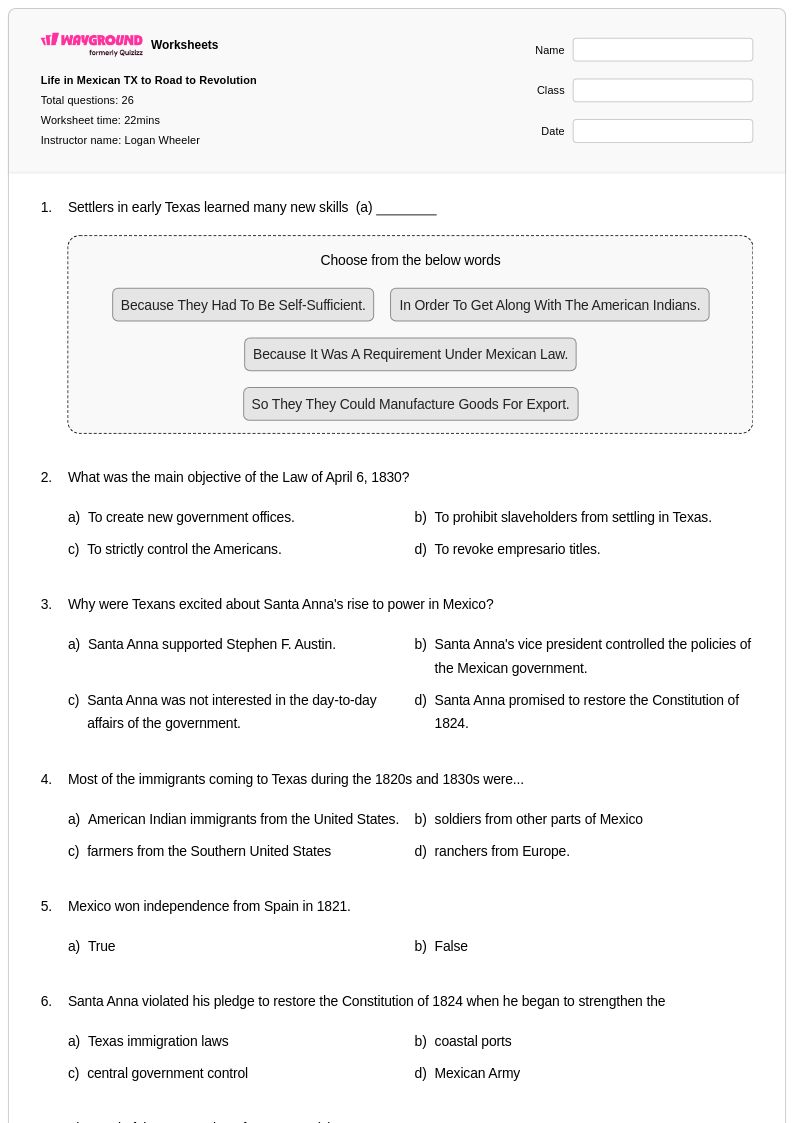
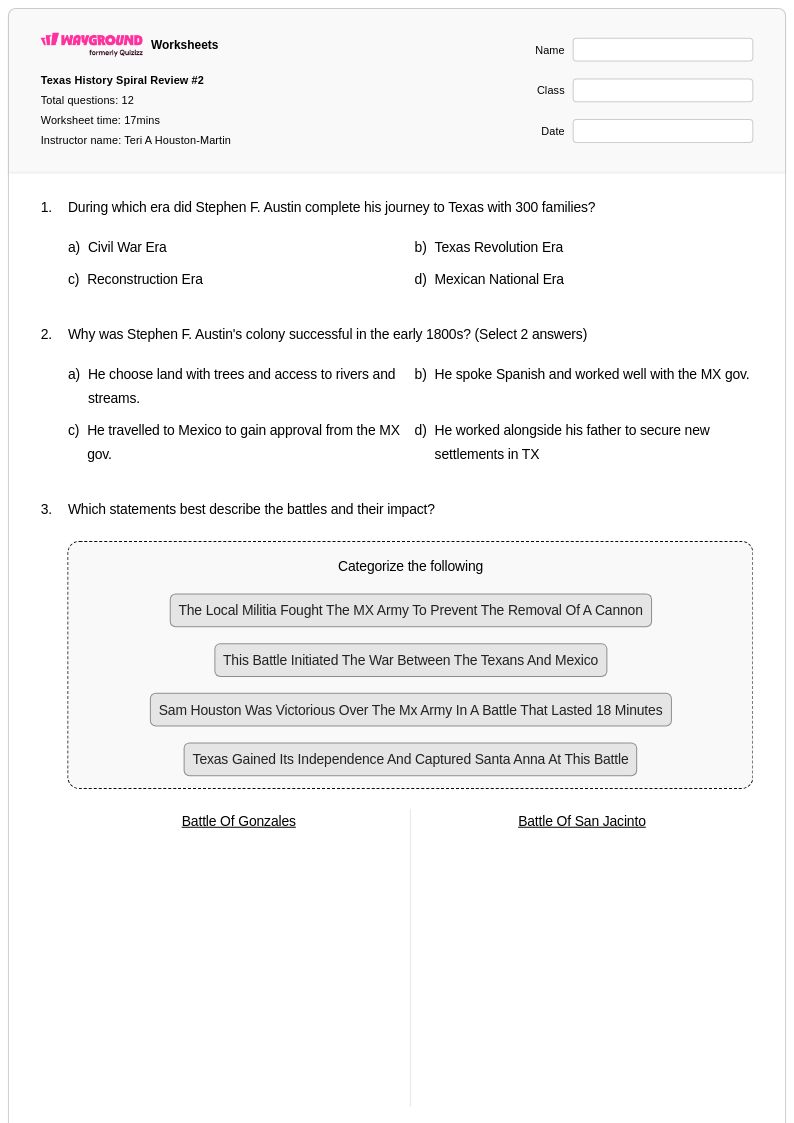
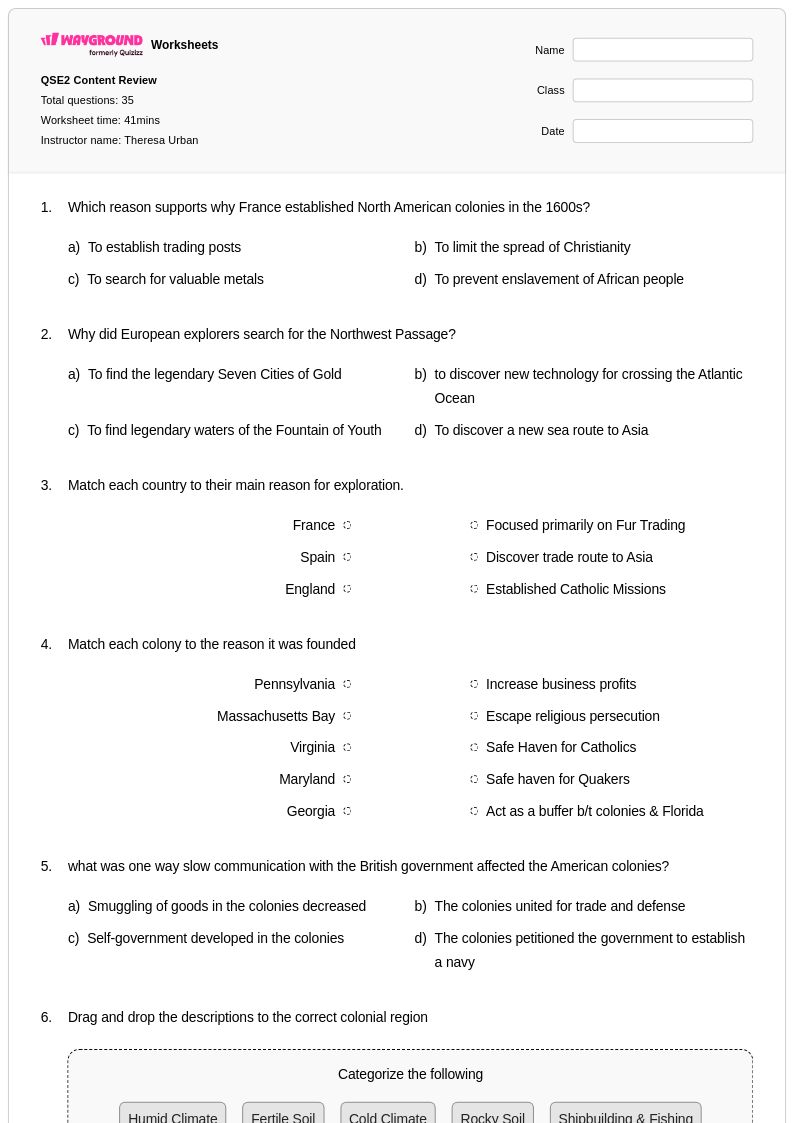
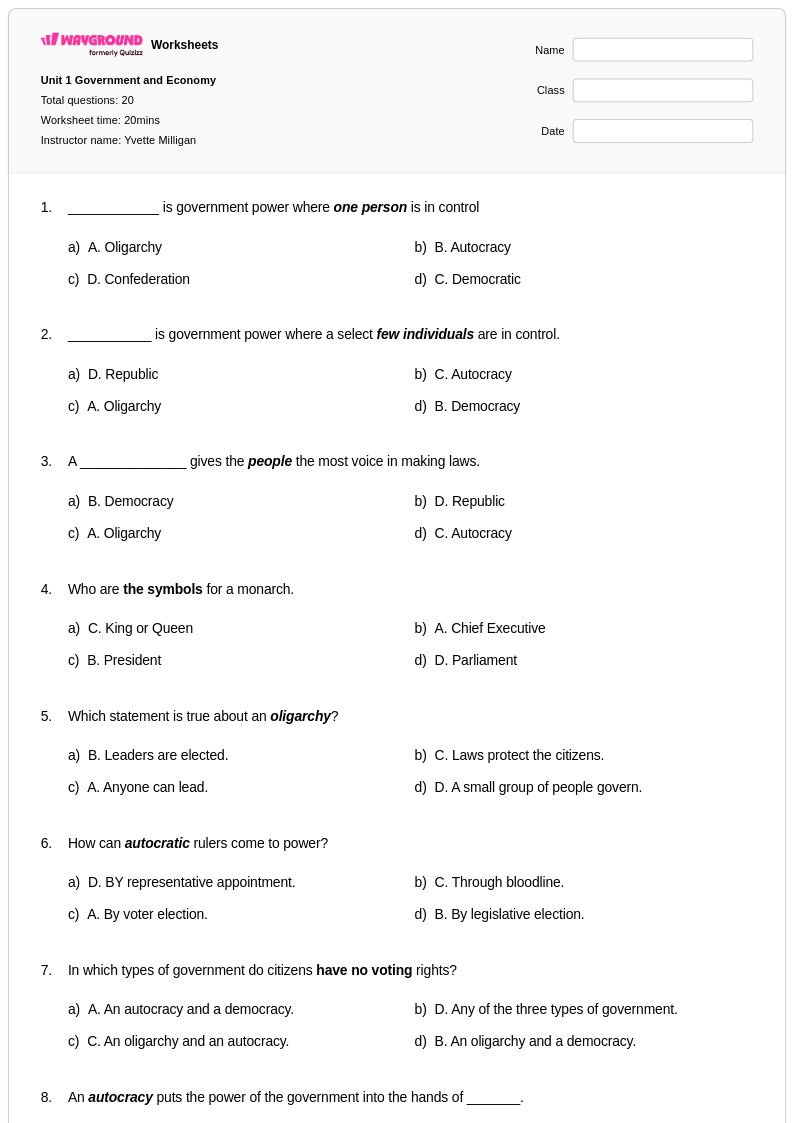
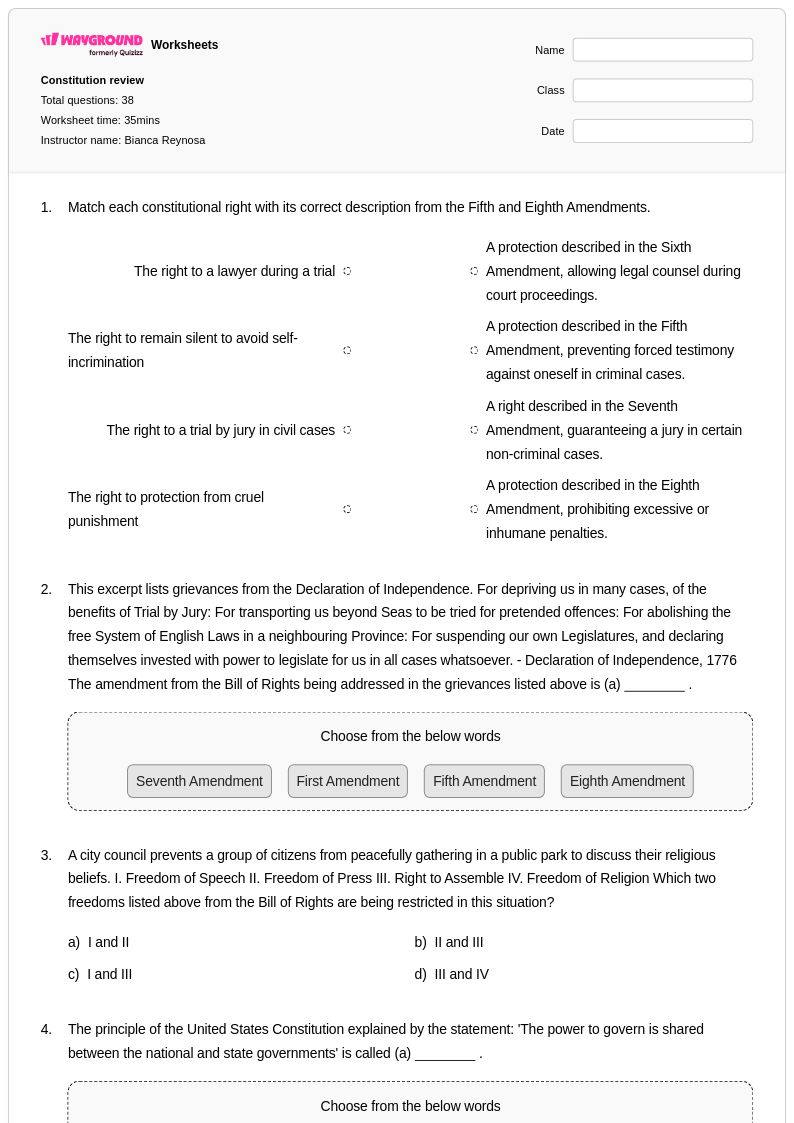
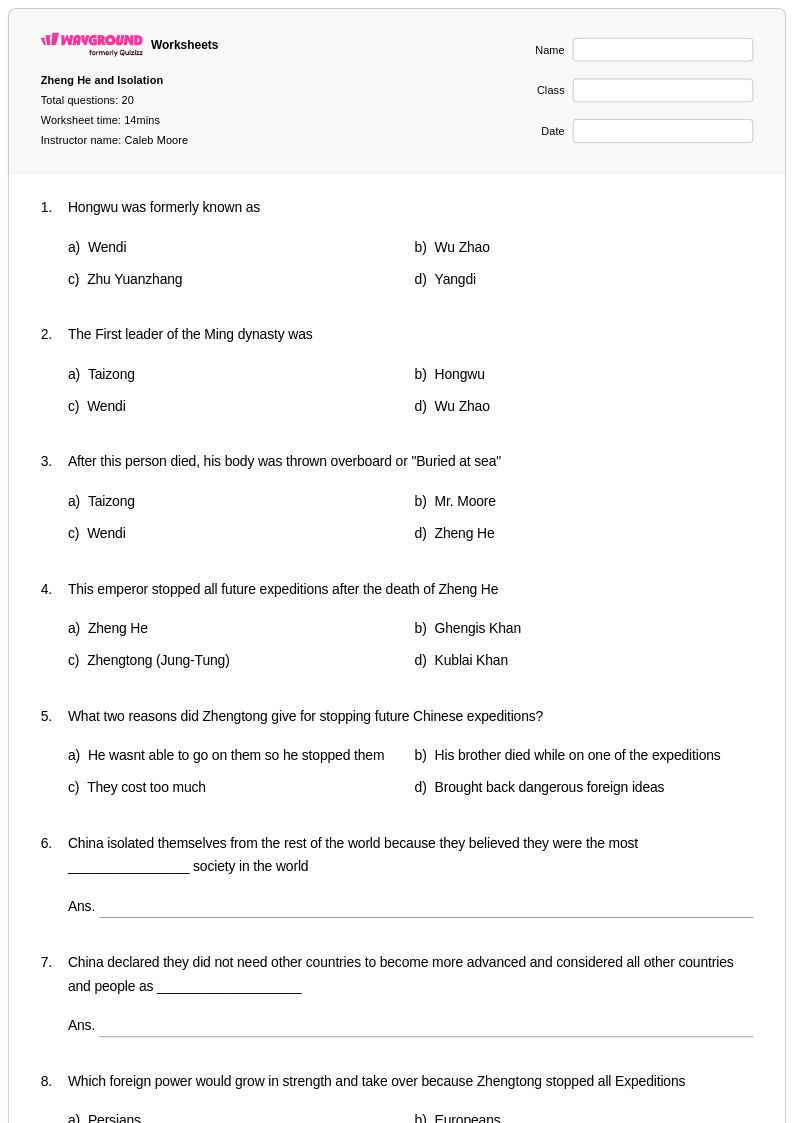
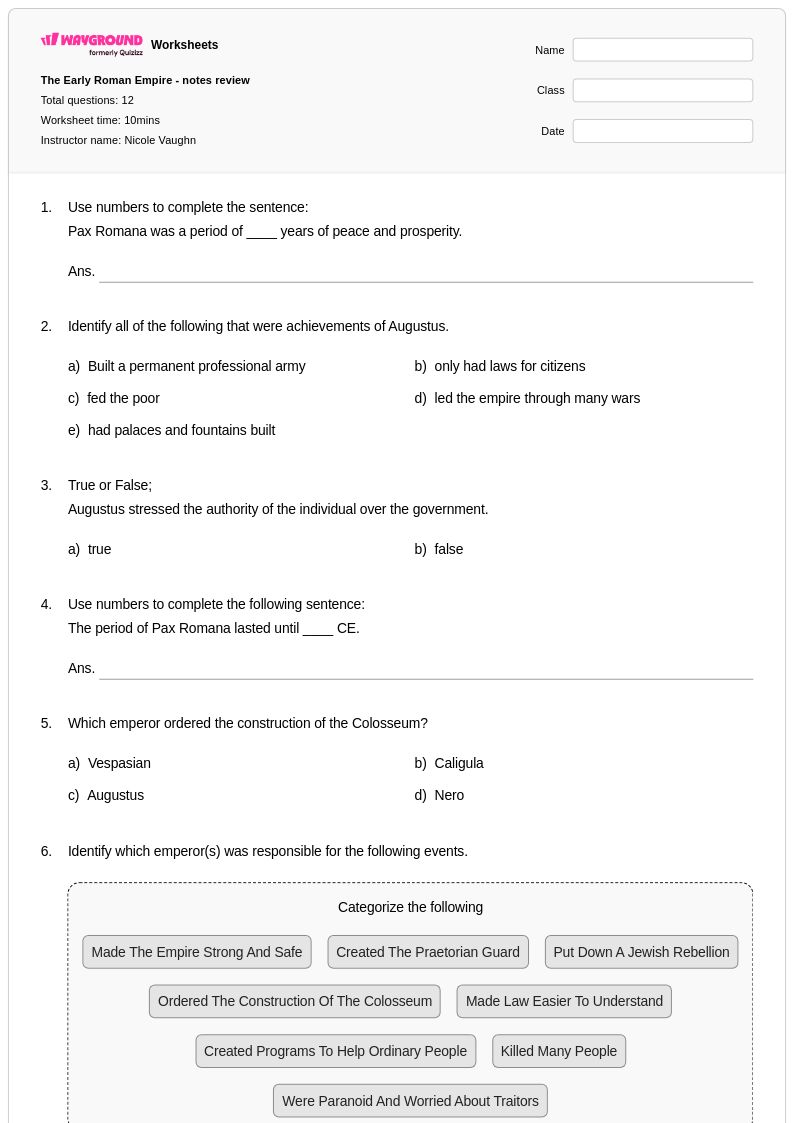
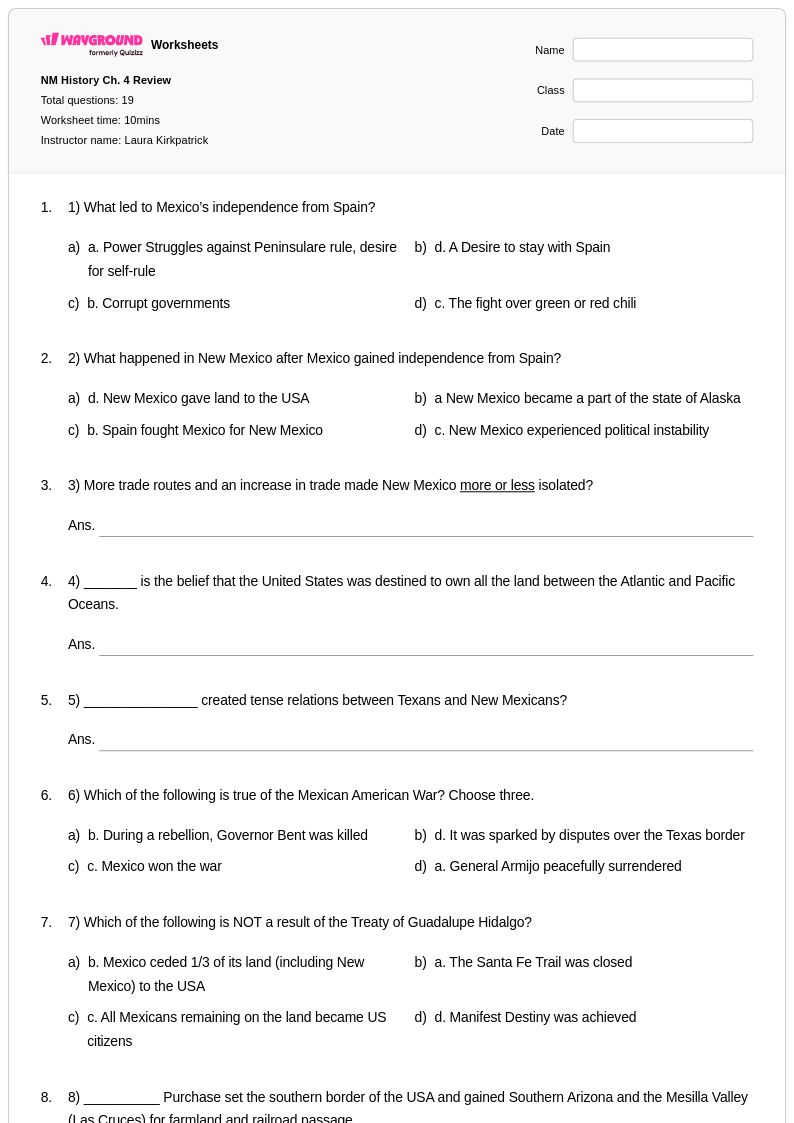
Self-control worksheets for Grade 7 students available through Wayground provide essential practice in developing emotional regulation and behavioral management skills that are crucial for academic and social success. These comprehensive printable resources help seventh graders understand the importance of impulse control, anger management, and decision-making in various social situations. Students work through scenarios involving peer pressure, conflict resolution, and emotional responses while building their ability to pause, think, and choose appropriate actions. Each worksheet includes detailed answer keys and practice problems that allow educators to assess student understanding of self-regulation strategies, with free pdf formats making these materials easily accessible for classroom use or homework assignments.
Wayground's extensive collection of millions of teacher-created self-control resources supports educators in delivering targeted social skills instruction that meets the unique developmental needs of middle school students. Teachers can utilize advanced search and filtering tools to locate worksheets aligned with specific social-emotional learning standards, ensuring curriculum coherence and grade-appropriate content delivery. The platform's differentiation capabilities allow instructors to customize materials for varying ability levels, supporting both remediation for students who struggle with impulse control and enrichment activities for those ready for more complex emotional regulation concepts. Available in both digital and printable pdf formats, these flexible resources facilitate seamless lesson planning while providing opportunities for skill practice, formative assessment, and targeted intervention in self-control development.
FAQs
How do I teach self-control to students in a social studies class?
Teaching self-control in a social studies context works best when students examine real examples of impulse control and restraint in historical and civic settings. Use scenario-based discussions that ask students to analyze how a historical figure's decision to exercise restraint shaped an outcome, then connect that to personal decision-making in their own communities. Pairing explicit instruction on emotional regulation vocabulary with structured reflection activities helps students internalize the concept rather than just recognize it abstractly.
What kinds of practice activities help students develop self-control skills?
Scenario analysis worksheets are among the most effective tools for practicing self-control, as they ask students to evaluate a situation, identify the impulse response, and reason through a more disciplined alternative. Conflict resolution exercises and ethical decision-making prompts also build the reflective habits that underlie self-regulation. Repeated practice with real-world and historically grounded scenarios helps students move from conceptual understanding to applied behavior.
What misconceptions do students commonly have about self-control?
A frequent misconception is that self-control means suppressing all emotion rather than managing how emotions influence behavior and decisions. Students often conflate self-control with passivity, missing that it involves active, deliberate choices under pressure. Another common error is failing to see self-control as a skill that can be developed, viewing it instead as a fixed personality trait, which can discourage students who struggle with impulse regulation.
How does self-control connect to civic participation and social studies standards?
Self-control is foundational to civic literacy because democratic participation requires citizens to engage in reasoned debate, defer immediate gratification for collective benefit, and resolve conflict through dialogue rather than reaction. Social studies standards frequently embed personal responsibility and ethical decision-making within civics and history frameworks, making self-control a directly assessable skill. Examining how self-regulation has shaped historical events and community relationships gives students a concrete lens for understanding its social significance.
How can I use self-control worksheets to support students with different learning needs?
Self-control worksheets can be differentiated by adjusting the complexity of scenarios, the number of answer choices presented, or the level of scaffolding provided in the prompt. On Wayground, teachers can apply individual accommodations such as read aloud support for students who need questions read to them, reduced answer choices to lower cognitive load for selected students, and extended time settings configurable per student. These accommodations can be assigned to individual students while the rest of the class receives standard settings, making differentiation manageable without disrupting the flow of instruction.
How do I use self-control worksheets from Wayground in my classroom?
Wayground's self-control worksheets are available as printable PDFs for traditional classroom use and in digital formats for technology-integrated environments, so teachers can deploy them however their class is structured. Digital versions can also be hosted as a quiz directly on Wayground, allowing teachers to track student responses and review answer patterns in real time. Each worksheet includes a complete answer key, making them practical for independent practice, small group work, or whole-class guided instruction.

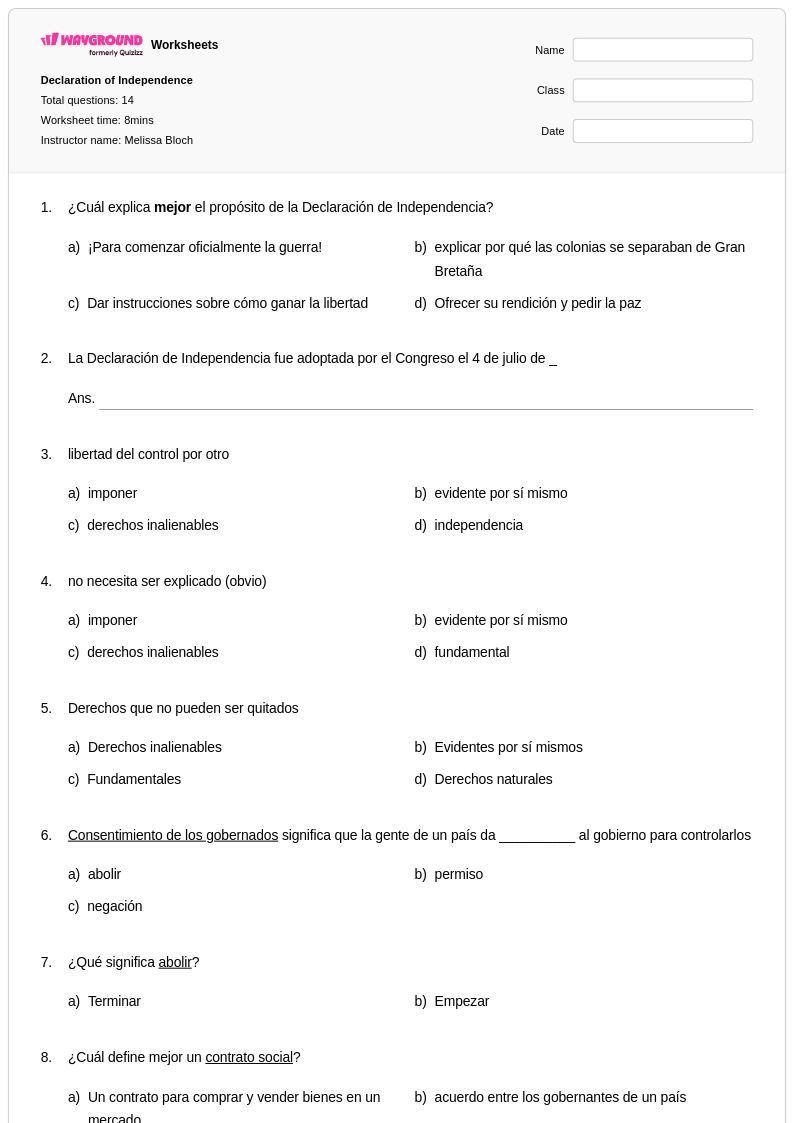
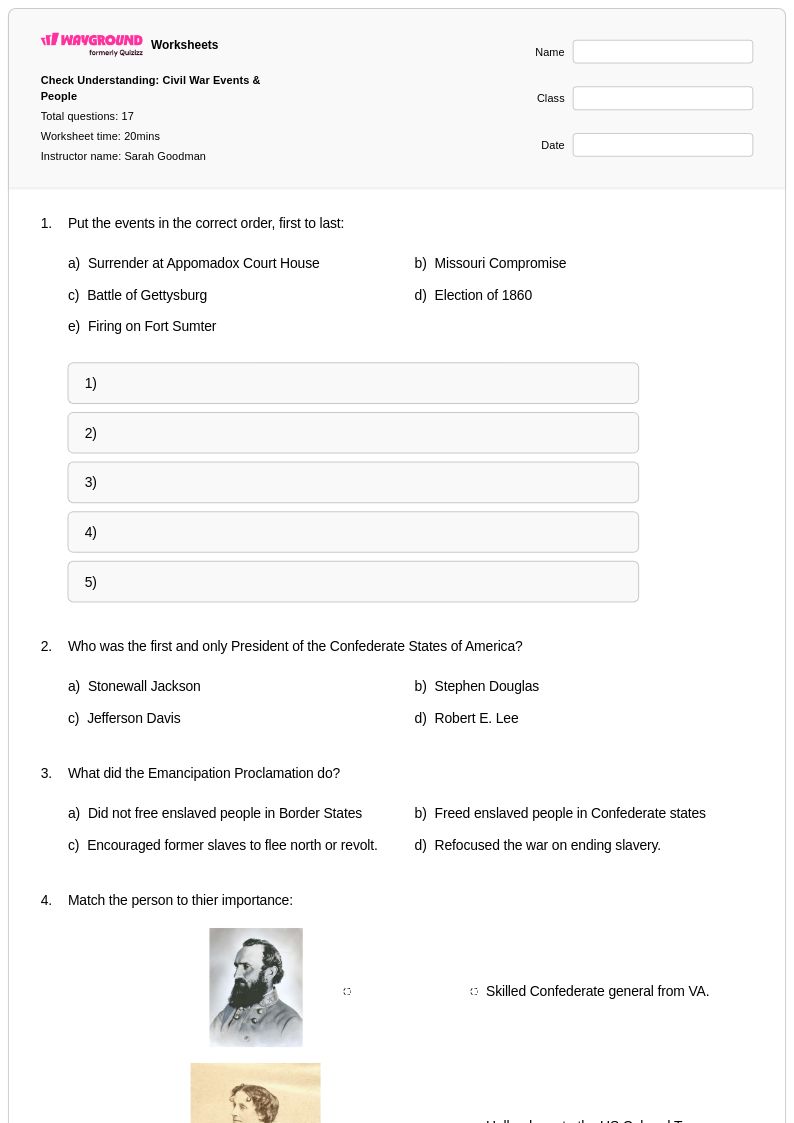
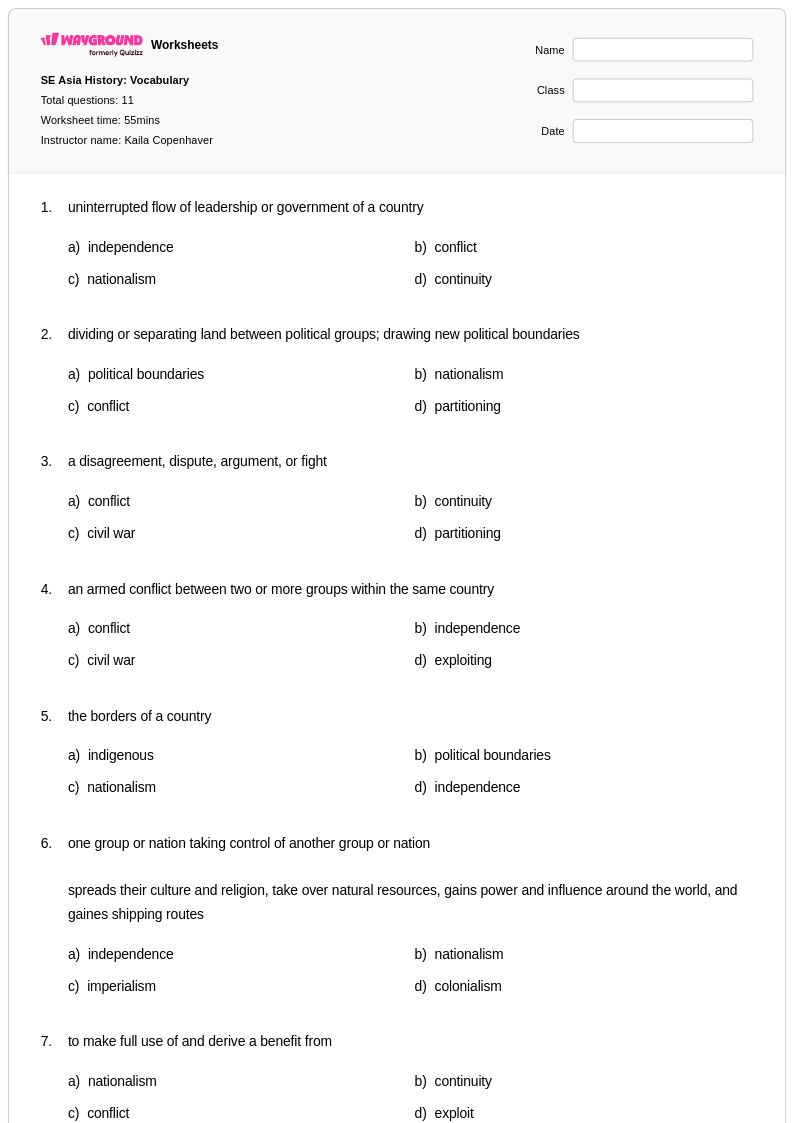
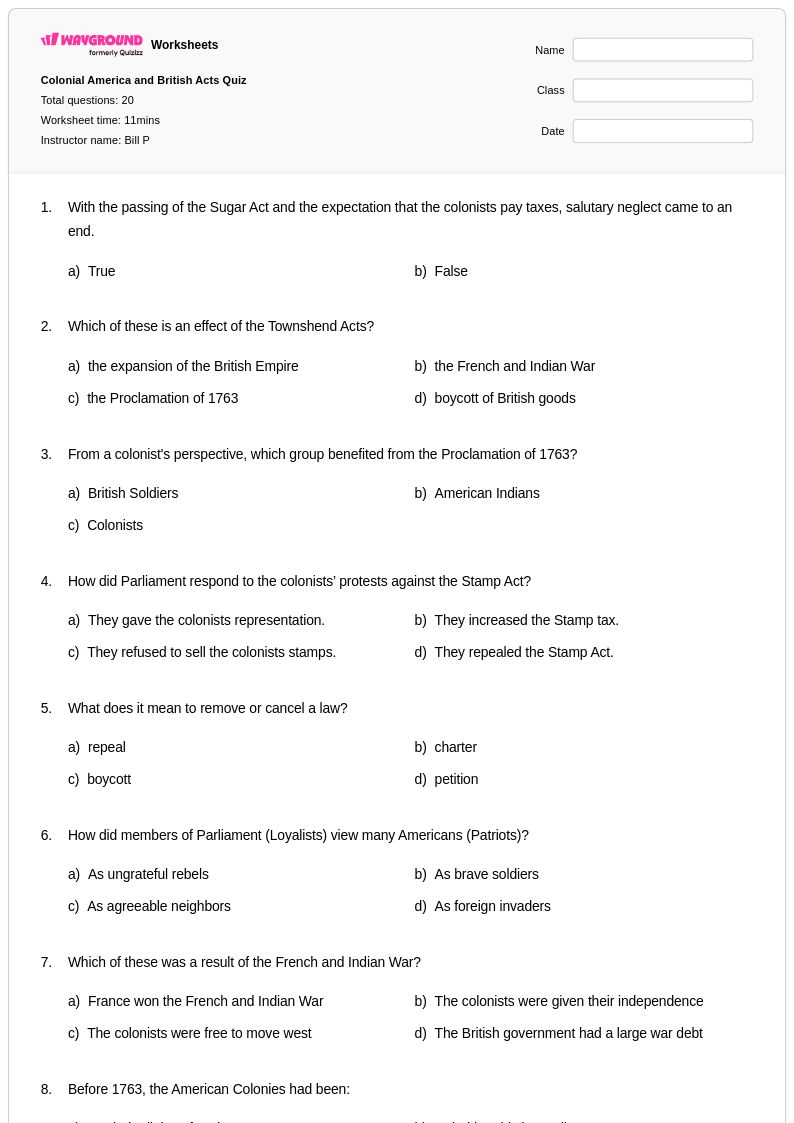
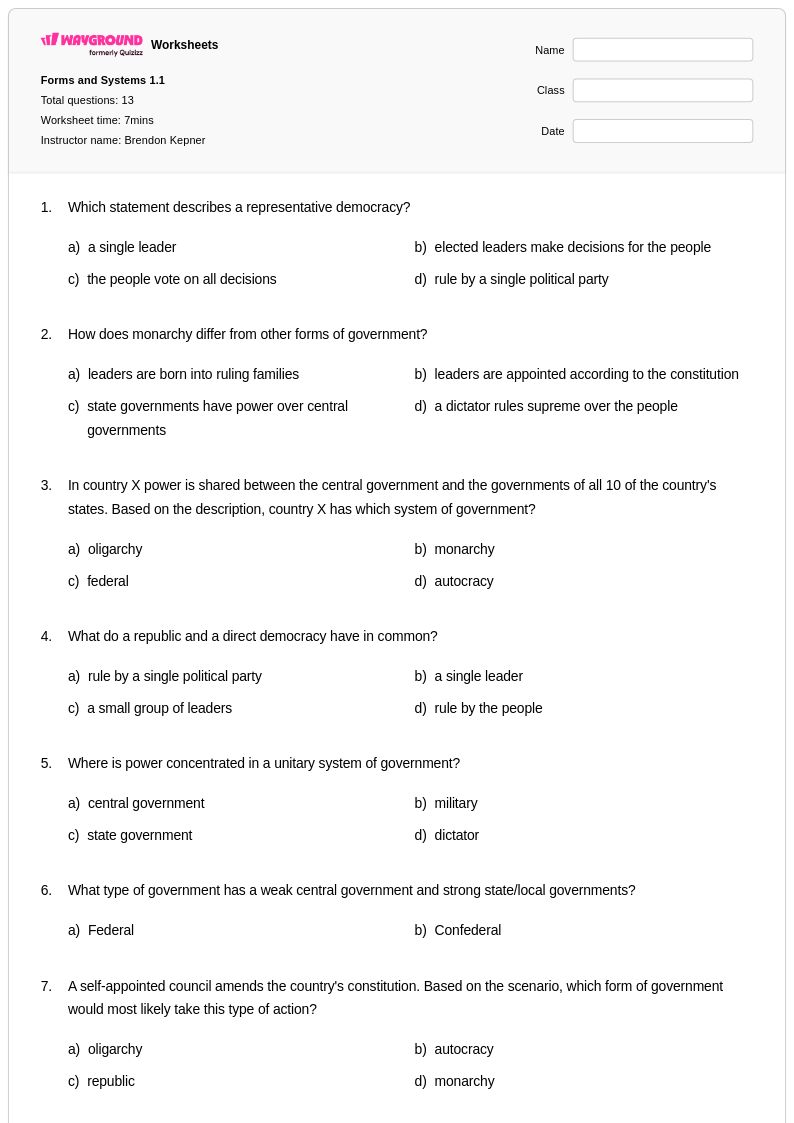
![TX24-25 - Republic of Texas [and unit review] - Printable Self-control Worksheets Grade 7 - Wayground](https://quizizz-static.s3.amazonaws.com/_media/worksheets-new/67321df7862f60ef177f60fd-tx24-25-republic-of-texas-and-unit-review)