Free Printable Adjective Identification Worksheets for Kindergarten
Explore Wayground's free kindergarten adjective identification worksheets and printables that help young learners recognize and practice descriptive words through engaging activities, complete with answer keys and downloadable PDFs.
Explore printable Adjective Identification worksheets for Kindergarten
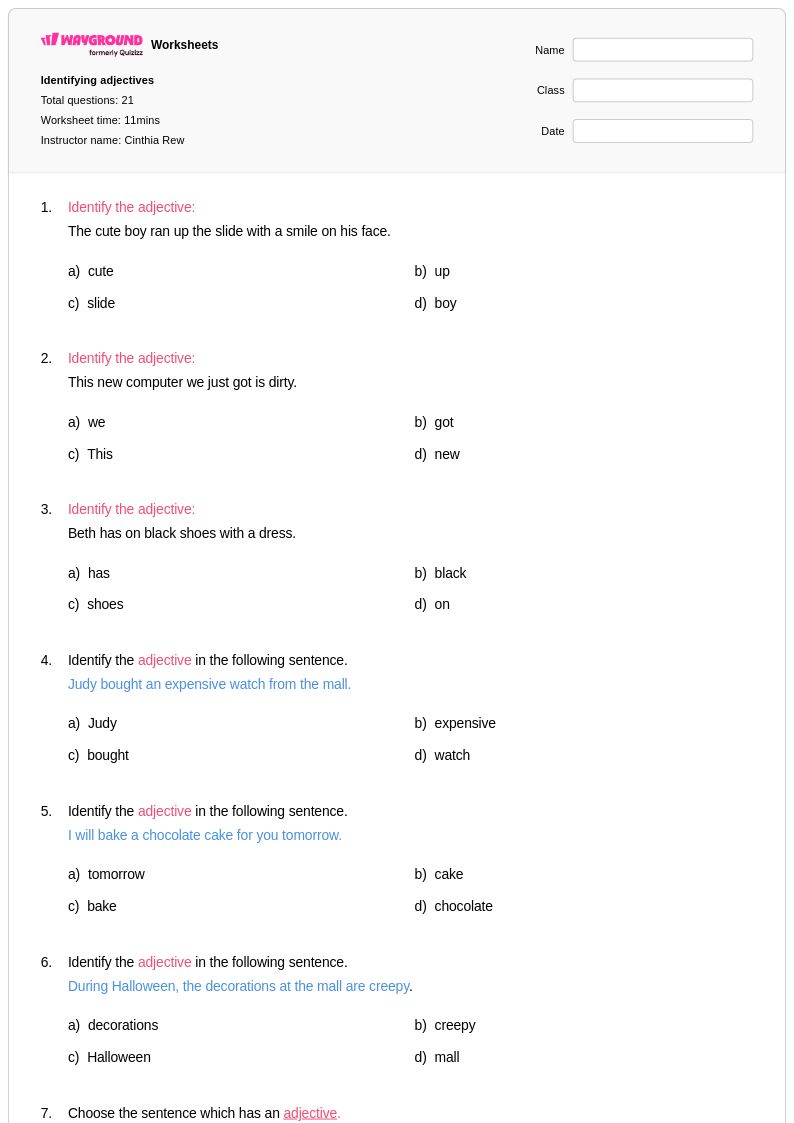
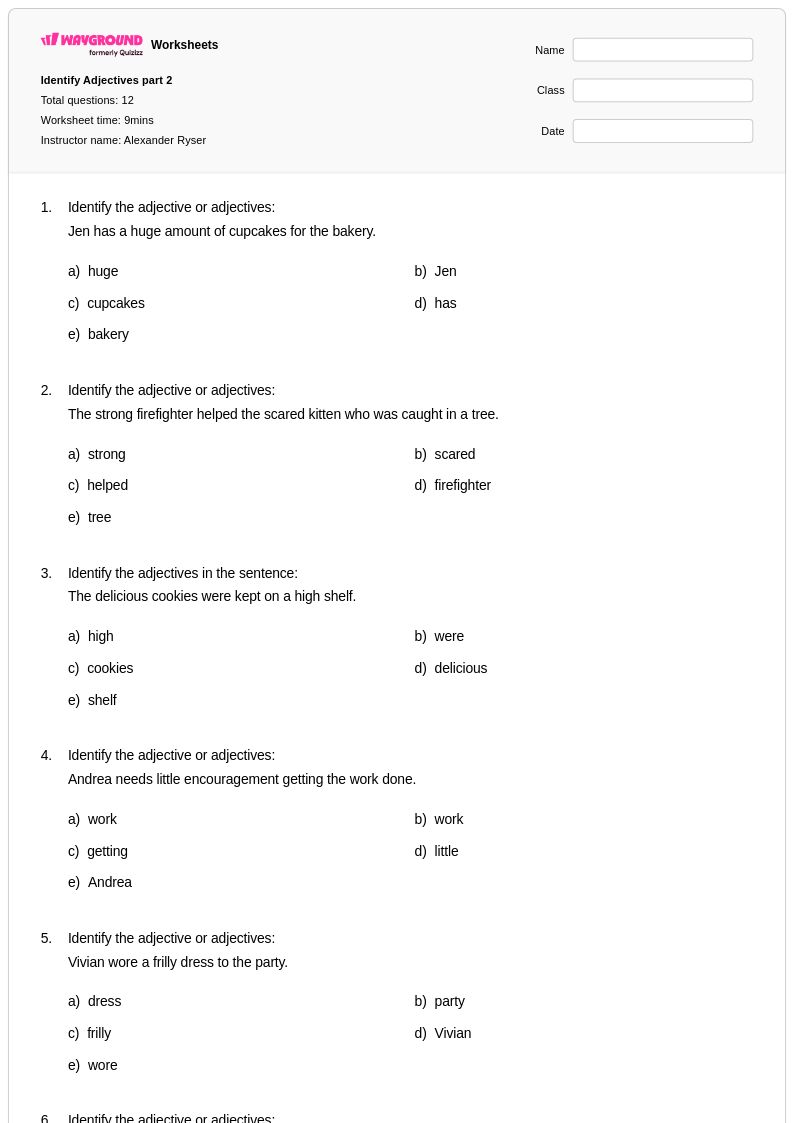
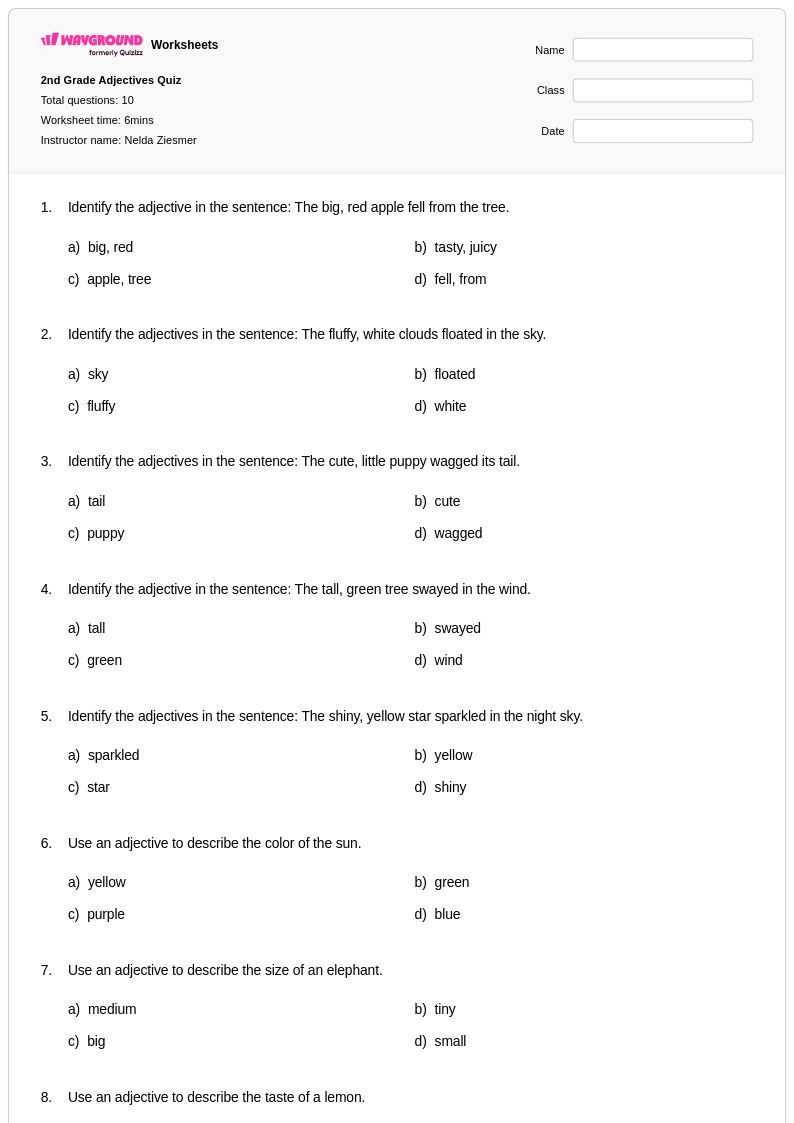
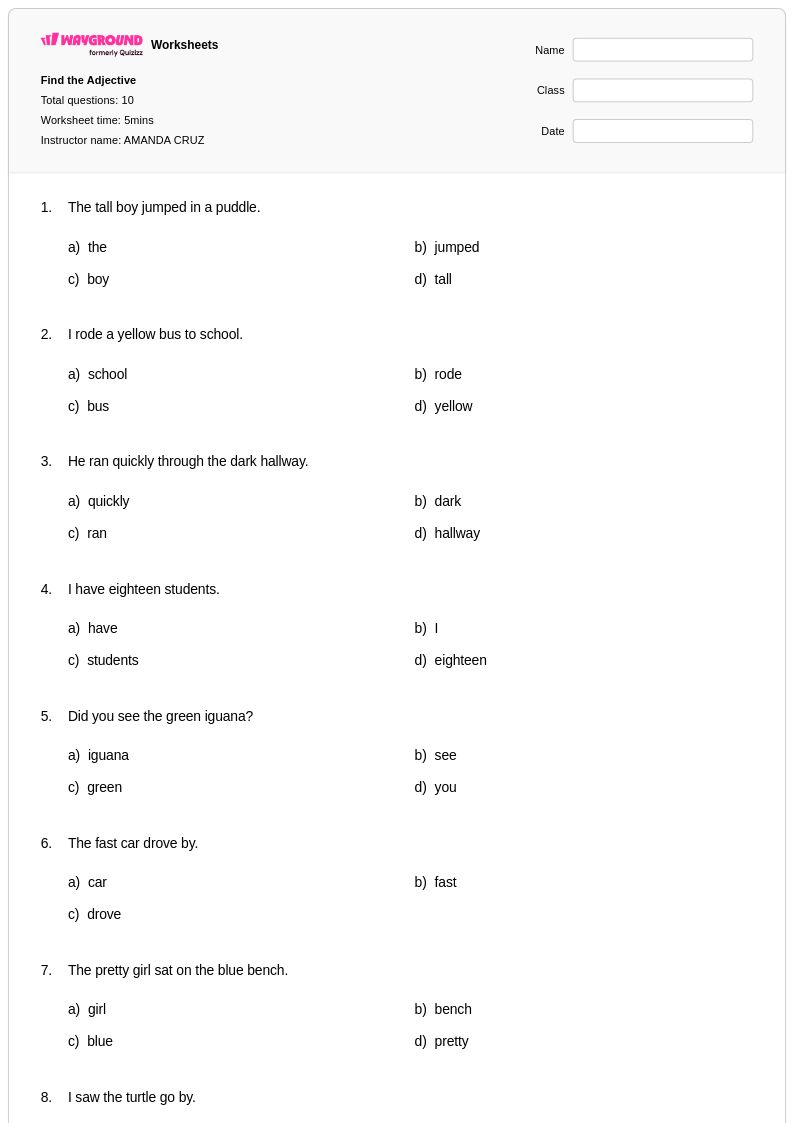
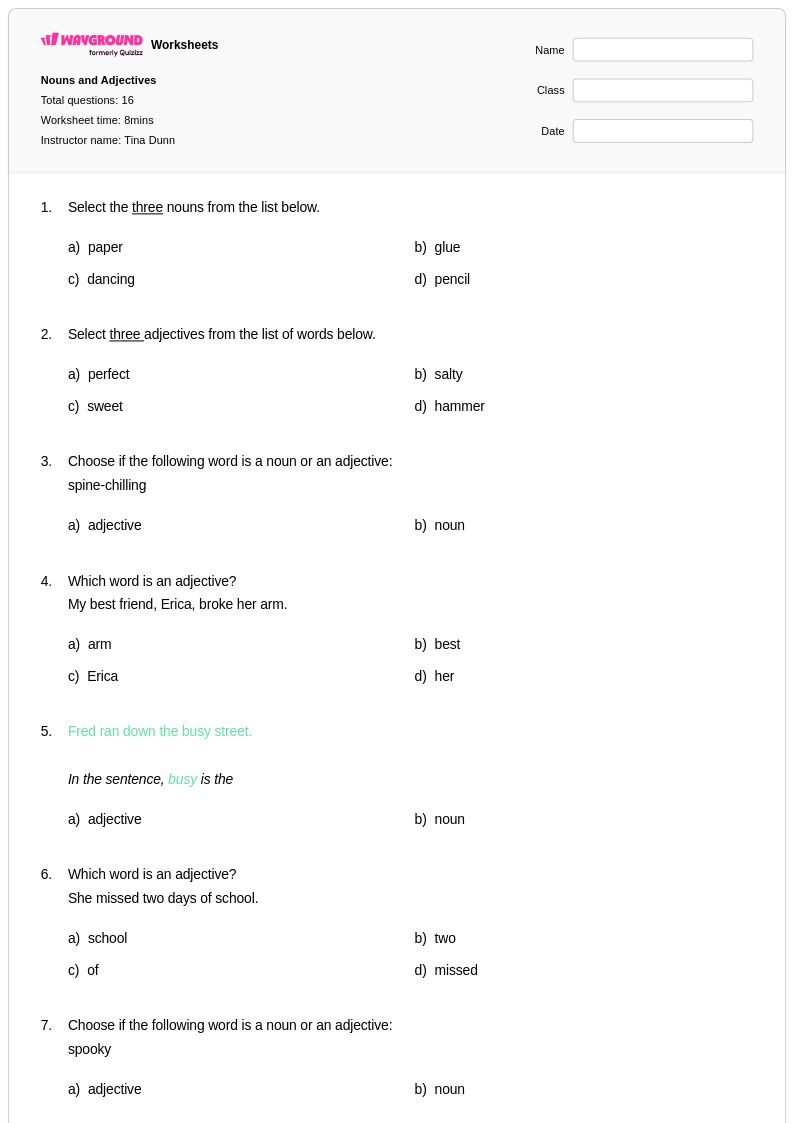
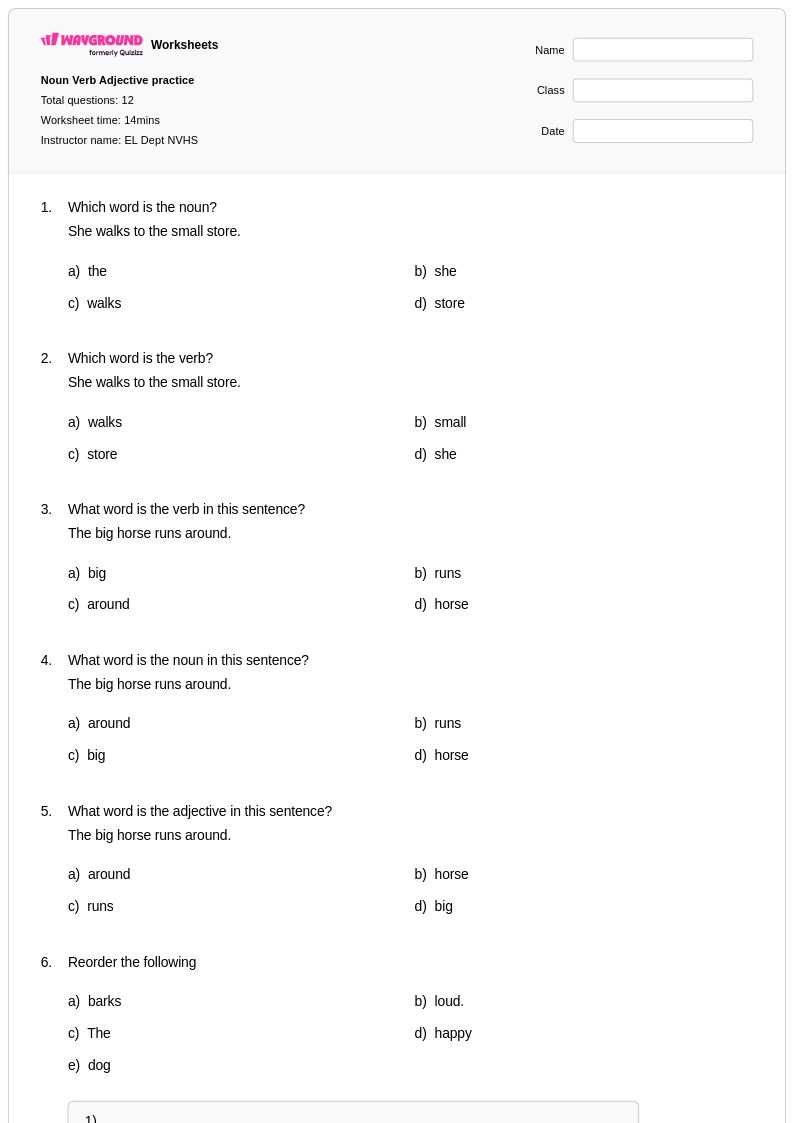
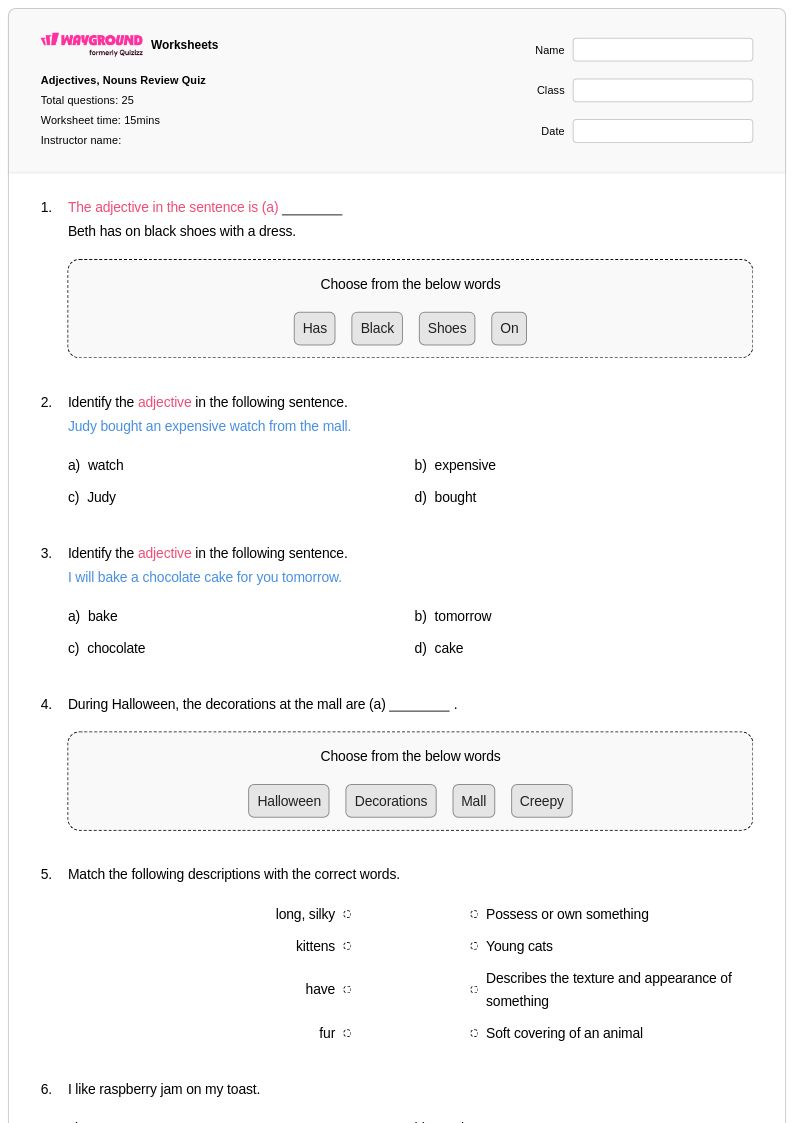
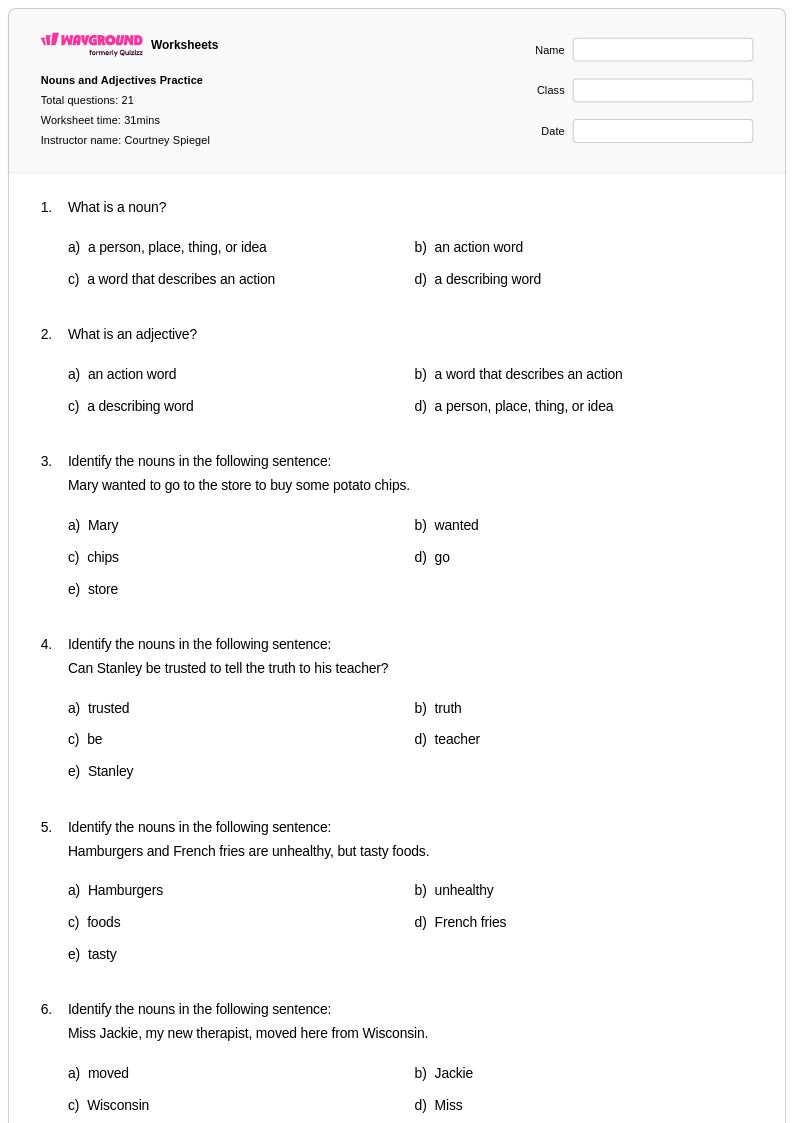
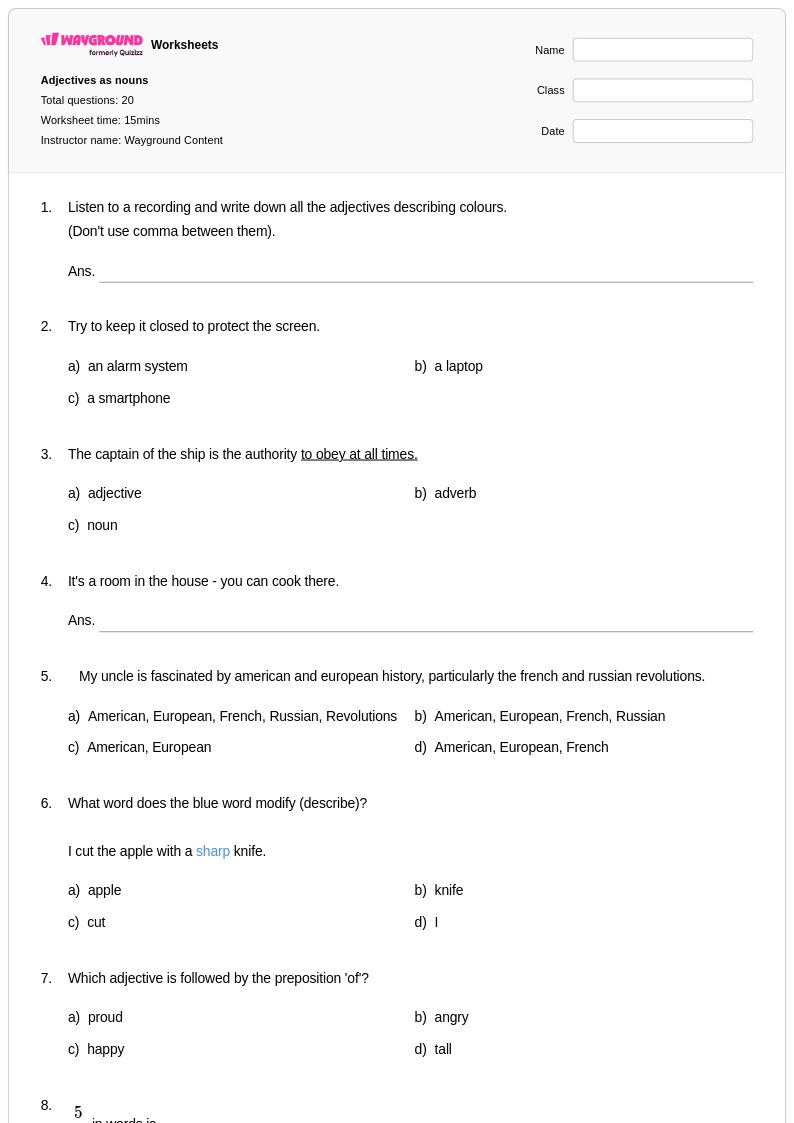
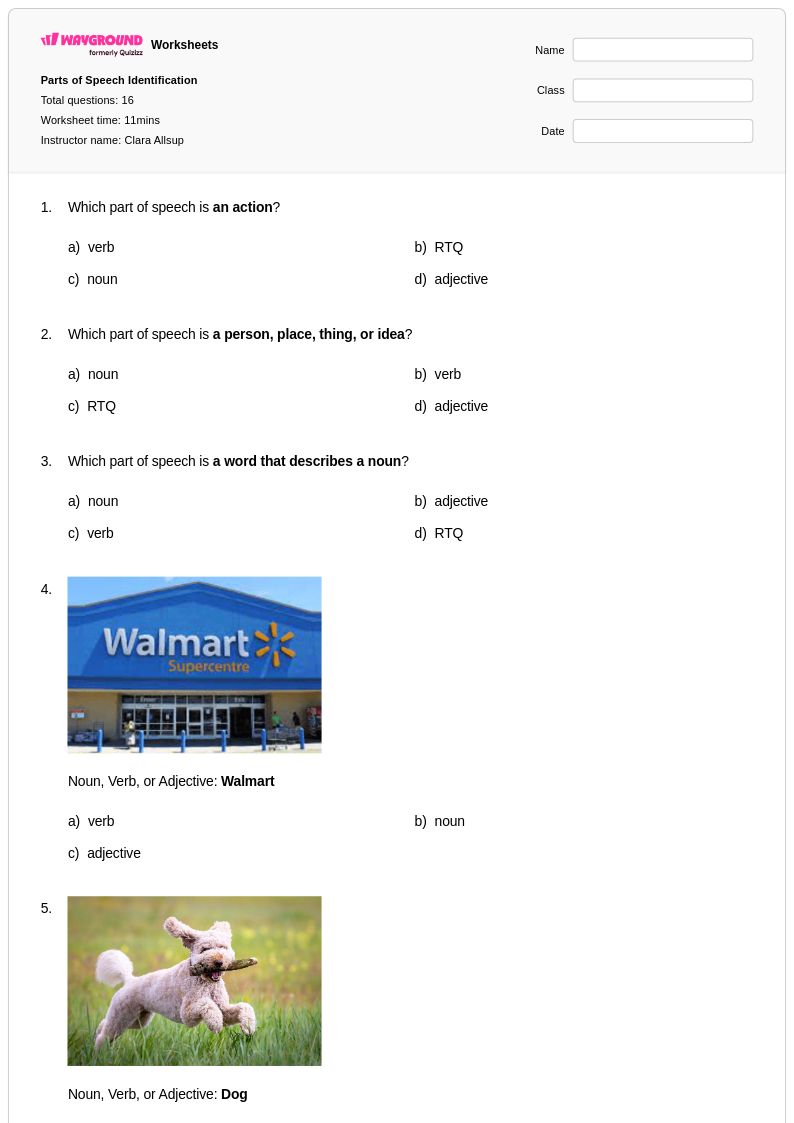
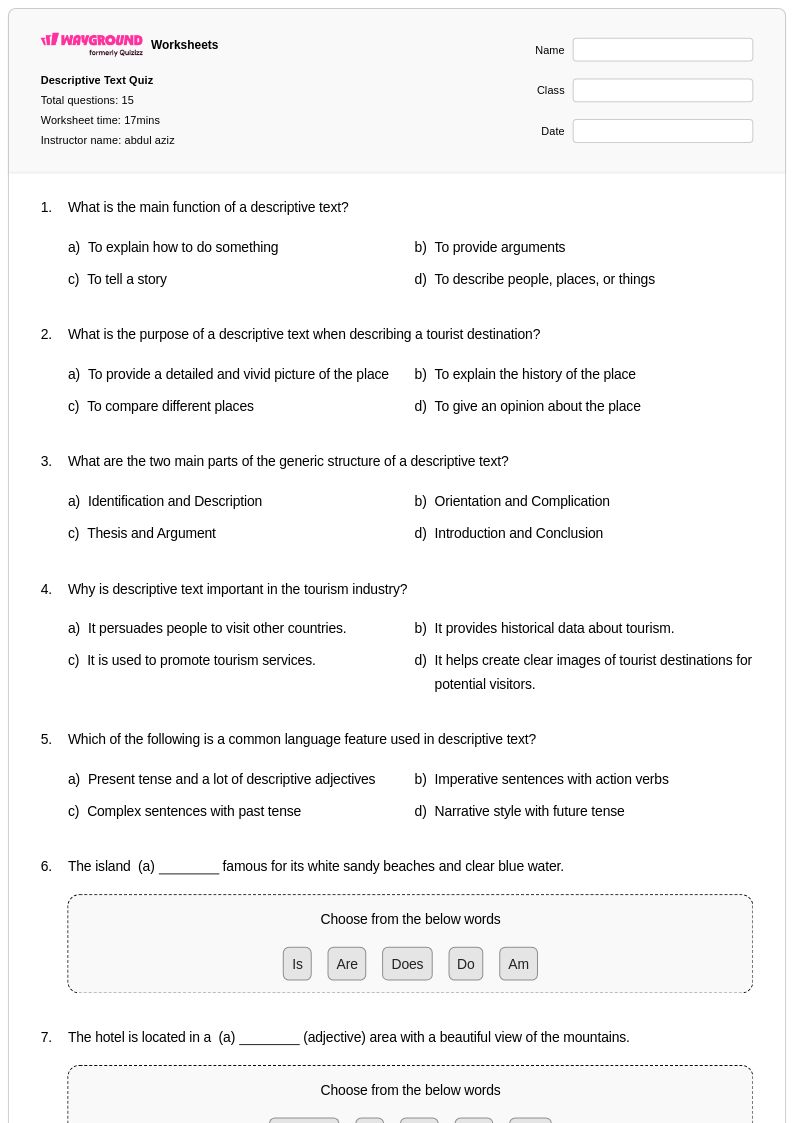
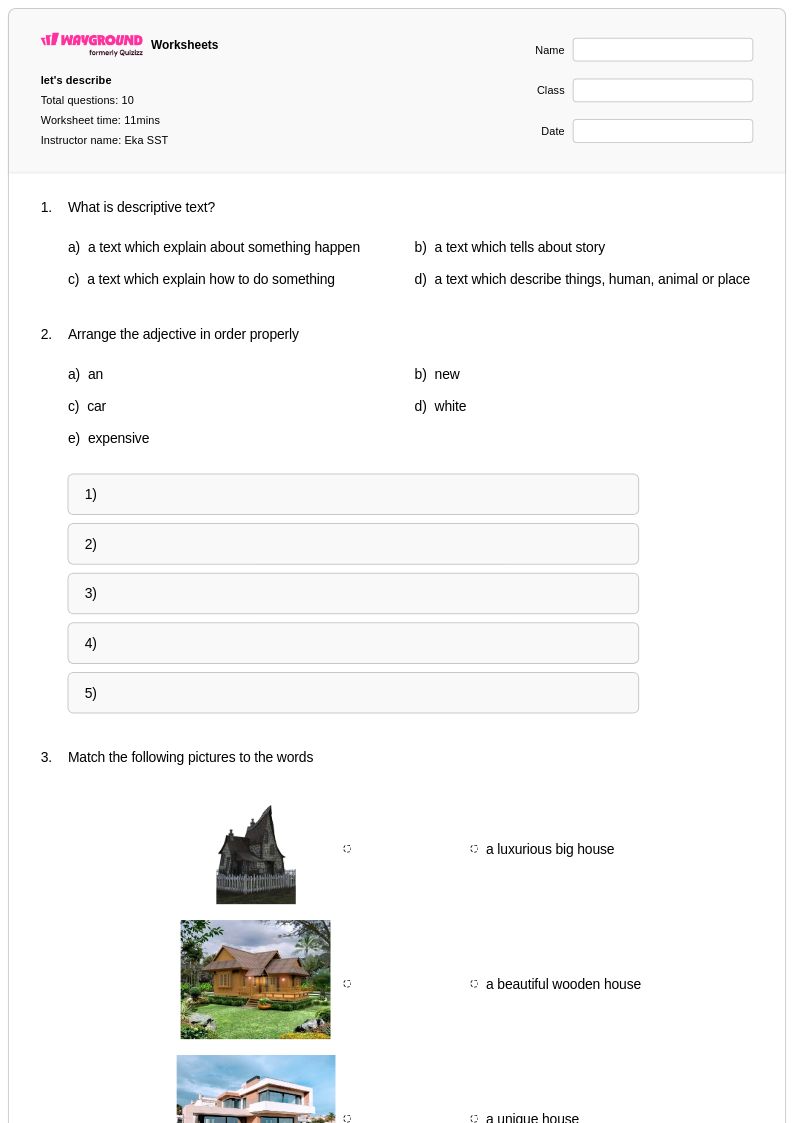
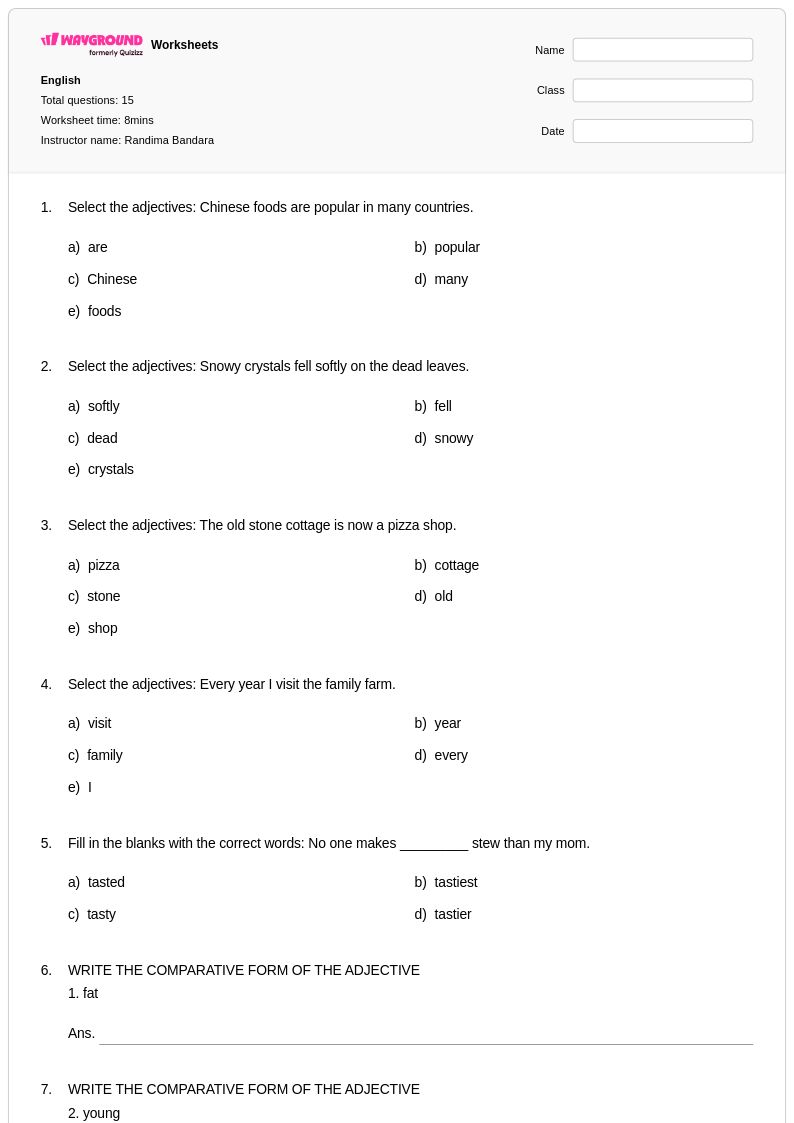
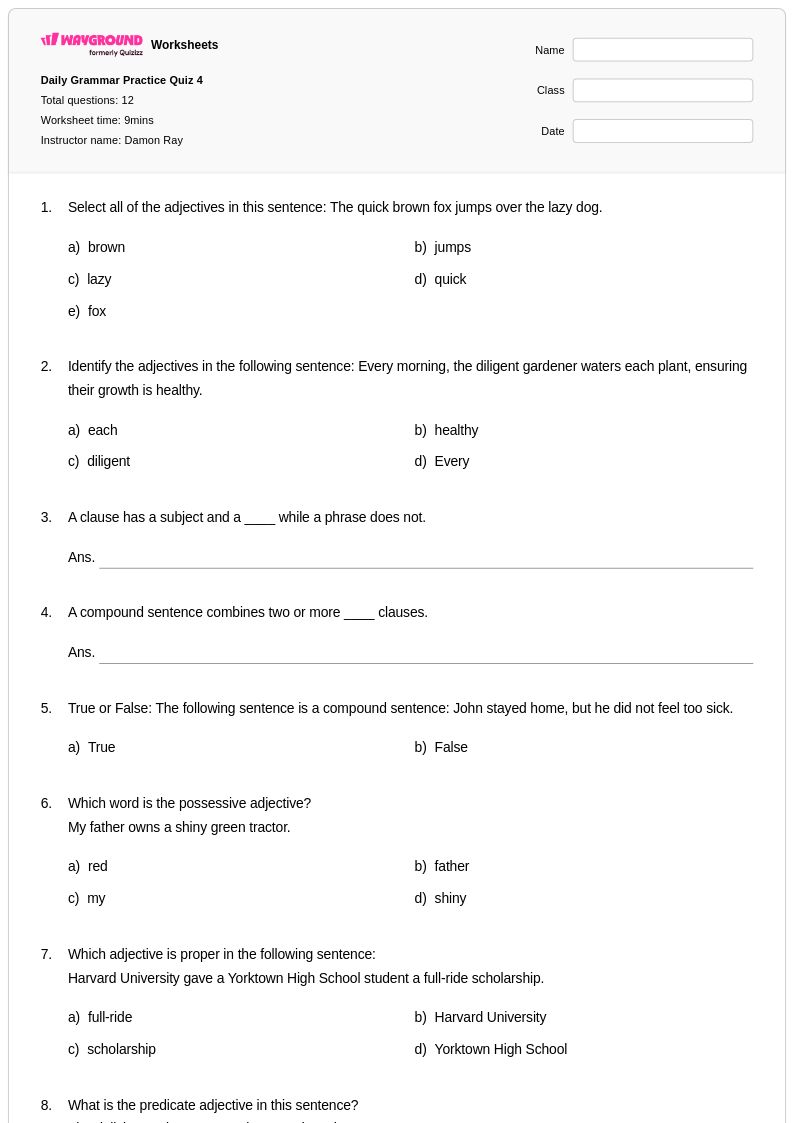
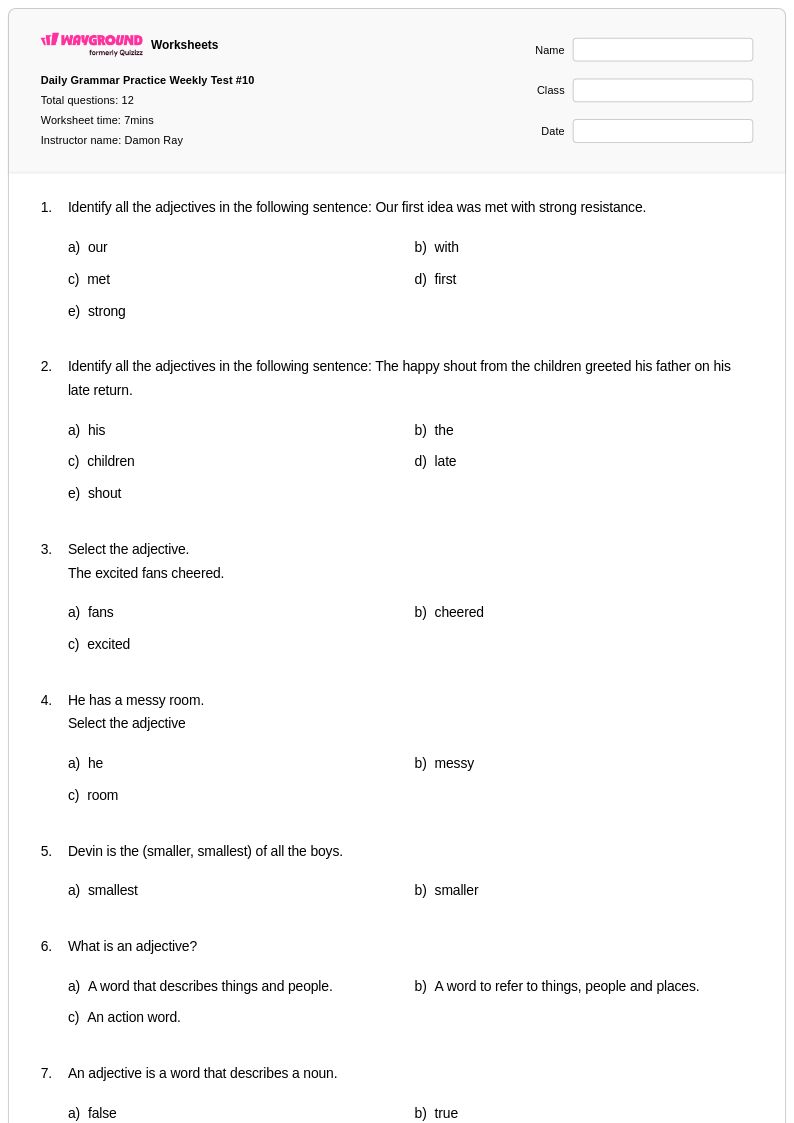
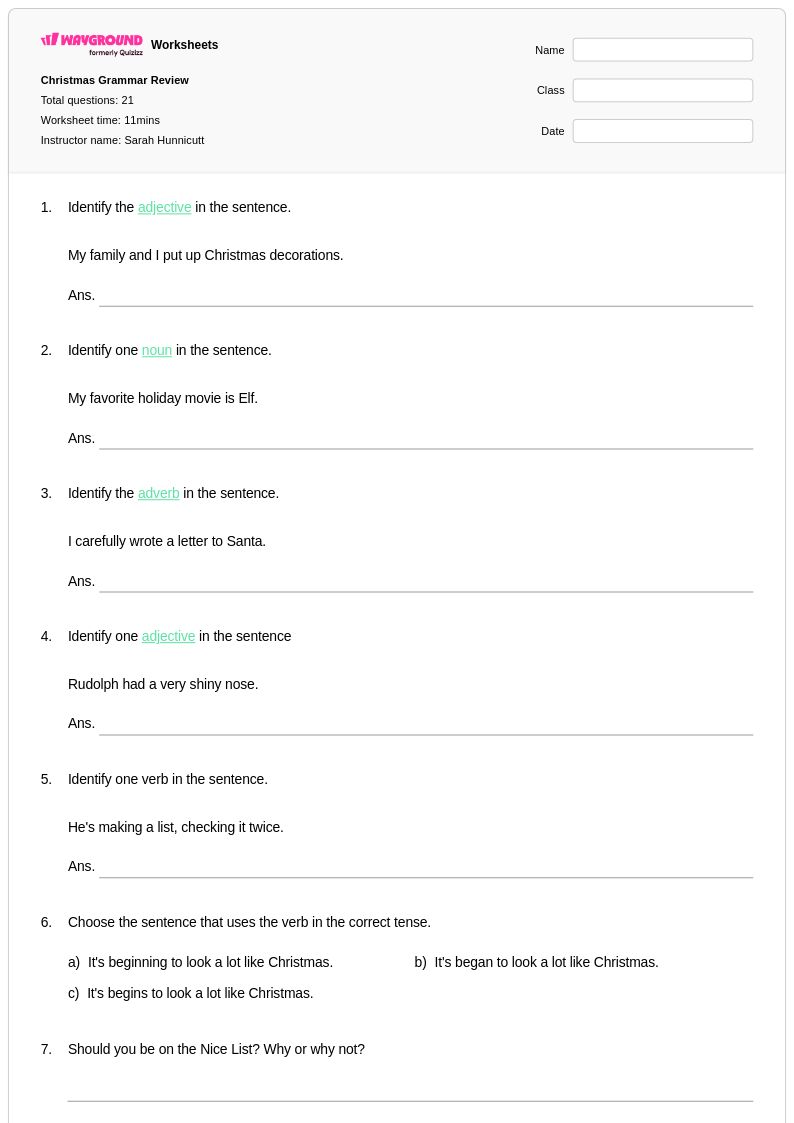
Adjective identification worksheets for kindergarten students through Wayground (formerly Quizizz) provide foundational language arts practice that helps young learners recognize and understand descriptive words in their everyday vocabulary. These carefully designed printables focus on building essential grammar skills by introducing children to adjectives through colorful pictures, simple sentences, and age-appropriate activities that make learning engaging and accessible. Each worksheet includes practice problems that guide students through identifying words that describe colors, sizes, shapes, and feelings, while comprehensive answer keys allow teachers and parents to provide immediate feedback and support. The free pdf resources emphasize visual learning strategies that align perfectly with kindergarten developmental needs, ensuring students can successfully distinguish adjectives from other parts of speech through hands-on practice and repetition.
Wayground's extensive collection of teacher-created adjective identification resources offers educators millions of customizable options to support differentiated instruction in kindergarten classrooms. The platform's robust search and filtering capabilities enable teachers to quickly locate worksheets that match specific learning objectives and student ability levels, while built-in customization tools allow for seamless modification of content to address individual student needs. These standards-aligned materials are available in both printable and digital pdf formats, providing flexibility for classroom instruction, homework assignments, and remediation activities. Teachers can efficiently plan targeted skill practice sessions, create enrichment opportunities for advanced learners, and develop focused intervention strategies using the platform's comprehensive worksheet library, making adjective identification instruction both systematic and adaptable to diverse learning environments.
FAQs
How do I teach adjective identification to students who struggle with parts of speech?
Start by anchoring instruction to the question 'What kind? How many? Which one?' — these three prompts help students zero in on adjective function before worrying about terminology. Use concrete noun phrases like 'the tall, red barn' and have students physically circle or highlight the words that answer those questions. Once students can identify adjectives in isolation, gradually introduce them in full sentences, then in paragraphs, so recognition becomes automatic in context.
What exercises best help students practice identifying adjectives in sentences?
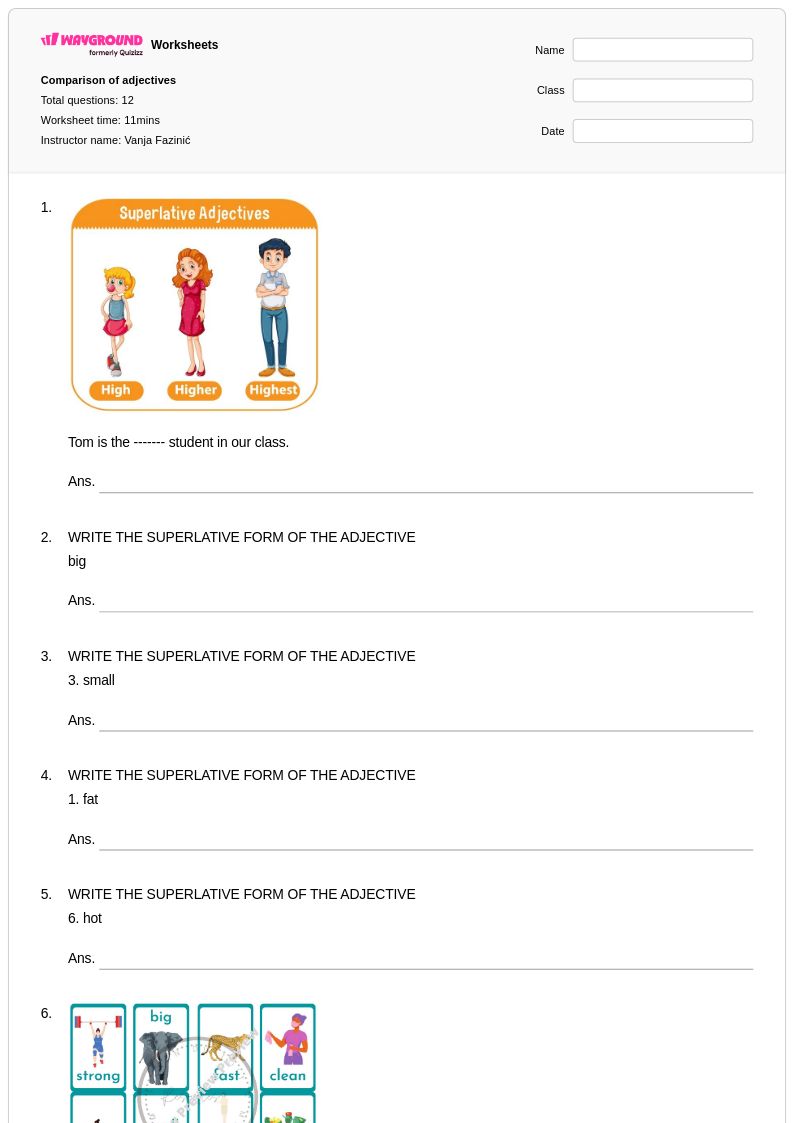
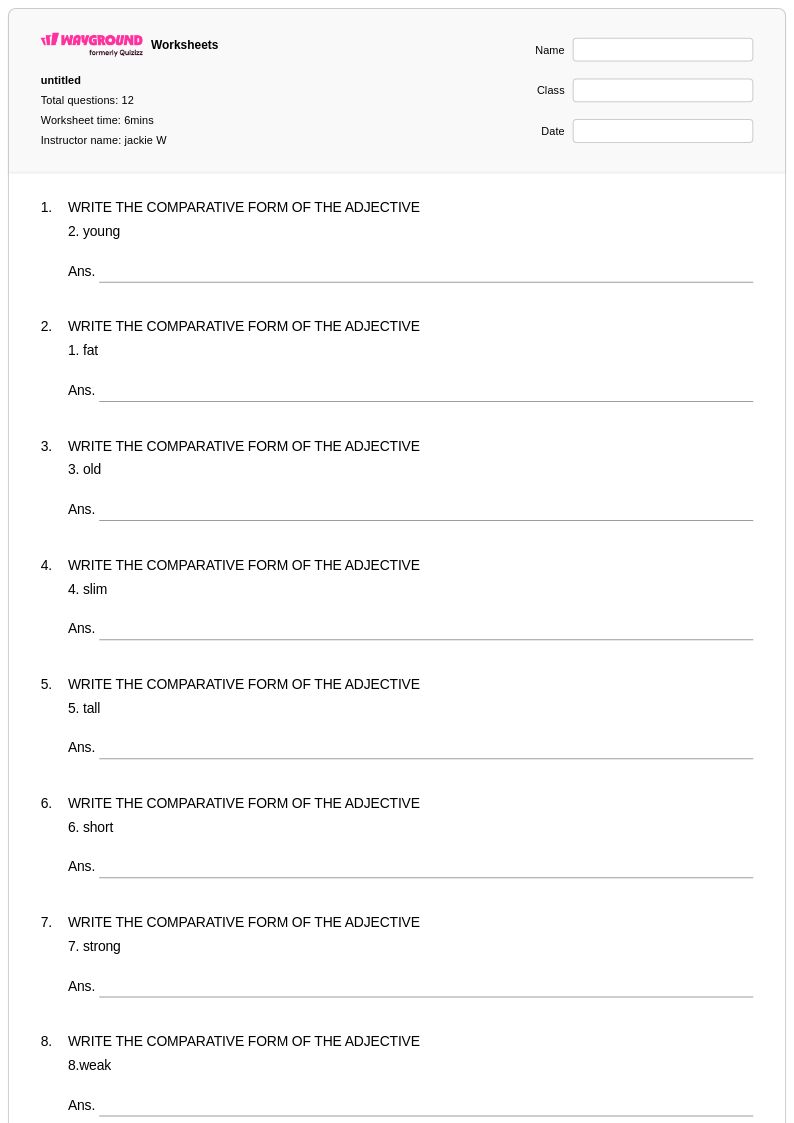
Sentence-level exercises where students underline or label adjectives are the most effective starting point because they build recognition in realistic grammatical context. From there, comparative and superlative sorting tasks (tall, taller, tallest) deepen understanding of adjective forms, while cloze passages — where students select the correct adjective from options — reinforce contextual usage. Progressing from recognition to classification to application ensures students develop flexible, transferable grammar skills.
What are the most common mistakes students make when identifying adjectives?
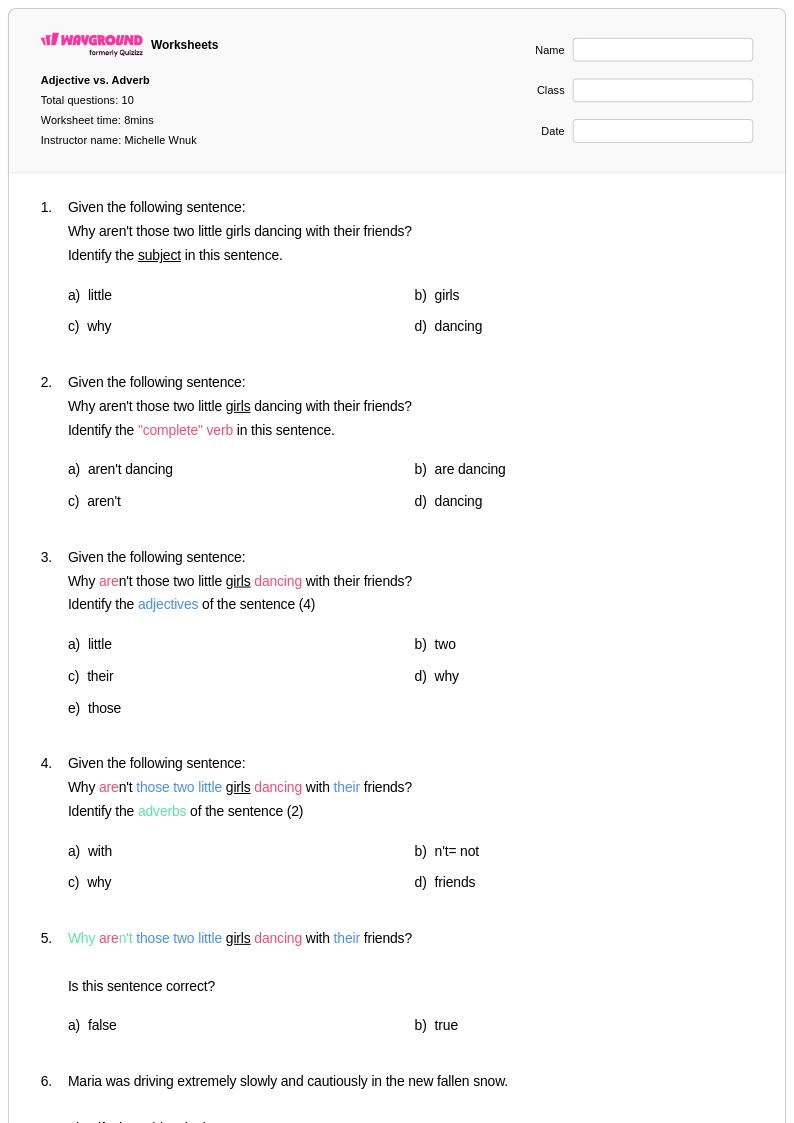
The most frequent error is confusing adjectives with adverbs, particularly when students encounter words ending in '-ly' or words that can function as either part of speech depending on context. Students also frequently misidentify articles (a, an, the) as adjectives or overlook proper adjectives (French, Shakespearean) because they associate adjectives only with descriptive qualities. A targeted misconception is treating predicate adjectives as part of the verb phrase rather than recognizing them as modifiers linked back to the subject.
How can I differentiate adjective identification practice for students at different skill levels?
For emerging learners, reduce cognitive load by working with short, simple noun phrases before moving to full sentences. Advanced students can be challenged with tasks involving comparative and superlative forms, proper adjectives, and analysis of how adjective choice affects tone and meaning in authentic texts. On Wayground, teachers can apply reduced answer choices for students who need additional support, while other students receive standard question sets — all within the same assignment and without singling anyone out.
How do I use Wayground's adjective identification worksheets in my classroom?
Wayground's adjective identification worksheets are available as printable PDFs for traditional pen-and-paper practice and in digital formats for technology-integrated classrooms, so teachers can deploy them however their environment requires. Teachers can also host worksheets as a live quiz directly on Wayground, which allows for real-time progress monitoring and immediate feedback. Each worksheet includes a complete answer key, making them practical for independent practice, homework assignments, or targeted grammar review sessions.
How do adjective identification skills connect to broader writing development?
Students who can accurately identify adjectives in texts are better equipped to make intentional word choices in their own writing, because they understand how descriptive language functions grammatically. Recognizing adjective placement and function helps students vary sentence structure, avoid redundancy, and use modifiers with precision rather than guesswork. In practice, adjective identification instruction serves as a gateway to teaching students how strong word choice creates clarity, specificity, and voice in writing.