
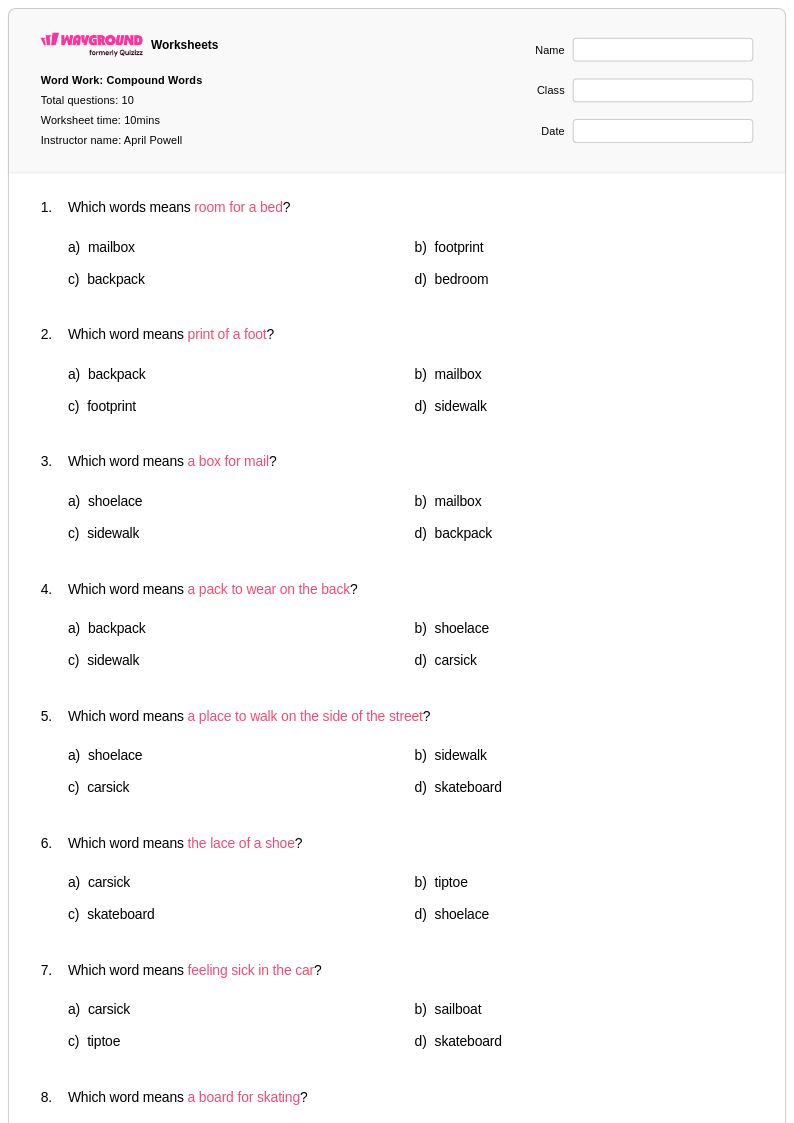
10 Q
3rd
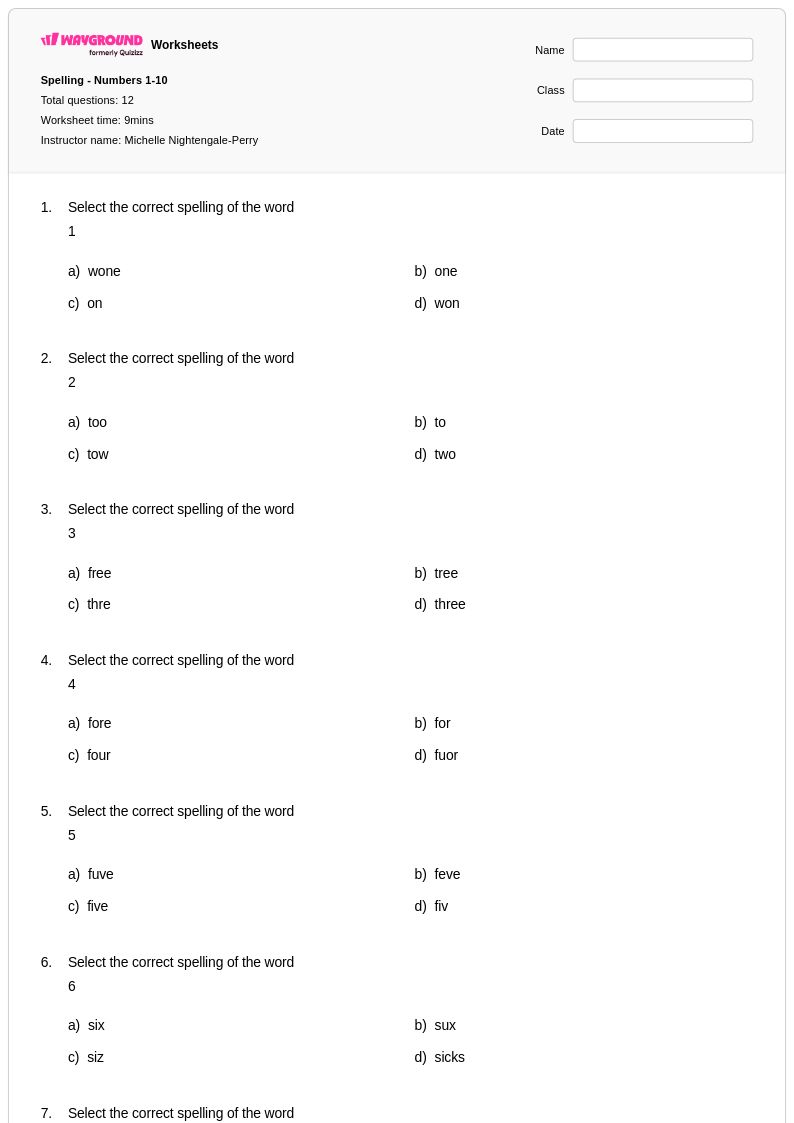
12 Q
3rd - 5th
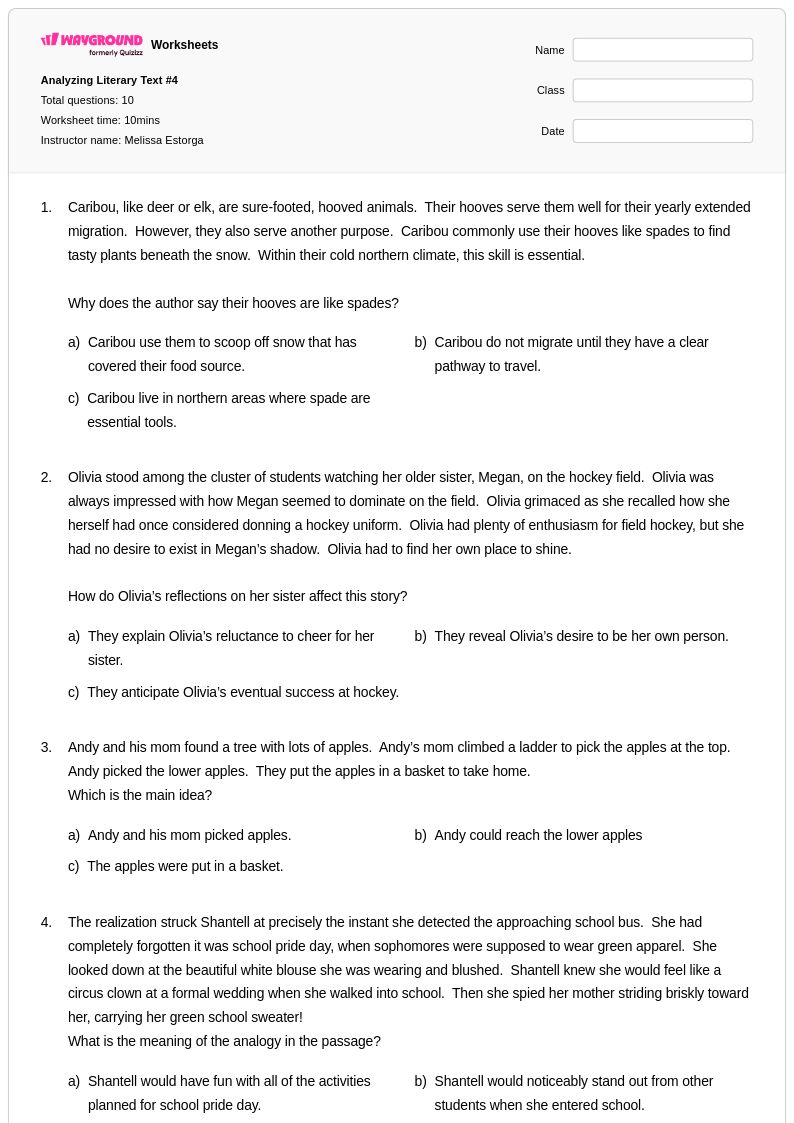
10 Q
3rd - 9th
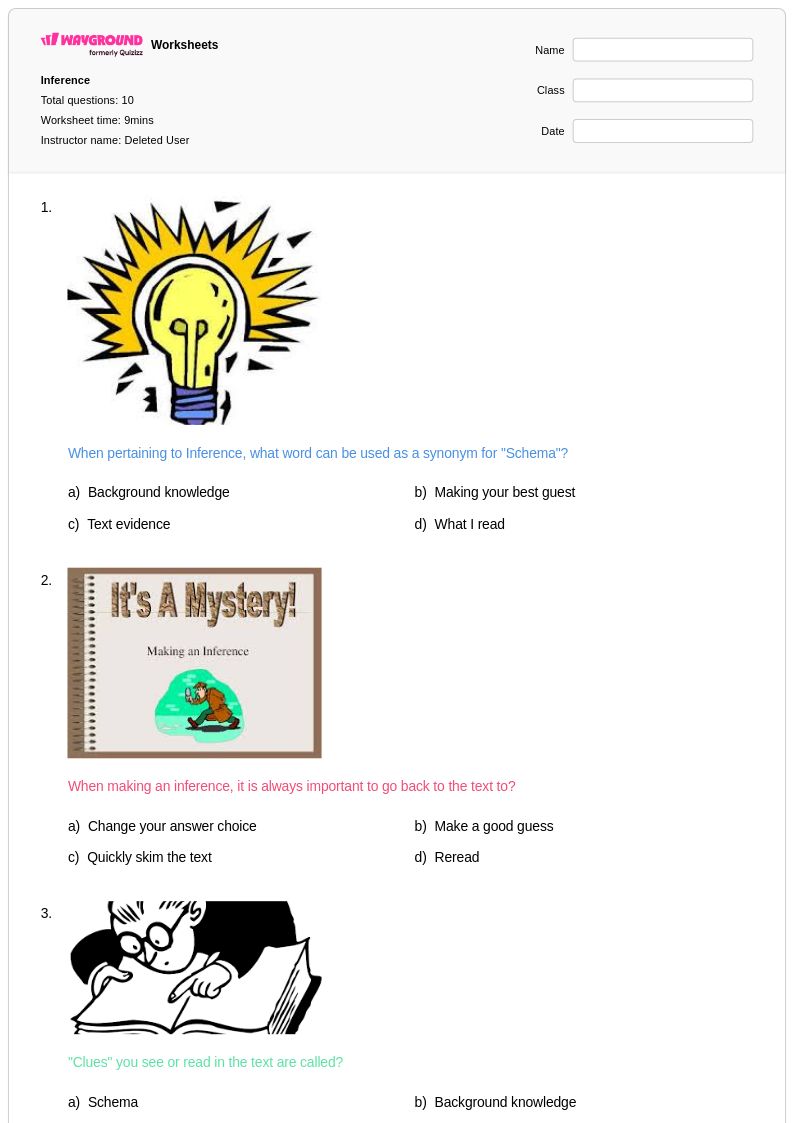
10 Q
3rd - 6th
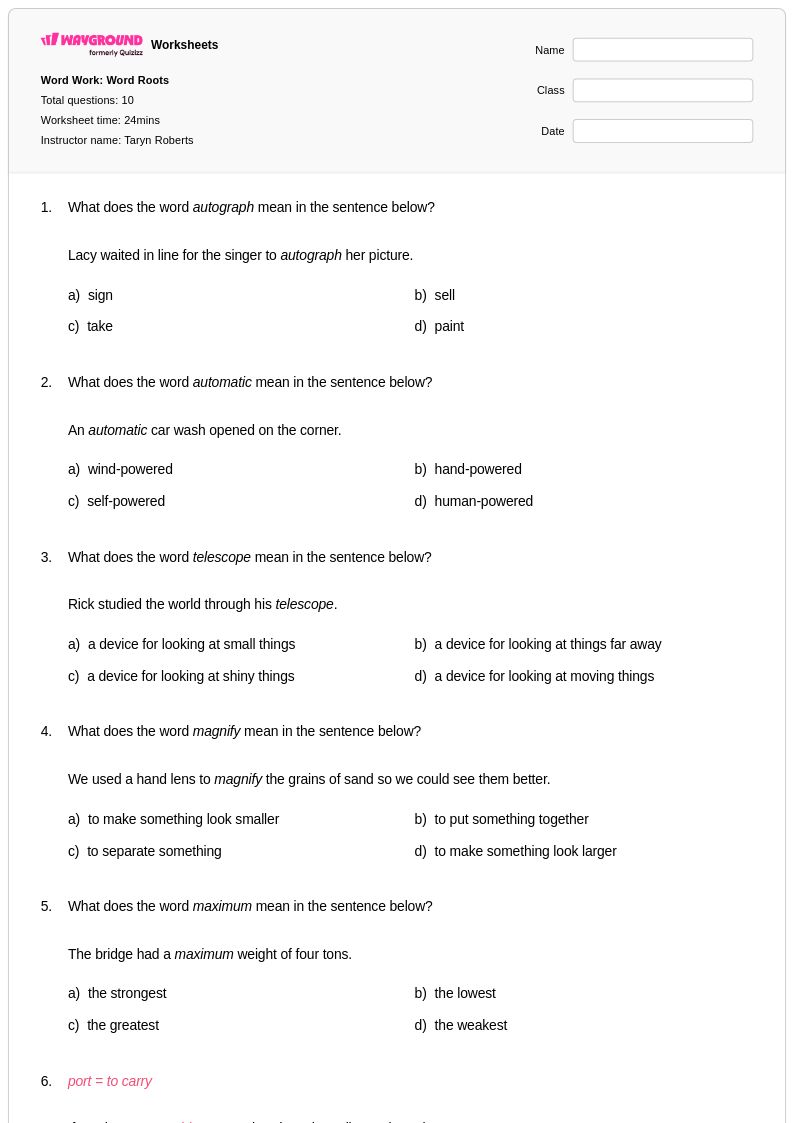
10 Q
3rd - 5th
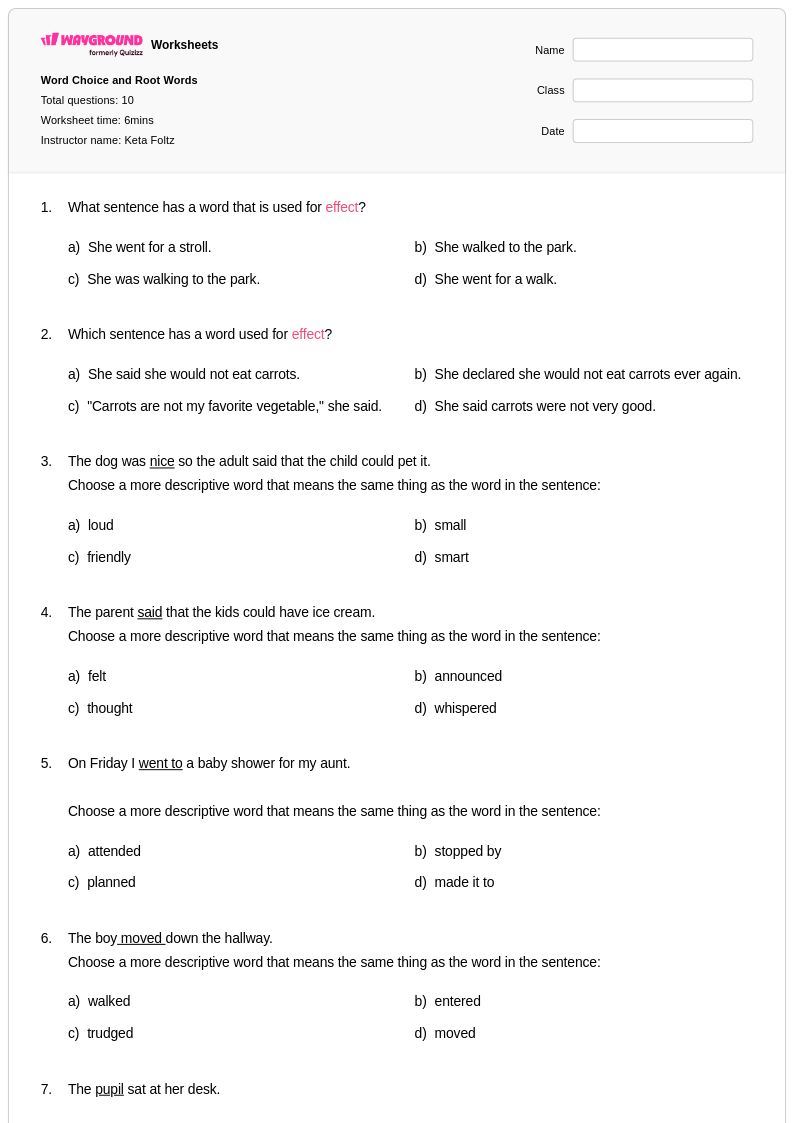
10 Q
3rd
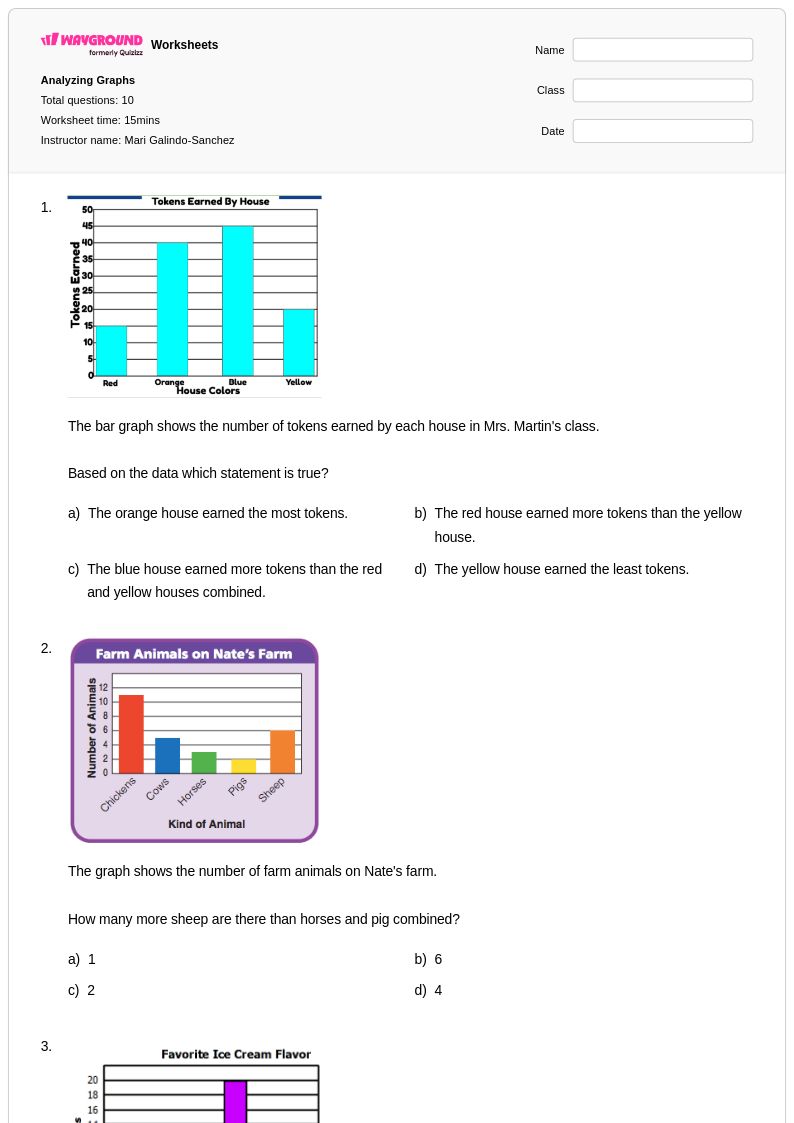
10 Q
2nd - 3rd
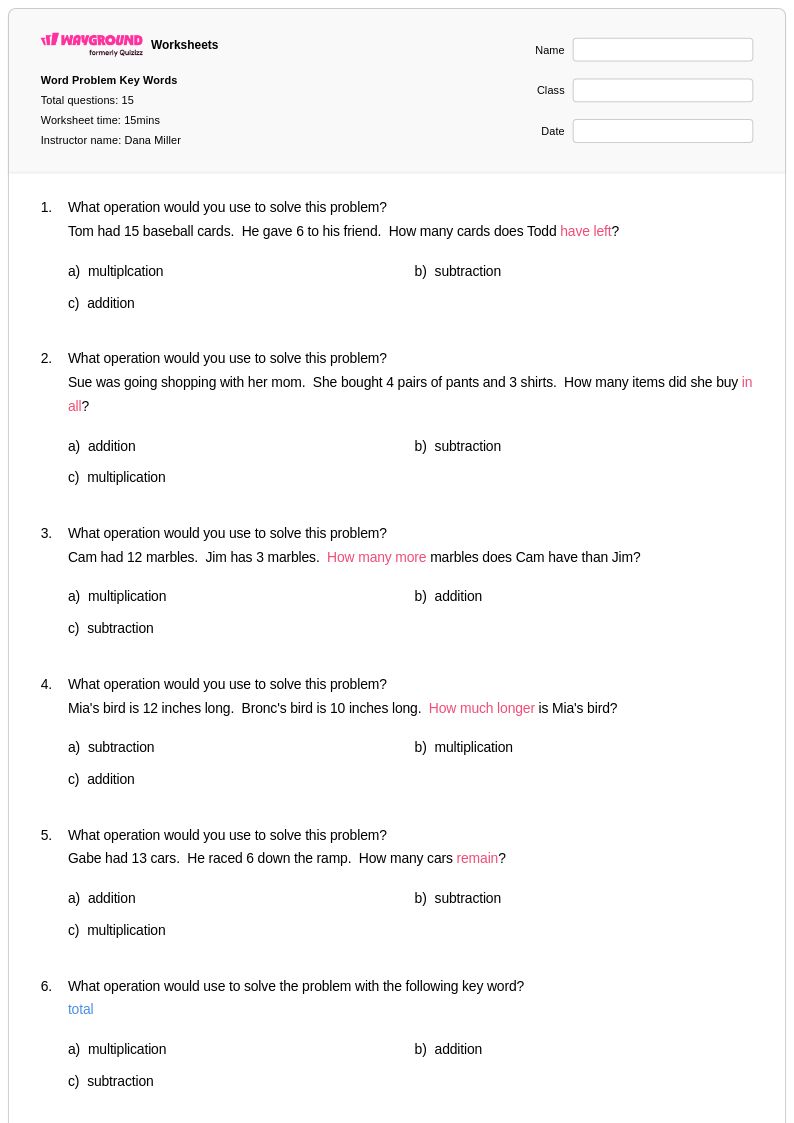
15 Q
2nd - 3rd
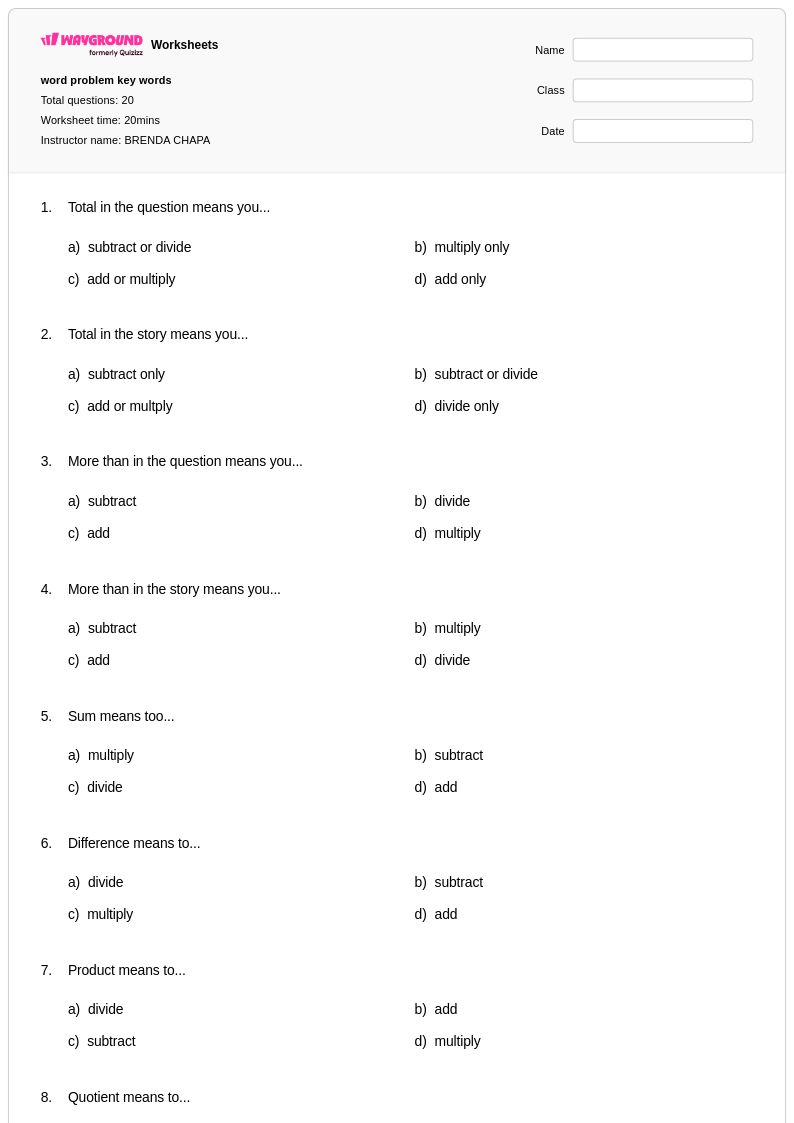
20 Q
3rd - 4th
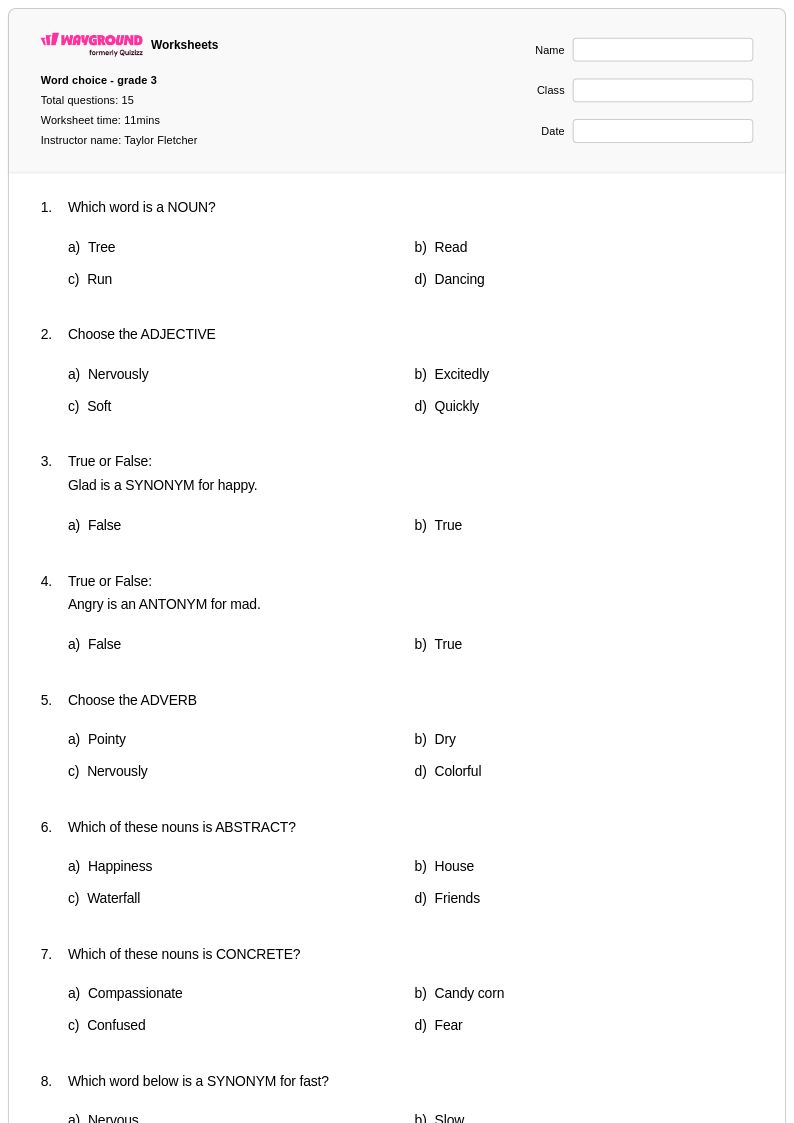
15 Q
3rd
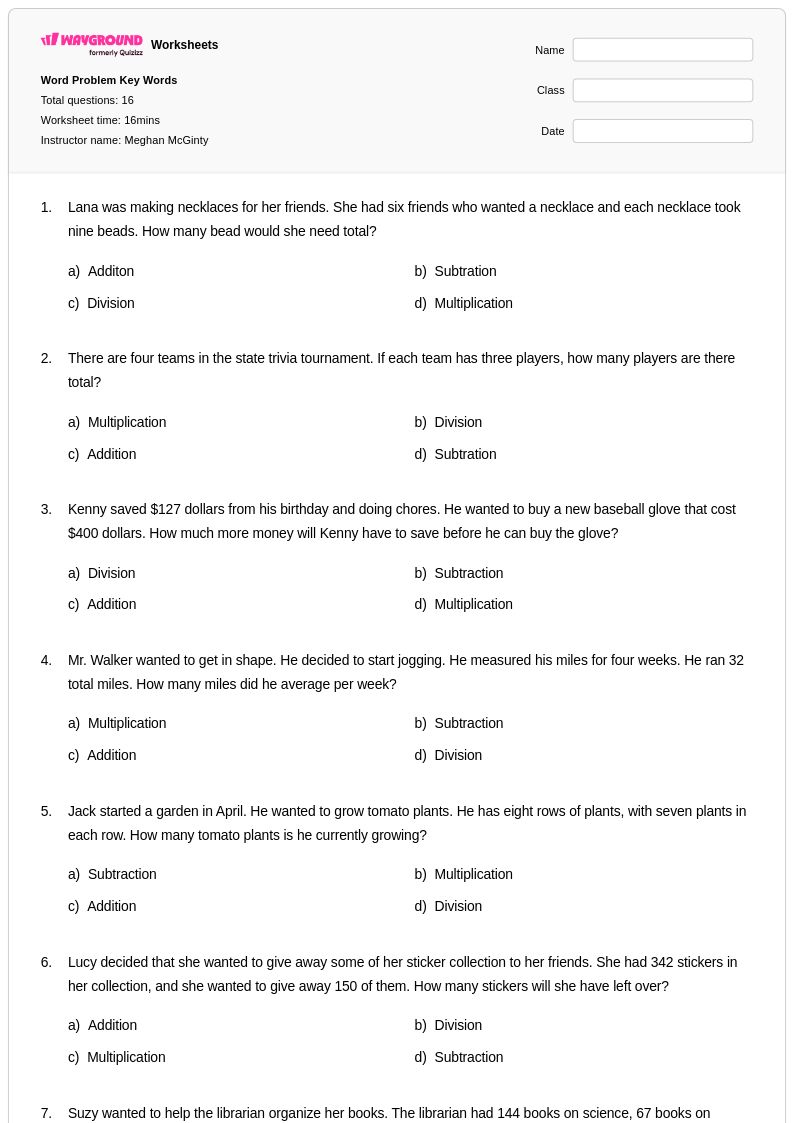
16 Q
3rd
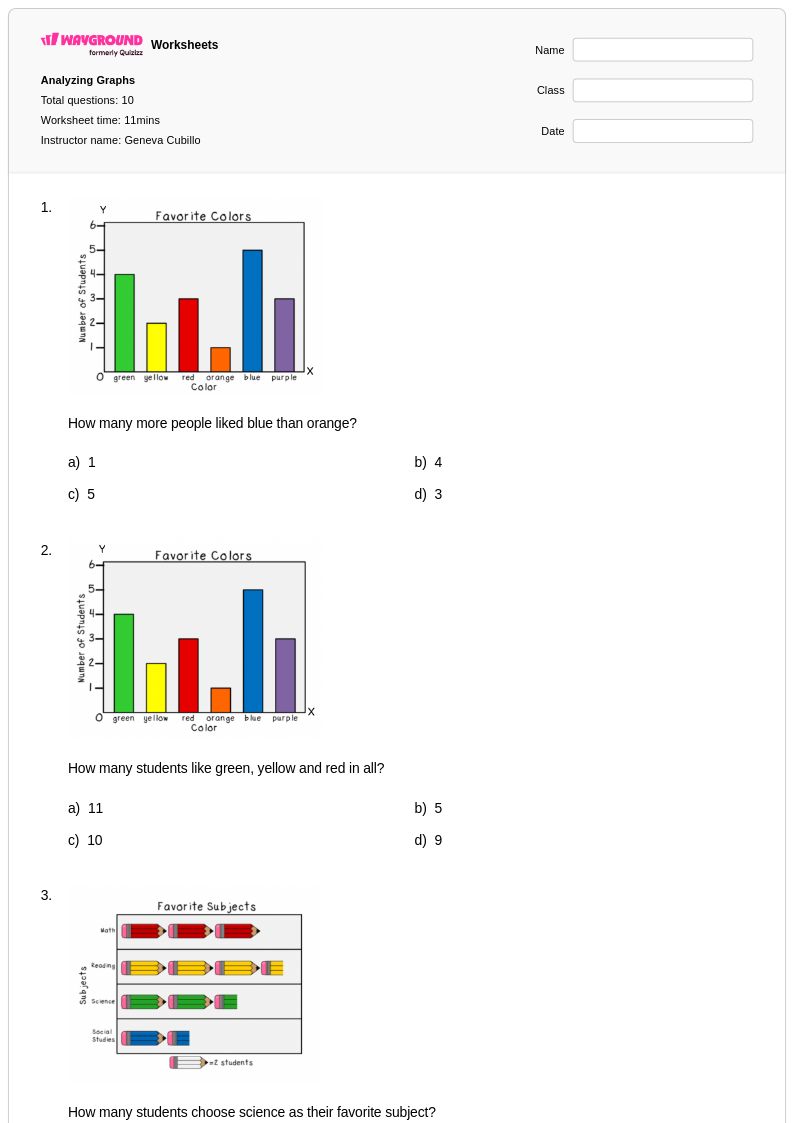
10 Q
3rd
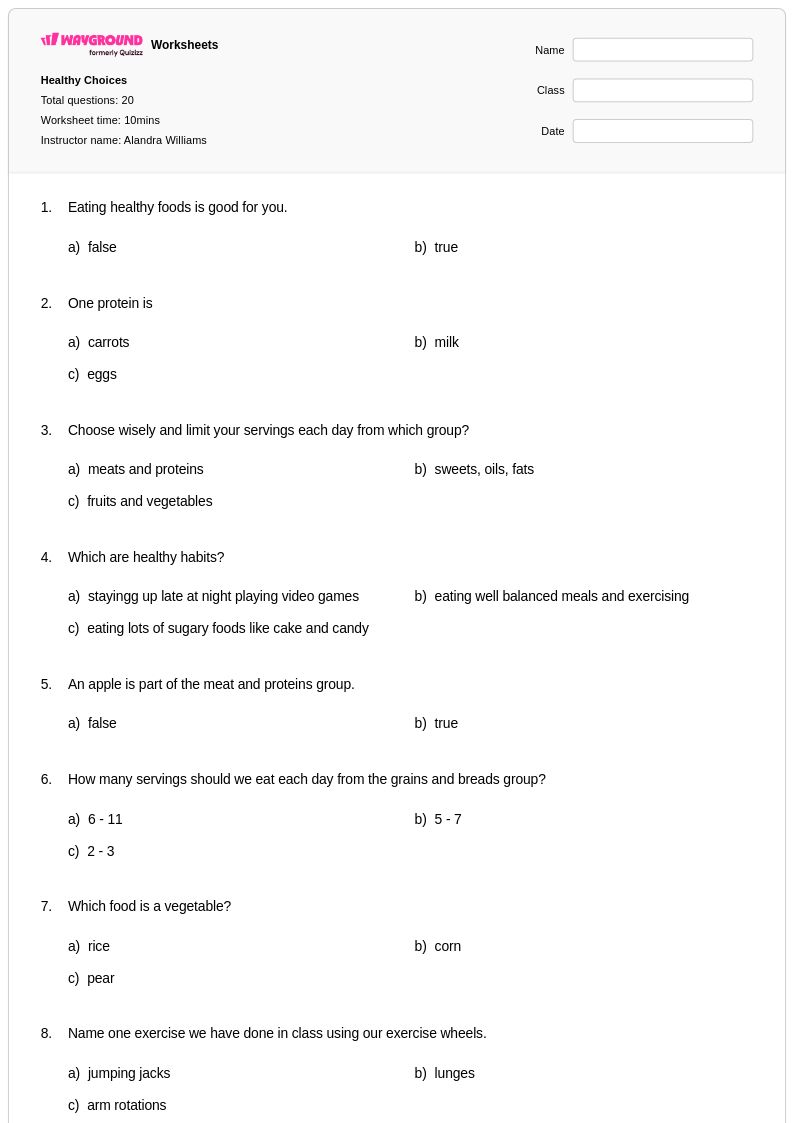
20 Q
2nd - 3rd
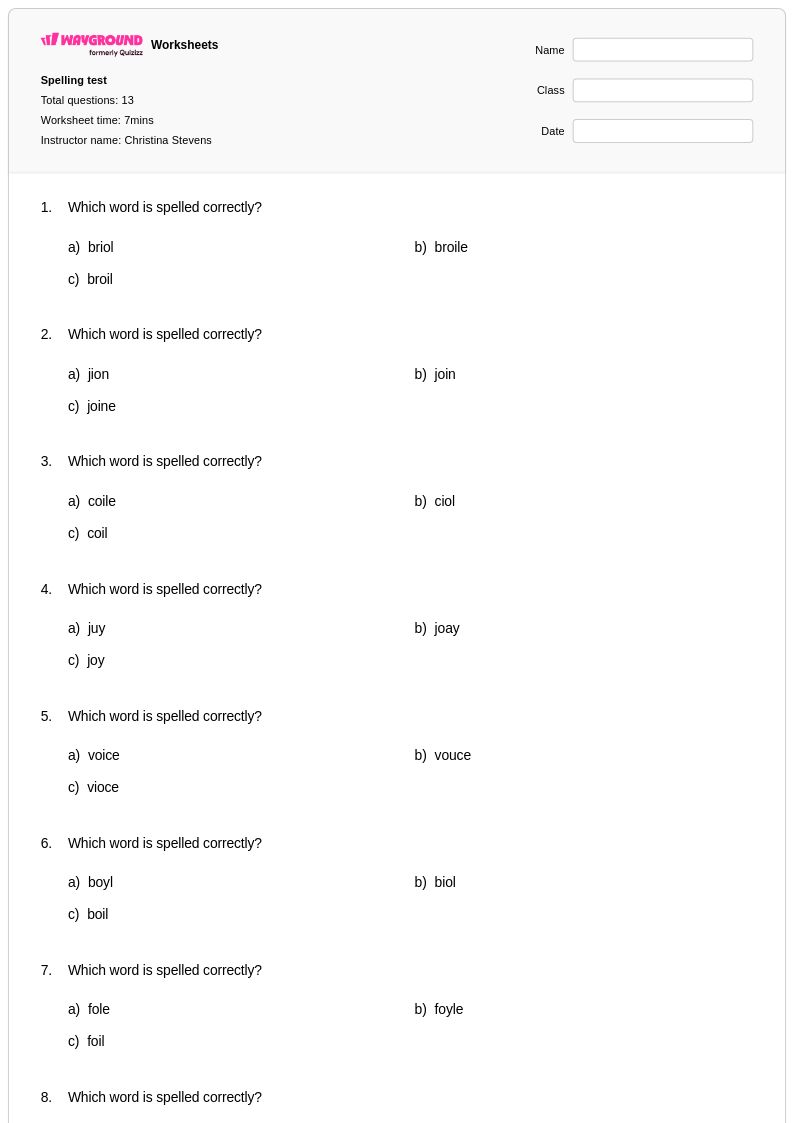
13 Q
3rd
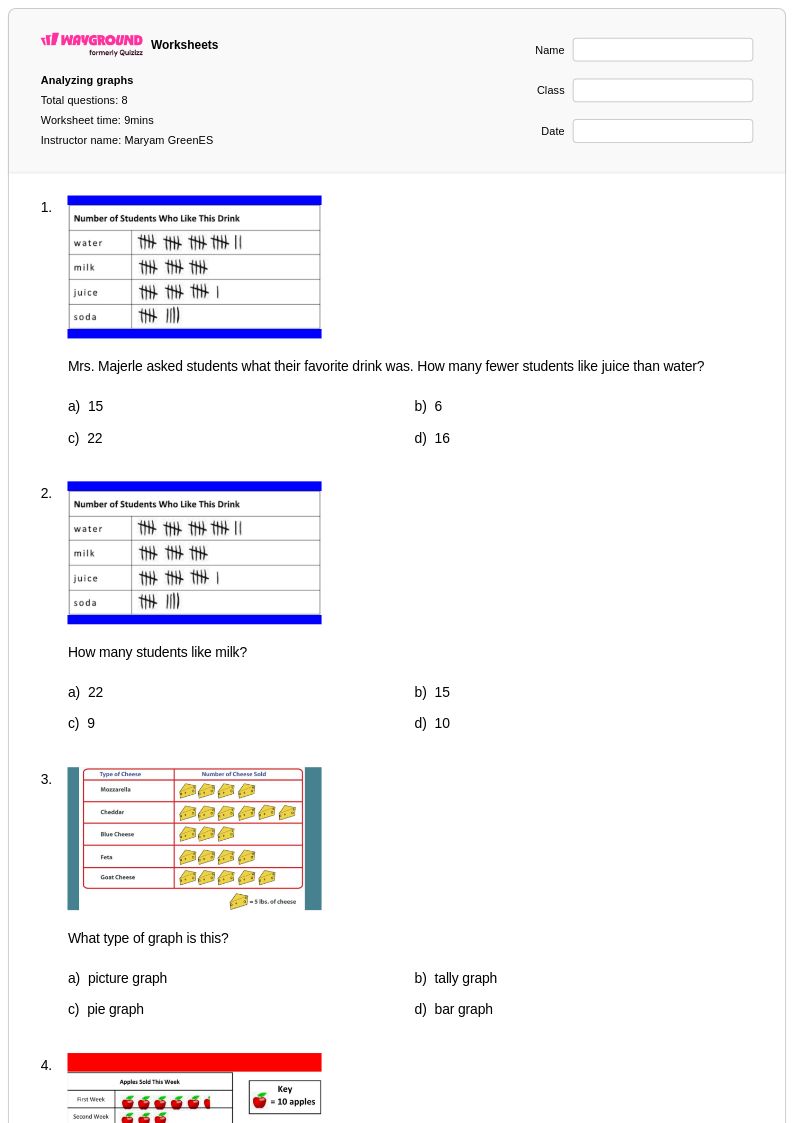
8 Q
3rd - 4th
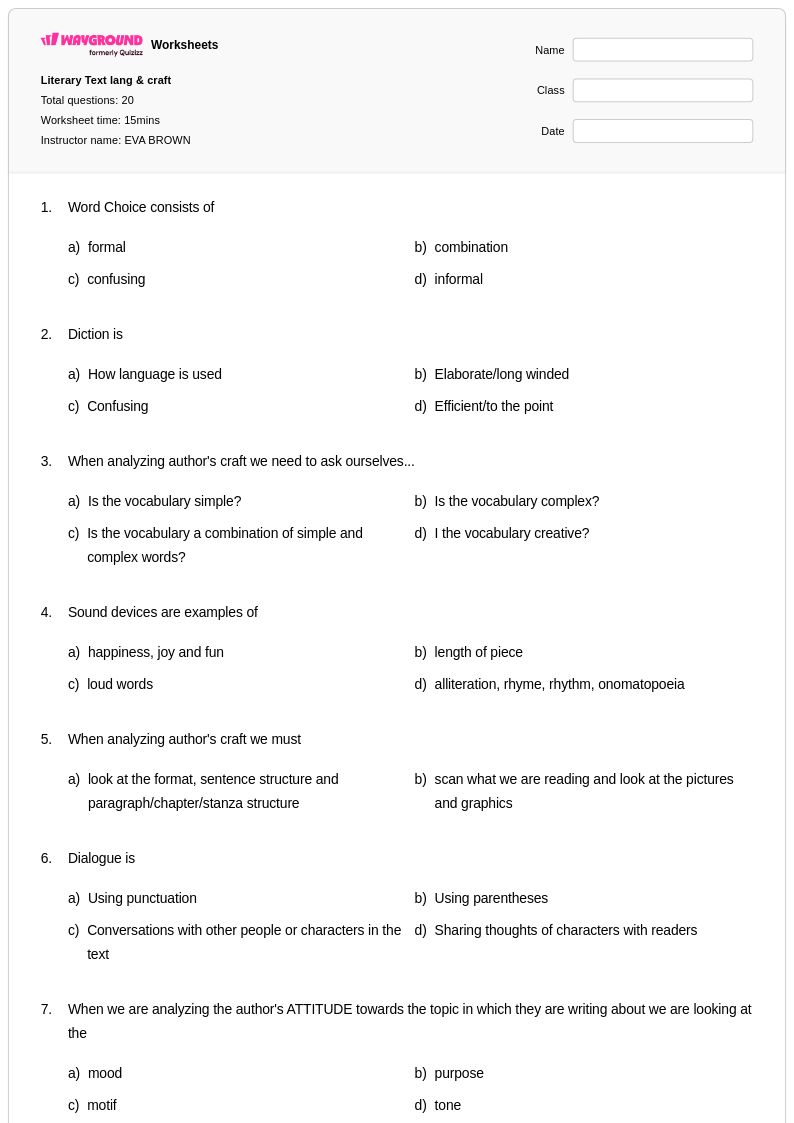
20 Q
3rd - 5th
10 Q
3rd - 5th
10 Q
1st - 3rd
14 Q
3rd - 12th
20 Q
3rd - 5th
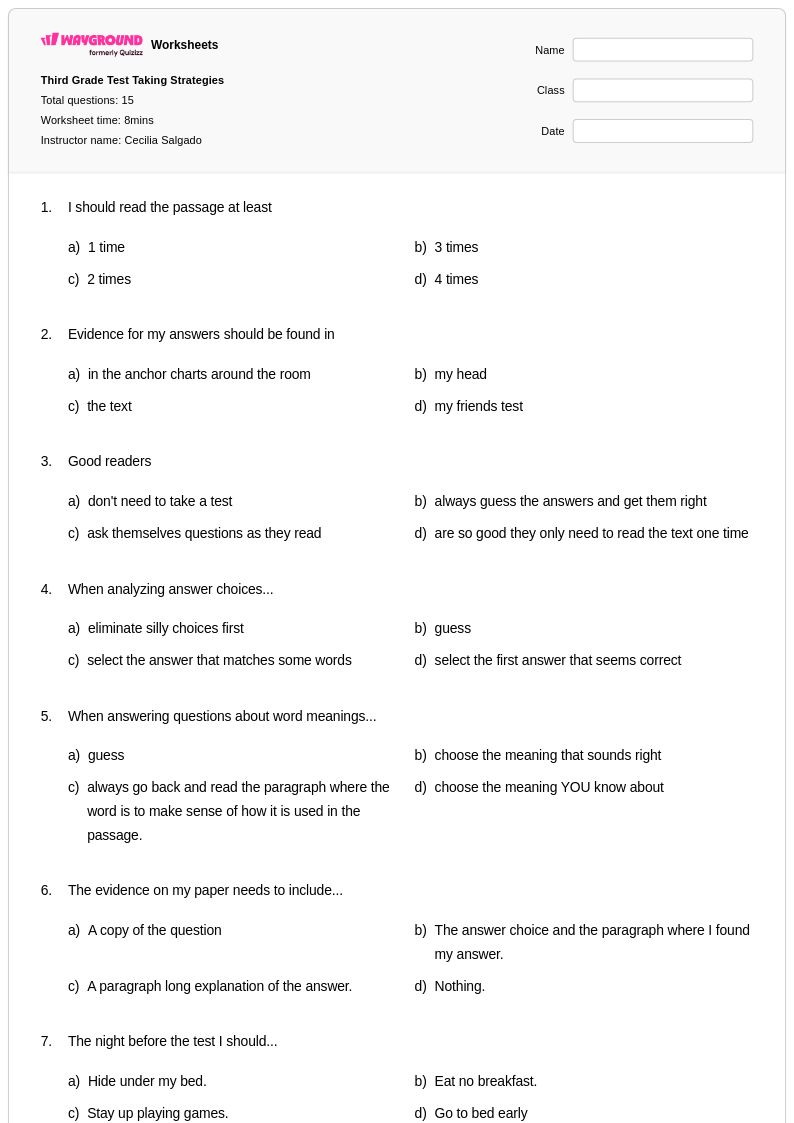
15 Q
3rd
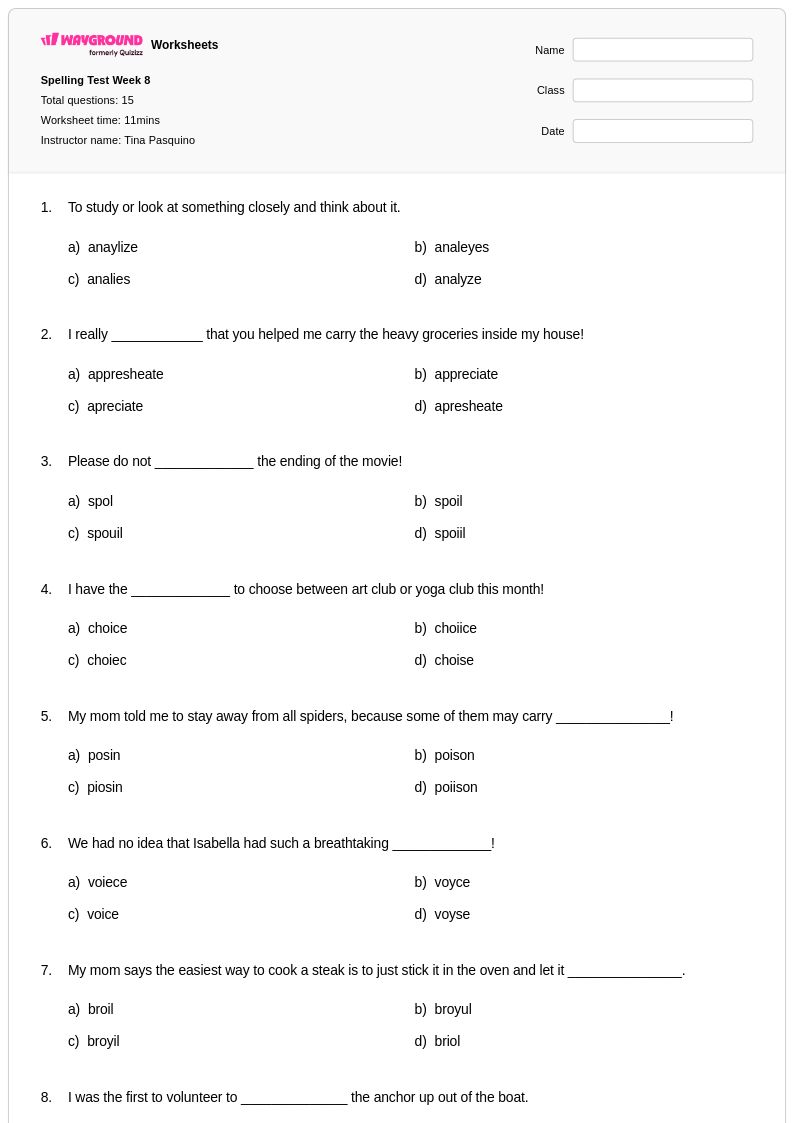
15 Q
3rd
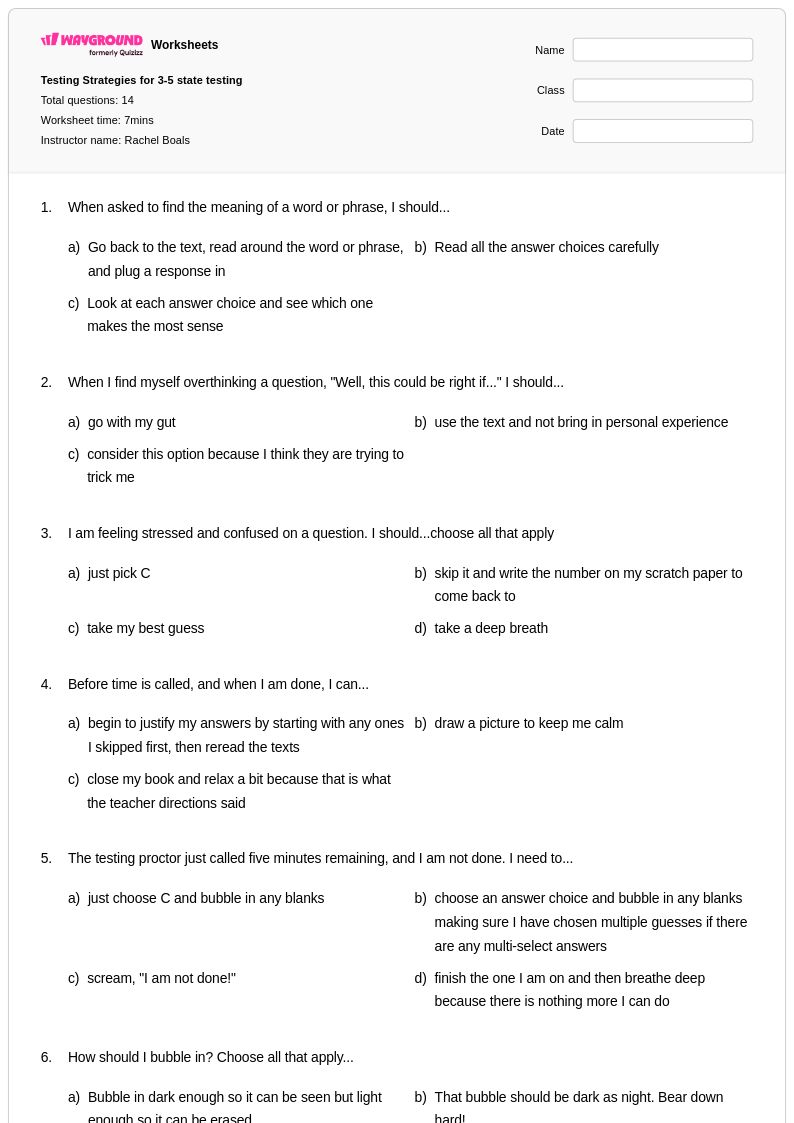
14 Q
3rd - 5th
7 Q
3rd
Explore Analyzing Word Choice Worksheets by Grades
Explore Other Subject Worksheets for class 3
Explore printable Analyzing Word Choice worksheets for Class 3
Analyzing word choice worksheets for Class 3 students through Wayground (formerly Quizizz) provide essential practice in understanding how authors deliberately select specific words to convey meaning, emotion, and tone in their writing. These carefully designed printables help third-grade students develop critical thinking skills by examining why writers choose particular words over alternatives, how descriptive language creates vivid imagery, and the way word choice influences a reader's understanding and feelings about a text. Each worksheet includes varied practice problems that guide students through analyzing adjectives, verbs, and descriptive phrases, with comprehensive answer key materials provided to support both independent work and guided instruction. These free resources strengthen students' ability to think beyond basic comprehension and develop sophisticated reading analysis skills essential for academic success.
Wayground (formerly Quizizz) supports educators with an extensive collection of millions of teacher-created resources specifically designed for word choice analysis instruction at the Class 3 level. The platform's robust search and filtering capabilities allow teachers to quickly locate materials aligned with reading comprehension standards, while differentiation tools enable customization based on individual student needs and learning objectives. These worksheet collections are available in both printable pdf formats for traditional classroom use and digital formats for technology-enhanced learning environments, providing flexibility for various teaching situations. Teachers can effectively utilize these resources for targeted skill practice, remediation support for struggling readers, enrichment opportunities for advanced students, and comprehensive lesson planning that builds students' analytical reading abilities progressively throughout the academic year.