
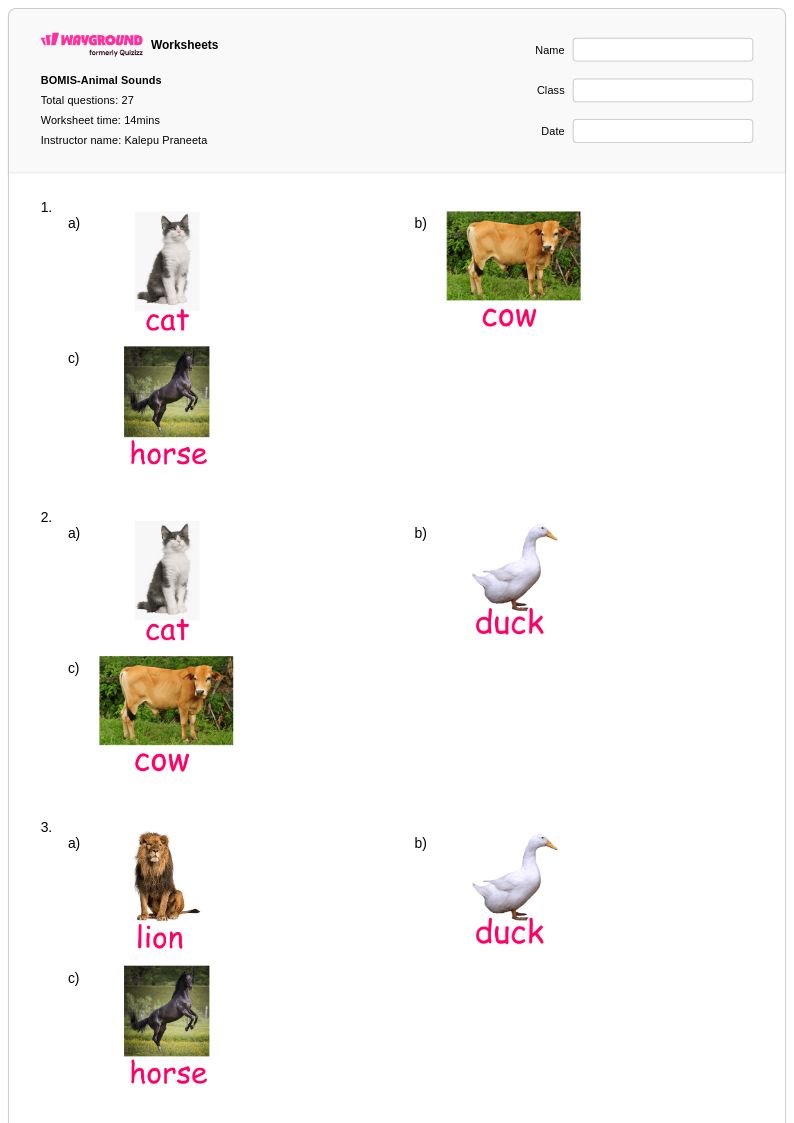
27 คิว
KG - 2nd
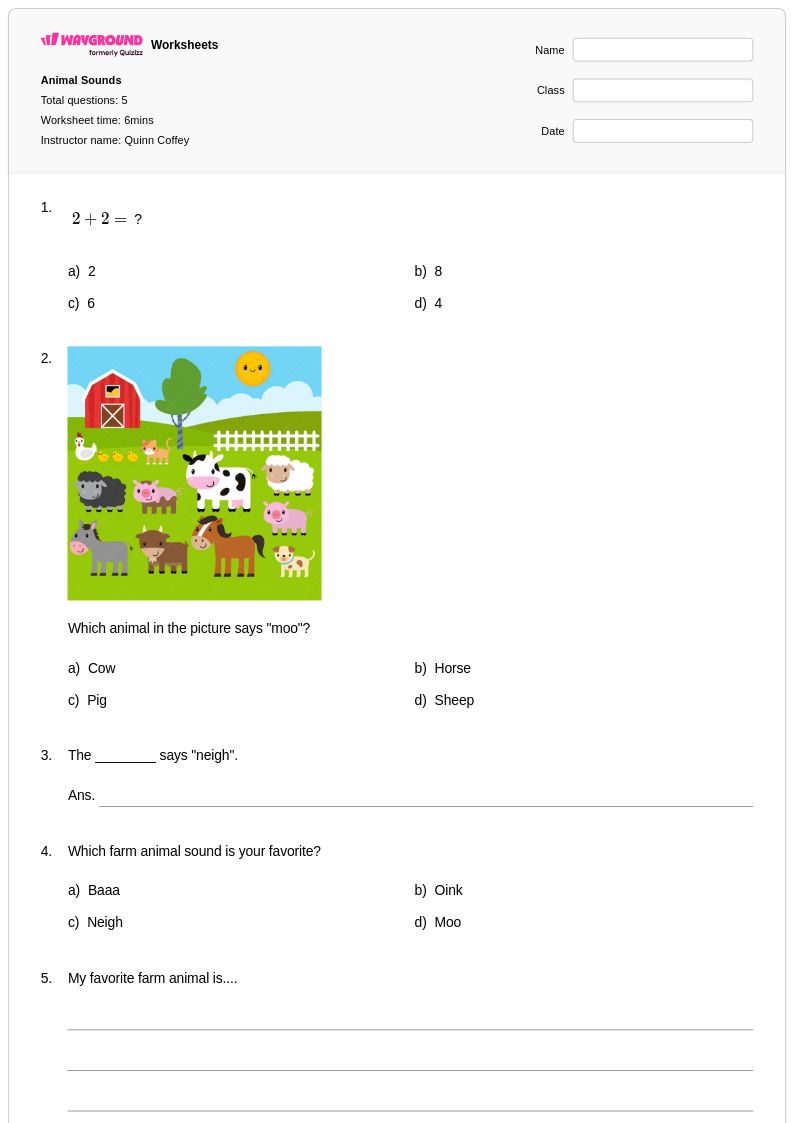
5 คิว
KG - 2nd
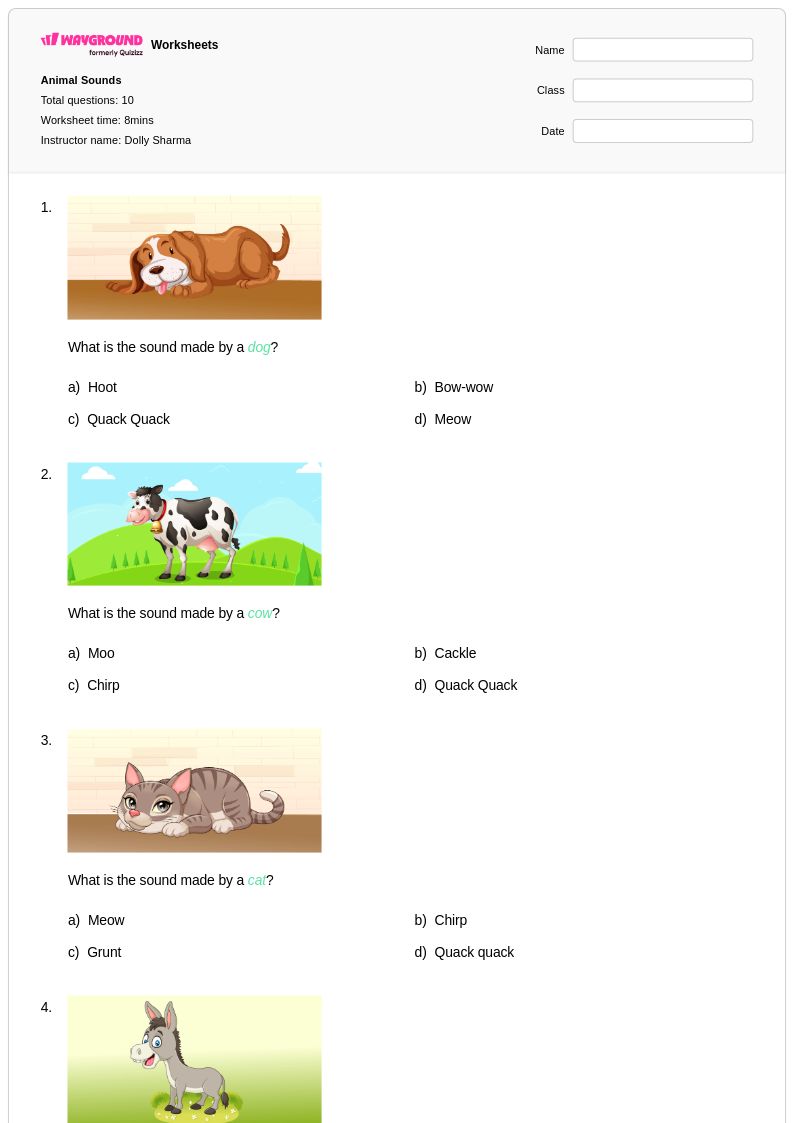
10 คิว
2nd
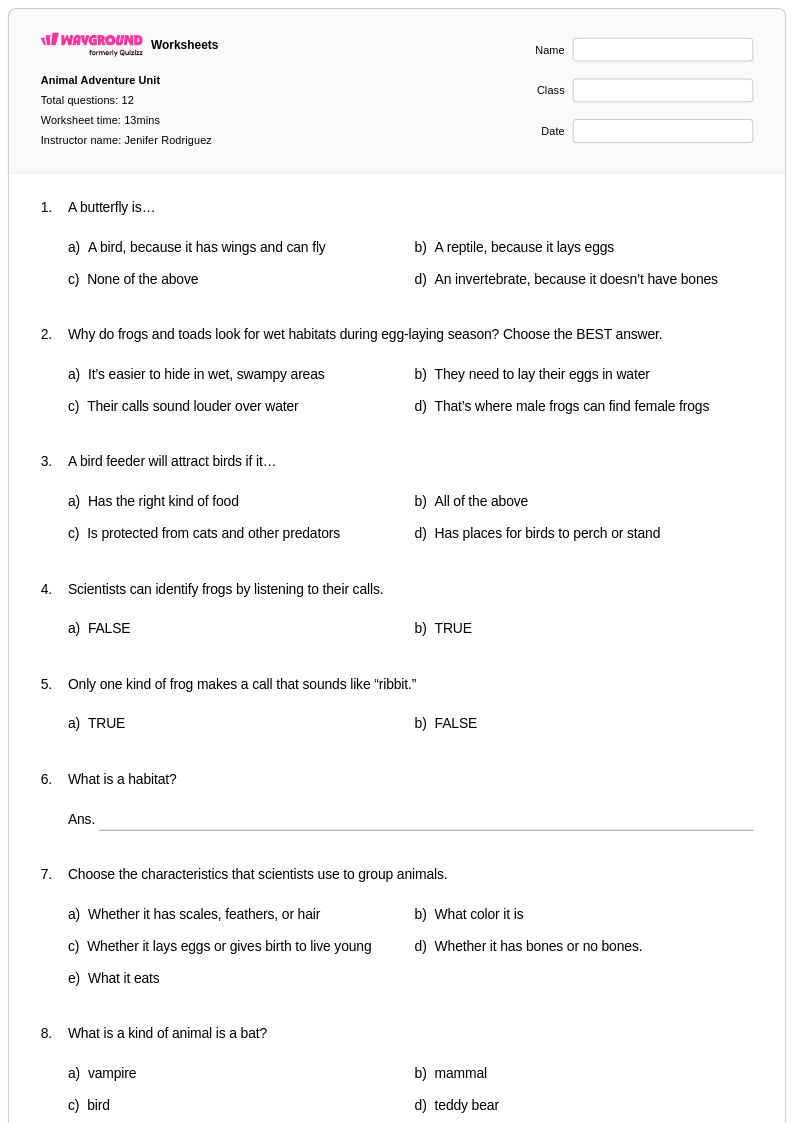
12 คิว
2nd
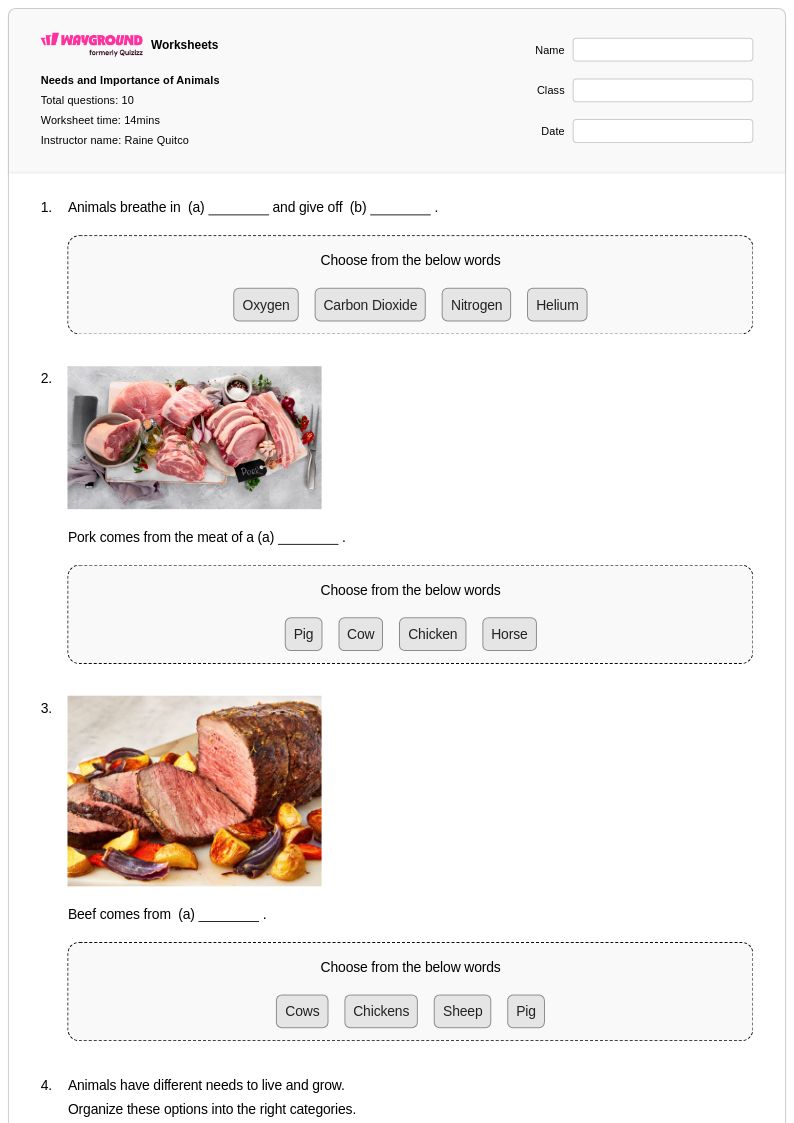
10 คิว
2nd
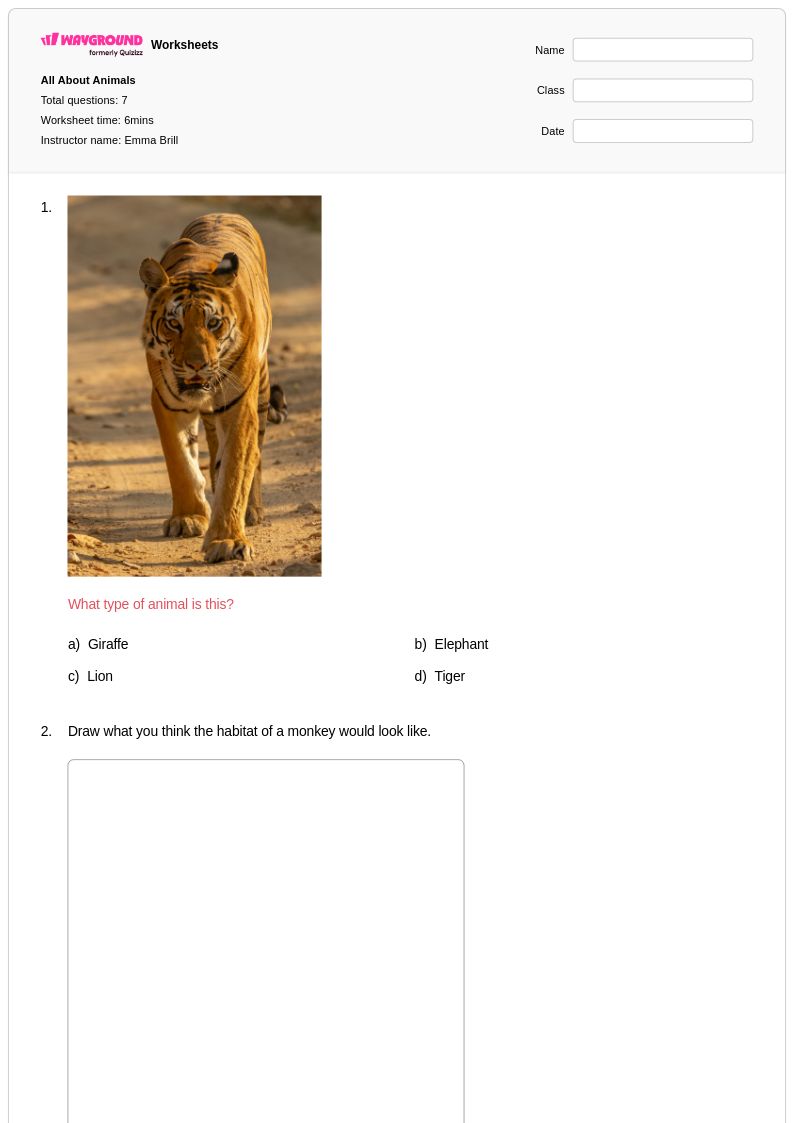
7 คิว
1st - 3rd
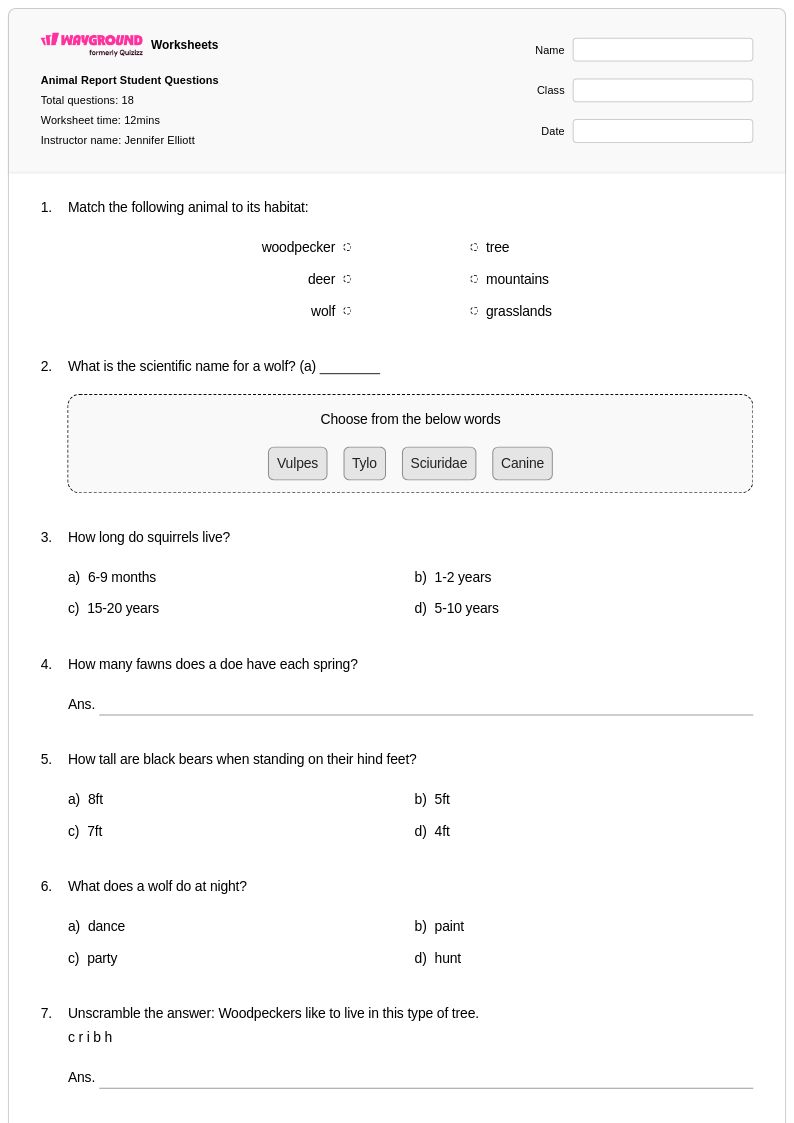
18 คิว
2nd
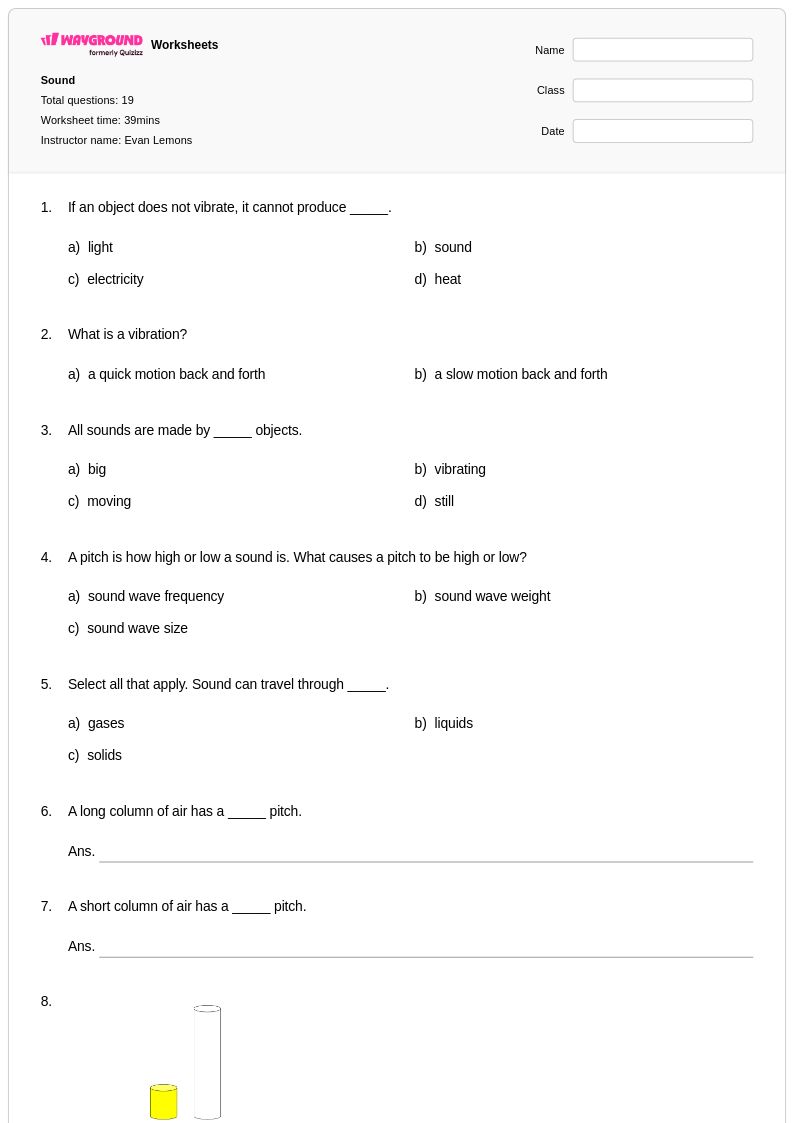
19 คิว
2nd
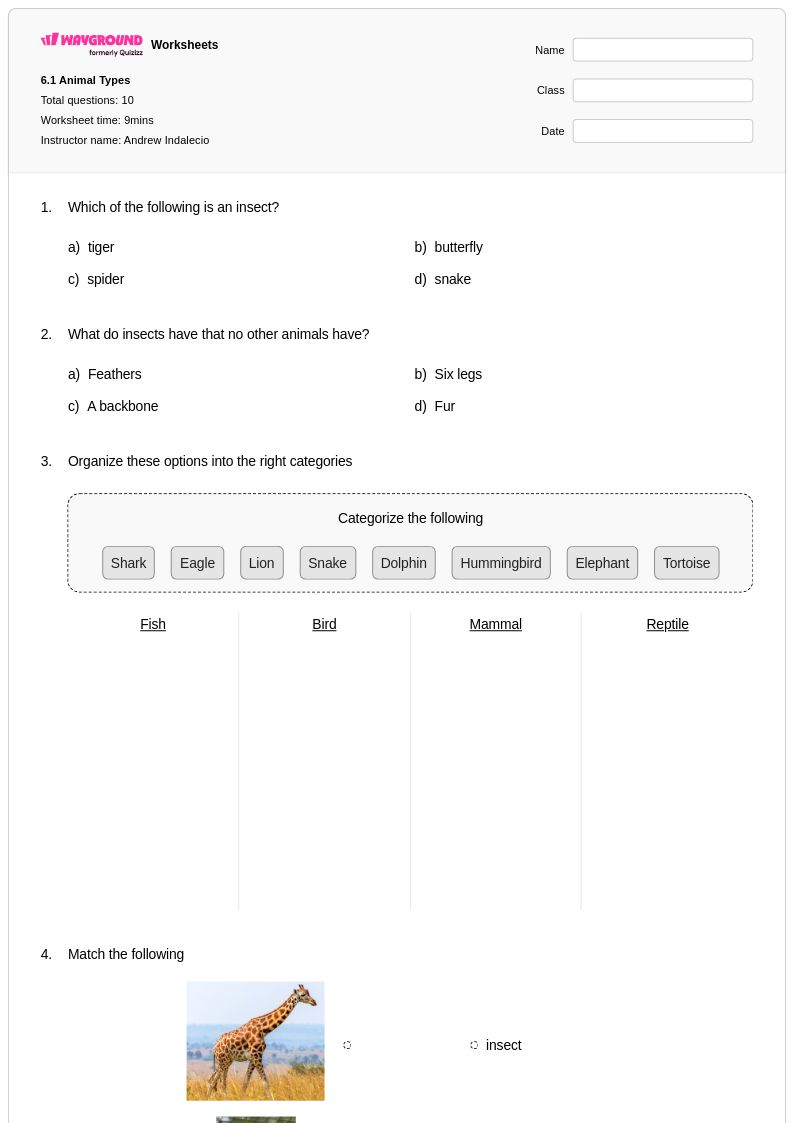
10 คิว
2nd
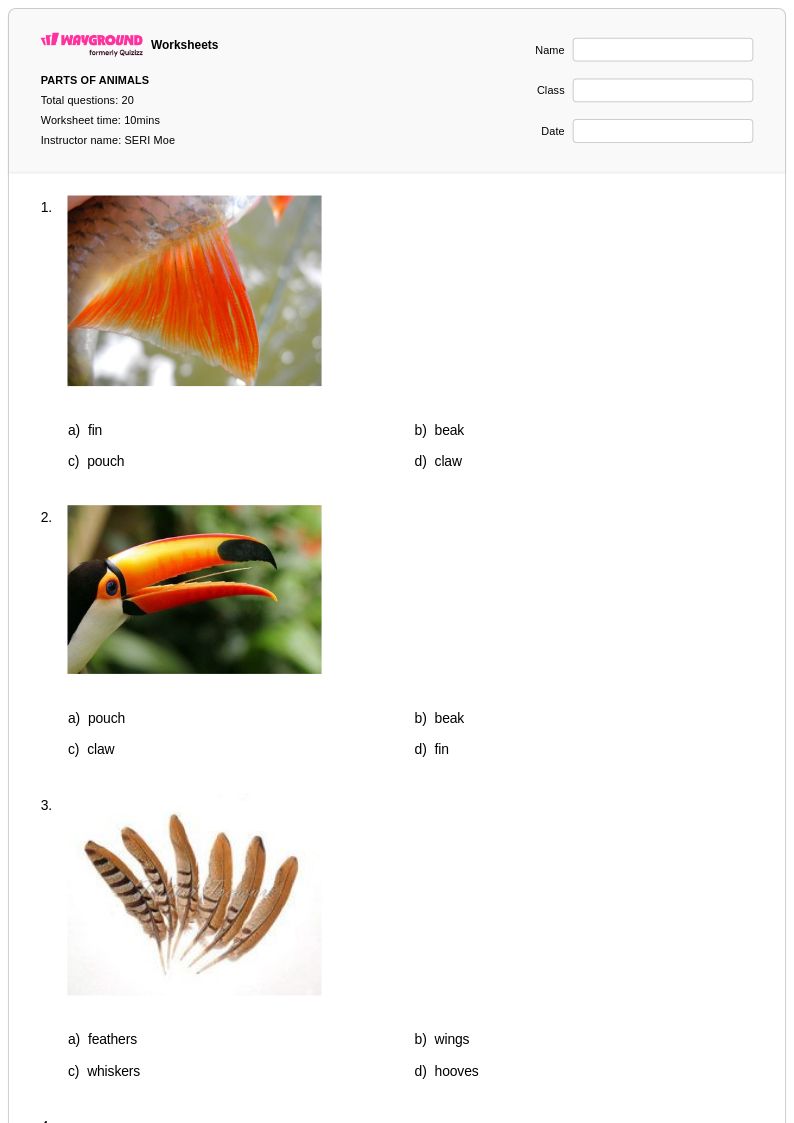
20 คิว
1st - 2nd
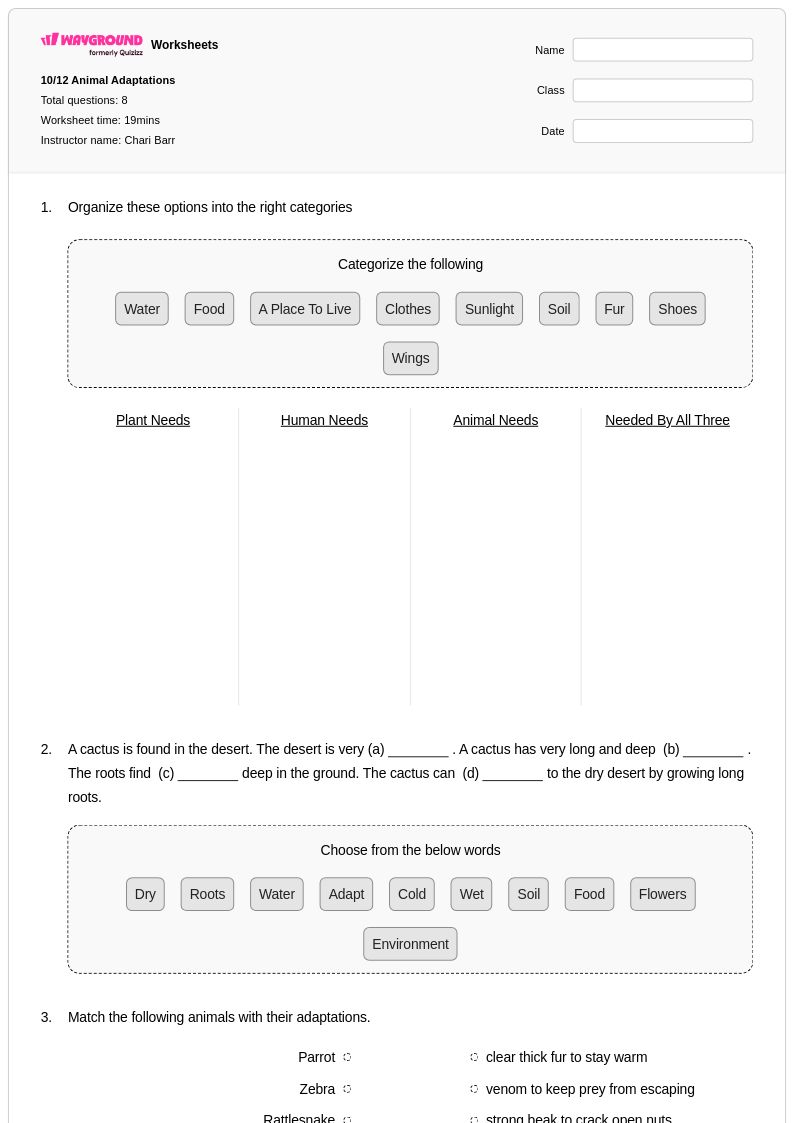
8 คิว
2nd
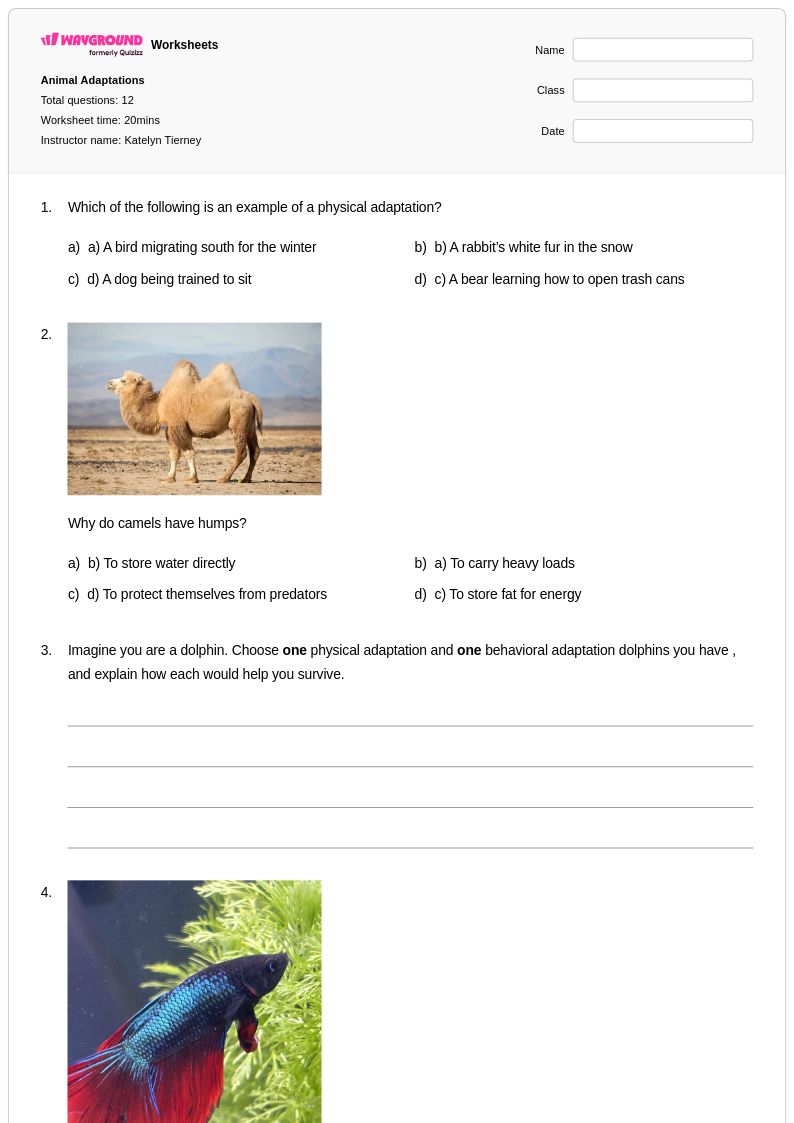
13 คิว
1st - 5th
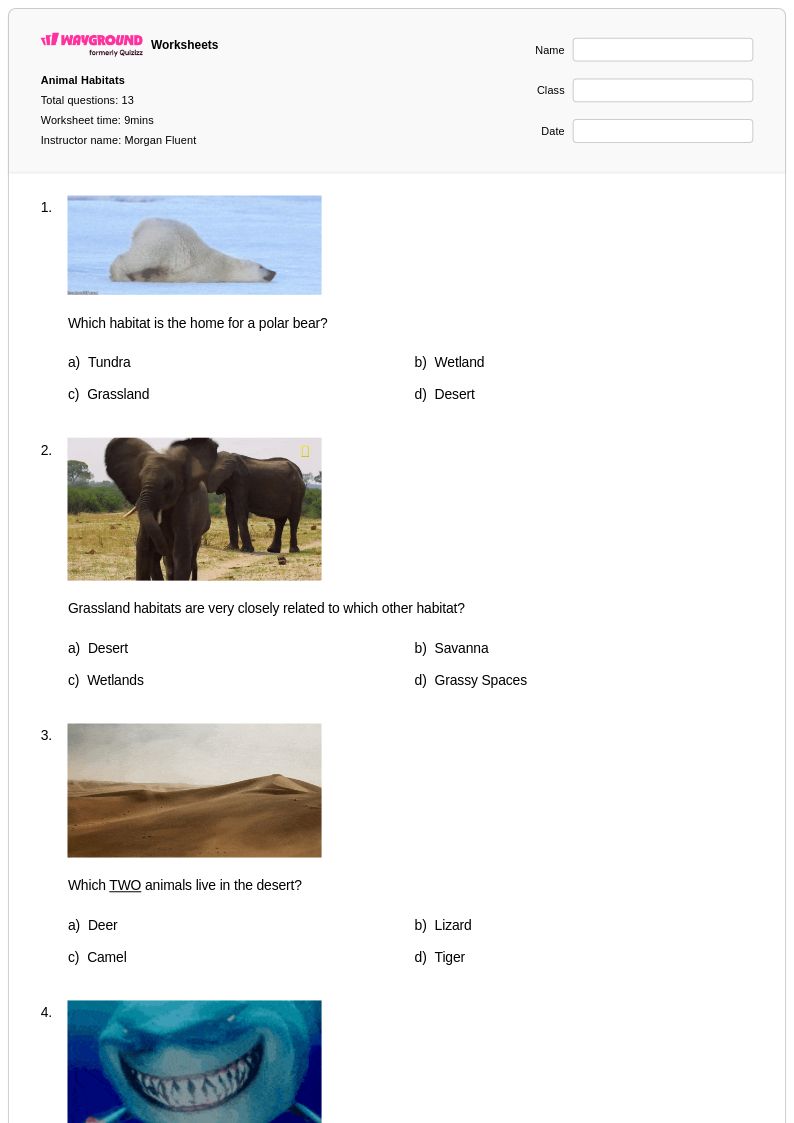
13 คิว
2nd
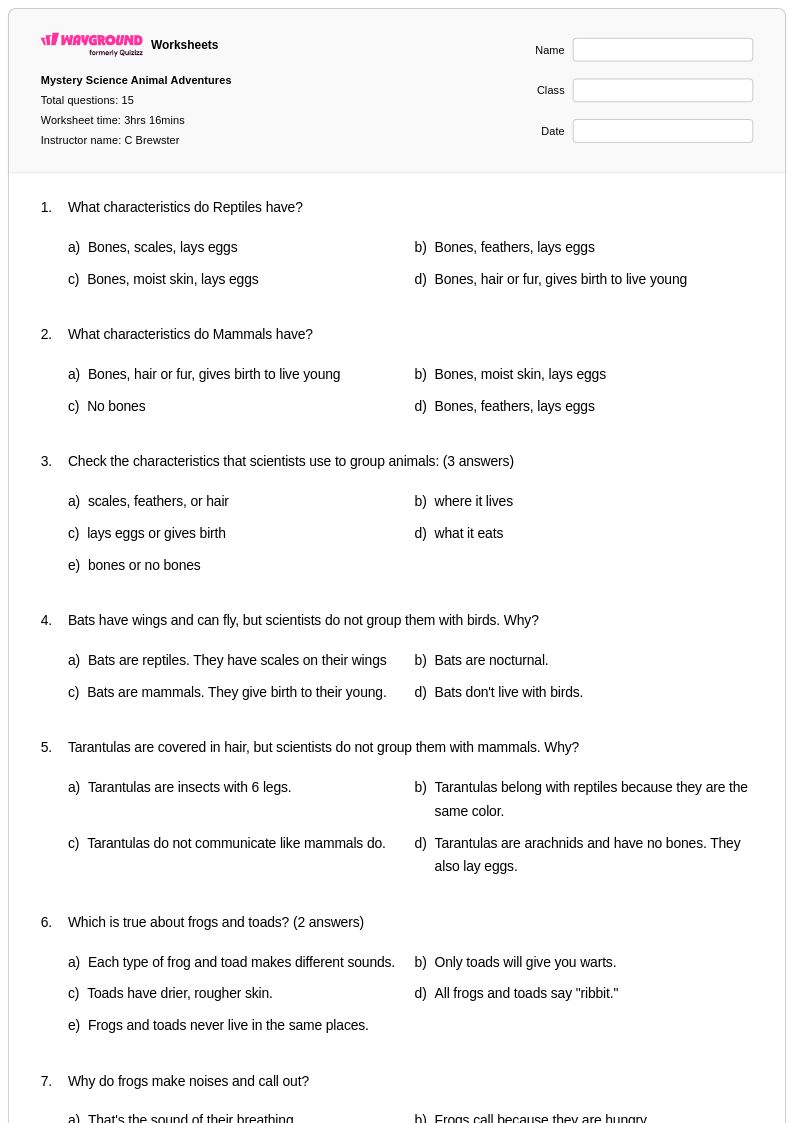
15 คิว
2nd
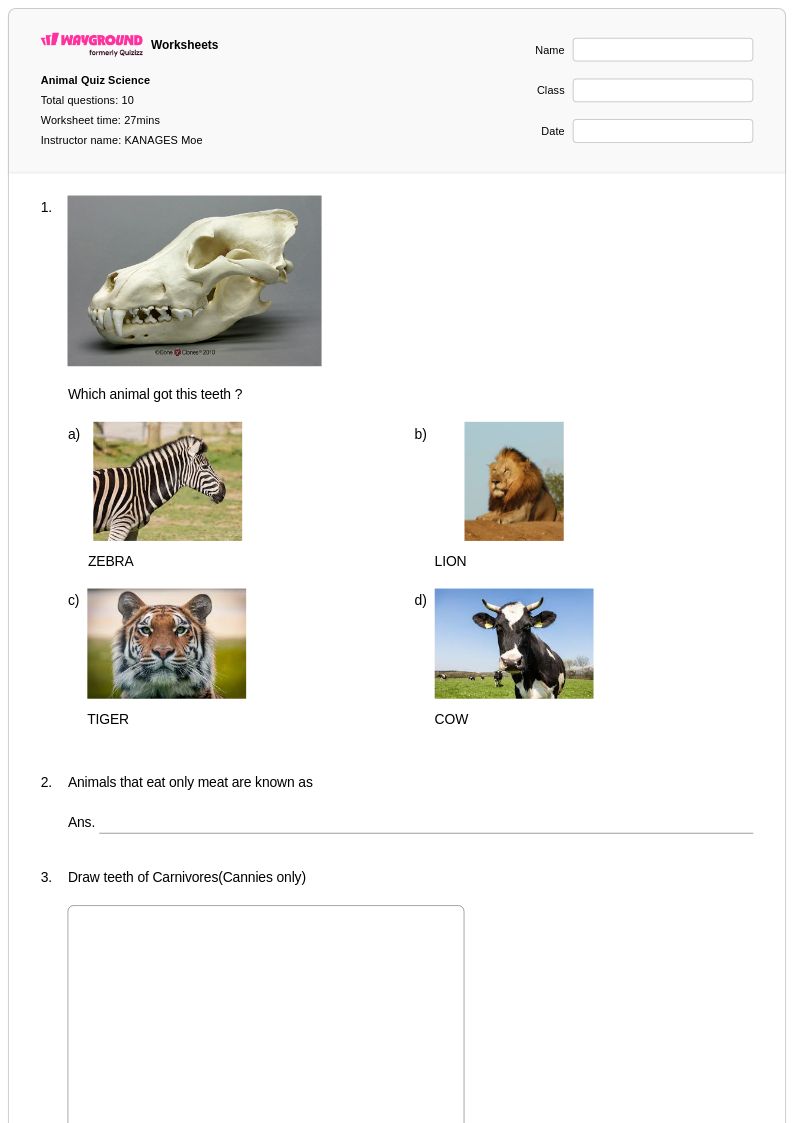
10 คิว
1st - Uni
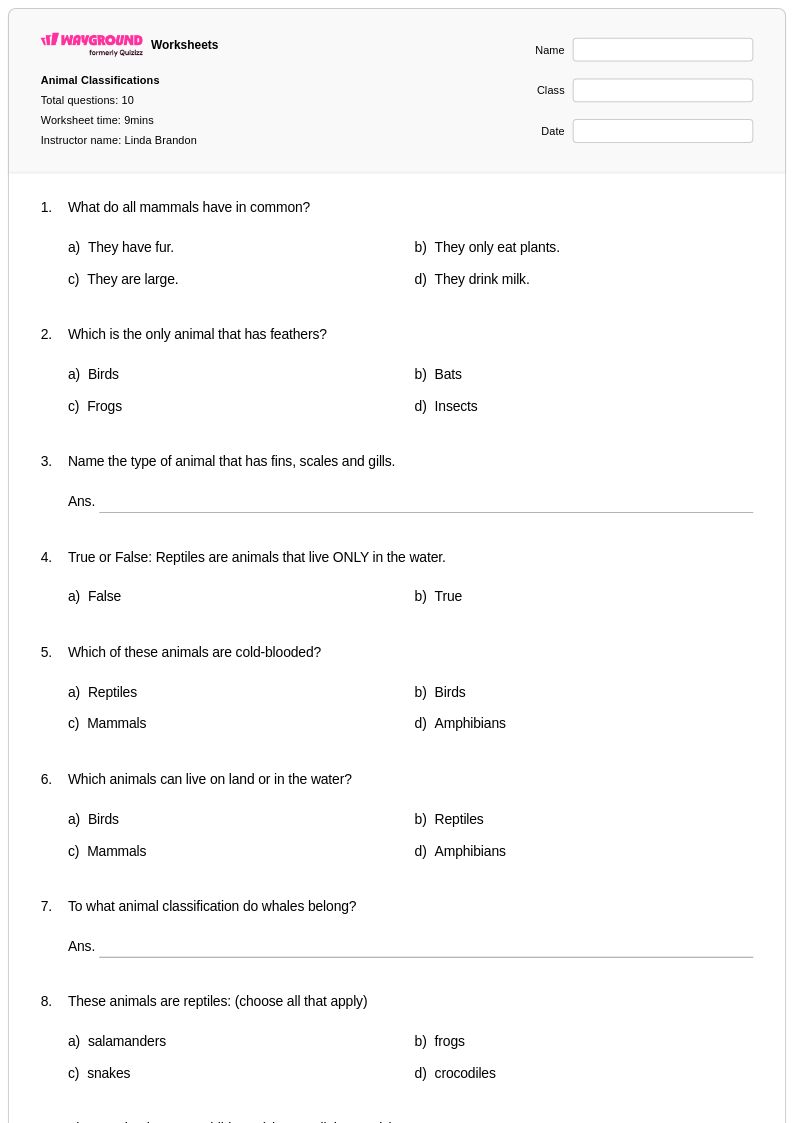
10 คิว
1st - 4th
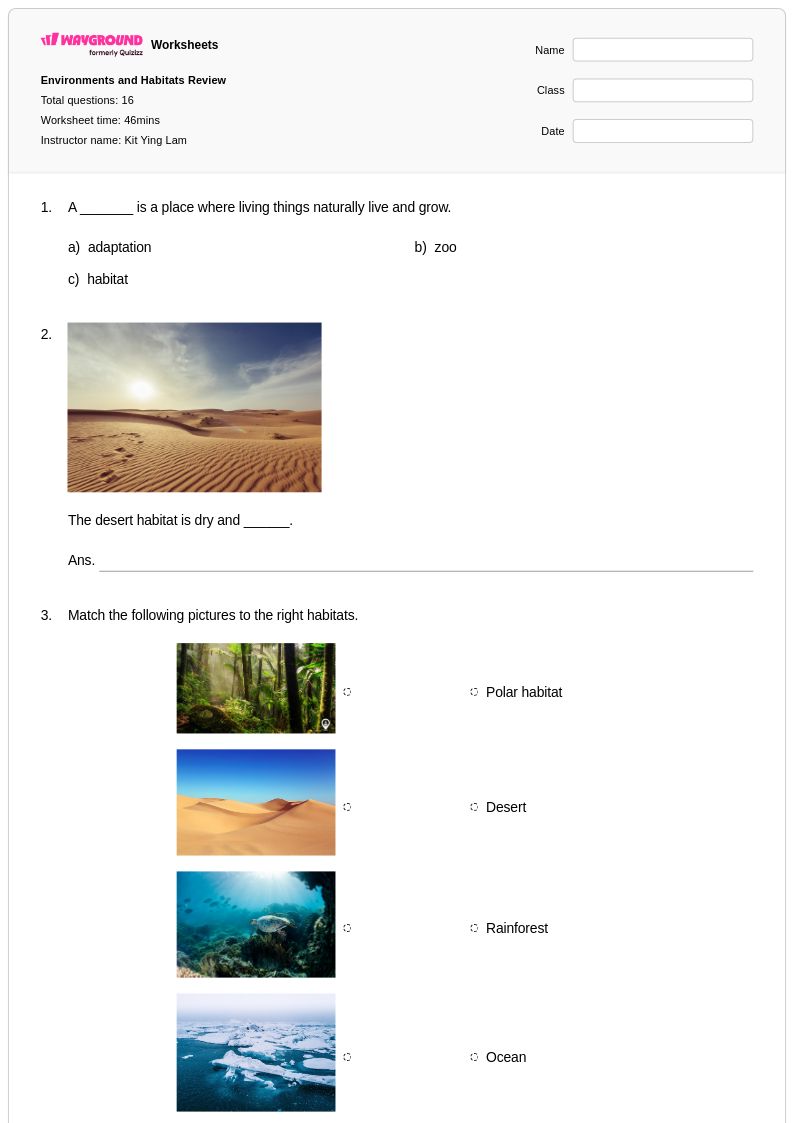
16 คิว
2nd - Uni
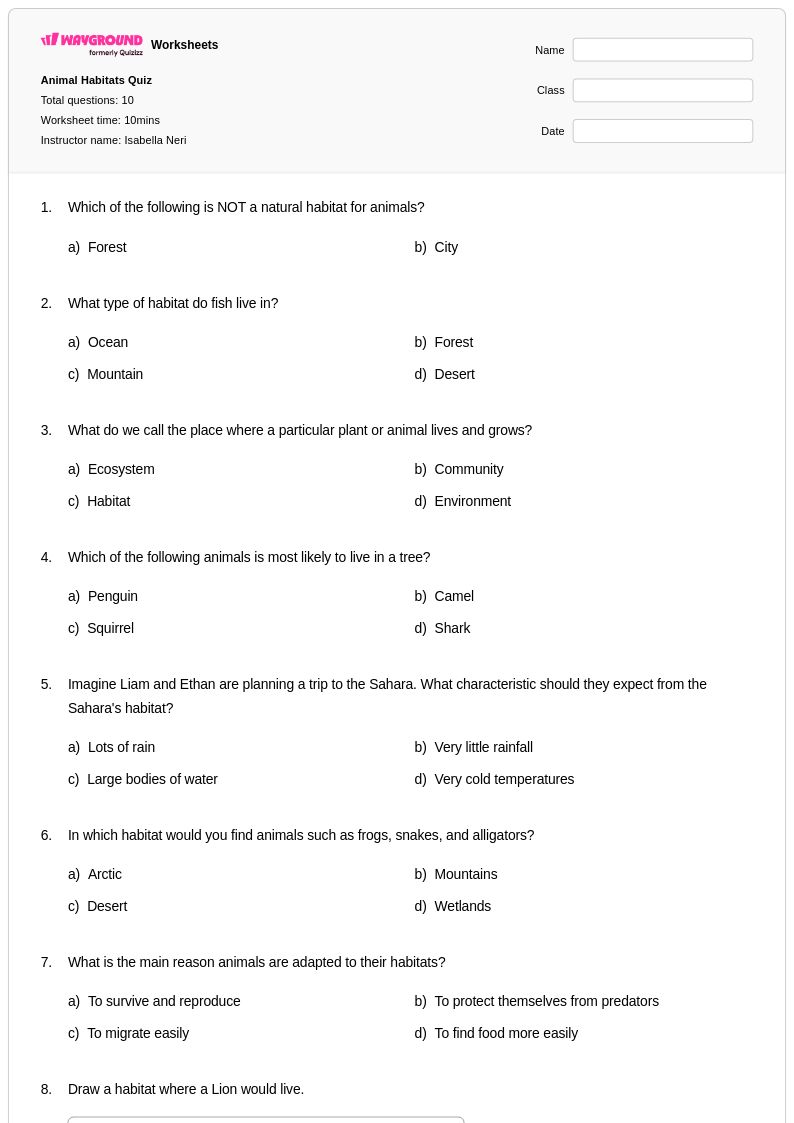
10 คิว
2nd
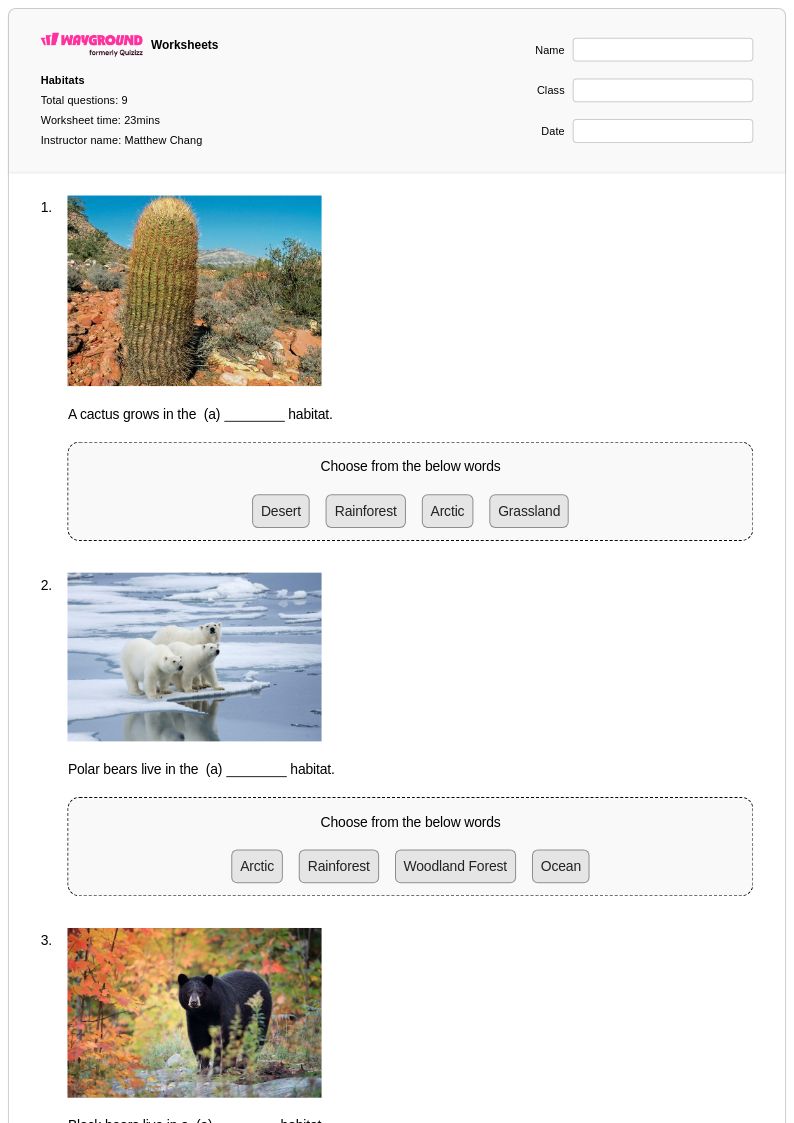
9 คิว
2nd
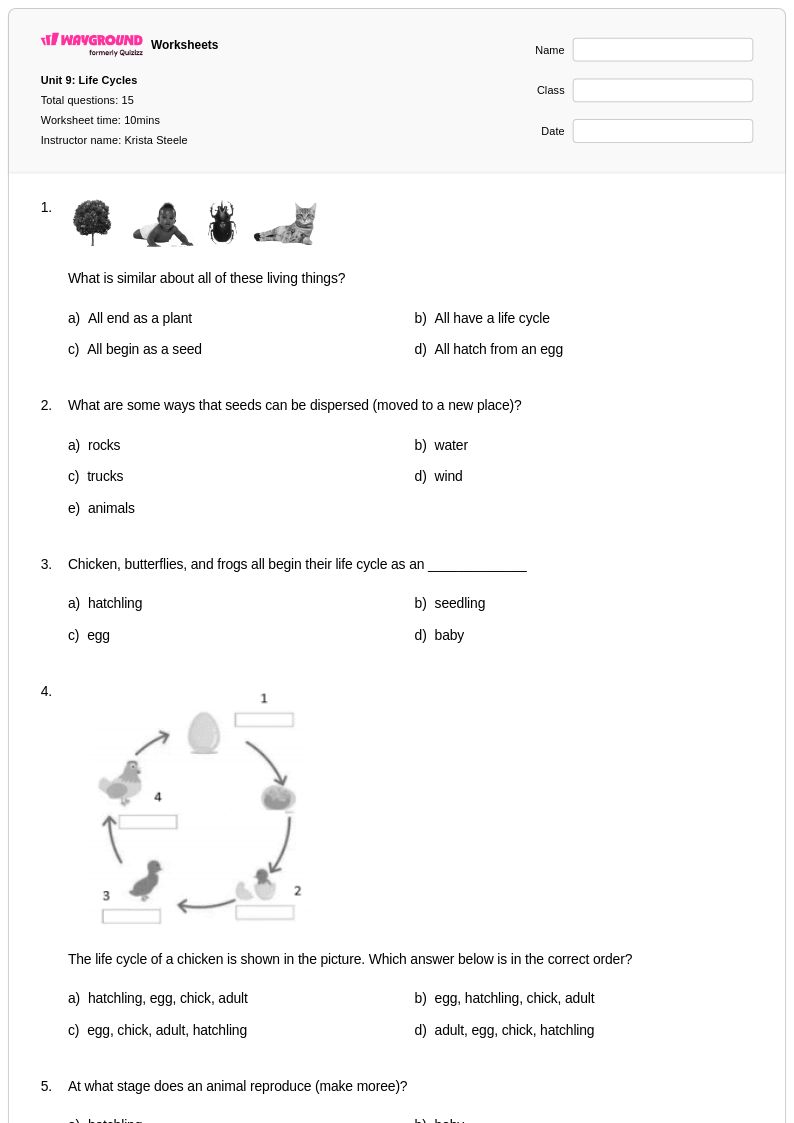
15 คิว
2nd
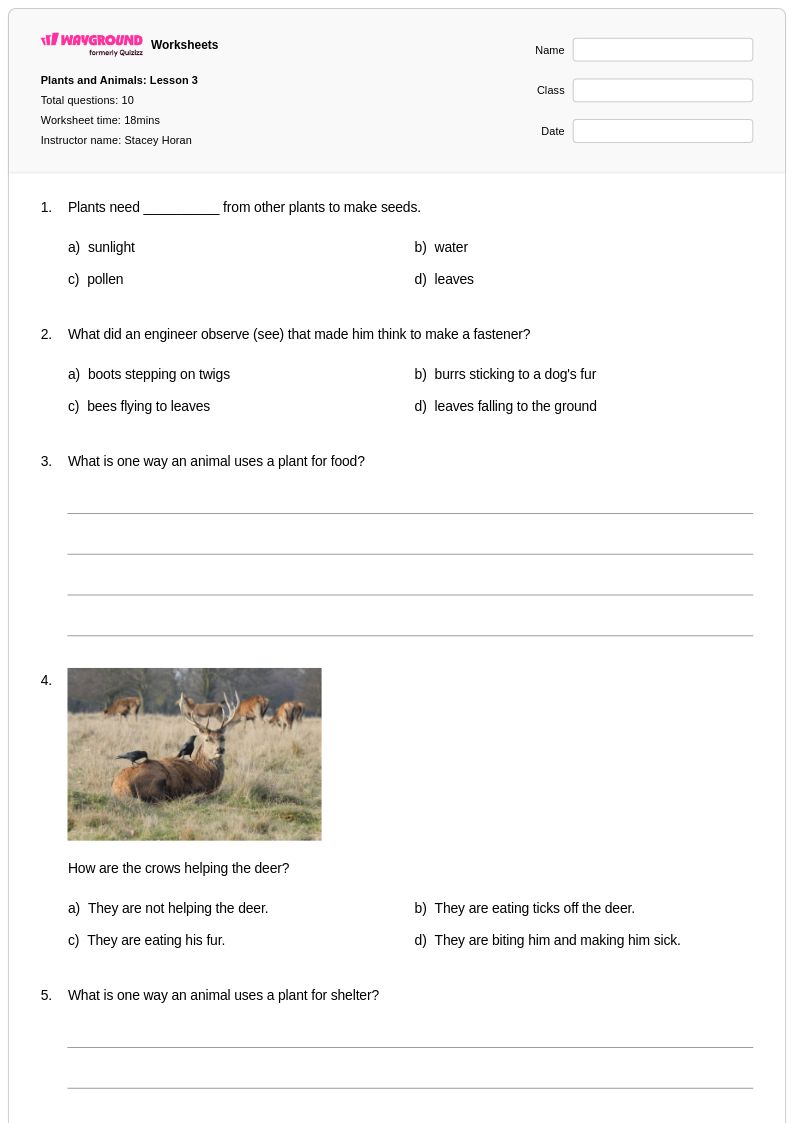
10 คิว
2nd
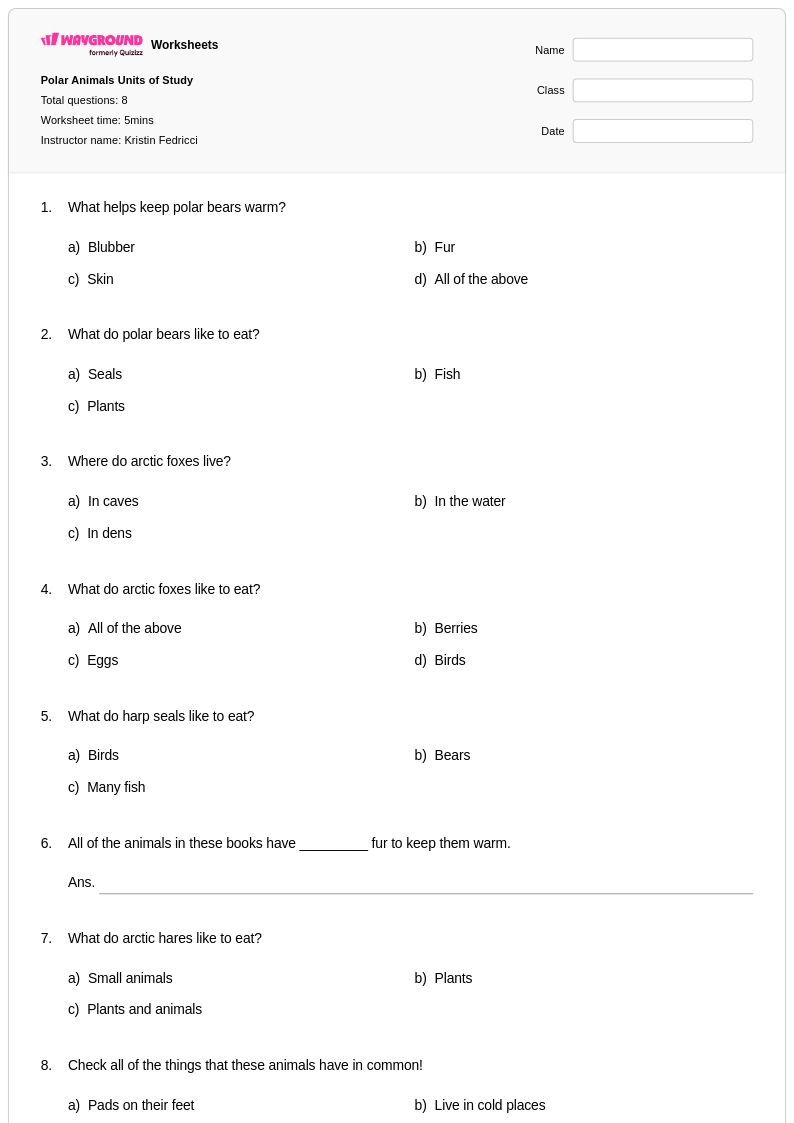
8 คิว
2nd
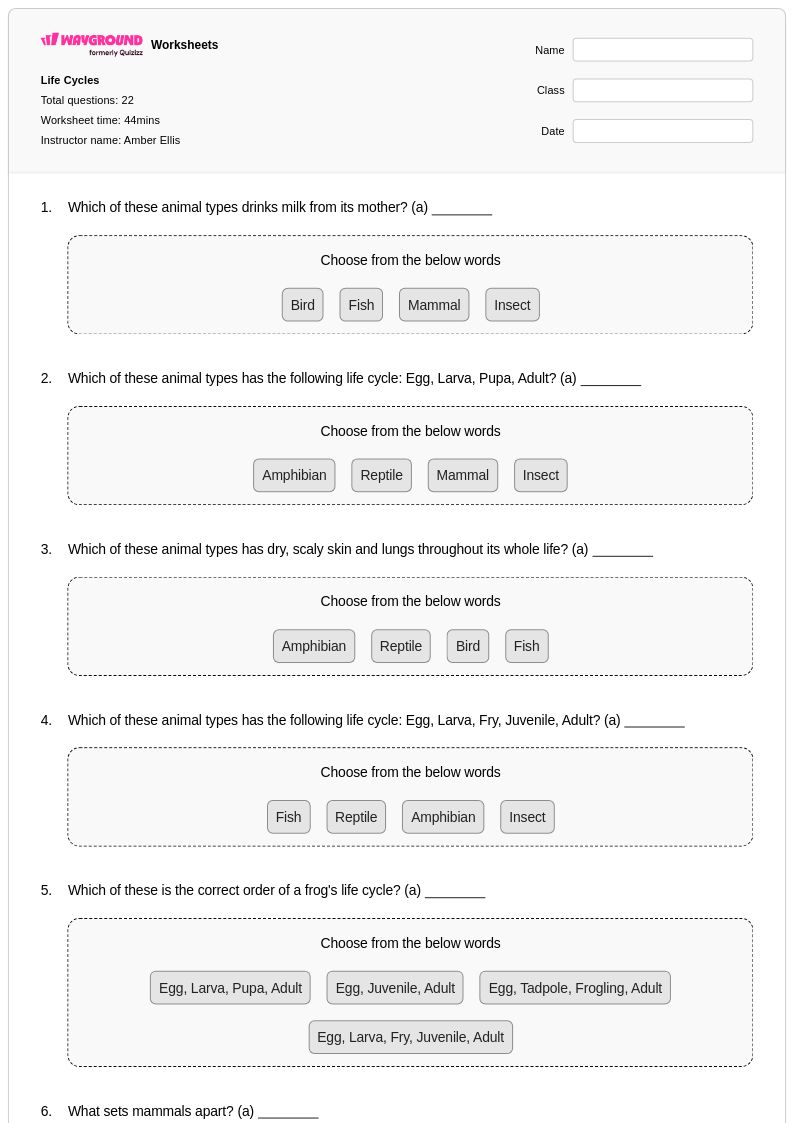
22 คิว
2nd
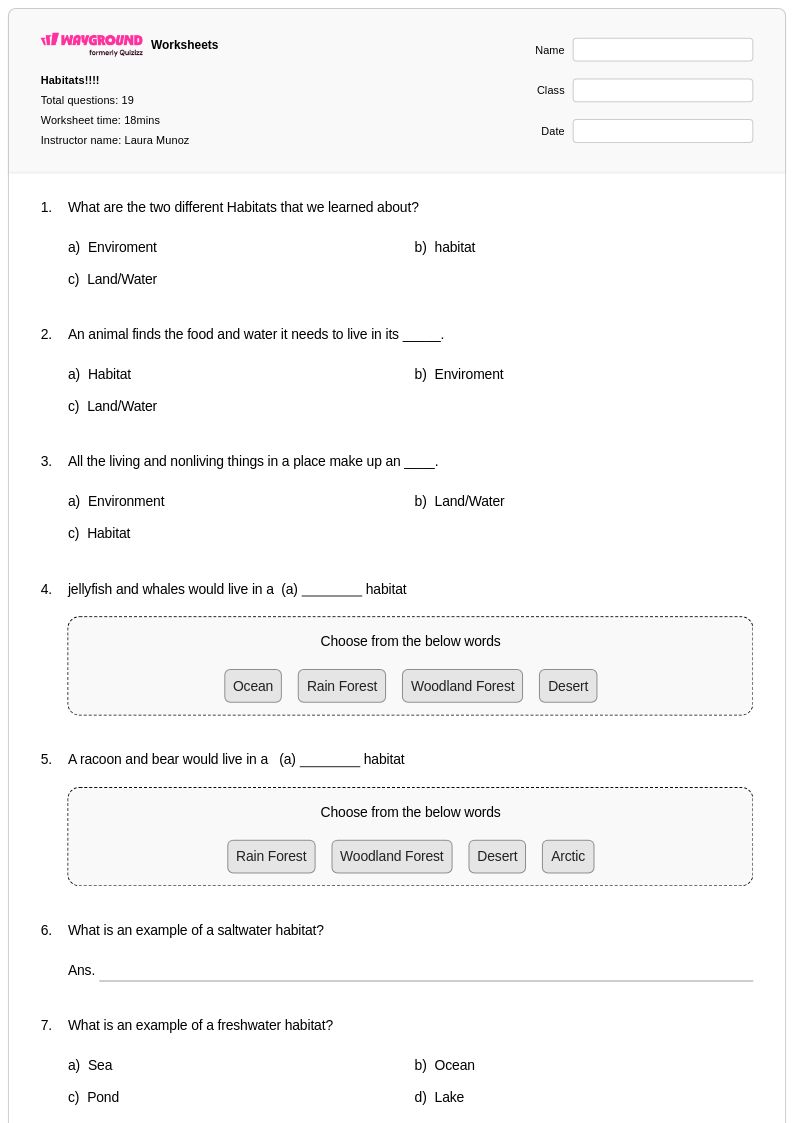
19 คิว
2nd
สำรวจใบงานวิชาอื่นๆ สำหรับ class 2
Explore printable Animal Sounds worksheets for Class 2
Animal sounds worksheets for Class 2 students available through Wayground (formerly Quizizz) provide young learners with engaging opportunities to explore the fascinating world of wildlife communication while building essential life science foundations. These carefully designed printables help second graders develop observation skills, expand vocabulary related to animal habitats and behaviors, and strengthen their understanding of how different species communicate in nature. Each worksheet features age-appropriate activities that encourage students to match animals with their corresponding sounds, identify patterns in animal communication, and explore the purposes behind various calls, roars, chirps, and other vocalizations. Teachers can access comprehensive materials including detailed answer keys, free pdf downloads, and structured practice problems that reinforce key concepts while maintaining student interest through colorful illustrations and interactive exercises.
Wayground (formerly Quizizz) empowers educators with an extensive collection of millions of teacher-created animal sounds resources specifically tailored for Class 2 life science instruction. The platform's robust search and filtering capabilities allow teachers to quickly locate materials that align with specific learning standards and curriculum requirements, while built-in differentiation tools enable seamless customization for students with varying ability levels and learning needs. These versatile worksheets are available in both printable pdf format and digital versions, providing flexibility for classroom instruction, homework assignments, remediation activities, and enrichment opportunities. Teachers can efficiently plan comprehensive lessons that build upon prior knowledge, assess student understanding of animal behavior concepts, and create targeted practice sessions that support individual learning goals while fostering curiosity about the natural world.
FAQs
How do I teach animal sounds to early learners?
What kinds of exercises help students practice identifying animal sounds?
What common mistakes do students make when learning about animal sounds?
How can animal sounds worksheets support different learning levels in the same classroom?
How do I use animal sounds worksheets on Wayground in my classroom?