
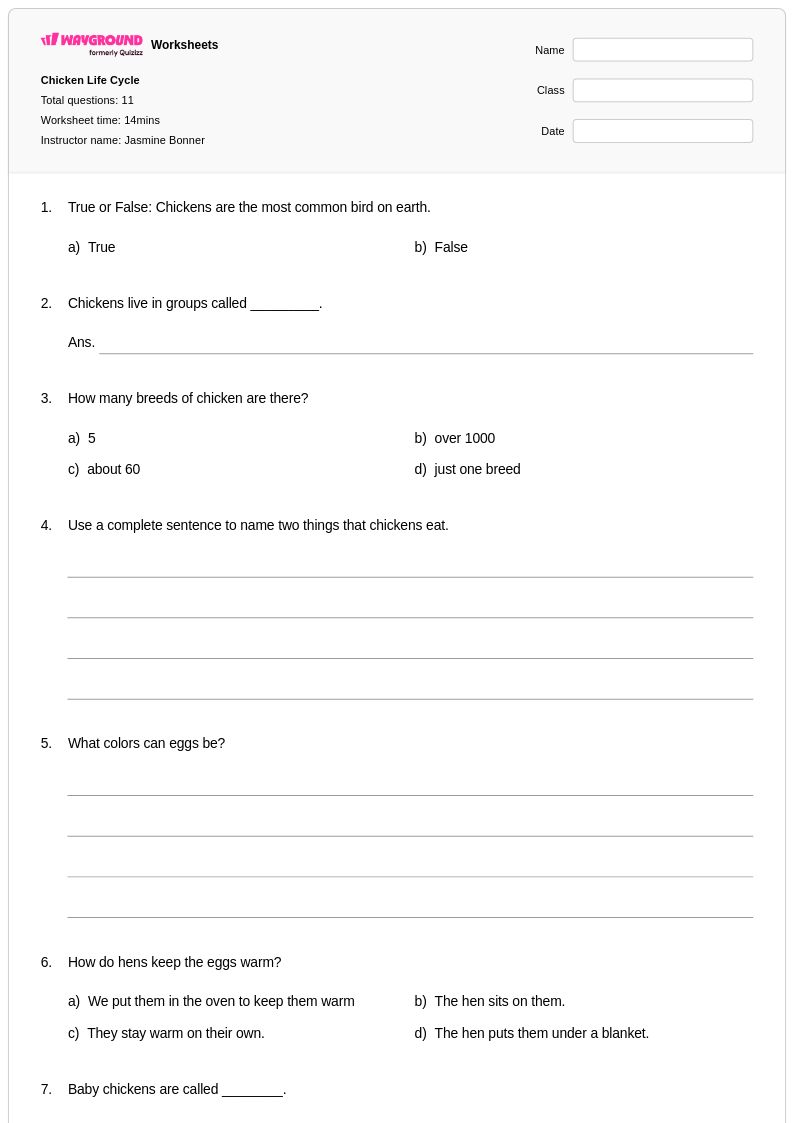
11 Q
2nd
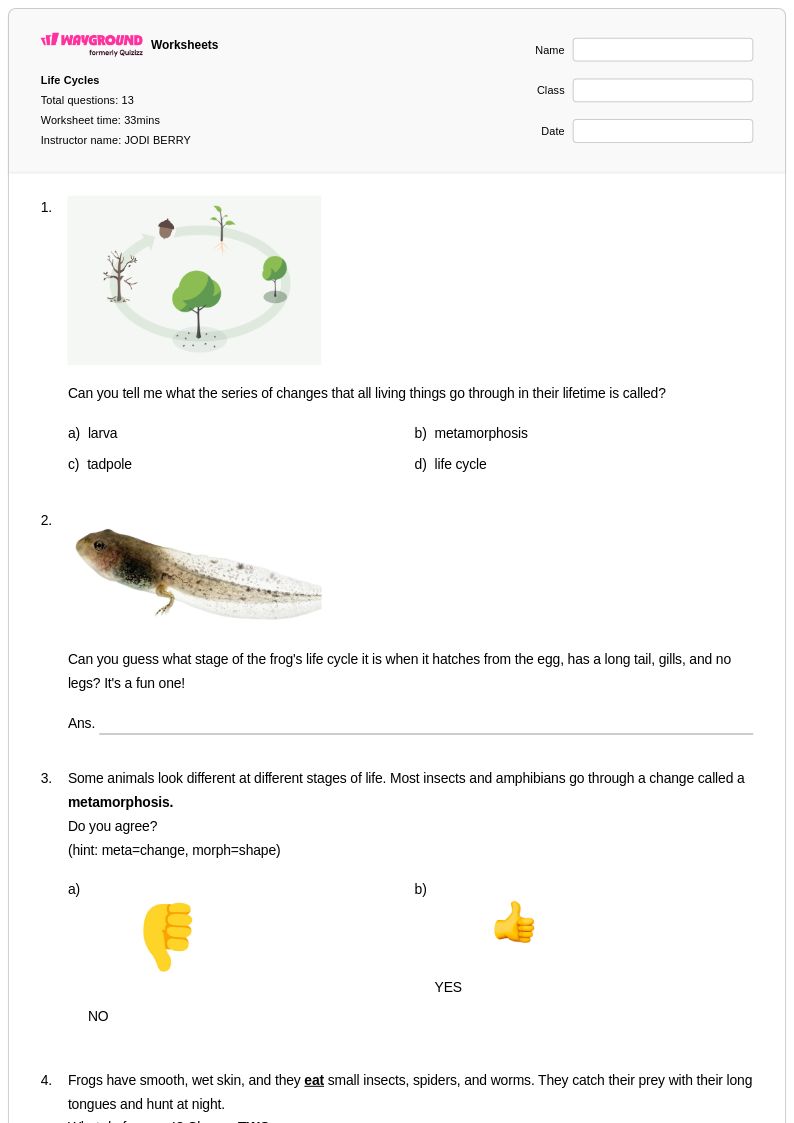
13 Q
2nd
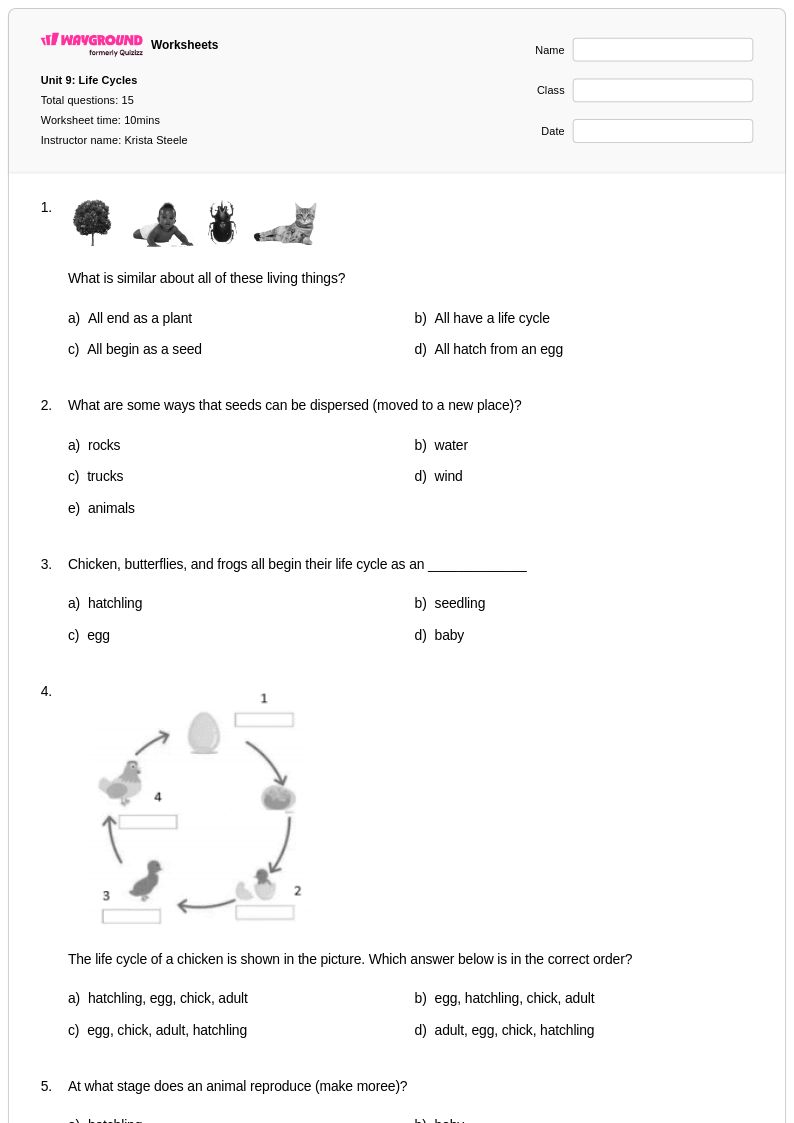
15 Q
2nd
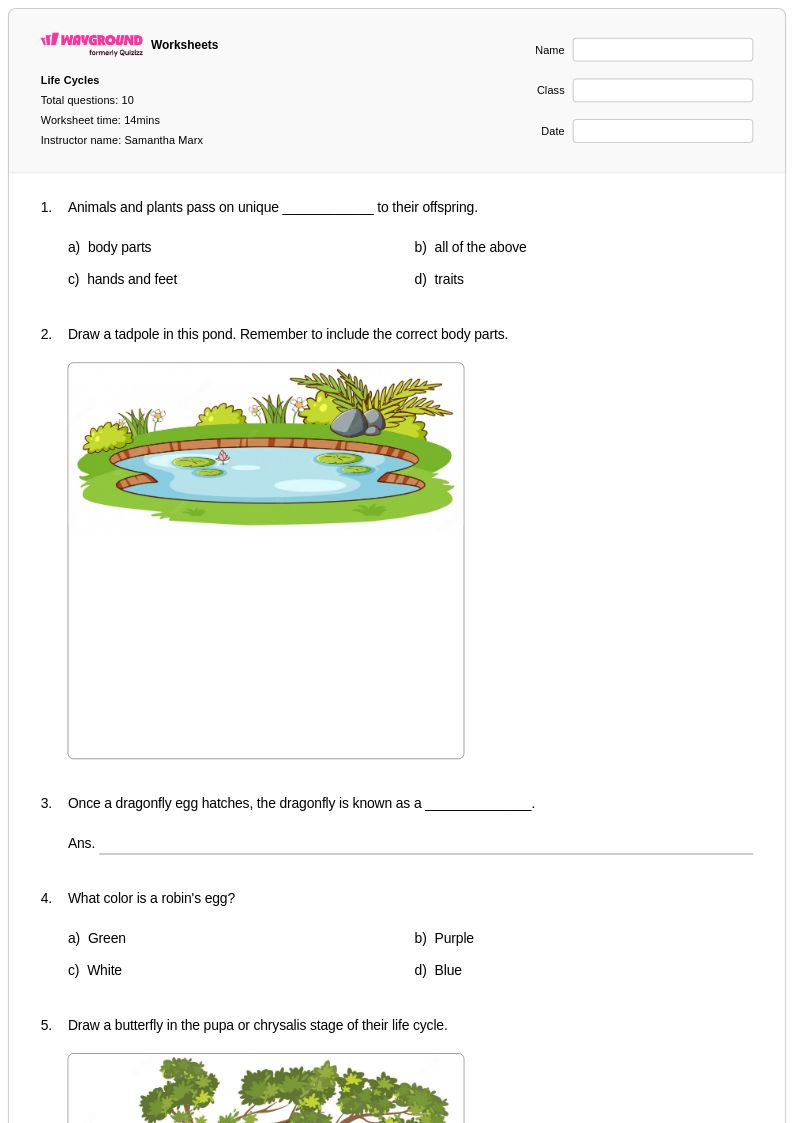
10 Q
2nd
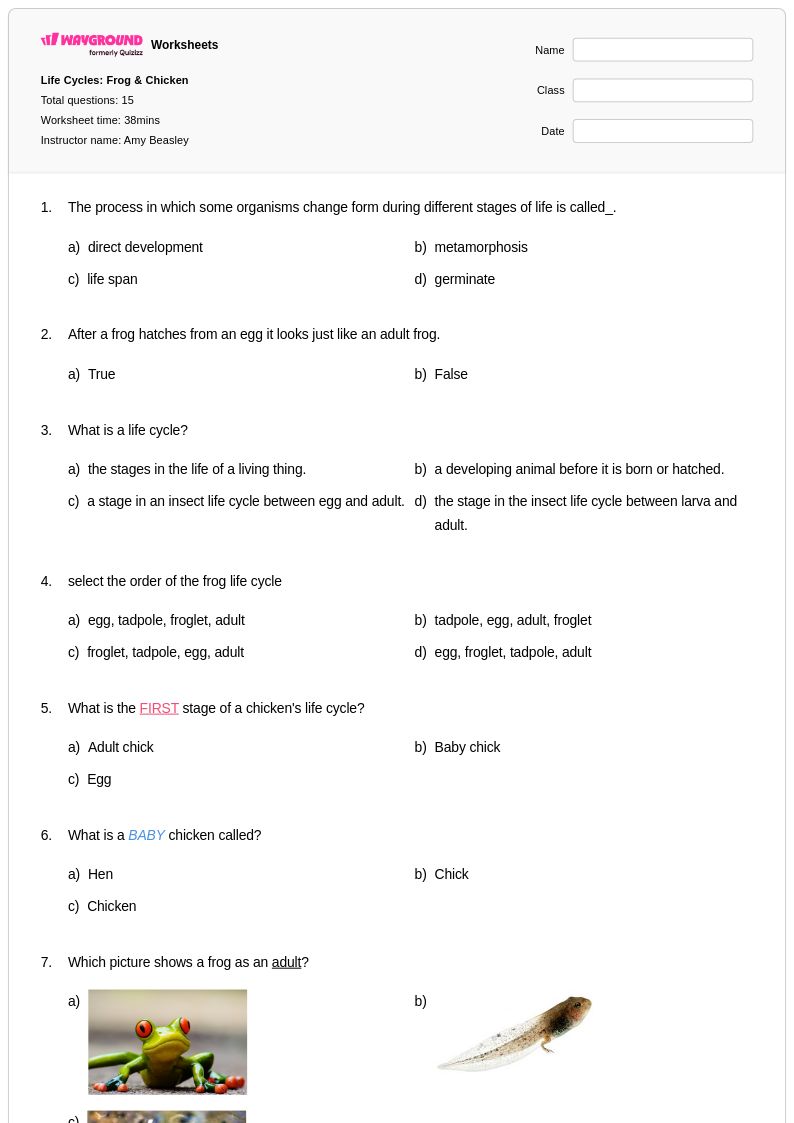
15 Q
2nd - 3rd
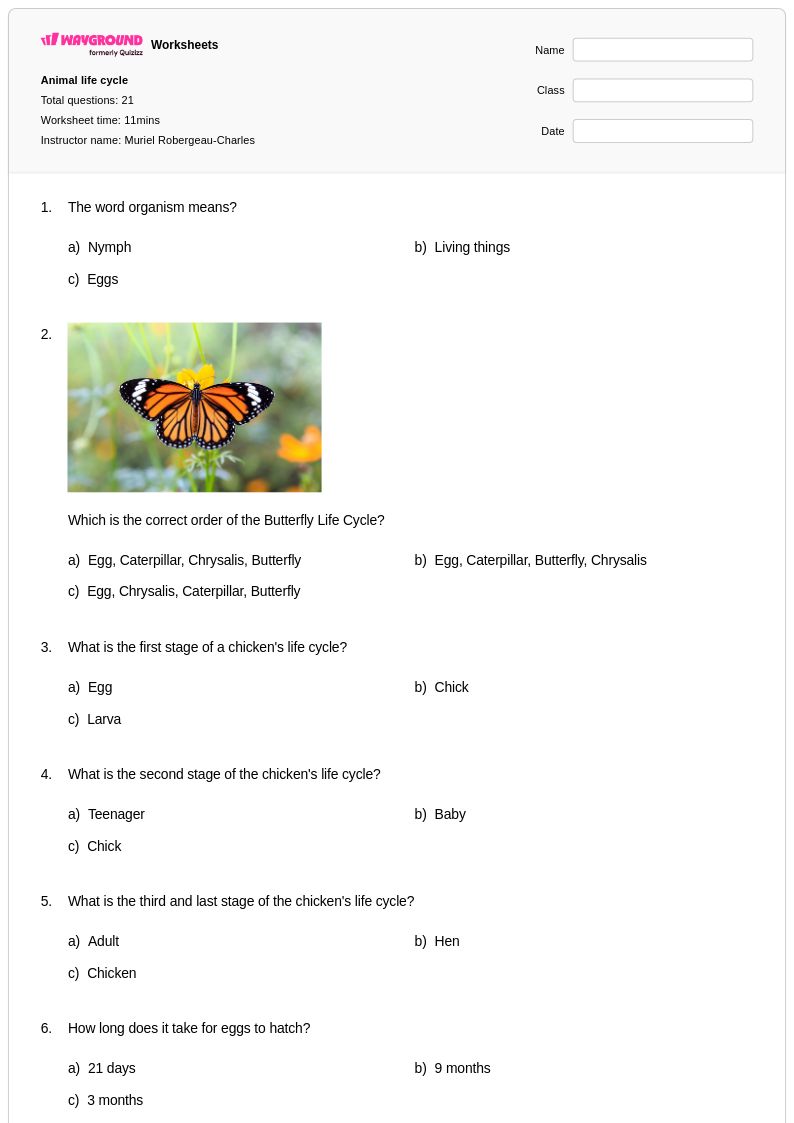
21 Q
2nd
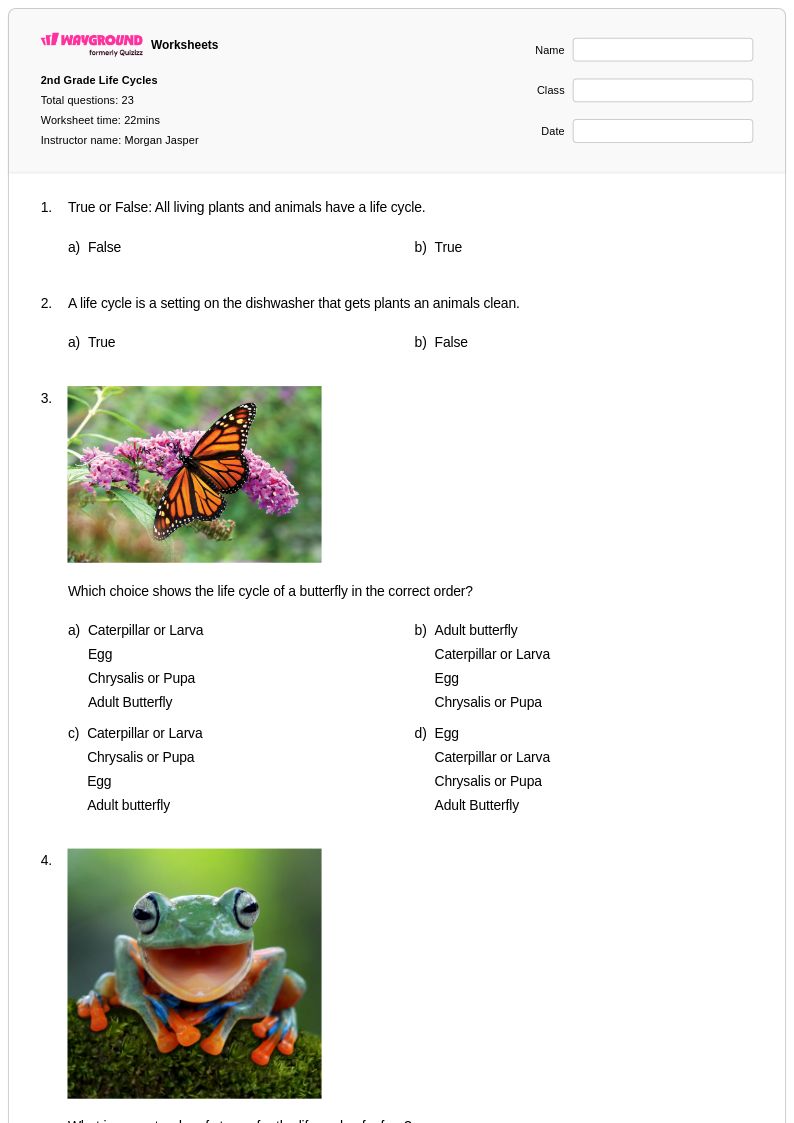
17 Q
1st - 5th
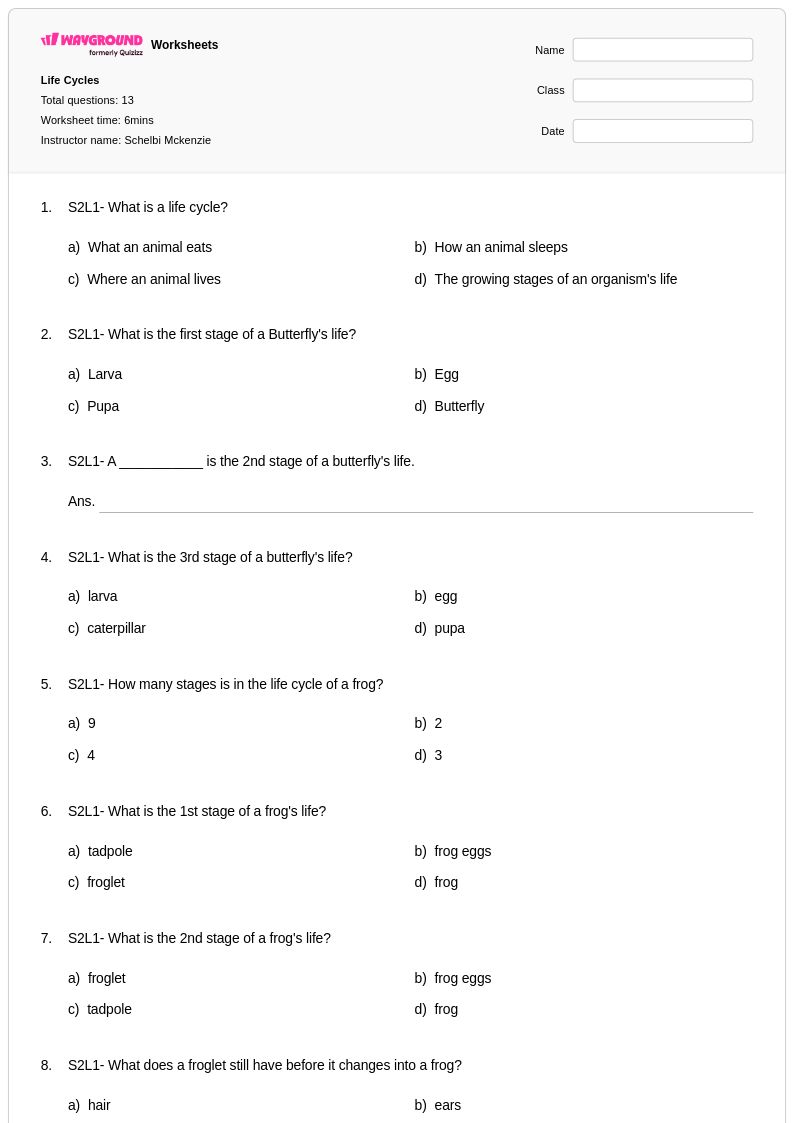
13 Q
2nd
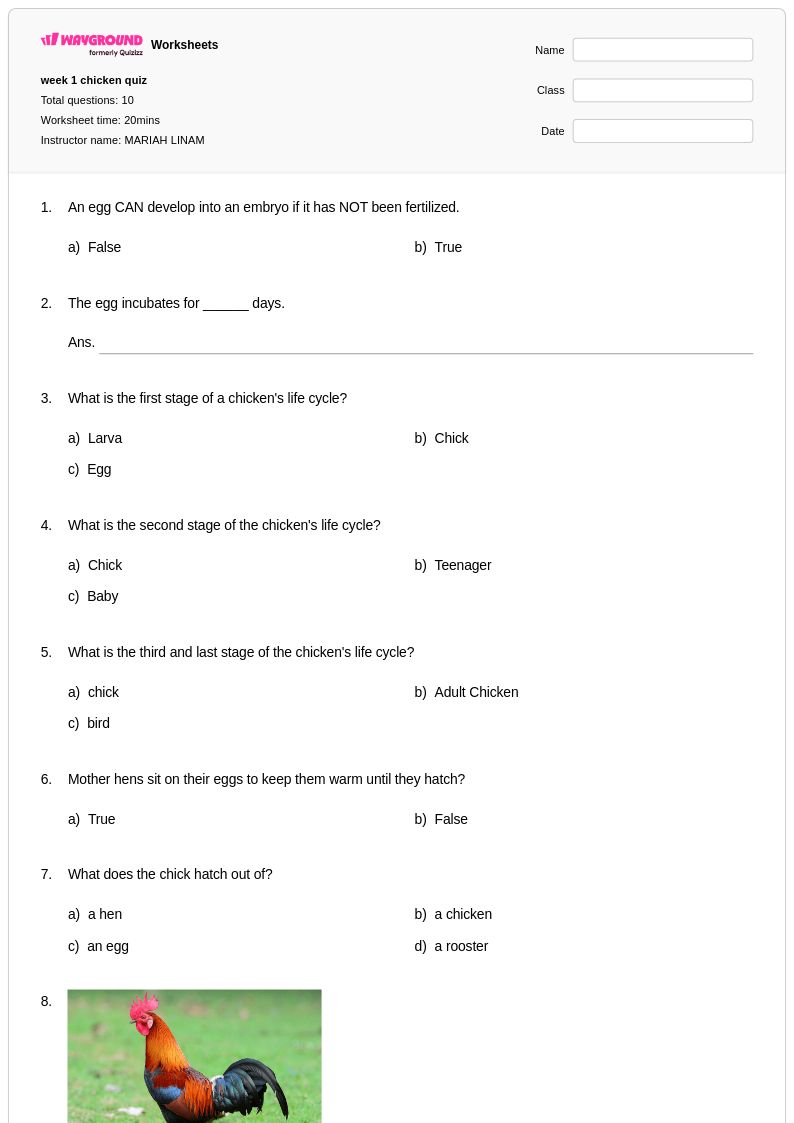
10 Q
1st - 5th
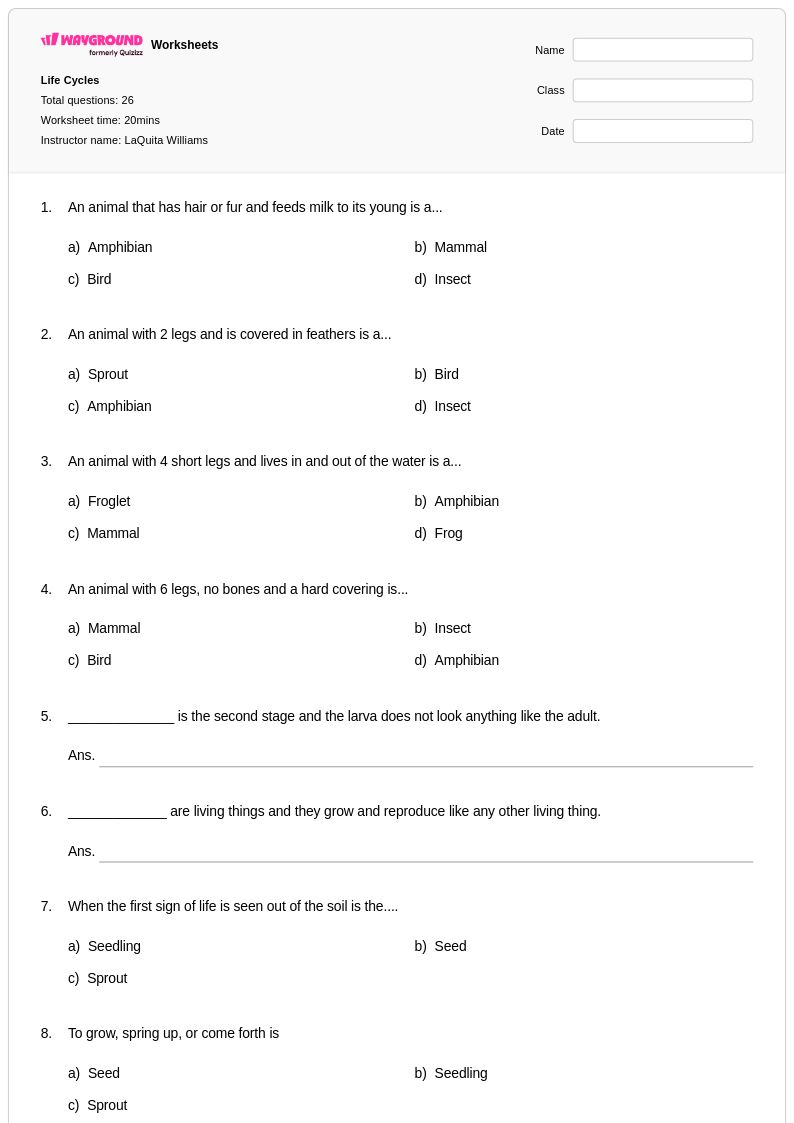
26 Q
2nd
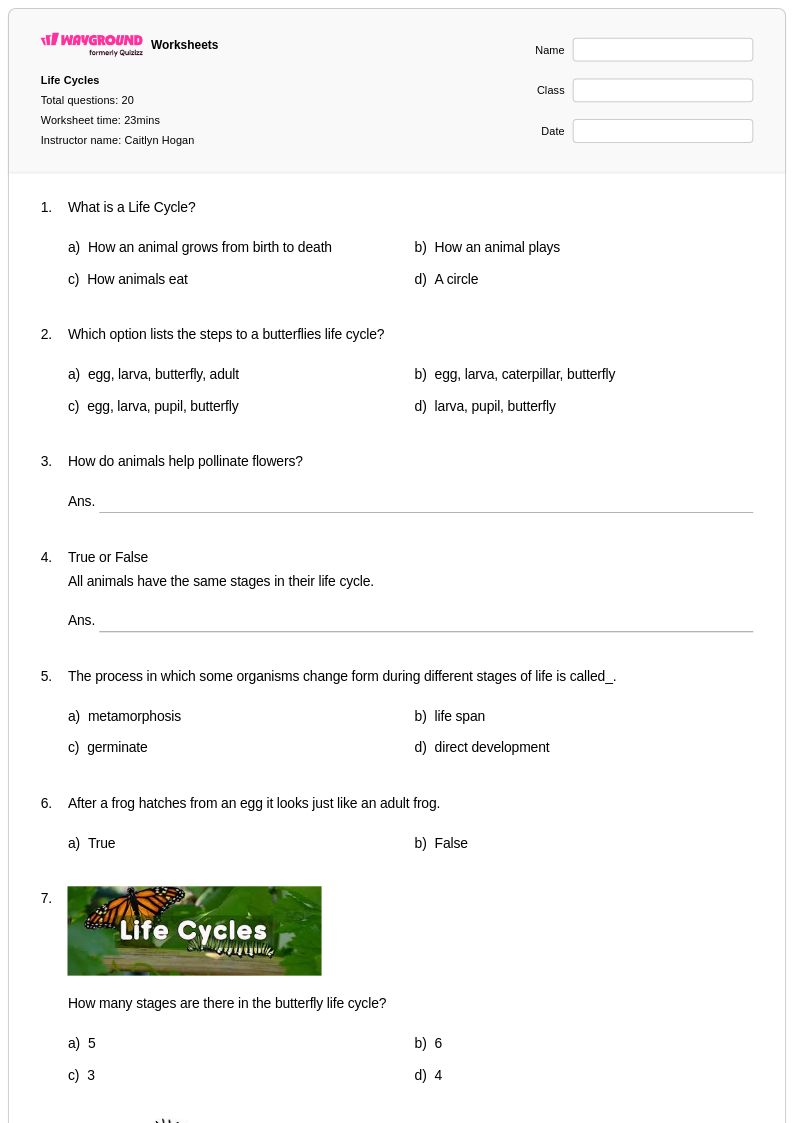
20 Q
2nd
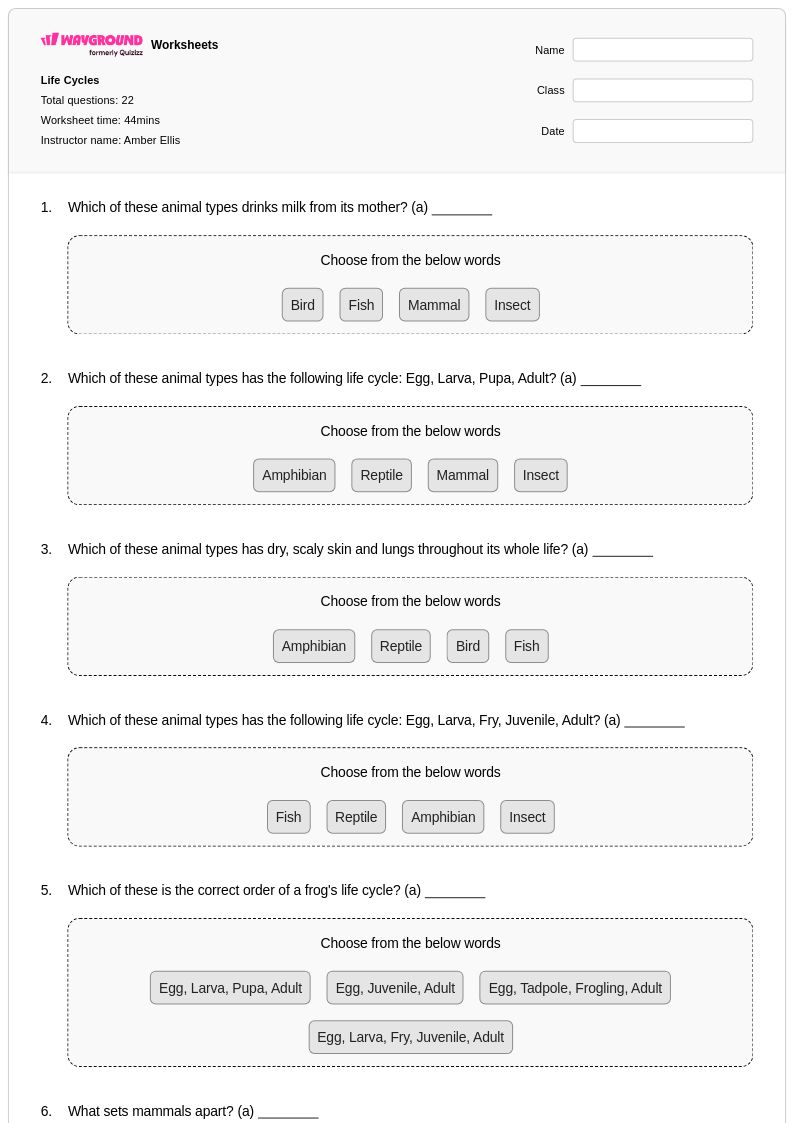
22 Q
2nd
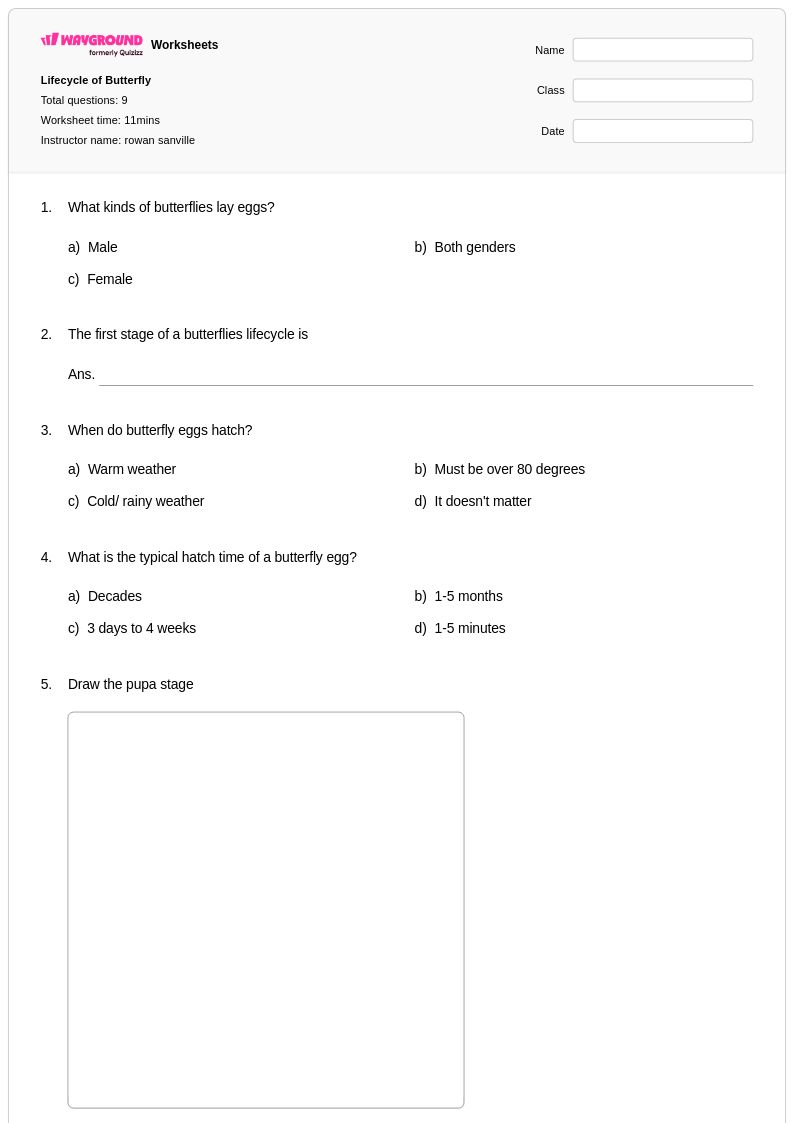
9 Q
2nd
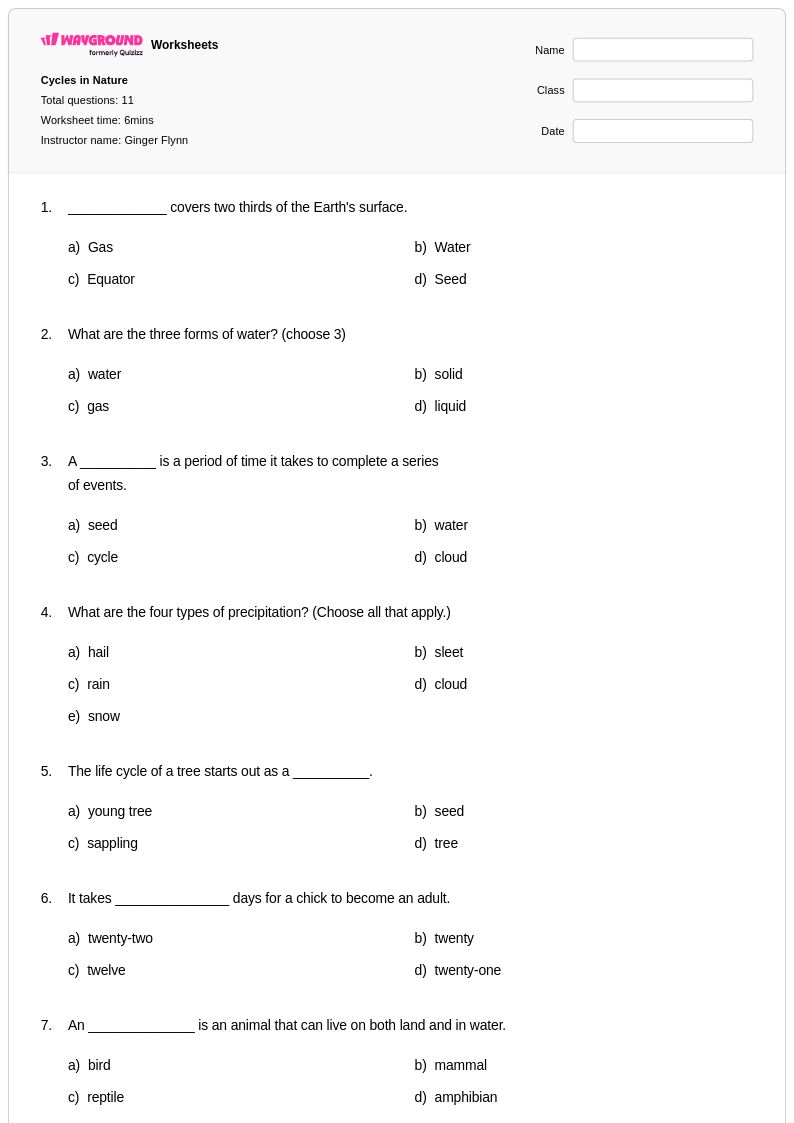
11 Q
2nd - 4th
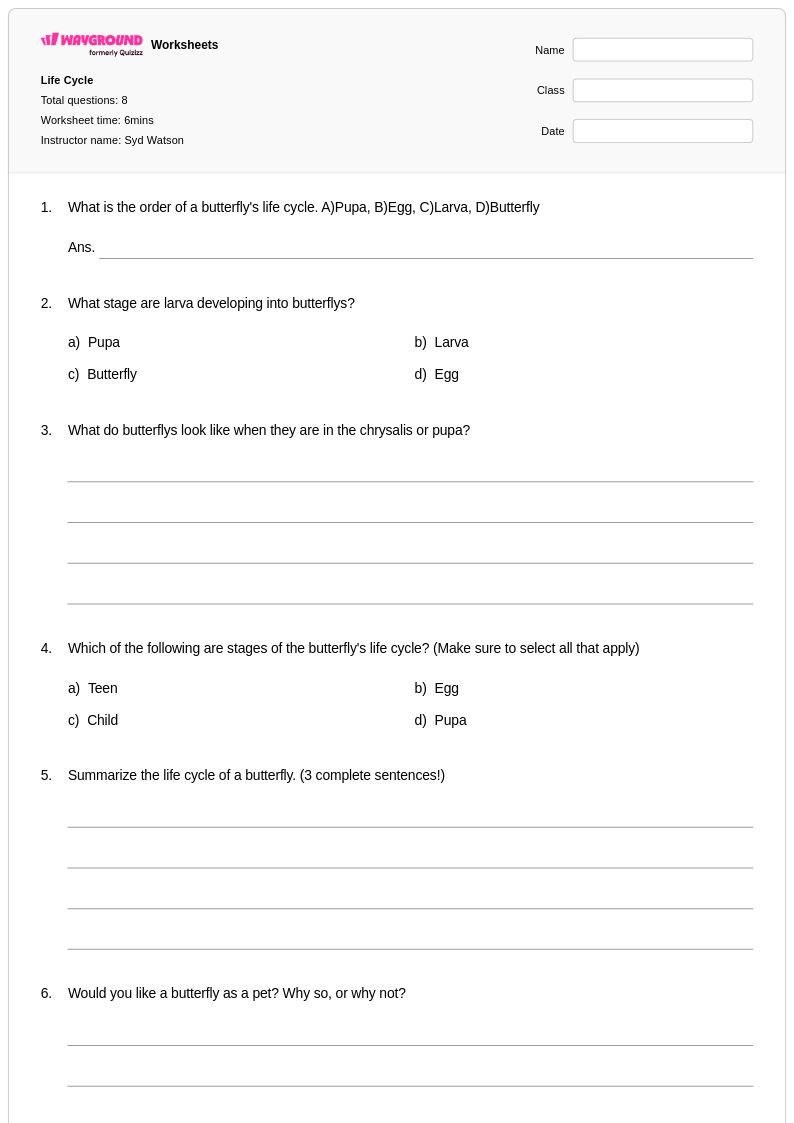
8 Q
2nd - 5th
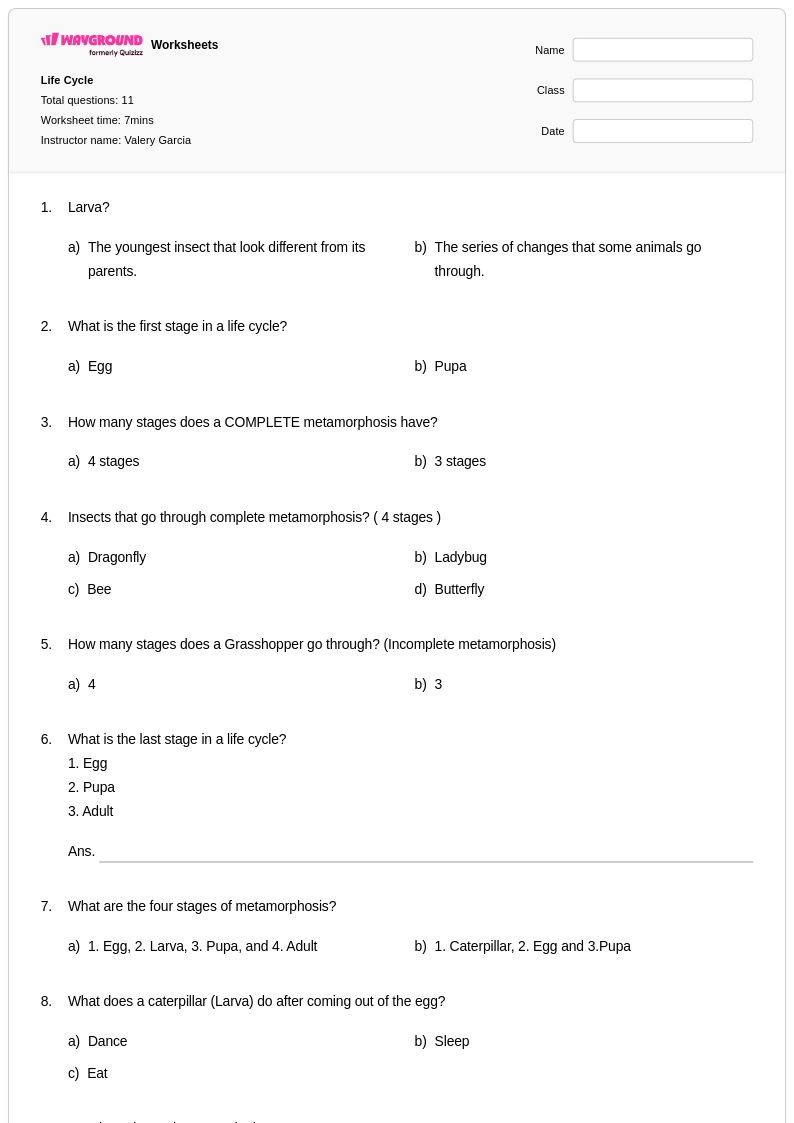
11 Q
2nd
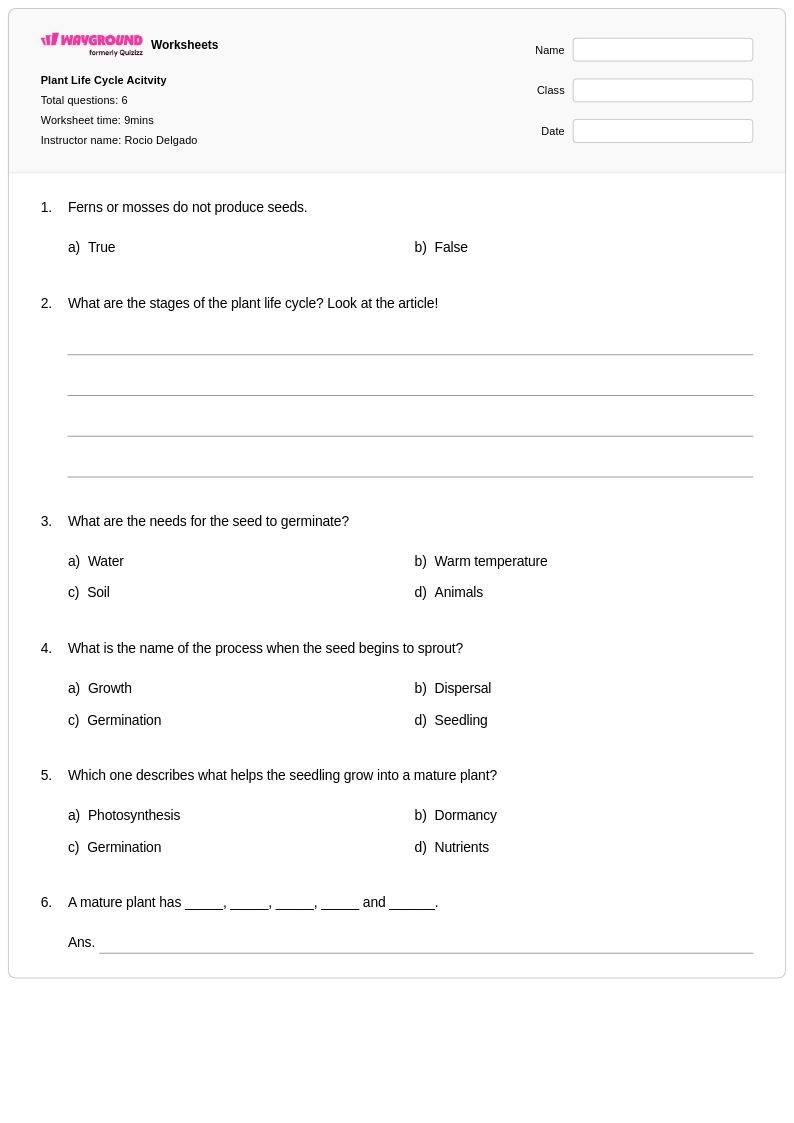
6 Q
2nd
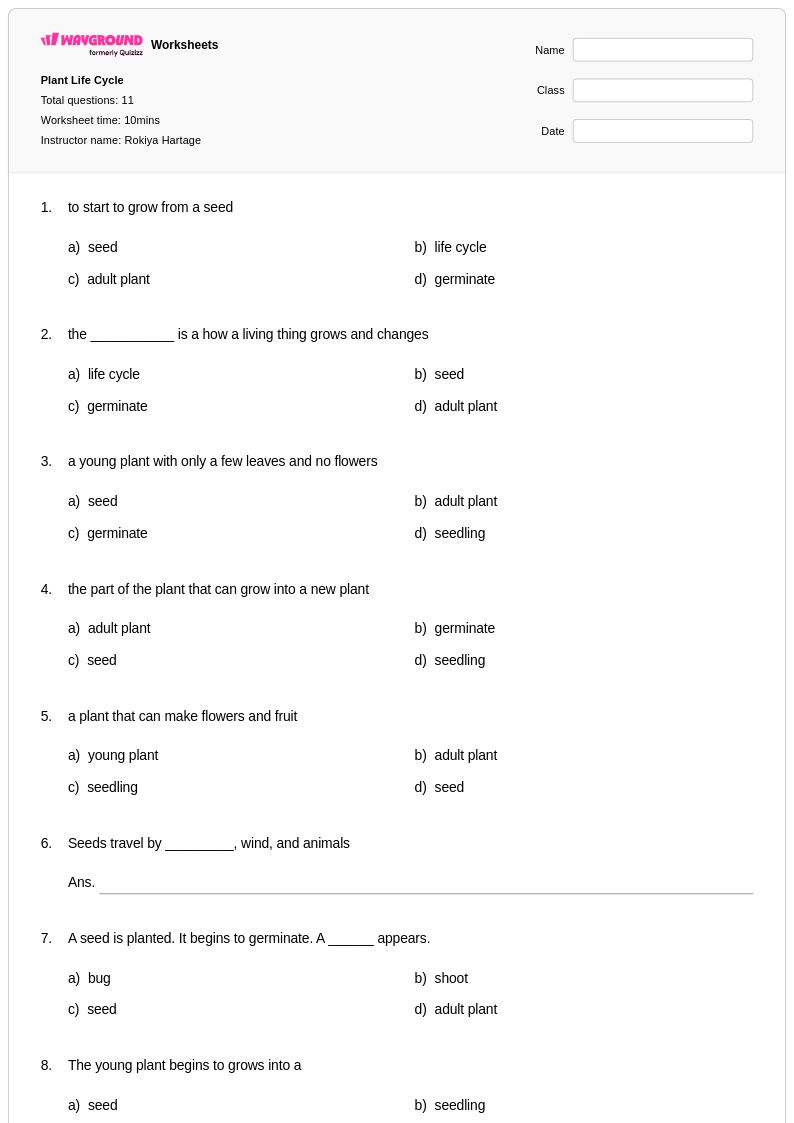
11 Q
2nd
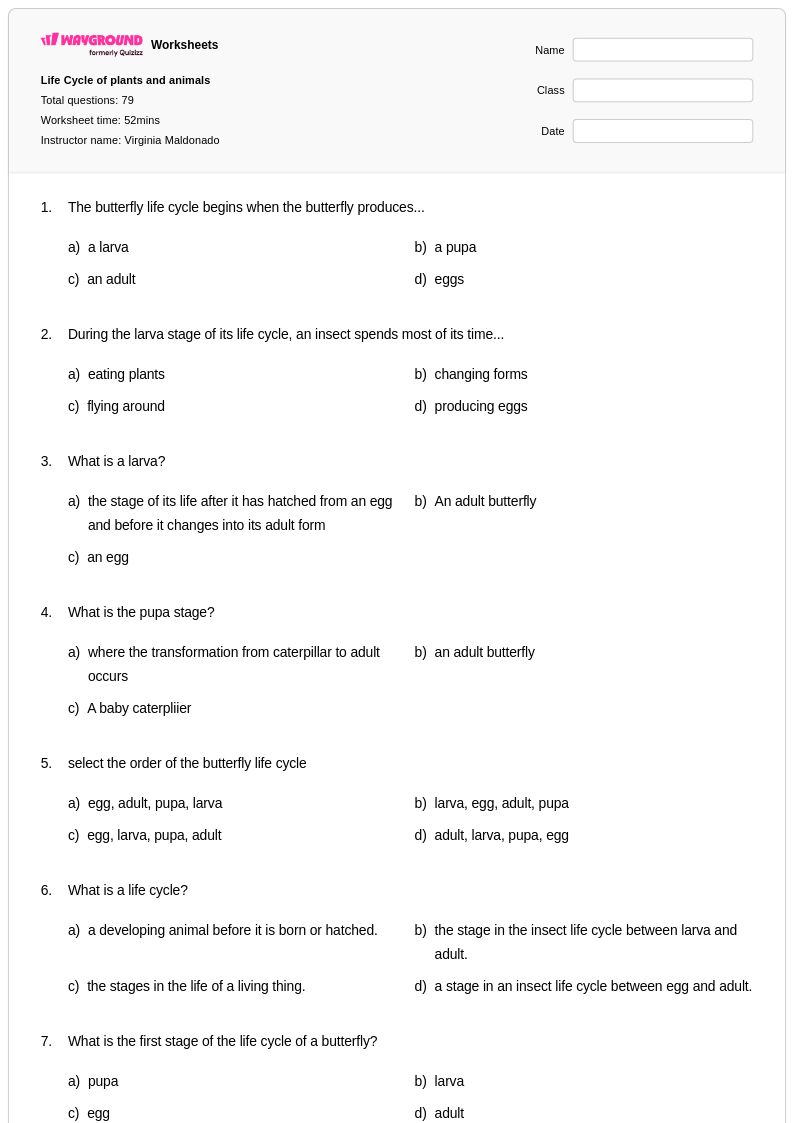
79 Q
2nd
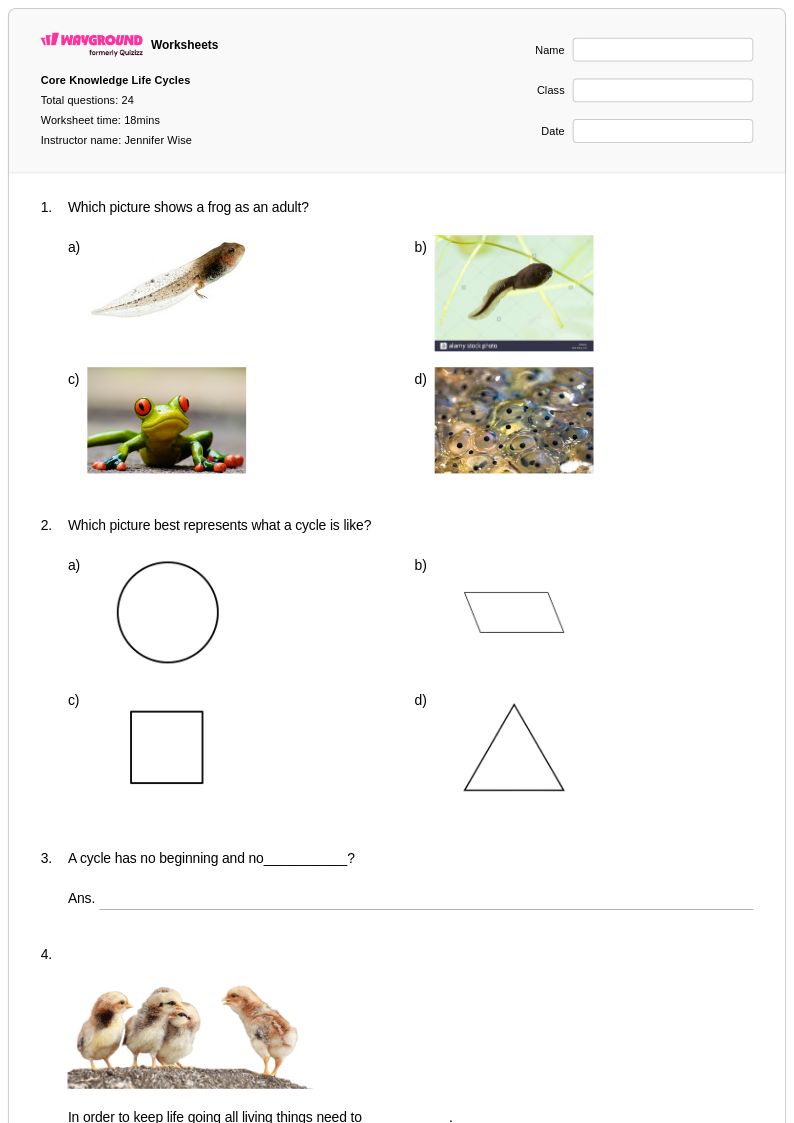
24 Q
2nd
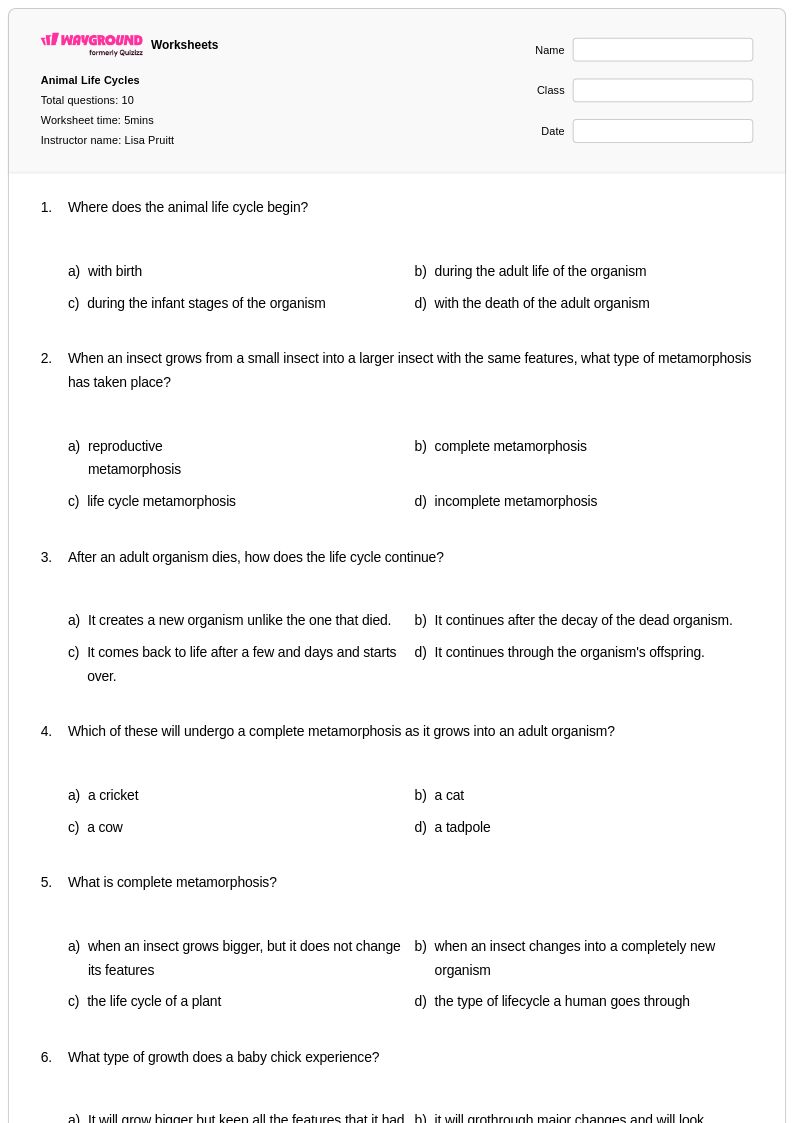
10 Q
1st - 5th
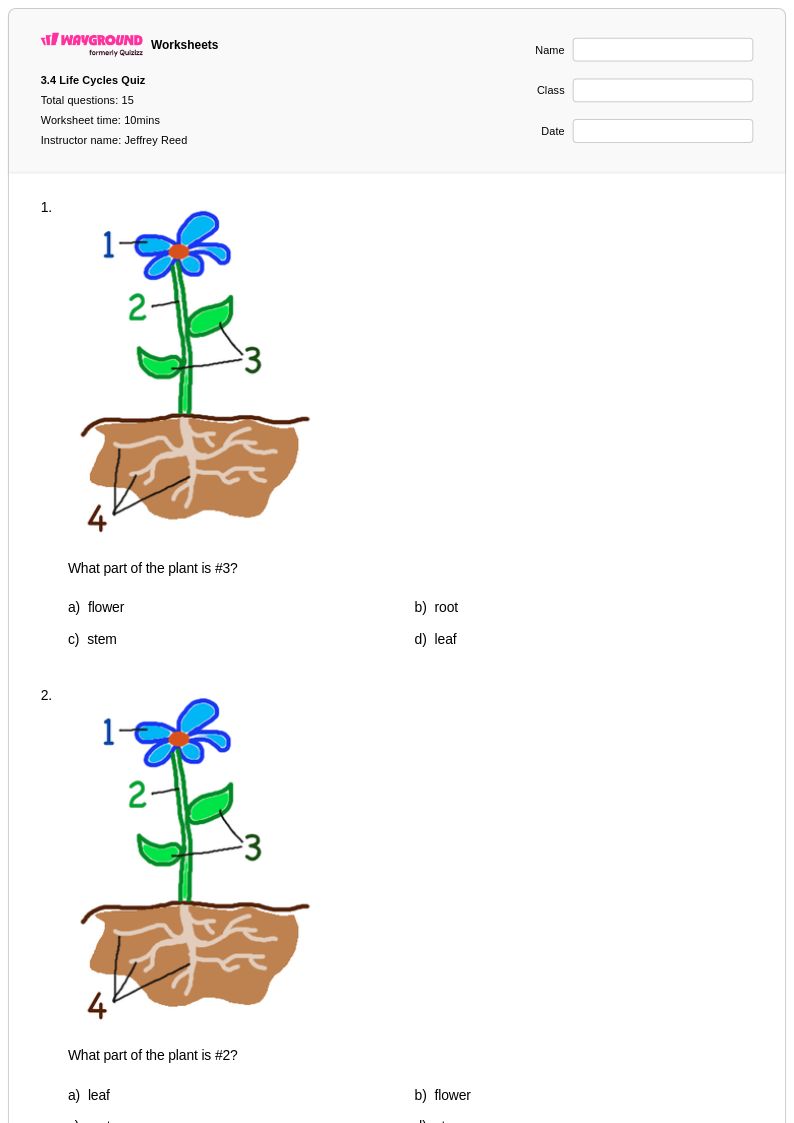
15 Q
1st - 5th
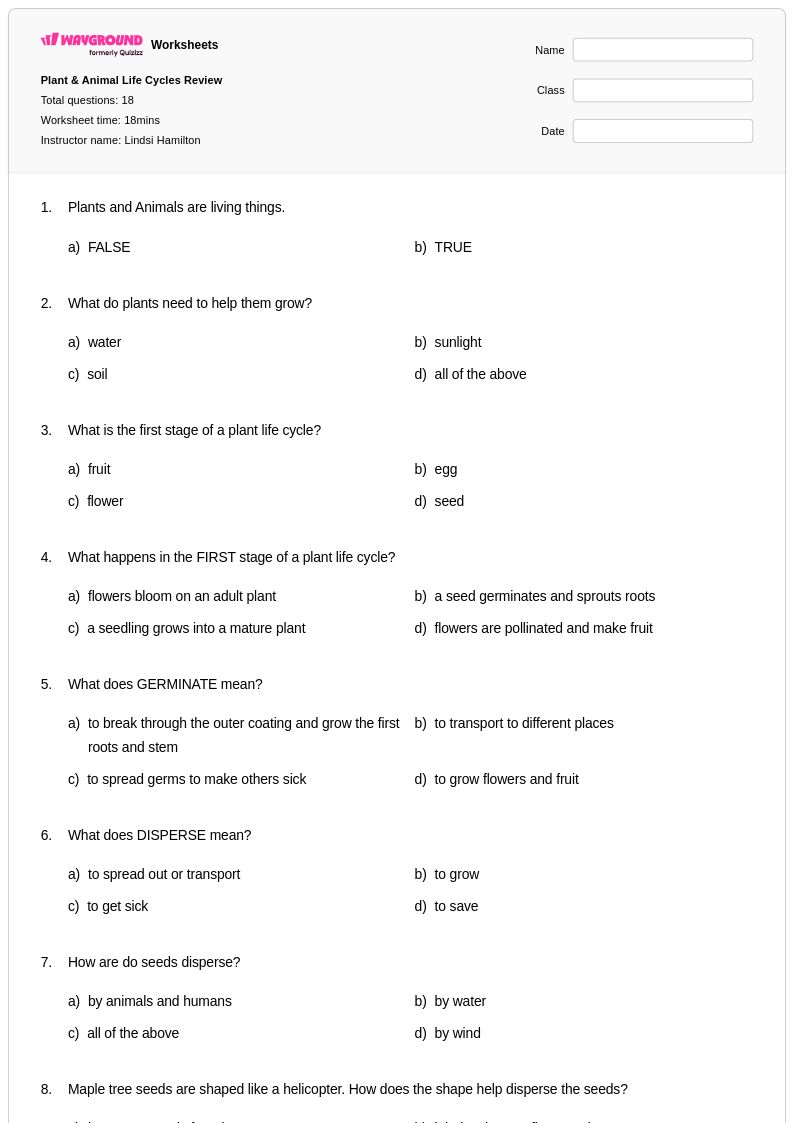
18 Q
2nd
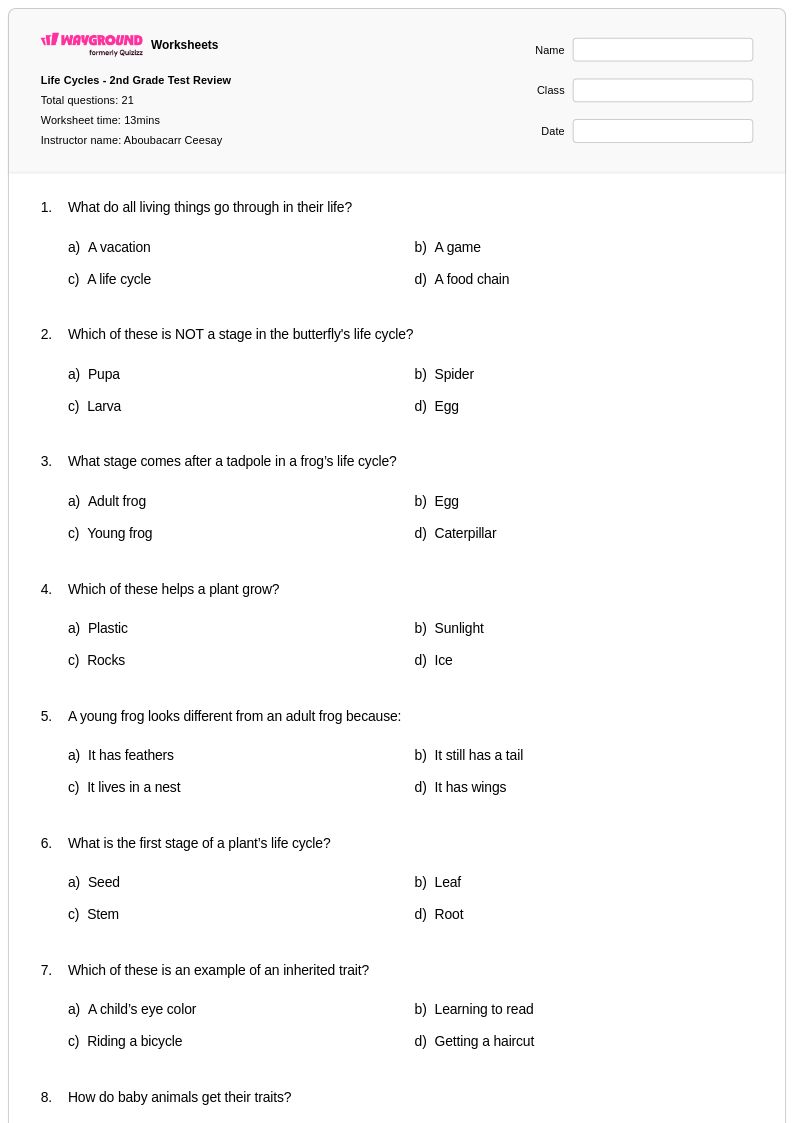
21 Q
2nd - Uni
Explore Other Subject Worksheets for class 2
Explore printable Chick Life Cycle worksheets for Class 2
Class 2 chick life cycle worksheets available through Wayground (formerly Quizizz) provide young learners with engaging, age-appropriate activities that explore the fascinating transformation from egg to adult chicken. These educational resources strengthen foundational life science skills by helping students identify and sequence the four main stages of development: egg, chick, young chicken, and adult hen or rooster. The worksheets feature visual learning opportunities through diagrams, labeling exercises, and sequencing activities that make abstract biological concepts concrete for second-grade students. Each printable resource includes comprehensive answer keys to support accurate assessment, while the free pdf format ensures easy classroom distribution and home practice. These practice problems develop critical thinking skills as students observe patterns in nature, understand the concept of life stages, and build vocabulary related to animal development and reproduction.
Wayground (formerly Quizizz) empowers educators with access to millions of teacher-created chick life cycle resources specifically designed for Class 2 learners, featuring robust search and filtering capabilities that allow quick identification of materials aligned with state science standards. The platform's differentiation tools enable teachers to customize worksheets based on individual student needs, whether providing additional support for struggling learners or offering enrichment activities for advanced students. These versatile resources are available in both printable and digital formats, including downloadable pdf versions that facilitate seamless integration into various instructional settings. Teachers can efficiently plan comprehensive life science units, implement targeted remediation strategies, and provide meaningful skill practice opportunities that reinforce understanding of biological processes while accommodating diverse learning styles and classroom management preferences.
FAQs
How do I teach the chick life cycle to elementary students?
What activities help students practice sequencing the stages of a chick's life cycle?
What vocabulary do students need to know for the chick life cycle?
What mistakes do students commonly make when learning about the chick life cycle?
How can I use chick life cycle worksheets in both print and digital classroom settings?
How do I differentiate chick life cycle instruction for students with different learning needs?