
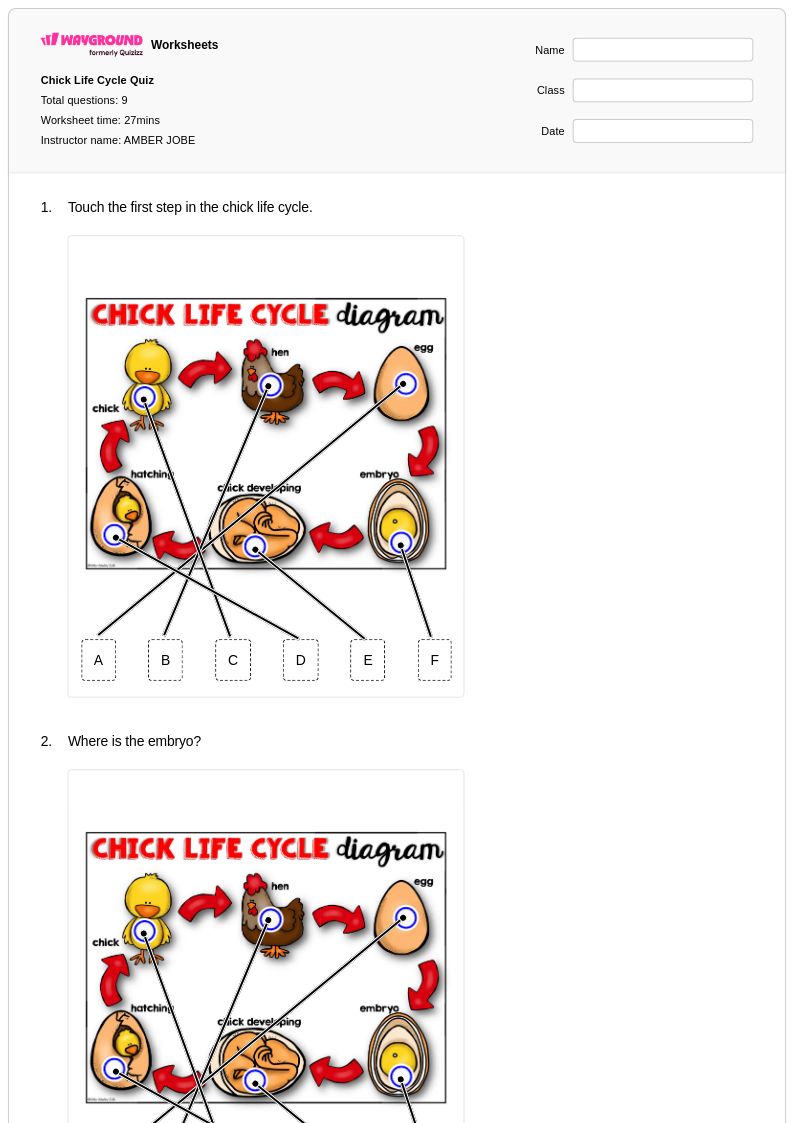
9 Q
1st
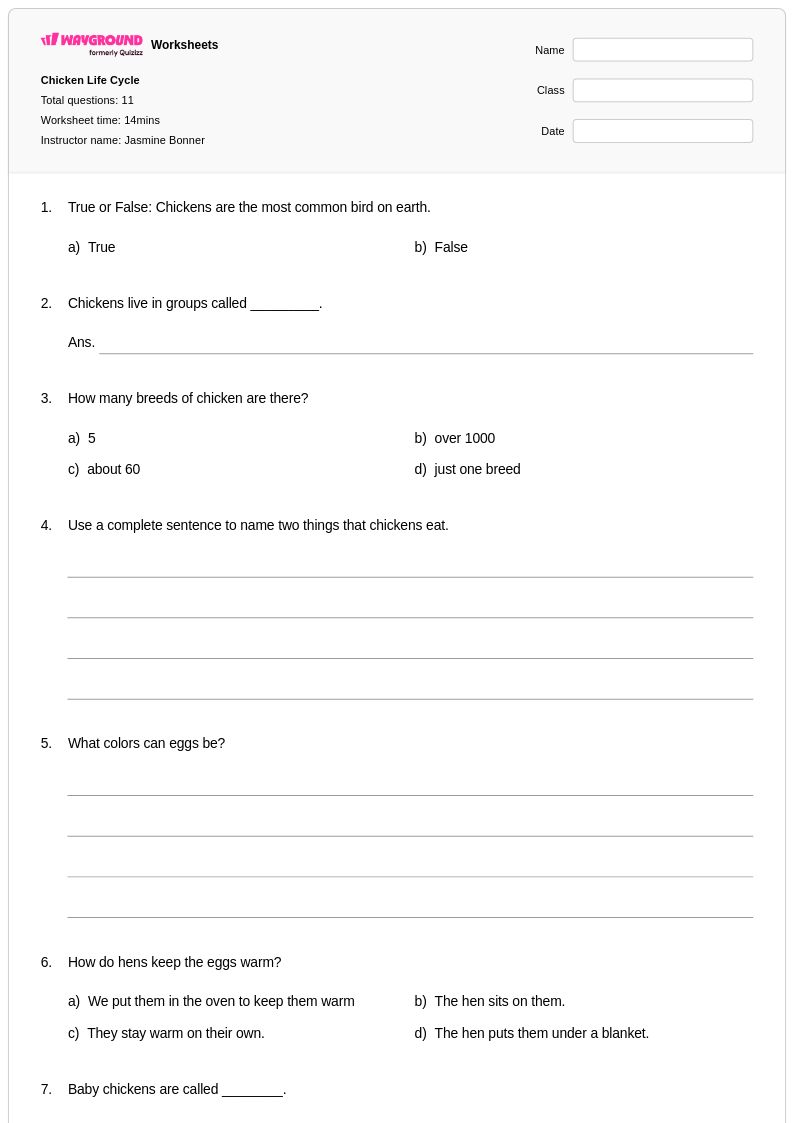
11 Q
2nd
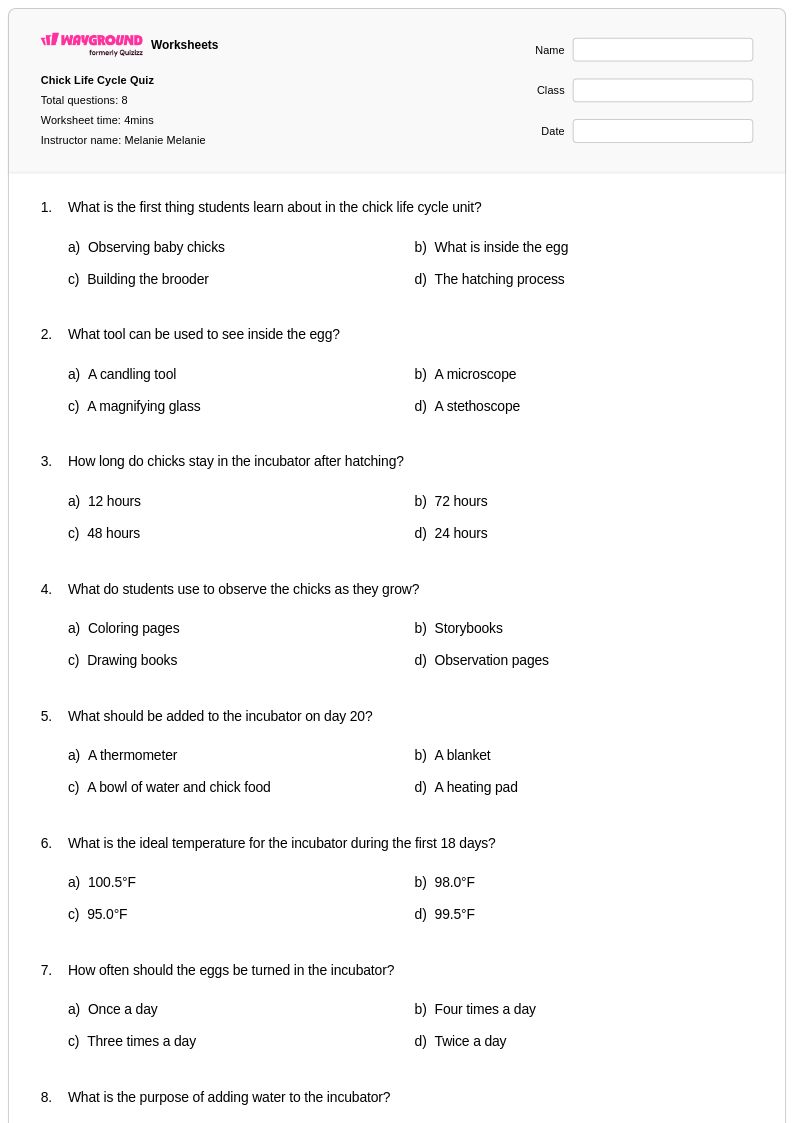
8 Q
1st
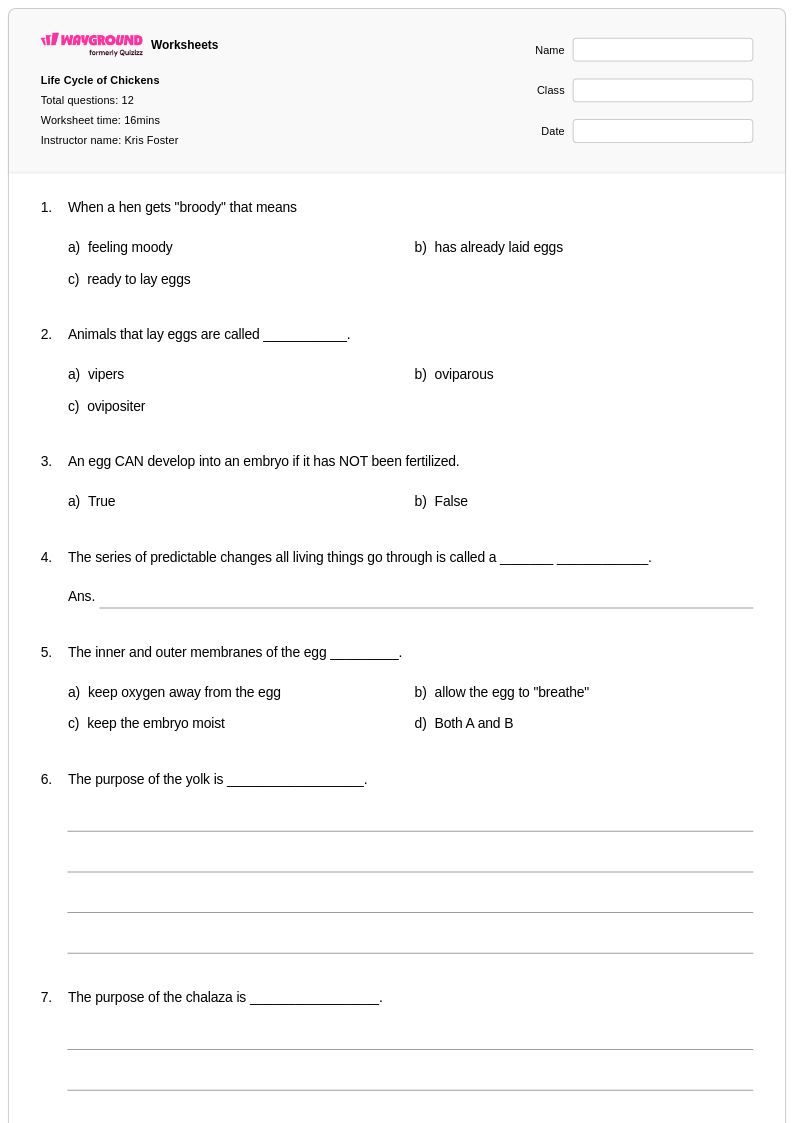
12 Q
4th
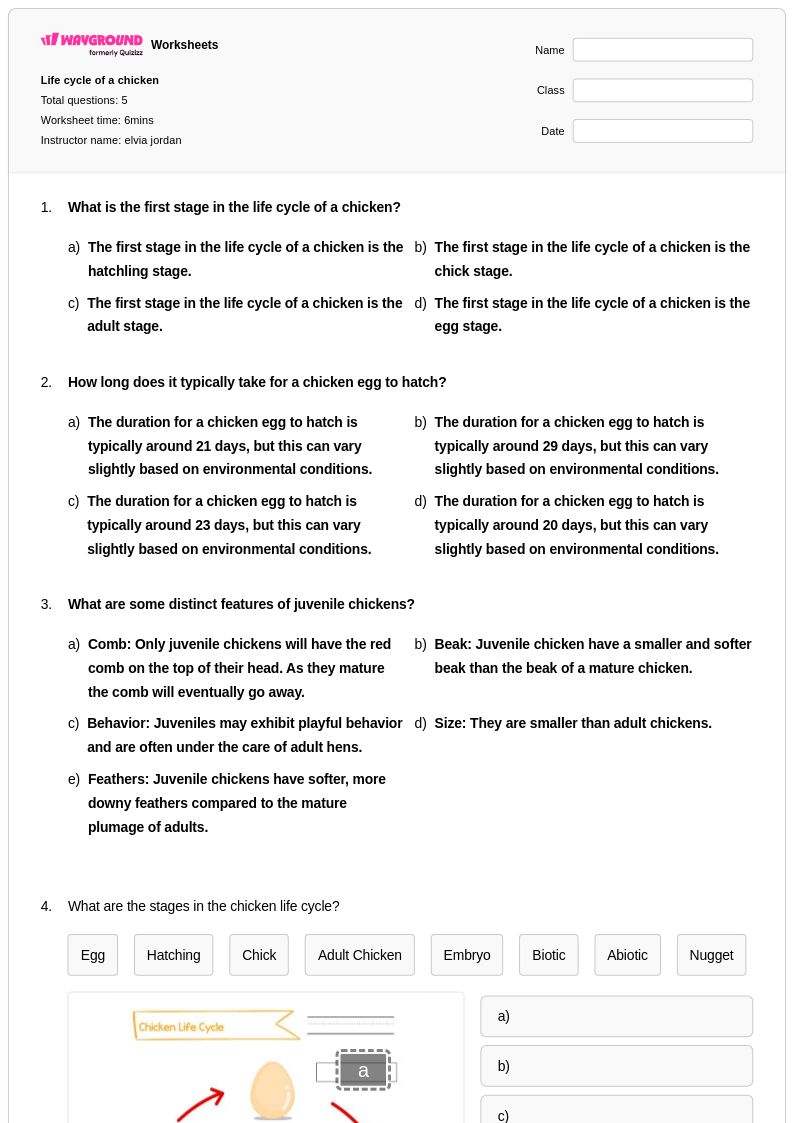
5 Q
3rd
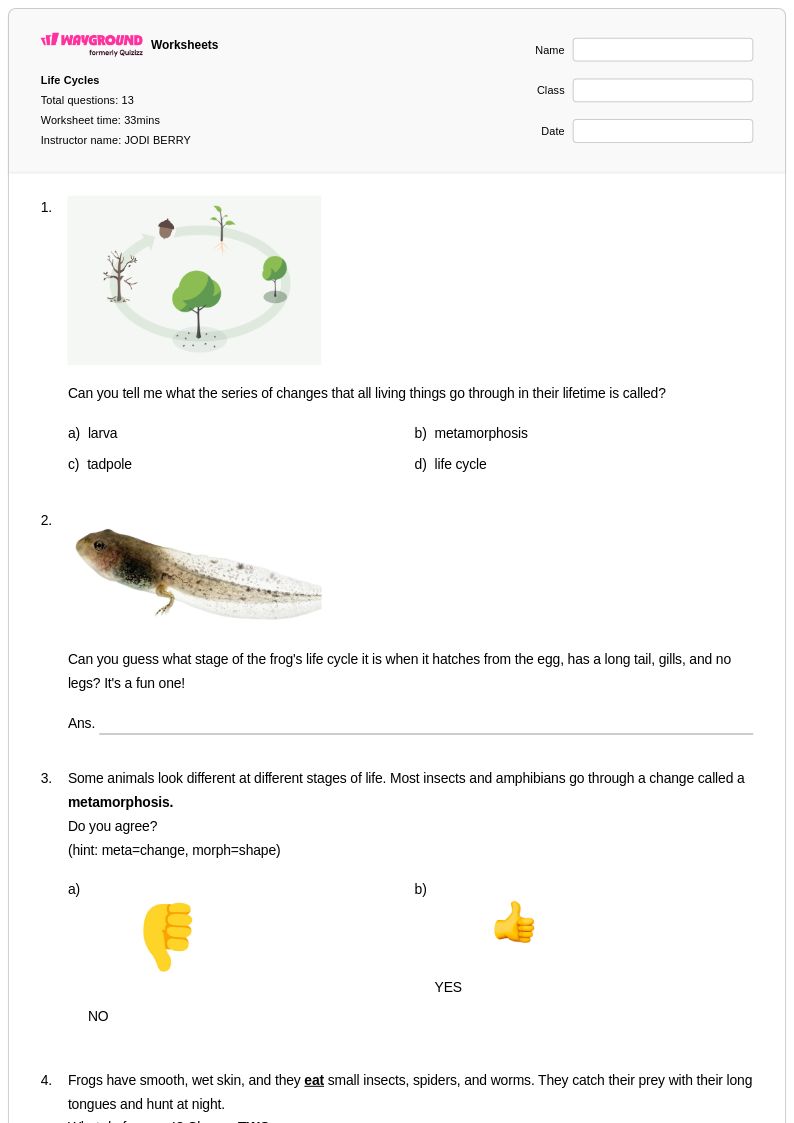
13 Q
2nd
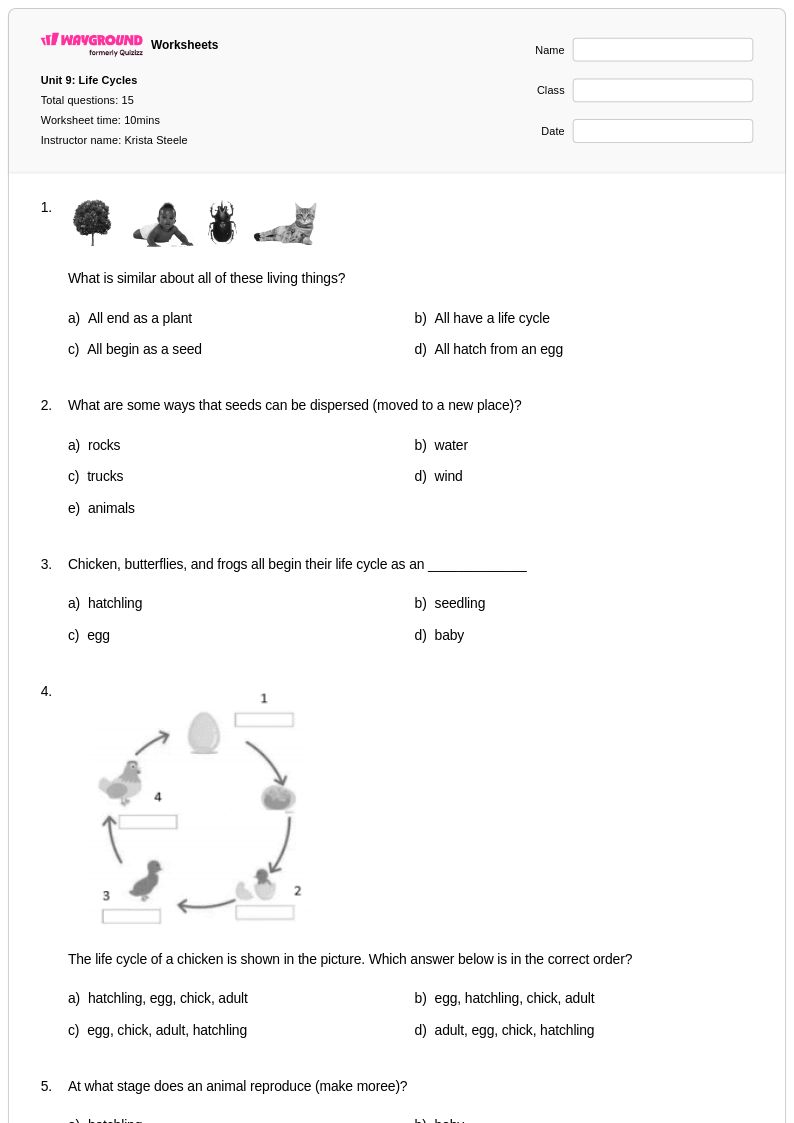
15 Q
2nd
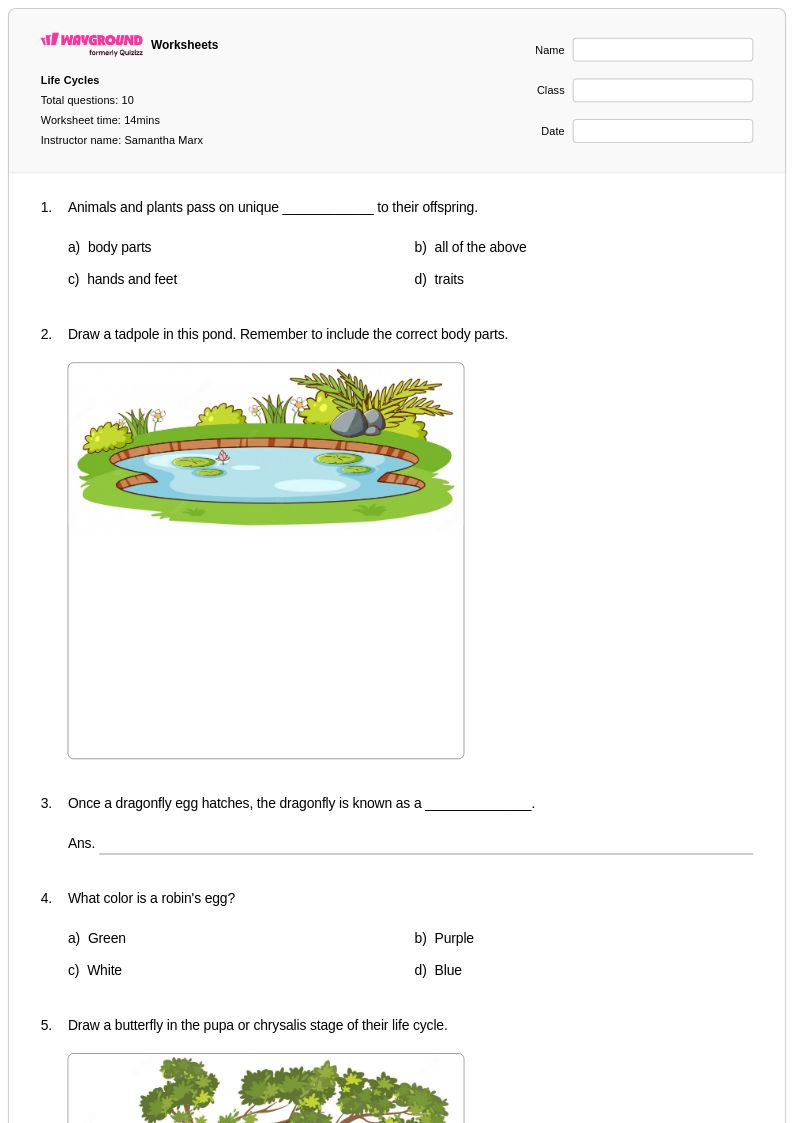
10 Q
2nd
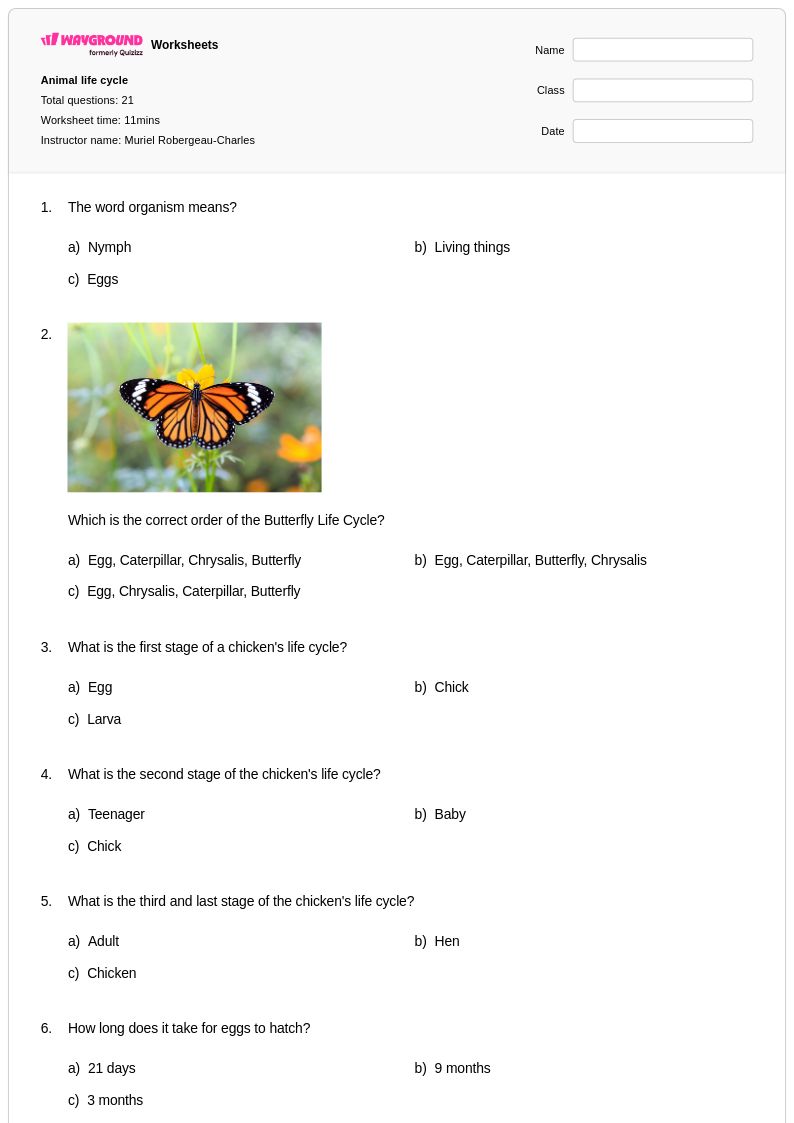
21 Q
2nd
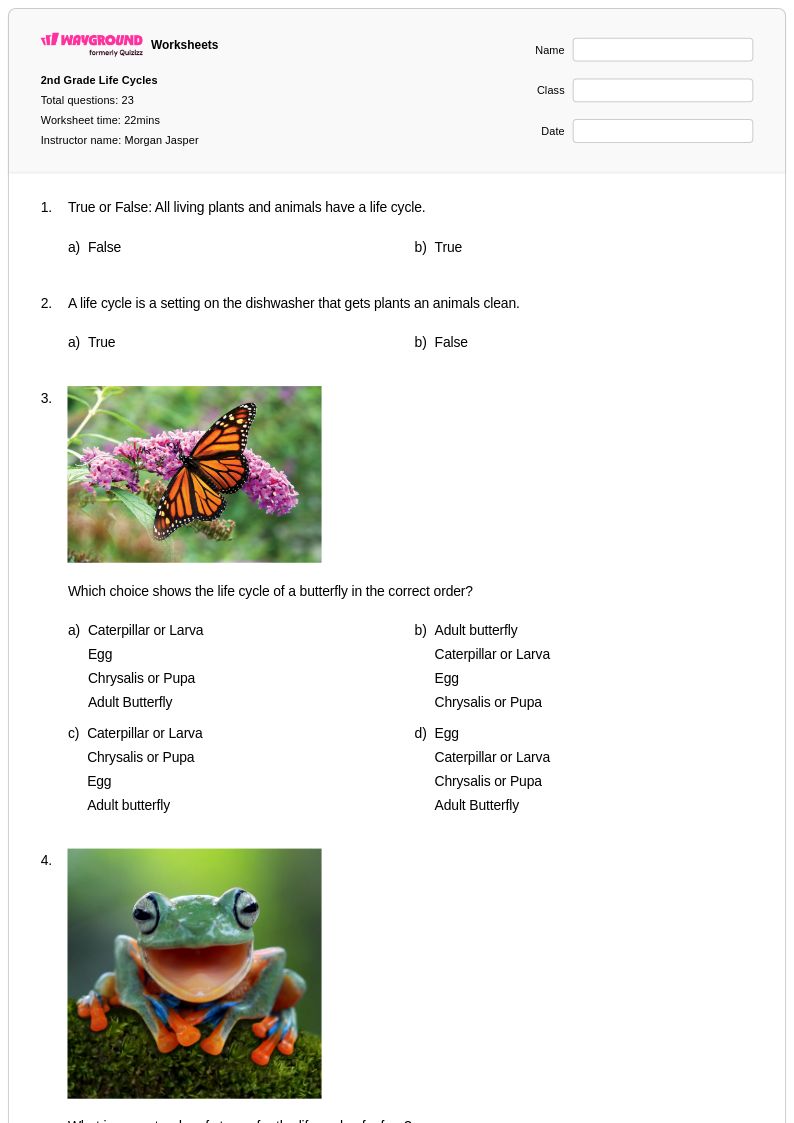
17 Q
1st - 5th
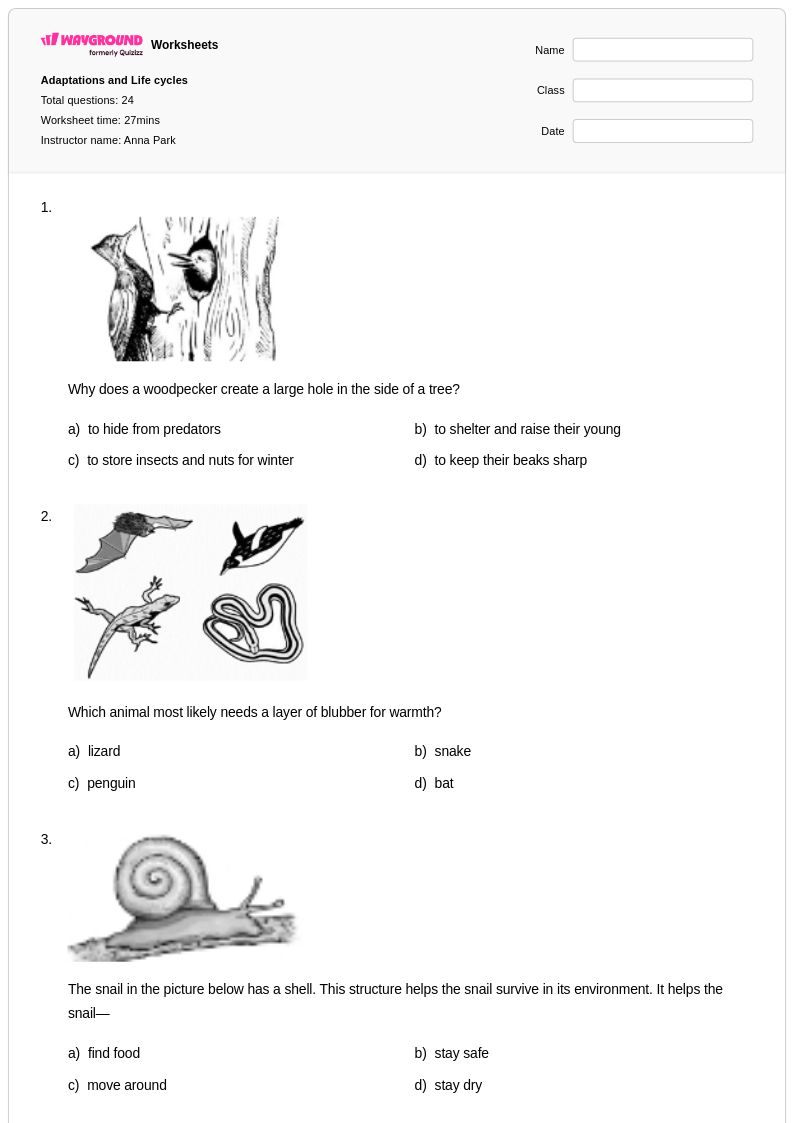
24 Q
3rd
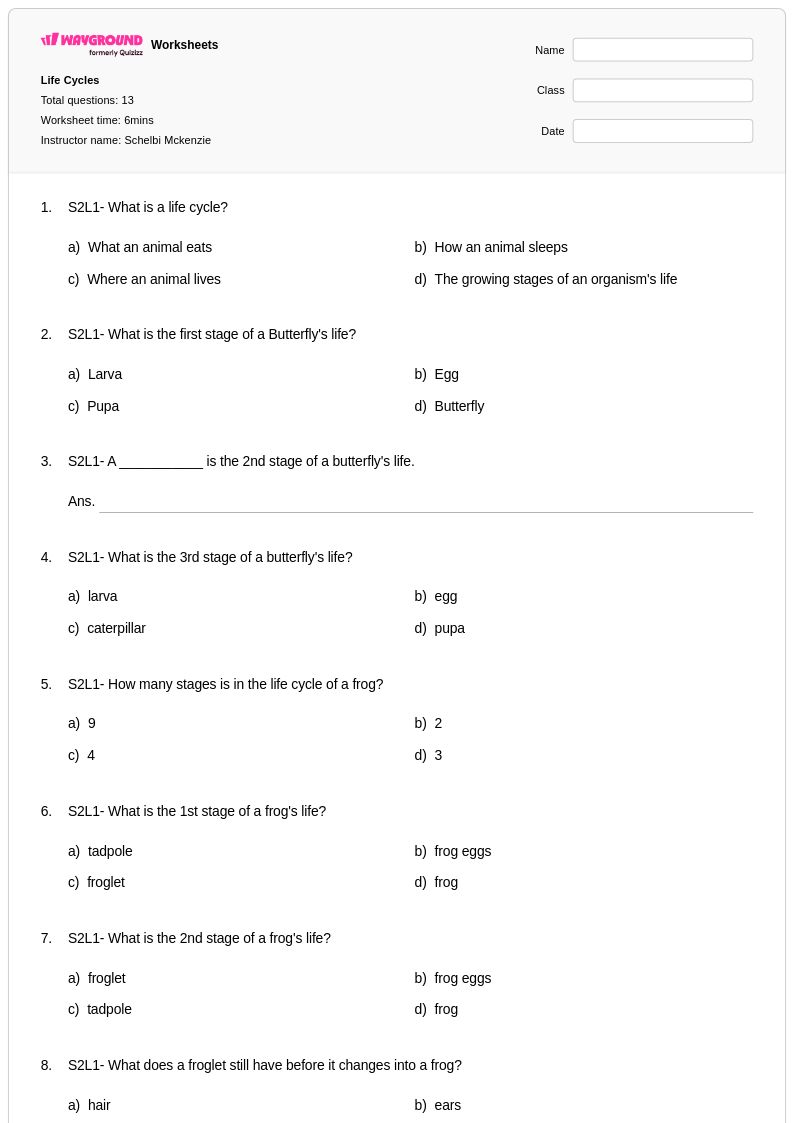
13 Q
2nd
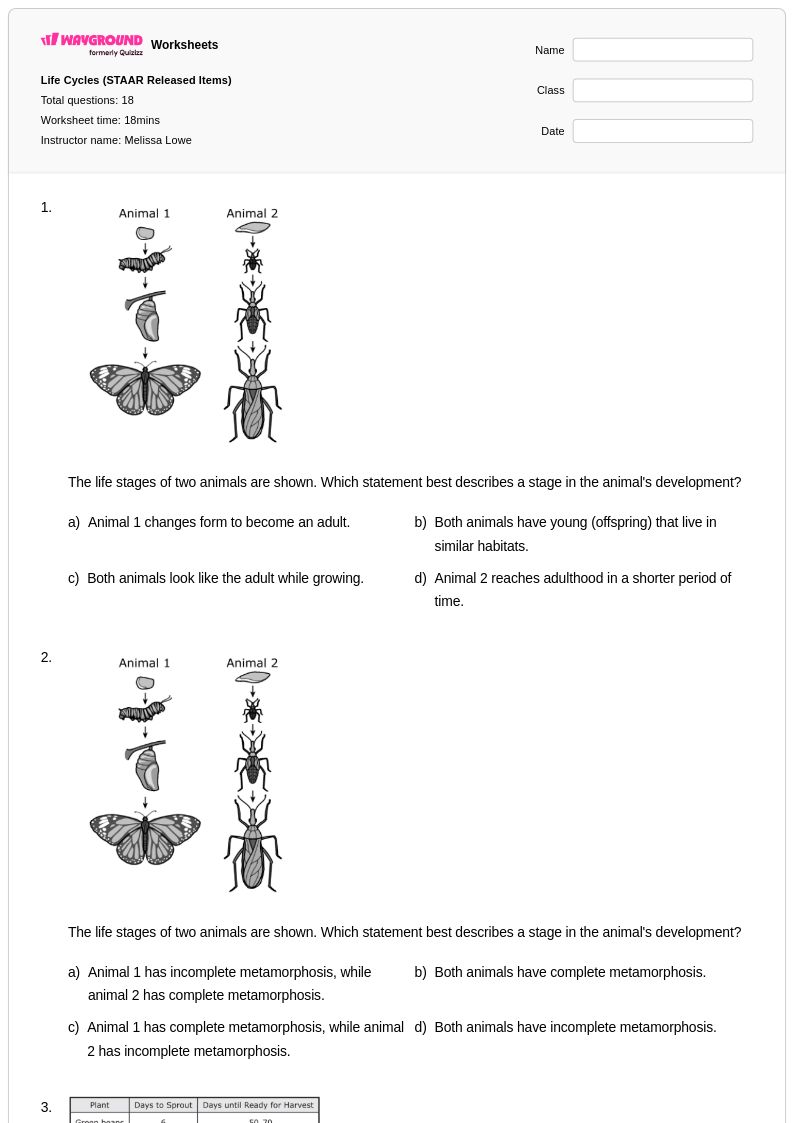
18 Q
5th
26 Q
2nd
20 Q
2nd
22 Q
2nd
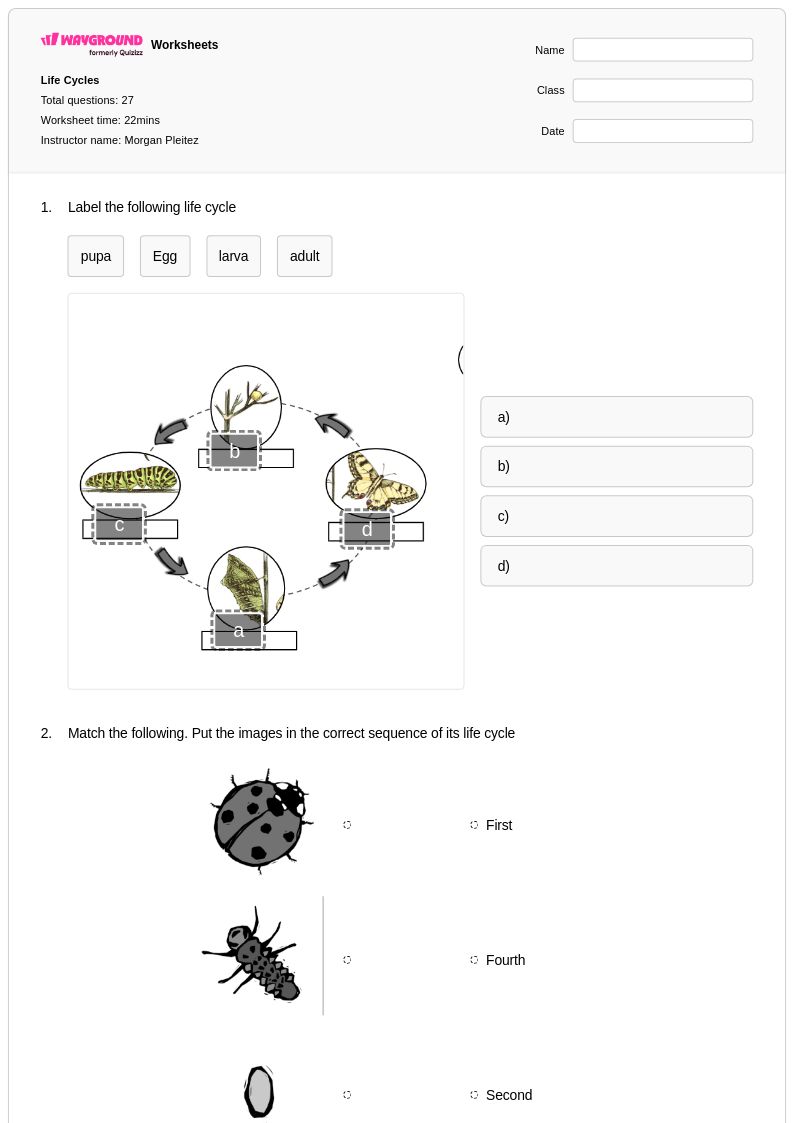
27 Q
5th
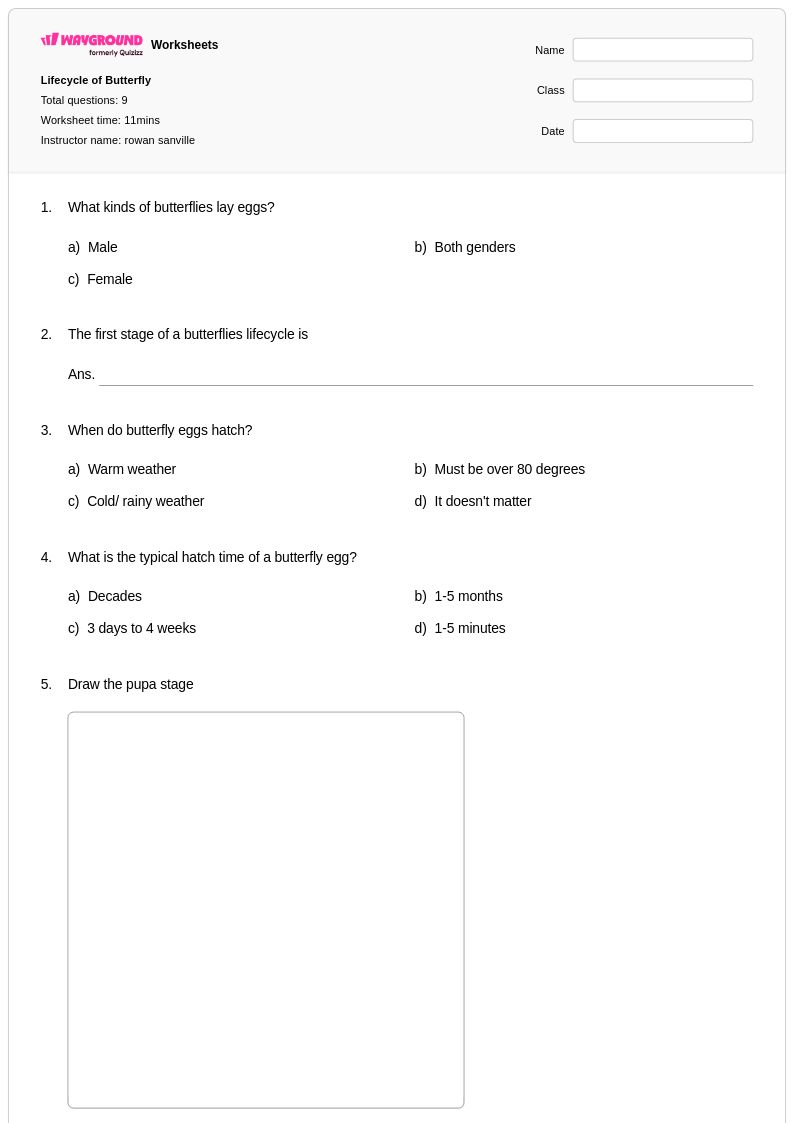
9 Q
2nd
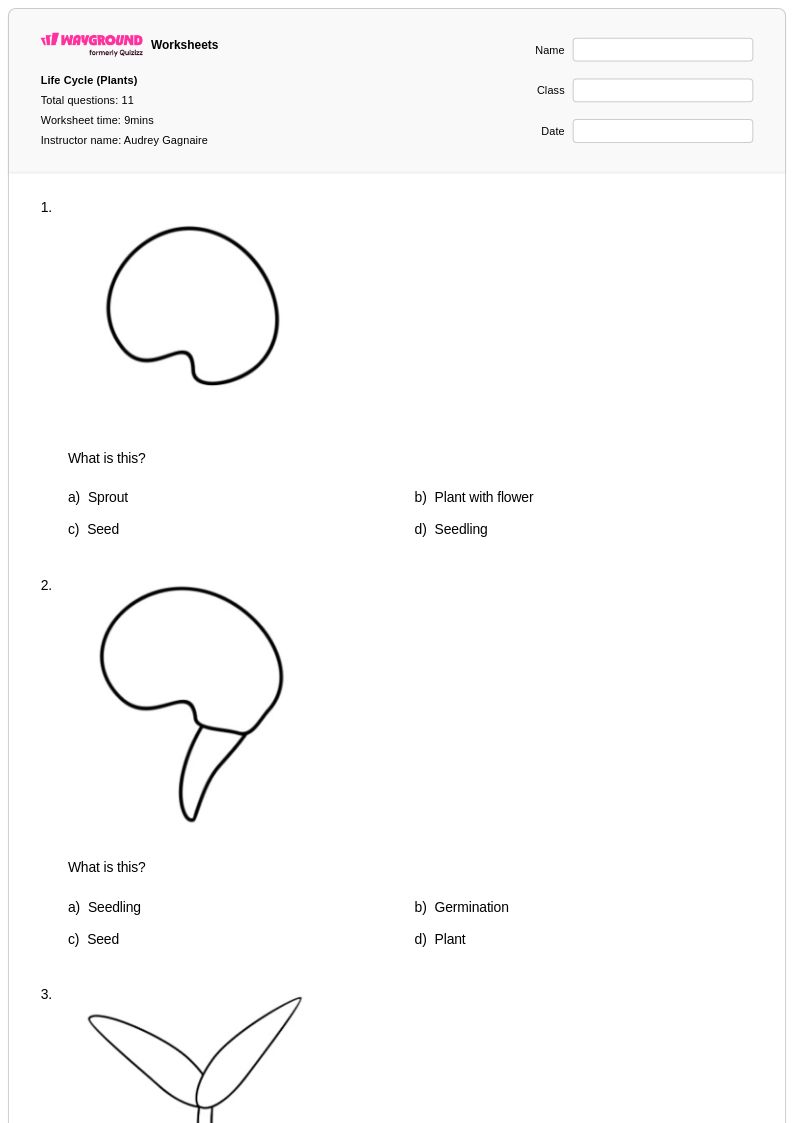
11 Q
3rd
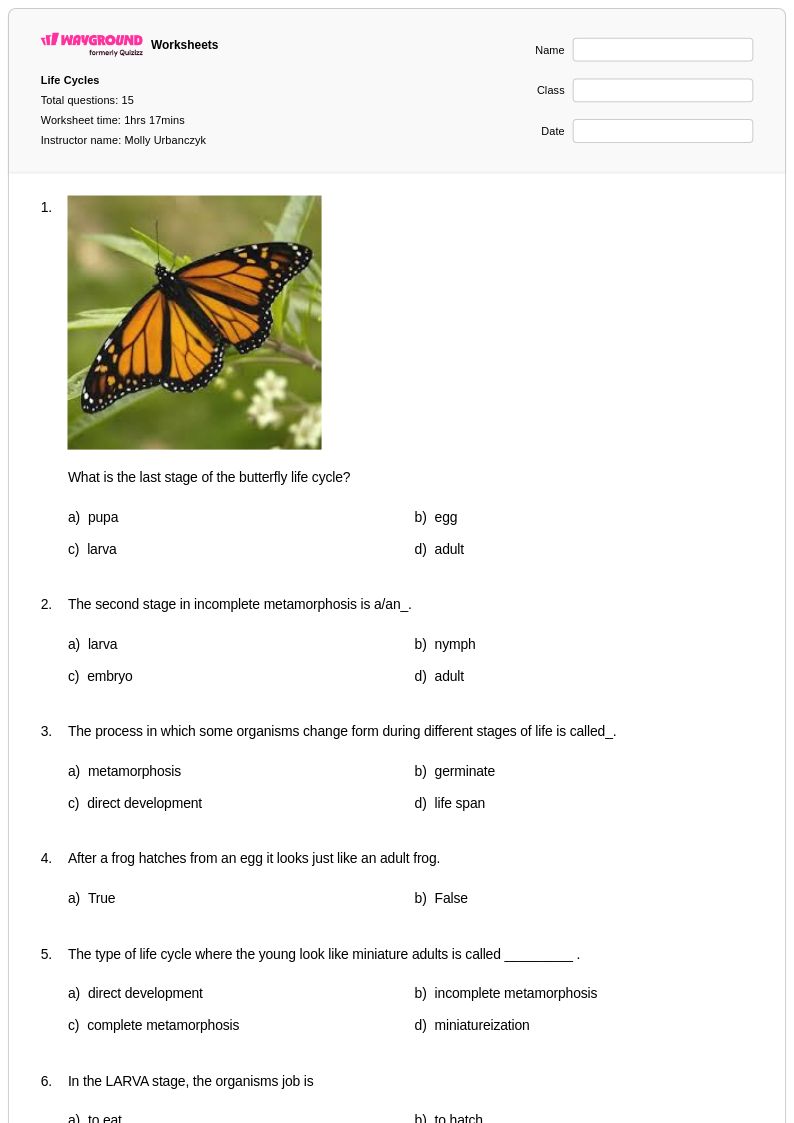
15 Q
4th
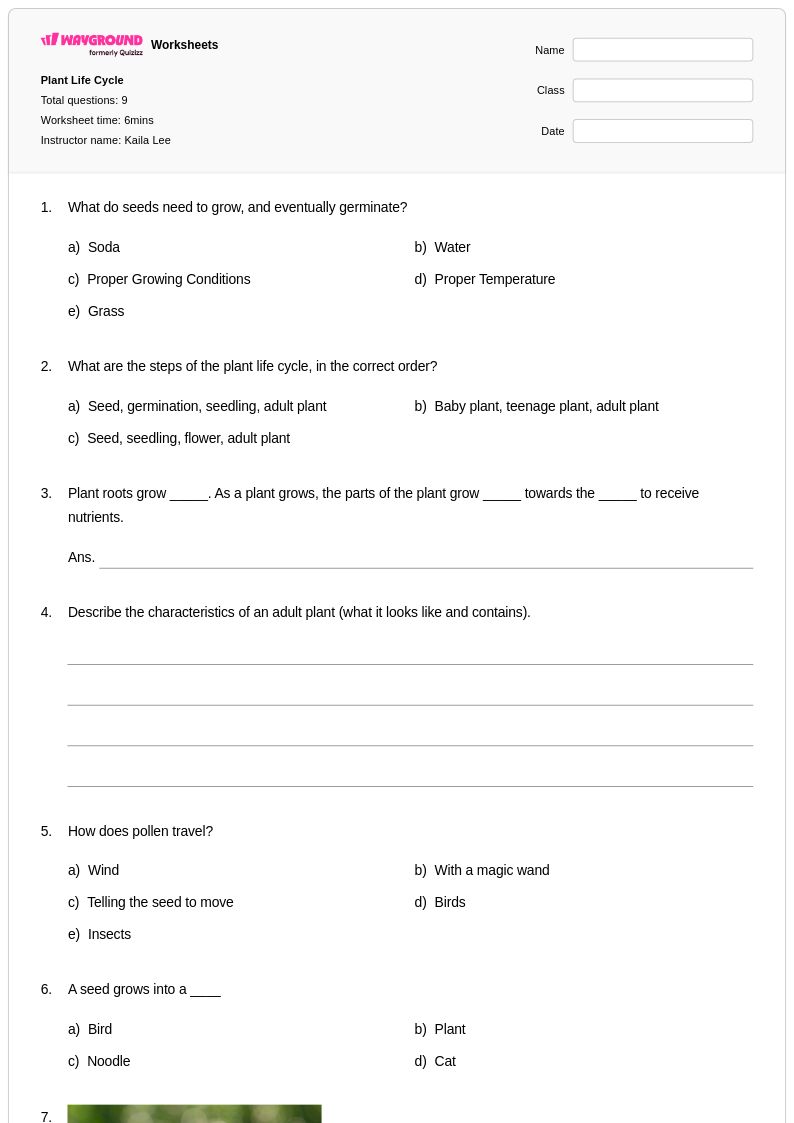
9 Q
1st
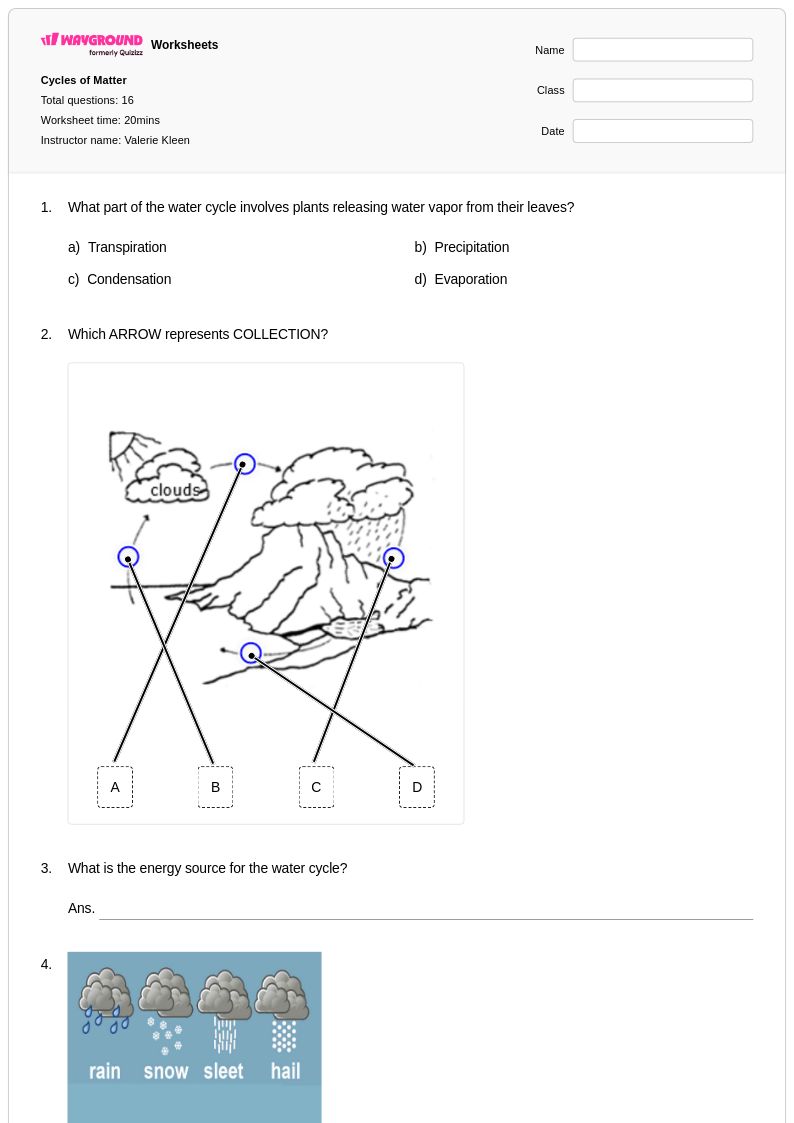
16 Q
7th
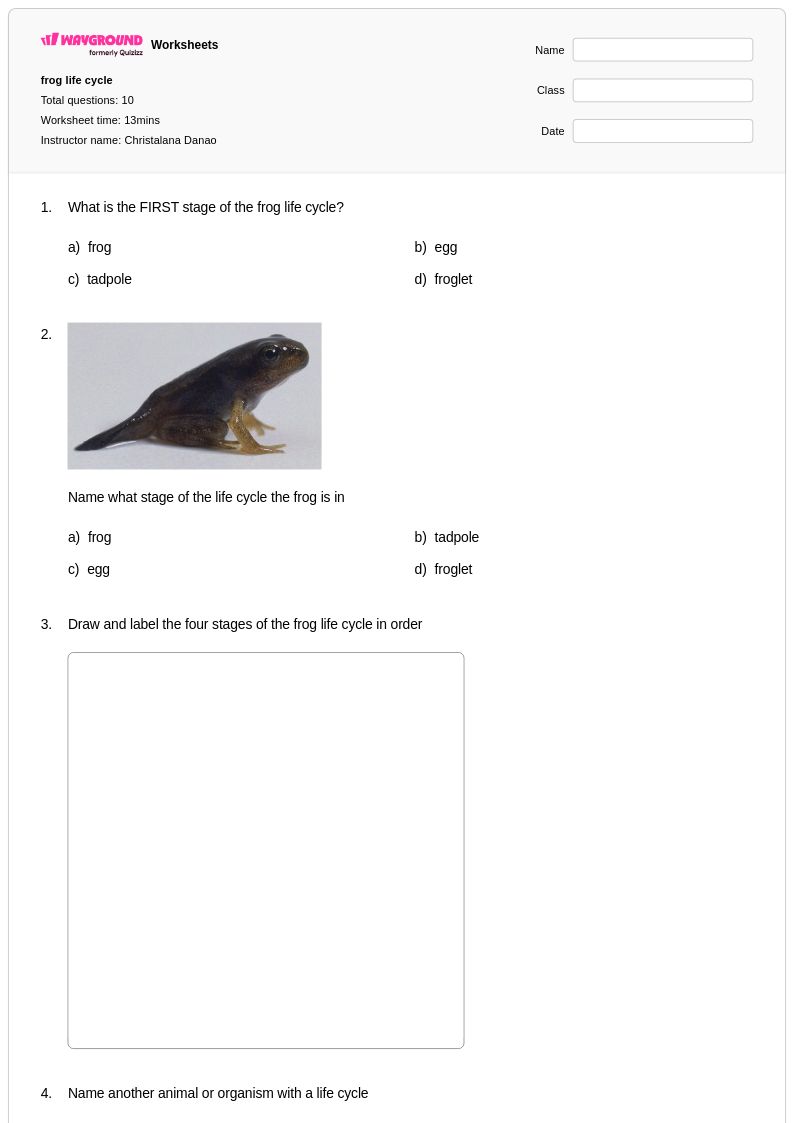
10 Q
3rd
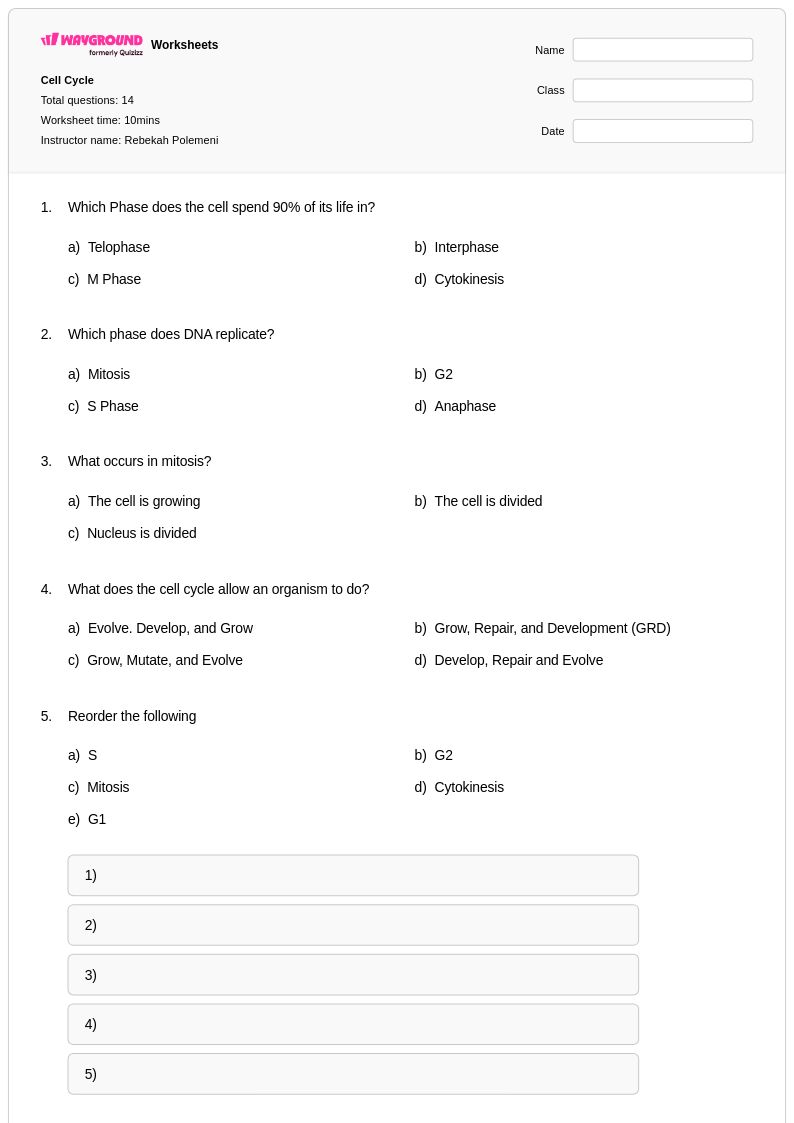
14 Q
10th
Explore Other Subject Worksheets for kindergarten
Explore printable Chick Life Cycle worksheets for Kindergarten
Chick life cycle worksheets for kindergarten students provide an engaging introduction to biological development and animal life stages through carefully designed educational materials available through Wayground (formerly Quizizz). These foundational science worksheets help young learners understand the sequential stages of chicken development, from egg to adult bird, while building critical observation skills and scientific vocabulary. The comprehensive collection includes visual sequencing activities, labeling exercises, and matching tasks that make abstract biological concepts accessible to early elementary students. Teachers can access complete worksheet sets with accompanying answer keys, offering both printable PDF formats and digital versions that support diverse classroom needs. These practice problems encourage students to identify key characteristics of each developmental stage while strengthening their ability to recognize patterns in natural processes.
Wayground (formerly Quizizz) empowers educators with an extensive library of millions of teacher-created resources specifically designed for kindergarten life science instruction, including comprehensive chick life cycle materials that align with early childhood science standards. The platform's robust search and filtering capabilities allow teachers to quickly locate age-appropriate worksheets that match their specific curriculum requirements and student ability levels. Advanced differentiation tools enable instructors to modify existing materials or create customized versions that accommodate diverse learning needs, supporting both remediation for struggling students and enrichment opportunities for advanced learners. The flexible format options, including downloadable PDFs and interactive digital worksheets, facilitate seamless integration into various teaching environments while providing essential resources for lesson planning, skill practice, and formative assessment in early childhood science education.
FAQs
How do I teach the chick life cycle to elementary students?
What activities help students practice sequencing the stages of a chick's life cycle?
What vocabulary do students need to know for the chick life cycle?
What mistakes do students commonly make when learning about the chick life cycle?
How can I use chick life cycle worksheets in both print and digital classroom settings?
How do I differentiate chick life cycle instruction for students with different learning needs?