Free Printable Pumpkin Life Cycle Worksheets for Kindergarten
Discover free kindergarten pumpkin life cycle worksheets and printables that help young learners explore plant growth stages through engaging practice problems, colorful PDFs, and complete answer keys from Wayground.
Explore printable Pumpkin Life Cycle worksheets for Kindergarten
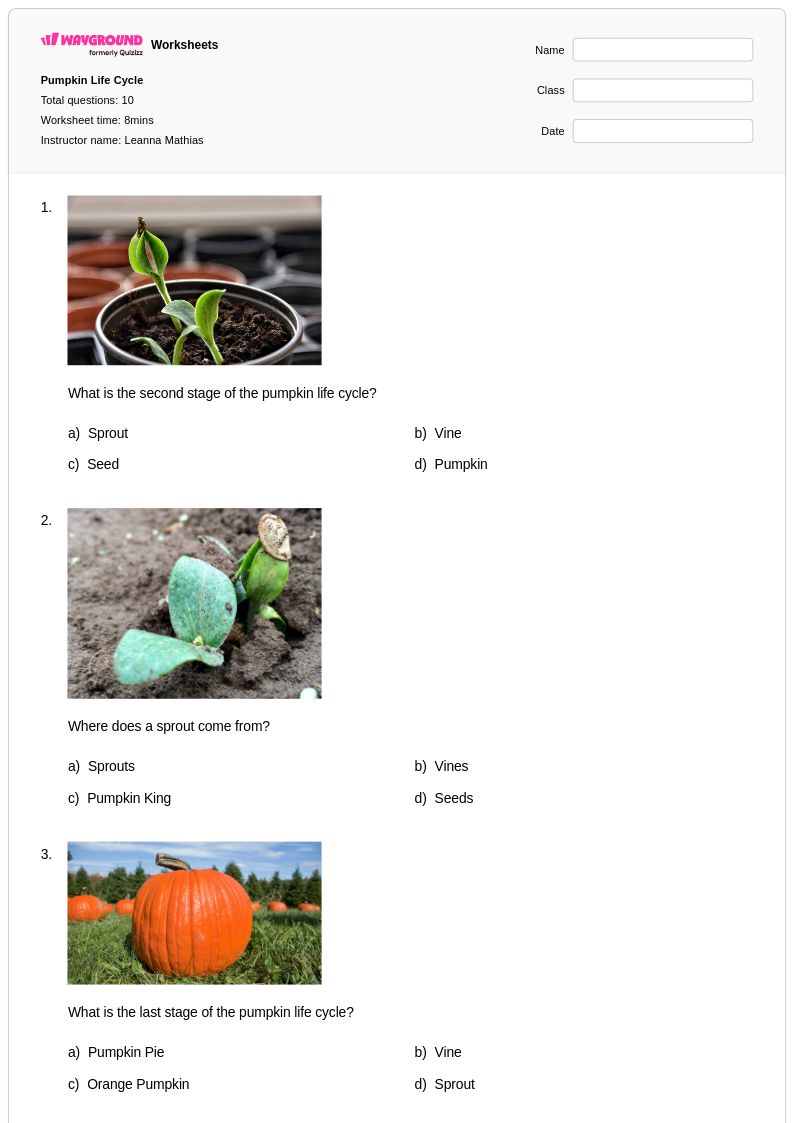
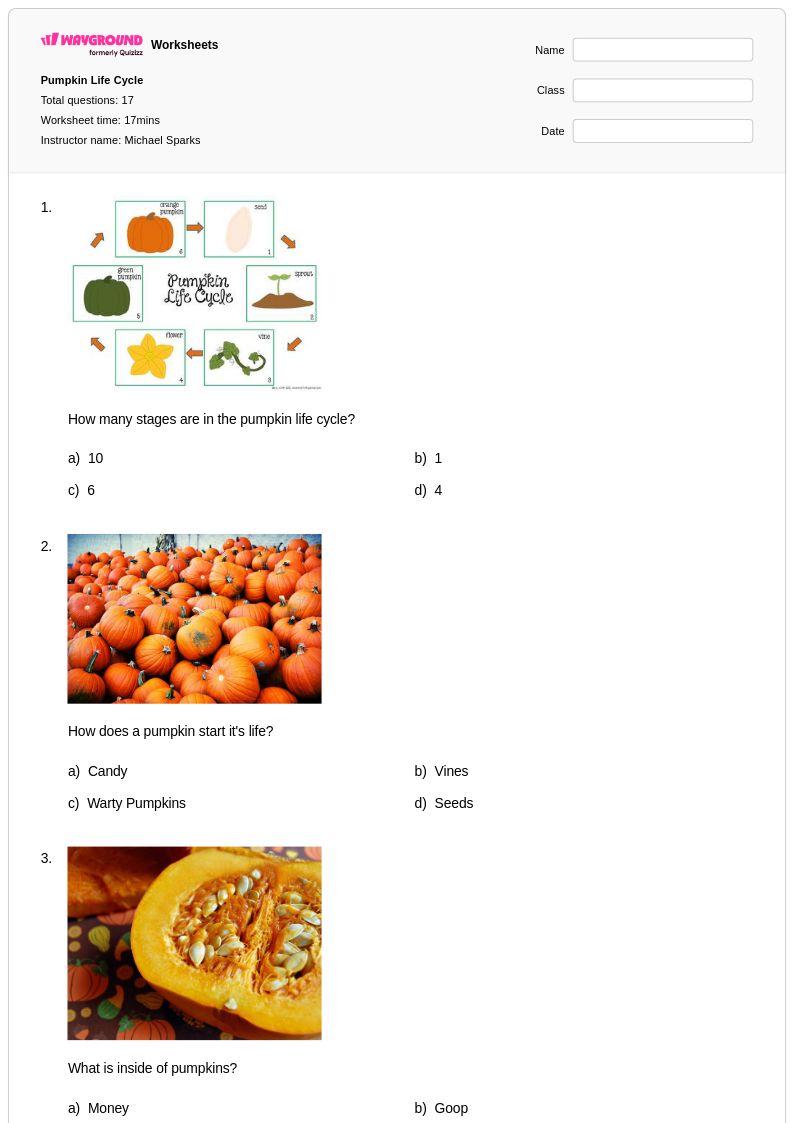
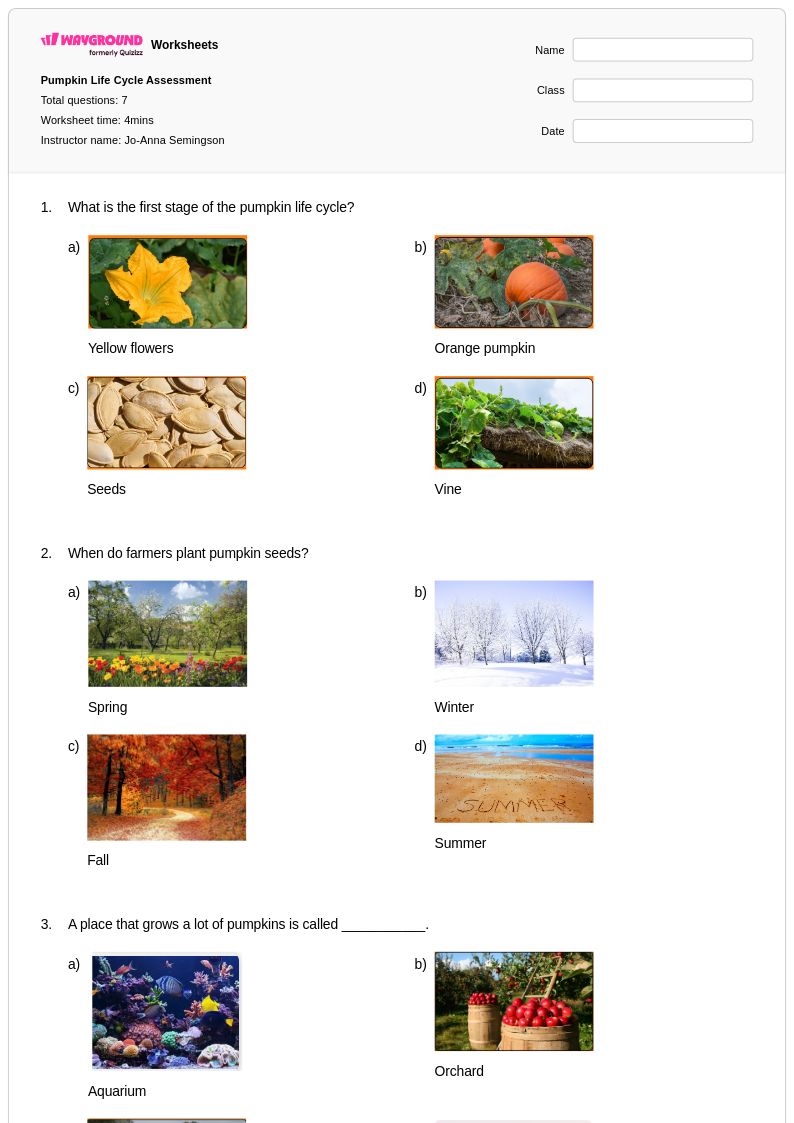
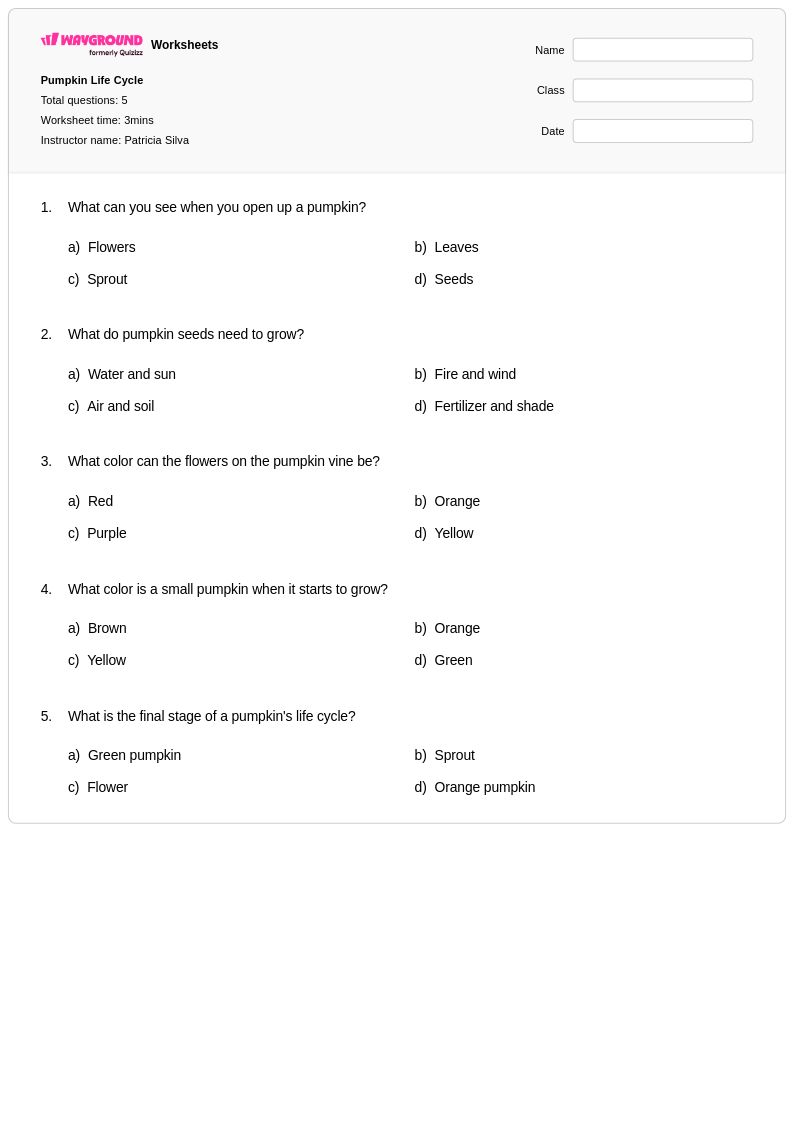
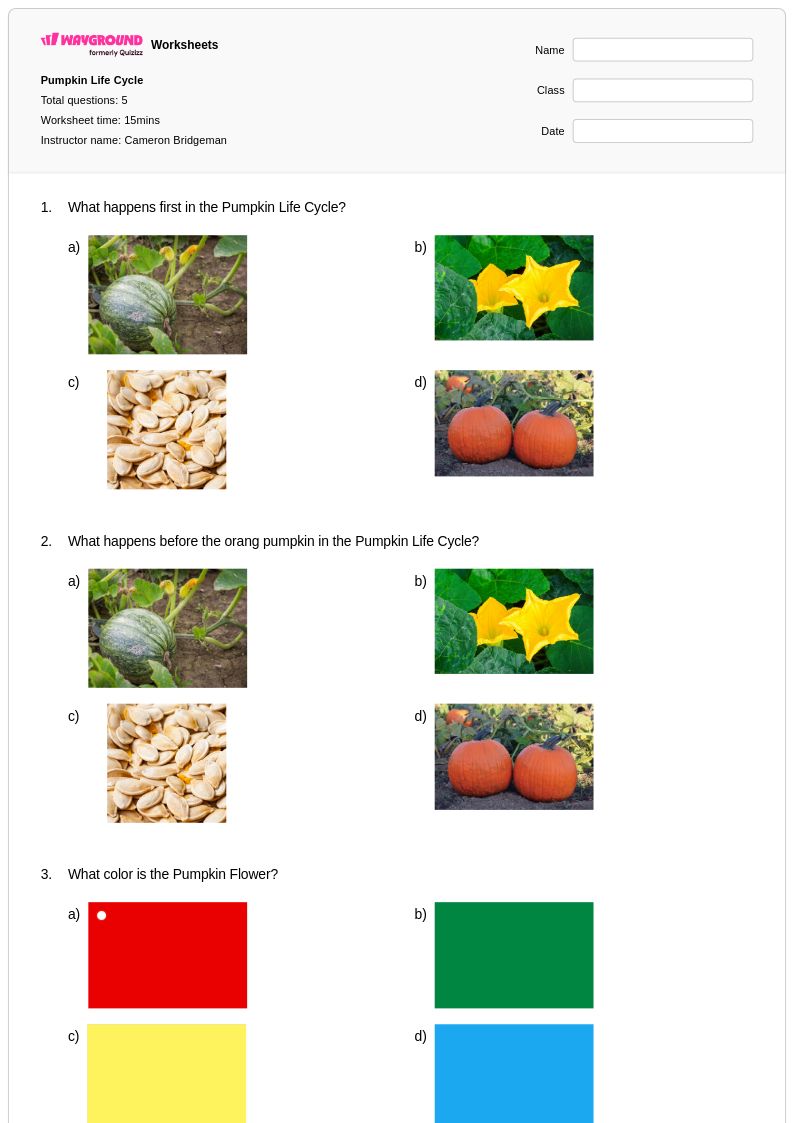
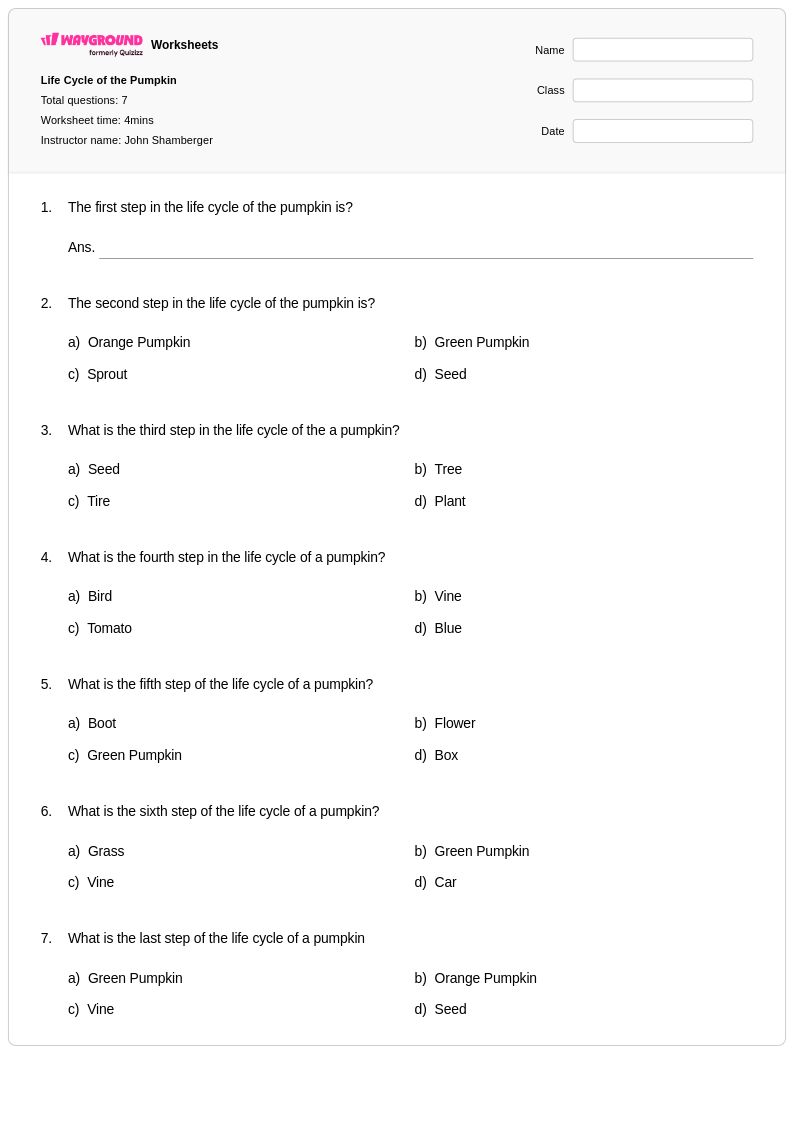
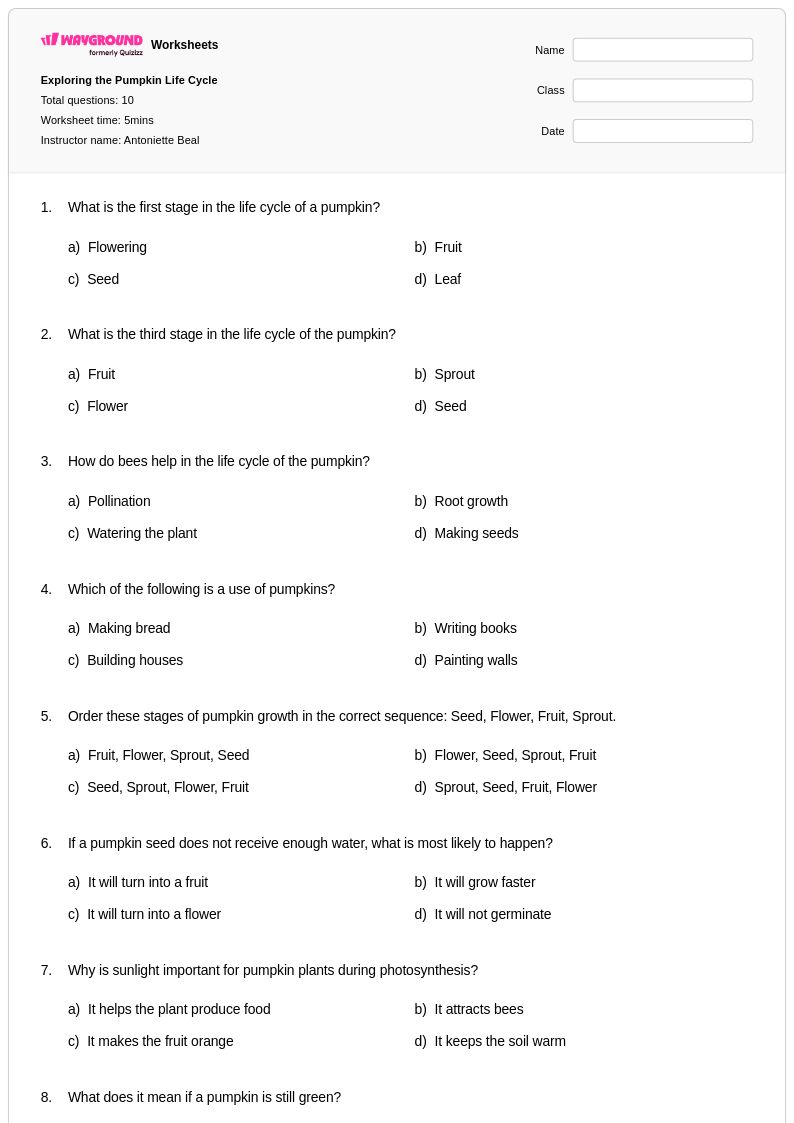
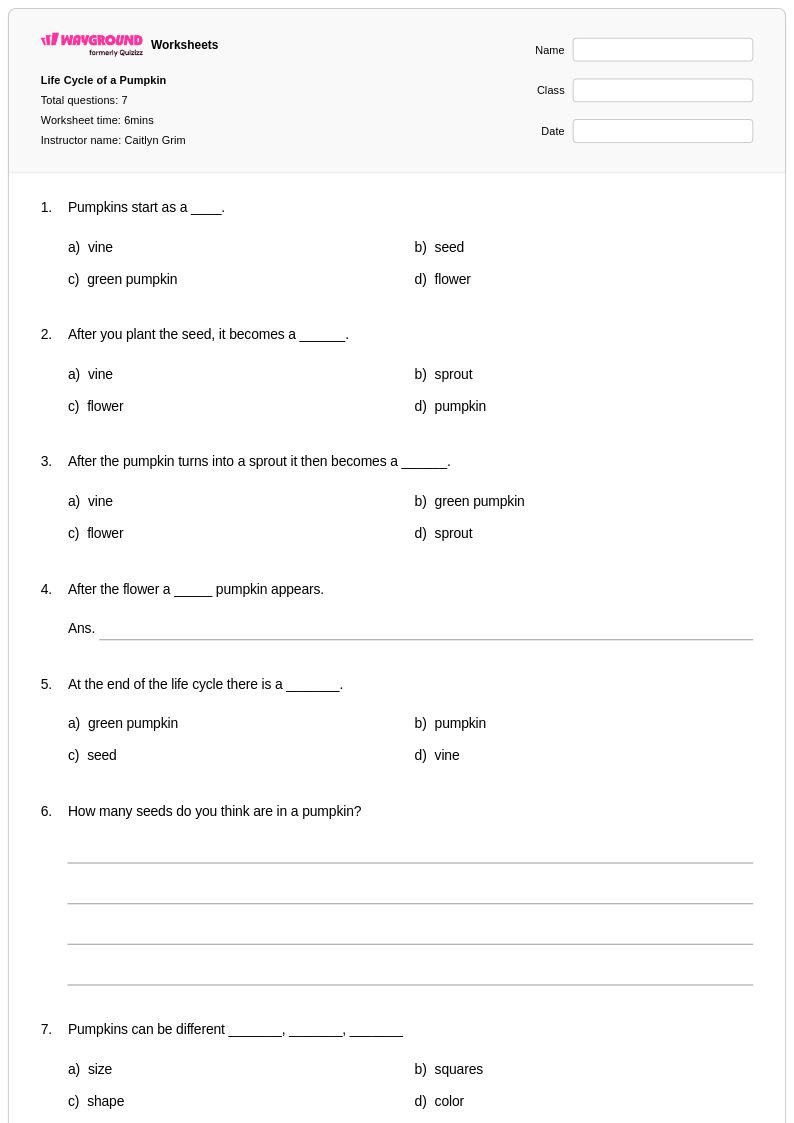
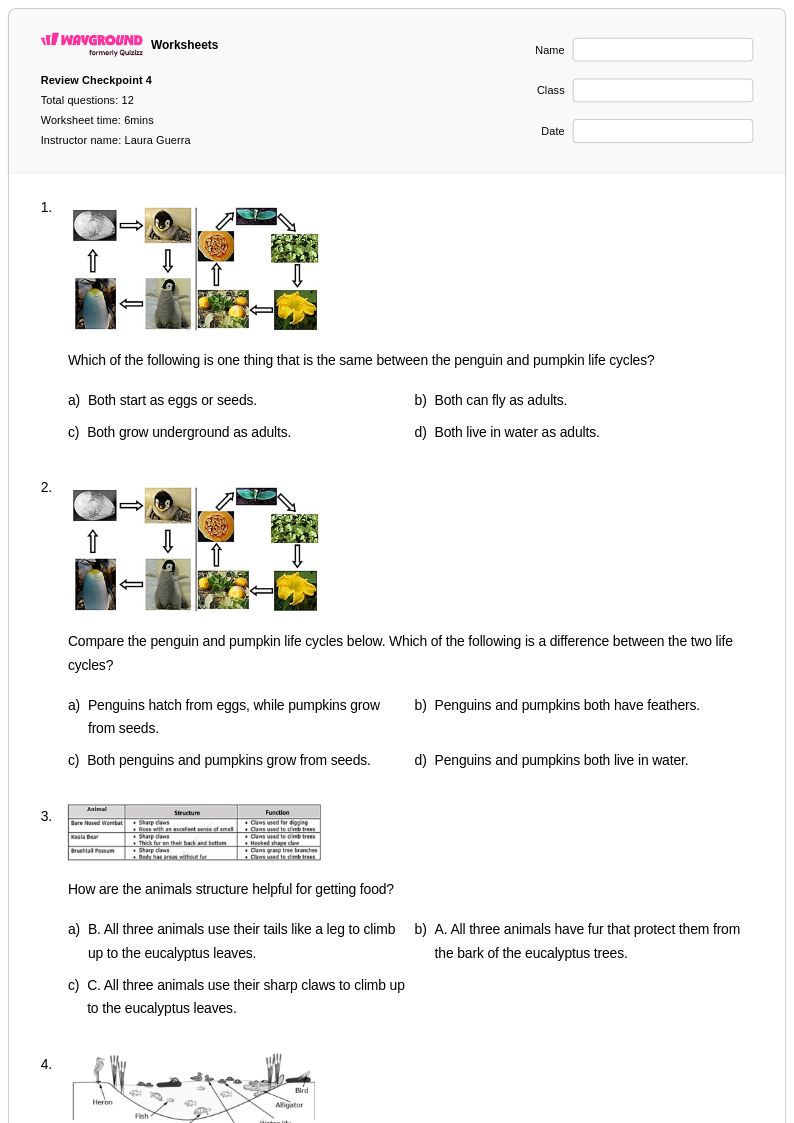
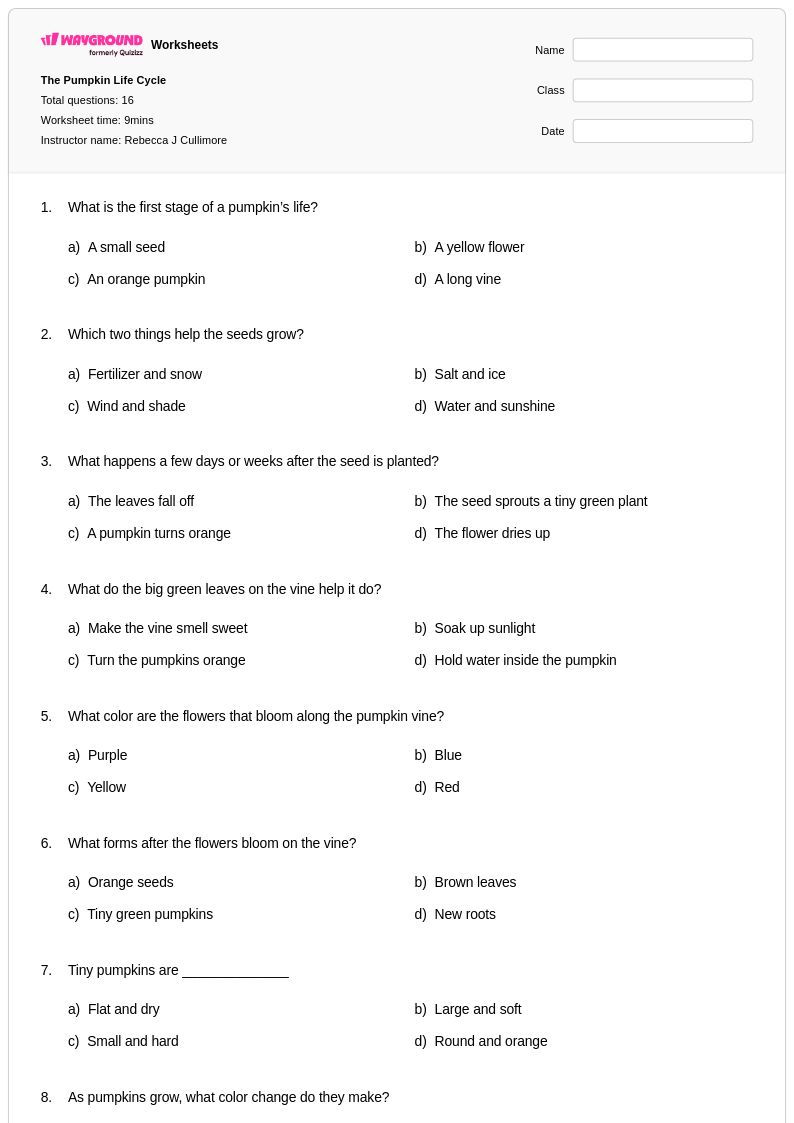
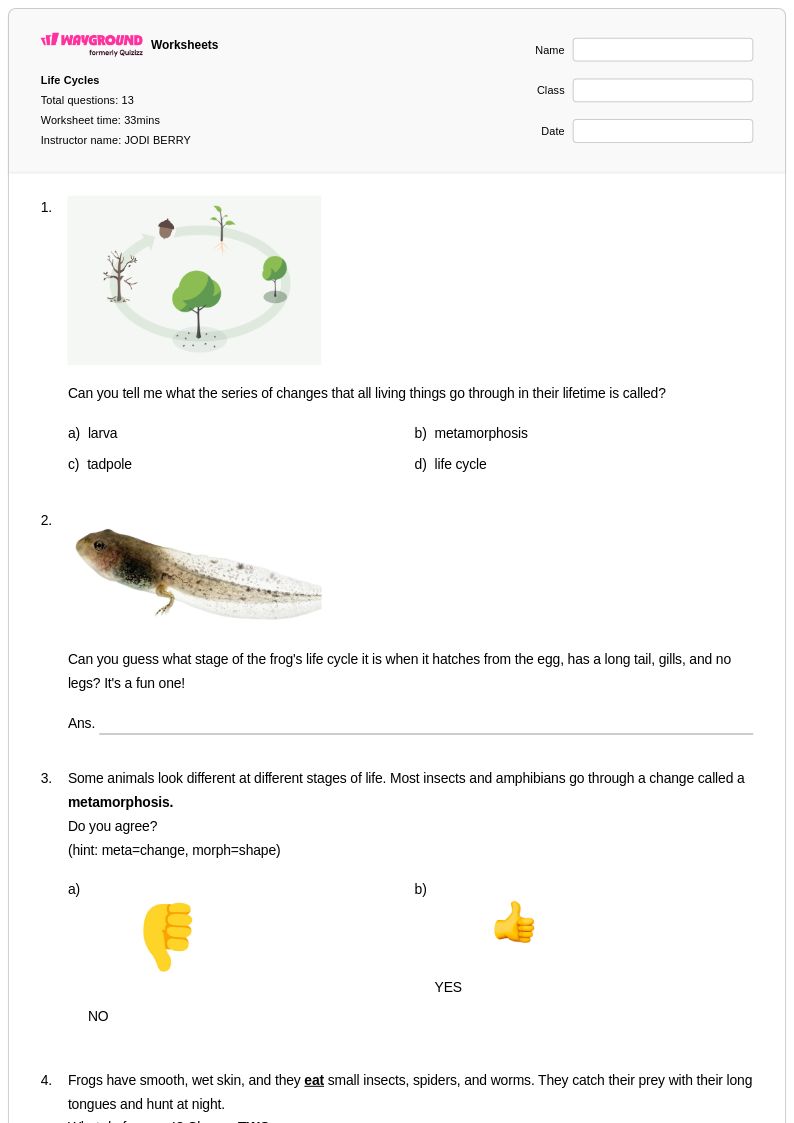
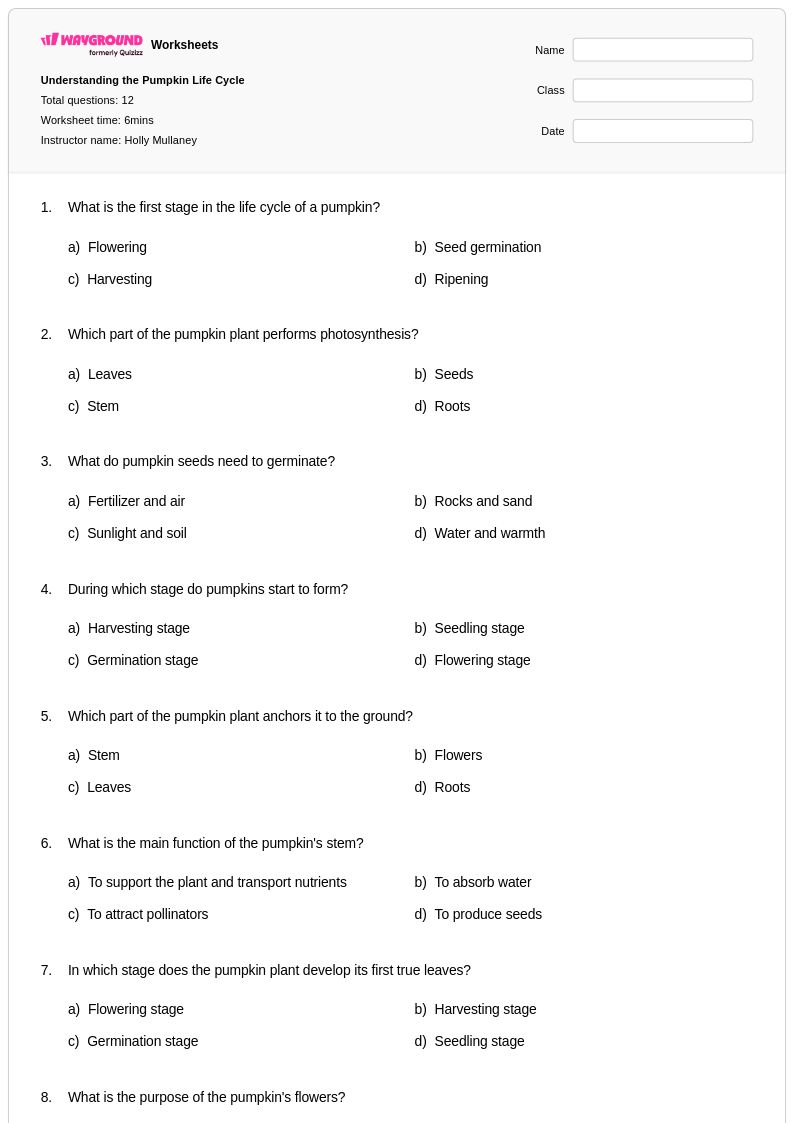
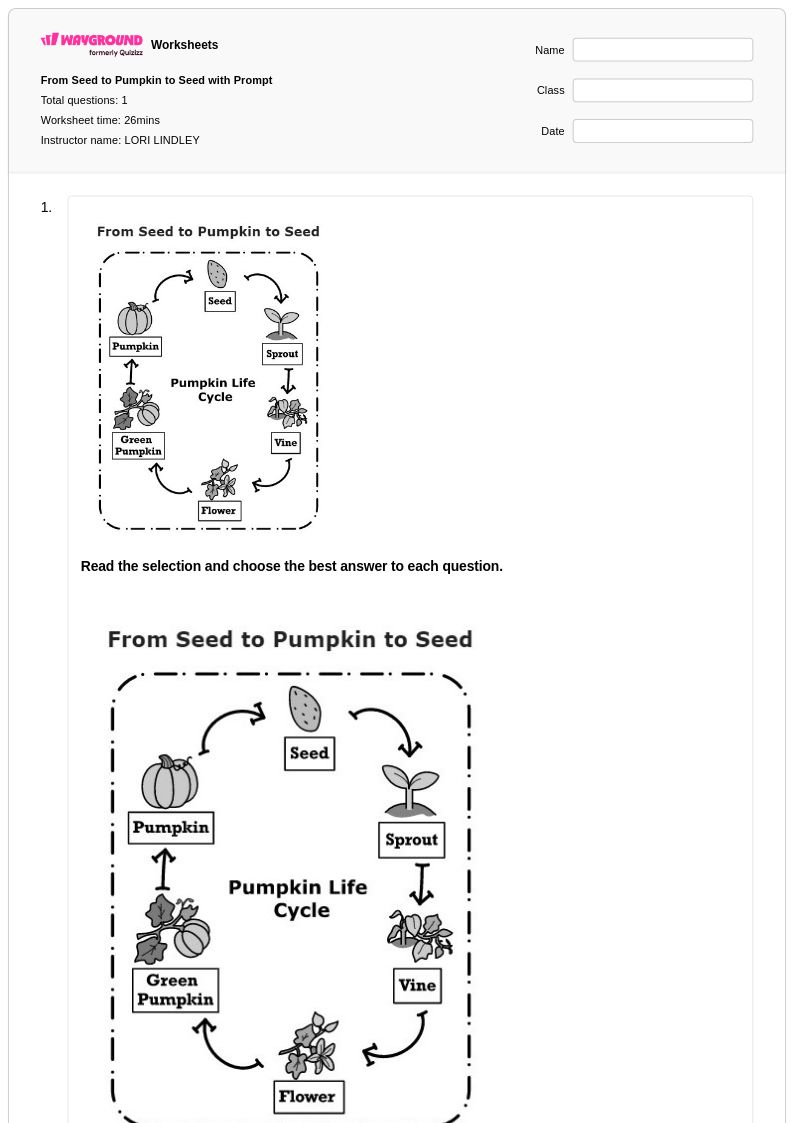
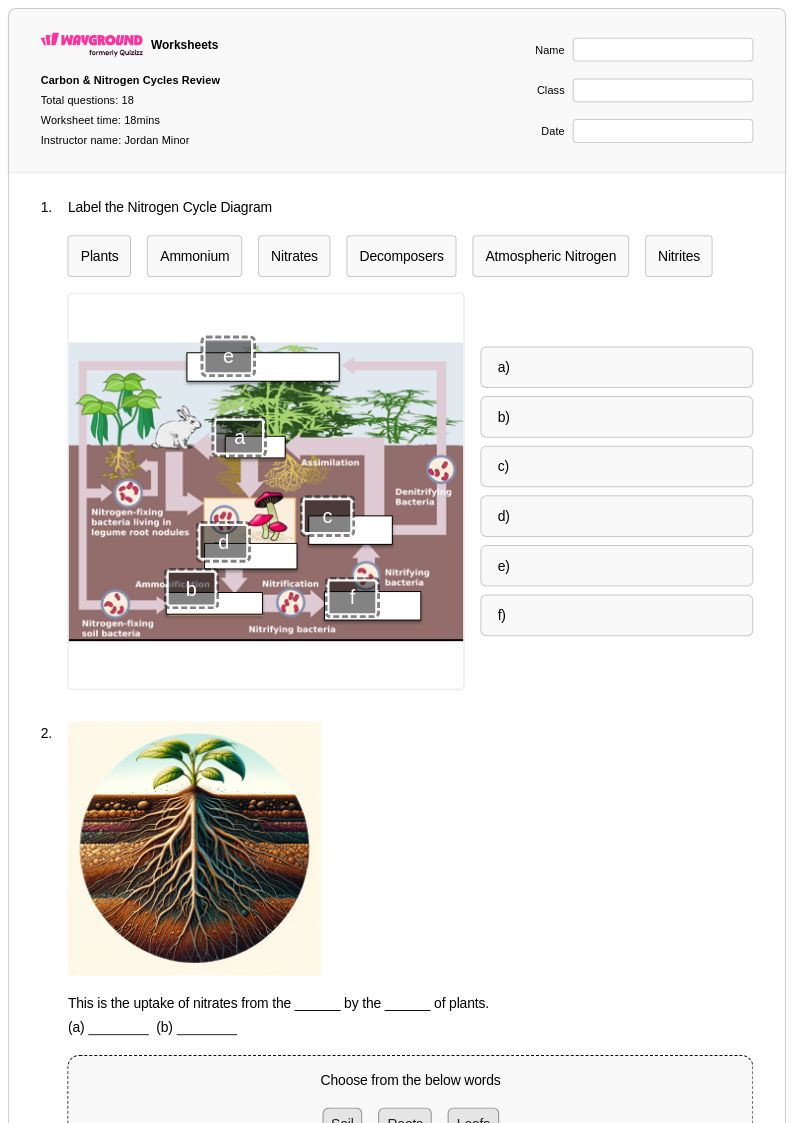
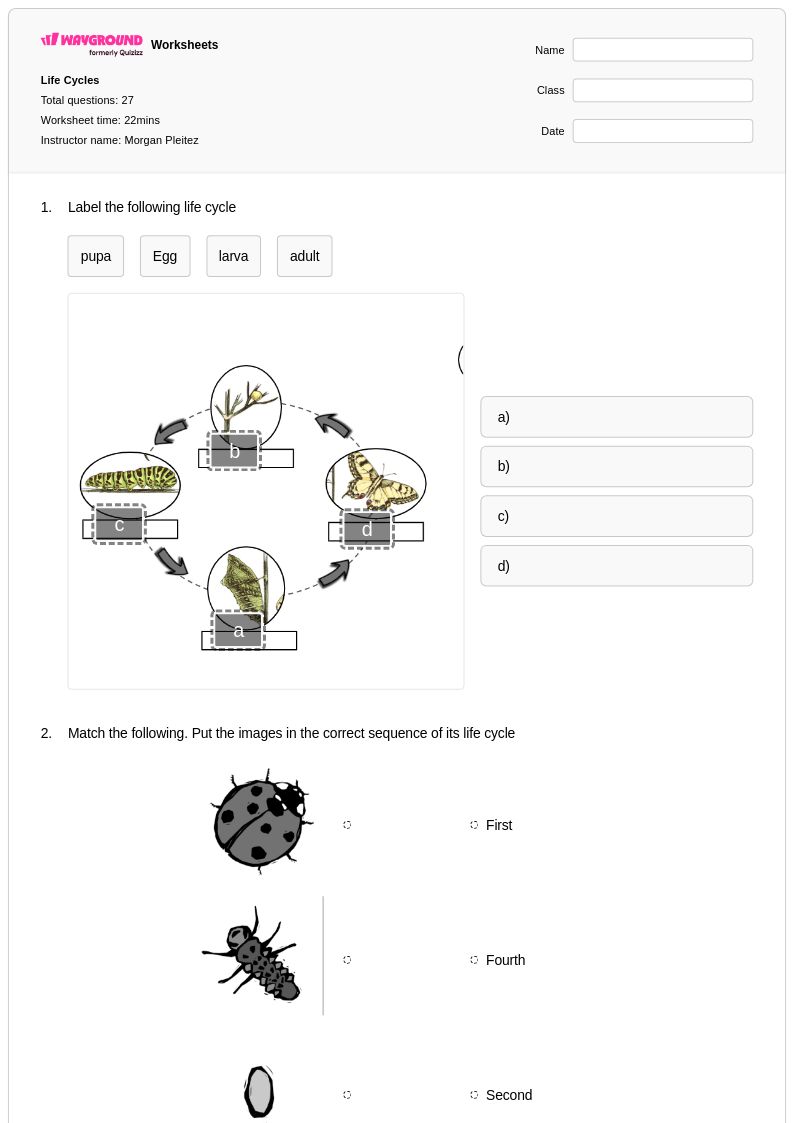
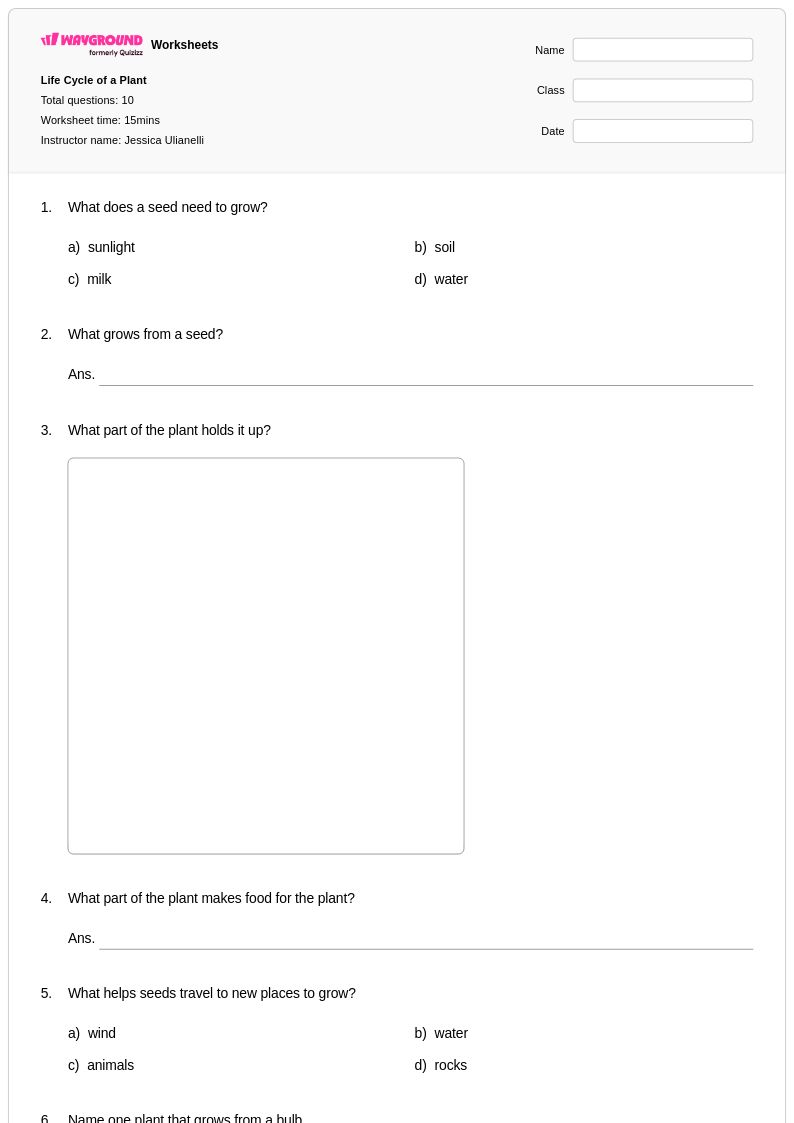
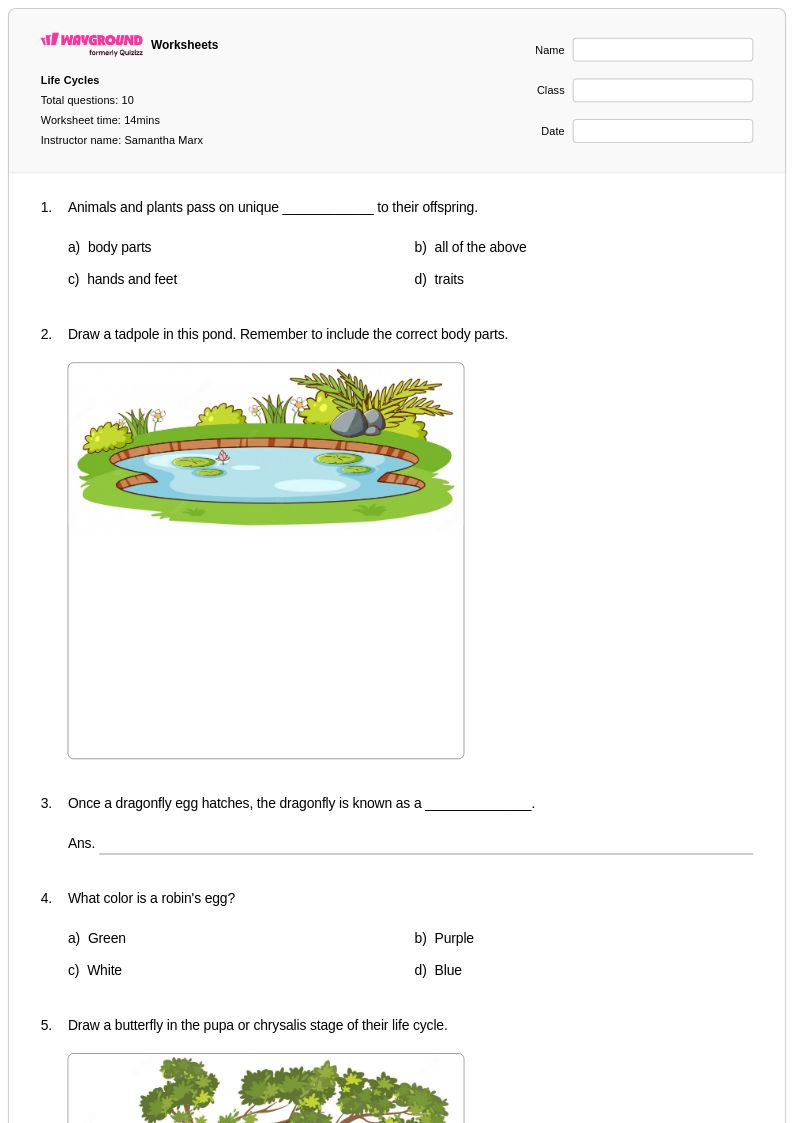
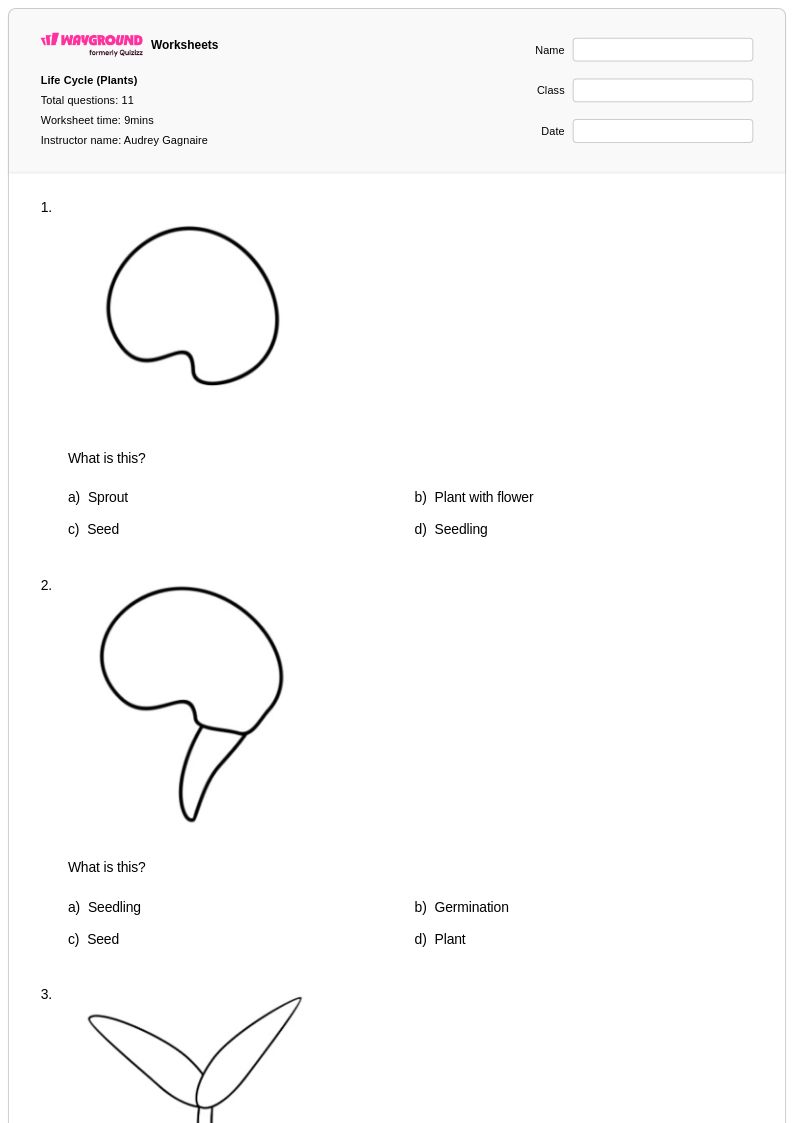
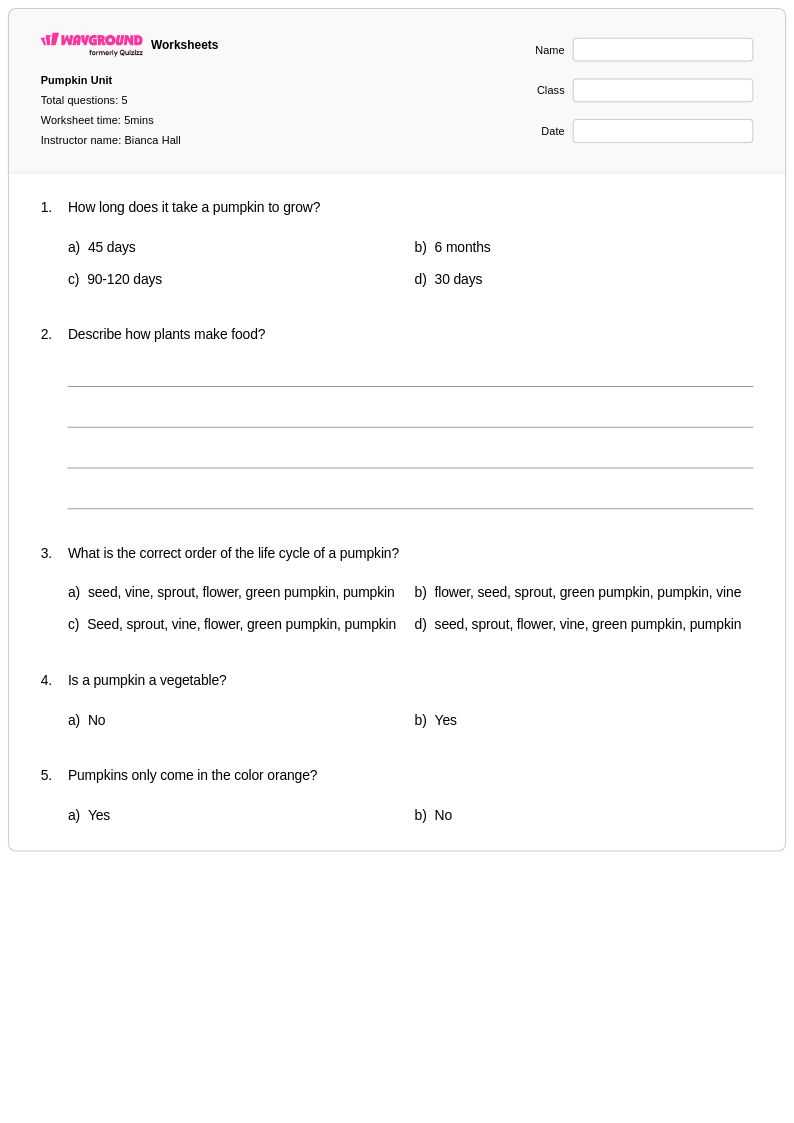
Pumpkin life cycle worksheets for kindergarten students available through Wayground provide young learners with engaging, hands-on opportunities to explore one of nature's most fascinating transformations. These carefully crafted educational resources guide students through each stage of pumpkin development, from tiny seeds planted in soil to fully grown orange pumpkins ready for harvest. The worksheets strengthen essential kindergarten life science skills including observation, sequencing, vocabulary development, and understanding of plant growth patterns. Teachers can access comprehensive collections that include visual diagrams, cut-and-paste sequencing activities, coloring pages, and simple labeling exercises, all designed with age-appropriate content and clear answer keys. These free printables and practice problems help kindergarteners develop scientific thinking while building foundational knowledge about plant life cycles in pdf format that's perfect for classroom or home use.
Wayground's extensive platform supports educators with millions of teacher-created pumpkin life cycle resources specifically designed for kindergarten instruction. The robust search and filtering system allows teachers to quickly locate materials that align with early childhood science standards while meeting diverse classroom needs through built-in differentiation tools. These customizable worksheet collections are available in both printable pdf formats and interactive digital versions, enabling flexible implementation across various learning environments. Teachers utilize these comprehensive resources for lesson planning, targeted skill remediation, and enrichment activities that extend learning beyond basic concepts. The platform's organized approach to life science content helps educators seamlessly integrate pumpkin life cycle studies into seasonal curriculum while providing students with multiple opportunities to practice scientific observation and develop understanding of biological processes through developmentally appropriate activities.
FAQs
How do I teach the pumpkin life cycle to elementary students?
Teaching the pumpkin life cycle works best when instruction moves sequentially through each stage: seed germination, seedling emergence, vine growth, flowering, pollination, and fruit maturation. Using visual diagrams and hands-on sequencing activities helps students build a mental model of how pumpkins develop over time. Connecting the life cycle to seasonal changes and real-world agricultural contexts gives students a concrete anchor for abstract plant biology concepts.
What activities help students practice identifying pumpkin life cycle stages?
Sequencing exercises, diagram labeling, and cut-and-sort activities are among the most effective practice formats for reinforcing pumpkin life cycle stages. These tasks require students to actively recall and organize information rather than passively read it, which deepens retention. Pairing visual activities with scientific vocabulary exercises helps students connect stage names to the biological processes happening at each point in development.
What common mistakes do students make when learning the pumpkin life cycle?
Students frequently confuse the order of flowering and pollination, or conflate germination with general growth rather than understanding it as the specific moment a seed sprouts. Many students also overlook the vine growth stage entirely, jumping from seedling to fruit. Emphasizing that each stage is distinct and dependent on the previous one helps address these sequencing errors.
How can I use pumpkin life cycle worksheets to support different learners in my classroom?
Pumpkin life cycle worksheets can be differentiated by adjusting the complexity of labeling tasks, the amount of scaffolding provided in diagrams, and whether students are asked to sequence stages independently or with visual cues. On Wayground, teachers can apply individual accommodations such as read aloud support, reduced answer choices, and extended time to specific students without other students being notified, making it straightforward to support diverse learners within the same assignment.
How do I use Wayground's pumpkin life cycle worksheets in my class?
Wayground's pumpkin life cycle worksheets are available as printable PDFs for traditional classroom use and in digital formats for technology-integrated learning environments. Teachers can also host these materials as a live quiz on Wayground, making them suitable for whole-class instruction, small group work, or independent practice. Each worksheet includes a complete answer key, which supports efficient grading and accurate learning verification.
How does the pumpkin life cycle connect to broader plant biology standards?
The pumpkin life cycle illustrates universal plant biology concepts including germination, photosynthesis, pollination, and seed dispersal, making it a practical entry point for teaching broader life science standards. Because pumpkins are a familiar, seasonal plant, they give students an accessible context for understanding how flowering plants reproduce and mature. Teachers can use this topic to build foundational vocabulary and observational skills that transfer to the study of other plant species.