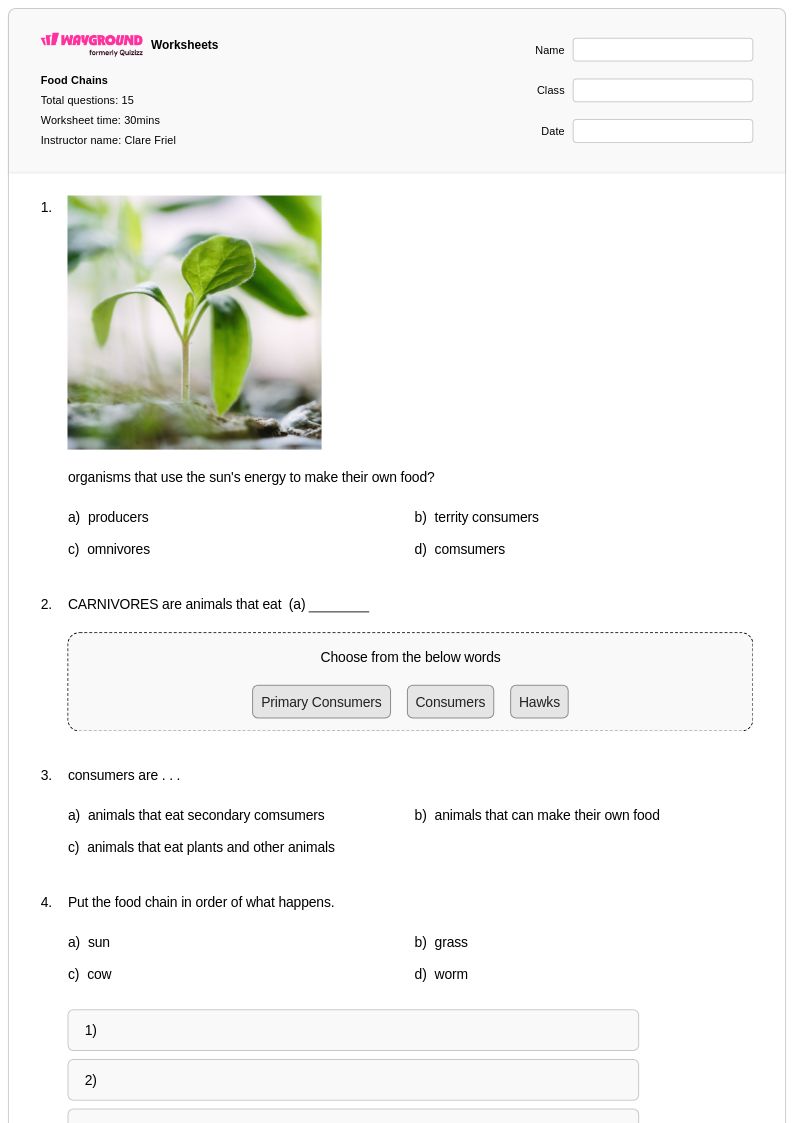
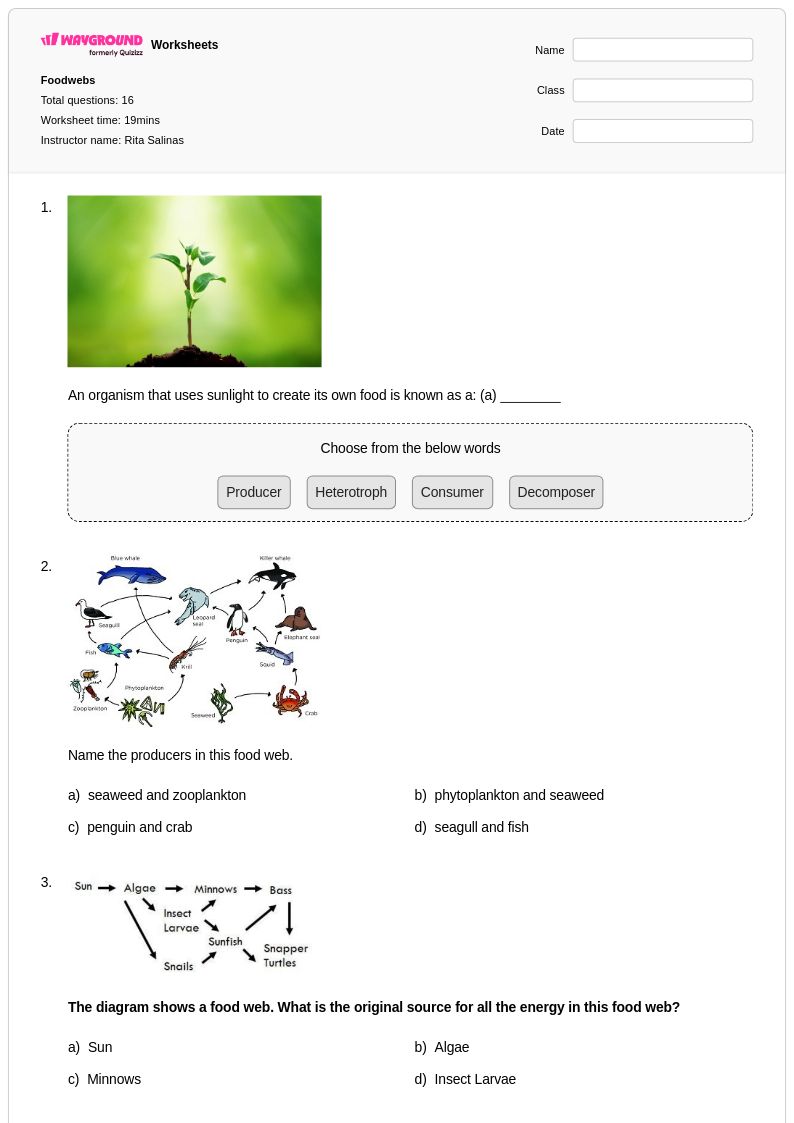
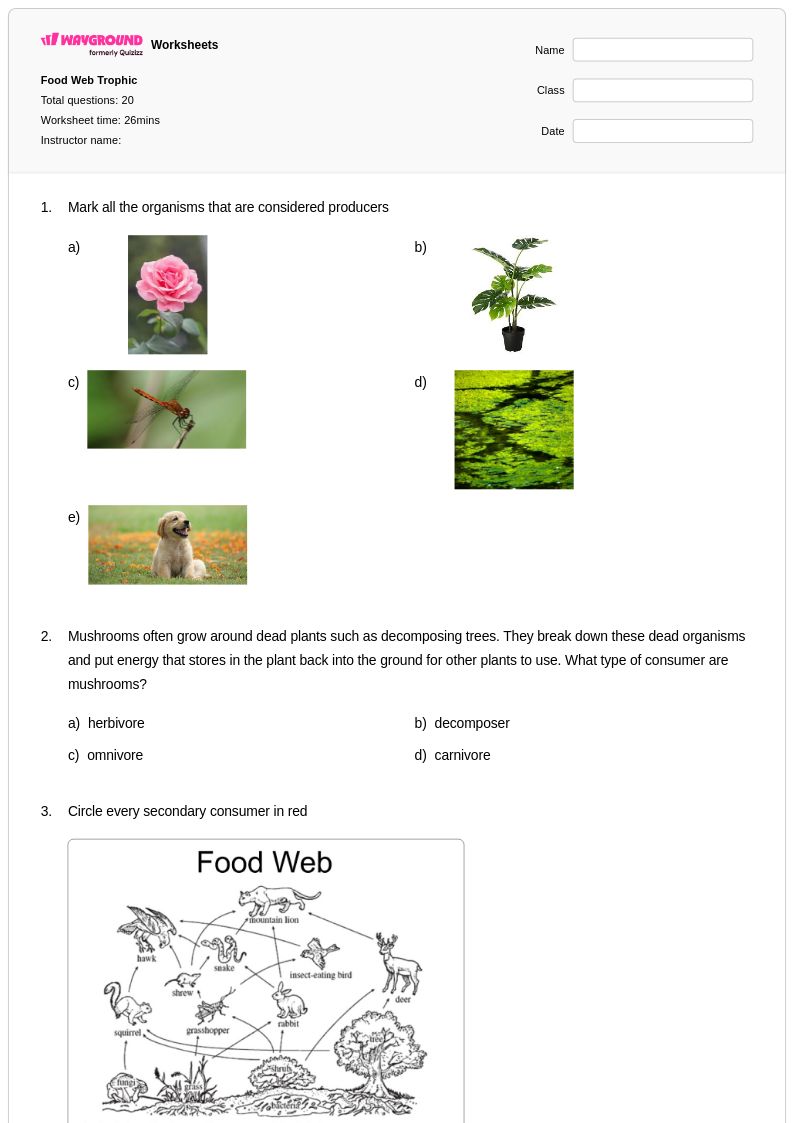
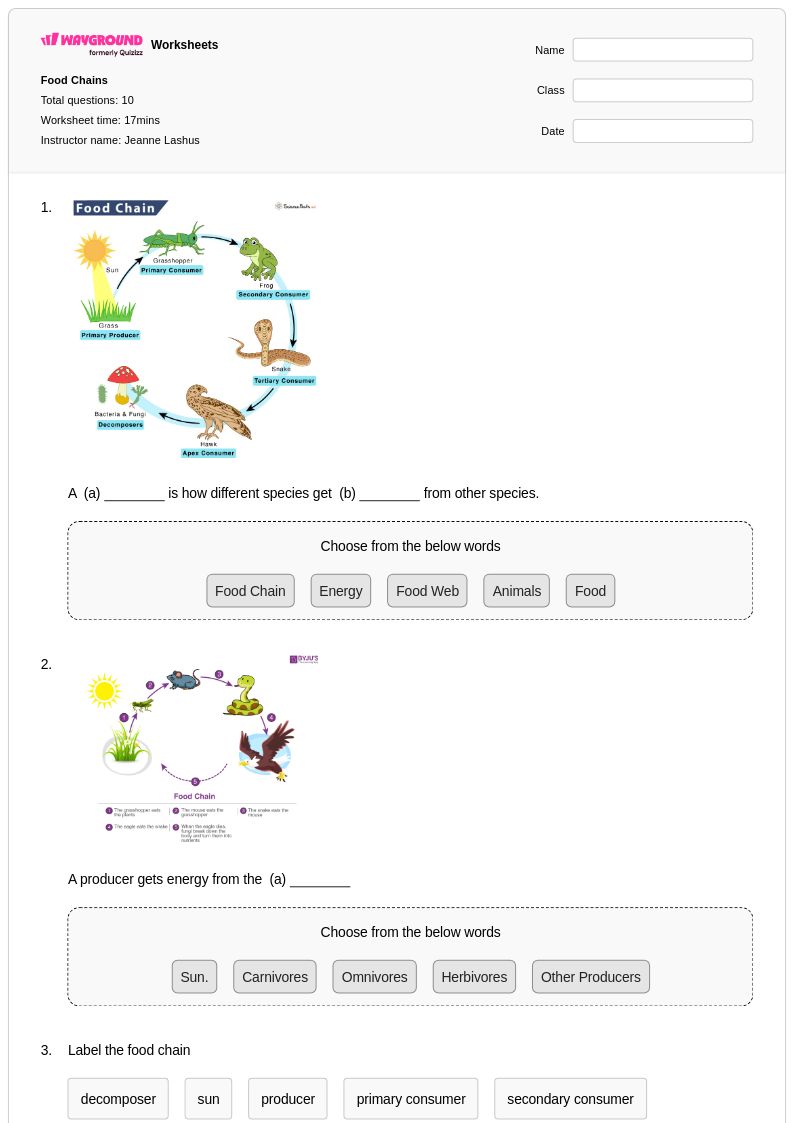
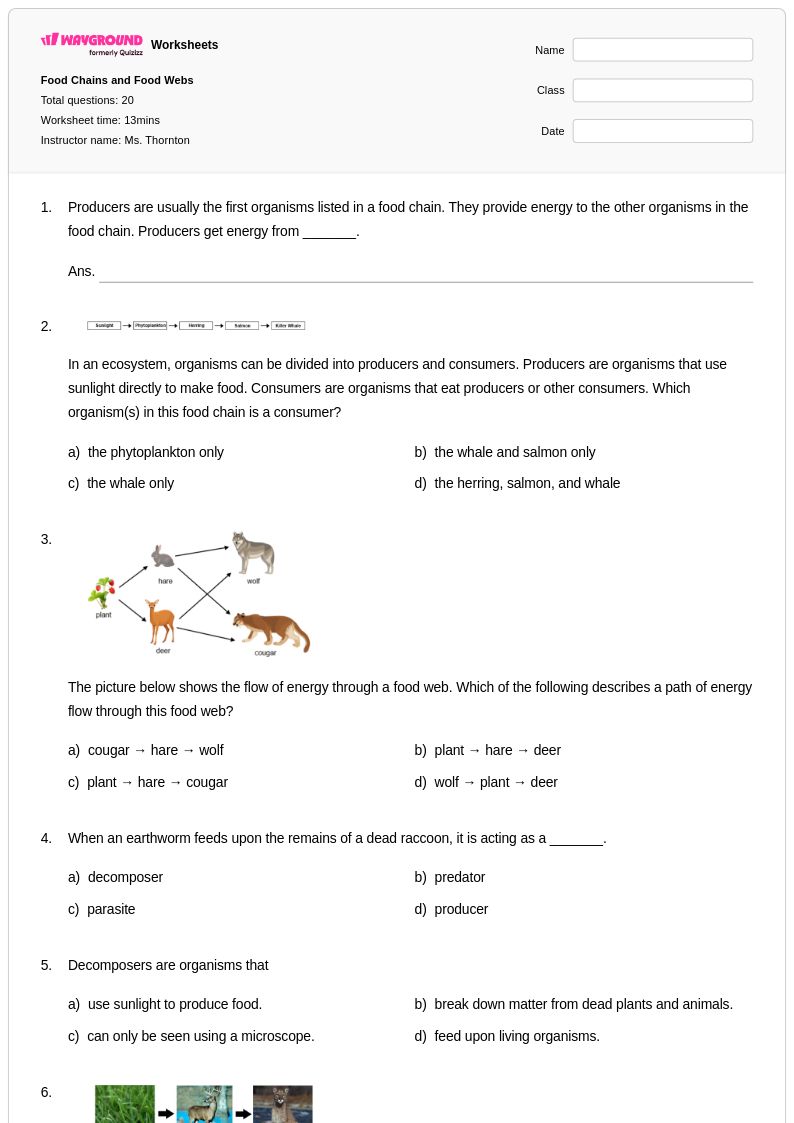
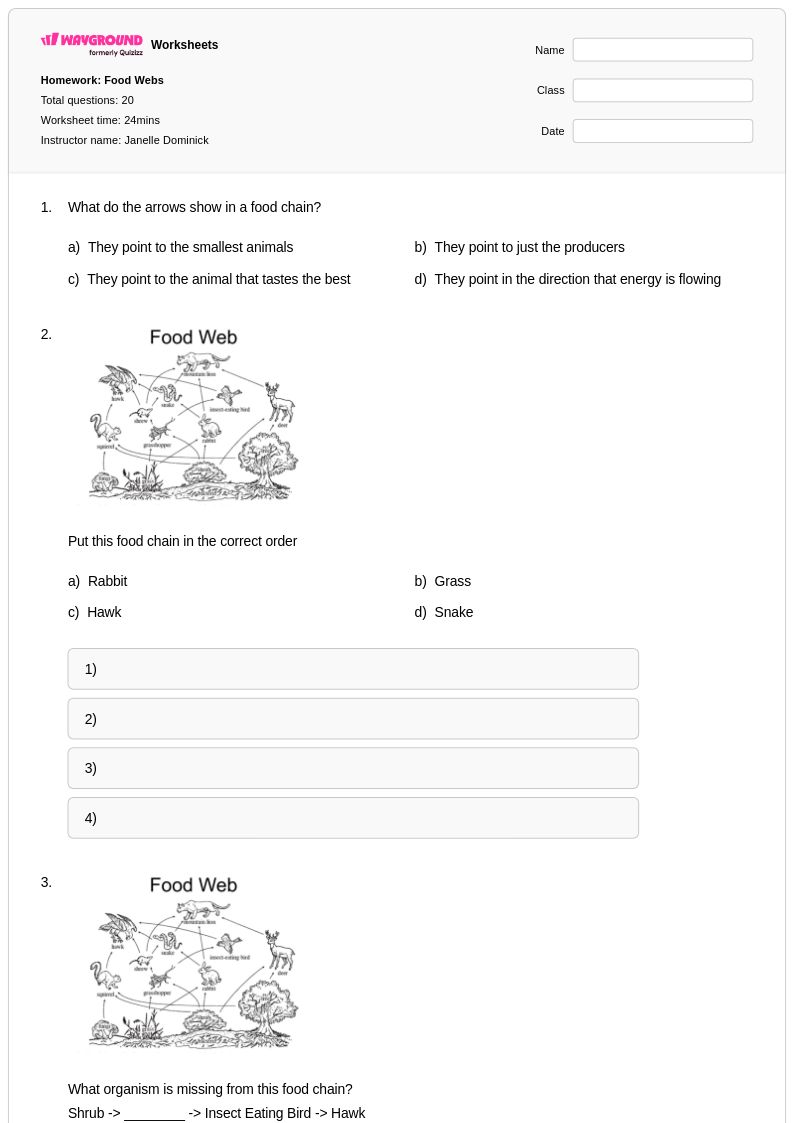
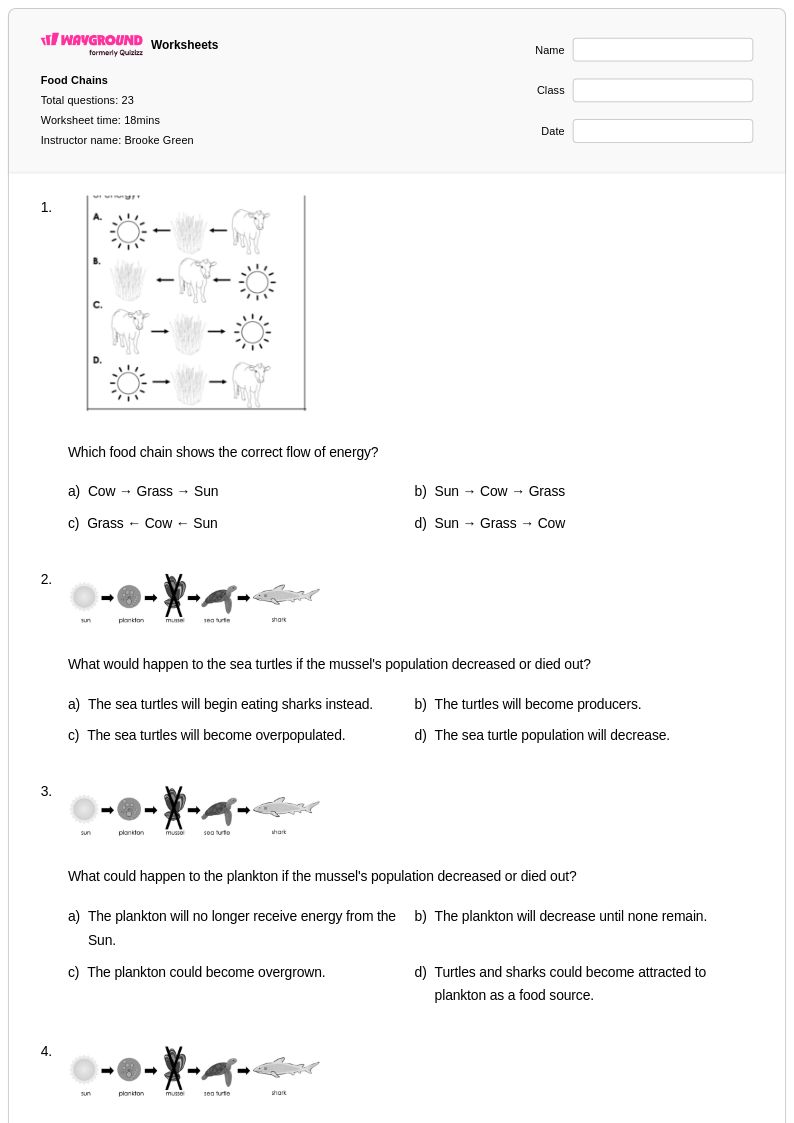
Explore Wayground's free kindergarten food worksheets and printables that help young learners discover healthy eating habits, food groups, and nutrition basics through engaging practice problems with complete answer keys.
Explore printable Food worksheets for Kindergarten
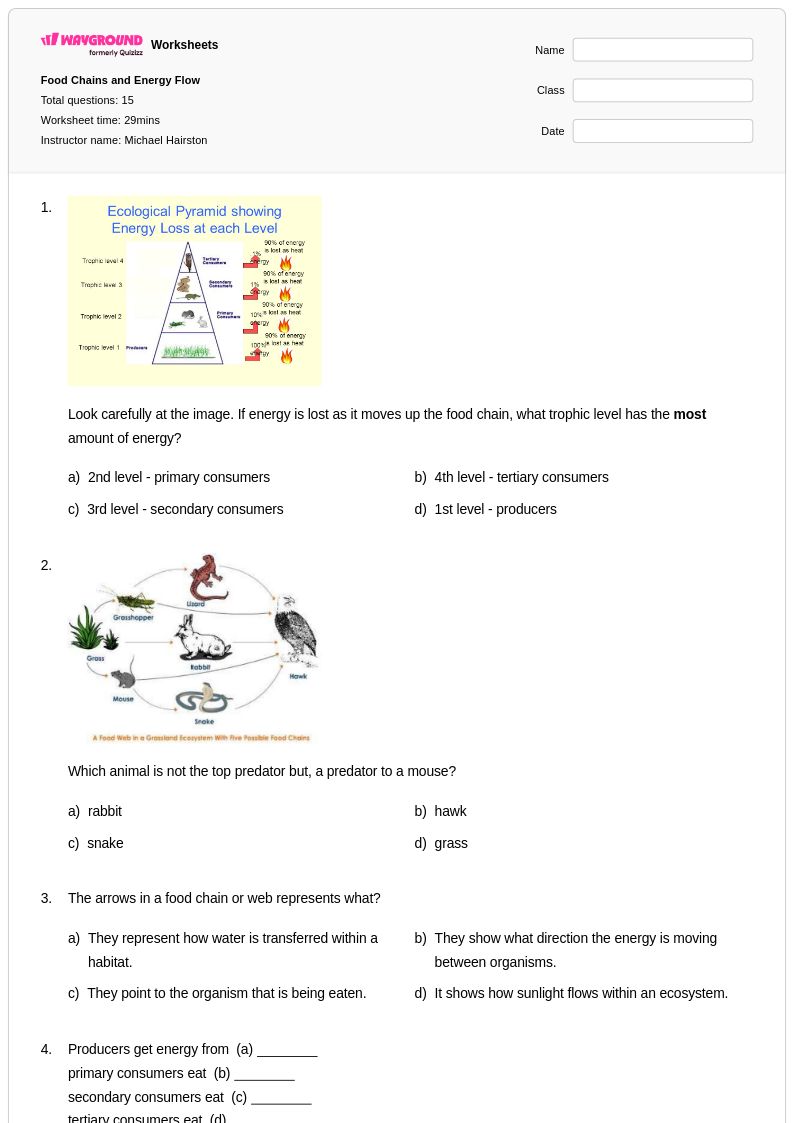
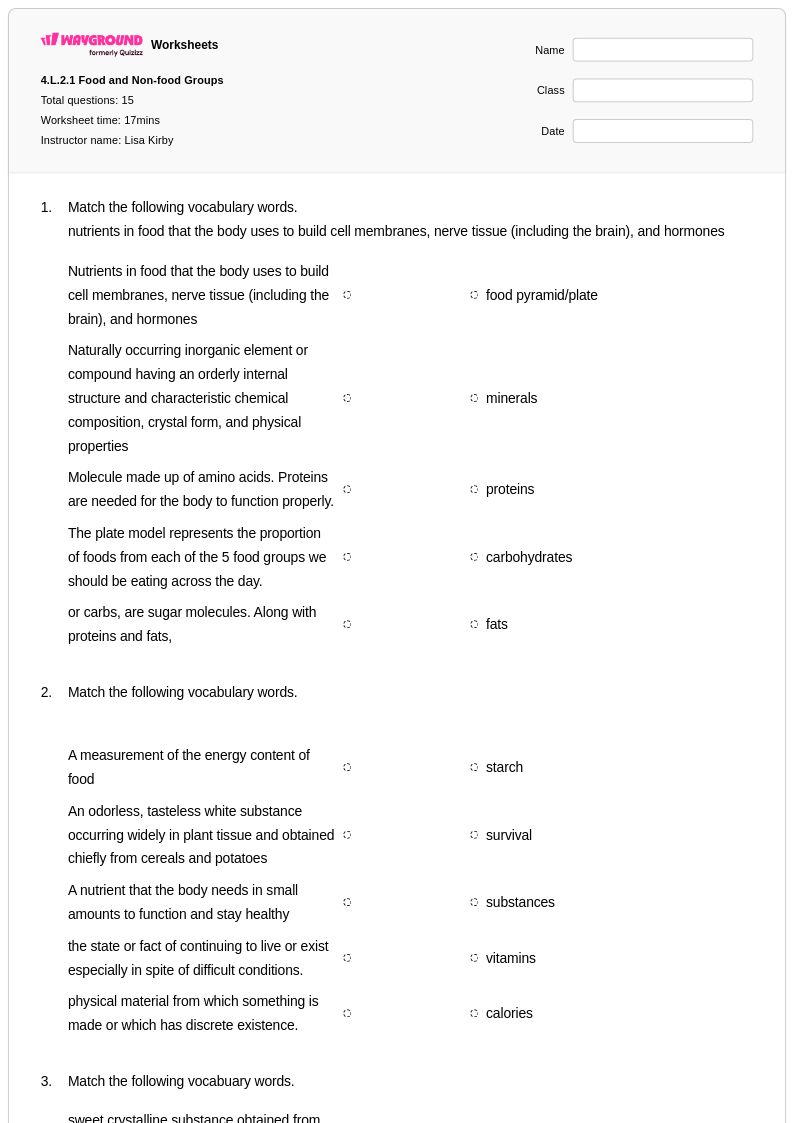
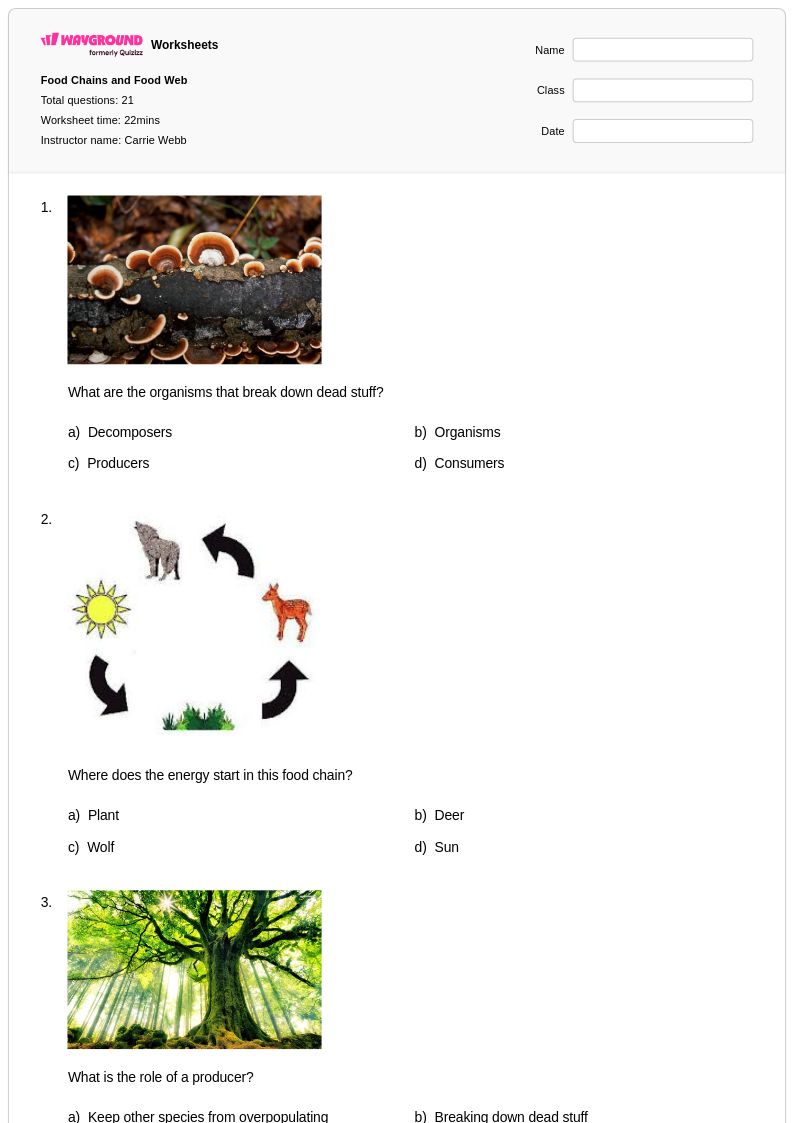
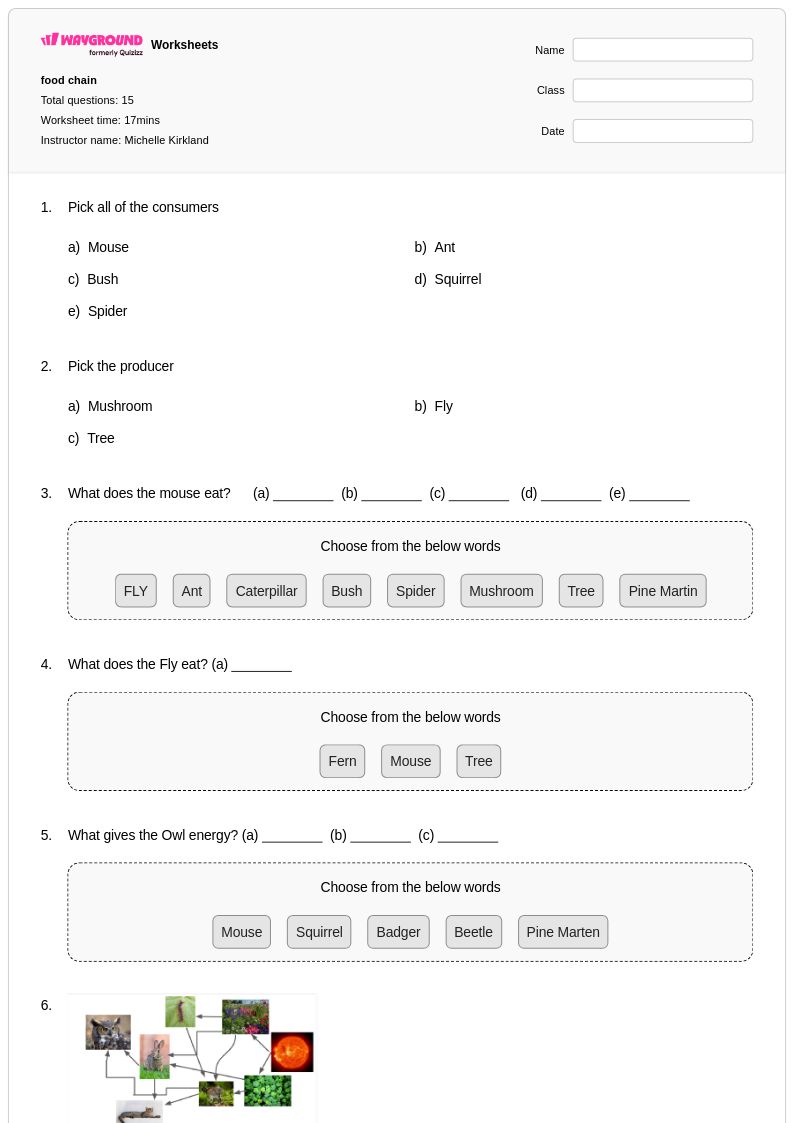
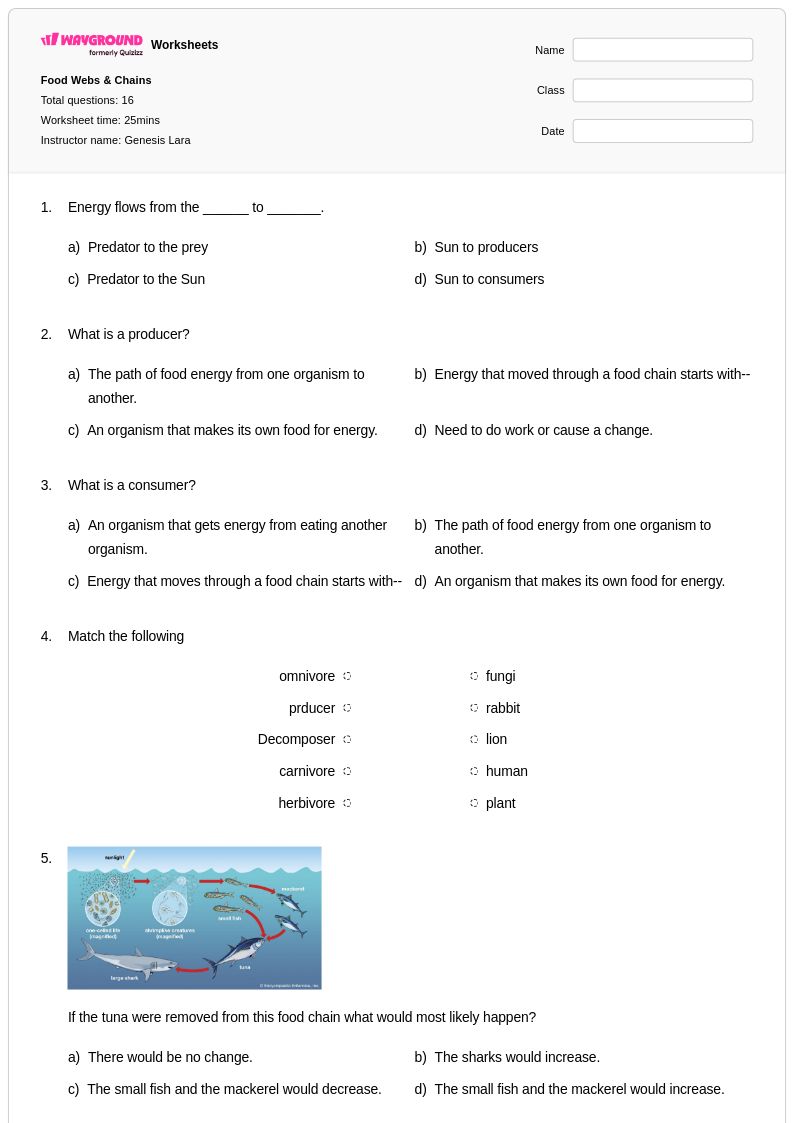
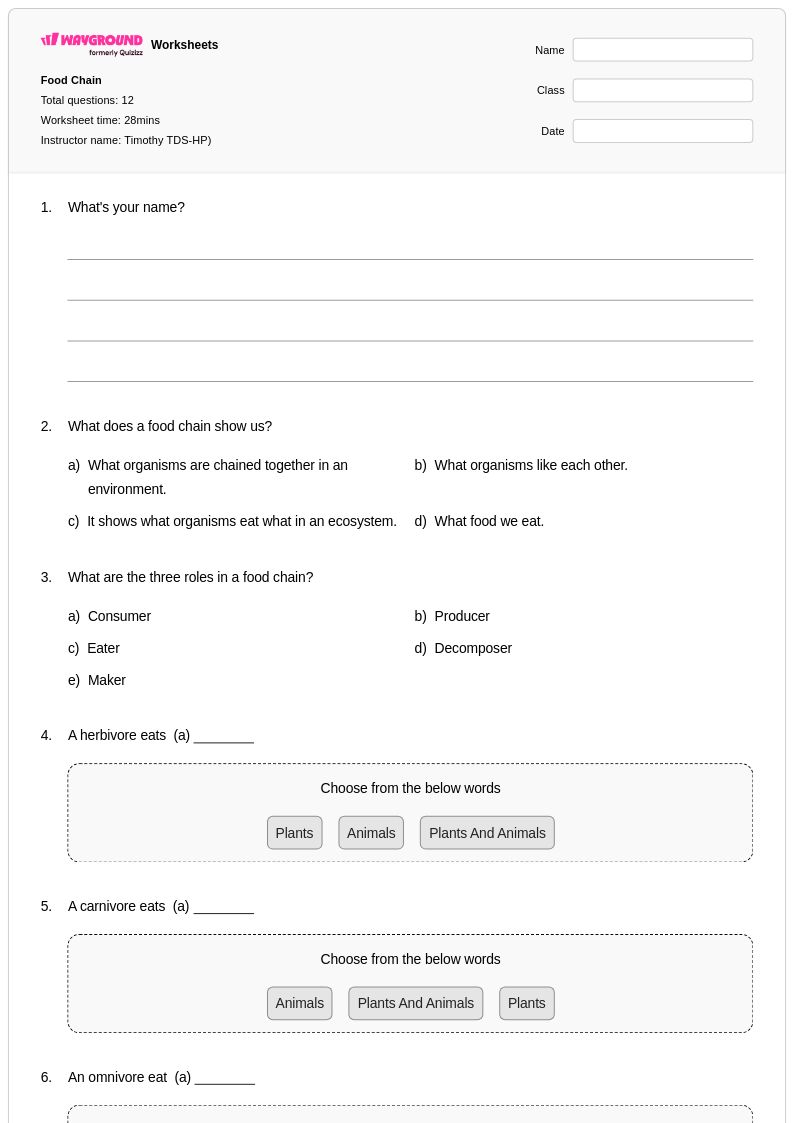
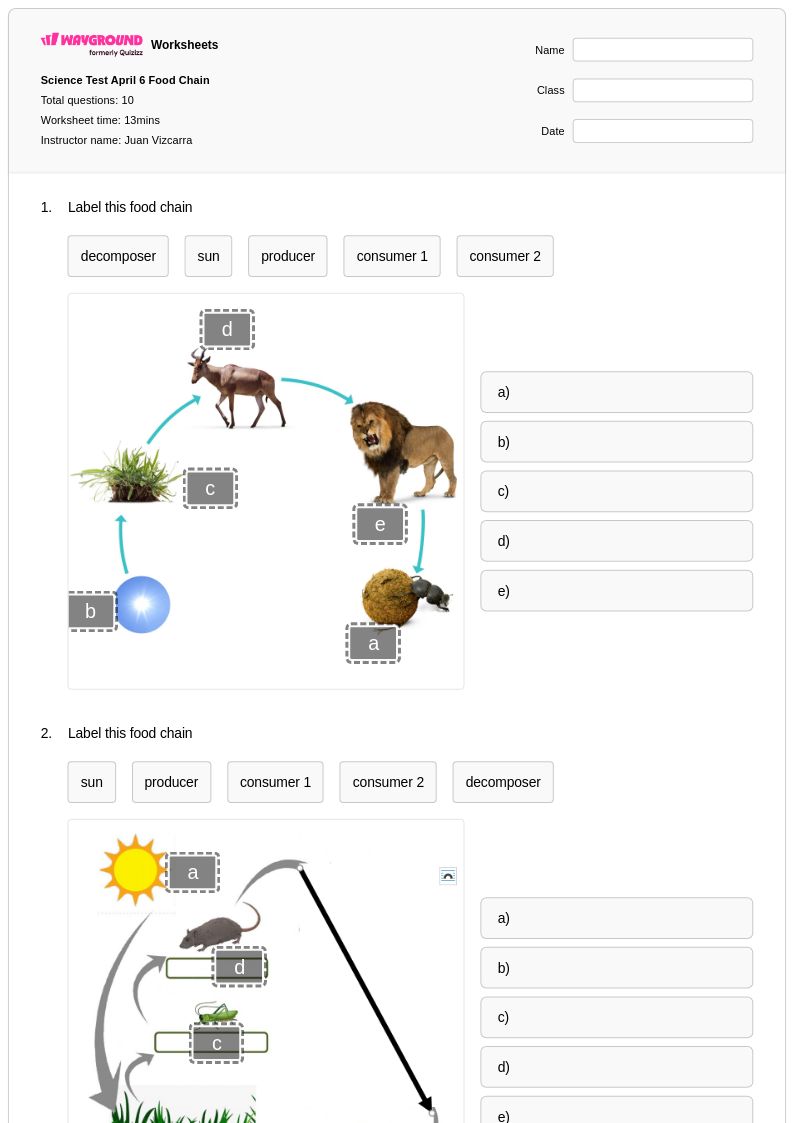
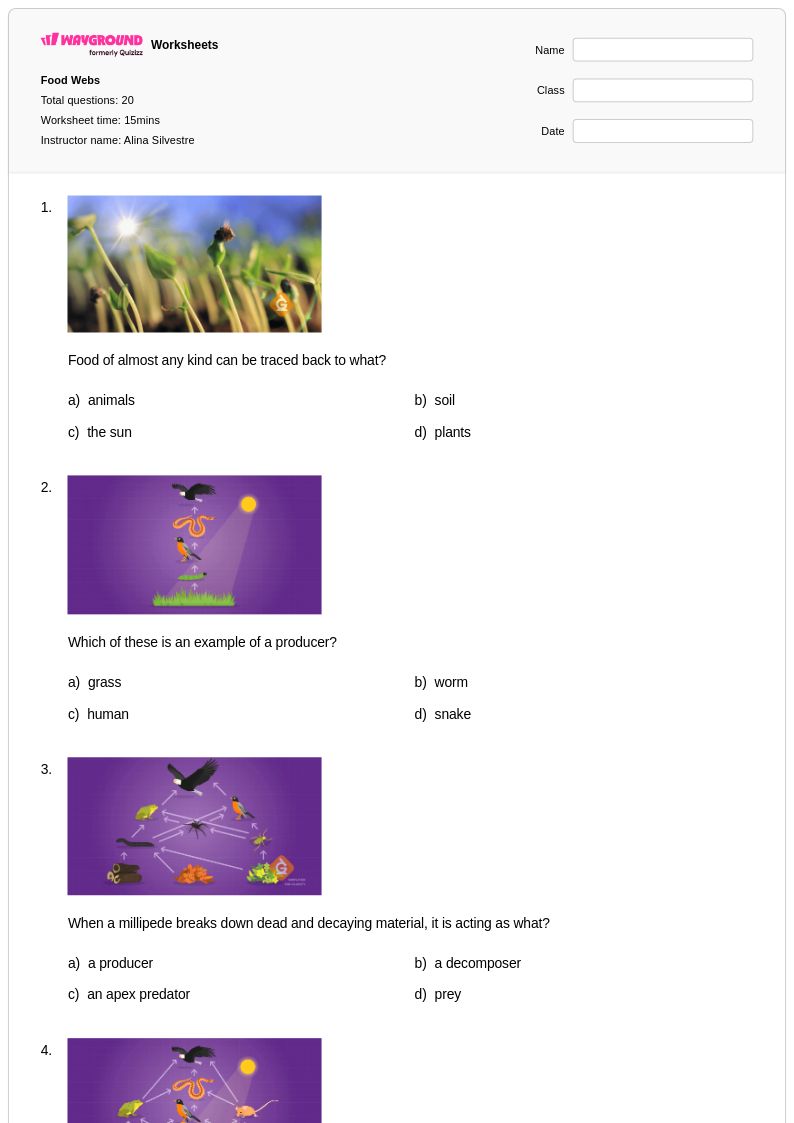
Food-themed science worksheets for kindergarten students through Wayground (formerly Quizizz) introduce young learners to fundamental life science concepts through engaging, age-appropriate activities. These educational resources help kindergarteners develop essential skills in observation, classification, and scientific thinking by exploring topics such as healthy versus unhealthy foods, food groups, where different foods come from, and how plants and animals provide nutrition. The comprehensive collection includes interactive practice problems that encourage students to identify fruits and vegetables, sort foods by category, and understand basic nutritional concepts. Each worksheet comes with a detailed answer key to support instruction, and these free printables are designed to make complex life science concepts accessible to early learners through colorful visuals and hands-on activities that connect scientific learning to students' everyday experiences with food.
Wayground (formerly Quizizz) empowers educators with millions of teacher-created resources specifically designed for kindergarten food science instruction, featuring robust search and filtering capabilities that allow teachers to quickly locate materials aligned with specific learning objectives and educational standards. The platform's differentiation tools enable instructors to customize worksheets for diverse learning needs, while flexible formatting options provide both printable pdf versions for traditional classroom use and digital formats for interactive learning experiences. These comprehensive features streamline lesson planning by offering ready-to-use materials for skill practice, targeted remediation for students who need additional support, and enrichment activities for advanced learners, ensuring that every kindergarten student can successfully explore the fascinating connections between food and life science through developmentally appropriate scientific inquiry and discovery.
FAQs
How do I teach food science concepts like nutrition and food chains in the classroom?
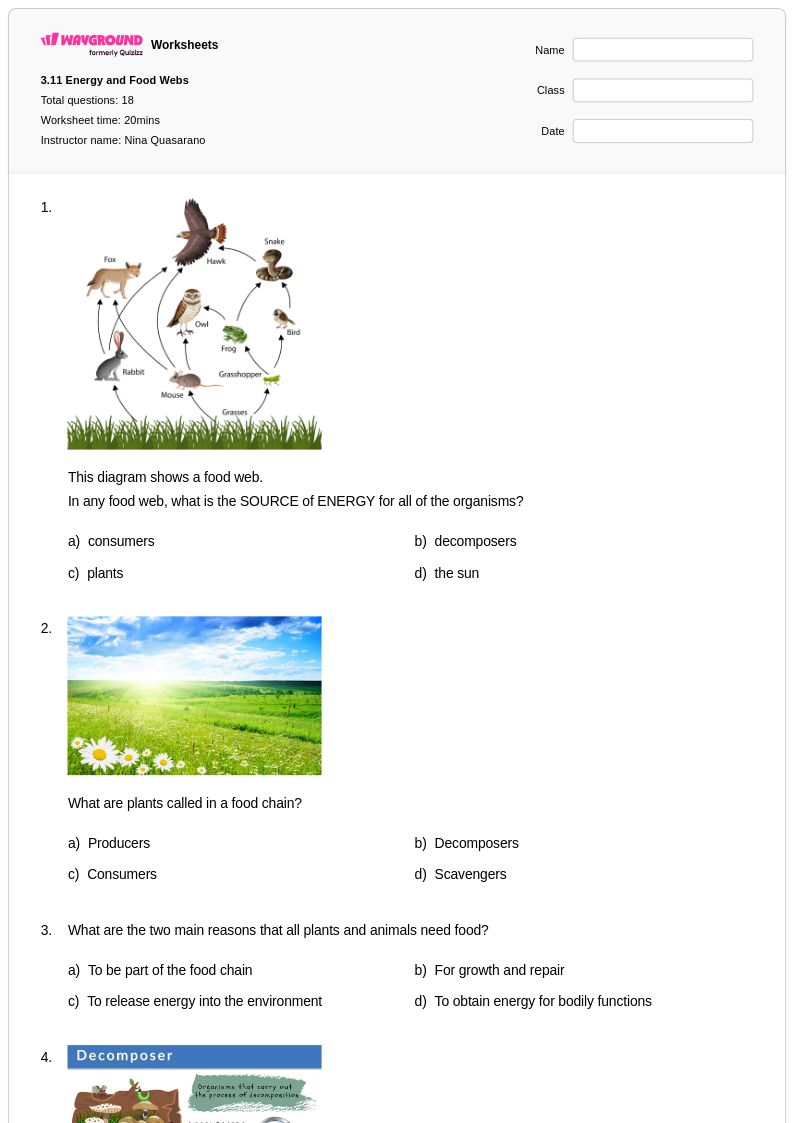
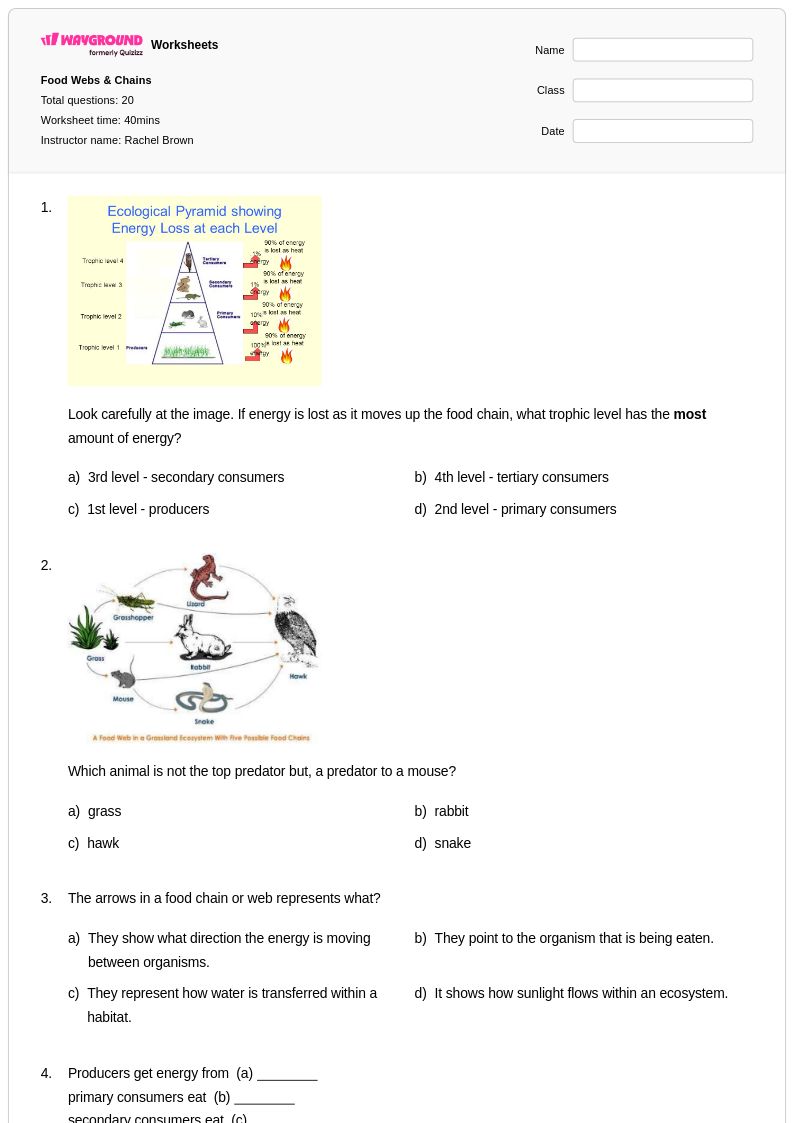
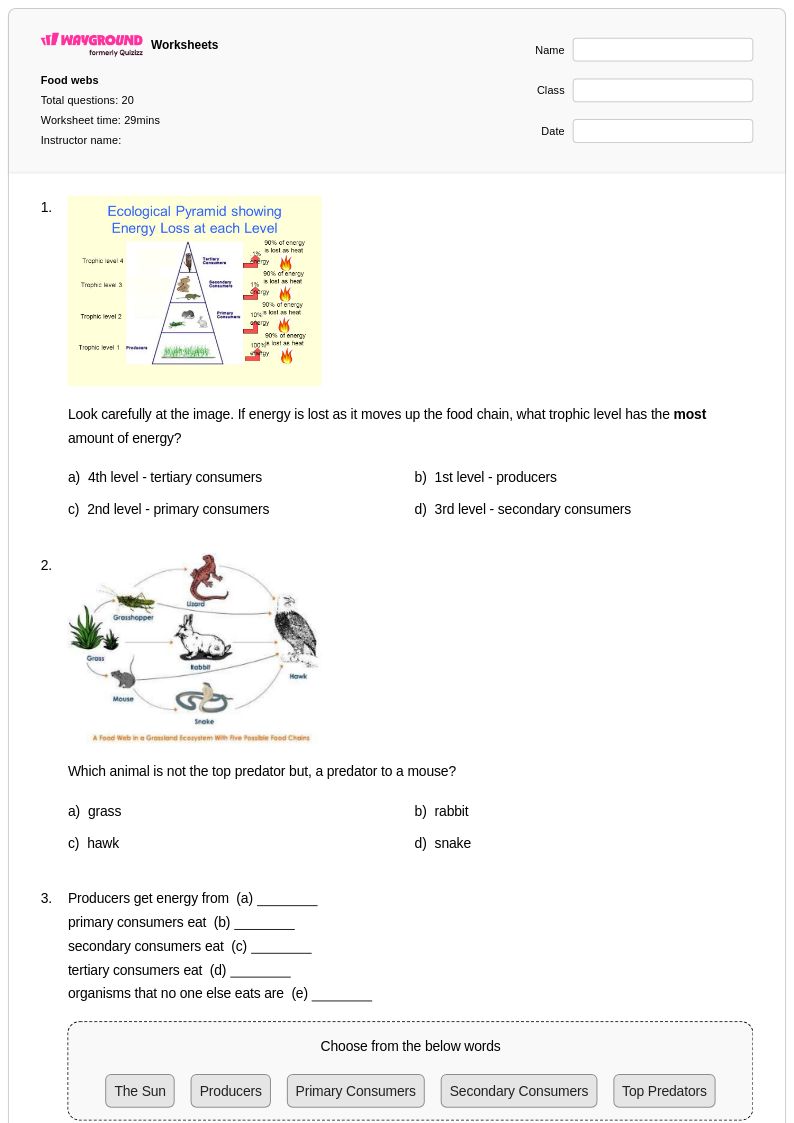
Effective food science instruction connects abstract biological concepts to students' everyday eating habits and environments. Start with concrete examples like tracing a meal back through a food chain, then build toward more complex ideas like nutrient cycling and energy transfer between trophic levels. Hands-on activities, food label analysis, and ecosystem diagrams help students internalize how organisms obtain and process energy across biological systems.
What worksheets or exercises help students practice food chain and nutrition concepts?
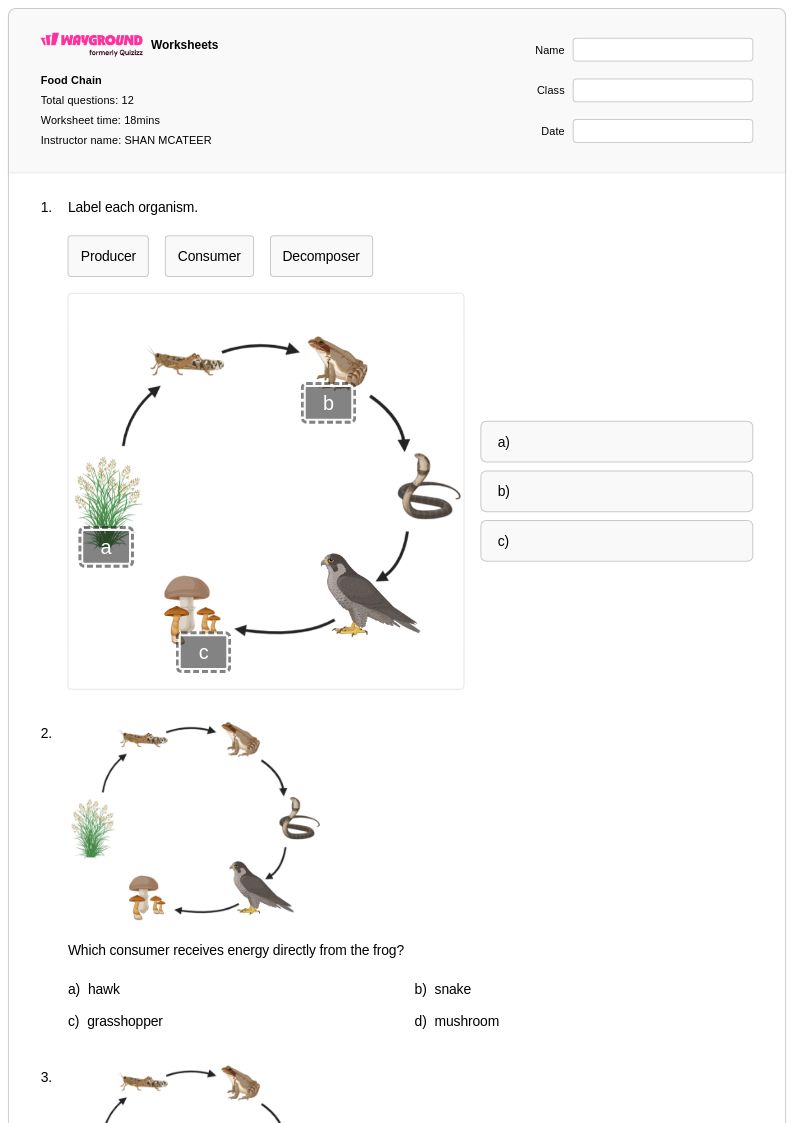
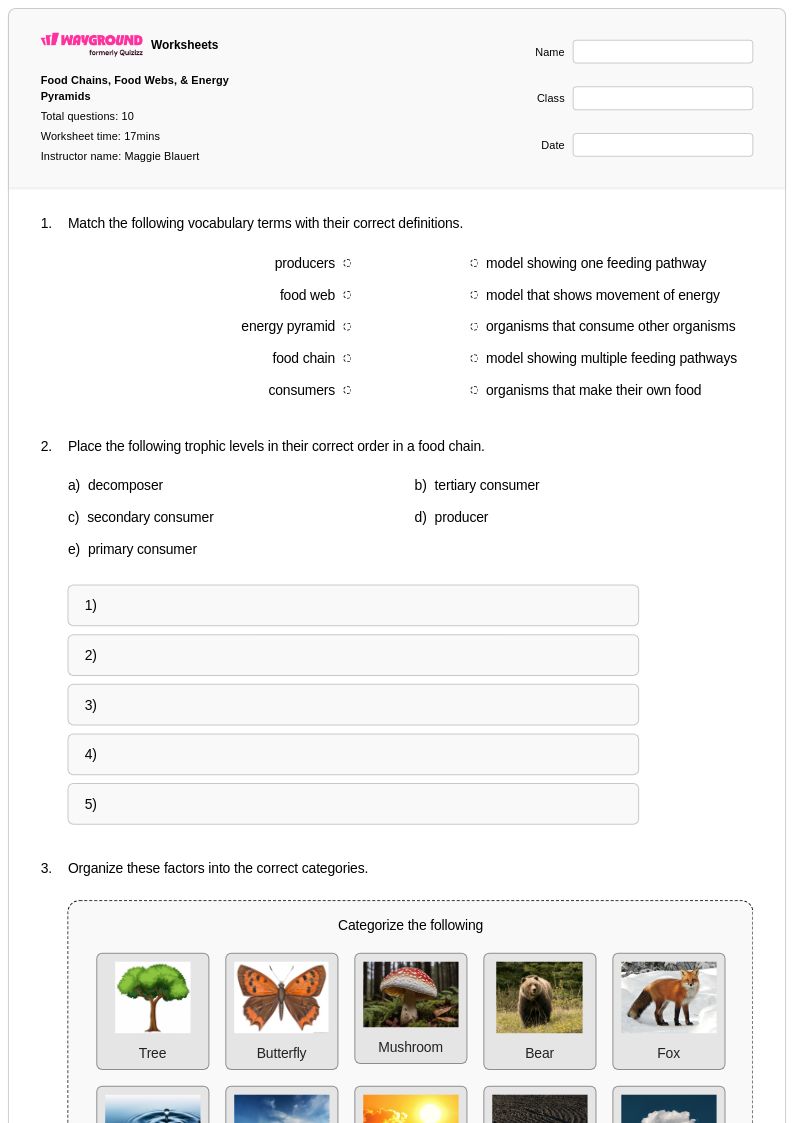
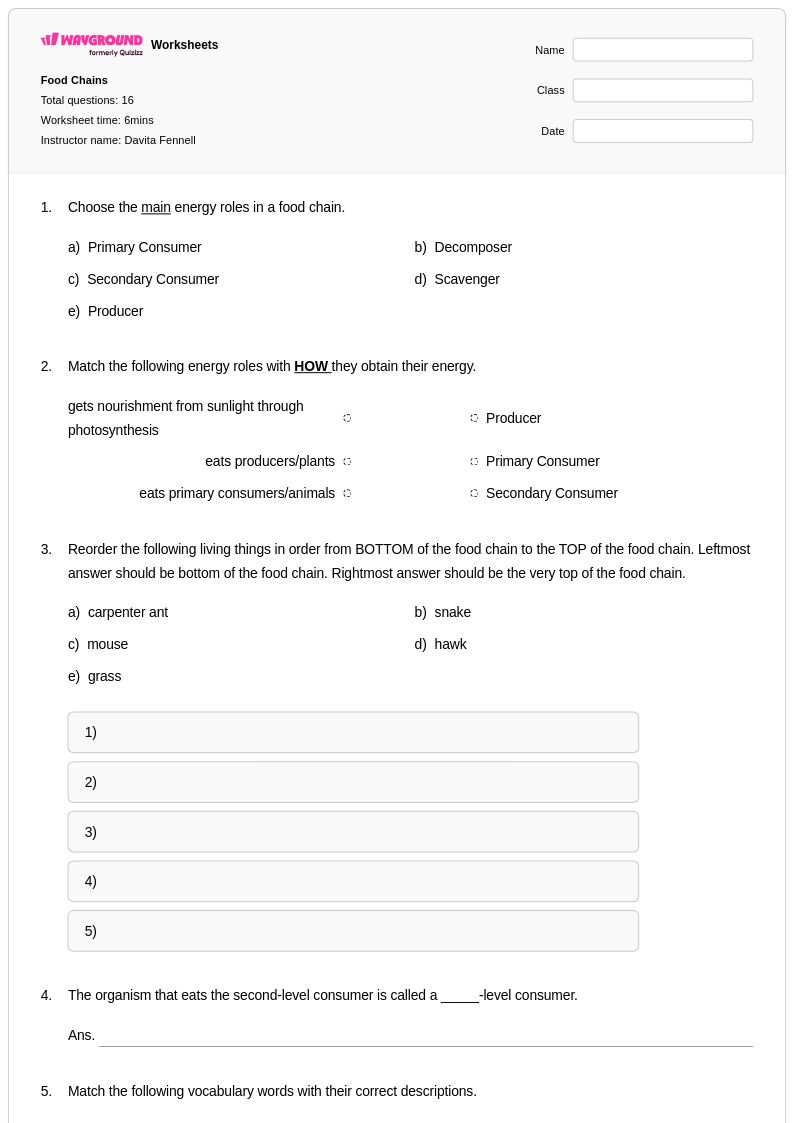
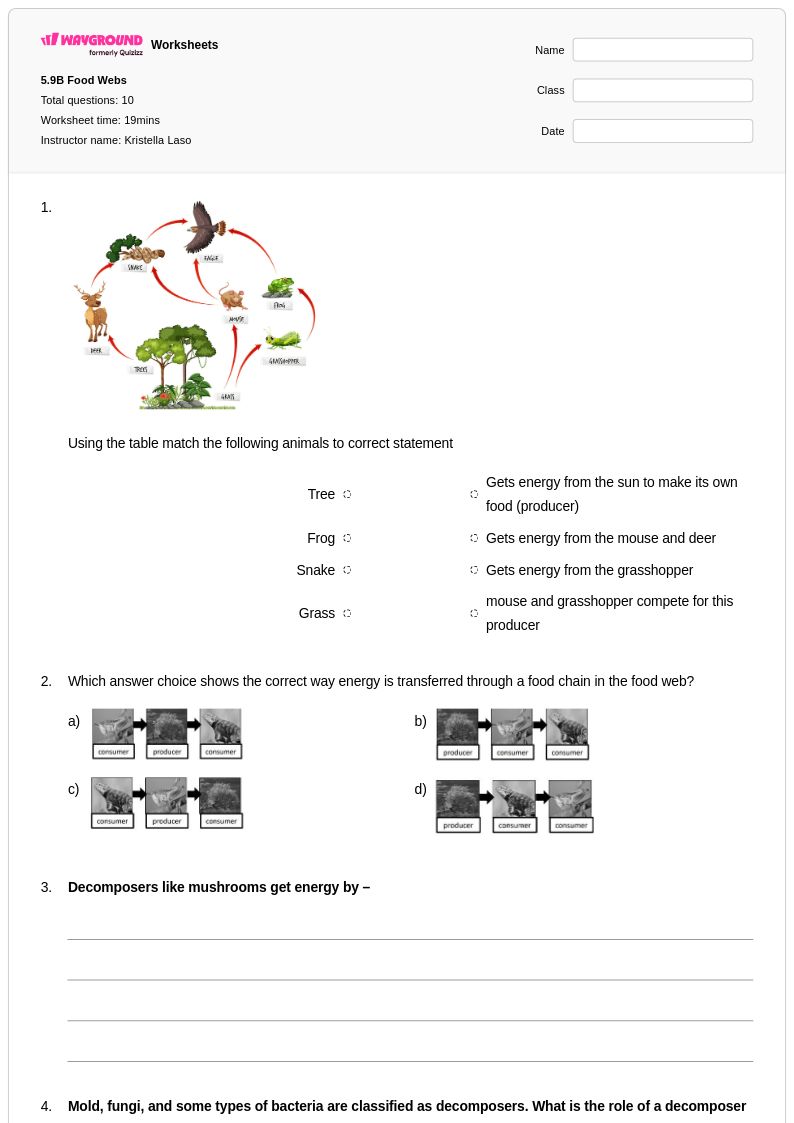
Worksheets that ask students to construct food webs, label nutrient pathways through the digestive system, and identify producers, consumers, and decomposers give structured practice with core food science concepts. Exercises that connect photosynthesis and cellular respiration to energy flow in ecosystems help students see how these topics are interrelated rather than isolated. Practice problems with real-world dietary examples also reinforce nutritional requirements in a meaningful context.
What common mistakes do students make when learning about food chains and food webs?
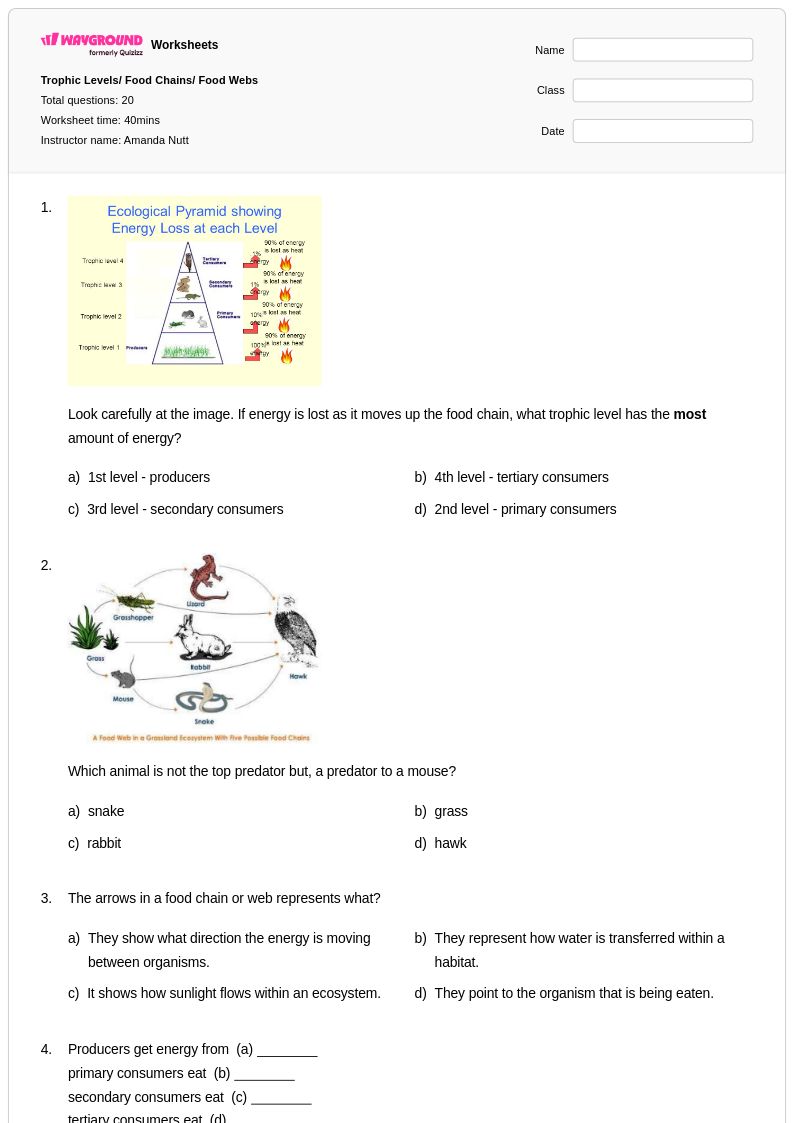
A frequent misconception is that food chains are linear and isolated, when in reality most organisms participate in complex, overlapping food webs. Students also commonly confuse the direction of energy flow, assuming arrows point toward what is being eaten rather than toward what receives the energy. Another common error is conflating producers with all plants, overlooking the role of photosynthesis as the actual defining process, and failing to account for decomposers as essential participants in nutrient cycling.
How do students commonly confuse nutrition concepts like macronutrients and micronutrients?
Students often assume that 'micro' means unimportant, leading them to undervalue the role of vitamins and minerals in bodily function compared to carbohydrates, proteins, and fats. They also frequently conflate caloric content with nutritional value, which can cause errors when analyzing dietary balance. Worksheets that require students to categorize nutrients by function rather than just name help correct these patterns of thinking.
How do I use Wayground's food science worksheets in my classroom?
Wayground's food science worksheets are available as printable PDFs for traditional classroom use and in digital formats for technology-integrated learning environments, so they work whether your students are at desks or on devices. You can also host any worksheet as a live or assigned quiz directly on Wayground, giving you real-time insight into student performance. Each worksheet includes a complete answer key, reducing prep time and making them easy to incorporate into lesson plans, homework sets, or remediation sessions.
How can I differentiate food science worksheets for students with different learning needs?
On Wayground, teachers can apply individualized accommodations to students without notifying the rest of the class, keeping differentiation discreet and manageable. Options include extended time per question, read-aloud support for students who need text read to them, and reduced answer choices to lower cognitive load for students who need scaffolding. These settings are saved per student and carry over to future sessions, so you only need to configure them once.