
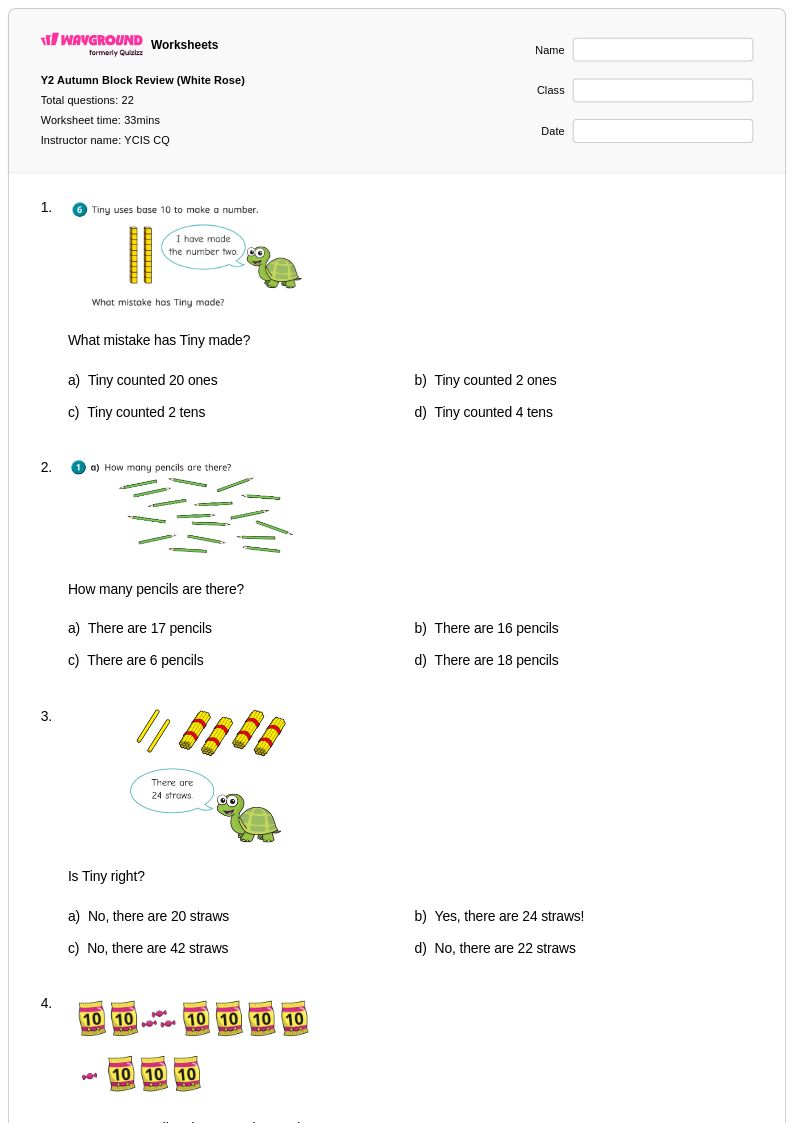
22 Q
2nd
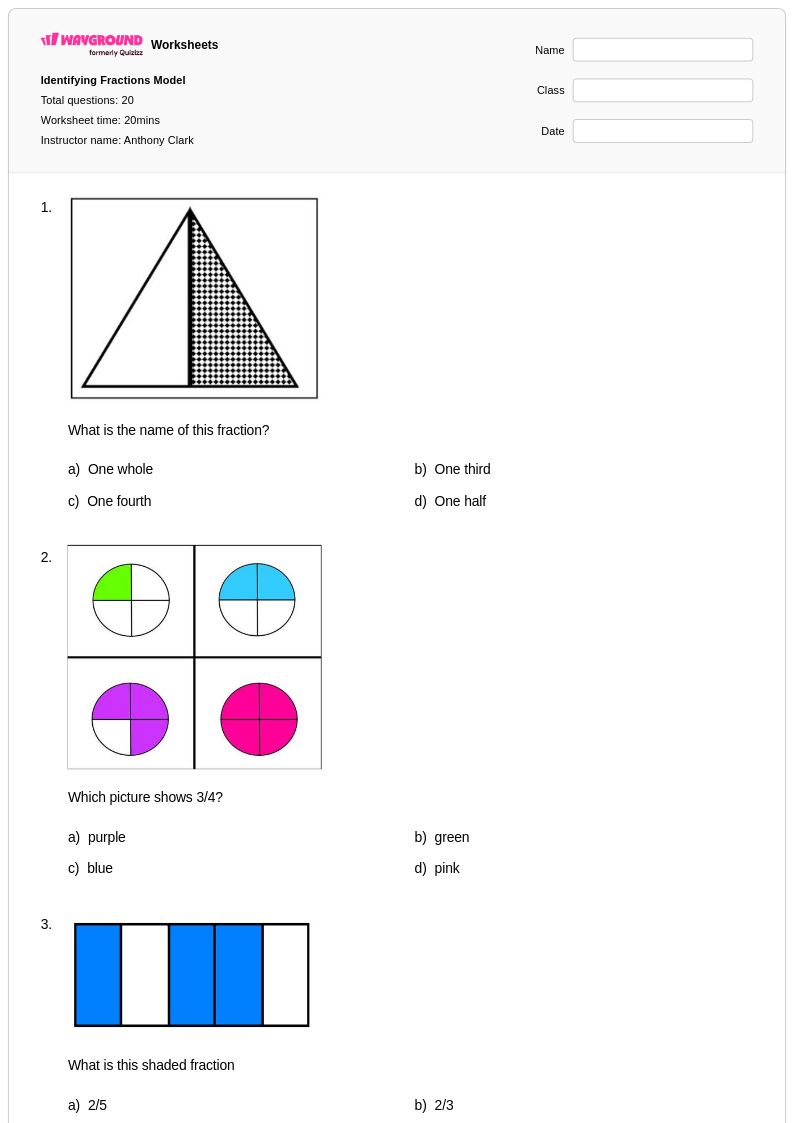
20 Q
4th - Uni
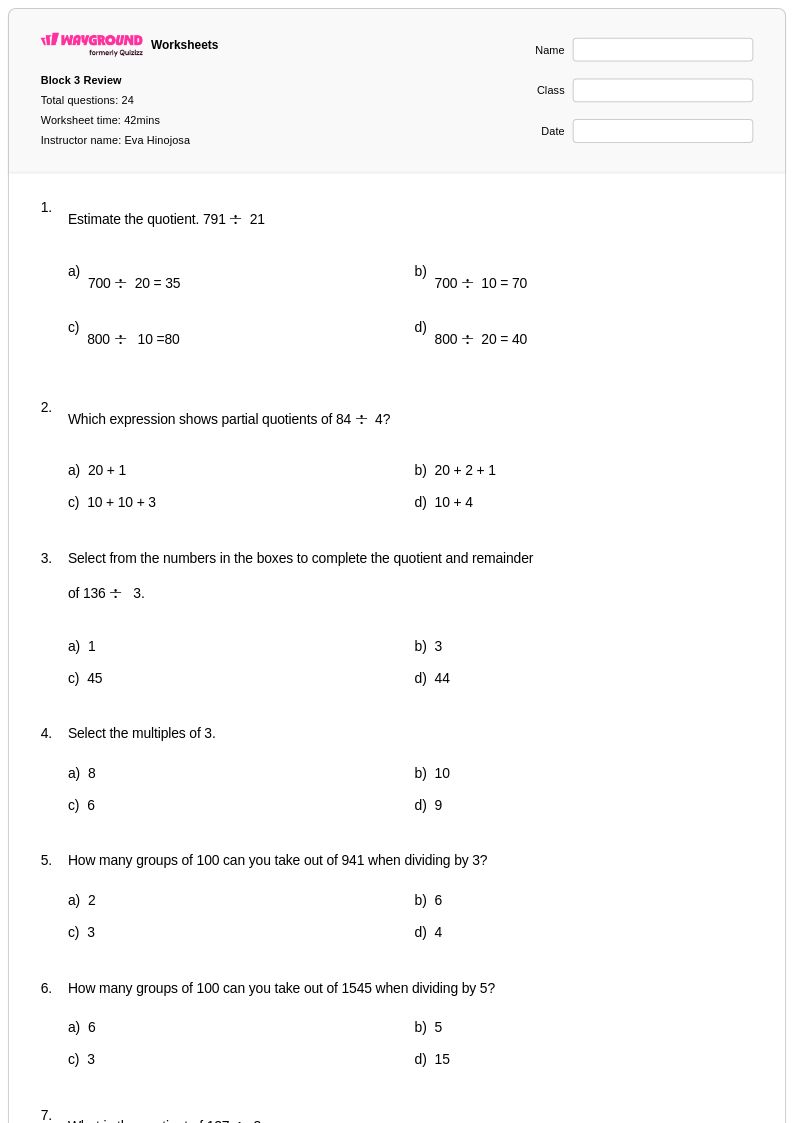
24 Q
4th
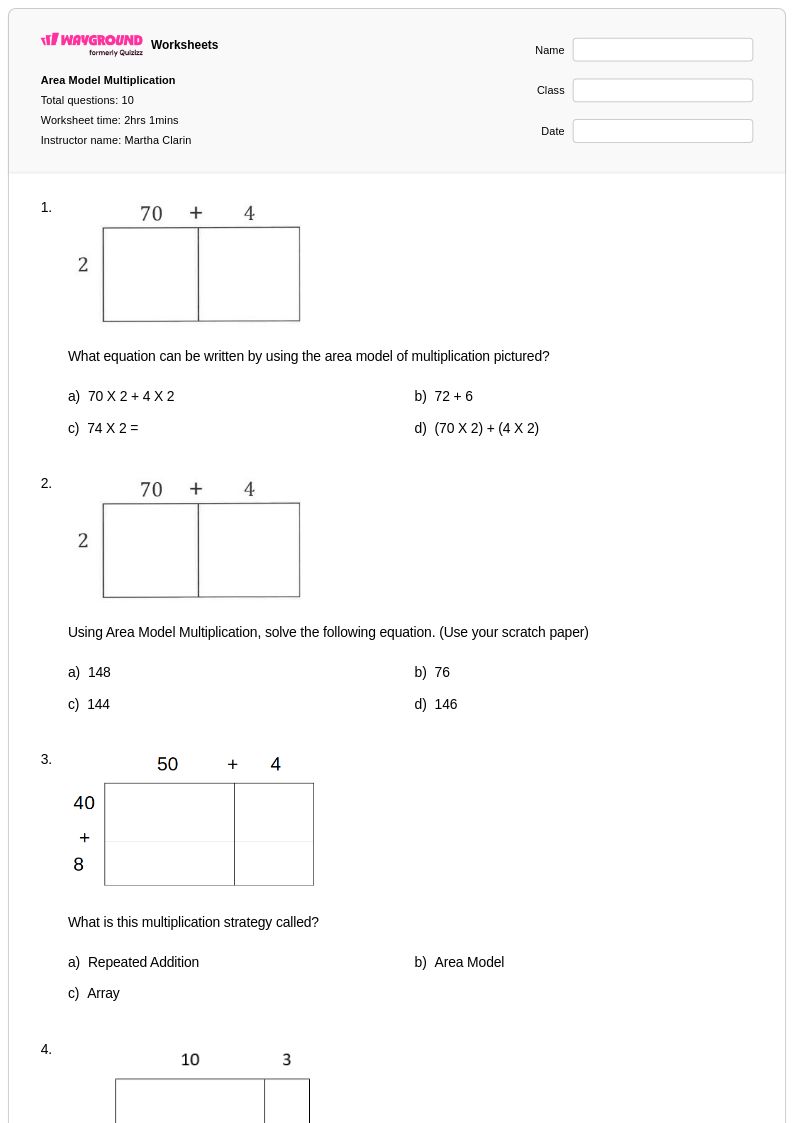
10 Q
4th
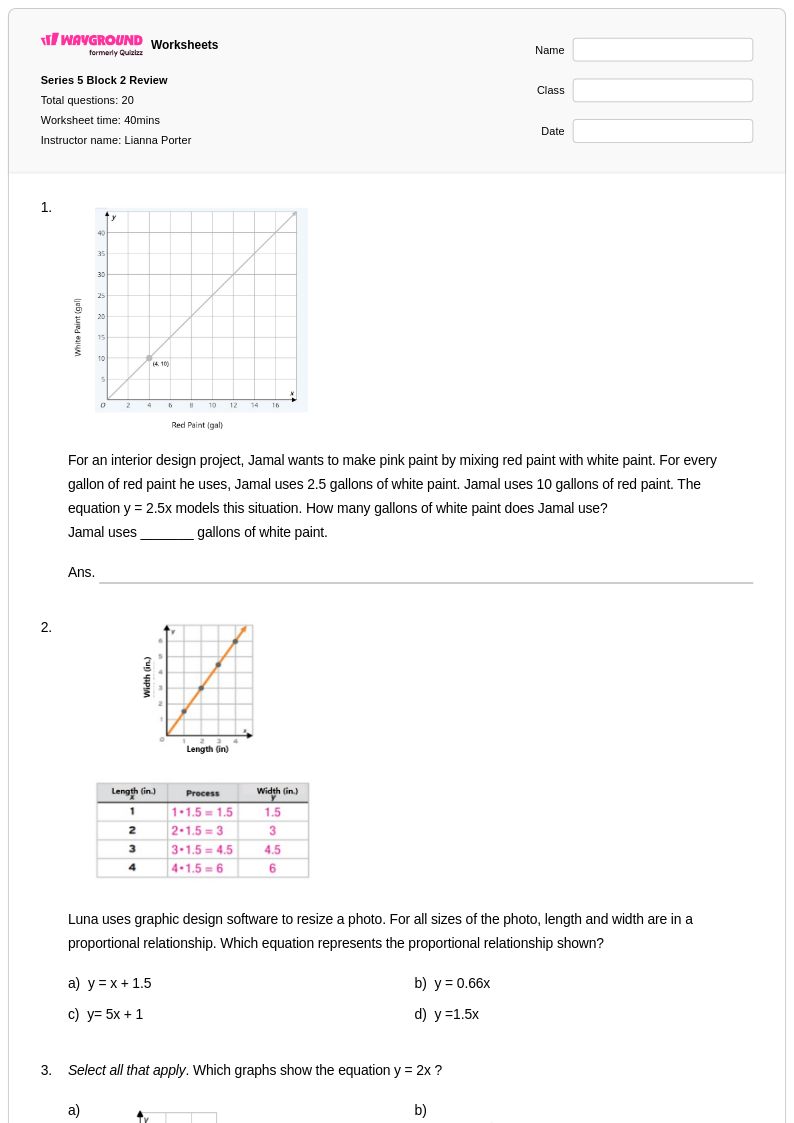
20 Q
7th - 8th
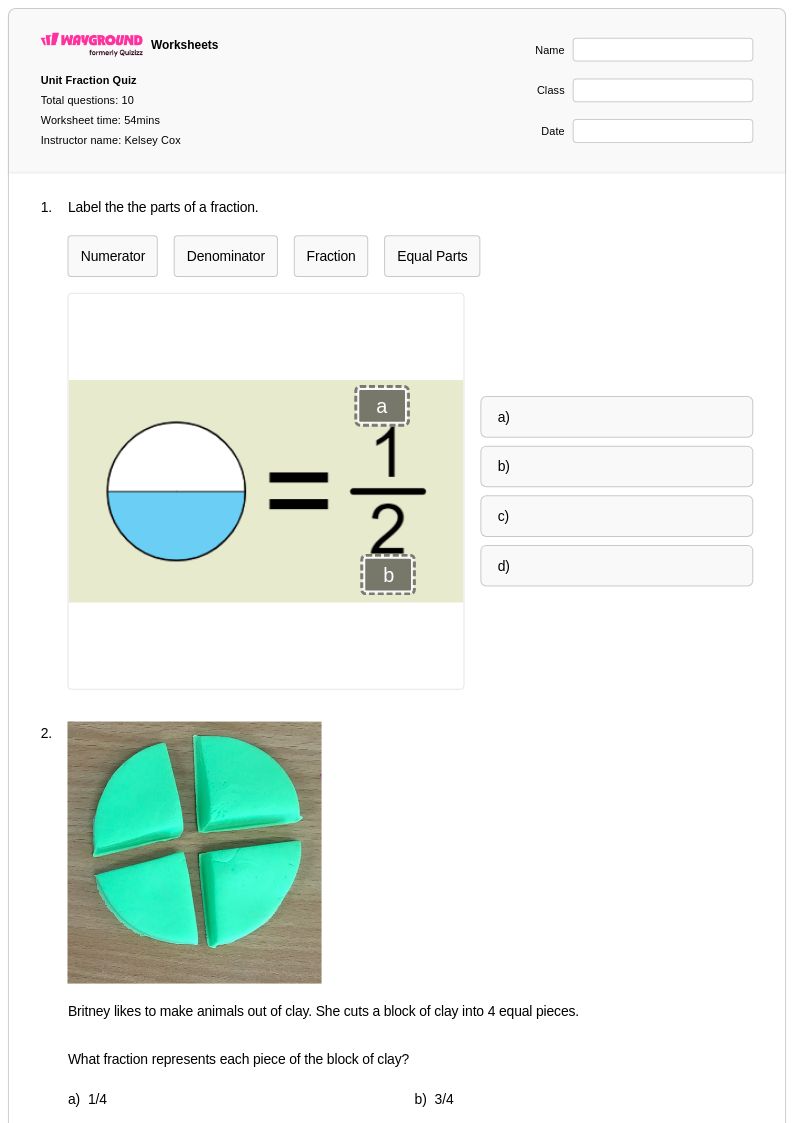
10 Q
3rd
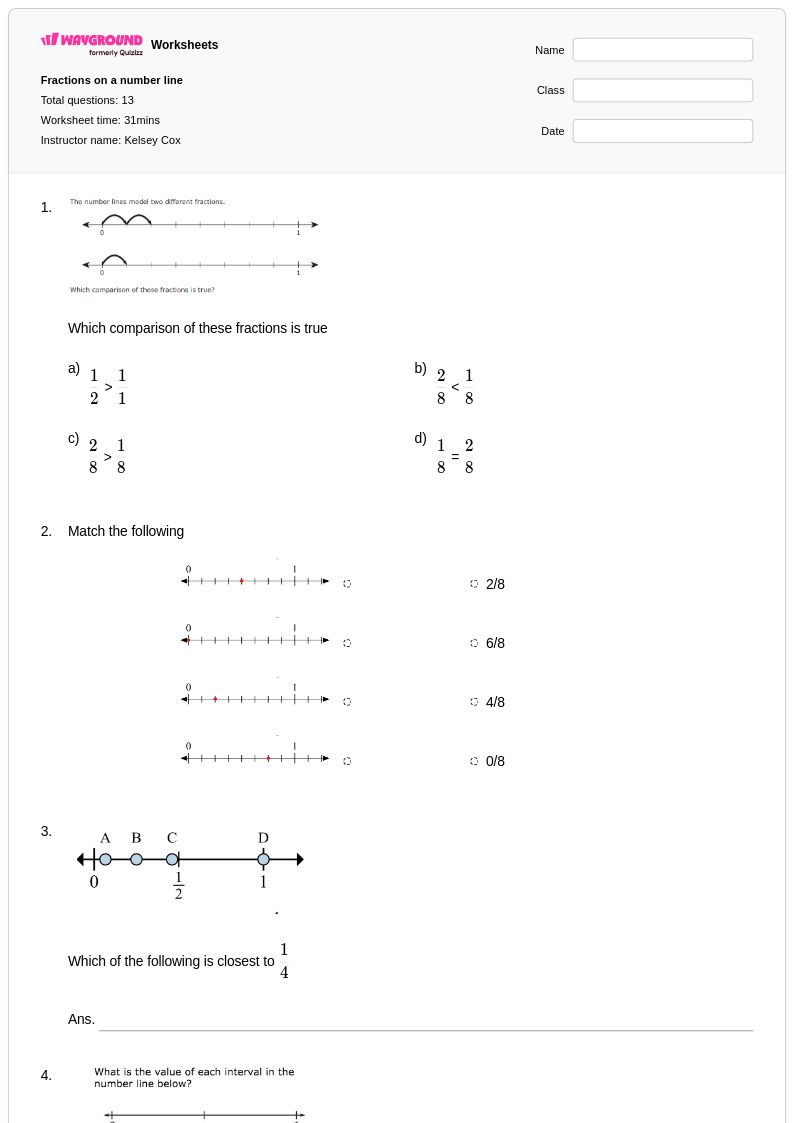
13 Q
3rd
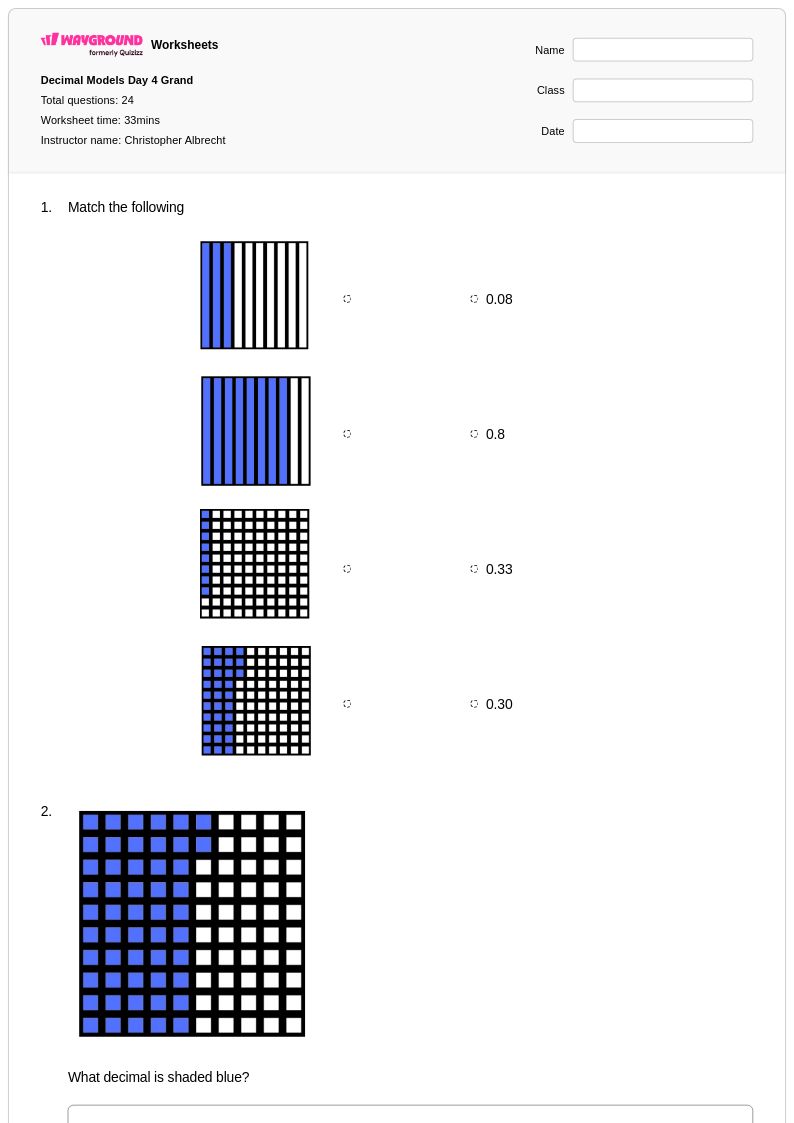
24 Q
4th
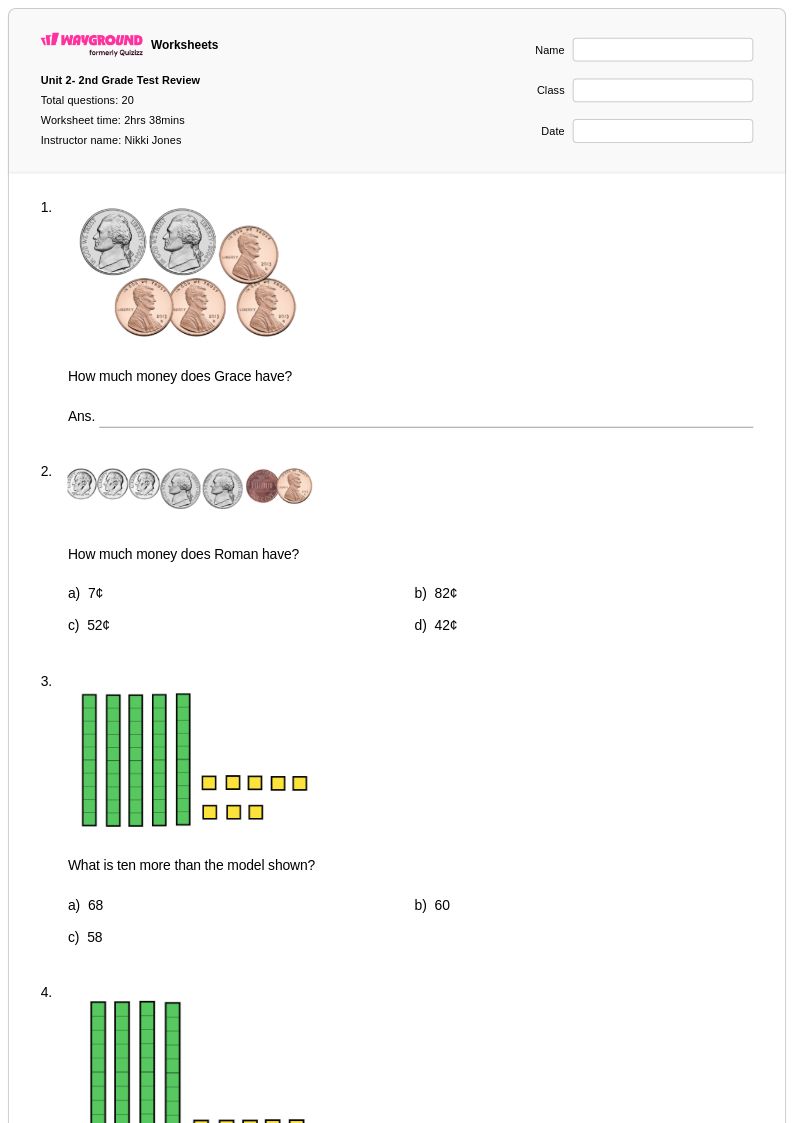
20 Q
2nd
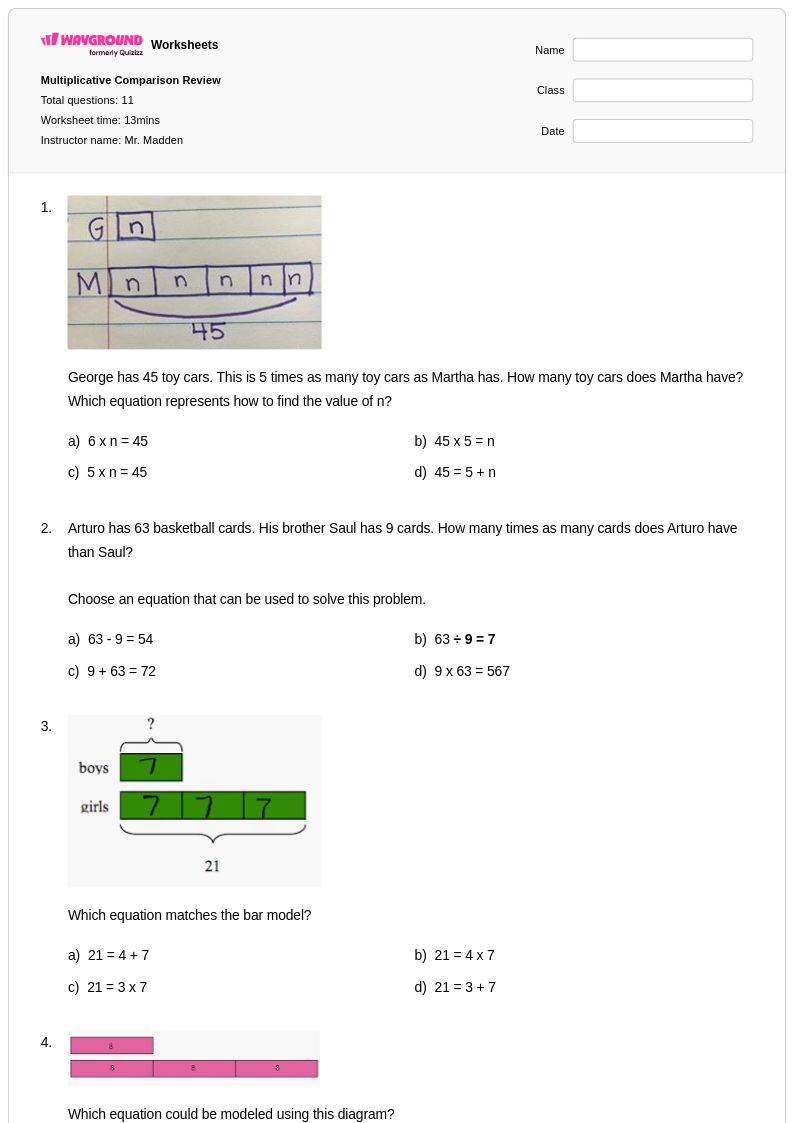
11 Q
4th
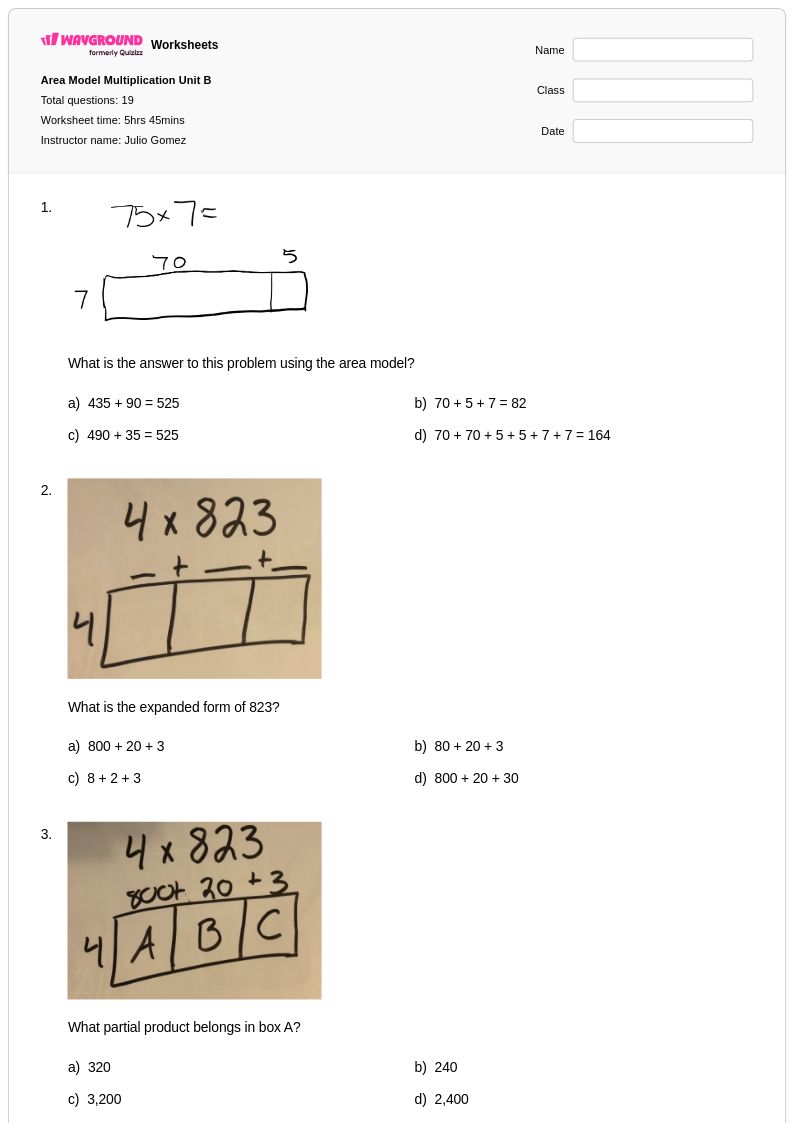
19 Q
4th
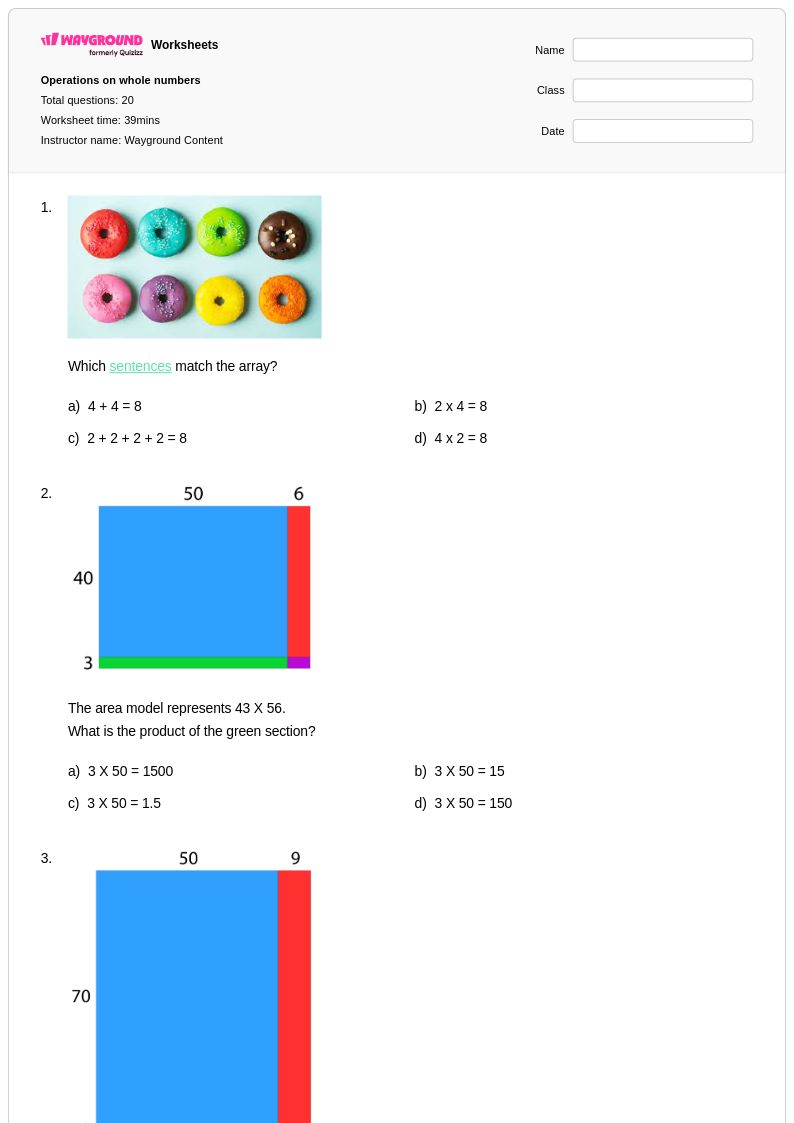
20 Q
4th
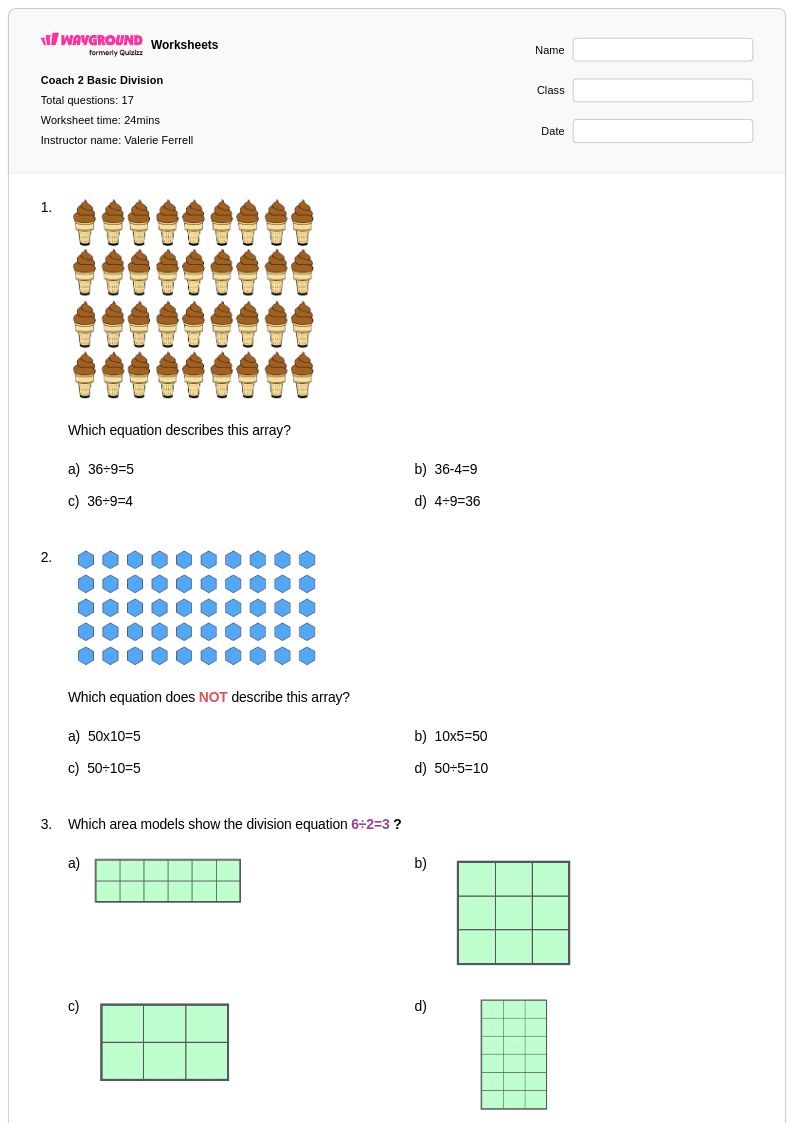
17 Q
3rd
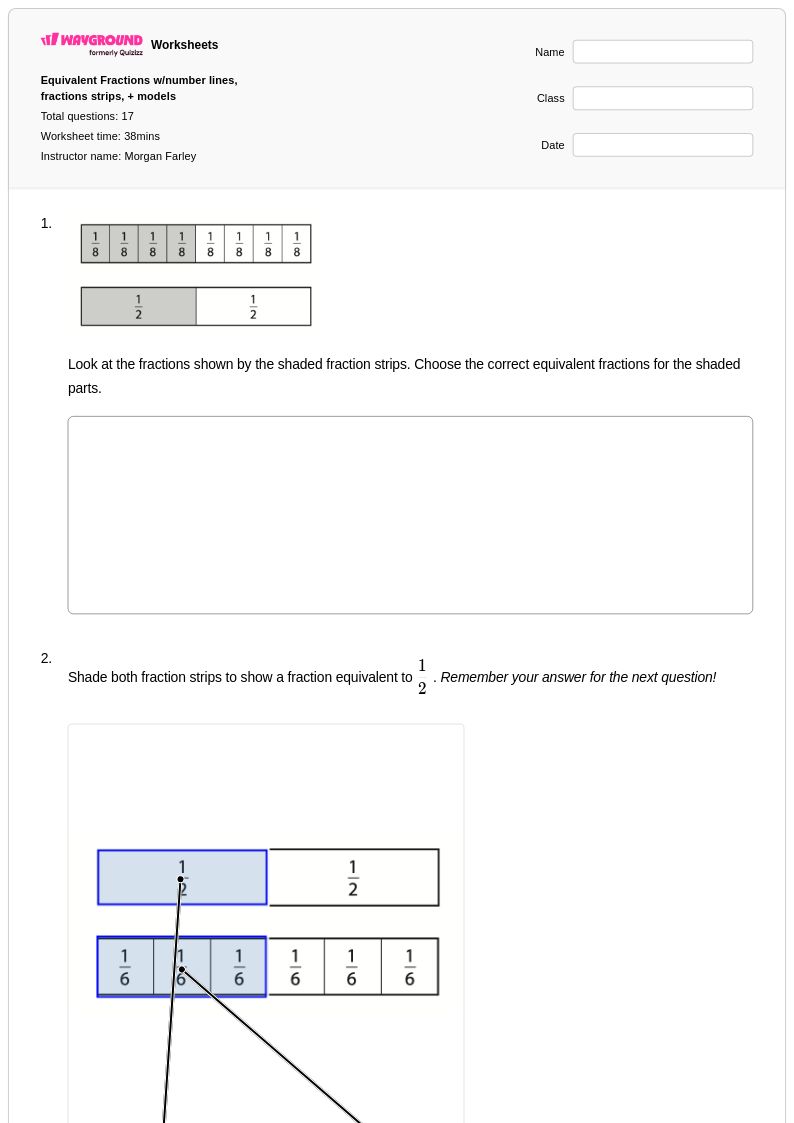
17 Q
3rd
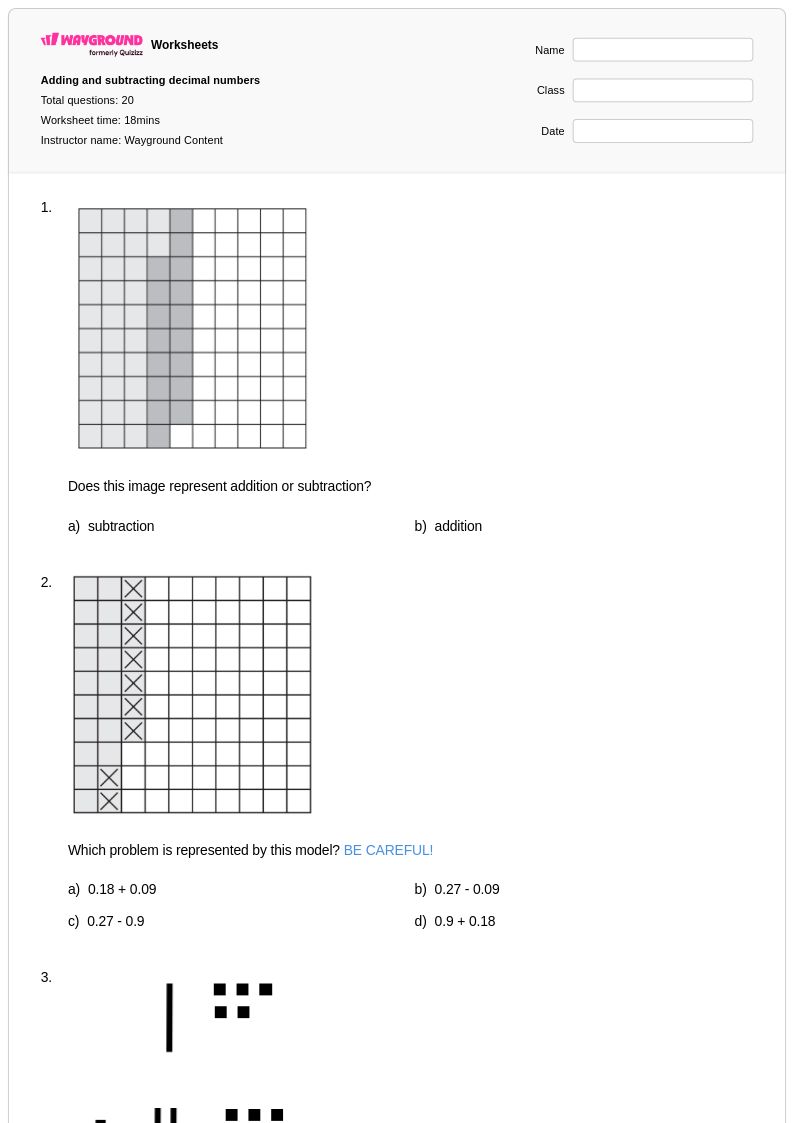
20 Q
5th
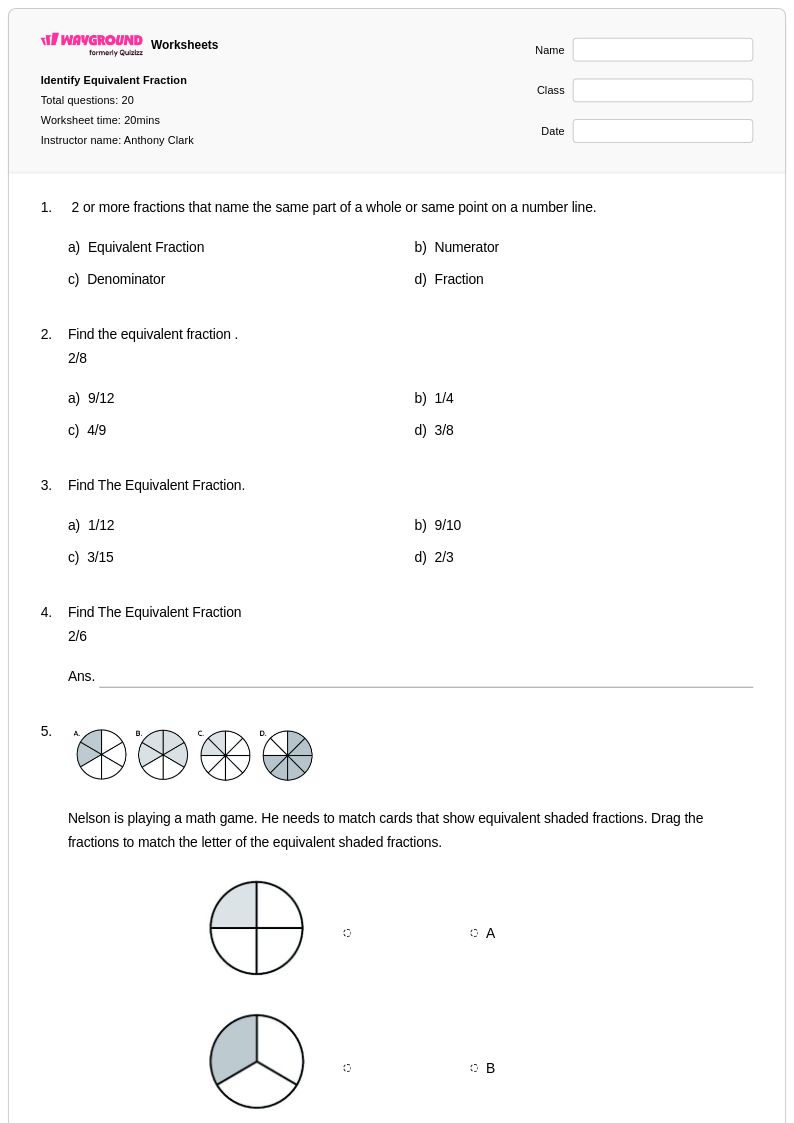
20 Q
3rd - Uni
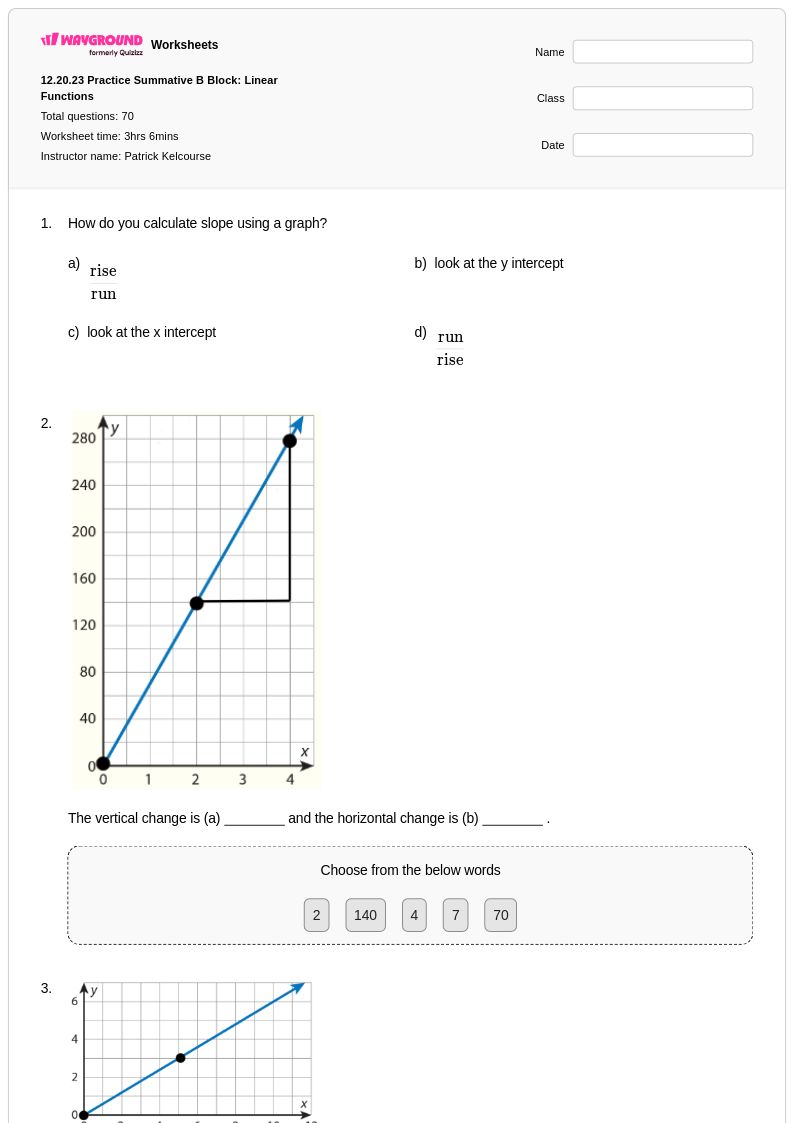
70 Q
12th
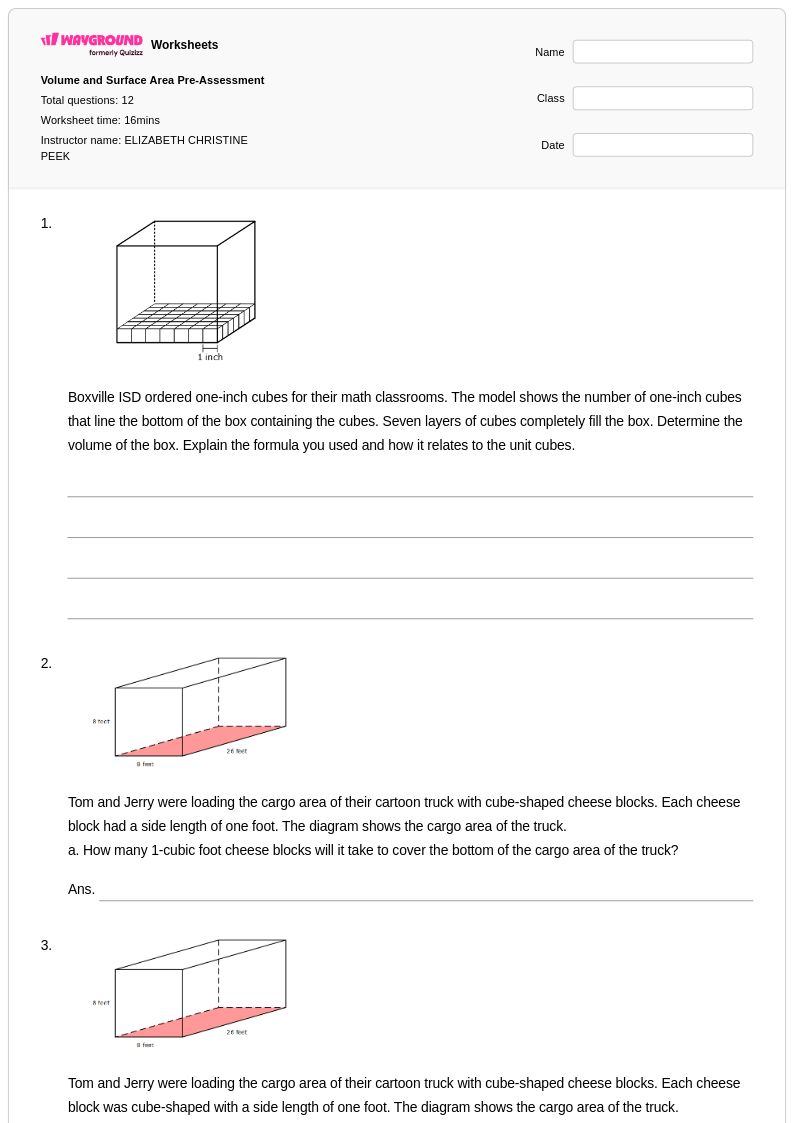
12 Q
7th
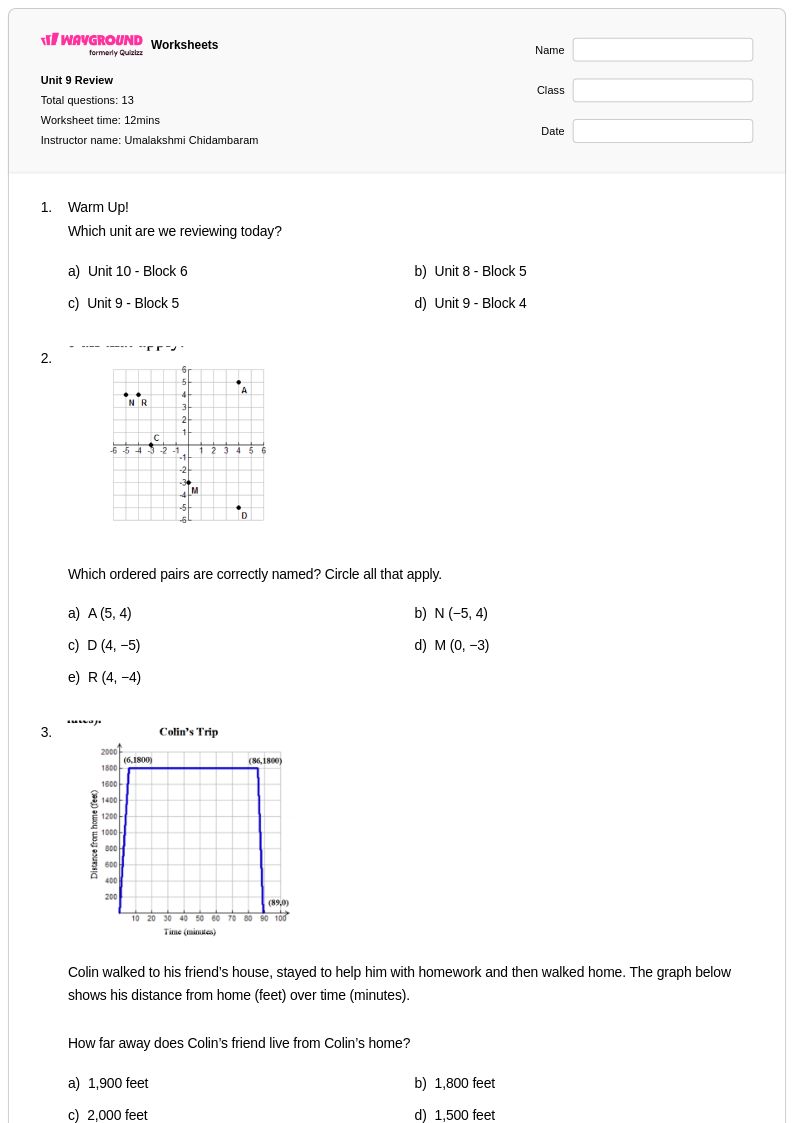
13 Q
5th
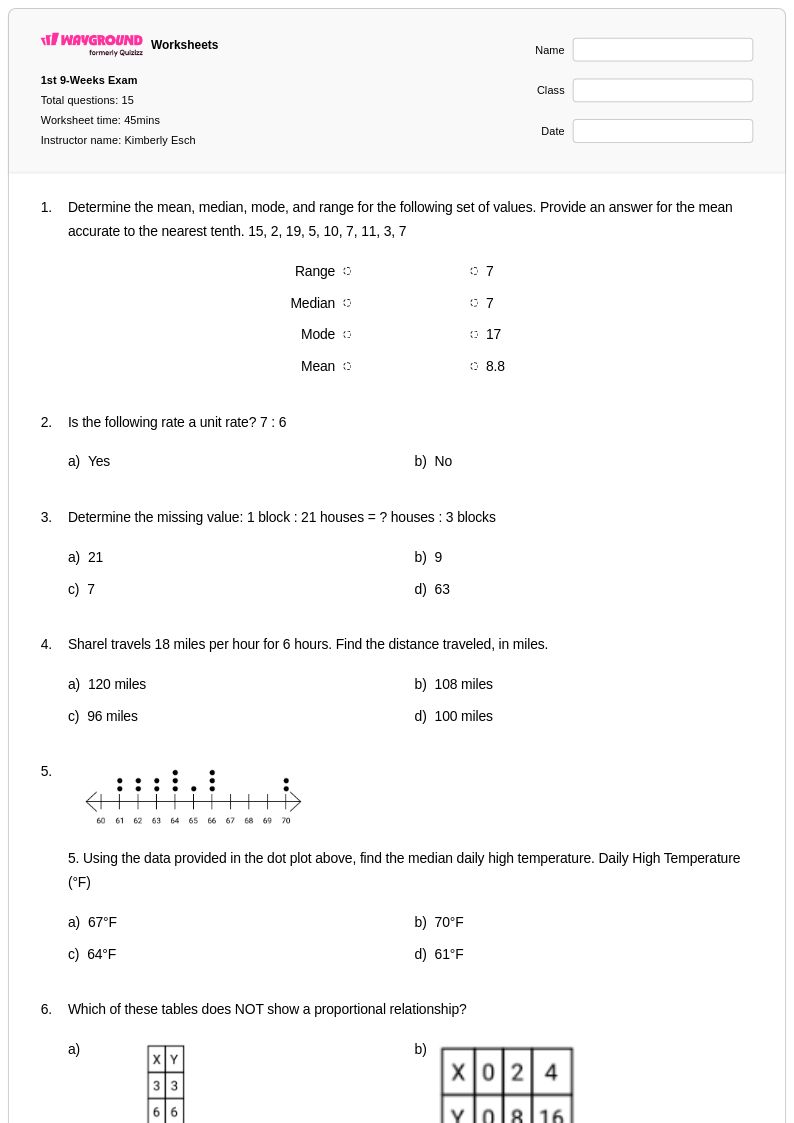
15 Q
7th
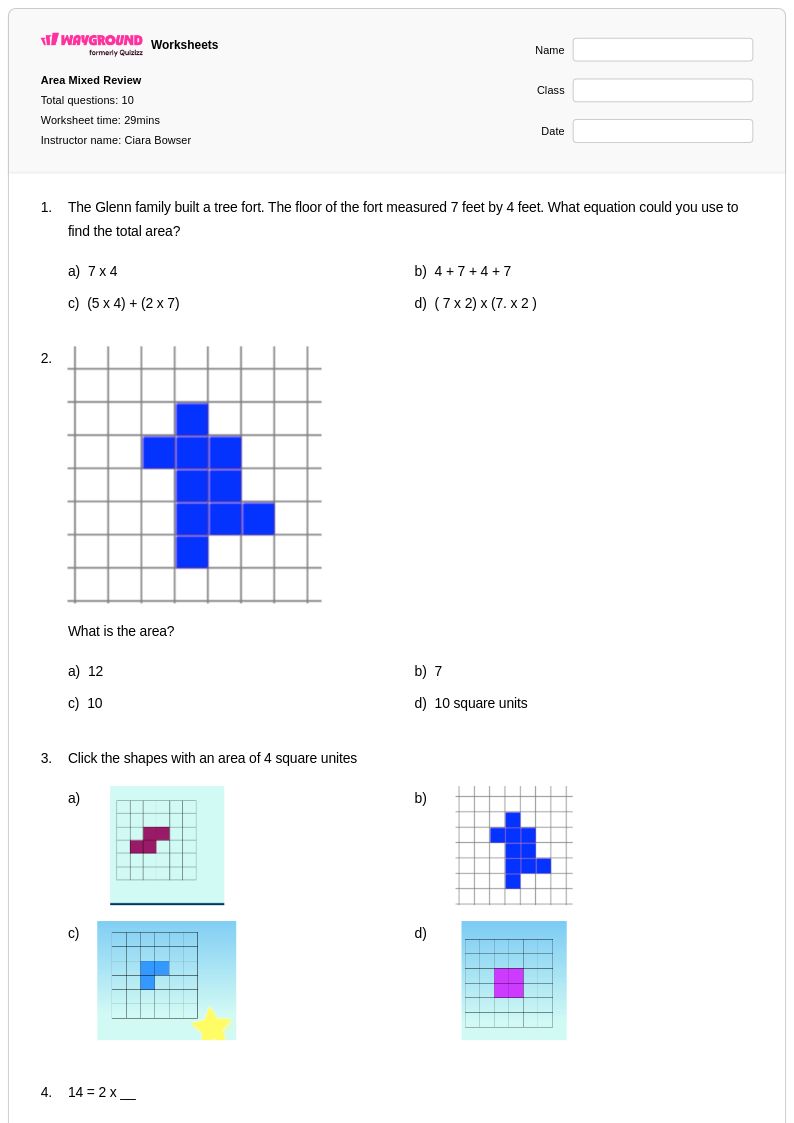
10 Q
3rd
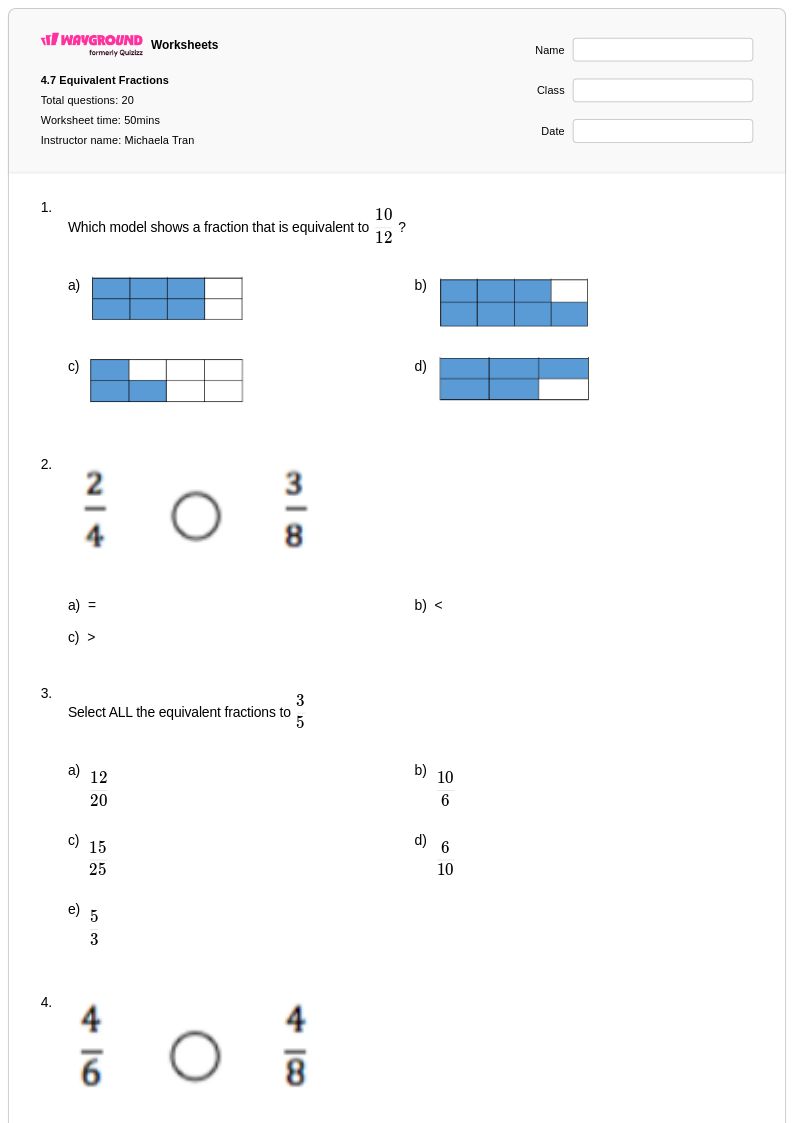
20 Q
4th
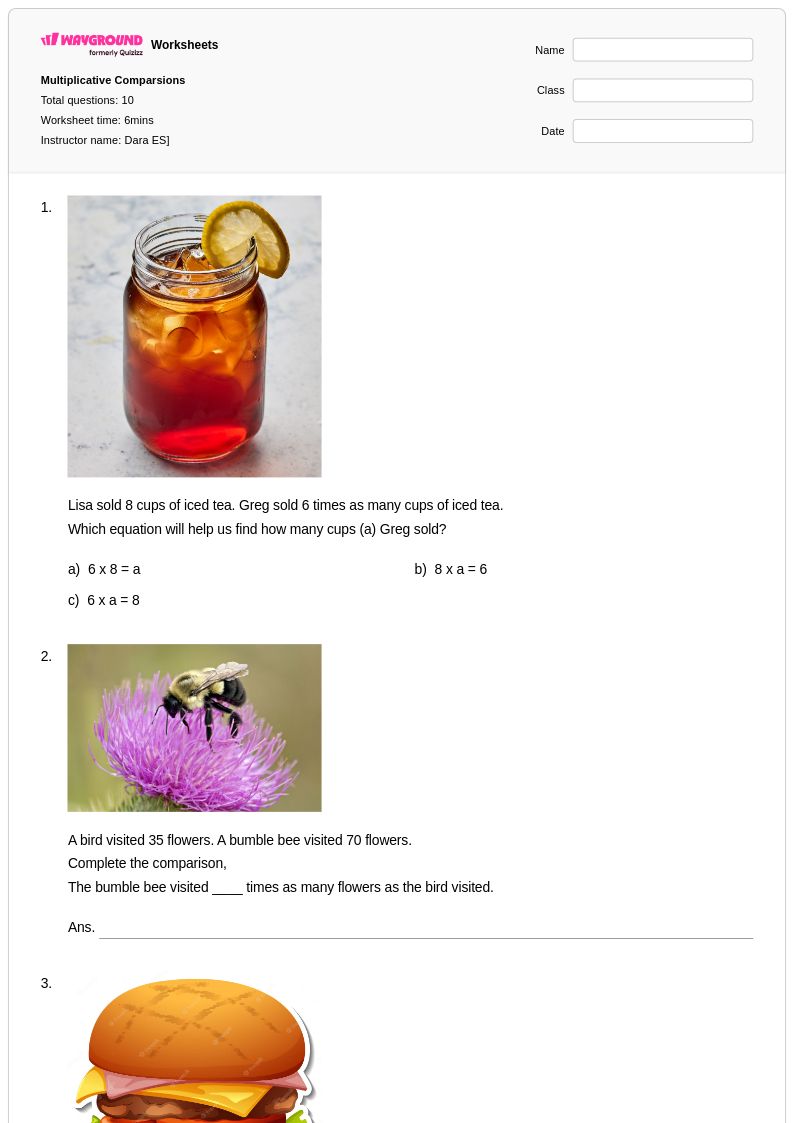
10 Q
4th
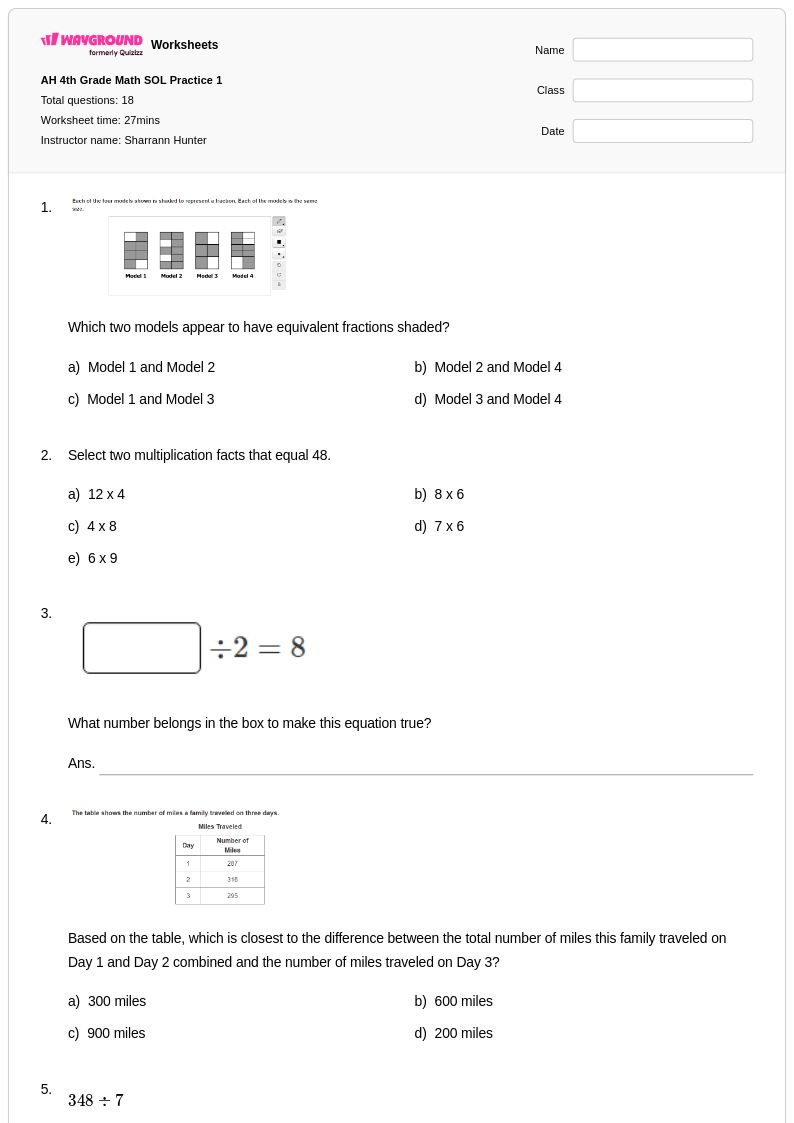
18 Q
4th
Explore Worksheets by Subjects
Explore printable Block Model worksheets
Block Model worksheets available through Wayground (formerly Quizizz) provide students with essential visual representation tools for understanding algebraic concepts through concrete, pictorial models. These comprehensive practice problems utilize rectangular diagrams and area models to help learners break down complex algebraic expressions, factor polynomials, and solve equations by connecting abstract mathematical relationships to tangible visual frameworks. The worksheets strengthen critical thinking skills by encouraging students to represent algebraic operations spatially, making connections between numerical coefficients, variables, and their geometric interpretations. Each printable resource includes detailed answer keys and step-by-step solutions, ensuring students can verify their work and understand the logical progression from visual model to algebraic solution, while teachers can efficiently assess comprehension and identify areas requiring additional support.
Wayground (formerly Quizizz) empowers educators with millions of teacher-created Block Model resources that streamline lesson planning and differentiated instruction across diverse learning needs. The platform's robust search and filtering capabilities allow teachers to quickly locate worksheets aligned with specific curriculum standards, while customization tools enable modification of difficulty levels, problem types, and visual complexity to match individual student abilities. These Block Model collections are available in both printable pdf formats for traditional classroom use and interactive digital versions for technology-enhanced learning environments. Teachers can leverage these resources for targeted skill practice, remediation sessions for struggling learners, and enrichment activities for advanced students, creating a comprehensive support system that addresses the full spectrum of algebraic understanding through visual modeling techniques.
FAQs
How do I teach algebra with block models?
What exercises help students practice block models?
What mistakes do students make when using block models for algebra?
How can I use a Block Model worksheet from Wayground?
How do block models fit into the Common Core math progression?
How can I differentiate Block Model worksheets for mixed-ability classes?